
Coral Island Bandos - Maldives
Coral Polyps — The Tiny Animal Architects of Coral Islands
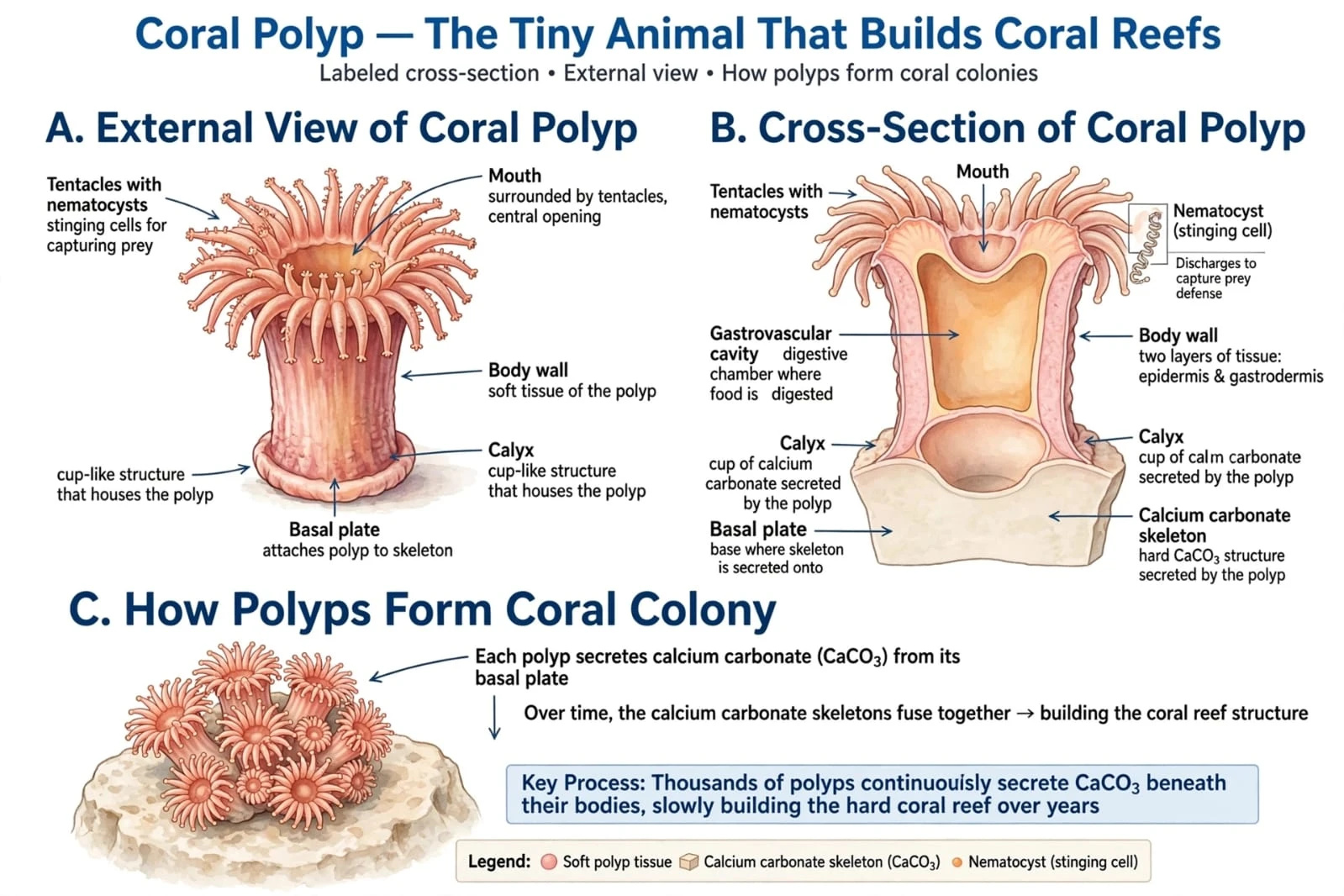
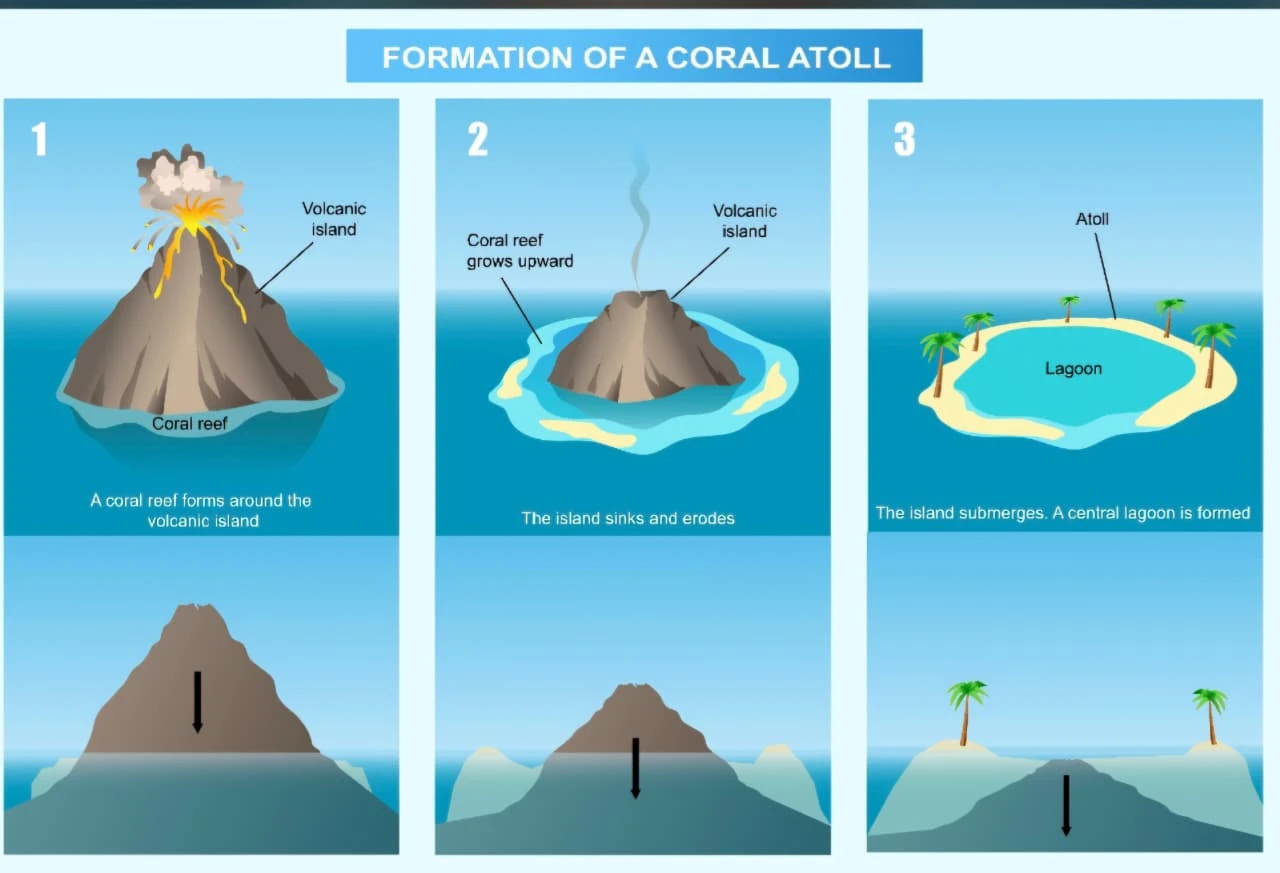
Coral islands begin with tiny coral polyps—small marine animals related to jellyfish and sea anemones. Living together in colonies, these polyps secrete hard calcium-carbonate skeletons that accumulate over thousands of years. As new generations grow on the remains of older corals, massive reef structures gradually build upward and outward. Around volcanic islands, these reefs may eventually form a ring-shaped atoll, enclosing a lagoon; when the original island disappears beneath the sea, the coral reef and accumulated sand and debris can remain as a low-lying coral island.
Bandos Island – A Tropical Escape in the Maldives
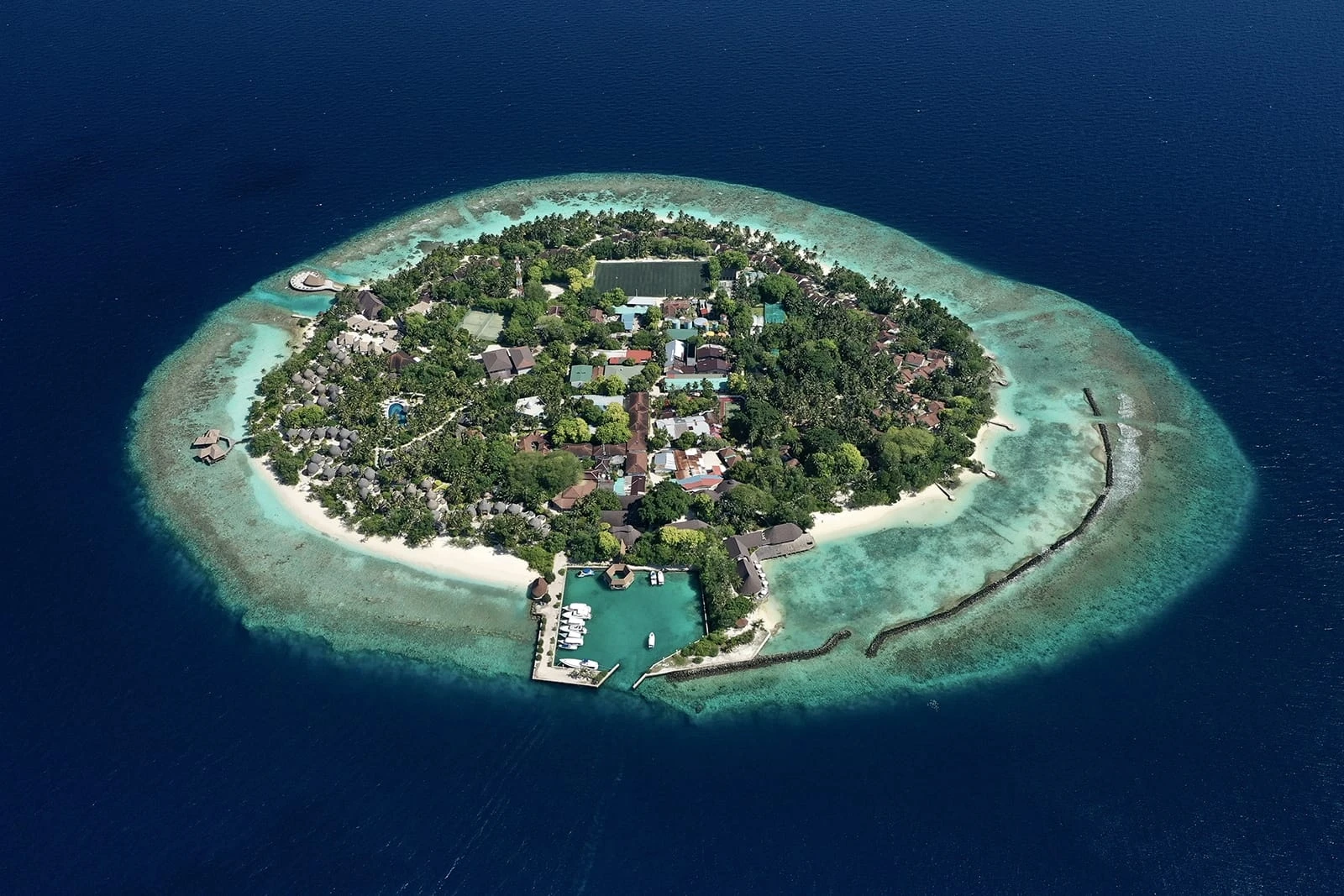
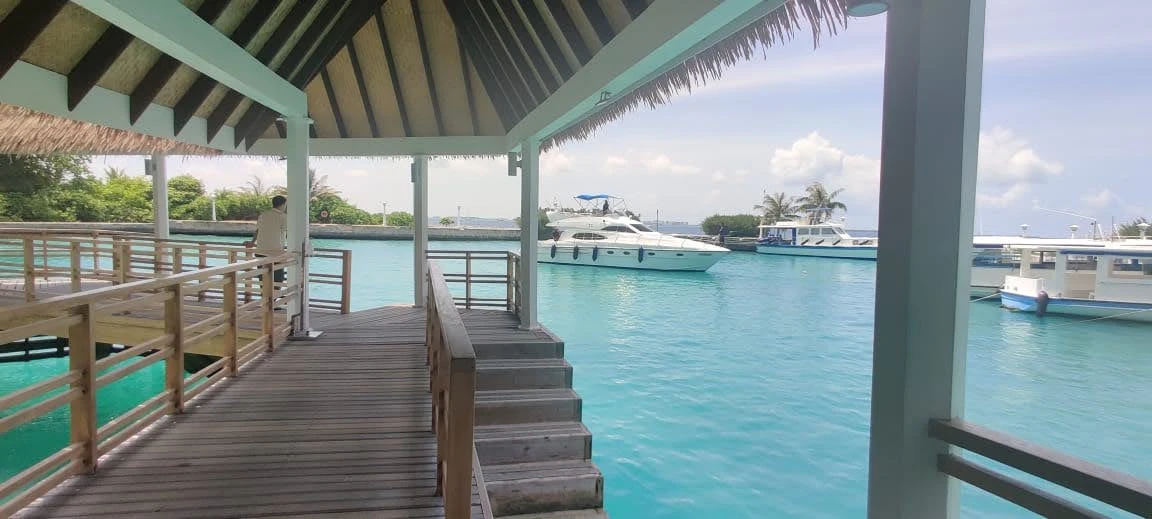
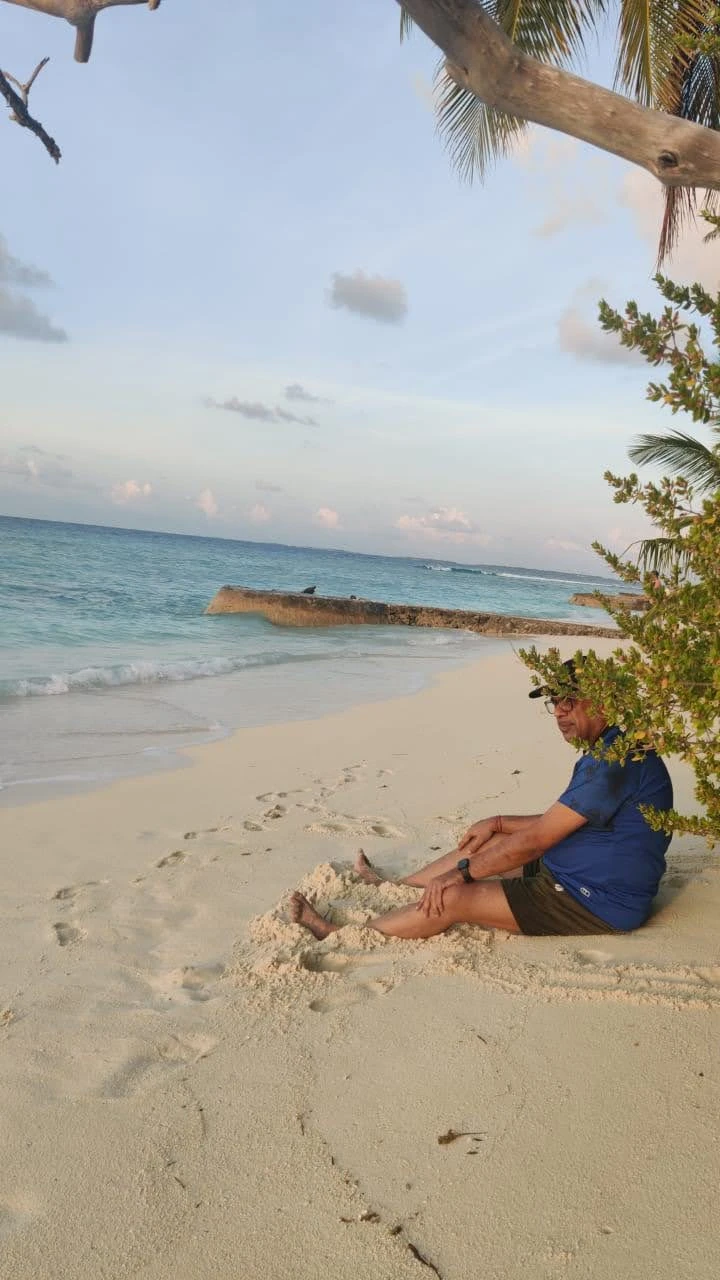
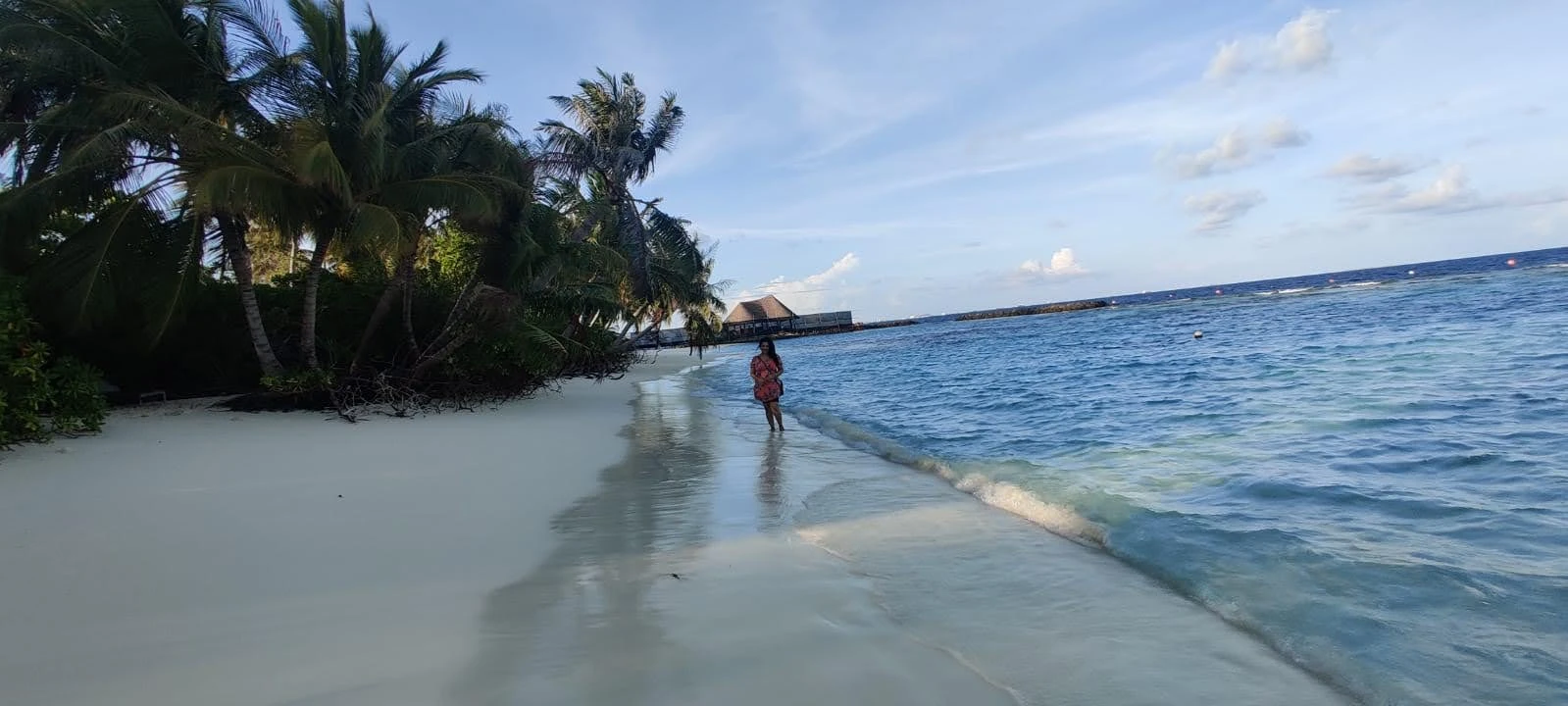
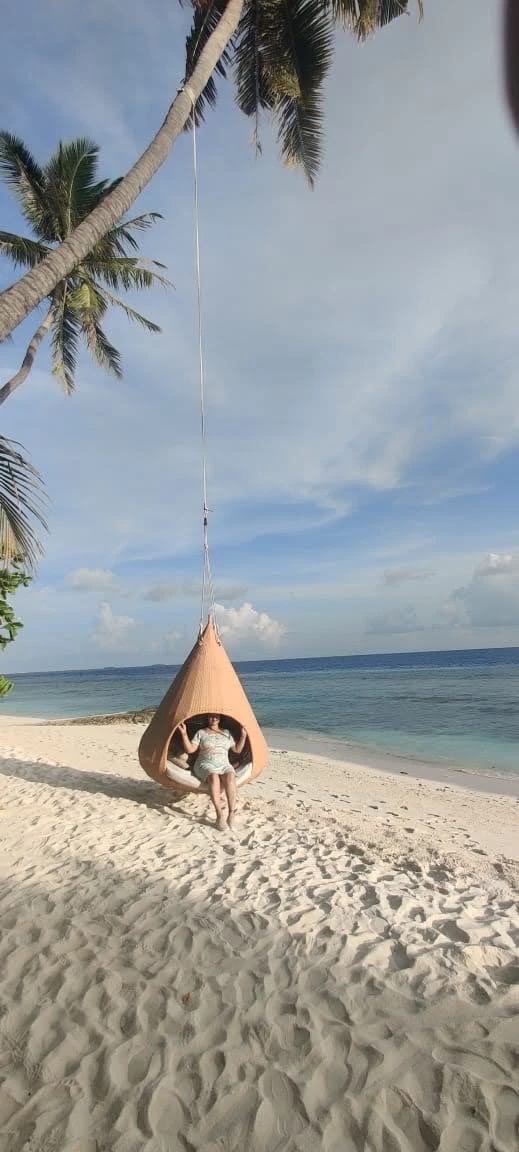
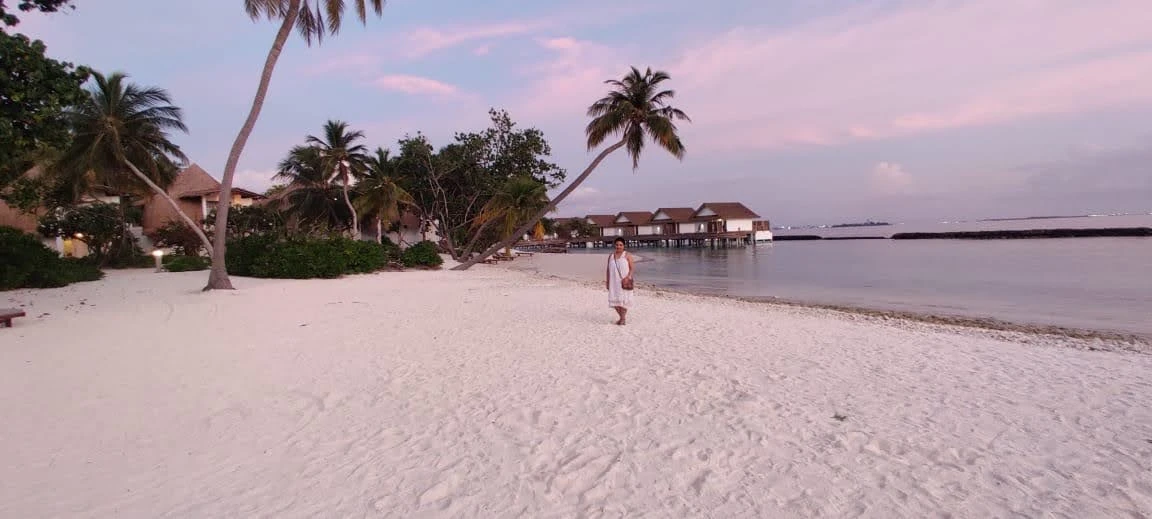
Bandos Island was our introduction to the timeless beauty of the Maldives, and it did not disappoint. Nestled amidst the turquoise waters of the North Malé Atoll, the island is fringed with powdery white beaches, coconut palms, and coral reefs. The crystal-clear lagoon, with its ever-changing shades of blue, created the perfect setting to unwind and simply soak in the serenity of island life.
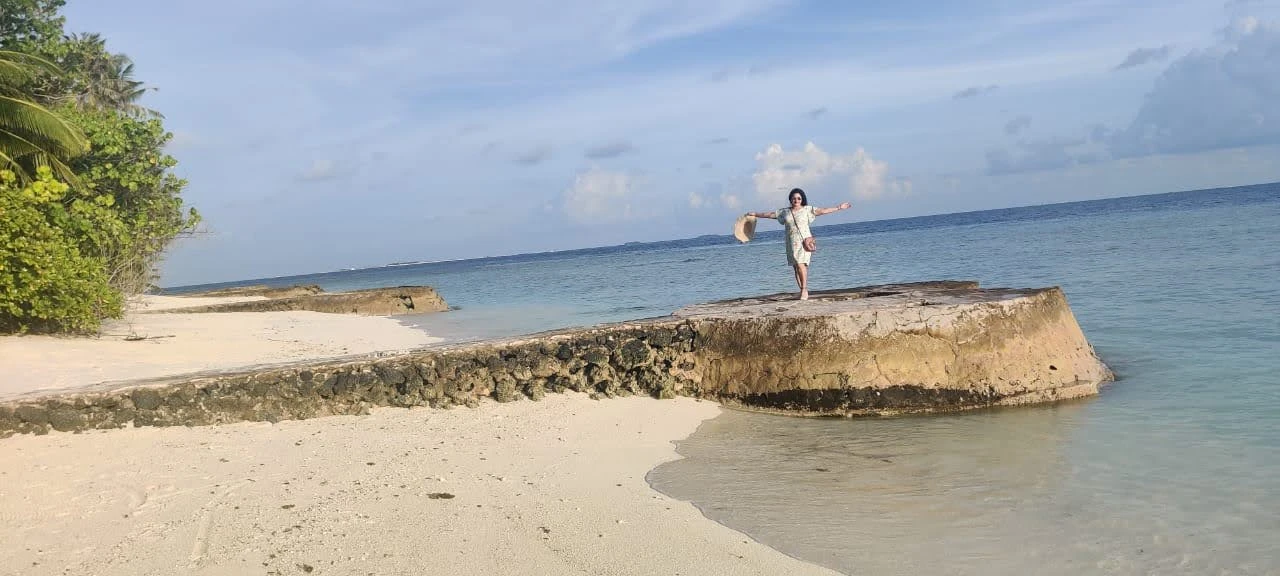
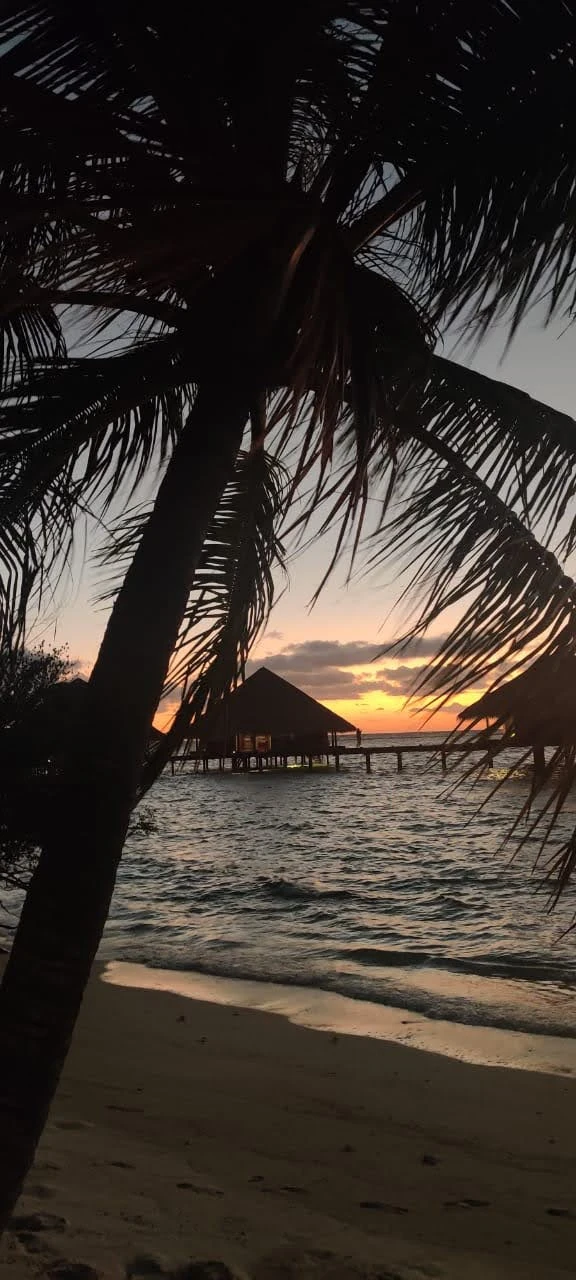
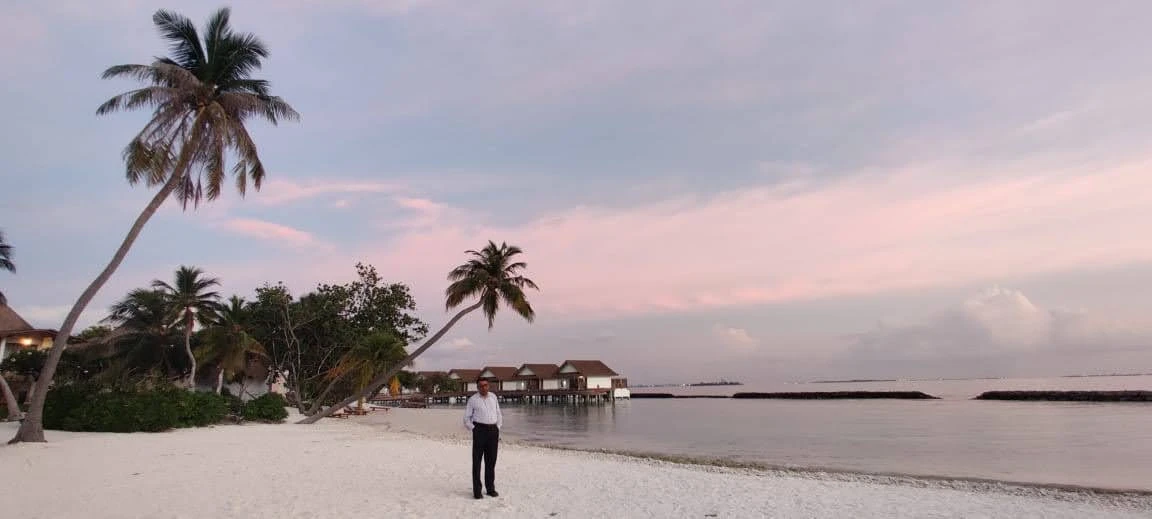
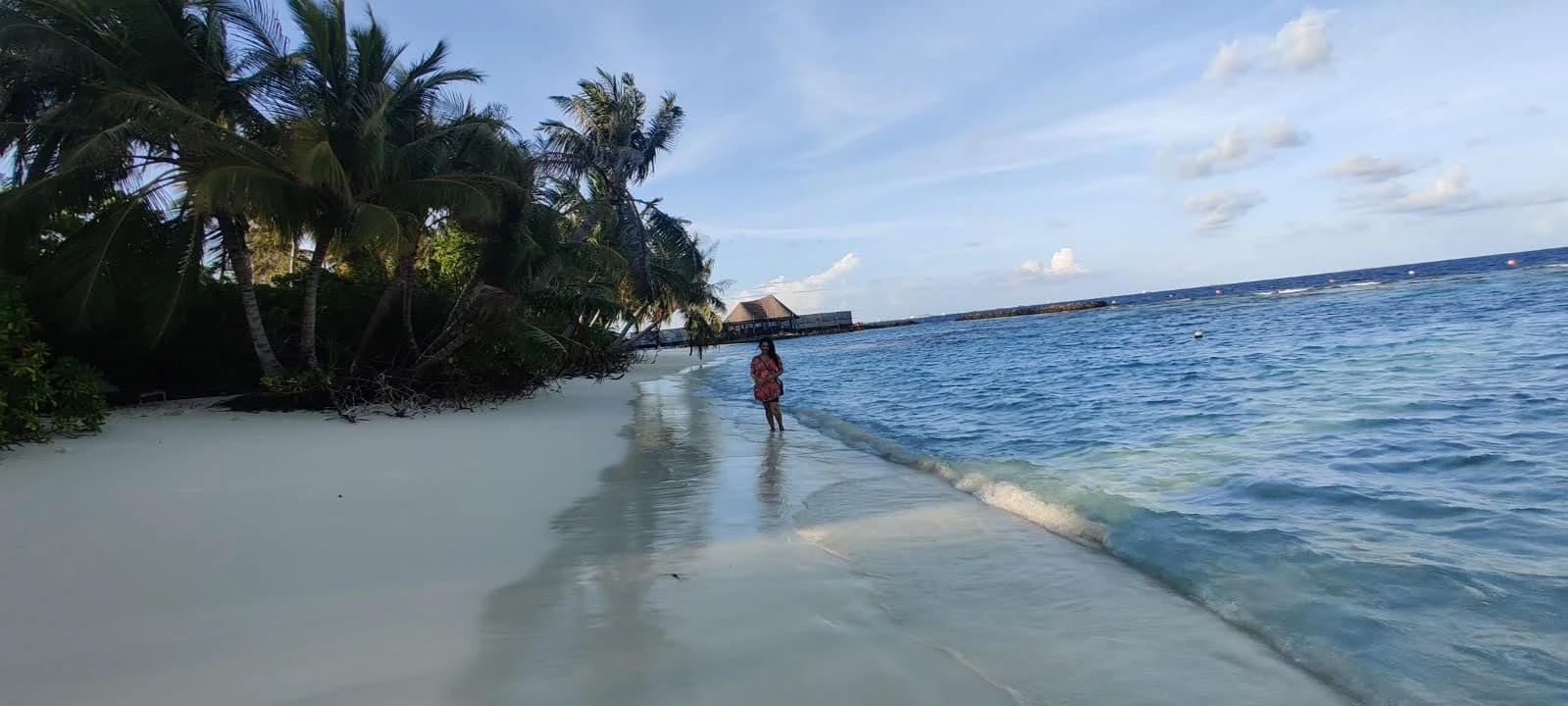
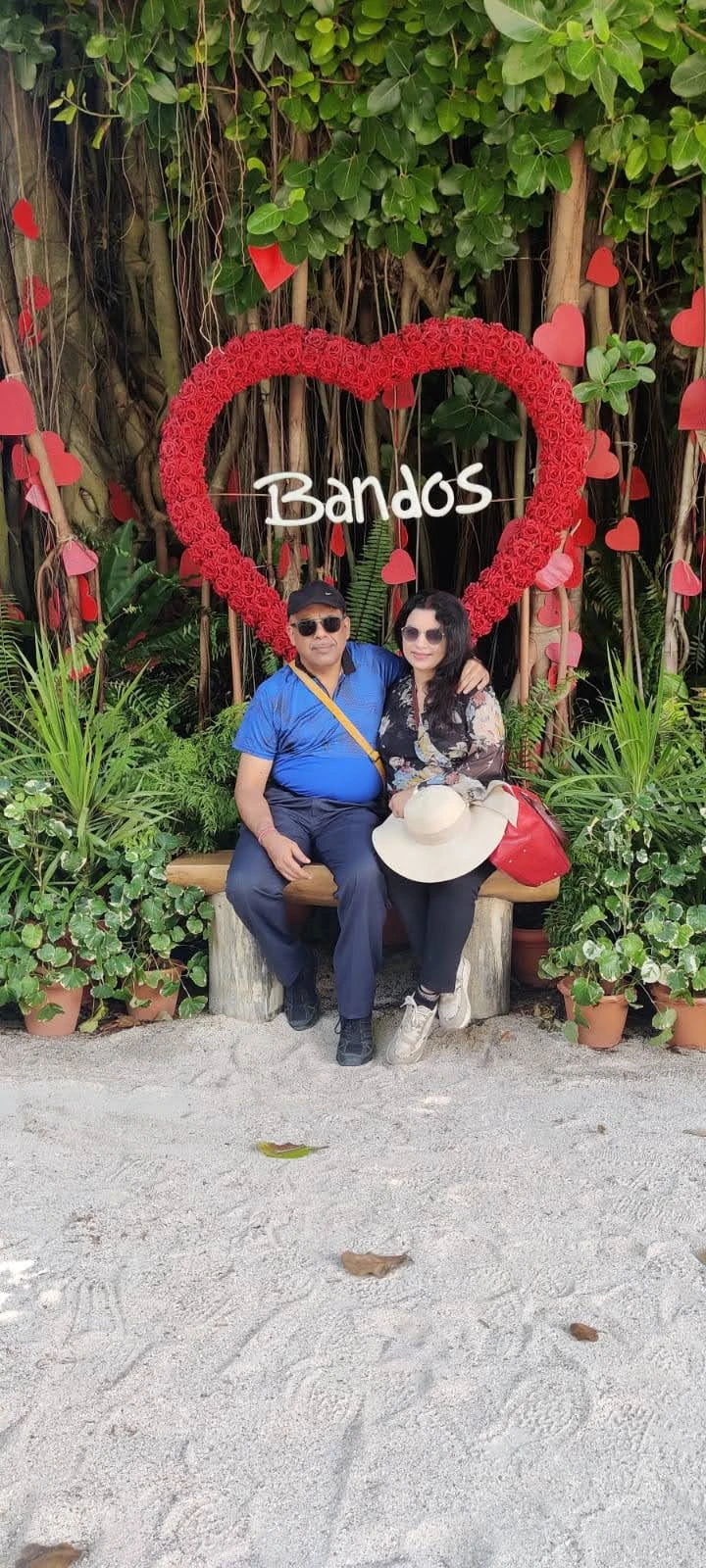
Maldives Bandos - Fine balance between natural beauty and modern comfort.
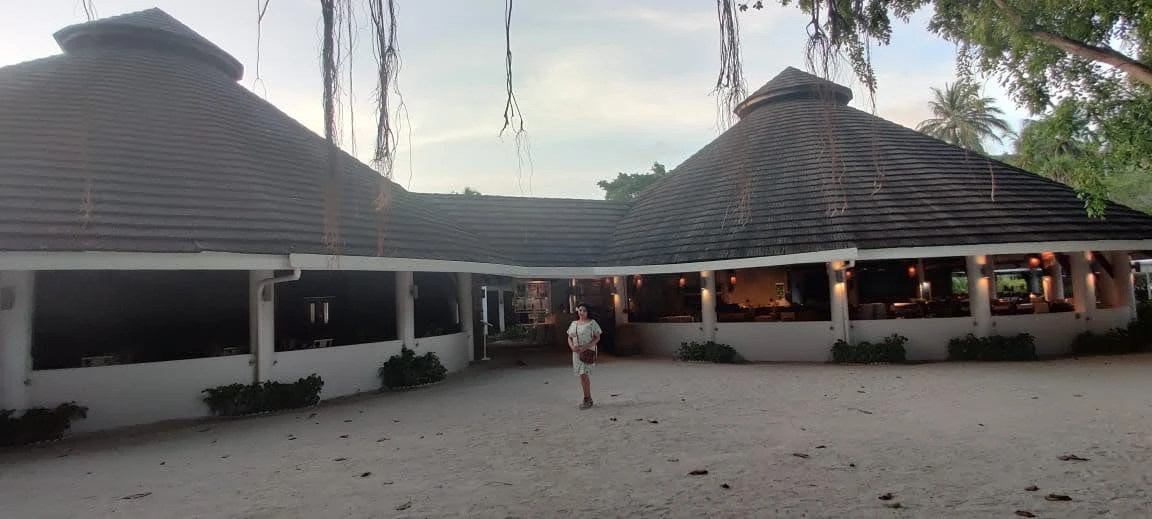
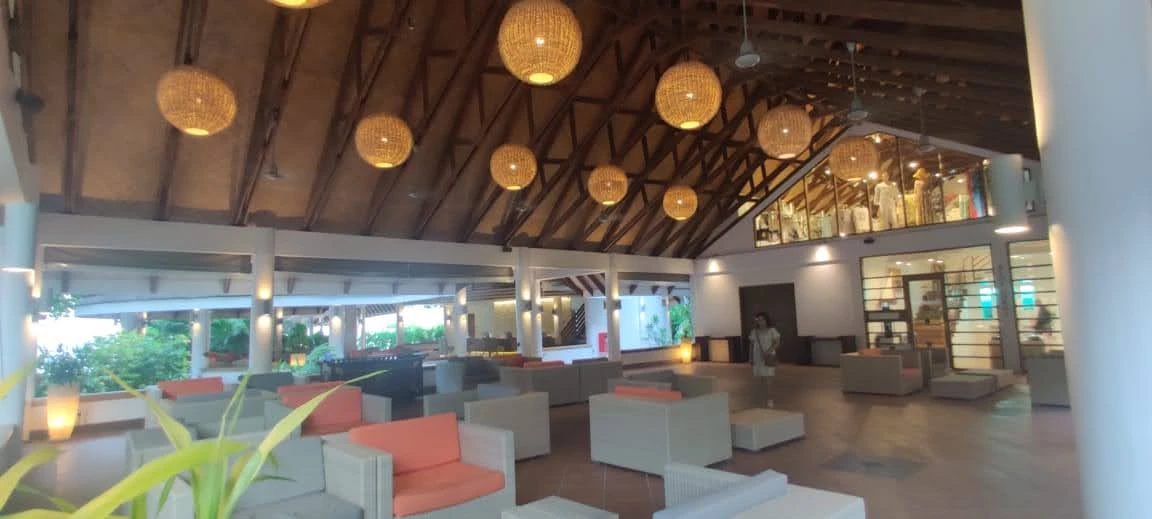
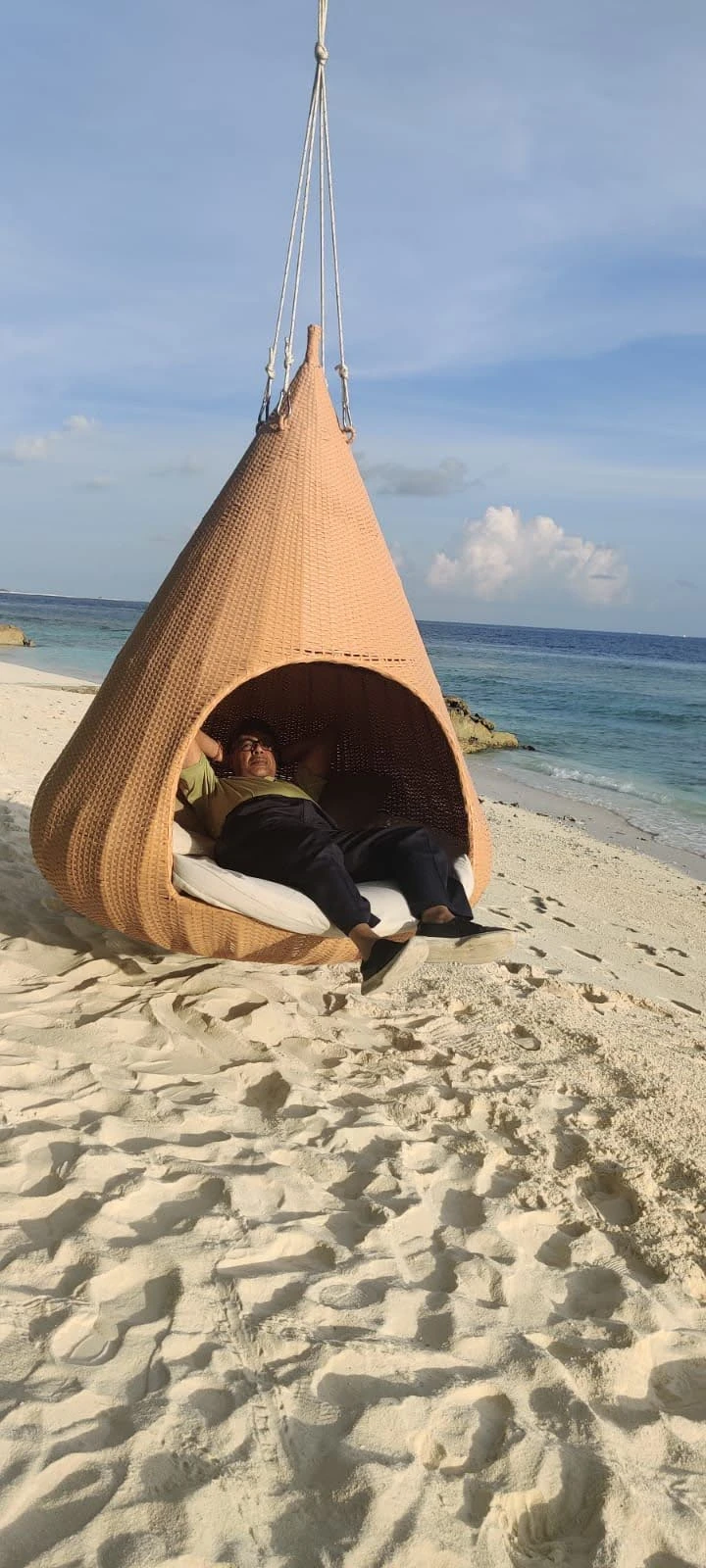
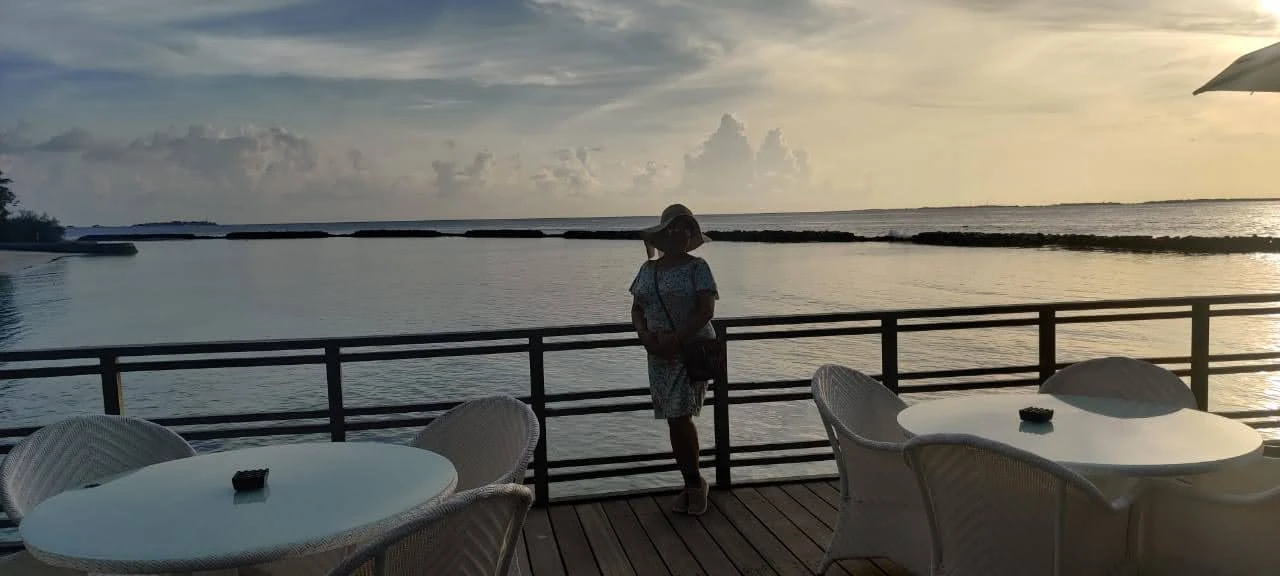
The island strikes a fine balance between natural beauty and modern comforts. Our beachfront accommodation was just a short stroll from the sea, allowing us to wake up to the gentle sound of waves each morning. Whether it was relaxing on the beach, snorkelling over colourful coral gardens, or watching the sunset paint the sky in brilliant hues, every moment felt unhurried and refreshing.
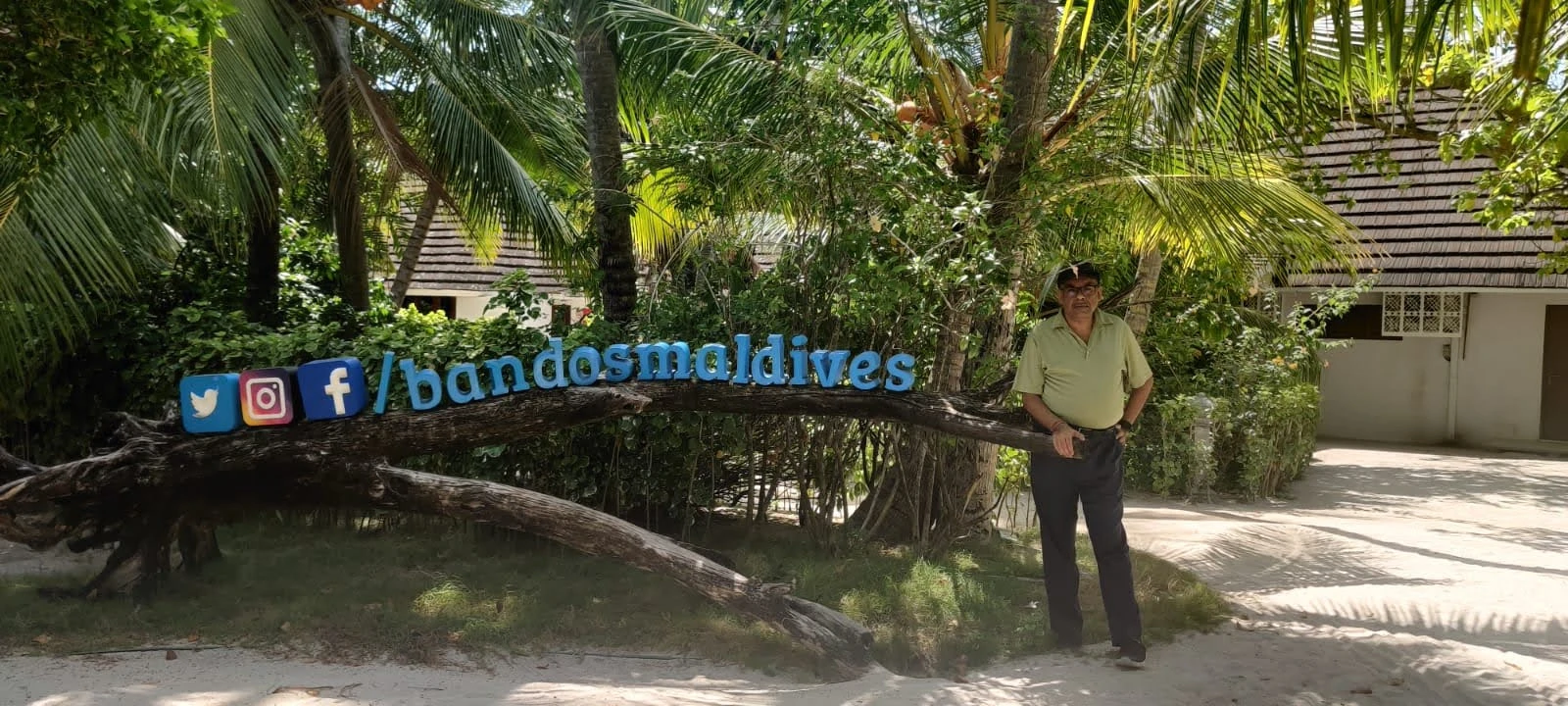
Maldives Bandos - A classical Maldivian island experience
What impressed me most about Bandos was its peaceful atmosphere and warm hospitality. Despite being only a short speedboat ride from Malé, it feels wonderfully secluded. For anyone seeking a classic Maldivian island experience without sacrificing comfort, Bandos offers an ideal blend of nature, relaxation, and adventure, making it a destination I would happily return to.
Giving the Reef a Helping Hand
During our stay at Bandos, we were struck by the beauty of its turquoise waters and coral reefs. Yet, this underwater paradise faces growing threats from rising sea temperatures and coral bleaching. We learnt about Bandos's coral-gardening initiative, launched in 2016, which nurtures fragments of broken coral in underwater nurseries, with visitors also able to participate. It was heartening to see a resort taking steps to protect the very natural heritage that attracts travellers to its shores. It reminded us that tourism can do more than enjoy nature; it can also help preserve it for generations to come.
Malé — A Coral Island in the Indian Ocean
A Day Trip from Bandos
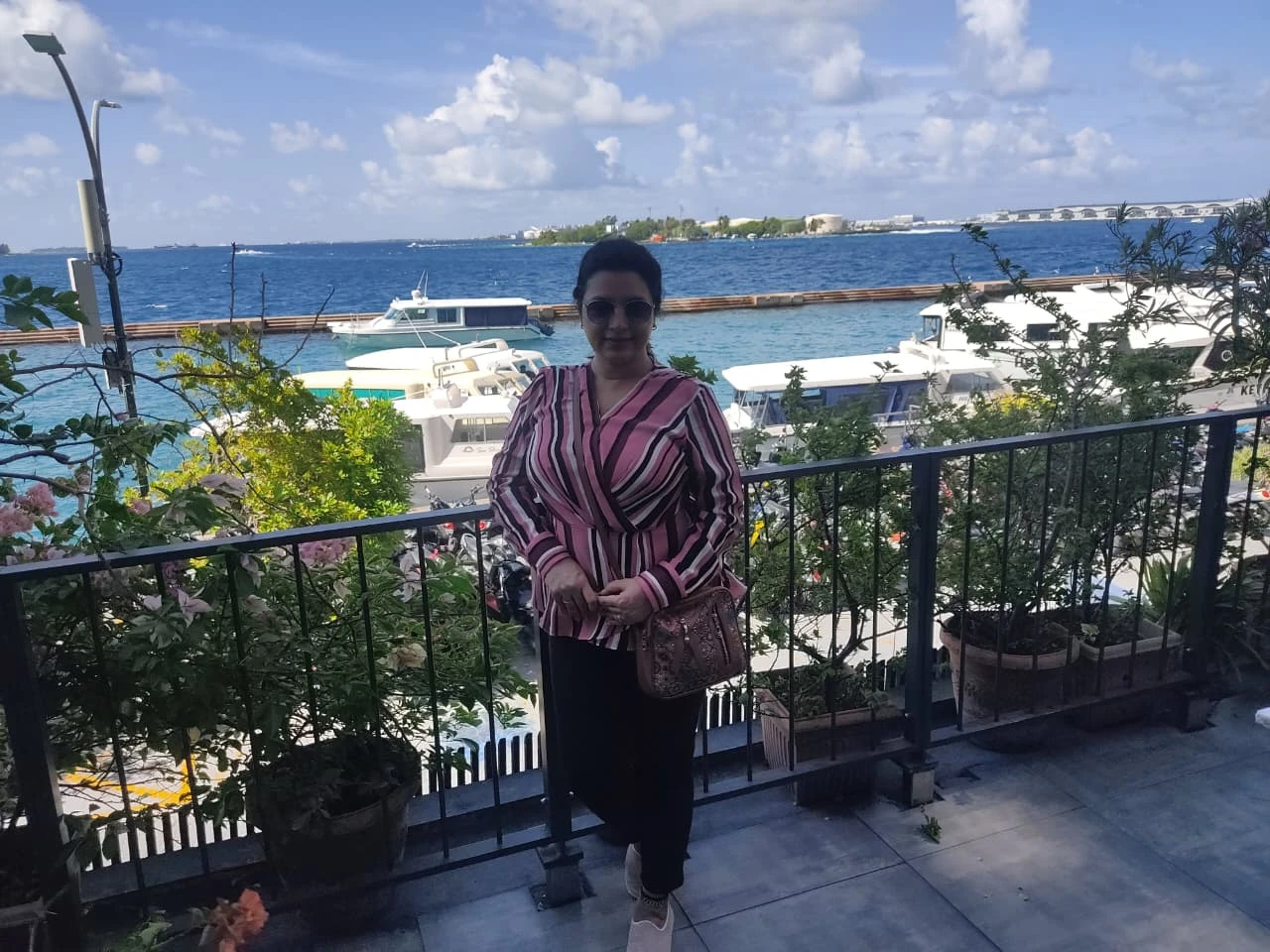
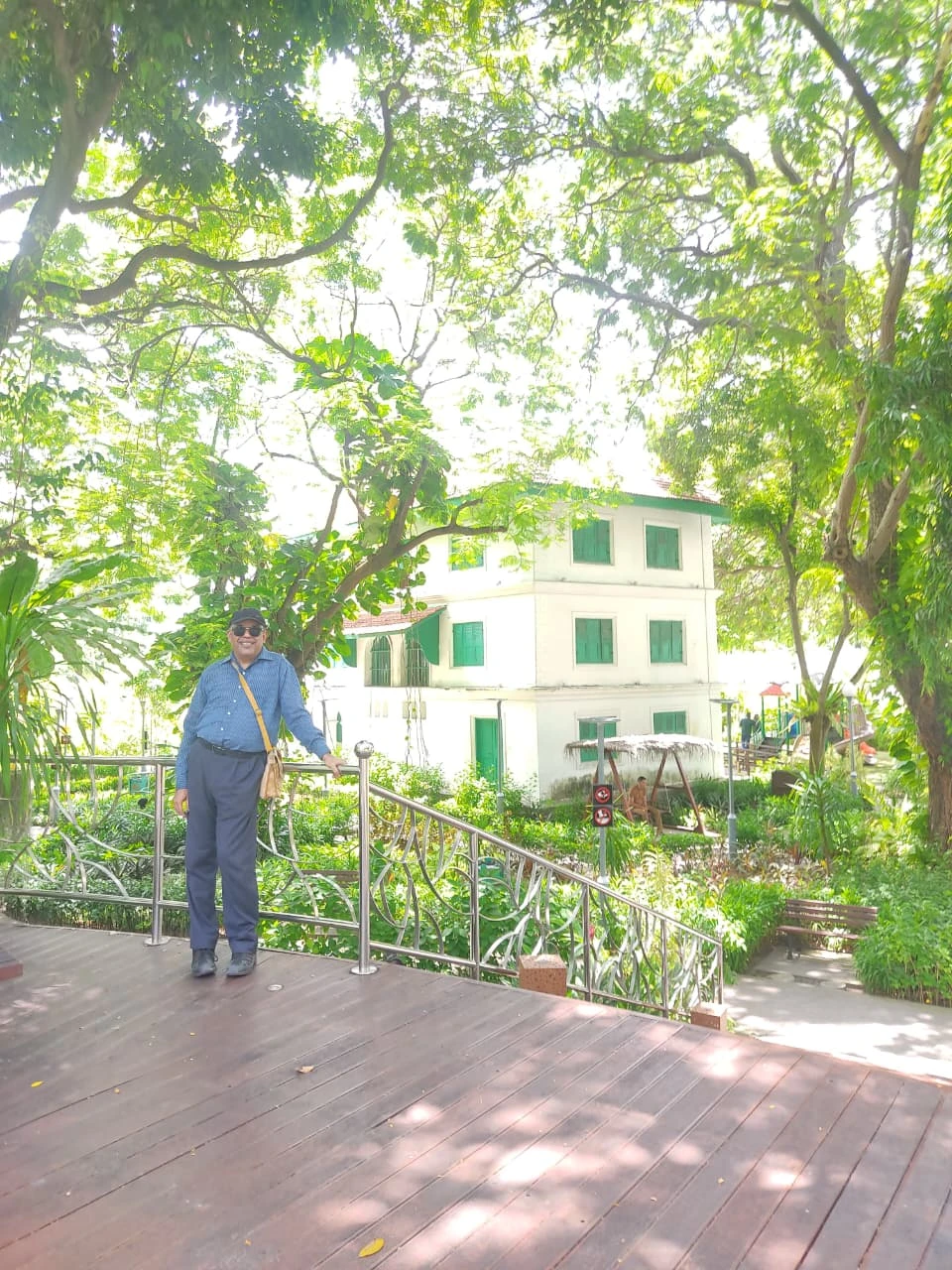
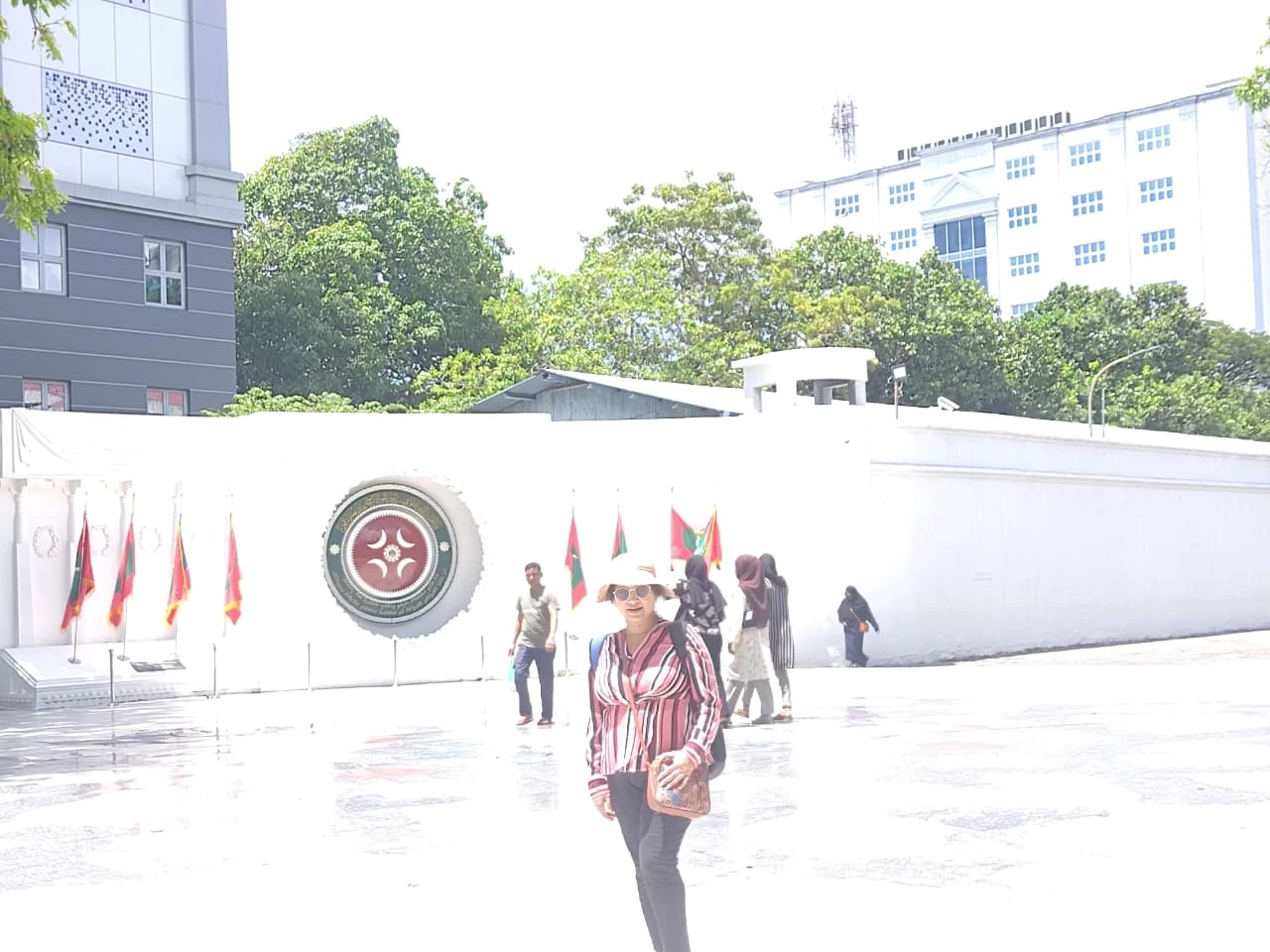
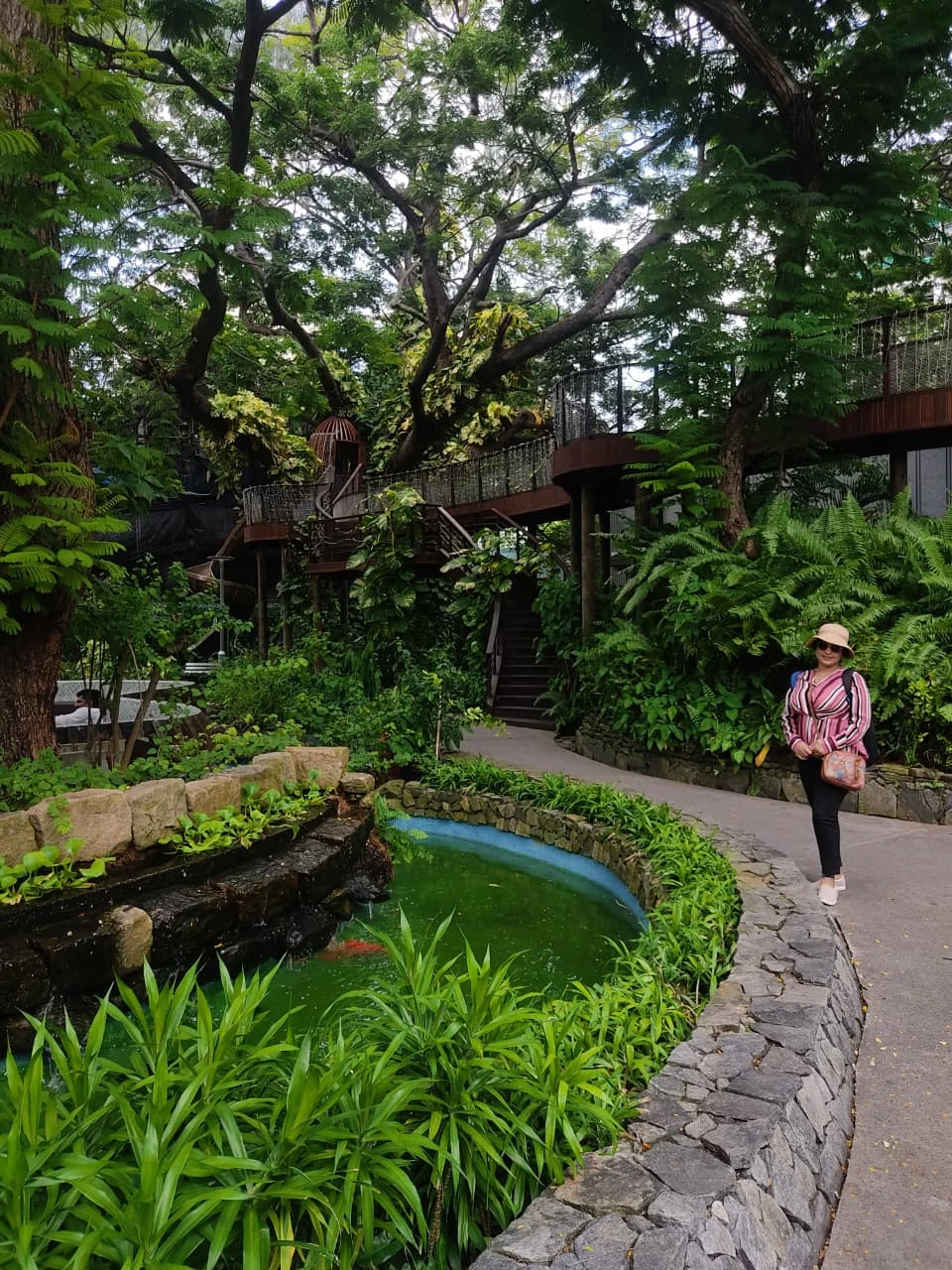
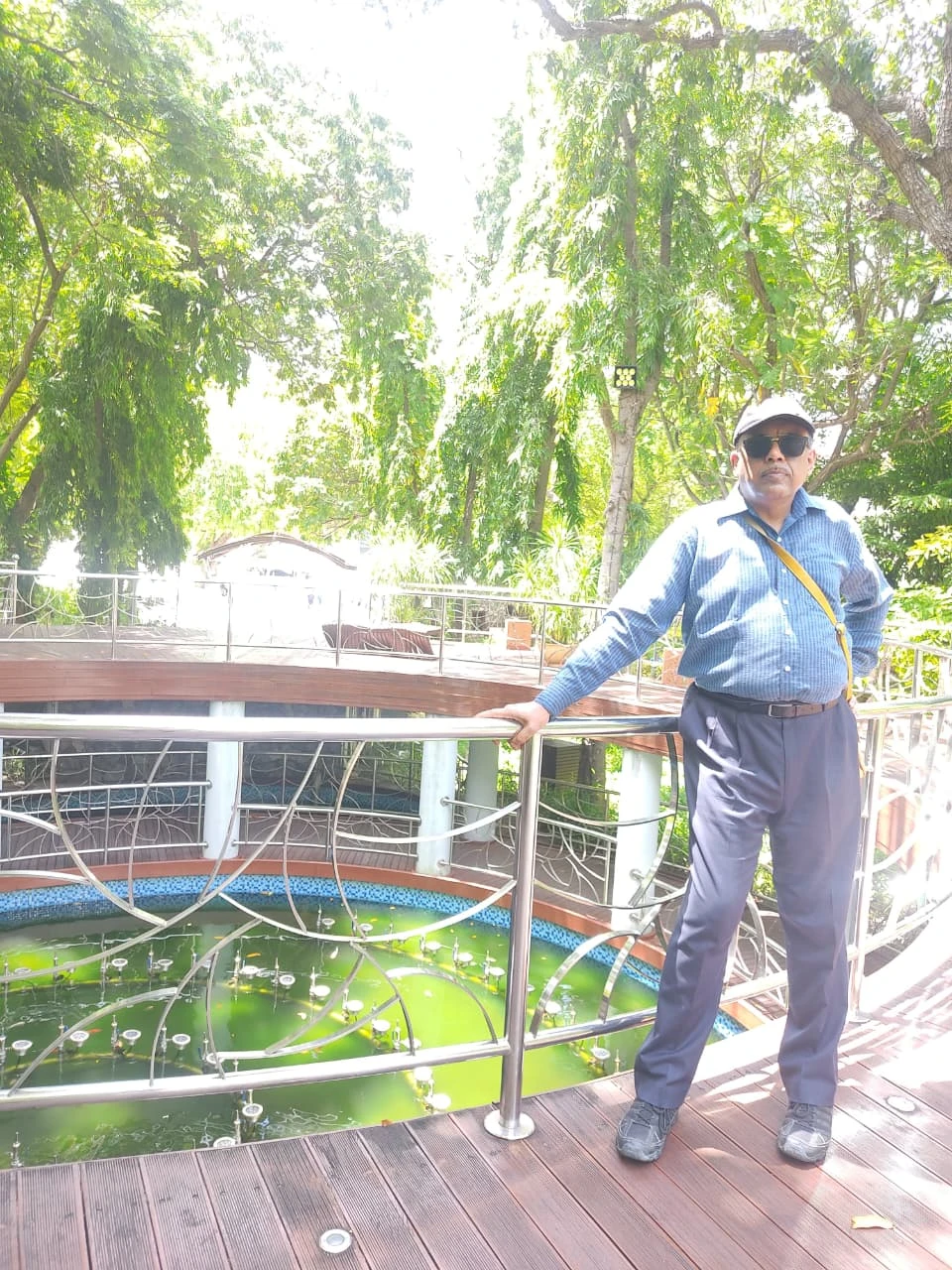
From Bandos, we took a short boat ride to Malé, the compact capital of the Maldives. The contrast was striking. After the calm surroundings and turquoise waters of our resort island, Malé appeared as a busy, densely built city rising from a tiny coral island. Malé itself is a coral island, formed over thousands of years from limestone created by coral reefs. We explored its narrow streets, colourful buildings, busy harbour and local markets, experiencing a very different side of the Maldives. The Grand Friday Mosque and the lively Fish Market gave us glimpses into the country's religious traditions and its deep connection with the sea.
What we enjoyed most was simply wandering through the city and observing everyday Maldivian life—people going about their work, small cafés and shops, motorcycles weaving through the narrow streets and boats constantly arriving and departing from the harbour. Malé may lack the beaches and tranquillity of the resort islands, but it offers an authentic glimpse into the life of the Maldivian people. After spending the day exploring the capital, we returned by boat to Bandos, exchanging the energy of Malé for the peaceful turquoise waters of our coral island resort.
Beyond the Turquoise Lagoons — Discovering the Many Faces of the Maldives
Our Maldives experience through Bandos and Malé revealed two very different faces of this remarkable island nation. Bandos offered the postcard-perfect tropical escape of turquoise lagoons, coral gardens and relaxed resort living, while Malé introduced us to the country's everyday rhythm, history and culture. From the tiny coral polyps that create these extraordinary islands to the bustling streets of their capital, we discovered that the Maldives is much more than a collection of luxury resorts. It is a fascinating world shaped by the sea, nature and generations of island life.
Tips for Your Maldives Journey
Tips for Visiting Bandos Island, Maldives
Easy access
A 10–15-minute speedboat ride from Malé Airport.
Best experiences
Enjoy white-sand beaches, snorkelling and the house reef.
Water activities
Try a glass-bottom boat ride or scuba diving.
Choose wisely
Compare meal plans and room categories before booking.
Carry essentials
Sunscreen, sunglasses, a hat and personal medicines.
Protect marine life
Never touch coral or disturb underwater wildlife.
Relax
Allow time to enjoy the island at an unhurried pace.
Tips for Visiting Malé, Maldives
Getting around
Use taxis for convenient travel around the compact capital.
Top attractions
Visit the Old Friday Mosque, Grand Friday Mosque, and the fish market.
Dress modestly
Cover shoulders and knees when visiting mosques.
Local culture
Explore the local markets and sample Maldivian cuisine.
Carry cash
Keep some Maldivian rufiyaa for small purchases.
Best time to visit
November to April generally offers drier weather.