Shantiniketan: Where Art, Nature, and Learning Meet
Just about three hours from Kolkata, Shantiniketan is far more than a day-trip destination. While it is possible to visit and return the same day, doing so would be rushed. To truly experience its tranquil atmosphere, artistic heritage, and cultural charm, it is best to spend two or three nights here.
Founded by Nobel Laureate Rabindranath Tagore, Shantiniketan is a unique university town where education, nature, and creativity blend seamlessly. The sprawling campus of Visva-Bharati University, shaded by ancient trees and adorned with sculptures and murals, reflects Tagore's vision of learning in harmony with nature. Visitors can explore museums, art galleries, handicraft markets, and the vibrant local culture while enjoying the relaxed pace of life that makes Shantiniketan so special.
The true charm of Shantiniketan lies not in ticking off attractions but in slowing down, walking through its leafy avenues, interacting with local artisans, and soaking in the creative spirit that continues to inspire generations.
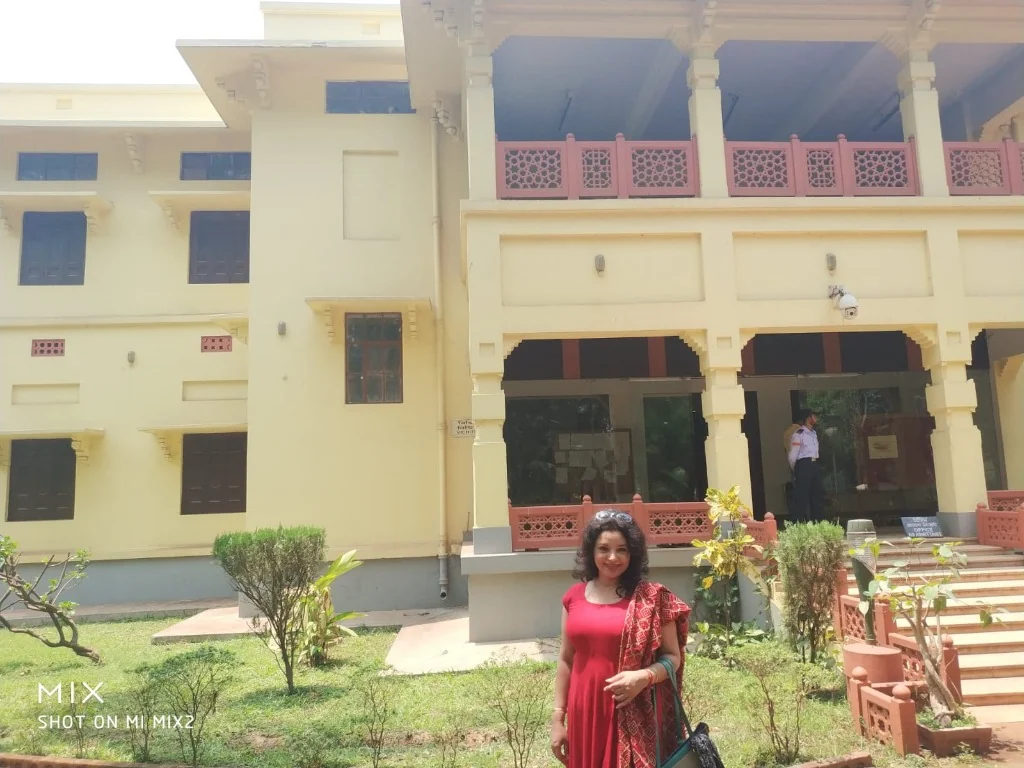
Rabindra Bhavana
A visit to Rabindra Bhavana is one of the highlights of any trip to Santiniketan. Located within Visva-Bharati University, the museum offers a fascinating insight into the life and legacy of Rabindranath Tagore through an impressive collection of his personal belongings, manuscripts, letters, photographs, paintings, and rare documents. Walking through its galleries, visitors gain a deeper understanding of Tagore's extraordinary contributions to literature, art, education, and culture, as well as his vision for Santiniketan as a place where learning and creativity flourish in harmony with nature.
Visva-Bharati: Tagore's Vision in Action
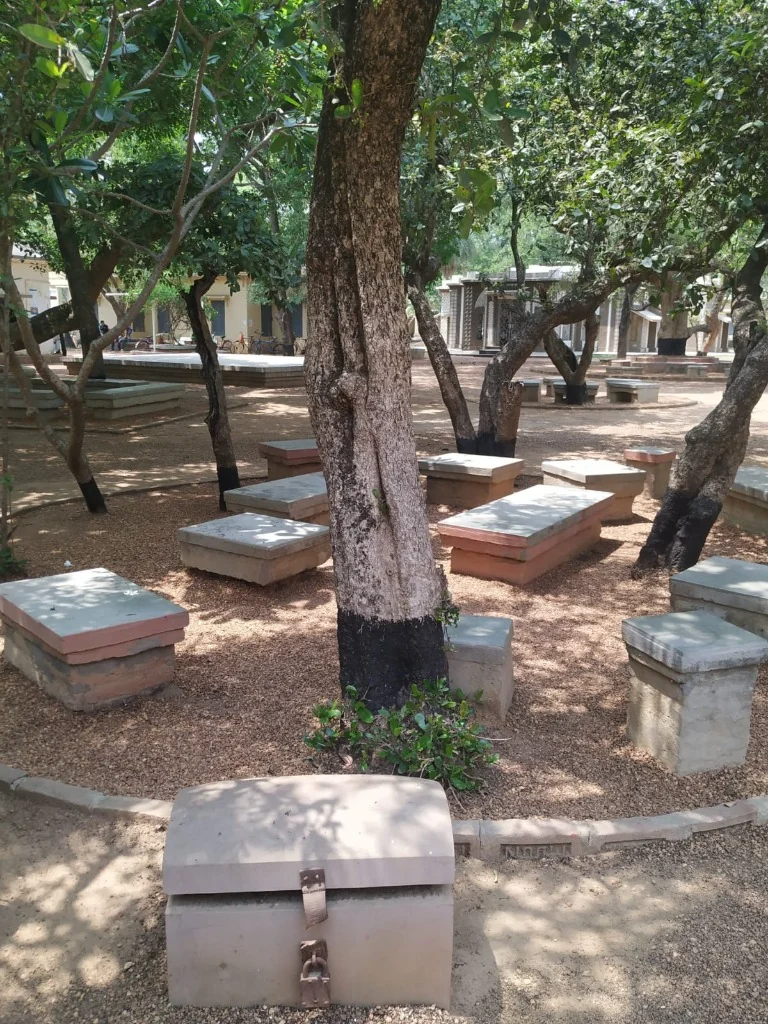
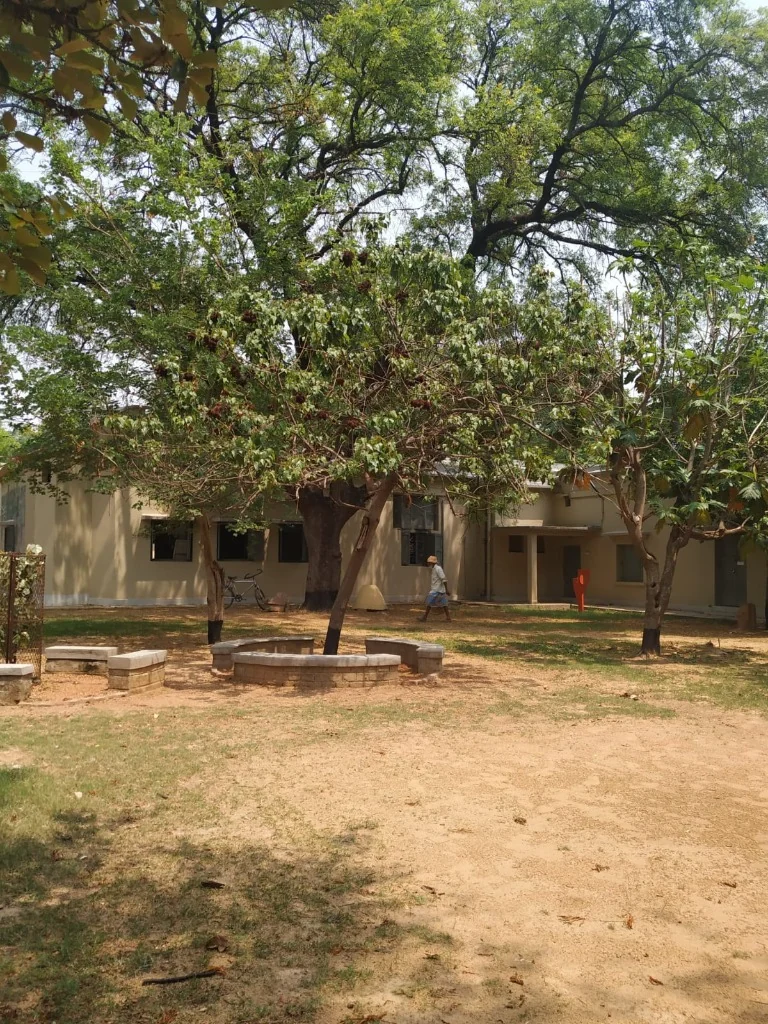
A visit to Visva-Bharati was an inspiring experience and helped me appreciate the extraordinary vision of Rabindranath Tagore who Founded it in 1921. The university was conceived as a meeting place of cultures where learning would take place in harmony with nature, free from the confines of conventional classrooms. Walking through the peaceful campus, with its open-air classes, artistic heritage, and serene surroundings, I could sense the spirit of creativity and intellectual freedom that continues to define the institution. More than a university, Visva-Bharati is a living legacy of Tagore's dream of blending education, art, culture, and humanity.
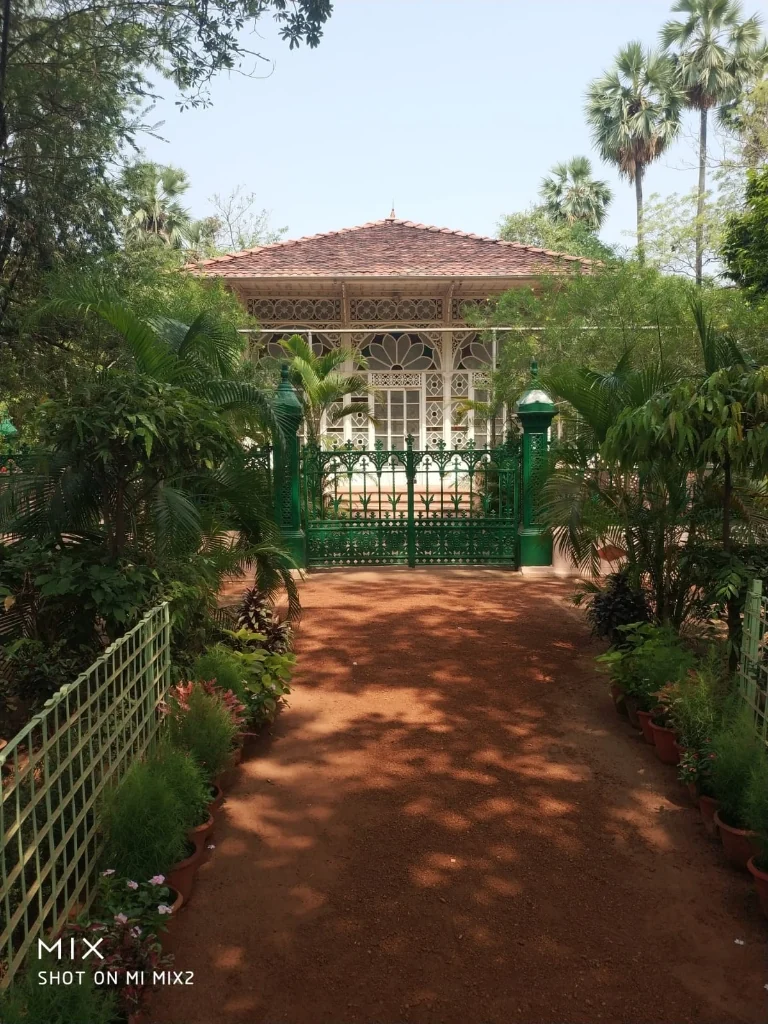
The Upasana Griha
The Upasana Griha, also known as the Glass House or Prayer Hall, located in Santiniketan, West Bengal.
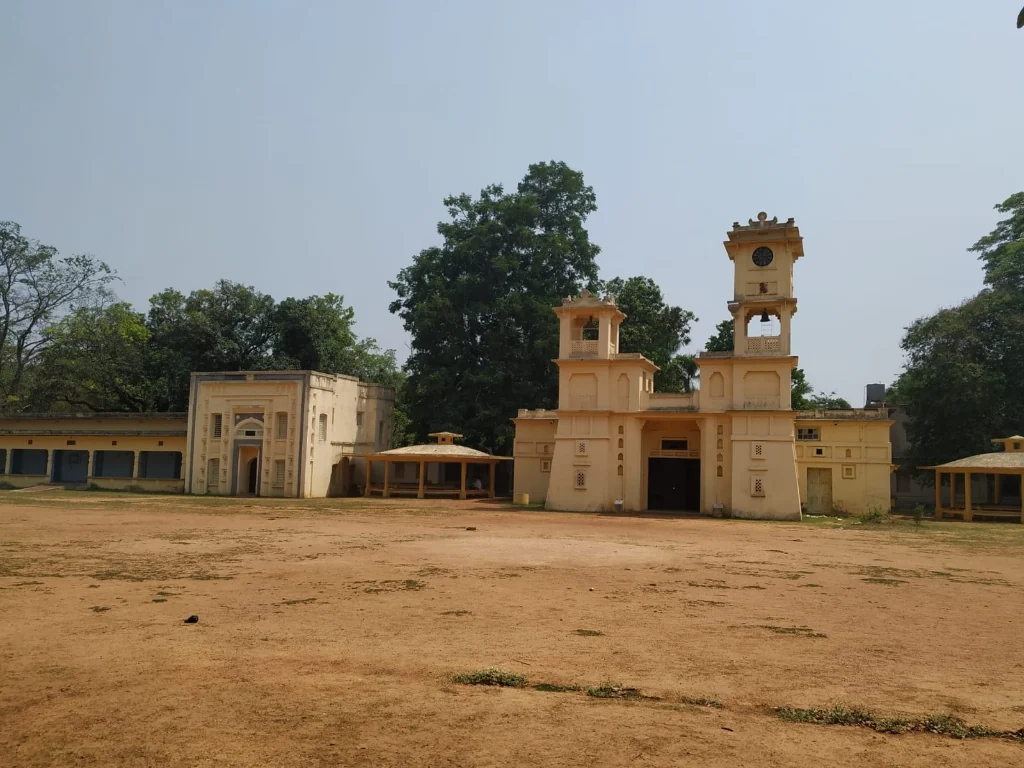
Singha Sadan
Singha Sadan (also known as Sinha Sadan), a historic landmark building featuring an iconic clock tower and a heritage bell tower. It is located within the open-air Ashram Complex of Visva-Bharati University in Santiniketan, West Bengal, India.
Kala Bhavana: The Creative Heart of Santiniketan
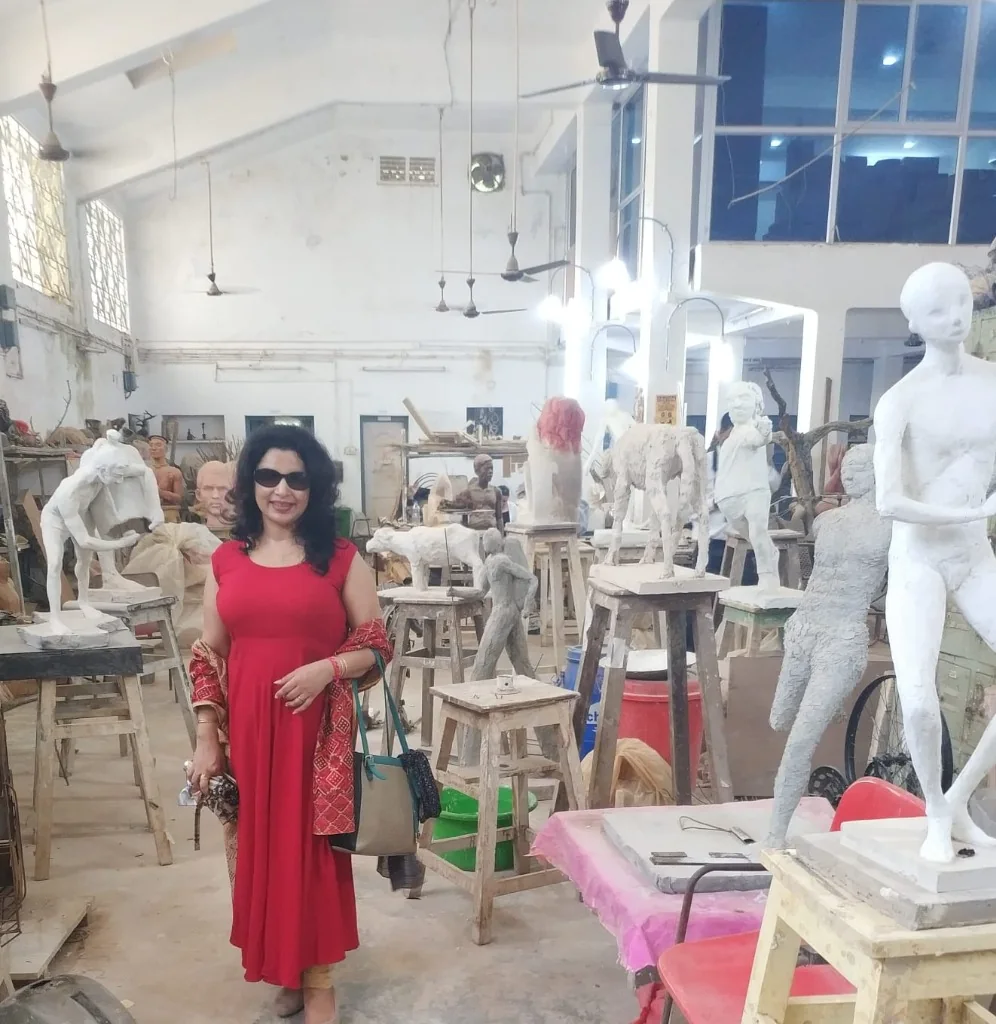
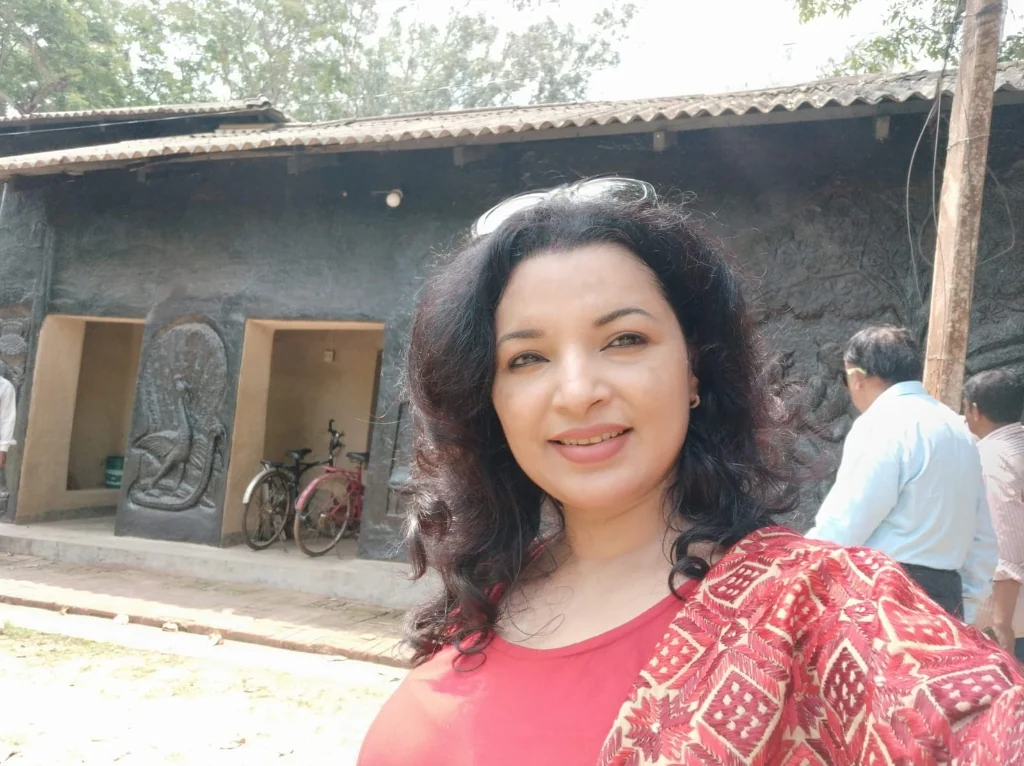
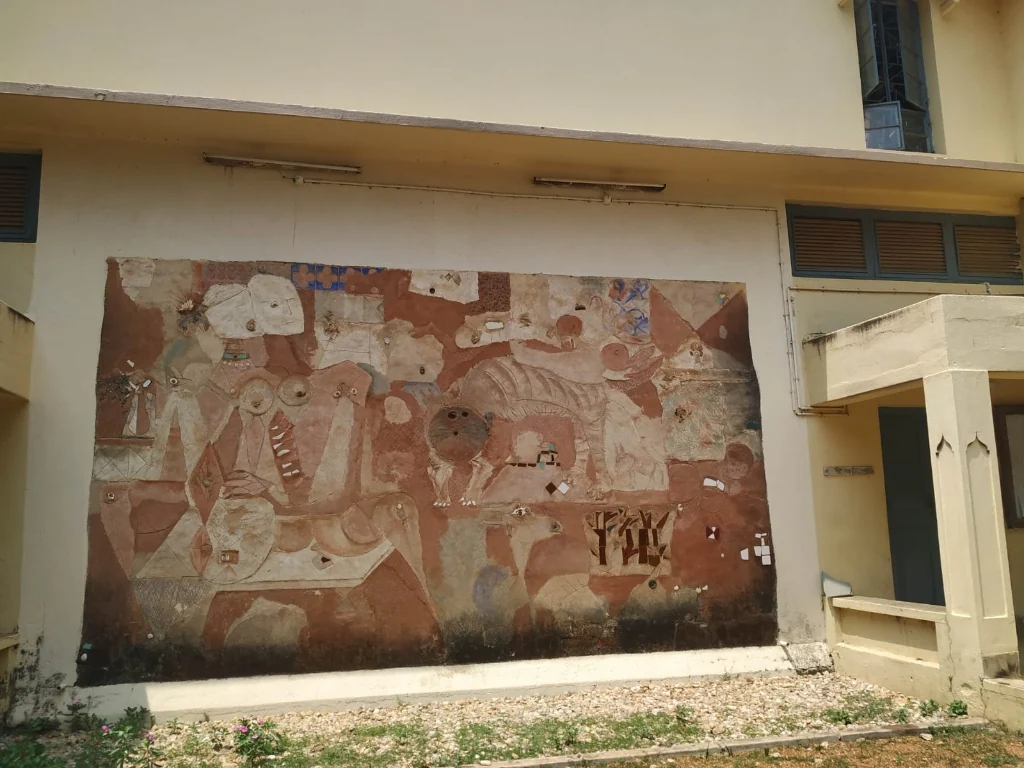
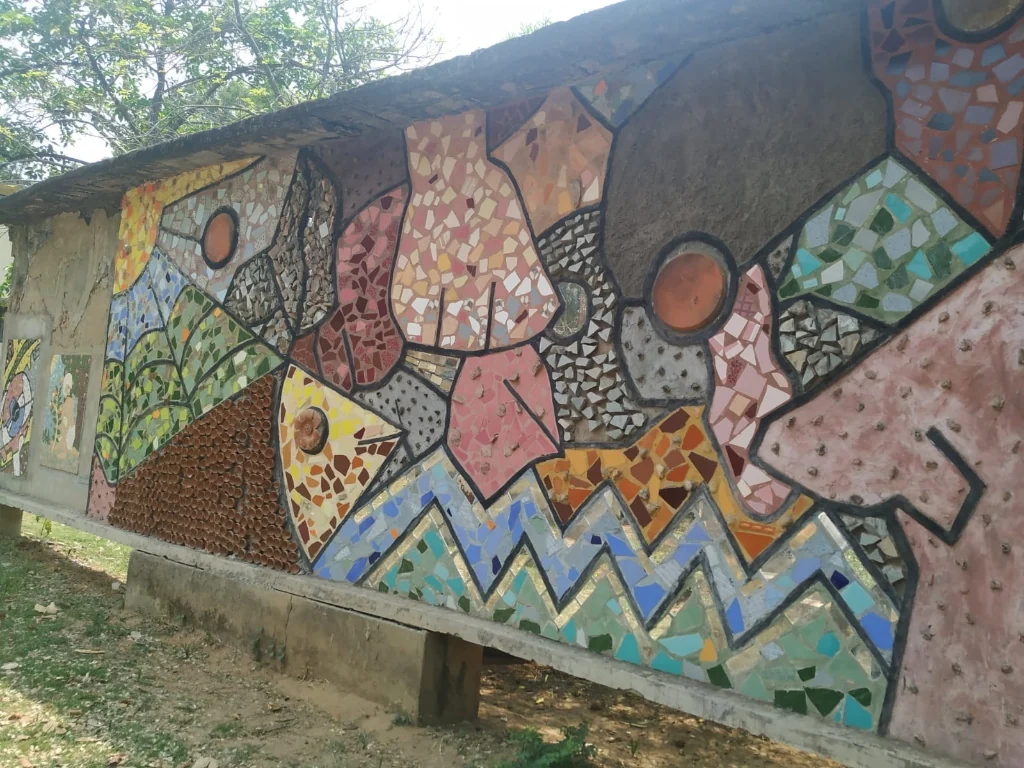
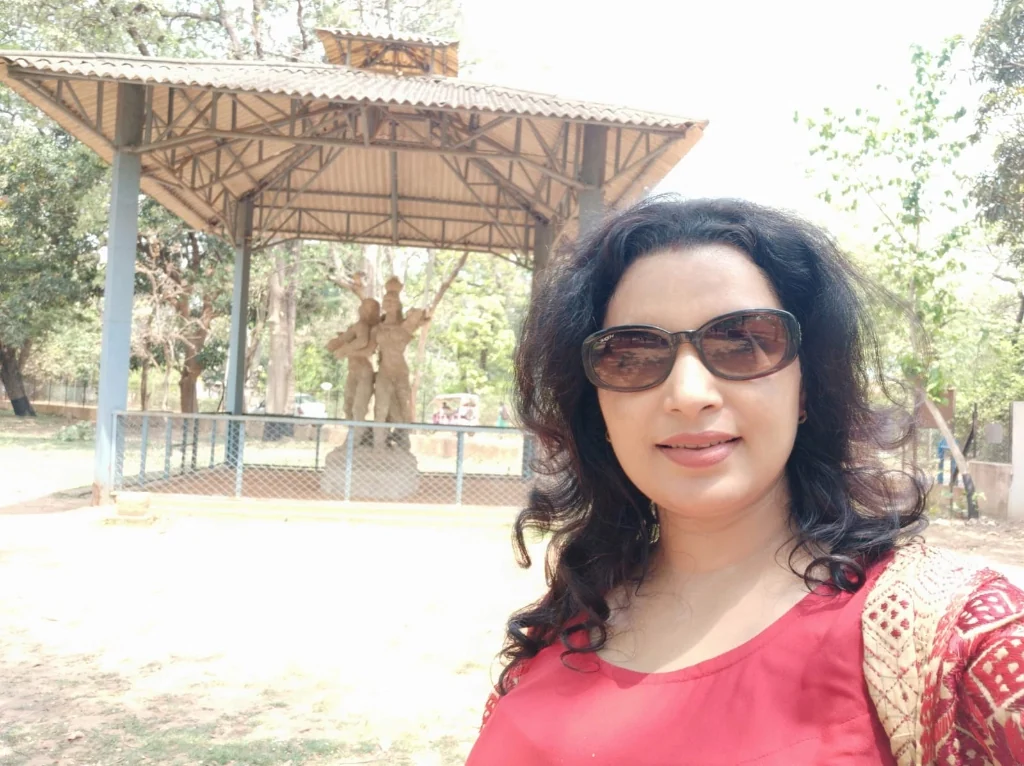
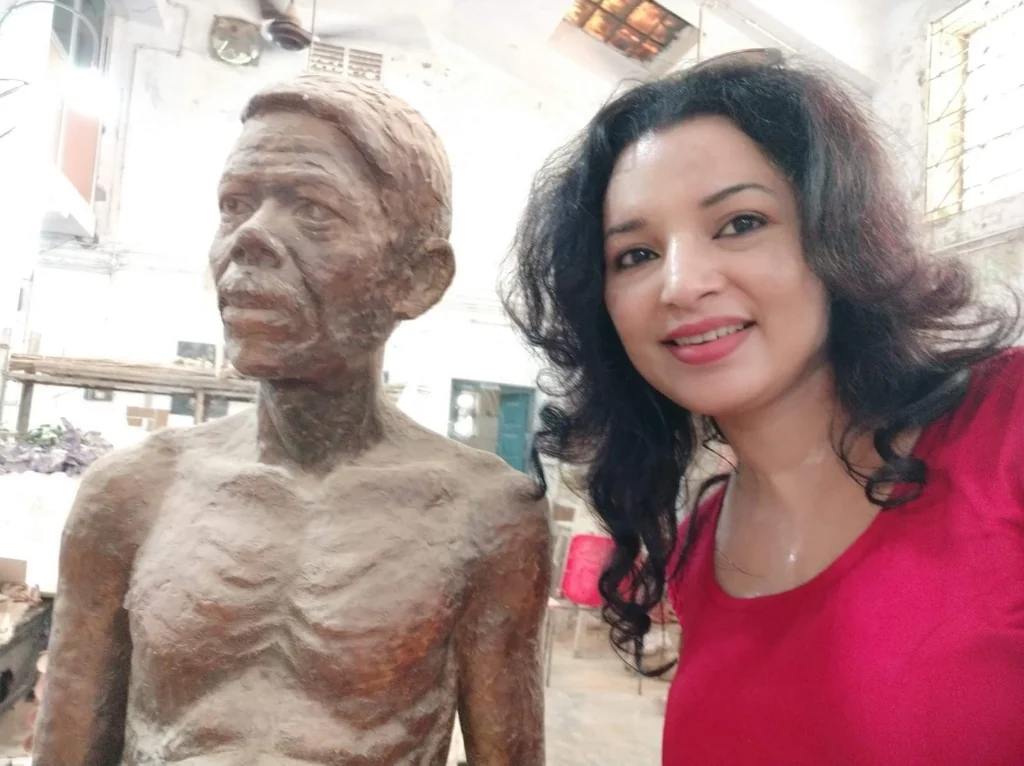
Walking through its open-air studios, murals, sculptures, and creative spaces, I could immediately understand why the art faculty has earned such a distinguished reputation. Founded on Rabindranath Tagore's belief that art should be closely connected to nature and everyday life, Kala Bhavana fosters a unique atmosphere of creativity and experimentation. I thoroughly enjoyed exploring the campus, and the artistic energy that permeates every corner made it clear why generations of some of India's finest artists have emerged from this remarkable institution.


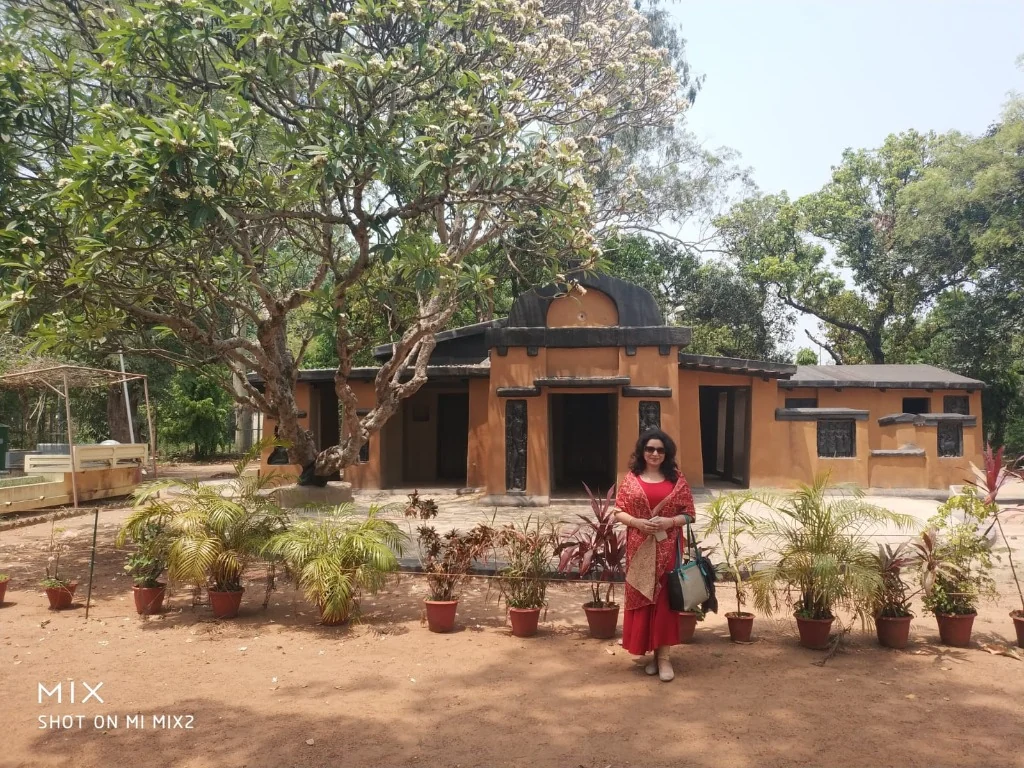
Uttaryan, Shantiniketan
Uttarayan Complex is one of the most significant attractions in Shantiniketan. It was the residence complex of Rabindranath Tagore and consists of several uniquely designed houses, including Udayan, Konark, Shyamali, Punascha, and Udichi.
The complex reflects Tagore's artistic vision and experimental approach to architecture, blending nature, light, and open spaces. Walking through Uttarayan offers a fascinating glimpse into the life and work of Tagore, making it one of the highlights of a visit to Shantiniketan. Visva-Bharati and the surrounding campus further enhance the cultural atmosphere of this remarkable place.
Our numerous Visits to Shantiniketan
We have visited Shantiniketan several times, and each visit has revealed a different facet of its character. On one occasion, I participated in the university's celebration of Holi, known as Basanta Utsav, where students welcomed spring with music, dance, and flowers. It was a gentle and graceful celebration, very different from the boisterous Holi of northern India with its colours and water.
During another visit, when we stayed for two nights, we were encouraged to try writing poetry. Inspired by the fact that Tagore wrote much of his work here, including the poems of Gitanjali that earned him the Nobel Prize, we attempted to write our own verses—though we struggled to produce more than a few lines.
On yet another visit, I tried to understand Shantiniketan's contribution to India's freedom movement. Through Tagore's vision, it became an intellectual and moral centre that nurtured national pride, self-reliance, and independent thinking. It provided a space where ideas could flourish free from colonial influence and helped shape the cultural foundations of India's struggle for independence. The more one learns about Shantiniketan, the more one realizes that its contributions to education, literature, culture, and nation-building are virtually endless.
The Magic of Shantiniketan
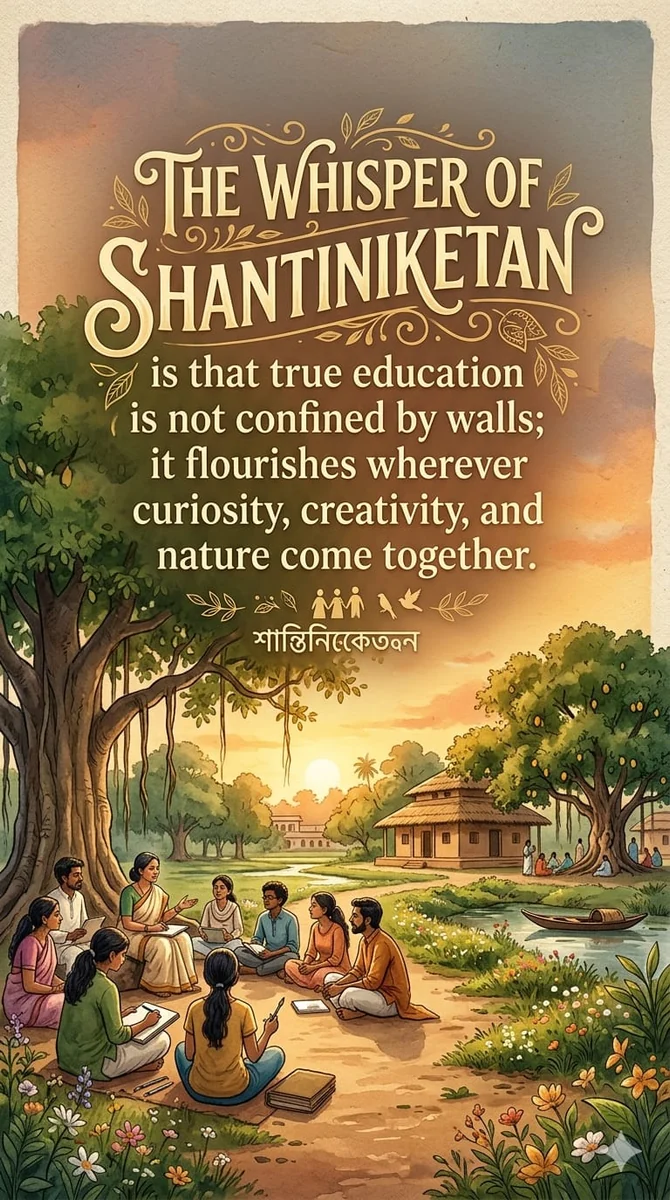
Many destinations impress with their beauty, others with their history. Shantiniketan does neither at first glance. Its magic reveals itself slowly, through its ideas, its creativity, and the enduring legacy of Rabindranath Tagore.
Long after the visit ends, it leaves you with something more valuable than memories — a different way of looking at education, culture, and life itself.