Churches of Old Goa – Echoes of Faith and History
Walking through the churches of Old Goa felt like stepping into the 16th century, when this riverside city was the capital of Portuguese India and one of the most important trading ports in Asia. Following the Portuguese conquest of Goa in 1510 under Afonso de Albuquerque, magnificent churches, convents, and monasteries were built over the next two centuries, earning Old Goa the title Rome of the East Today, these monuments stand as reminders of a period when European and Indian cultures met on the shores of the Arabian Sea.
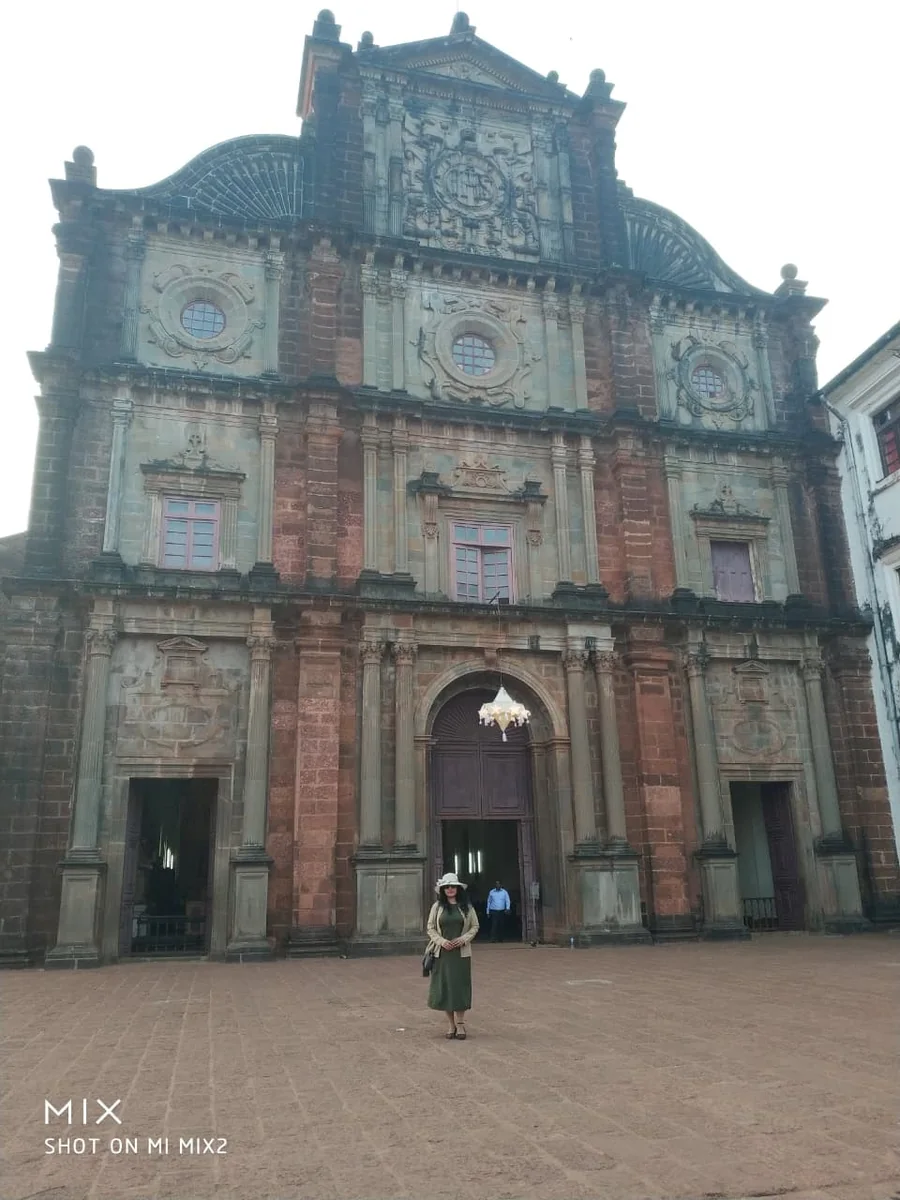
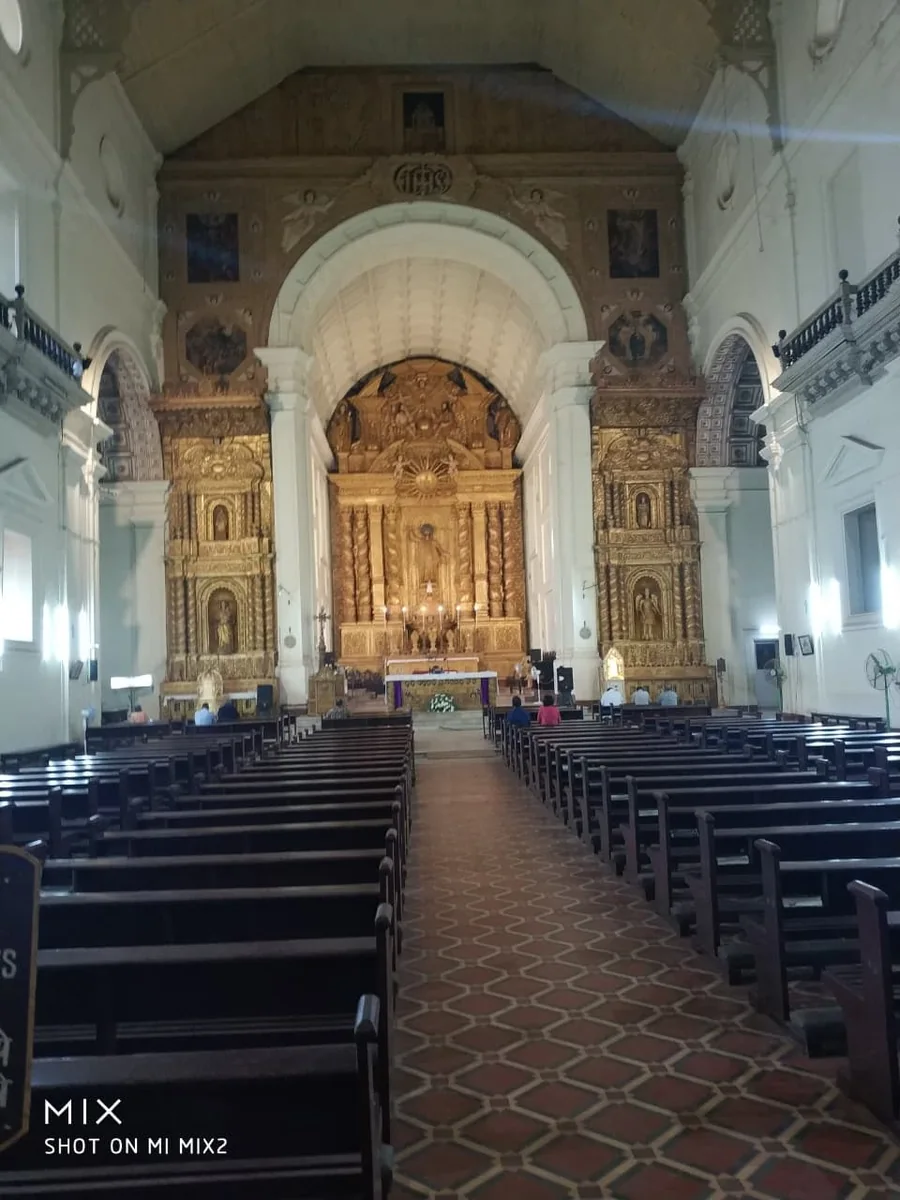
Basilica of Bom Jesus and the Se cathedral
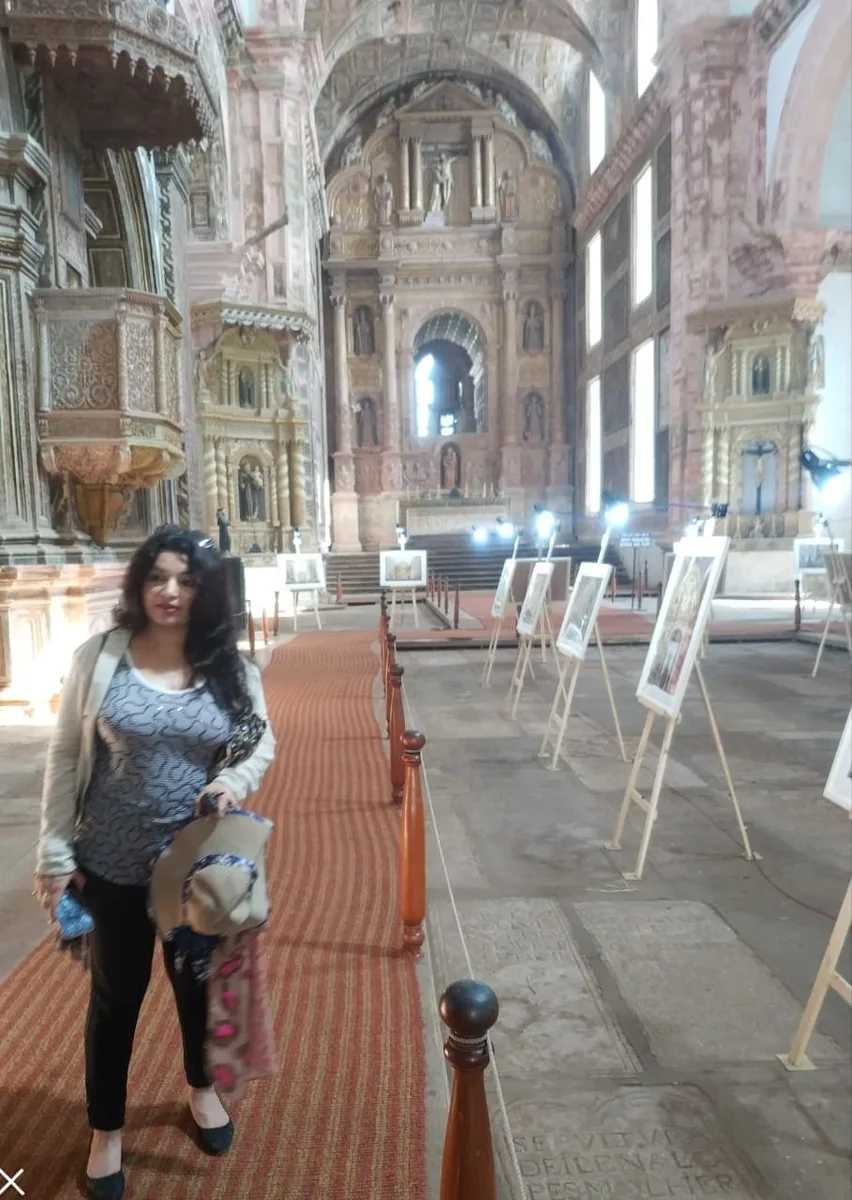
The Basilica of Bom Jesus and the Sé Cathedral were the highlights of our visit. The Basilica houses the sacred relics of St. Francis Xavier, whose missionary work left a profound impact across Asia, while the Sé Cathedral, one of the largest churches in Asia, was built to commemorate the Portuguese victory over the Sultan of Bijapur. As we admired their soaring façades, richly carved altars, vaulted ceilings, and beautiful works of art, we were deeply impressed by the scale, craftsmanship, and historical significance of these architectural masterpieces.
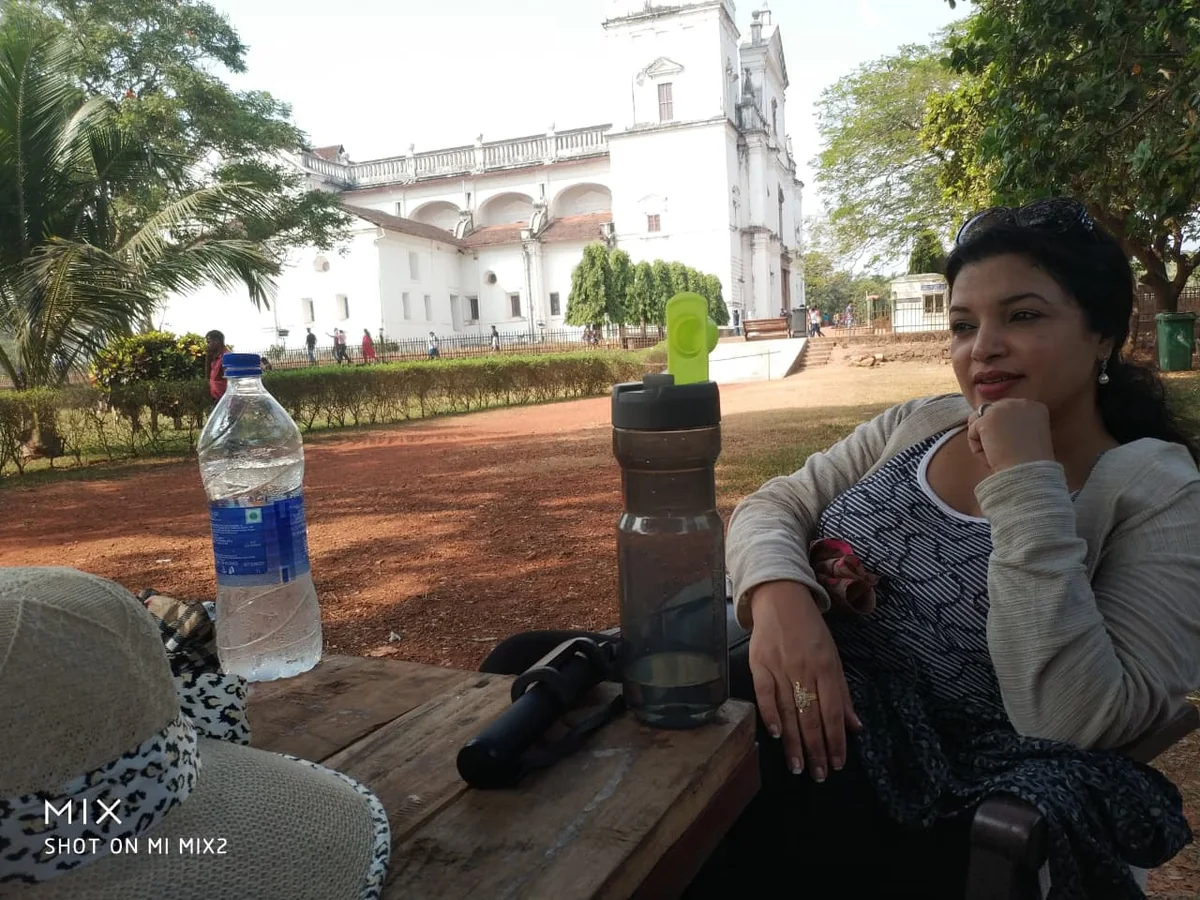
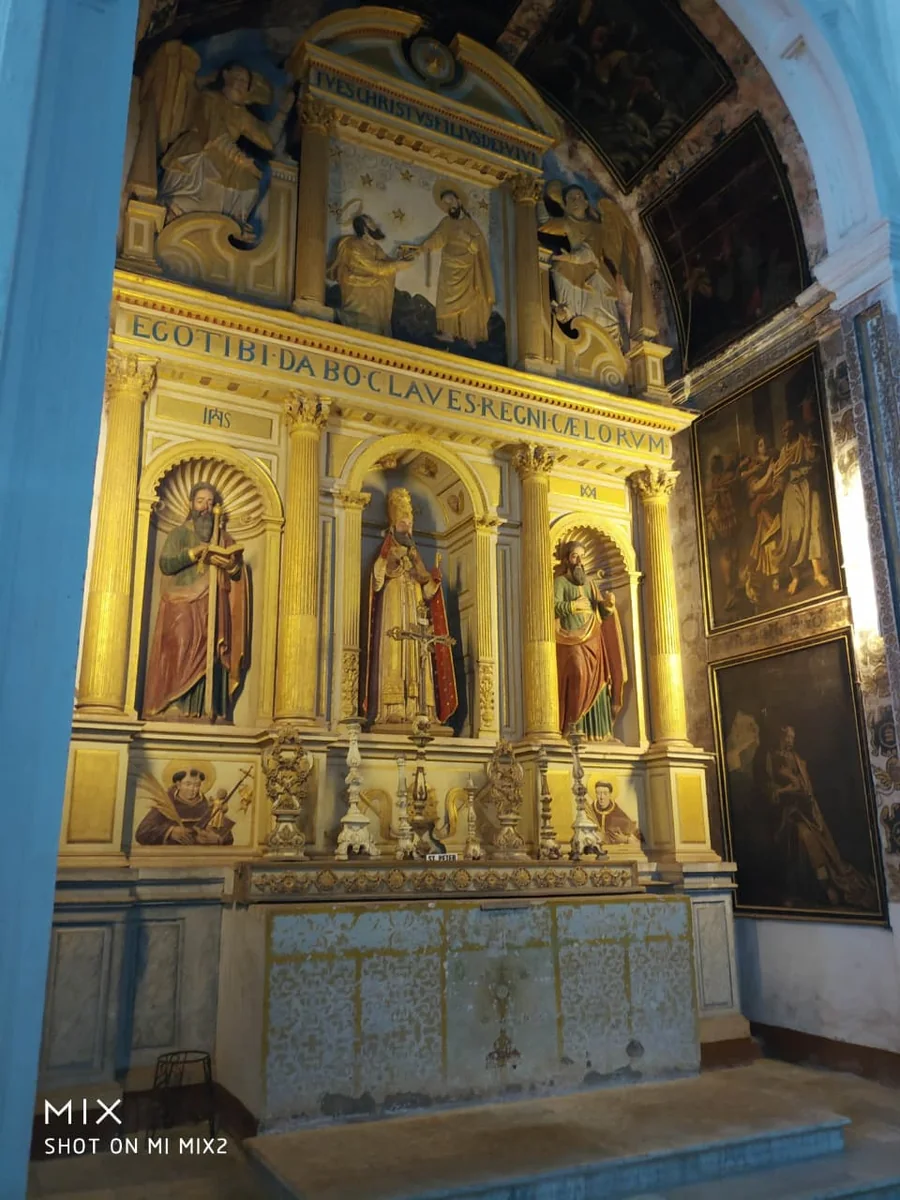
Se Cathedral in Old Goa
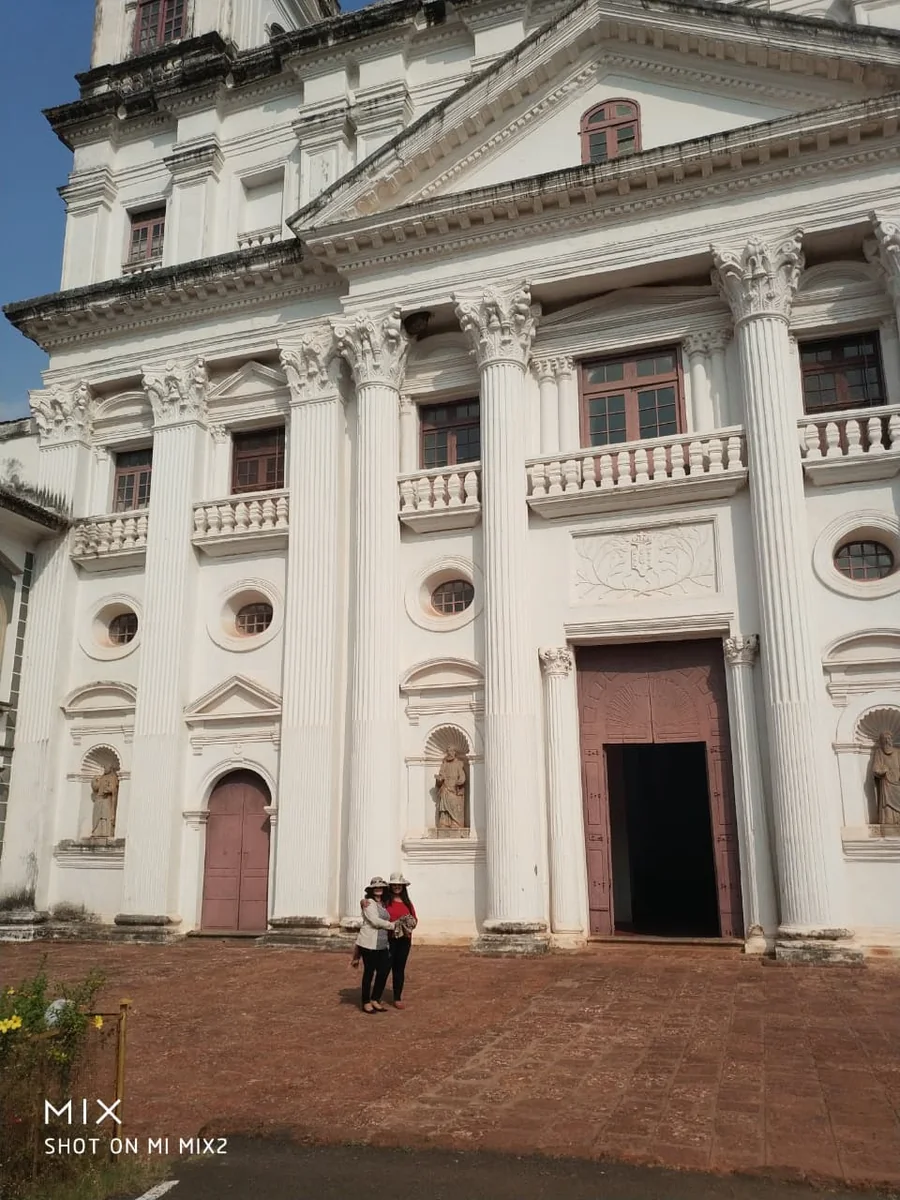
Se Cathedral in Old Goa.The Se Cathedral is a historic UNESCO World Heritage Site dedicated to Catherine of Alexandria.Construction on this Portuguese-Gothic style church began in 1562 and was completed in 1619.It is known for housing one of the largest bells in the world, famously referred to as the Golden Bell
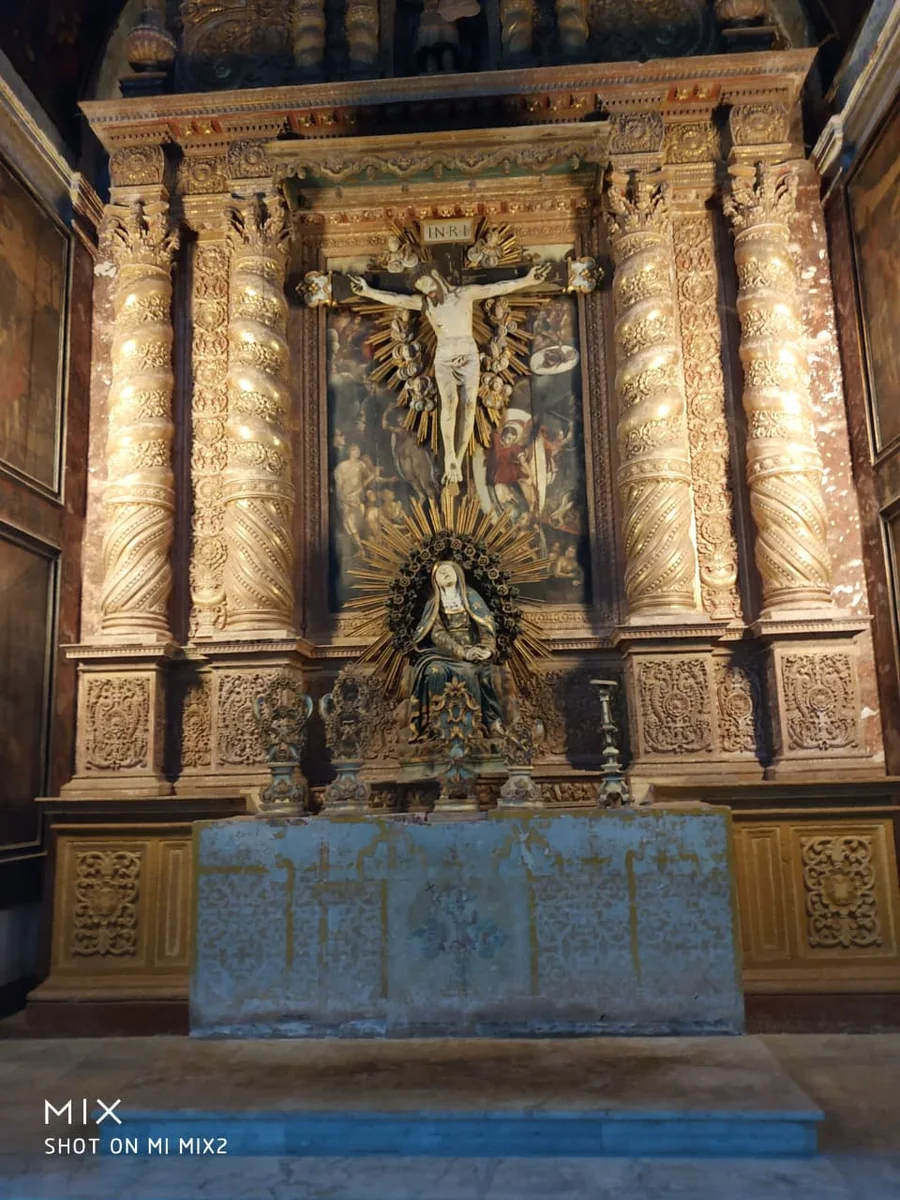
Church and Convent of St. Francis of Assisi
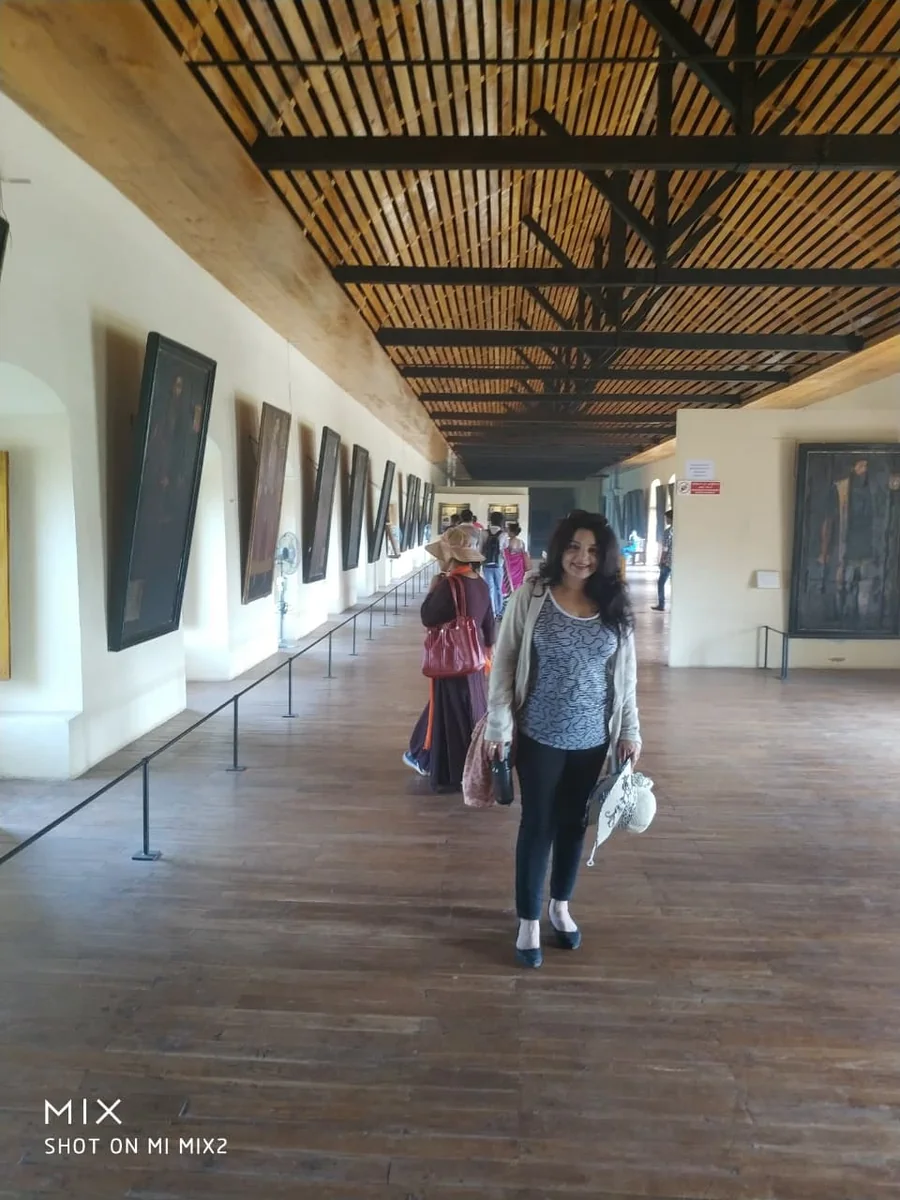
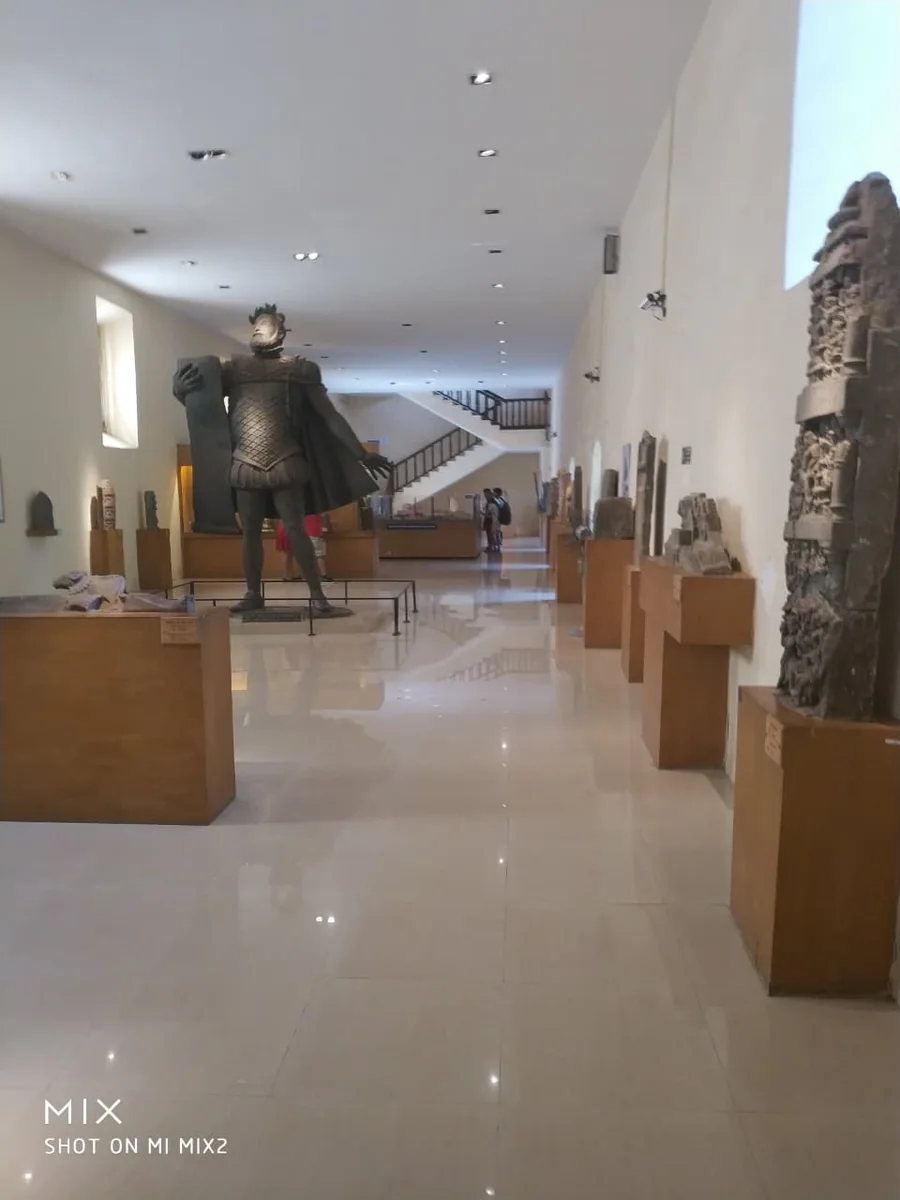
The Church and Convent of St. Francis of Assisi is one of the finest examples of Portuguese colonial architecture in Old Goa. Originally established by Franciscan friars in the early 16th century and later rebuilt in the 17th century, the church combines a graceful façade with richly decorated Baroque interiors. As we walked through its peaceful halls, we admired the intricately gilded altar, beautiful frescoes, and historical paintings depicting the life of St. Francis of Assisi. Today, part of the former convent houses an archaeological museum, making the complex an ideal place to appreciate both the artistic and the rich history of Portuguese Goa.
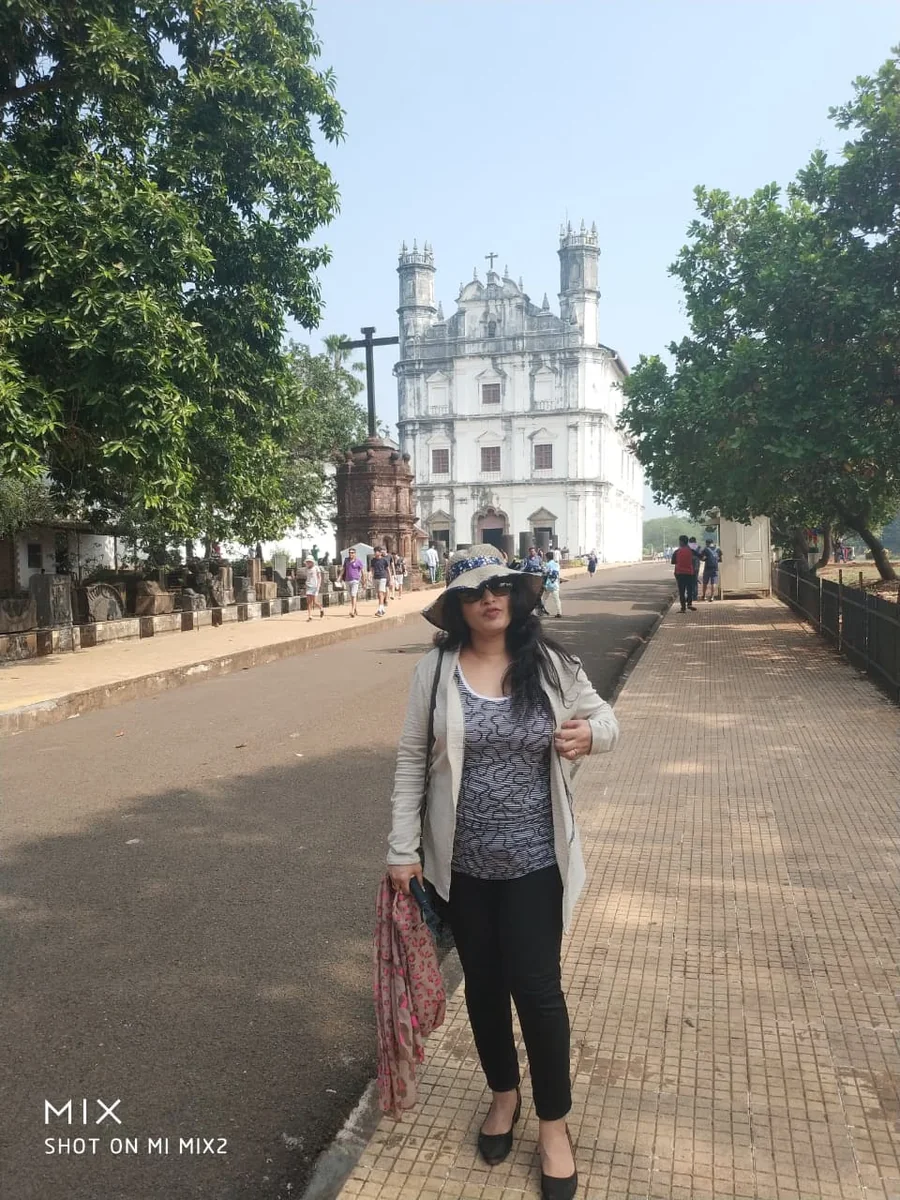
Church of St. Cajetan – Baroque Elegance in Old Goa
Our visit to the Church of St. Cajetan was a delightful surprise. Built in the 17th century by Italian Theatine priests, the church is a magnificent example of Baroque architecture, inspired by St. Peter's Basilica in Rome. Its graceful dome, elegant Corinthian columns, and beautifully proportioned façade stand apart from the other churches of Old Goa. Within the same complex lies the Pastoral Institute of St. Pius X, continuing the site's long association with Christian education and pastoral work.
Pastoral Institute of St. Pius X
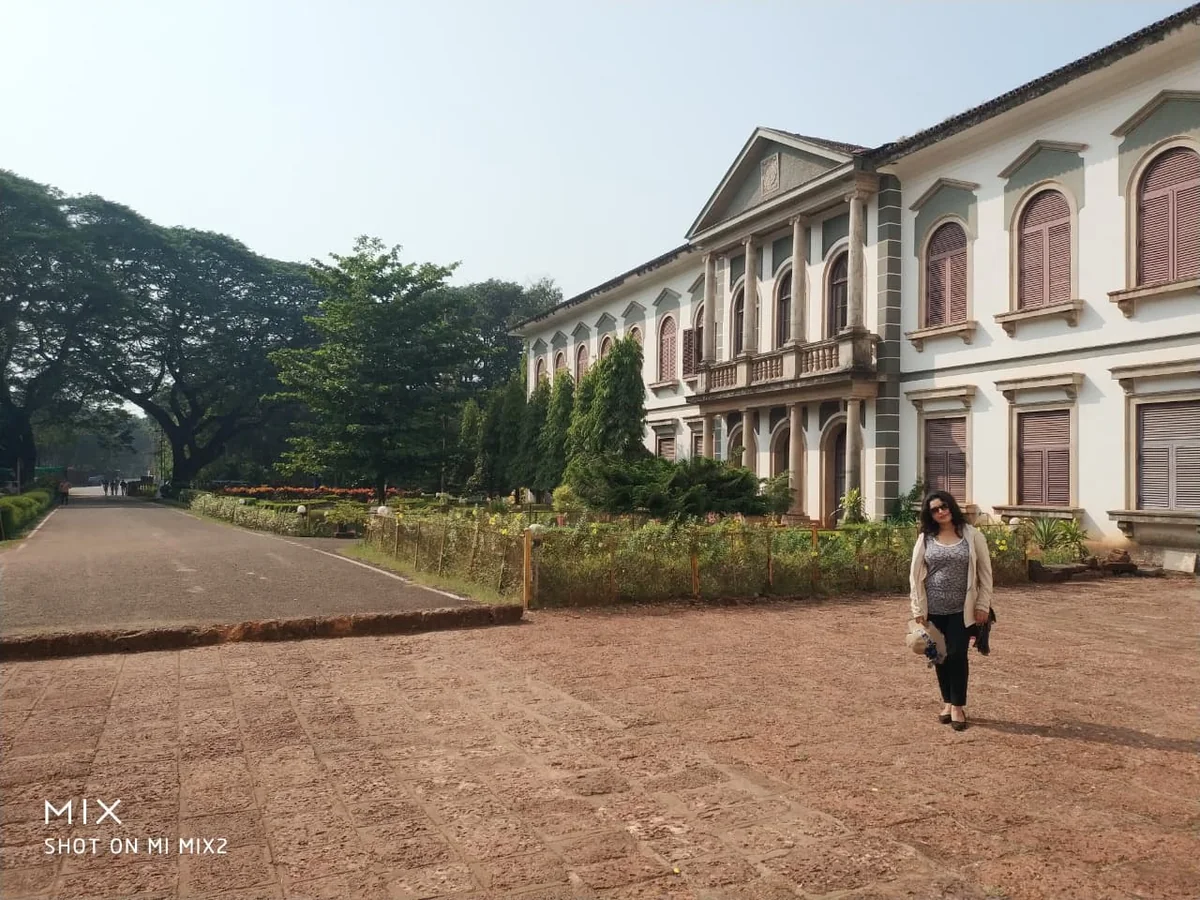
Pastoral Institute of St. Pius X, located in the complex of the St. Cajetan Church in Old Goa, India.The architecture is a prime example of baroque style, built in the 17th century.
UNESCO WORLD HERITAGE SITE
What impressed us most was that these churches are far more than historic monuments—they remain active places of worship and enduring symbols of Goa's unique cultural heritage. Walking through their peaceful interiors, we reflected on centuries of history, faith, and cultural exchange that have shaped this remarkable region. Leaving Old Goa, we carried with us not only memories of magnificent architecture but also a deeper appreciation of the rich legacy that makes this UNESCO World Heritage Site one of India's greatest historical treasures.
Relaxed Goan evening
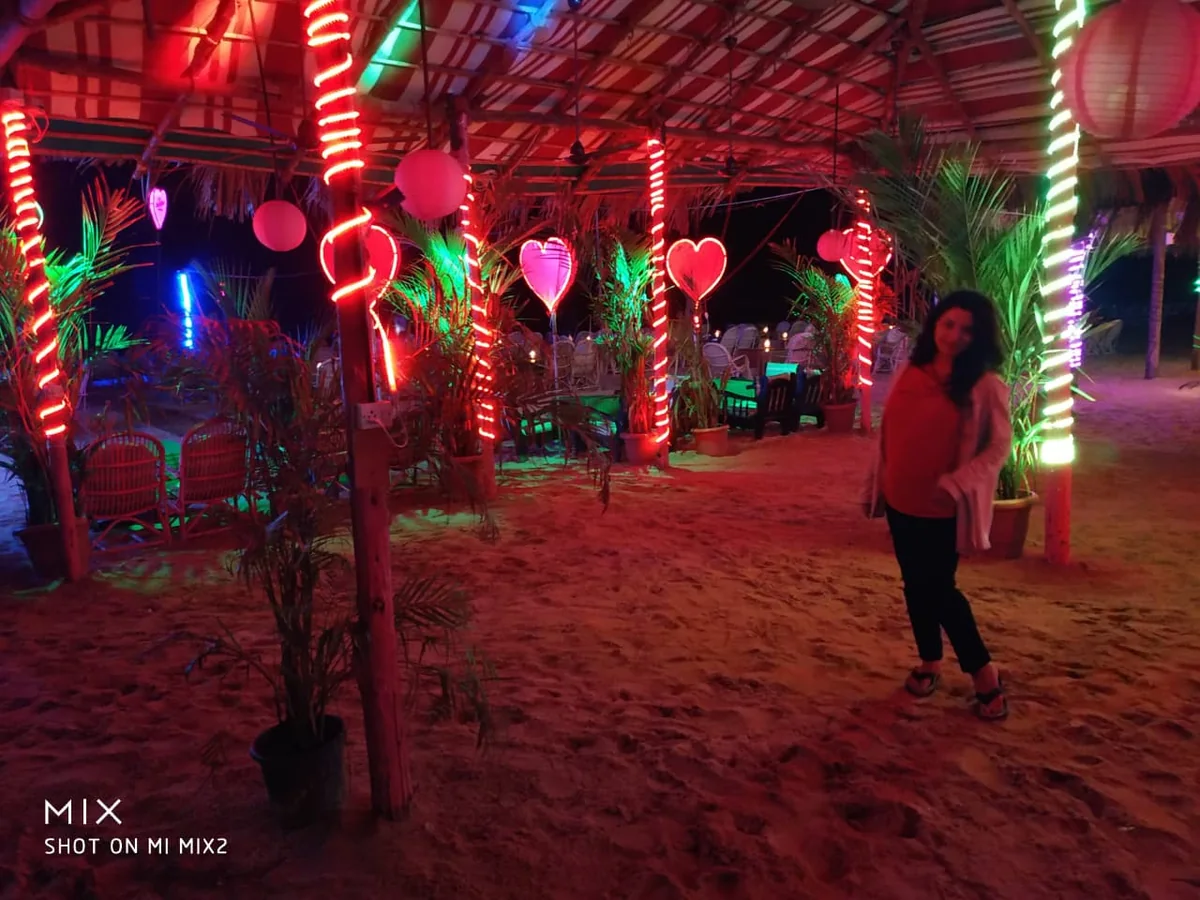
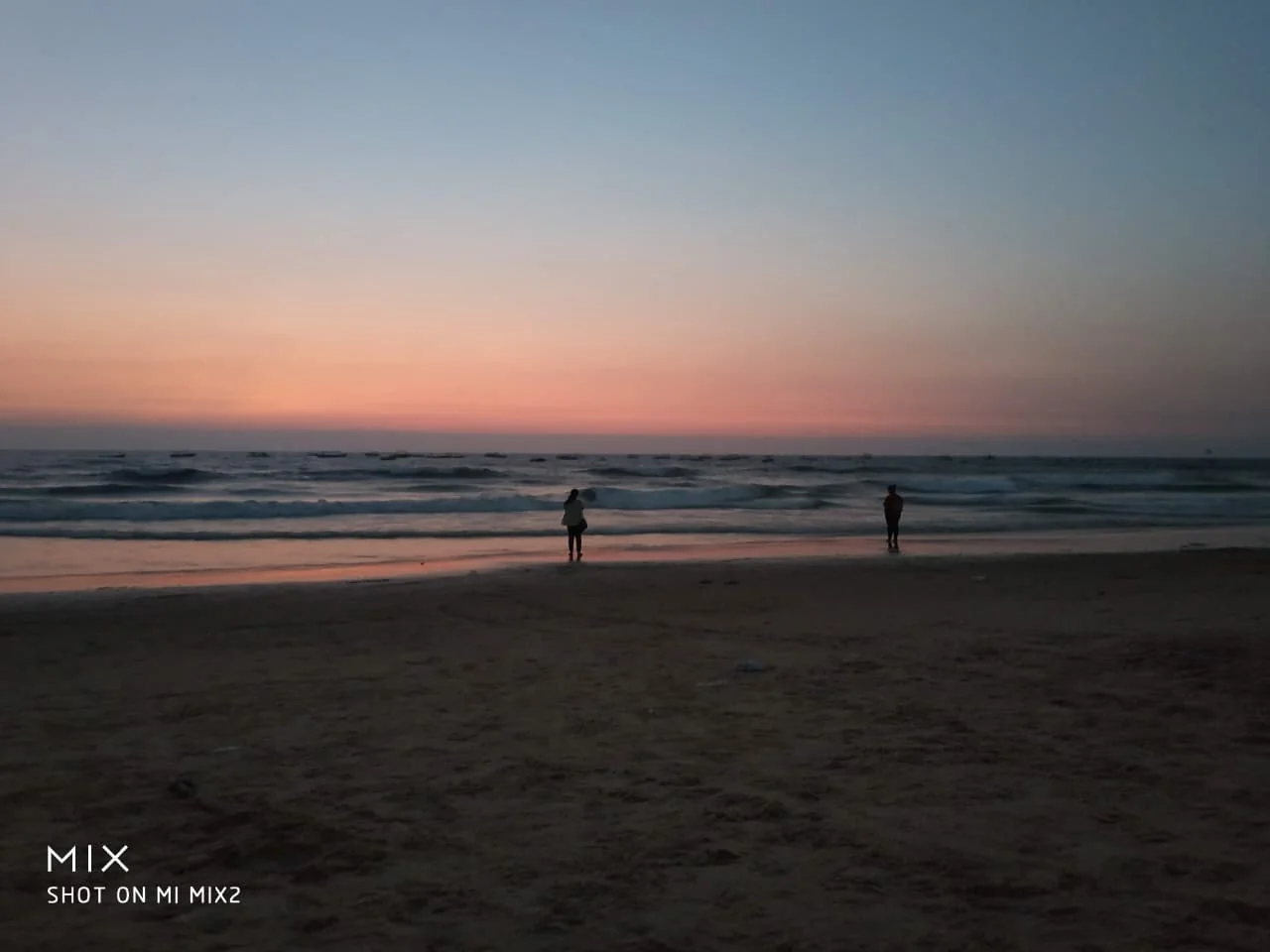
As the day drew to a close, we headed to a nearby beach to enjoy the relaxed Goan evening. Sinking into a comfortable shack with the sound of gentle waves and live music in the background, we had our dinner as the sun disappeared beyond the Arabian Sea. The laid-back atmosphere, delicious food, and soothing music made it the perfect way to end another memorable day in Goa.
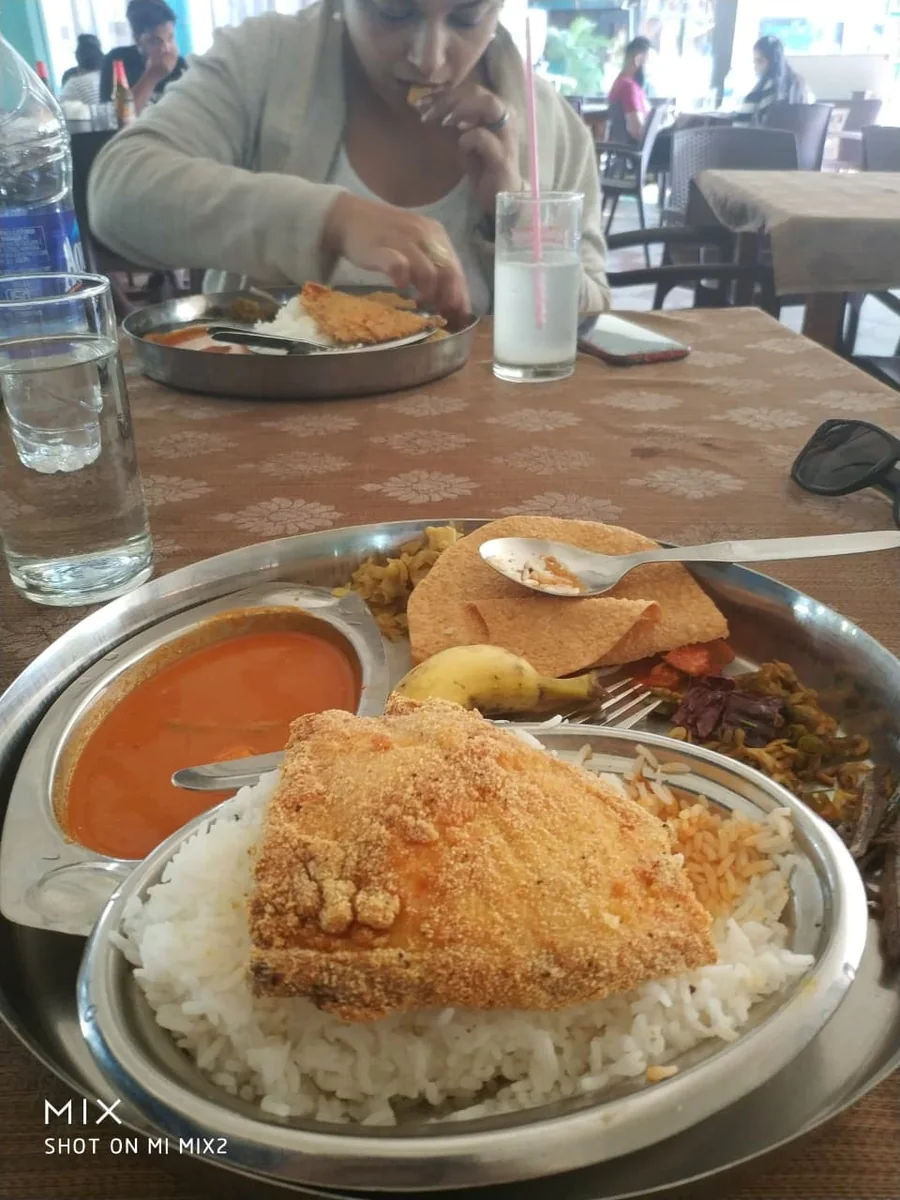
A simple classic Goan fish thali.
This image showcases a classic Goan fish thali, featuring a piece of crispy, rava-fried fish served over a generous bed of steamed white rice. The traditional metal platter includes essential coastal sides like a rich coconut-based fish curry, crunchy papad, a small banana, and local vegetable accompaniments. A staple of local eateries and beach shacks, this meal offers an authentic taste of Goa's signature spicy and tangy flavors.
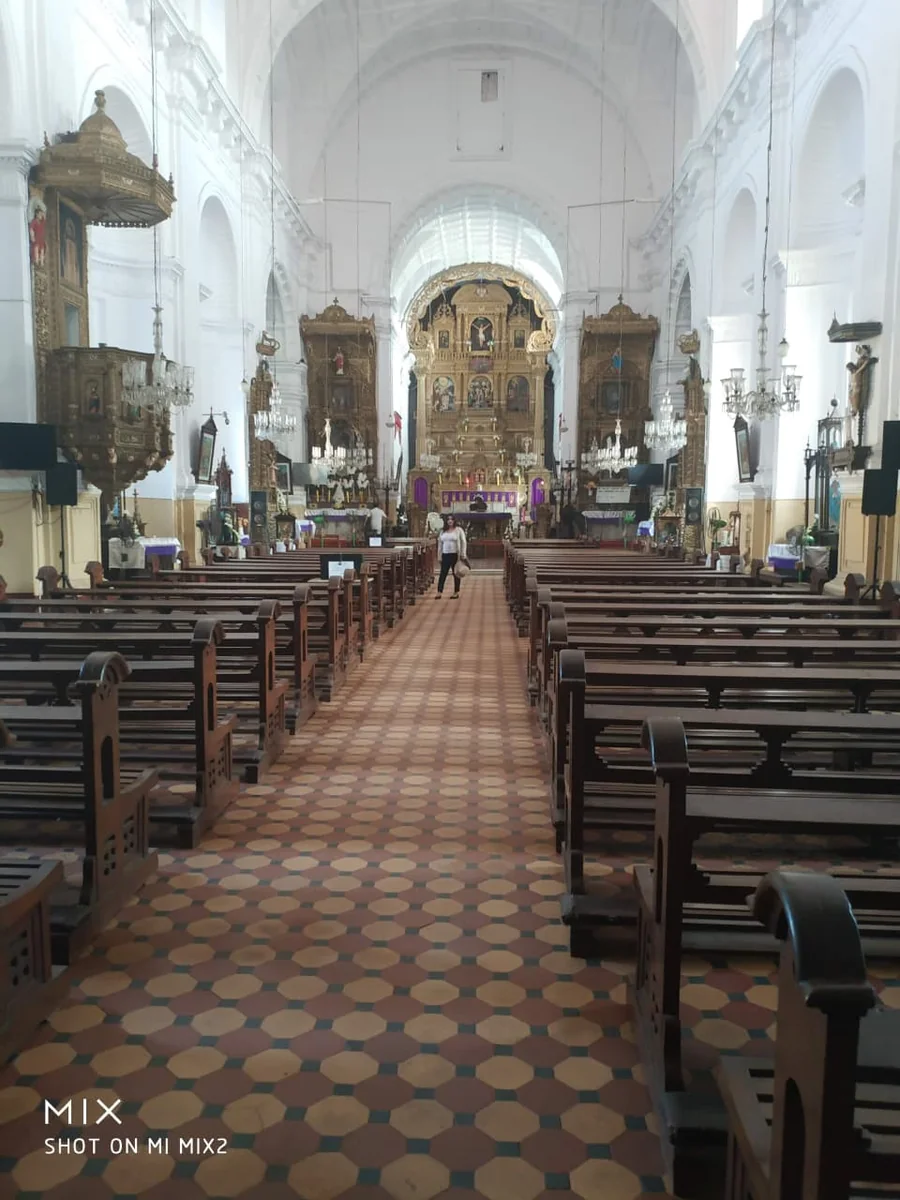
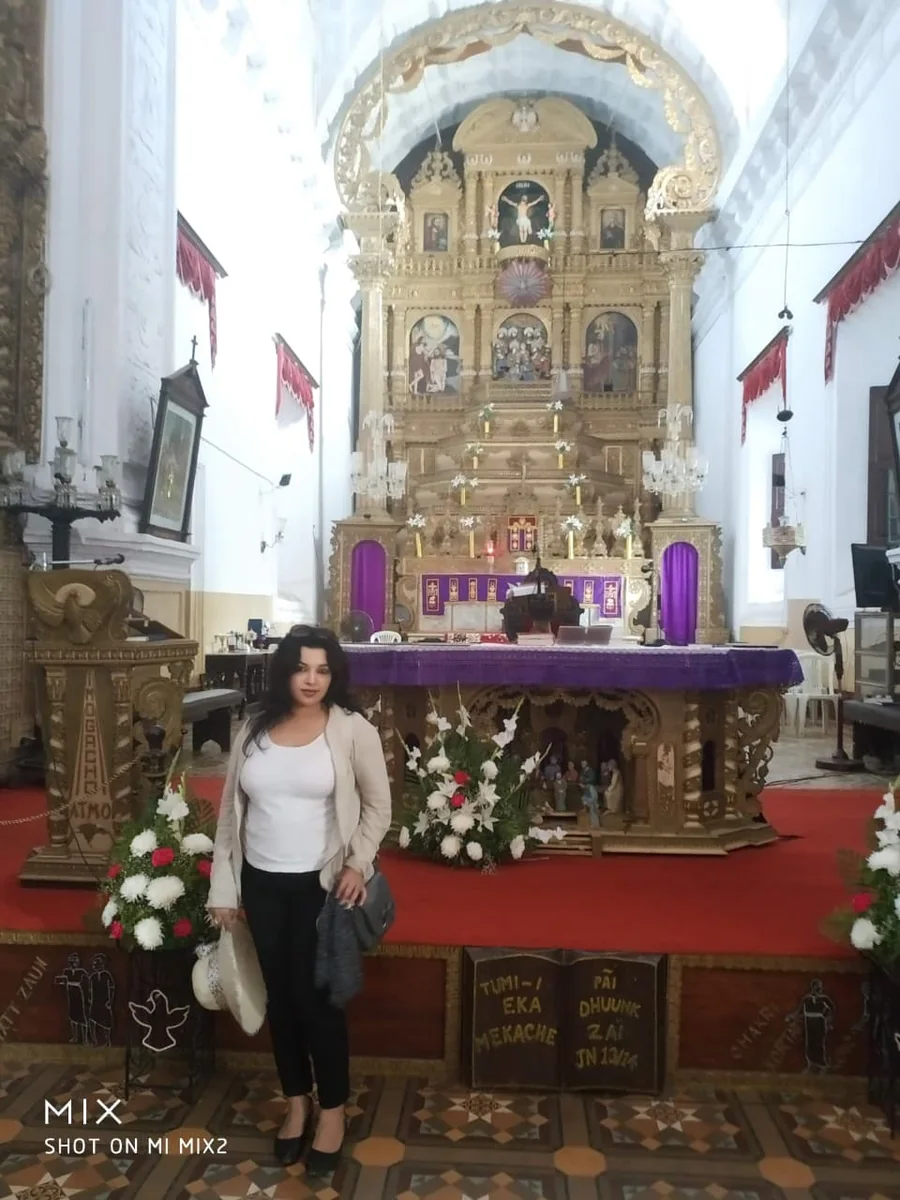
Holy Spirit Church, Margao – A Legacy of Faith
Our visit to the Holy Spirit Church in Margao offered a peaceful glimpse into Goa's rich religious heritage. Originally built in 1564, it is one of the oldest churches in the region and has long stood at the heart of the local community. Its striking white façade, elegant Baroque architecture, and beautifully decorated interior create an atmosphere of devotion.
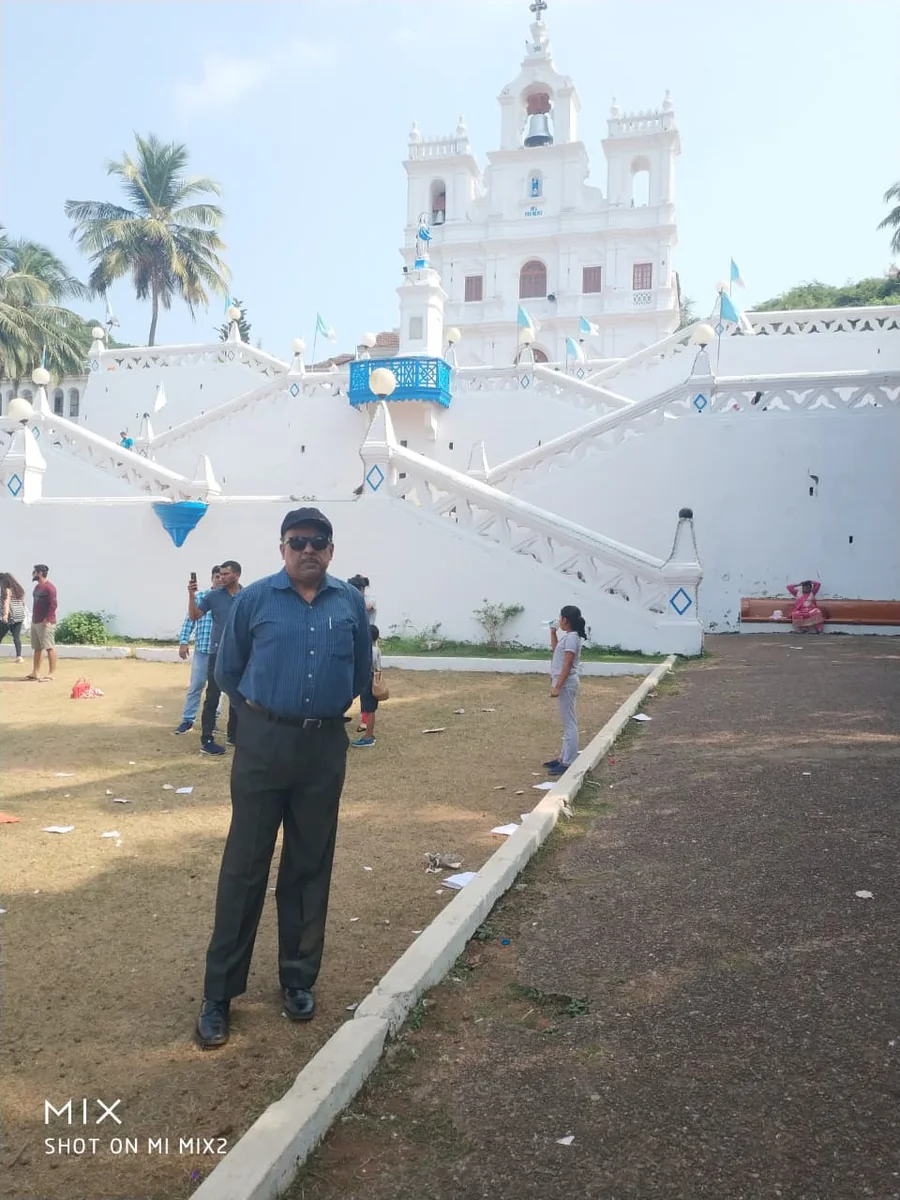
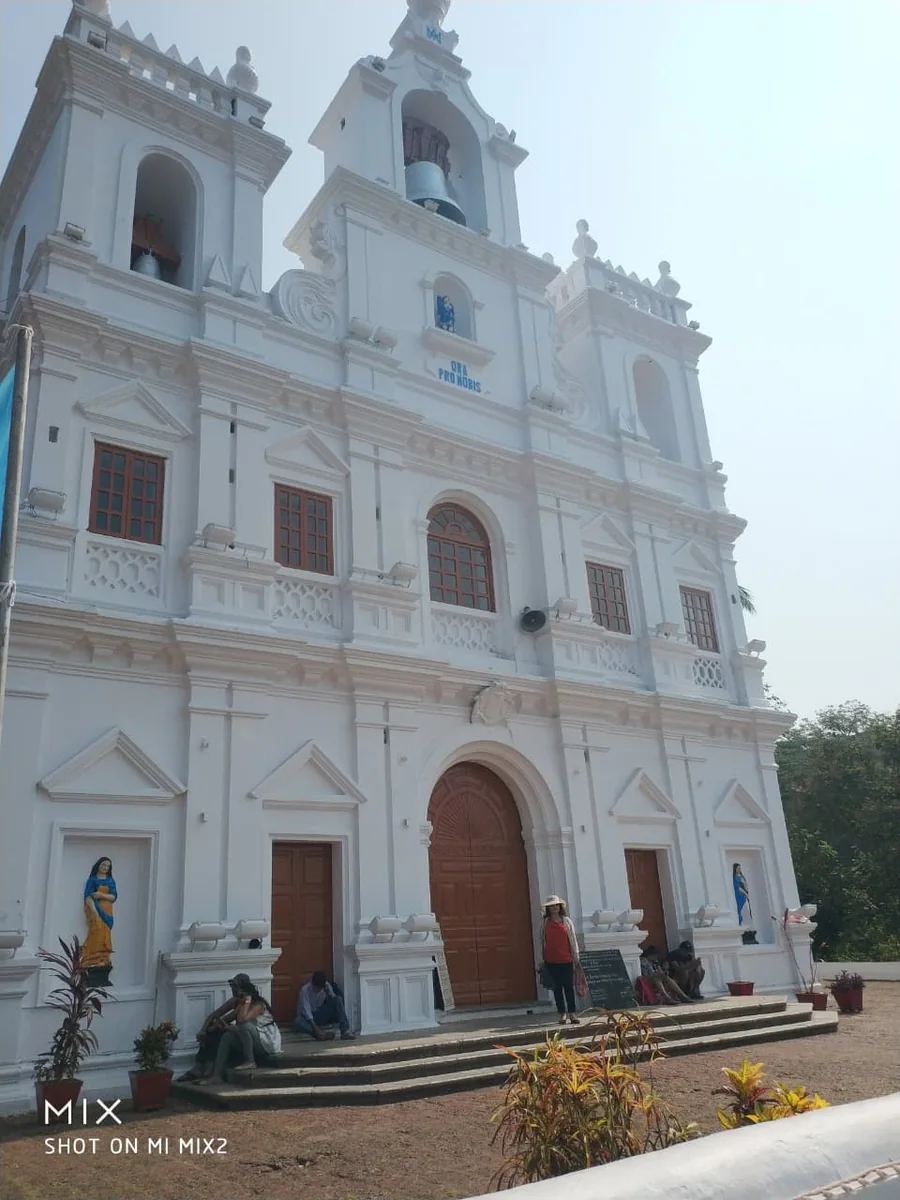
Our Lady of the Immaculate Conception Church – The White Landmark of Panjim
The gleaming white façade of the is one of the first sights that captures your attention in Panjim. Standing atop its broad zigzag staircase, the church overlooks the city with quiet grace, inviting both pilgrims and travellers to pause for a moment of reflection. We climbed the steps slowly, admiring its elegant Portuguese architecture and peaceful atmosphere. As the evening light softened the brilliant white walls, the church seemed to embody the timeless charm of Goa—where faith, history, and everyday life blend together effortlessly.
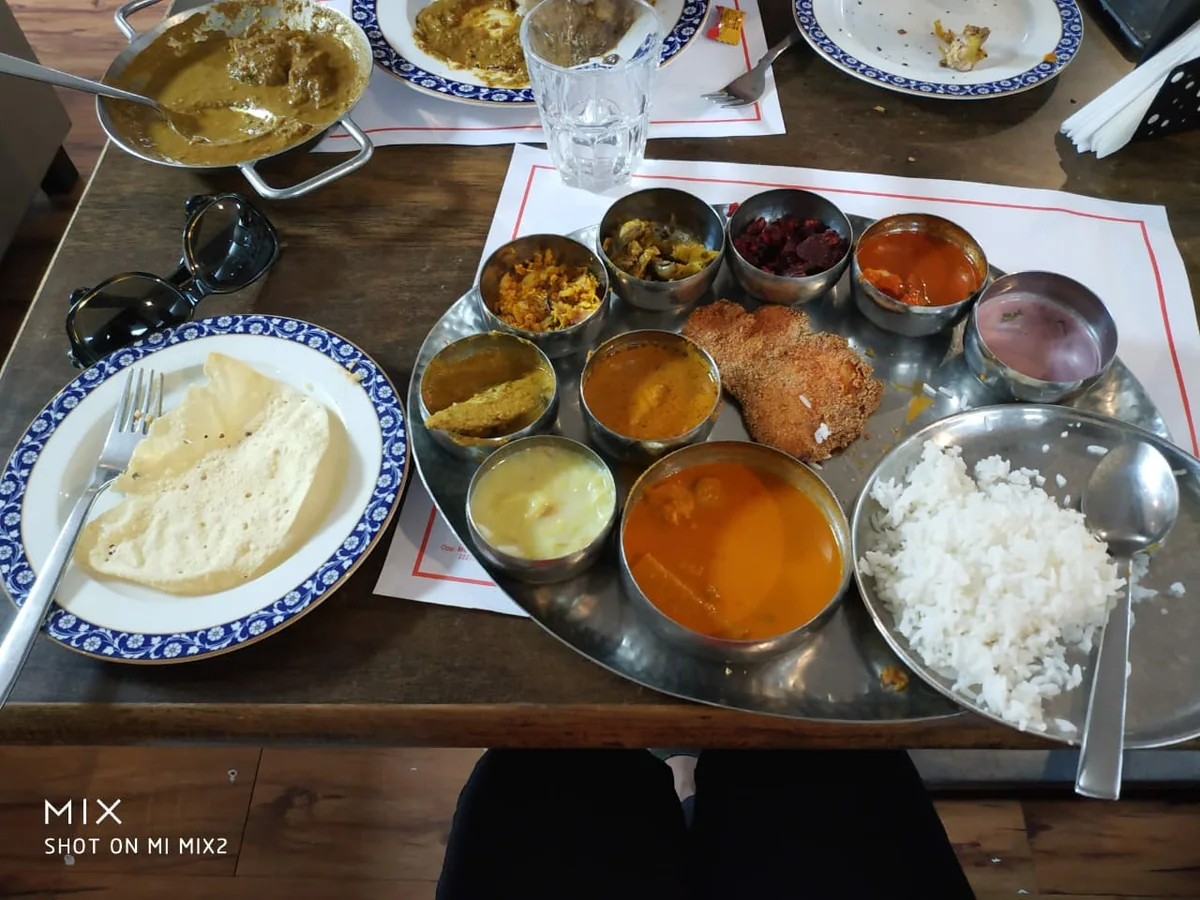
Traditional Goan Fish Thali
The traditional Goan fish thali is a feast that captures the soul of Goan cuisine. It features steamed rice with the iconic orange-red fish curry, crispy rawa-fried fish, an extra serving of fish gravy, beetroot sabzi, kismoor (a dried prawn salad), refreshing sol kadi, rasam, dal, a sweet serving of kheer, and a crisp papad. Every element brings a different flavour and texture, creating a meal that is both hearty and memorable.
You may have noticed that I have also shown the classic Goan fish thali earlier. That wasn't a mistake—it was deliberate. The classic thali is my recommendation for lunch, leaving you light enough to continue exploring Goa's churches, forts, and beaches. Save the traditional fish thali for dinner. It is so generous and satisfying that, if you have it at lunchtime, you may find yourself saying, I think we've seen enough for the day... now let's take a nap!