Festival
Kolkata, West Bengal
Festival

Kalimpong is a charming hill town nestled in the Eastern Himalayas, offering a relaxed atmosphere that is increasingly difficult to find in many popular mountain destinations. Unlike several overcrowded hill stations, Kalimpong has managed to retain its peaceful character, making it an ideal place to pause and enjoy the beauty of the mountains.
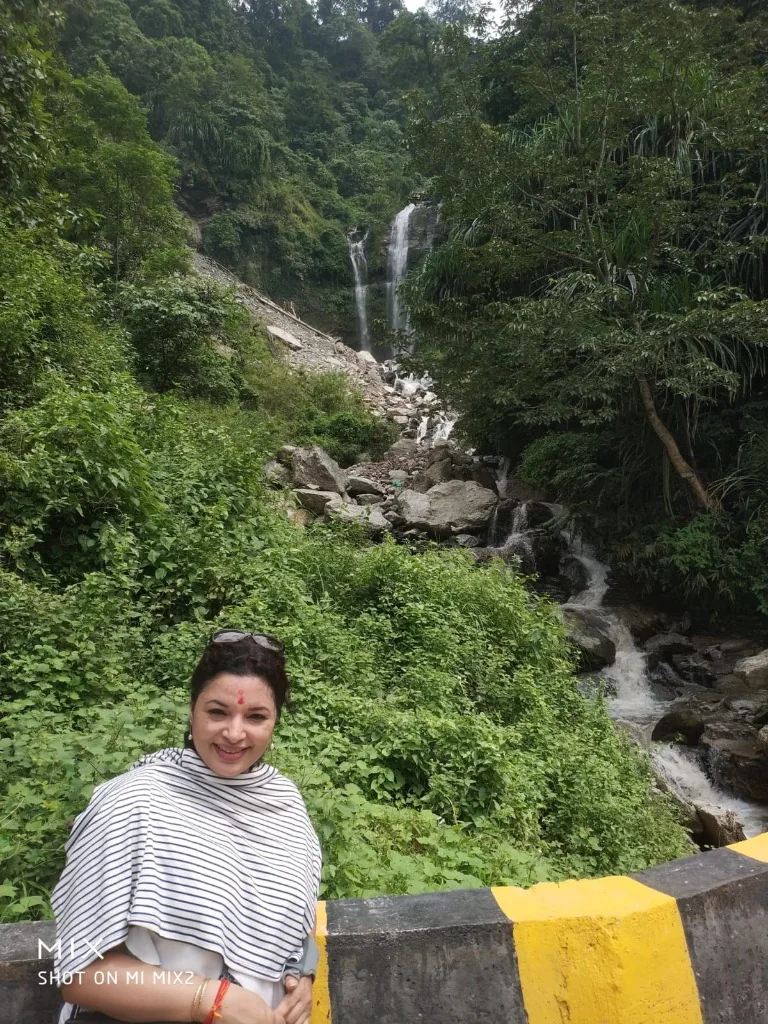
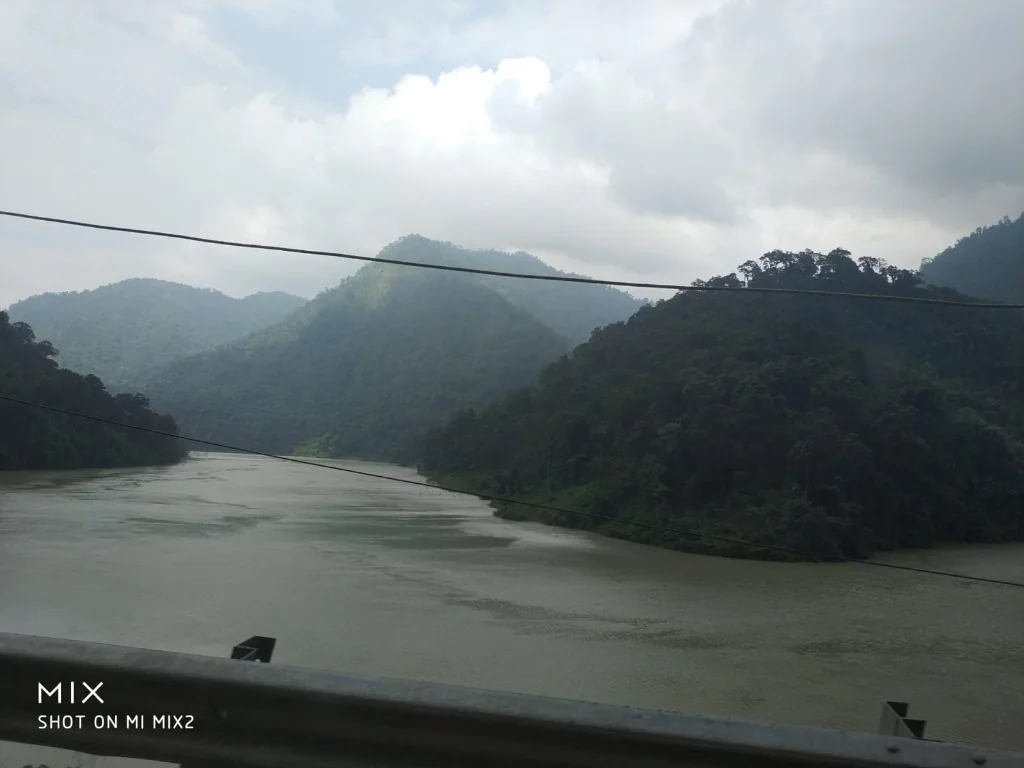
Getting around Kalimpong generally requires local transport, as the attractions are spread across the hilly terrain. The journey into the town is memorable, with a steep climb from the Teesta Bridge winding through lush greenery and offering beautiful views of the surrounding hills. The nearest airport is Bagdogra Airport, from where taxis are readily available for the approximately three-hour drive to Kalimpong. The combination of natural beauty, cultural heritage, pleasant weather, and a laid-back pace makes Kalimpong a delightful Himalayan retreat.
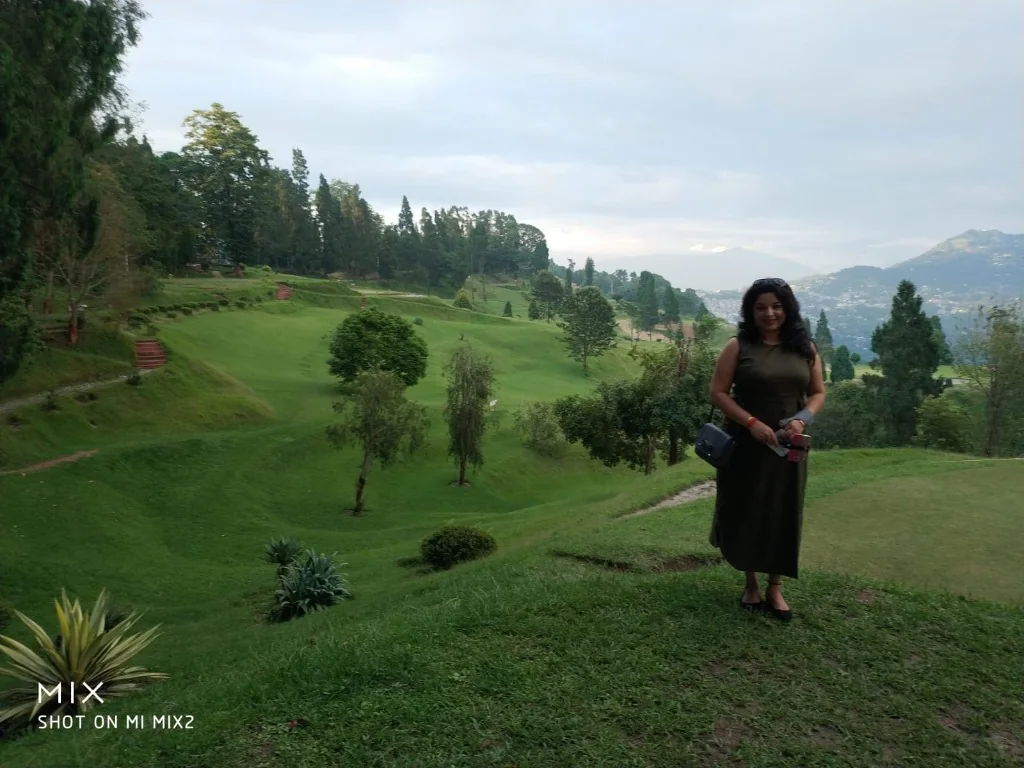
The town is home to several notable attractions, including the historic Dr. Graham's Homes, one of the most respected educational institutions in the region. Visitors can also enjoy the famous Swiss Bakery, explore serene Buddhist monasteries, and play a round at the scenic 9-hole golf course. The town's numerous flower and plant nurseries are a delight for gardening enthusiasts and are well worth visiting.
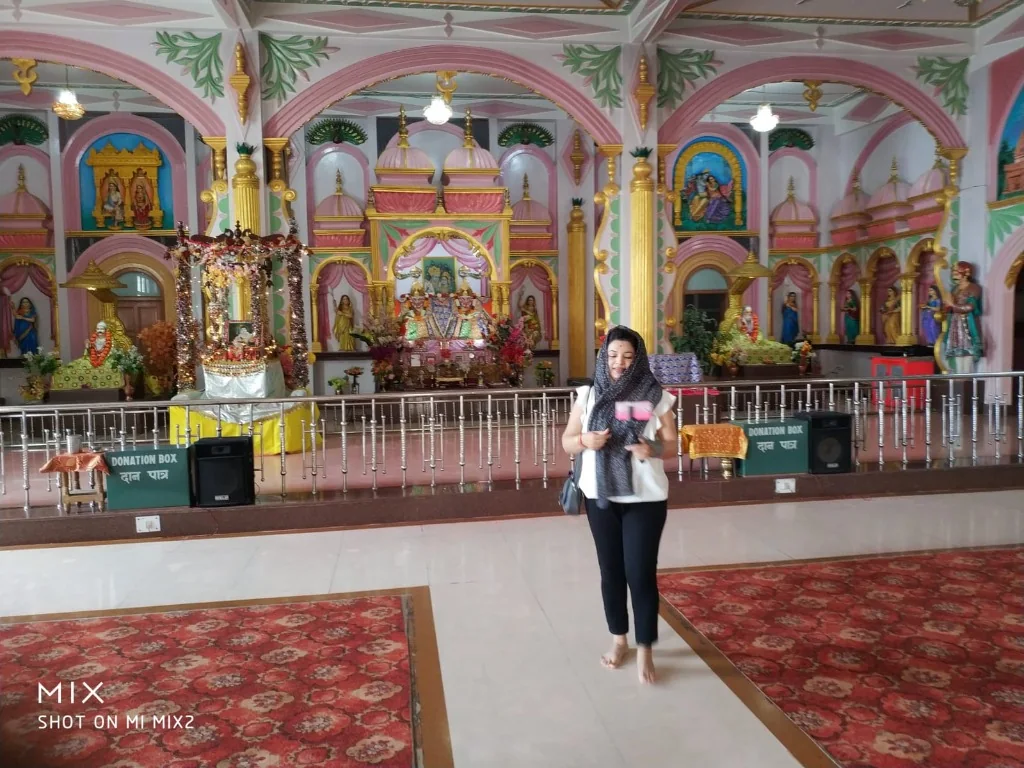
A visit to Mangal Dham offers a tranquil spiritual experience amid the hills of Kalimpong. Dedicated to Lord Krishna, the temple is known for its beautiful architecture, peaceful atmosphere, and well-maintained surroundings. As I walked through the complex, I found it to be a serene place for reflection, away from the bustle of the town, while enjoying lovely views of the surrounding hills.
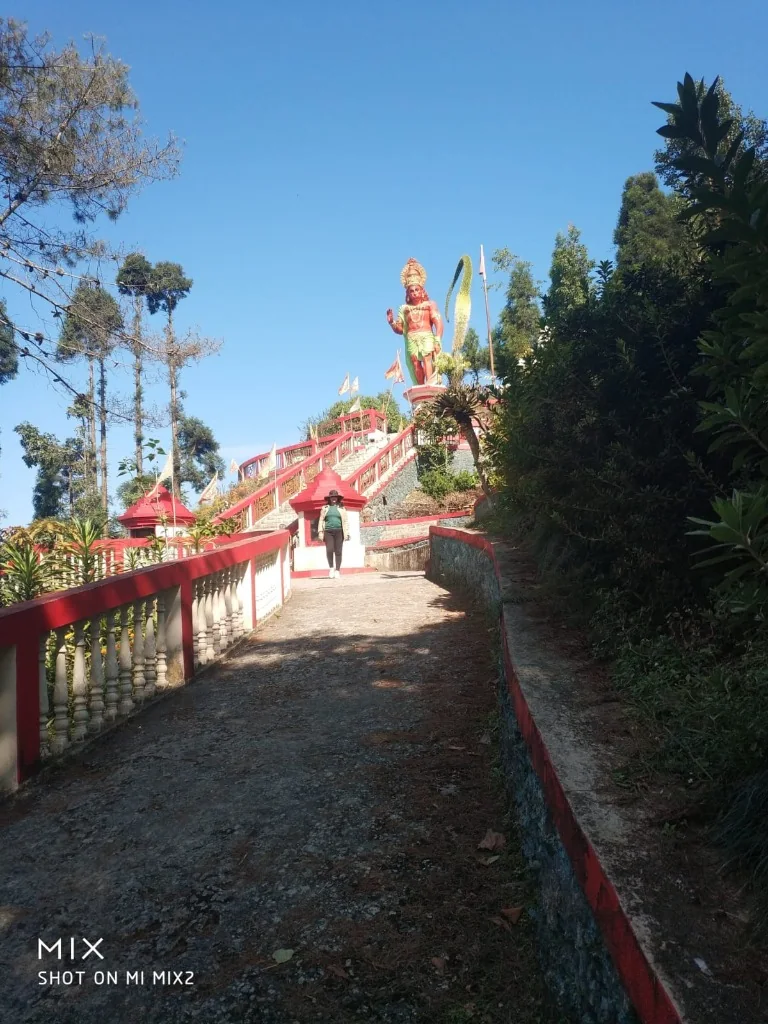
Perched on a hillside overlooking the town, Hanuman Tok is a peaceful temple dedicated to Lord Hanuman. The temple offers a calm spiritual atmosphere along with beautiful views of the surrounding hills and valleys. A visit here combines devotion, tranquility, and scenic beauty, making it a pleasant stop while exploring Kalimpong.
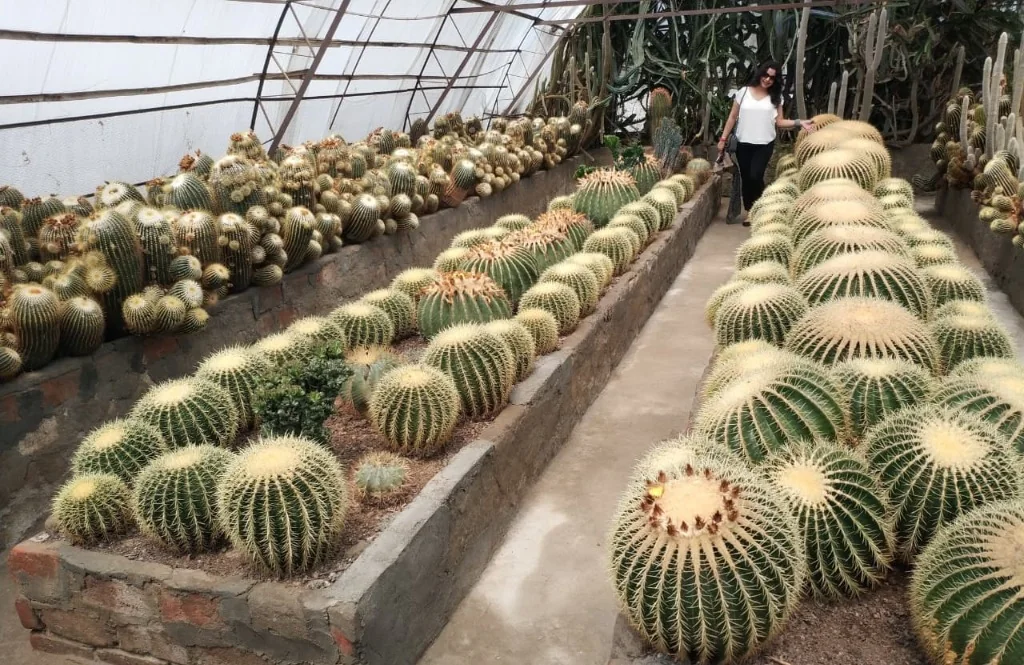
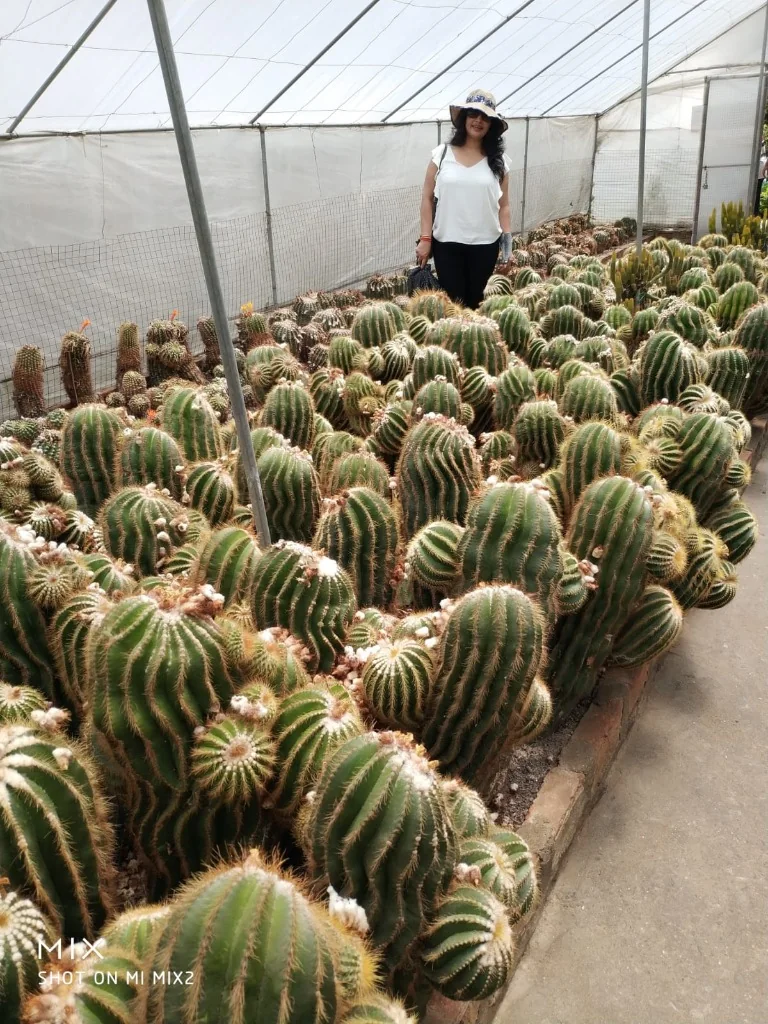
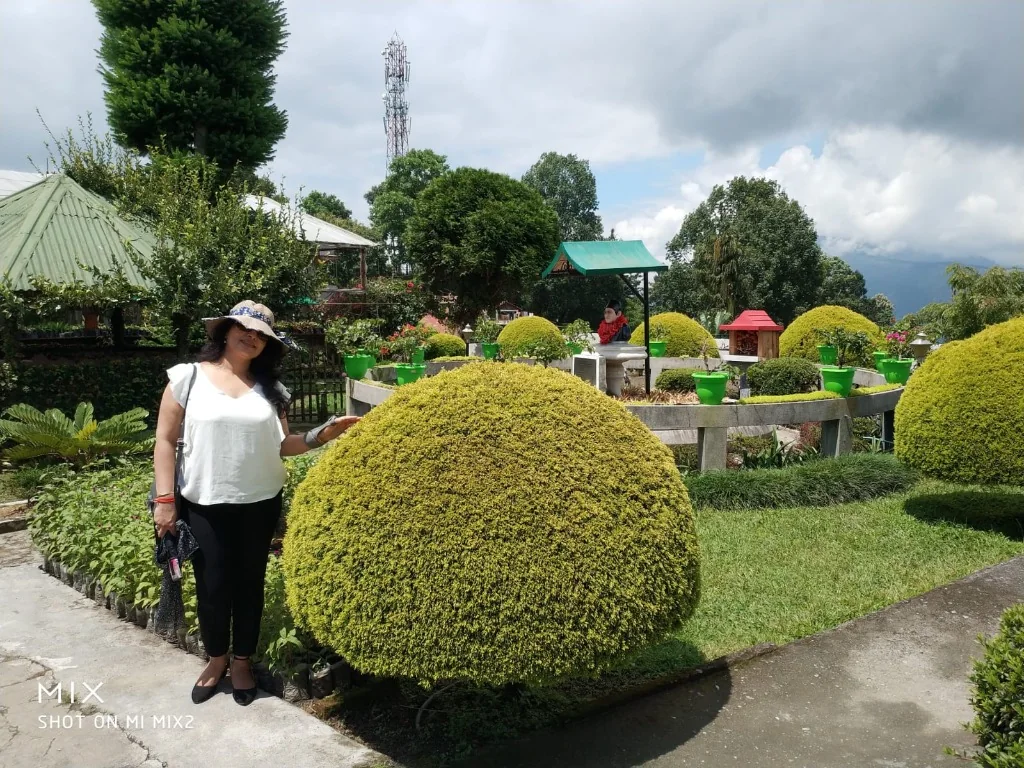
Kalimpong is renowned for its nurseries thanks to its cool climate, fertile soil, abundant rainfall, and ideal altitude, which create perfect conditions for growing orchids, cacti, gladioli, and a wide variety of ornamental plants. The nursery trade began during the British era and gradually evolved into one of the town's most important industries. Today, Kalimpong's colourful nurseries supply plants and flowers across India and remain a distinctive attraction, drawing visitors who come to admire their rich variety.
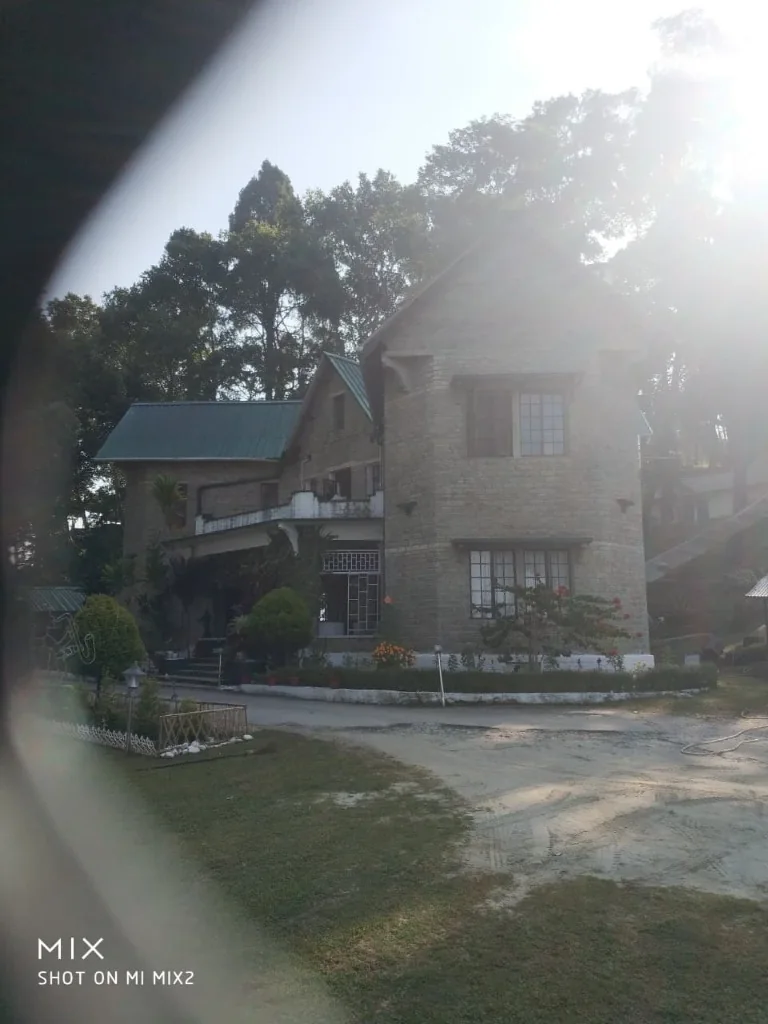
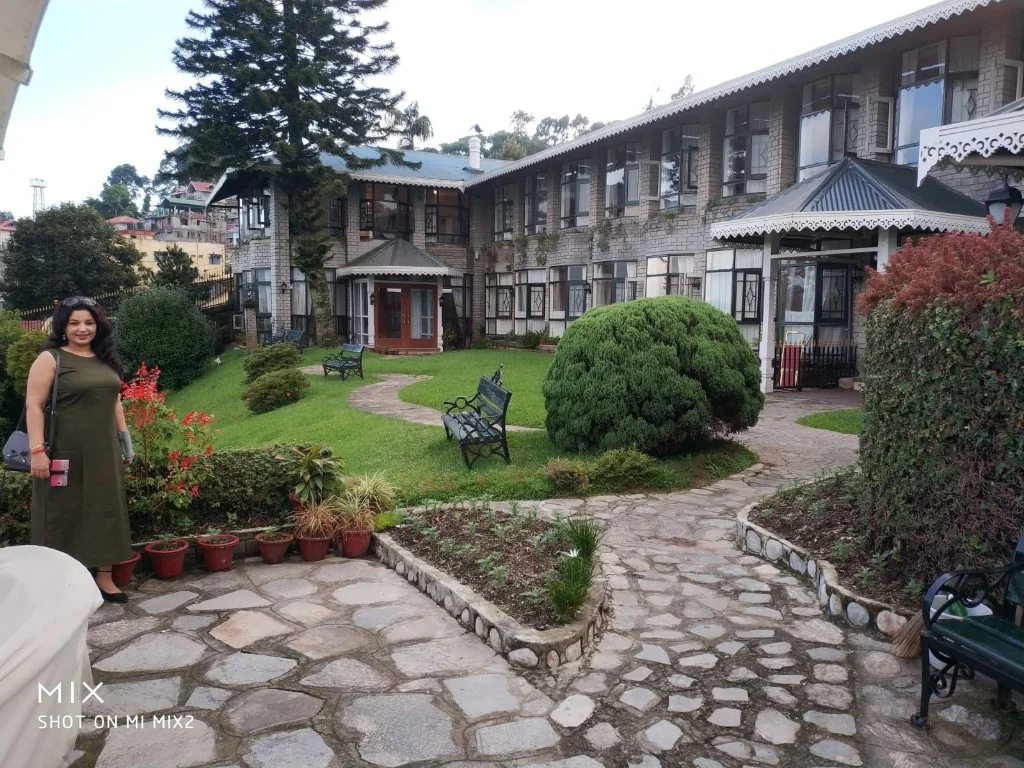
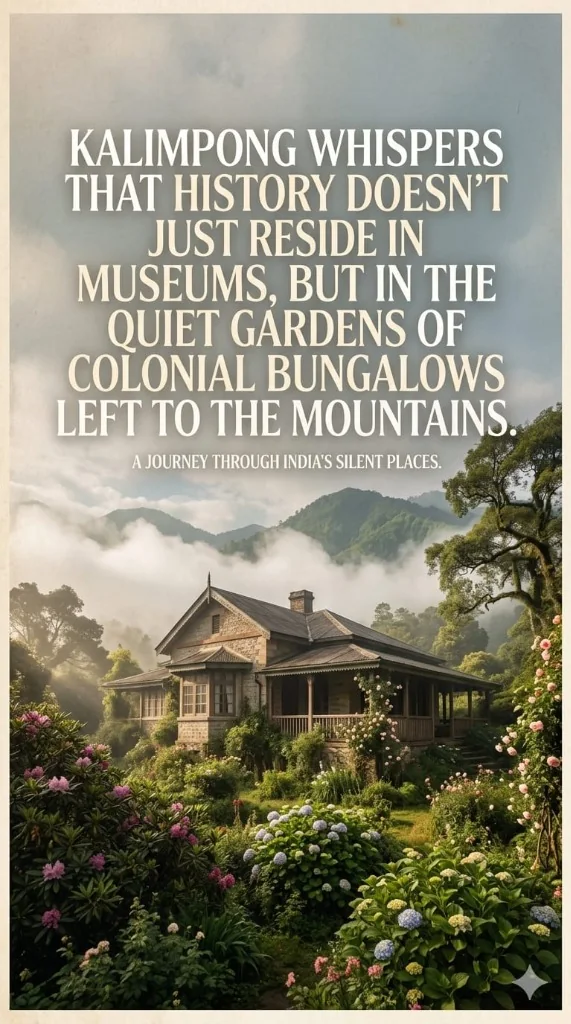
Kalimpong is famous for its remarkably preserved British colonial-era stone bungalows, many of which are now open to travelers as heritage hotels or museums. These properties feature distinct British architecture, towering chimneys, gabled roofs, and manicured gardens overlooking the Kangchenjunga range.
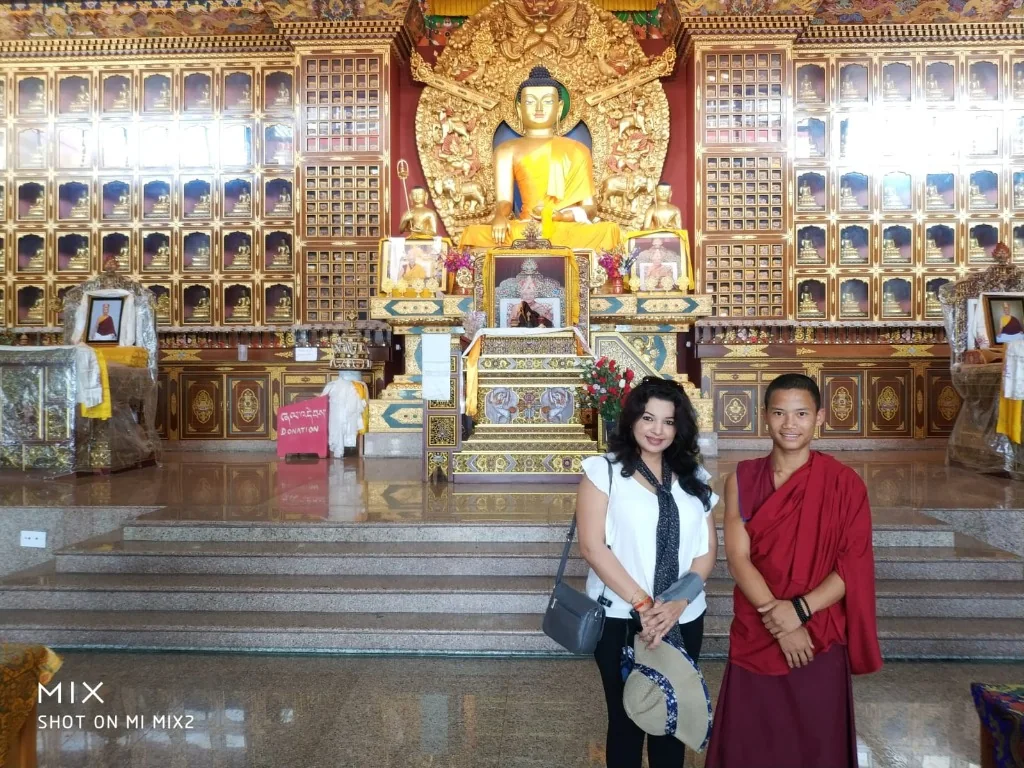
A visit to Sakya Monastery offers a glimpse into the rich traditions of Tibetan Buddhism. The monastery's colorful murals, prayer flags, and serene prayer hall create a peaceful atmosphere for visitors. Surrounded by the tranquil hills of Kalimpong, it is a wonderful place to pause, reflect, and appreciate the region's deep cultural and spiritual heritage.
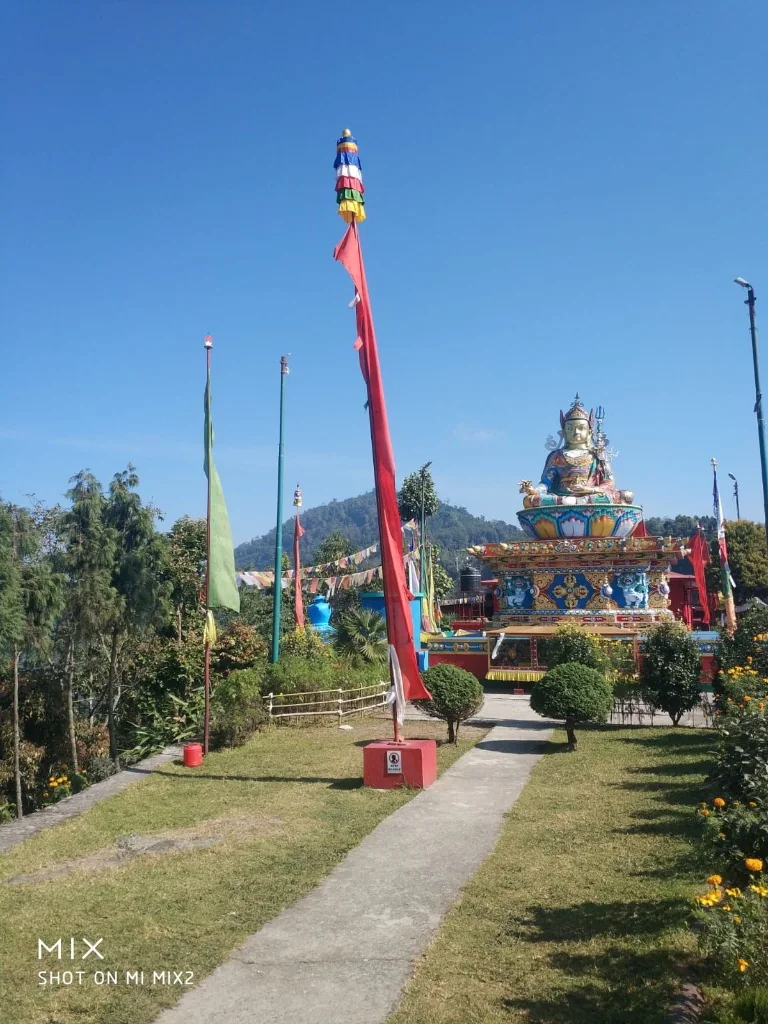
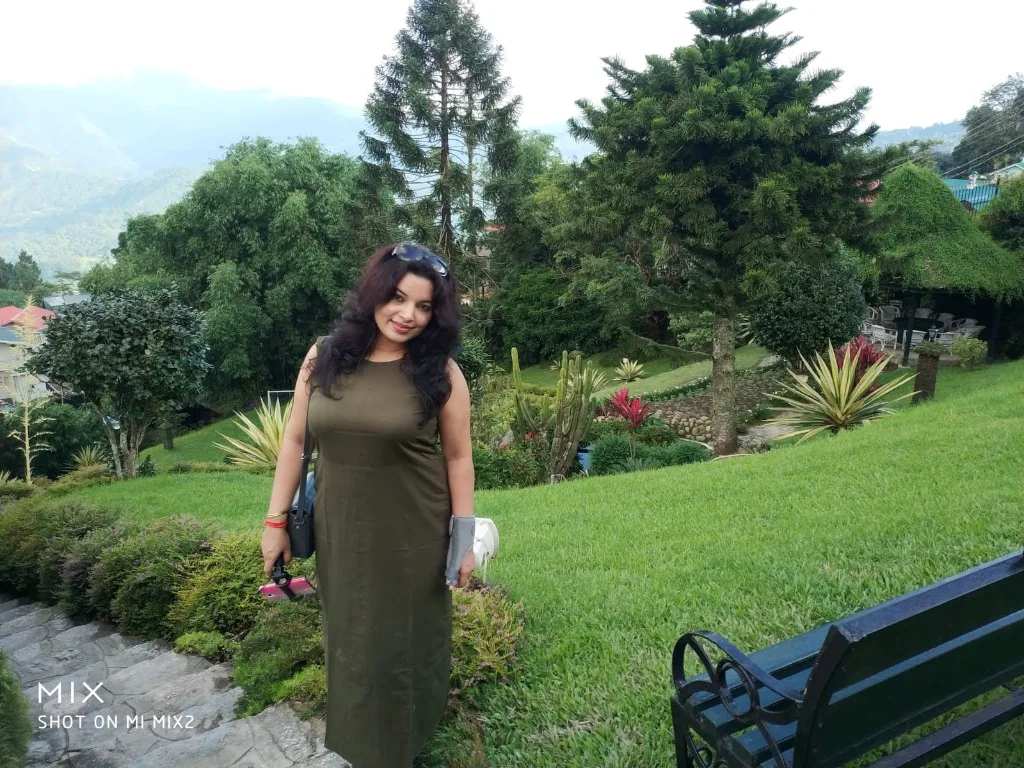
My visit to Kalimpong combined beautiful Himalayan scenery with a fascinating sense of history. Once an important trading post on the old Silk Route between India and Tibet, the town played a key role in the movement of goods, people, and ideas across the mountains. Exploring Kalimpong offered not only stunning views but also a glimpse into the historic connections that shaped much of Asia.
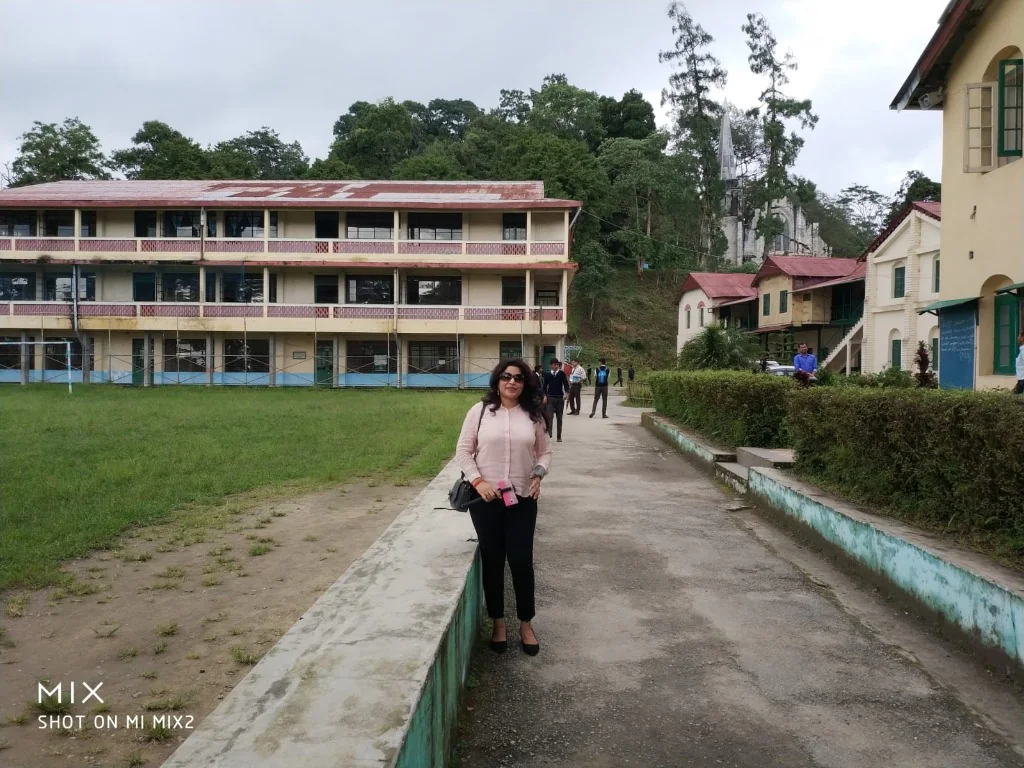
Perched on a beautiful ridge overlooking Kalimpong, Dr. Graham's Homes is one of the most picturesque schools in the Himalayas. Spread across a vast green campus, it follows a unique cottage system where students live in small houses rather than large hostels, creating a close-knit community. The scenic setting and historic setting makes it a interesting place to visit.
A curated selection of recommendations to ensure your journey is seamless, comfortable, and unforgettable.
Kalimpong is best enjoyed at a relaxed pace of 2–3 days.
Hire a local taxi for sightseeing, as attractions are spread across the hills.
The drive from Teesta Bridge to Kalimpong involves a steep and winding climb.
Carry a light jacket throughout the year; evenings can be cool.
Visit the flower nurseries for which Kalimpong is famous.
Explore the monasteries, Dr. Graham's Homes, and local markets.
Try local Himalayan and Tibetan dishes, including momos and thukpa.
The nearest airport is Bagdogra, while New Jalpaiguri (NJP) is the nearest major railway station.
Choose accommodation with valley views to fully appreciate the town's scenic setting.
Kalimpong is less crowded than Darjeeling, making it ideal for travellers seeking a quieter Himalayan experience. It can easily be combined with a trip to Darjeeling/Gangtok
Kalimpong is a serene hill station in West Bengal celebrated for its Tibetan Buddhist monasteries, orchid and exotic plant nurseries, colonial heritage homes, and views of Mt. Kanchenjunga.
Morgan House is an atmospheric 1930s British colonial stone manor surrounded by pine groves and undulating lawns, now operated as a heritage tourist lodge by WBTDCL.
Perched atop Durpin Dara hill, this grand monastery consecrated by the Dalai Lama houses rare Tibetan scriptures (Kangyur) and offers panoramic vistas of the Teesta River valley.
With its moderate subtropical climate, Kalimpong is India's premier cultivation center for gladioli, rare orchids, amaryllis, and exotic desert cacti at sites like Pine View Nursery.
Until the mid-20th century, Kalimpong was the primary gateway for trade caravans carrying wool, silk, and spices across the Jelep La pass between Tibet and India.
Deolo Hill is the highest point in Kalimpong town (5,590 ft), featuring landscaped gardens, walking pathways, viewpoints of snow-capped peaks, and quiet tea pavilions.
Pick up authentic Kalimpong cheese made from local dairy, hot Dalle Khursani chili pickle, handcrafted fruit lollipops, churpi (hard yak cheese), and fresh ginger.
Kalimpong is noticeably calmer and less congested than Darjeeling, with gentle walking slopes, fresh Himalayan breezes, and minimal vehicular chaos.
Kalimpong is approximately 2.5 to 3 hours by private car from Bagdogra Airport (IXB) and roughly 2.5 hours from Darjeeling through scenic tea valleys.
Dr. Graham's Homes, established in 1900 across 500 hillside acres, features historic Scottish baronial stone chapels, schoolhouses, and cottages.
Continue wandering through the historical corridors, sacred architectures, and living traditions of India.
Contextual field notes, cultural dossiers, and transcontinental itineraries.