
Festival
Kolkata, West Bengal
Festival
A visit to Kaziranga was one of the highlights of our journey through Assam. We explored the park in a hired jeep, driving through its vast grasslands and wetlands in search of wildlife.
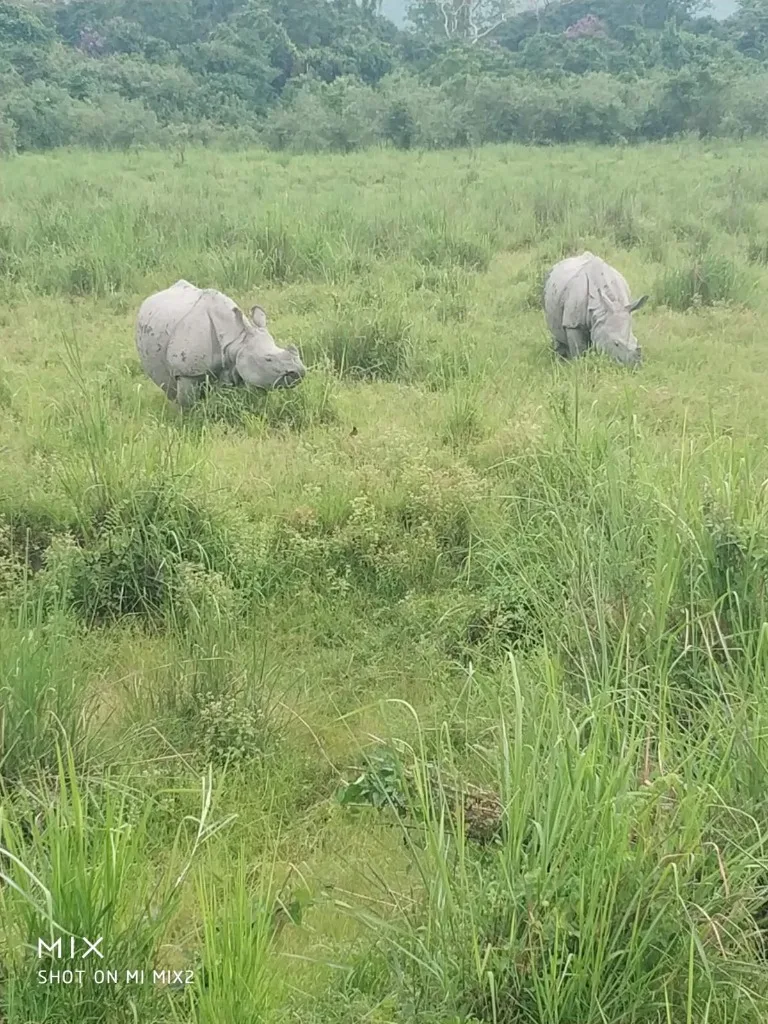
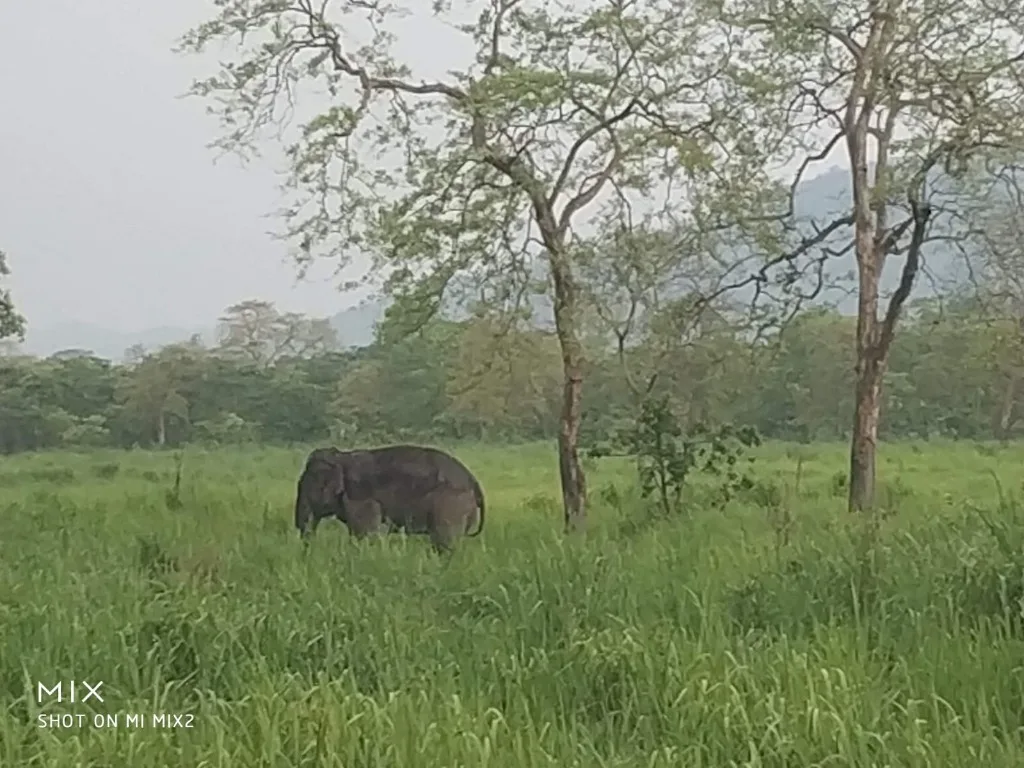
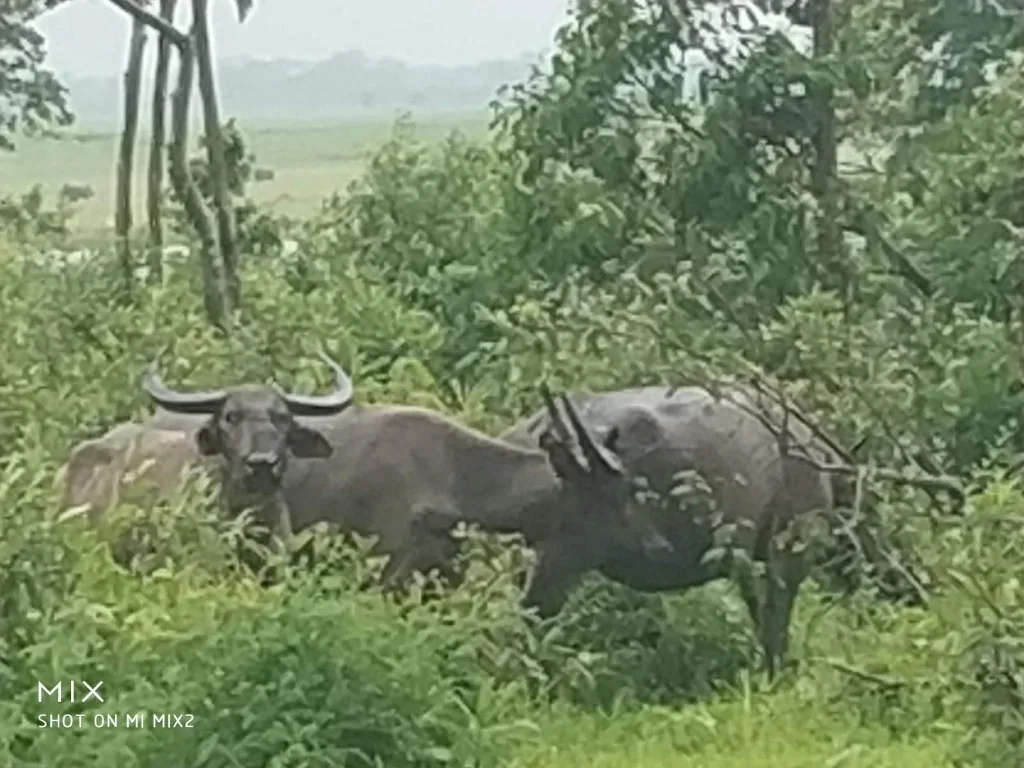
Kaziranga is home to the "Big Four"—the one-horned rhinoceros, elephant, wild water buffalo, and tiger—but it is most famous for its remarkable population of the endangered single-horned rhinoceros. During the safari, we were fortunate to see large numbers of rhinoceroses, wild buffaloes, and elephants, often at surprisingly close range, making for an unforgettable wildlife experience.


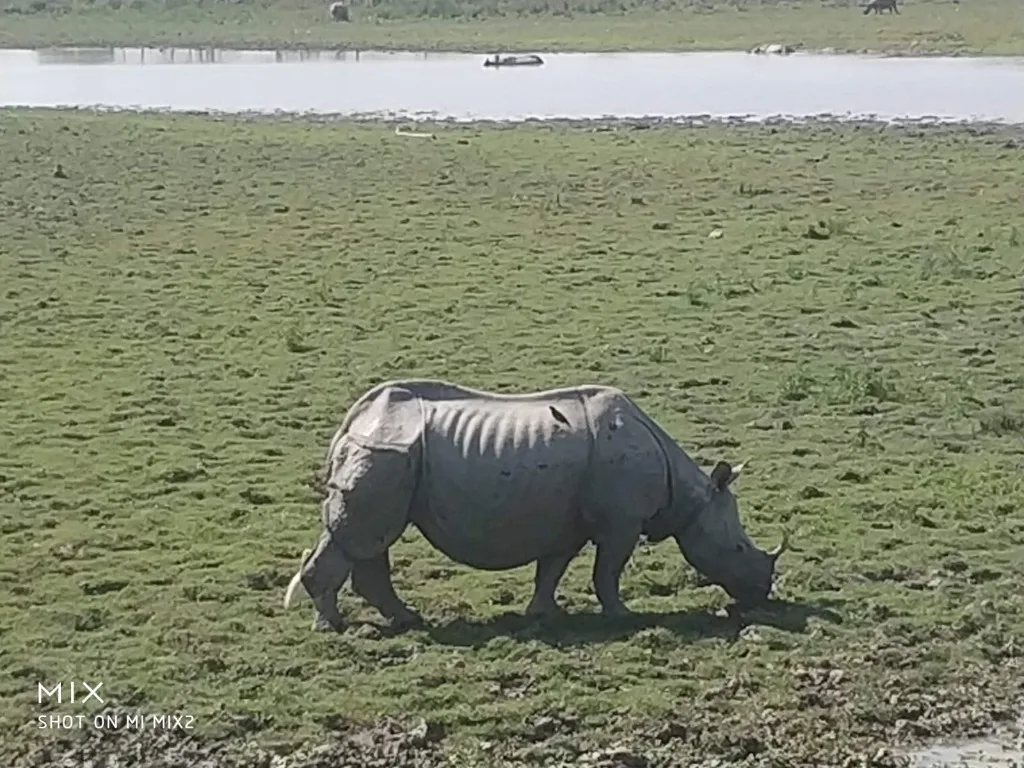
Kaziranga is truly a paradise for the Indian one-horned rhinoceros, and seeing these magnificent animals roaming freely in their natural habitat was an unforgettable experience. As I watched them grazing peacefully in the vast grasslands, my only concern was the heavy monsoon floods that regularly inundate the park and challenge the survival of its wildlife. There were two machans (watchtowers) where tourists could stop and observe the animals from a safe vantage point, offering excellent views of the surrounding landscape. The jeep safari provided close encounters with wildlife, though the ride itself was quite bumpy over the rough tracks.
One rhinoceros emerged silently from the elephant grass only a few metres from our jeep, pausing briefly before disappearing into the wetlands. It was a moment none of us will forget.
Visit early in the morning for the best wildlife sightings and carry a cap, sunglasses, and a camera with a zoom lens. The rough safari tracks can be dusty and uneven, so be prepared for a bumpy ride.
Beyond the safari, we visited the Kaziranga Cultural Village, where traditional Assamese dances provided a colourful introduction to the region's rich heritage.
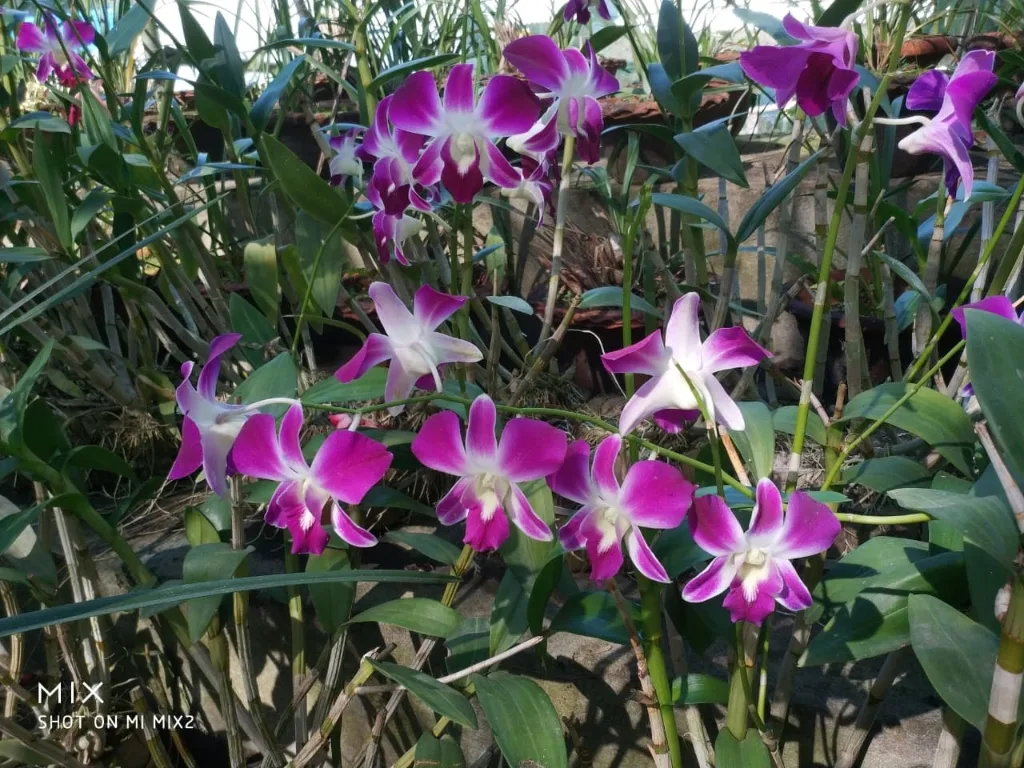
The village also featured beautiful displays of orchids and locally crafted cane and bamboo products, showcasing both the biodiversity and craftsmanship of Assam. Together, the wildlife and cultural experiences made Kaziranga a memorable destination.
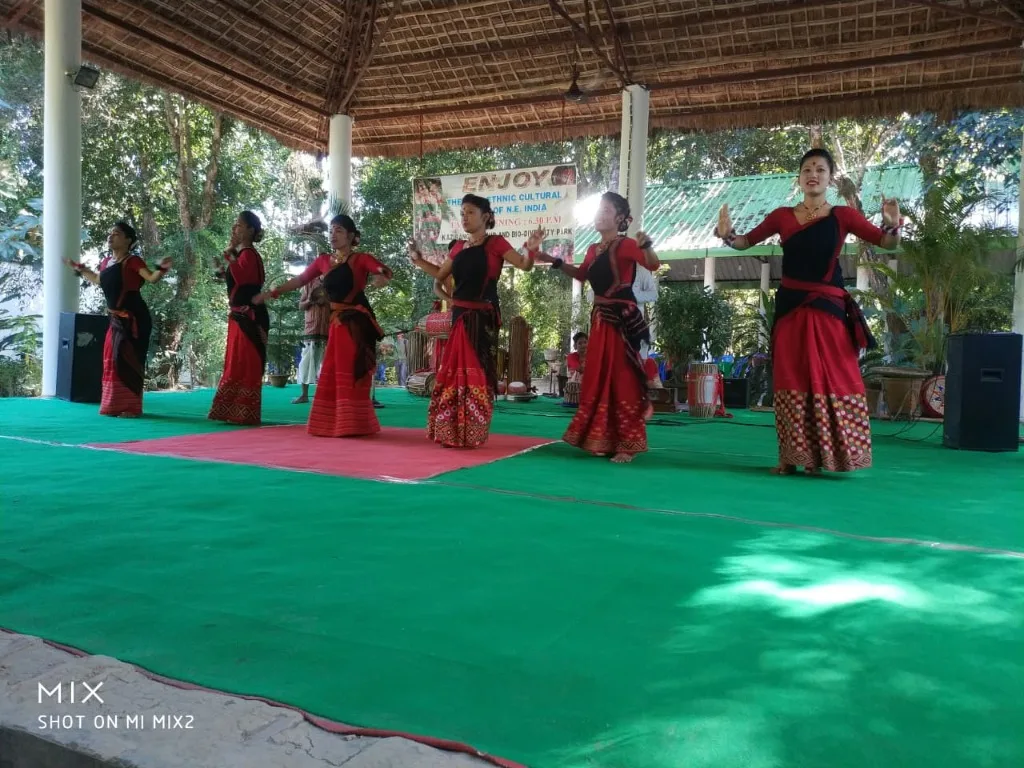
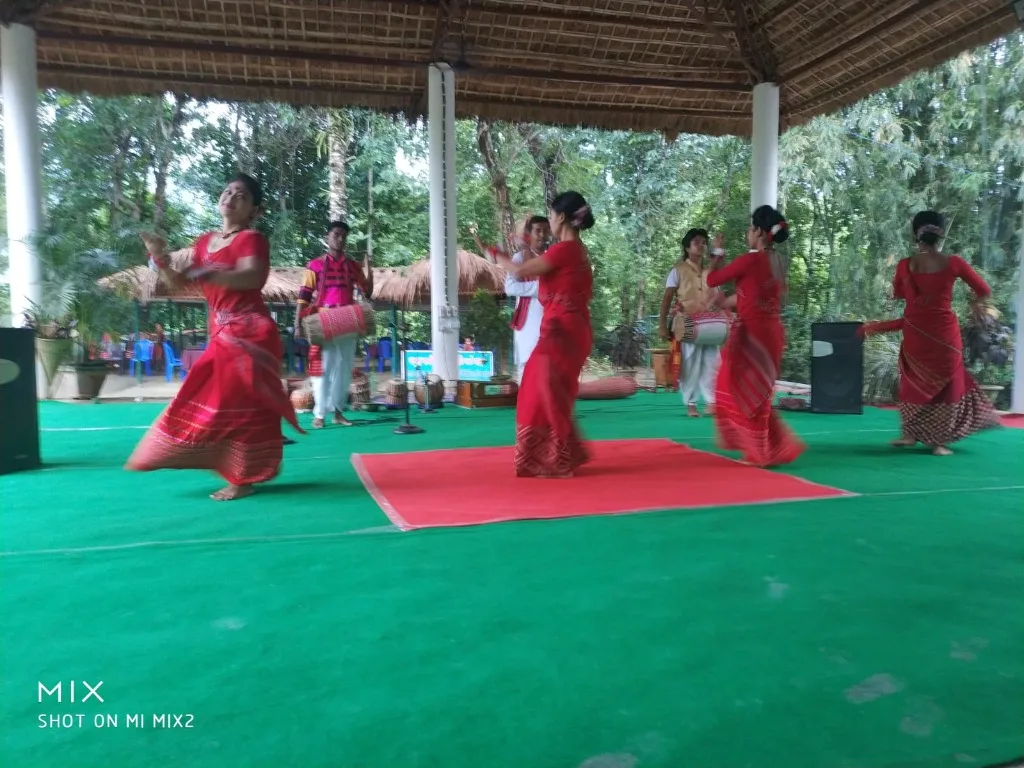
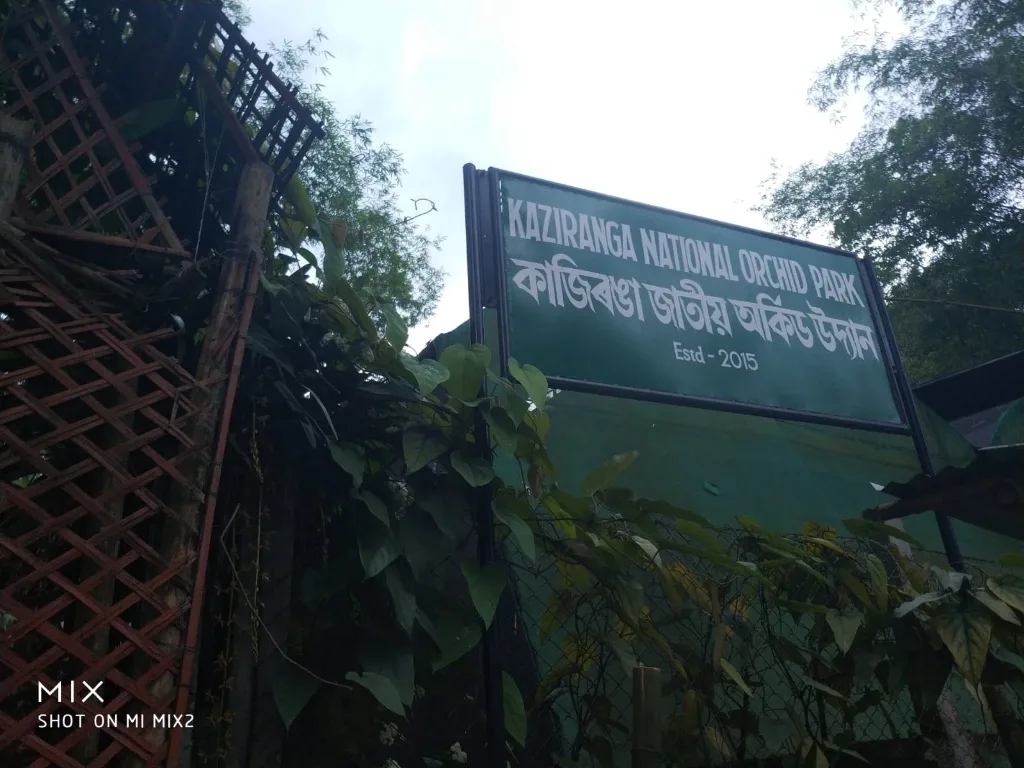
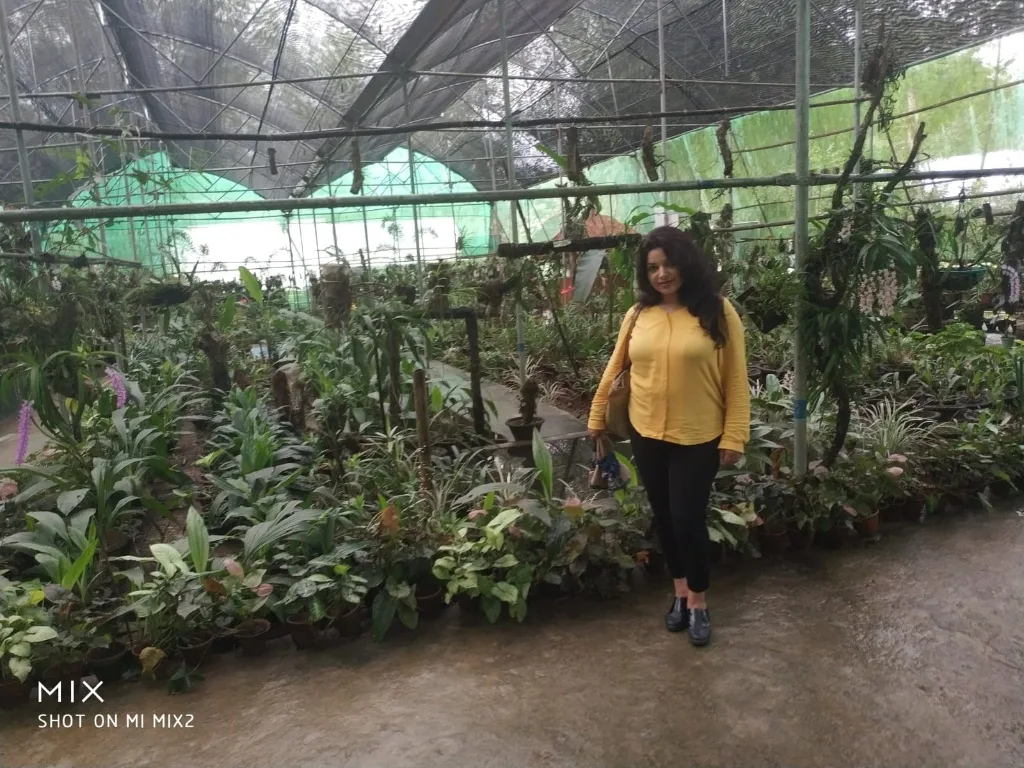
A visit to the Orchid Park near Kaziranga offers a fascinating glimpse into the rich cultural and botanical heritage of Assam.
The park houses a large collection of native orchids, showcasing the incredible diversity of the region's flora.
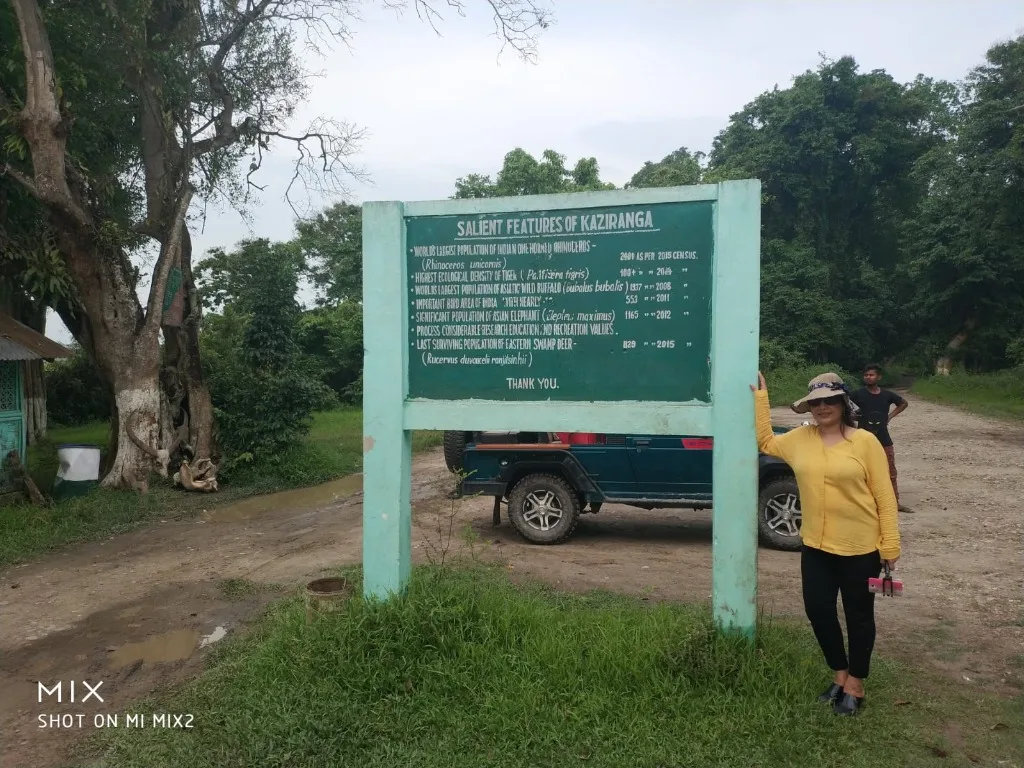
This display highlights the impressive population of the Big Four of Kaziranga—rhinoceros, elephant, wild buffalo, and tiger. Thanks to this thriving wildlife population, visitors can see a remarkable number of animals during a safari, especially the iconic one-horned rhinoceros, which is the park's greatest attraction.
The abundance of wildlife, combined with the vast grasslands and wetlands, makes Kaziranga one of the finest wildlife destinations in India. For me, it is probably the best wildlife sanctuary in the country.
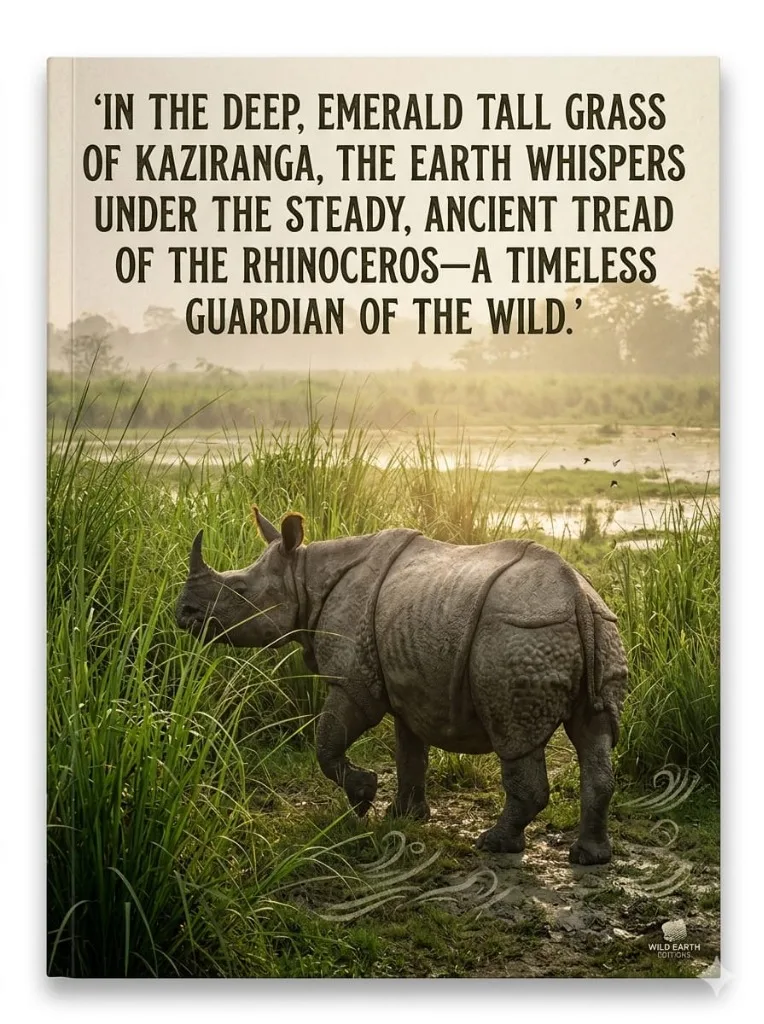
Kaziranga is a UNESCO World Heritage Site home to over two-thirds of the world's population of the endangered Great Indian One-Horned Rhinoceros, alongside wild water buffalo, swamp deer, and tigers.
The park has four main tourist ranges: Central (Kohora), Western (Bagori, best for rhino sightings), Eastern (Agoratoli, best for waterbirds), and Burapahar (hilly terrain and primates).
Open 4x4 jeep safaris are much more comfortable and stable for travelers over 50, providing padded seating, ease of boarding, and extensive range coverage through grasslands.
The park is open from November 1 to April 30 annually; it remains closed during the monsoon months (May to October) due to Brahmaputra river flooding.
Located near Kohora, this cultural park showcases over 500 indigenous orchid species, medicinal herb gardens, indigenous bamboo varieties, and daily Assamese folk dance performances.
Over 500 species inhabit the wetlands, including the greater adjutant stork, Bengal florican, pallas's fish eagle, spot-billed pelican, and ferruginous duck.
Stay in heritage tea garden bungalows or eco-resorts around Kohora and Hathikuli, which offer tranquil cottage rooms, lush lawns, and organic Assamese dining.
Early morning winter temperatures can dip to 8°C with heavy mist; dress in warm layers, fleece jackets, wool caps, and neutral khaki or olive tones.
Jorhat Airport (RRG) is about 2 hours away (95 km), while Guwahati Airport (GAU) is roughly 4.5 to 5 hours via the smooth multi-lane Asian Highway 1.
Enjoy a traditional Assamese thali featuring Joha rice, Khar (alkaline delicacy), Maasor Tenga (tangy river fish curry), pitika (mashed seasoned potatoes), and wild fern saag.
Continue wandering through the historical corridors, sacred architectures, and living traditions of India.
Contextual field notes, cultural dossiers, and transcontinental itineraries.