Festival
Kolkata, West Bengal
Festival
Perched at an altitude of over 10,000 feet in the eastern Himalayas, Tawang is one of India's most spectacular mountain destinations.
Surrounded by snow-capped peaks, crystal-clear lakes, and ancient Buddhist monasteries, the town offers a unique blend of natural beauty, spirituality, and Tibetan culture.
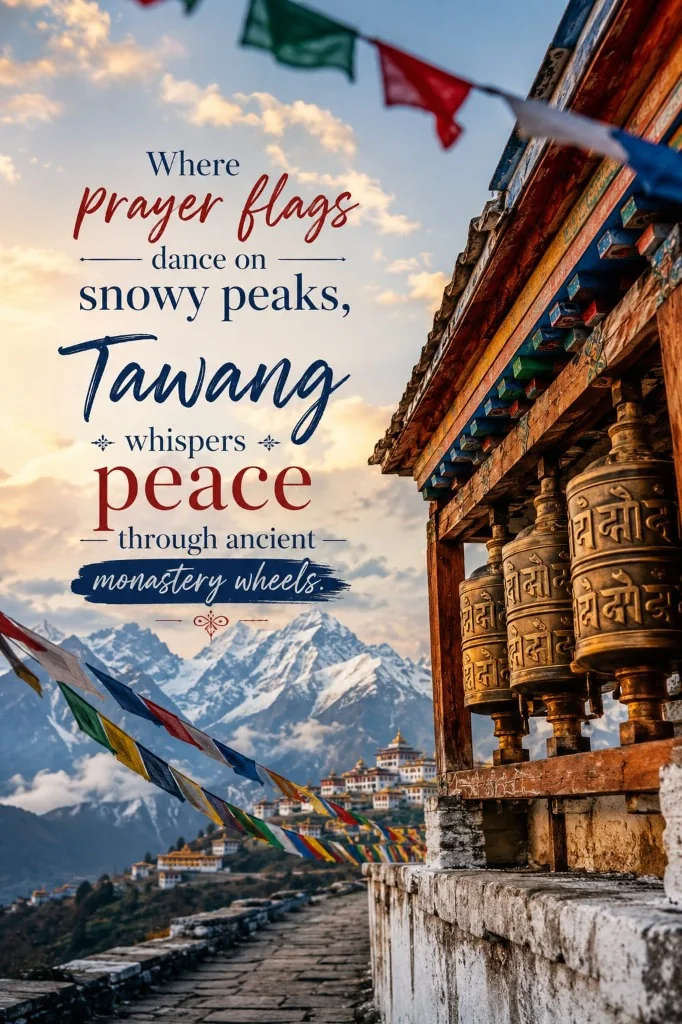
The majestic Tawang Monastery dominates the landscape and serves as the spiritual heart of the region.
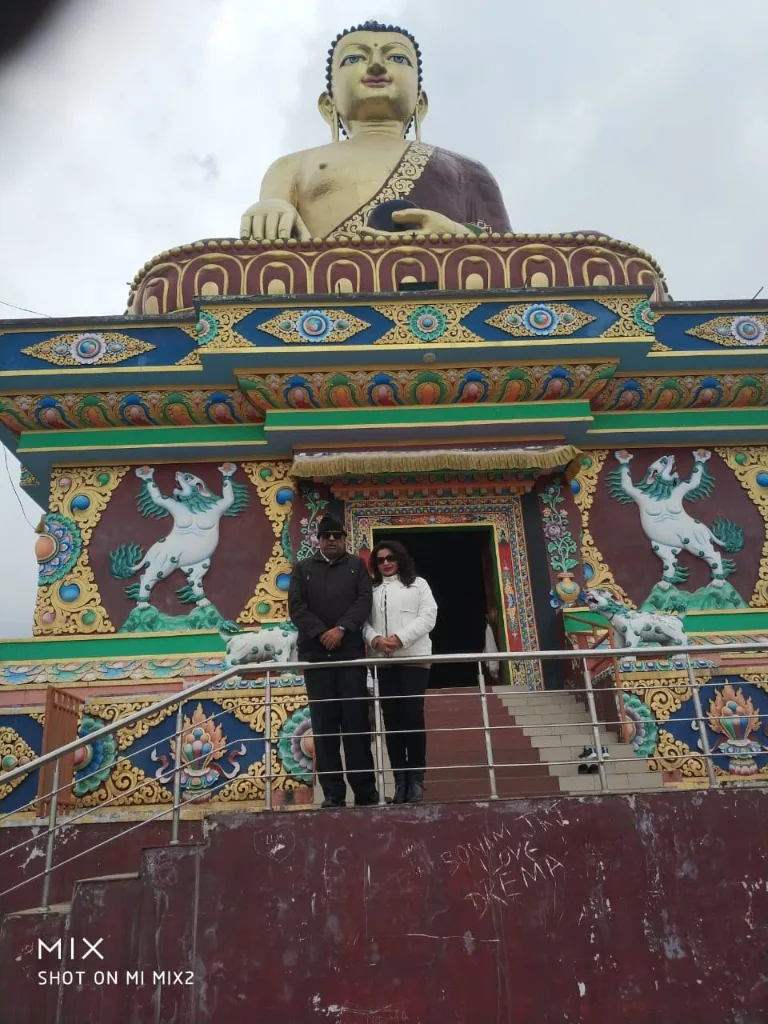
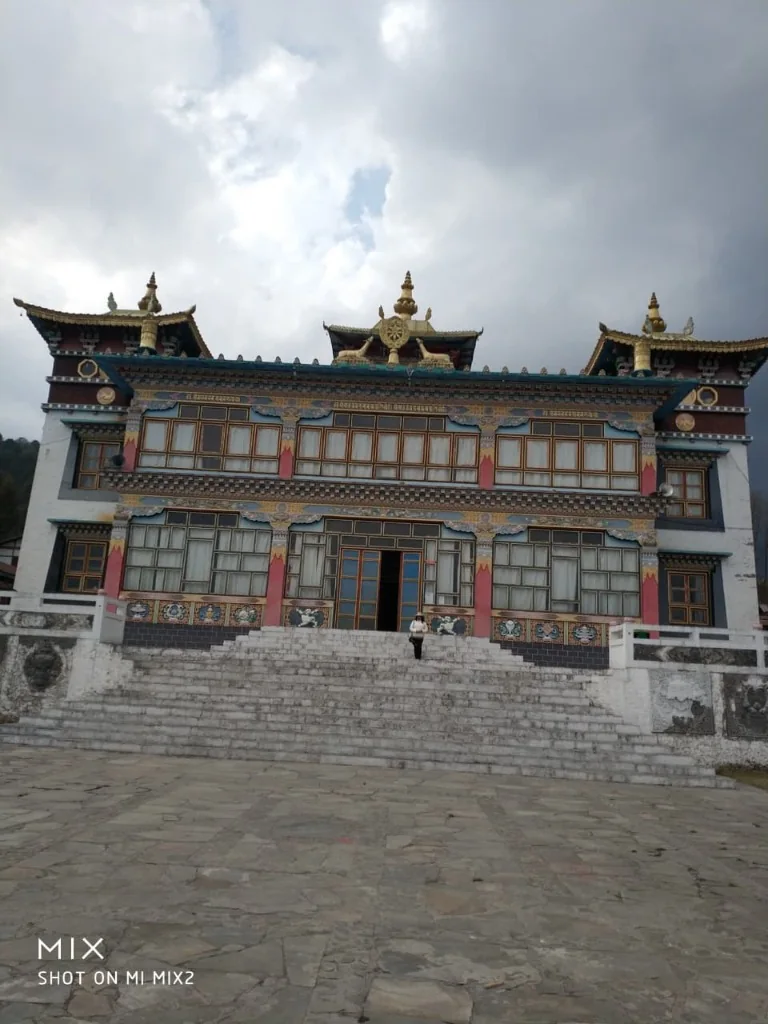
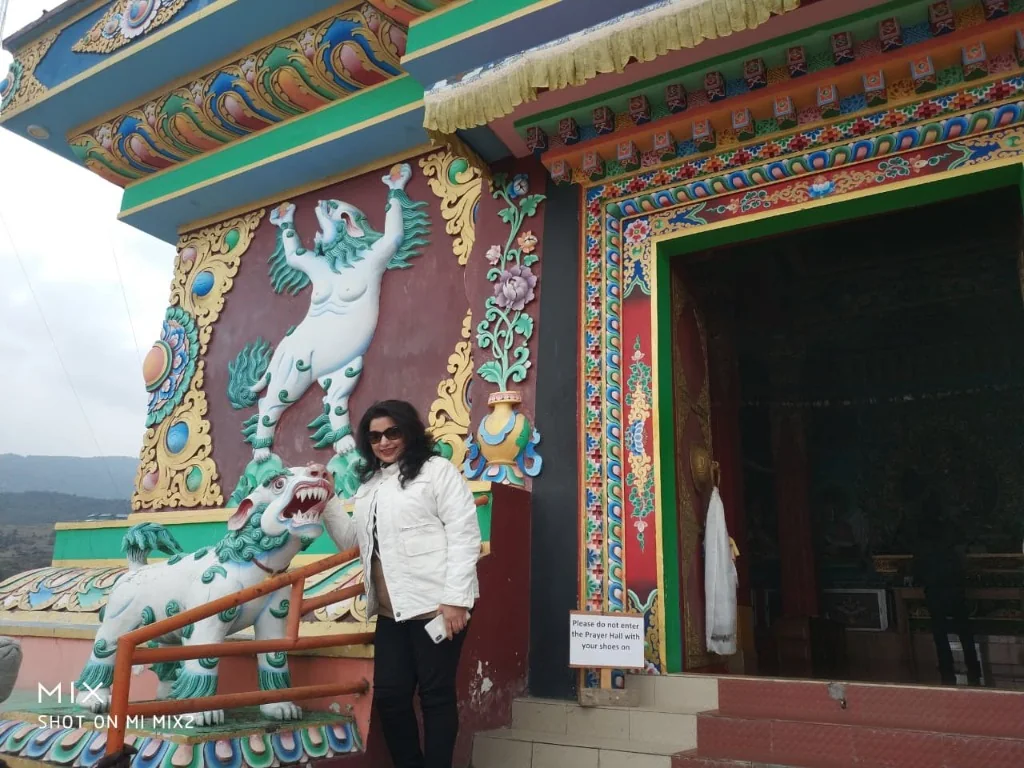
A visit to Tawang Monastery is one of the highlights of any journey to Tawang. Founded in 1680–81 by Merak Lama Lodre Gyatso under the guidance of the Fifth Dalai Lama, the monastery is the largest in India and one of the most important Buddhist monasteries in the world outside Tibet. Perched dramatically on a hilltop overlooking the Tawang Valley, its imposing architecture, vibrant prayer halls, ancient scriptures, and magnificent golden Buddha statue leave a lasting impression on every visitor.
The monastery belongs to the Gelugpa school of Tibetan Buddhism and serves as a major centre of learning, worship, and cultural preservation for the Monpa people and the wider Himalayan Buddhist community. It houses hundreds of monks and continues to play a vital role in religious education and spiritual life in the region. Walking through its courtyards and prayer halls, listening to the chants of monks, and gazing at the surrounding Himalayan peaks, one cannot help but feel a deep sense of peace and reverence. More than a historic monument, Tawang Monastery is a living symbol of faith, resilience, and the enduring Buddhist traditions of the Eastern Himalayas.
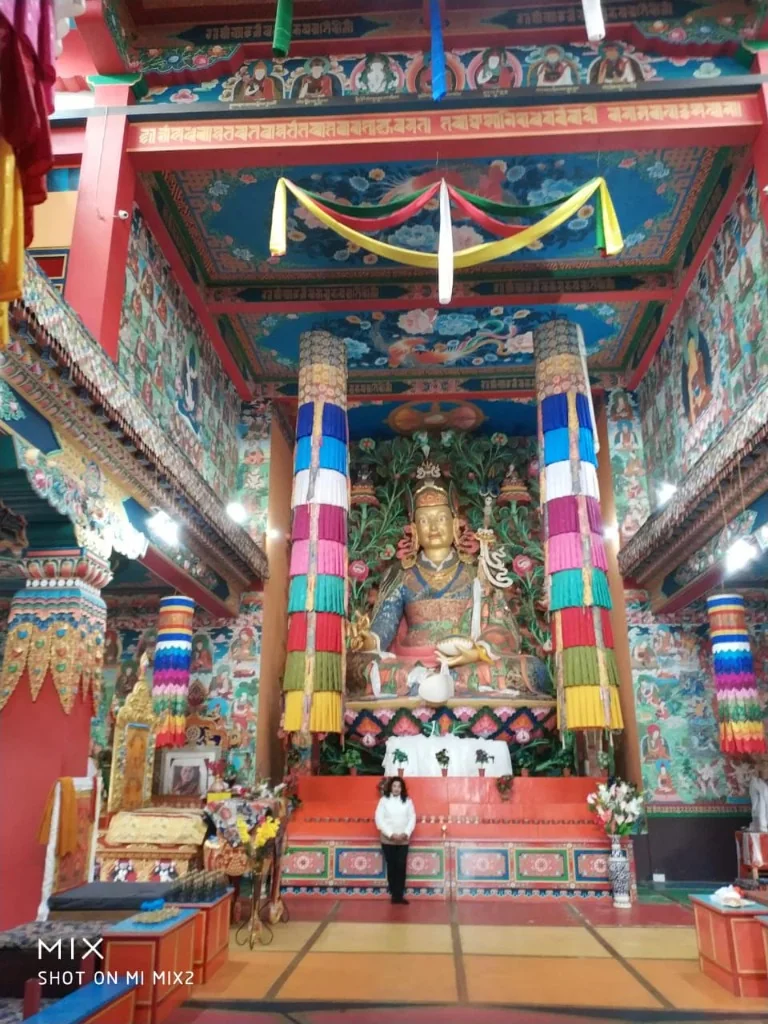
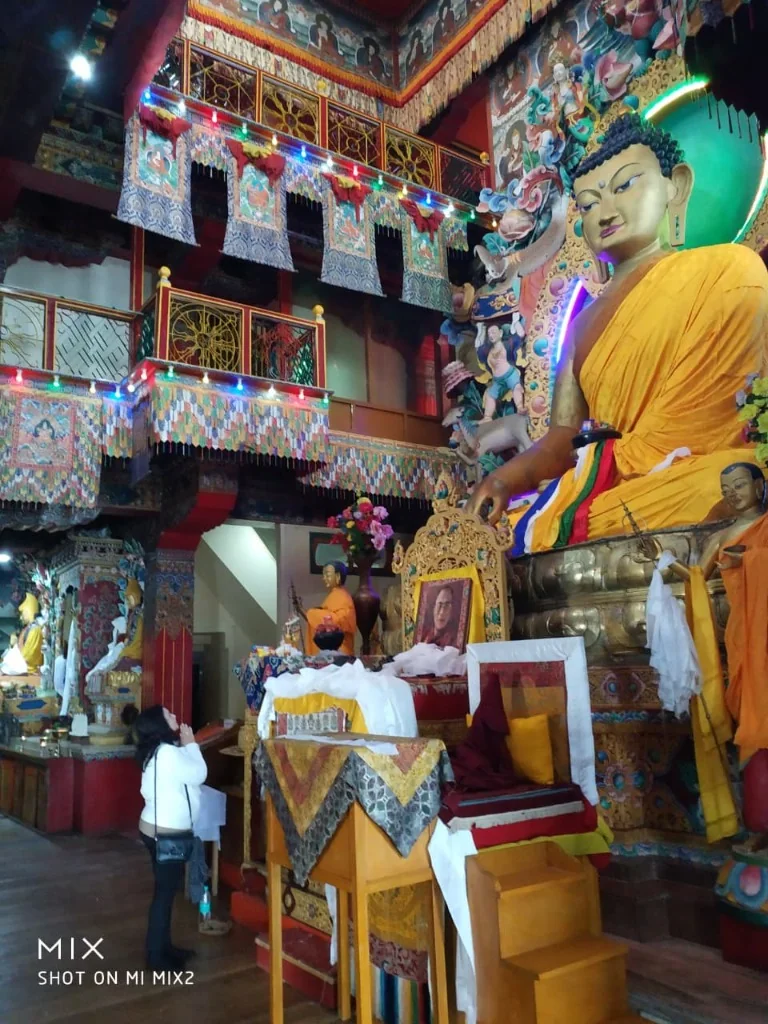
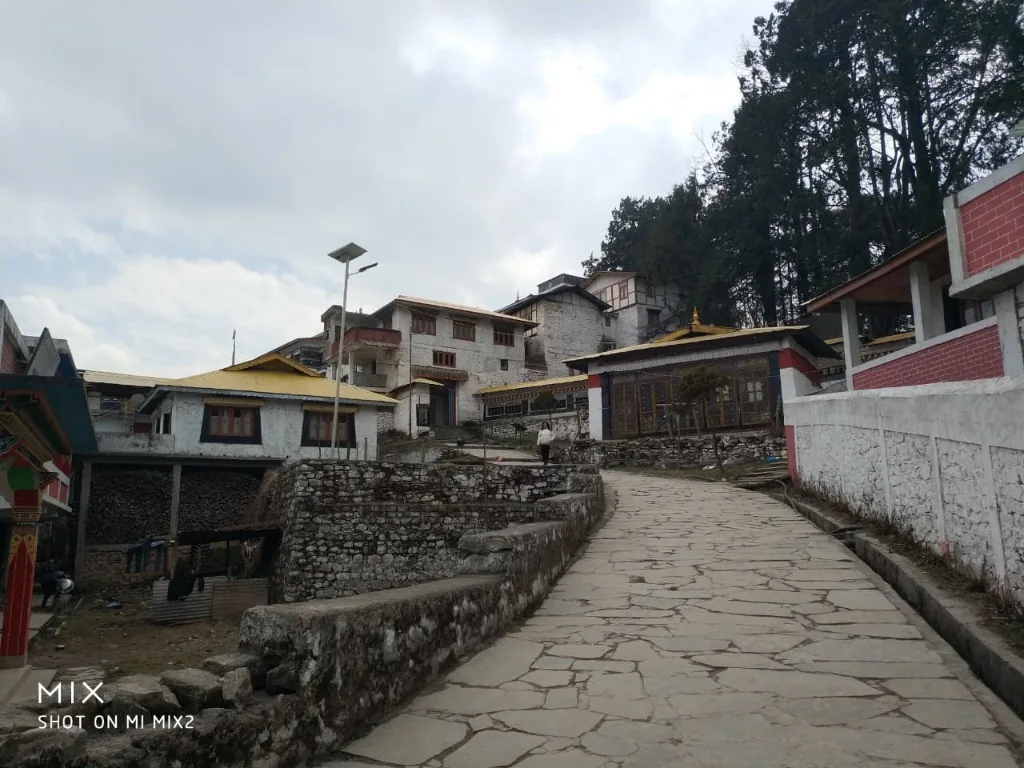
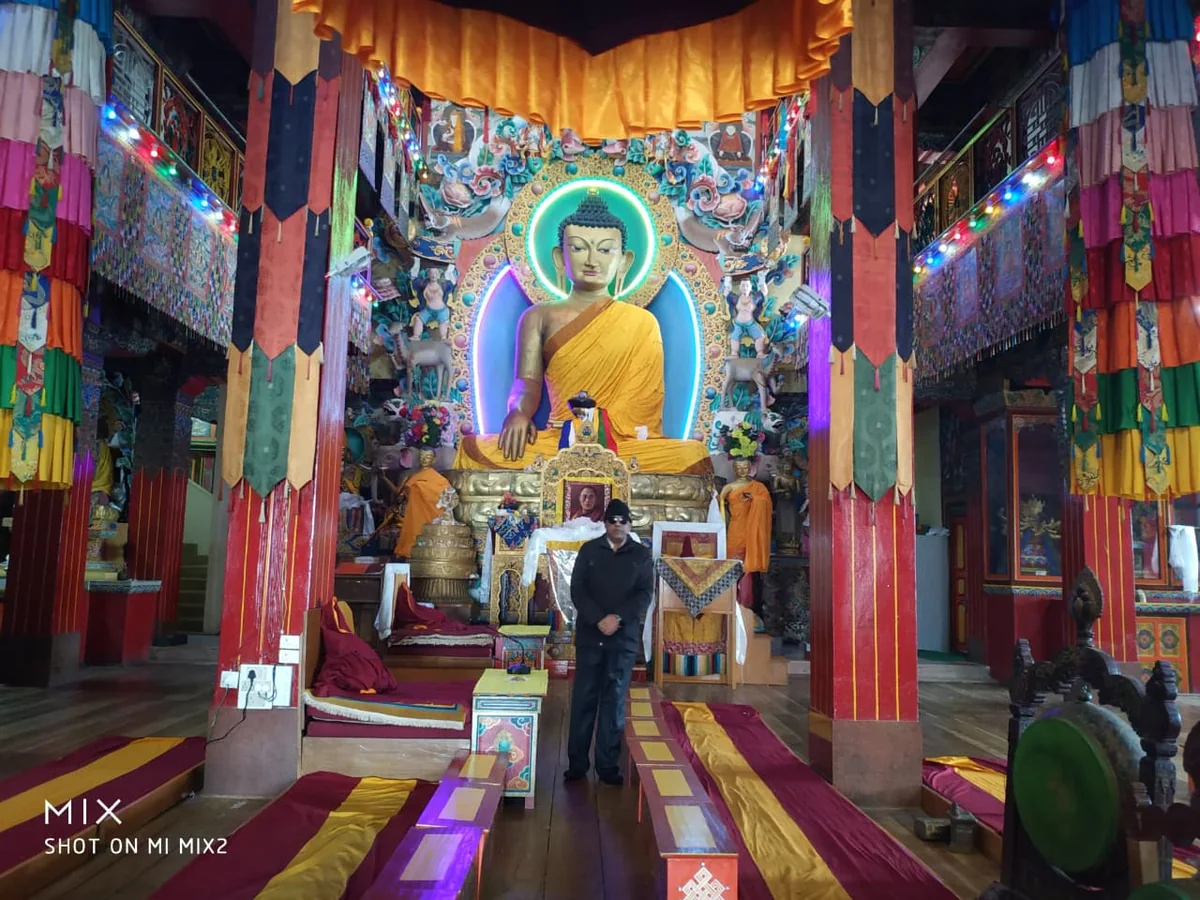
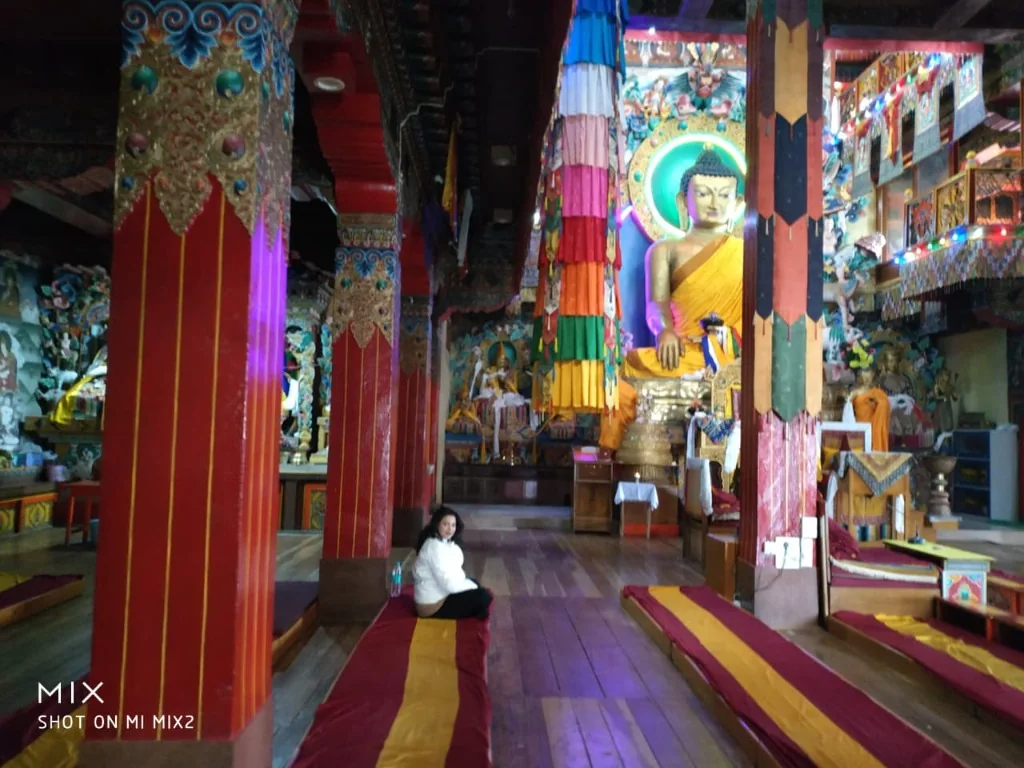
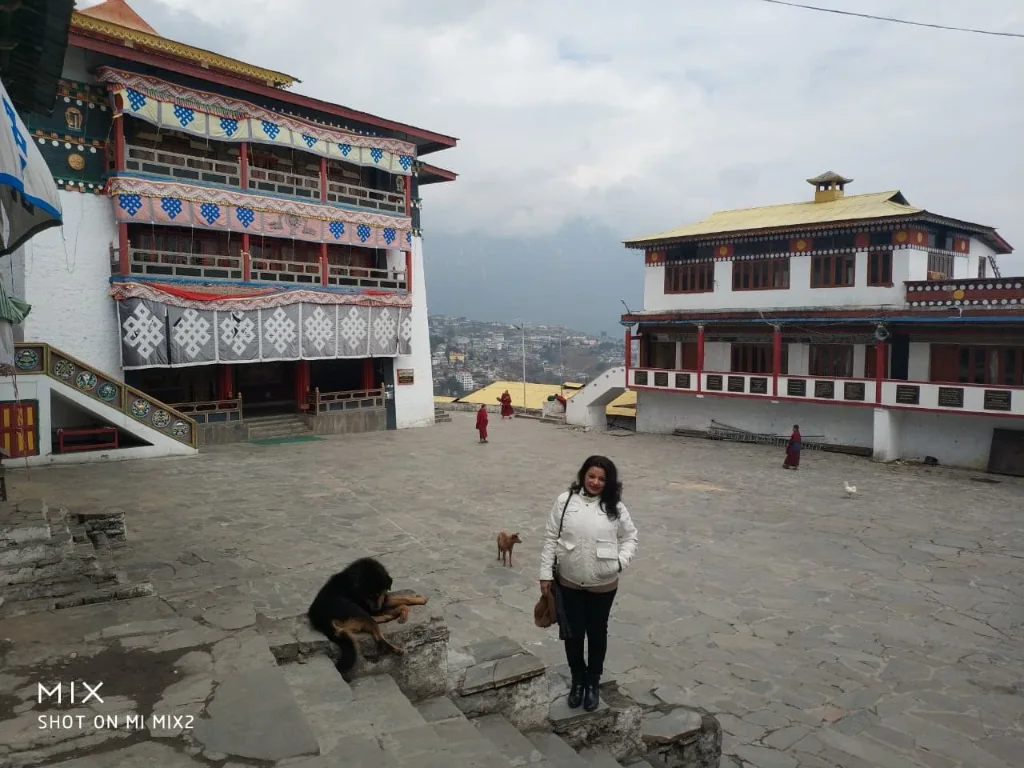
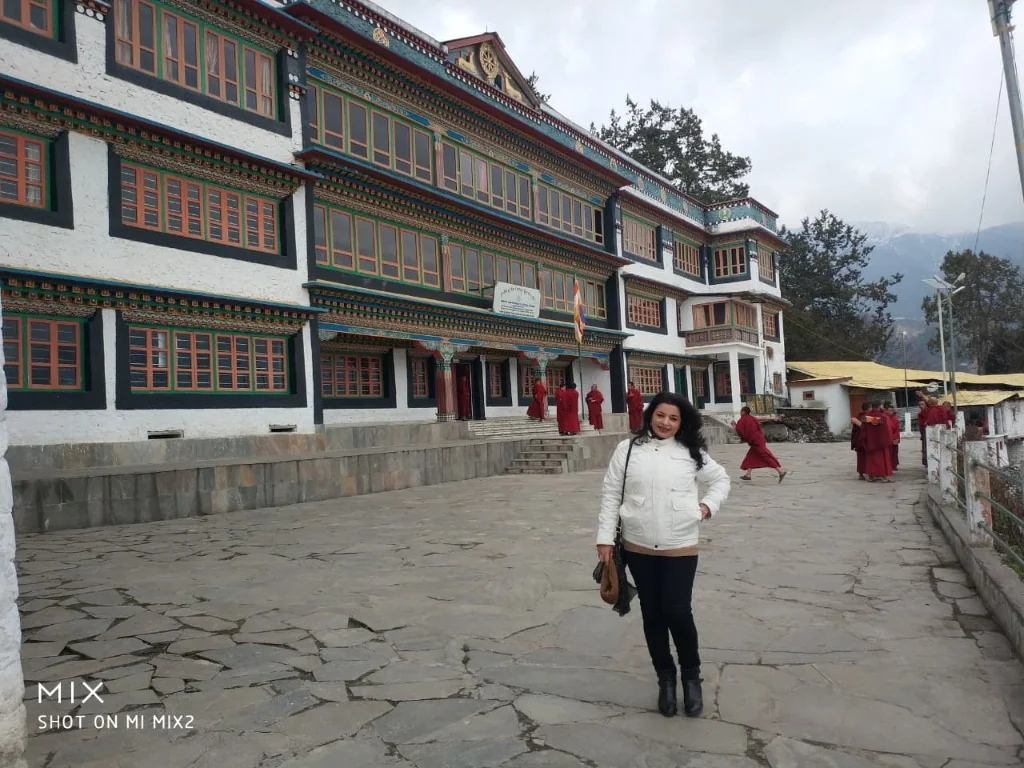
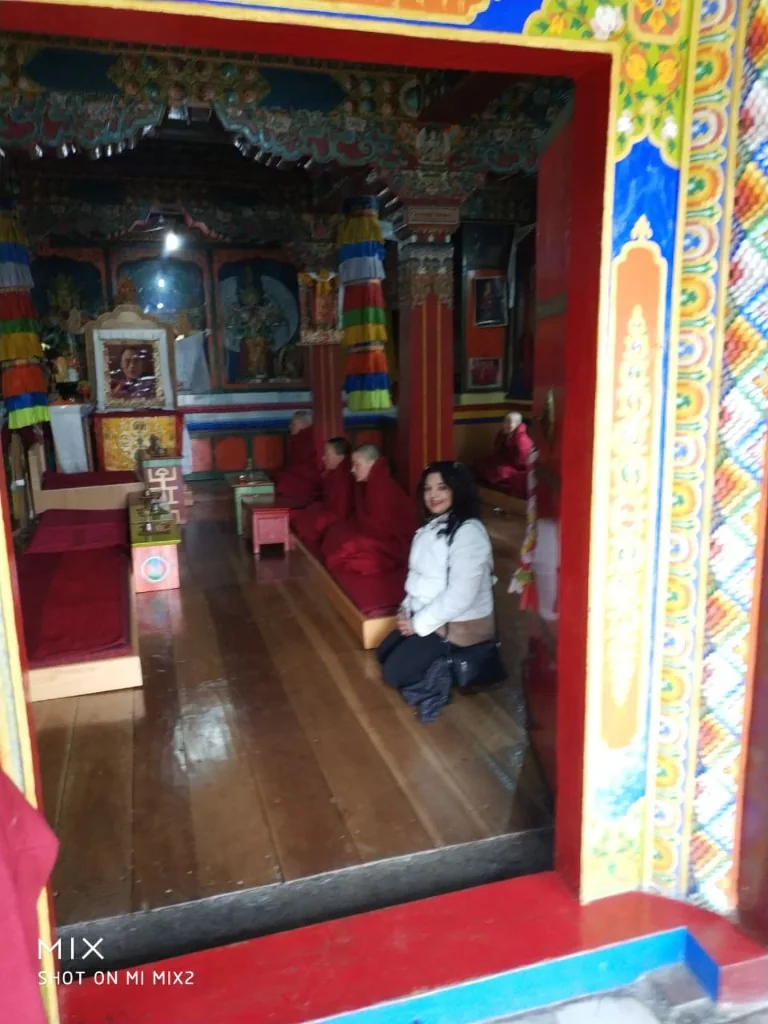
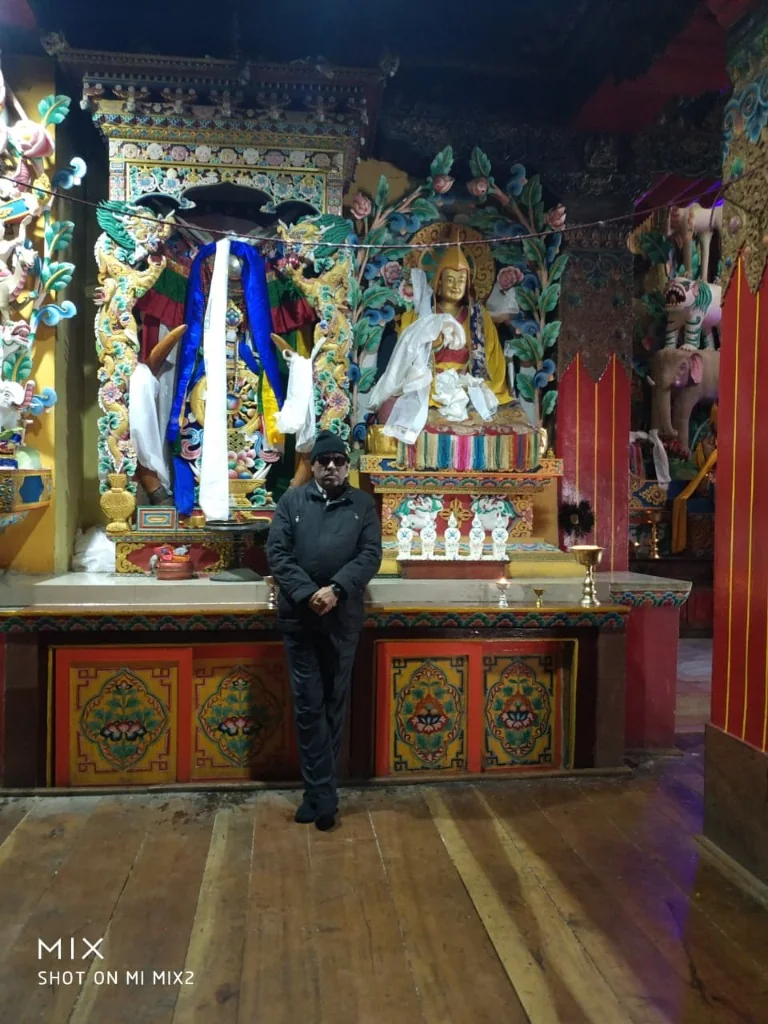
Before we left the monastery, we sat quietly for a few minutes in meditation, absorbing the peace that seemed to flow through every corner of the ancient halls. A friendly monk struck up a conversation and shared glimpses of the monastery's daily routine—hours of prayers, study, and simple living. Before saying goodbye, we were offered a cup of traditional local tea, probably made with rich yak milk. Its distinct flavour was unlike anything I had tasted before—certainly an acquired taste—but sipping it in the serene surroundings of Tawang Monastery made the experience unforgettable.
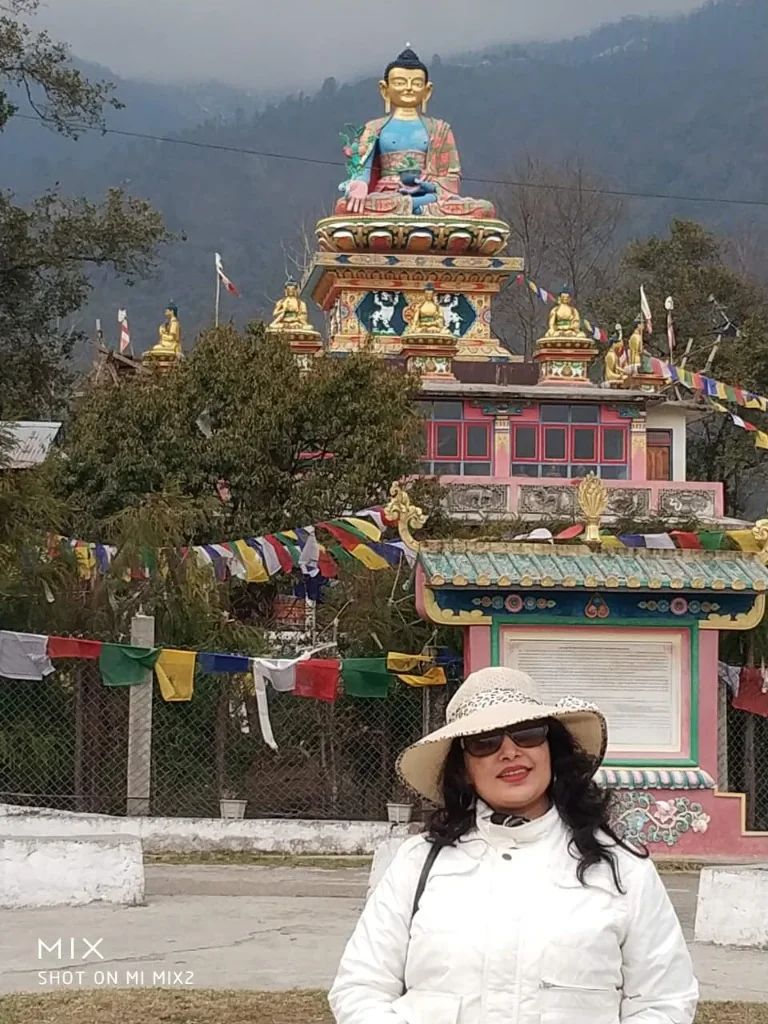
Perched quietly in the mountains of western Arunachal Pradesh, Khinmey Monastery was one of those places where silence spoke louder than words. Far from the crowds, the monastery offered sweeping Himalayan views, fluttering prayer flags, and an atmosphere of deep serenity. Sitting there for a while, watching monks go about their daily routines, I was reminded that travel is not only about discovering new places but also about finding moments of peace within ourselves.
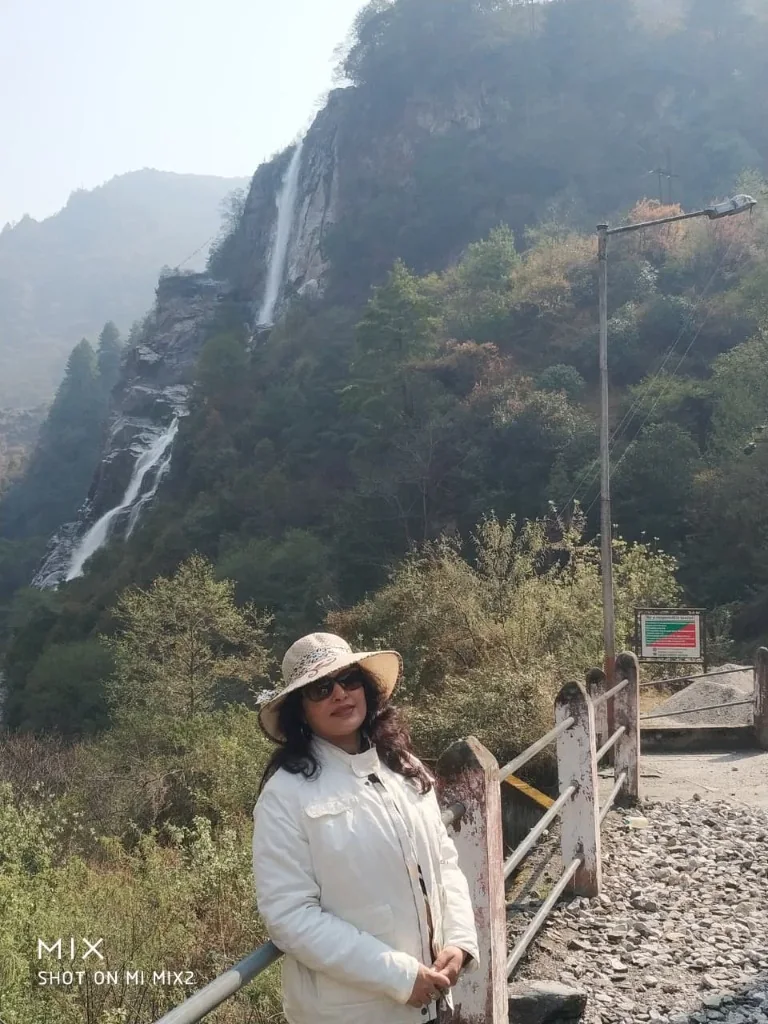
Just a short drive from Tawang, Jang (Nuranang) Falls is one of Arunachal Pradesh's most spectacular waterfalls. Watching the water thunder down the rocky cliffs amidst lush greenery was both refreshing and awe-inspiring. We paused to soak in the cool mountain breeze and the beauty of this magnificent Himalayan cascade before continuing our journey.
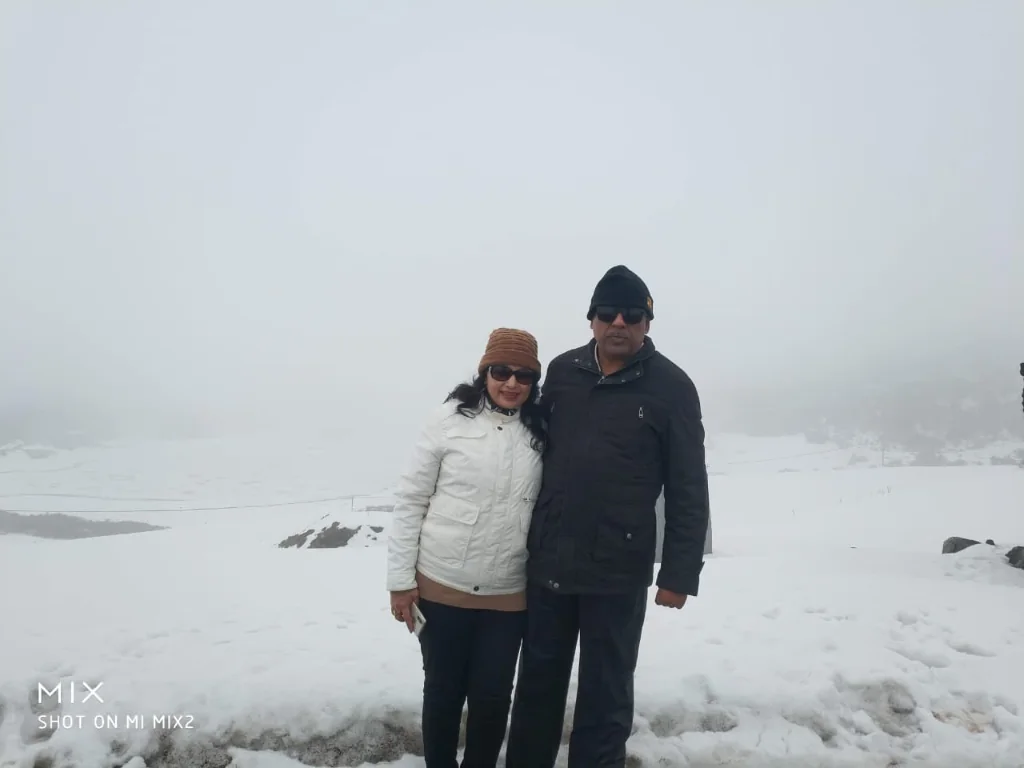
Our stay in Tawang was extremely comfortable and enjoyable. However, at an altitude of around 10,000 feet, the mountains demand respect. We made it a point to walk slowly, avoid unnecessary exertion, stay well hydrated, and monitor our blood pressure regularly—precautions we had also followed during our travels in Leh. Tawang is not a destination for a rushed itinerary. The real lesson of the Himalayas is simple: respect the altitude, respect the terrain, and travel at the mountains' pace, not your own. Do that, and the experience becomes both safe and deeply rewarding.
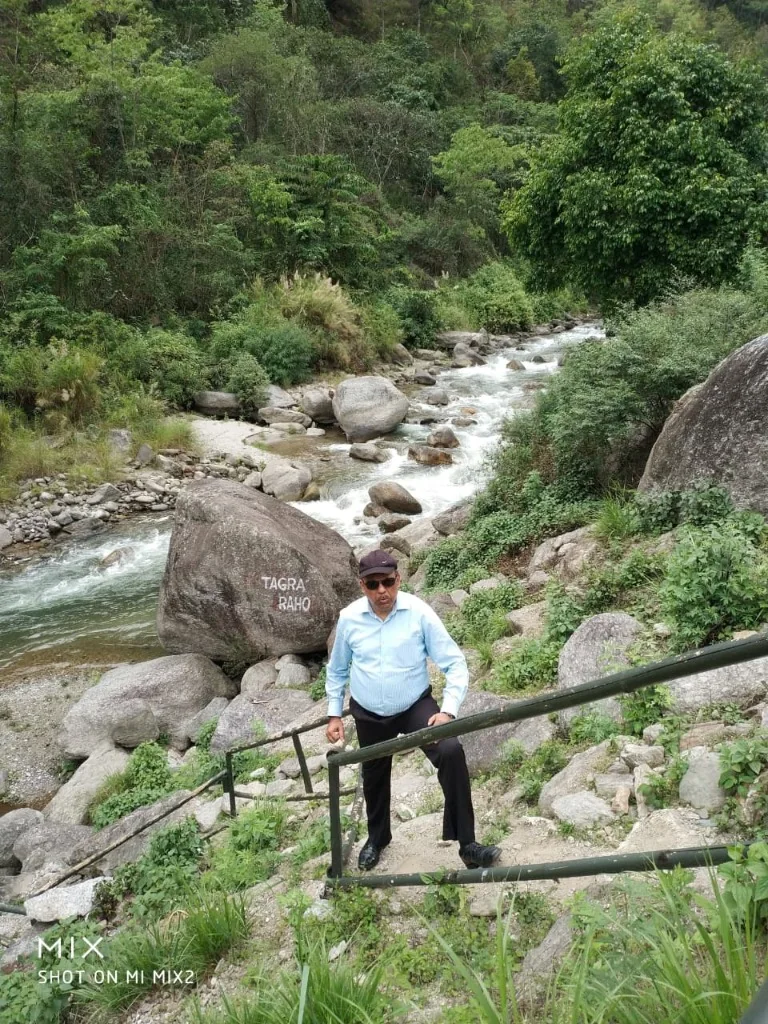
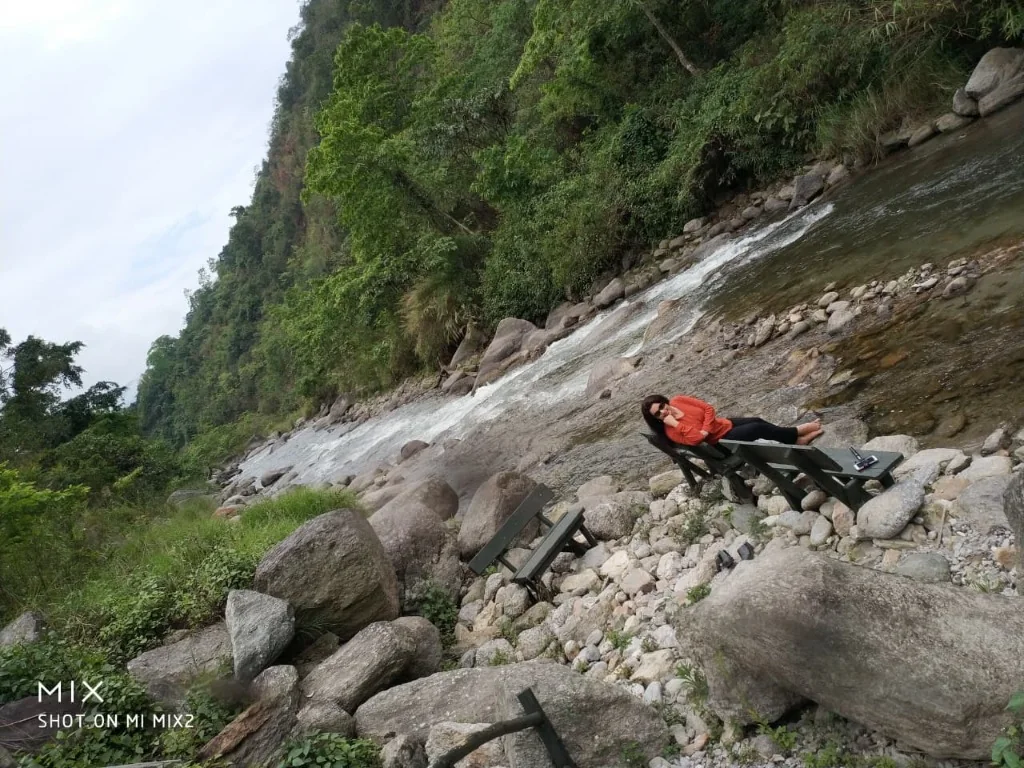
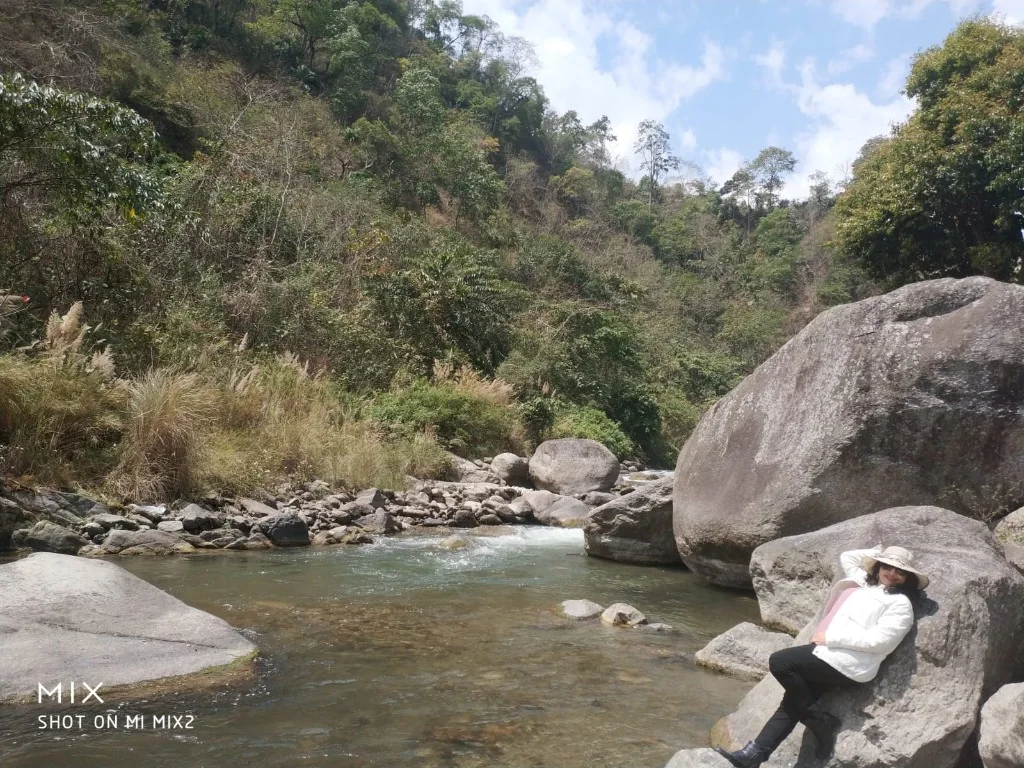
The journey to Tezpur was very memorable. Along the winding mountain roads, we stopped beside a crystal-clear stream flowing through the valley. The gentle sound of rushing water, the cool mountain breeze, and the pristine surroundings provided the perfect setting for a short rest.
Start early each day, as mountain journeys take time and weather conditions can change rapidly.
Keep a buffer day in your itinerary in case of landslides, snowfall, or road closures.
Carry warm clothing in layers, even during summer, as temperatures can drop sharply at higher altitudes.
Acclimatize gradually and stay hydrated to minimize the effects of high altitude in Tawang.
Keep your Inner Line Permit (ILP) and identity documents readily available for checkpoints.
Break the journey at Dirang or nearby areas to avoid long driving hours.
Expect rough and bumpy stretches, especially near high mountain passes and after bad weather.
Carry snacks, water, medicines, and a power bank, as facilities can be limited on some stretches.
The crossing of Sela Pass is one of the highlights of the trip, so keep your camera handy and allow time for photography.
Mobile connectivity can be patchy; download maps and important information in advance.
Fuel stations are limited, so refuel whenever the opportunity arises.
Weather can change within minutes in the mountains; keep rain gear and cold-weather clothing easily accessible.
The journey itself is as memorable as the destination, with dramatic mountain scenery, waterfalls, monasteries, and some of the most spectacular road views in India.
"
Located at 12,000 feet, Sangetsar Lake was formed by an earthquake in 1950 and is famous for dead tree trunks emerging from the water; it is popularly known as Madhuri Lake after the Bollywood movie Koyla.
Bum La Pass is situated at 15,200 feet on the Indo-China border, 37 km from Tawang; Indian tourists can visit with special permits arranged through the Office of the Deputy Commissioner in Tawang.
Only local registered four-wheel-drive Scorpio/Bolero taxis are authorized to travel the steep military roads to Bum La and Madhuri Lake; permits require DC office and Indian Army countersignatures.
Due to thin air at 15,200 ft, walk very slowly, avoid heavy meals prior to departure, carry portable oxygen cans if prone to breathlessness, and spend no more than 30–45 minutes at the pass.
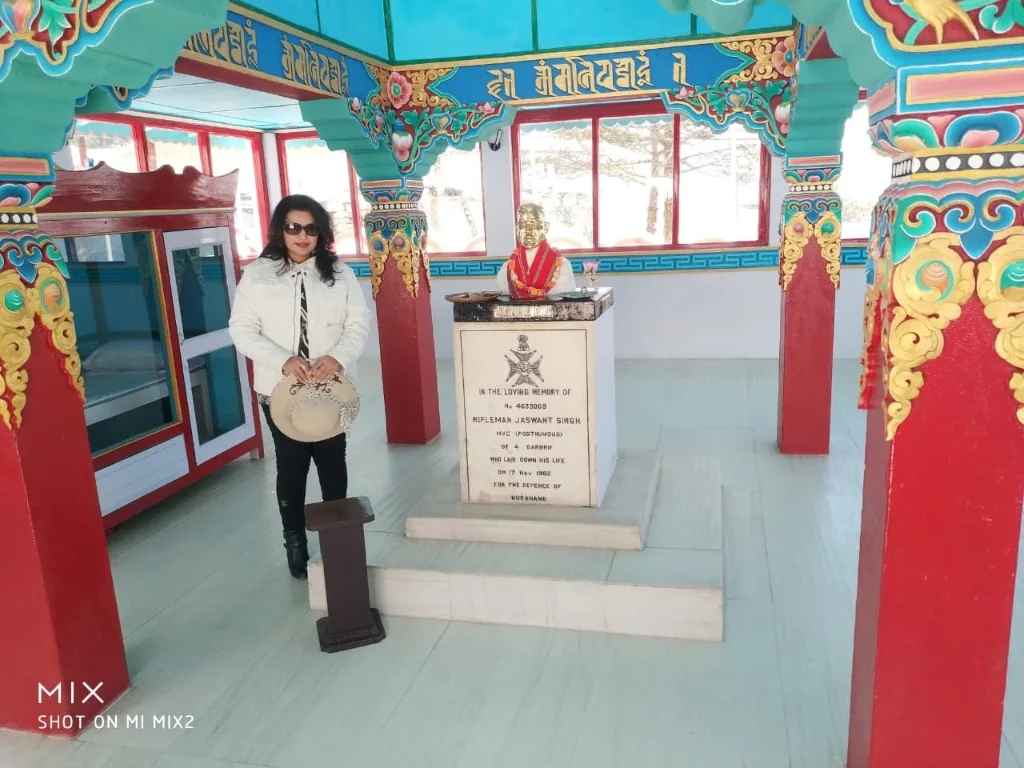
Built in the shape of a traditional 40-foot chorten, the War Memorial honors 2,420 brave Indian soldiers who made the supreme sacrifice in the Kameng sector during the 1962 war.
Held every evening at dusk, the show recounts the heroic battles of 1962 with moving historical commentary, inspiring music, and illuminations against the Himalayan skyline.
Dress in windproof, water-resistant heavy jackets, thermal innerwear, woolen caps, neck warmers, and insulated gloves, as temperatures near the passes can plunge below freezing even in sunny months.
Perched high on a mountain ridge above Tawang, this is the oldest Buddhist nunnery in the region, established in the 16th century and accessible by road or scenic ropeway cable car.
Torgya is a vibrant three-day monastic festival held in January at Tawang Monastery, featuring sacred Cham dances in dazzling costumes to banish evil spirits and usher in prosperity.
Tawang has a District Civil Hospital along with Indian Army medical aid centers that are well-equipped to manage acute mountain sickness, oxygen therapy, and emergency stabilization.
Continue wandering through the historical corridors, sacred architectures, and living traditions of India.
Contextual field notes, cultural dossiers, and transcontinental itineraries.