
CORAL CHURCHES AND CORAL LIMESTONE CHOCOLATE HILLS OF PHILIPPINES
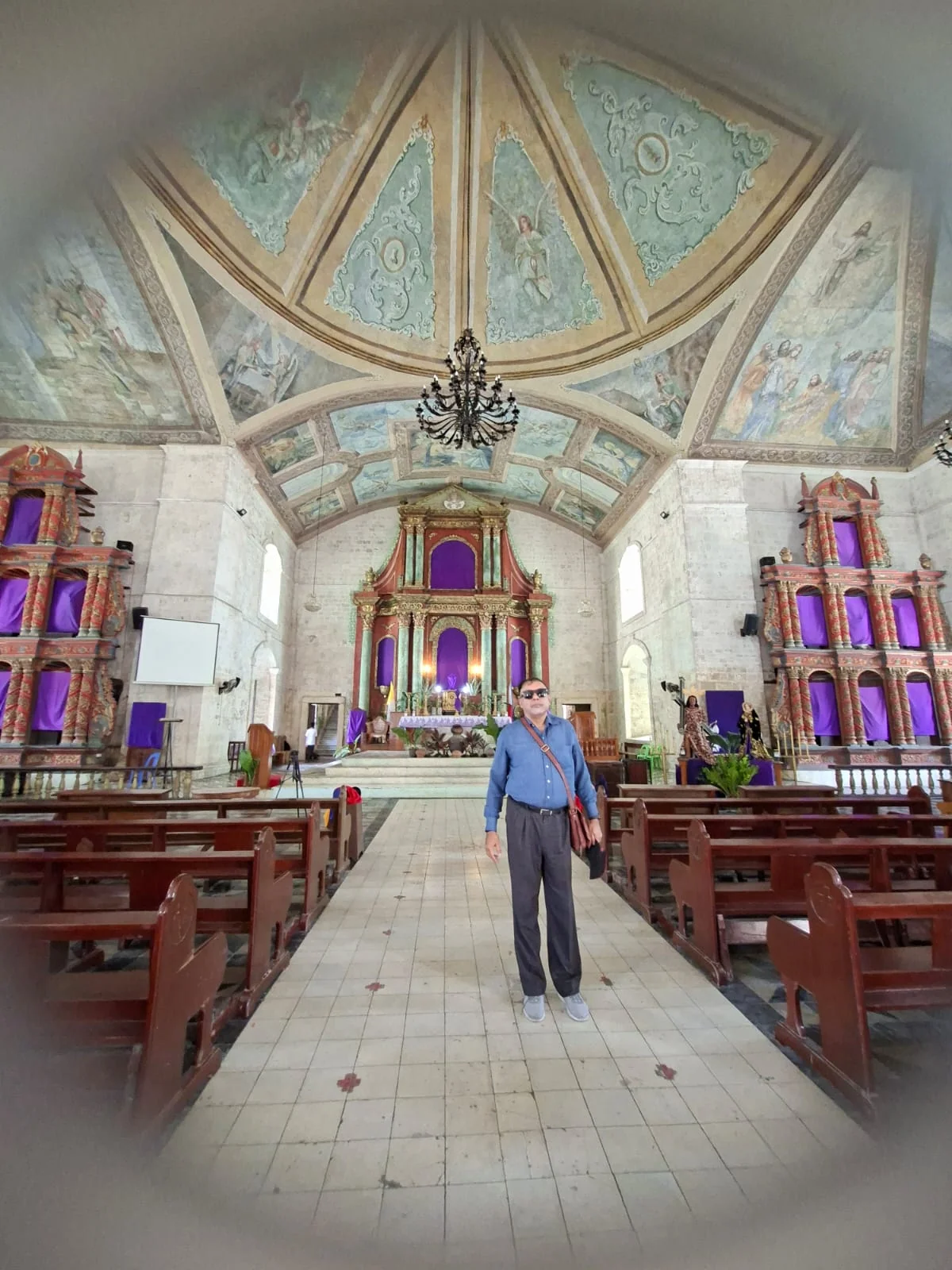
The Coral Churches of Bohol and Cebu
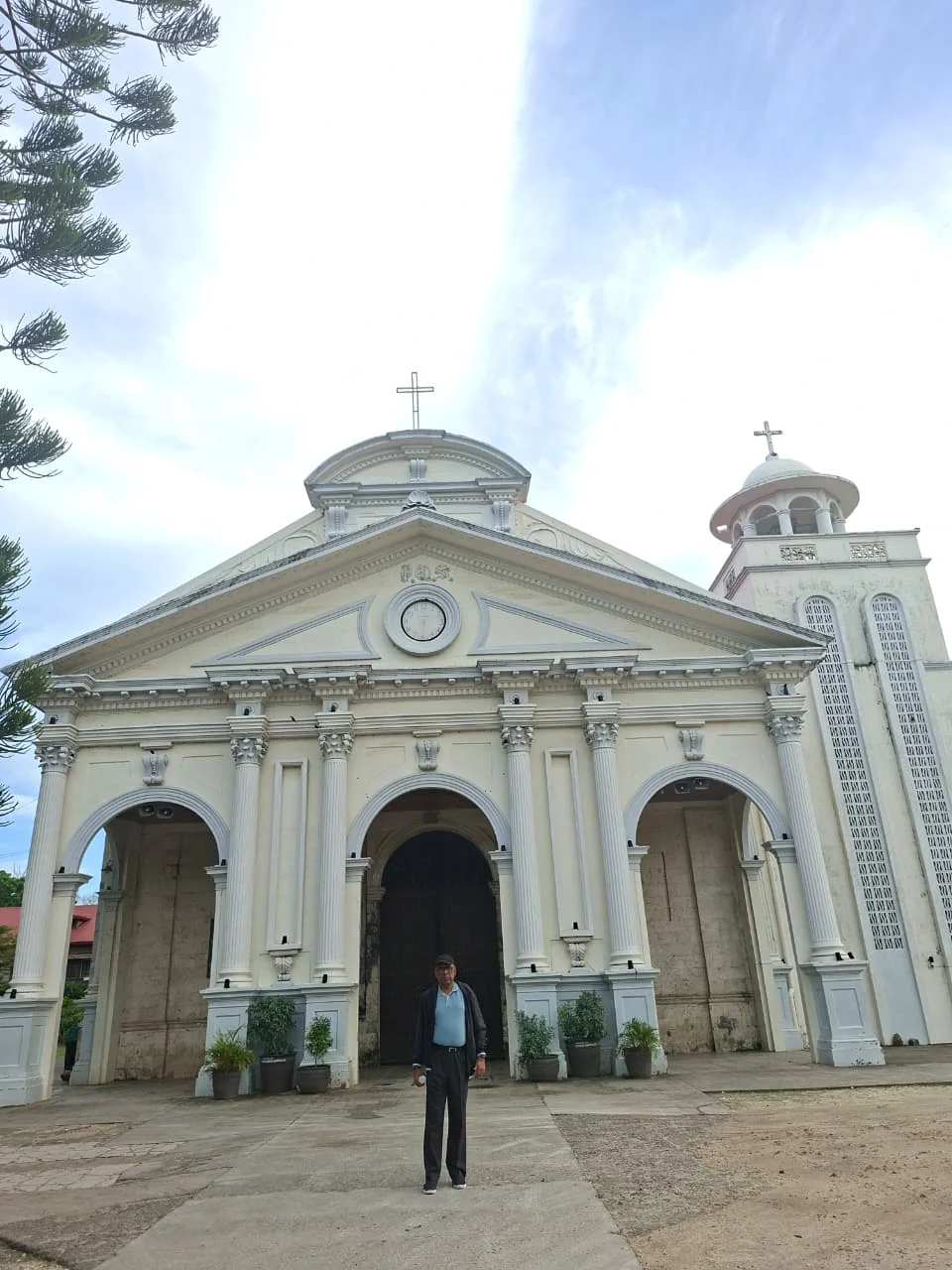
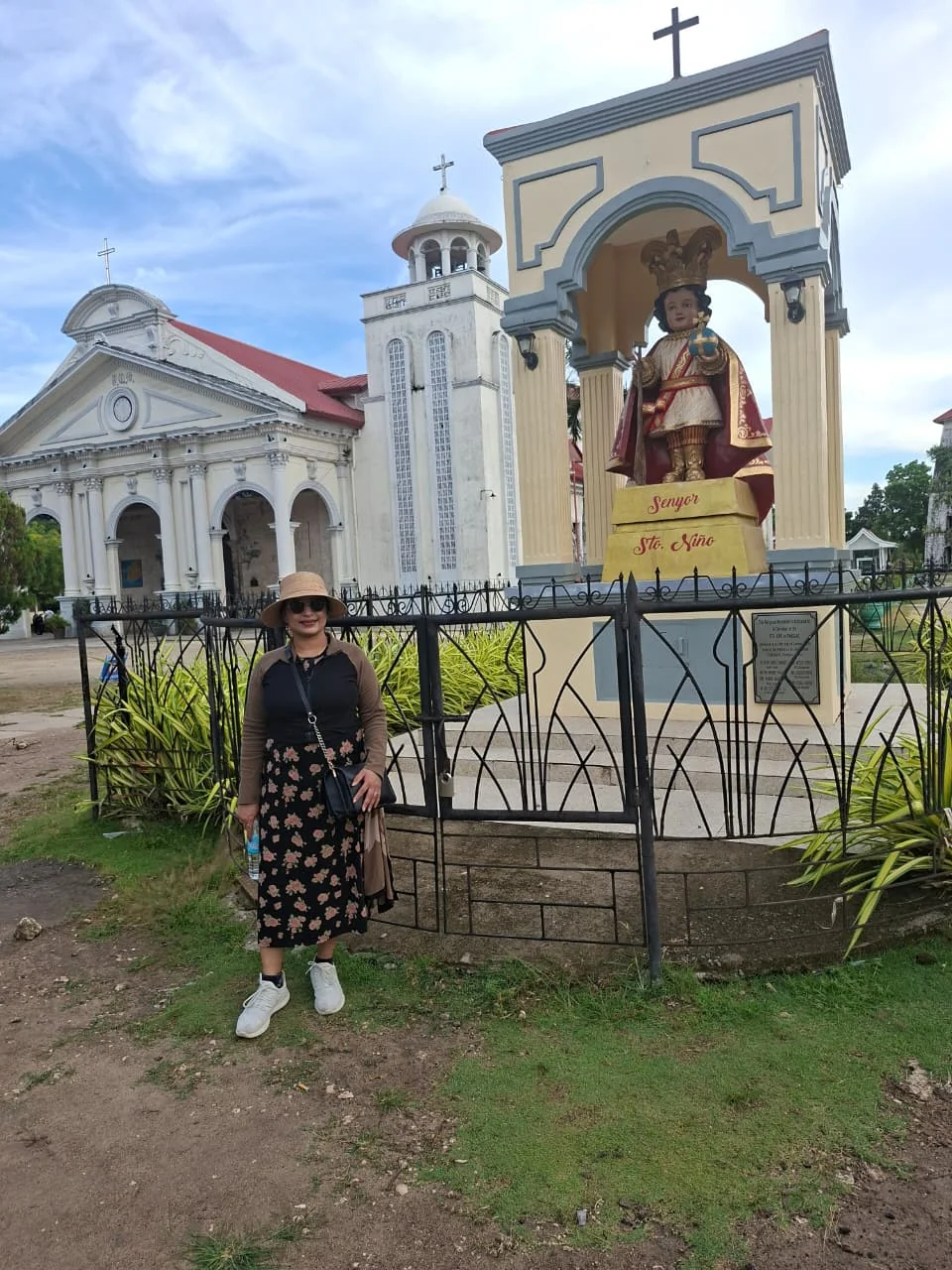
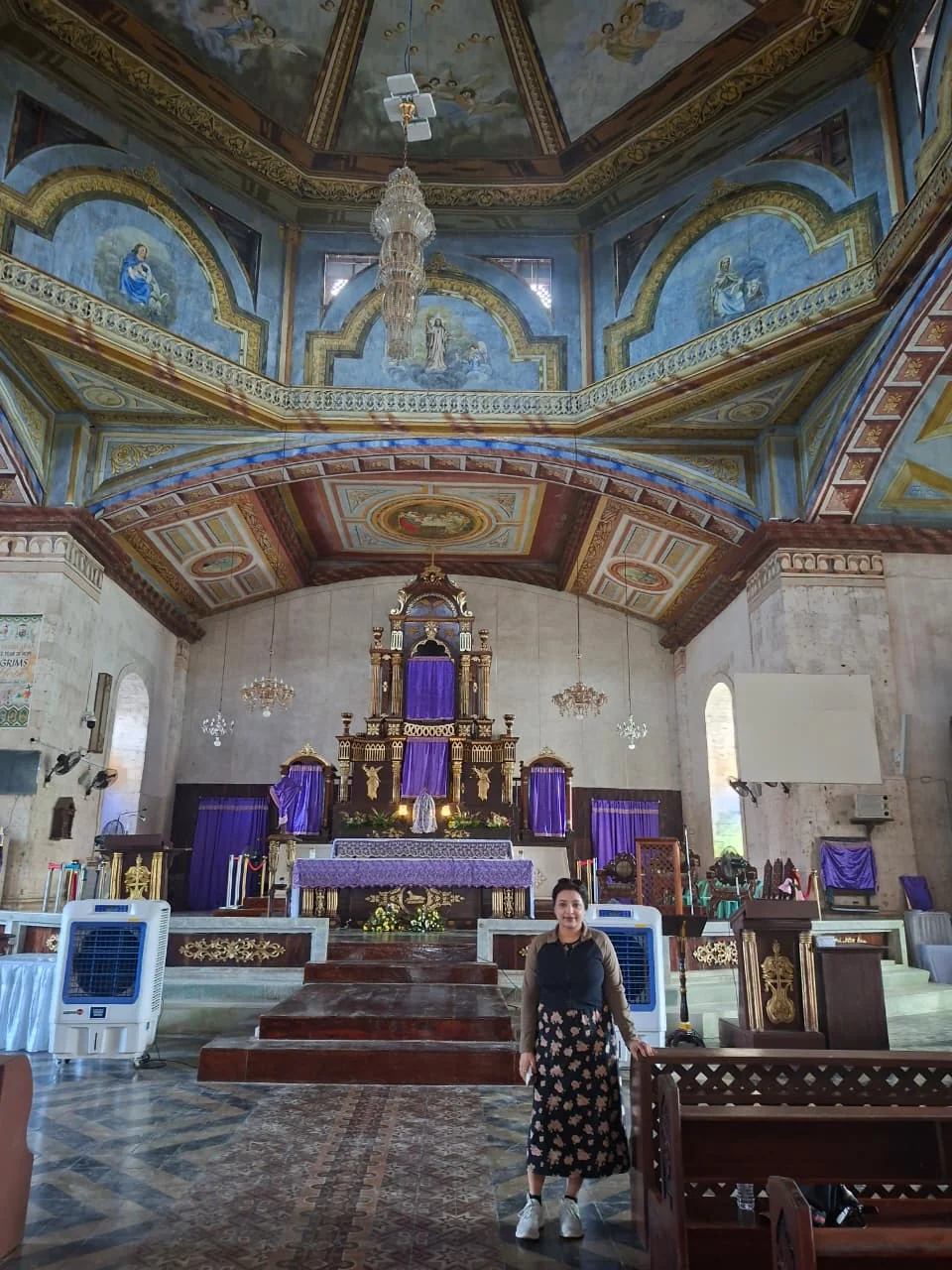
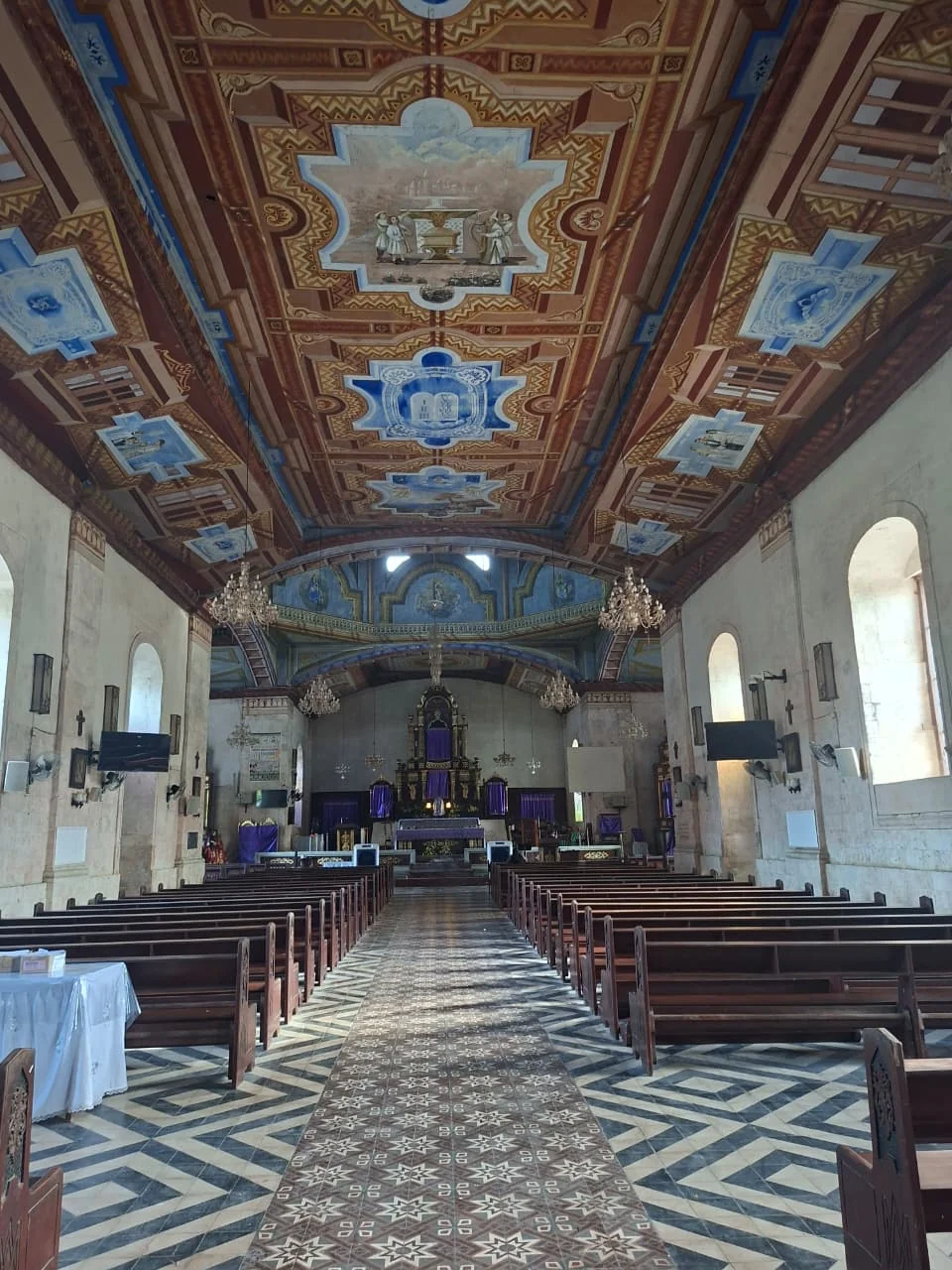
Exploring the coral churches of Bohol and Cebu was like taking a journey through the Philippines' colonial past. Built by Spanish missionaries centuries ago, these magnificent churches were constructed from locally quarried coral limestone, a material that was both abundant and remarkably durable. Their thick coral-stone walls, intricate façades, and beautifully preserved interiors reflect a unique blend of European architecture and local craftsmanship. Visiting these historic places of worship was not just an architectural experience but also a glimpse into the enduring faith, resilience, and rich cultural heritage of the Filipino people.
Why Coral Stone for church building in Phillipines
Spanish missionaries chose coral stone as their primary building material. Centuries ago, Bohol was rich in uplifted coral limestone, making it readily available and easy to quarry. The stone was durable, relatively easy to shape, and ideal for constructing thick walls that remained cool in the tropical climate. Combined with the skill of local craftsmen, this abundant natural resource enabled the creation of magnificent churches that have withstood the test of time and continue to stand proudly after more than three centuries.
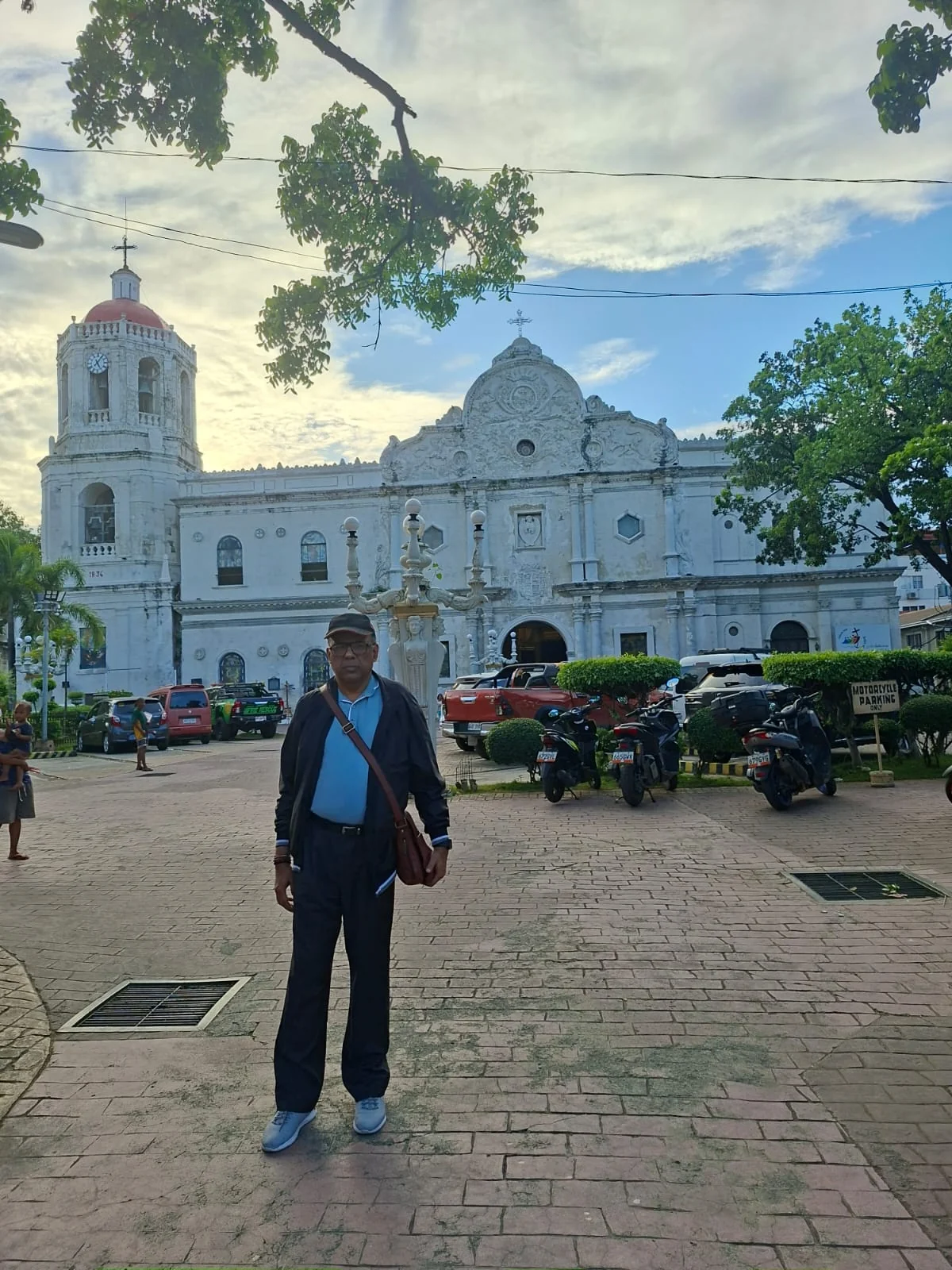
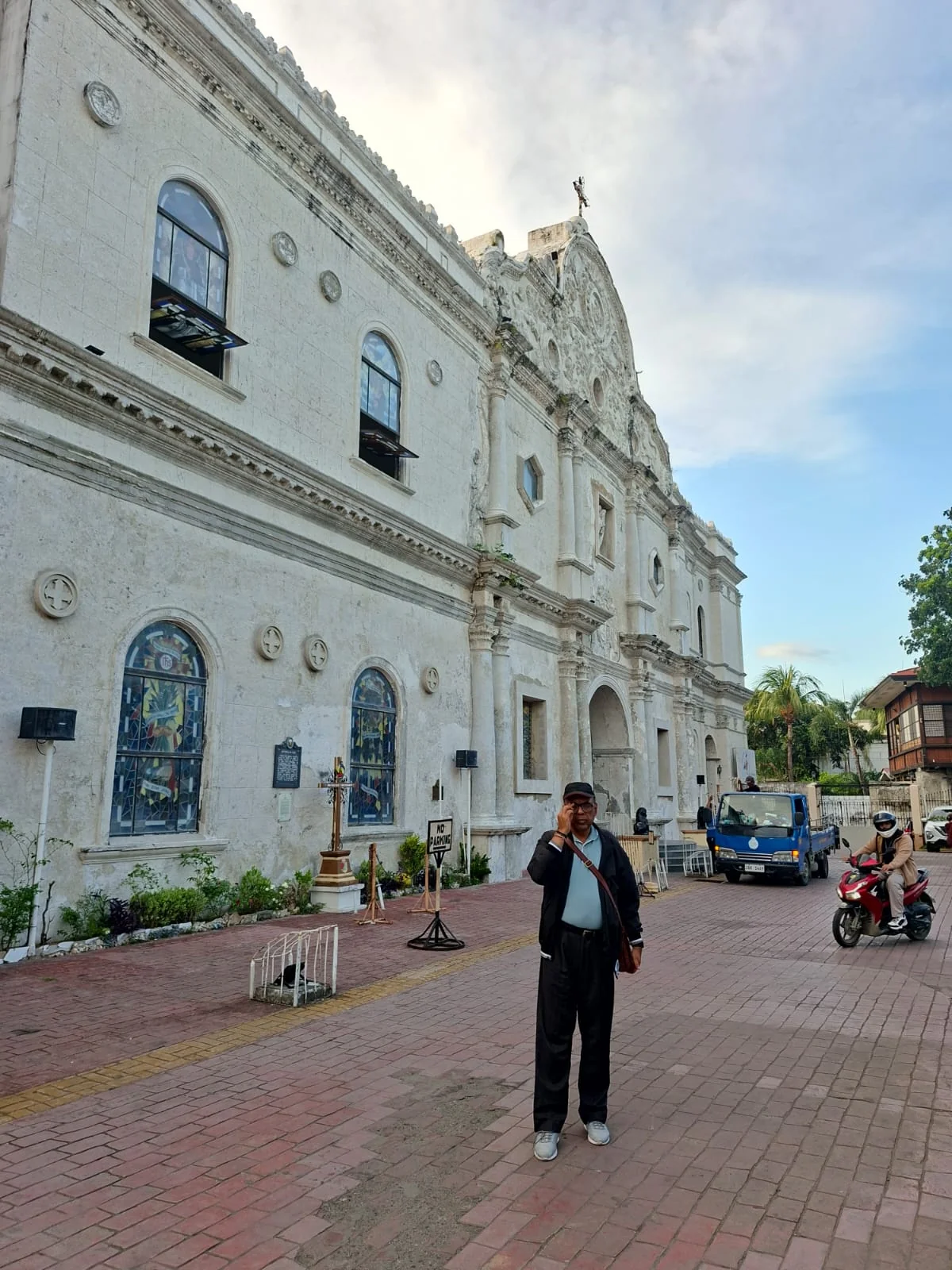
Cebu Metropolitan cathedral
The Cebu Metropolitan Cathedral features a historic facade and belfry built during the Spanish colonial era from thick blocks of locally quarried coral stone. These massive blocks were bound together using argamasa, a traditional mortar made of lime, sand, and egg whites, which allowed the structure to withstand intense typhoons and severe World War II bombings.
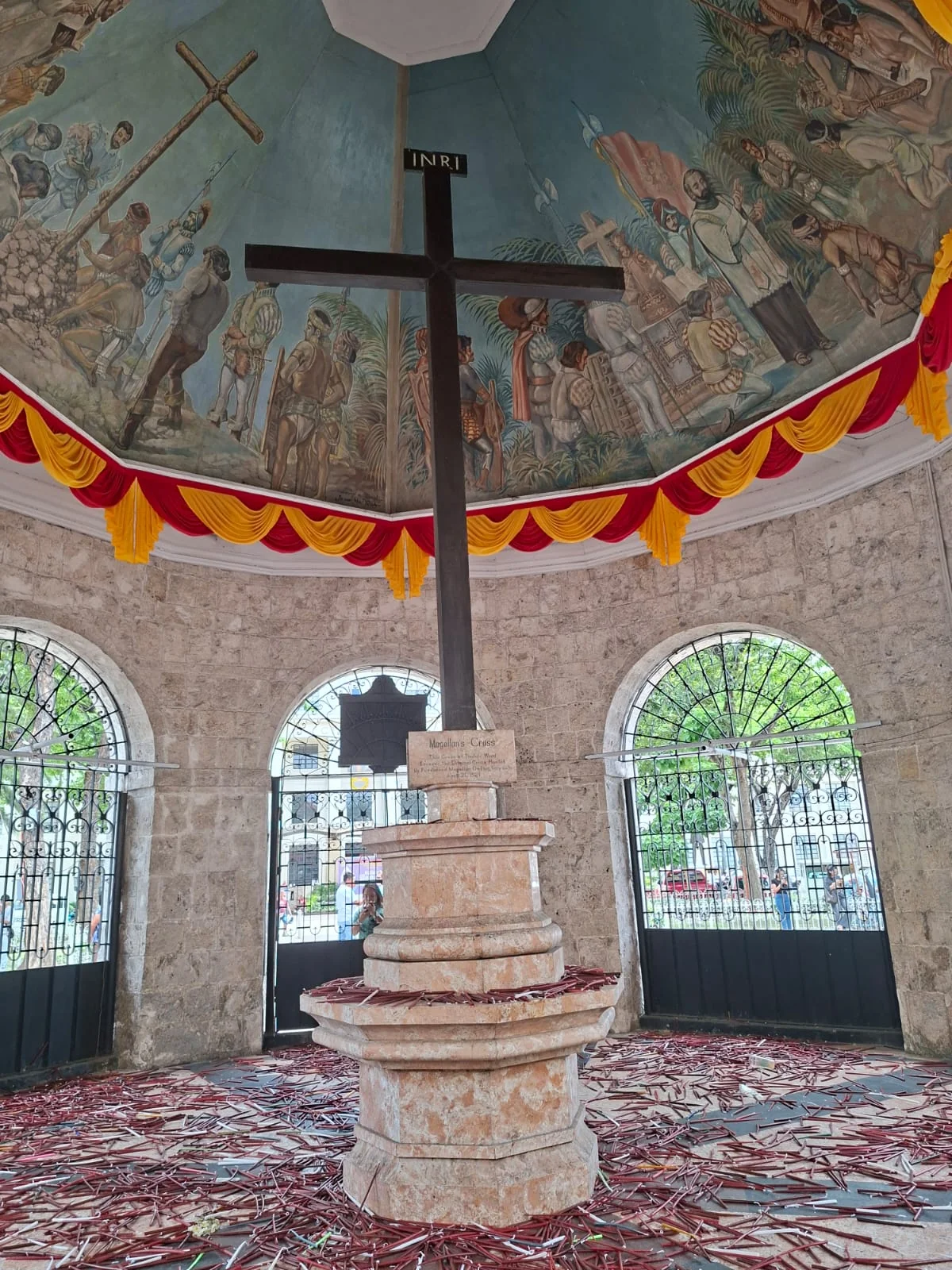
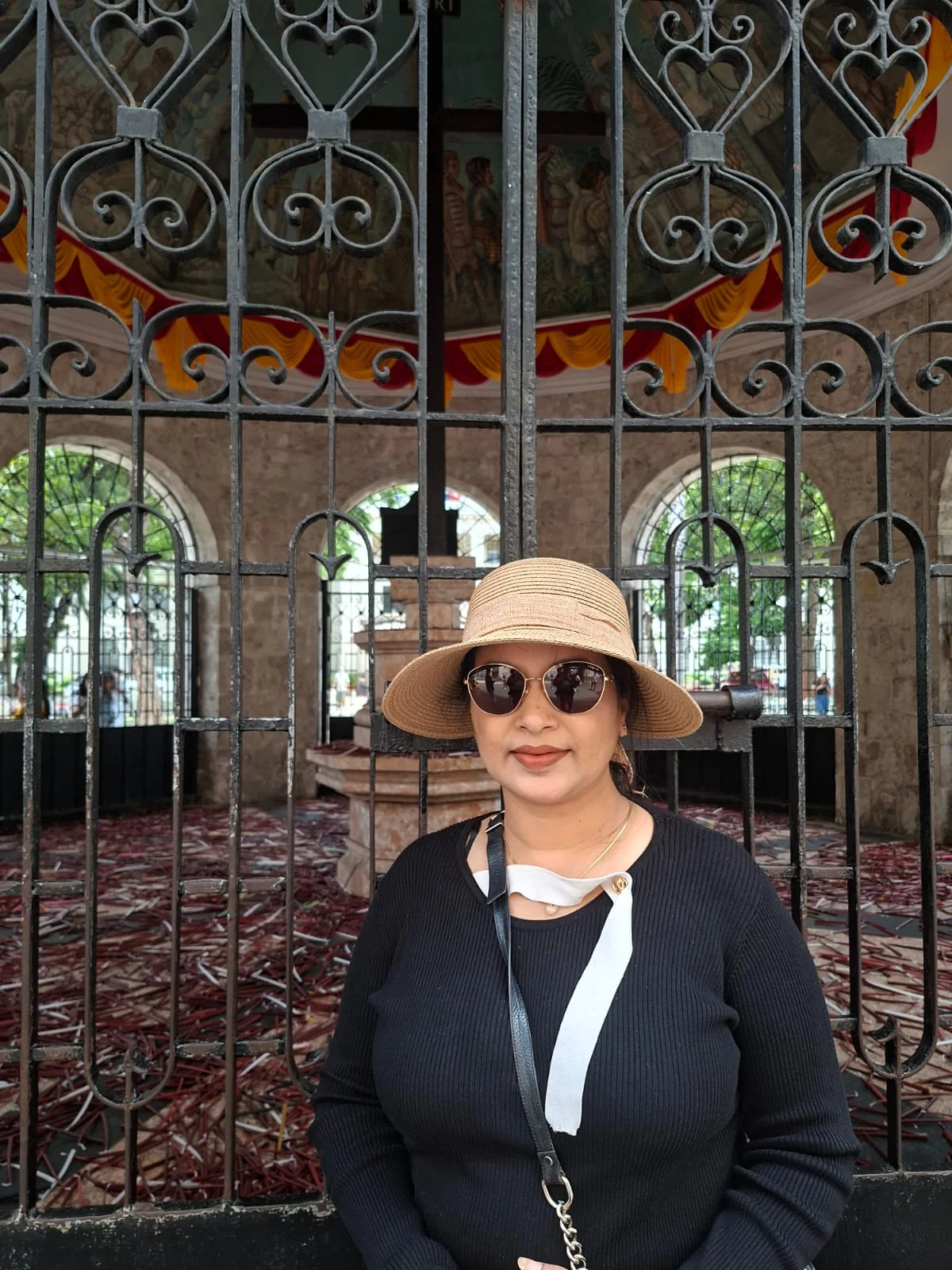
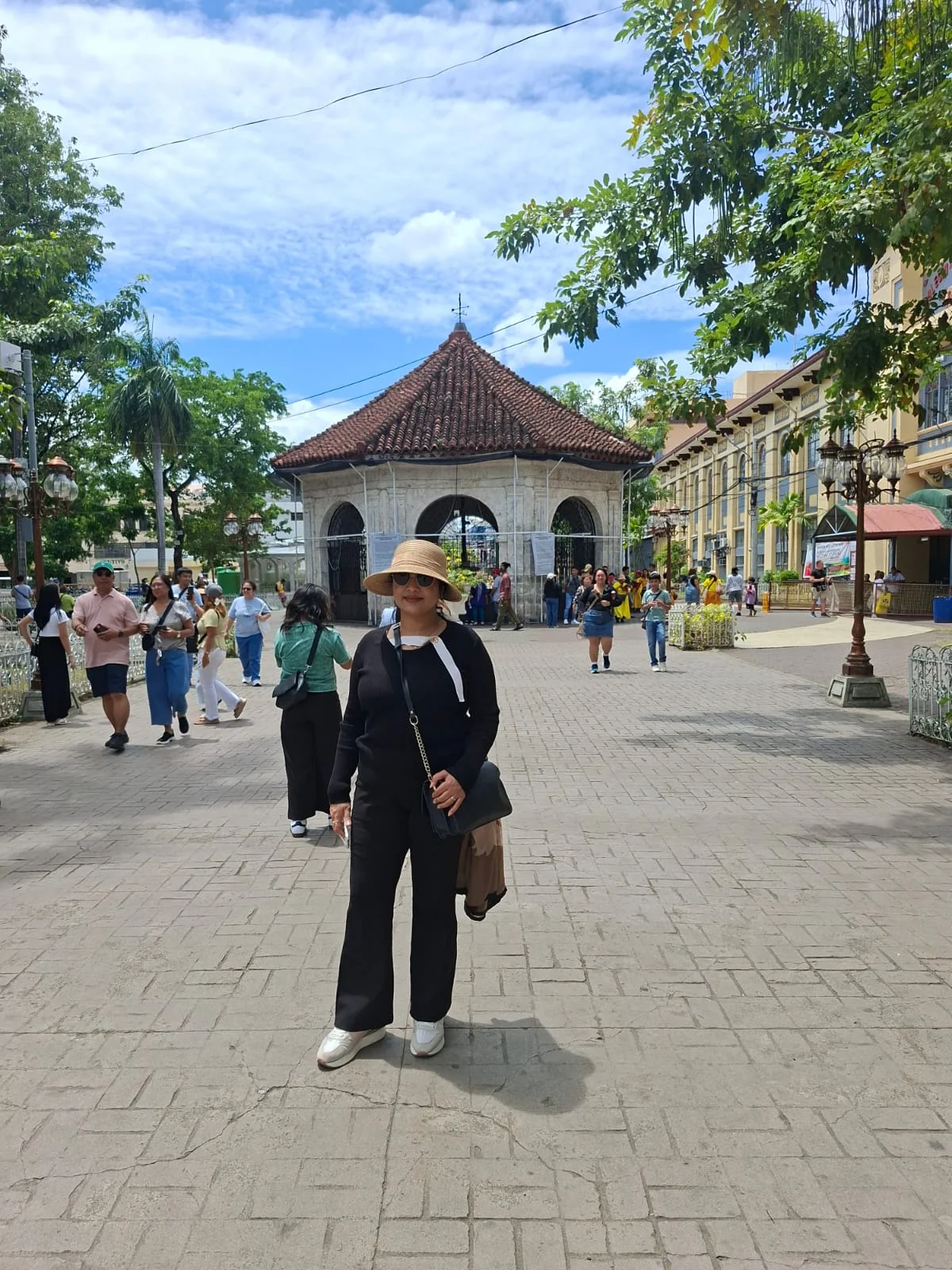
Cebu - Magellan's Cross Pavilion made of coral stone
Magellan’s Cross Pavilion is an octagonal stone kiosk located in Plaza Sugbo, Cebu City, built in 1834 under Spanish colonial rule to protect the historic Christian relic. The structure is explicitly constructed from coral stone and topped with a red-tiled roof to shelter the wooden crucifix, which is safely encased in protective tindalo wood. This declared National Cultural Treasure stands adjacent to the Basilica del Santo Niño and features a beautifully detailed ceiling mural illustrating the landmark 1521 arrival of Ferdinand Magellan and the early baptism of local islanders.
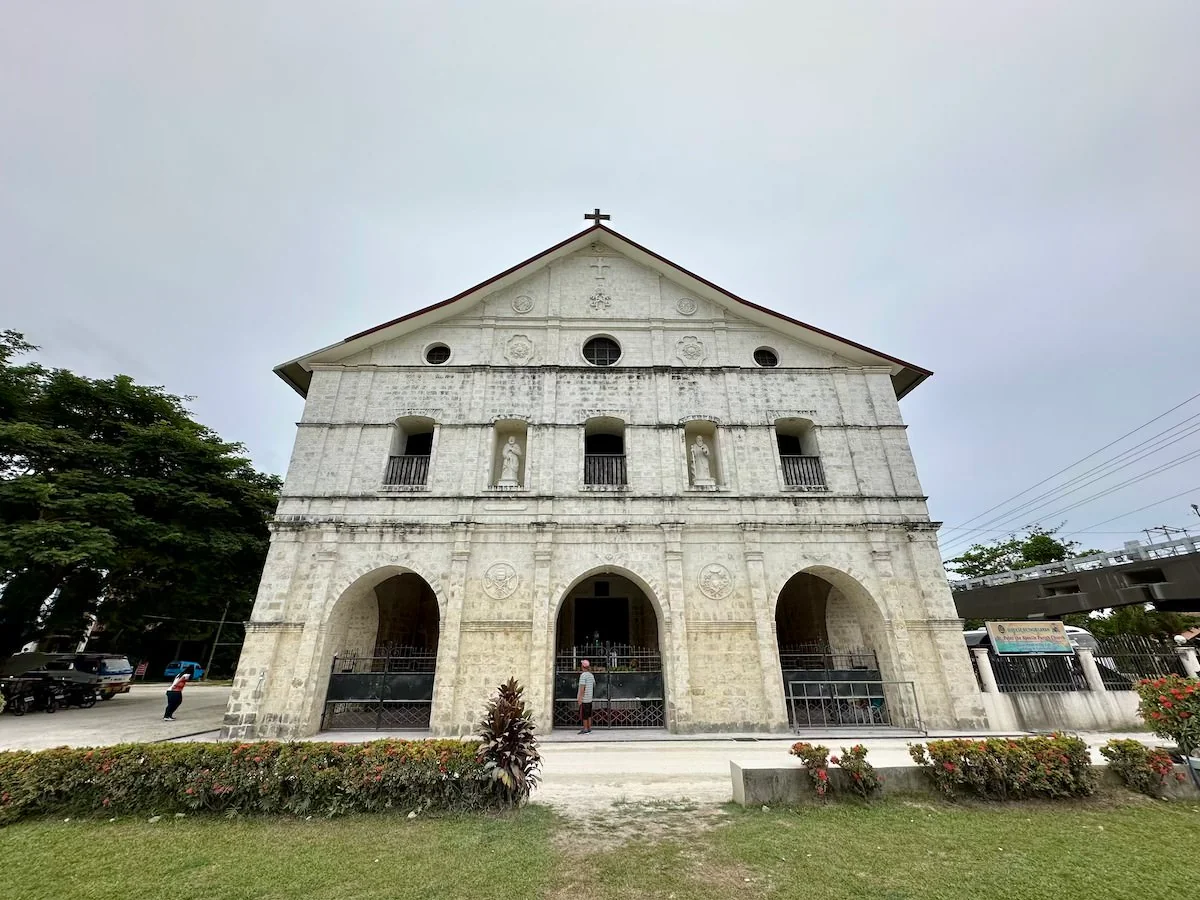
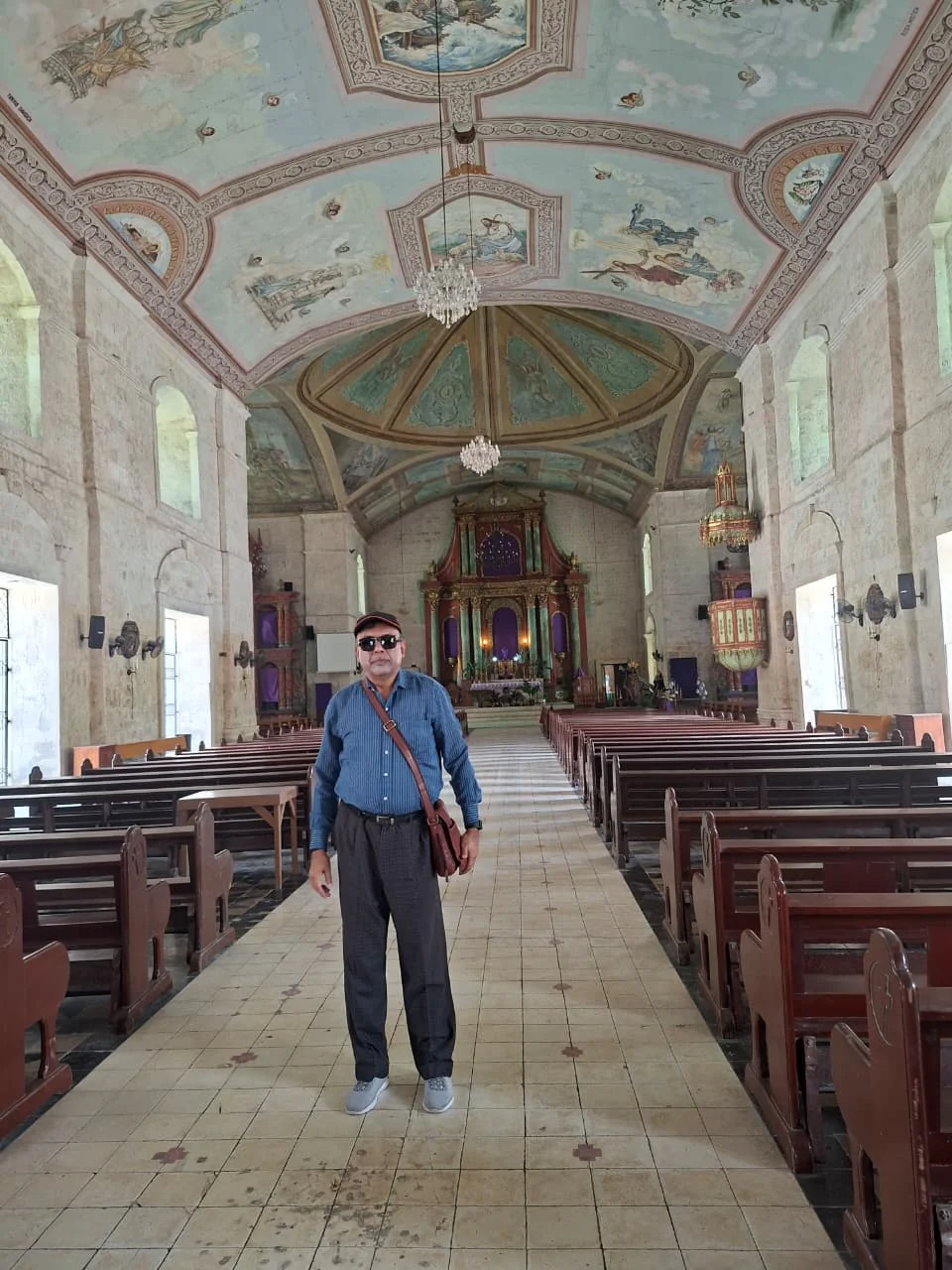
Bohol - Coral stone Loboc Church
Loboc Church, formally known as the San Pedro Apostol Parish Church, located in Bohol, Philippines was built using coral stone blocks quarried straight from local marine environments, giving its walls a unique whitish-cream color and an organic, pockmarked texture. Following the destruction of the parish's original 1602 wooden structure by a massive fire in 1638, Jesuit missionaries transitioned to stone masonry for long-term durability, culminating in the completion of the present coral stone church in 1734.
Bohol - Baclayon Church – Faith Carved in Coral Stone
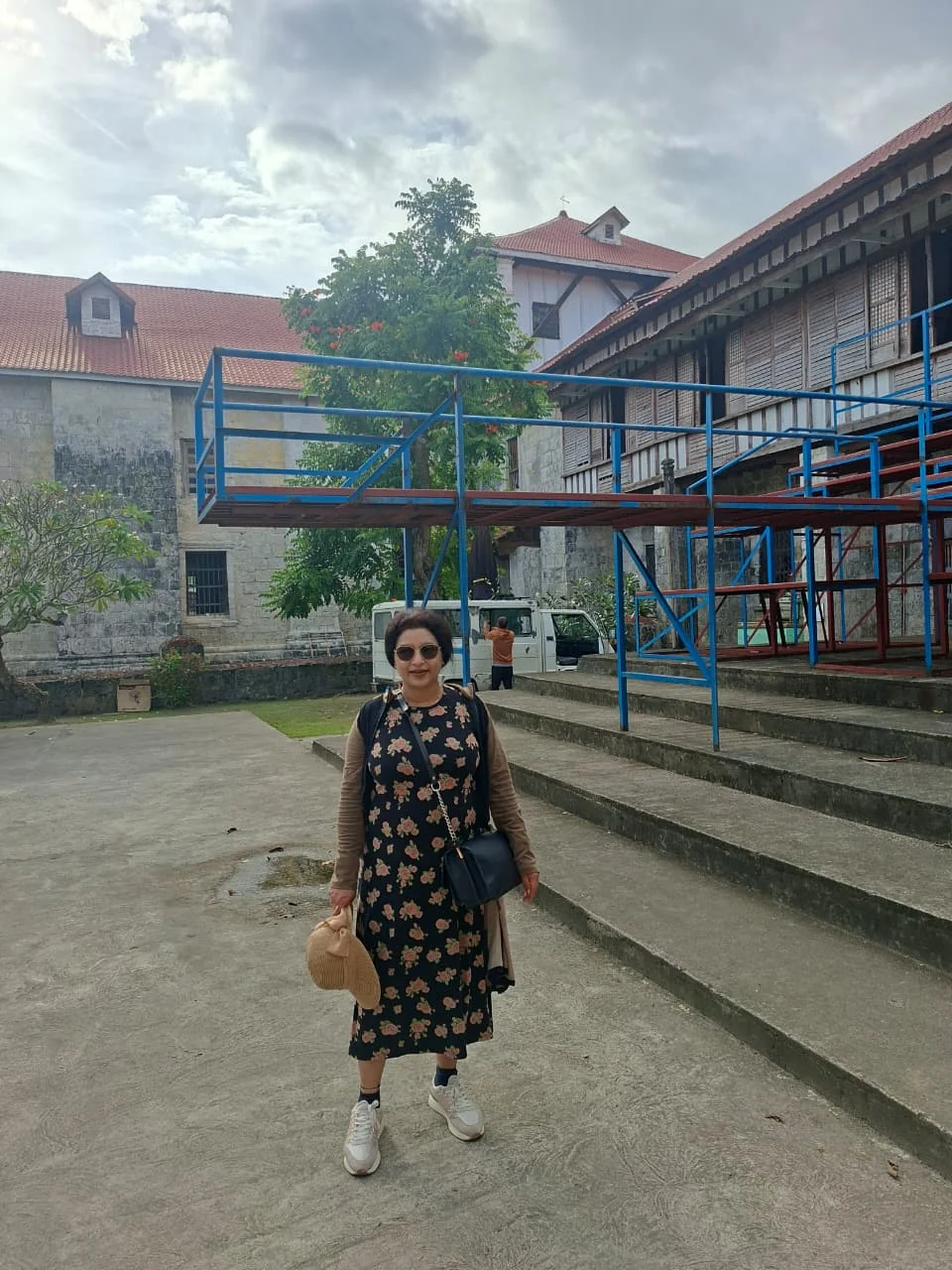
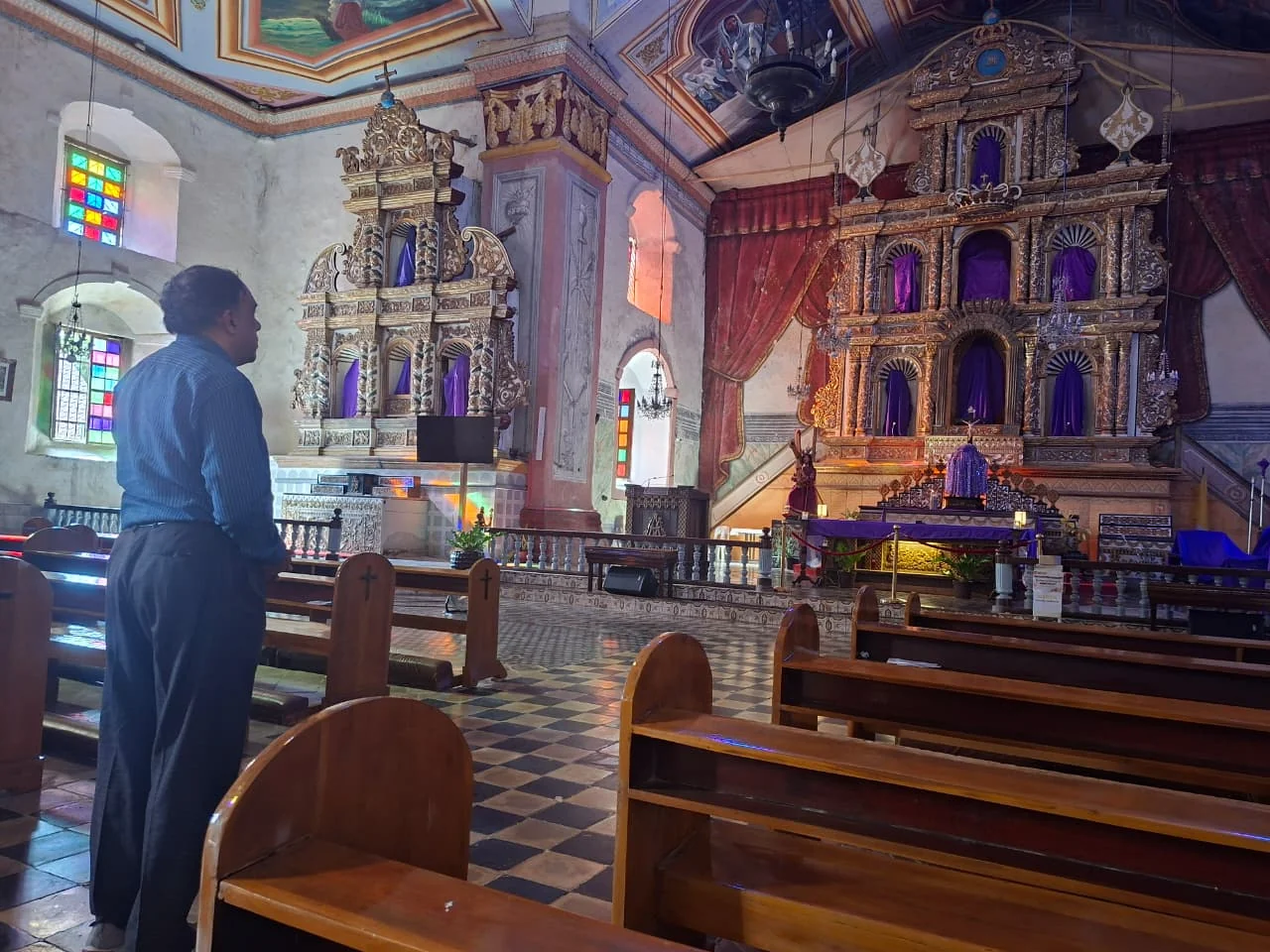
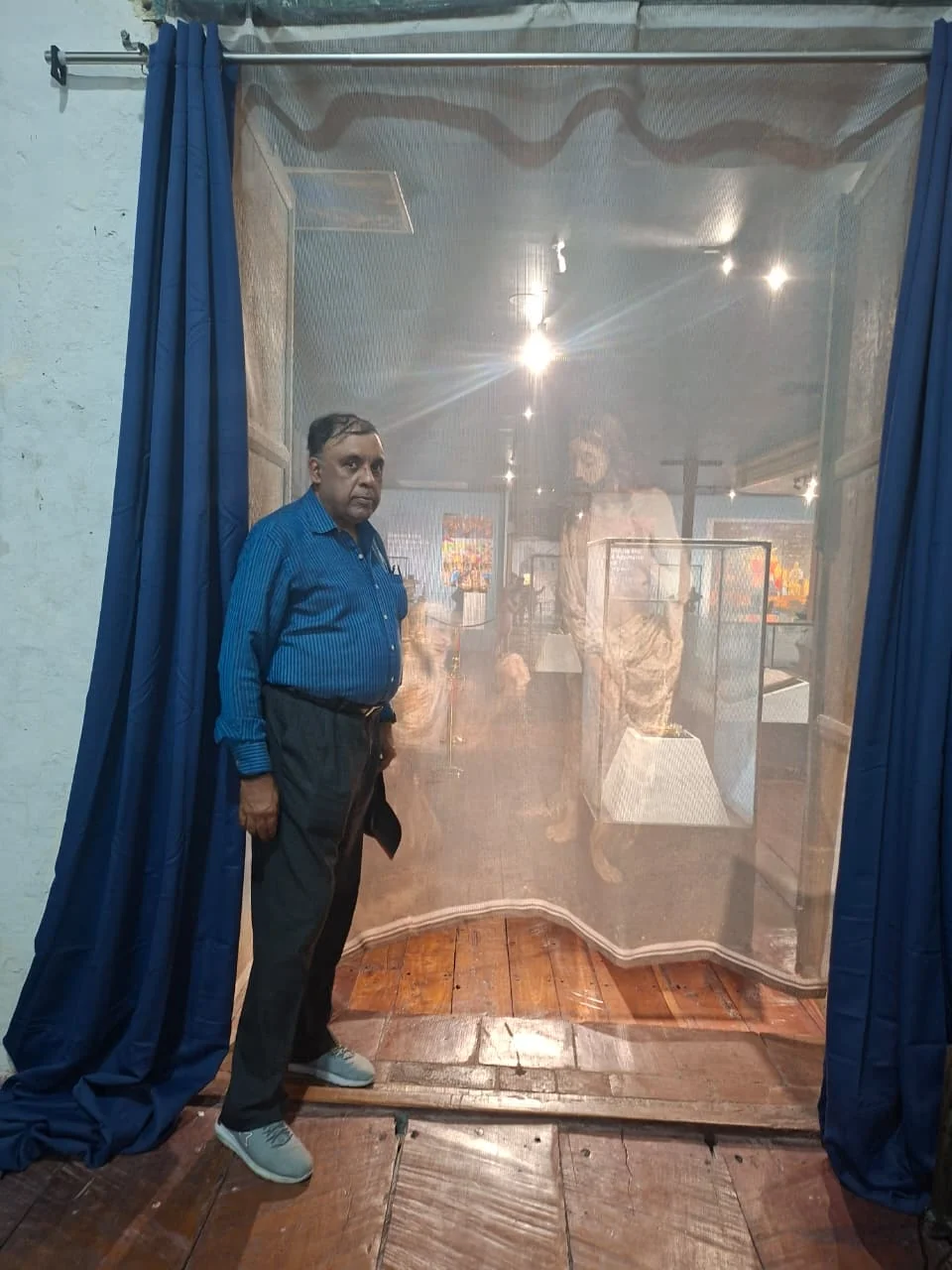
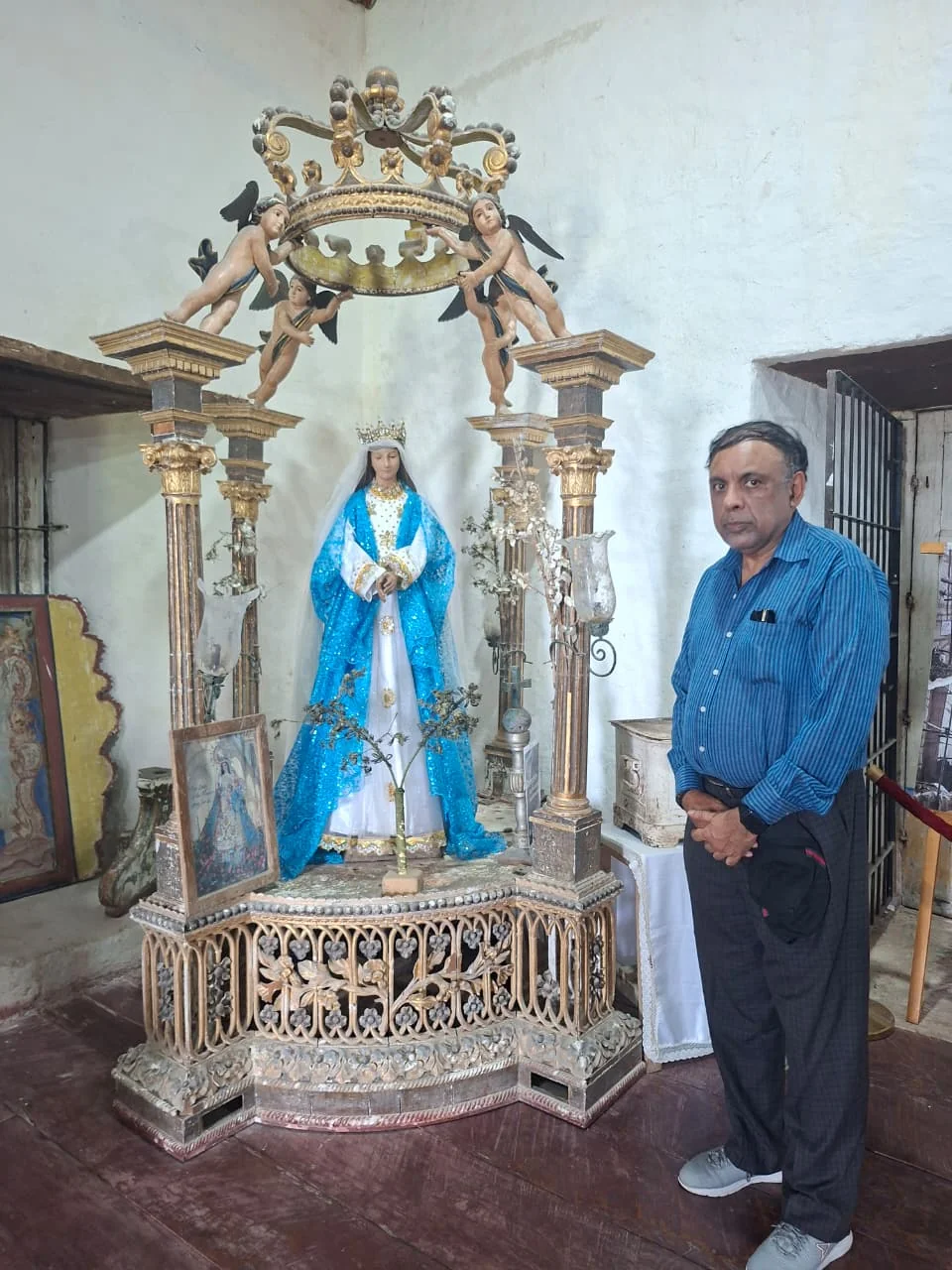
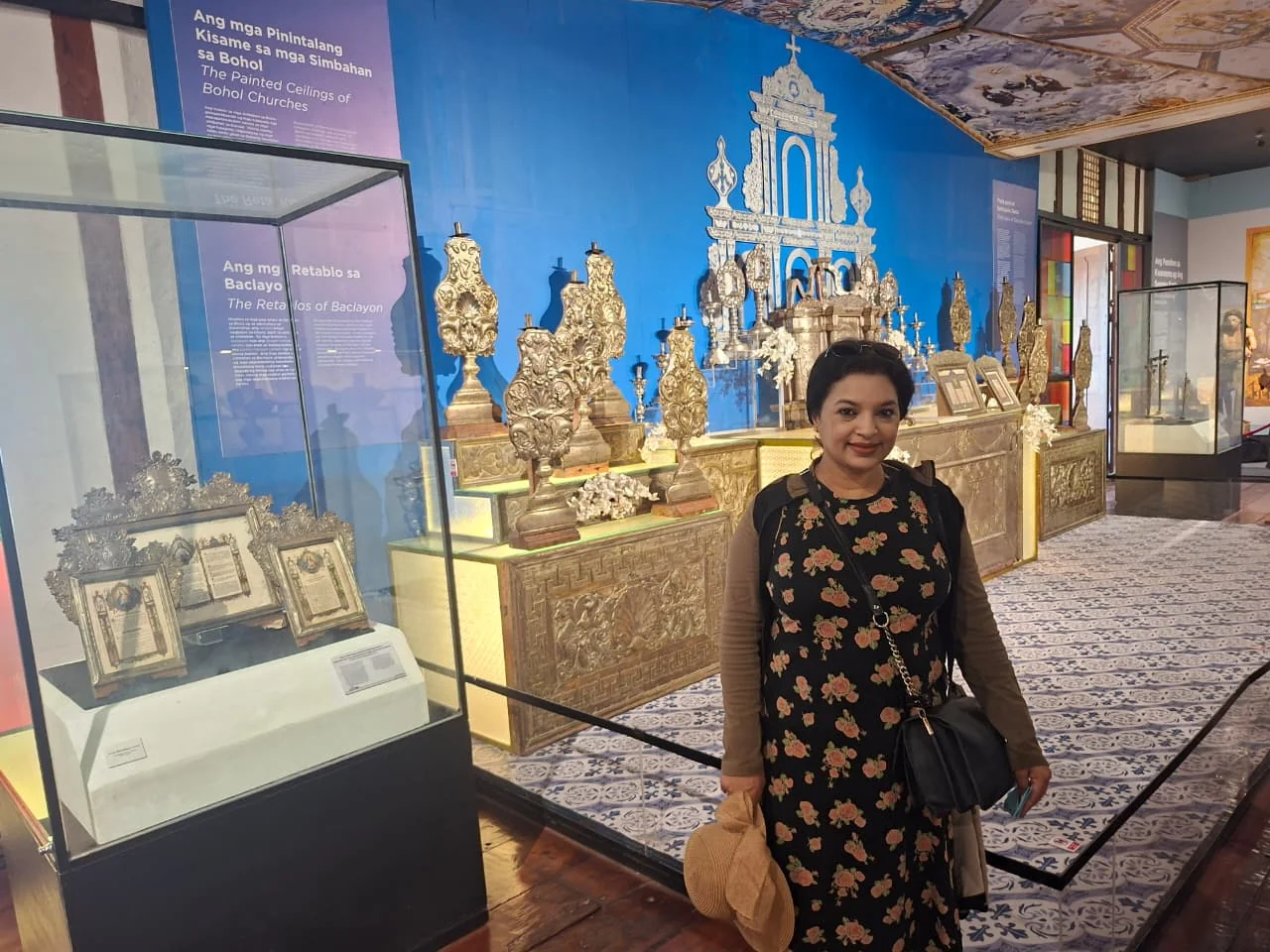
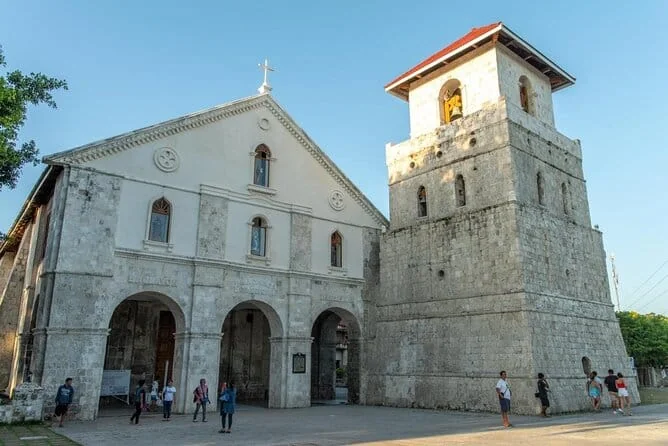
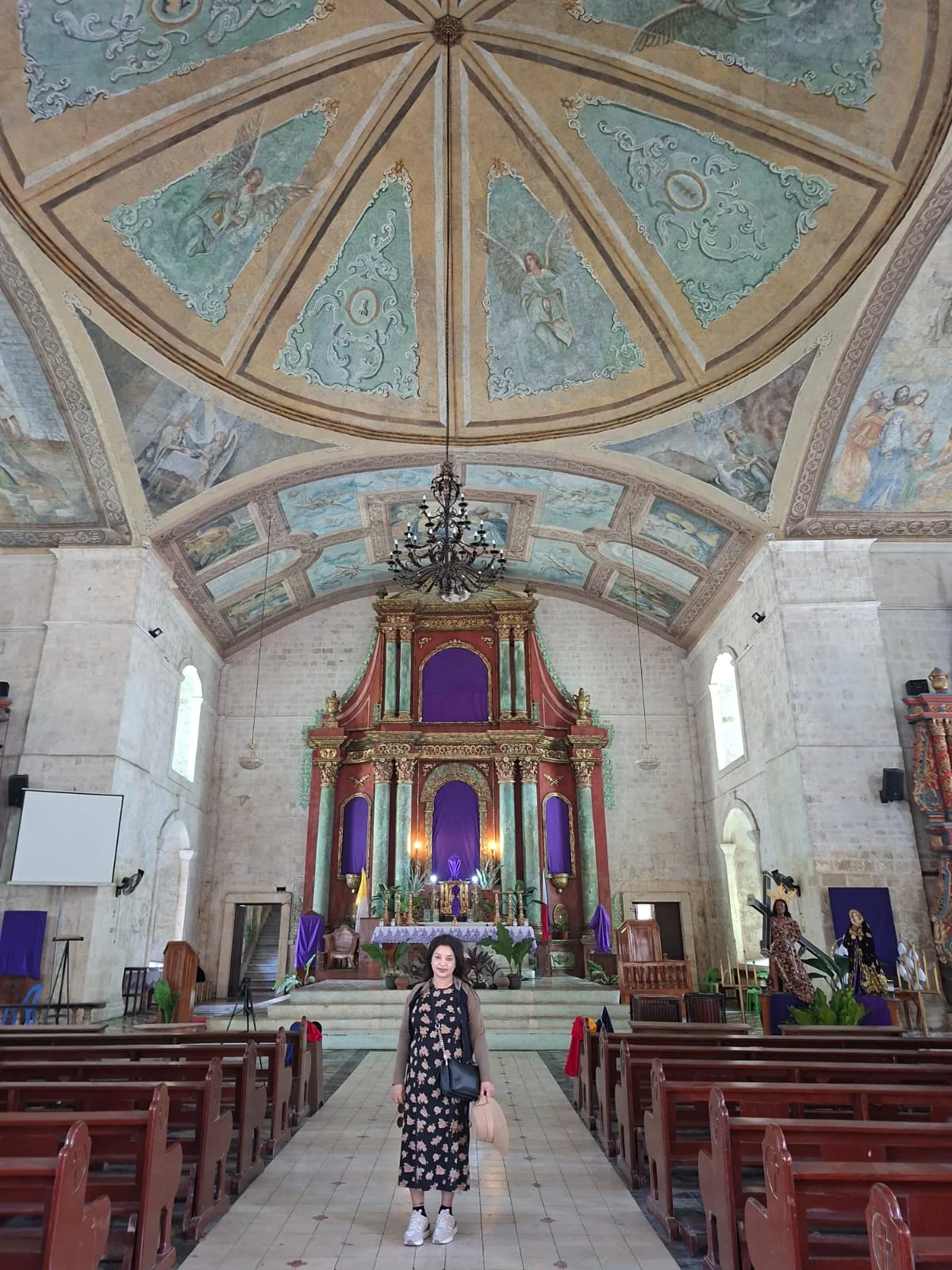
Walking into the church felt like stepping back more than three centuries. Built from coral stone by Spanish missionaries in the early 1700s, the church stands as one of the oldest and most treasured places of worship in the Philippines. Its thick coral-stone walls, beautiful altar, and peaceful interiors reflect both remarkable craftsmanship and enduring faith. We also spent time exploring the adjoining museum, where centuries-old religious artefacts, manuscripts, vestments, and sacred relics beautifully narrate Bohol's rich colonial and spiritual heritage. It was a visit that combined history, architecture, and devotion in a truly memorable way.
Bohol - St. Augustin Parish Church made of coral stone
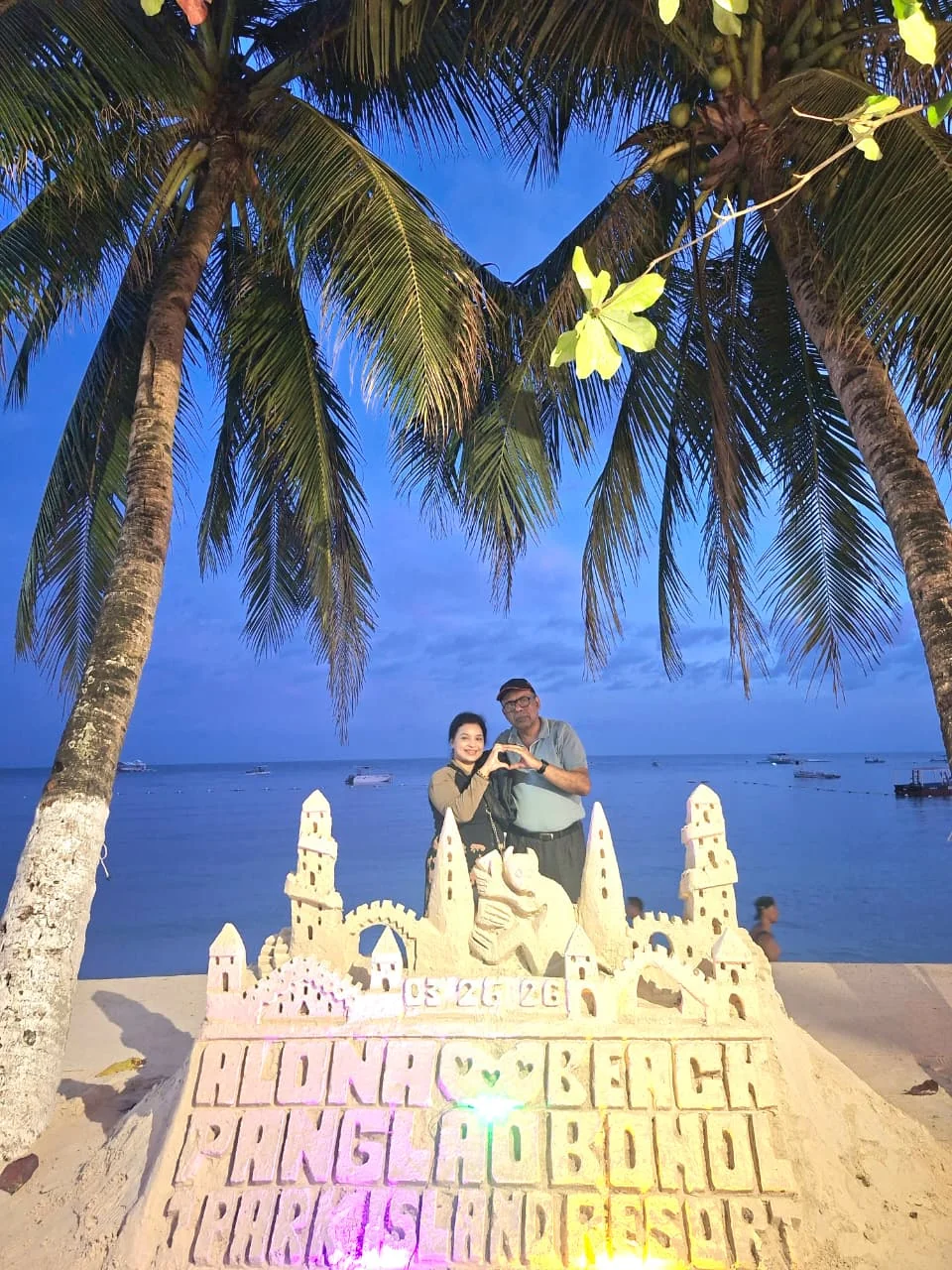
The St. Augustine Parish Church in Panglao, Bohol, was built using blocks of coral stone (tablilla) quarried from the surrounding seabed during the Spanish colonial era. These massive marine blocks were bound together using argamasa, a traditional mortar mixture composed of lime, fine sand, and thousands of egg whites to ensure a durable and resilient structure. This massive use of egg whites left early communities with a massive surplus of egg yolks, which local tradition credits for the creation of broas (Filipino ladyfingers), a signature sweet delicacy that remains famous across Bohol today.
The Geological Story Behind the Chocolate Hills made of Coral limestone
The iconic chocolate hills were formed over millions of years from ancient coral limestone that accumulated when Bohol lay beneath a shallow tropical sea. As tectonic forces gradually uplifted these marine deposits above sea level, rainwater slowly dissolved and eroded the limestone, sculpting it into more than 1,200 remarkably symmetrical cone-shaped hills through a process known as karst formation. During the dry season, the grass covering the hills turns a rich brown, giving them the appearance of giant chocolate mounds, giving rise to the name Chocolate Hills.
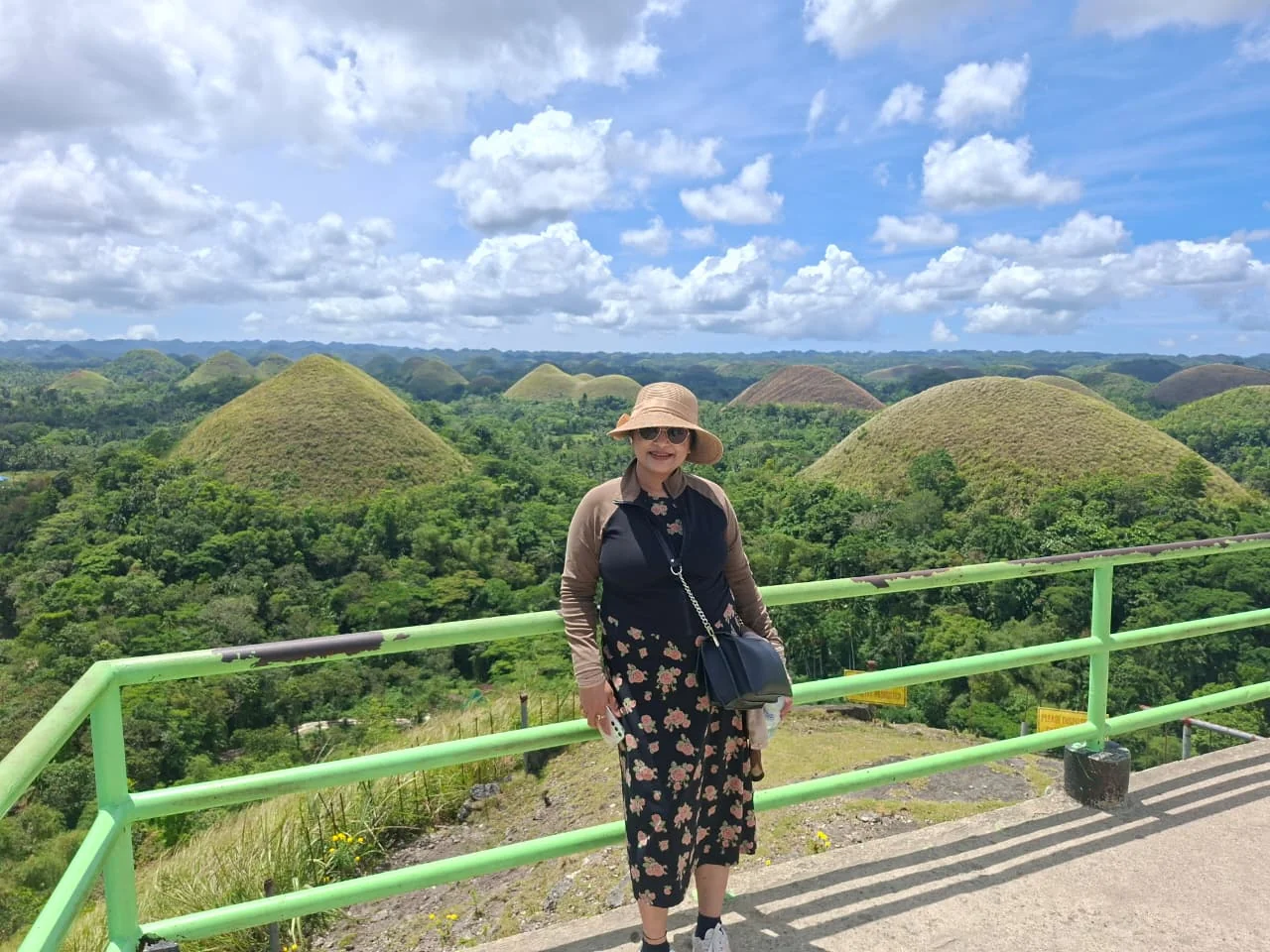
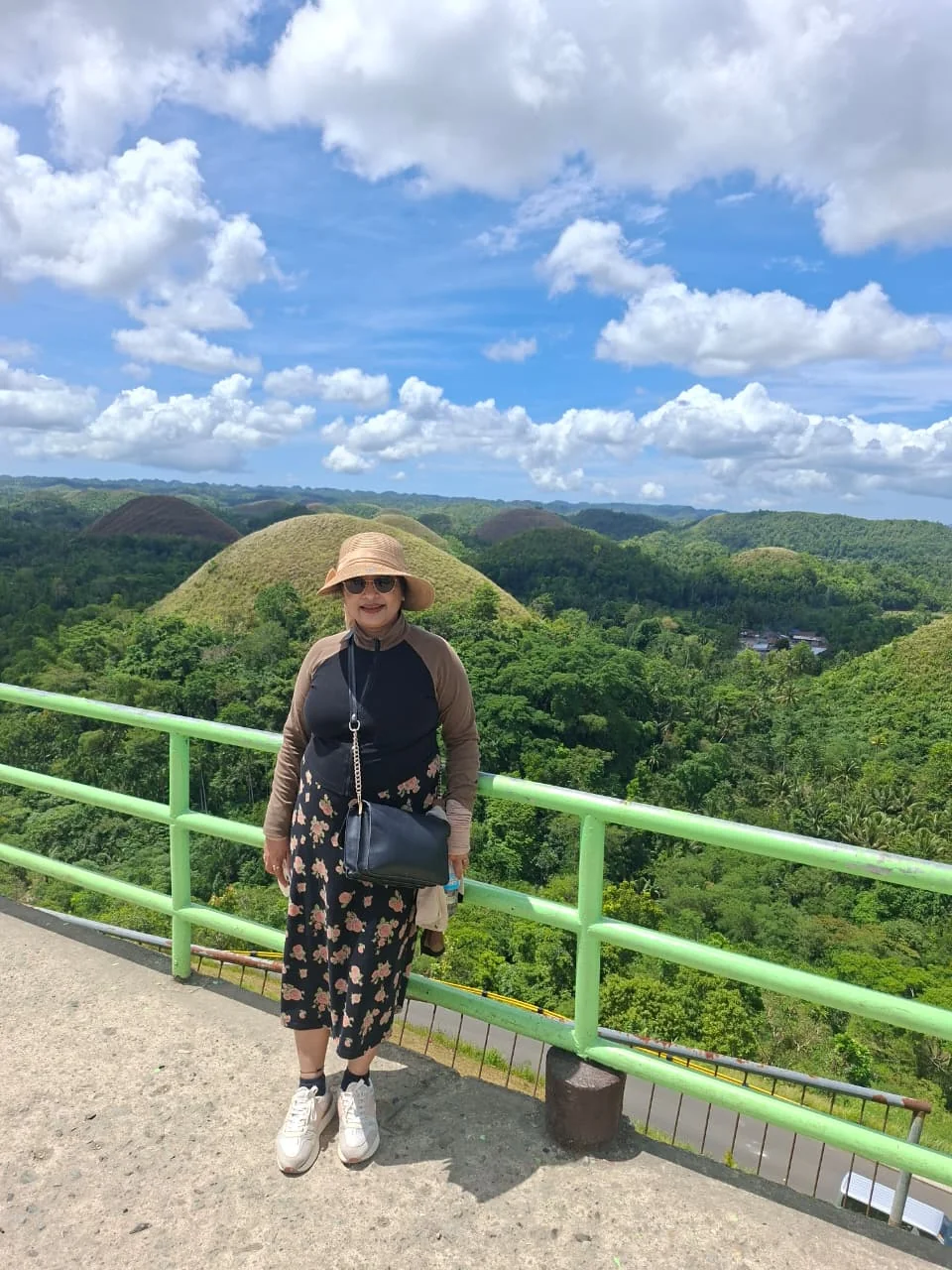
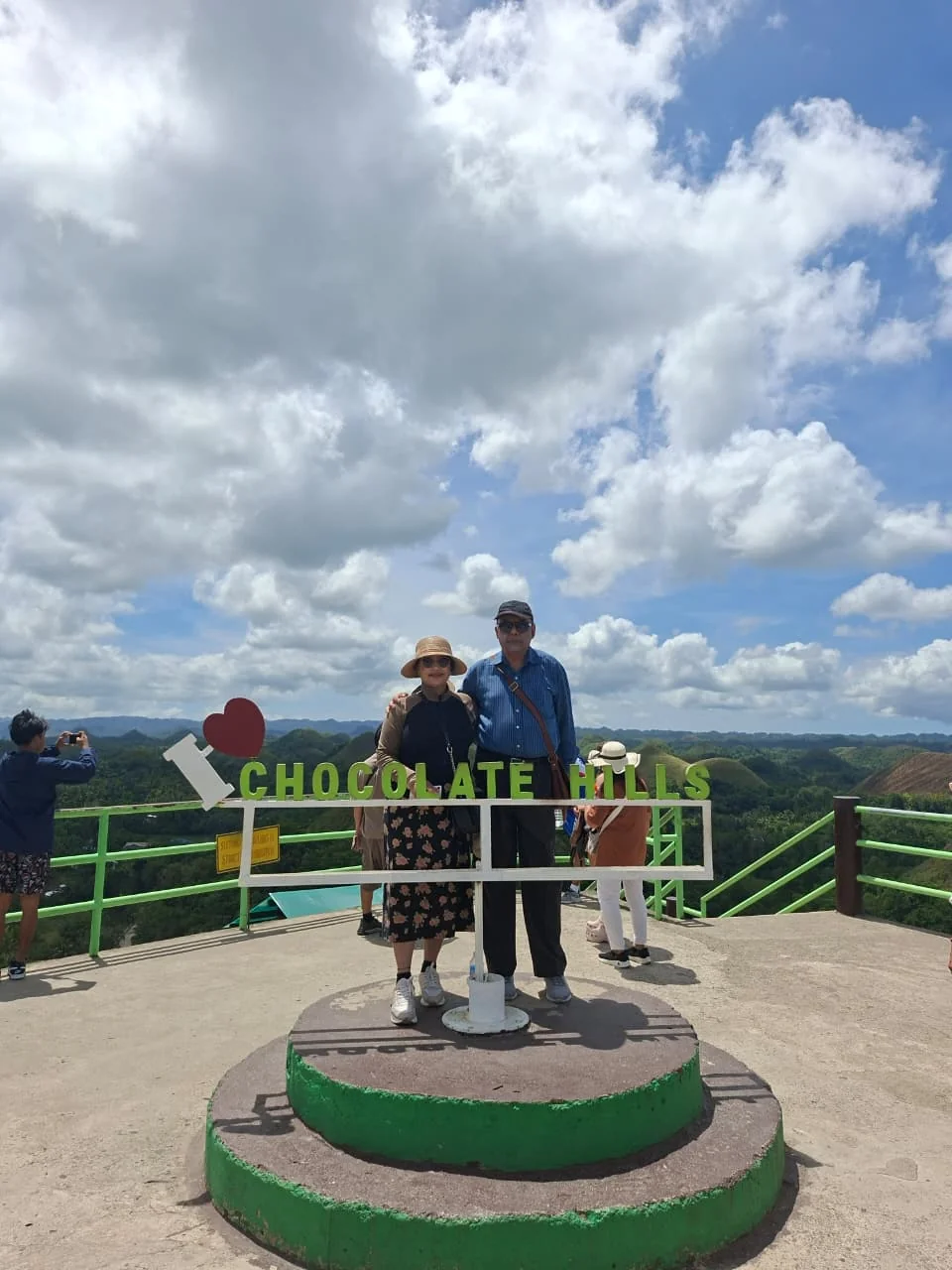
Bohol - Meeting the Elusive Philippine Tarsier
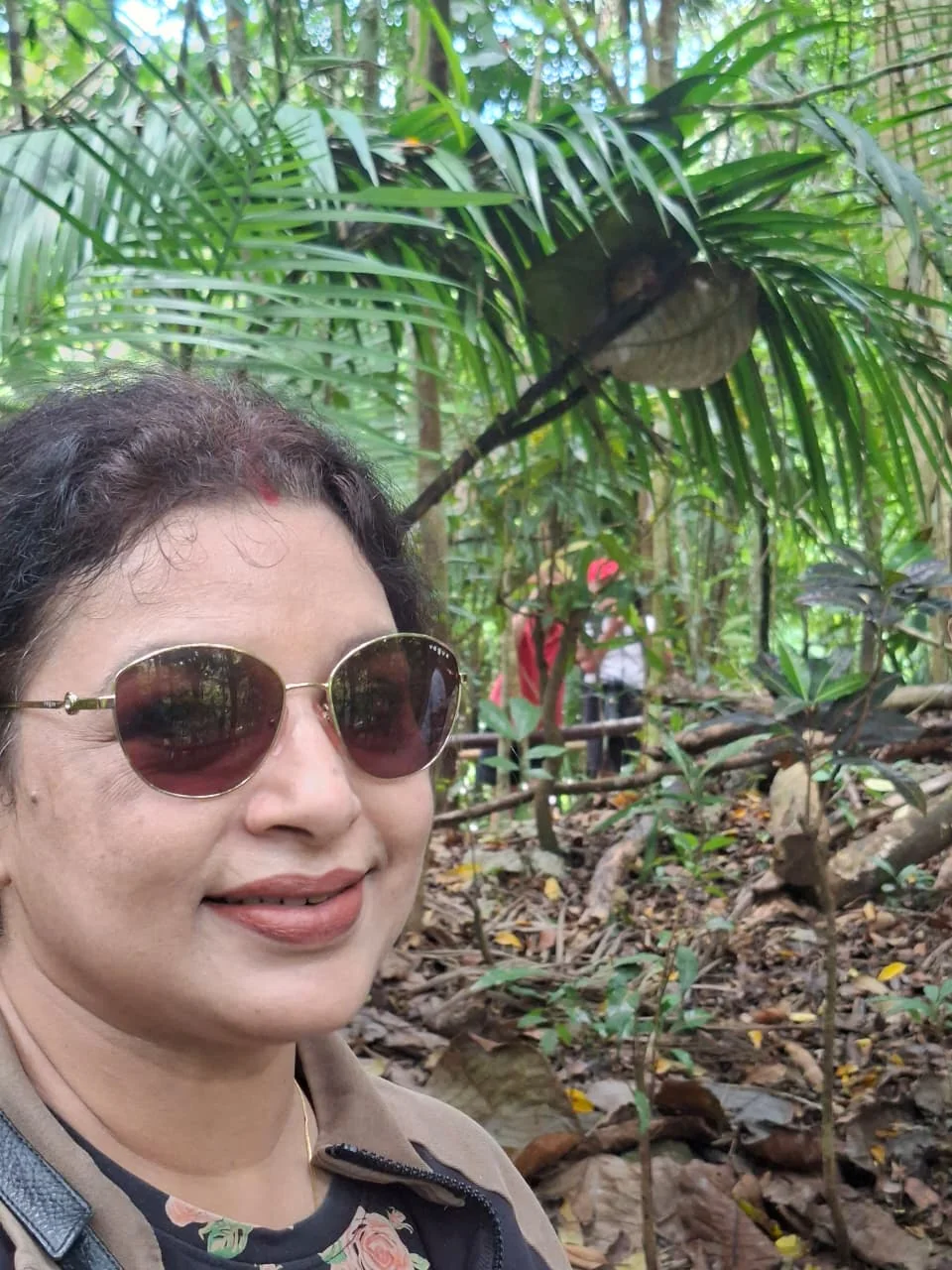
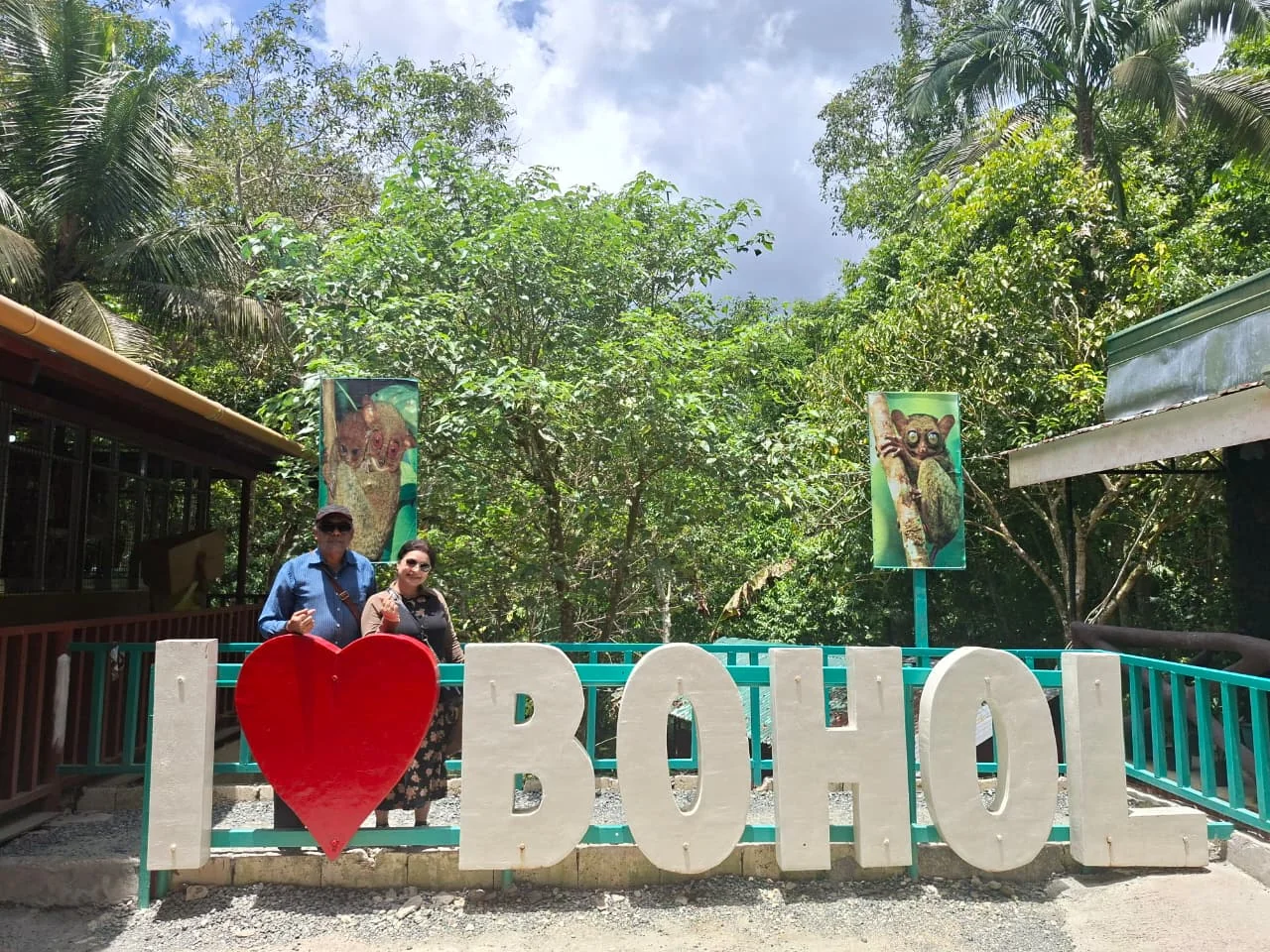
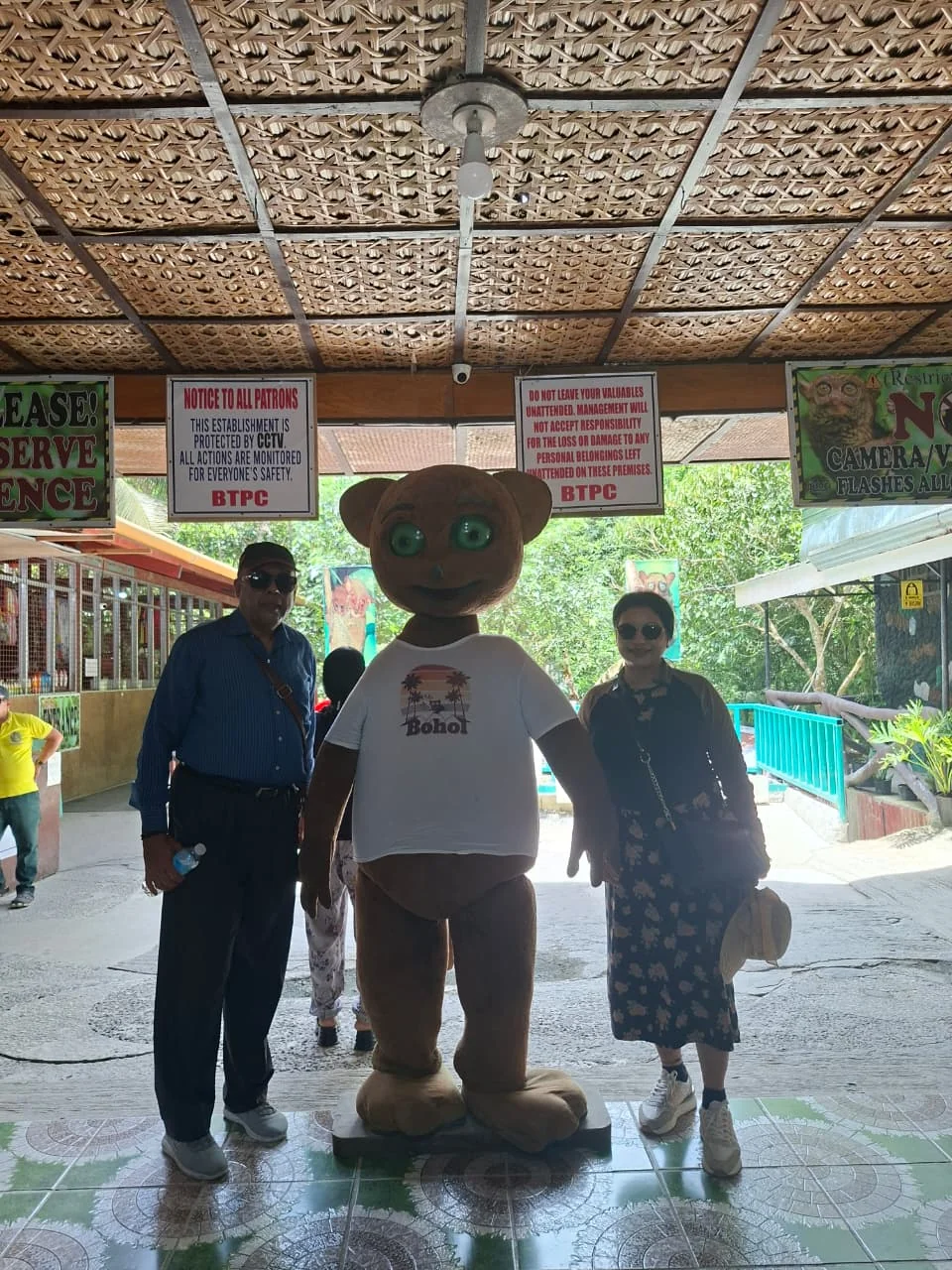
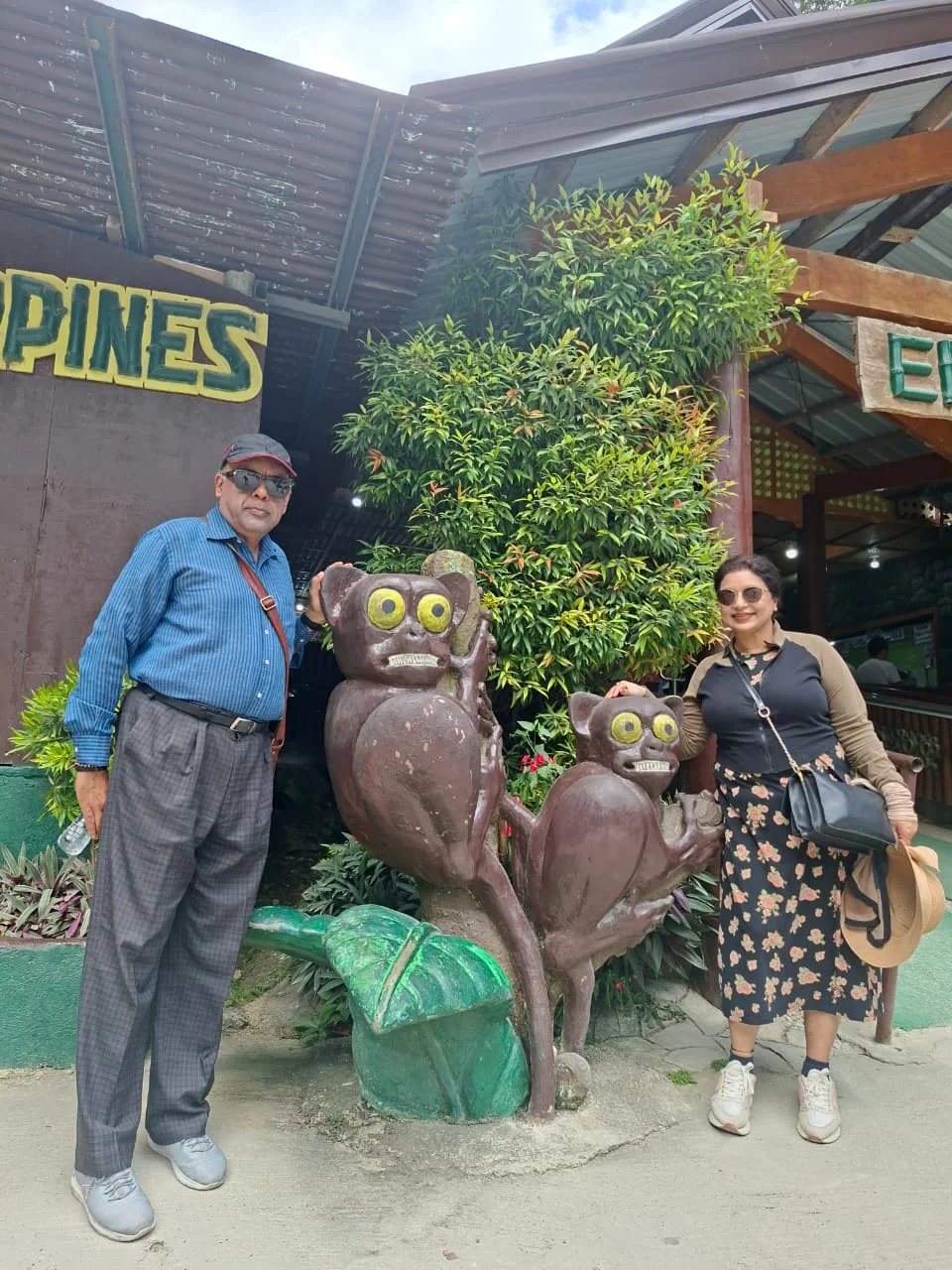
Bohol's ancient coral limestone landscape is not merely a geological wonder; over millions of years, it has also shaped the island's natural ecosystems. The lush forests growing across this limestone terrain provide a sanctuary for the endangered Philippine tarsier. Near the Chocolate Hills, we visited a small sanctuary where, accompanied by a knowledgeable guide, we quietly walked along forest trails and were fortunate enough to spot five tarsiers resting in their natural habitat. Seeing these tiny primates—with their enormous eyes, delicate fingers and almost motionless posture—was a truly memorable experience. Knowing that they are among the world's smallest primates and are endangered made the encounter even more special, reminding us of the importance of protecting their fragile forest home.
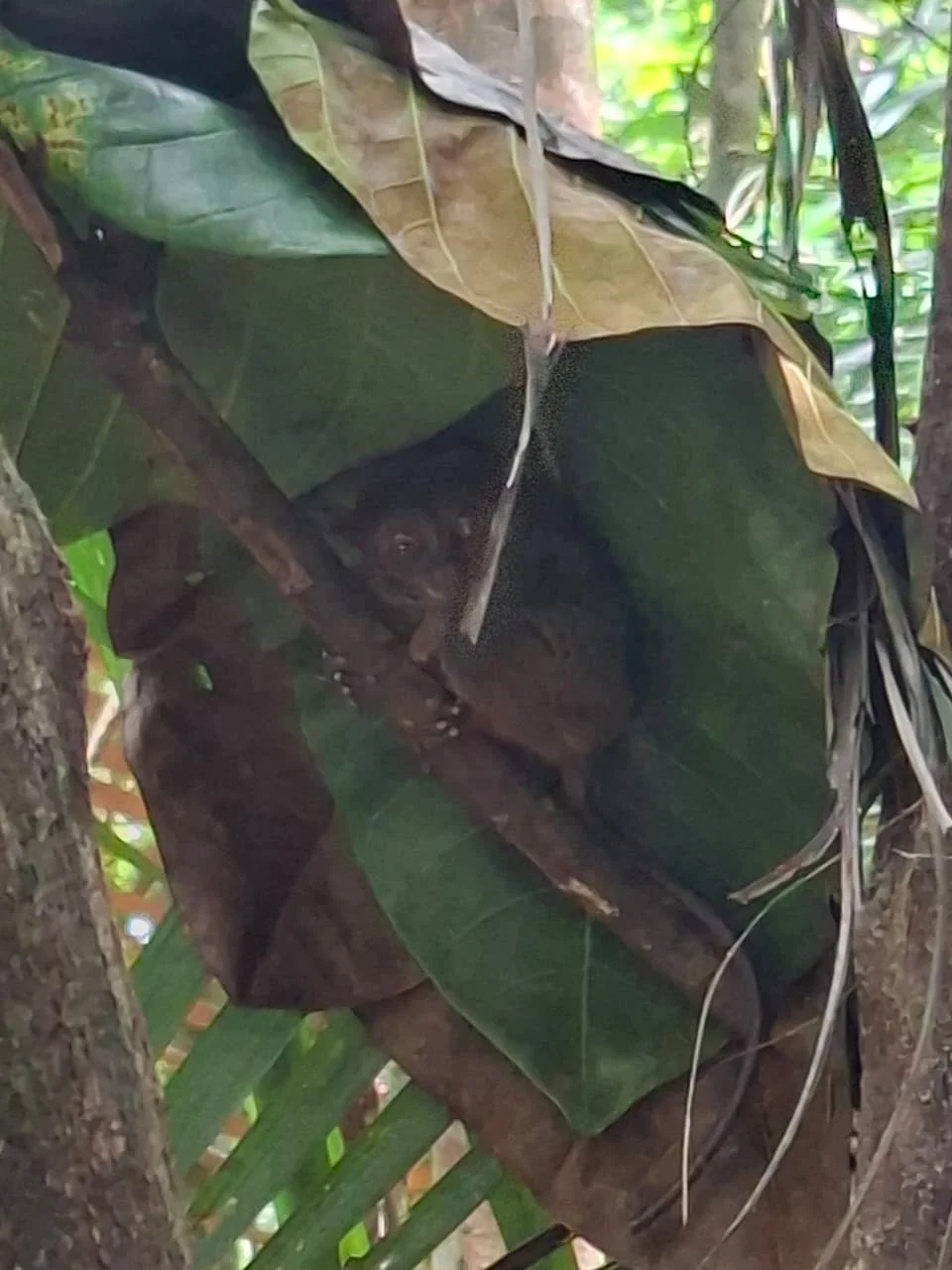
Bohol — Where History Meets Nature
Our journey through Bohol was a memorable blend of heritage and natural wonder. From the centuries-old coral-stone churches, which preserve the island’s Spanish colonial legacy, to the extraordinary Chocolate Hills, sculpted by nature over millions of years, every stop revealed a different facet of Bohol’s character. It was fascinating to discover how coral limestone connects the island’s cultural heritage with its remarkable geology.
Tips for Visiting Bohol, Philippines
Best time to visit
November to May generally offers drier weather.
Getting around
Hire a car with a driver or book a guided countryside tour for convenience.
Chocolate Hills
Visit the viewing deck for panoramic views; be prepared for stairs.
Coral-stone churches
Dress modestly and respect ongoing religious services.
Allow a full day
Combine the Chocolate Hills with historic churches and other countryside attractions.
Carry essentials
Bring drinking water, sunscreen, a hat and cash for small expenses.
Start early
Beat the midday heat and allow sufficient time for sightseeing.
Plan your stay
Base yourself in Panglao for beaches and resorts, or near Tagbilaran for easier access to mainland Bohol.