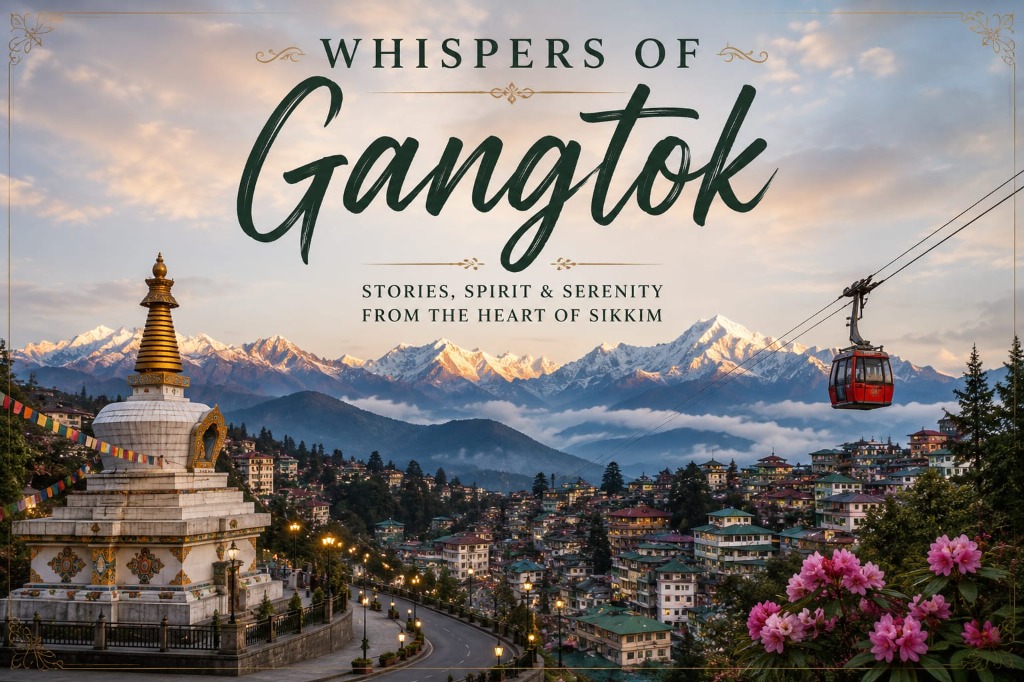
Gangtok – Gateway to the Eastern Himalayas
Perched at an altitude of about 1,650 metres in the Eastern Himalayas, Gangtok is the charming capital of Sikkim and the perfect base for exploring the state's monasteries, mountain passes, and breathtaking landscapes. The nearest airport is Bagdogra Airport in West Bengal, about 125 km away, from where the scenic drive to Gangtok takes 4–5 hours, depending on traffic and weather. Blessed with clean surroundings, panoramic views of the Himalayas, and a unique blend of Buddhist culture and modern amenities, Gangtok is one of Northeast India's most attractive hill destinations. Whether strolling along MG Marg, visiting ancient monasteries, or setting out for Tsomgo Lake and Nathula Pass, the city offers an unforgettable Himalayan experience.A good choice of comfortable hotels is available in Gangtok.
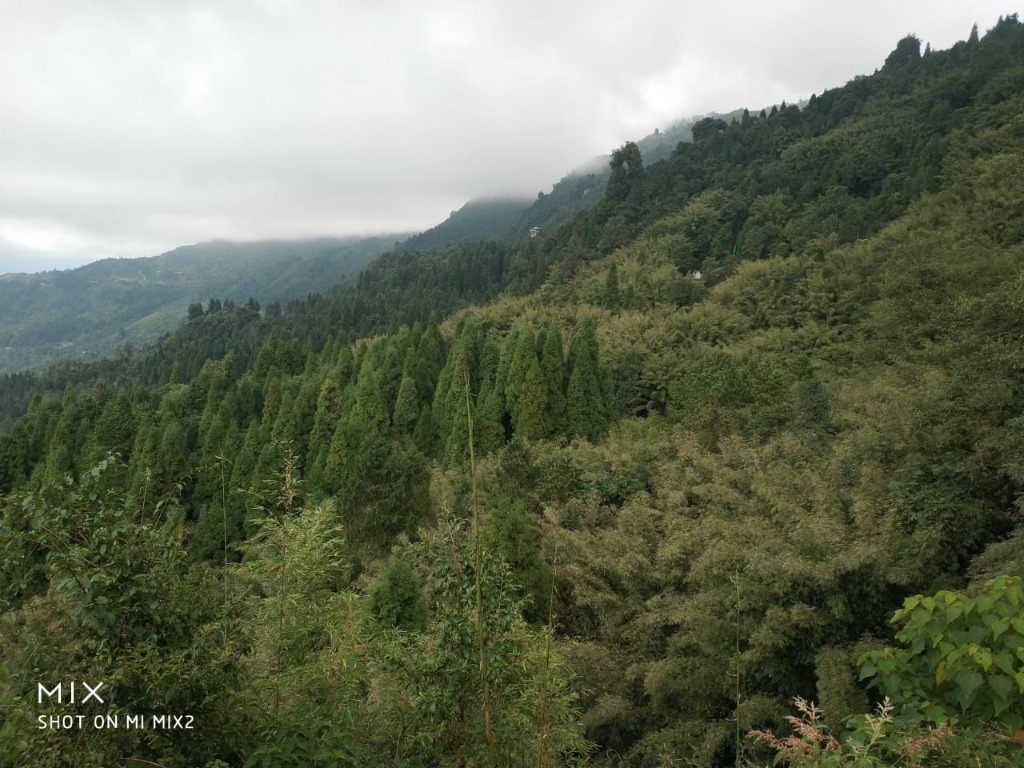
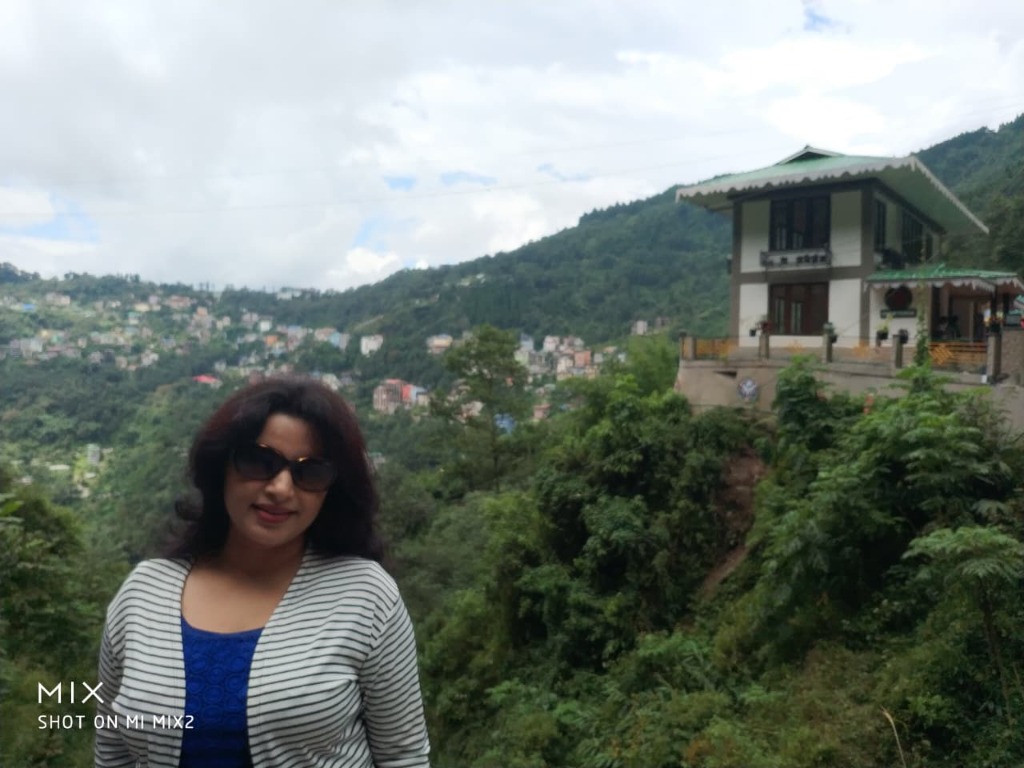
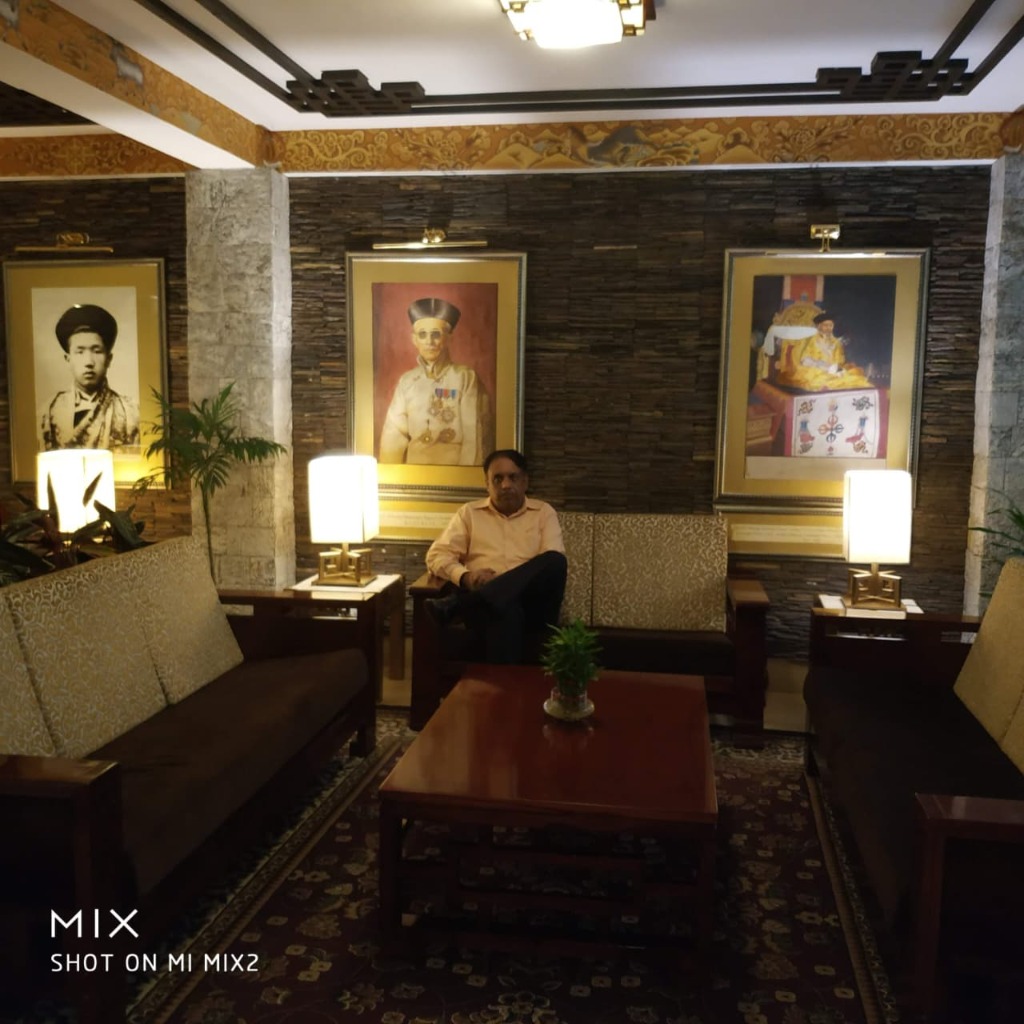
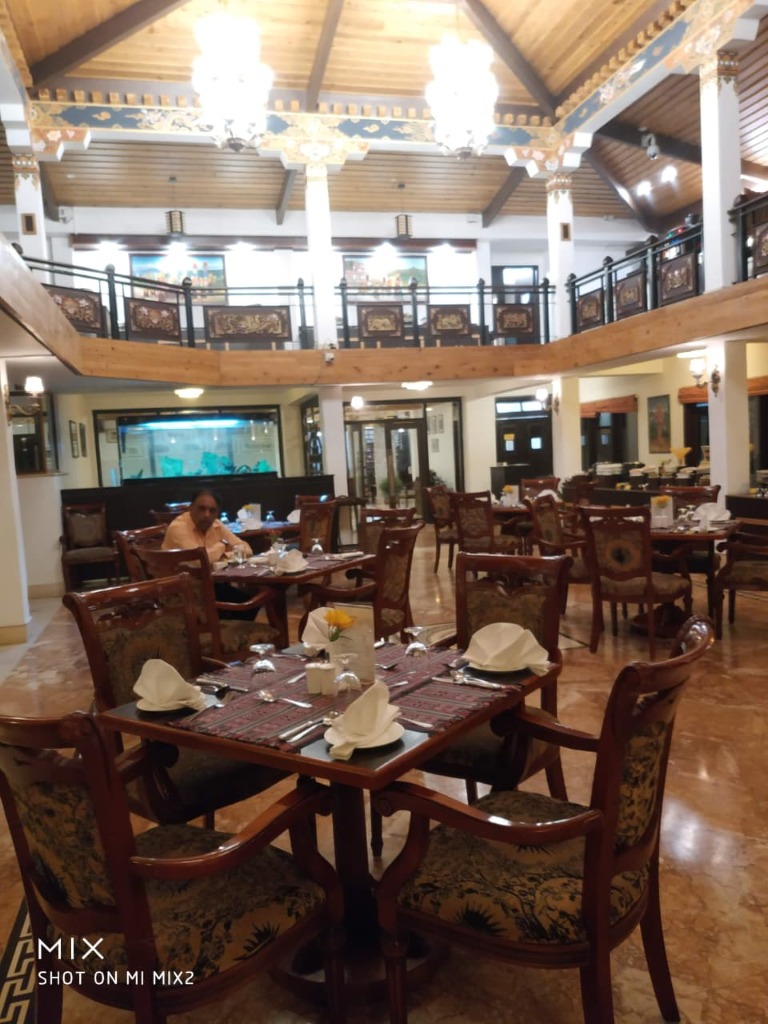
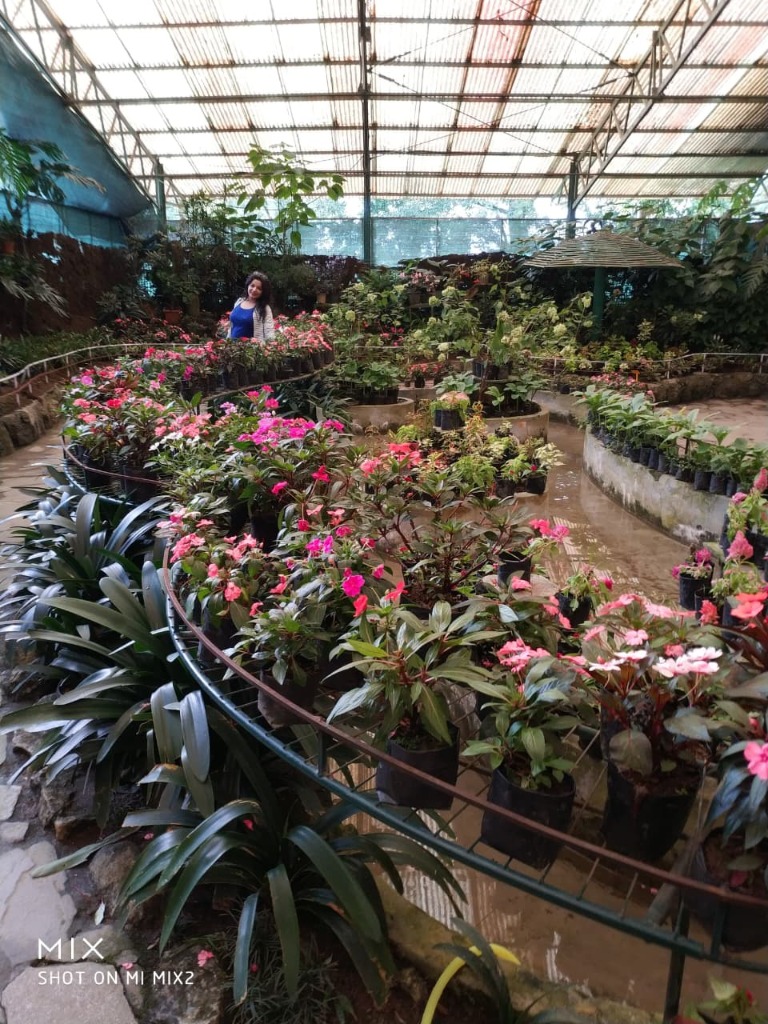
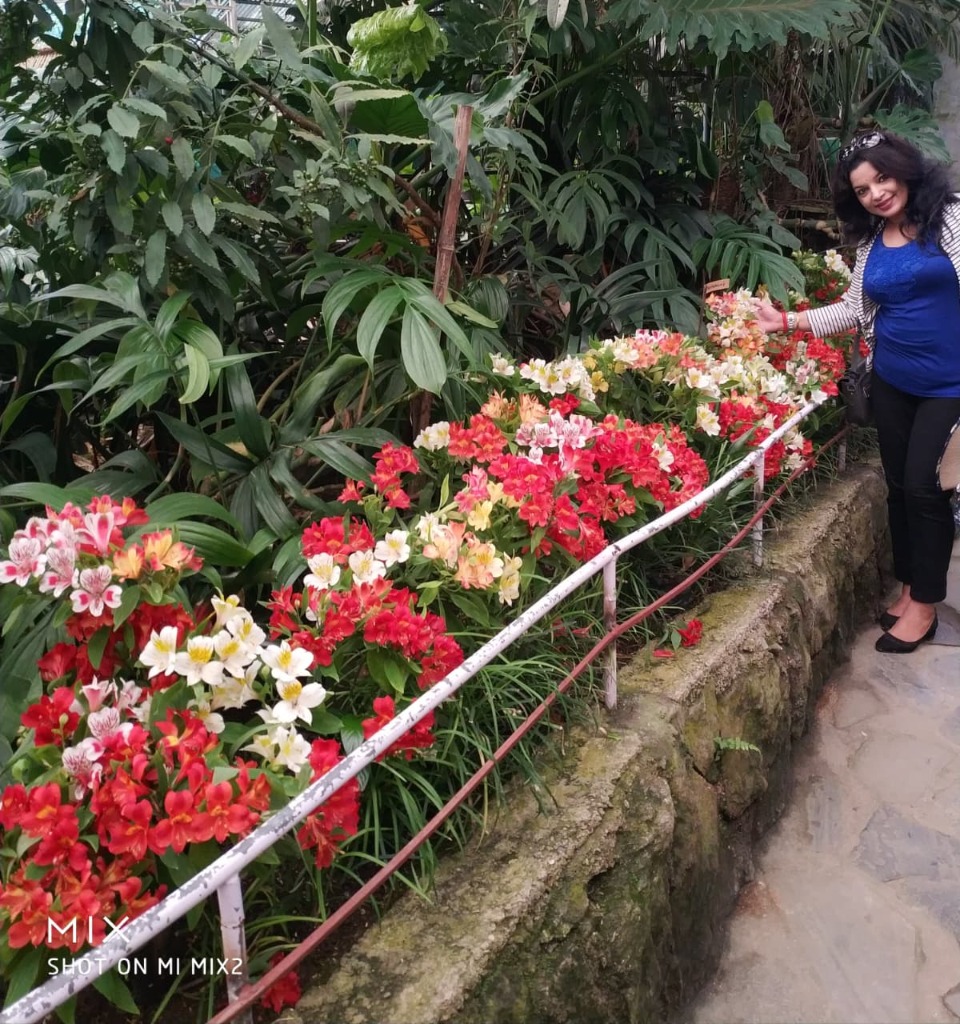
A Colourful Stop at the Flower Exhibition Centre
A visit to the Flower Exhibition Centre in Gangtok was a delightful break from our sightseeing. Walking through the beautifully maintained displays of vibrant bromeliads, orchids, and a variety of colourful Himalayan flowers, I was struck by the incredible diversity of Sikkim's flora.
Lhasa Falls – A Peaceful Himalayan Pause
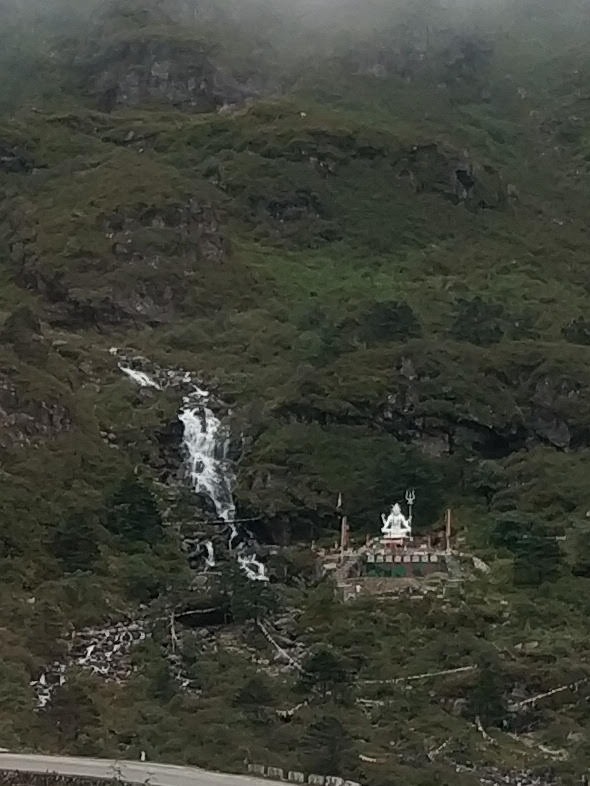
Our stop at Lhasa Falls was brief but refreshing. Cascading down a rocky hillside beside the road, the waterfall created a cool mist that offered welcome relief from the journey. Colourful Tibetan prayer flags fluttered in the mountain breeze, adding a spiritual charm to the already picturesque setting. Surrounded by lush greenery and the soothing sound of rushing water, it was the perfect place to pause.
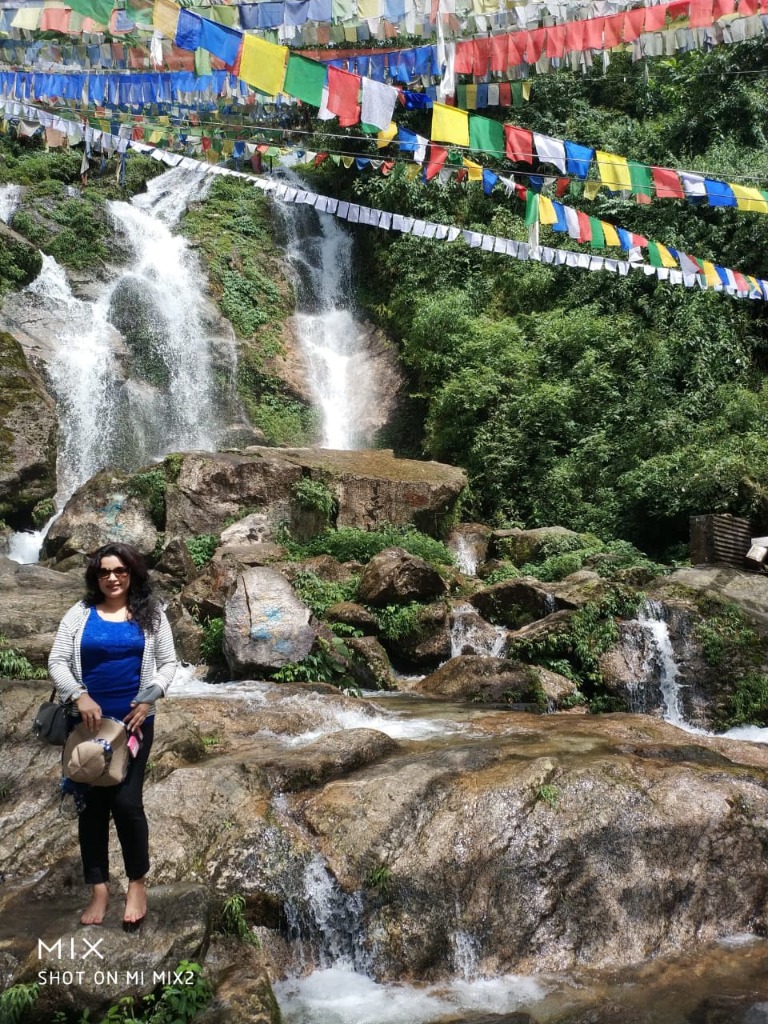
Bakthang Waterfall – Nature's Refreshing Welcome
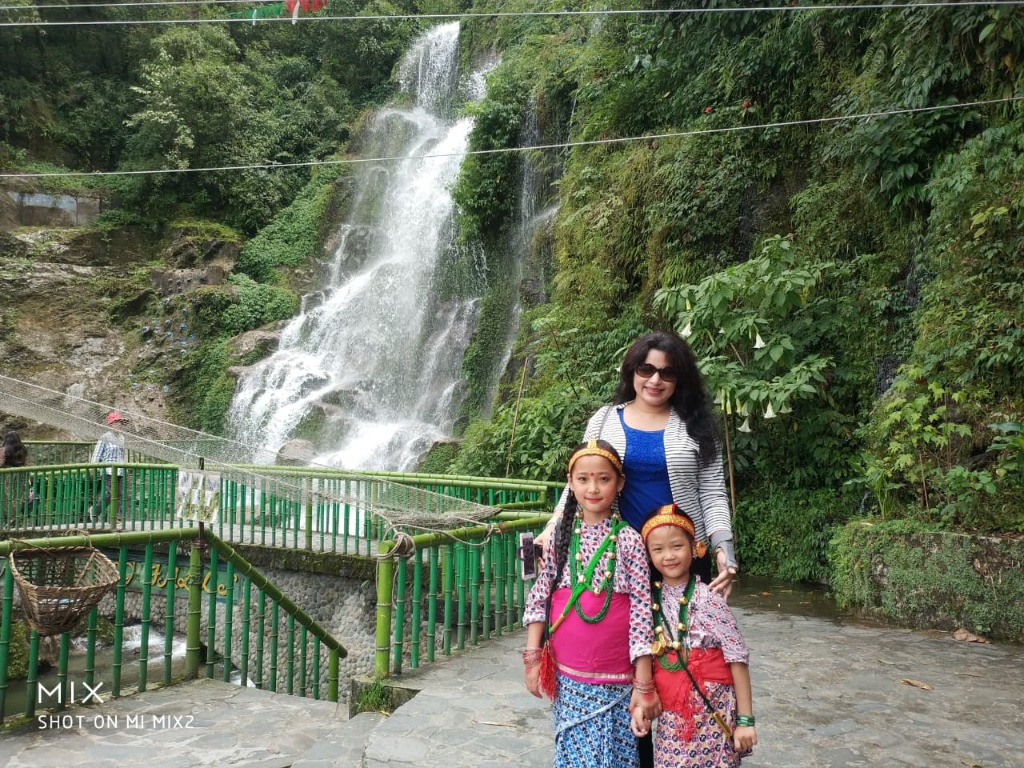
One of the first natural attractions we encountered near Gangtok was Bakthang Waterfall, a picturesque cascade surrounded by dense greenery. The crystal-clear water tumbling over the rocks, combined with the cool mountain air, created a refreshing and tranquil atmosphere.
Finding Peace at Gonjang Monastery
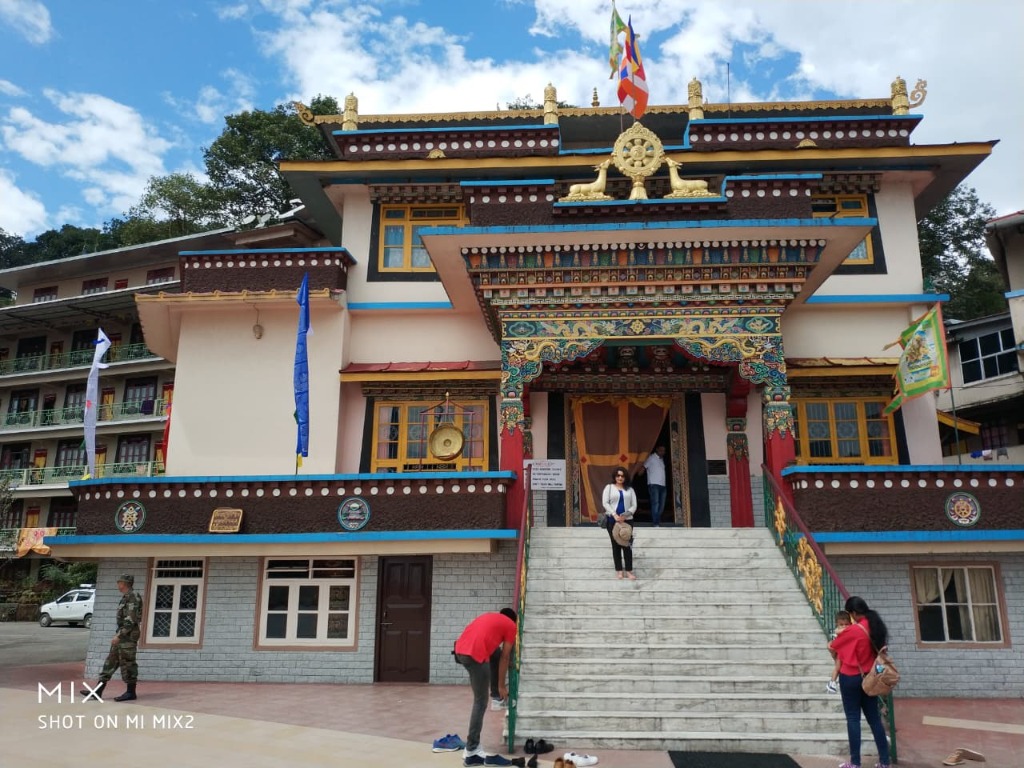
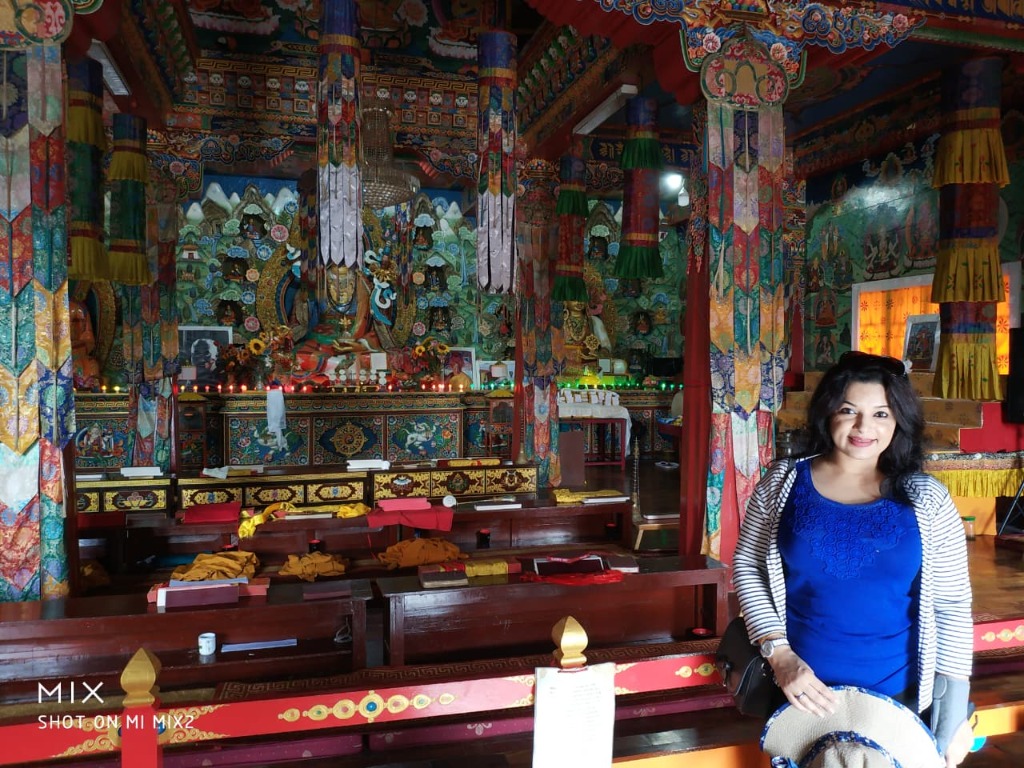
Visiting Gonjang Monastery was one of the most peaceful moments of our stay in Gangtok. Perched on a quiet hillside overlooking the surrounding valleys, the monastery offered a welcome escape from the bustle of the city. The gentle chanting of monks, colourful murals, fluttering prayer flags, and the serene atmosphere invited us to slow down and simply absorb the tranquillity. Standing in the monastery courtyard, with panoramic views of the Himalayan landscape stretching before us, I felt a deep sense of calm.
A Day Trip to Nathula Pass – On the Historic Silk Route
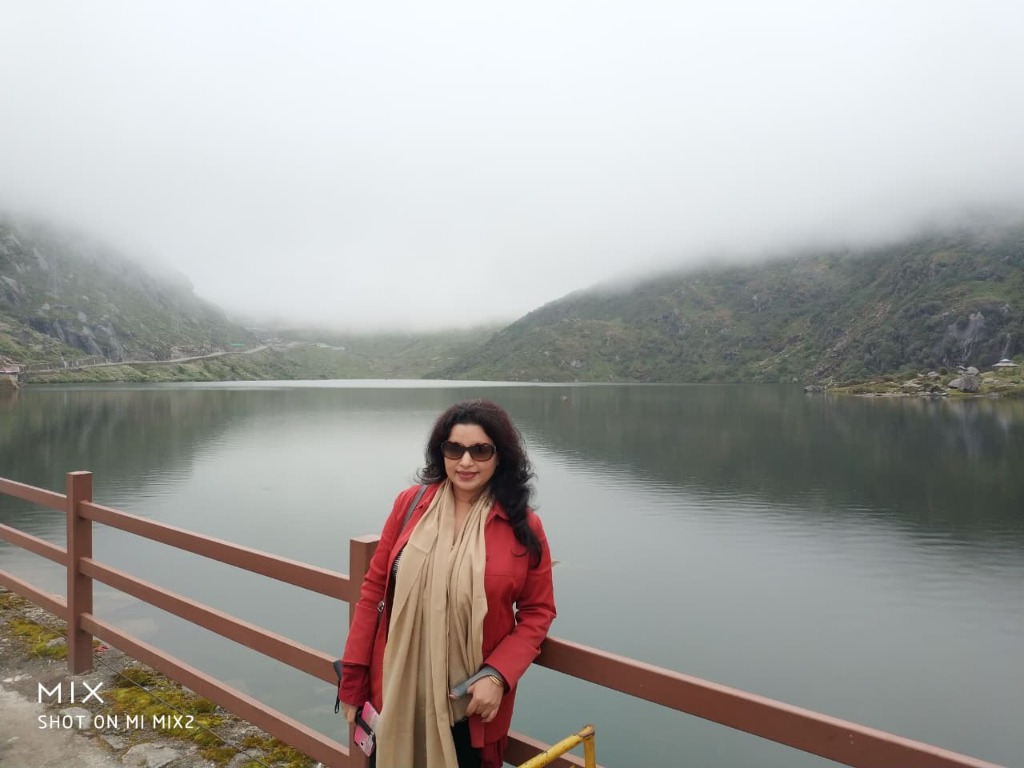
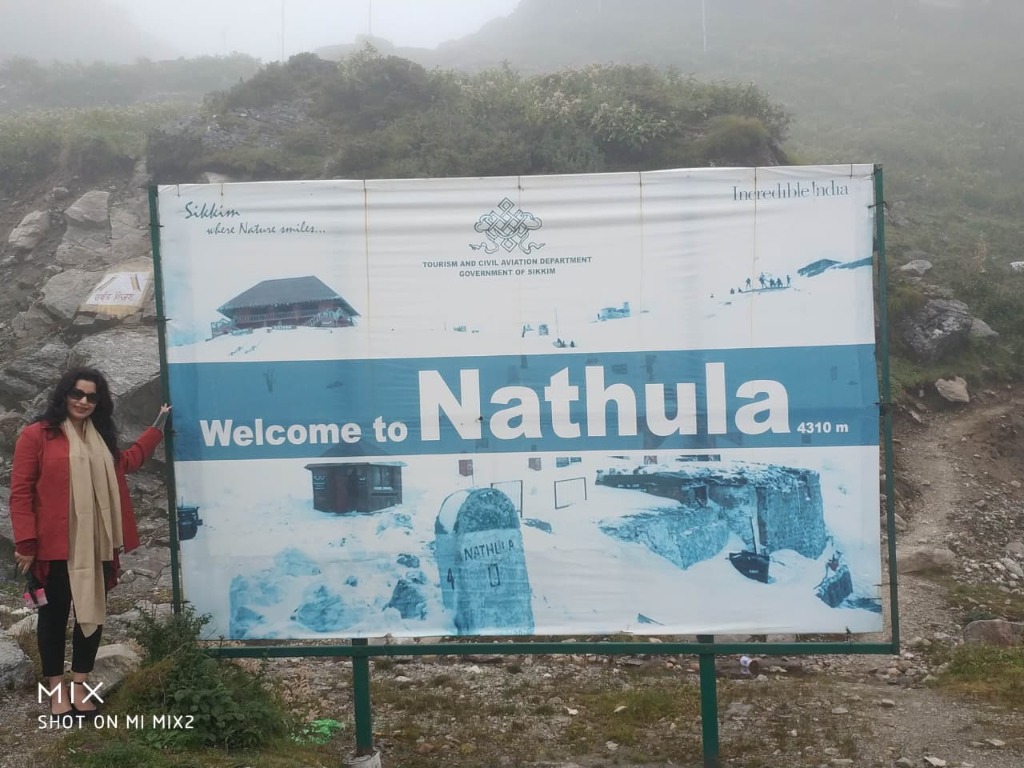
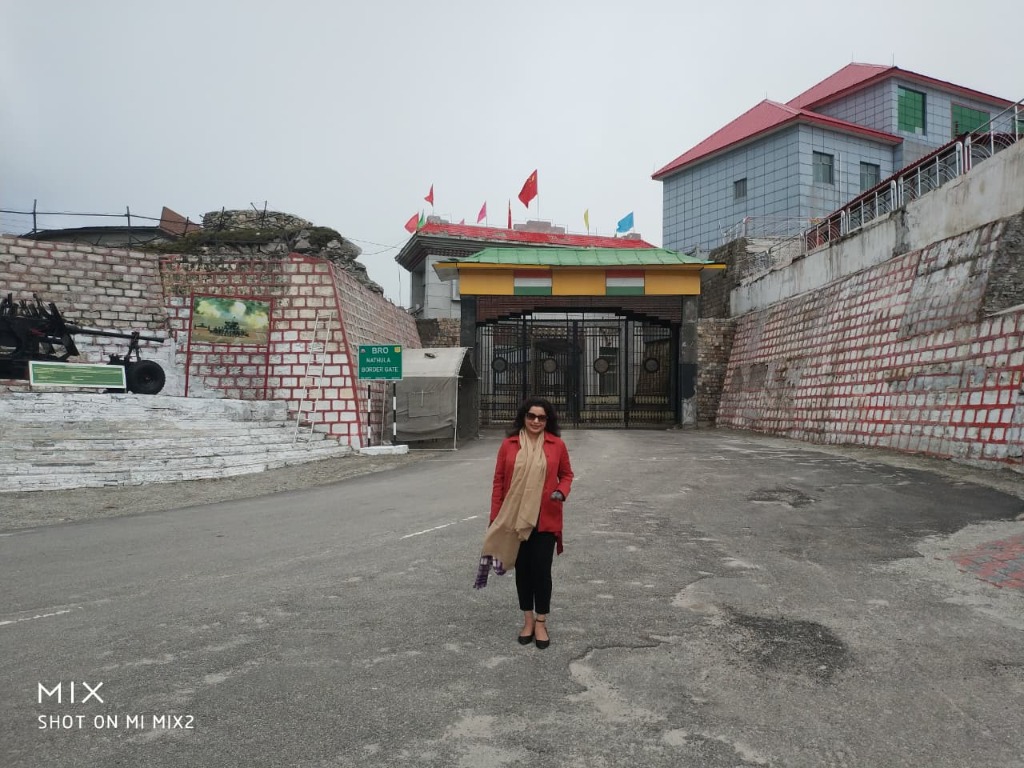
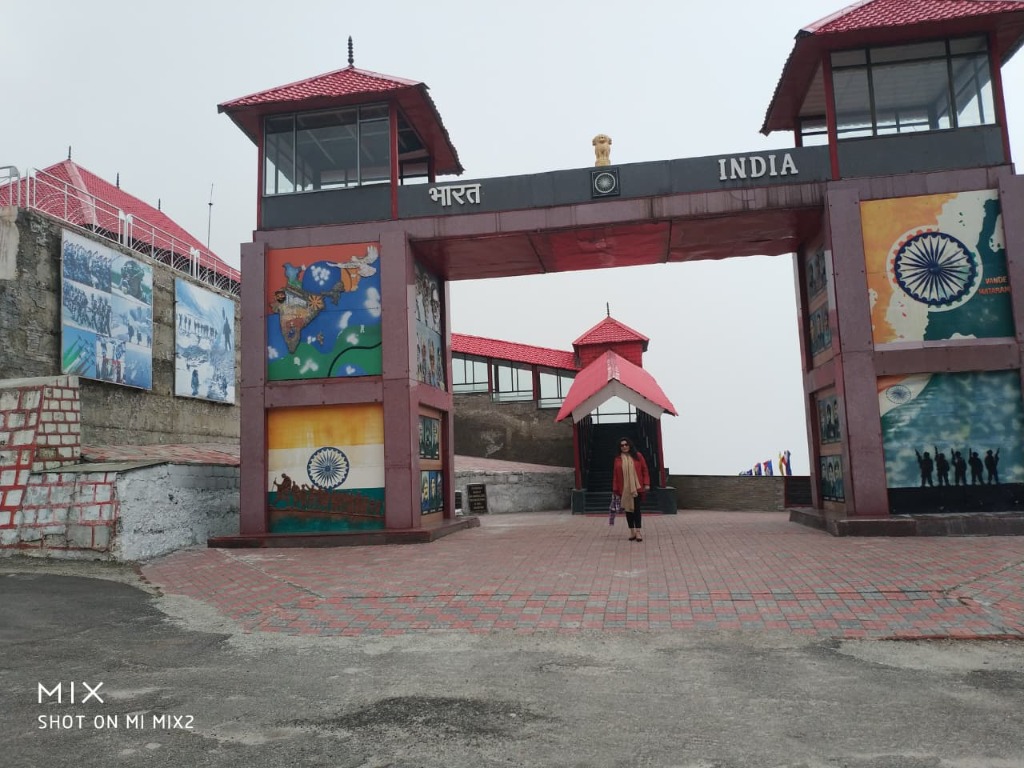
A day trip from Gangtok to Nathula Pass was undoubtedly one of the highlights of our Sikkim journey. As our vehicle climbed through winding mountain roads, passing cascading waterfalls, alpine forests, and the shimmering Tsomgo Lake, the scenery became more dramatic with every turn. Standing at over 14,000 feet on the historic Silk Route, once used by traders travelling between India and Tibet, was a truly unforgettable experience. The crisp mountain air, fluttering prayer flags, and the sight of Indian soldiers guarding this strategic border filled us with admiration and pride.
New Baba Harbhajan Singh Mandir – A Shrine of Faith and Patriotism
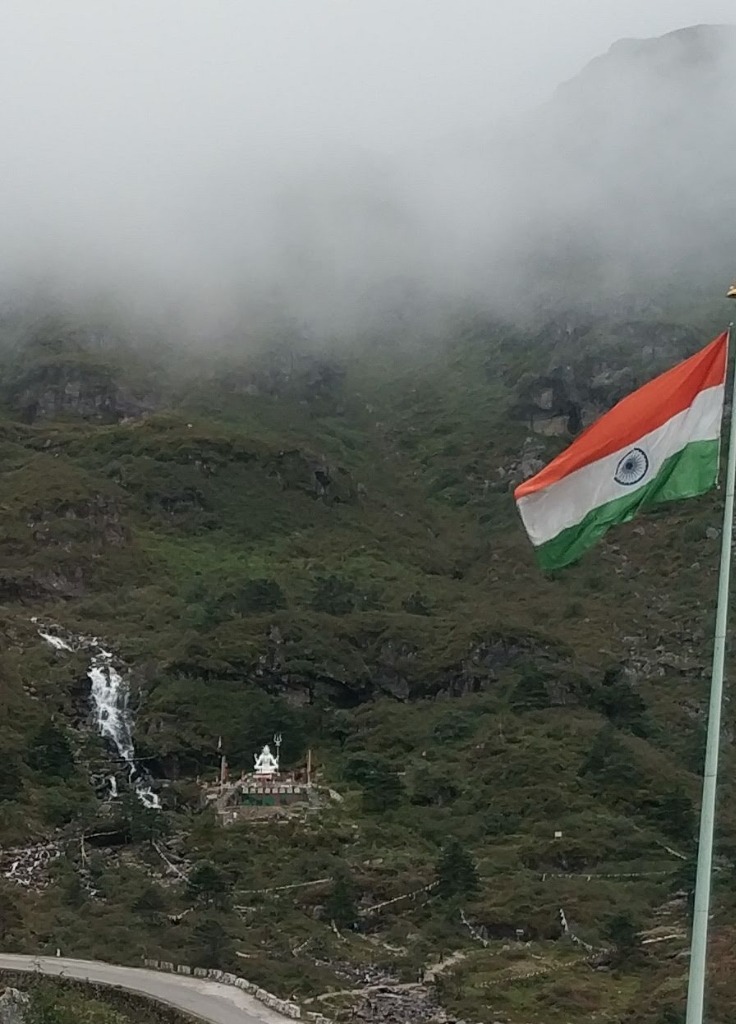
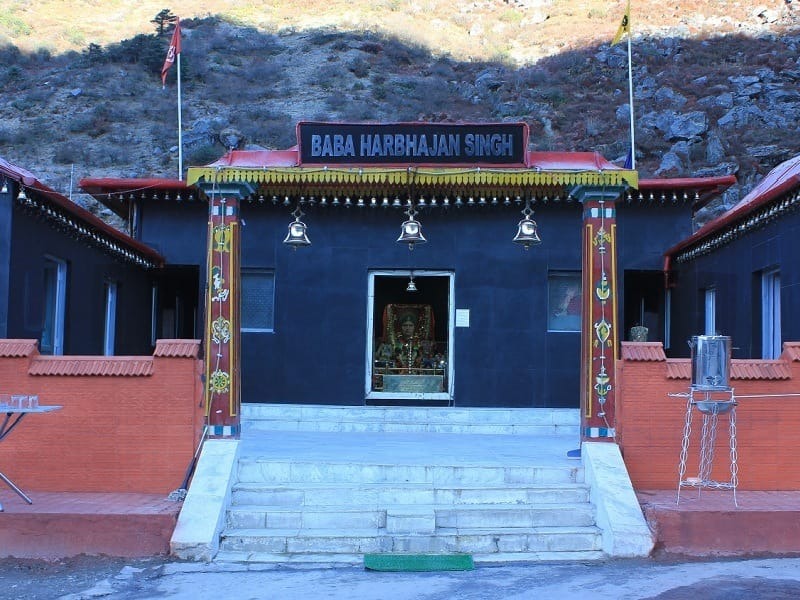
Our visit to the New Baba Harbhajan Singh Mandir was one of the most moving experiences of our journey to Nathula Pass. Perched at an altitude of about 13,123 feet, the shrine stands amidst the stark beauty of the Eastern Himalayas and is revered as a symbol of faith, courage, and patriotism. As we approached, the towering white statue of Lord Shiva overlooking the temple added a profound sense of peace to the rugged mountain landscape. Surrounded by fluttering prayer flags and the crisp Himalayan air, we paused to offer our prayers and reflect on the extraordinary legacy of Baba Harbhajan Singh, the Indian Army soldier who is still believed by many to watch over the border.
✈️ Travel Tips for Gangtok
- 🌤️ The best time to visit is March–May and October–December, when the skies are clear and the Himalayan views are at their best.
- 🛣️ Bagdogra Airport is the nearest airport (about 125 km away), and the drive to Gangtok takes 4–5 hours, depending on road and weather conditions.
- 🪪 Nathula Pass requires a special permit, which must be arranged through a registered local tour operator. Carry a valid government-issued photo ID.
- 🧥 Pack warm clothing, even in summer, if you plan to visit Tsomgo Lake, Nathula Pass, or Baba Harbhajan Singh Mandir, as temperatures can drop sharply.
- 🚶 Spend an evening strolling along MG Marg, a clean, pedestrian-only street lined with cafés, restaurants, and local shops.
- 💵 Carry some cash, as digital payments may not be accepted in remote areas or small roadside stalls.
- 🏔️ At high altitudes, walk slowly, stay hydrated, and avoid strenuous activity to reduce the risk of altitude sickness.
- 🚖 Book a local taxi for sightseeing, as many attractions around Gangtok are best explored by road, and outside vehicles have restricted access to certain routes.
- 🌸 Don't miss the monasteries, waterfalls, and flower gardens—they are as much a part of Gangtok's charm as its mountain scenery.
Reflections on Gangtok
Our time in Gangtok left us with wonderful memories of a city that is remarkably clean, peaceful, and deeply influenced by its Buddhist heritage. Colourful monasteries, fluttering prayer flags, and the warm hospitality of the locals give the city a unique charm, while a wide range of hotels, restaurants, and attractions make it an excellent base for exploring Sikkim. Like much of the Eastern Himalayas, however, Gangtok is also at the mercy of nature. During the monsoon, heavy rains can trigger landslides and road closures, sometimes disrupting travel plans. Yet, despite these challenges, Gangtok's natural beauty, spiritual atmosphere, and breathtaking mountain landscapes make it a destination well worth experiencing.