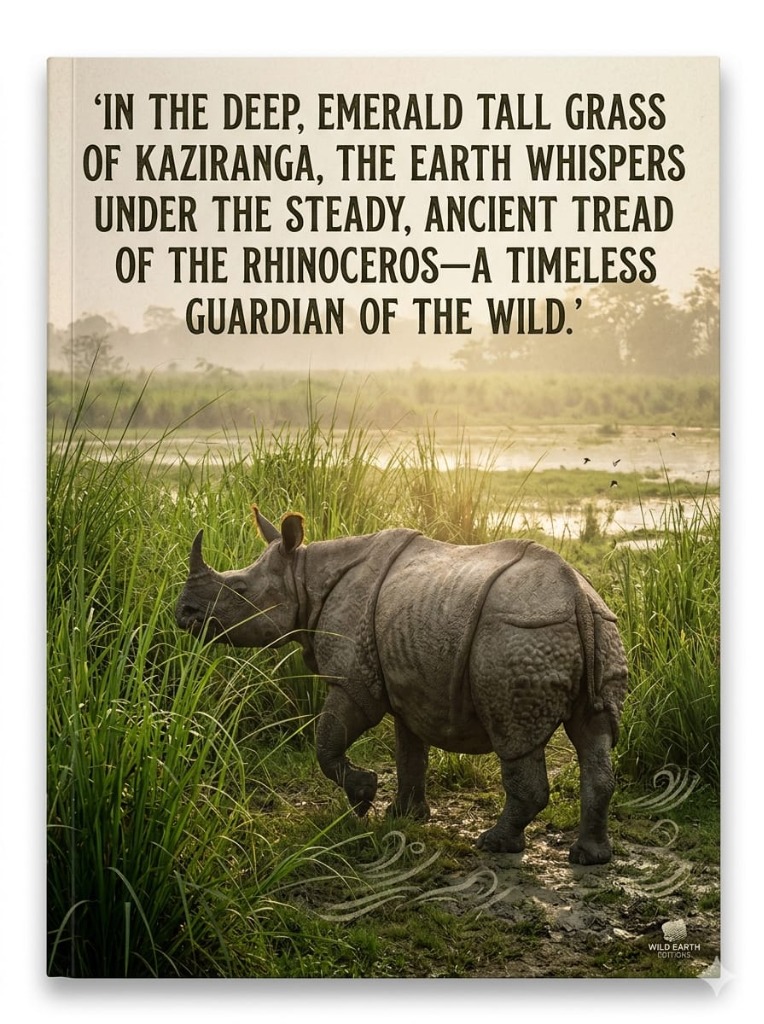
Kaziranga National Park
A visit to Kaziranga was one of the highlights of our journey through Assam. We explored the park in a hired jeep, driving through its vast grasslands and wetlands in search of wildlife.
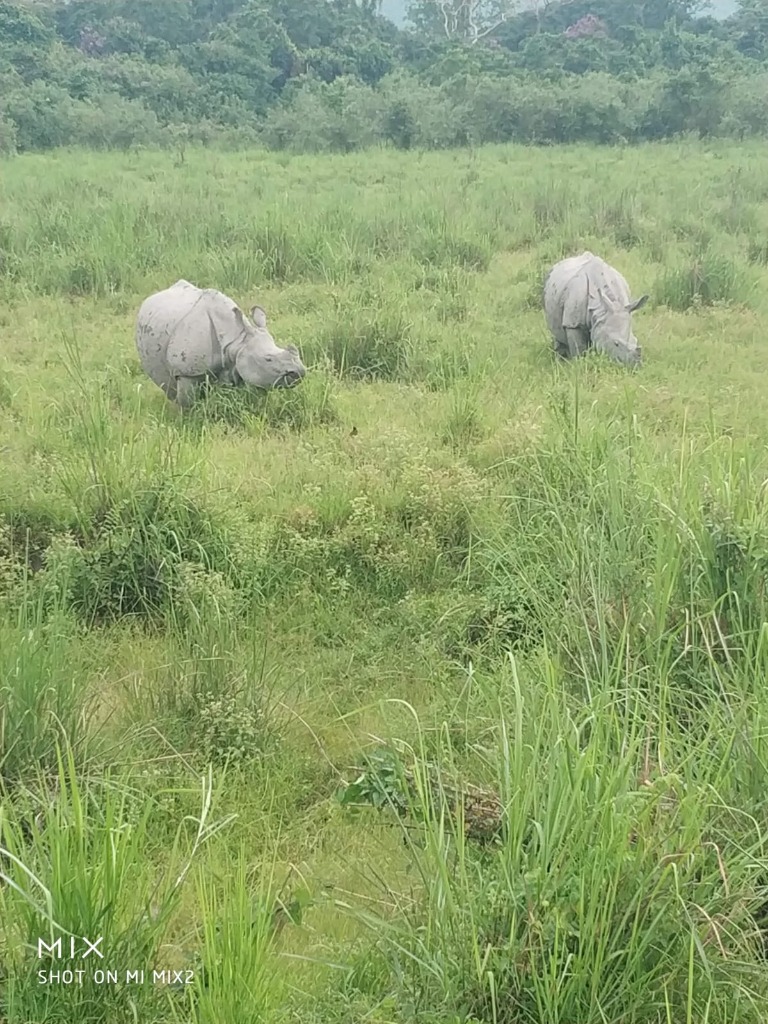
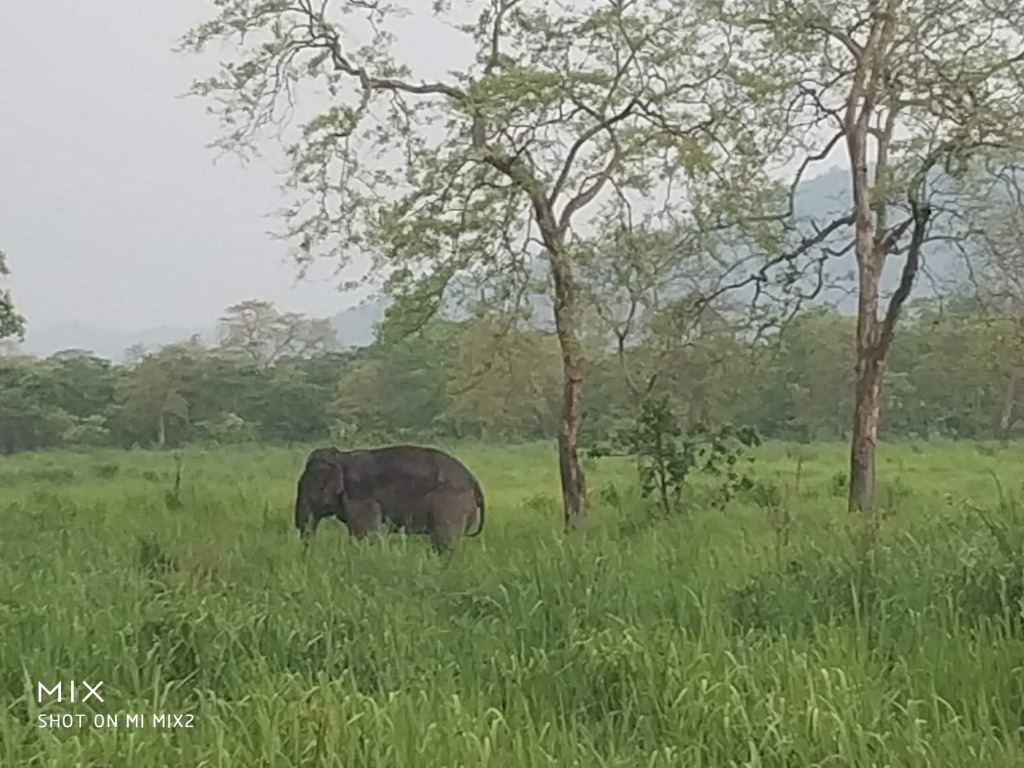
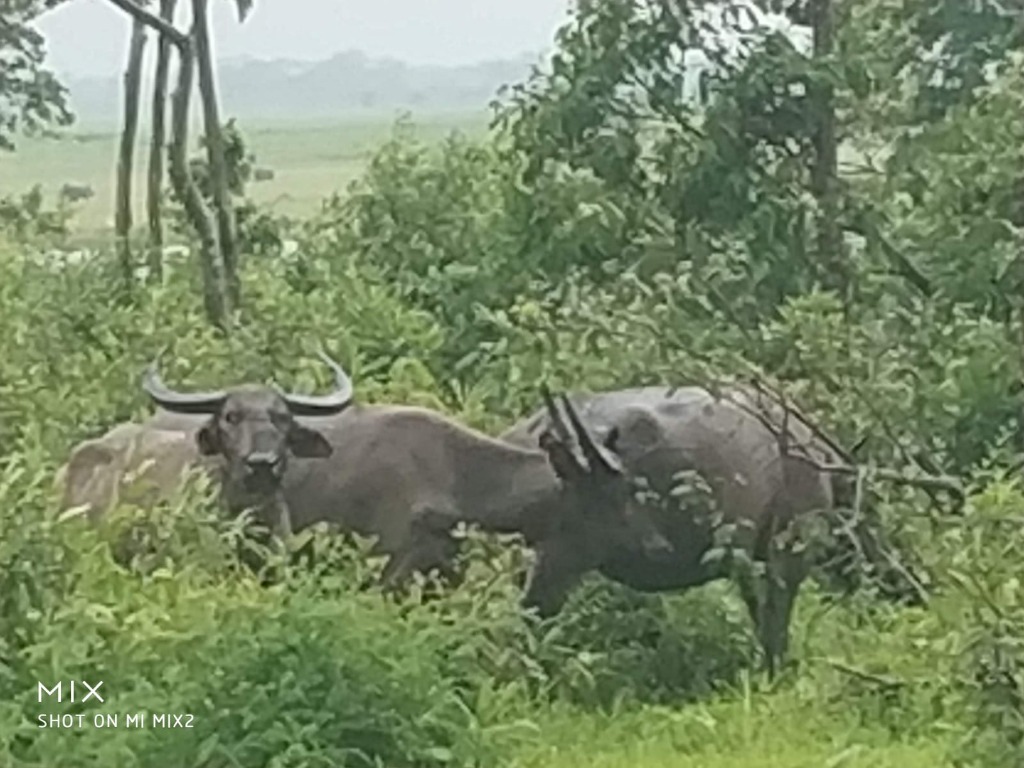
Kaziranga is home to the "Big Four"—the one-horned rhinoceros, elephant, wild water buffalo, and tiger—but it is most famous for its remarkable population of the endangered single-horned rhinoceros. During the safari, we were fortunate to see large numbers of rhinoceroses, wild buffaloes, and elephants, often at surprisingly close range, making for an unforgettable wildlife experience.


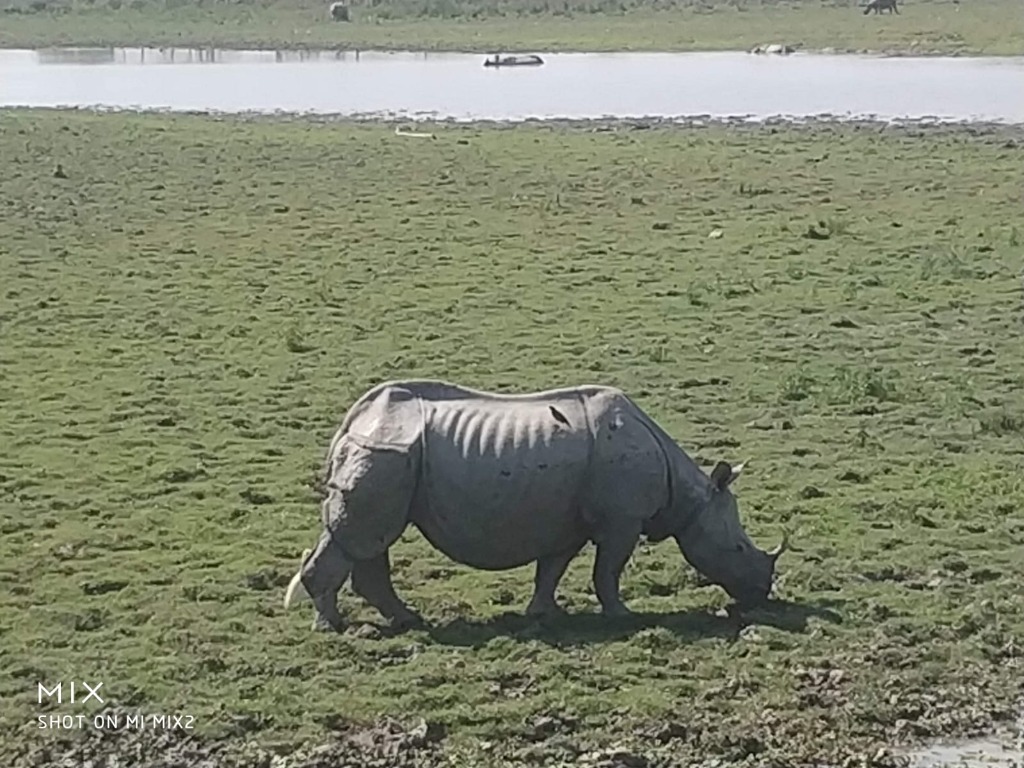
Kaziranga – Land of the One-Horned Rhinoceros
Kaziranga is truly a paradise for the Indian one-horned rhinoceros, and seeing these magnificent animals roaming freely in their natural habitat was an unforgettable experience. As I watched them grazing peacefully in the vast grasslands, my only concern was the heavy monsoon floods that regularly inundate the park and challenge the survival of its wildlife. There were two machans (watchtowers) where tourists could stop and observe the animals from a safe vantage point, offering excellent views of the surrounding landscape. The jeep safari provided close encounters with wildlife, though the ride itself was quite bumpy over the rough tracks.
One rhinoceros emerged silently from the elephant grass only a few metres from our jeep, pausing briefly before disappearing into the wetlands. It was a moment none of us will forget.
Visit early in the morning for the best wildlife sightings and carry a cap, sunglasses, and a camera with a zoom lens. The rough safari tracks can be dusty and uneven, so be prepared for a bumpy ride.
KAZIRANGA CULTURAL VILLAGE
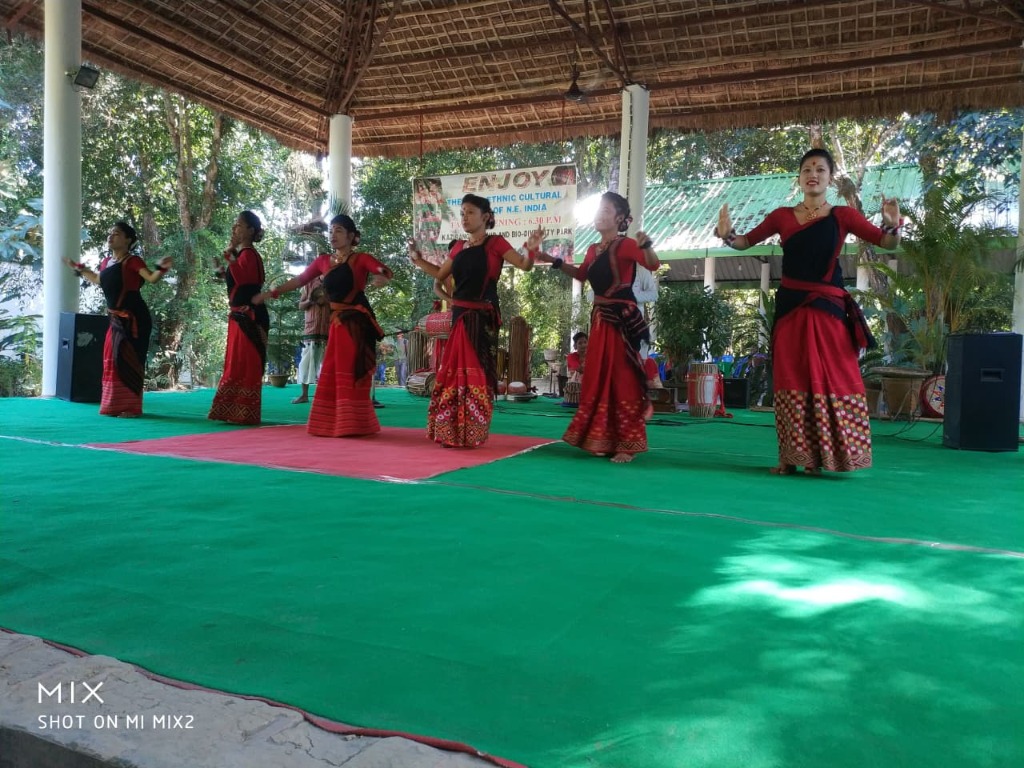
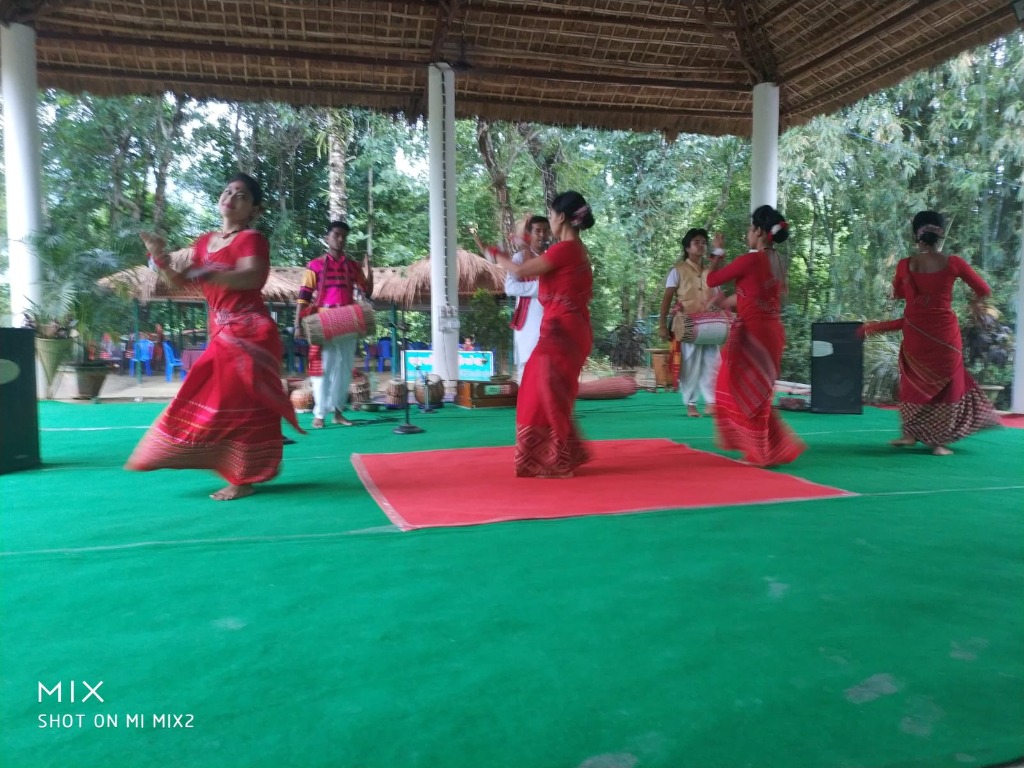
Beyond the safari, we visited the Kaziranga Cultural Village, where traditional Assamese dances provided a colourful introduction to the region's rich heritage.
The village also featured beautiful displays of orchids and locally crafted cane and bamboo products, showcasing both the biodiversity and craftsmanship of Assam. Together, the wildlife and cultural experiences made Kaziranga a memorable destination.
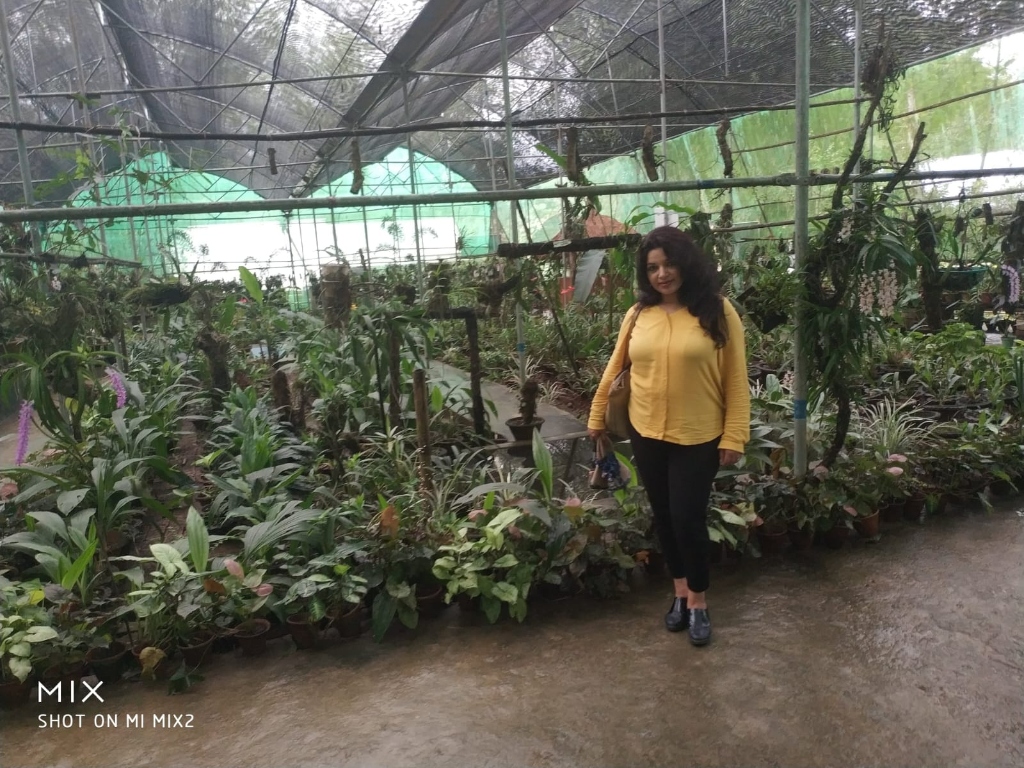
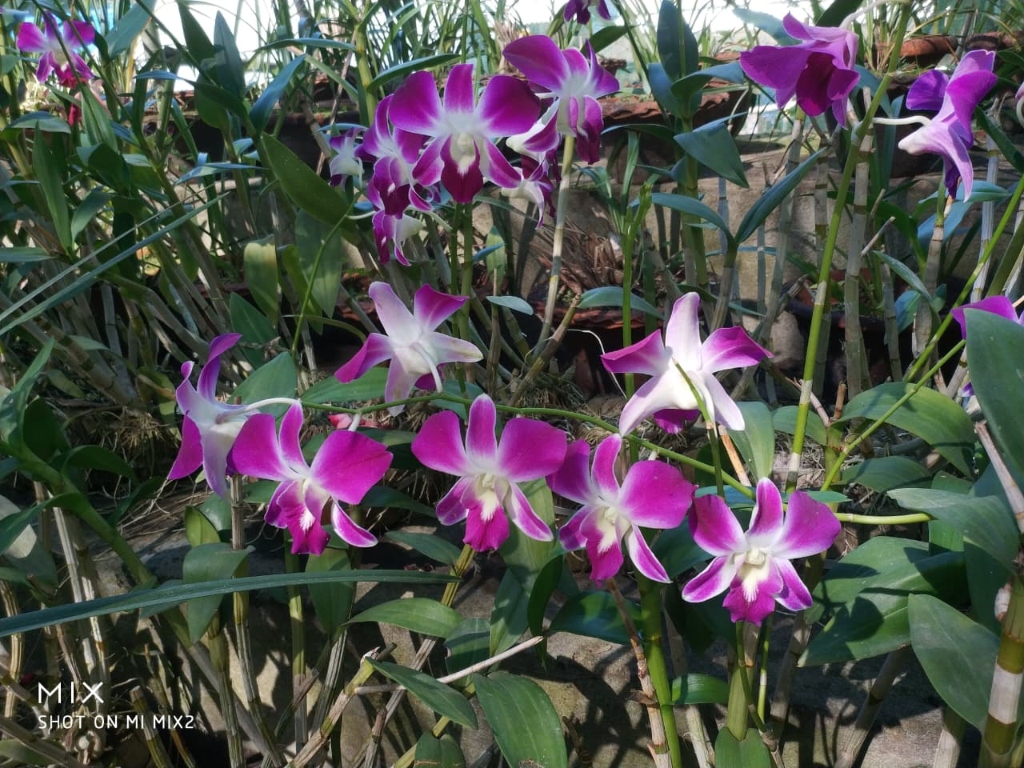
Orchid Park, Kaziranga
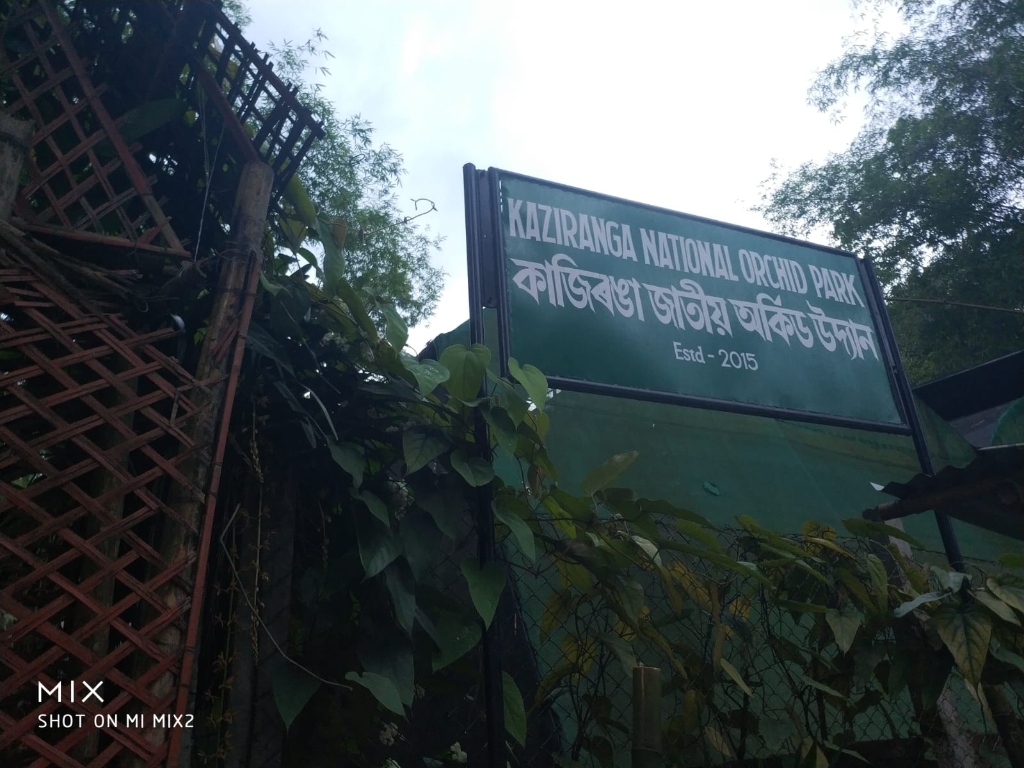
A visit to the Orchid Park near Kaziranga offers a fascinating glimpse into the rich cultural and botanical heritage of Assam.
The park houses a large collection of native orchids, showcasing the incredible diversity of the region's flora.
Airport options are:
Practical Tips for Visiting Kaziranga
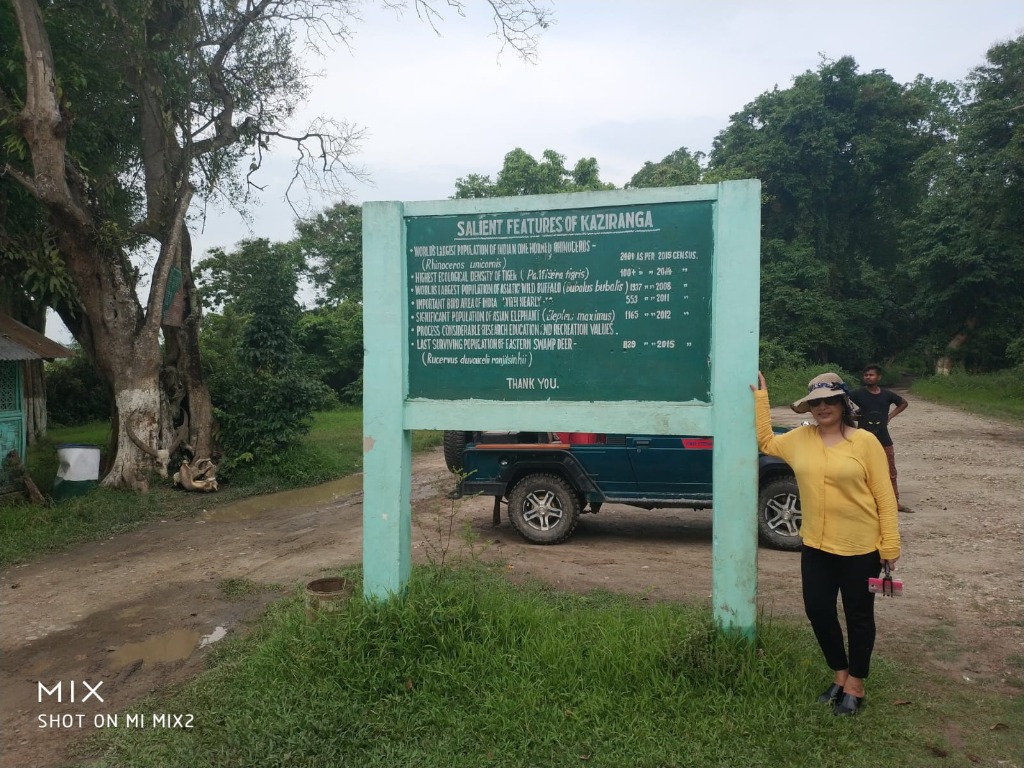
Kaziranga – Home of the Big Four
This display highlights the impressive population of the Big Four of Kaziranga—rhinoceros, elephant, wild buffalo, and tiger. Thanks to this thriving wildlife population, visitors can see a remarkable number of animals during a safari, especially the iconic one-horned rhinoceros, which is the park's greatest attraction.
The abundance of wildlife, combined with the vast grasslands and wetlands, makes Kaziranga one of the finest wildlife destinations in India. For me, it is probably the best wildlife sanctuary in the country.