VARANASI - Where Time Flows with the Ganga
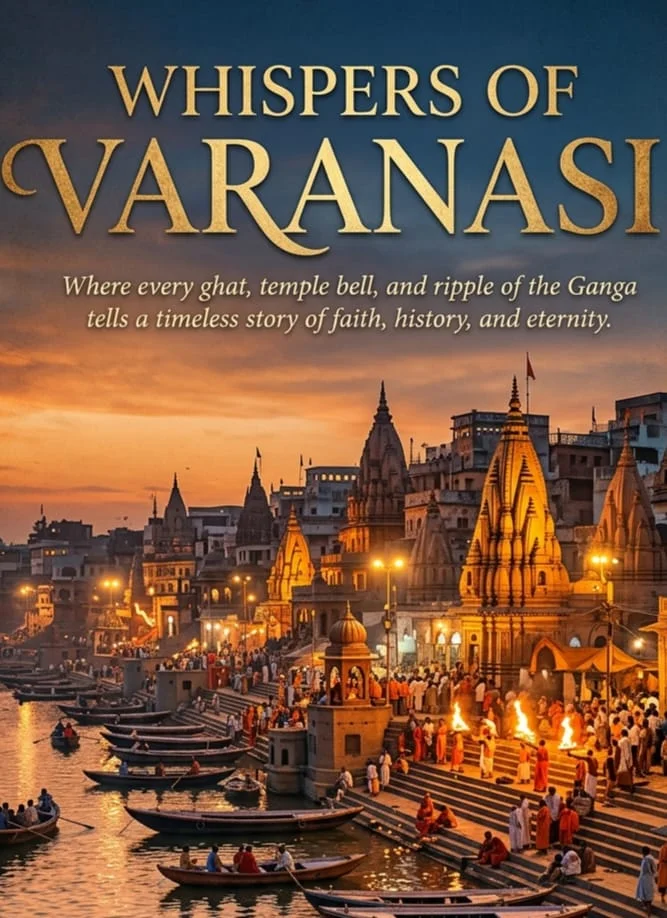
Varanasi is not merely a city; it is an emotion, a living testament to India's timeless spiritual heritage. Believed to be over 3,000 years old and among the world's oldest continuously inhabited cities, it has drawn pilgrims, saints, scholars, and seekers for centuries.
As I wandered through its narrow, bustling lanes and finally reached the banks of the Ganga, I felt I had stepped into a place where the past and present coexist effortlessly. Watching the sunrise over the river as priests chanted mantras, pilgrims offered prayers, and boats glided across the shimmering waters was an experience that will remain etched in my memory.
Soul of Varanasi lies along its Ghats
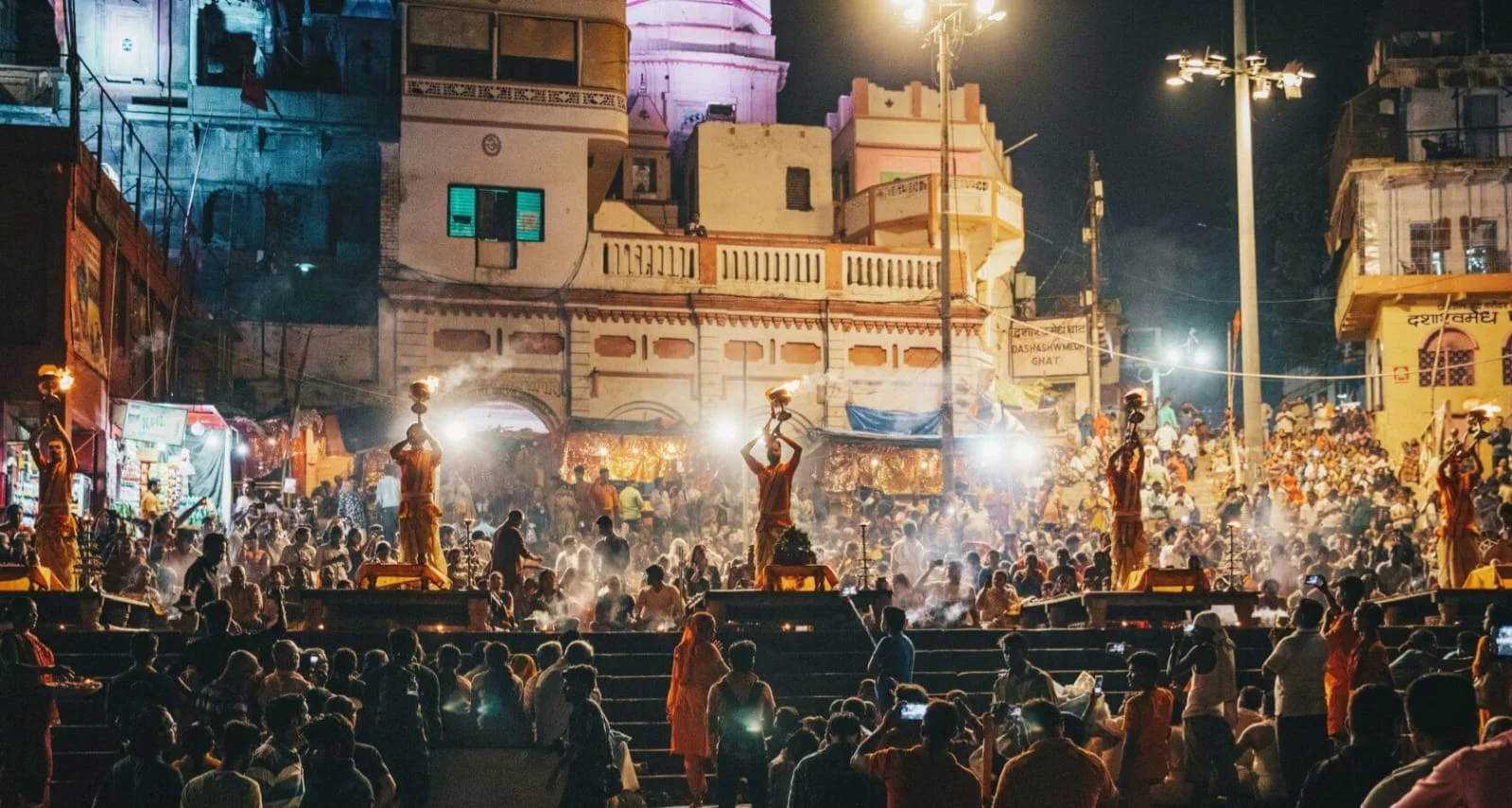
The soul of Varanasi lies along its nearly 90 ghats, each with its own history and significance. Dashashwamedh Ghat, the city's most vibrant, comes alive every evening with the magnificent Ganga Aarti, a spectacle of chanting, incense, and blazing lamps that fills the air with devotion. Assi Ghat welcomes the dawn with yoga, prayers, and music, while Manikarnika and Harishchandra Ghats remind visitors of the Hindu belief in the eternal cycle of life, death, and rebirth. For Hindus, Varanasi is the sacred city of Lord Shiva, and it is believed that dying here and having one's last rites performed on its ghats helps attain moksha—liberation from the cycle of birth and rebirth. This profound faith has made Varanasi one of Hinduism's holiest pilgrimage destinations.
Namo Ghat – A Modern Welcome on the Banks of the Ganga
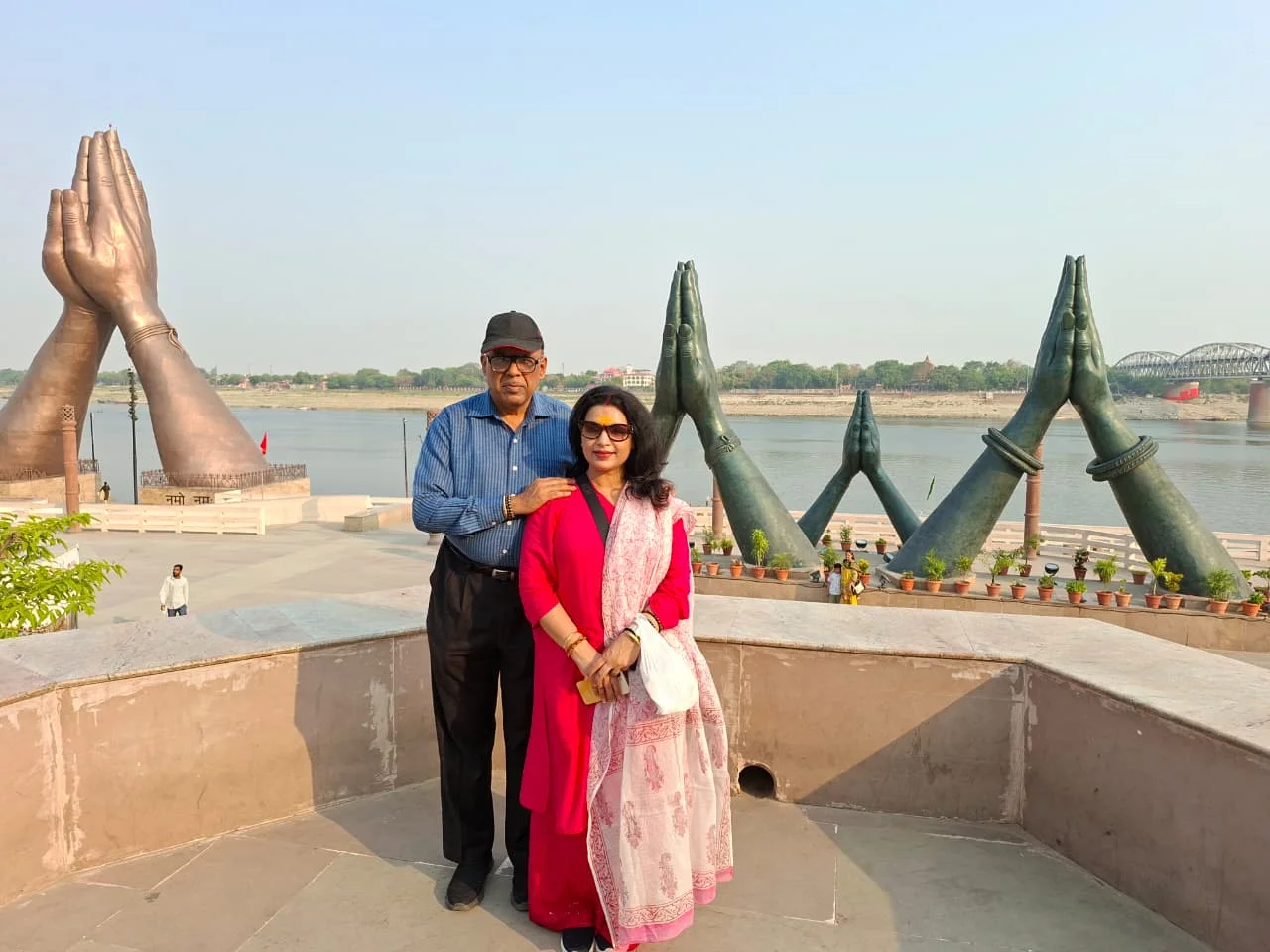
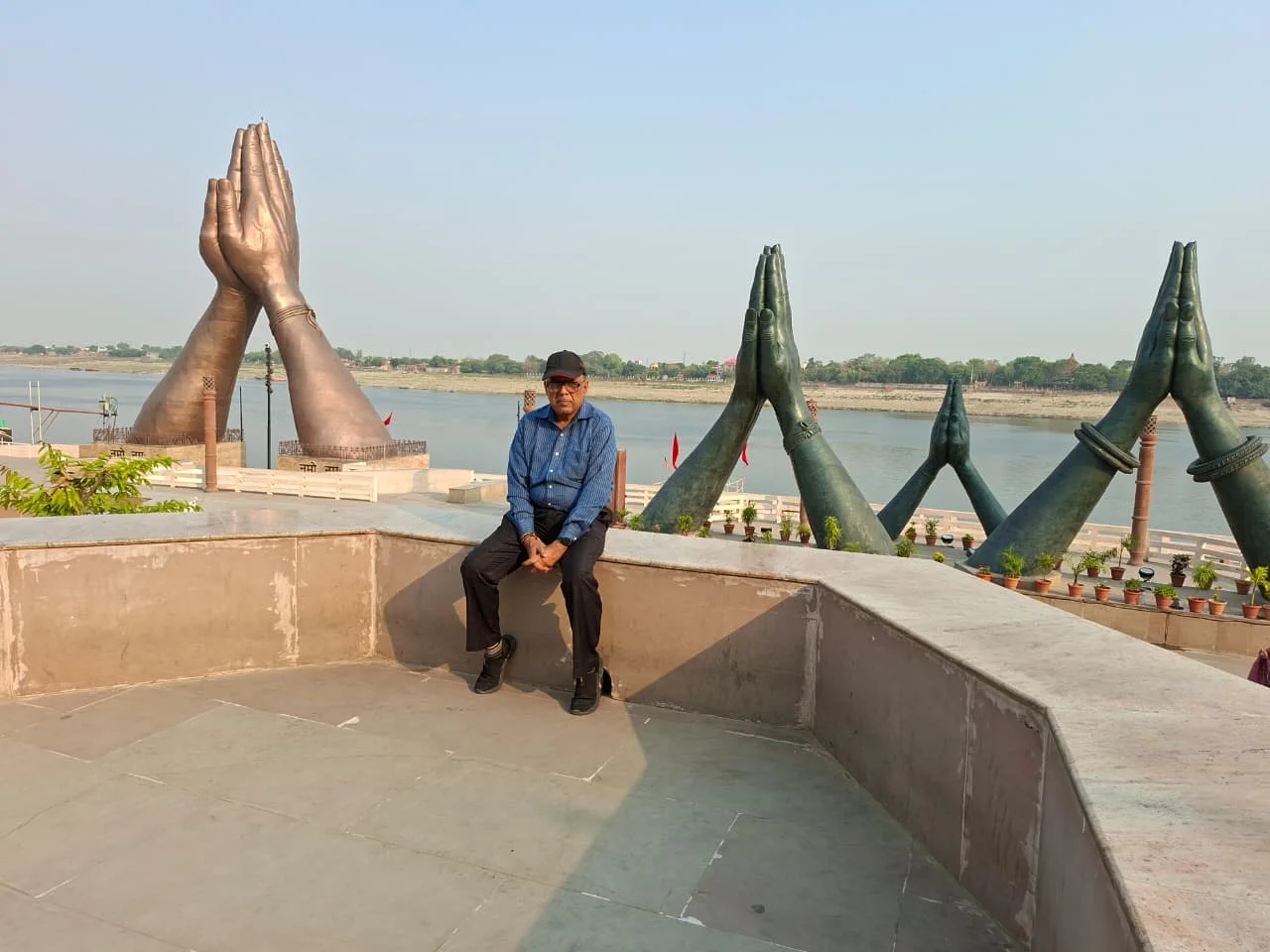
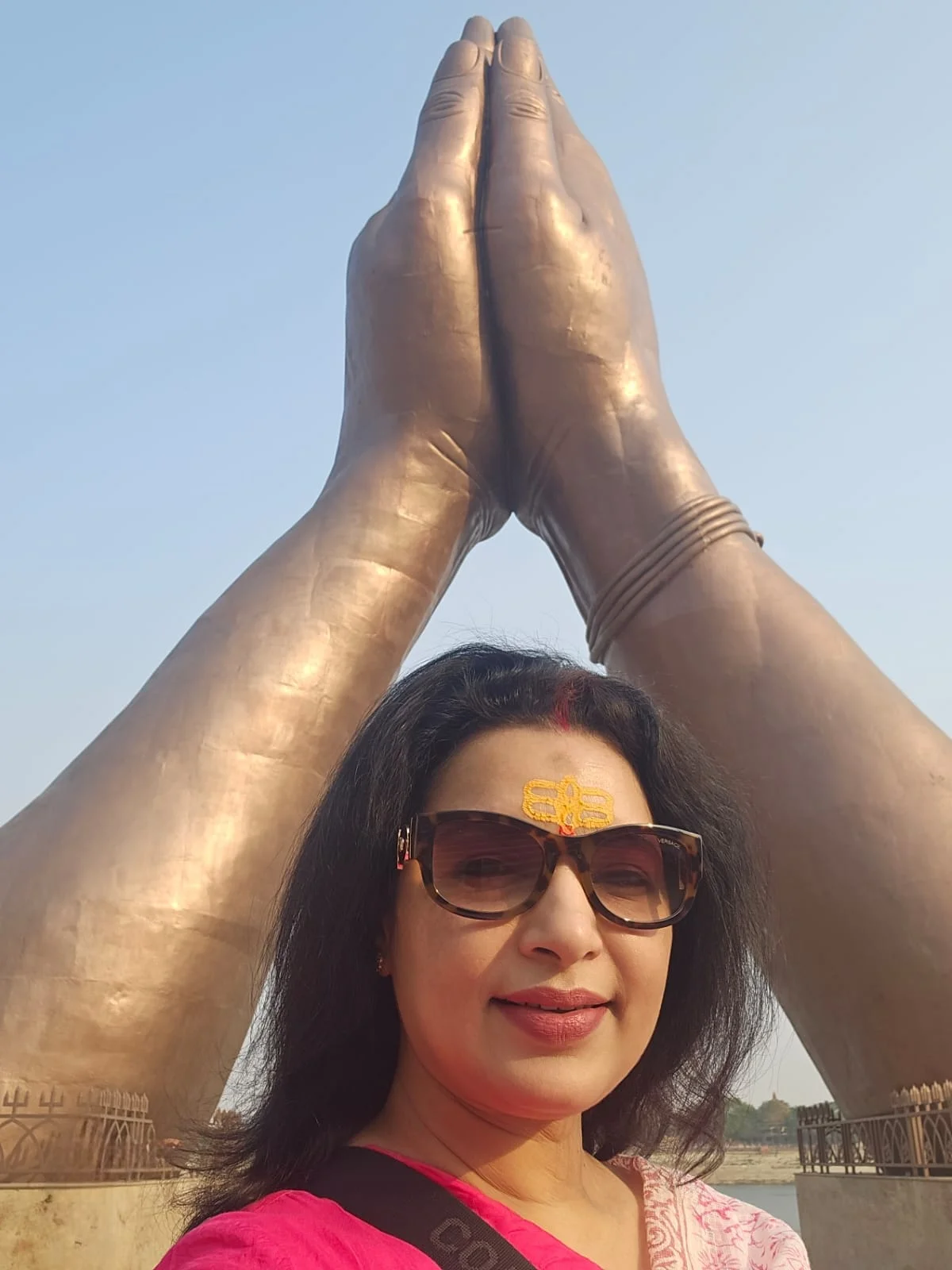
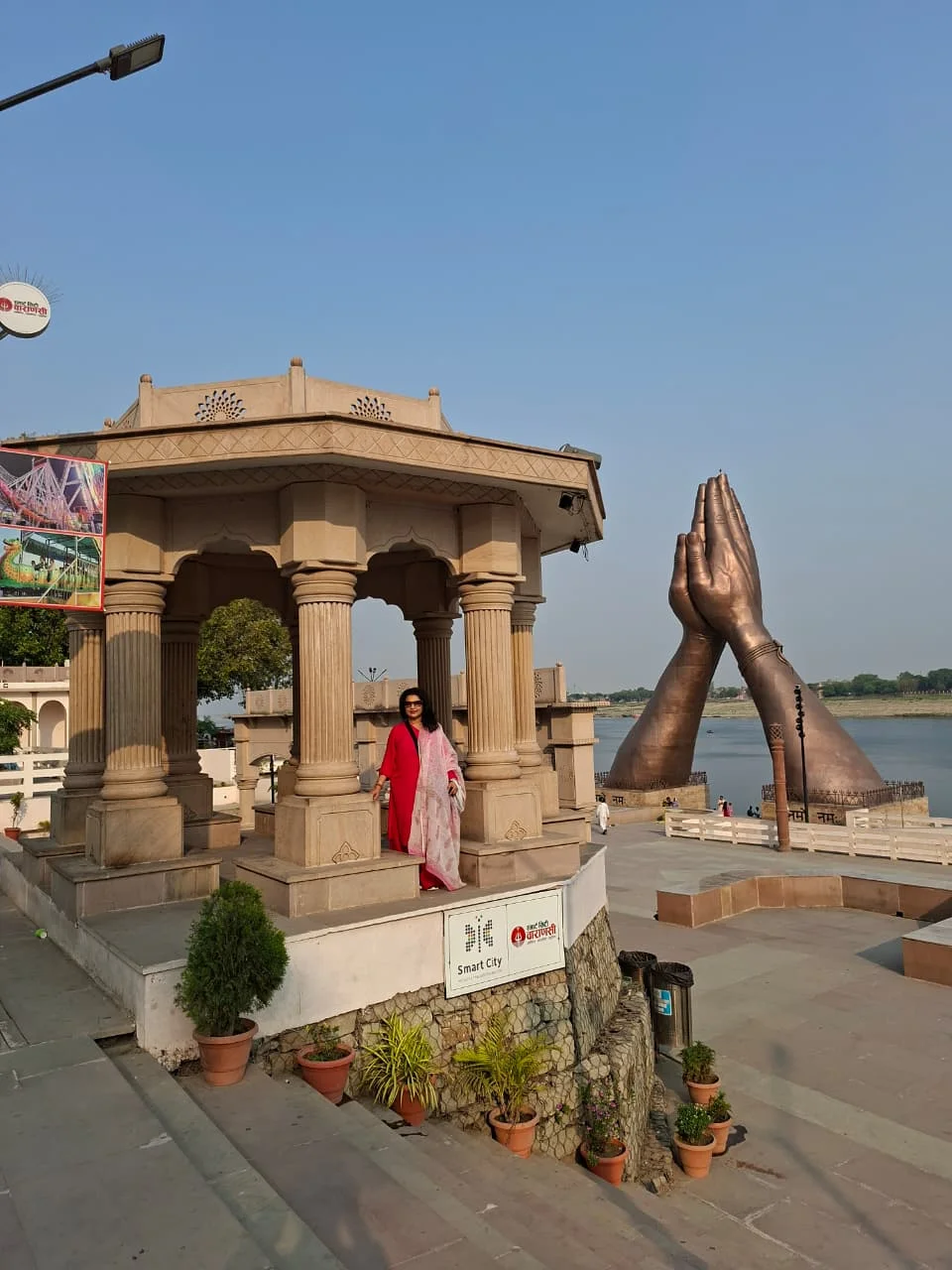
Namo Ghat offered me a different perspective of Varanasi—one where modern design complements the city's timeless spiritual heritage. The beautifully developed riverside promenade is dominated by striking giant sculptures of folded hands in a graceful namaste, symbolising India's tradition of welcoming every visitor with respect and humility. Standing beside the sacred Ganga, I admired how this contemporary landmark blends seamlessly with the ancient city, creating a peaceful space where tradition, devotion, and modernity come together on the timeless banks of the river.
Trilochan Ghat – Where Heritage Meets the Sacred Ganga
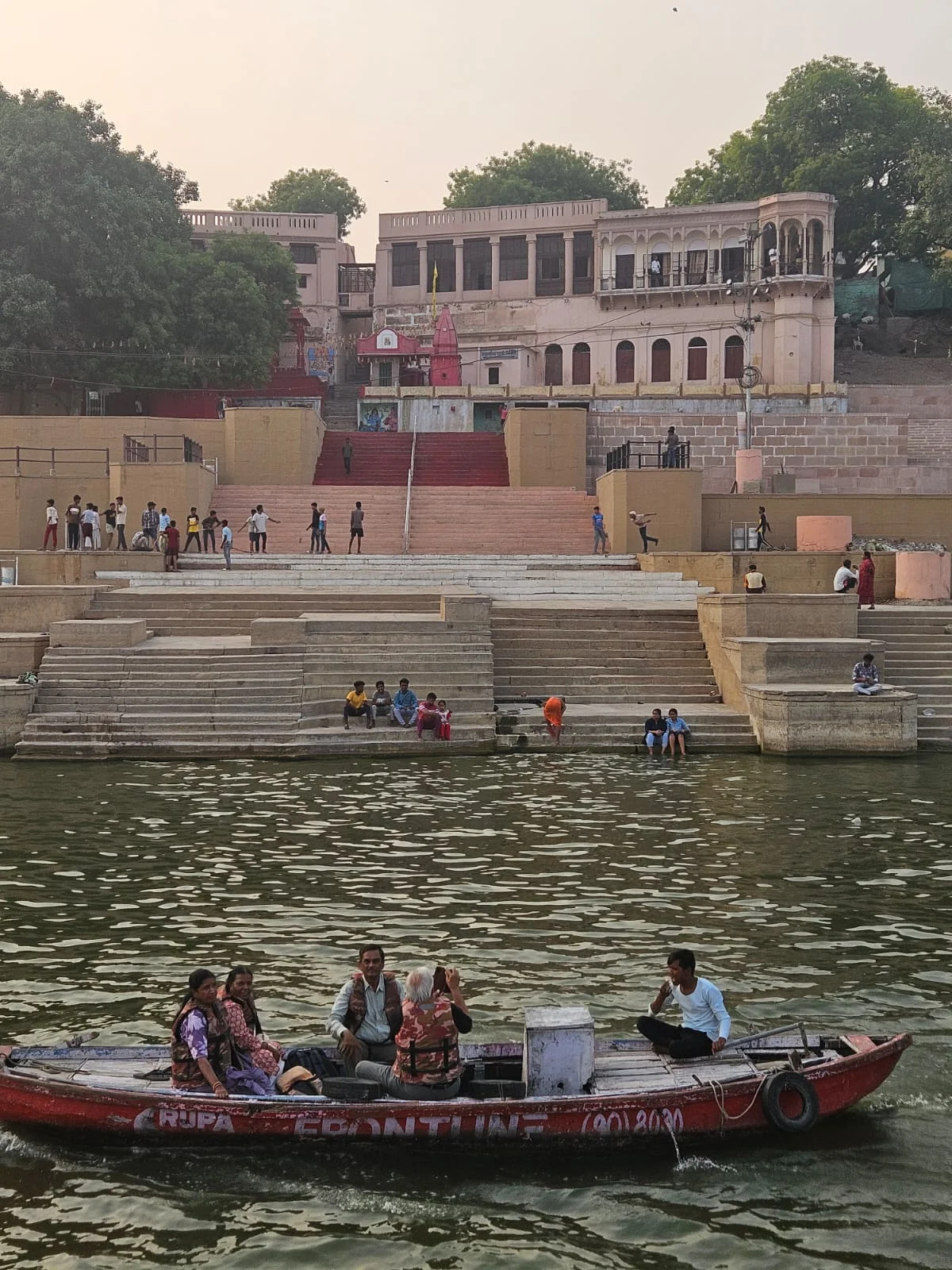
Trilochan Ghat captivated me with its timeless charm and elegant pink sandstone palace rising gracefully above the sacred Ganga. Believed to date to the late 19th century, the palace reflects the traditional riverside architecture that has long defined Varanasi's ghats. Unlike the busier stretches of the riverfront, this ghat offered a sense of calm, allowing me to admire its architectural beauty and spiritual atmosphere. As pilgrims offered prayers along the steps leading to the Ganga, I was reminded that every ghat in Varanasi has its own story, and Trilochan Ghat quietly preserves the city's enduring blend of history, faith, and heritage.
Chet Singh Ghat – Echoes of Courage on the Ganga
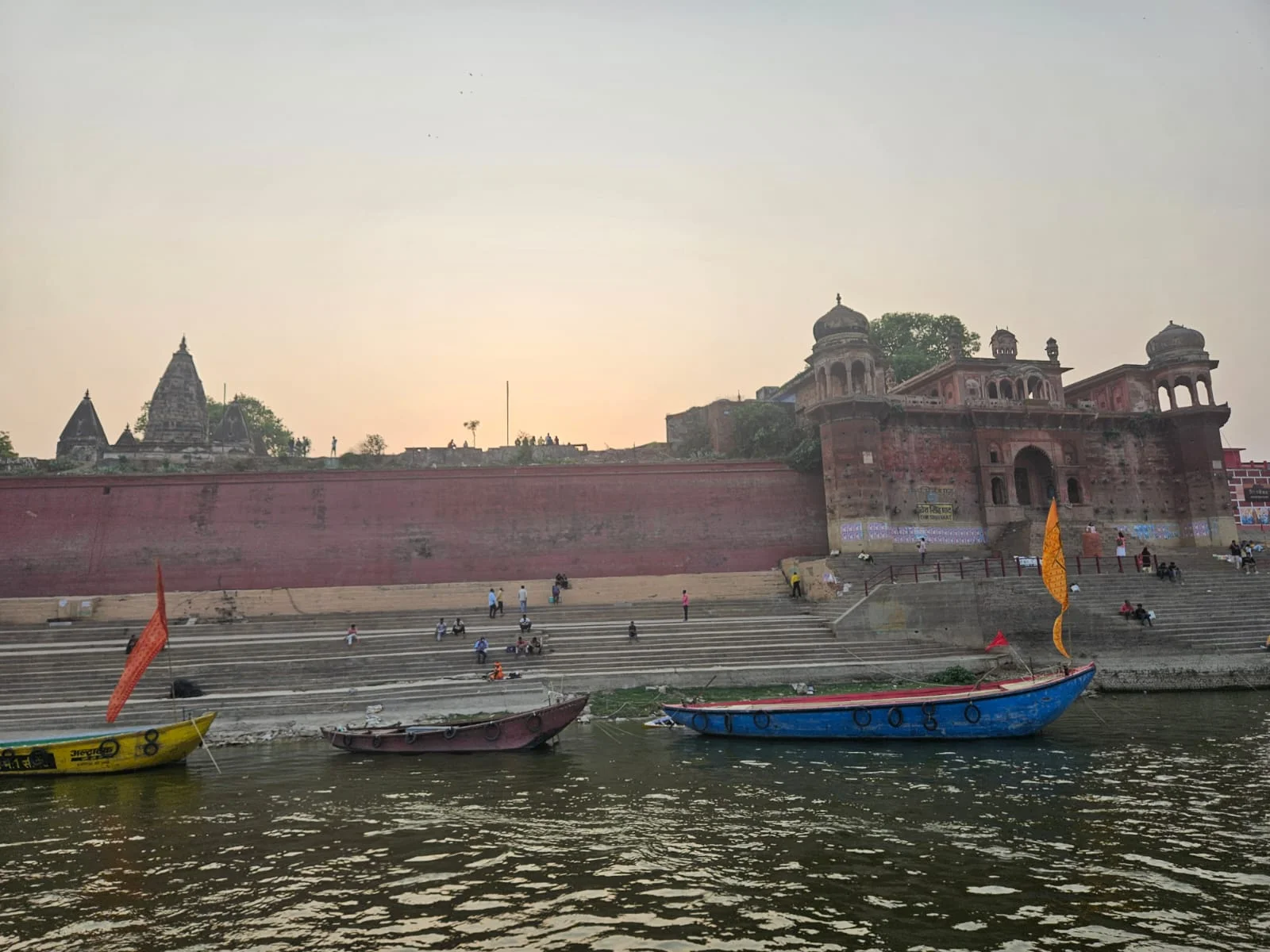
Standing at Chet Singh Ghat, my attention was immediately drawn to the imposing red sandstone walls of Chet Singh Fort, a landmark that overlooks the sacred Ganga with quiet grandeur. Built in the 18th century by Raja Chet Singh of Banaras, the fort tells tales of historical battles and fierce resistance against British rule, leaving behind a legacy of resilience along the riverbanks.
Panchakot Ghat – A Royal Legacy by the Ganga
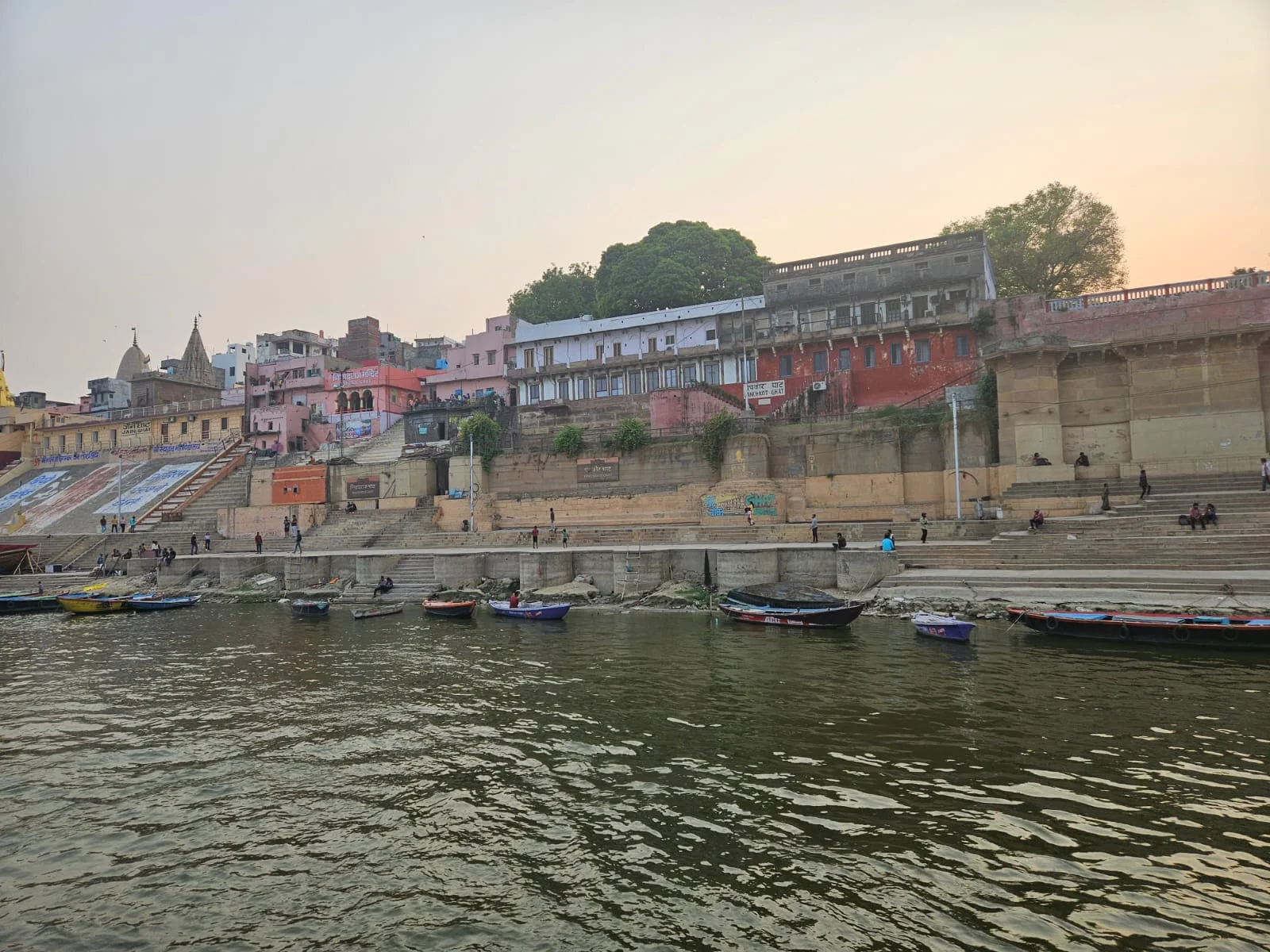
Panchakot Ghat offered me a glimpse into the royal heritage that lines the banks of the Ganga in Varanasi. Built in the 19th century by the rulers of the Panchakot Raj of present-day West Bengal, the ghat is crowned by an elegant palace that reflects the architectural style of its royal patrons. Away from the bustle of the more famous ghats, Panchakot Ghat exuded a quiet dignity, reminding me that every stretch of Varanasi’s riverfront carries its own unique blend of history, faith, and timeless charm.
Kaal Bhairav Temple – The Guardian Deity of Kashi
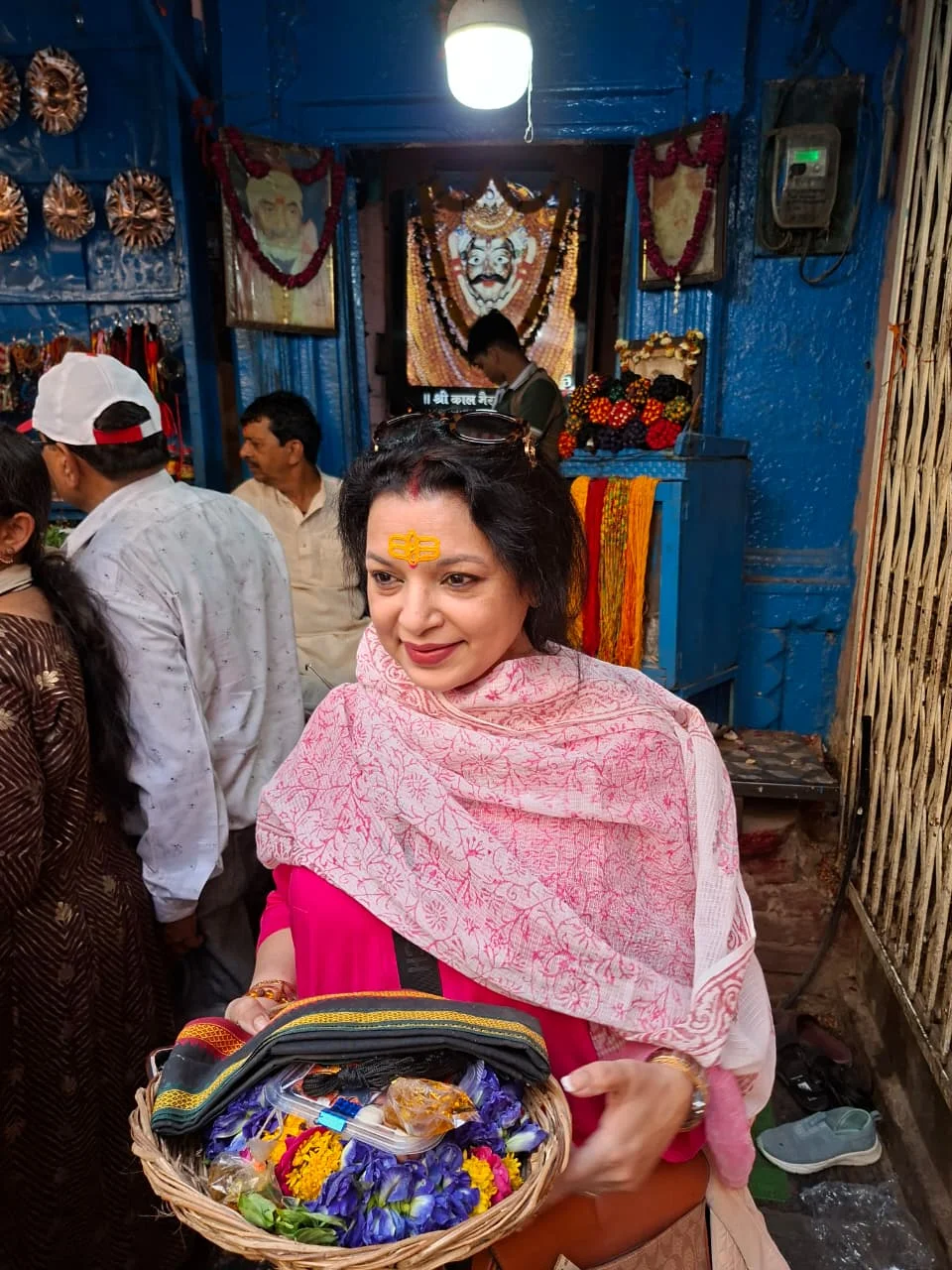
A visit to the Kaal Bhairav Temple is a journey into Varanasi's mystical guardian legends. Dedicated to the fierce manifestation of Lord Shiva, Kaal Bhairav is believed to be the 'Kotwal' or guardian of Varanasi. Tucked away in the narrow lanes, the temple holds a special significance for locals and pilgrims who seek protection, blessings, and permission to stay in the holy city. The temple ambiance is intense and deeply spiritual, with drums beating and priests offering protective threads, capturing the timeless spirit of devotion that defines Kashi.
An Evening Cruise to the Ganga Aarti
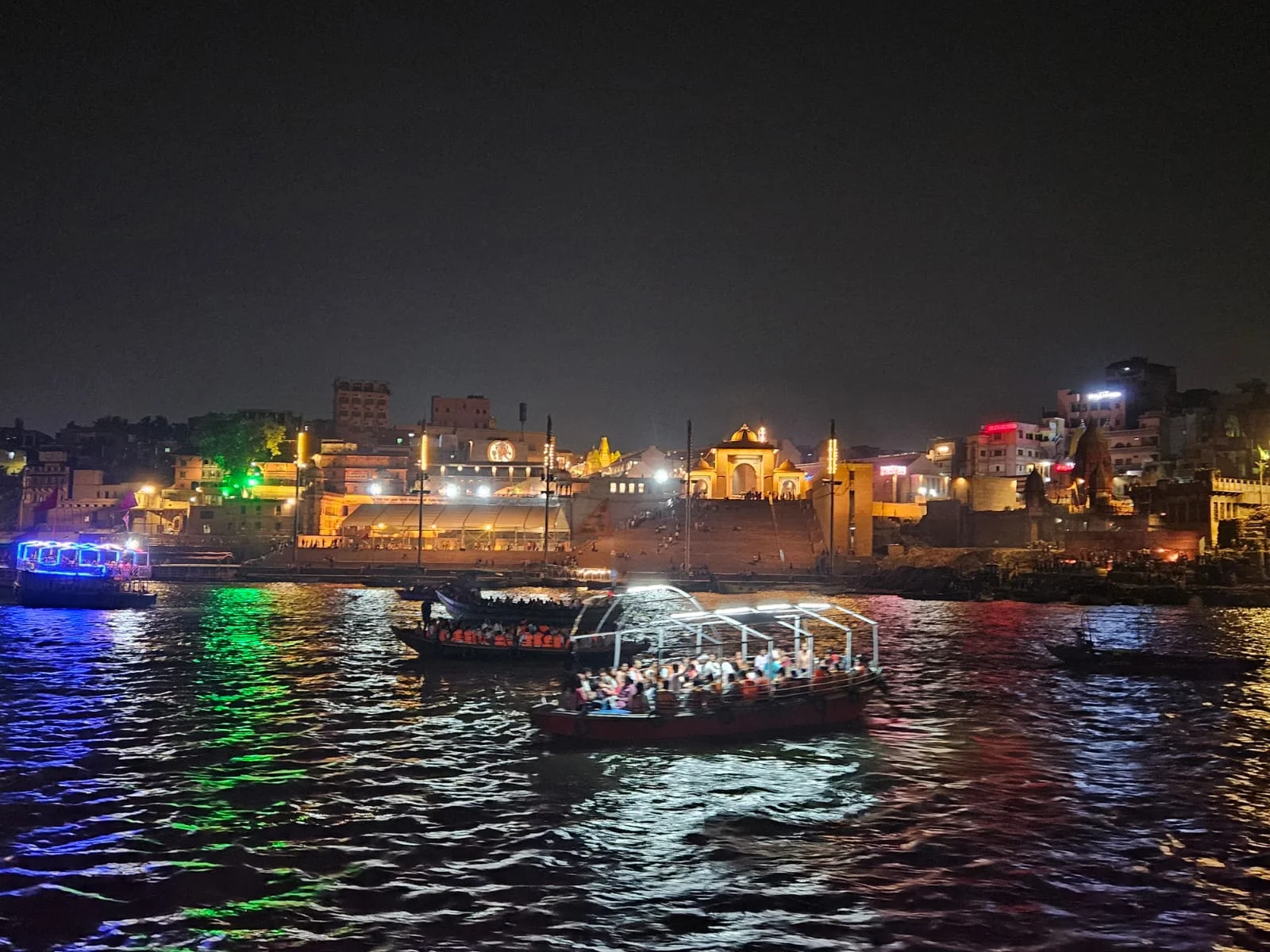
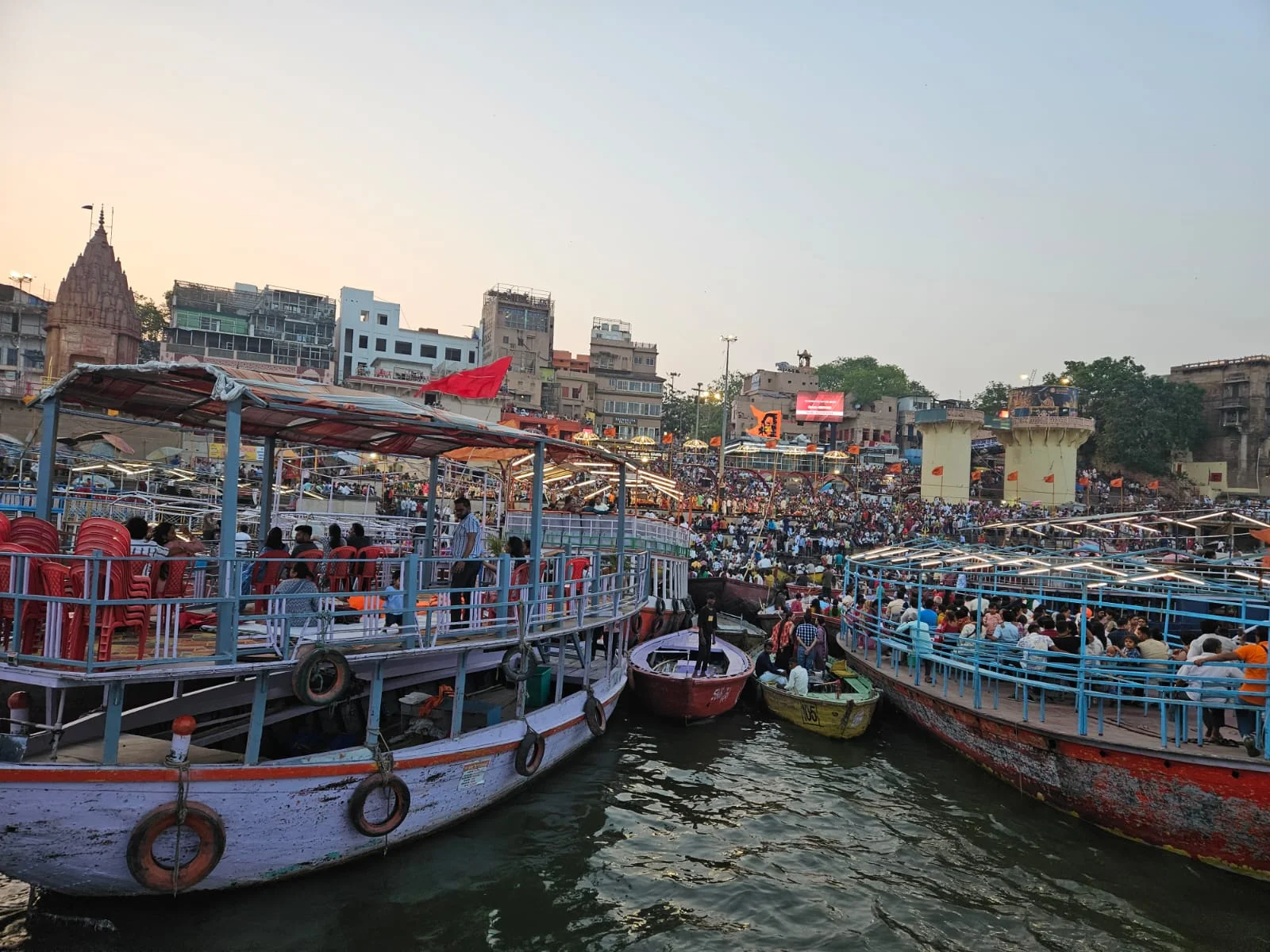
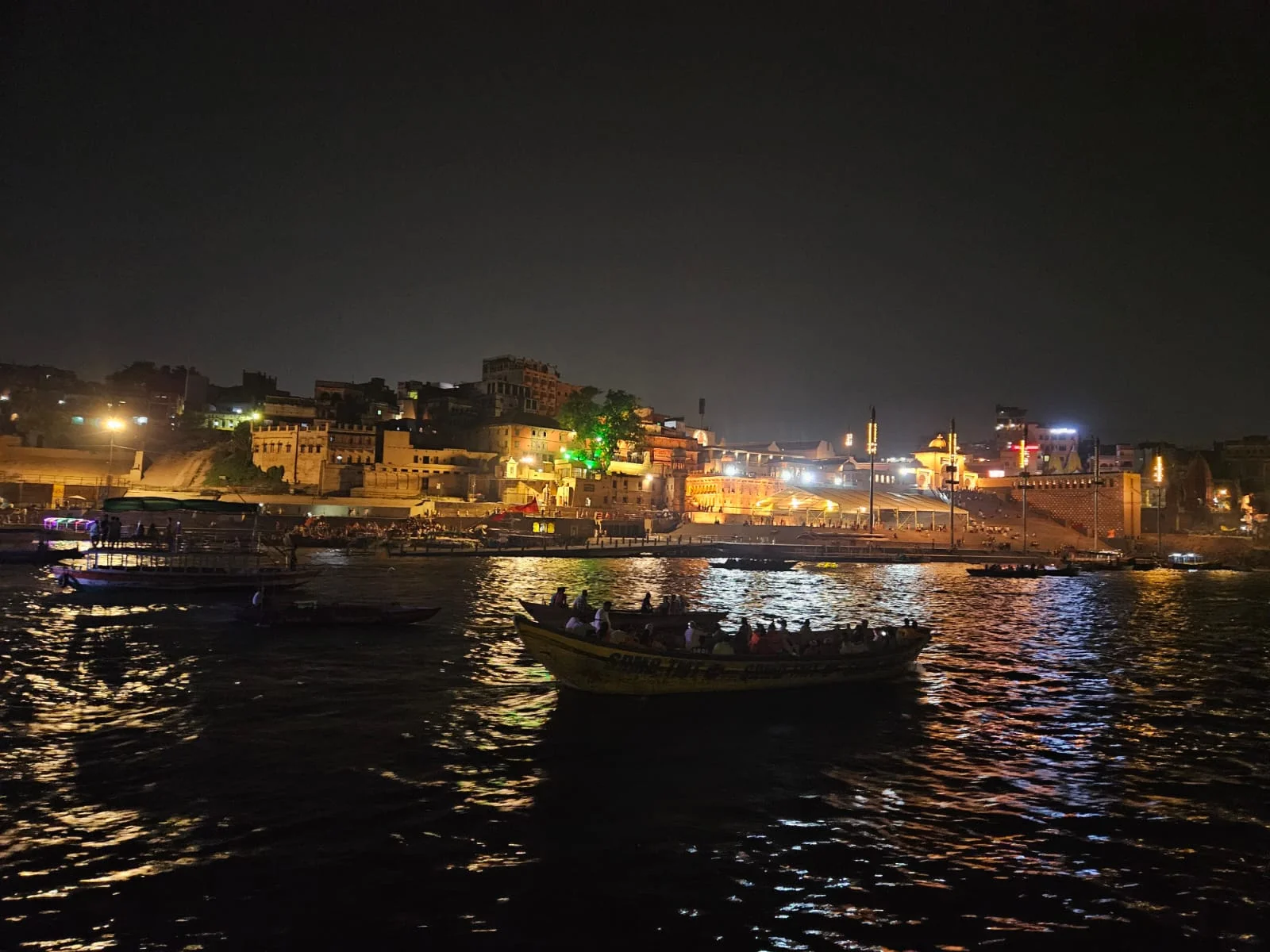
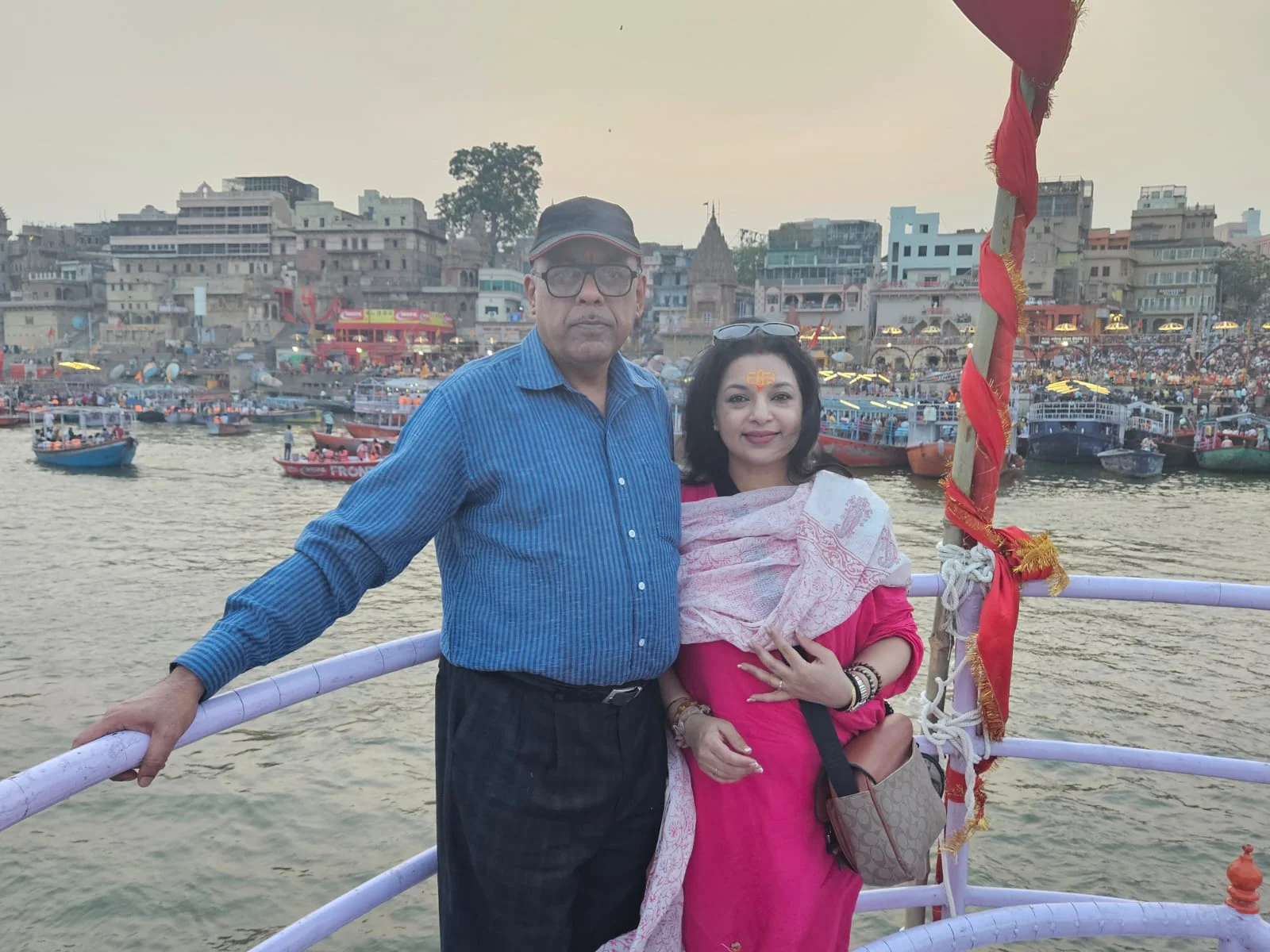
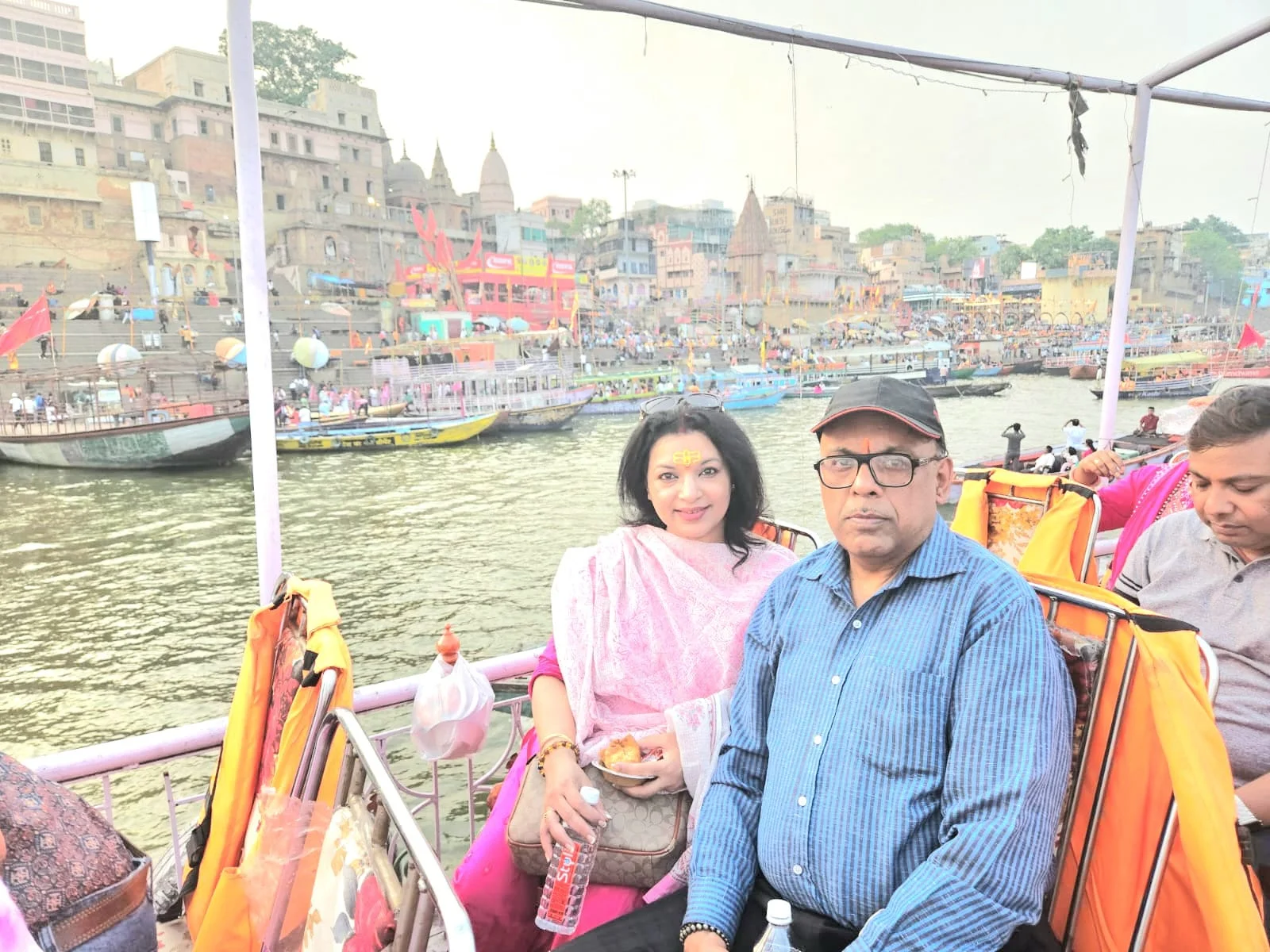
To witness the famed evening Ganga Aarti, we boarded a cruise from Namo Ghat. As the boat glided along the sacred Ganga, we were treated to an engaging commentary that introduced us to the history and significance of the many ghats lining the river. From the boat, we could watch the magnificent Ganga Aarti unfold at Dashashwamedh Ghat, with priests performing synchronized rituals as lamps illuminated the twilight sky. Although the boat remains some distance from the ceremony, the panoramic view of the glowing riverfront creates a unique atmosphere. It may not offer the close-up experience of standing on the ghat, but it is certainly worth trying at least once for a different perspective of Varanasi’s most iconic ritual.
Kashi Vishwanath Temple
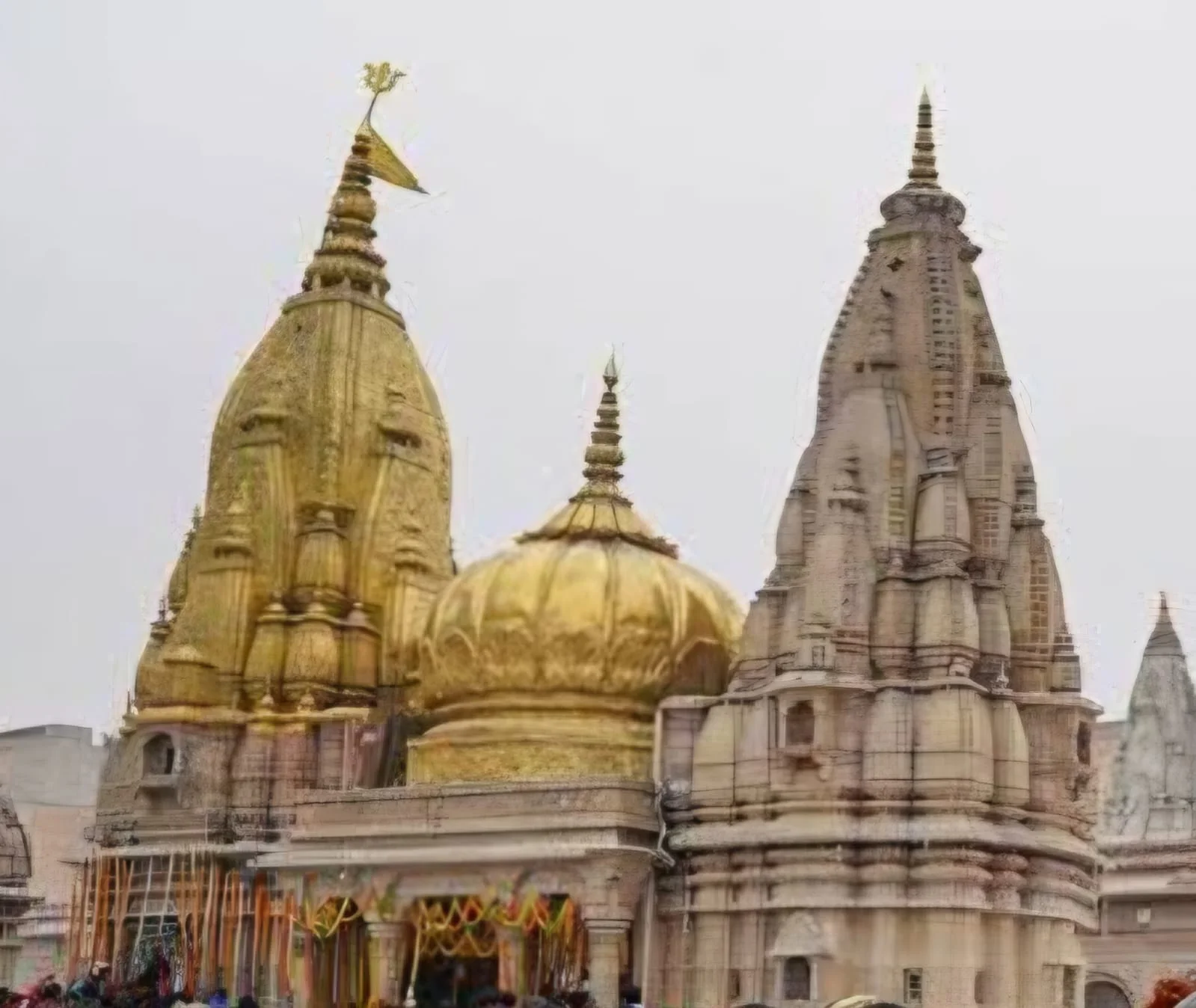
No visit to Varanasi is complete without paying homage at the revered Kashi Vishwanath Temple, one of the twelve Jyotirlingas of Lord Shiva and the spiritual heart of the city. I also found peace at the Sankat Mochan Hanuman Temple, admired the vibrant Durga Temple, and visited the historic Tulsi Manas Mandir, associated with the great poet-saint Tulsidas. Yet, beyond its temples and monuments, it was the city's enduring spirit that captivated me. Varanasi is a place where every ghat, every temple bell, and every ripple of the Ganga whispers stories of faith, tradition, and eternity. I left with the feeling that while I had visited one of India's oldest cities, I had also experienced one of its most enduring souls.
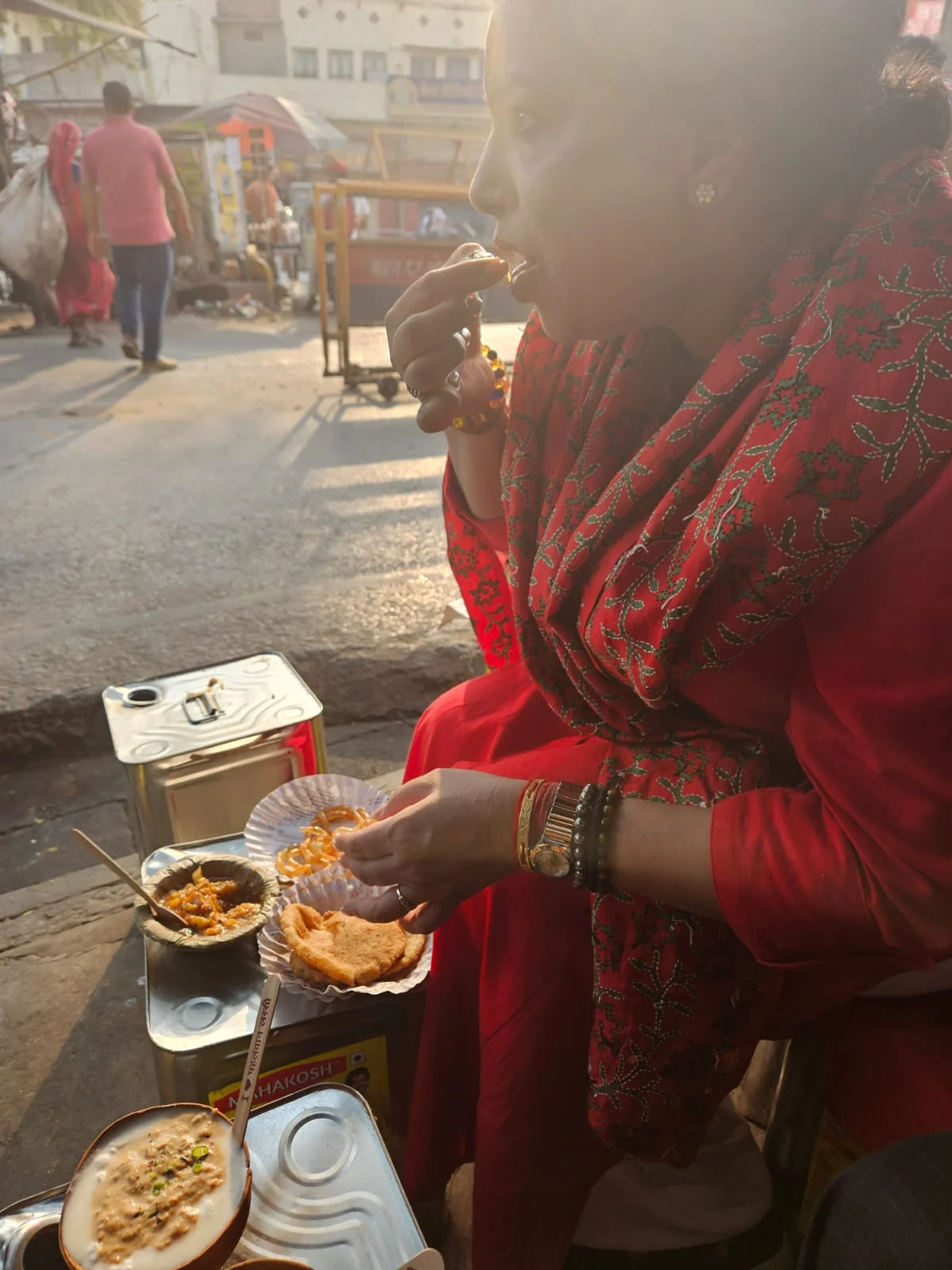
A Taste of Varanasi – Street Food at Its Authentic Best
One of my memories of Varanasi was enjoying a traditional breakfast while sitting on an upturned ghee tin by the roadside, just like the locals. Freshly fried kachori with spicy potato curry, followed by crispy jalebi, made for a simple yet unforgettable meal. To complete the experience, I sipped a thick, creamy lassi served in a traditional clay kulhad. There was nothing luxurious about the setting, but the authenticity, flavours, and vibrant street atmosphere made it a memorable meal.
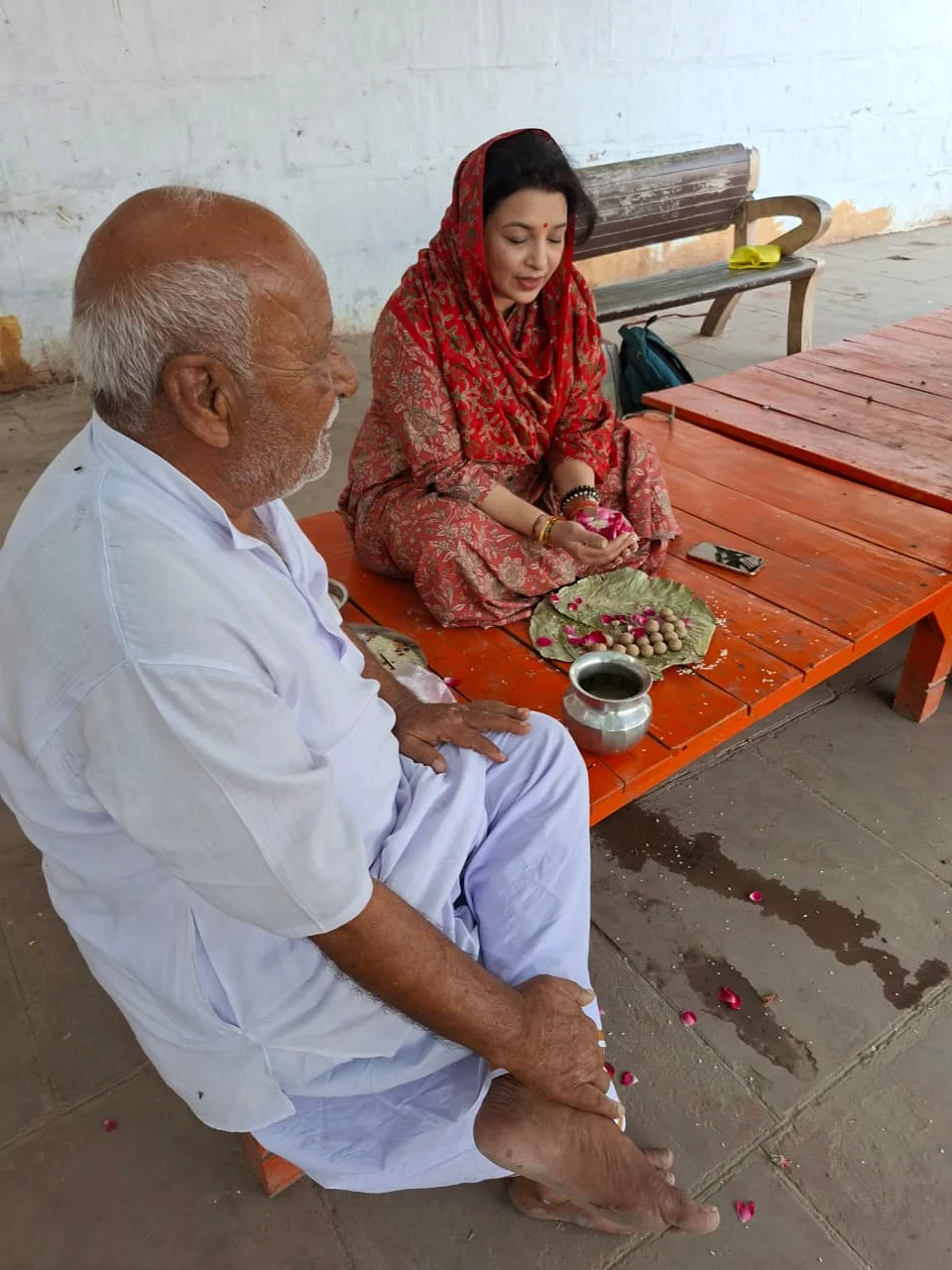
Pind Daan – A Sacred Tribute to Our Ancestors
One of the most meaningful moments of our visit to Varanasi was performing Pind Daan on the banks of the sacred Ganga. Guided by a priest, we offered prayers and completed the rituals in memory of our ancestors, seeking peace and liberation for their souls according to Hindu tradition. After the puja was completed, we took a boat to the middle of the holy Ganga and offered our final prayers amidst the tranquil waters. With Vedic chants still echoing in my mind and the ancient ghats lining the riverbanks, the experience became much more than a ritual—it was a deeply emotional moment that connected us with generations of our family. Performing this sacred rite in one of Hinduism's holiest cities was truly a privilege.
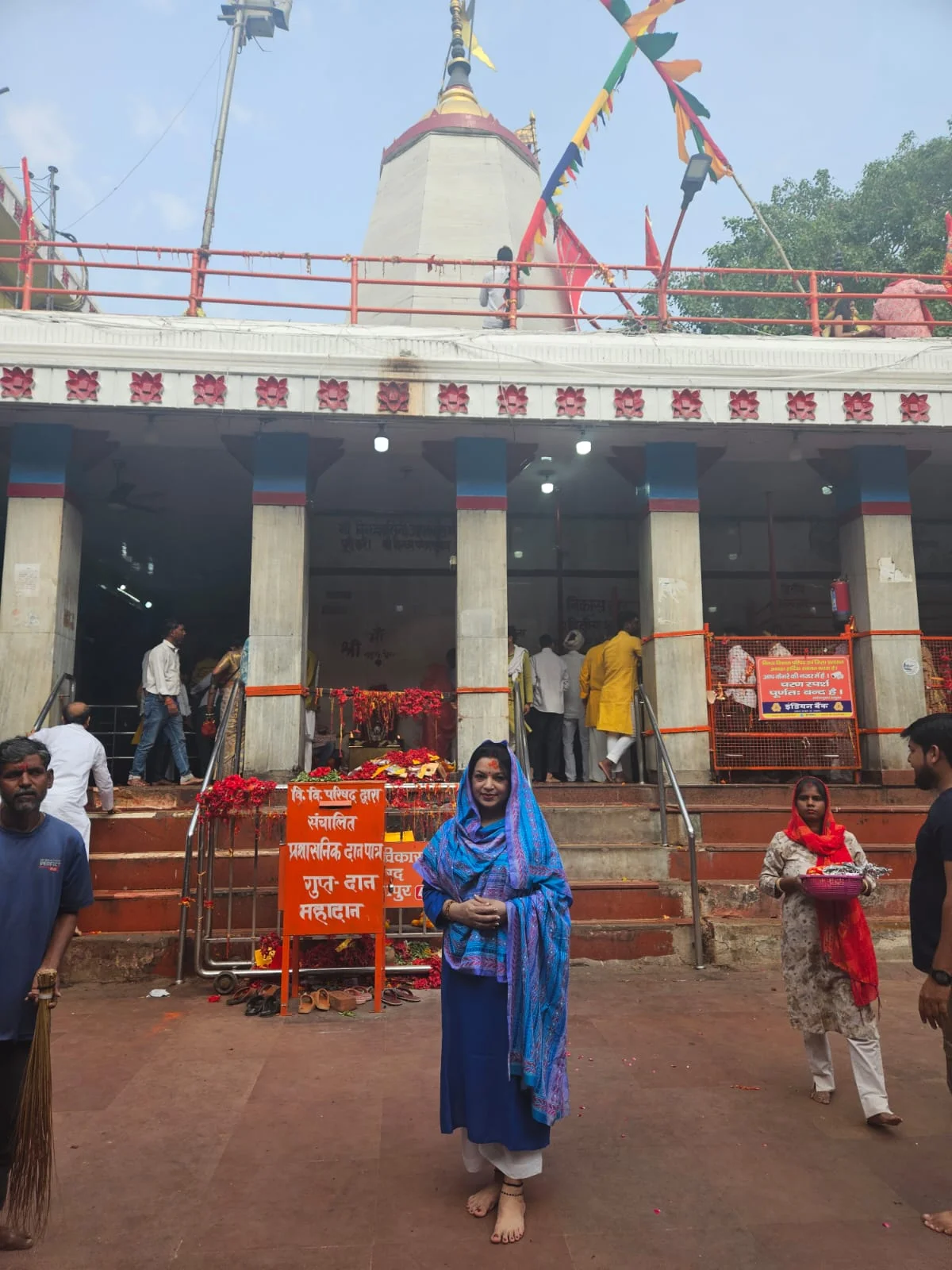
Maa Vindhyavasini Temple – A Sacred Day Trip from Varanasi
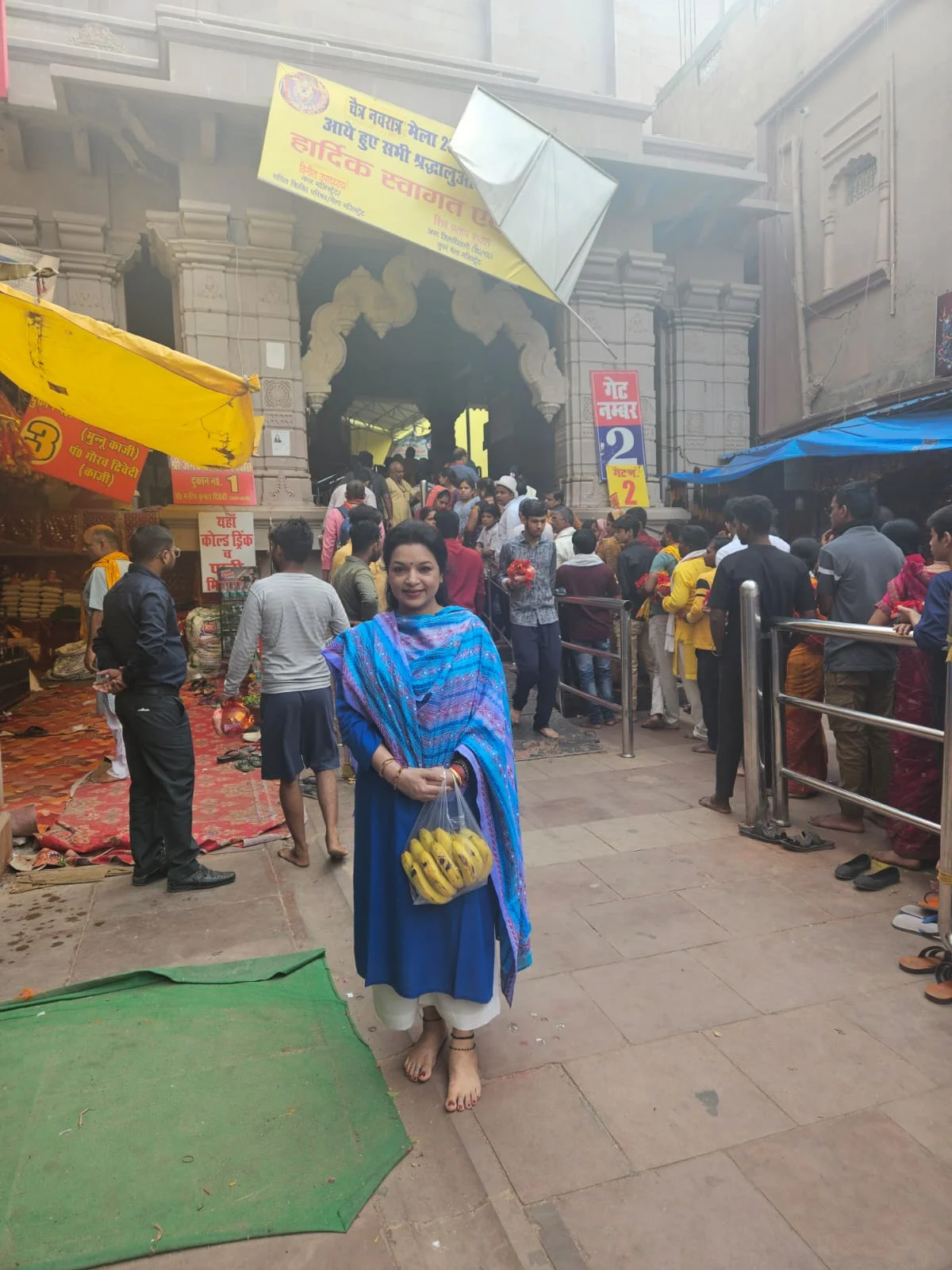
A day trip from Varanasi took us to the revered Maa Vindhyavasini Temple in Vindhyachal, near Mirzapur, one of the most important Shakti Peethas in India. Dedicated to Goddess Vindhyavasini, an incarnation of Goddess Durga, the temple attracts thousands of devotees seeking her blessings for strength, prosperity, and protection. The atmosphere was filled with devotion as pilgrims queued patiently to offer prayers and chant hymns in praise of the Goddess.
Swarved Mahamandir Dham – A Sanctuary of Meditation and Peace
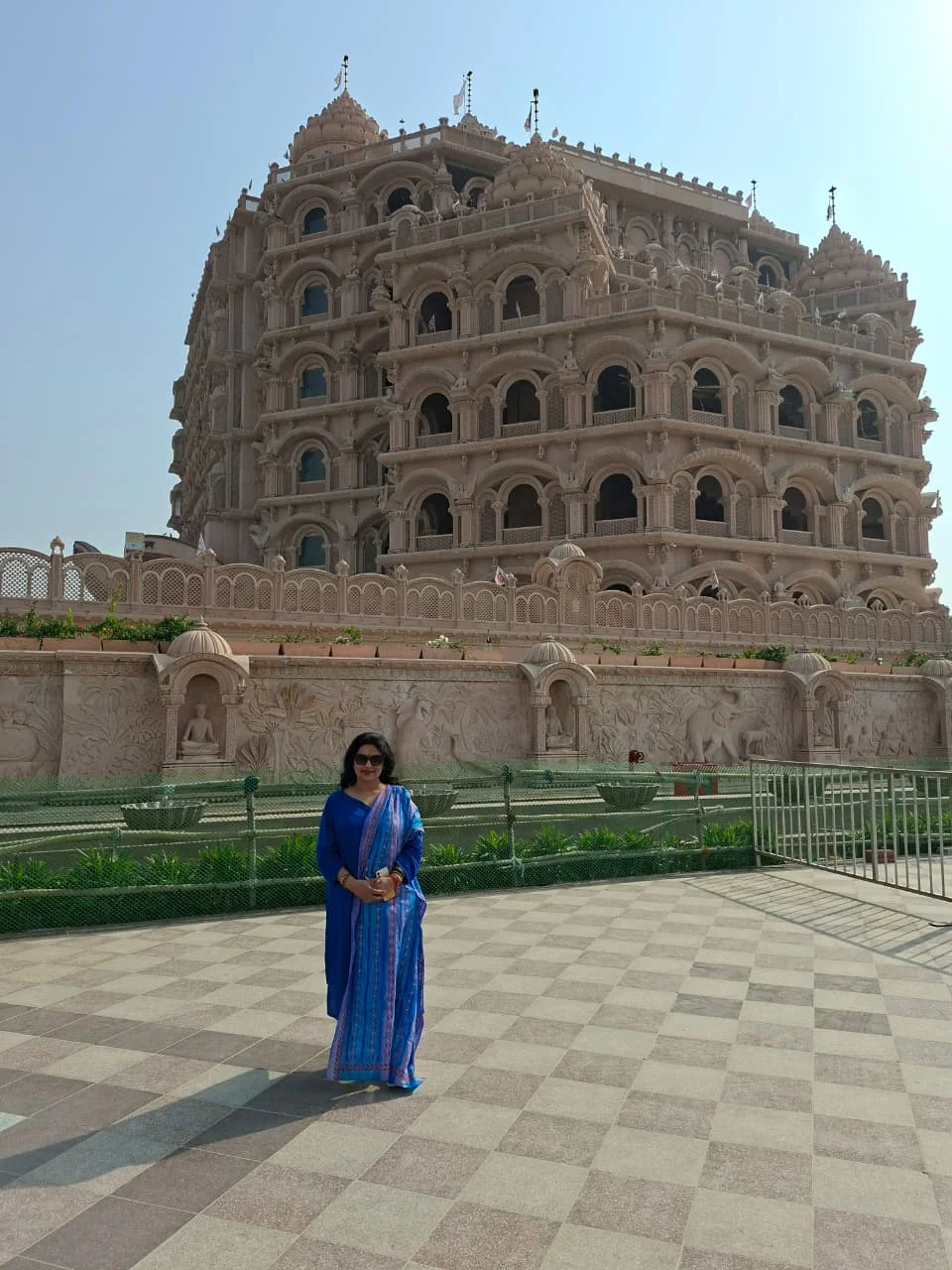
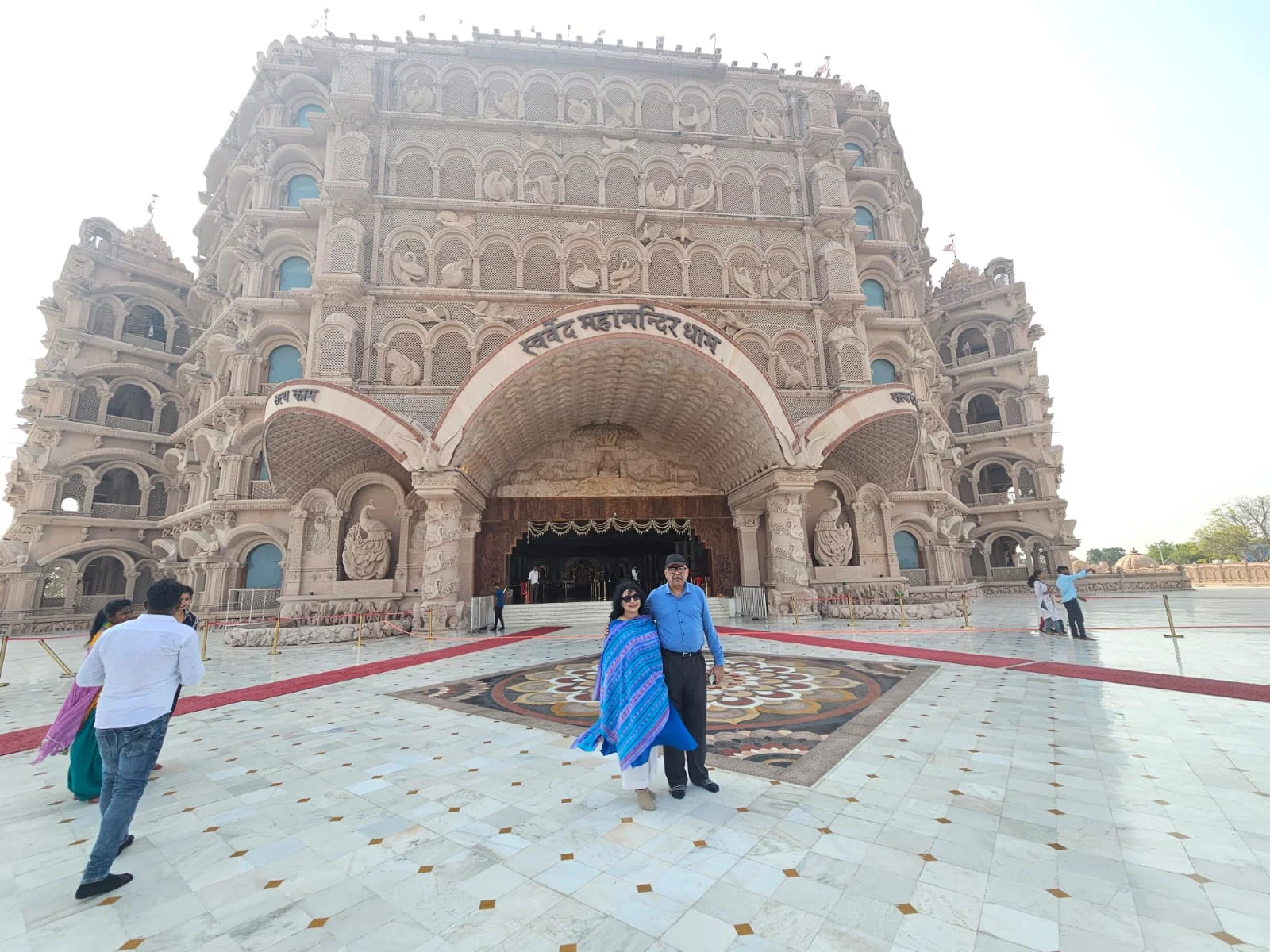
Our visit to Swarved Mahamandir Dham in Varanasi was a truly serene experience. Recognised as the world's largest meditation centre, the magnificent seven-storey marble structure is both architecturally stunning and spiritually uplifting. We participated in a guided meditation session inside the grand hall, where the peaceful atmosphere encouraged quiet reflection and inner calm. The intricate carvings, vast prayer hall, and tranquil surroundings made it much more than a place of worship—it was a sanctuary where spirituality, meditation, and beautiful architecture came together to create a beautiful experience.
Finding Quiet in the Footsteps of the Buddha – A Day Trip to Sarnath
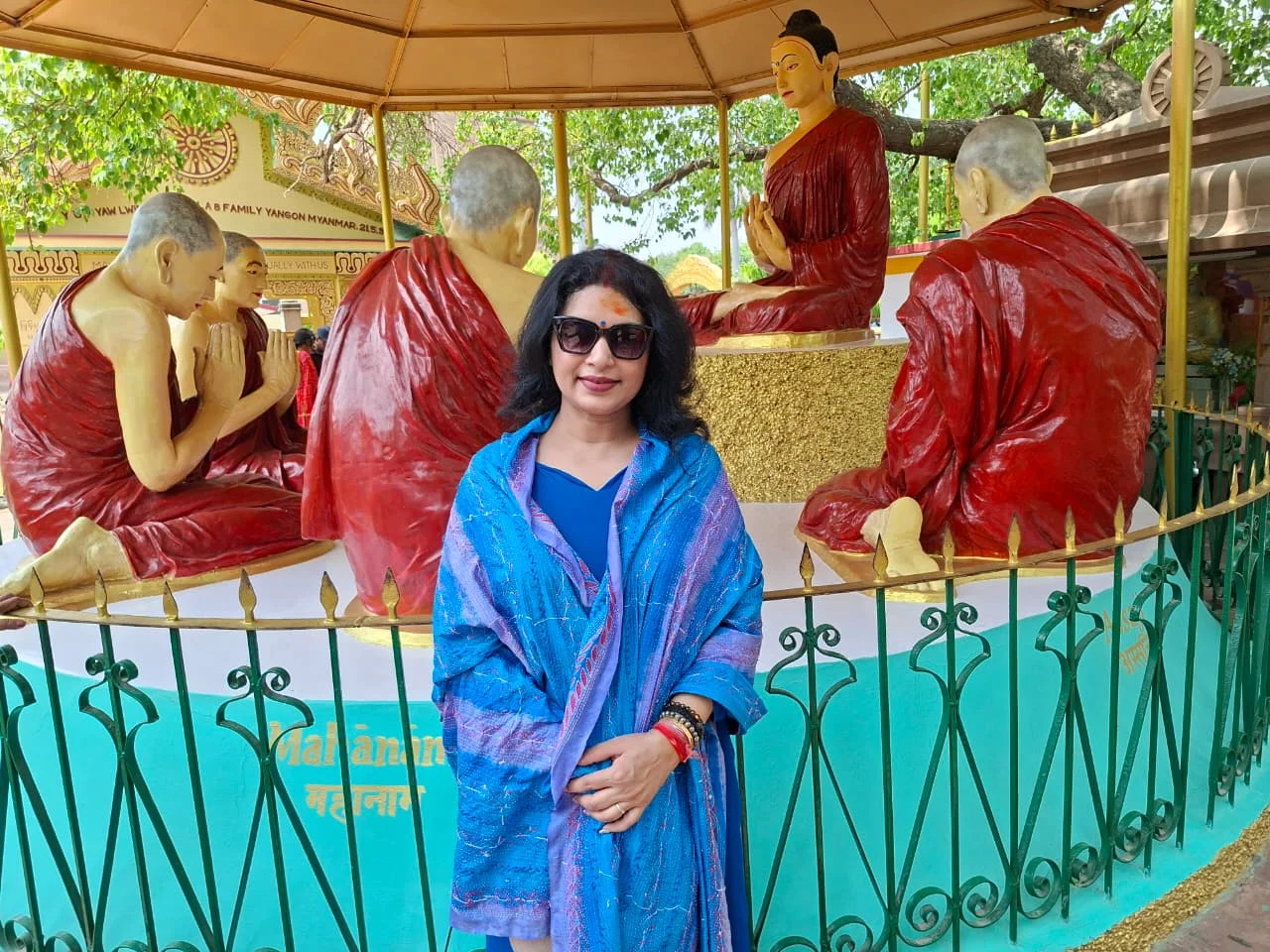
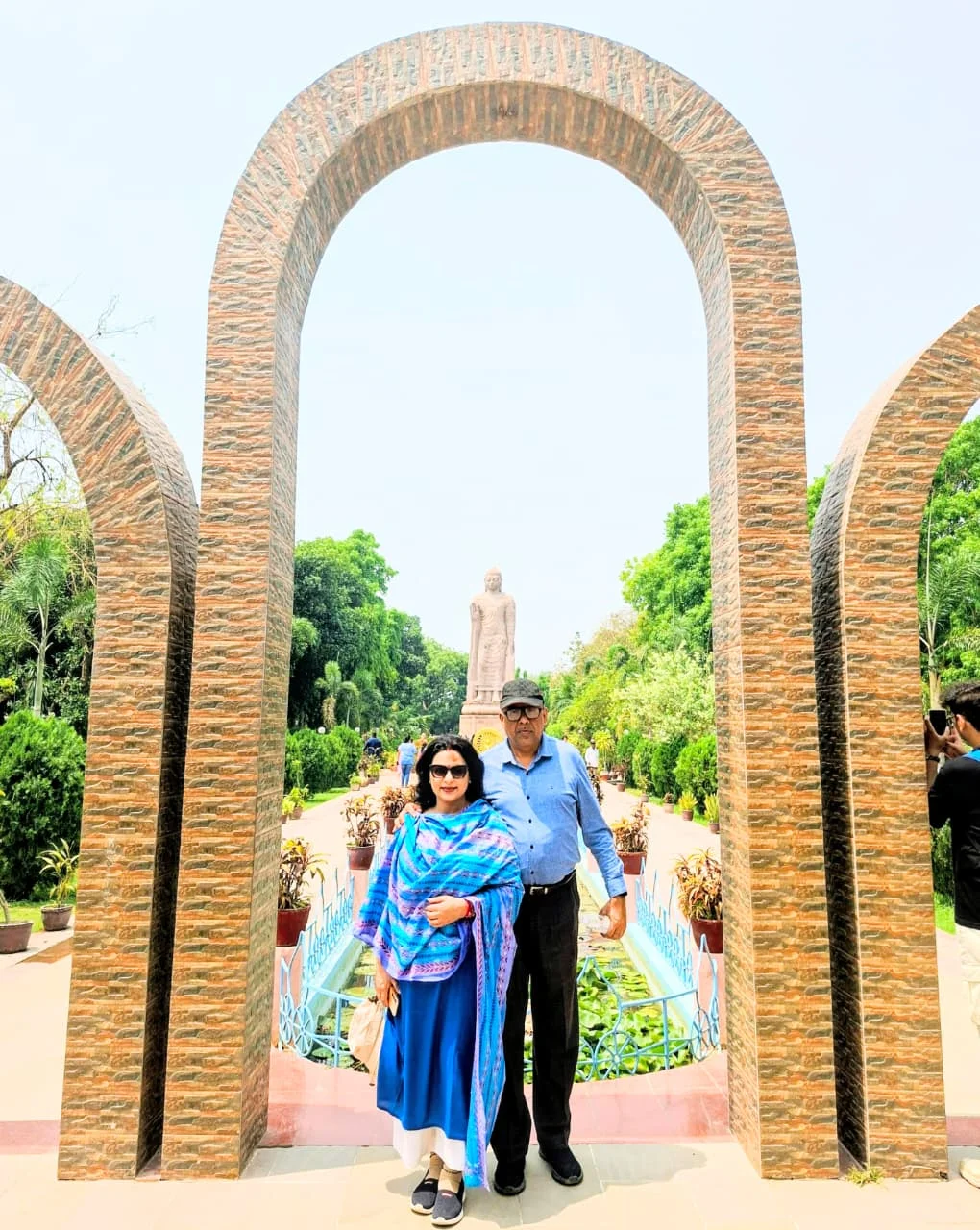
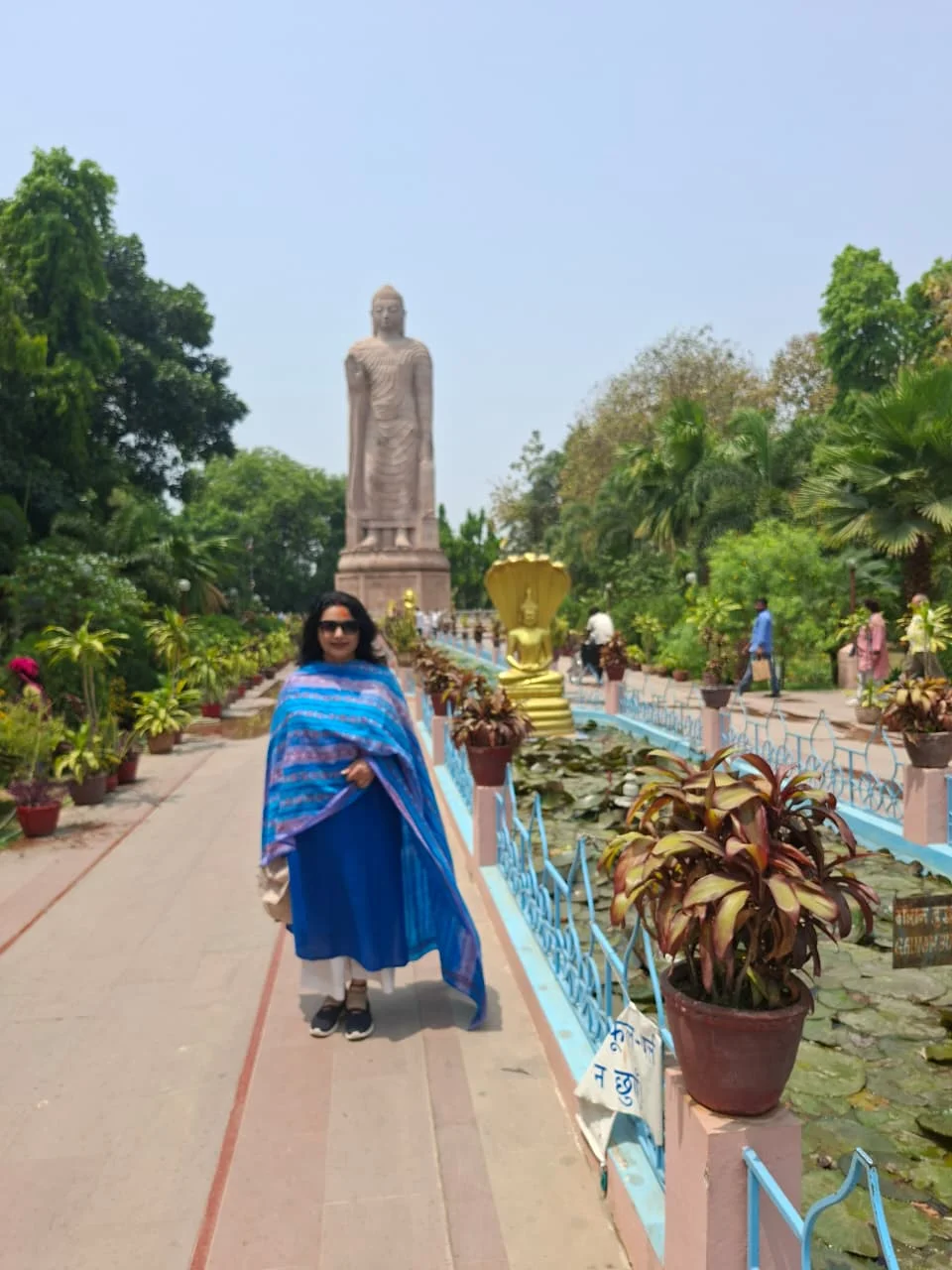
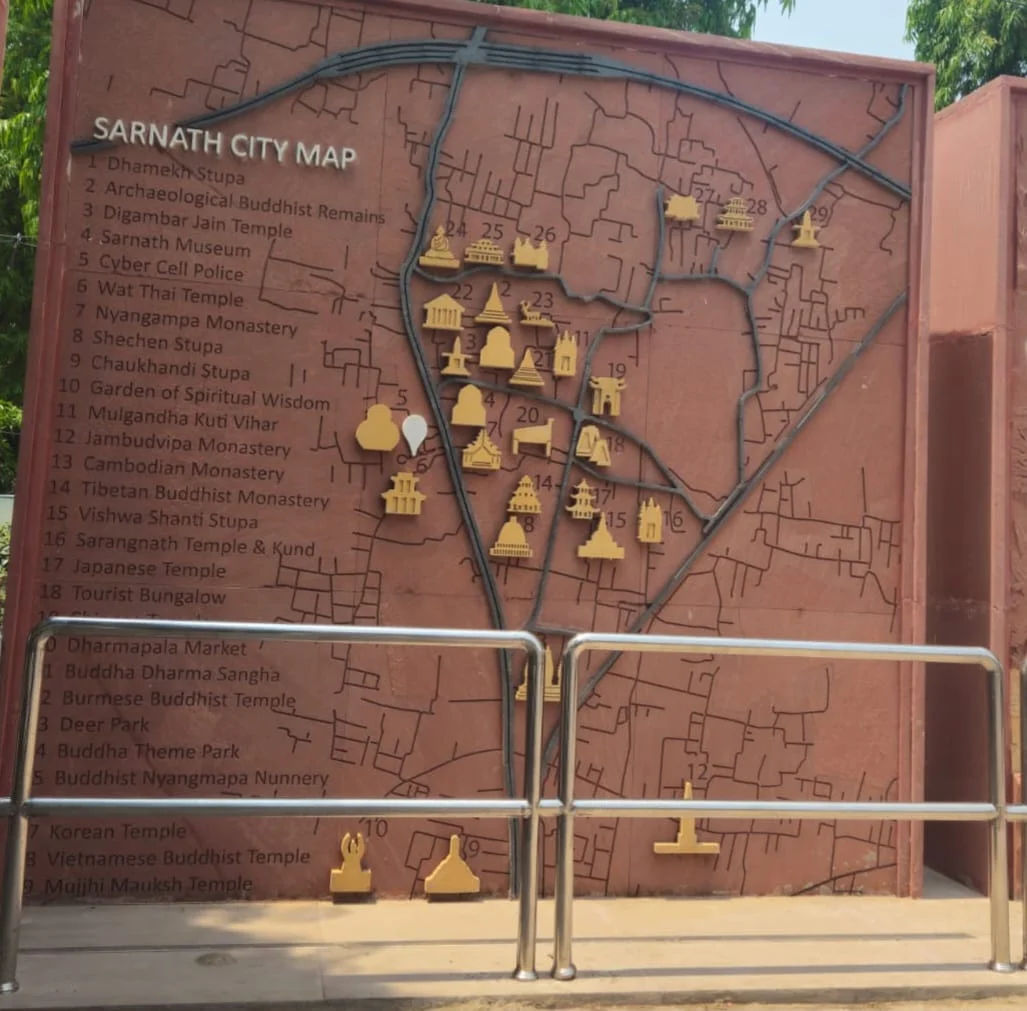
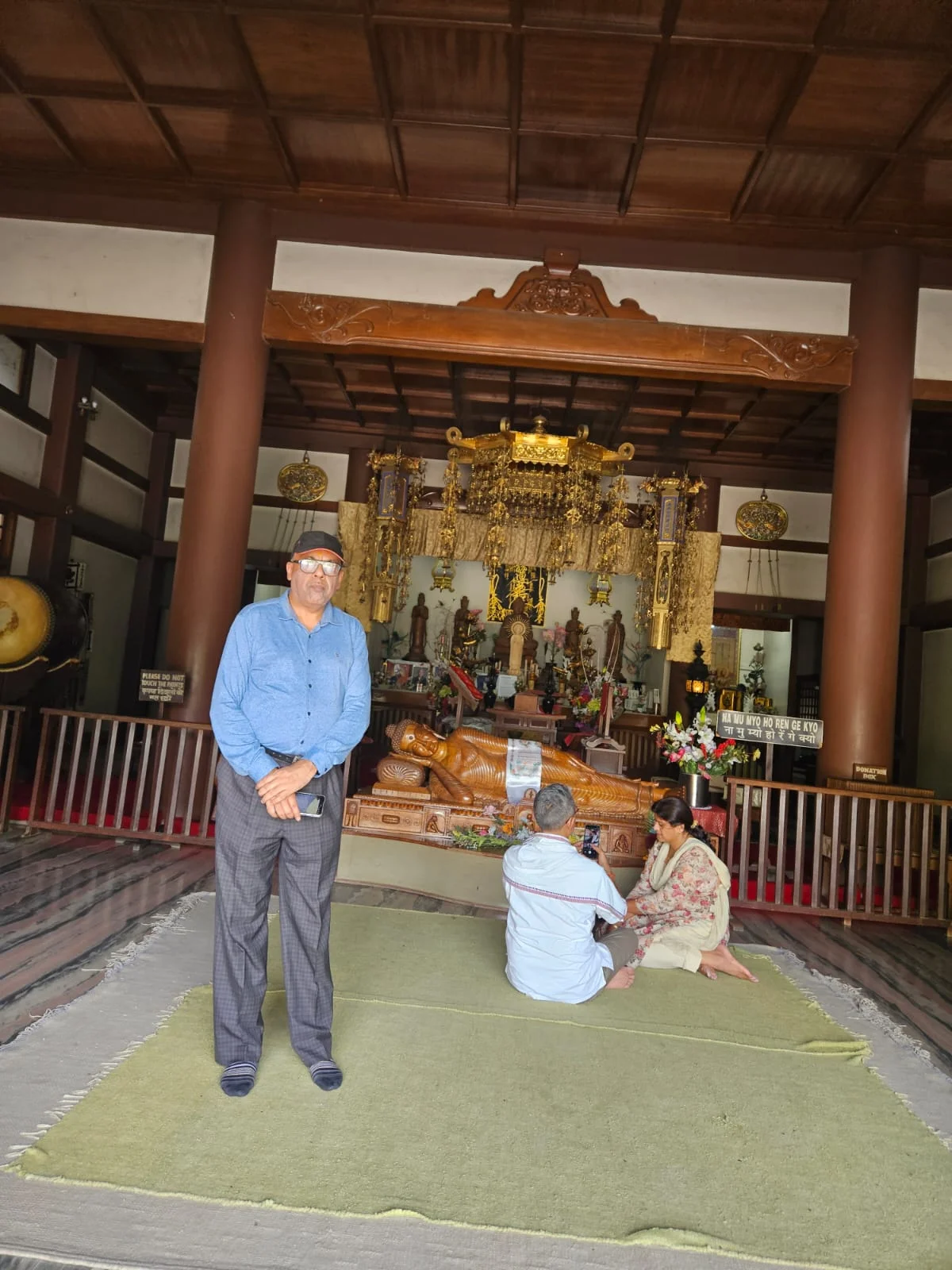
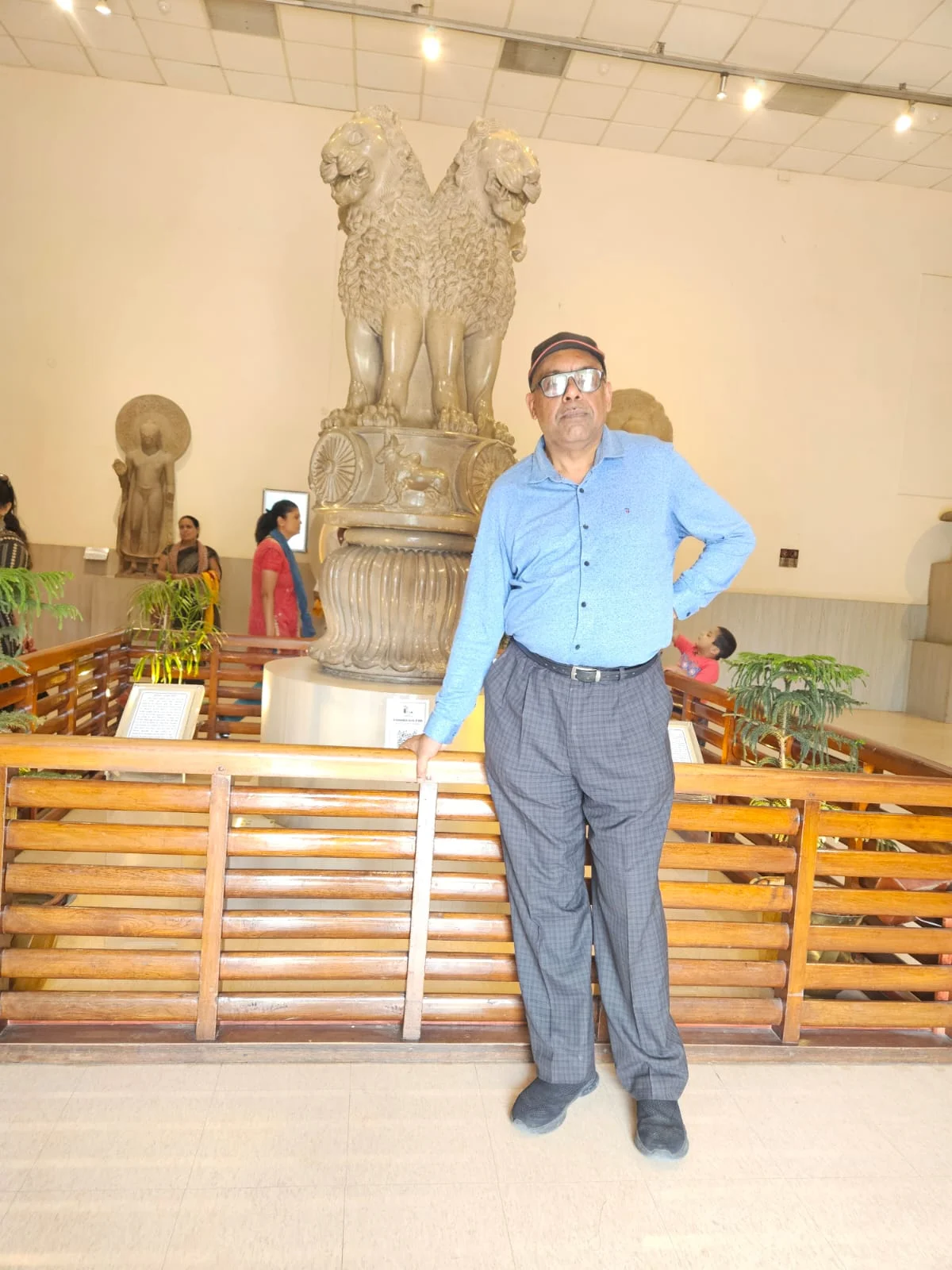
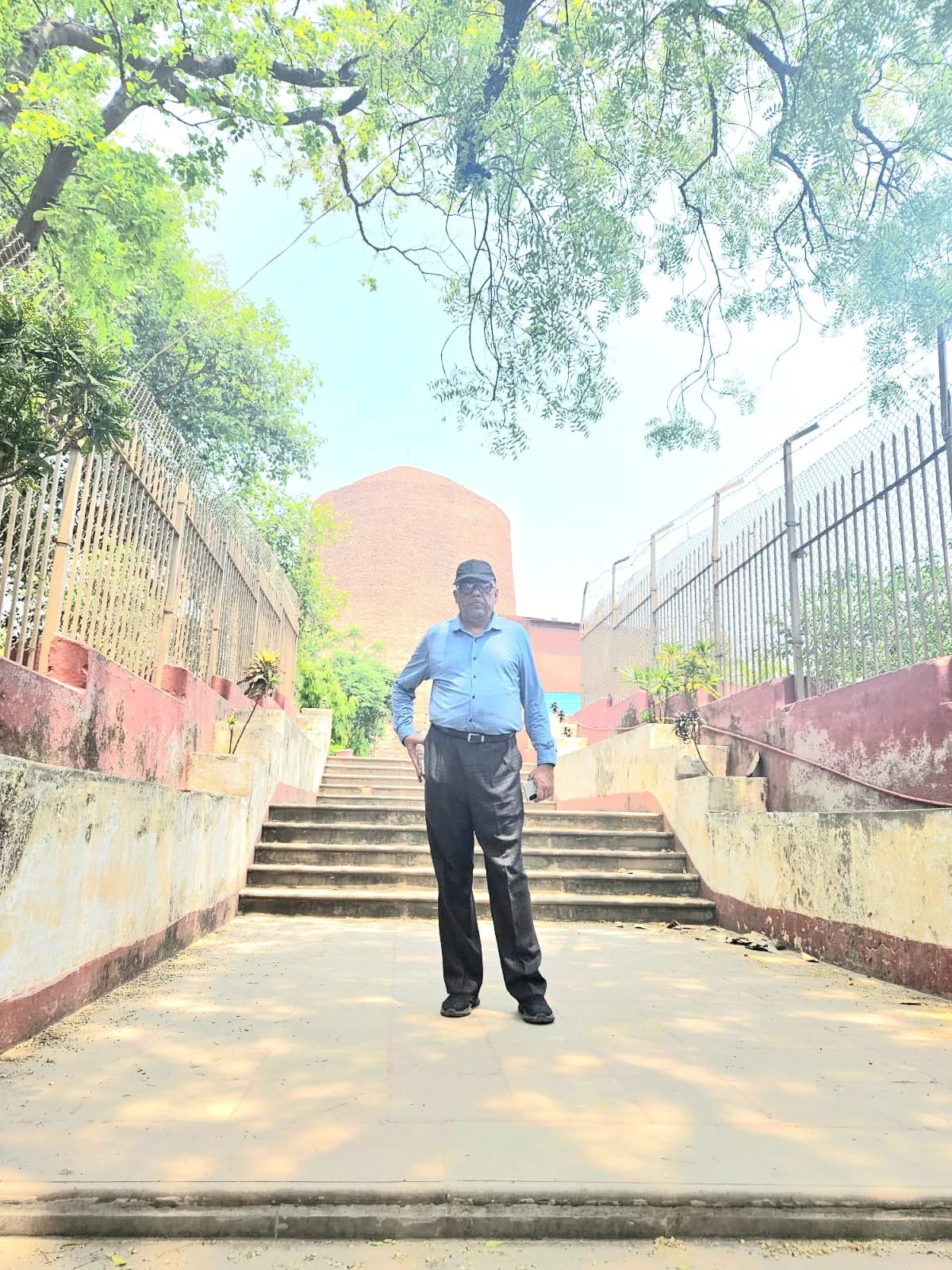
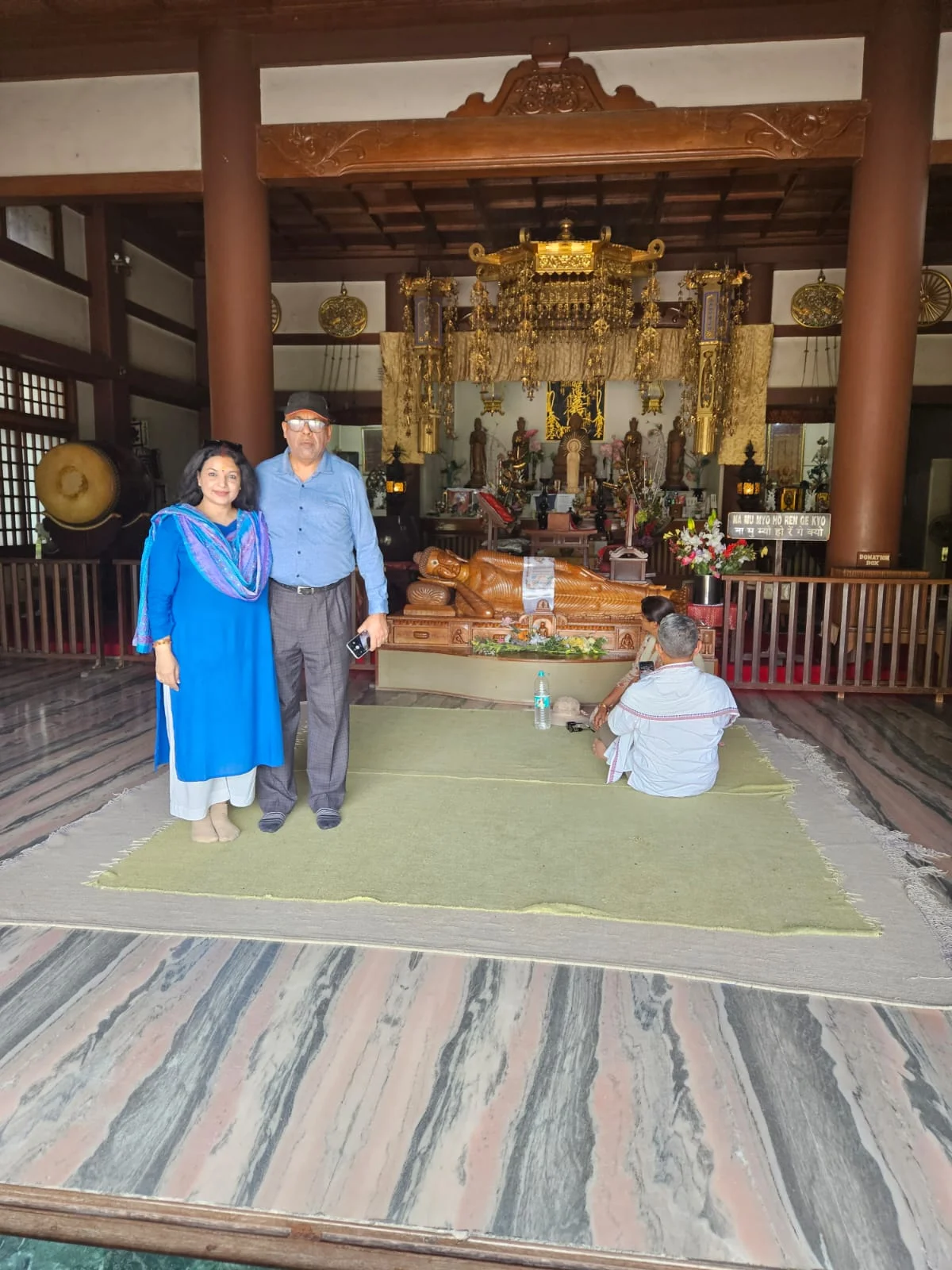
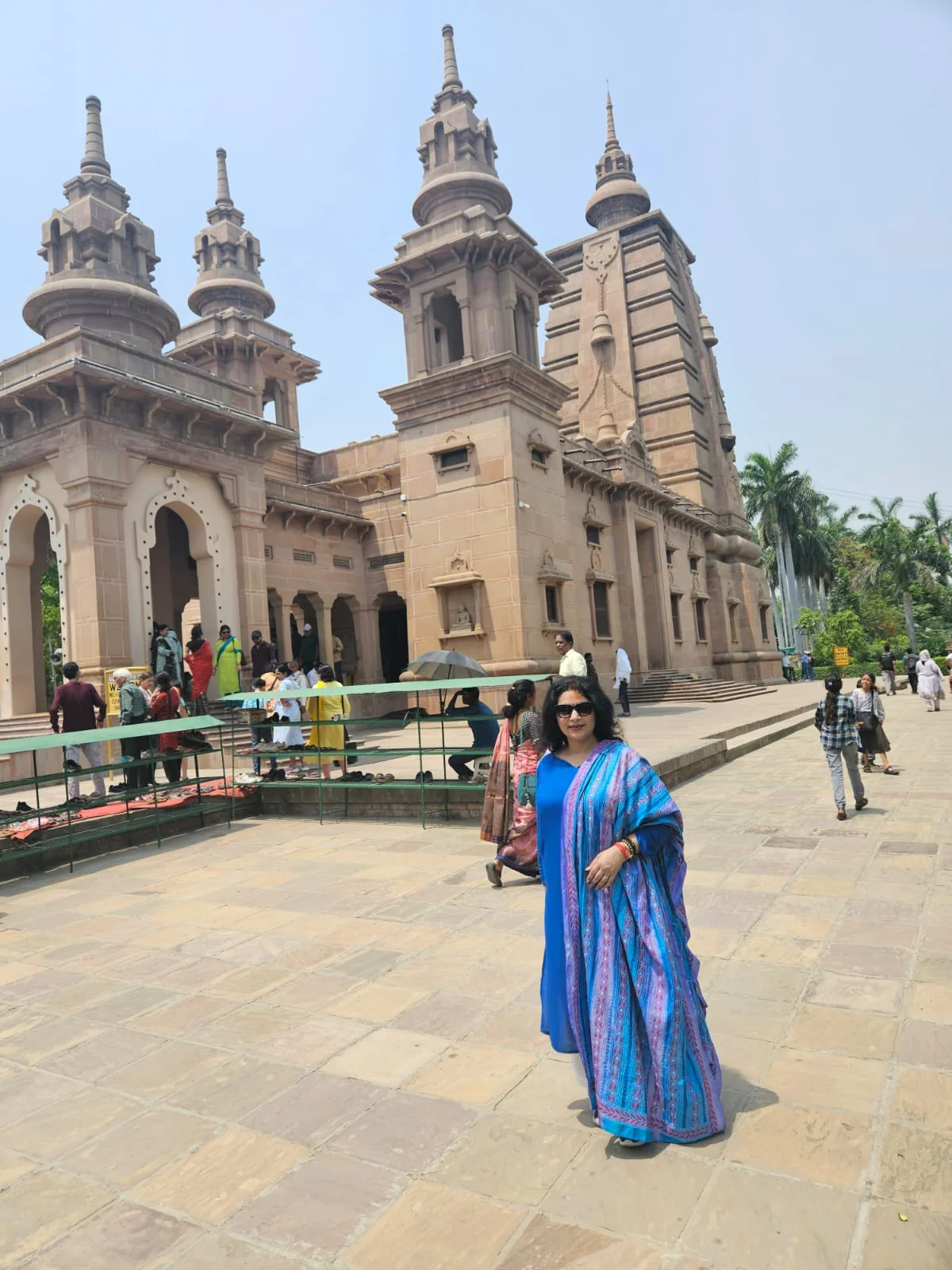
A day trip from Varanasi to Sarnath turned out to be an enriching chapter of our journey. It was on this sacred ground that Gautama Buddha, fresh from attaining enlightenment, delivered his first sermon in the deer park—an event known as setting the Dharmachakra (the Wheel of Dharma) in motion. Wandering through the sun-warmed ancient ruins, standing before the towering Dhamek Stupa, and exploring the serene monasteries and treasure-filled archaeological museum, I felt completely transported back over two millennia.
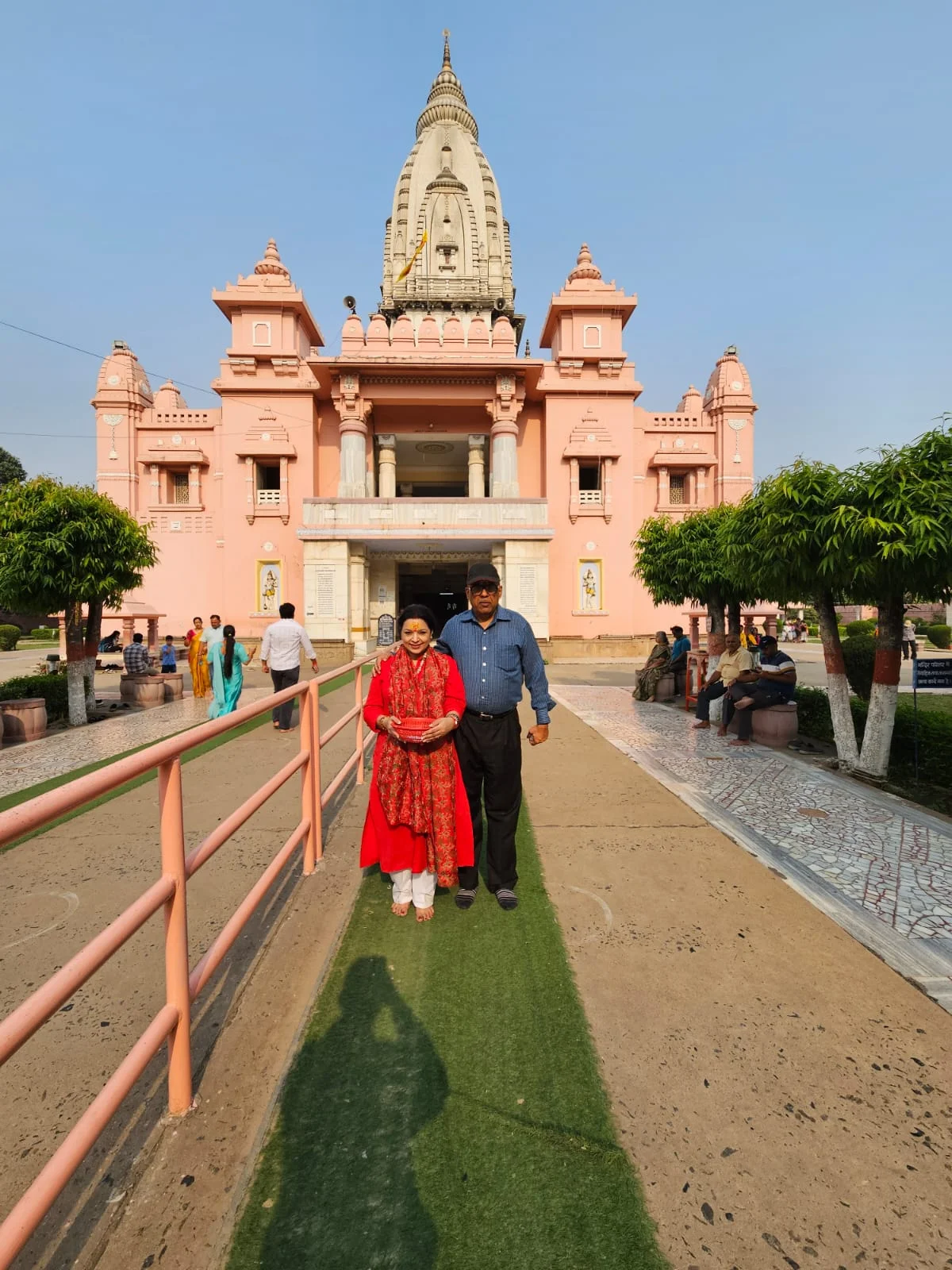
The Iconic "VT": Varanasi’s Hidden Architectural Marvel inside BHU
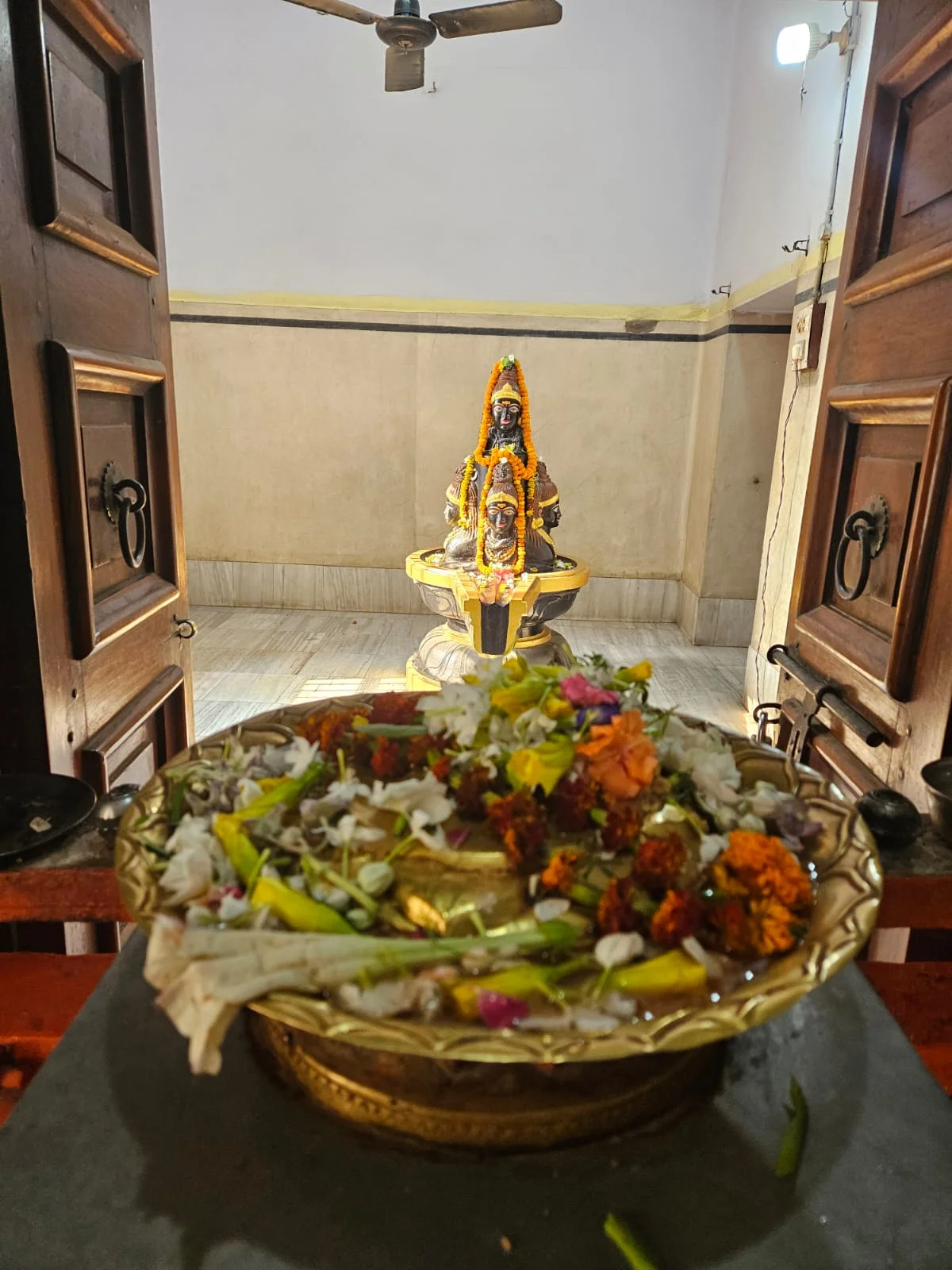
Nestled in the heart of the Banaras Hindu University campus, the New Vishwanath Temple—affectionately known as Birla Mandir or "VT"—is a breathtaking sanctuary of peace away from Varanasi's chaotic ghats. Conceived by BHU founder Pandit Madan Mohan Malaviya and built by the legendary Birla family, this grand structure features one of the tallest temple spires (Shikhara) in the world, soaring at an incredible 77 meters. Step inside, and you’ll find magnificent white marble walls etched with the entire text of the Bhagavad Gita, alongside a multi-tiered layout housing nine distinct shrines.
TRAVEL TIPS
Quick Travel Tips for Varanasi
- ✓Spend 3–4 days in the city to explore at a relaxed pace.
- ✓Visit the ghats at sunrise for a serene and peaceful experience.
- ✓Attend the evening Ganga Aarti at Dashashwamedh Ghat.
- ✓Take a boat ride on the Ganga to view all the ghats from the water.
- ✓Wear comfortable walking shoes as you will traverse narrow lanes.
- ✓Dress modestly for temple visits (shoulders and knees covered).
- ✓Beware of touts and overcharging; agree on boat prices beforehand.
- ✓Try authentic kachori-jalebi and kulhad lassi in the morning.
- ✓Visit Sarnath and Vindhyachal as easy day trips from the city.
- ✓Keep cash handy for small purchases and street food.
- ✓Respect local customs and ask permission before photographing rituals.
- ✓Explore the narrow gallis (lanes)—they are the true soul of Varanasi.
Varanasi – A Journey Every Indian Should Experience
A trip to Varanasi is, in my opinion, a journey everyone should undertake at least once. Few cities in the world can match its extraordinary blend of history, spirituality, and living traditions. From its ancient temples and sacred ghats to its timeless rituals, vibrant streets, and profound cultural heritage, every corner of the city tells a story that has unfolded over thousands of years. My visit left me with a deep appreciation for India's civilizational legacy, making Varanasi not just a destination but an unforgettable experience that continues to linger long after the journey ends.