
TEMPLES OF POKHARA & GORKHA DISTRICT
Manakamana, Gupteshwor Mahadev & Tal Barahi on Phewa Lake
Perched on mountain ridges, nestled in subterranean limestone caverns, and floating amidst tranquil glacial waters, the sacred shrines of Pokhara and Gorkha embody Nepal's living spiritual devotion.
Gorkha District
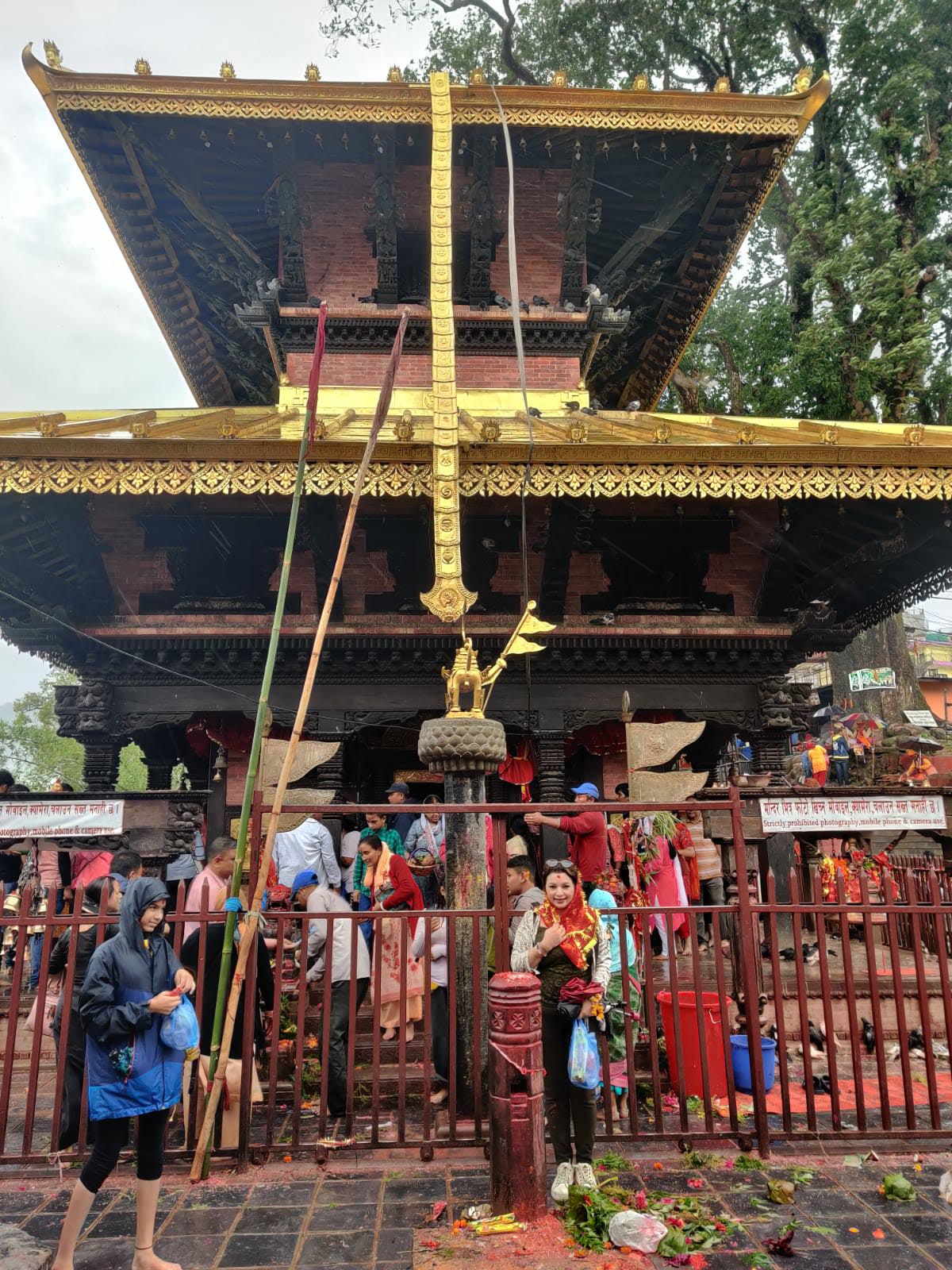
The sacred multi-tiered pagoda of Manakamana Bhagwati perched on the Himalayan ridge
1. Manakamana Temple — Gorkha District, Nepal
The Goddess Who Grants Desires of the Heart
Perched high on a ridge overlooking the deep river valleys and green hills of central Nepal, the sacred Manakamana Temple is one of the country’s most revered Hindu pilgrimage sites.
Dedicated to Goddess Bhagwati, an incarnation of Durga, the temple is believed to fulfill the heartfelt wishes of devotees — the name “Manakamana” itself meaning “the goddess who grants desires of the heart.”
Pilgrims from across Nepal and India visit this spiritual shrine throughout the year to seek blessings for prosperity, health, success, and protection.
MANAKAMANA TEMPLE --- GORKHA DISTRICT NEPAL
A revered pilgrimage destination where ancient traditions, sacrificial rituals, and heartfelt prayers have echoed across the hills for generations.
2. Manokamana Temple — Spectacular Cable Cars Ride
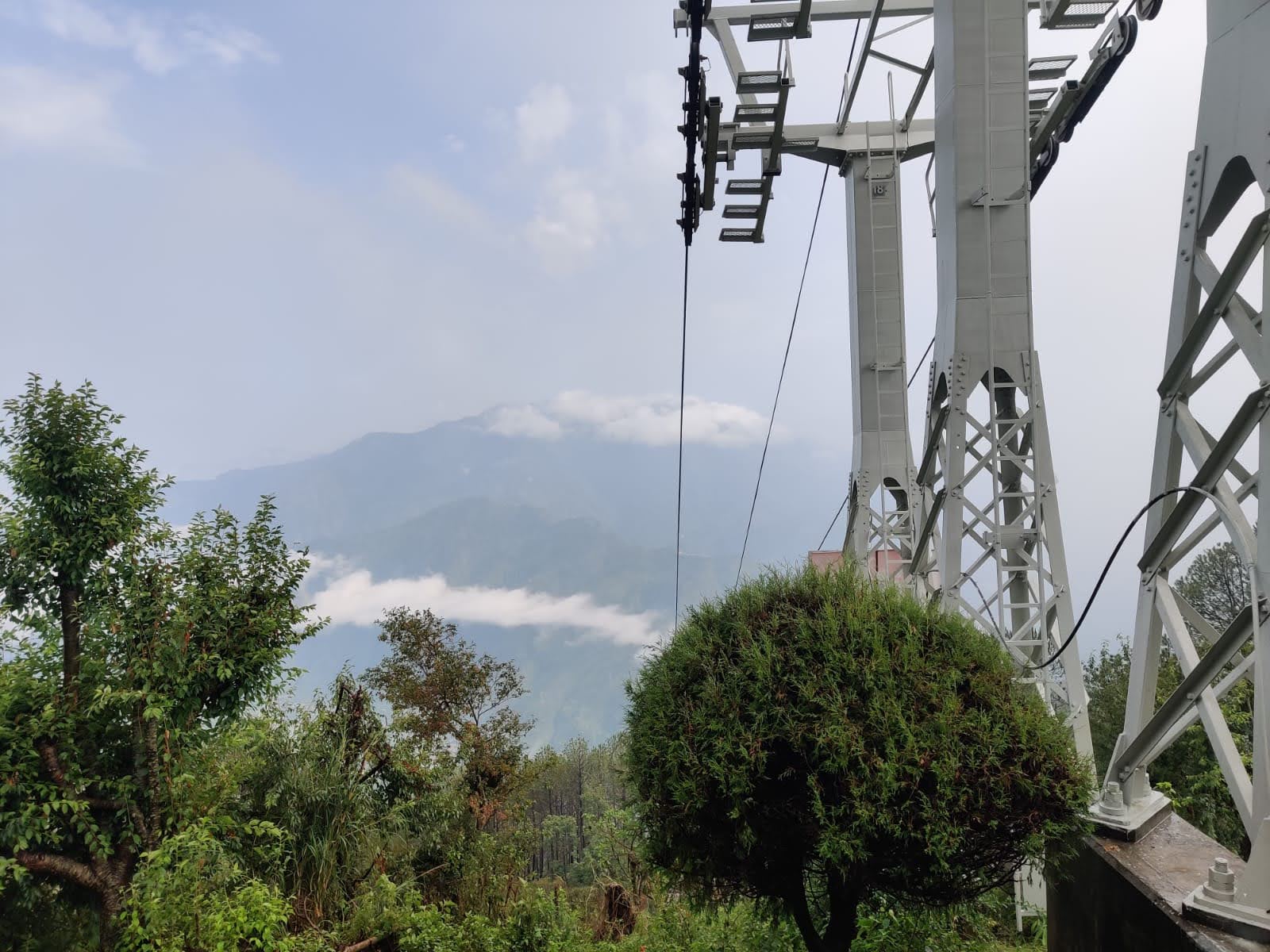
The journey to the temple is itself memorable, especially through the famous cable car ride that glides above lush forests, terraced hillsides, and the sparkling Trishuli River below, offering breathtaking Himalayan scenery.
The temple complex beautifully combines spirituality, tradition, and natural beauty, while the surrounding village preserves the charm of Nepalese hill culture. During major festivals such as Dashain and Nag Panchami, the atmosphere becomes especially vibrant, filled with prayers, music, and devotional energy.
Himalayan Ridge
Cable car line rising through clouds above the Trishuli River valley
Base Station
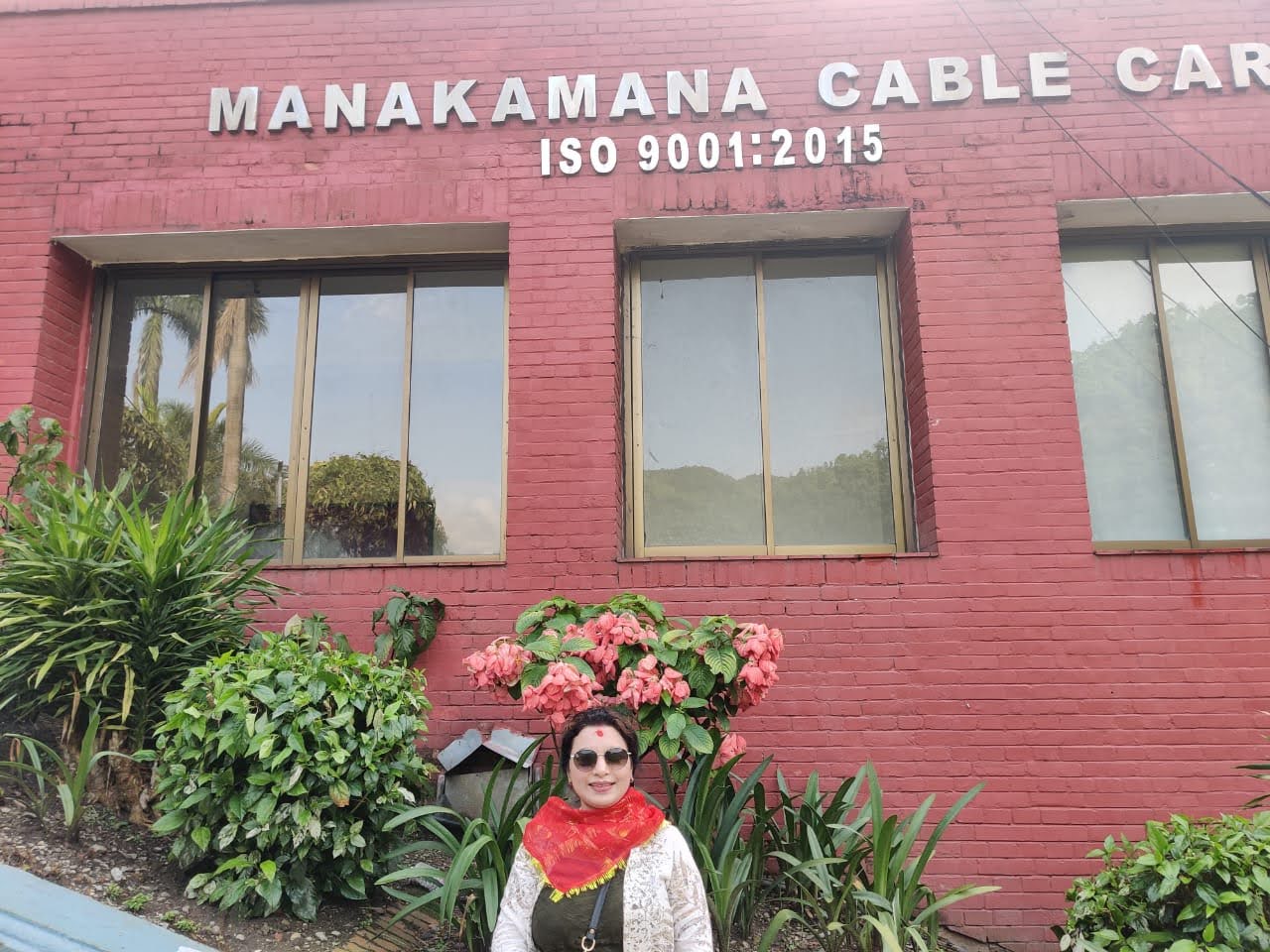
Kurintar base station connecting pilgrims to the high mountain ridge
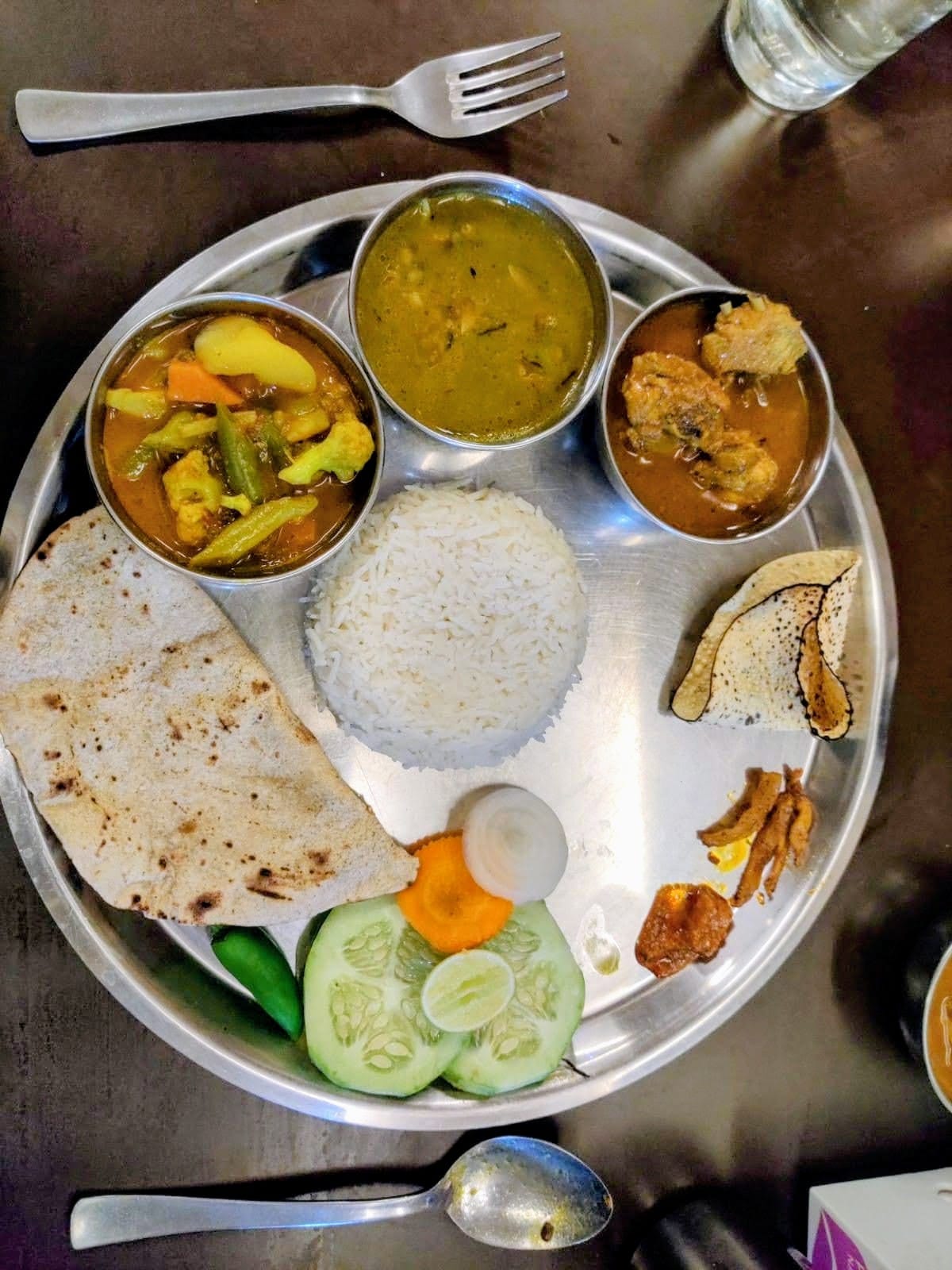
Authentic Cuisine
Traditional Dal Bhat Tarkari served in a classic steel thali plate
3. Nepali Thali
Dal Bhat Tarkari: The Soul of Himalayan Hospitality
Enjoying a traditional Nepali Thali, commonly called Dal Bhat Tarkari near the temple complex.
Steamed Rice & Lentil Soup
Steamed white rice served with a core bowl of savory lentil soup.
Curried Vegetables
A light mixed vegetable curry featuring potatoes and cauliflower.
Nepali Meat Curry
A Nepali-style meat curry prepared with a thin, flavorful gravy.
Breads & Crisps
Flatbread and a crispy cracker for contrasting textures.
Pickles & Fresh Greens
Tangy traditional pickles paired with fresh sliced vegetables.
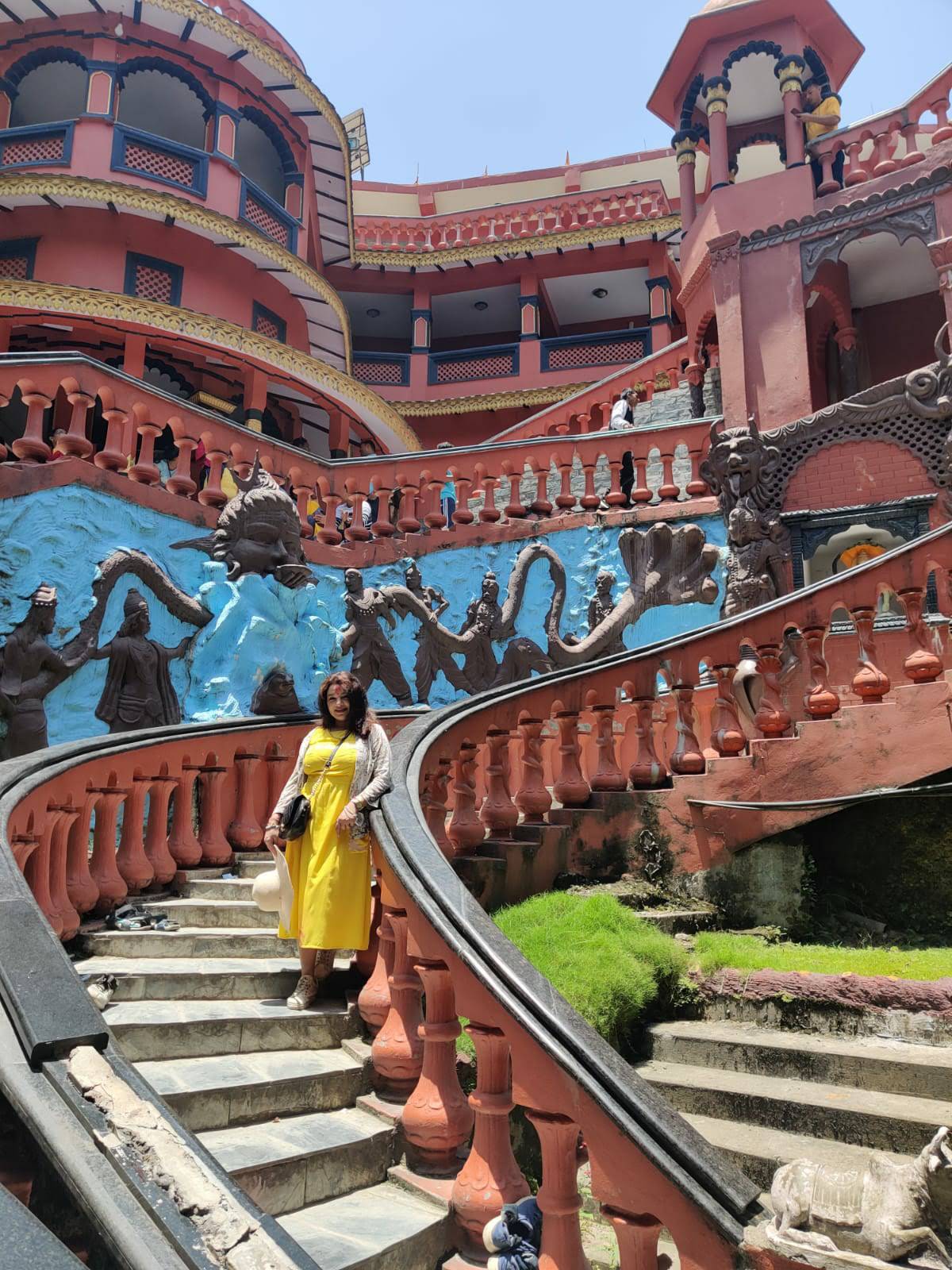
Cave Entrance
The magnificent spiral staircase adorned with celestial serpent and deity reliefs
4. Gupteshwor Mahadev Cave — Pokhara, Nepal
Subterranean Sanctum of Lord Shiva
Hidden beneath the lush hills of Pokhara, the sacred Gupteshwor Mahadev Cave is one of Nepal’s most fascinating spiritual and natural attractions.
Dedicated to Lord Shiva, the cave houses a revered Shiva Lingam deep within its limestone chambers, attracting both pilgrims and travelers.
The dimly lit pathways, echoing cave walls, and naturally formed rock structures create a mystical atmosphere that enhances the spiritual experience.
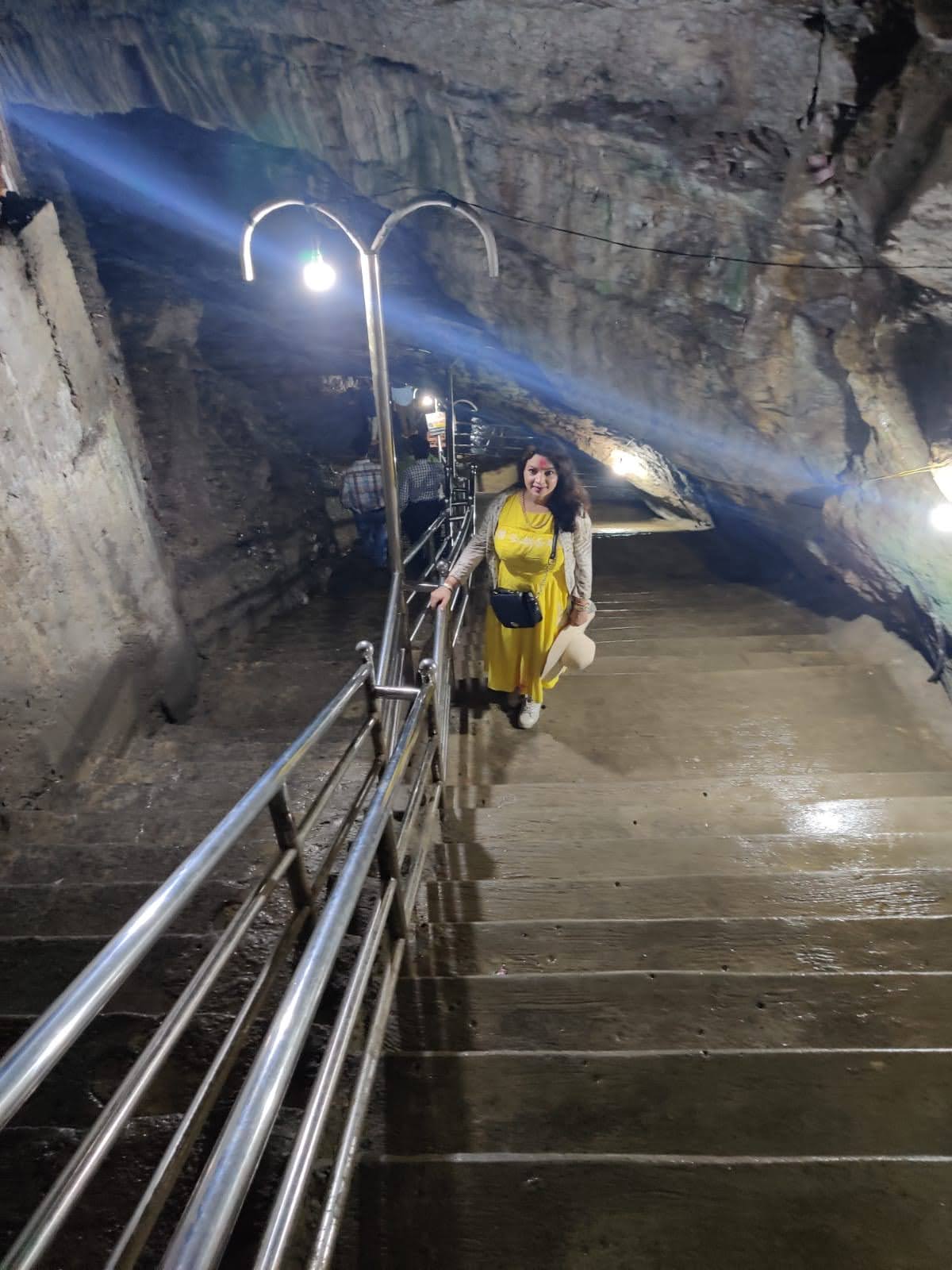
Subterranean Shiva Lingam
Carved pathways descending deep into natural limestone chambers directly opposite Devi's Fall.
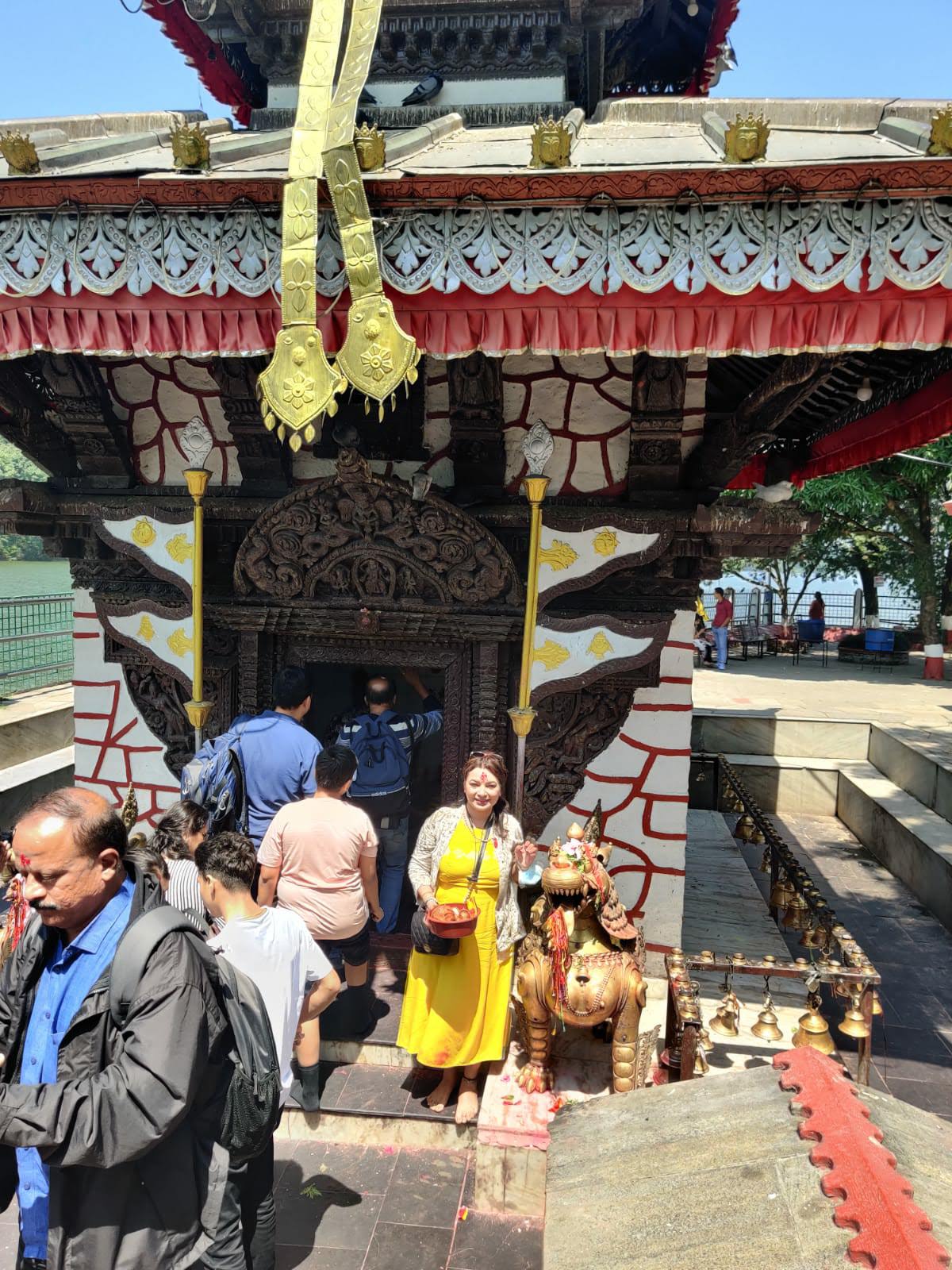
Phewa Lake Island
The sanctum entrance of Tal Barahi Temple with lion guardians and ringing prayer bells
5. Pokhara — Tal Barahi Temple
The Island Shrine of Goddess Barahi on Phewa Lake
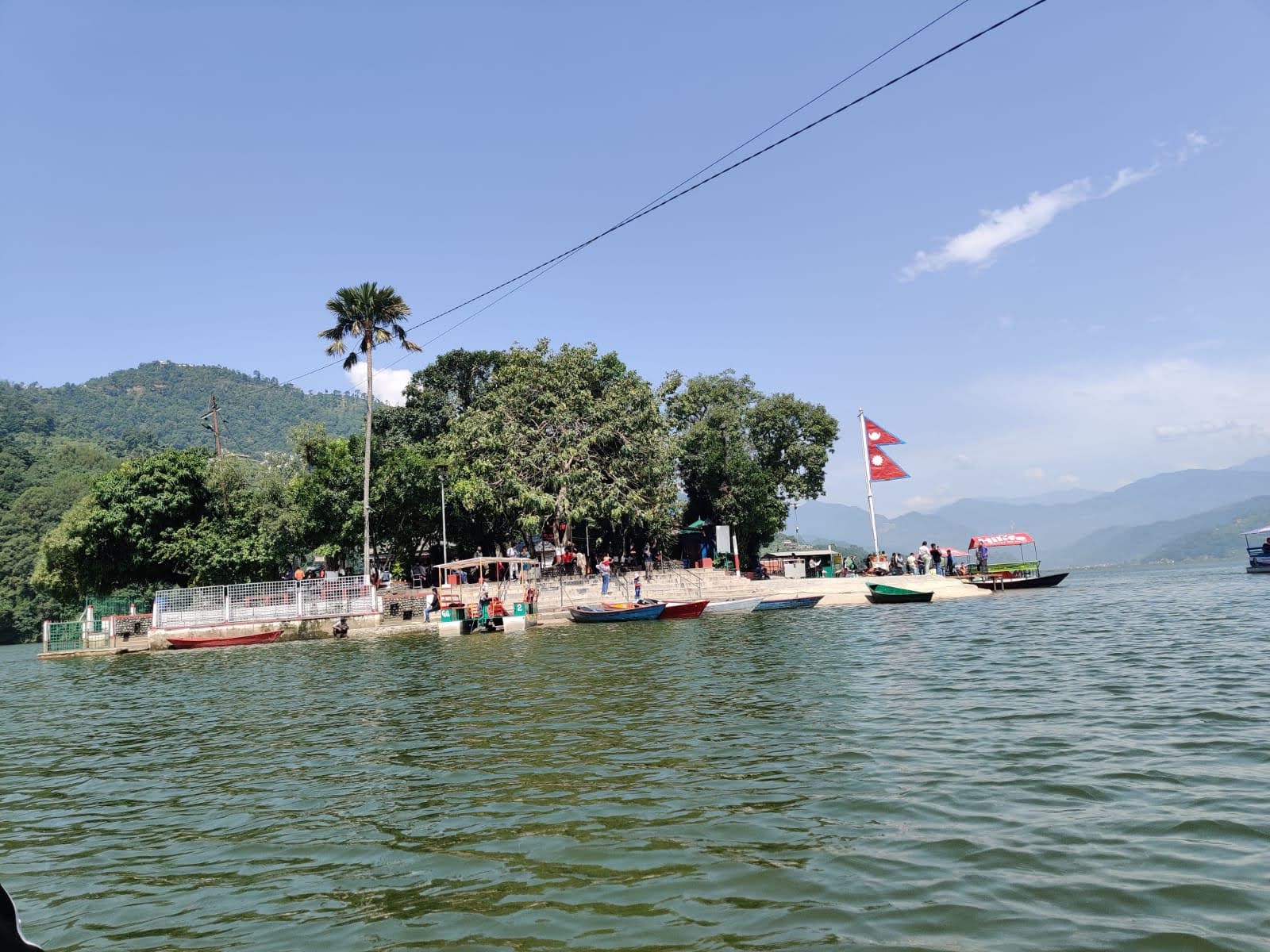
The sacred Tal Barahi Temple, also known as the Lake Temple or Varahi Temple, is a beautiful two-storey pagoda-style shrine situated on a small island in the tranquil waters of Phewa Lake in Pokhara.
Dedicated to Goddess Barahi, a manifestation of Durga, the temple is one of Pokhara’s most important religious landmarks.
Accessible only by boat, the shrine offers a serene spiritual atmosphere surrounded by breathtaking lake and mountain scenery, making it both a sacred pilgrimage site and one of Nepal’s most picturesque attractions.
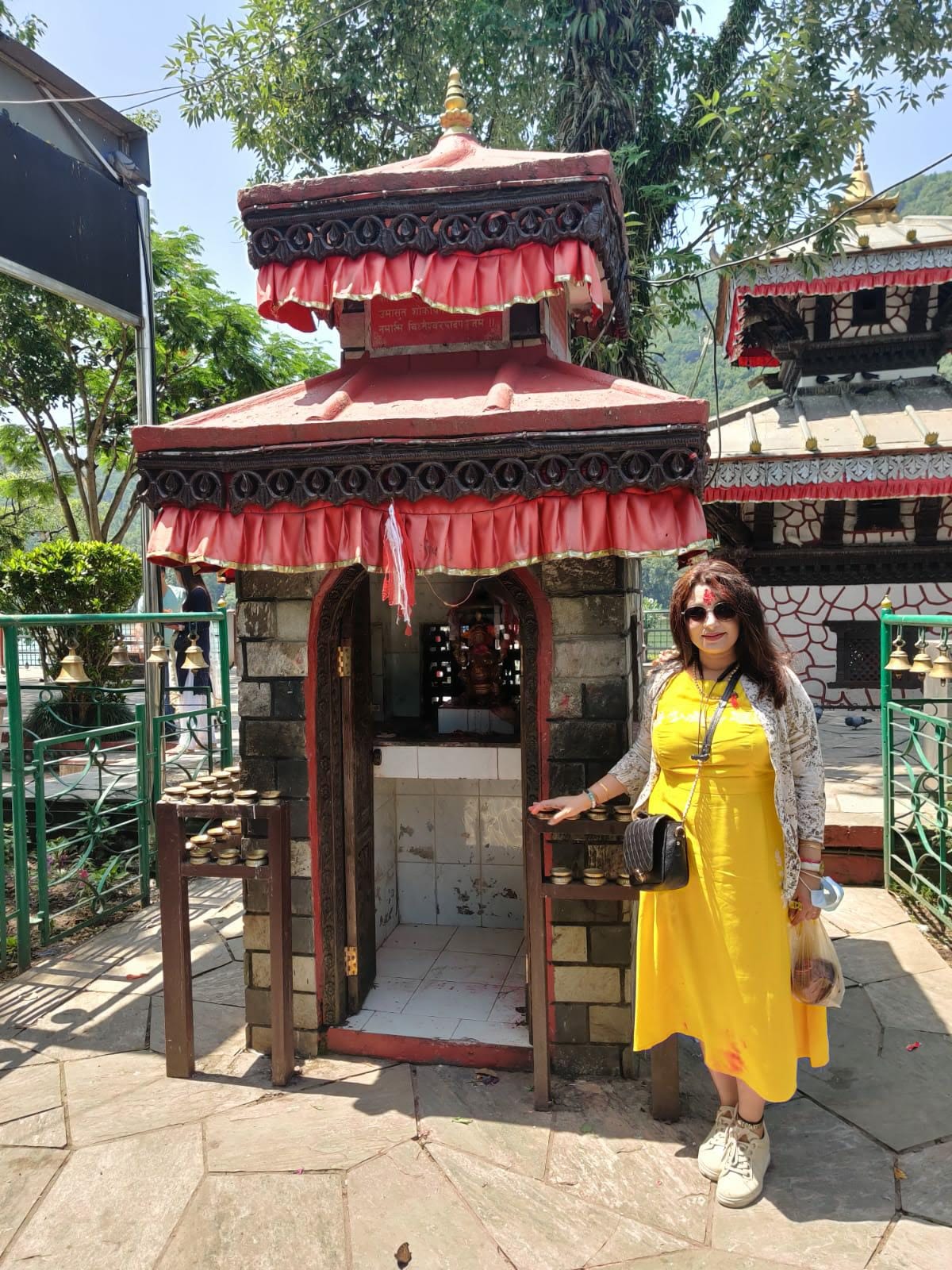
Ganesh Shrine & Sacred Bells
Courtyard shrines dedicated to Lord Ganesha, framed by prayer bells and peaceful waters of Phewa Lake.
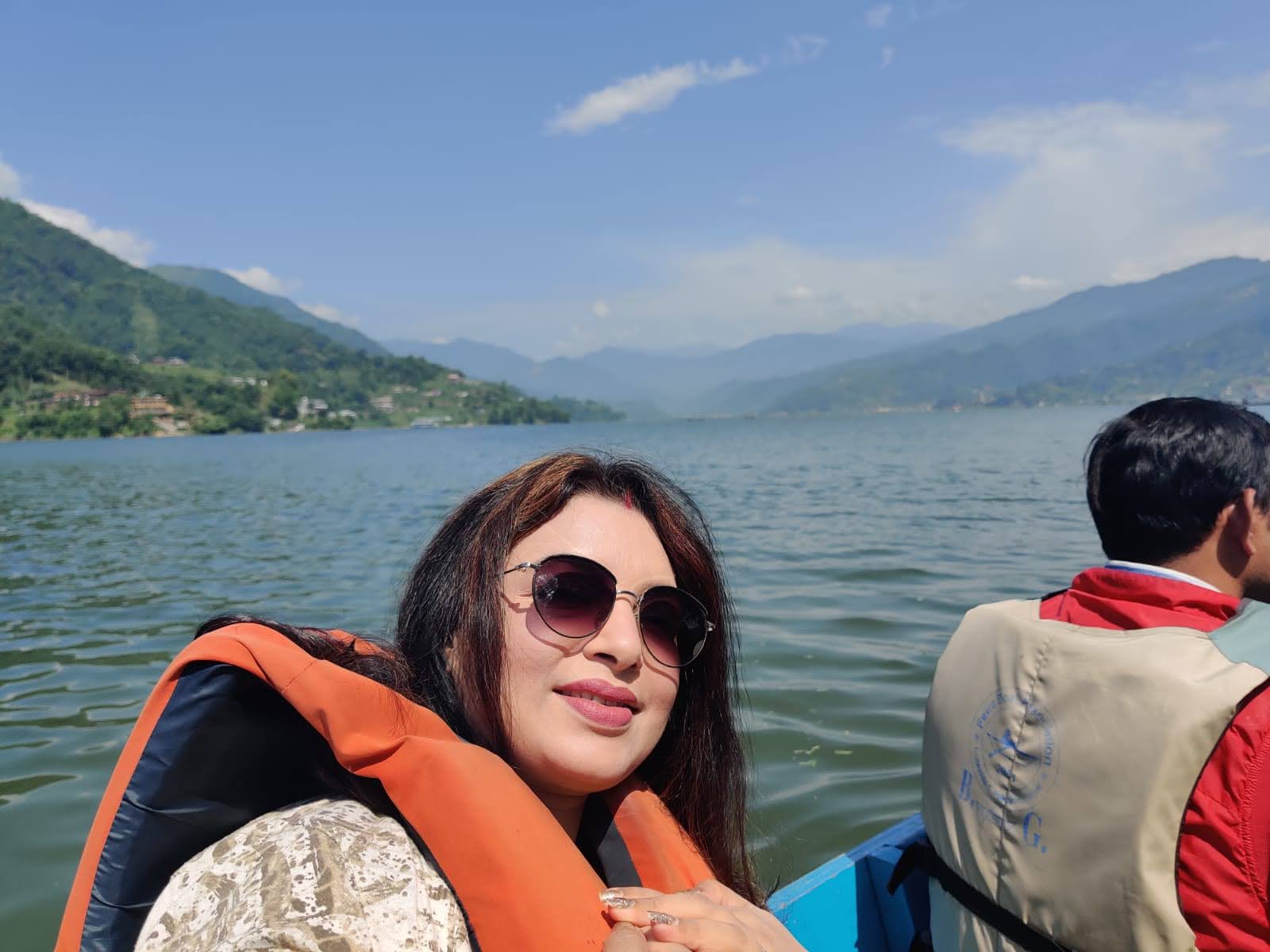
Phewa Lake Journey
Crossing the serene waters towards the island shrine with mountain backdrops
6. Our Journey to Tal Barahi Temple (Lake Temple), Phewa Lake, Pokhara
Reaching Tal Barahi Temple is an experience in itself. The temple stands on a small island in the middle of the tranquil Phewa Lake and can only be accessed by boat. As we glided across the calm waters, I noticed our boatman quietly observing us throughout the journey.
His remark made us smile. It was a light-hearted moment that reflected the warmth and friendliness of the local people, adding a memorable touch to our visit to the sacred Tal Barahi Temple.
An Unforgettable Exchange
“There are two rates—one for locals and another for foreign tourists. At first, I thought you were locals. But as we neared the island, your excitement and enthusiasm gave you away. I realized you were visitors from outside Nepal.”
7. Places Worth Visiting in Pokhara
If you have 2–3 days in Pokhara, these attractions provide an excellent mix of nature, spirituality, adventure, and Himalayan scenery.
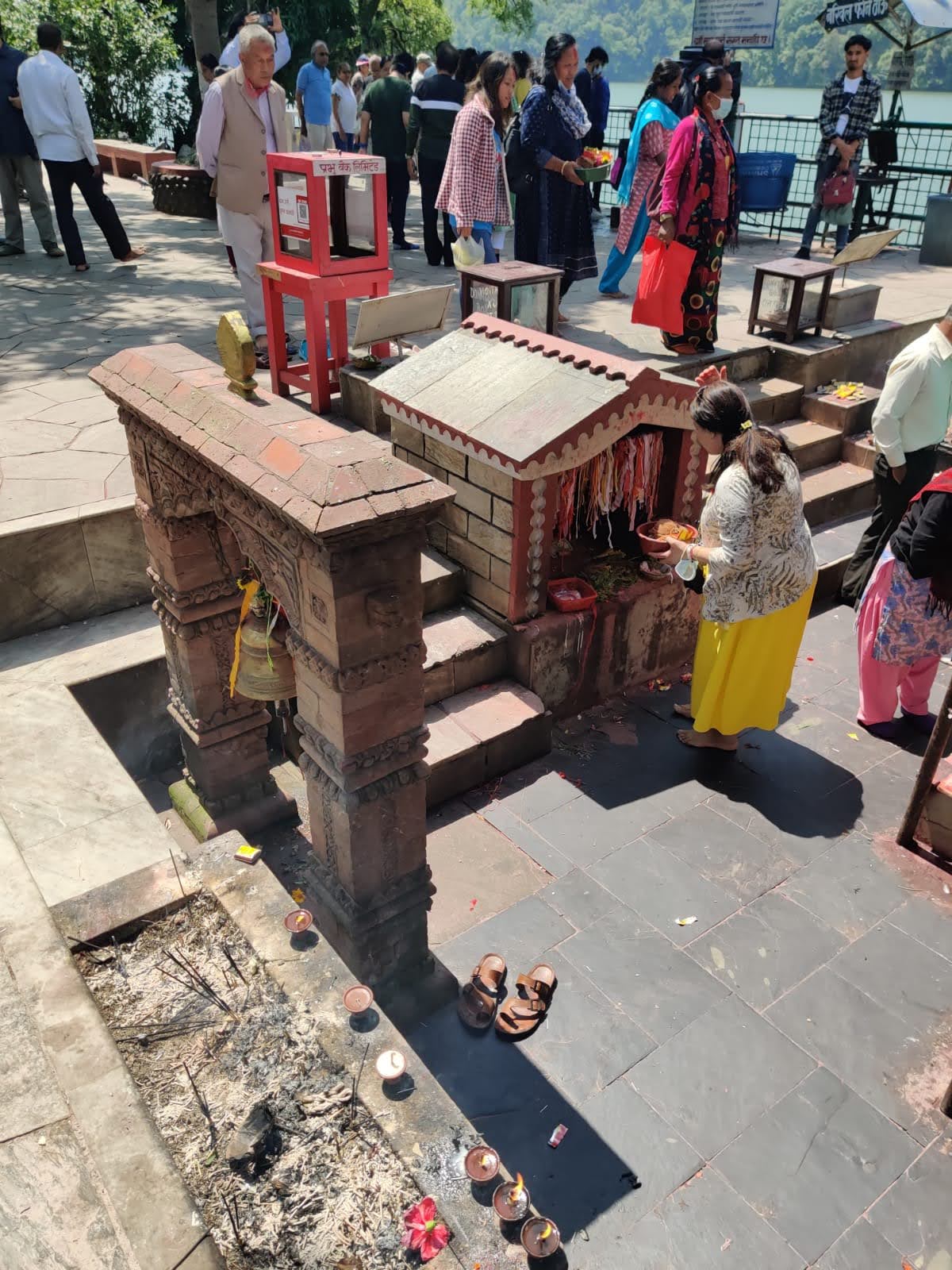
Sacred Highlights
Devotion and serene scenery intertwine across Pokhara's temple sites
Mahendra Cave
A limestone cave known for its stalactites and stalagmites.
Bat Cave (Chamero Gufa)
An adventurous cave inhabited by thousands of bats.
Seti Gorge
A dramatic deep gorge carved by the Seti River through the city.
Begnas Lake
A quieter alternative to Phewa Lake, perfect for a peaceful afternoon.
Tal Barahi Temple
A beautiful two-storey pagoda temple situated on an island in the middle of Phewa Lake.
Bindhyabasini Temple
One of Pokhara's oldest and most revered Hindu temples, dedicated to Goddess Bhagwati.
International Mountain Museum
A must-visit to learn about the Himalayas, mountaineering history, and Nepal's mountain communities.
Gupteshwor Mahadev Cave
A sacred cave dedicated to Lord Shiva, located opposite Devi's Fall.
Devi's Fall (Patale Chhango)
A fascinating waterfall that disappears into an underground tunnel.
Sarangkot
The best viewpoint for sunrise over the Annapurna and Dhaulagiri ranges, and a popular paragliding spot.
World Peace Pagoda
A hilltop Buddhist stupa offering spectacular panoramic views of Pokhara, Phewa Lake, and the Himalayas.
Phewa Lake
The heart of Pokhara, ideal for boating with stunning reflections of the Annapurna range.
8. Tips for Visiting Pokhara
Essential advice for enjoying the serene beauty, high-altitude shrines, and relaxed culture of Pokhara and Gorkha.
Best Time to Visit
October–April offers pleasant weather and clearer mountain views.
Stay Around Lakeside
It is convenient for Phewa Lake, restaurants and local transport.
Start Early
Morning usually offers the best Himalayan visibility, especially around Sarangkot.
Carry Light Layers
Mountain weather can change quickly.
Boating on Phewa Lake
Keep some time for a peaceful boat ride to Tal Barahi Temple.
Temple Visits
Dress modestly and respect local religious customs.
Cable Car to Manakamana
Check operating conditions and weather before travelling. The 10-minute journey across the Trishuli gorge is unforgettable.
Allow 2–3 Days
This is enough for the major sights without rushing. Pokhara is best experienced slowly.
Accessibility & Comfort
Choose taxis/cars and minimise steep climbs; many attractions can be enjoyed with limited walking.
Carry Cash & Don't Rush
Small temples, boats and local eateries may not always accept cards. Take time to relax and absorb the atmosphere.
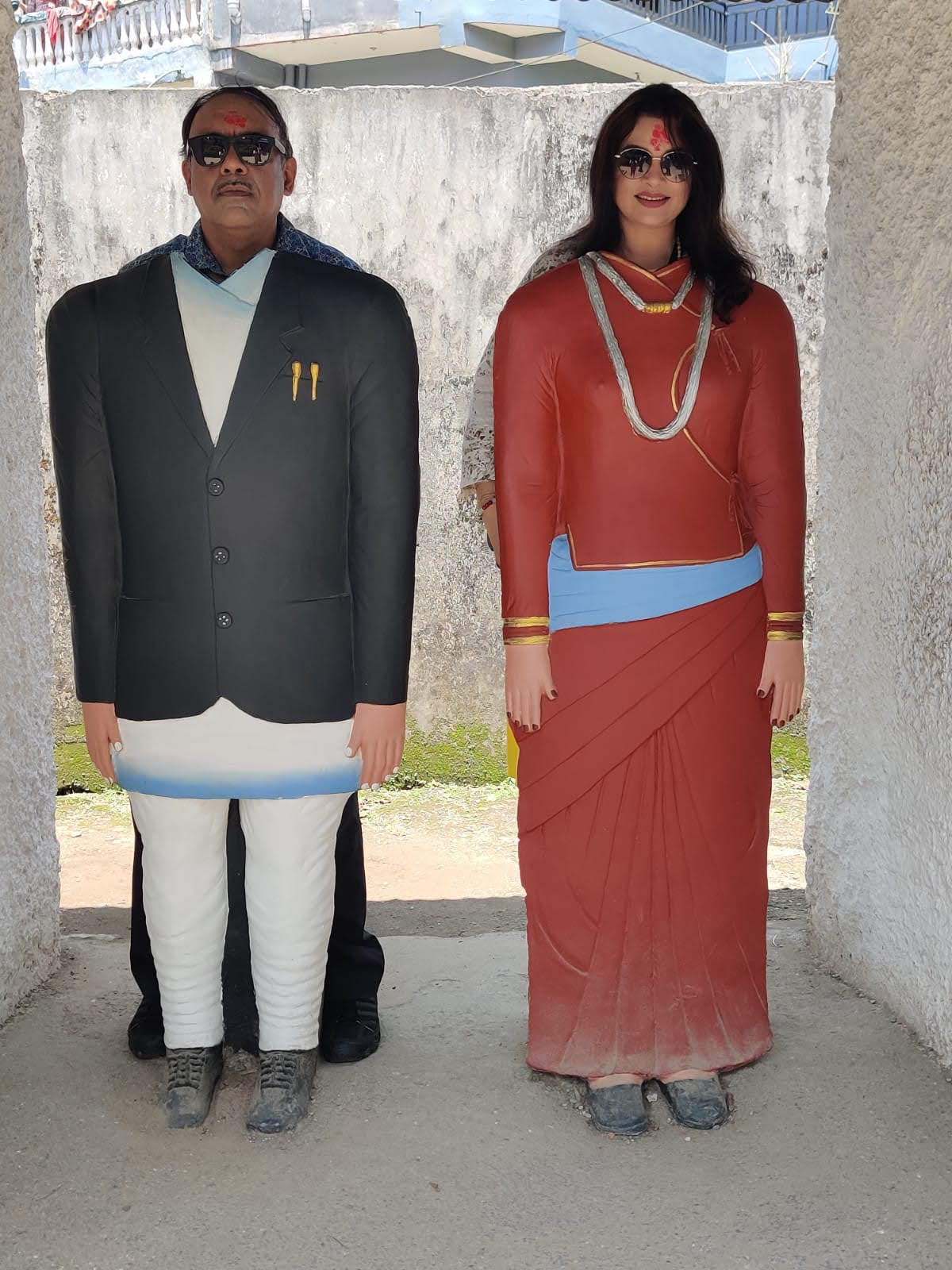
Living Culture
Celebrating the enduring traditions, dress, and cultural spirit of Nepal
9. India and Nepal: One Soul Across Two Nations
"Asal Hindustan": Nepal as the Guardian of a Civilizational Legacy
While exploring Nepal's history, I came across one of the most fascinating ideas expressed by King Prithvi Narayan Shah, the unifier of modern Nepal in the 18th century. In his Dibya Upadesh (Divine Counsel), he referred to Nepal as "Asal Hindustan"—the "True" or "Pure" Land of the Hindus.
At a time when much of the Indian subcontinent was under the influence of foreign powers, Shah saw Nepal as a sanctuary where Hindu traditions, Vedic learning, and ancient customs could continue to flourish.
Whether viewed as a political vision or a cultural statement, the phrase reflects Nepal's deep connection to the shared civilizational heritage of the Indian subcontinent and the enduring bonds between the two nations.
The Sanctuary of Living Dharma
Nepal has served as an unbroken sacred sanctuary preserving Vedic philosophy, Sanskrit scriptures, and temple art uninterrupted across millennia.
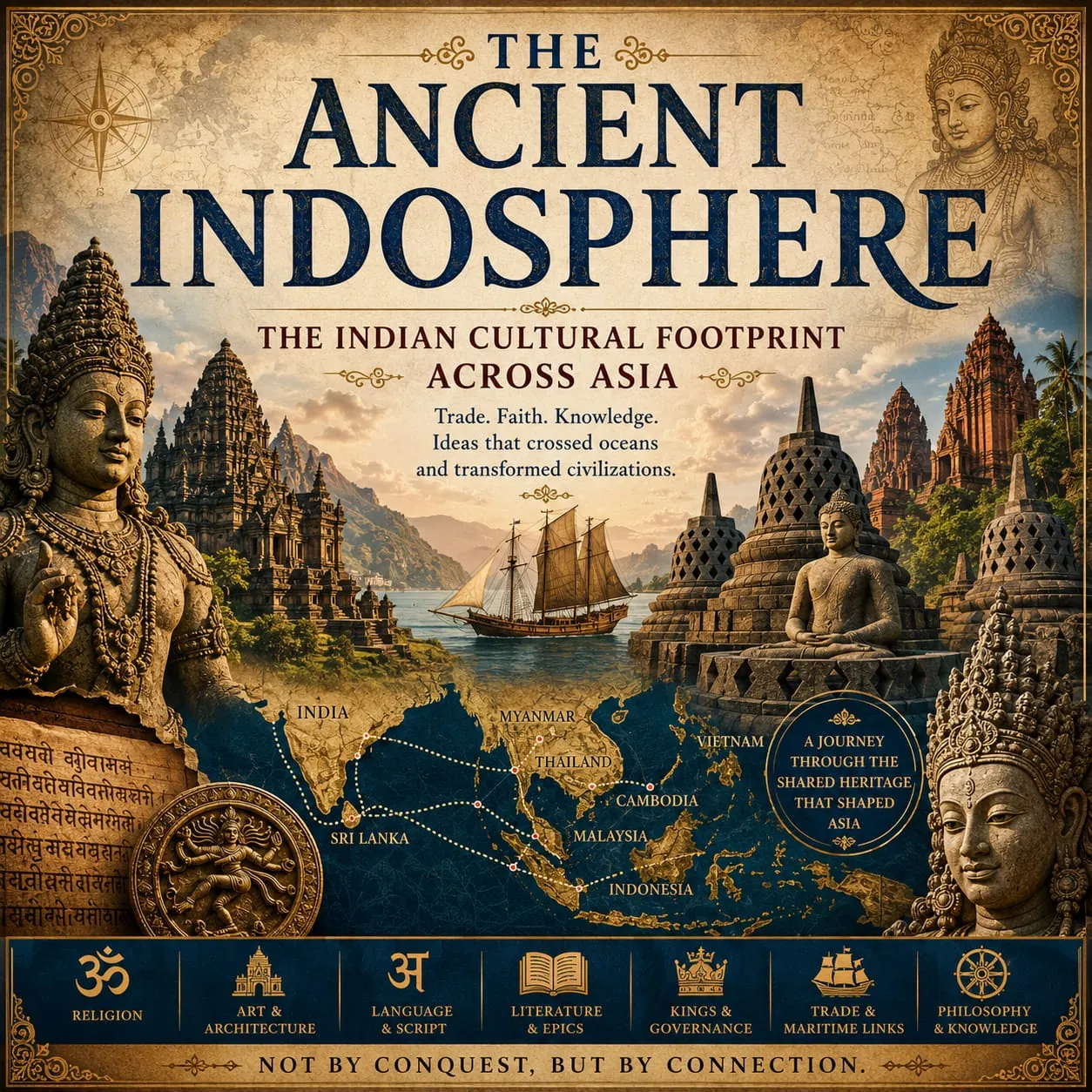
TRAVELLING THROUGH THE TIMELESS LEGACY OF INDIAN CIVILIZATION ACROSS ASIA AND BEYOND
“Not by conquest, but by connection.”
From the ridge-top sanctum of Goddess Manakamana in Gorkha and the subterranean depths of Gupteshwor Mahadev to the sacred lake waters of Tal Barahi in Pokhara, Nepal's shrines reflect the eternal spiritual radiance that has bound the Himalayan ranges with the ancient civilizational heart of India for millennia.