
VIETNAM · 1ST CENTURY CE TO PRESENT HINDU-BUDDHIST CIVILIZATIONAL LEGACY
VIETNAM: MAHAYANA BUDDHISM
Following the Spiritual Journey of Buddhism from India to Vietnam
Following the Spiritual Journey of Buddhism from India to Vietnam
- •Spread of Buddhism: Early maritime trade and overland contacts carried Indian monks, scriptures, and monastic philosophy into ancient Vietnam.
- •Mahayana Synthesis: How Indian philosophical foundations blended with Chinese interactions and indigenous Vietnamese devotion to shape Mahayana Buddhism.
- •Sacred Sanctuaries: From the monumental scale of Bai Dinh to the coastal serenity of Lady Buddha in Da Nang and historic pagodas across Hanoi and the Mekong Delta.
“Travelling through Vietnam, we were fascinated to discover how deeply Indian civilization had influenced the country’s spiritual foundations.”
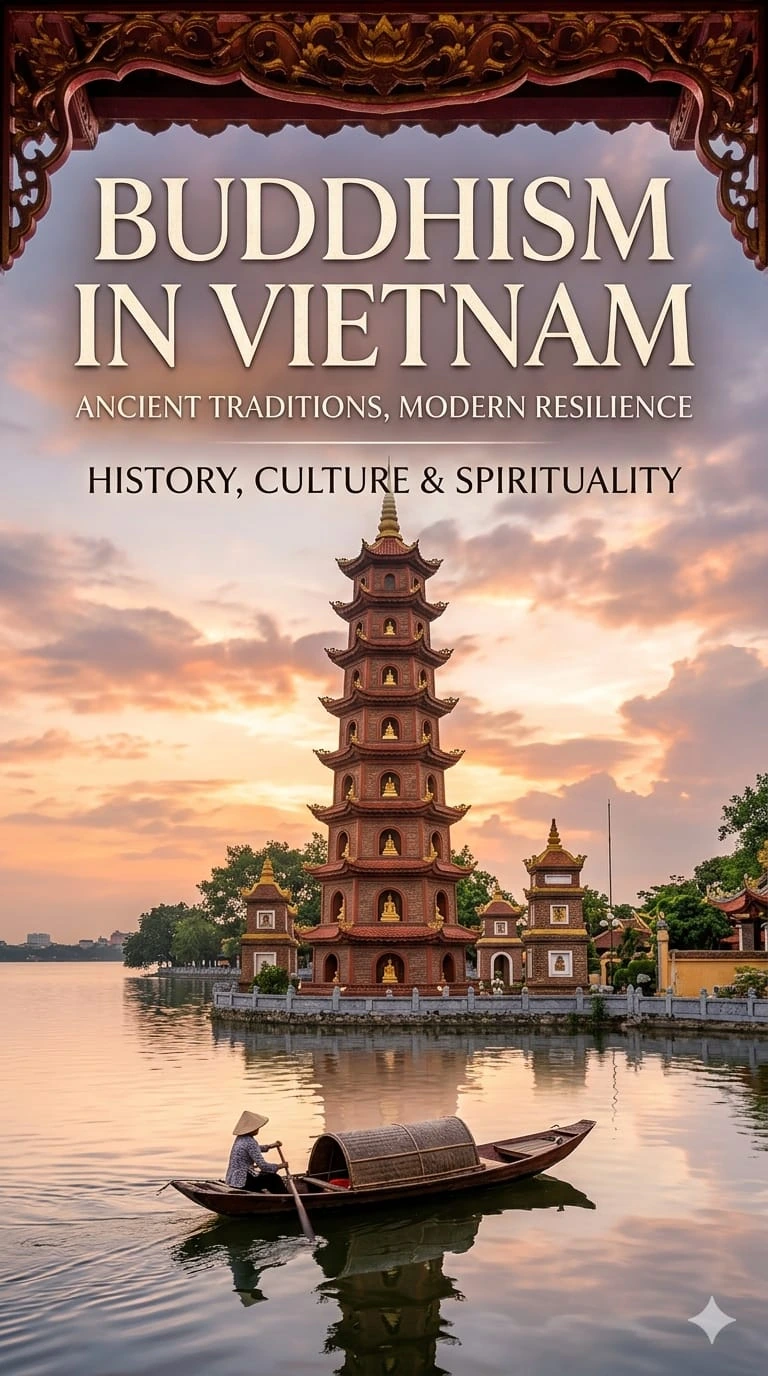
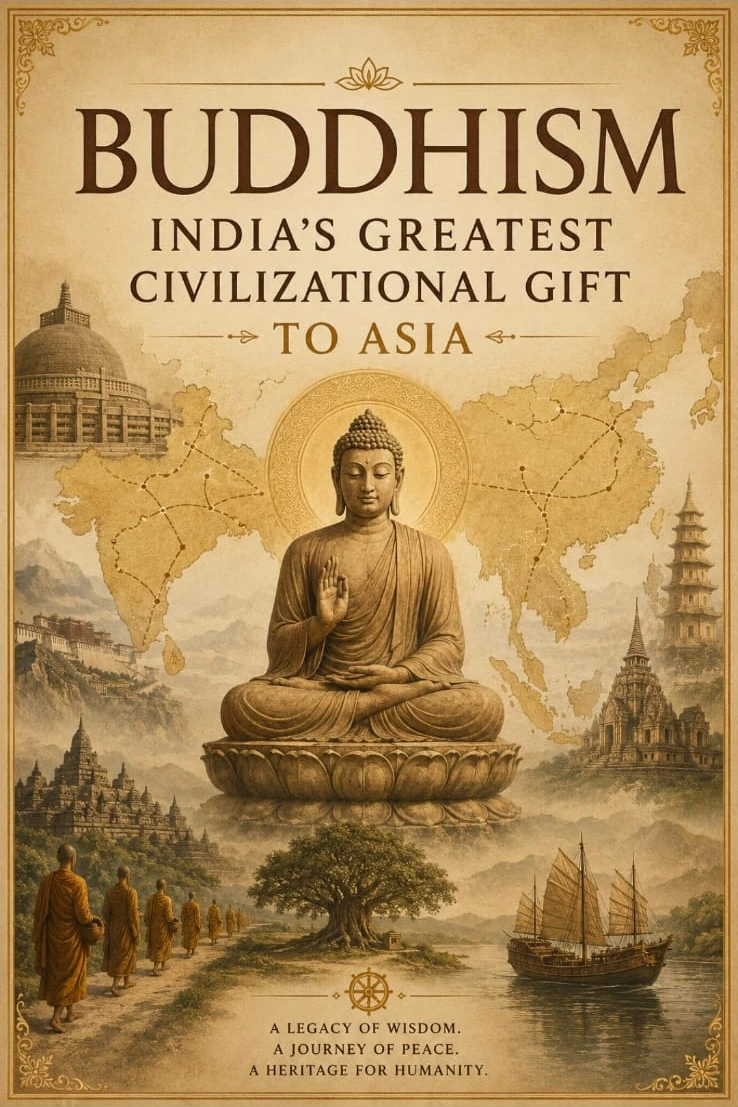
The Spread of Buddhism from India
Buddhism reached Vietnam through maritime trade routes and overland cultural exchanges, with early contacts traditionally associated with the first centuries BCE and CE. Indian merchants, monks, and missionaries travelled across the Bay of Bengal and the South China Sea, helping spread Buddhist teachings, scriptures, rituals, art, and philosophy throughout Southeast Asia.
Over the centuries, both Theravada and Mahayana traditions became part of Vietnam’s religious landscape. However, Mahayana Buddhism, transmitted and developed through extensive interactions with China, eventually became the dominant tradition in Vietnamese Buddhist life.
These exchanges laid the foundation for a rich and diverse Buddhist culture in which Indian philosophical teachings blended with Chinese influences and local Vietnamese beliefs.
As we travelled through Vietnam, visiting its magnificent pagodas, sacred statues, and peaceful monasteries, we discovered how this ancient spiritual tradition had evolved across centuries while maintaining its connection to the teachings that originated in India.
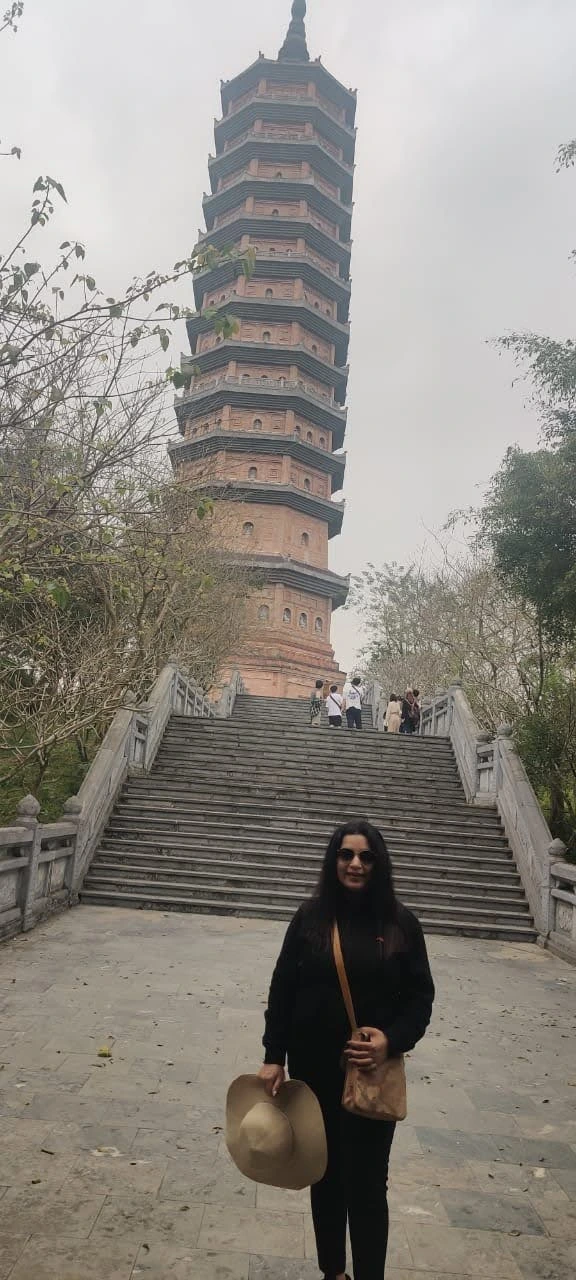
Day Trip from Hanoi
to Bai Dinh Pagoda
Our day trip from Hanoi to Bai Dinh Pagoda turned out to be one of the most impressive experiences of our Vietnam journey.
Spread across a vast landscape of limestone hills and peaceful valleys near Ninh Binh, the complex is renowned for its enormous scale and is widely regarded as one of Southeast Asia’s largest Buddhist temple complexes.
The towering Buddha statues, grand temple halls, massive courtyards, and seemingly endless corridors lined with stone Arhat statues created a powerful atmosphere of peace and devotion.
Despite the enormous number of visitors, the entire complex was exceptionally well managed, making it easy and comfortable to explore. The combination of spiritual calm, architectural grandeur, and natural beauty made Bai Dinh one of the true highlights of our travels in Vietnam.
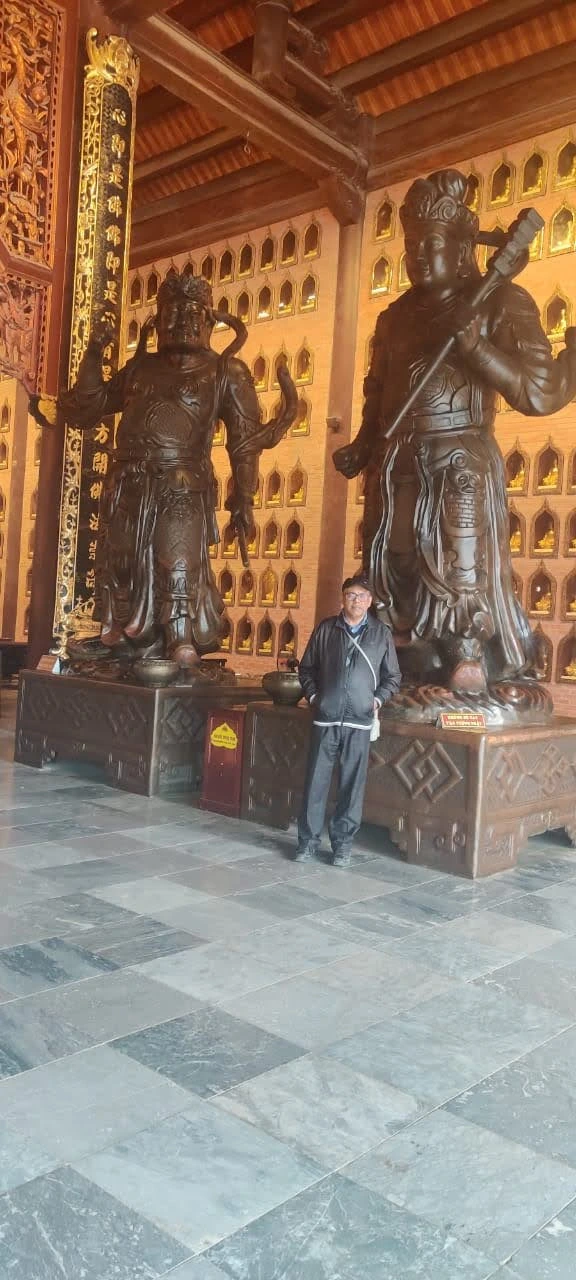
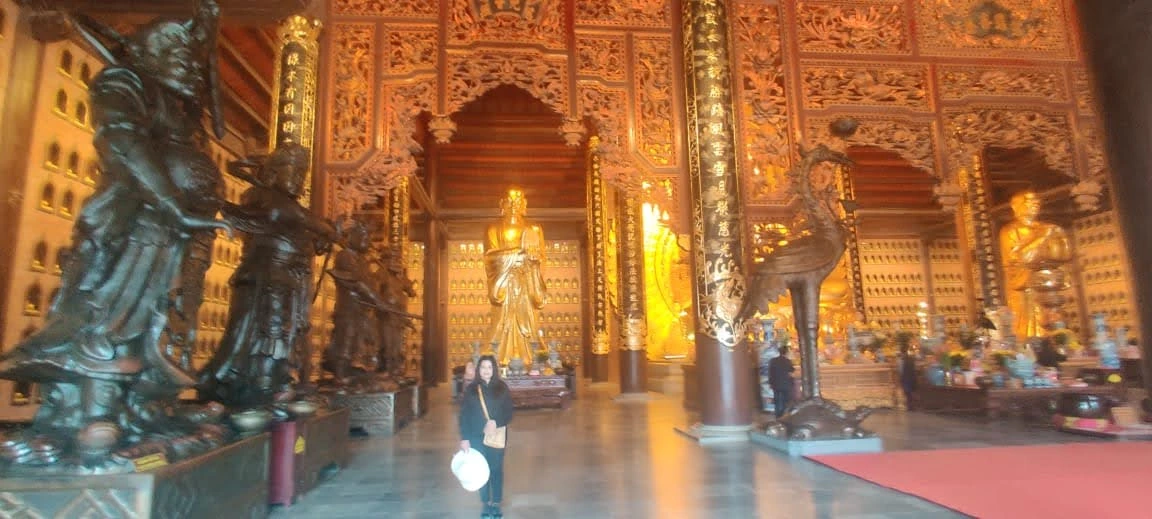
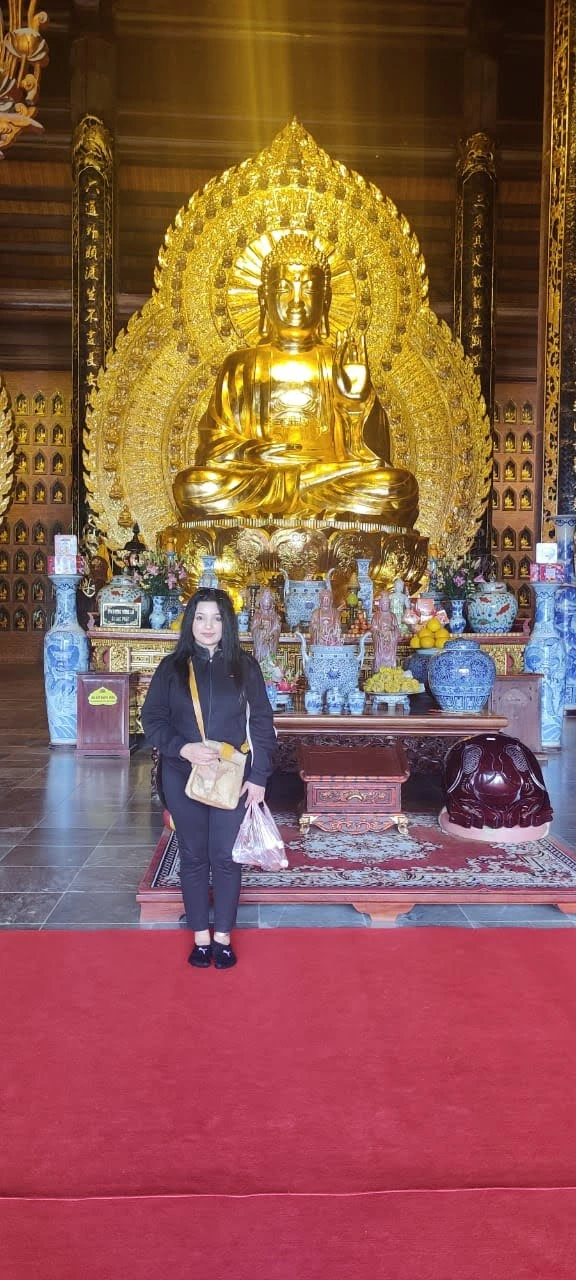
Bai Dinh Pagoda:
Where Buddhist Heritage Meets Vietnamese Spirituality
Beyond its immense scale, Bai Dinh Pagoda felt like a living centre of Buddhist faith and devotion, attracting pilgrims and visitors from across the world.
As we walked through the vast temple grounds, surrounded by the dramatic limestone scenery of Ninh Binh, we could appreciate how Buddhist traditions had become deeply woven into Vietnamese spiritual life.
The blend of Buddhist symbolism, peaceful prayer halls, and distinctly Vietnamese architecture created an atmosphere that was both grand and deeply serene.
More than just a monument, Bai Dinh offered us a meaningful glimpse into the enduring Buddhist heritage that continues to shape Vietnam today.
The experience also reminded us that although Buddhism originated in India, its journey across Asia allowed it to develop distinctive architectural styles, artistic expressions, and devotional practices in every region where it took root.
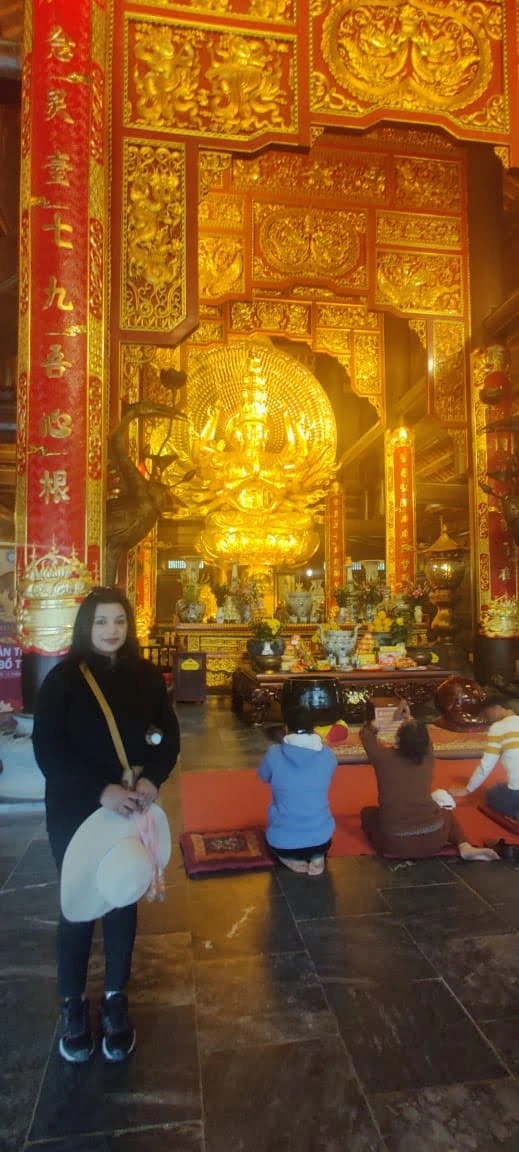
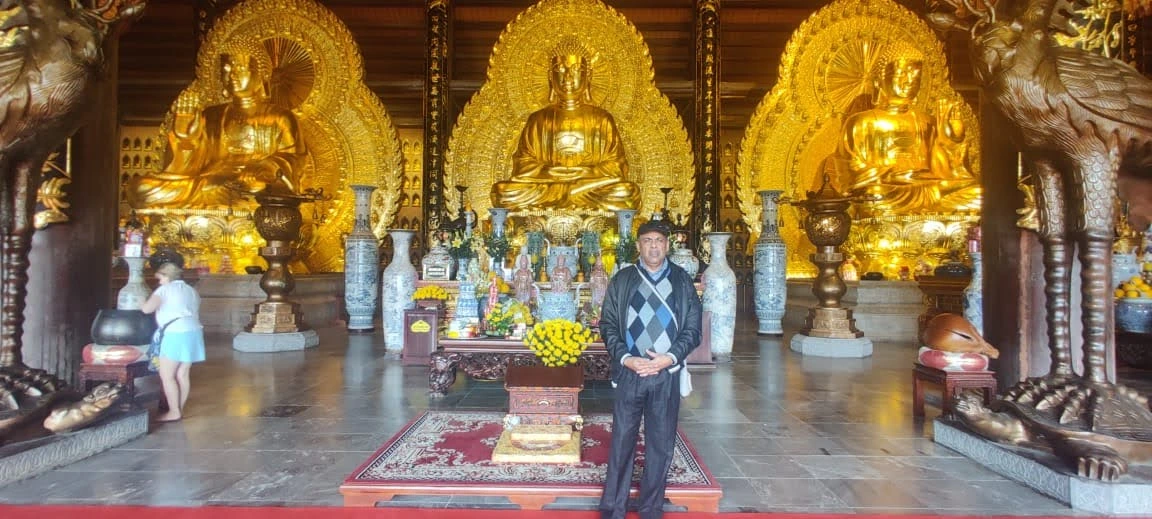
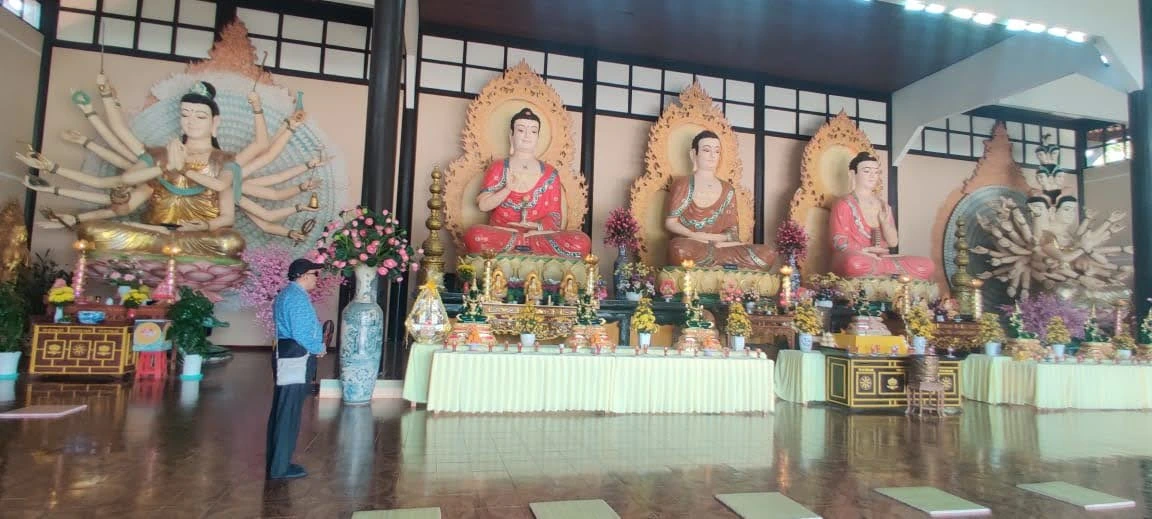
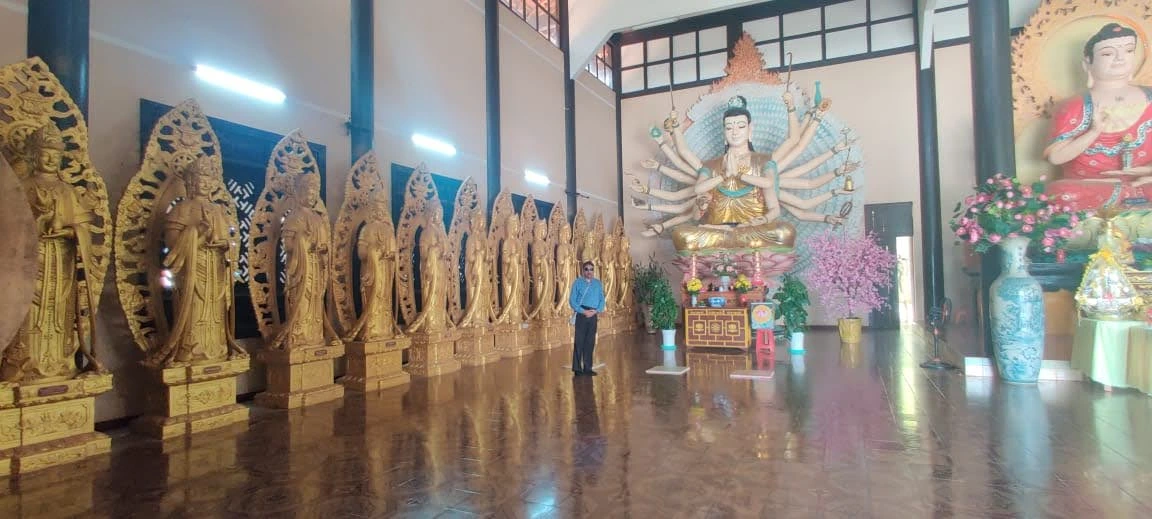
Linh An Pagoda, Da Lat:
A Sanctuary in the Highlands
Visiting Linh An Pagoda near Da Lat was a peaceful and memorable experience amidst the cool highlands of Vietnam.
Surrounded by green hills and lush vegetation, the pagoda is known for its serene atmosphere, impressive Buddha statues, and towering image of the Goddess of Mercy.
Unlike the crowded cities below, the temple felt calm and deeply spiritual. We spent a quiet afternoon walking through the peaceful grounds, listening to temple bells and enjoying the refreshing mountain air.
The towering religious statues and tranquil surroundings created a welcome contrast to the busy streets and tourist attractions we had encountered elsewhere in Vietnam.
It became one of the most relaxing moments of our journey through Da Lat, reminding us that spiritual travel is not always about grand monuments. Sometimes, it is about finding a quiet place to pause, reflect, and appreciate the present moment.
Vietnam: Where Indian Buddhism
Found a New Home
Travelling through Vietnam, we were fascinated to discover how deeply Indian civilization had influenced the country’s spiritual foundations.
Over the centuries, Indian Buddhist ideas blended with local traditions, while extensive cultural and religious links with China gradually shaped the development of Vietnamese Buddhism, particularly the dominance of the Mahayana tradition.
Buddhist teachings originating in India travelled through different routes. Some reached Southeast Asia through maritime trade and direct contact with Indian religious communities, while others were transmitted through Chinese translations and interpretations of Indian Buddhist scriptures.
These exchanges helped introduce and develop important philosophical traditions, including Madhyamaka and Yogachara, which explored the nature of reality, consciousness, and the path towards enlightenment.
As we visited ancient pagodas, Cham temples, and Buddhist sites across Vietnam, it became clear that the country’s spiritual heritage had evolved through a fascinating combination of direct Indian influence, Chinese cultural mediation, and indigenous Vietnamese traditions.
Vietnamese Buddhism is therefore not simply a continuation of Indian Buddhism in another geographical setting. It is a distinctive spiritual tradition shaped by centuries of cultural exchange, adaptation, and devotion.
Lady Buddha, Da Nang:
The Embodiment of Compassion
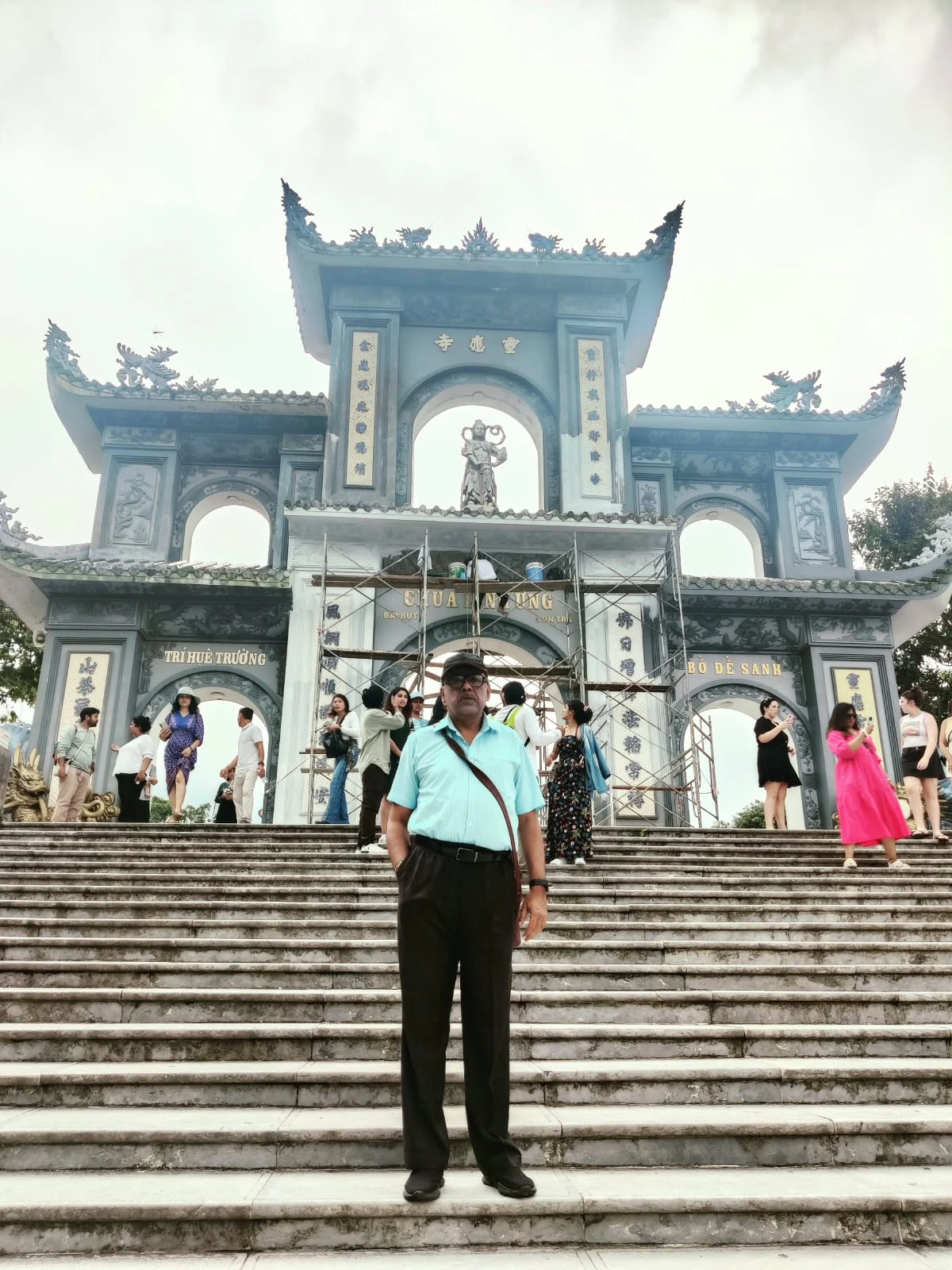
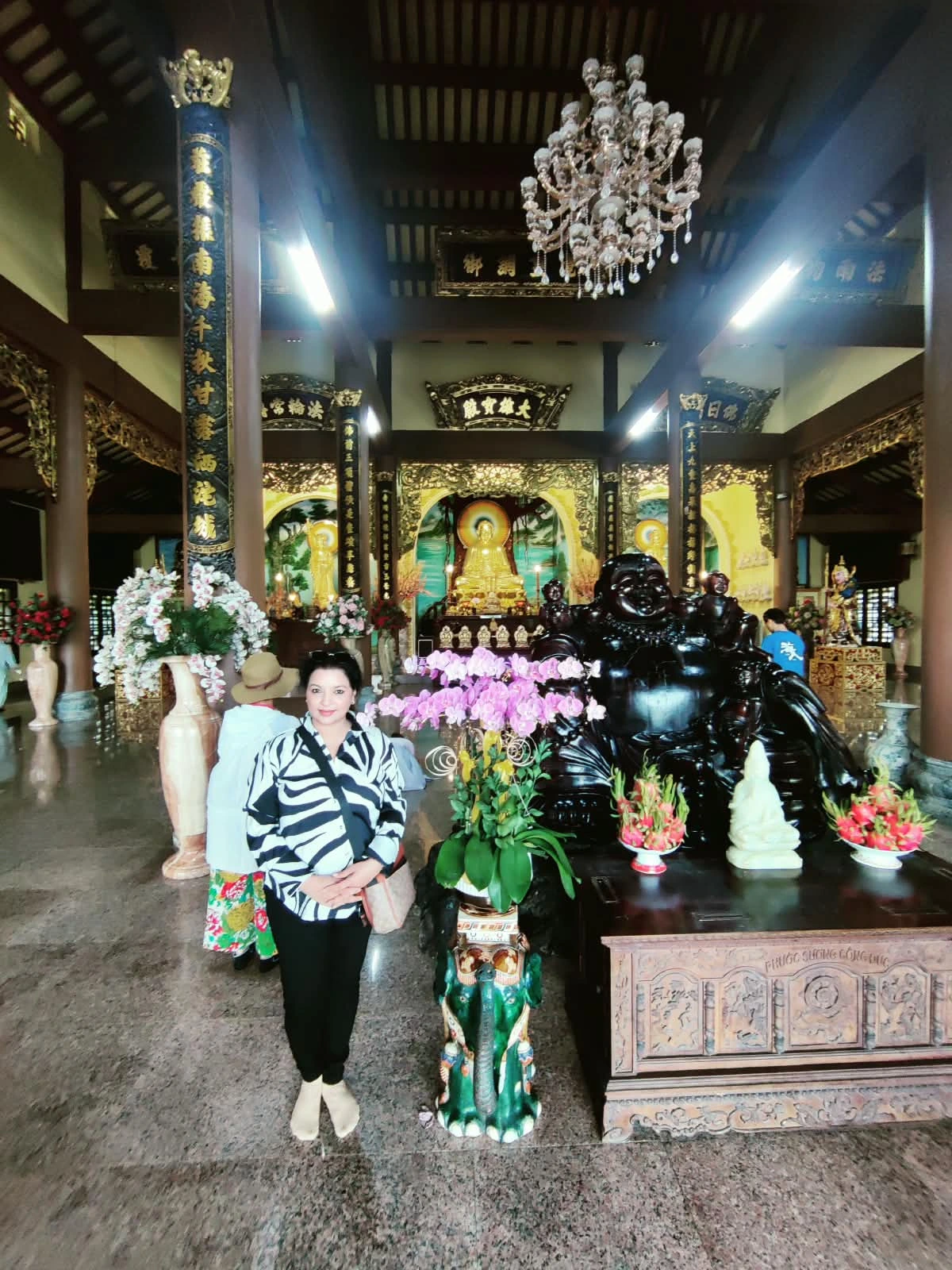
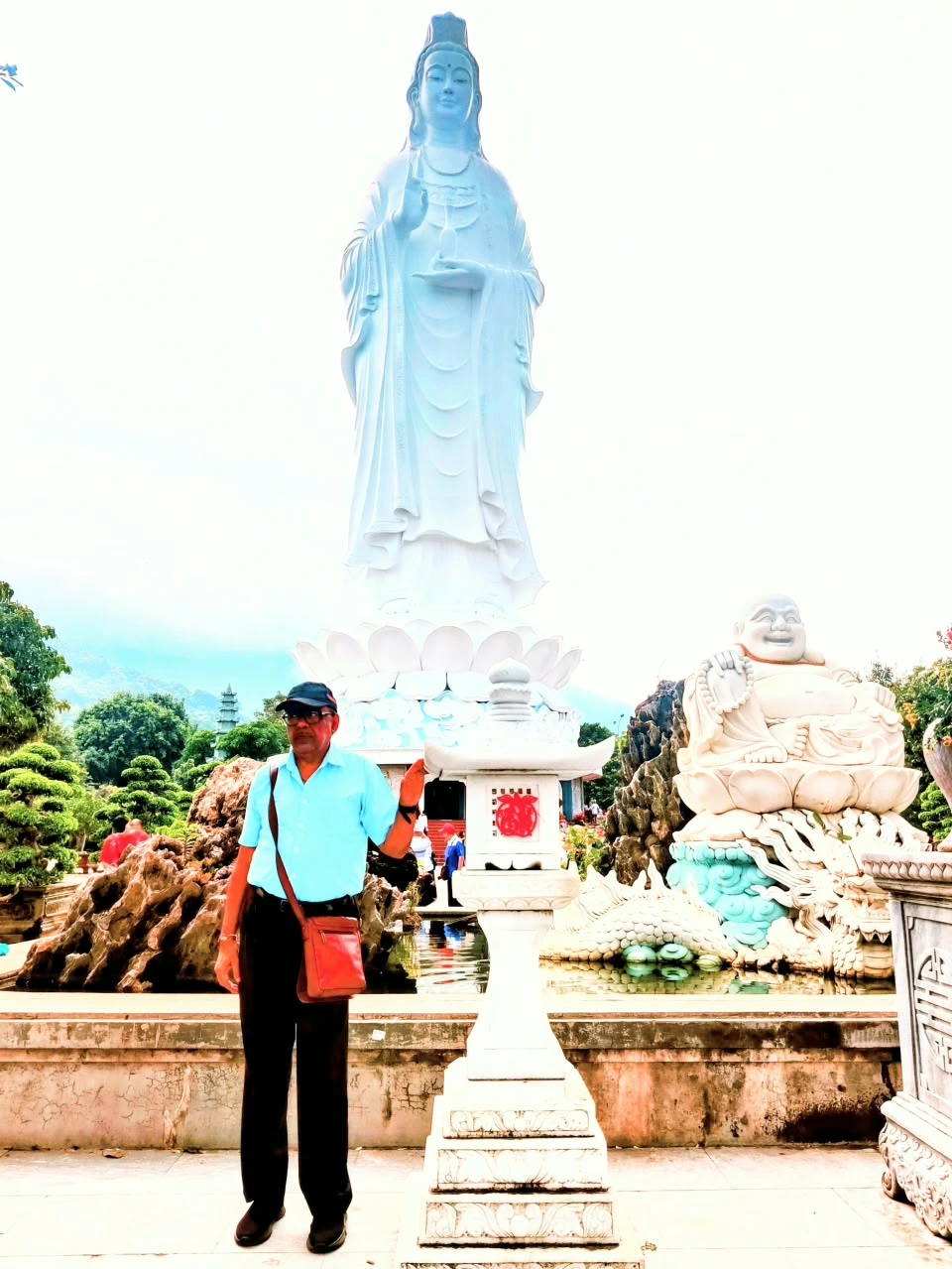
The towering Statue of the Bodhisattva of Mercy, popularly known as Lady Buddha, at Linh Ung Pagoda on the Son Tra Peninsula in Da Nang was one of the most striking spiritual landmarks we encountered in Vietnam.
Overlooking the sea, the serene white statue rises majestically above the surrounding landscape, radiating a remarkable sense of calm and compassion.
In Mahayana Buddhism, a bodhisattva is a being dedicated to attaining enlightenment and helping other sentient beings move towards liberation. The Bodhisattva of Compassion, known as Avalokiteshvara in Sanskrit, embodies mercy, wisdom, and compassion.
In Vietnamese Buddhist devotion, this figure is commonly revered in the feminine form of Quan Am.
Standing before the immense statue, surrounded by the sea breeze and peaceful temple grounds, felt both humbling and deeply spiritual.
For us, Lady Buddha represented more than an impressive religious monument. She symbolised the enduring journey of Buddhist teachings from India across Asia and their transformation into living traditions that continue to inspire millions of people.
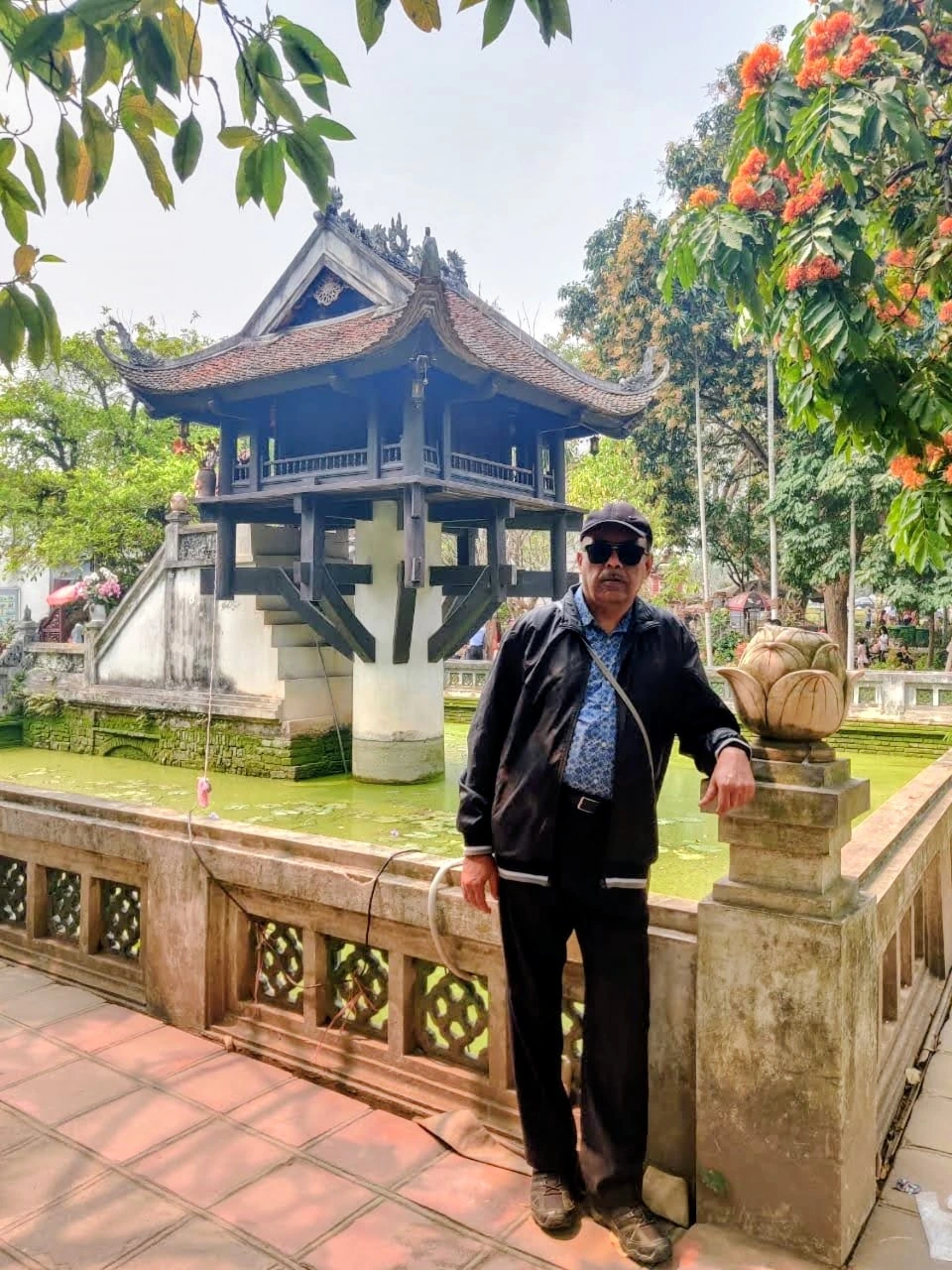
The One Pillar Pagoda, Hanoi:
The Lotus and Buddhism
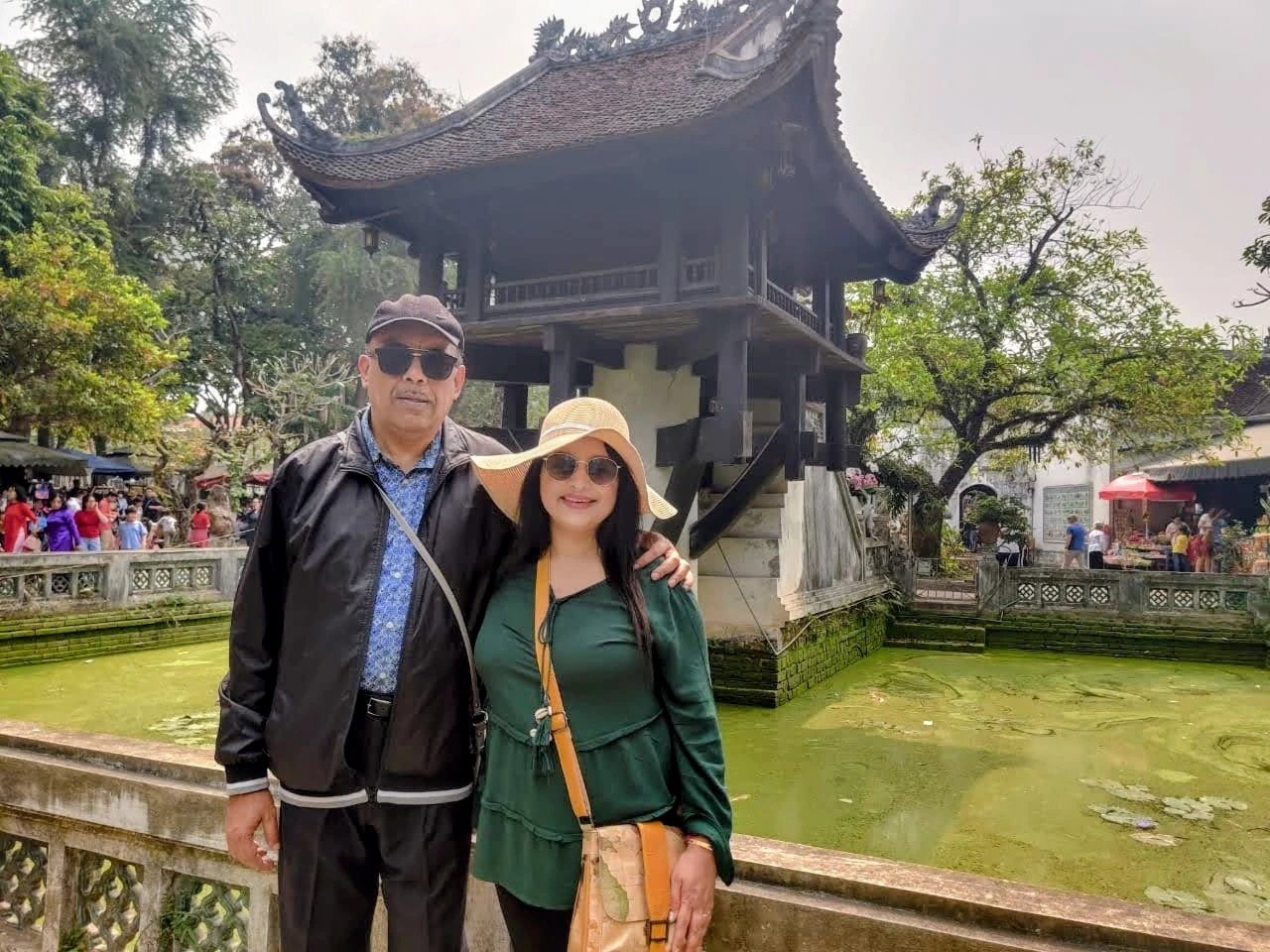
The One Pillar Pagoda in Hanoi is one of Vietnam’s most distinctive Buddhist monuments.
Built in the 11th century during the reign of Emperor Ly Thai Tong, its unusual architecture resembles a lotus rising from the water.
The lotus holds deep significance in Indian Buddhist tradition. Rooted in mud yet blooming above the water, it represents purity, spiritual awakening, and the possibility of transcending worldly suffering.
The flower appears throughout Buddhist art, sculpture, and religious symbolism across Asia, including Vietnam.
Seeing this familiar symbol expressed through the architecture of the One Pillar Pagoda was a beautiful reminder of Buddhism’s cultural journey from India across the Asian continent.
Although the pagoda reflects Vietnam’s own historical and artistic traditions, its lotus symbolism connects it to a much wider Buddhist world.
Tran Quoc Pagoda, Hanoi:
Serenity Beside West Lake
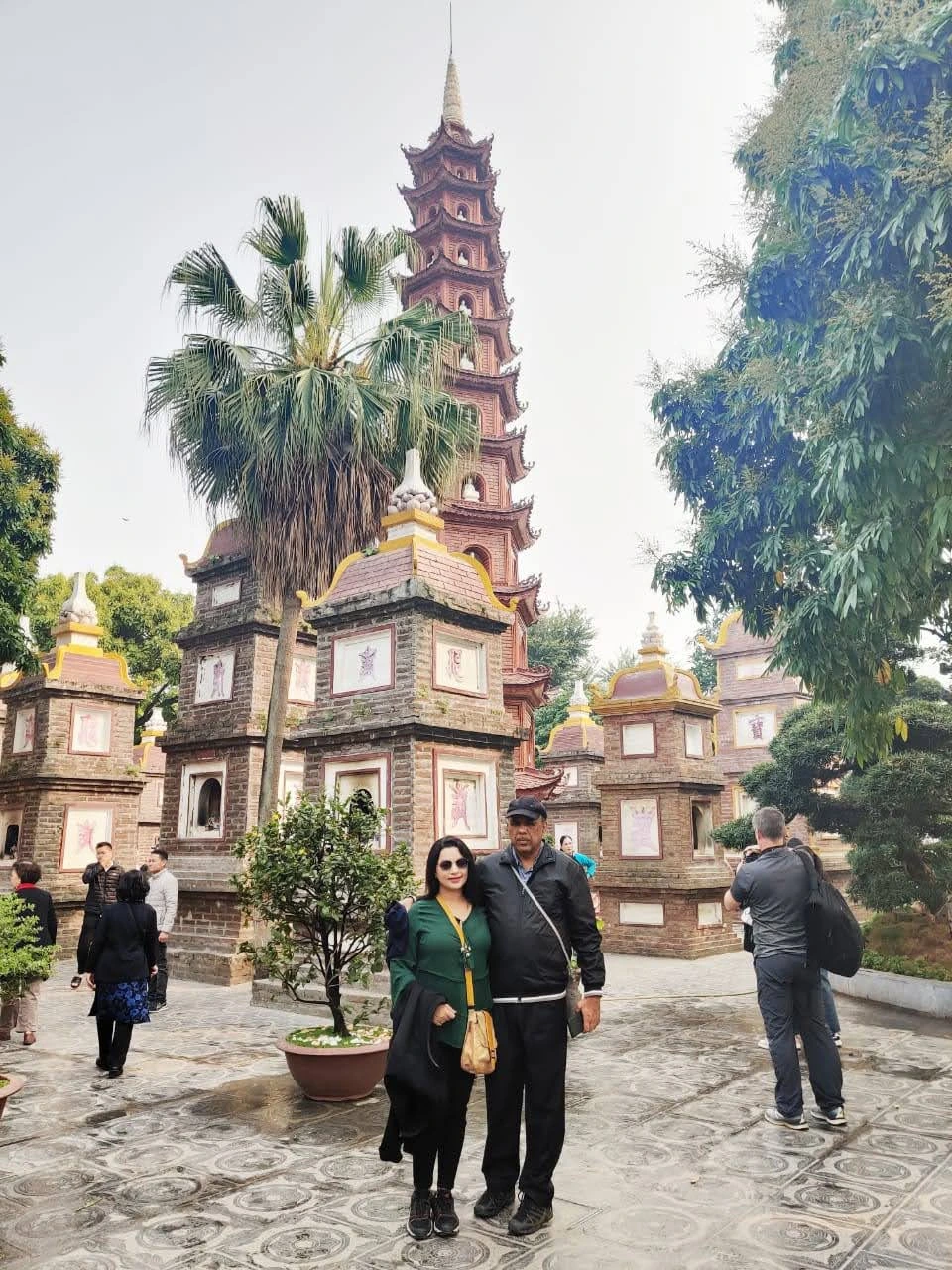
Visiting Tran Quoc Pagoda in Hanoi was one of the most peaceful experiences of our stay in the busy Vietnamese capital.
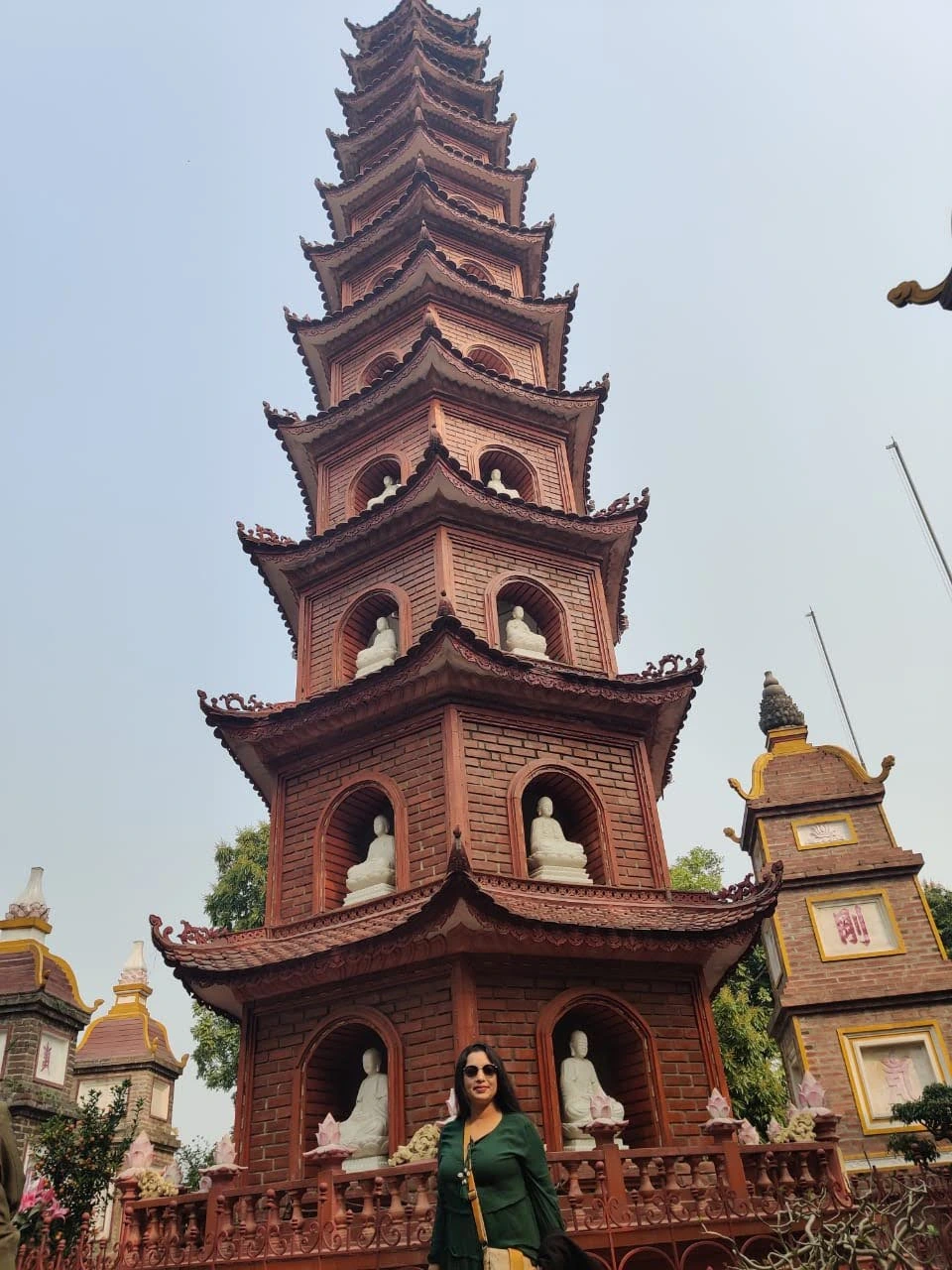
Standing gracefully beside West Lake, the ancient pagoda is traditionally dated to the 6th century and is regarded as one of Hanoi’s oldest Buddhist temples.
Despite the crowds around it, the complex carried an atmosphere of timeless serenity.
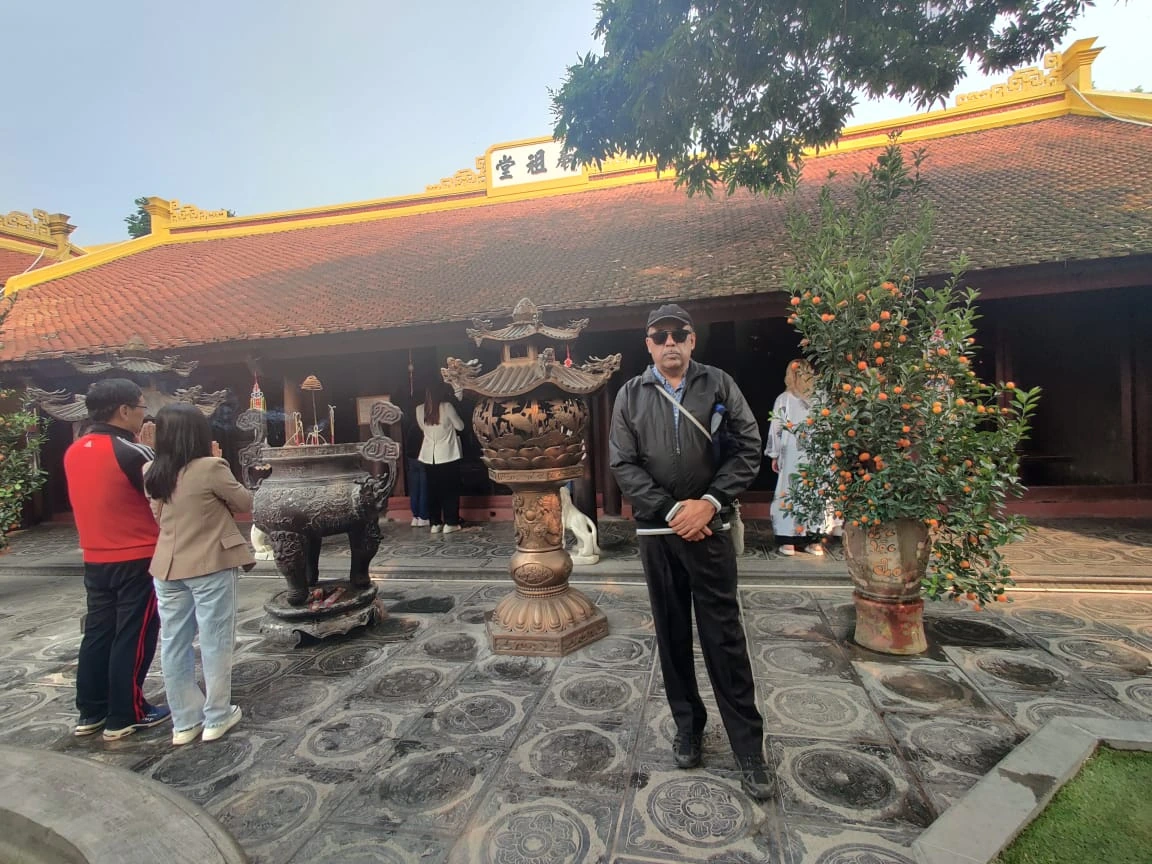
The striking red, multi-tiered stupa, with its beautifully arranged niches housing white Buddha statues, looked especially beautiful against the surrounding greenery and the calm waters of the lake.
We spent a long time walking through the temple grounds, watching devotees offer prayers and absorbing the gentle spiritual atmosphere of this revered Buddhist site.
The experience offered a glimpse into the enduring role of Buddhism in Vietnamese society, where ancient religious traditions continue to exist alongside the rhythm of modern urban life.
Vinh Trang Pagoda, My Tho:
An Indian Buddhist Legacy in the Mekong Delta
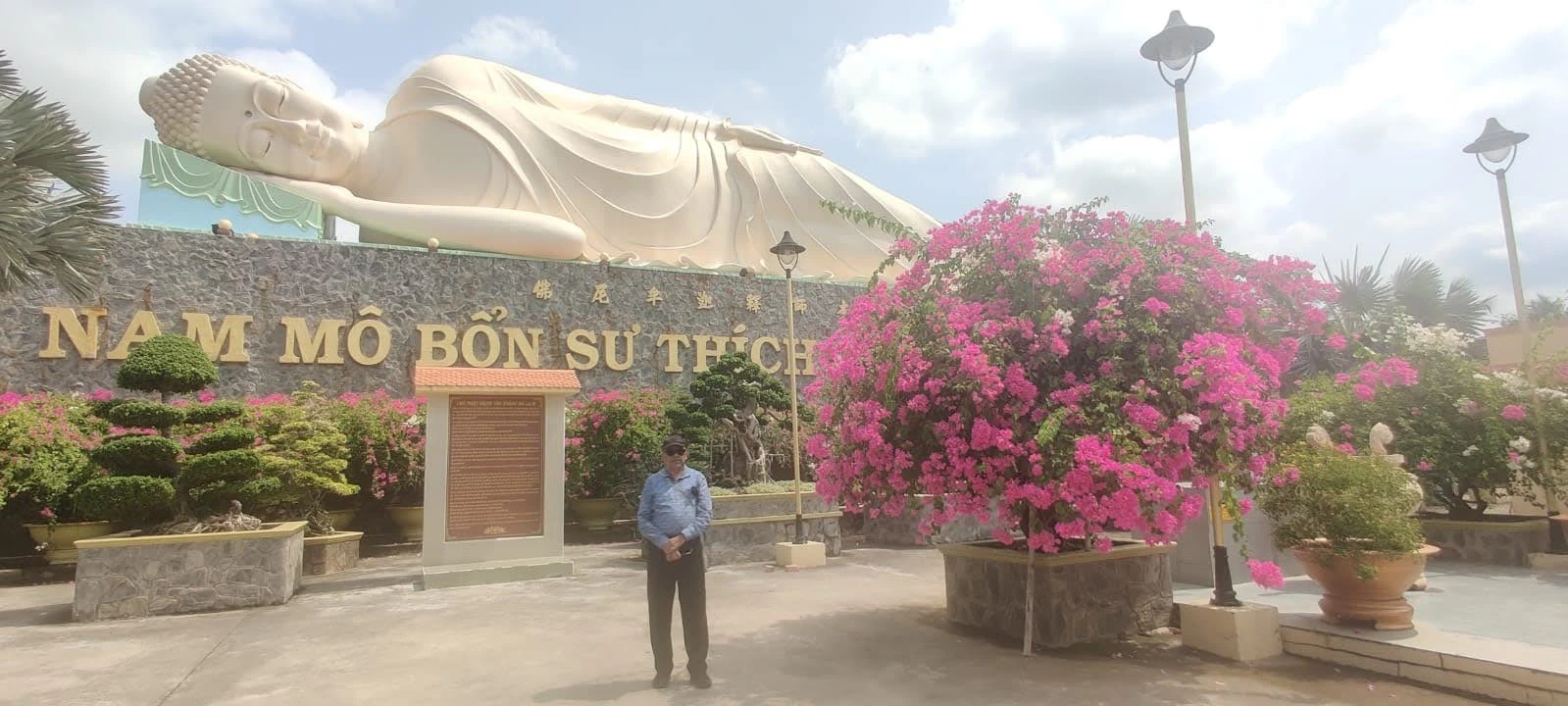
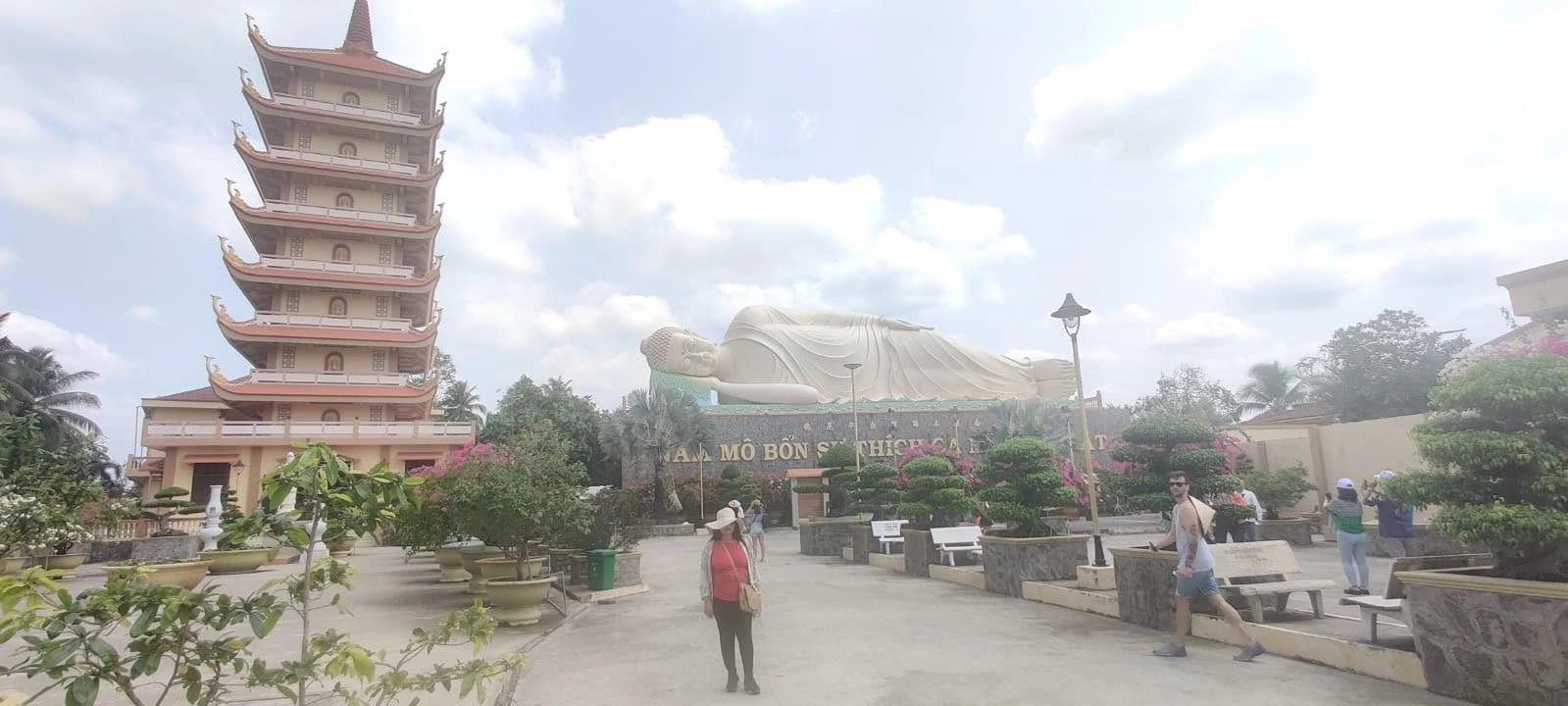
Our visit to Vinh Trang Pagoda in My Tho, in Vietnam’s Mekong Delta, gave us another glimpse into the enduring legacy of Buddhism in the country.
The pagoda is particularly remarkable for its distinctive architectural character, combining Vietnamese and Chinese traditions with Khmer influences and European-inspired elements.
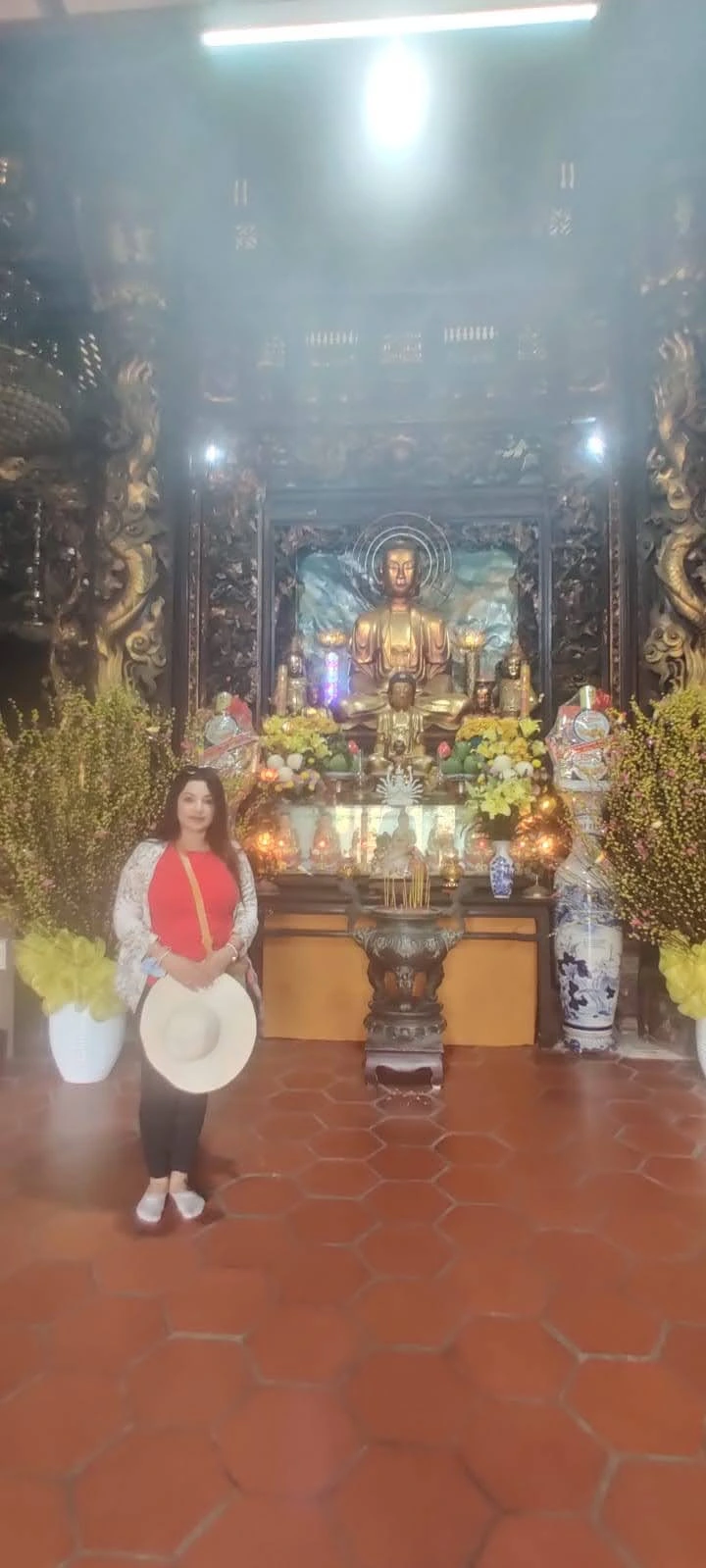
Its peaceful courtyards, ornate decorative details, and impressive Buddha and Bodhisattva statues create a setting that reflects the cultural diversity of southern Vietnam.
While the architecture illustrates a mixture of regional influences, the Buddhist teachings and religious traditions represented at the pagoda belong to a much wider spiritual heritage that originated in India and spread throughout Asia.
Walking through its tranquil grounds, we were reminded of how Buddhist ideas travelled across the Indian subcontinent and beyond, adapting to local cultures while preserving their central emphasis on compassion, wisdom, and the pursuit of enlightenment.
Vinh Trang Pagoda beautifully demonstrates how a spiritual tradition can cross geographical boundaries and become an integral part of a region’s cultural identity.
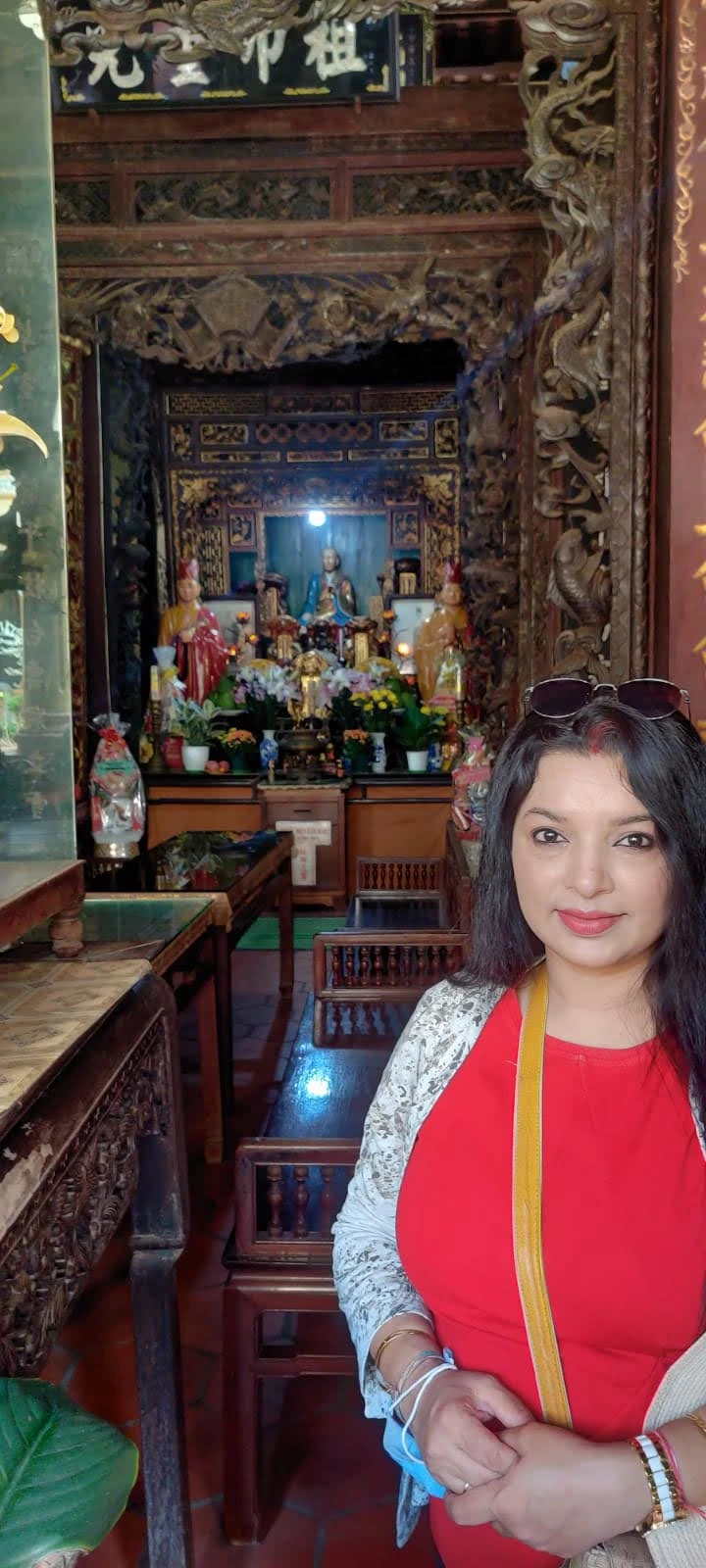
Vietnam: The Enduring Indian Soul
of Vietnamese Buddhism
Over the centuries, Buddhism in Vietnam evolved into a distinctly Vietnamese spiritual tradition, yet its Indian foundations remain unmistakably important.
Ideas such as meditation, compassion, the pursuit of enlightenment, and devotion to bodhisattvas reflect the enduring influence of Indian Buddhist thought.
Profound philosophical concepts such as emptiness (shunyata) and compassion (karuna) continue to inform Buddhist teachings across different traditions.
The Vietnamese Thiền, or Zen, tradition also reflects the historical transmission of Buddhist teachings through China, ultimately drawing upon the broader Buddhist heritage that originated in India.
As we travelled across Vietnam, we encountered this legacy in different forms: the towering statues of Bai Dinh, the peaceful mountain setting of Linh An, the majestic Lady Buddha overlooking the sea in Da Nang, and the historic pagodas of Hanoi and the Mekong Delta.
Each destination revealed a different expression of Buddhist devotion, shaped by local culture, architecture, and history.
Together, they illustrated how Buddhism travelled from India, developed through centuries of exchange with neighbouring civilizations, and became deeply embedded in the spiritual life of Vietnam.
India’s contribution to this journey remains an essential part of the story, connecting the historical Buddha’s teachings with the living traditions we encountered throughout our travels.
Conclusion: India’s Buddhist Heritage Across Vietnam
Our journey through Vietnam’s Buddhist landmarks revealed a remarkable story of cultural exchange, spiritual continuity, and artistic transformation.
From the vast complex of Bai Dinh Pagoda to the tranquil surroundings of Linh An, from the towering Lady Buddha of Da Nang to the historic pagodas of Hanoi and the Mekong Delta, every destination offered a different perspective on Vietnam’s Buddhist heritage.
What fascinated us most was how a spiritual tradition that originated in India travelled across distant lands, encountered new cultures, and developed into something distinctly Vietnamese.
The teachings of the Buddha crossed geographical boundaries, while Buddhist art, philosophy, meditation, and devotional practices took root in communities far from their place of origin.
Vietnam’s Buddhist heritage therefore represents both a connection to ancient India and a testament to the creativity of the civilizations that embraced and transformed its teachings.
As we stood among these sacred monuments, we were reminded that the influence of Indian civilization extends far beyond the boundaries of the subcontinent. It survives in the temples, philosophies, artistic traditions, and spiritual practices that continue to shape lives across Asia.
Vietnam’s Buddhist heritage is a living testament to the extraordinary journey of Indian spiritual thought, carried across seas and centuries to find a lasting home in a different land.
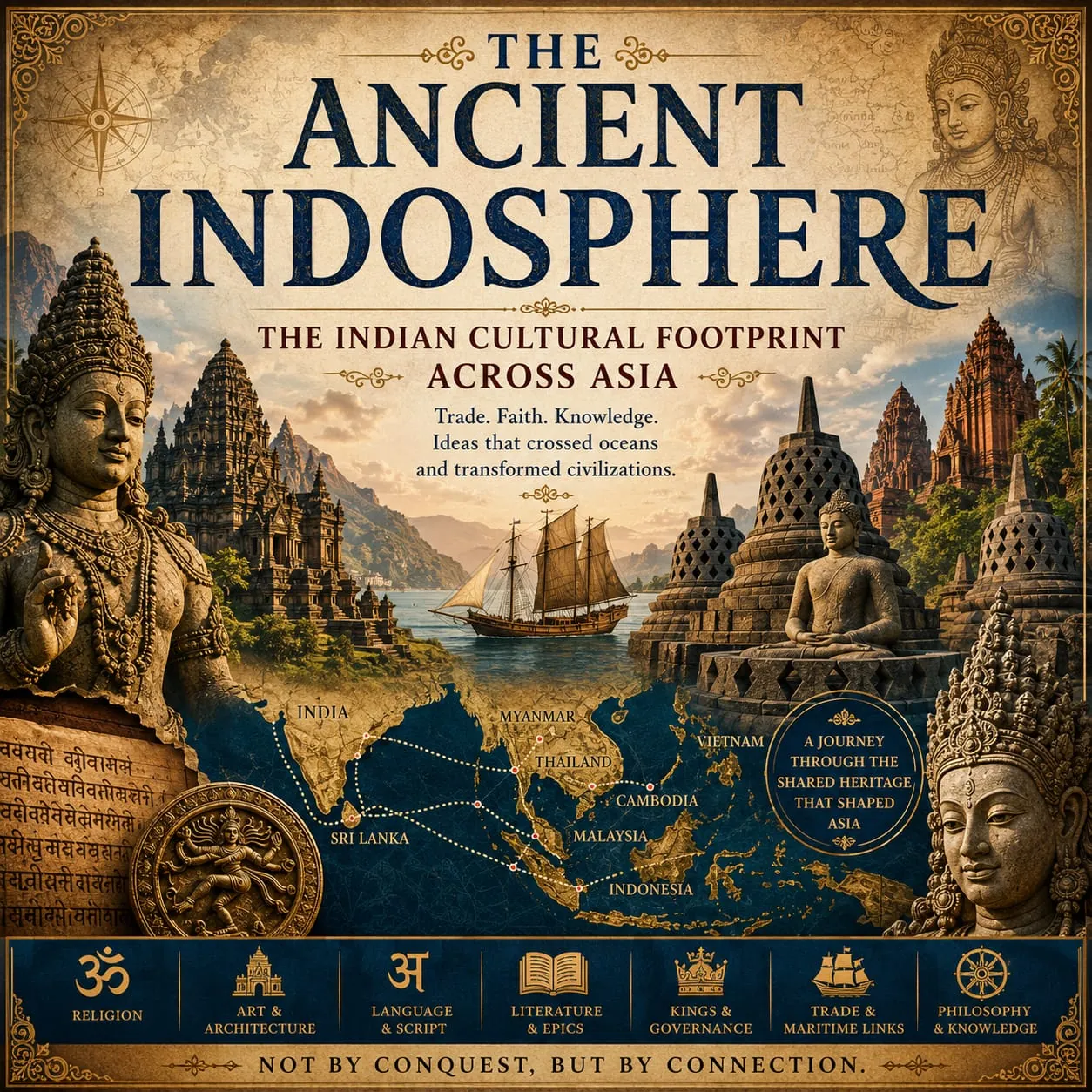
TRAVELLING THROUGH THE TIMELESS LEGACY OF INDIAN CIVILIZATION ACROSS ASIA AND BEYOND
“Not by conquest, but by connection.”
Across ancient temples, sacred stupas, and living cultural landscapes, the timeless traditions born in India continue to illuminate Asia with philosophy, art, and civilizational communion carried not by sword, but through dialogue and spiritual devotion.
CONTINUE THE VIETNAM JOURNEY
Journey Through the Sacred Monuments of Vietnam