
CHAM MUSEUM, DA NANG & MY SON SANCTUARY, VIETNAM
Discovering the Ancient Hindu Heritage of Champa
A Tale of Two Sacred Sanctuaries
- ✦Museum of Cham Sculpture, Da Nang: Established in 1915, preserving world-famous sandstone masterpieces from the 7th to 15th centuries including the Tra Kieu Ramayana altar and My Son Ganesha.
- ✦My Son Sanctuary: The spiritual and royal heart of the Champa Kingdom nestled in a lush valley of Quang Nam, dedicated primarily to Lord Shiva worshipped as Bhadresvara.
- ✦Enduring Civilizational Bridge: Ancient Sanskrit steles, Shaivite lingas, and Ramayana friezes showcasing the deep cultural networks connecting India with ancient Vietnam.
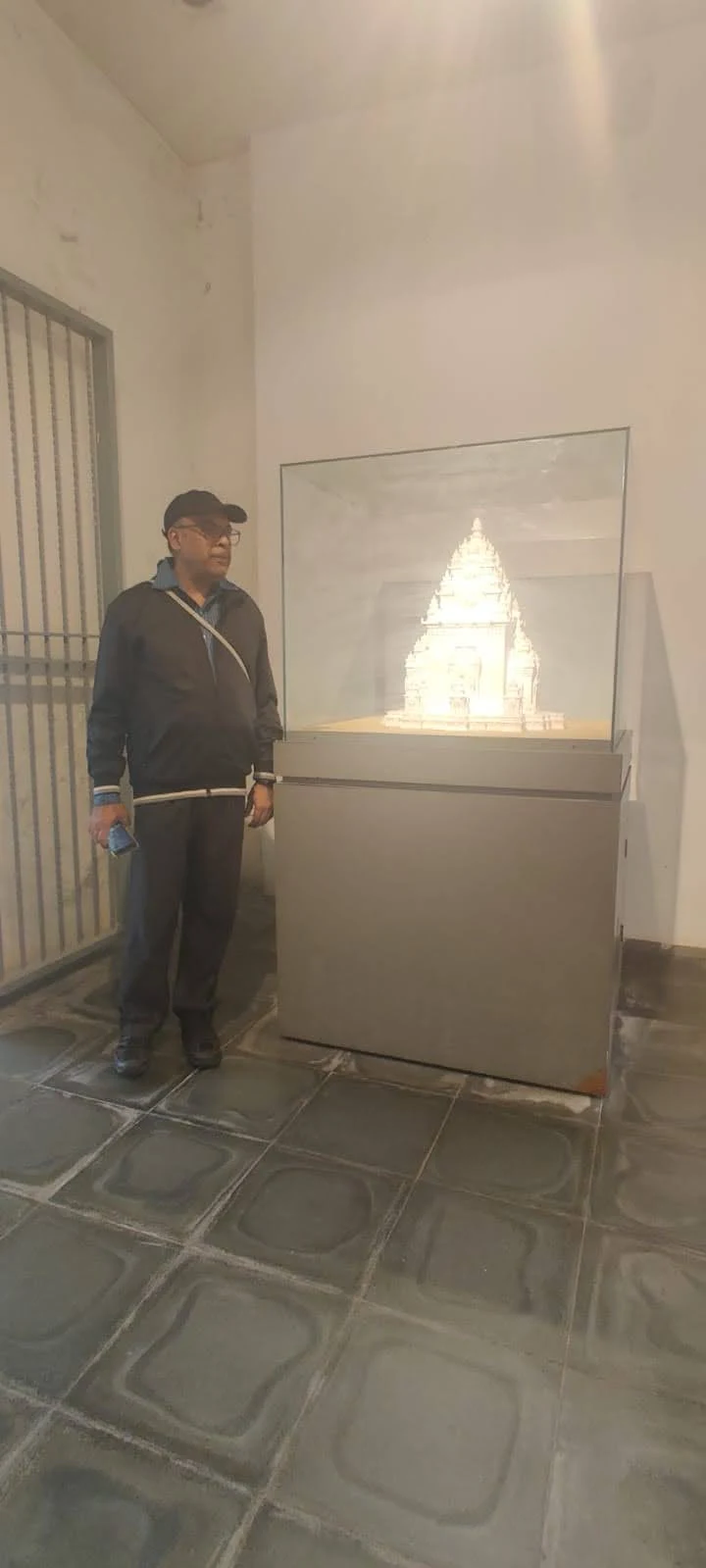
Cham Museum, Da Nang
Preserving a Lost Civilization
Visiting the Museum of Cham Sculpture in Da Nang was one of the most fascinating cultural experiences of our Vietnam journey. Established in 1915, the museum houses an extraordinary collection of Cham sculptures dating from the 7th to the 15th centuries, revealing how deeply Indian civilization and Hindu traditions once shaped the ancient Champa Kingdom.
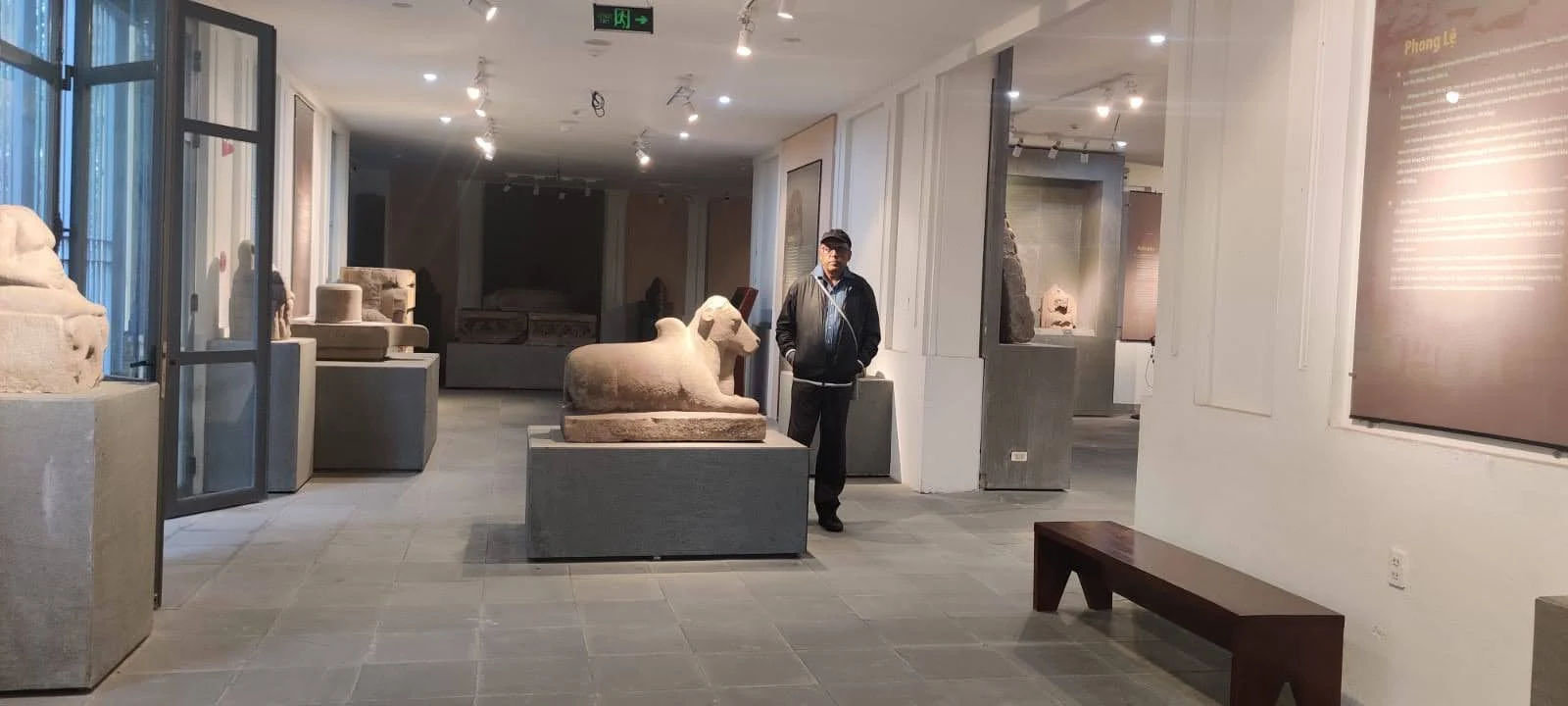
As we walked through the quiet galleries filled with beautifully carved images of Shiva, Vishnu, Ganesha, apsaras, and mythical figures, it genuinely felt as though we were discovering a forgotten fragment of India preserved far from its shores. The artistry, spiritual symbolism, and historical depth of the sculptures left us both amazed and deeply moved.
Ganesha: Shiva’s Son
in the Heart of Champa
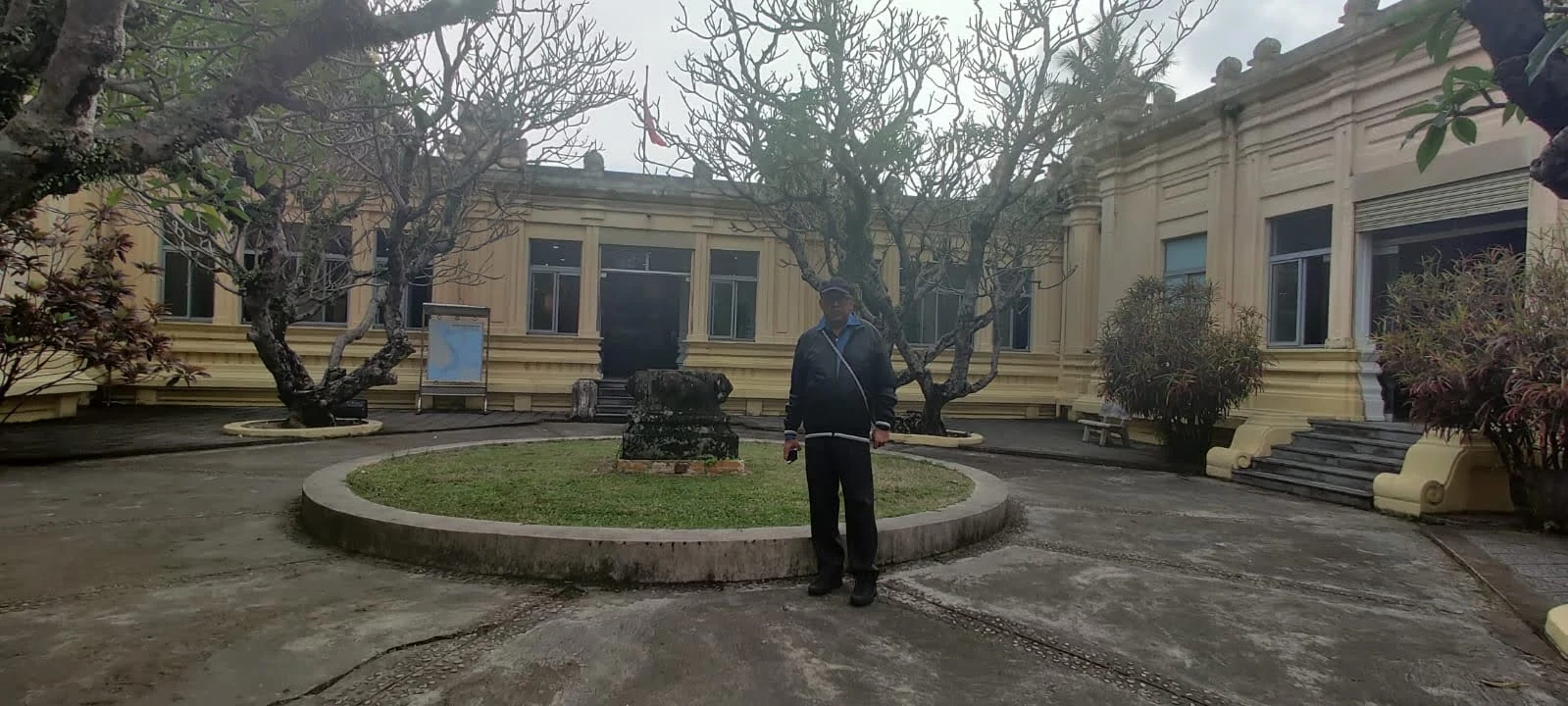
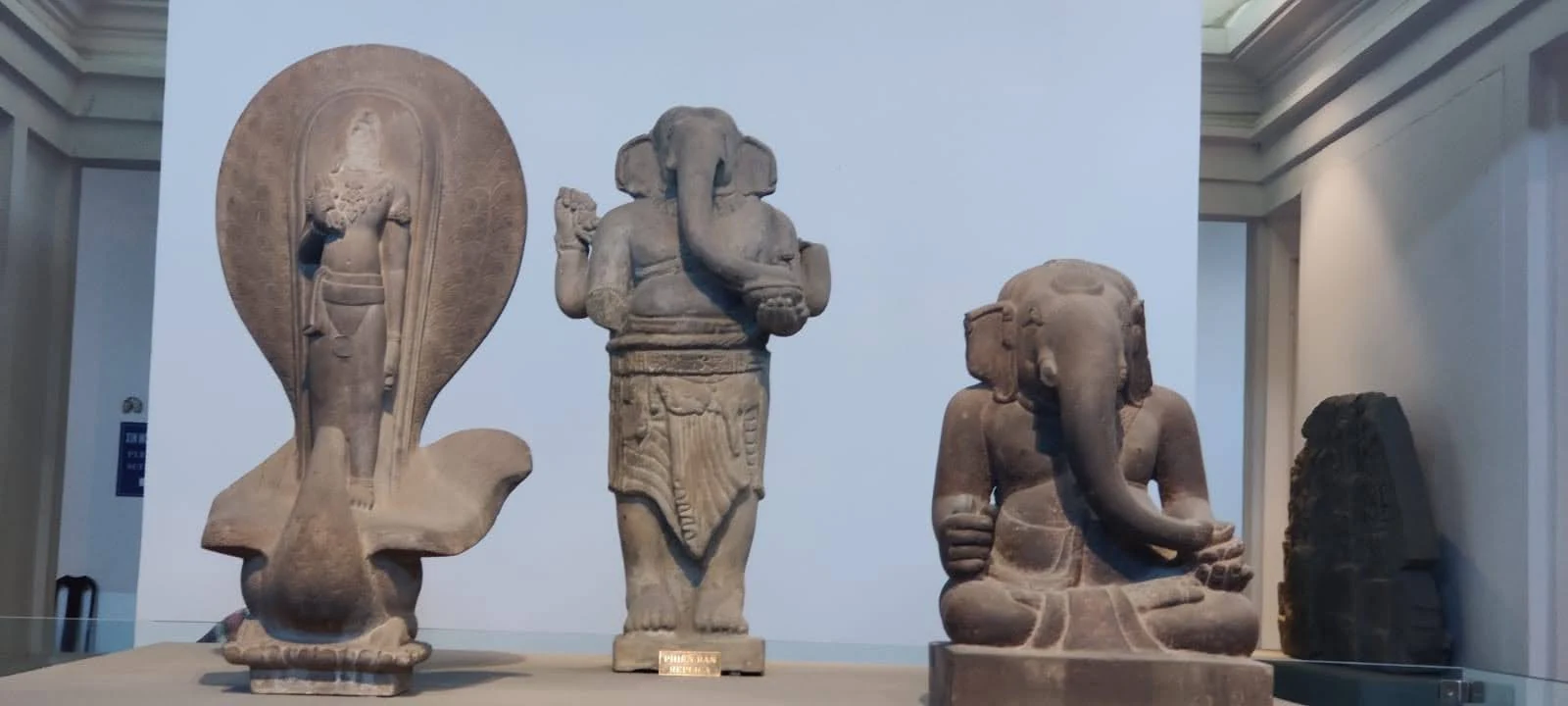
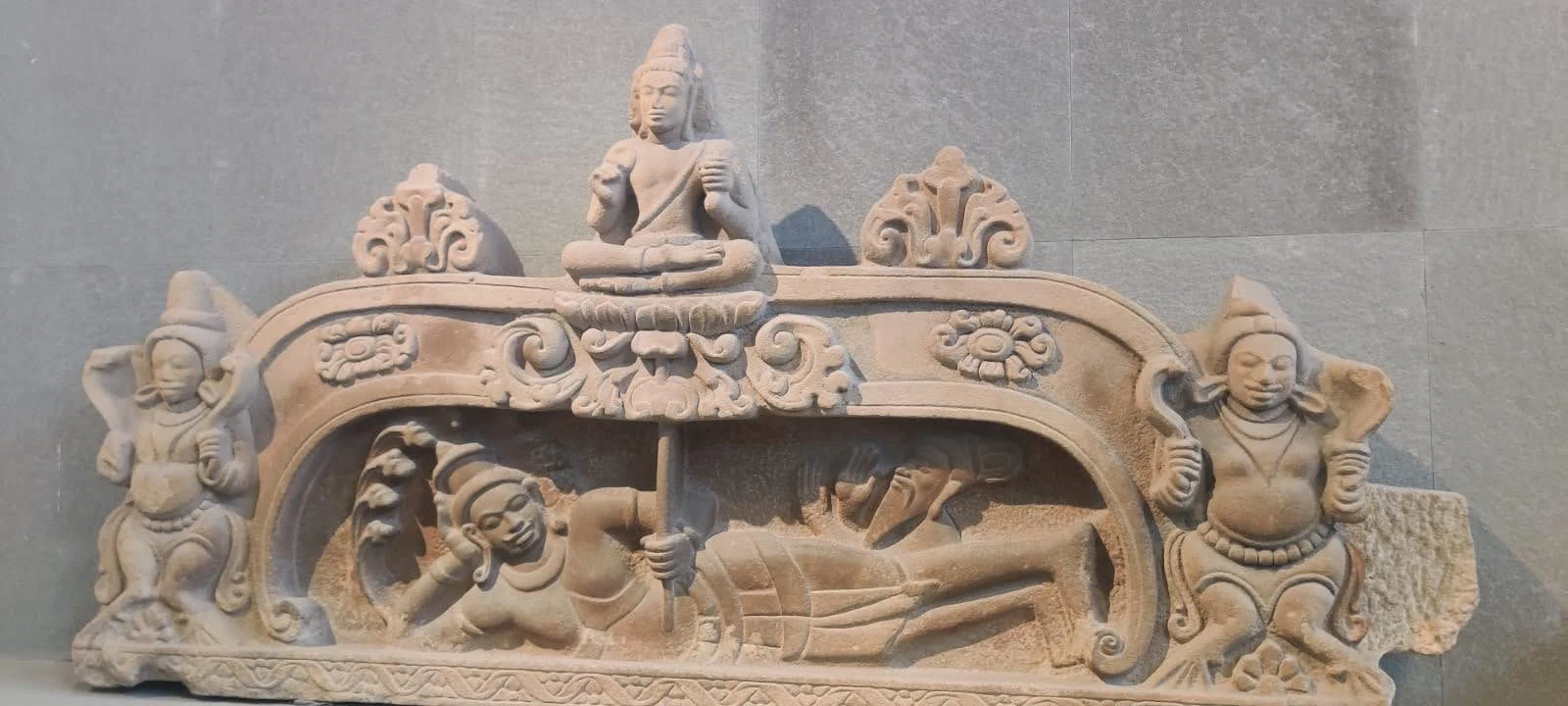
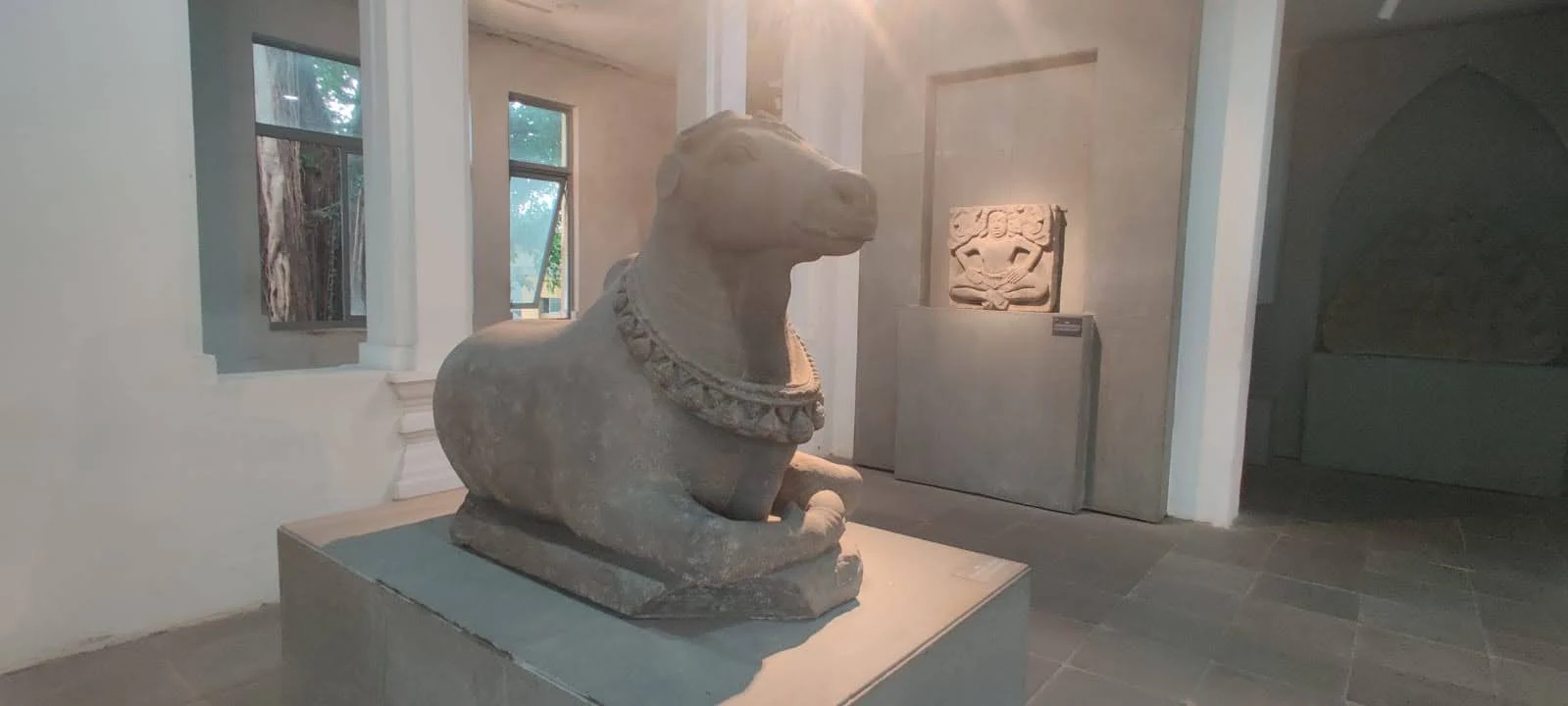
The museum possesses a remarkable 7th-century sculpture of Ganesha from My Son. Discovered in 1903, the sculpture originally depicted the elephant-headed deity with four arms carrying attributes associated with traditional Indian iconography.
For us, this offered a fascinating connection with India’s spiritual heritage. Shiva, Parvati, and Ganesha were not merely known in Champa; they were represented through recognisable Hindu religious iconography, reflecting the deep cultural and spiritual connections that developed between India and Southeast Asia.
The sculpture also demonstrates how the Cham people incorporated Indian religious traditions into their own artistic expression, creating works that reflected both shared beliefs and a distinctive local identity.
The Ramayana in Vietnam:
Rama & Sita’s Wedding
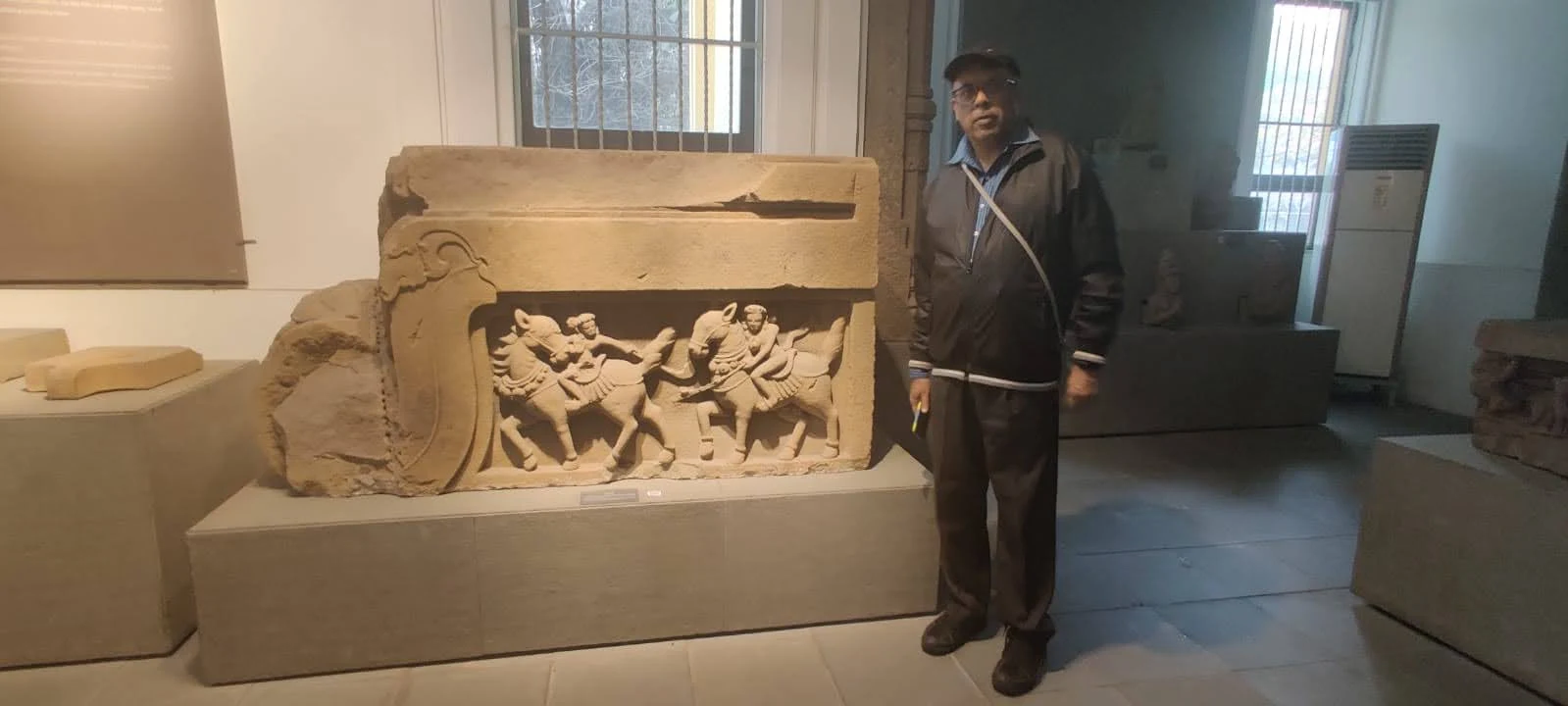
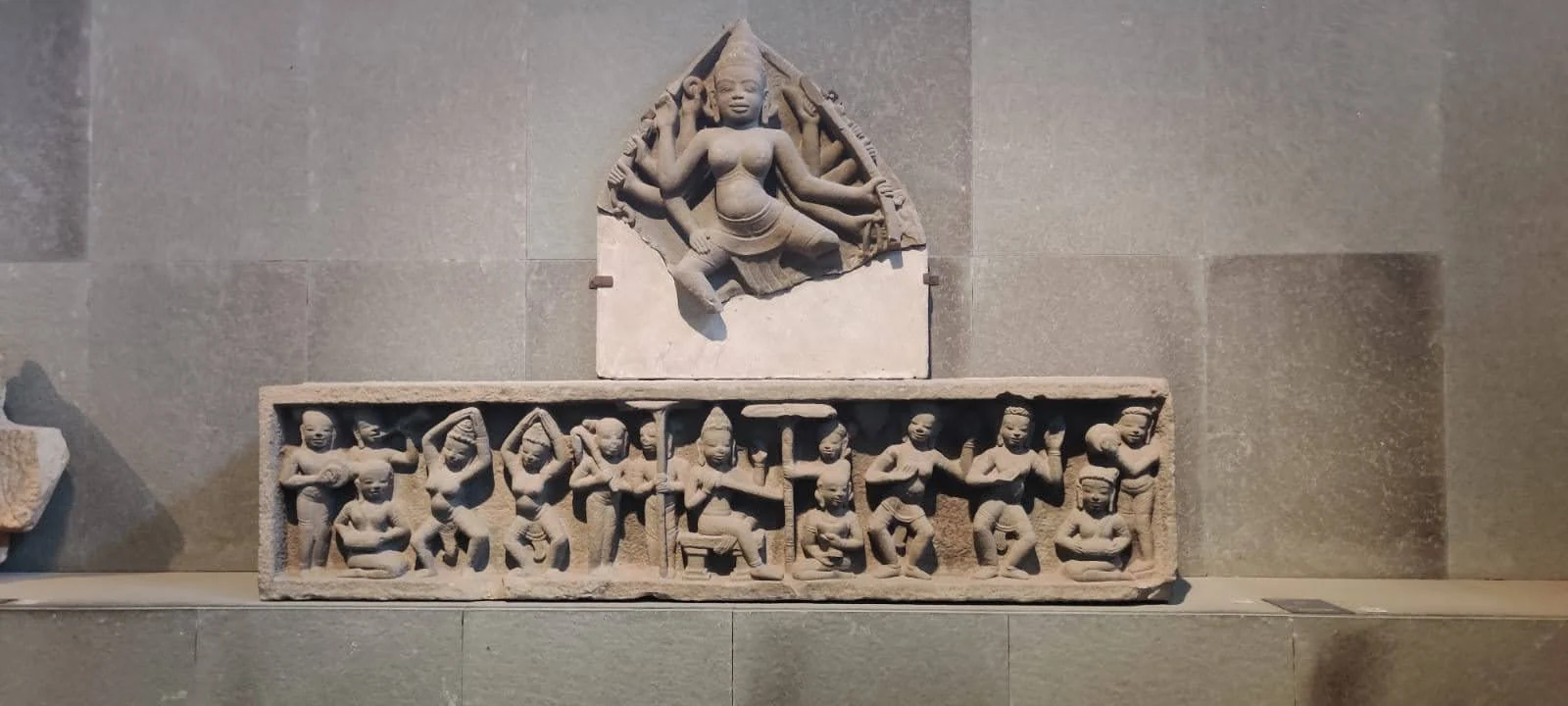
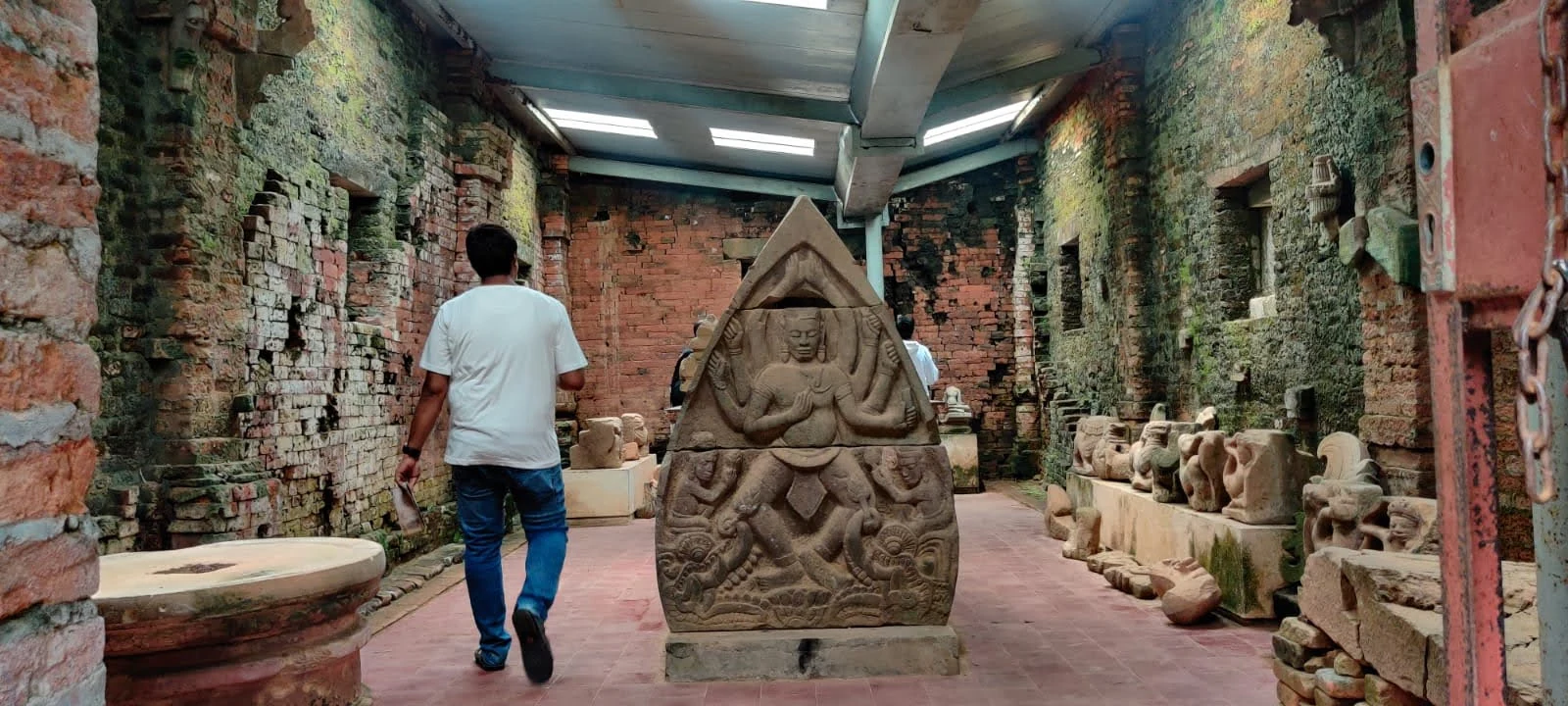
One of the most remarkable exhibits is the magnificent Tra Kieu Altar, which provides a powerful connection between Indian epic literature and the ancient Champa Kingdom.
The four sides of the altar have been interpreted as depicting scenes from the Ramayana. These include Rama travelling with Lakshmana, the challenge involving the divine bow, preparations for the wedding, the arrival of King Dasharatha, and apsaras celebrating the marriage of Rama and Sita.
Seeing scenes associated with the Ramayana represented in ancient Cham sculpture was particularly meaningful. It demonstrated how stories originating in India travelled across the seas and became part of the artistic and cultural traditions of distant lands.
For us, these sculptures were more than museum exhibits. They were reminders of how India’s epics, religious ideas, and artistic traditions found a lasting place in the cultural landscape of Southeast Asia.
The Museum of Cham Sculpture:
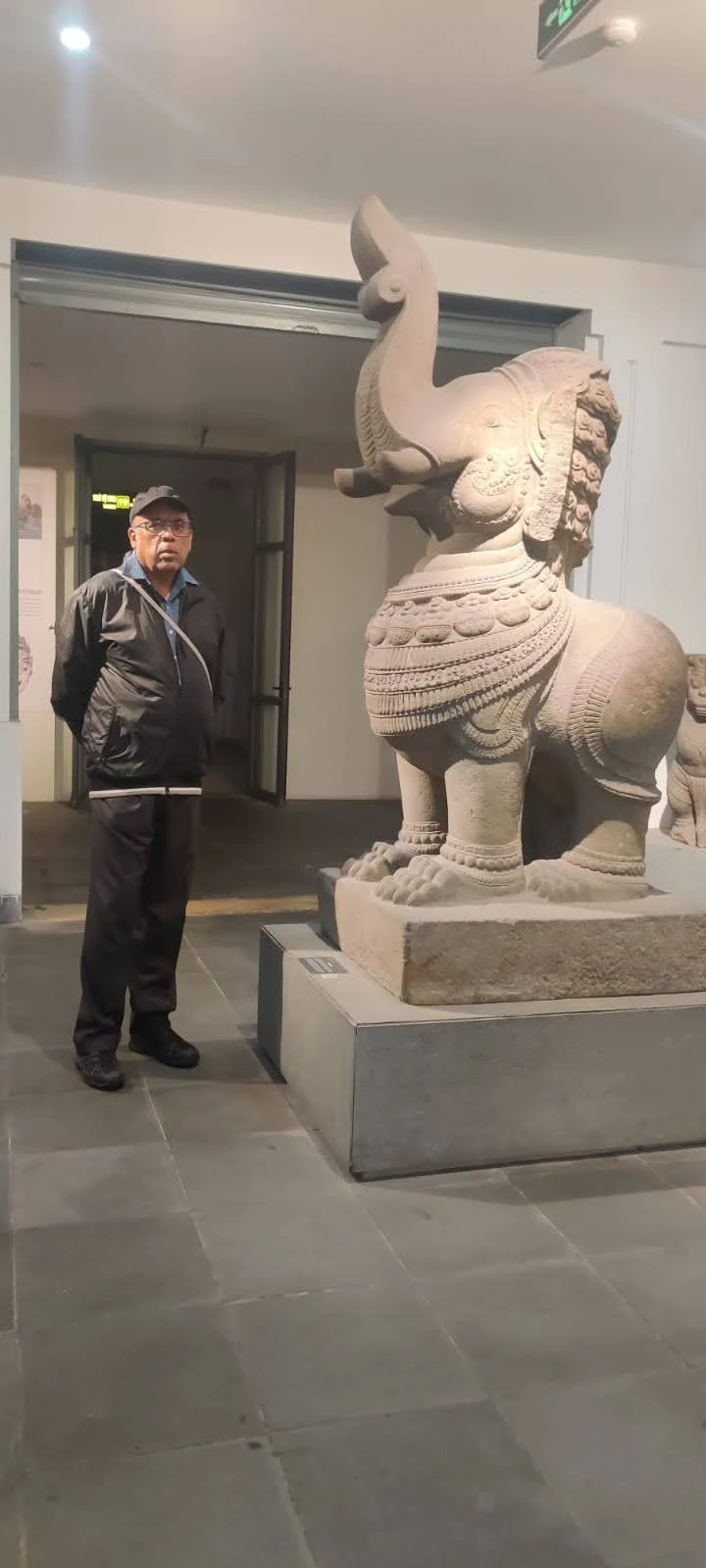
A Must-Visit Before My Son
We spent one day exploring the remarkable Museum of Cham Sculpture in Da Nang. The following day, we took a memorable trip from Da Nang to My Son Sanctuary.
After seeing the sculptures preserved in the museum, visiting the ancient temple ruins amidst lush greenery felt even more meaningful. The museum helped us understand the deities, artistic traditions, and religious symbolism that we would encounter among the surviving temples of My Son.
Together, the museum and My Son beautifully revealed the enduring cultural and spiritual links between India and Southeast Asia.
My Son Sanctuary:
The Sacred Heart of Champa
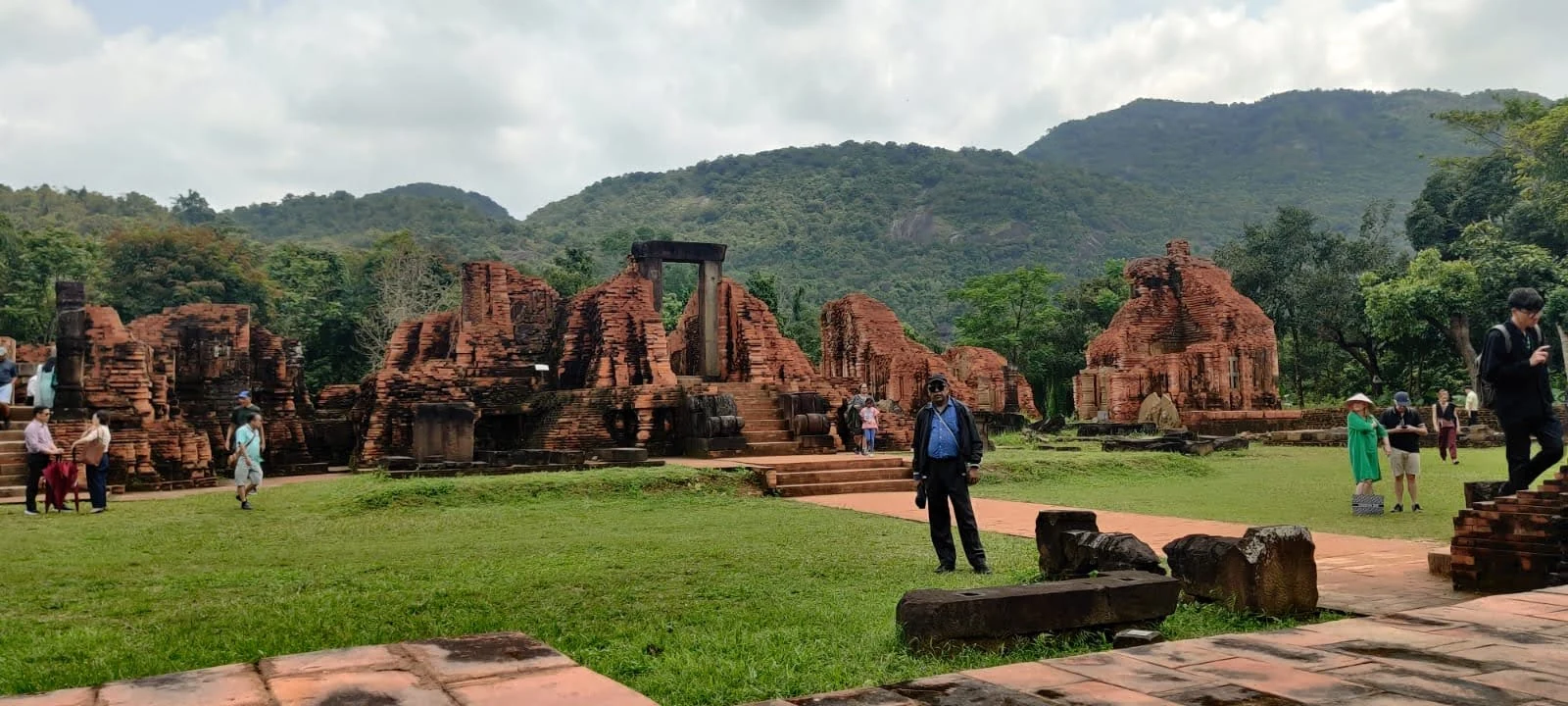
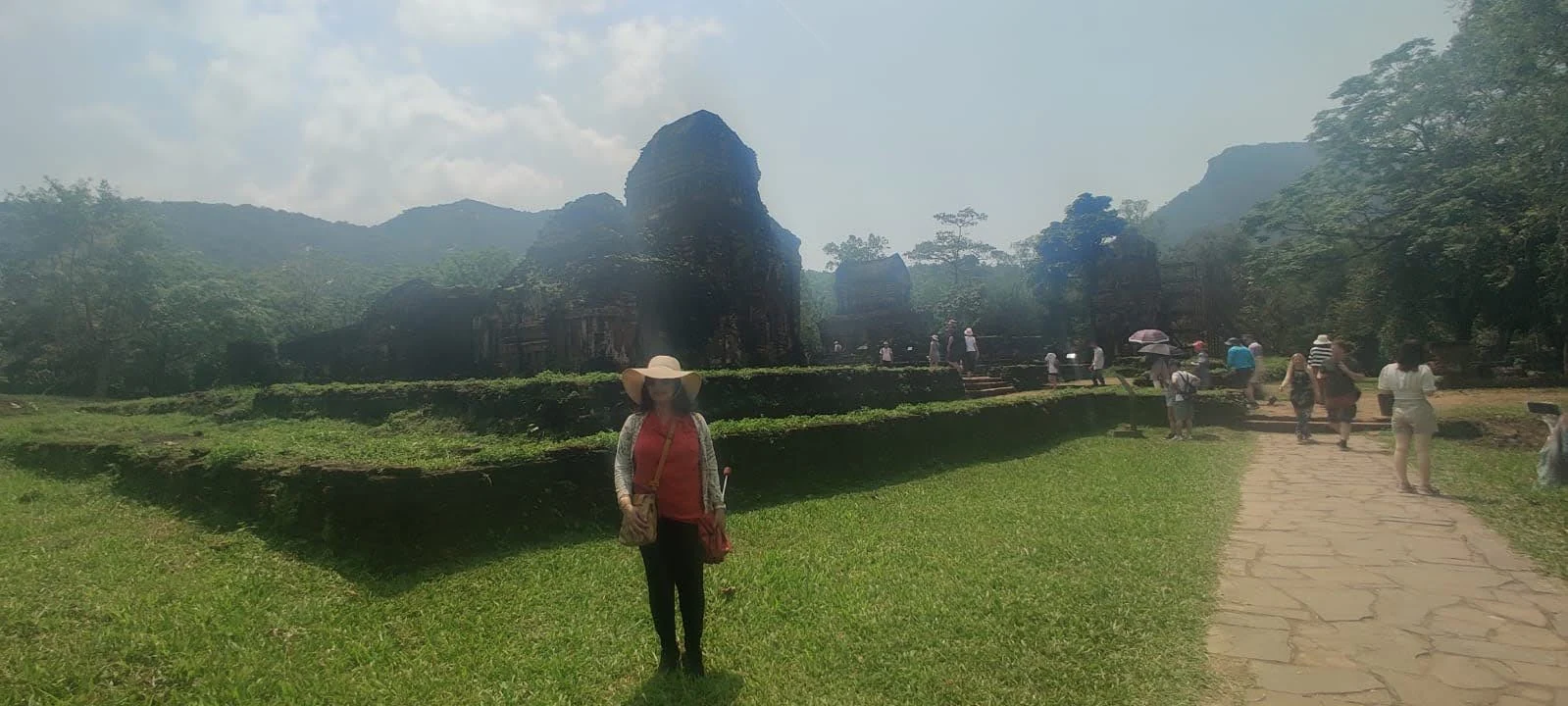
Hidden within a lush valley surrounded by mountains in central Vietnam, My Son Sanctuary stands as one of Southeast Asia’s most remarkable reminders of ancient Indian influence beyond India’s shores.
Located approximately 40 km from Hoi An and around 70 km from Da Nang, My Son once served as the spiritual and political heart of the Champa Kingdom.
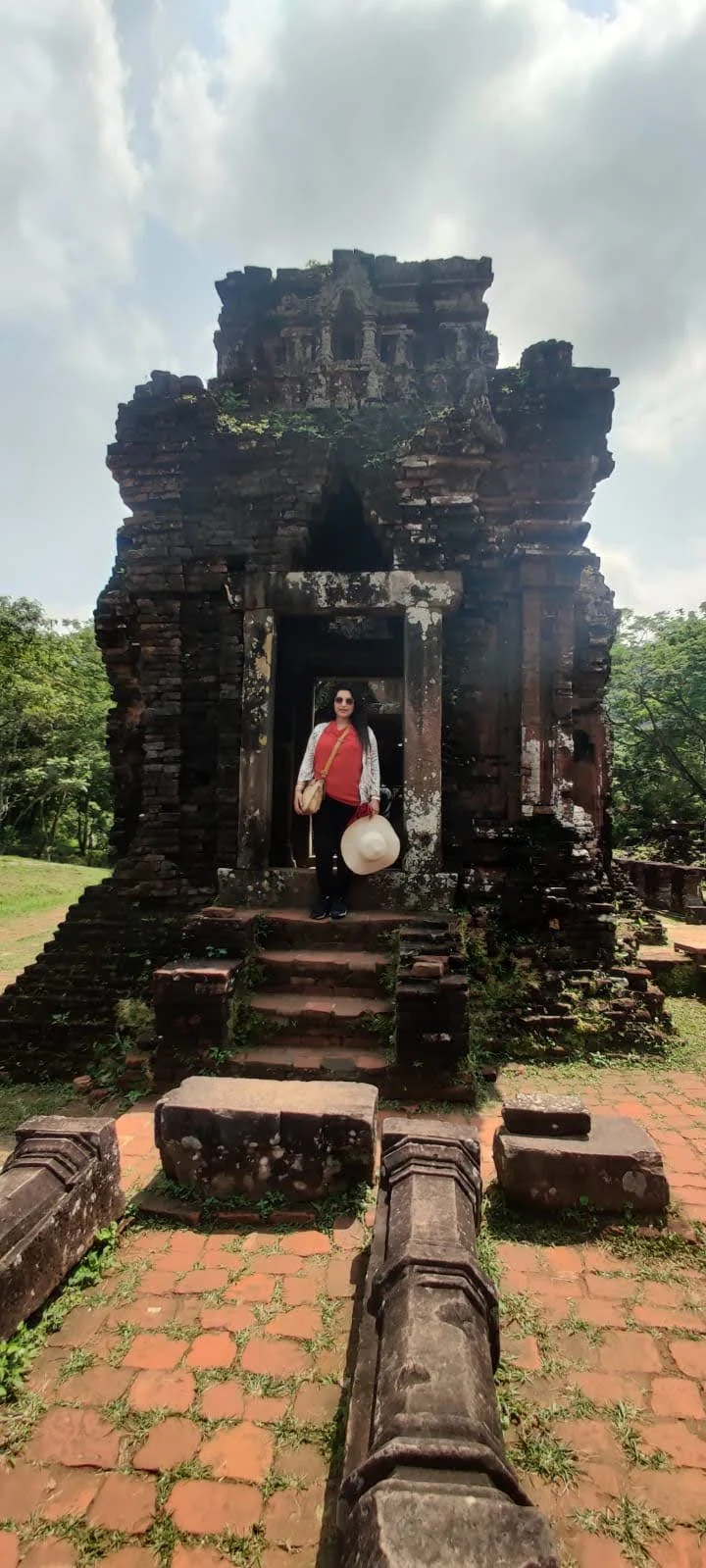
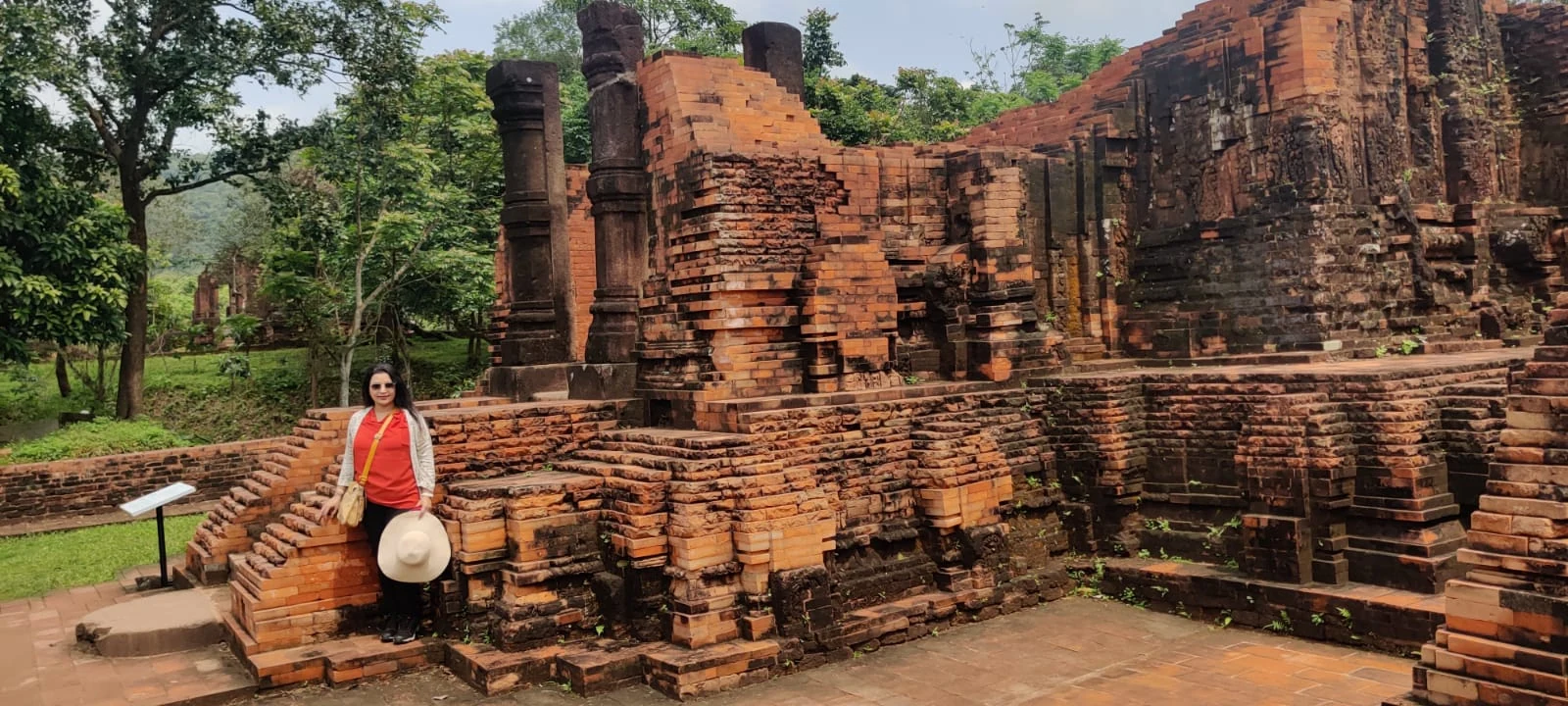
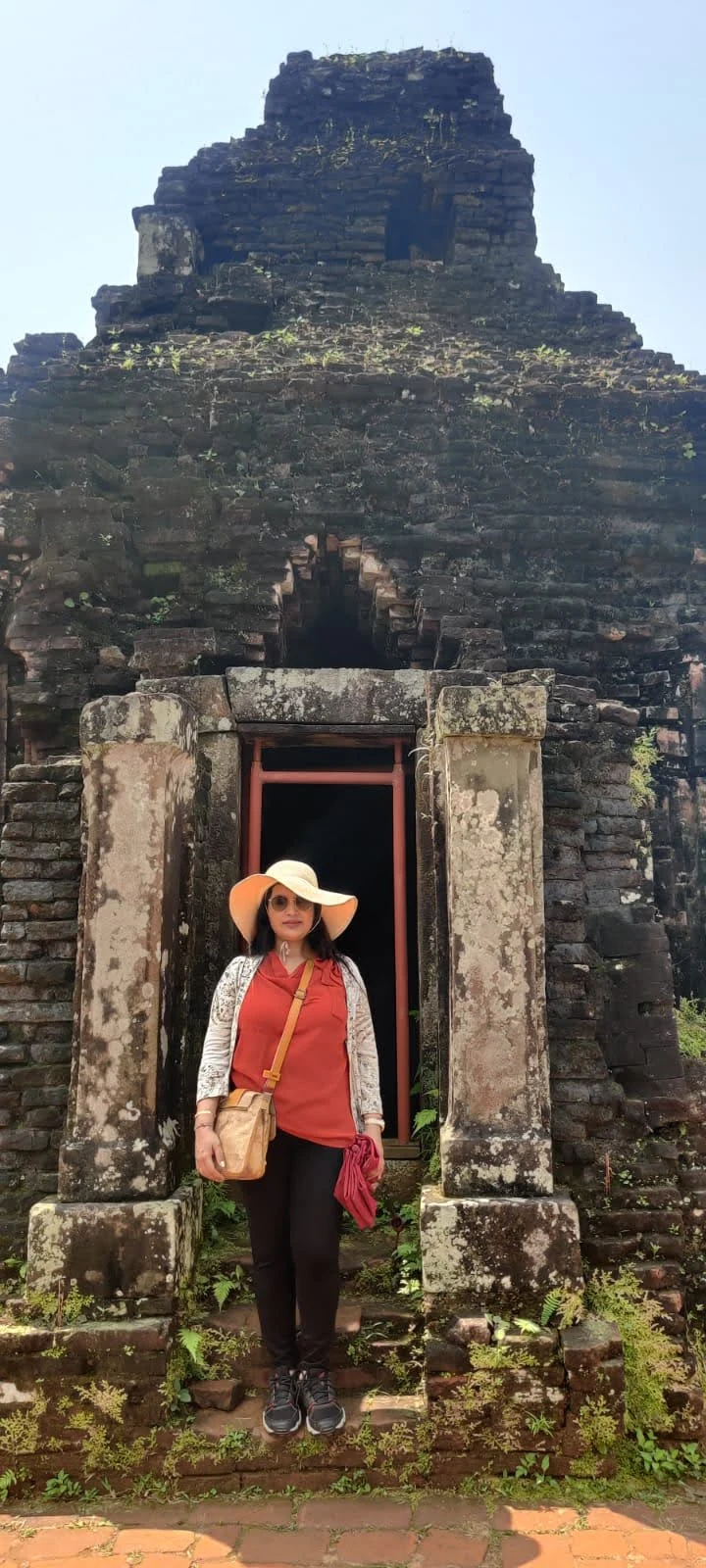
Developed between the 4th and 13th centuries, the temple complex was dedicated mainly to Lord Shiva. Even today, the surviving brick towers, intricate carvings, and sacred ruins carry a powerful spiritual atmosphere amidst the quiet jungle landscape.
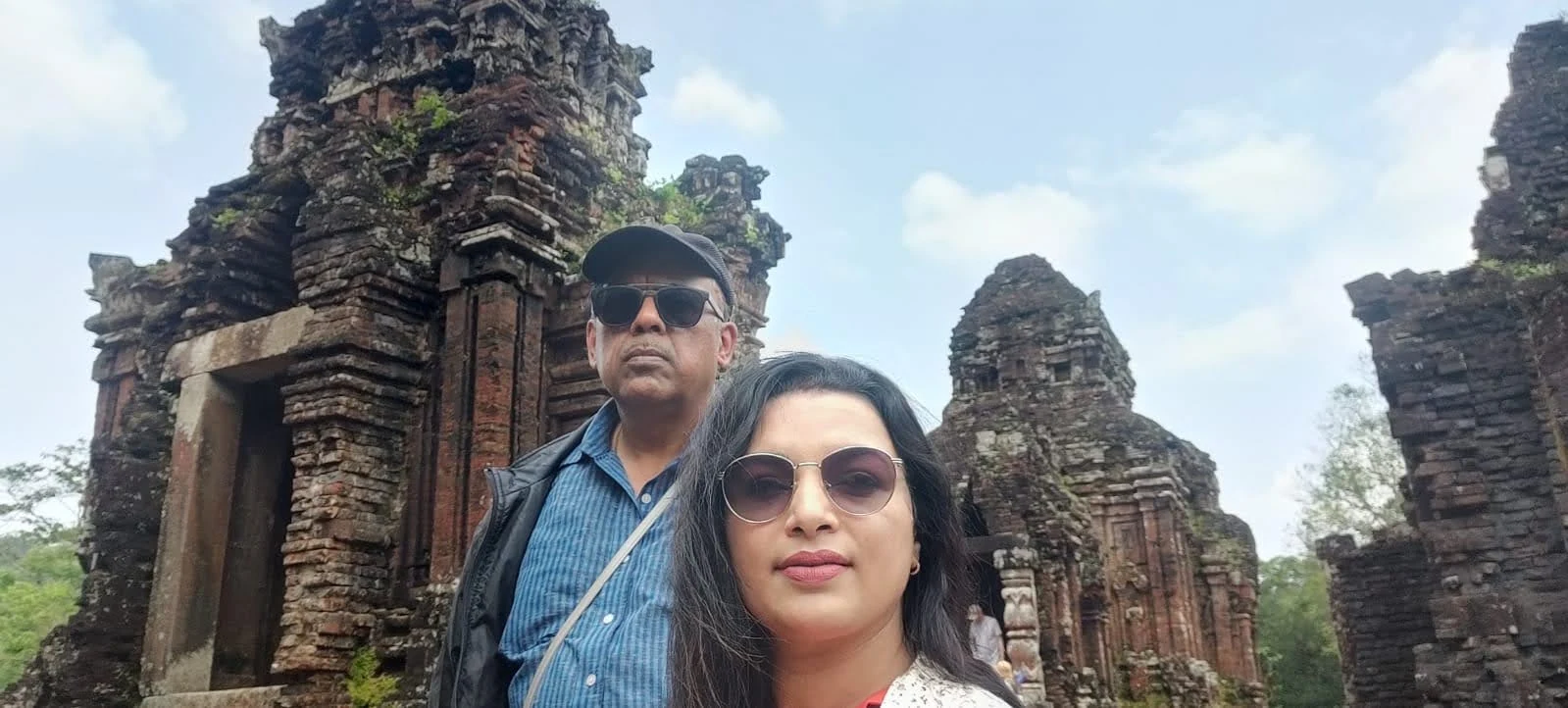
Walking through the remains of these ancient structures, surrounded by greenery and the silence of the valley, we could imagine how magnificent this sacred complex must have appeared during the height of the Champa civilization. For us, My Son was not simply an archaeological destination; it was a place where the deep historical connections between India and Vietnam became tangible.
The Kingdom That Brought
India to Vietnam
From around the 4th century, Champa developed close maritime and cultural links with India. Hinduism, Sanskrit, Indian mythology, temple architecture, and concepts of kingship travelled across the seas and became deeply embedded in Cham society.
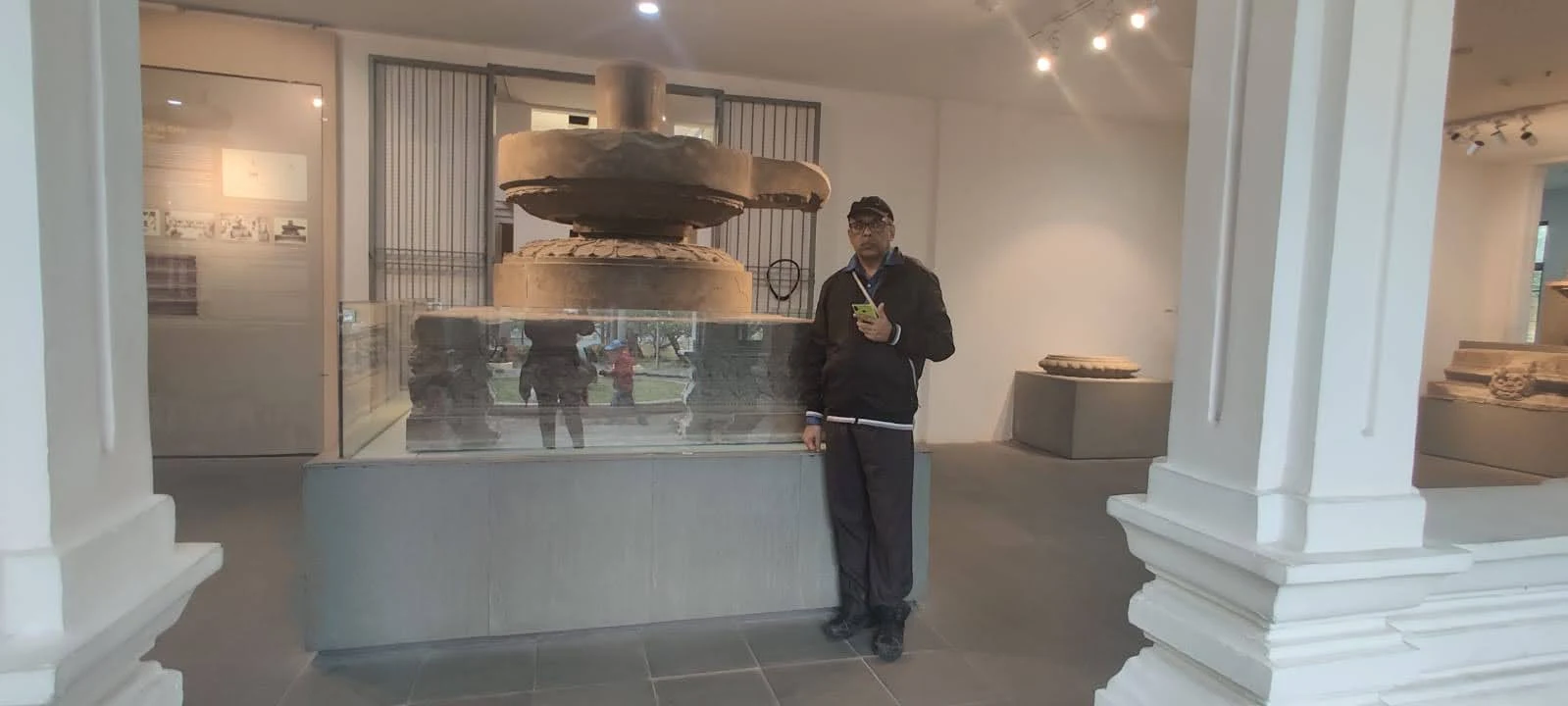
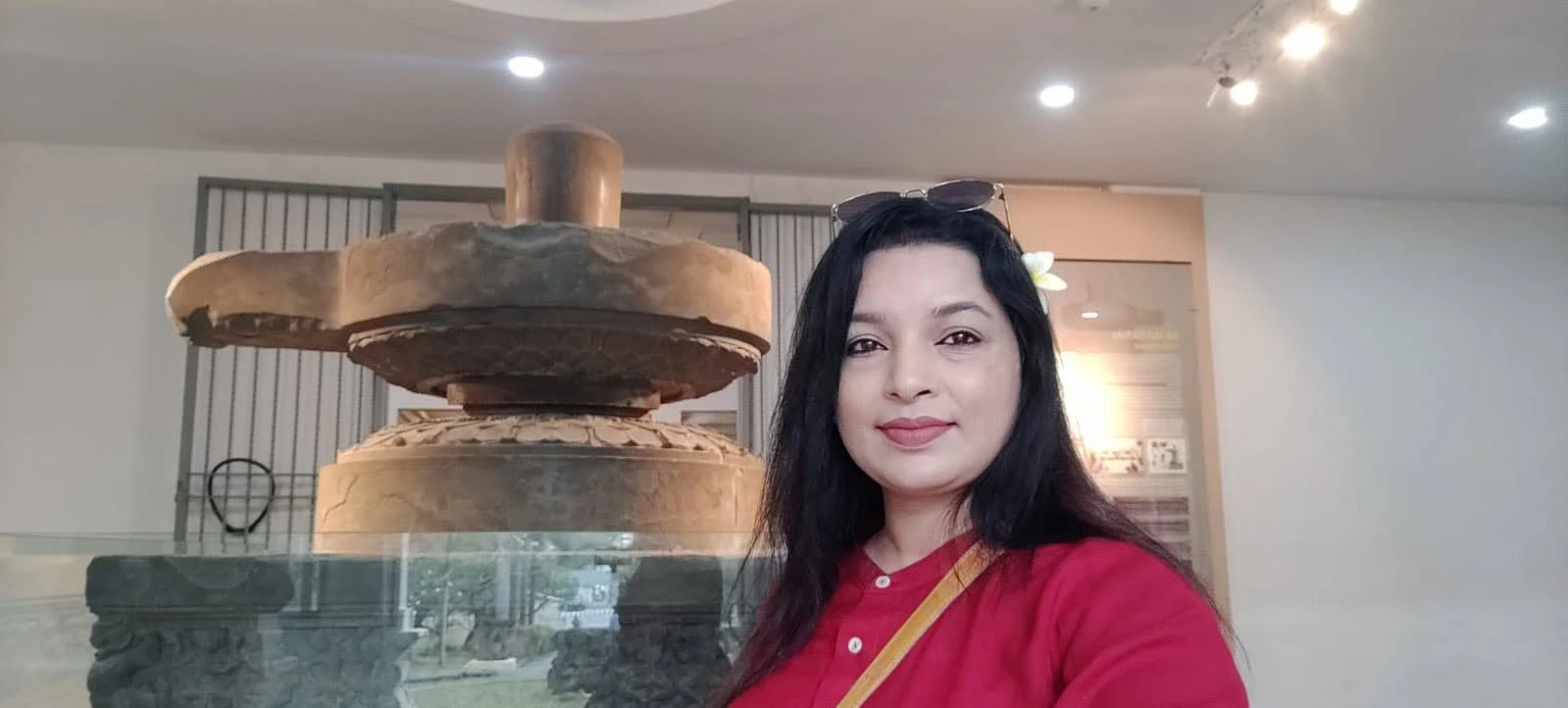
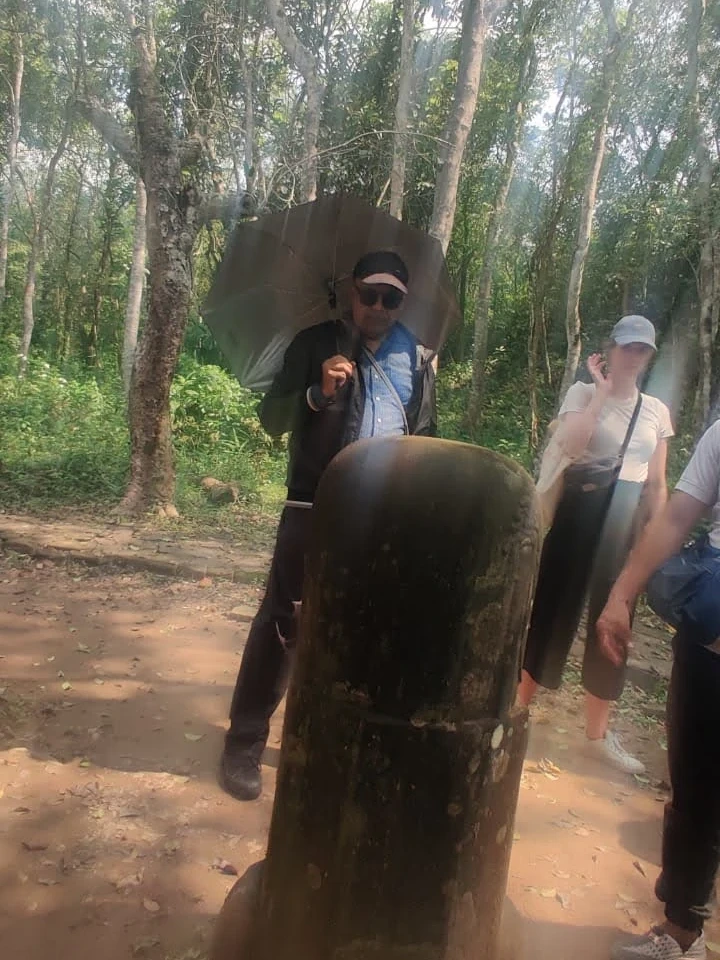
At My Son, this influence remains visible in the temples dedicated to Shiva, the lingas and yonis, sculptures of Ganesha and other Hindu deities, and ancient Sanskrit inscriptions.
Yet the Cham people did not simply reproduce Indian traditions. They adapted these influences to their own cultural environment, developing a distinctive form of Hindu religious expression that reflected the identity and artistic achievements of their civilization.
This blending of Indian ideas with local Cham traditions is what makes My Son so fascinating. The temples reveal a shared spiritual heritage while retaining the distinctive architectural and artistic character of ancient Vietnam.
Sanskrit Written Across
the Vietnamese Landscape
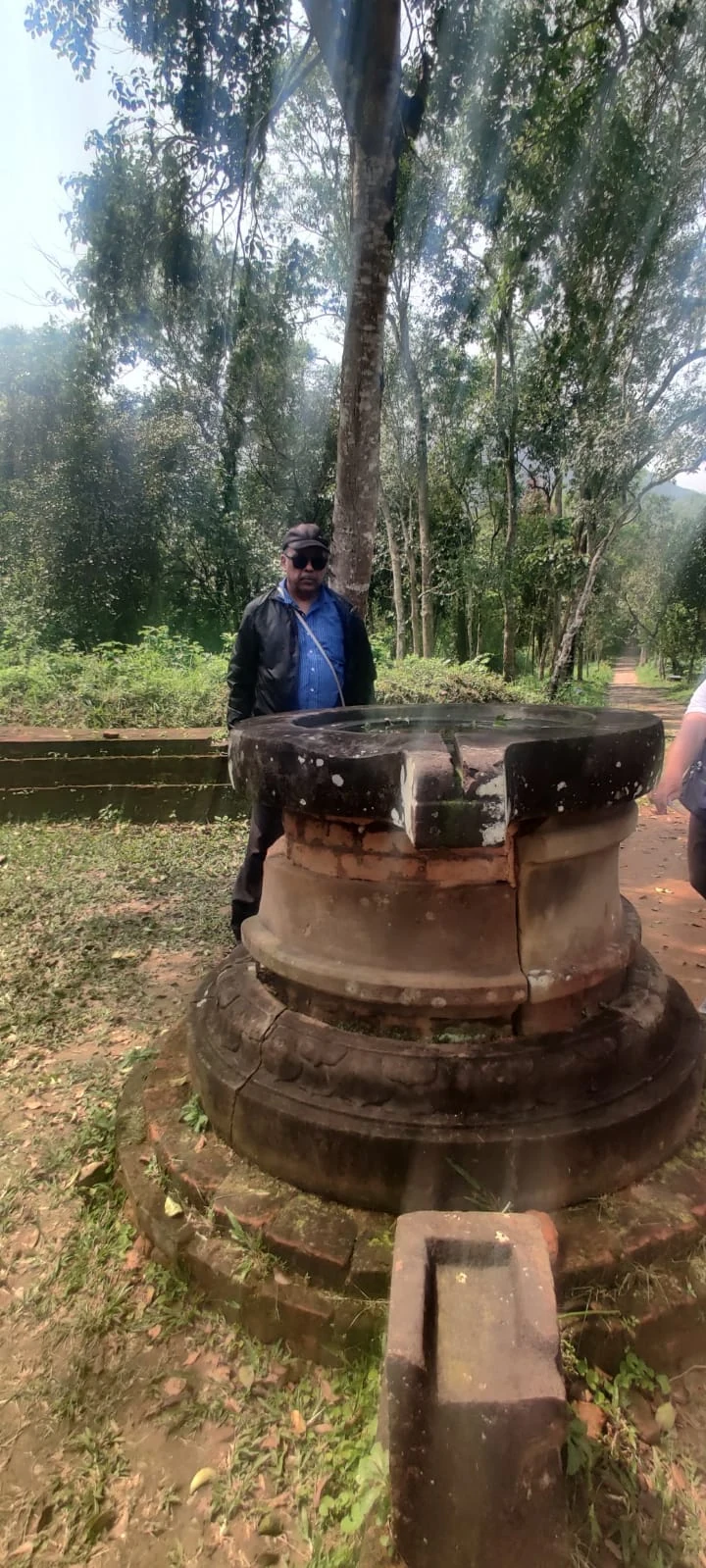
One of the most fascinating features of My Son is the presence of ancient Sanskrit inscriptions.
Cham kings used Sanskrit to record religious dedications, royal achievements, and the establishment of temples. These inscriptions offer valuable evidence of the intellectual, religious, and political connections between India and the Champa Kingdom.
Standing among the ruins and encountering references to Sanskrit in Vietnam creates a remarkable sense of connection with ancient India.
It reminds us that Indian influence travelled far beyond religious worship. Merchants, scholars, and cultural exchanges helped carry language, literature, philosophical ideas, and concepts of kingship across the seas. The presence of Sanskrit at My Son is therefore a powerful reminder of the extensive cultural networks that once connected the Indian subcontinent with Southeast Asia.
Bhadresvara:
Shiva and the King
The story of Bhadresvara reveals the close relationship between religion and kingship in Champa.
The early Cham ruler Bhadravarman I is traditionally associated with establishing a sanctuary dedicated to Lord Shiva at My Son, where the deity was worshipped as Bhadresvara.
The association between the king’s name and Shiva symbolised the divine legitimacy of Cham rulers and reinforced the spiritual significance of the sanctuary.
Here, as in many parts of ancient India and Southeast Asia, the temple was not merely a place of worship. It was also a powerful expression of royal authority, cultural identity, and political legitimacy. The sacred association between Shiva and the Cham kings demonstrates how Hindu religious traditions were integrated into the foundations of the ancient kingdom.
A Sacred City Destroyed
by Time and War
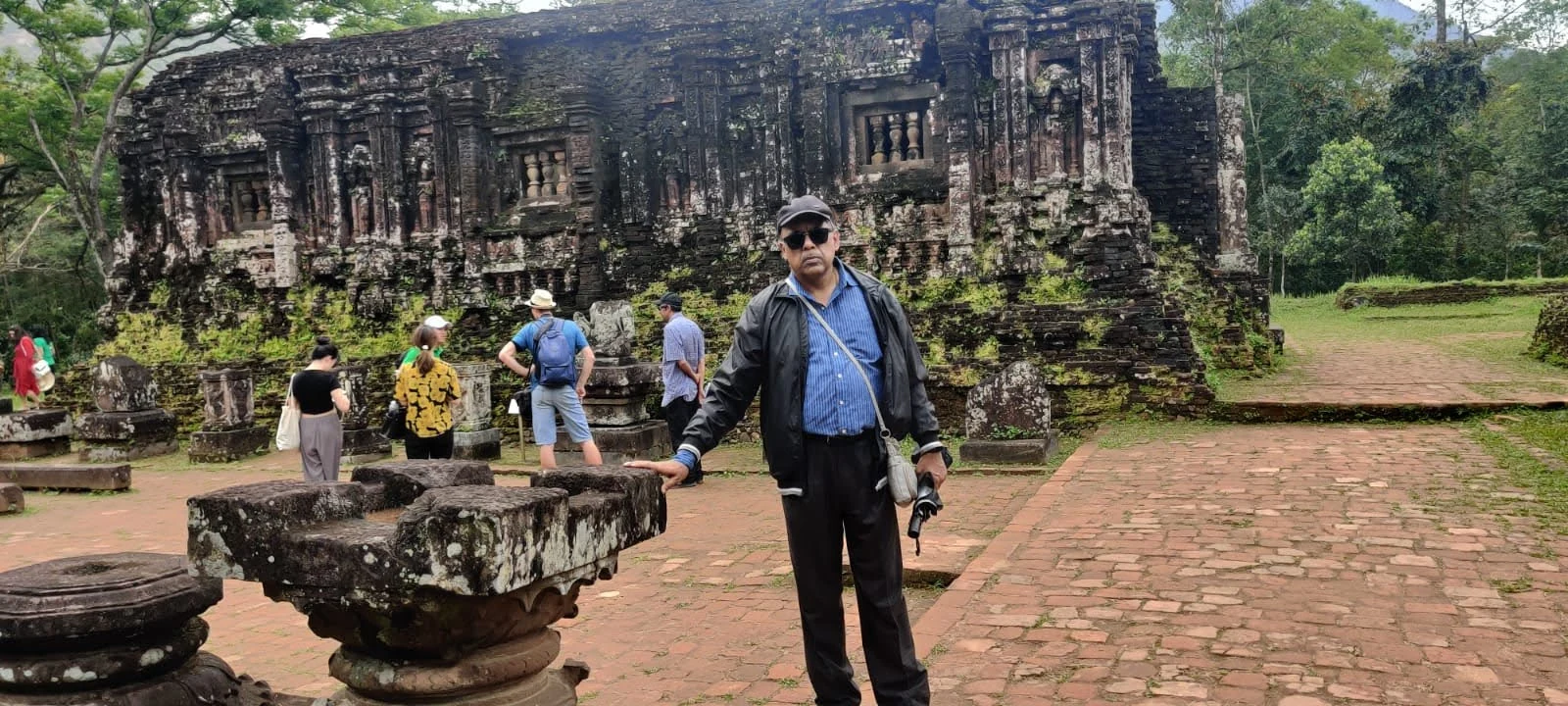
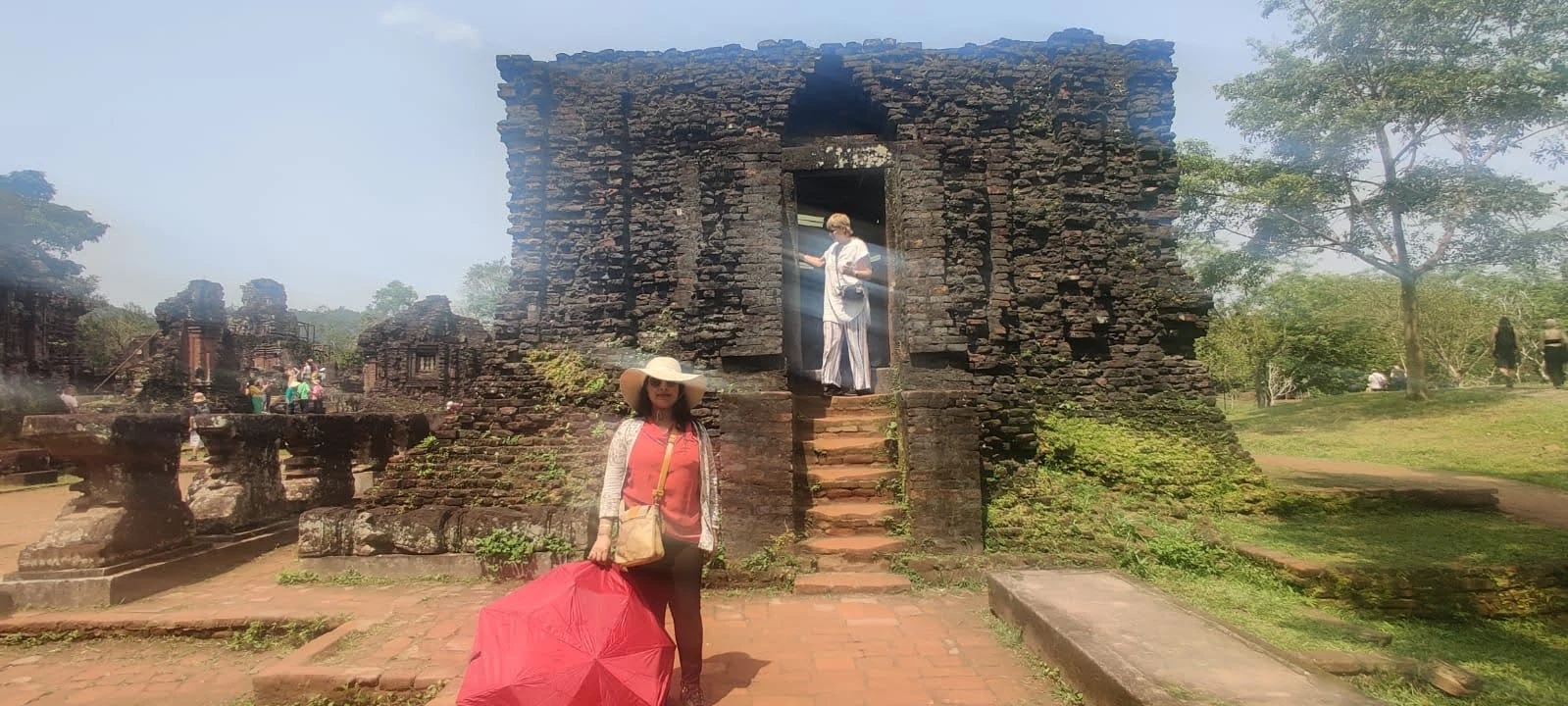
My Son Sanctuary survived for centuries, but it eventually declined as the political power of Champa weakened.
Nature gradually reclaimed parts of the complex, while warfare, neglect, and the passage of time contributed to the deterioration of its temples.
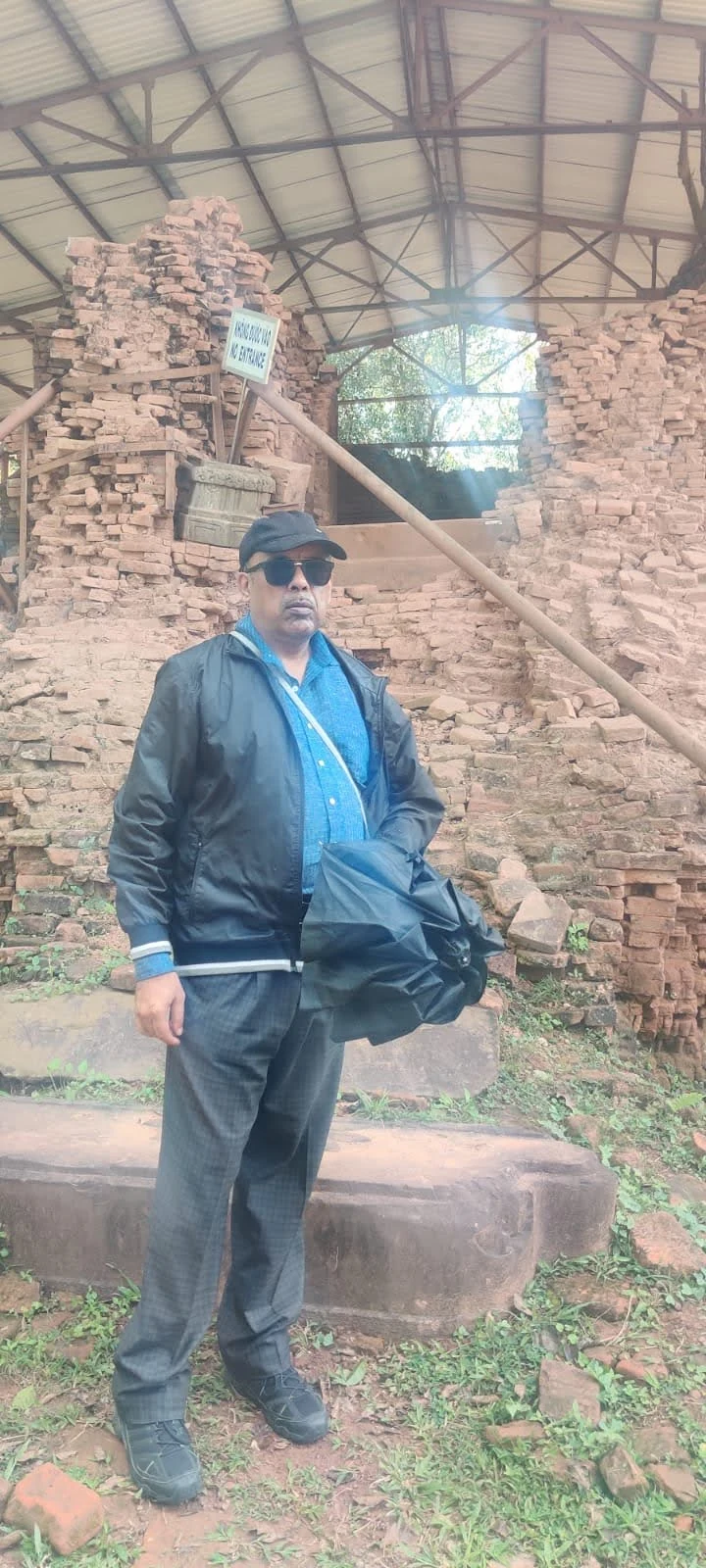
During the Vietnam War, bombing inflicted additional severe damage on the sanctuary, destroying several temple structures and leaving much of the once-magnificent complex in ruins.
Today, the surviving towers and fragments of ancient architecture represent only part of what once existed. Their weathered surfaces and damaged walls make the site both magnificent and poignant.
Despite the destruction, the remaining structures continue to tell the story of a civilization that developed its own distinctive expression of Hindu art, architecture, and spirituality. Walking among these ruins, we were reminded of how fragile cultural heritage can be and how important it is to preserve the surviving traces of ancient civilizations for future generations.
Living Traditions &
Deep Indian Cultural Influence
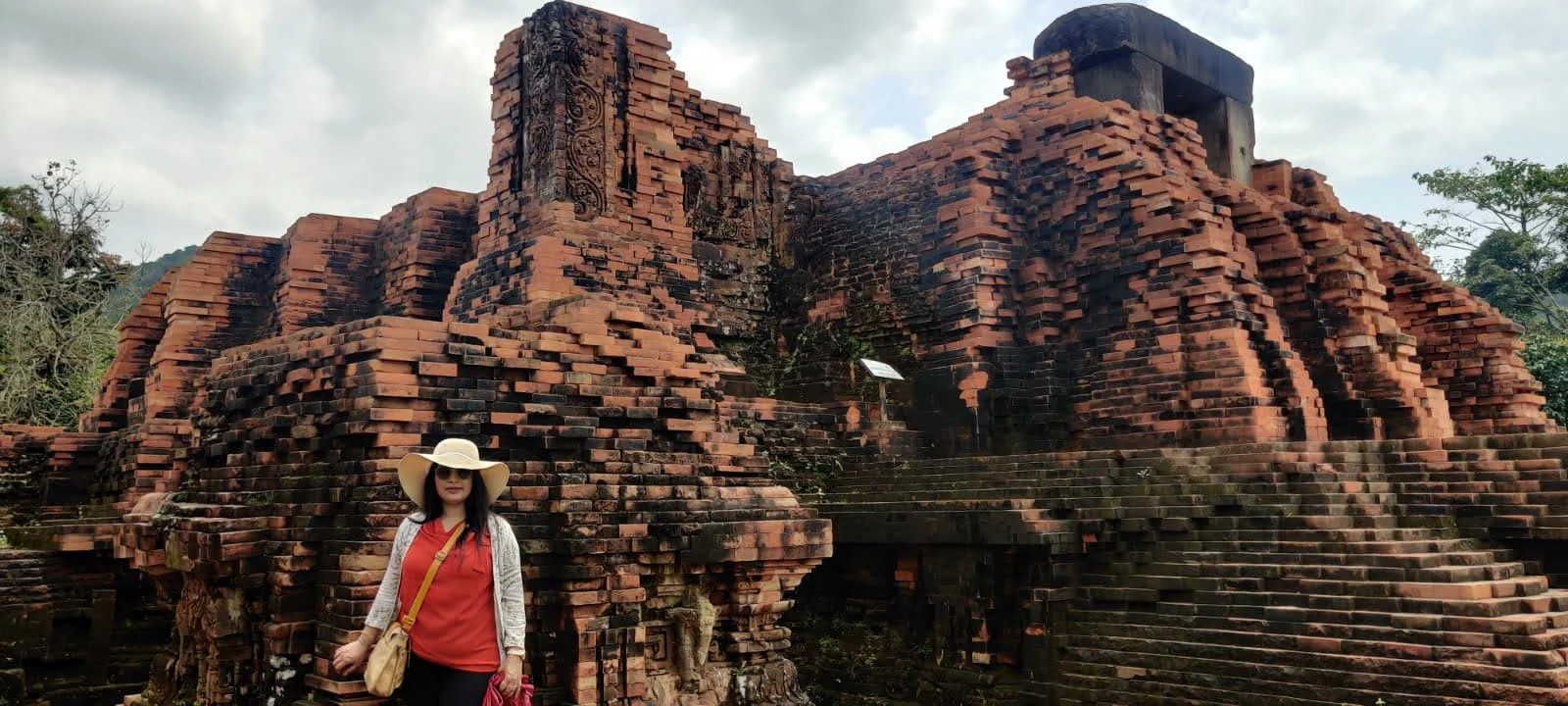
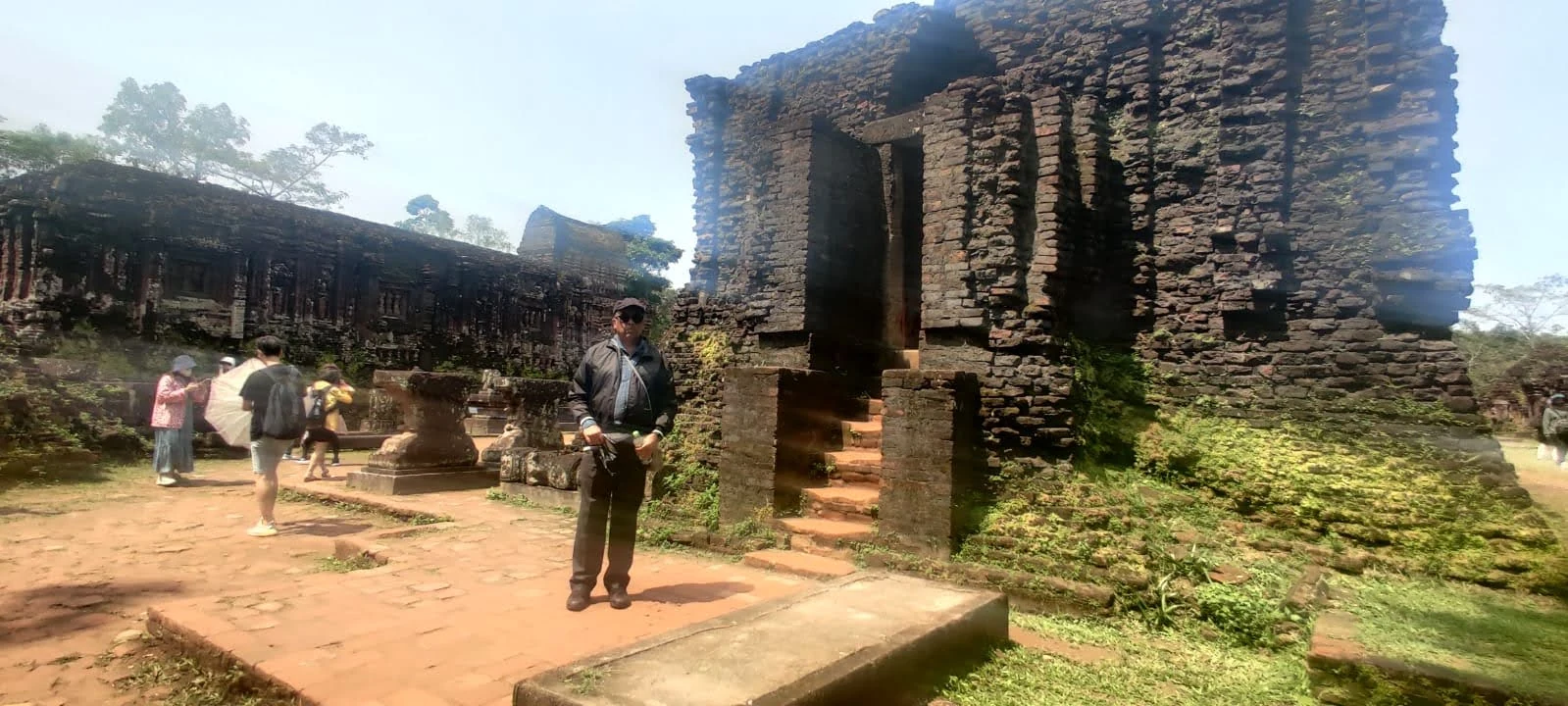
Standing amidst the ancient ruins of My Son Sanctuary, one could easily imagine the grandeur these Hindu temples must once have possessed during the height of the Champa Kingdom.
The surviving towers, sacred carvings, and remnants of religious architecture reflect a time when Hindu traditions flourished far beyond India and became deeply rooted in the cultural life of Southeast Asia.
For us, visiting the Museum of Cham Sculpture in Da Nang before travelling to My Son made the experience far more meaningful. The sculptures and temple art helped us better understand the spiritual and artistic world of ancient Champa.
The museum revealed the beauty of Cham sculpture through its preserved artworks, while My Son allowed us to experience the architectural remains of the civilization in their original landscape. Together, the museum and My Son took two days to explore properly, but they offered a fascinating insight into the deep Indian cultural influence that once flourished in central Vietnam.
Tips for Exploring Cham Heritage
- Visit Cham Museum in Da Nang first, then head to My Son Sanctuary early in the morning (7:30–9:30 AM) to beat midday jungle heat and tour groups.
- At Cham Museum, take time with the Tra Kieu Altar to trace the Ramayana wedding scenes and the 7th-century My Son Ganesha.
- Wear comfortable walking shoes with good grip for navigating uneven brick paths, stone thresholds, and jungle trails at My Son.
- Dress respectfully covering shoulders and knees when entering active prayer sanctums and sheltered exhibition shrines.
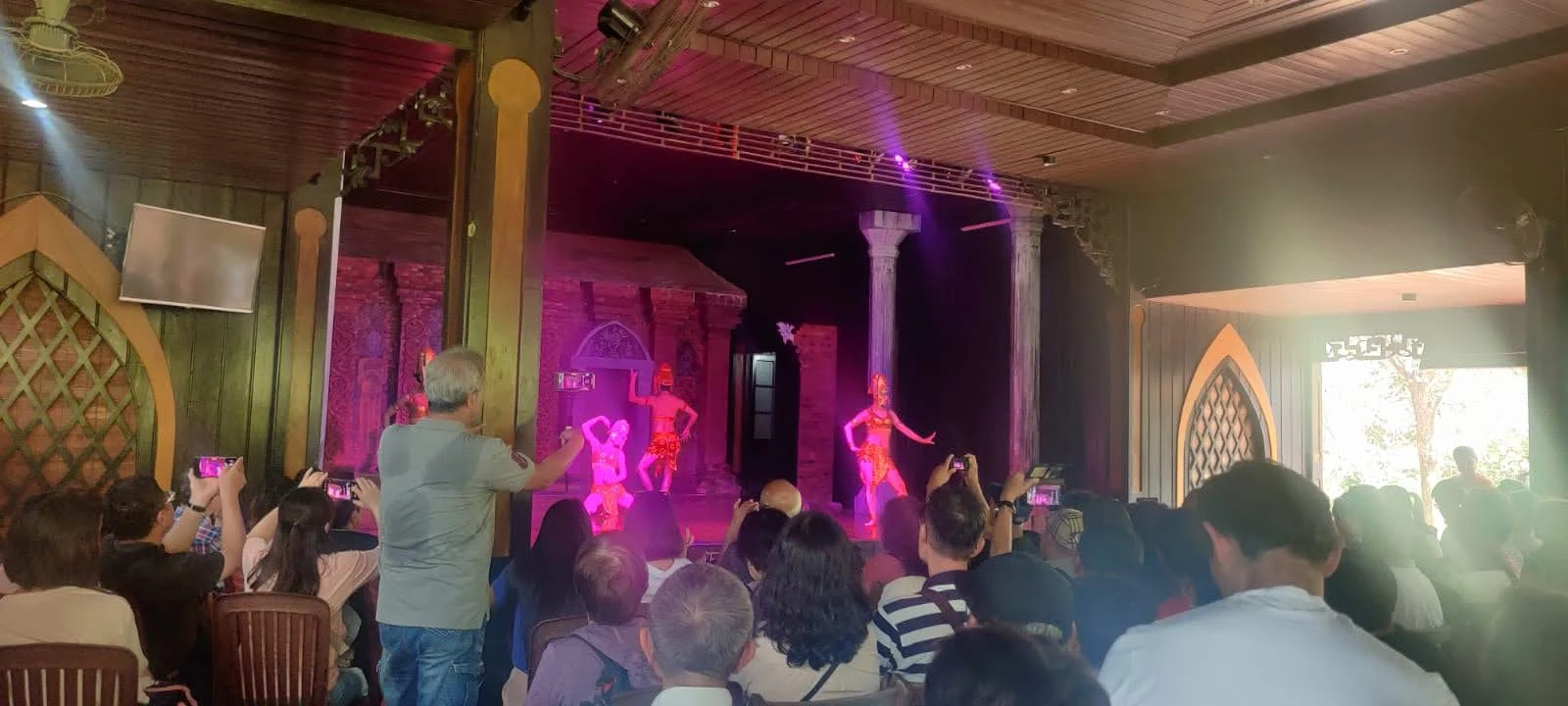
- Don't miss the traditional Cham cultural dance performance included with your My Son Sanctuary ticket, held daily at the heritage theater.
- Notice the Sanskrit inscriptions on steles and the sacred Linga-Yoni pedestals connecting Shaivite traditions across 2,000 km of ocean.
Ancient Cultural Footprints in Southeast Asia
Our journey through the Museum of Cham Sculpture and My Son Sanctuary was a powerful reminder of how ideas, art, and spirituality can cross oceans and endure for centuries.
Long before modern borders existed, maritime trade routes connected India with Southeast Asia, carrying stories of the Ramayana, worship of Shiva and Ganesha, Sanskrit inscriptions, and architectural traditions across thousands of miles.
In the quiet galleries of Da Nang and the lush valley of My Son, the echoes of that ancient exchange are still alive.
For anyone interested in the historical spread of Indian culture, exploring the Cham heritage in Vietnam is not just an archaeological journey. It is a discovery of how India’s spiritual and artistic traditions once helped shape the civilizations of Southeast Asia.
❝ Across the quiet galleries of Da Nang and the green valley of My Son, the timeless echoes of India's epics, deities, and sacred Sanskrit still endure. ❞
TRAVELLING THROUGH THE TIMELESS LEGACY OF INDIAN CIVILIZATION ACROSS ASIA AND BEYOND
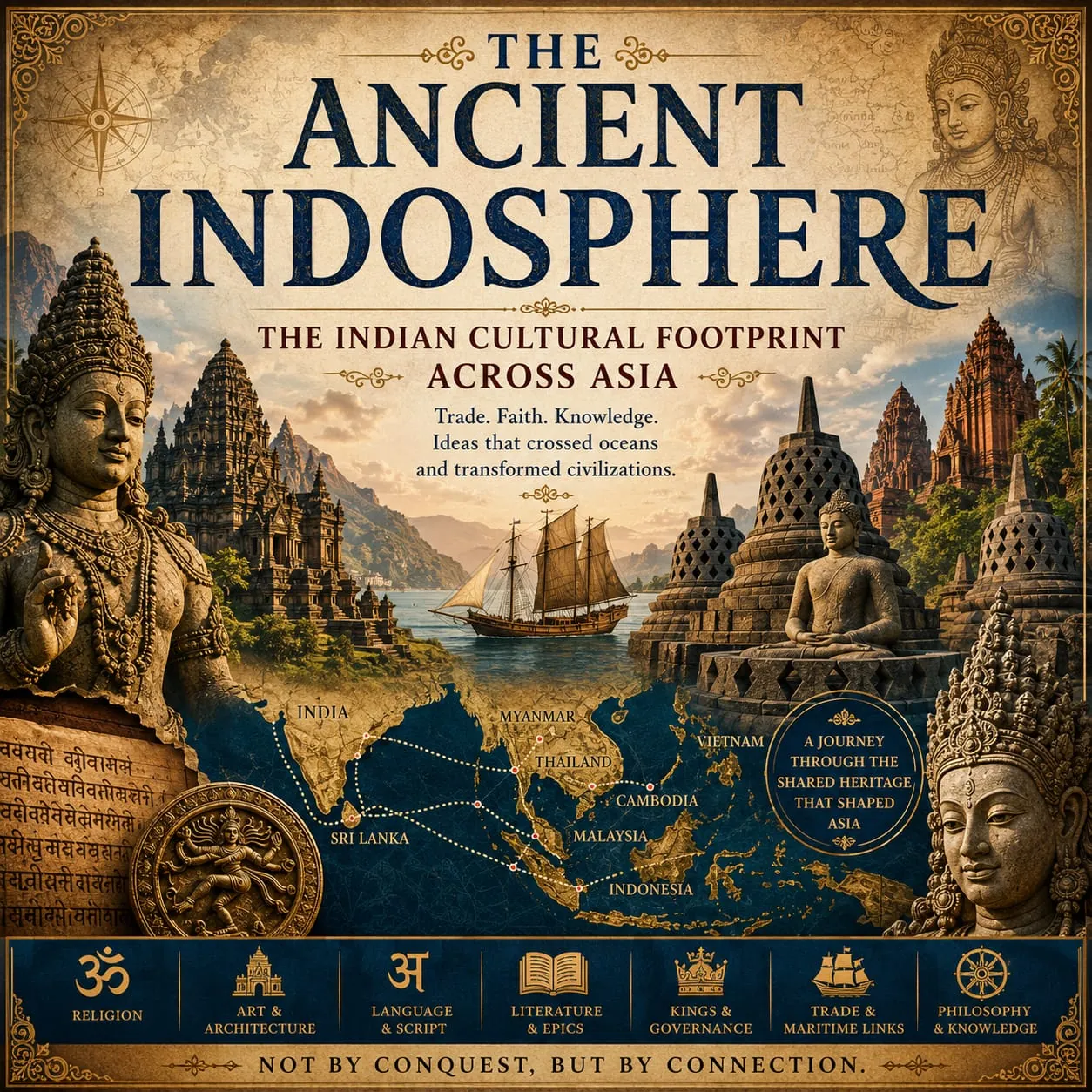
“Not by conquest, but by connection.”
Across ancient temples, sacred stupas, and living cultural landscapes, the timeless traditions born in India continue to illuminate Asia with philosophy, art, and civilizational communion carried not by sword, but through dialogue and spiritual devotion.
CONTINUE THE VIETNAM JOURNEY
Journey Through the Sacred Monuments of Vietnam