
Po Nagar, Nha Trang:Where Shiva and Shakti
Echoed Across Vietnam
Temples of Nha Trang
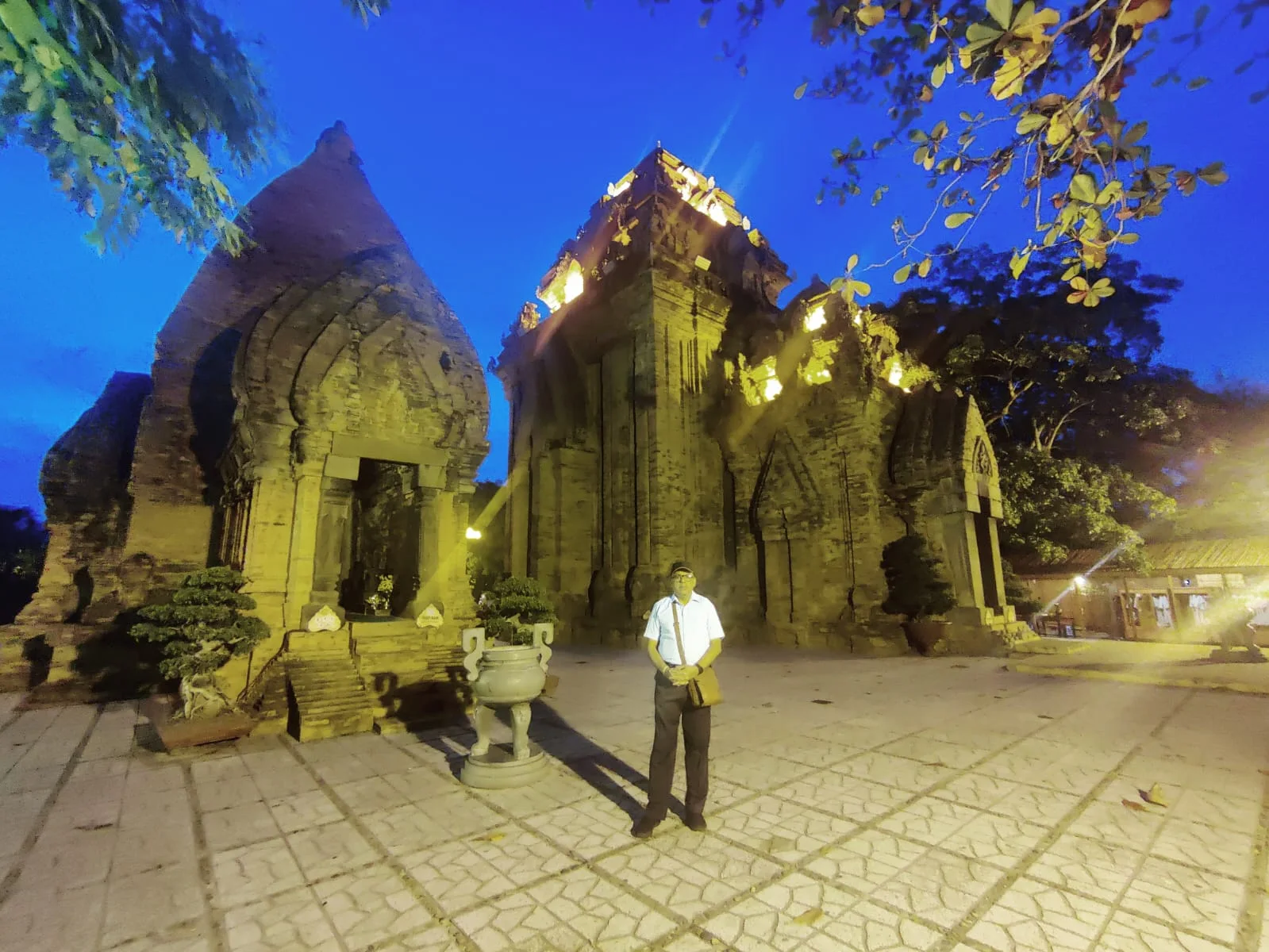
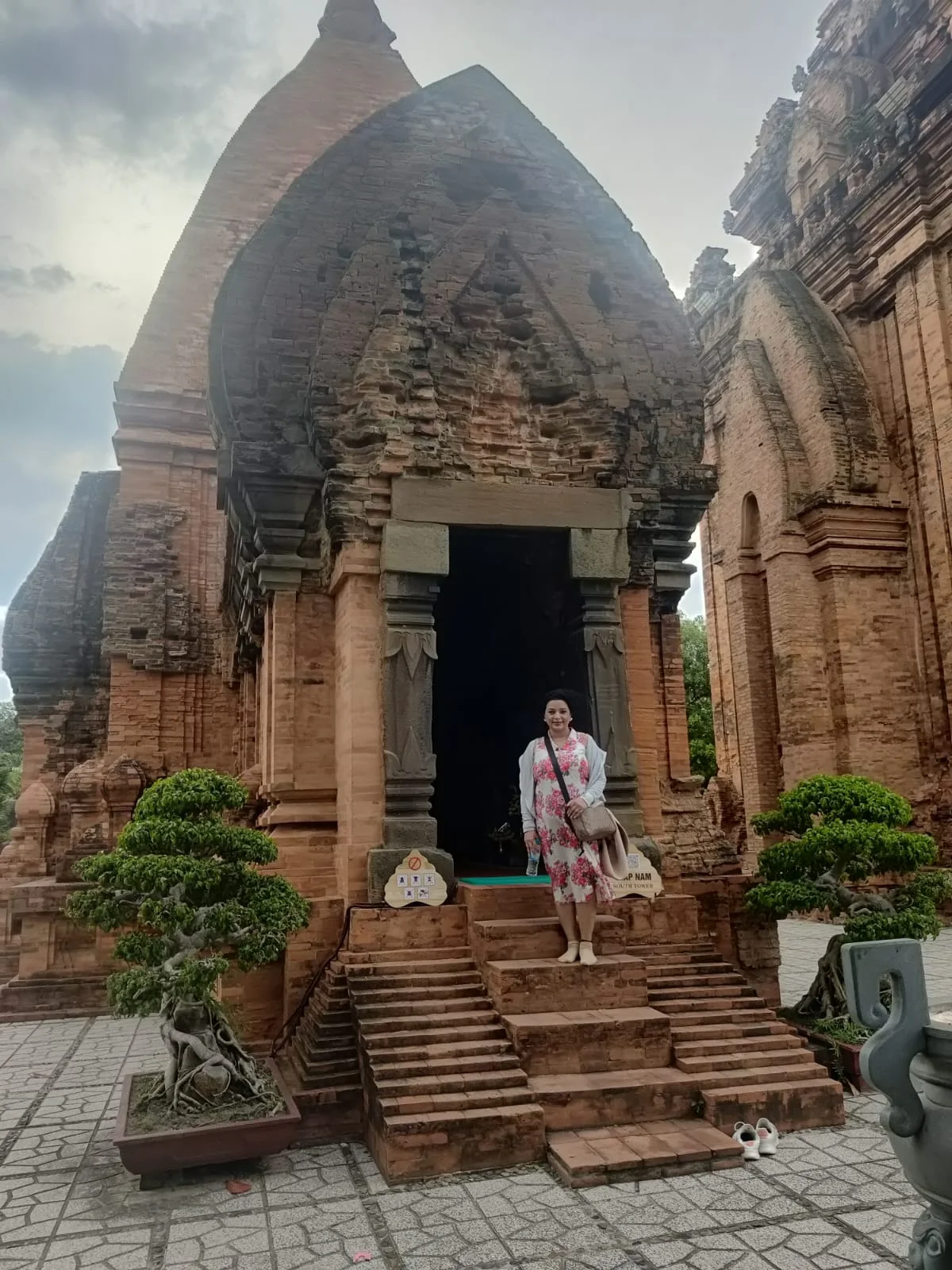
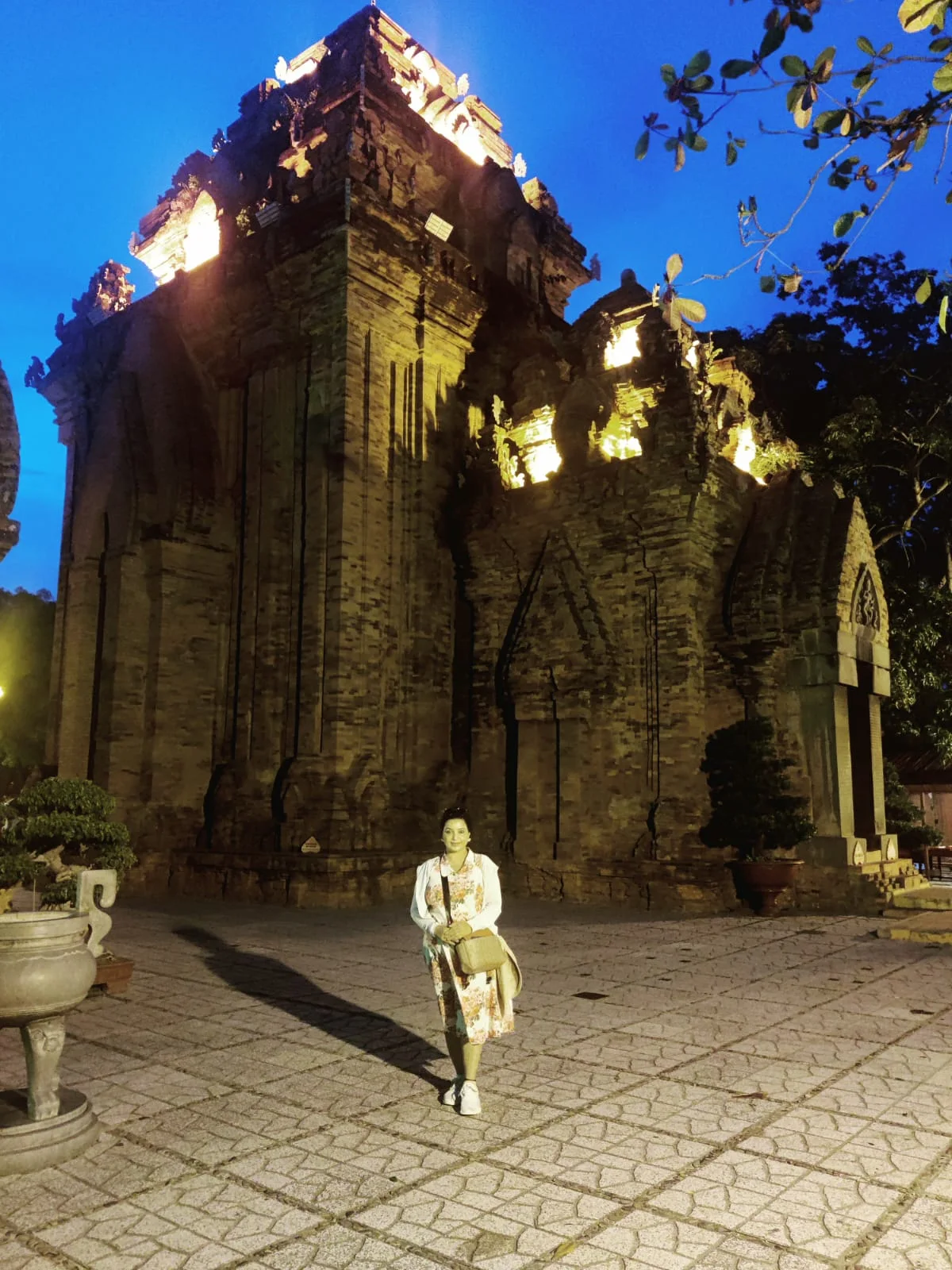
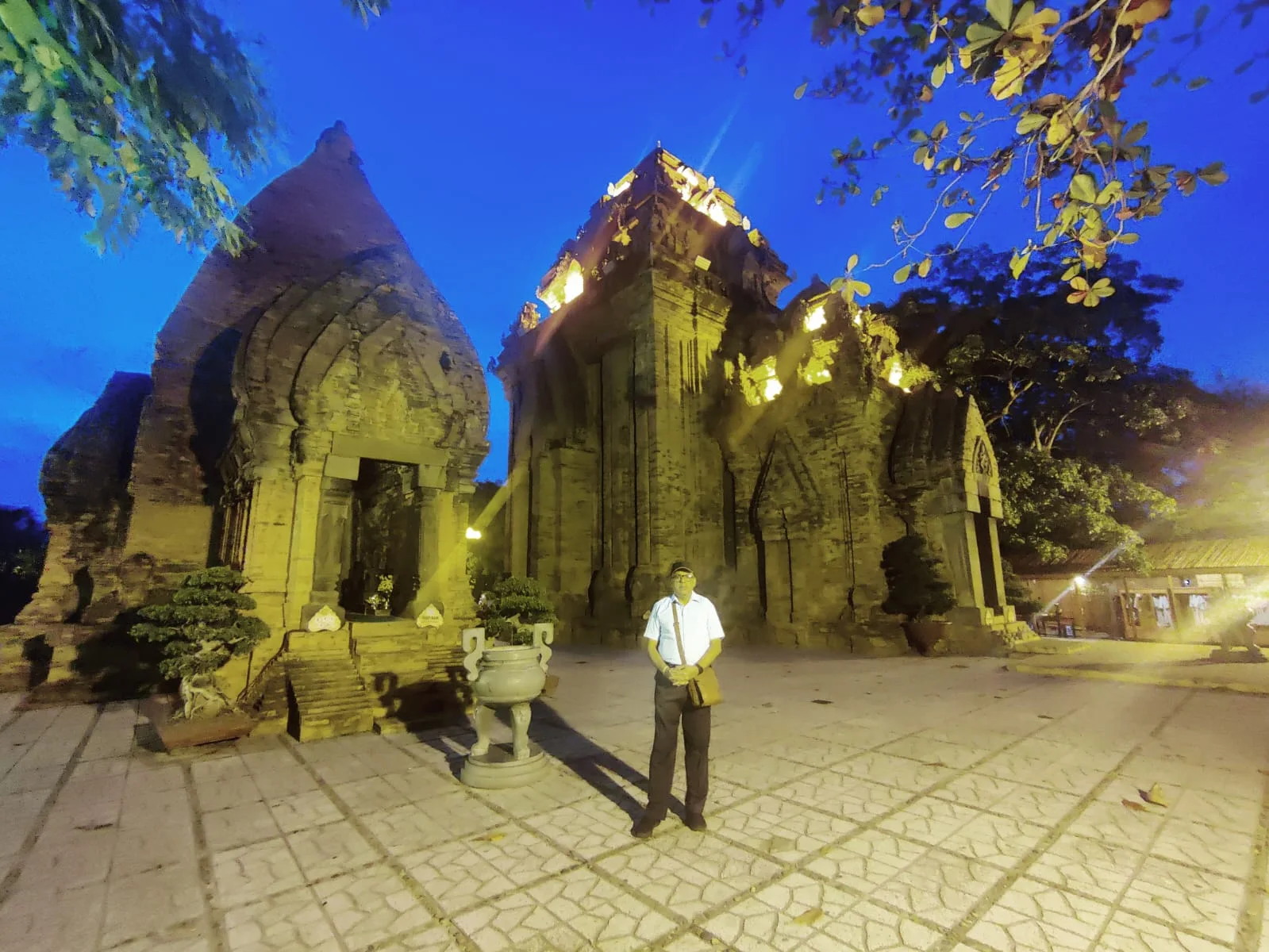
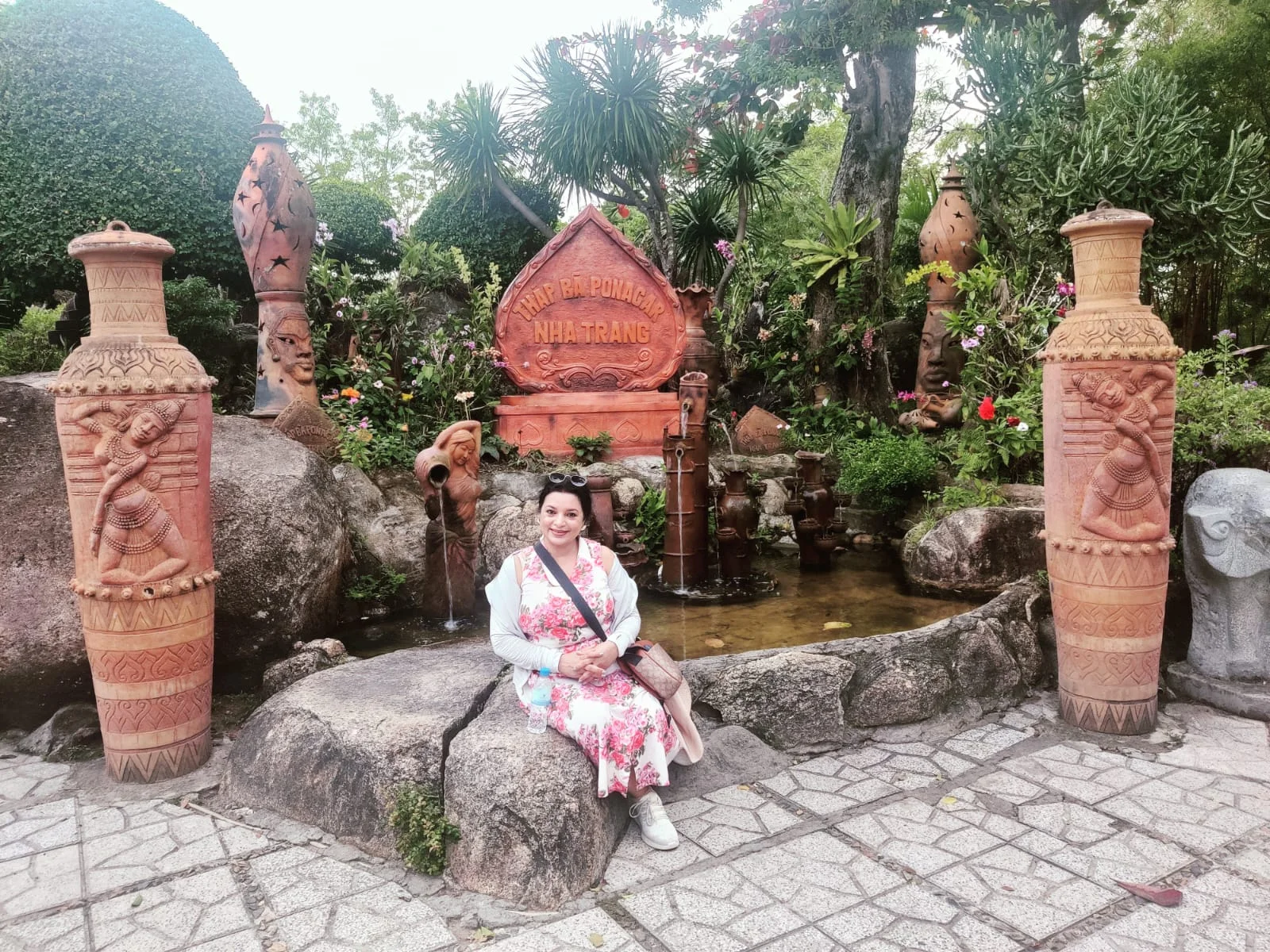
Visiting Po Nagar Cham Towers in Nha Trang was a fascinating reminder of how deeply Indian culture once influenced Southeast Asia.
Ancient Roots,
Living Traditions
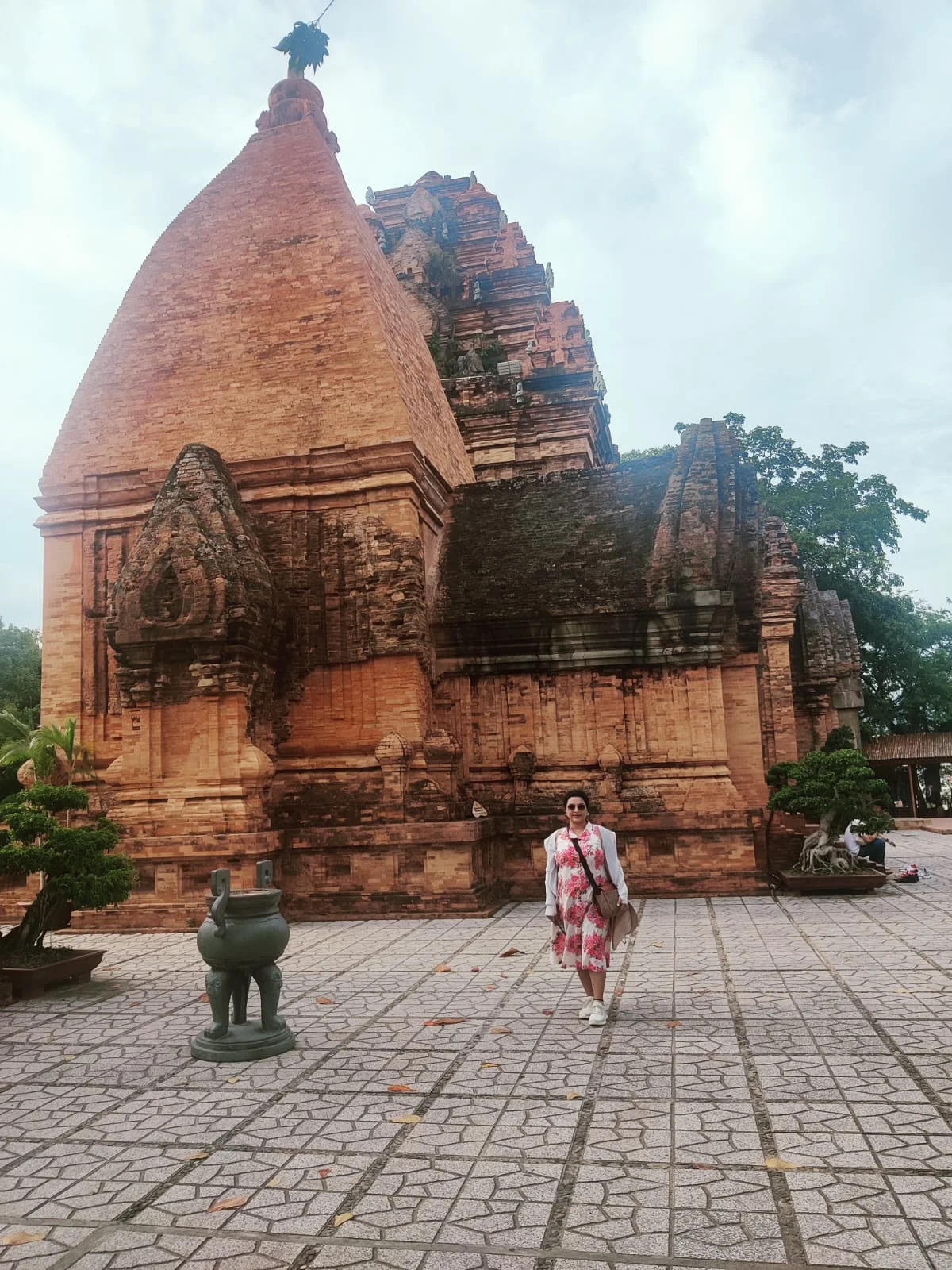
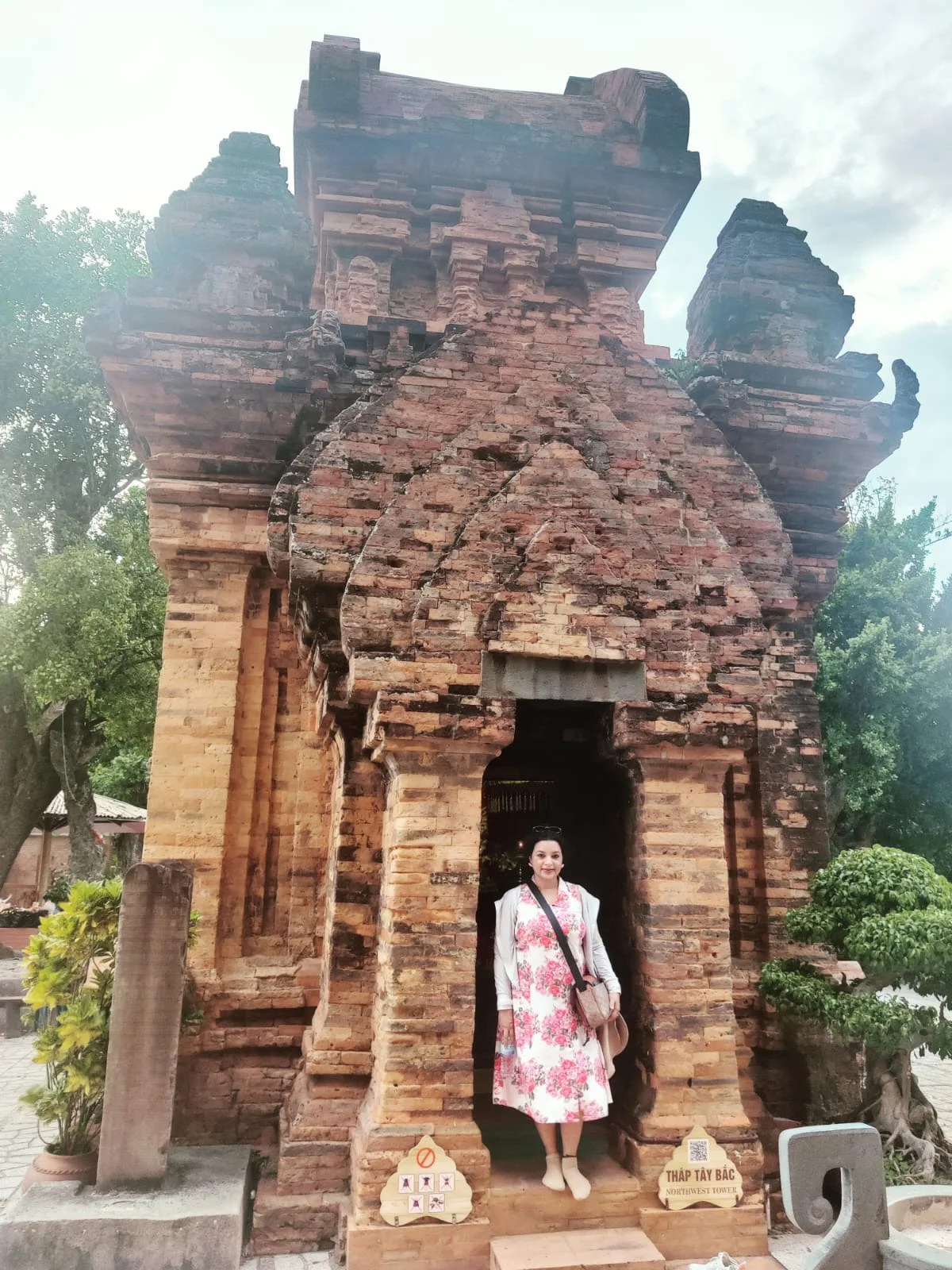
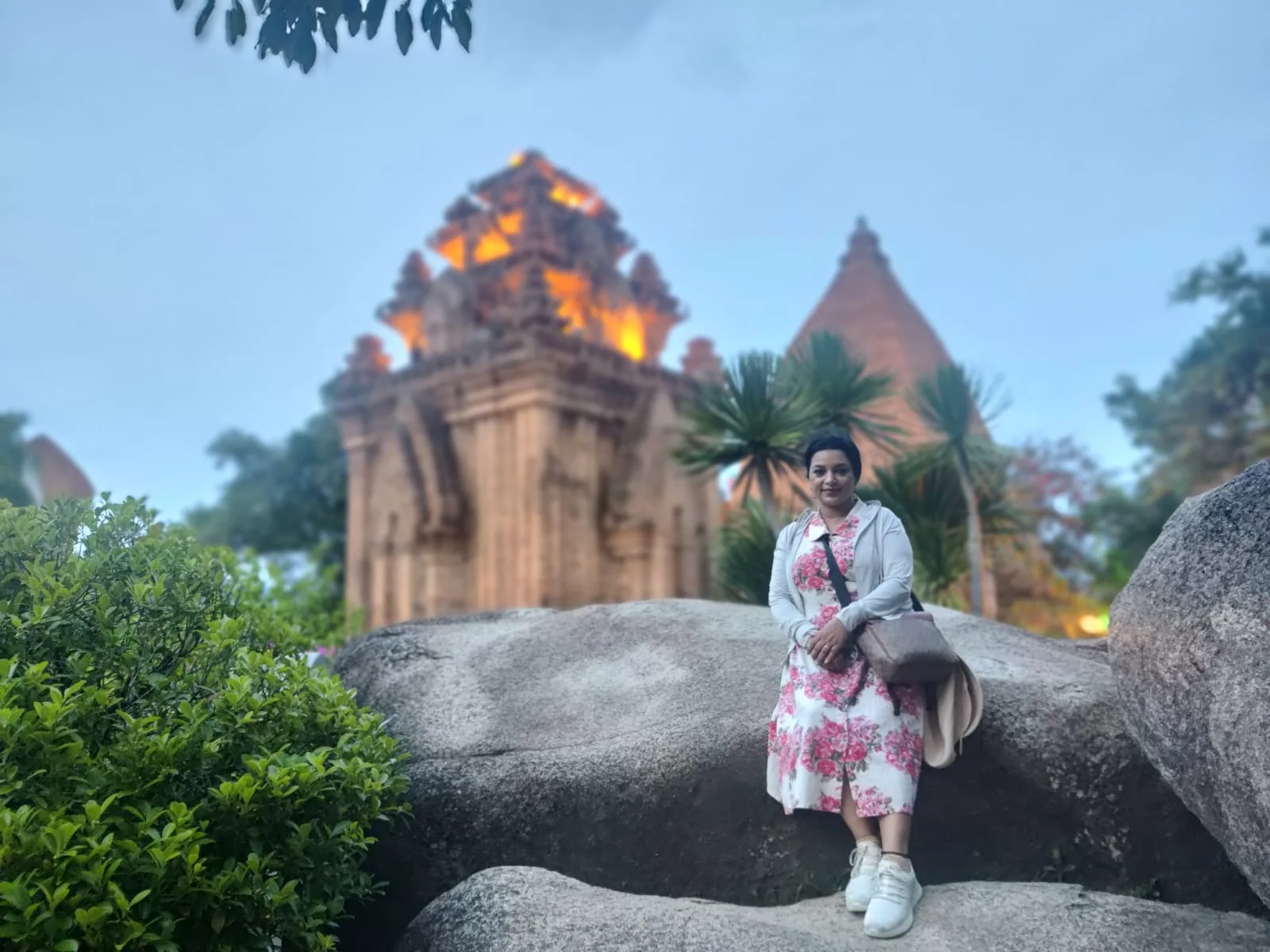
Built between the 7th and 12th centuries by the Cham civilization, the ancient temple complex is primarily dedicated to the goddess Po Nagar, yet strong traces of Shaivism and Hindu traditions can still be felt throughout the site.
Walking among the weathered brick towers, incense-filled shrines, and ancient carvings overlooking the river, we could almost sense echoes of a forgotten Hindu kingdom flourishing far from India’s shores. The peaceful atmosphere and enduring spiritual heritage of the site made the visit both historically fascinating and emotionally moving.
Lord Shiva as the Supreme Deity
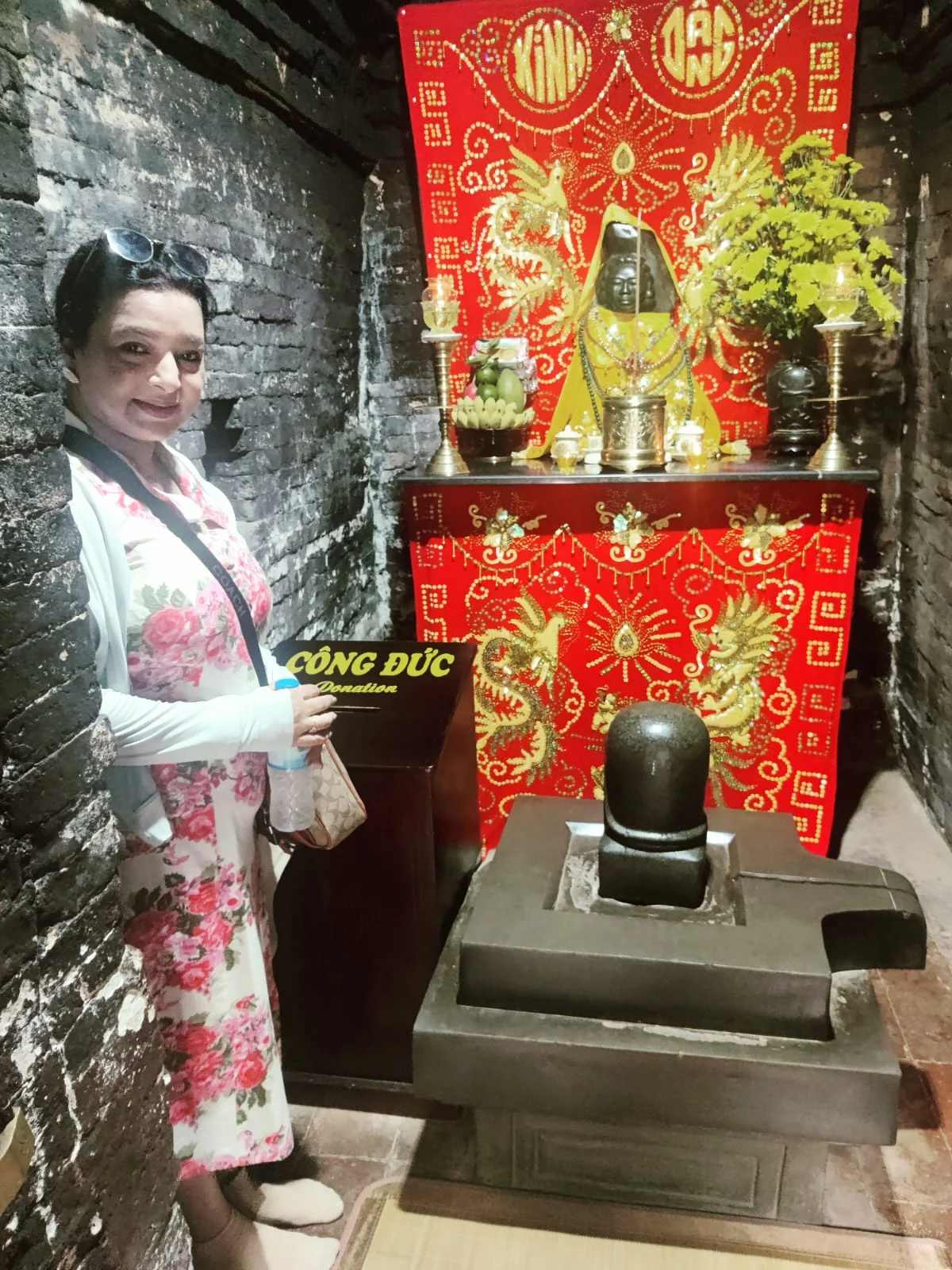
Within Po Nagar Cham Towers, symbolic elements such as the linga-yoni and the temple architecture reflect the strong influence of Shaivism on the Cham civilization. Deeply inspired by Indian culture, the Cham people revered Lord Shiva as a supreme deity, and this spiritual connection remains visible in the ancient carvings, shrines, and artistic traditions preserved at the site.
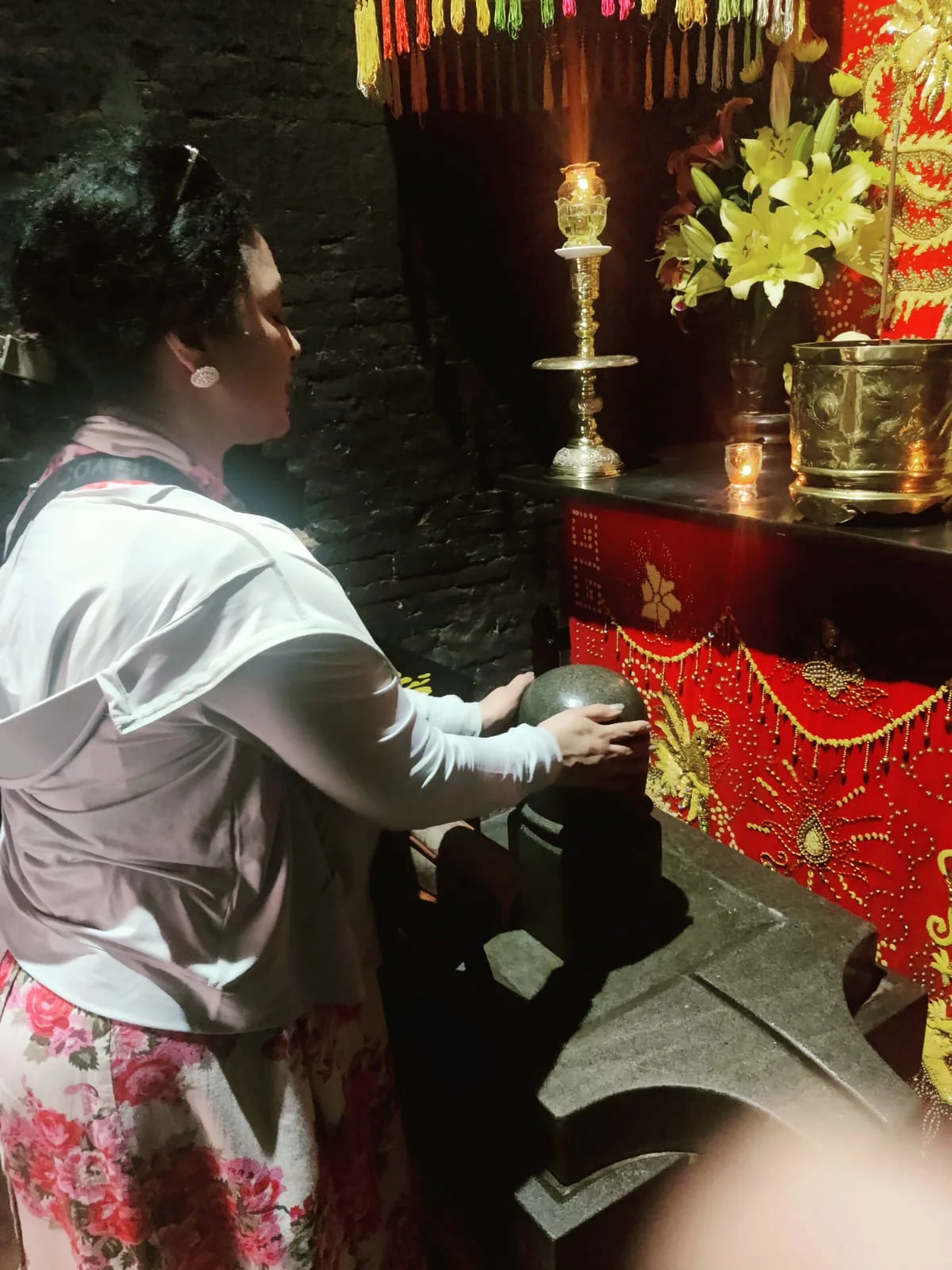
Walking through the centuries-old temple complex, surrounded by incense and chants, felt both peaceful and deeply moving. We quietly offered prayers to Lord Shiva there, experiencing a powerful sense of connection between India and this ancient corner of Vietnam.
A Hindu Temple
That Survived Pirates and Kings
The temple has an extraordinary history of destruction and rebuilding. An inscription from 781 CE records that the sanctuary had already been attacked. Earlier structures were apparently destroyed by seaborne raiders, traditionally identified as Javanese, who also broke the sacred linga and carried away its jewels. The Cham king subsequently rebuilt the sanctuary.
Another dramatic episode followed in 950 CE, when the Khmer king Rajendravarman II reportedly carried away a golden image of the goddess. Fifteen years later, the Cham king Jaya Indravarman replaced it with a magnificent stone image that remains associated with the shrine today.
These episodes reveal the remarkable resilience of the Cham civilization and the enduring spiritual importance of Po Nagar. Despite invasions, destruction, and political changes, the sacred site continued to hold a central place in the region’s religious traditions.
Shiva Dancing
Above the Doorway
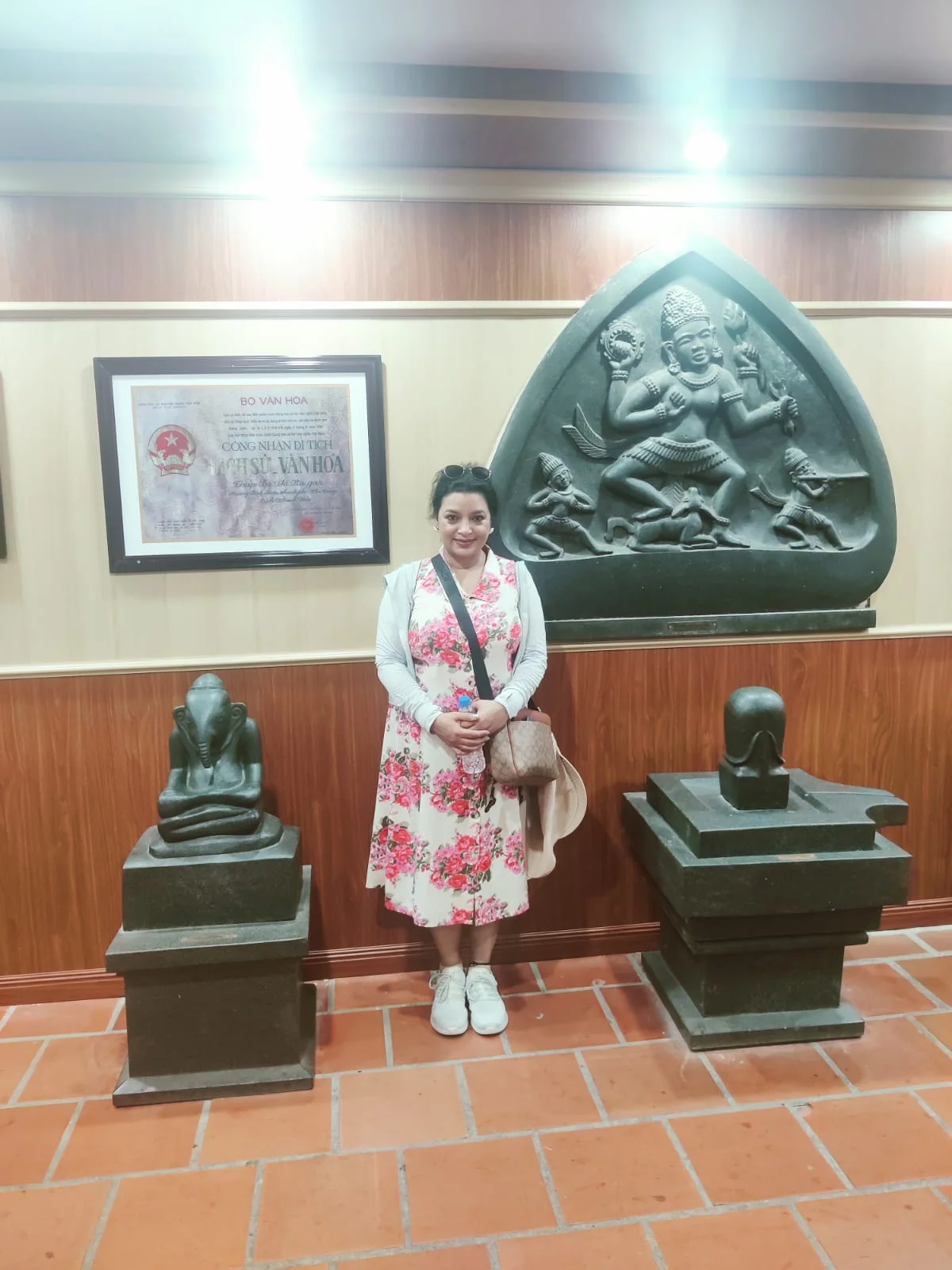
Another beautiful connection with Indian religious traditions can be found in the dancing Shiva carved above the entrance of the main tower. Shiva is depicted dancing with musicians beside him, with the bull Nandi beneath his foot. The relief dates to around the 11th century.
Within the complex, there are also lingas, while one of the towers was associated with Ganesha. These features demonstrate that Po Nagar was not simply a shrine dedicated to one goddess. It formed part of a much wider Hindu religious landscape in which different deities and traditions were worshipped.
The surviving carvings and sacred symbols offer a glimpse into the artistic achievements and spiritual beliefs of the Cham people, revealing striking connections with the Hindu temples of India.
The Goddess Who
Emerged from Sea Foam
One of the most fascinating legends associated with the temple is that of Po Nagar, the Mother of the Realm.
According to Cham tradition, she appeared miraculously from clouds and sea foam. She became a creator and protector goddess and, according to legend, taught people agriculture, weaving, and other essential skills.
This is particularly interesting from an Indian perspective because the local Cham goddess was subsequently identified with Hindu goddesses such as Bhagavati, Shakti, and Durga. Through this cultural and religious exchange, an indigenous Mother Goddess became part of a broader Hindu religious world.
The story of Po Nagar beautifully illustrates how local traditions and Indian religious influences merged over centuries, creating a spiritual identity unique to the Cham civilization.
The Hindu Goddess Who Became
a Vietnamese Mother Goddess
Perhaps the most moving aspect of Po Nagar’s history is what happened in later centuries.
When Vietnamese culture spread into the region, Po Nagar was not simply abandoned. Instead, the goddess was reinterpreted as Thiên Y A Na, the Holy Mother, and the temple continued to serve as a place of worship.
Today, the site represents a fascinating layering of Cham indigenous beliefs, Hindu traditions, and Vietnamese Mother Goddess worship.
Rather than disappearing with the decline of the Cham civilization, the goddess’s identity evolved across cultures and generations. This continuity makes Po Nagar a remarkable example of how sacred traditions can adapt to changing societies while retaining their spiritual significance.
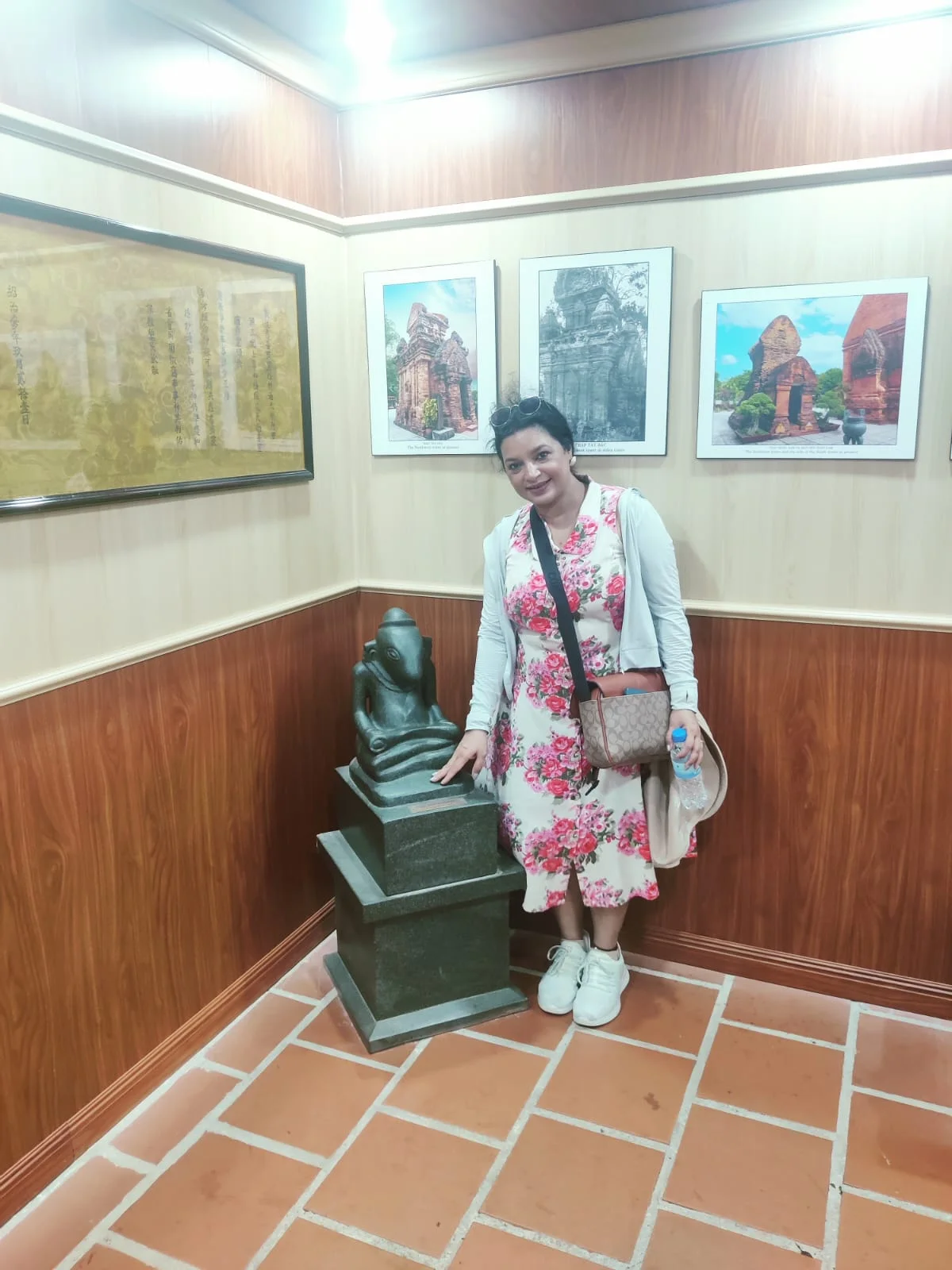
Museum Inside the Nha Trang
Temple Complex
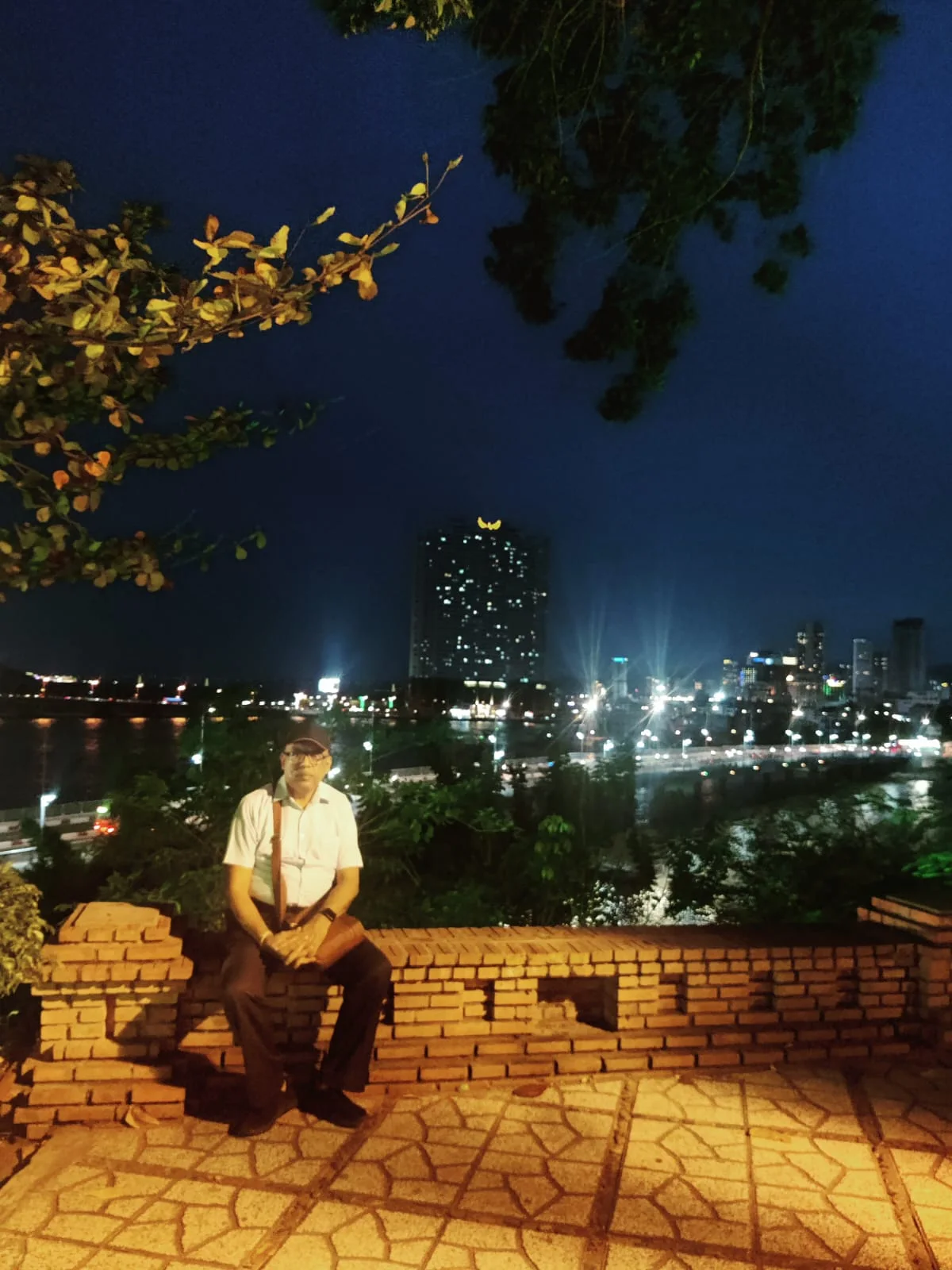
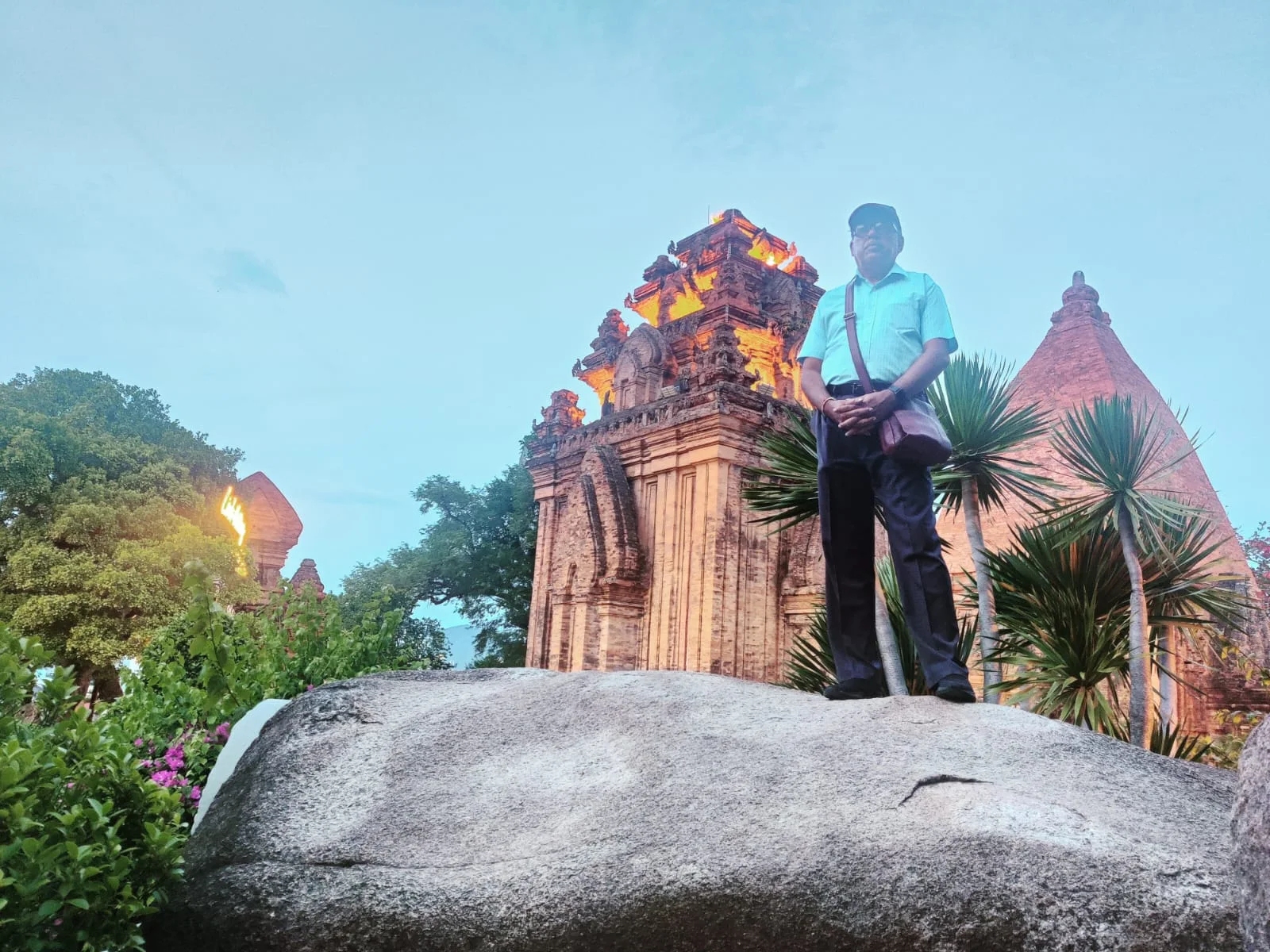
Although Nha Trang does not have a prominent active Shiva temple like those commonly found in India, Po Nagar Cham Towers stands as a powerful reminder of Vietnam’s ancient Hindu heritage. Set on a gentle hill overlooking the Cai River, the complex carries a peaceful spiritual atmosphere while reflecting centuries of cultural exchange between India and Southeast Asia.
During our visit, we explored the small museum within the complex, which offered fascinating insights into the Cham civilization and its deep Shaivite traditions. The exhibits helped us better understand the history, artistic achievements, and religious practices of this ancient culture.
We were also fortunate to witness a beautiful traditional temple dance performance. Its graceful movements and music seemed to bring the spirit of the ancient kingdom alive once again, adding another memorable dimension to our visit.
Nha Trang: A Wonderful Blend of
Spirituality and Seaside Relaxation
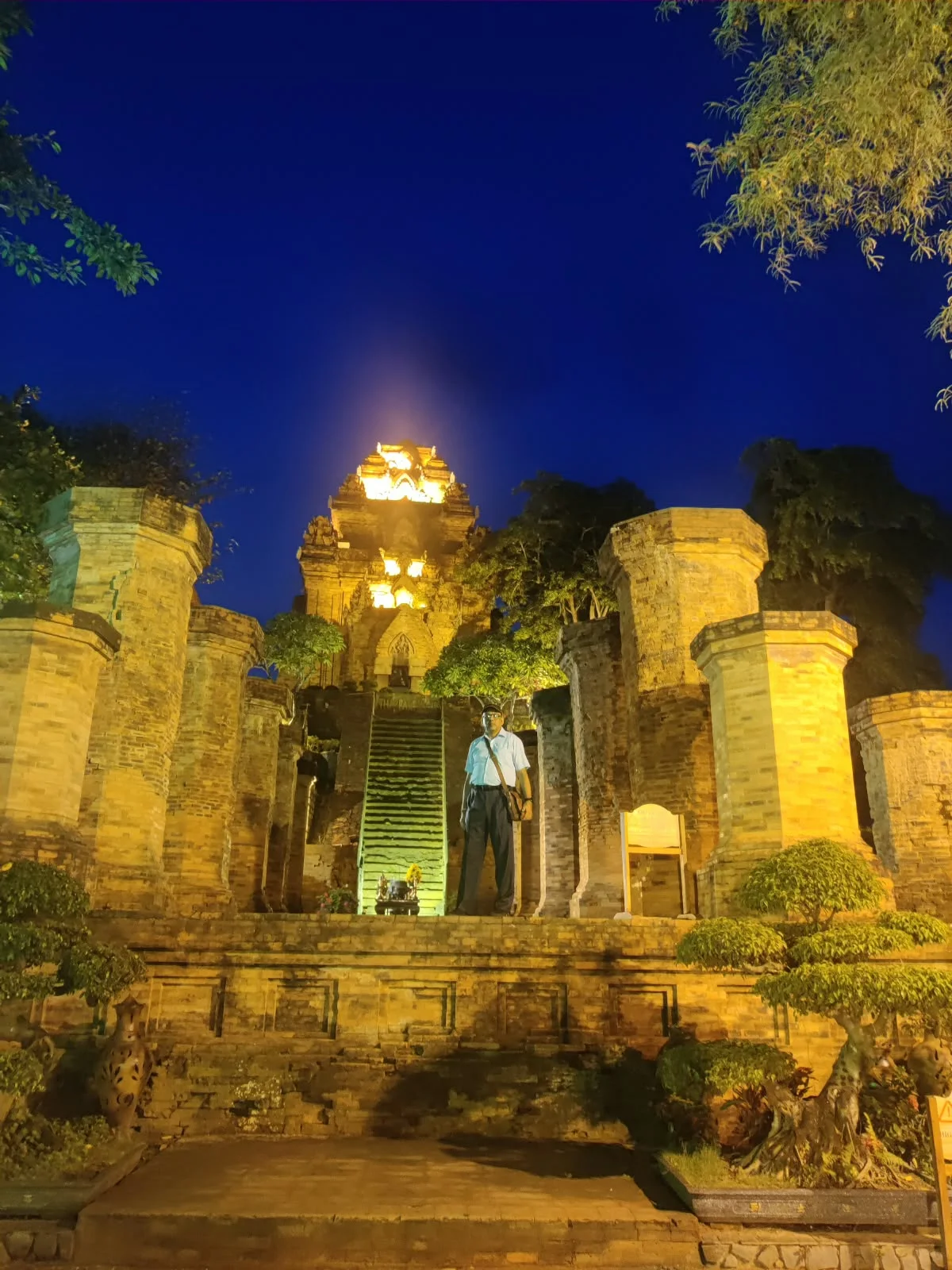
Our stay in Nha Trang offered a wonderful blend of spirituality and seaside relaxation. We spent one day exploring the ancient temples and cultural heritage of the city, especially the beautiful Po Nagar Cham Towers, which reflected the deep Hindu influence of the old Cham civilization.
The next two days were devoted entirely to the city’s coastal beauty and modern attractions.
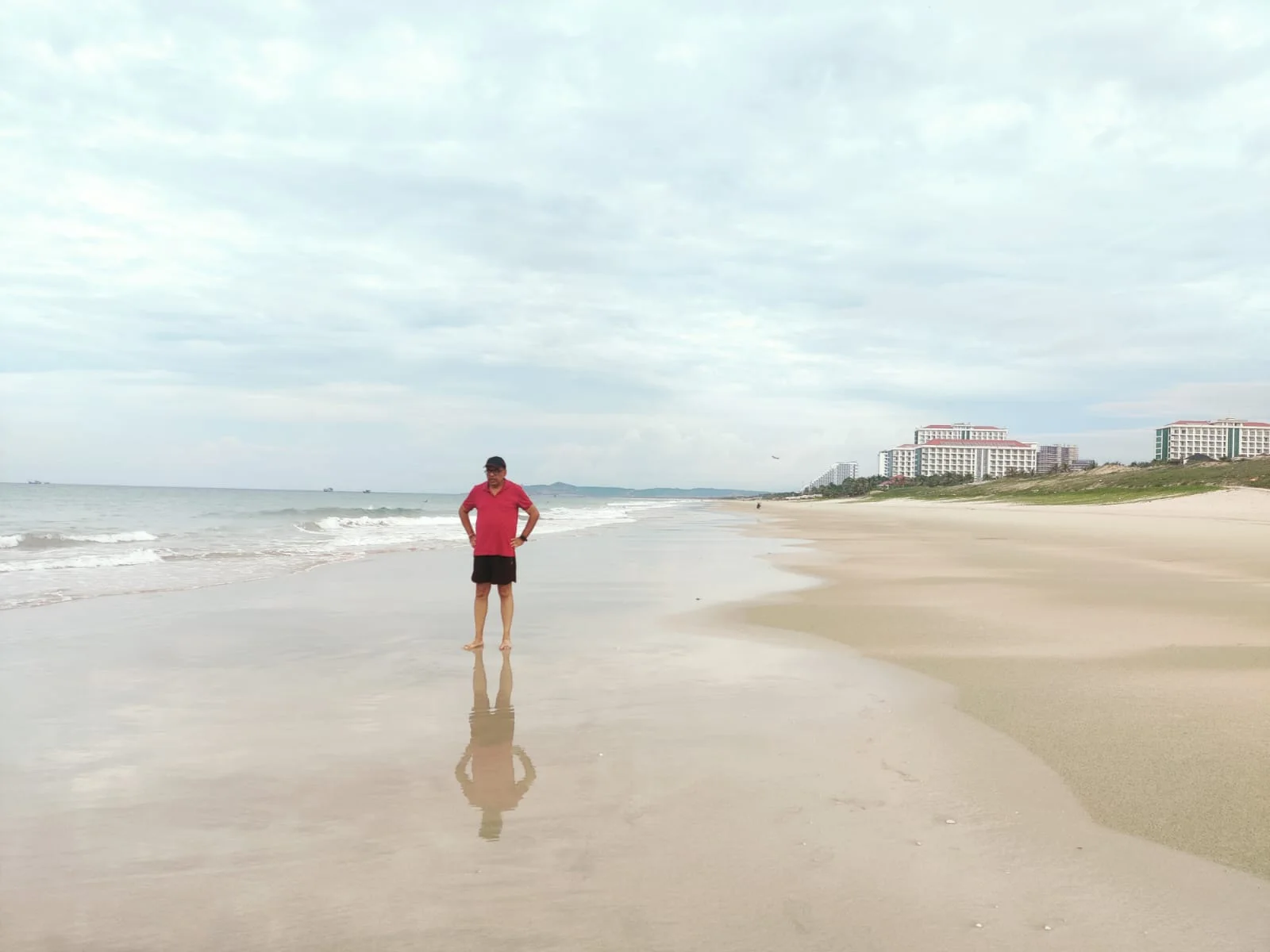
We relaxed along the sweeping sands of Nha Trang Beach, enjoying the calm sea breeze and vibrant seaside atmosphere. The city’s beautiful coastline provided a refreshing contrast to the peaceful surroundings of the ancient temple complex.
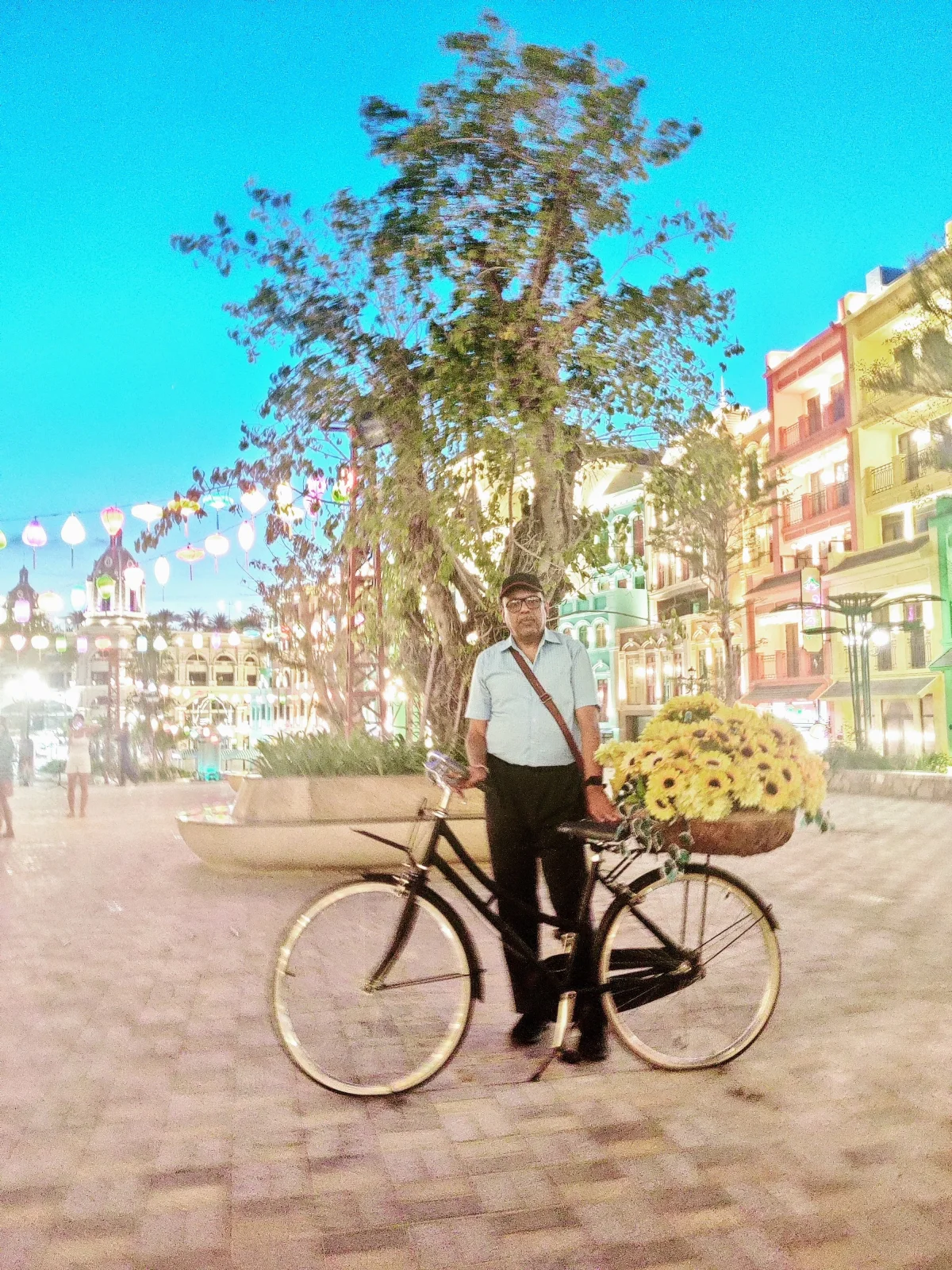
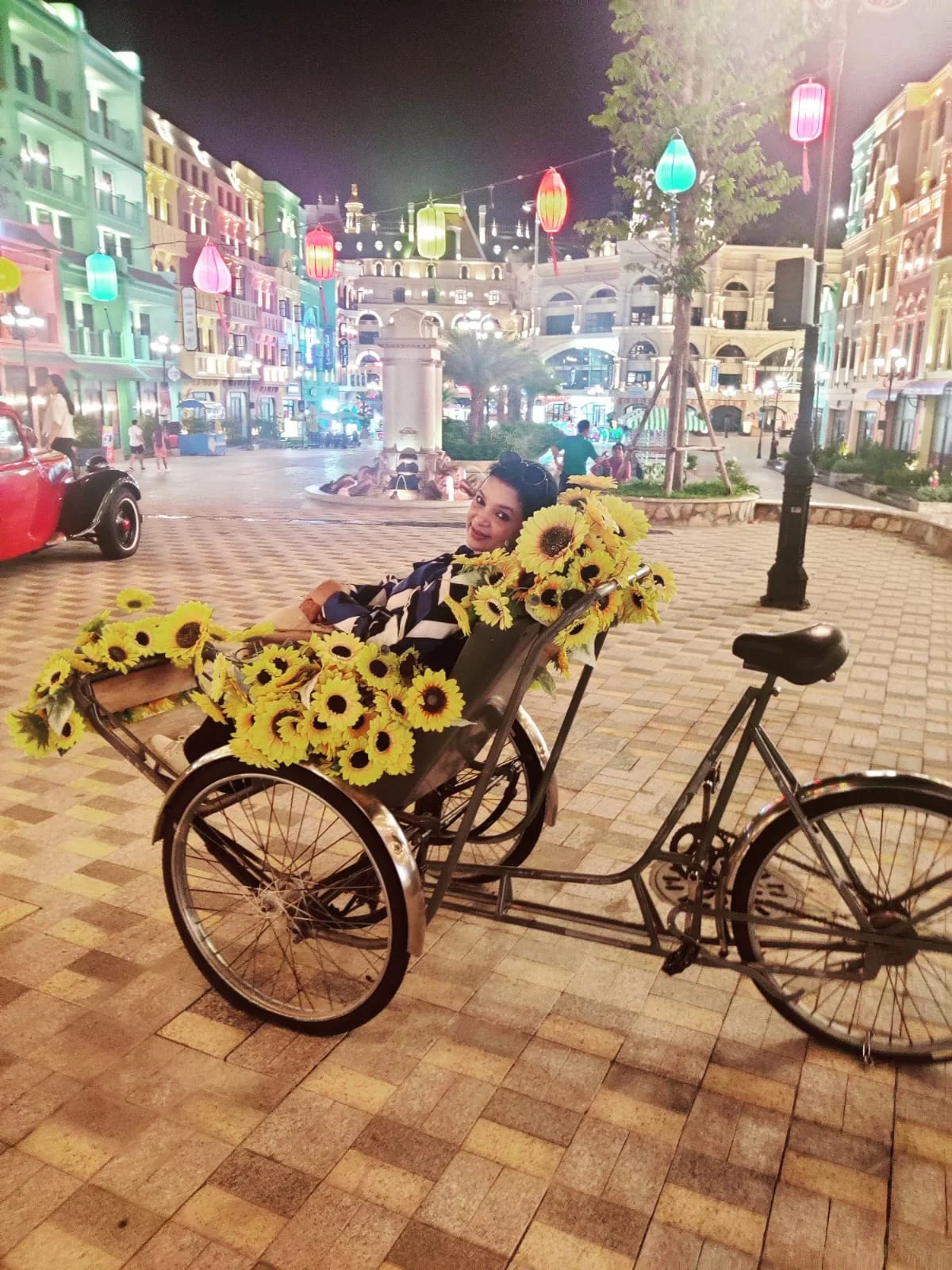
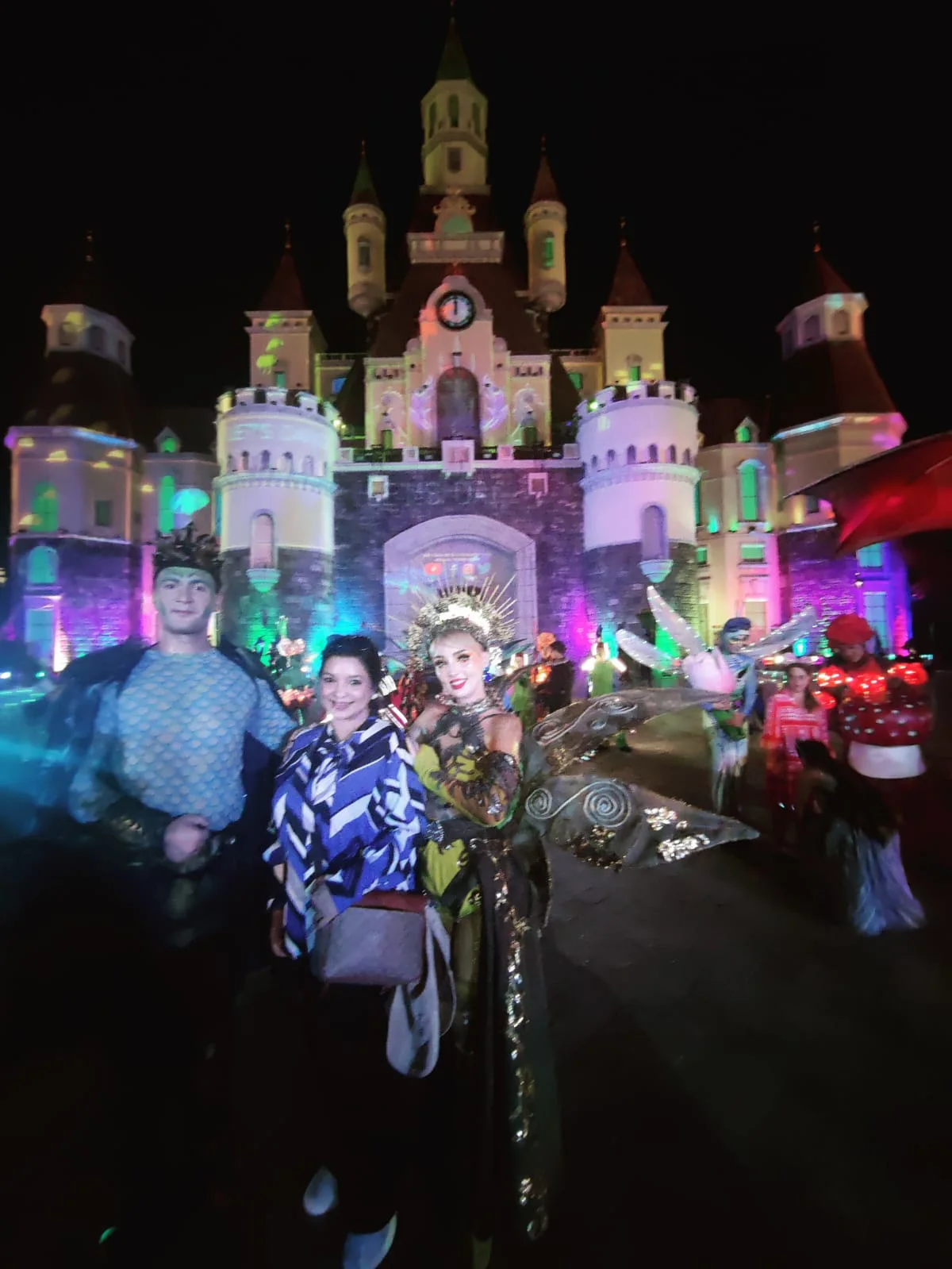
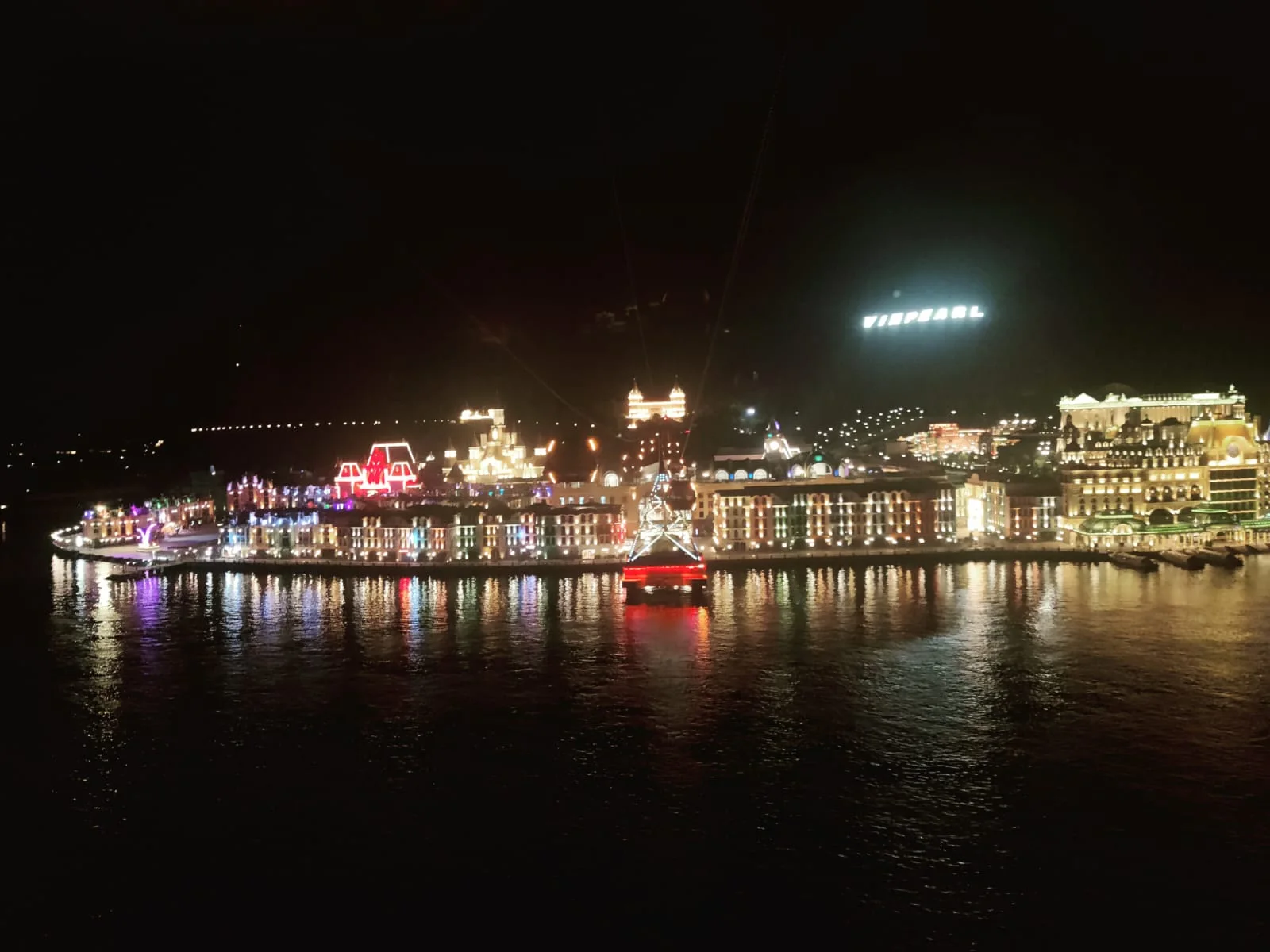
One of the highlights was visiting VinWonders Nha Trang, reached by a spectacular cable car ride over the sea. The island theme park, with its rides, water attractions, gardens, and entertainment, offered a completely different but equally enjoyable side of Nha Trang.
Together, these experiences made our stay culturally enriching and wonderfully relaxing, allowing us to appreciate both the city’s ancient heritage and its modern coastal charm.
Tips for Visiting Po Nagar Cham Towers
- Best Time to Visit: Arrive early in the morning, preferably before 9:00 am, to avoid the heat and larger crowds.
- Dress Modestly: Keep your shoulders and knees covered, particularly if you wish to enter the shrine.
- Footwear: Wear comfortable shoes, as the complex includes steps and uneven surfaces.
- Temple Etiquette: Remove your shoes where requested, keep your voice low, and avoid disturbing worshippers during prayers and ceremonies.
- Look Closely: Do not miss the depictions of Durga and Mahishasuramardini, the dancing Shiva relief, Nandi, and the linga-yoni symbolism.
- Indian Connection: Remember that this is a Cham Hindu temple complex reflecting the historical spread and adaptation of Indian religious traditions in Southeast Asia.
- Photography: The temple hill offers excellent views of the Cai River and the surrounding city of Nha Trang.
- Suggested Visit Duration: The temple complex can easily be included in a half-day Nha Trang sightseeing itinerary.
Final Thoughts
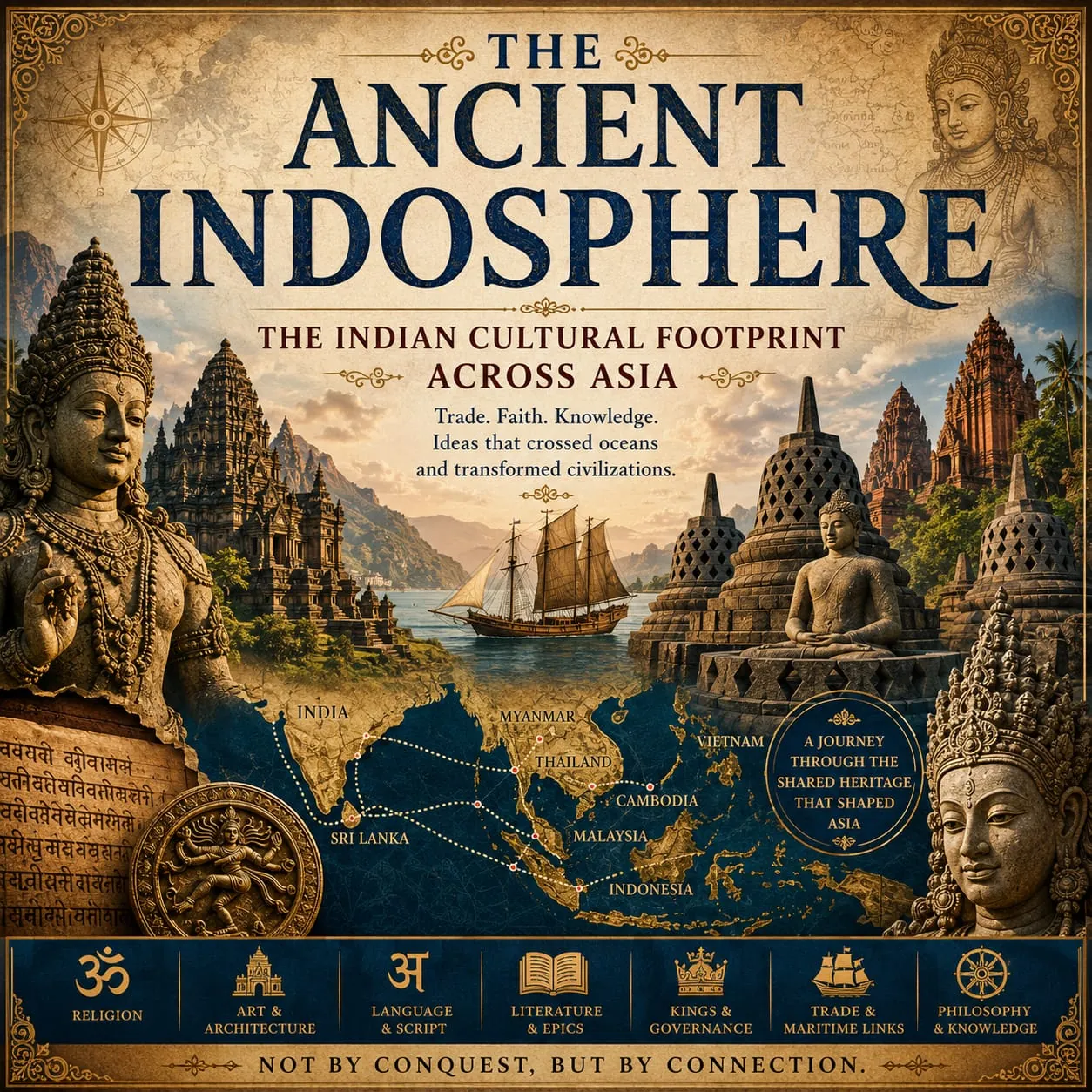
Our visit to Po Nagar made us realise that Indianization was never simply the transplantation of Indian temples and gods into foreign lands. Across Southeast Asia, Indian ideas blended with local beliefs, producing something unique.
At Po Nagar, an indigenous Mother Goddess became associated with Shakti, while Shiva, Durga, Ganesha, and the linga-yoni became part of the sacred landscape. Over time, these traditions interacted with Vietnamese religious practices, allowing the goddess’s legacy to continue in a new cultural setting.
The temple therefore stands as a remarkable living testimony to the centuries-old cultural dialogue between India and Vietnam.
Walking through its ancient towers, observing its sacred carvings, and experiencing its peaceful atmosphere reminded us that India’s cultural connections extend far beyond its geographical boundaries.
❝ Po Nagar is more than an ancient temple. It is a living symbol of how civilizations meet, traditions evolve, and spiritual connections endure across centuries. ❞
TRAVELLING THROUGH THE TIMELESS LEGACY OF INDIAN CIVILIZATION ACROSS ASIA AND BEYOND
“Not by conquest, but by connection.”
Across ancient temples, sacred stupas, and living cultural landscapes, the timeless traditions born in India continue to illuminate Asia with philosophy, art, and civilizational communion carried not by sword, but through dialogue and spiritual devotion.
CONTINUE THE VIETNAM JOURNEY
Journey Through the Sacred Monuments of Vietnam