
Tashkent: The Gateway to the Great Silk Road
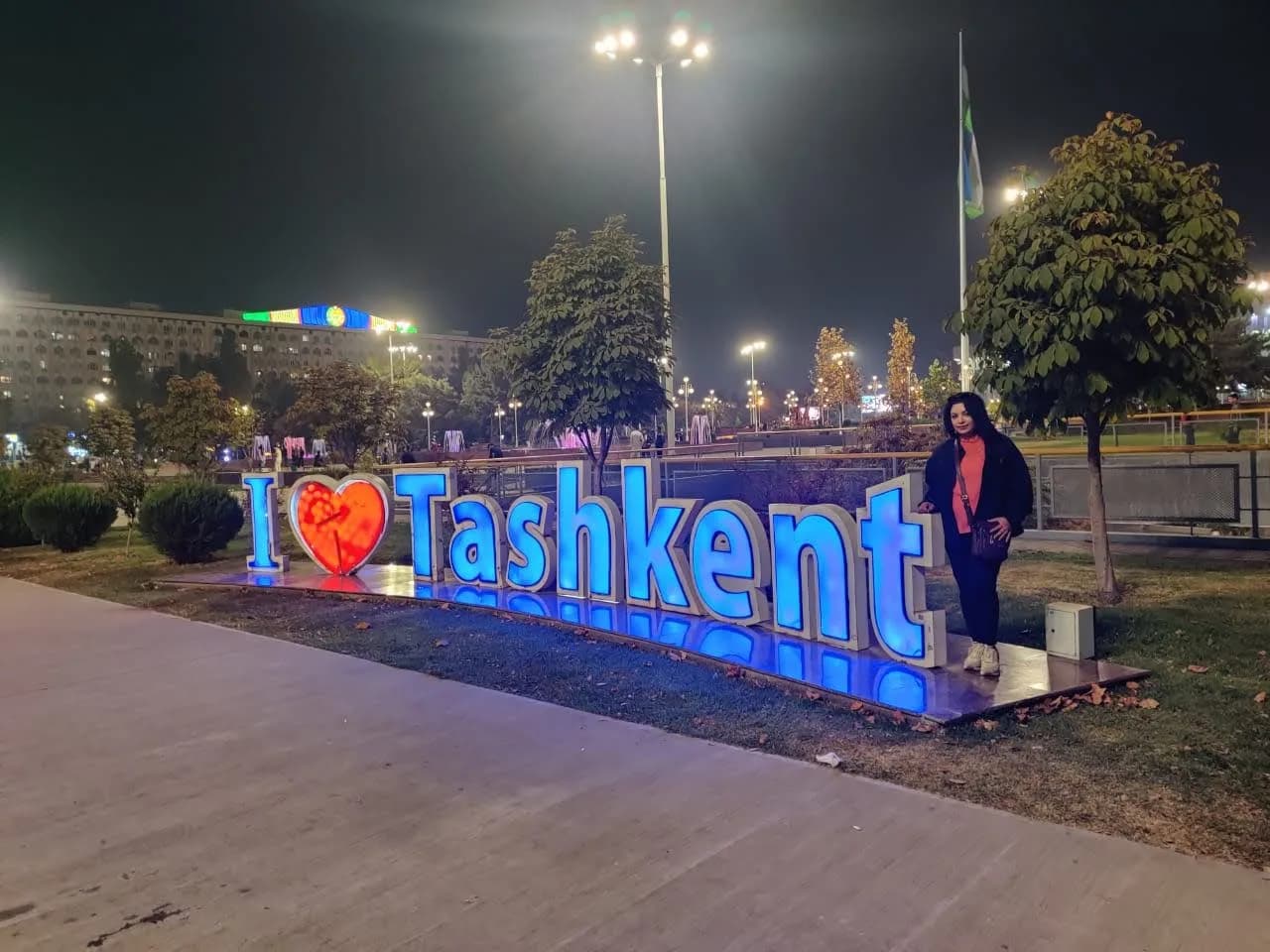
Tashkent is one of the most important Silk Route cities of Central Asia, once serving as a key trading hub connecting Europe and China. Its name, meaning “city of stone,” reflects its long history and resilience as a cultural crossroads alongside legendary Silk Road cities like Samarkand and Bukhara. Today, the city beautifully preserves traces of its past, with Islamic architecture featuring striking blue tiles standing alongside wide Soviet-era boulevards and modern developments.
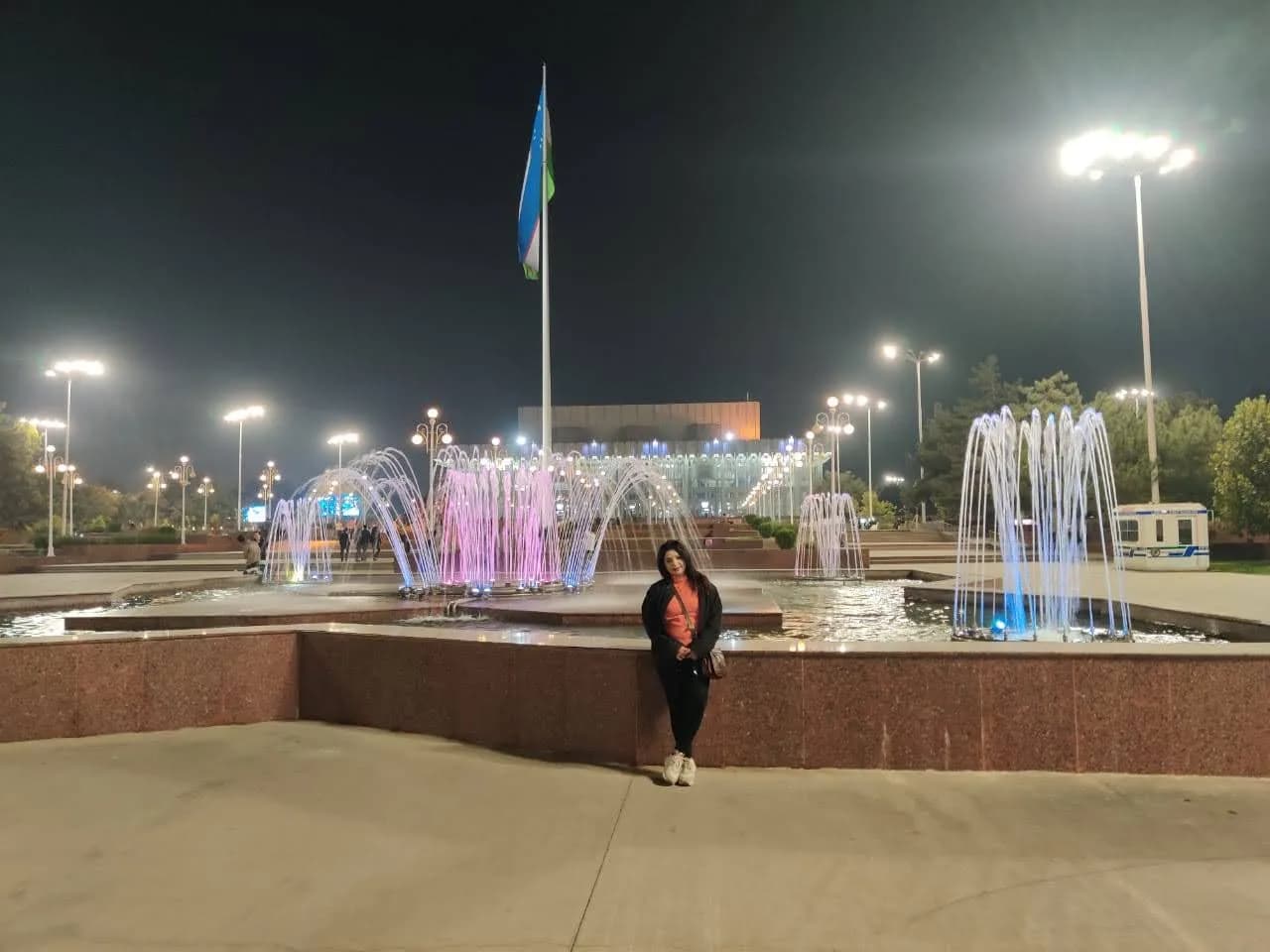
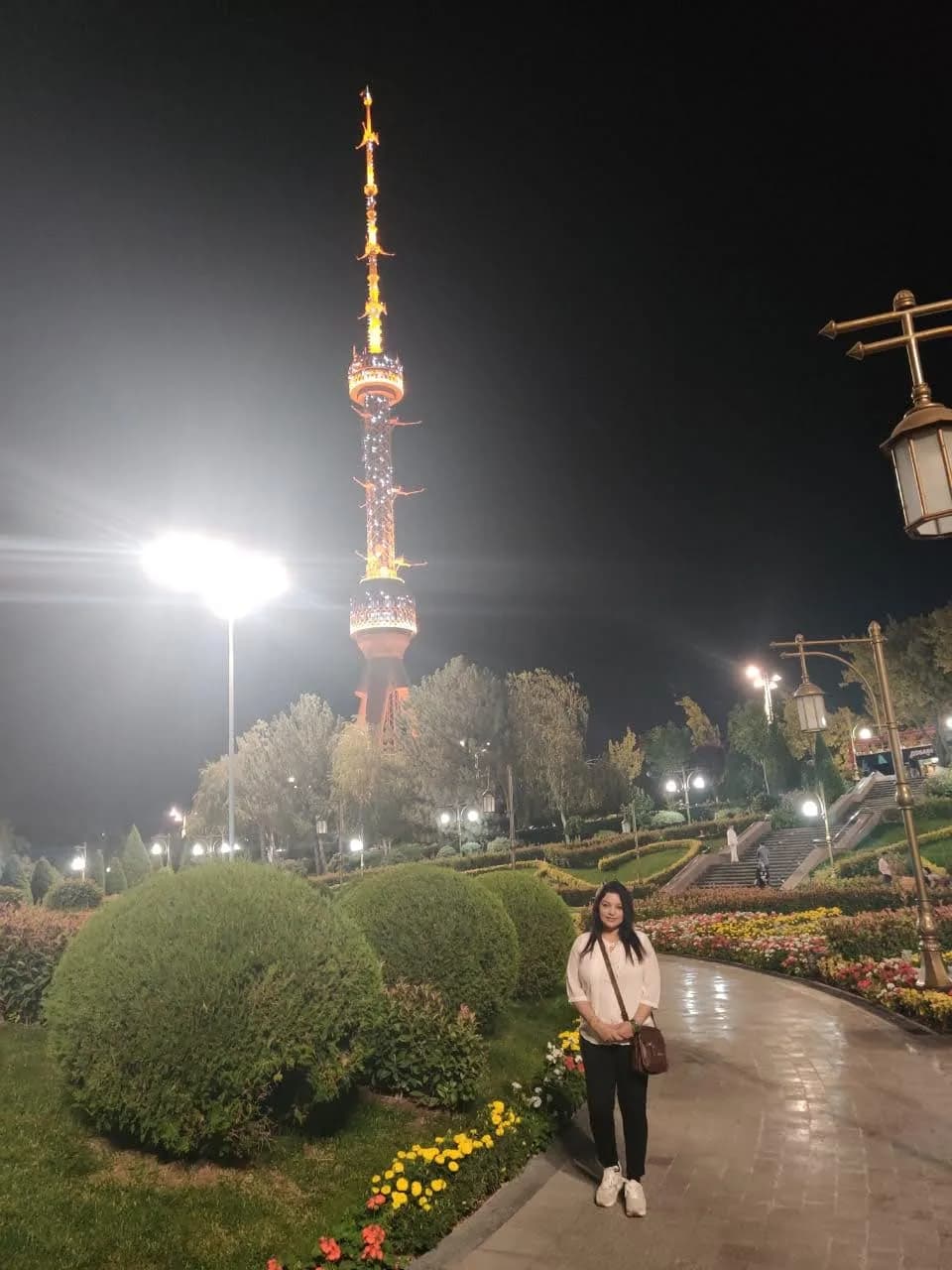
Exploring the City of Tashkent
During our visit, we explored Tashkent on a hop-on hop-off bus tour, which offered a relaxed way to experience the city's rhythm and character. From green parks and bustling markets to historic landmarks, the city felt both vibrant and deeply rooted in history.
As one of Central Asia's great Silk Route cities, Tashkent blends heritage and modern life with ease, making it a memorable gateway to Uzbekistan.
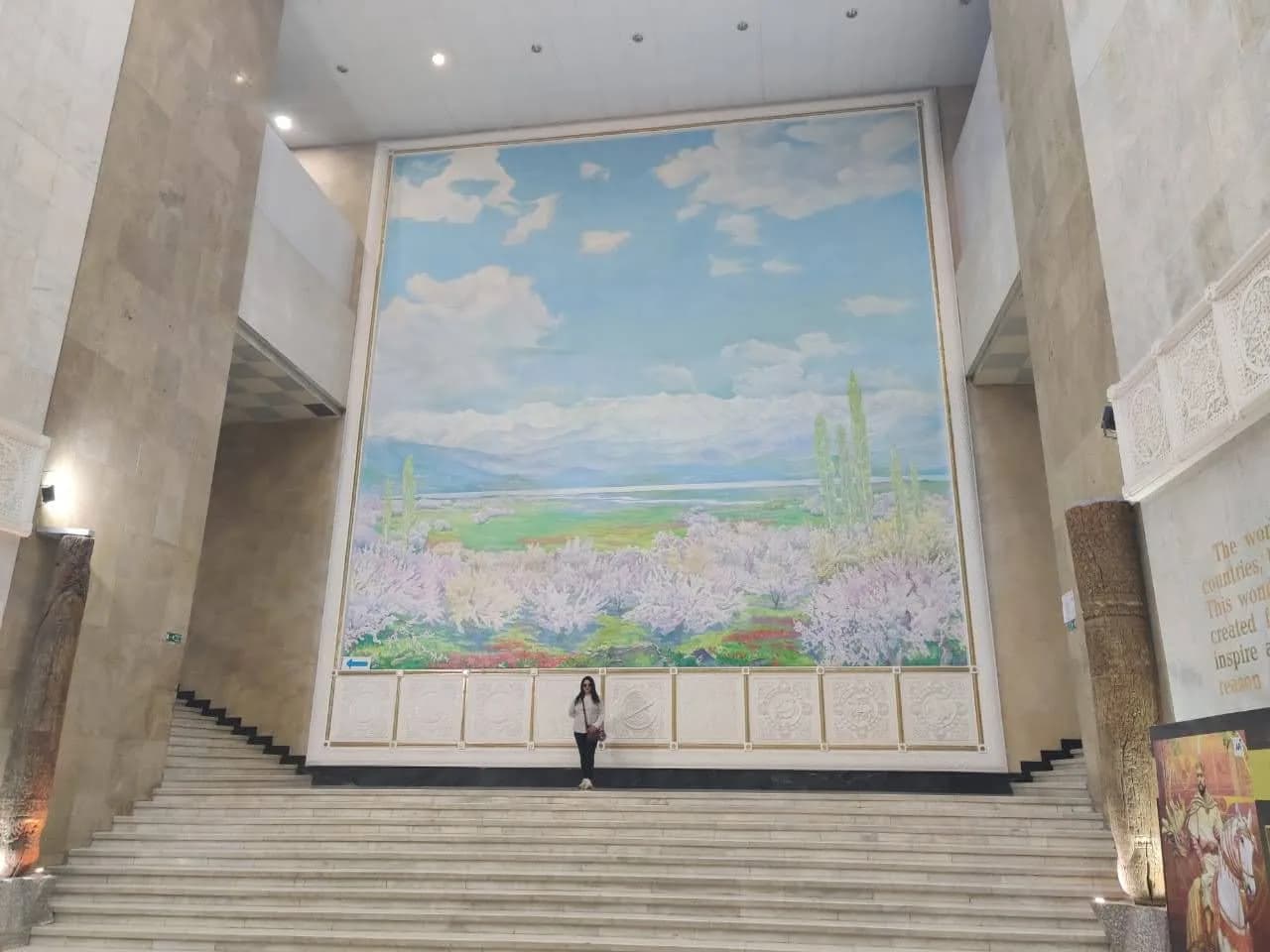
Timur Museum
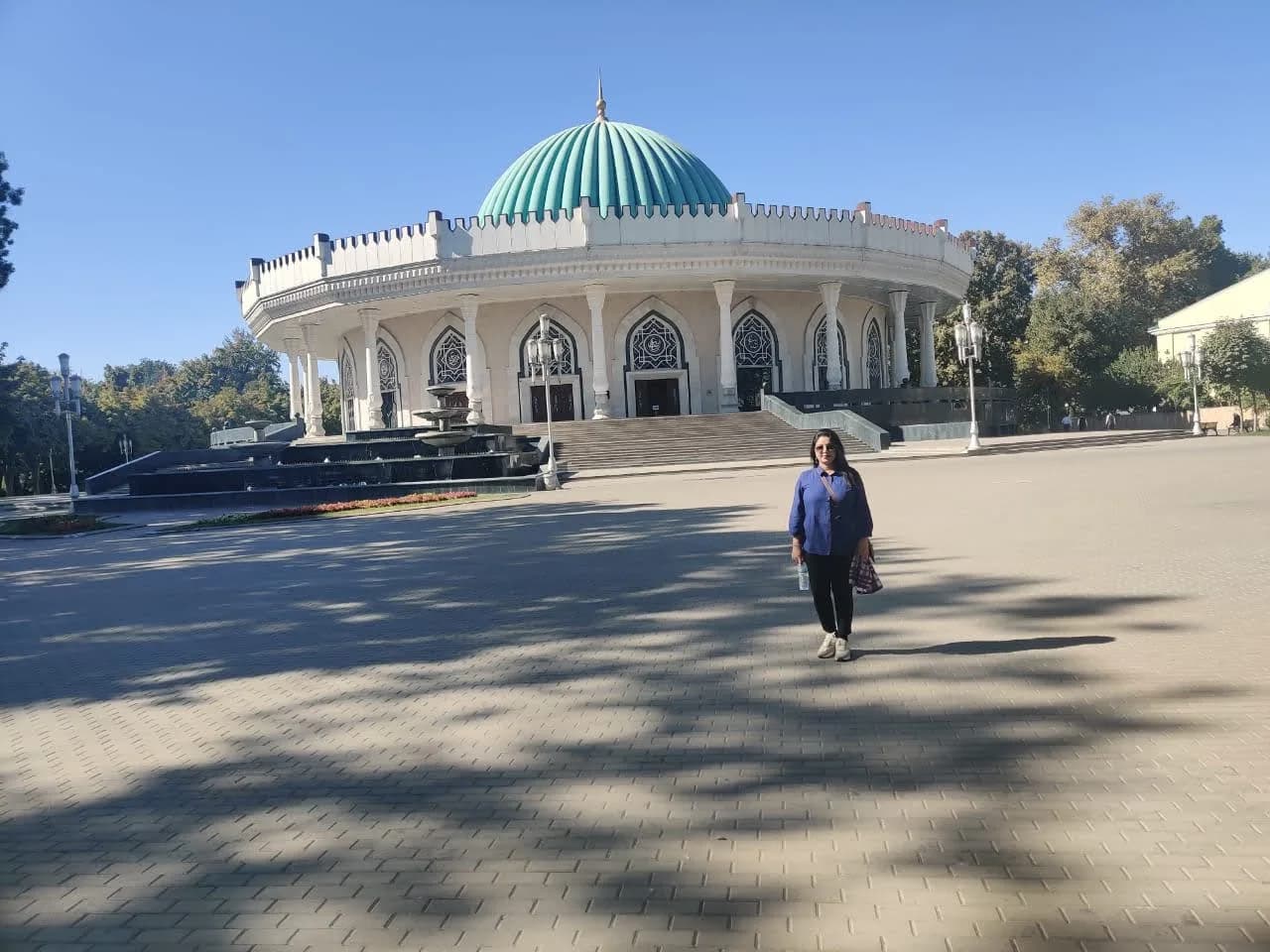
The Amir Timur Museum in Tashkent is an impressive landmark, recognised by its striking turquoise dome and beautifully curated exhibits dedicated to the life and legacy of Timur (Tamerlane). The museum offers a fascinating insight into the ruler who shaped much of Central Asia's history and built one of the region's most influential empires.
While the displays celebrate his achievements and historical importance, they leave relatively little space for reflection on the violence and destruction that accompanied many of his military campaigns. This creates a visually rich museum experience that also encourages visitors to consider the broader complexities of history beyond the exhibits themselves.
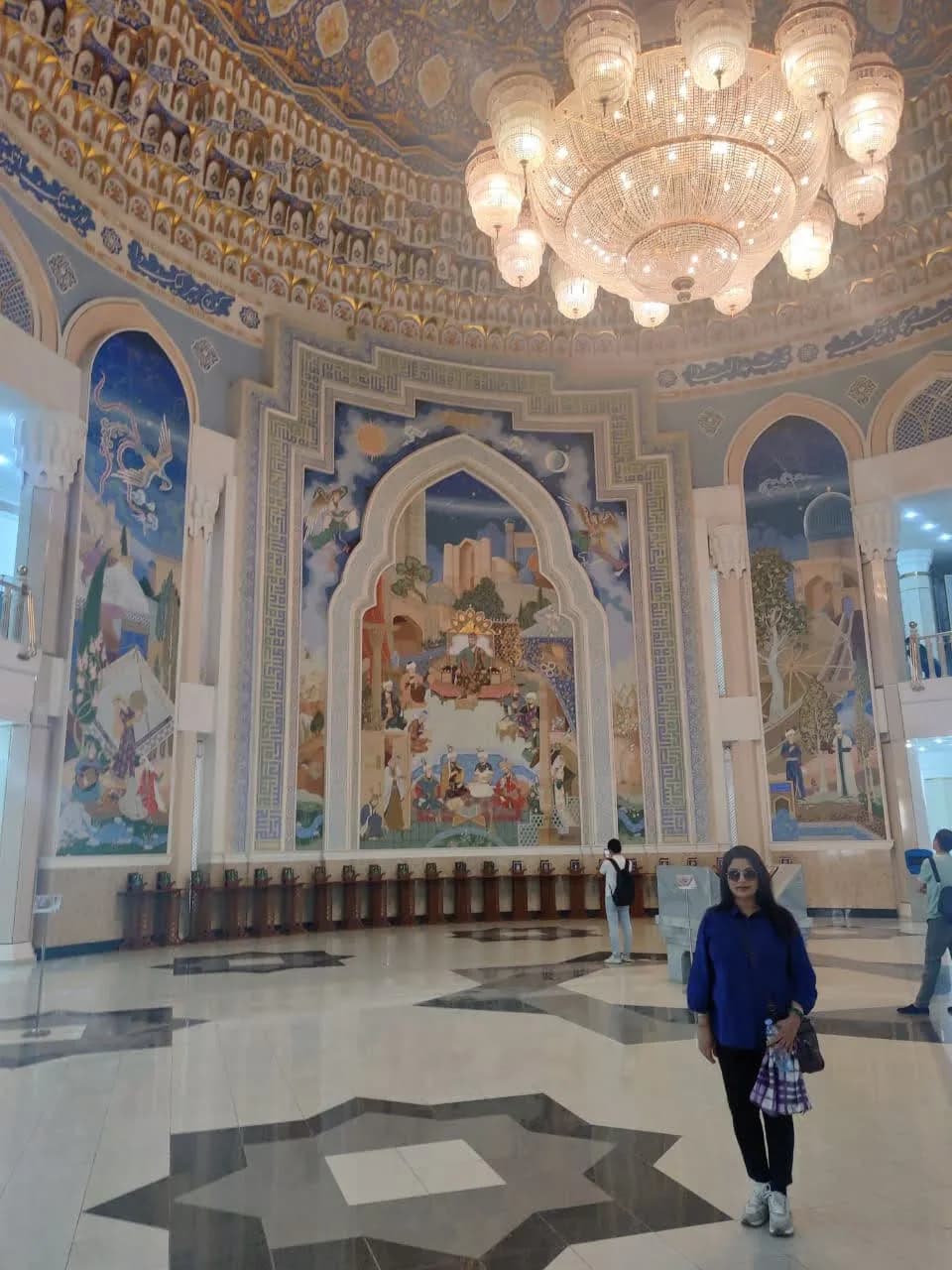
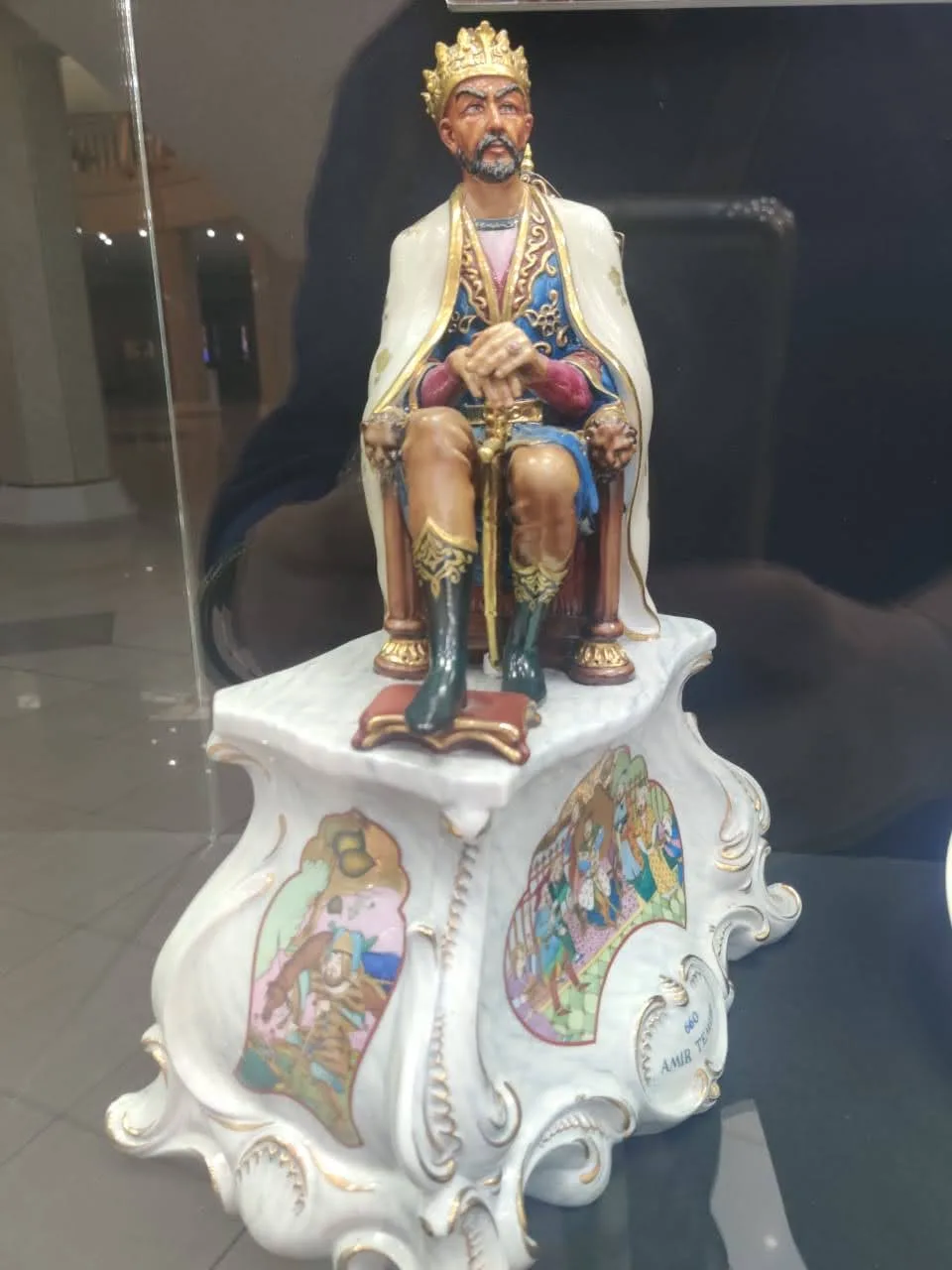
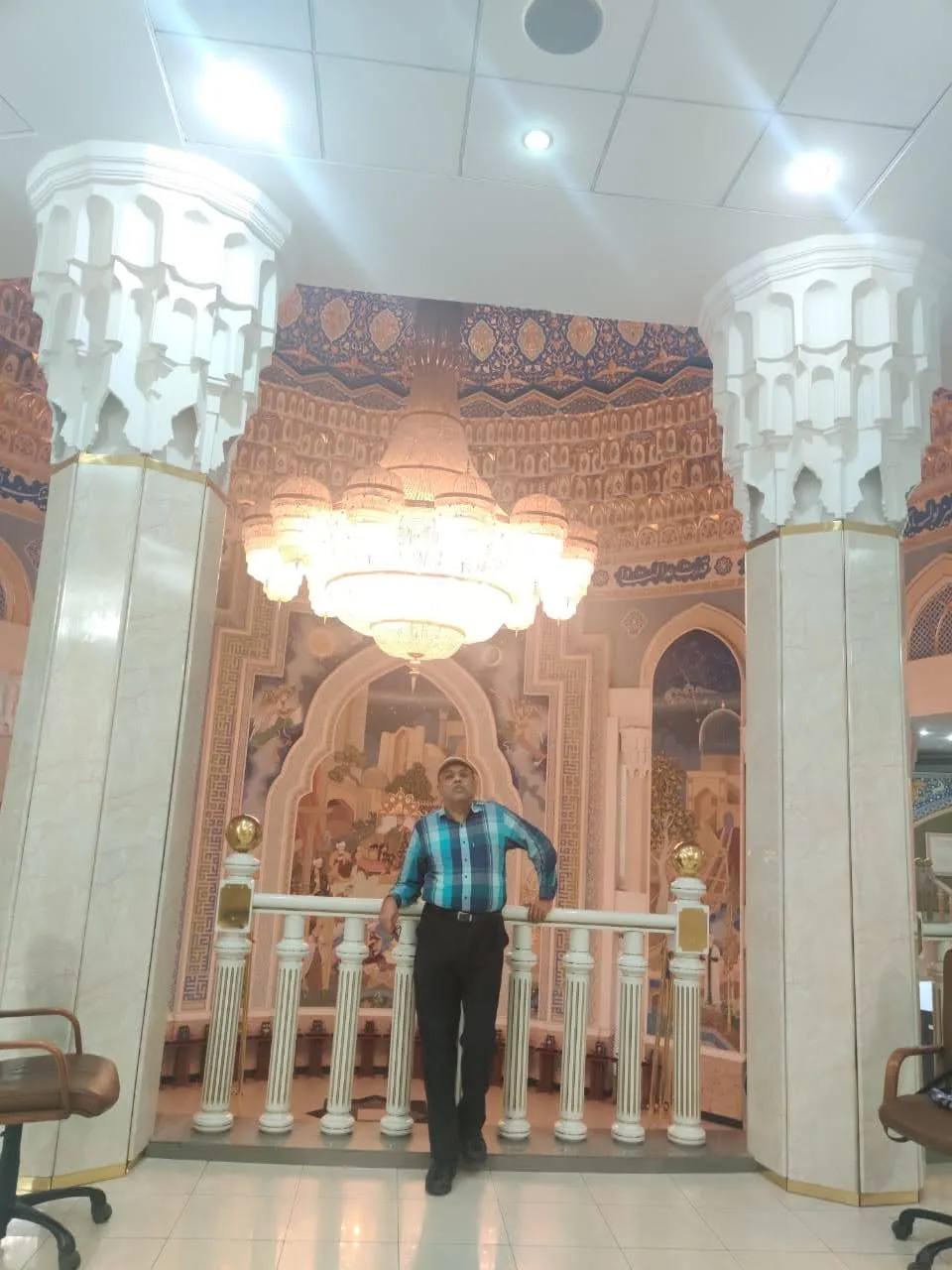
State Museum of Applied Arts of Uzbekistan
The State Museum of Applied Arts of Uzbekistan showcases the country's rich tradition of craftsmanship, from intricate embroidery and ceramics to wood carving, jewellery, and traditional textiles.
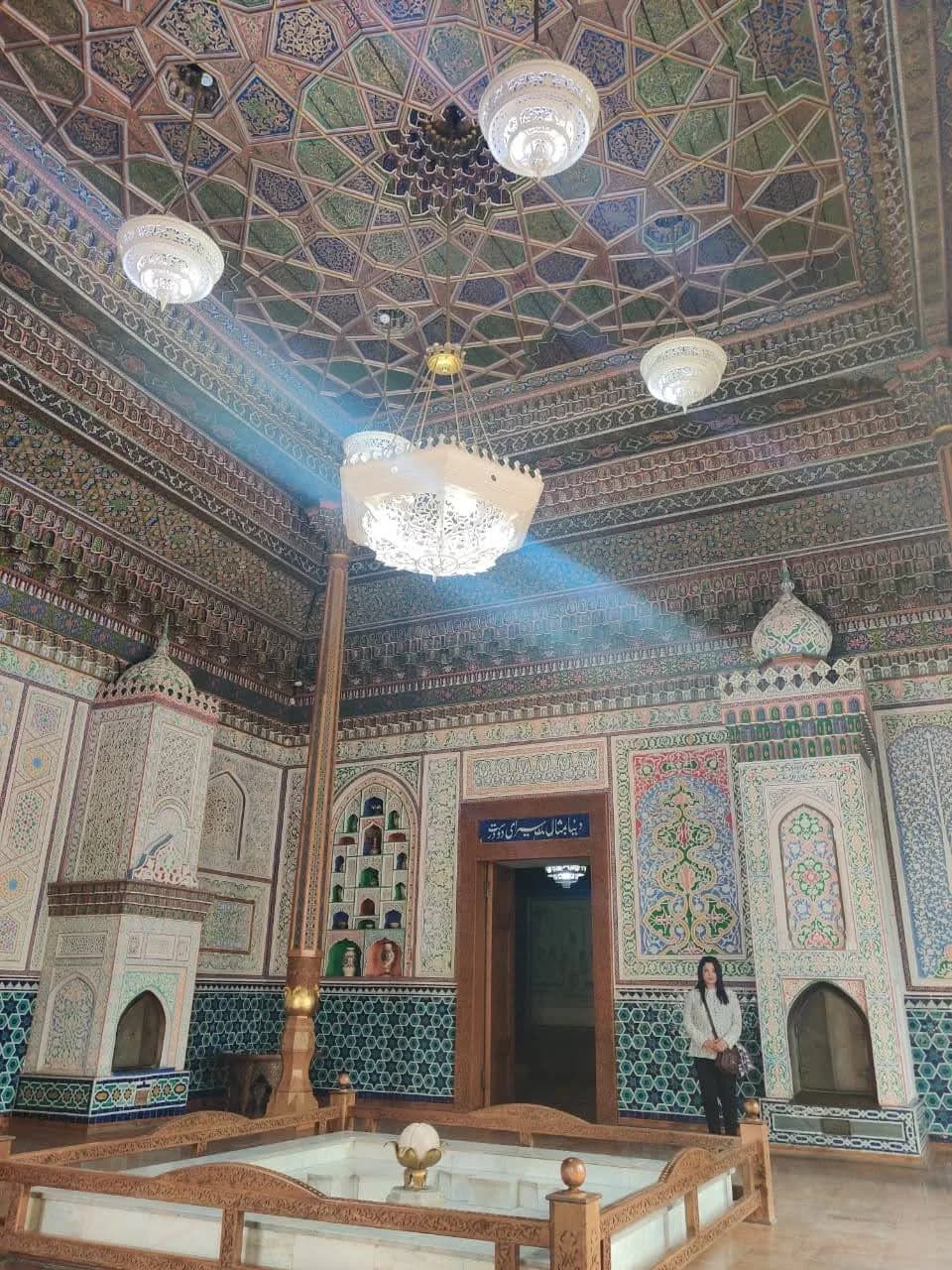
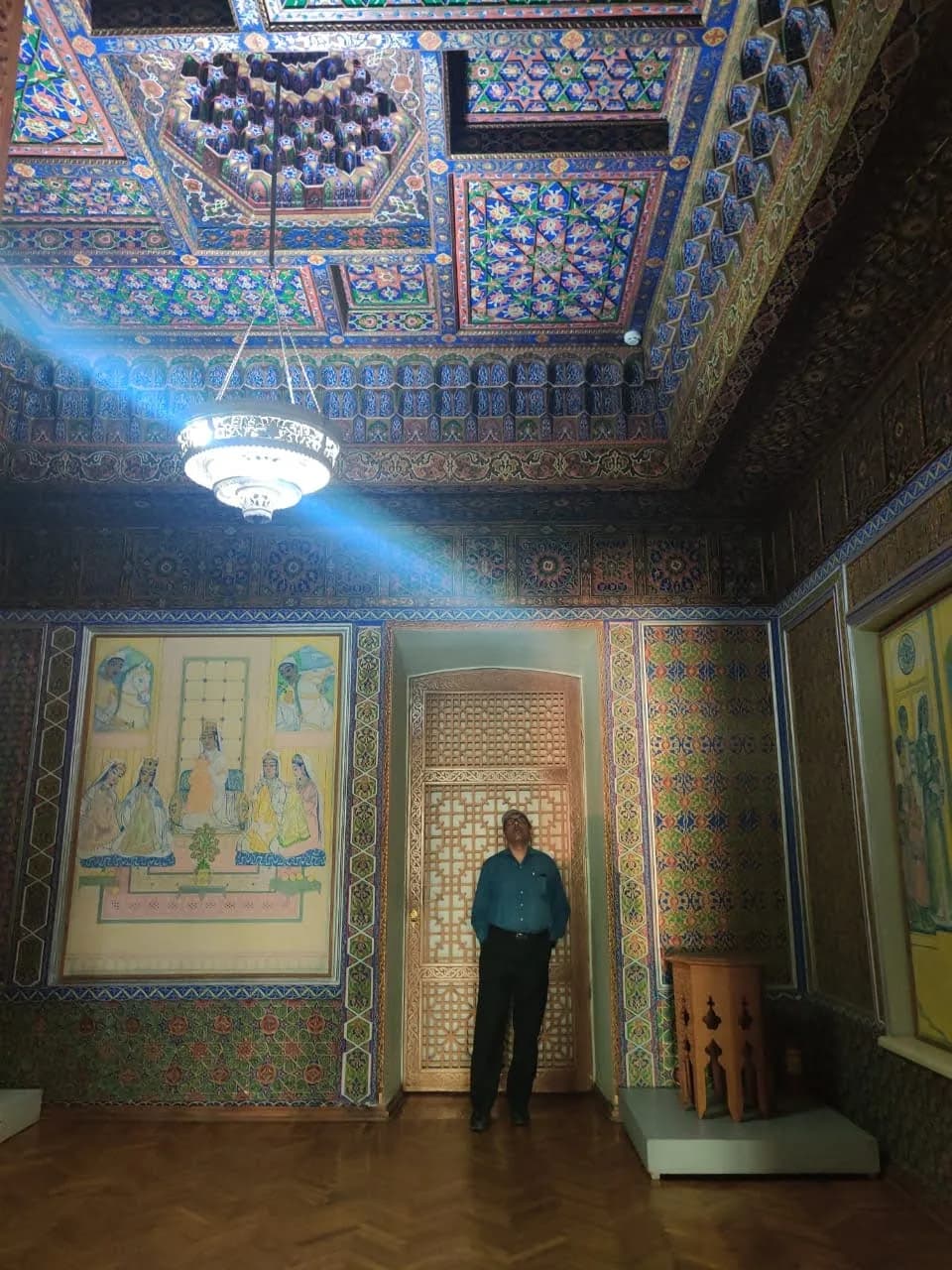
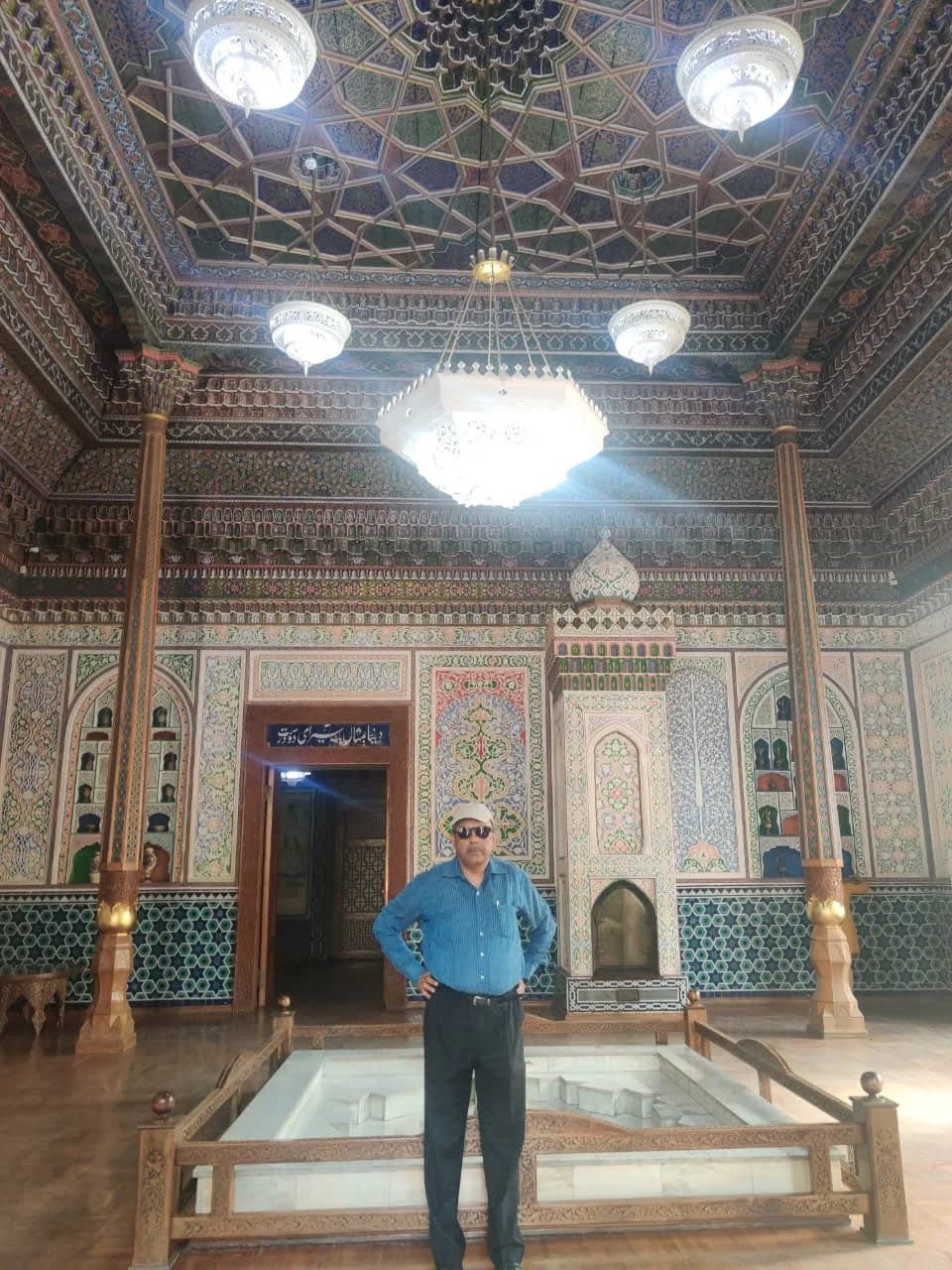
Housed in an elegant historic residence with richly decorated interiors, the museum itself is a work of art. Its colourful ceilings, carved woodwork, and intricate tile patterns provide a fascinating glimpse into Uzbekistan's cultural identity and the refined artistry that flourished along the Silk Route.
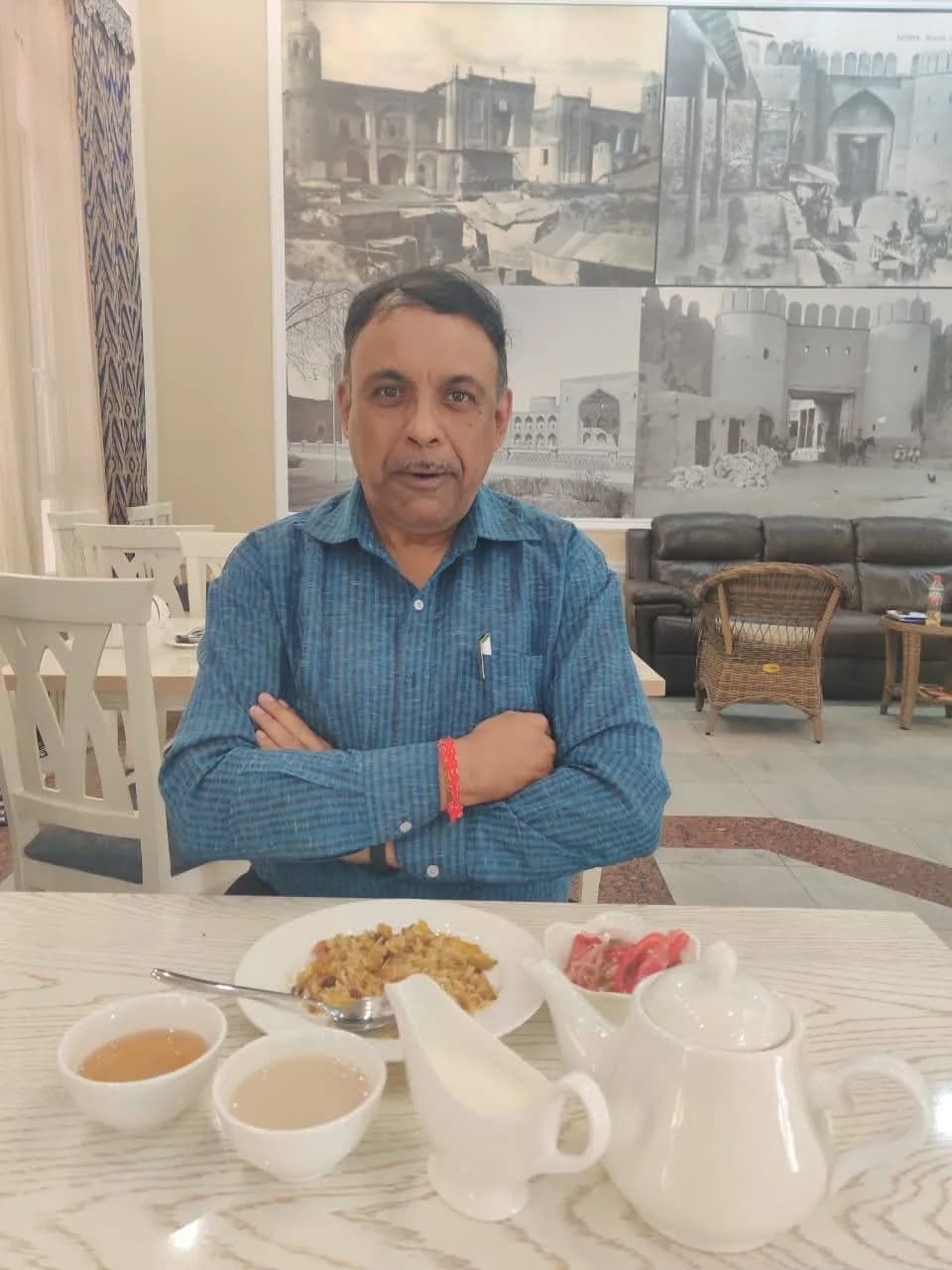
A Plate of Plov and a Shared Mughal Legacy
After visiting the State Museum of Applied Arts of Uzbekistan, we stopped at a small local restaurant and enjoyed a traditional lunch of plov with achik-chuchuk, a refreshing salad of tomatoes and onions. The meal was simple, authentic, and full of local flavour.
What made the experience unforgettable was the kindness of the owner. Despite our repeated attempts to pay, he refused to accept any money, explaining that Babur and the Mughal legacy are part of a shared heritage linking Uzbekistan and India. To him, every Indian visitor was an honoured guest.
“Any Indian guest is our honoured visitor.”
Magic City Park
Magic City Park in Tashkent reflects the city’s vibrant modern face. Opened in 2021, the park surrounds a large illuminated lake and the iconic Magic Castle, creating a fairytale atmosphere after sunset.
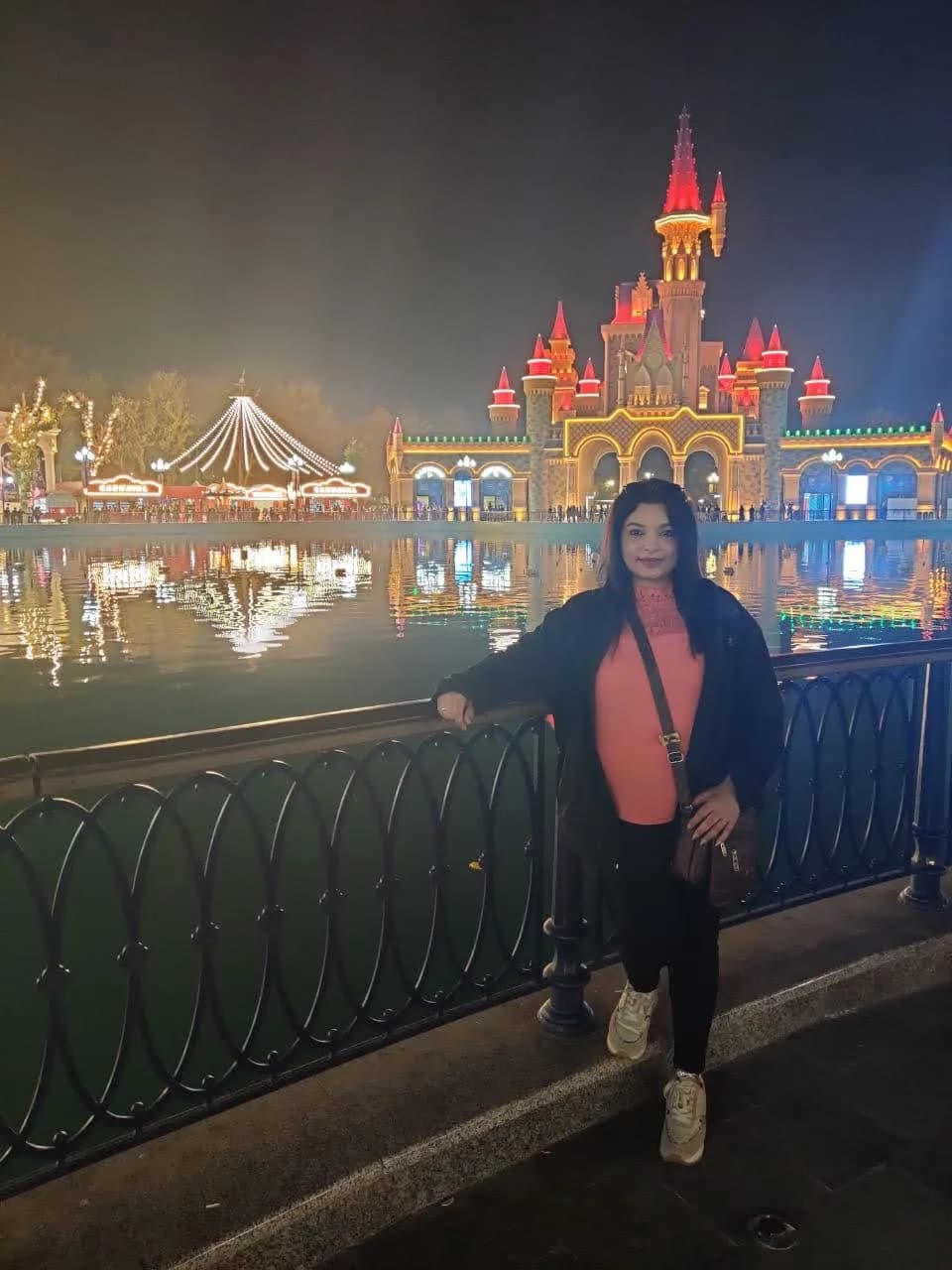
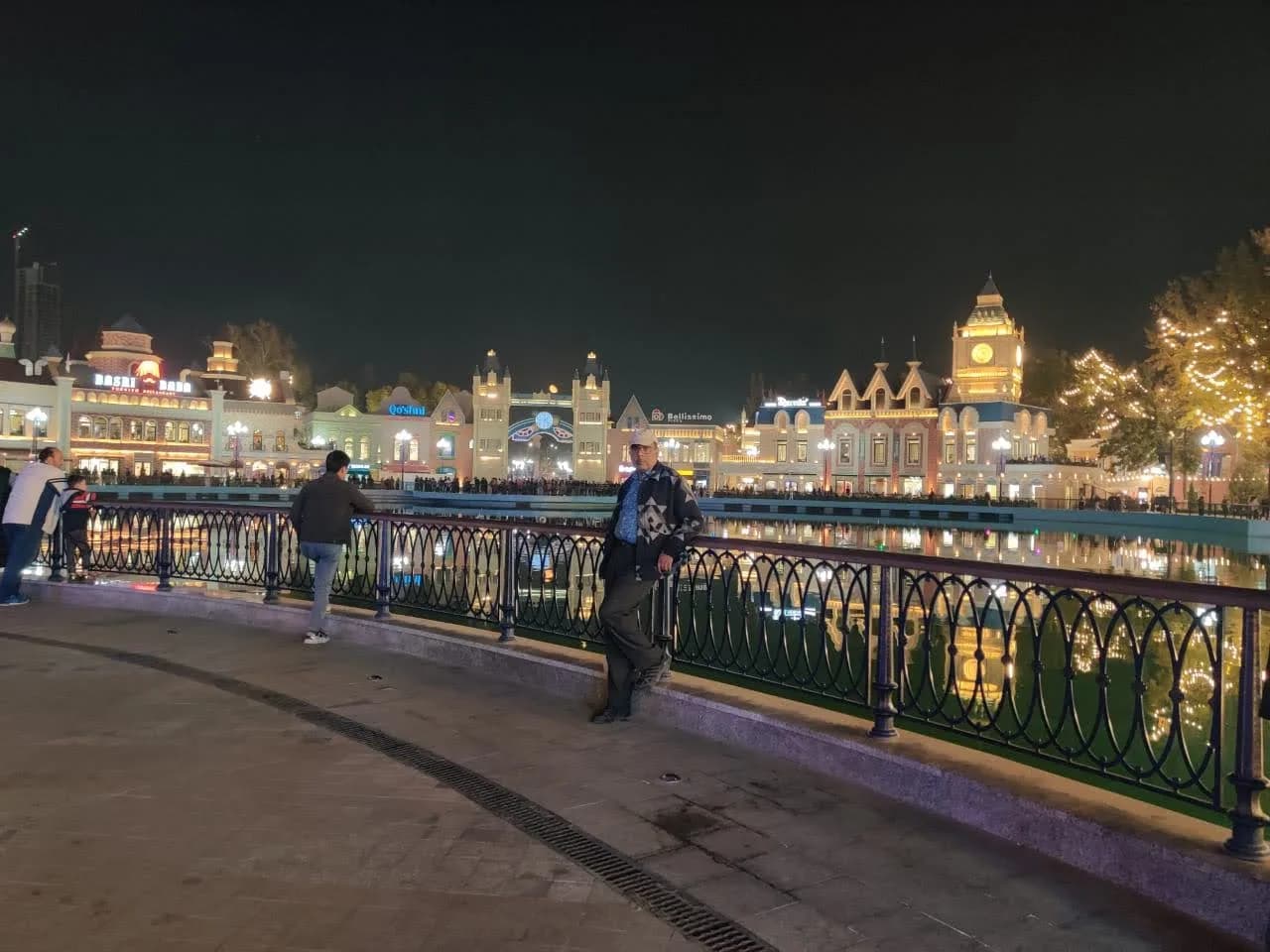
With themed streets, musical fountains, rides, and an indoor aquarium, the park offers a lively contrast to Tashkent’s historic Silk Route heritage. The glowing reflections across the lake and the illuminated architecture make it one of the city's most atmospheric evening destinations.
Hazrati Imam Complex
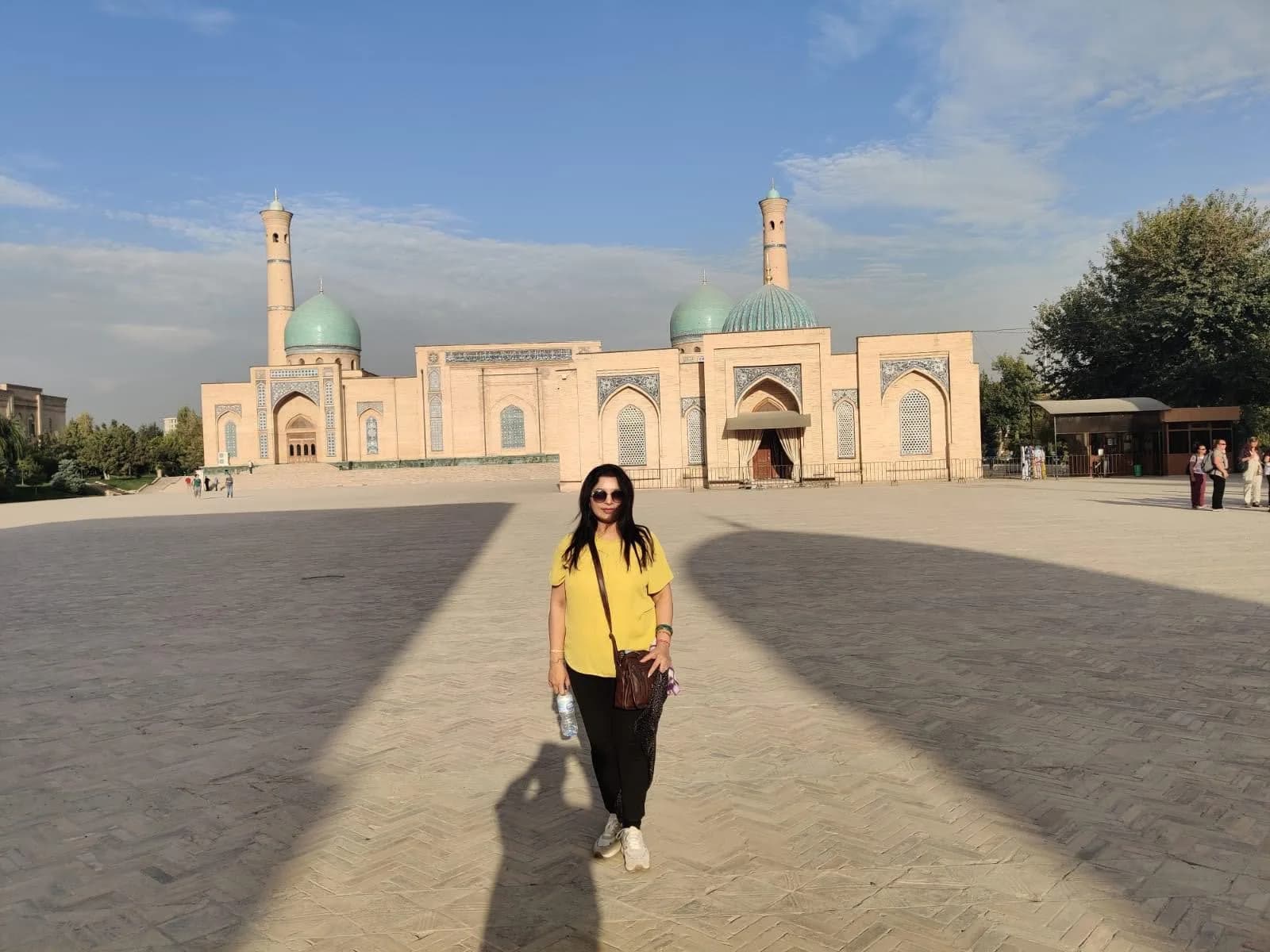
A visit to the Hazrati Imam Complex was a refreshing break from the bustling streets of Tashkent. Walking through its vast courtyards, surrounded by elegant turquoise domes and beautifully restored madrasas, brought a deep sense of calm and reflection.The complex is home to the famous Uthman Quran, one of the world's oldest Quran manuscripts. Sitting quietly in the courtyard and watching locals and pilgrims move respectfully through the space created a powerful connection to centuries of Silk Road history.
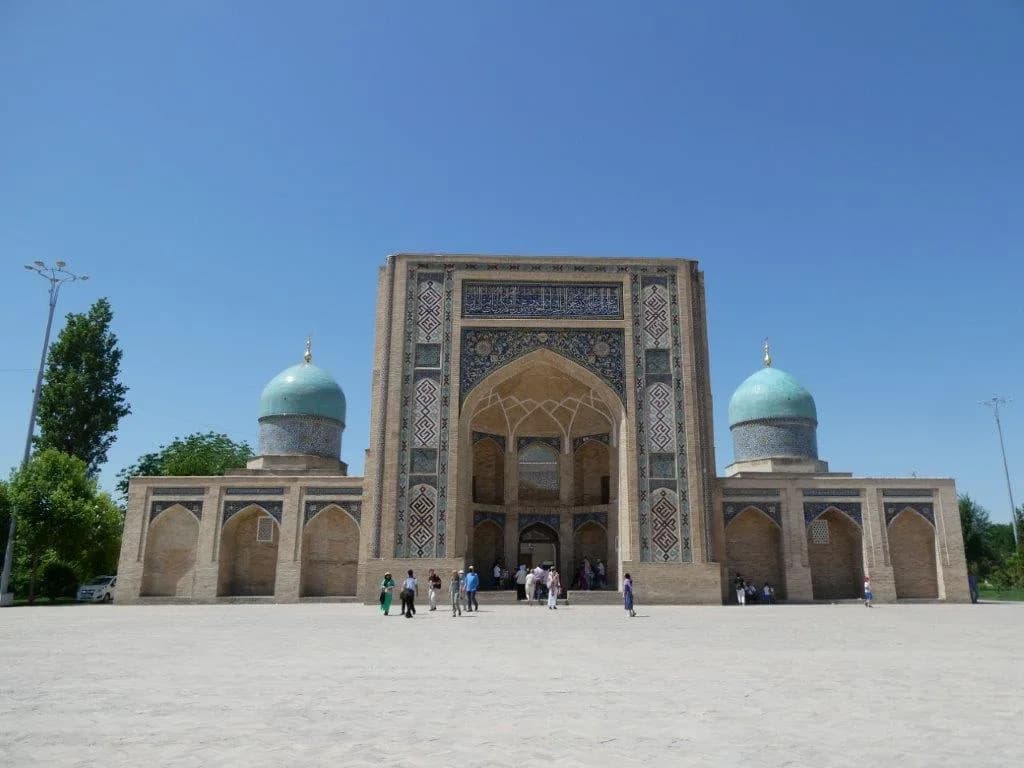
Barak Khan Madrasah
This image features the historical Barak Khan Madrasah (also spelled Barakhan or Baroqxon), located within the famous Hazrati Imam Complex in the Old City region of Tashkent, Uzbekistan.
Chorsu Bazaar The Beating Heart of Tashkent
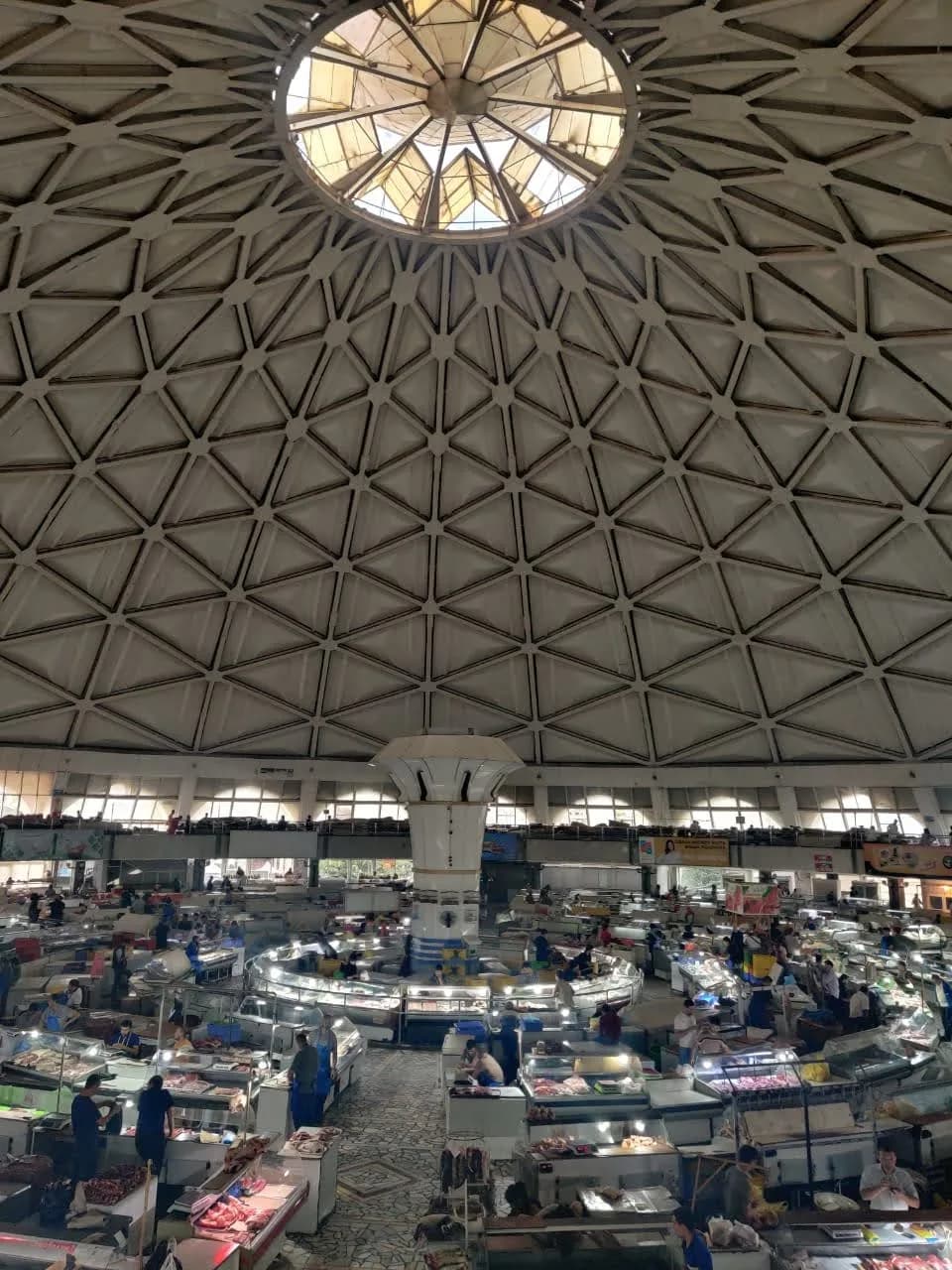
A visit to Tashkent is incomplete without exploring Chorsu Bazaar, the city's largest and most vibrant market. Housed beneath a massive blue-domed structure, the bazaar blends history, commerce, and everyday life into one unforgettable experience.
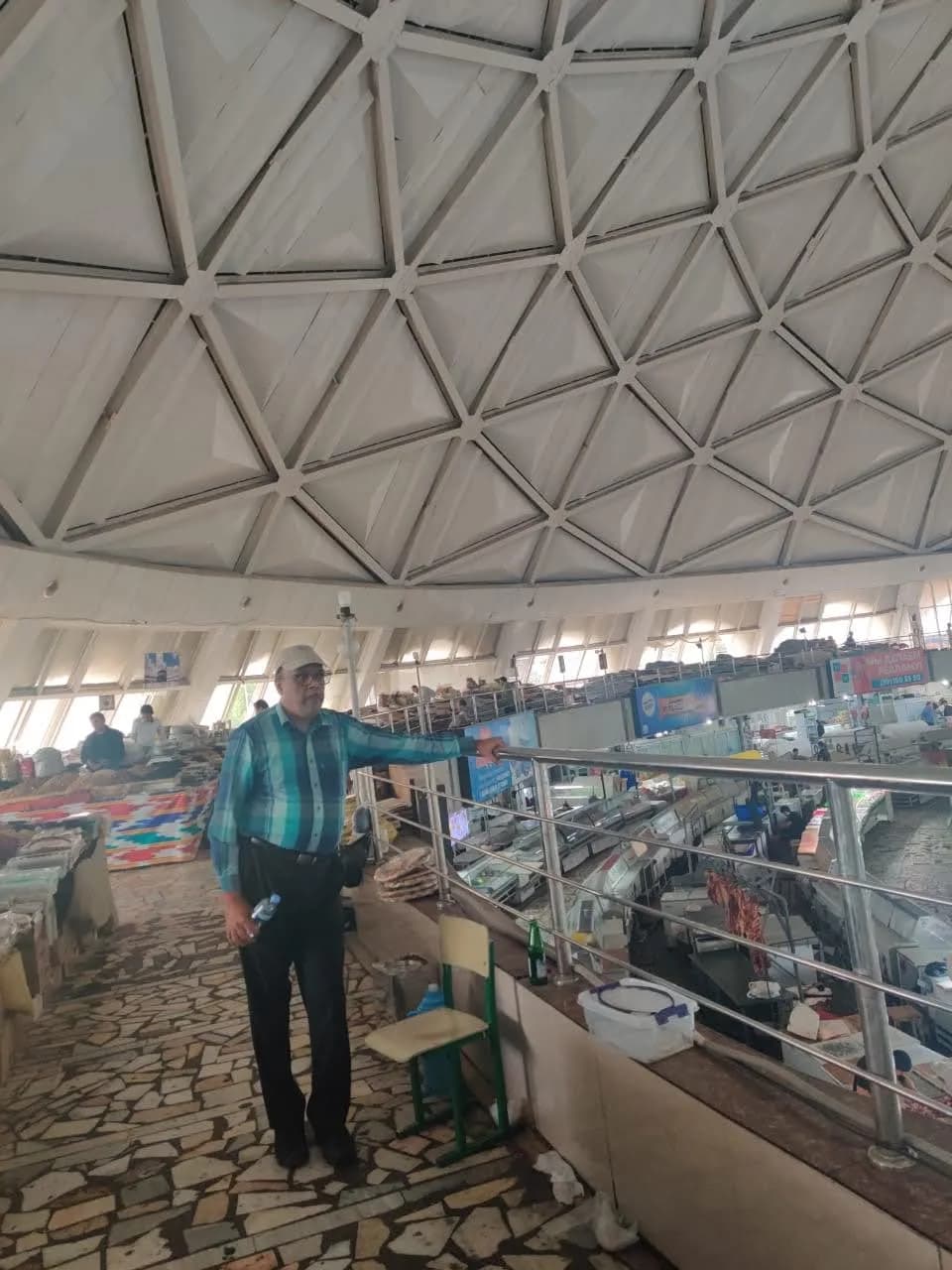
We wandered through its bustling aisles and purchased dry fruits from the upper level, where a little bargaining helped secure better prices. The sights, sounds, and aromas instantly reminded us of an Indian bazaar, though Chorsu felt more organised and relaxed.
More than a market, Chorsu offers a fascinating glimpse into local life and remains one of the most authentic experiences in the Uzbek capital.
From Blue Domes to Mountain Monasteries
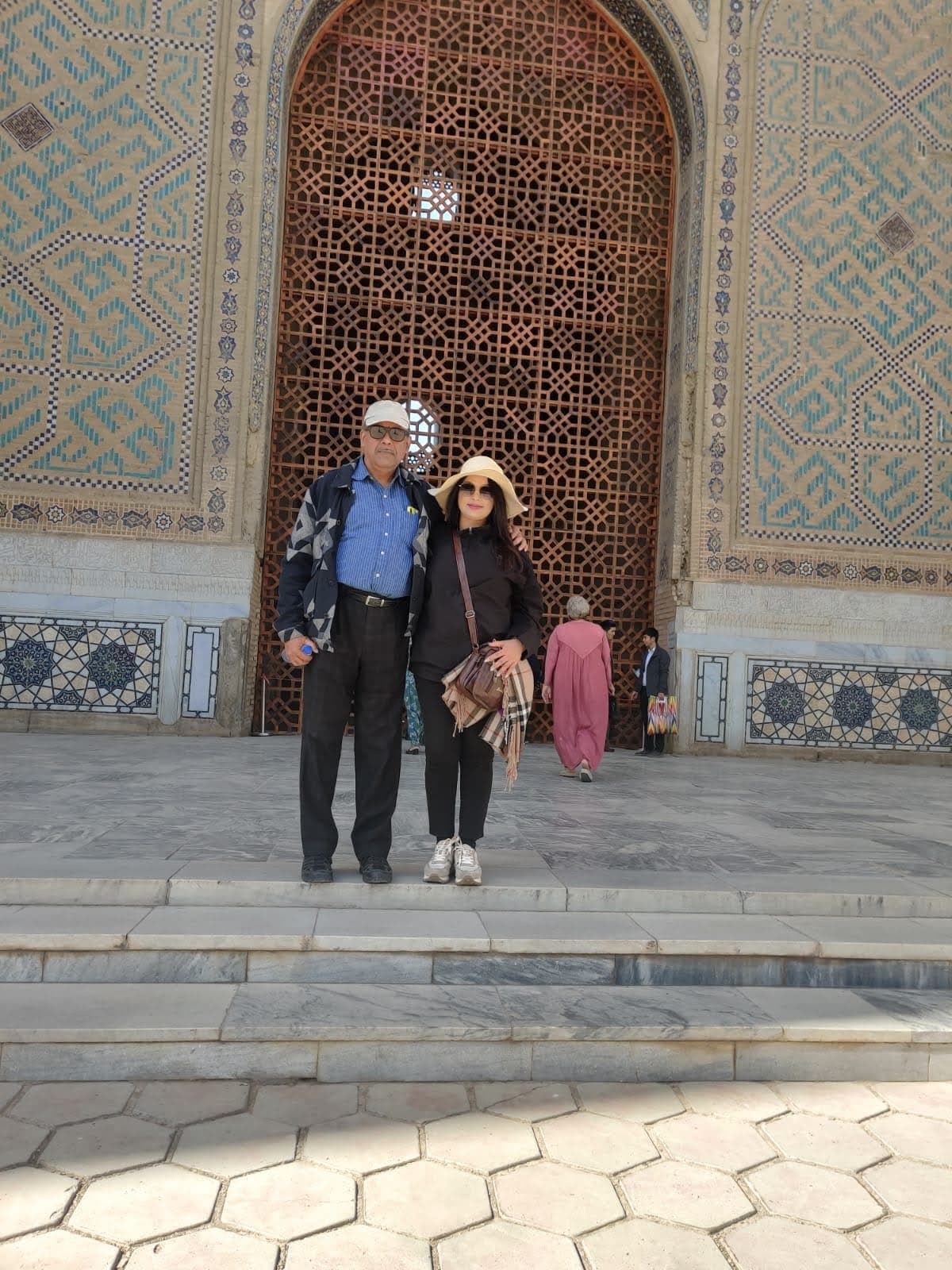
Uzbekistan is a remarkably affordable country blessed with warm hospitality, rich Silk Road heritage, and some of the friendliest people in Central Asia. From the magnificent blue domes of Samarkand and Bukhara to the ancient desert city of Khiva, our journey through Uzbekistan was filled with unforgettable history, culture, and genuine human warmth. Leaving behind the legendary caravan cities of the Silk Road, we now fly to Yerevan to continue our odyssey through the Caucasus — where monasteries, mountain landscapes, ancient wine routes, and historic trade corridors await.
Navigate the Caravan Route
Explore Other:
Get the complete Field Notebooks in your inbox
Subscribe to receive weekly updates detailing train logistics, border crossing forms, and historical accounts from our future travels.