Heritage
Rajasthan
Heritage
The Royal Heart of Rajasthan
Discover
The Three Forts of Jaipur – Guardians of the Pink City
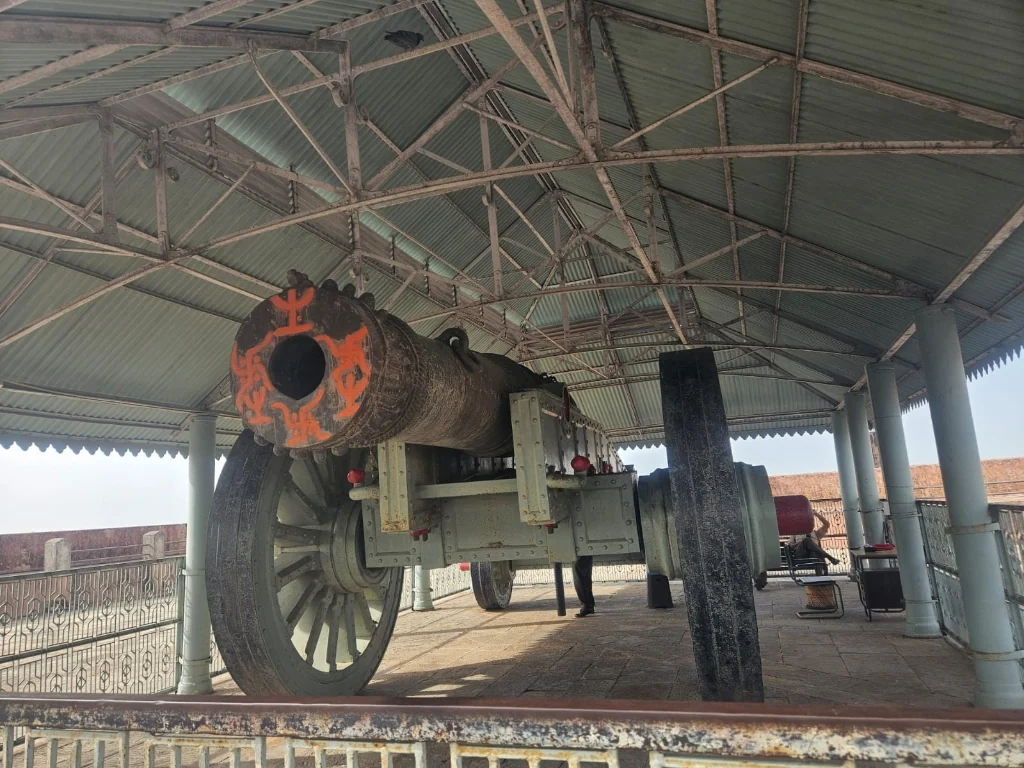
Exploring the three great forts surrounding Jaipur—Amer Fort, Jaigarh Fort, and Nahargarh Fort—felt like stepping into different chapters of Rajasthan's royal history. Amer Fort, built by the Kachwaha Rajputs in the 16th century, was the magnificent royal residence renowned for its ornate palaces and mirror work. Perched high above it, Jaigarh Fort was constructed in 1726 by Sawai Jai Singh II to protect Amer and housed one of the world's largest wheeled cannons, the Jaivana. Overlooking the Pink City from the Aravalli Hills, Nahargarh Fort was built in 1734 as a defensive fortress and later became a peaceful royal retreat. Together, these three forts tell the remarkable story of Jaipur's military strength, architectural brilliance, and regal legacy.
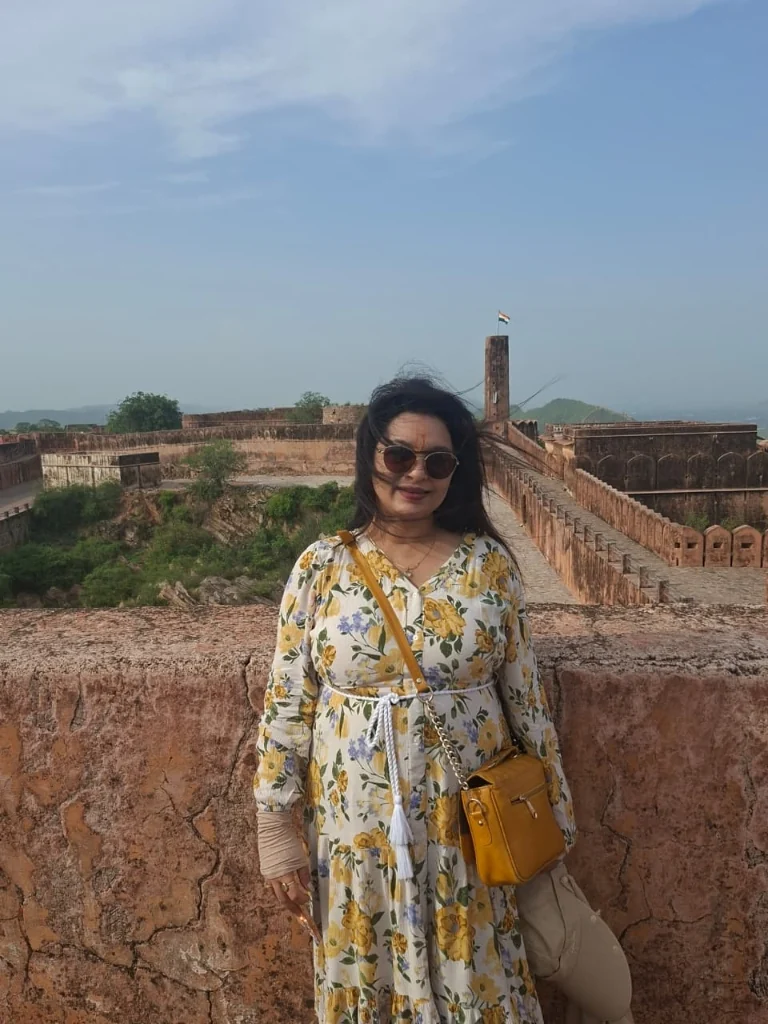
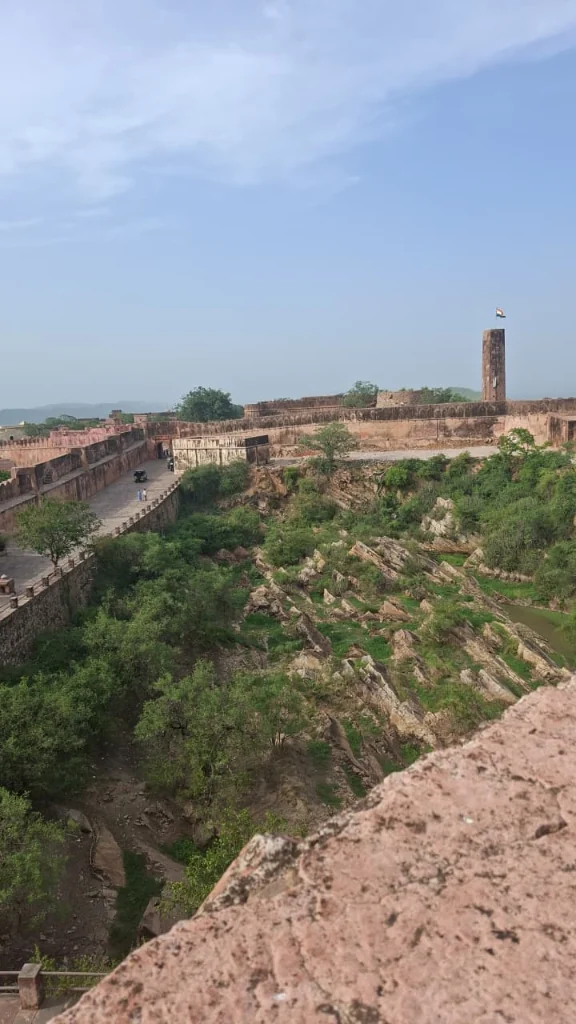
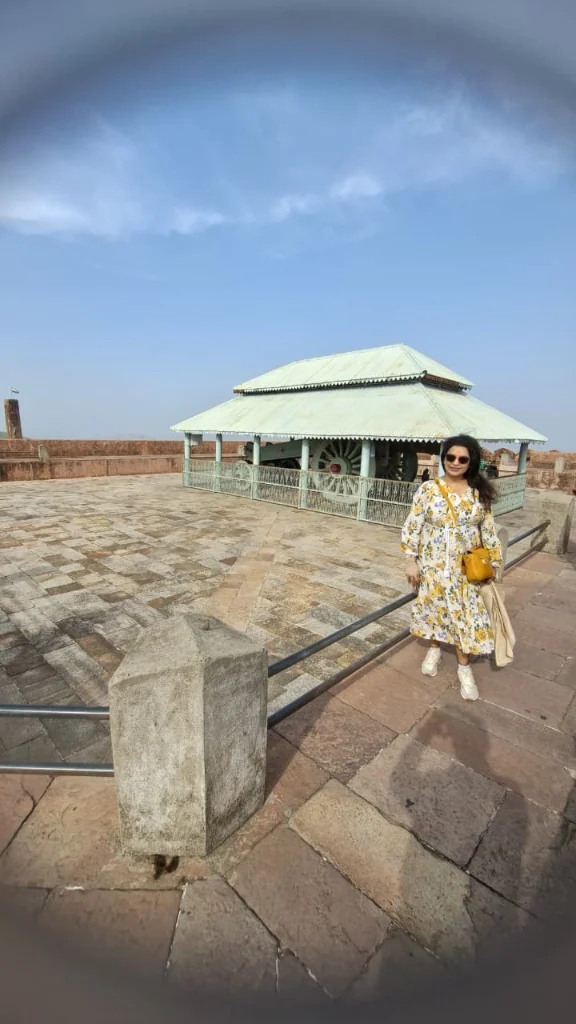
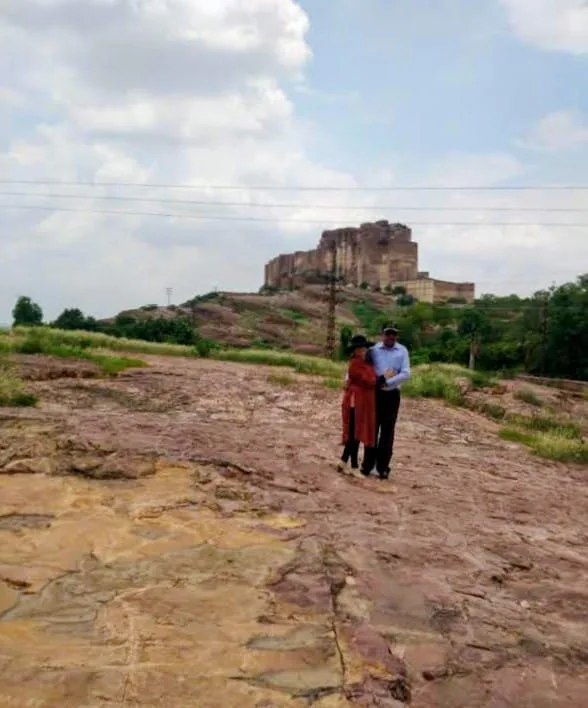
Overlooking the Pink City from the Aravalli Hills, Nahargarh Fort served as a defensive outpost and a royal retreat. Its elegant palaces, interconnected suites, and peaceful surroundings contrast with its formidable exterior. Today, visitors come not only to explore its history but also to enjoy spectacular panoramic views of Jaipur, particularly at sunset, when the city below glows in shades of pink and gold.
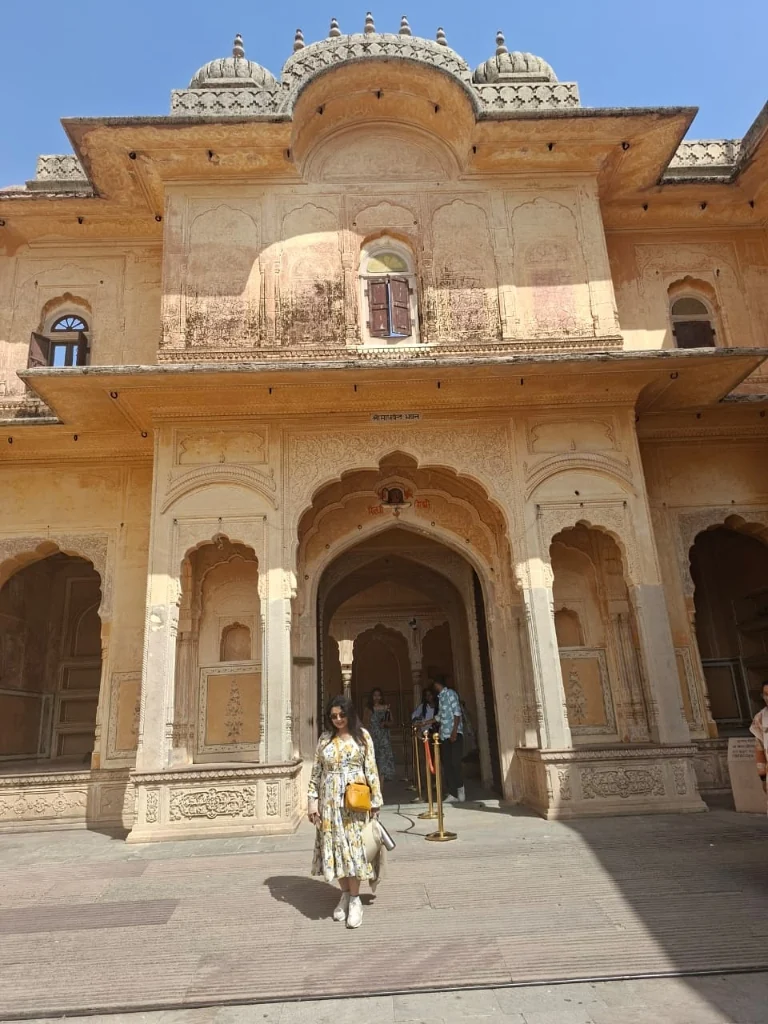
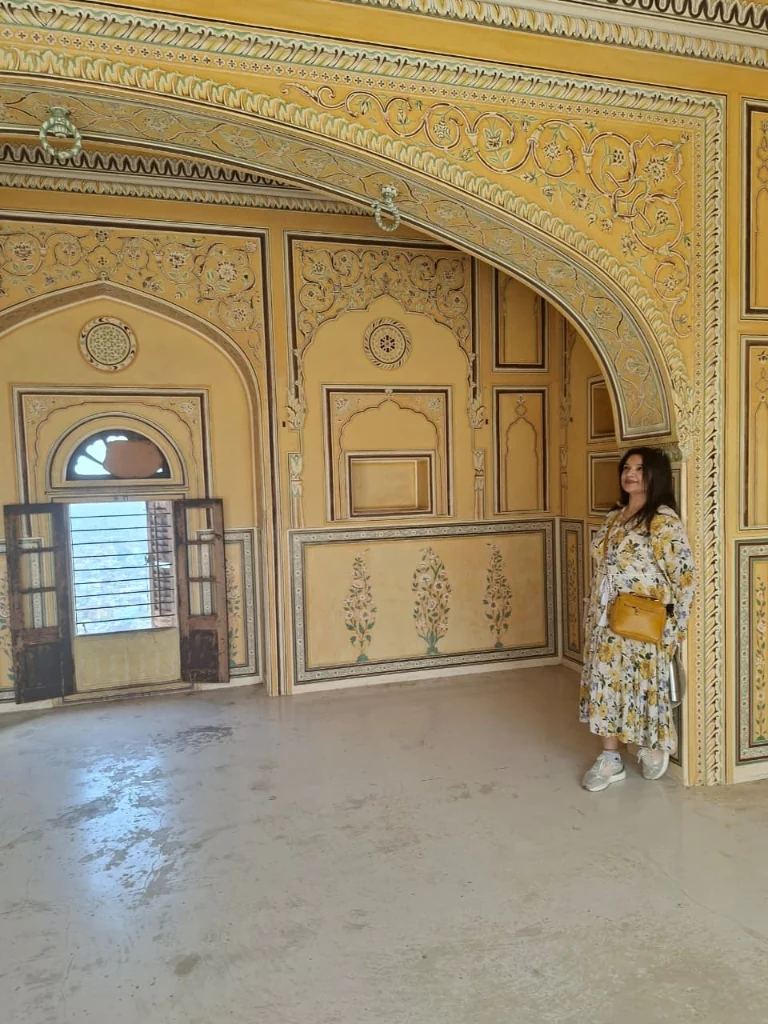
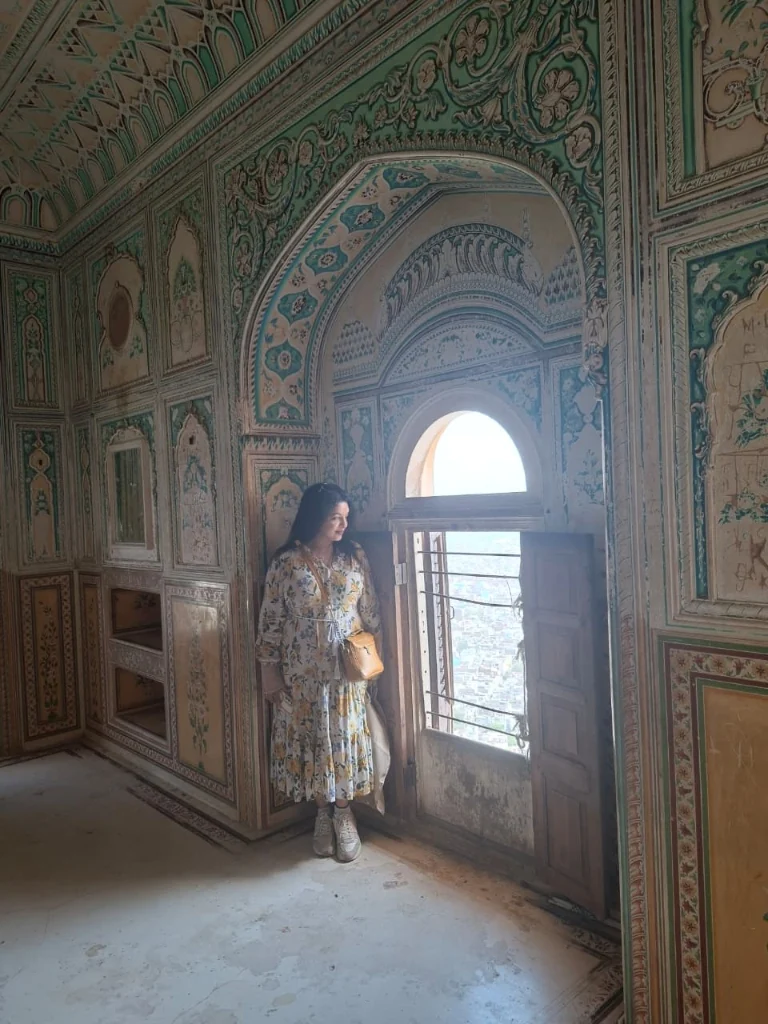
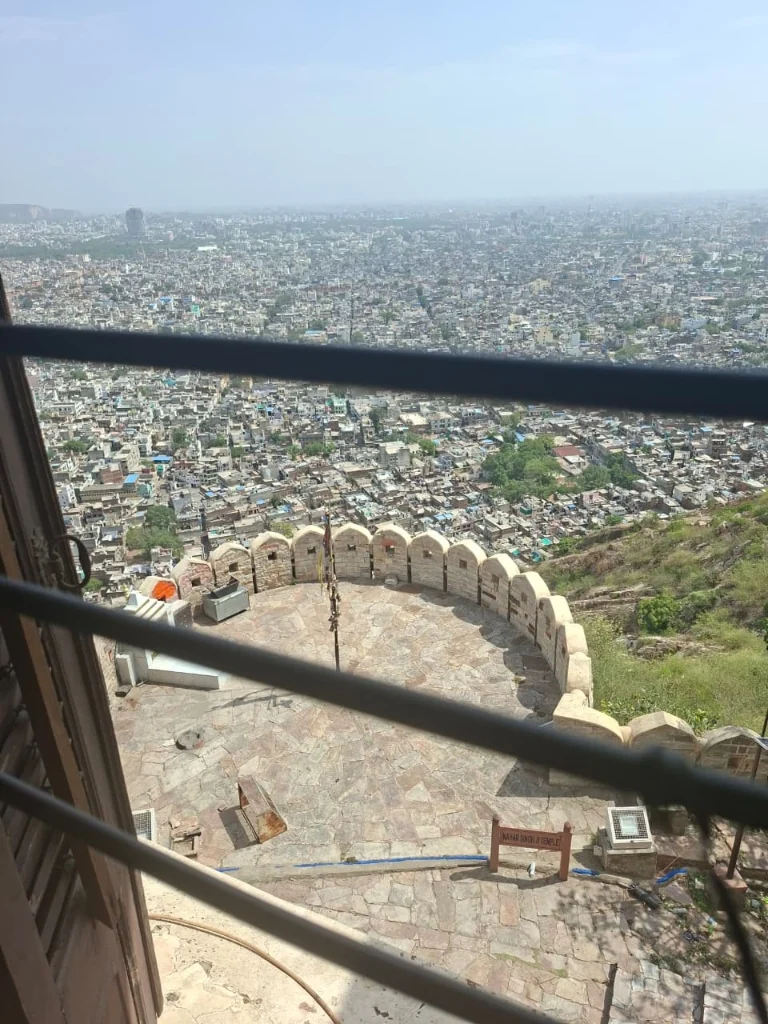
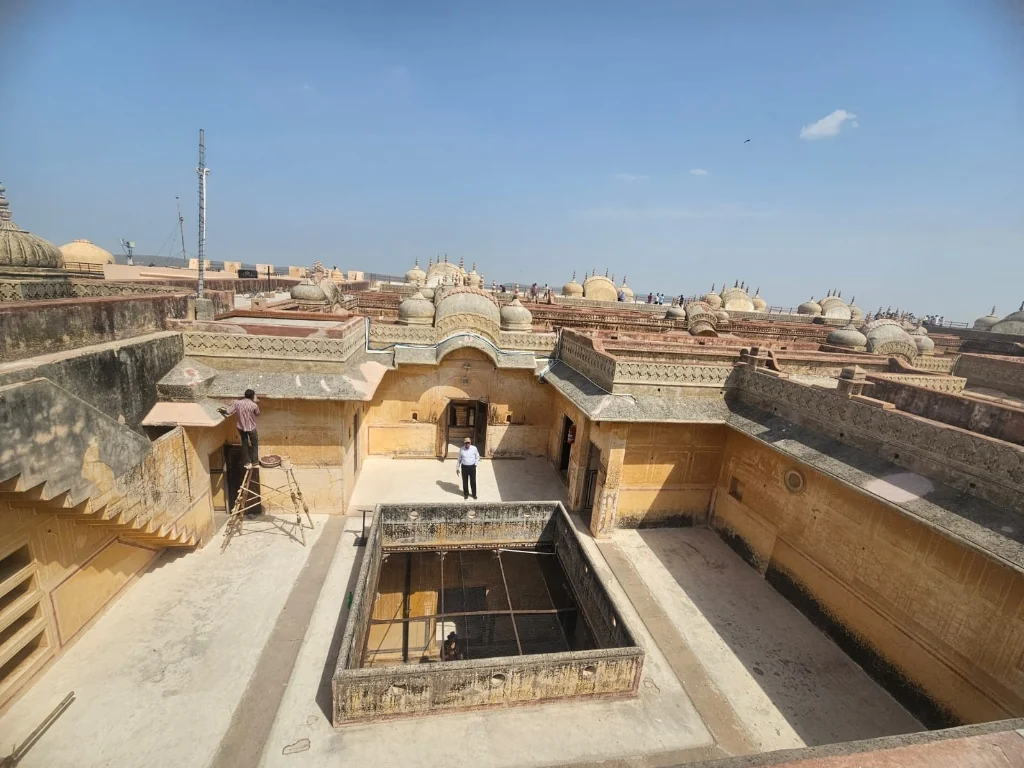
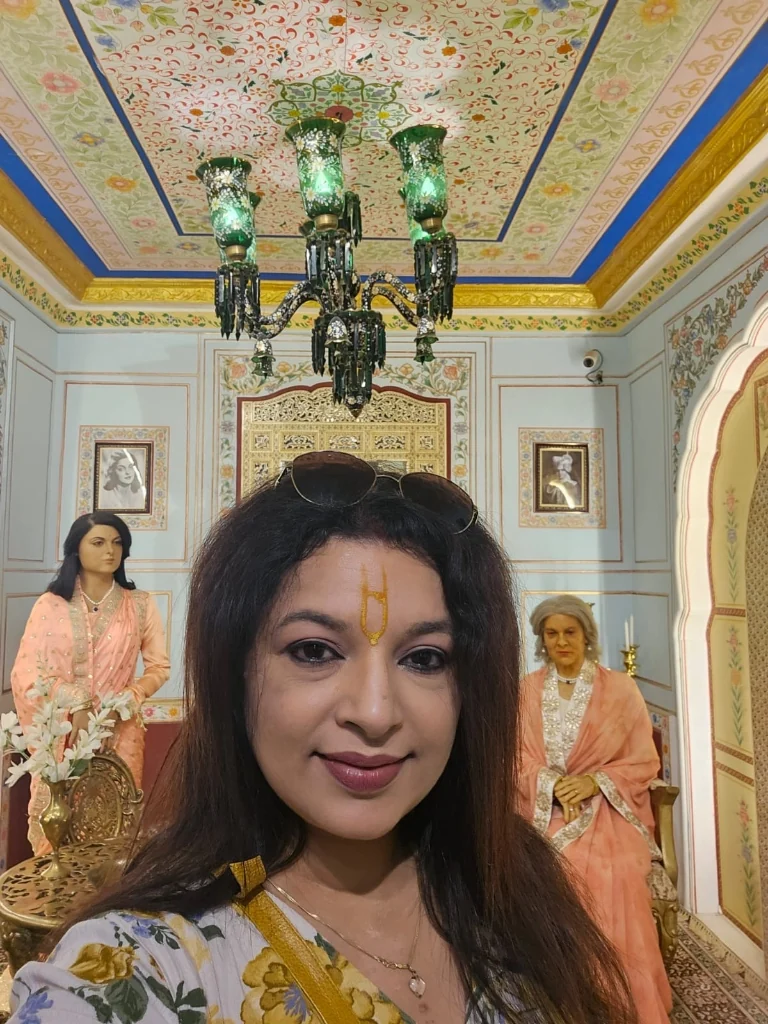
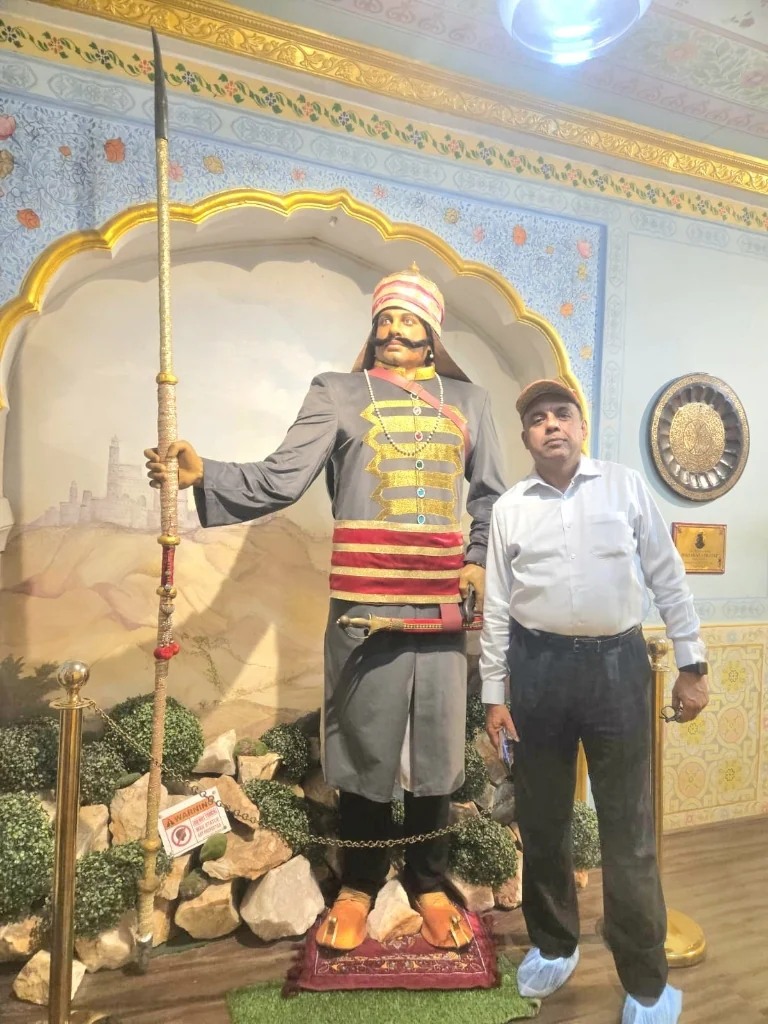
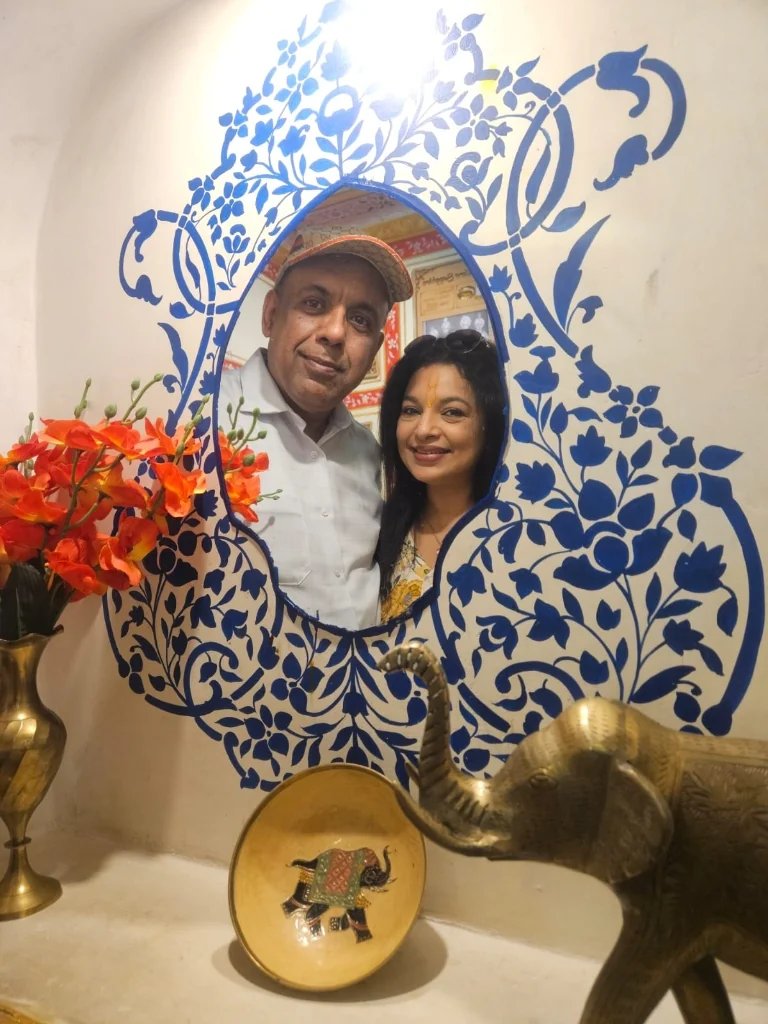
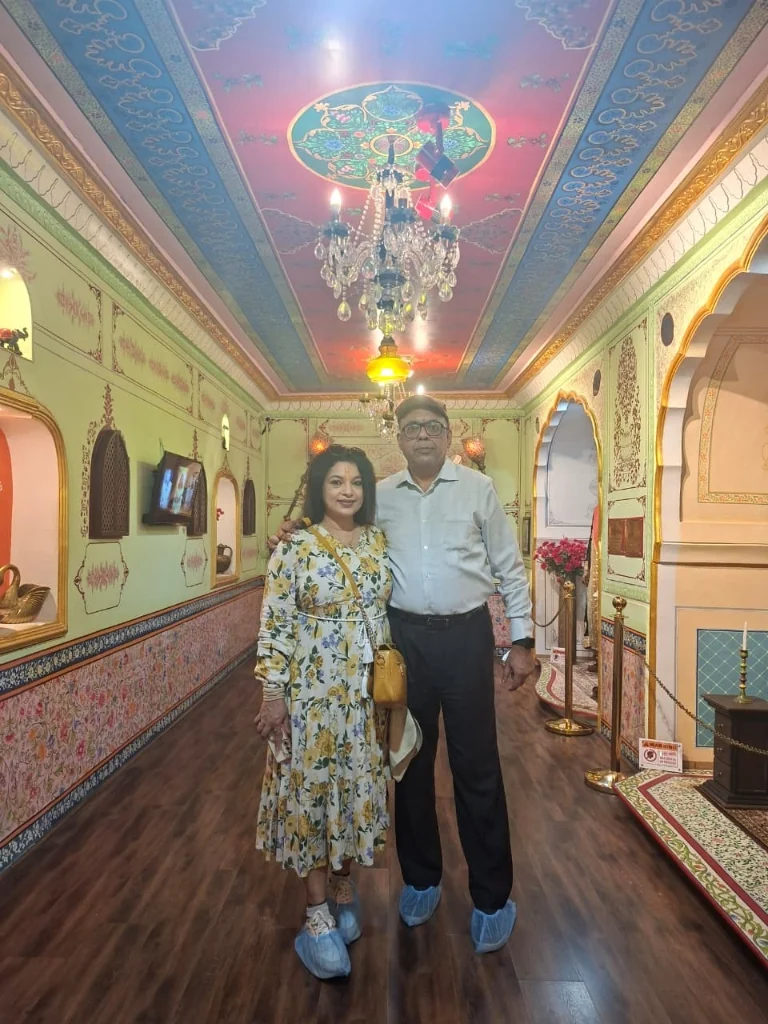
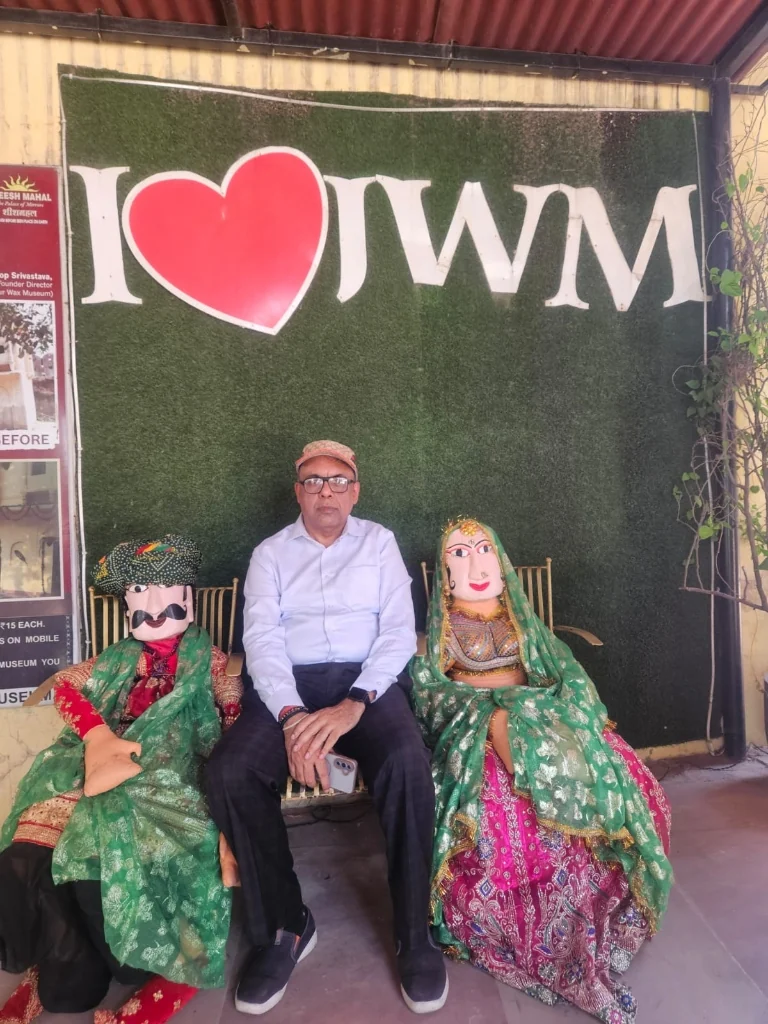
After exploring the grandeur of Nahargarh Fort, I stepped into the Wax Museum tucked within its historic walls. What I expected to be a brief visit turned into a fascinating journey through Rajasthan's royal legacy. Standing beside the lifelike wax figure of Maharana Pratap, I felt a deep sense of admiration for the legendary warrior whose courage and determination continue to inspire generations. Nearby, the beautifully crafted figures of the Jaipur royal family added another dimension to the experience, offering a glimpse into the elegance and traditions of Rajasthan's erstwhile rulers.
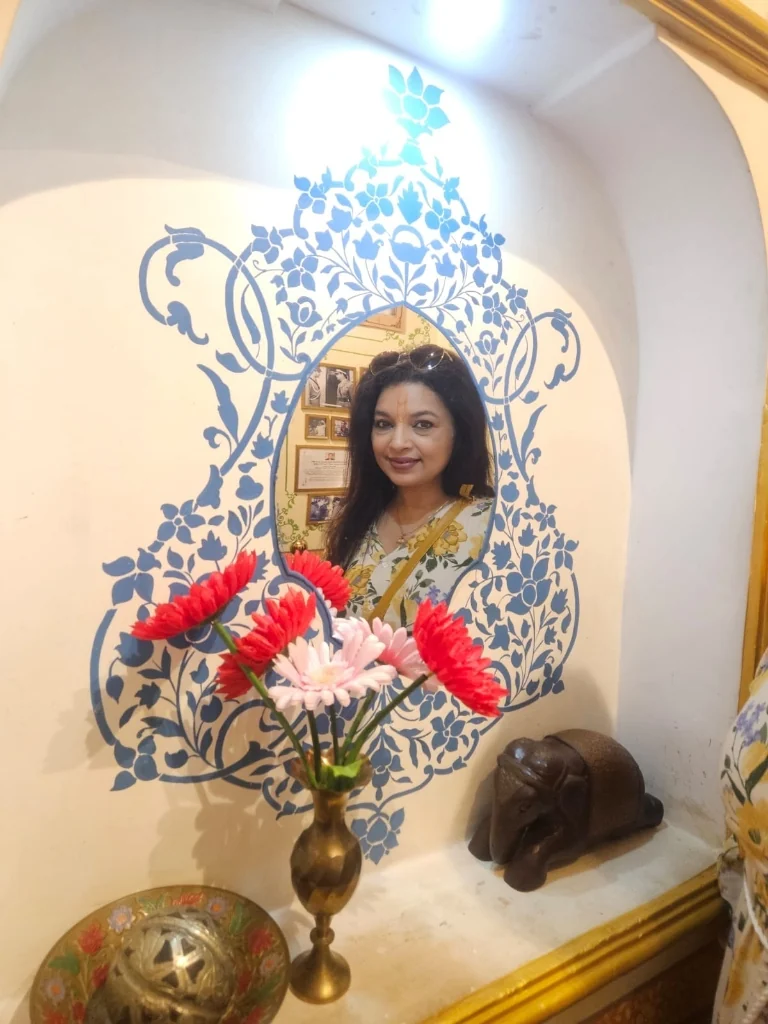
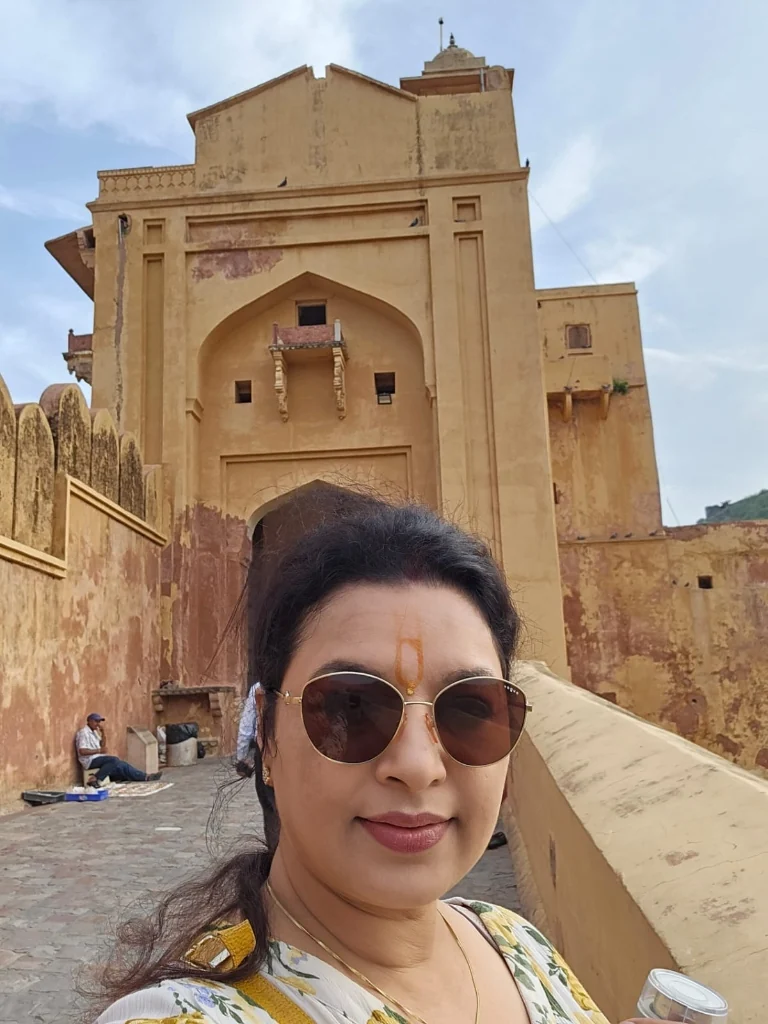
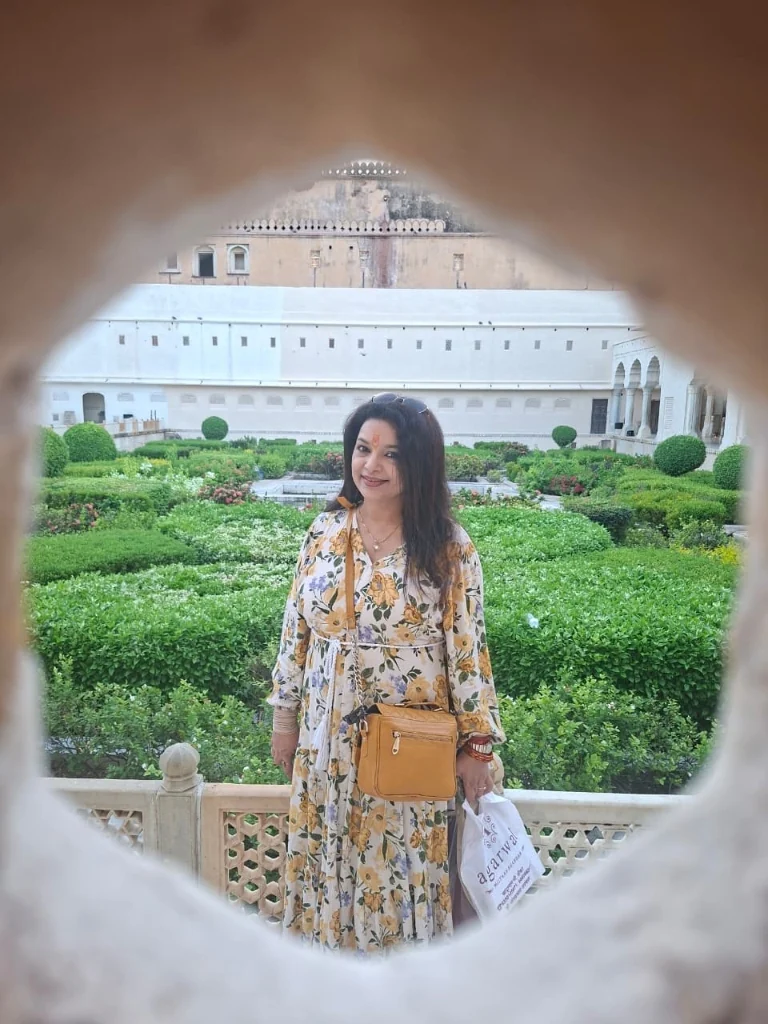
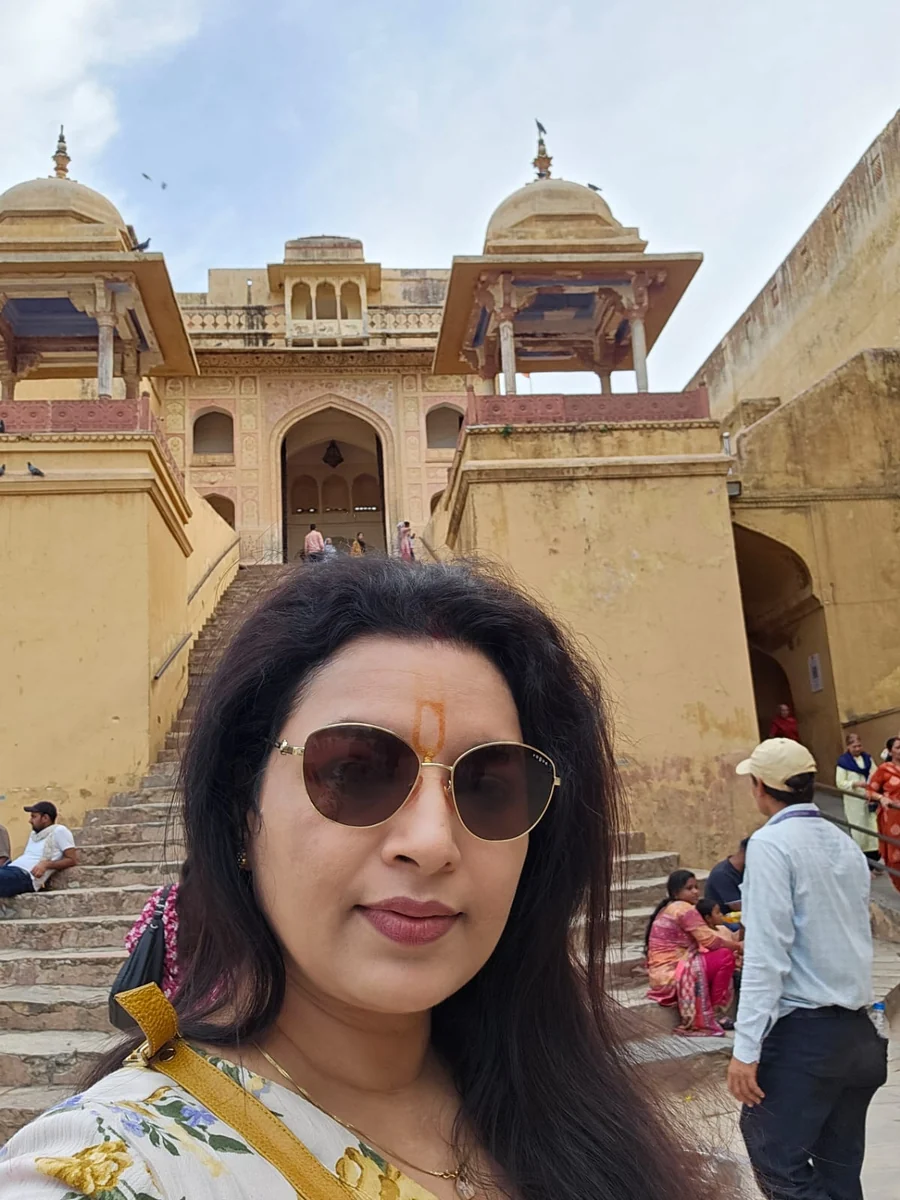
Perched on a rugged hillside overlooking Maota Lake, Amber Fort is the grandest of Jaipur's forts and a masterpiece of Rajput architecture. Its imposing gateways, ornate courtyards, mirrored halls, and beautifully decorated palaces reflect the wealth and artistic vision of the Kachwaha rulers. Walking through its magnificent chambers, it was easy to imagine the grandeur of royal life that once flourished within these walls.
“Our day began with excitement as we set out to explore Jaipur's three famous forts. However, on reaching the base of Amer Fort, our driver informed us that the car had developed a mechanical problem and could not make the steep climb to the fort entrance. Left with little choice, we hired a jeep for ₹600, which took us up to the fort and later brought us back to Amer town, where our driver was waiting. Unfortunately, the breakdown also meant we missed the evening light and sound show, which had been part of our plan. Despite these setbacks, Amer Fort more than made up for the inconvenience. Its magnificent courtyards, grand palaces, and rich history made it, without question, the most impressive of the three forts and the highlight of our day.”
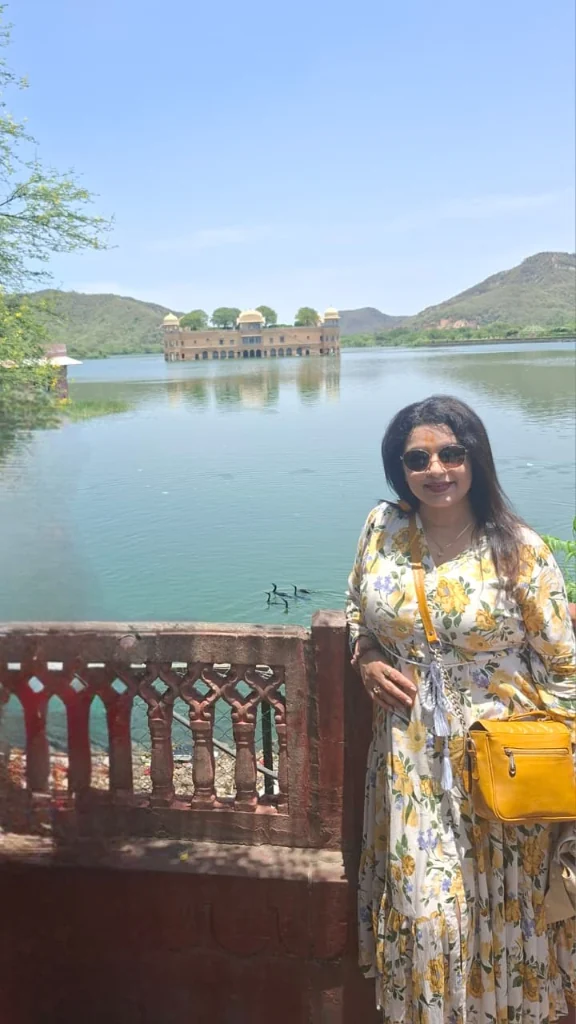
Nestled serenely in the middle of Man Sagar Lake, Jal Mahal is one of Jaipur's most picturesque landmarks. Built in the 18th century as a royal retreat, the palace appears to float effortlessly on the water, with only its top storey visible above the lake when water levels are high. Surrounded by the Aravalli Hills, its reflection on the calm waters creates a scene of remarkable beauty, especially at sunrise and sunset.
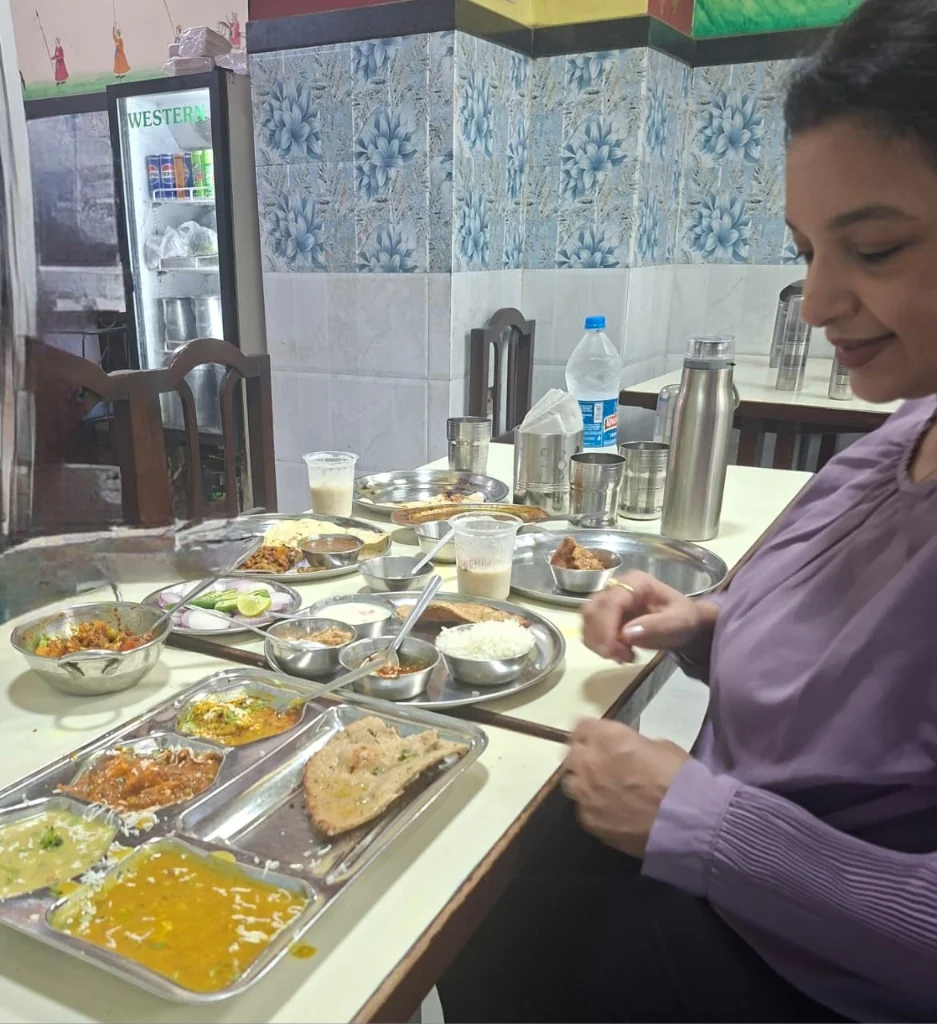
There is something deeply satisfying about sitting down to an authentic Rajasthani thali, where every dish tells a story of the desert's rich culinary heritage. As the steel platter was placed before us, laden with fragrant dal, tangy kadhi, spicy gatte ki sabzi, the iconic ker sangri, fresh rotis, steamed rice, crisp onion salad, and a refreshing glass of chaas, I knew we were in for a memorable meal. The flavours were bold and a little spicier than what we were used to, yet every bite was delicious and comforting. The cooling chaas perfectly balanced the spices, making the meal all the more enjoyable. It was far more than just lunch—it was a delightful introduction to Rajasthan's warm hospitality and vibrant culinary traditions, leaving us with memories as rich as the flavours themselves.
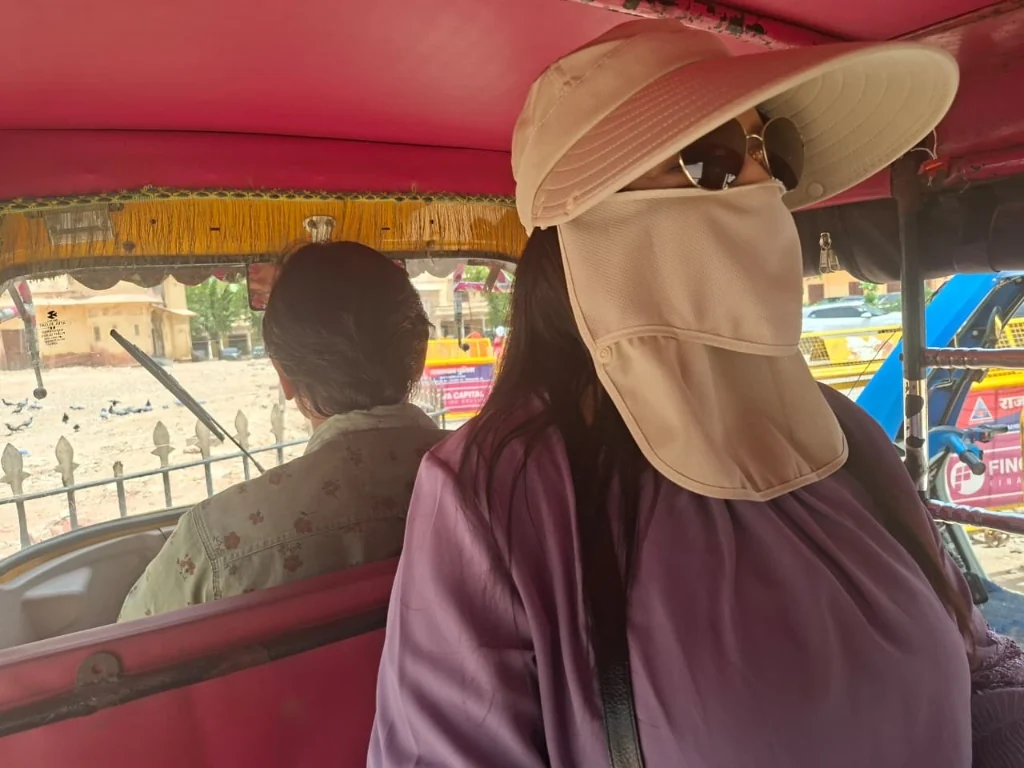
Our five days in Jaipur were filled with unforgettable experiences as we explored its magnificent forts, grand palaces, bustling bazaars, and rich cultural heritage. Every monument had a story to tell, making the city a delight for anyone interested in history and architecture. While the scorching summer heat and the often-congested traffic occasionally tested our patience, they did little to diminish the charm of the Pink City. Jaipur's regal legacy, warm hospitality, and timeless beauty far outweighed these minor inconveniences, leaving us with wonderful memories and a desire to return again.
Start early to beat the crowds and the heat.
Wear comfortable shoes—there's plenty of walking.
Carry water, sunscreen, and a hat.
Visit Amber, Jaigarh, and Nahargarh in that order.
Hire a guide at Amber Fort for deeper insights.
Skip the elephant rides and explore on foot or by jeep.
Pause often to enjoy the panoramic views.
End the day with the sunset at Nahargarh Fort.
Allow a full day to explore the forts at a relaxed pace.
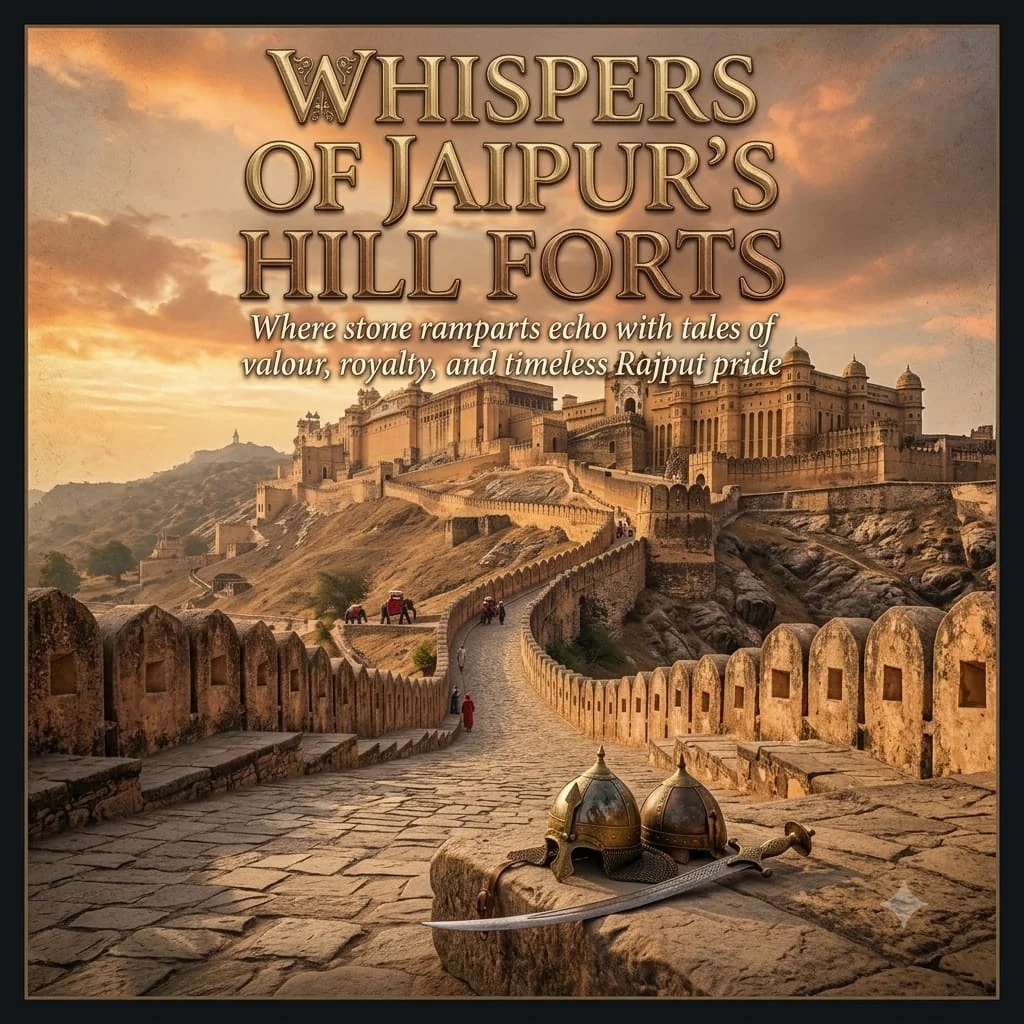
Built high on the Cheel Ka Teela (Hill of Eagles) overlooking Amber, Jaigarh served as the military stronghold guarding Amer Fort and housed the world's largest cannon on wheels, the Jaivana Cannon.
Nahargarh Fort sits on the edge of the Aravalli hills, offering the most dramatic sunset panoramas across the entire Jaipur cityscape, alongside the royal suites of Madhavendra Bhawan.
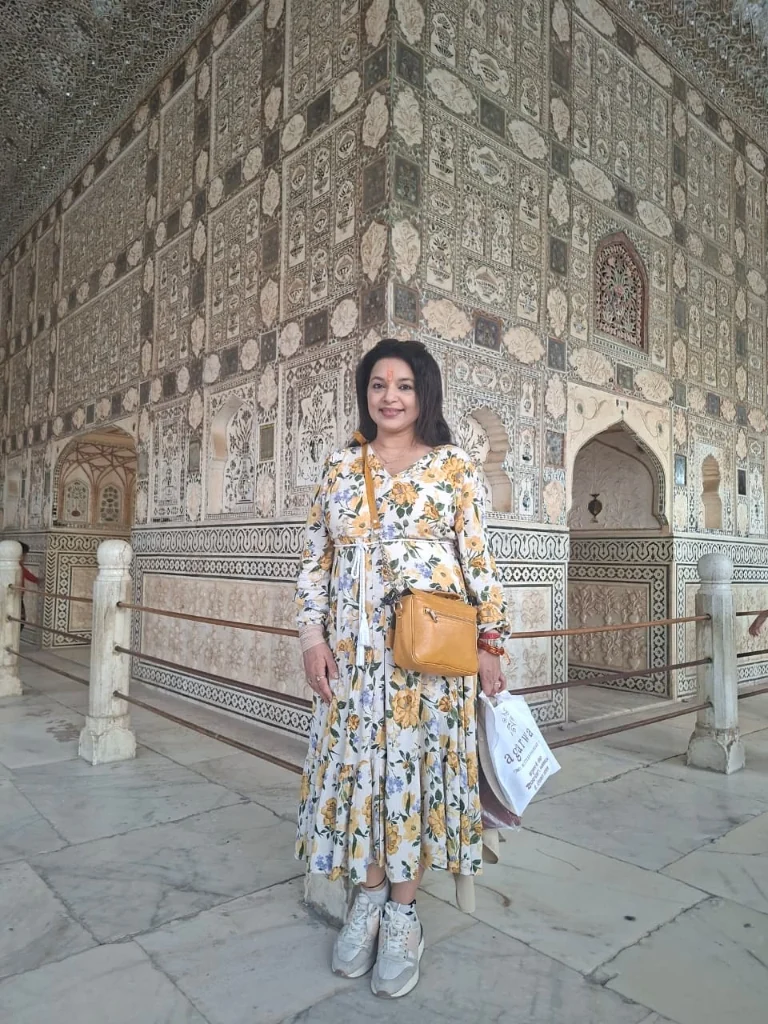
Amber Fort seamlessly blends Rajput and Mughal architecture, famed for the Sheesh Mahal (Palace of Mirrors), marble latticework, and the hilltop Maota Lake reflection.
You can drive directly to the upper vehicle parking near the Suraj Pol entrance or hire authorized jeeps, avoiding the steep pedestrian climb or elephant rides.
Jal Mahal is an 18th-century palace submerged in Man Sagar Lake; while the interior is closed to the public, visitors enjoy scenic promenade walks and photography from the lakeside.
An excavated subterranean escape tunnel connects Amer Fort directly to Jaigarh Fort, built so the royal family could retreat safely during military sieges.
Located in the fort's historic rest house, the museum features wax statues of historic Rajput rulers, freedom fighters, and cultural icons, plus an adjoining Sheesh Mahal replica.
Carry a wide-brimmed sun hat, sunglasses, supportive walking shoes with rubber soles for stone ramps, and carry bottled water as forts involve extensive walking.
Padao restaurant perched atop Nahargarh Fort ramparts provides an open-air café setting with breathtaking dusk views as the Pink City lights up below.
Yes, the Department of Archaeology composite ticket covers Amber Fort, Nahargarh Fort, Hawa Mahal, Jantar Mantar, and Albert Hall Museum across two consecutive days at substantial savings.
Continue wandering through the historical corridors, sacred architectures, and living traditions of India.
Contextual field notes, cultural dossiers, and transcontinental itineraries.