Heritage
Rajasthan
Heritage
The Royal Heart of Rajasthan
Discover
Stepping into Jaipur felt like entering a city where history is not confined to museums but lives on in grand palaces, imposing forts, bustling bazaars, and centuries-old traditions.
Founded in 1727 by Maharaja Sawai Jai Singh II, the Pink City blends royal grandeur with vibrant everyday life. As we wandered through its historic streets, admired its magnificent architecture, and experienced its warm Rajasthani hospitality, we discovered that Jaipur is much more than a beautiful city—it is the living heart of Rajasthan's rich cultural heritage.
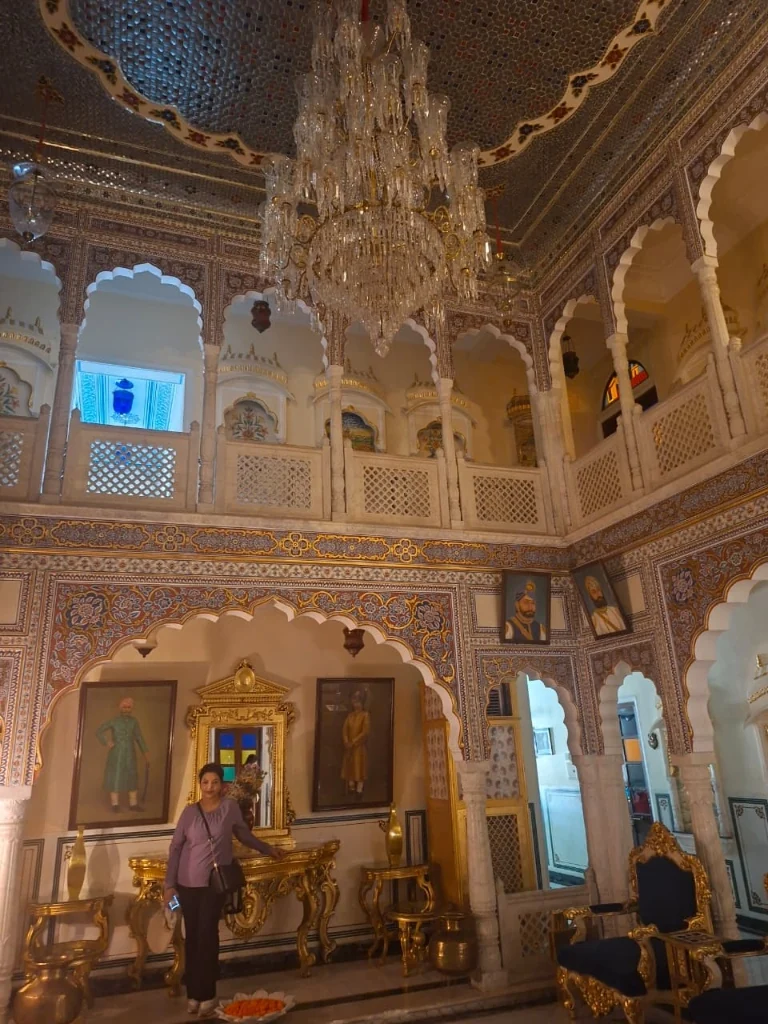
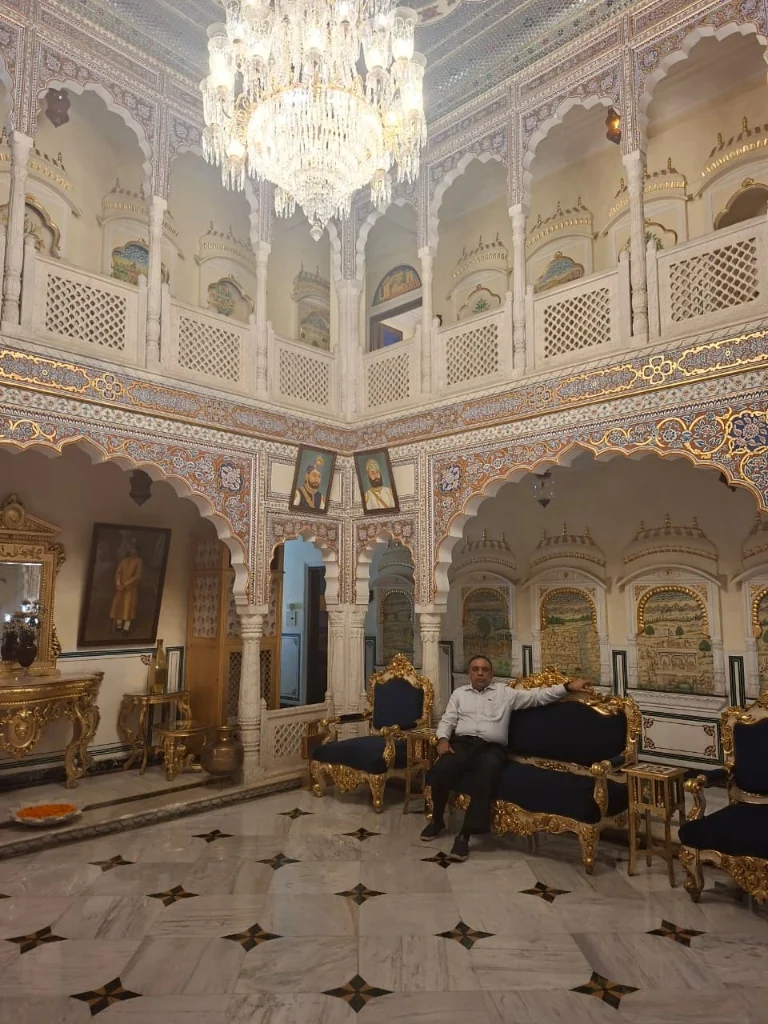
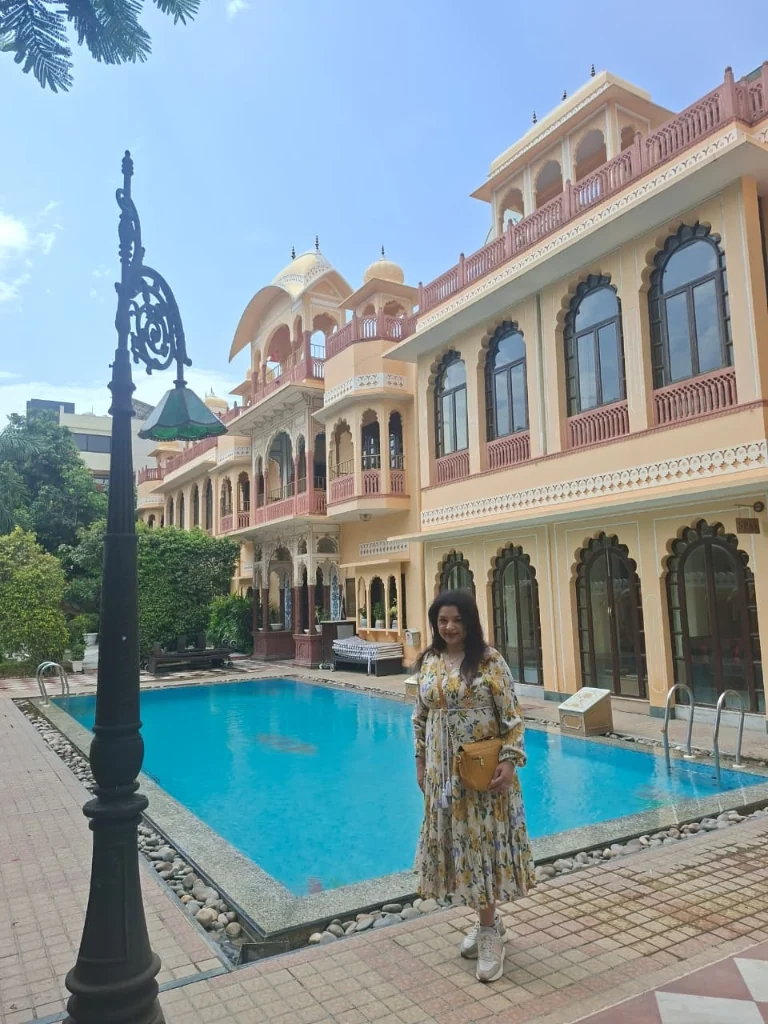
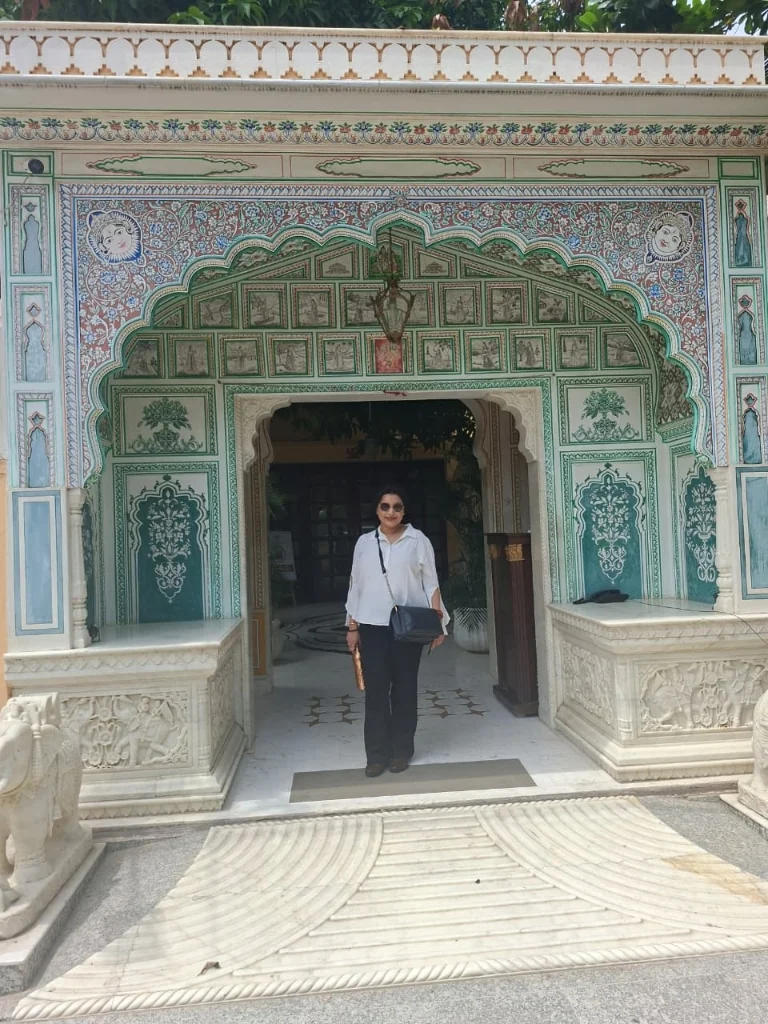
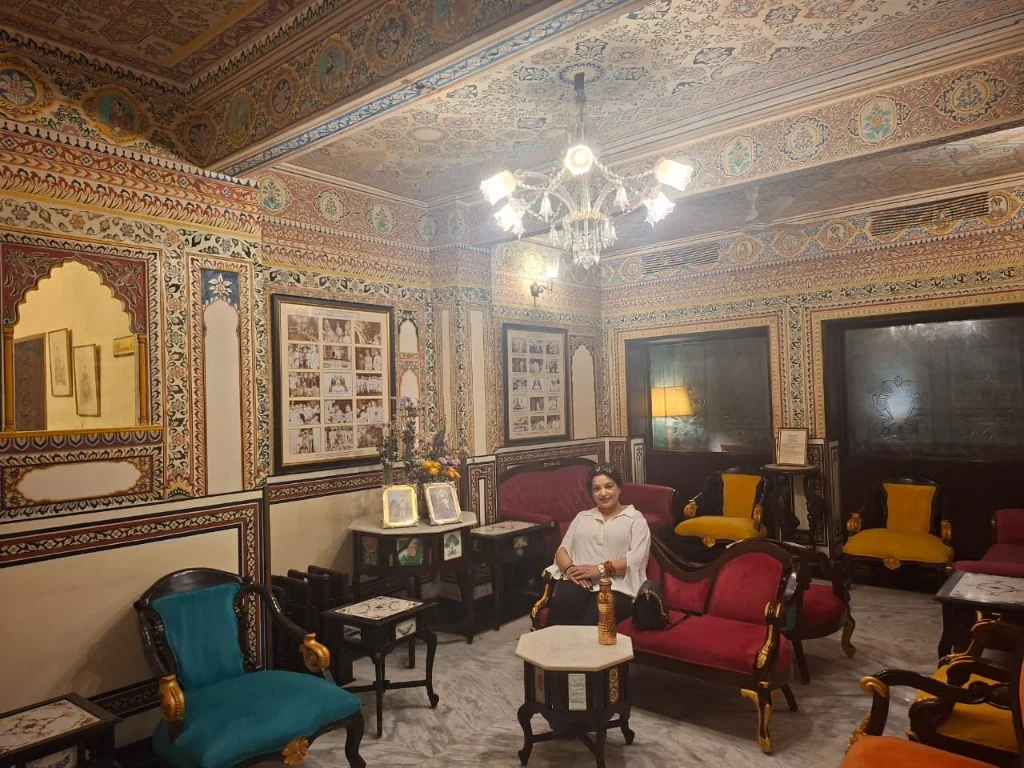
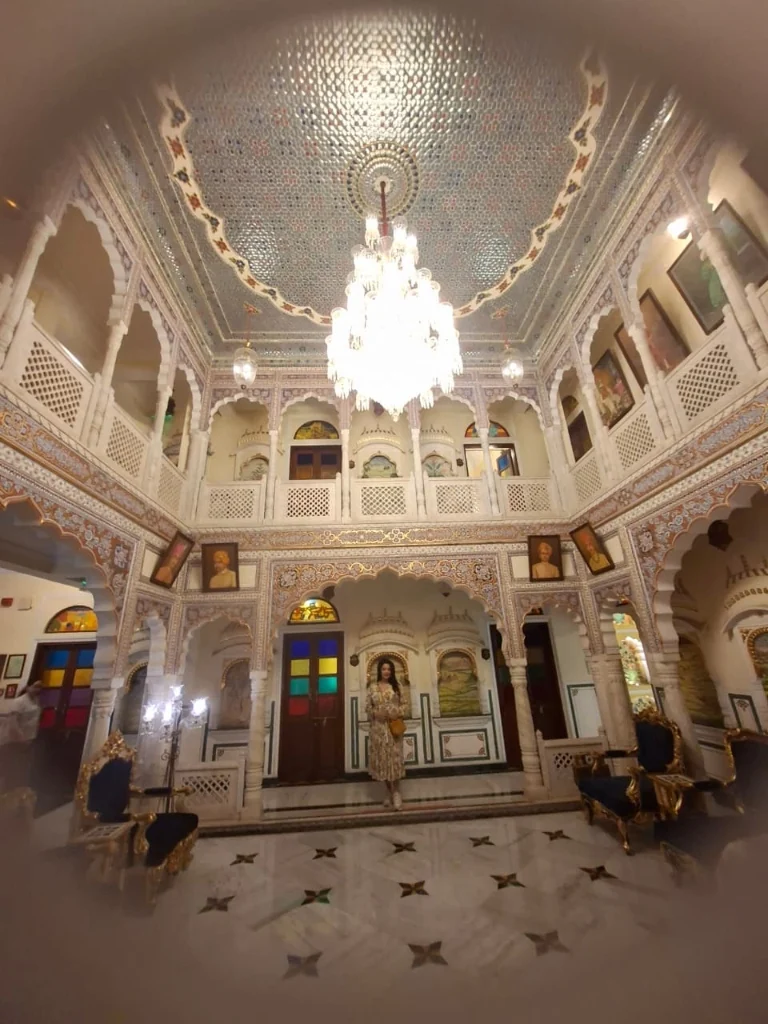
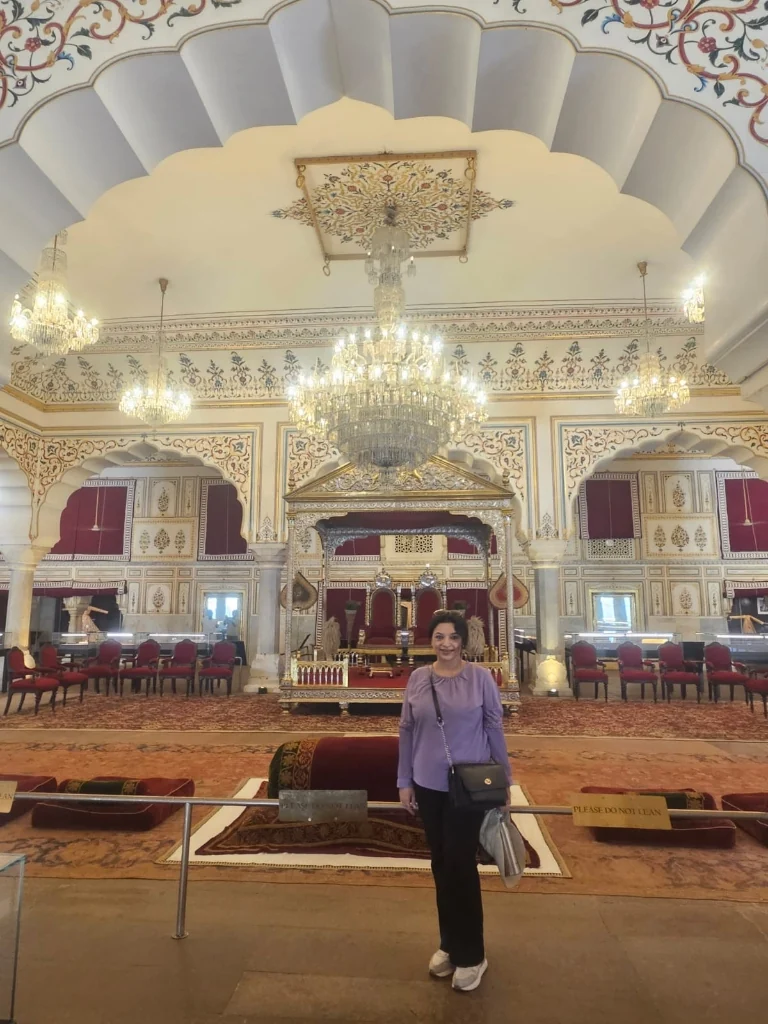
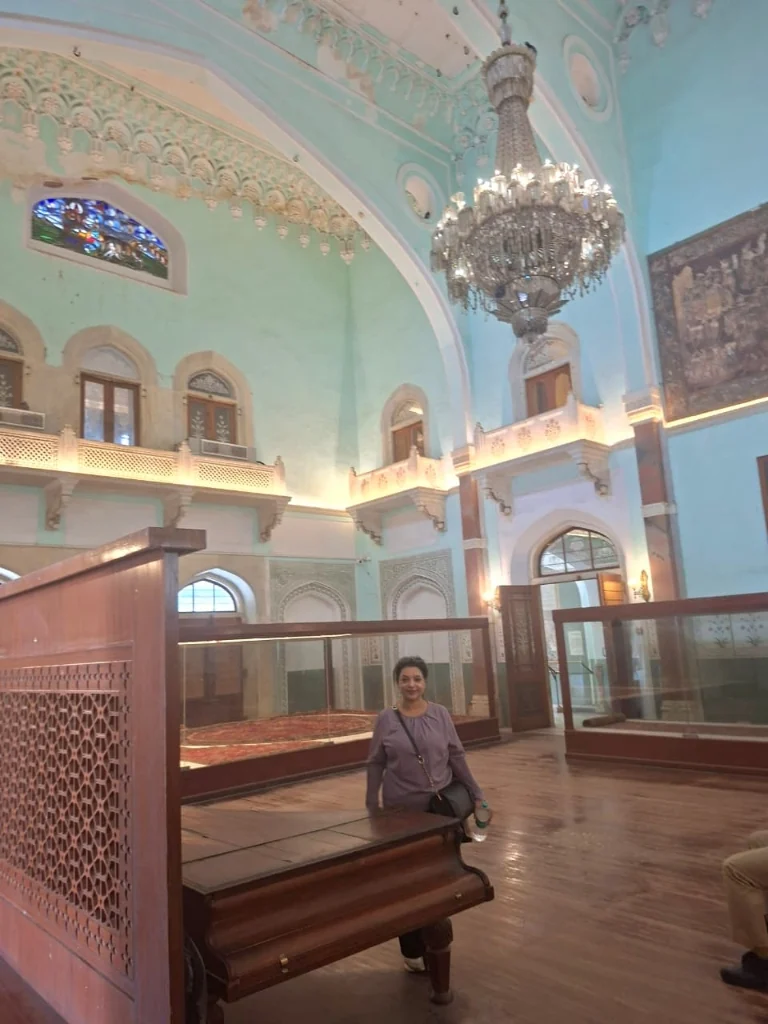
“Stepping into the property felt like entering a world of royal elegance. Grand halls, centuries-old wall paintings, polished marble floors, and ornate pillars beautifully evoke Rajasthan's regal past, while the magnificent Durbar Hall—once the venue for the king's Diwan-e-Khas, where he met his trusted advisors—stands as its crowning feature. What made the experience even more memorable was its excellent value for money. Despite its royal ambience and rich heritage, the property was surprisingly affordable, allowing us to enjoy the authentic charm of a heritage palace without stretching our budget.”
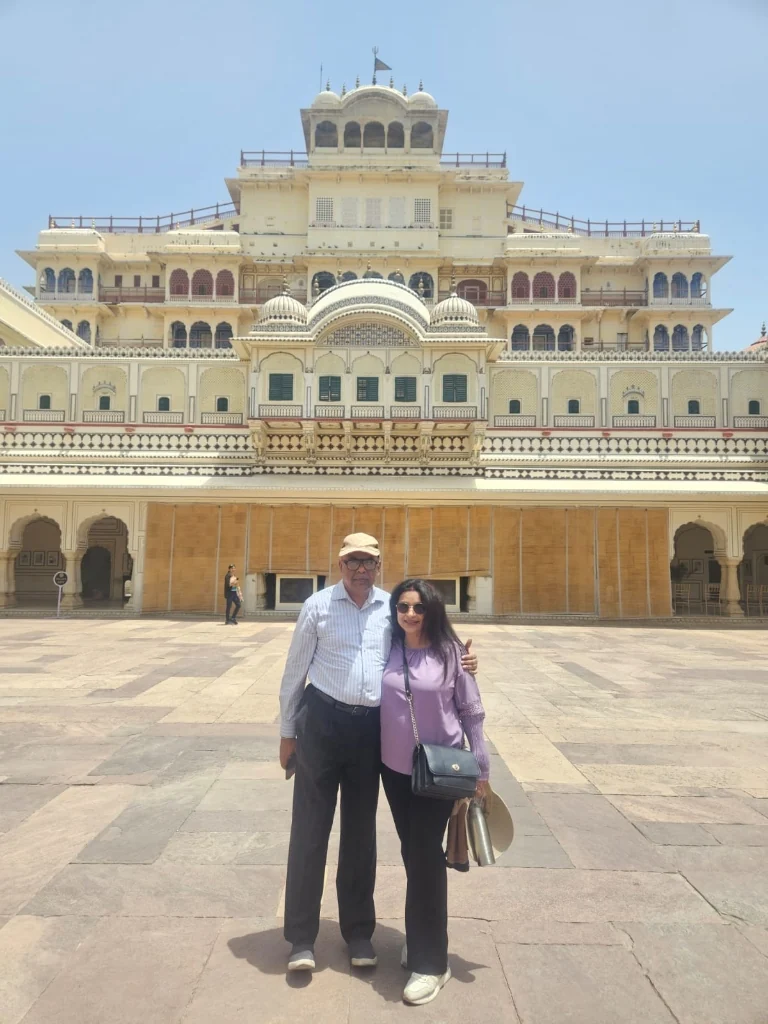
Walking through the city palace felt like stepping into the world of the Maharajas. Every courtyard, carved doorway, and beautifully decorated hall reflected the grandeur of a bygone era, while the harmonious blend of Rajput and Mughal architecture made the palace a delight to explore. Despite the number of visitors, there were many quiet corners where we could pause and simply admire the craftsmanship surrounding us.
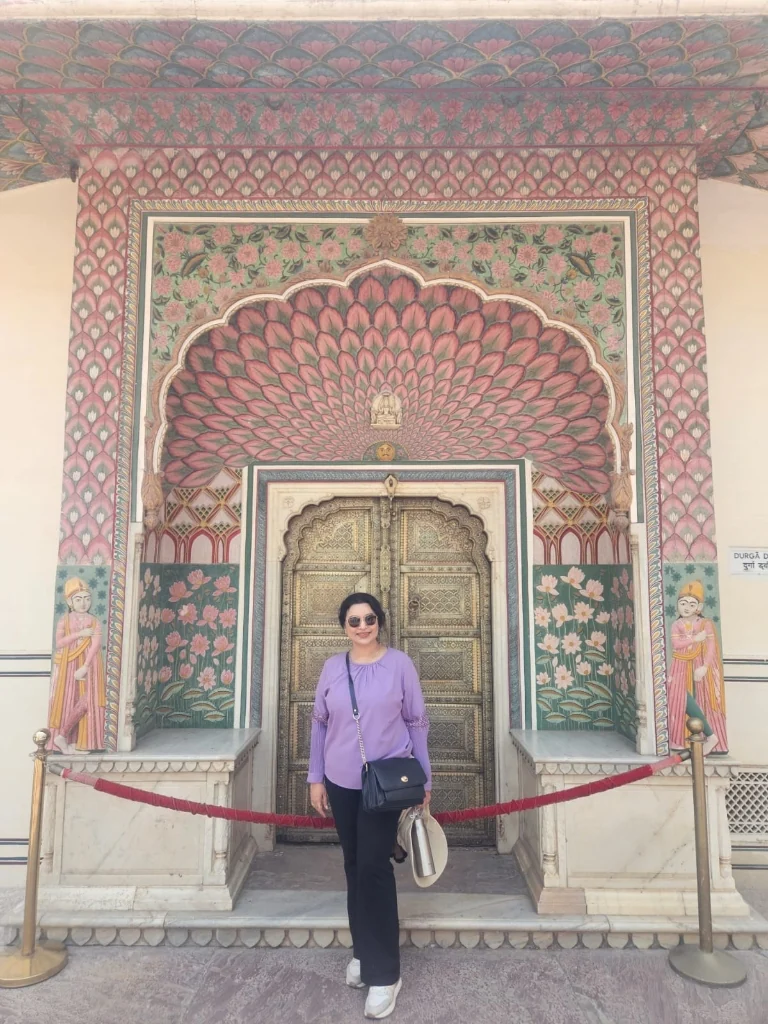
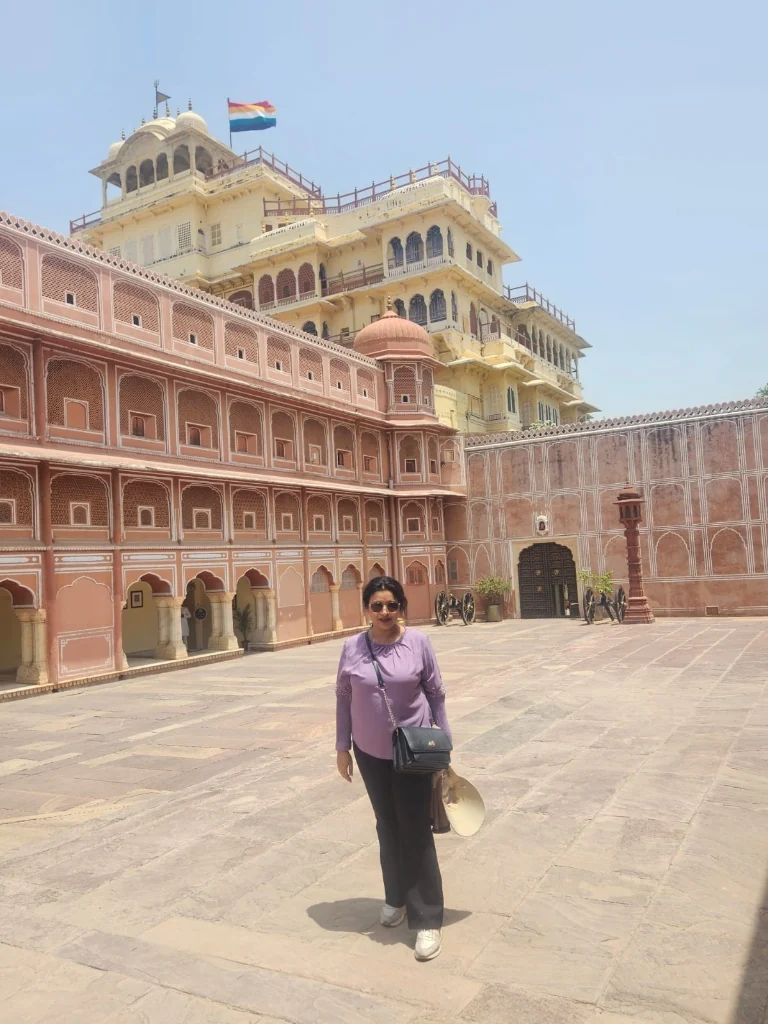
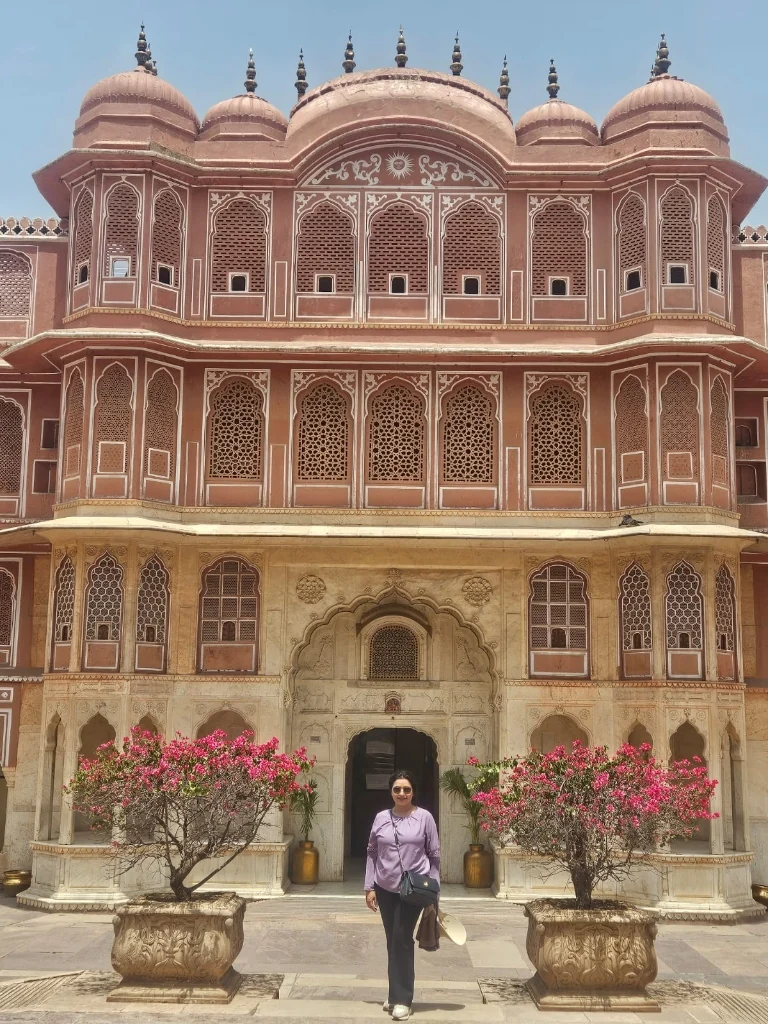
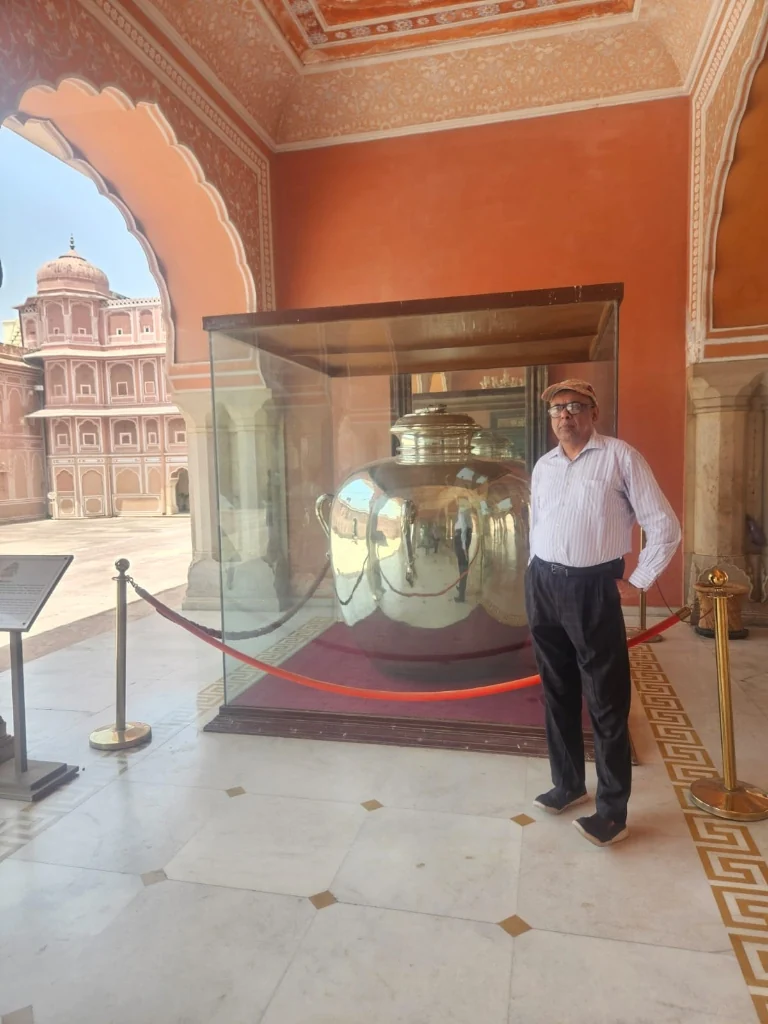
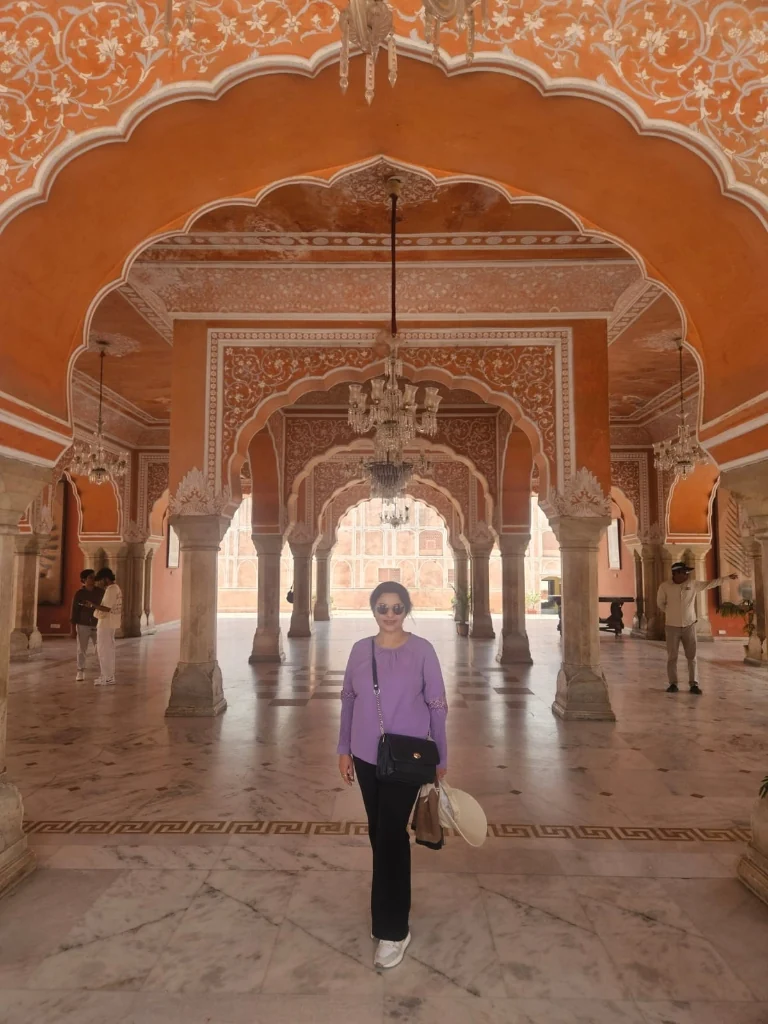
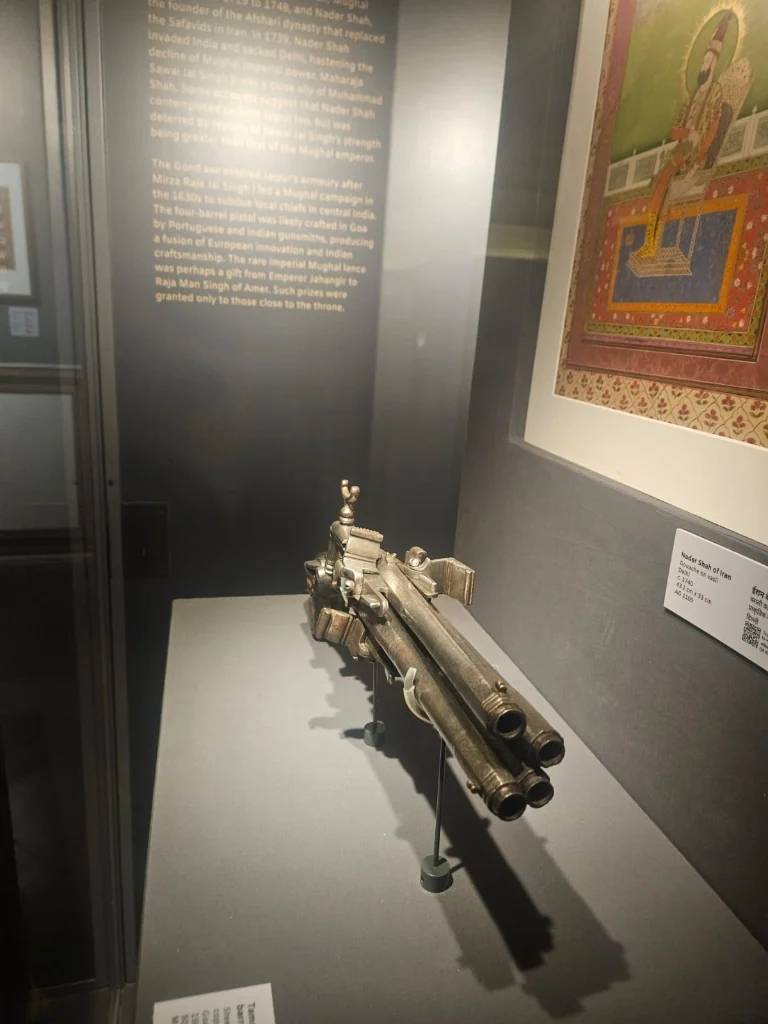
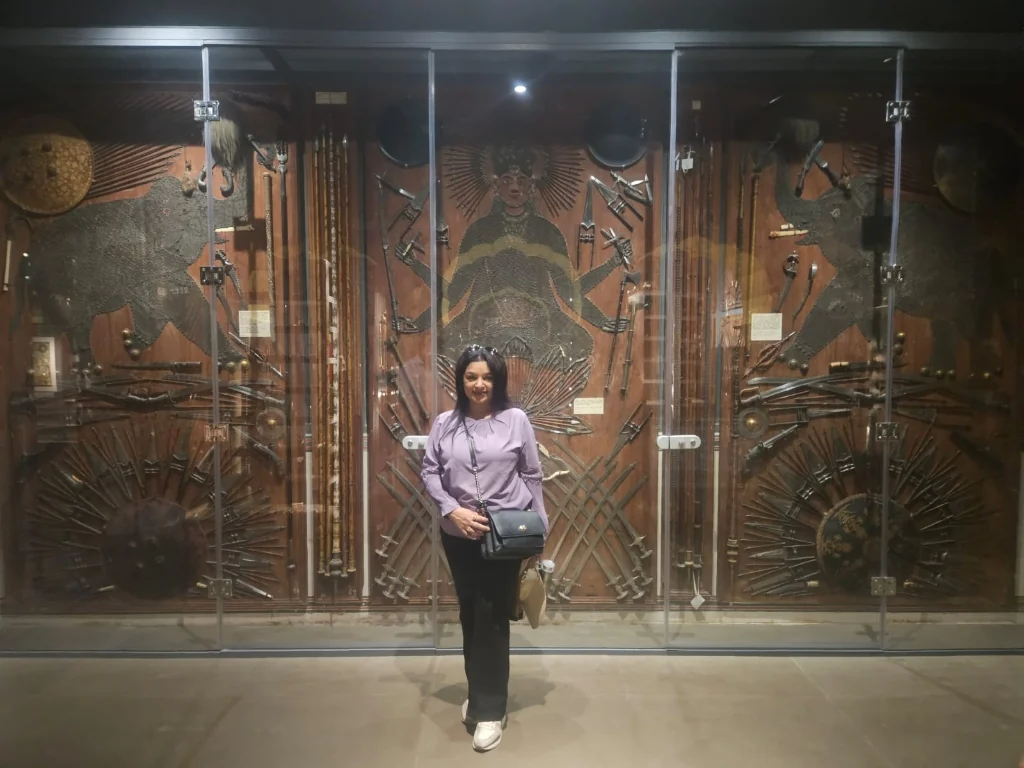
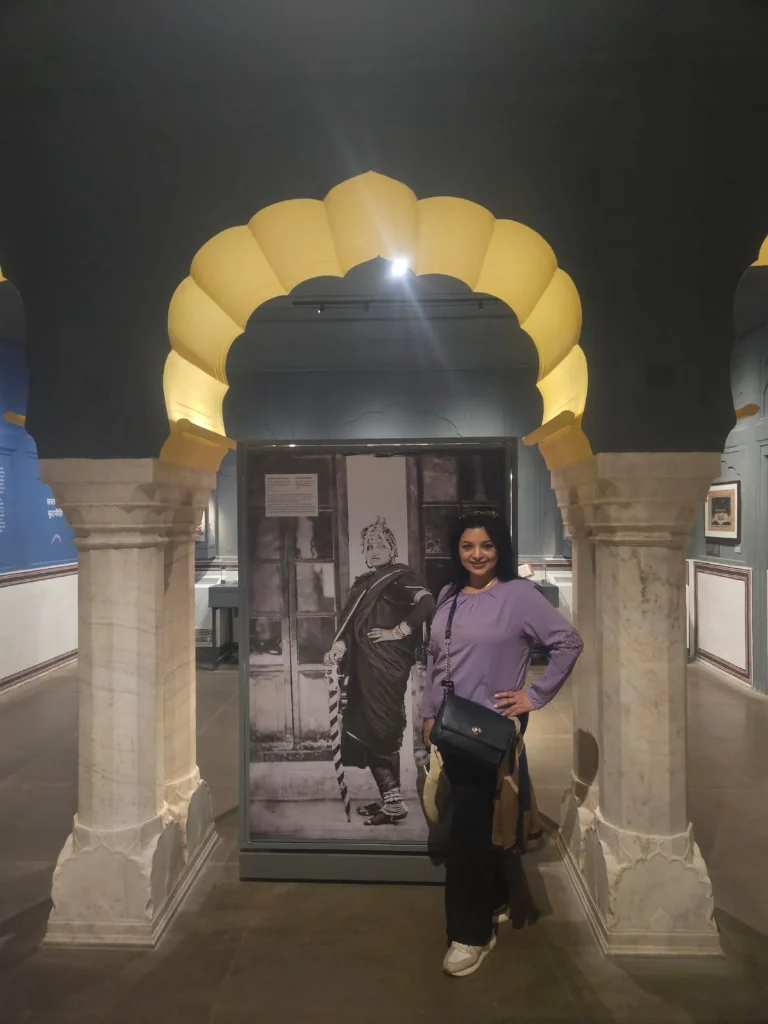
We spent unhurried moments exploring the palace museums, where royal costumes, weapons, paintings, manuscripts, and everyday objects brought Jaipur's royal history to life. The beautifully decorated gateways, especially the famous Peacock Gate, were even more impressive in person than in photographs, each one showcasing remarkable artistry and attention to detail.
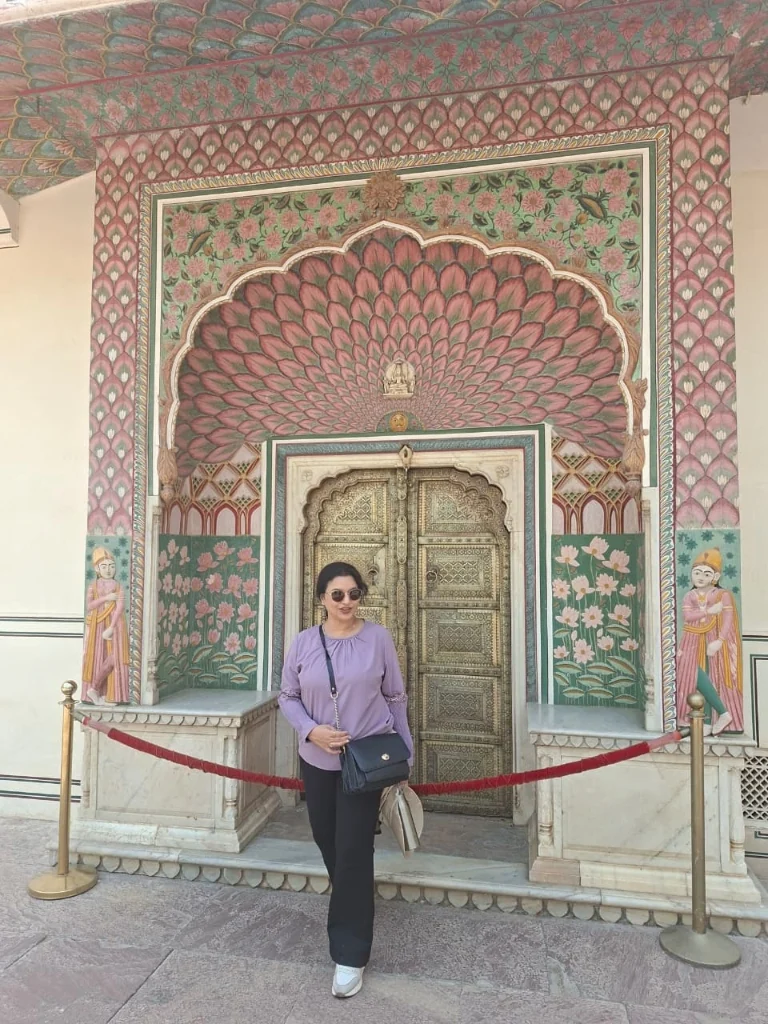
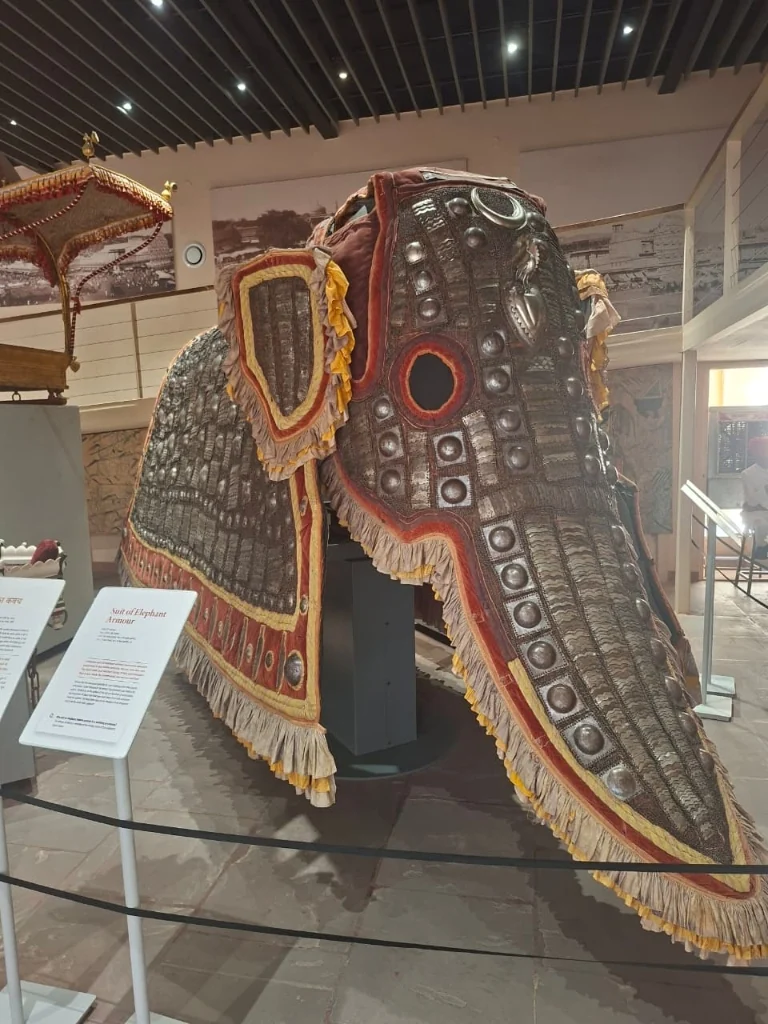
What impressed us most was that the City Palace is not merely a monument to the past but a living heritage, with part of the complex still serving as the residence of Jaipur's former royal family. As we left, we felt we had experienced more than a palace—we had gained a deeper understanding of Jaipur's enduring royal legacy and the traditions that continue to shape the Pink City today.
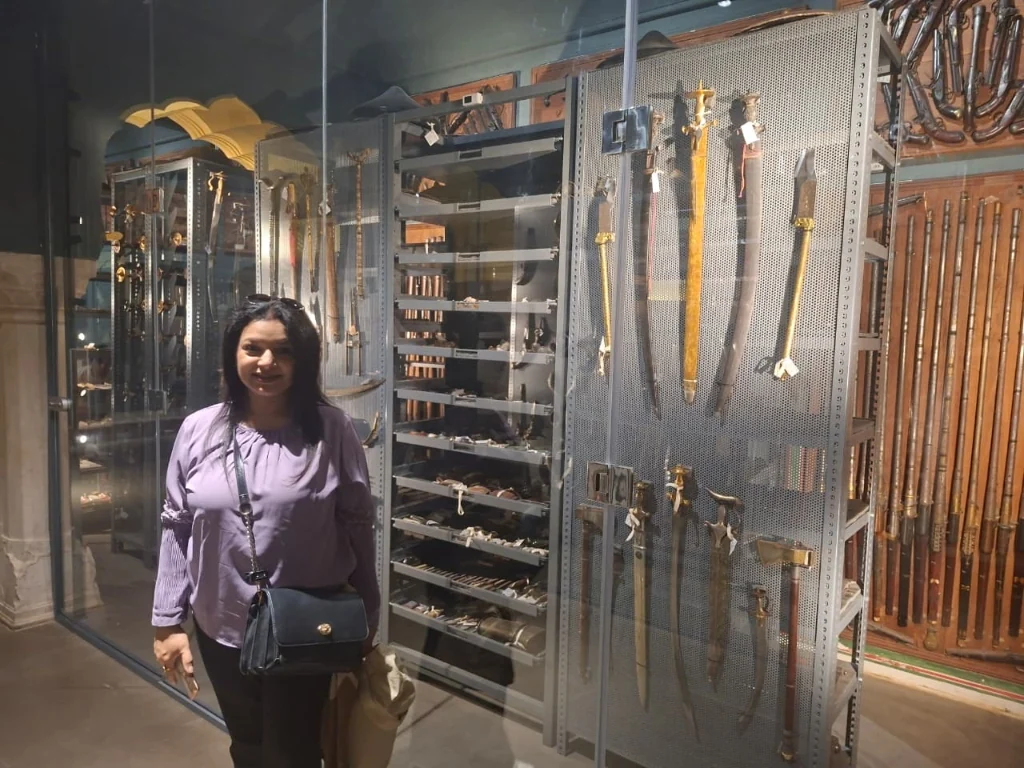
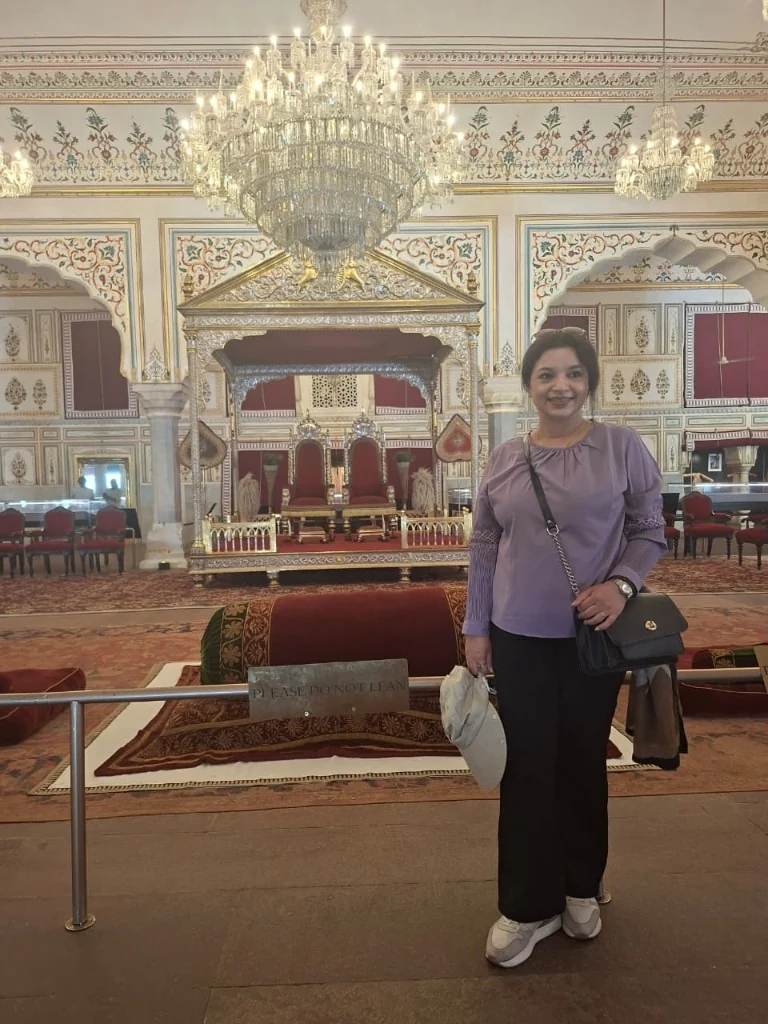
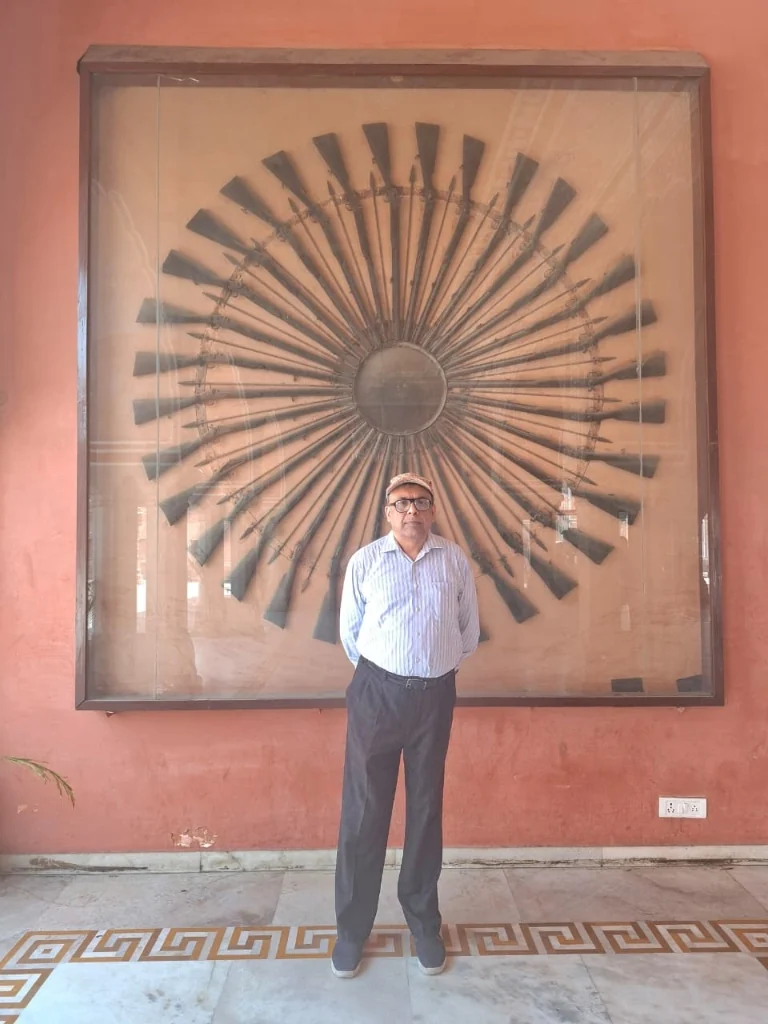
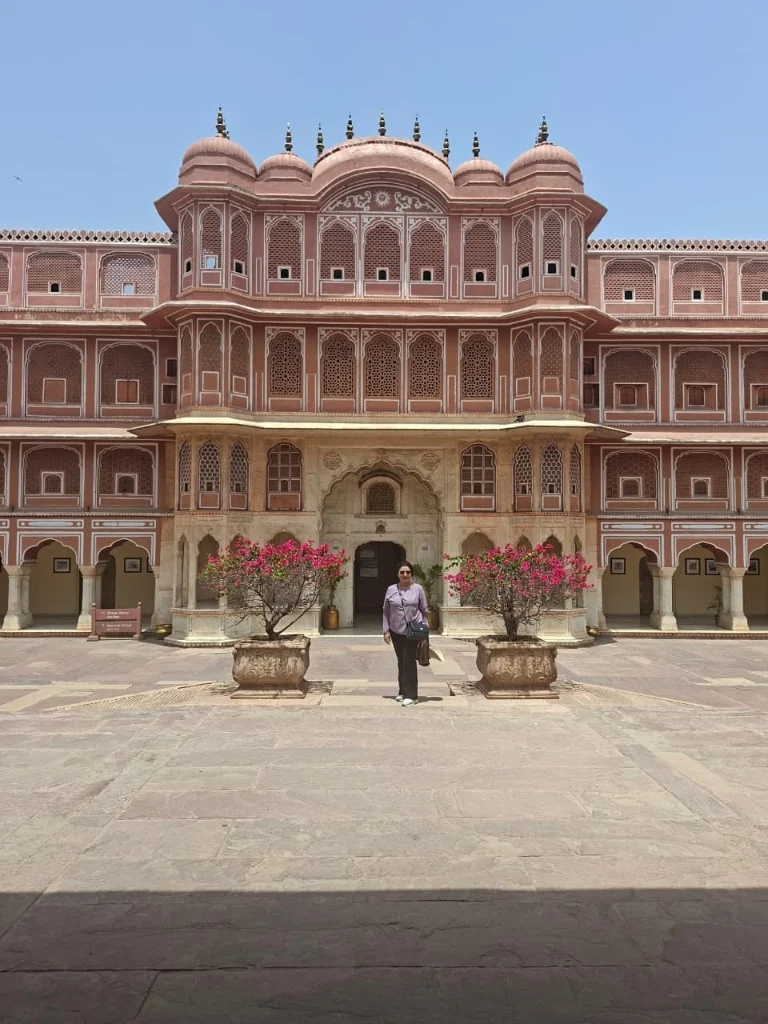
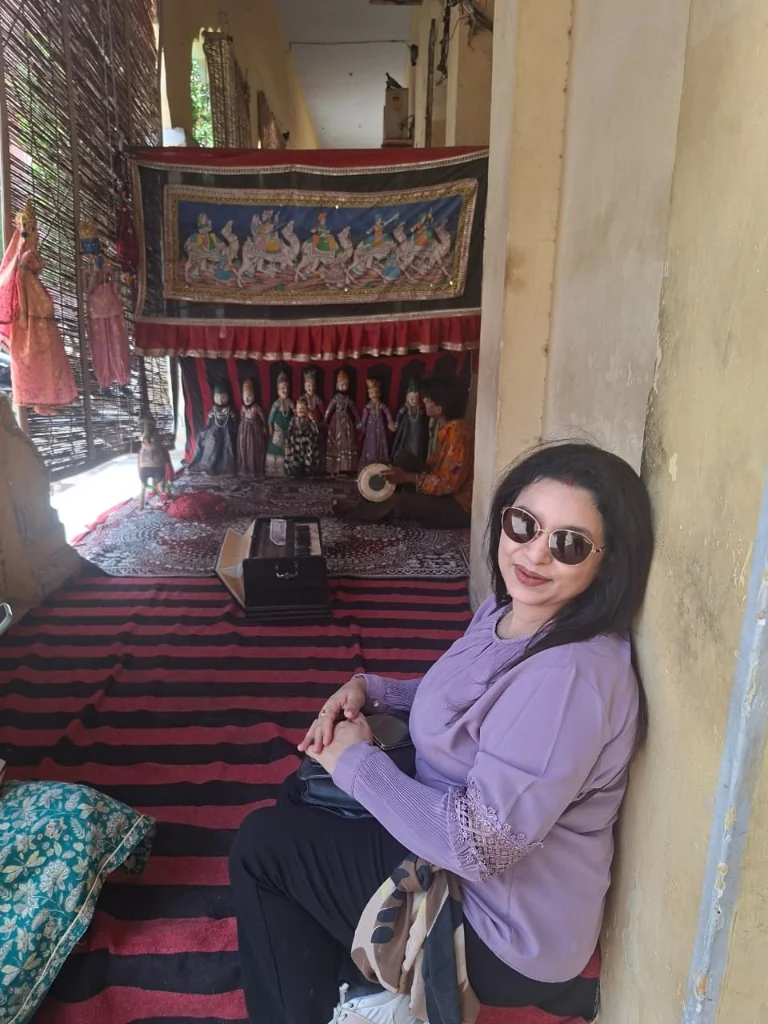
Exploring the City Palace was one of the highlights of our time in Jaipur. Wandering through the magnificent Diwan-e-Khas, Diwan-e-Aam, the royal museum, and the palace courtyards offered a fascinating glimpse into the Rajasthan's royal heritage. As much of the complex is in the open, the summer heat can be quite intense, so an early morning or late afternoon visit is advisable. We ended our tour by enjoying a colourful Rajasthani puppet show, which added a delightful cultural touch to the experience. I would also recommend hiring a guide to better appreciate the palace's history, but if you are not interested in shopping, make that clear at the beginning to avoid unnecessary stops.
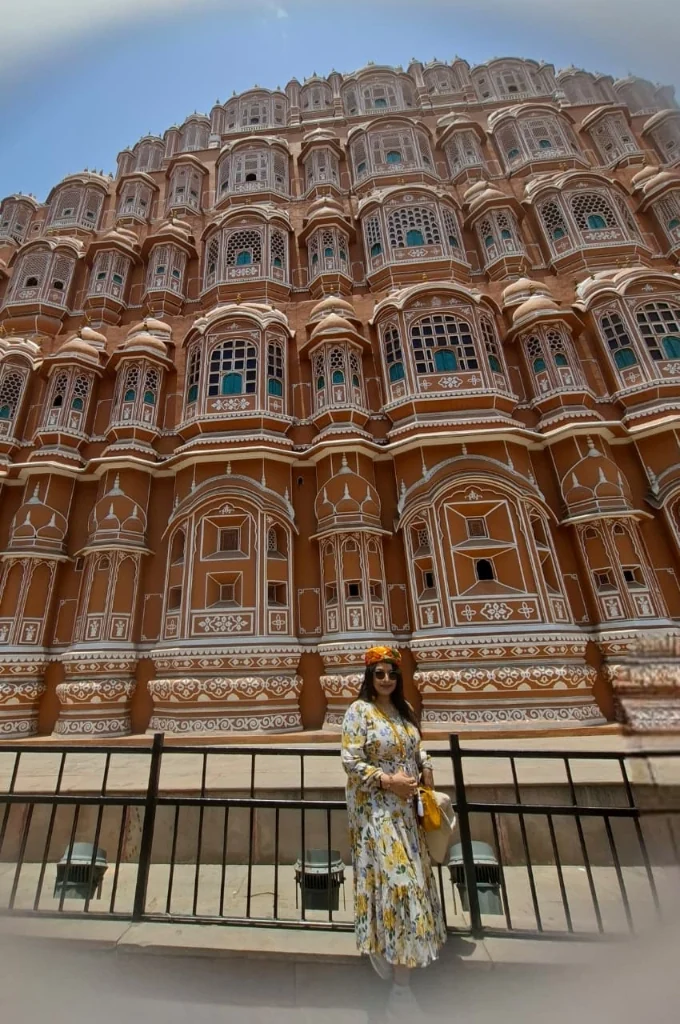
Standing before the iconic Hawa Mahal, I was struck by how something so delicate could make such a powerful impression. Its intricate pink sandstone façade, adorned with hundreds of beautifully carved jharokhas, seemed to glow in the Jaipur sunshine. As I wandered through its narrow passages and looked out from the tiny windows, I imagined the royal ladies of the past quietly observing the bustling streets below while remaining unseen. More than just Jaipur's most photographed landmark, Hawa Mahal offered me a fascinating glimpse into the city's royal heritage, architectural brilliance, and timeless charm.
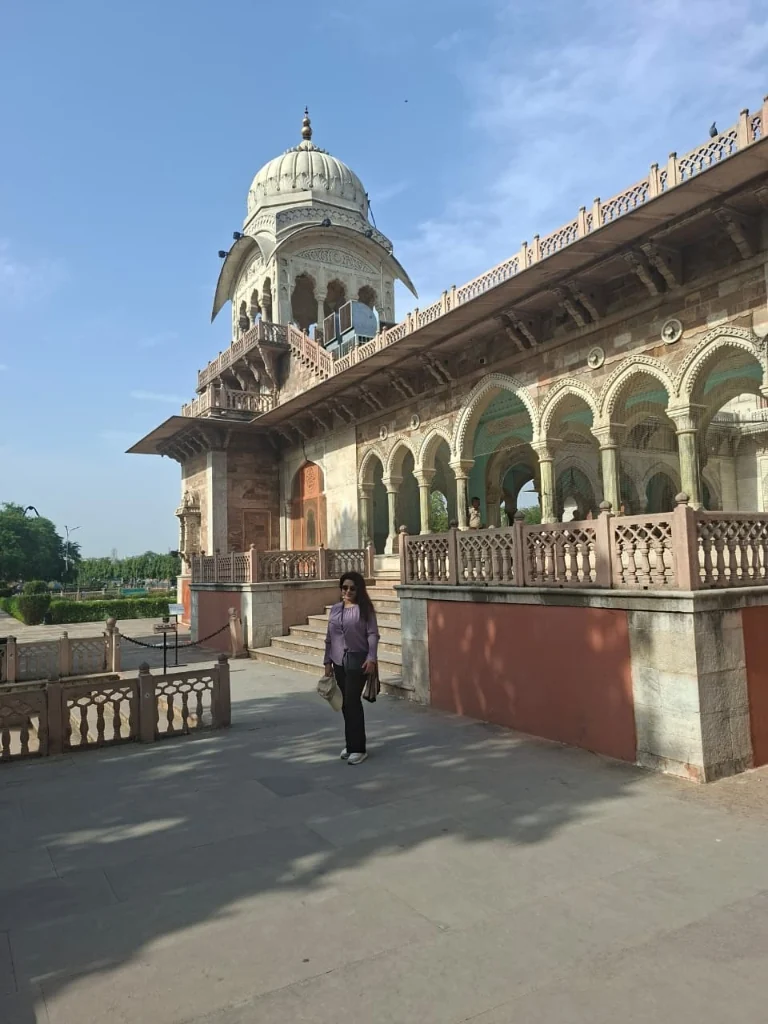
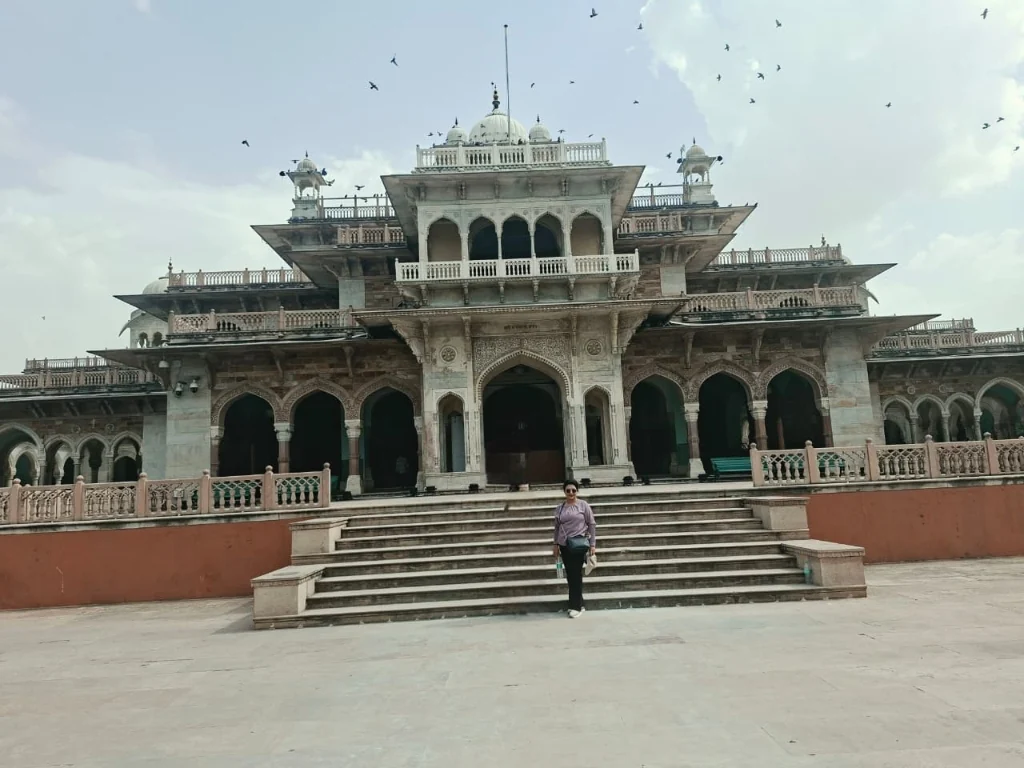
A visit to the Albert Hall Museum in Jaipur offered a fascinating glimpse into Rajasthan's rich artistic and cultural heritage. Housed in a magnificent Indo-Saracenic building set amidst the peaceful Ram Niwas Garden, the museum is as impressive from the outside as it is within. Its galleries display an extraordinary collection of miniature paintings, royal costumes, textiles, arms, sculptures, and decorative arts, but the preserved Egyptian mummy remains the most intriguing exhibit. Walking through its elegant halls felt like travelling through centuries of history, making the Albert Hall Museum an essential stop for anyone wishing to understand the cultural soul of the Pink City.
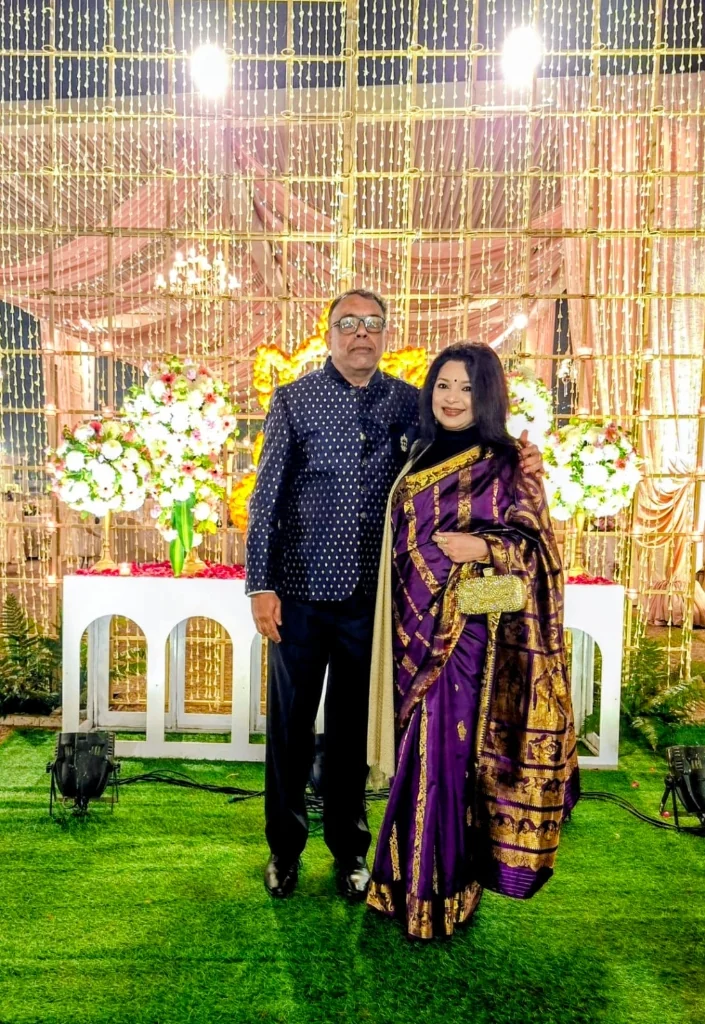
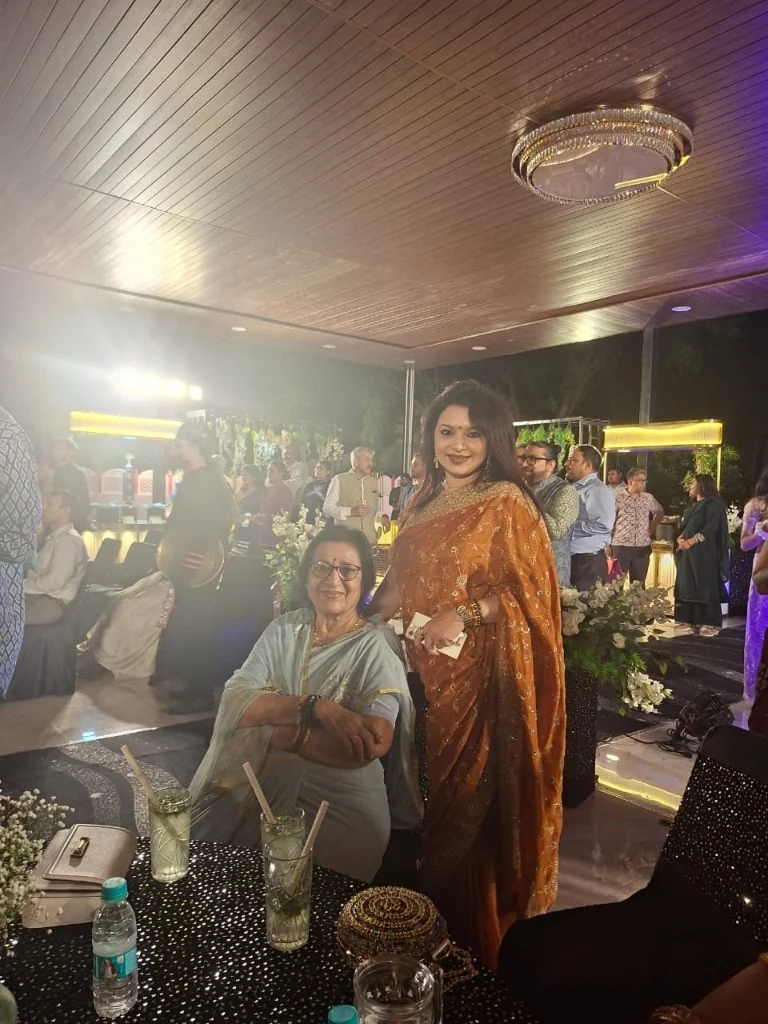
Attending a traditional Rajput wedding in Jaipur was a memorable experiences of my Rajasthan journey. The groom's majestic baraat, arriving on a beautifully decorated horse to the rhythm of dhols and traditional music, set the tone for an evening steeped in heritage. The welcoming aarti, the exchange of jaimalas, and the sacred pheras around the holy fire reflected customs that have been preserved for centuries. Dressed in colourful turbans, elegant attire, and jewellery, the families embodied the pride and grace of Rajput tradition. More than a wedding, it was a celebration of honour, family, and timeless cultural values, offering us a rare glimpse into the heritage of Rajasthan.
In 1876, Maharaja Sawai Ram Singh ordered the entire city painted in terracotta pink—a traditional hospitality color—to welcome the Prince of Wales, a color preserved by law today.
Shahpura House is a 200-year-old heritage haveli turned boutique heritage hotel, offering travelers a glimpse of Shekhawati fresco art, marble courtyards, and Rajput hospitality.
The City Palace complex features the Mubarak Mahal textile museum, the Diwan-i-Khas housing two massive sterling silver water vessels (Gangajalis), and the iconic peacock gates in Pritam Niwas Chowk.
The complex is mostly level with ramped thresholds and battery-operated carts available for hire; early morning visits right at opening (9:30 AM) avoid heat and queues.
Yes, hiring a licensed guide from the official monument ticket counter provides authentic storytelling, architectural context, and easy navigation through sprawling courtyards.
The Chandra Mahal is a seven-storey royal residence where the titular royal family still resides; select inner rooms can be toured with special premium guided art tickets.
Jaipur is renowned for hand-block printed cotton quilts (Jaipuri razai), blue pottery, gemstone jewelry in Johari Bazaar, and lac bangles in Maniharon Ka Rasta.
Savor dal baati churma, ker sangri, laal maas, pyaaz kachori from Rawat Mishthan Bhandar, and ghewar from LMB (Laxmi Mishthan Bhandar).
October through March offers pleasant temperatures ranging between 12°C and 28°C, perfect for open-air palace walks and market explorations.
Three to four days allow a relaxed pace to visit City Palace, Jantar Mantar, Hawa Mahal, Amer Fort, and local artisan studios without fatigue.
Continue wandering through the historical corridors, sacred architectures, and living traditions of India.
Contextual field notes, cultural dossiers, and transcontinental itineraries.