Two Faces of the Thar: Suryagarh and Kuldhara
Discover Jaisalmer's golden sandstone heritage and Kuldhara's abandoned ghost village—two contrasting stories of the Thar Desert in Rajasthan.
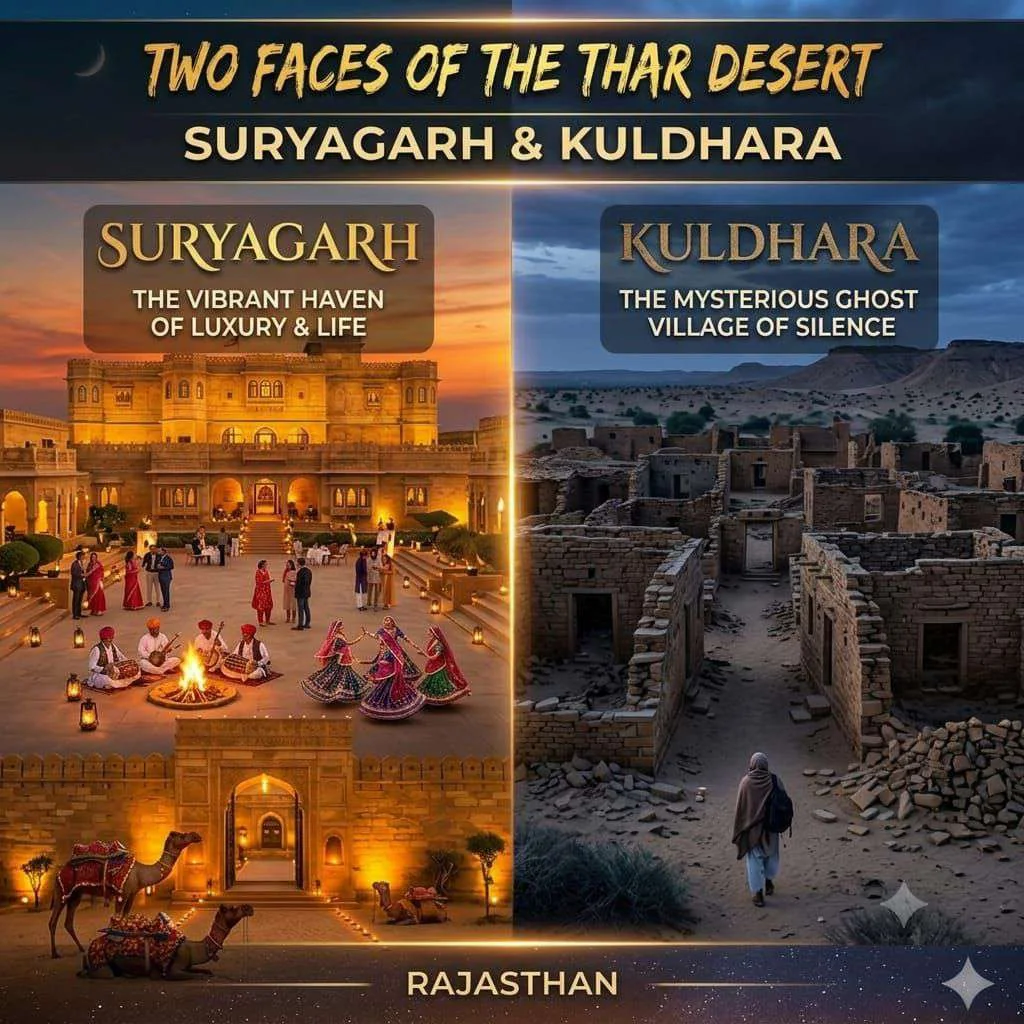
A visit to Suryagarh and nearby Kuldhara reveals two strikingly different faces of the Thar Desert. Suryagarh showcases the triumph of modern luxury and human ingenuity, where comfort allows guests to embrace the beauty of the desert without enduring its hardships.
Just a short drive away, the haunting ruins of Kuldhara tell a very different story. According to local legend, the prosperous village was abandoned overnight when its people chose to leave rather than submit to the demands of a powerful local ruler who wished to marry a young woman from their community. Whether legend or history, Kuldhara has come to symbolize courage, dignity, and the willingness to sacrifice everything to protect one's values.
Suryagarh, Jaisalmer
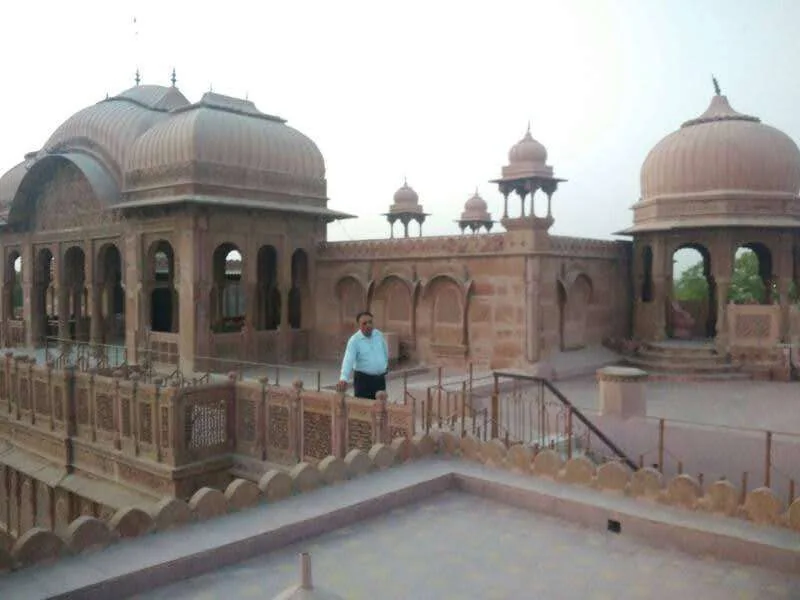
Rising from the golden sands of the Thar Desert, Suryagarh is one of Rajasthan's most iconic luxury heritage-style hotels. Designed to evoke the grandeur of a medieval desert fort, Suryagarh combines traditional Rajput architecture, warm sandstone facades, elegant courtyards, and timeless desert charm with modern comforts.
More than just a place to stay, it offers an immersive experience of Rajasthan's rich culture, hospitality, music, cuisine, and desert traditions, making it a memorable gateway to the enchanting landscapes of Jaisalmer.

The Architecture of Suryagarh, Jaisalmer
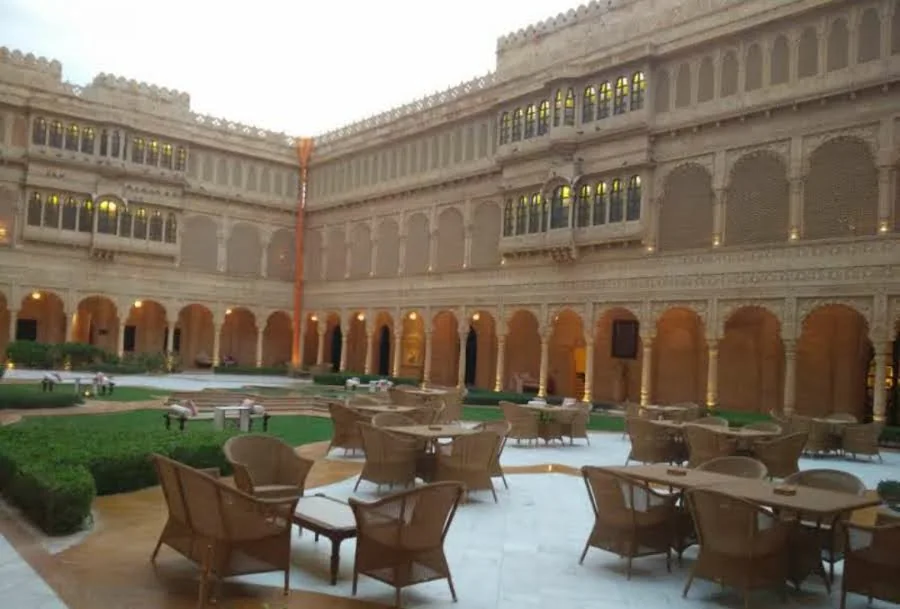
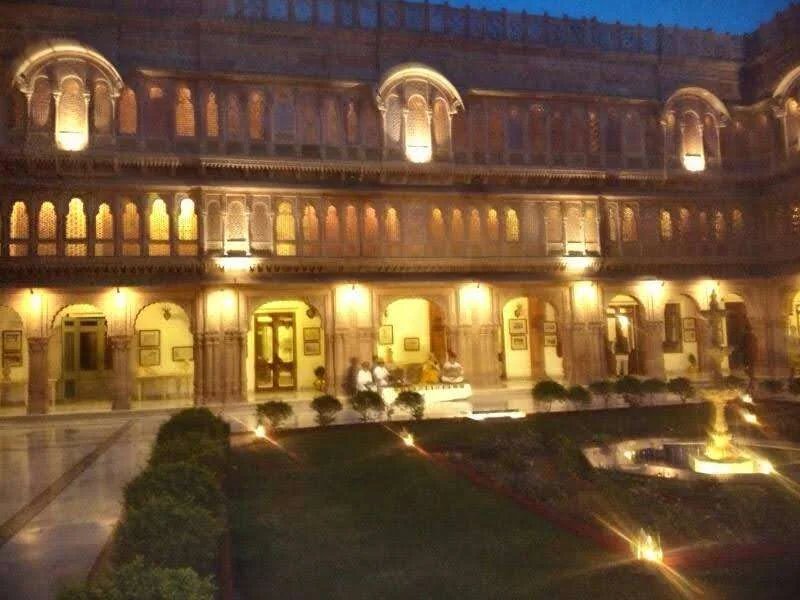
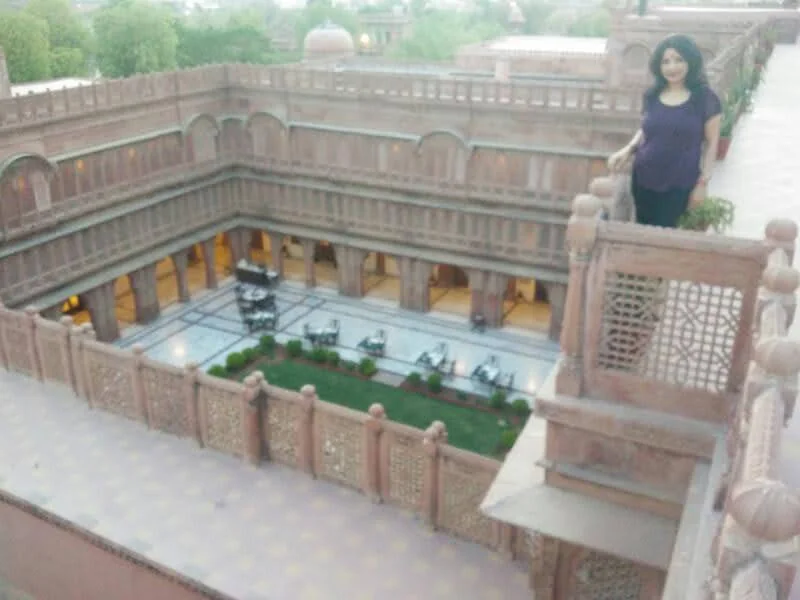
Walking through Suryagarh felt like stepping into a living Rajput fortress. The golden sandstone walls glowed beautifully in the desert light, while the grand gateways, elegant courtyards, carved jharokhas, and graceful chhatris transported me to another era.
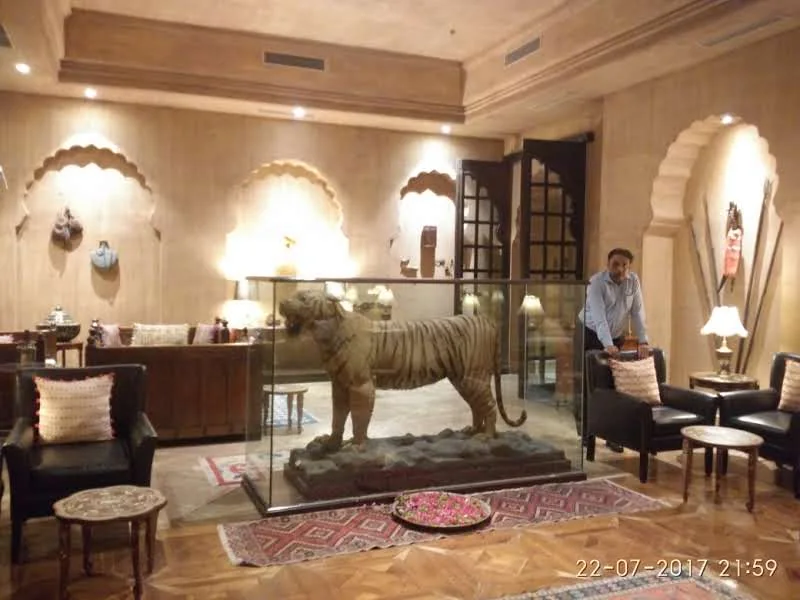
What impressed me most was how the hotel captured the spirit of traditional Rajasthani architecture without feeling like a museum. Every corner seemed thoughtfully designed, blending heritage with comfort. As I wandered through its passageways and open spaces, I felt immersed in the romance and grandeur of the Thar Desert, making the stay as memorable as the sights of Jaisalmer itself.
Evening Dances at Suryagarh
Rhythms of Rajasthan Under the Starlit Sky
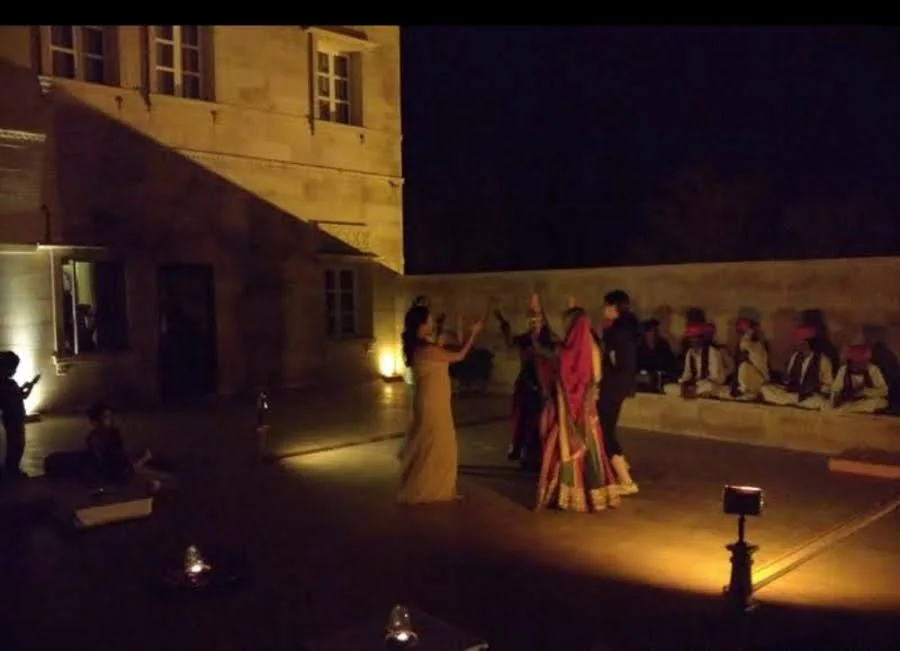
In the heart of the Thar Desert, Suryagarh came alive each evening with traditional Rajasthani music and folk dances. The colourful costumes, lively rhythms, and the magical desert setting created an unforgettable atmosphere.
By the fag end of the programme, we could not resist joining in ourselves, adding a few steps to the celebration. Dancing under the desert sky, surrounded by music and laughter, was a joyful experience and one of the highlights of our stay.
The Morning Donkeys of Suryagarh
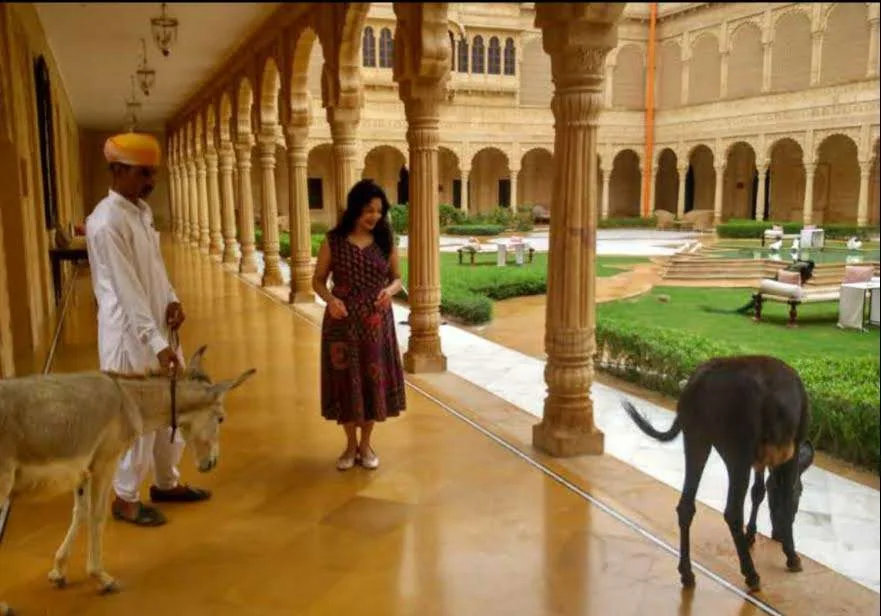
One of the charming sights at Suryagarh is the appearance of donkeys in the early morning, adding an authentic touch to the desert atmosphere. Historically, donkeys have been indispensable companions in the arid regions of Rajasthan, carrying water, firewood, grain, and other essentials across the harsh terrain where larger animals were not always practical.
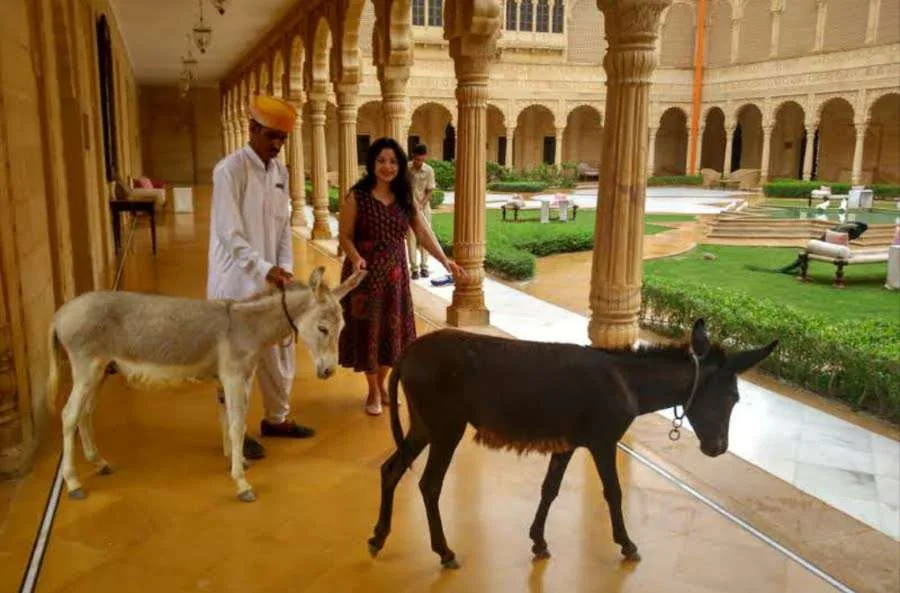
At Suryagarh, their presence serves as a gentle reminder of the traditional desert way of life and the vital role these hardworking animals have played in sustaining local communities for centuries. Watching them move quietly through the golden morning light creates a scene that feels timeless, connecting visitors to the rhythms and heritage of the Thar Desert.
From Suryagarh's Grandeur to Kuldhara's Silence - Two Faces Of Thar Desert
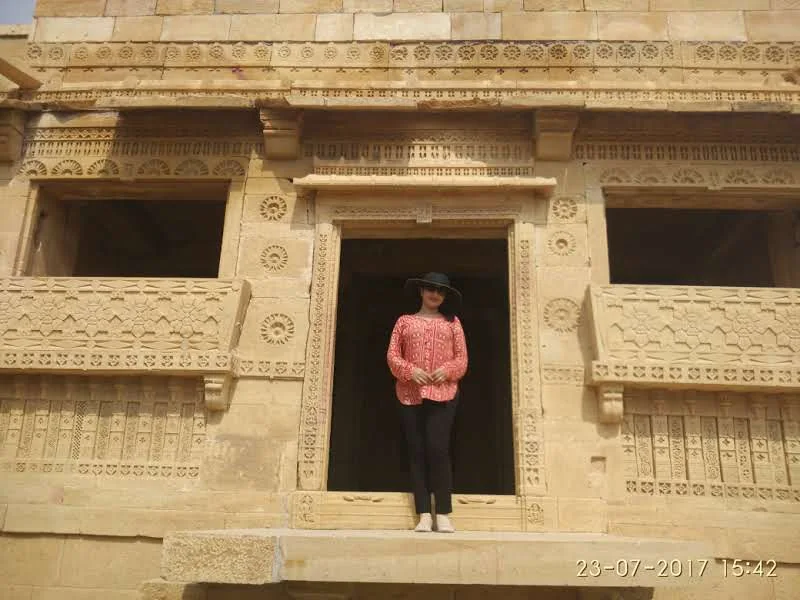
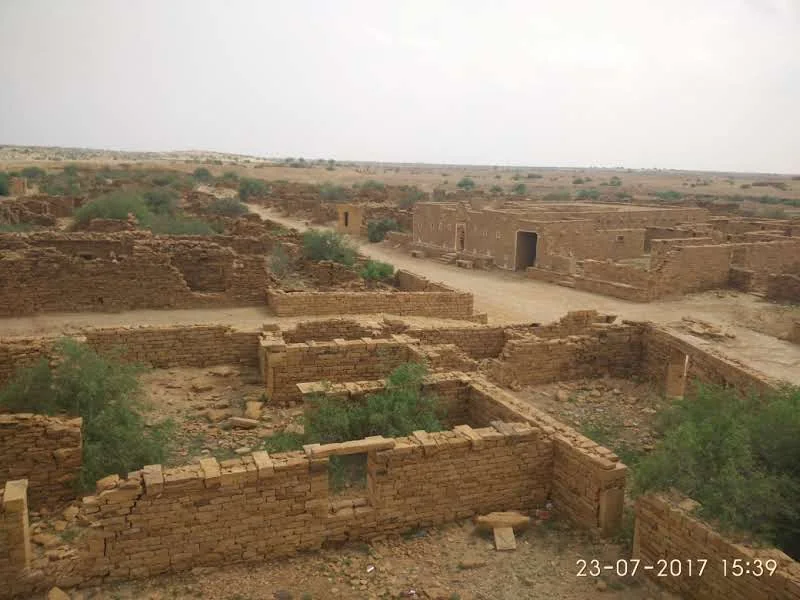
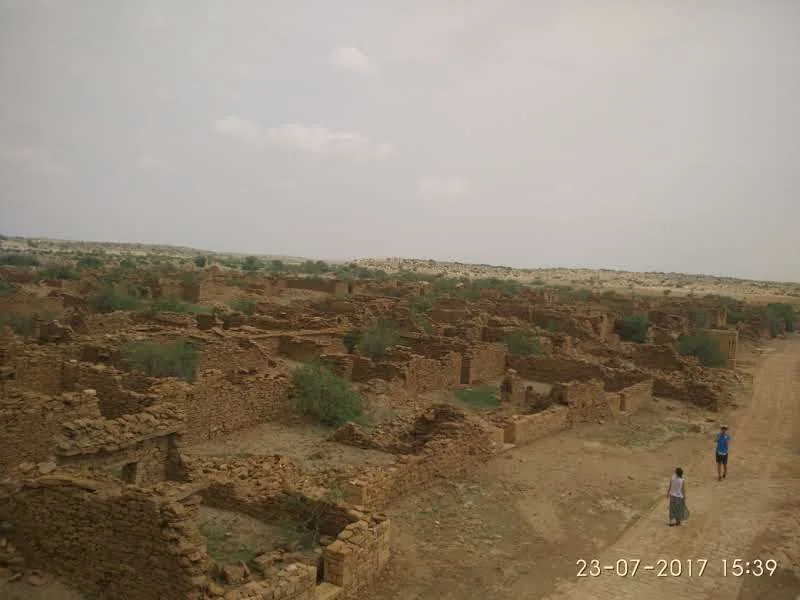
Just 7 km from Suryagarh lies Kuldhara, a deserted town that presents a striking contrast to the luxury and comfort of the hotel. Once a thriving settlement of Paliwal Brahmins, Kuldhara now stands silent, its crumbling houses and empty streets serving as a reminder of the challenges of life in the harsh Thar Desert. The short drive between the two is like a journey between two worlds—one celebrating prosperity and hospitality, the other preserving the memories of a vanished community.
Valued dignity over wealth
According to local legend, Kuldhara was abandoned overnight when the powerful local ruler demanded the hand of a young girl from the village. Rather than surrender her and compromise their honour, the entire community chose to leave their homes, fields, and livelihoods behind. Whether this story is entirely true remains a matter of debate. Historians generally point to a combination of heavy taxation, economic hardship, water scarcity, and changing conditions as likely reasons for the village's decline. Yet, as I walked through the silent ruins, it was the legend that lingered in my mind. True or not, it speaks of a community that valued dignity above wealth—a timeless reminder that honour, for many, comes before everything else.
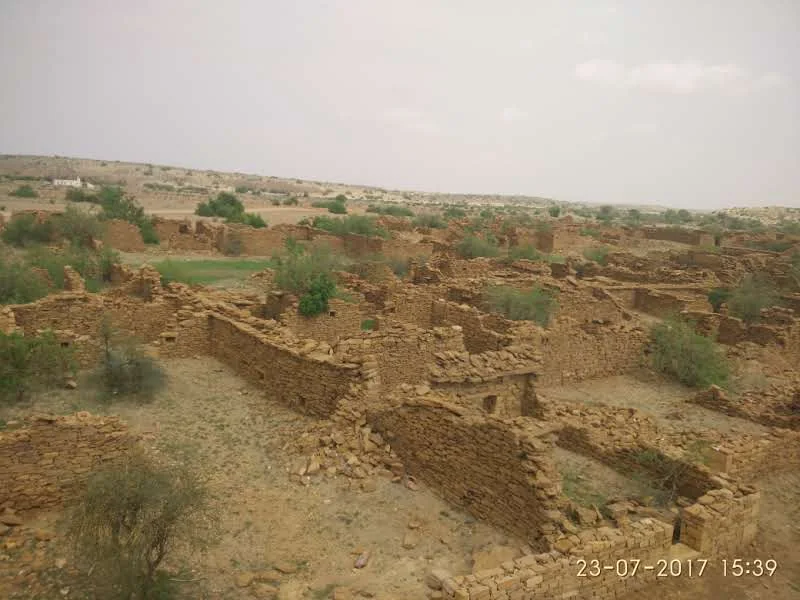
Kuldhara: Rajasthan's Abandoned Village of History and Mystery
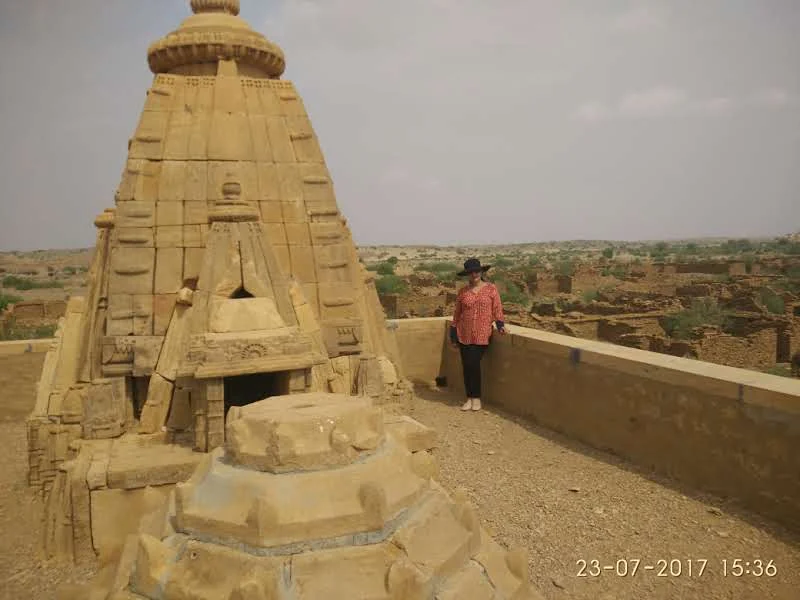
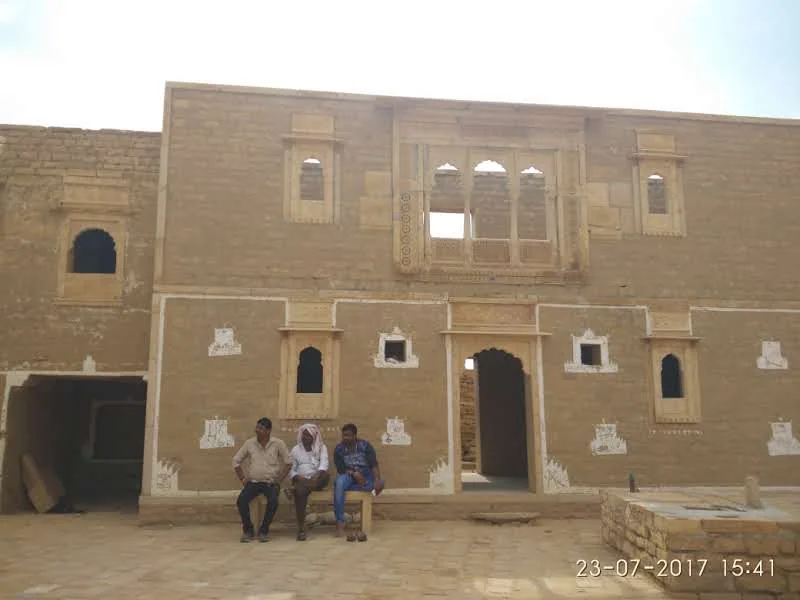
Today, Kuldhara is one of Rajasthan's most intriguing heritage attractions. Visitors can walk through the remains of old houses, temples, narrow lanes, and courtyards, gaining a glimpse into life in a medieval desert settlement. The site is especially atmospheric during sunrise and sunset, when the golden sandstone ruins blend beautifully with the surrounding Thar Desert. Its mix of history, mystery, architecture, and folklore makes Kuldhara a popular stop for travelers exploring the Jaisalmer region.
The Desert's Greatest Lessons
The contrast between the opulence of Suryagarh and the desolation of Kuldhara serves as a powerful reminder of the transience of human endeavors and the enduring weight of our choices. While Suryagarh represents the heights of modern luxury and triumph over the harsh desert, the ghost village of Kuldhara stands as a silent monument to a community that chose to abandon their wealth and homes overnight rather than compromise their dignity under oppression.
Ultimately, the Thar teaches us that while material glory and grand fortresses can be built and celebrated, true legacy lies in the integrity of our choices—reminding us that the sands of time will eventually swallow our structures, but the stories of our values will echo forever.
Places Worth Seeing in Jaisalmer
Suryagarh is located approximately 16 km from Jaisalmer city and about 20–25 minutes by road.
Jaisalmer Fort
The iconic Golden Fort and a UNESCO World Heritage Site.
Patwon Ki Haveli
Famous for its intricate sandstone carvings.
Salim Singh Ki Haveli
Known for its unique architecture and ornate balconies.
Nathmal Ki Haveli
A fine example of Rajput craftsmanship.
Gadisar Lake
A peaceful lake ideal for boating and sunset views.
Jain Temples of Jaisalmer Fort
Beautifully carved ancient temples.
Bada Bagh
Royal cenotaphs set amidst the desert landscape.
Sam Sand Dunes
Camel safaris, desert sunsets, and cultural shows.
Places Worth Seeing in Kuldhara
Ruins of Traditional Houses
Walk through the remains of hundreds of sandstone homes that offer a glimpse into desert life centuries ago.
Ancient Temples
Several restored temples showcase the religious and architectural heritage of the Paliwal community.
Village Lanes and Courtyards
The grid-like layout reveals the planning and organization of the settlement.
Watchtower and Viewpoints
Good spots to appreciate the scale of the village and the surrounding Thar landscape.
Sunset Views
The golden light of evening transforms the ruins into one of the most atmospheric sights near Jaisalmer.