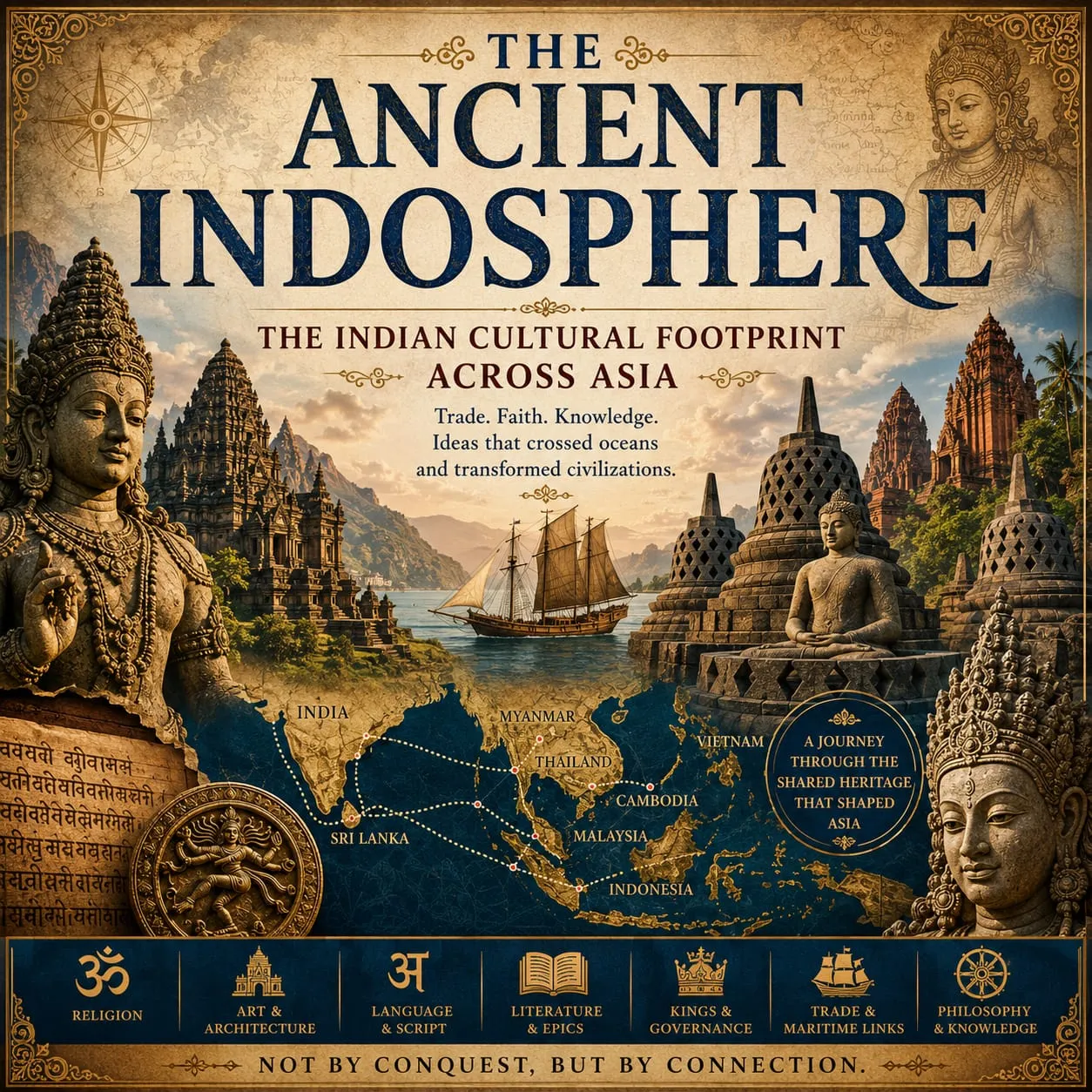
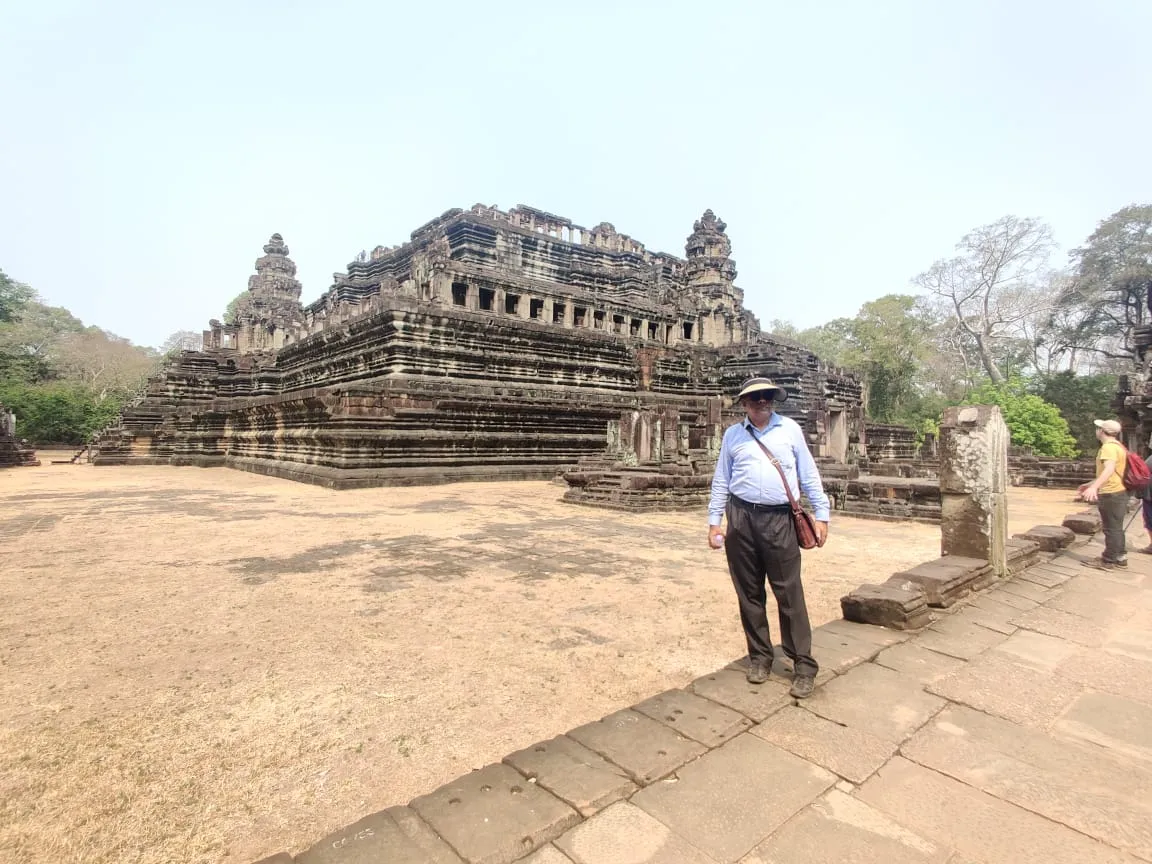
The grandeur of Baphuon Temple
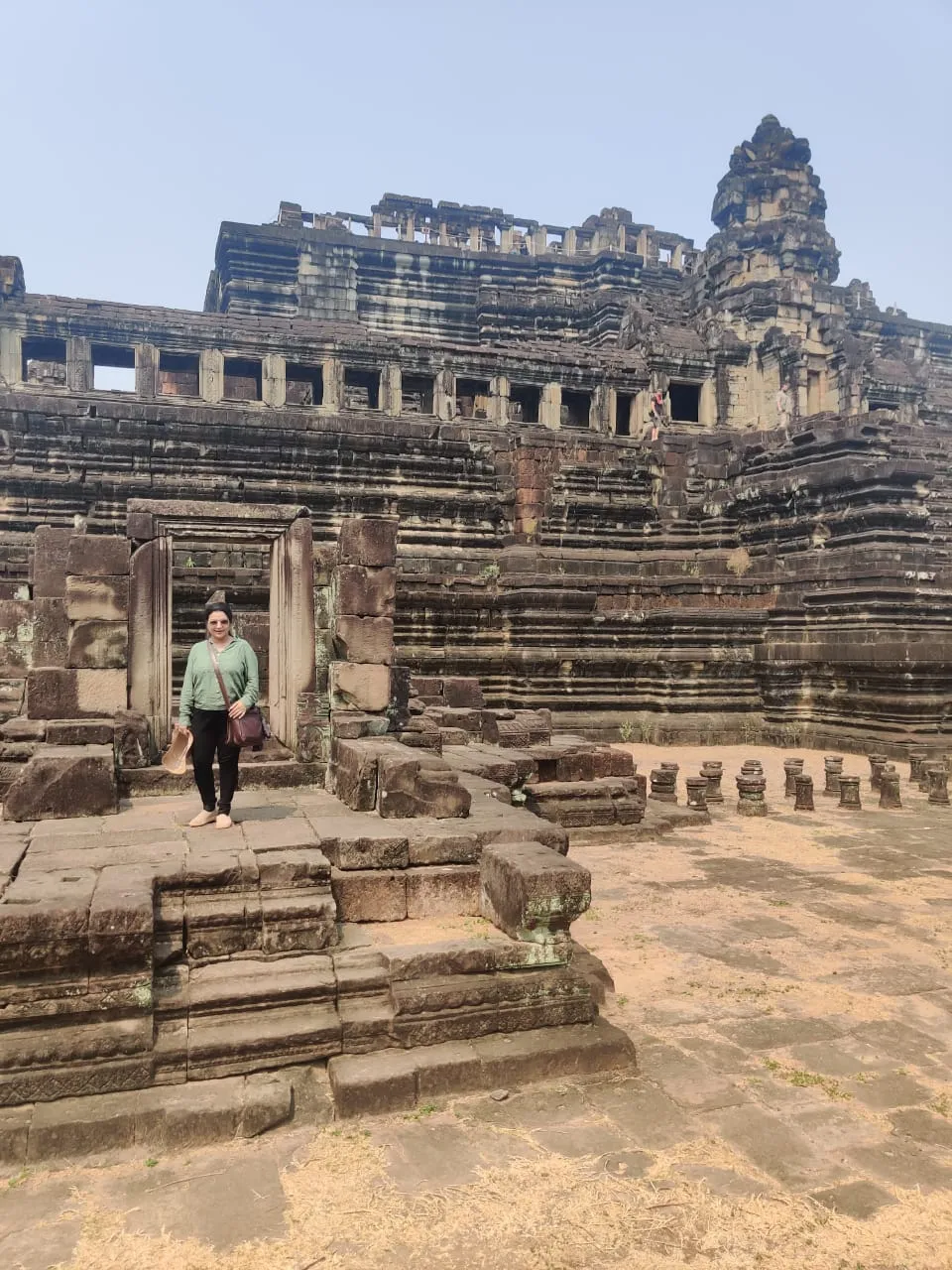
Visiting Baphuon near Siem Reap felt like stepping into the heart of the ancient Khmer Empire. Originally built in the 11th century as a grand Hindu temple dedicated to Shiva, Baphuon once stood among the most important monuments of Angkor. Even today, despite centuries of collapse and restoration, the temple retains an extraordinary sense of scale and majesty. Walking through the weathered ruins under the tropical heat, we could easily imagine the grandeur and spiritual significance the complex must once have possessed.
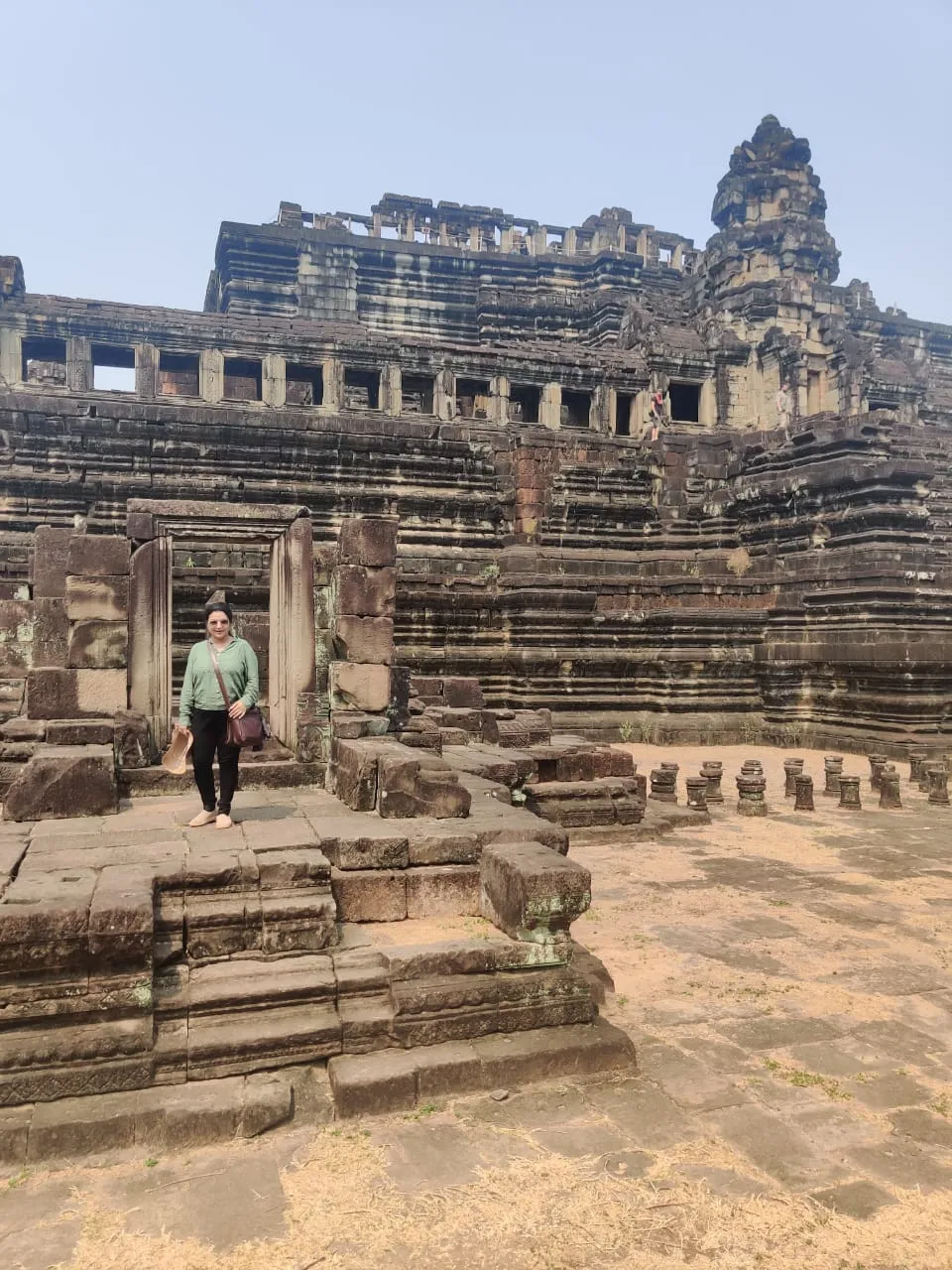
Baphuon Temple – A Pyramid to the Gods
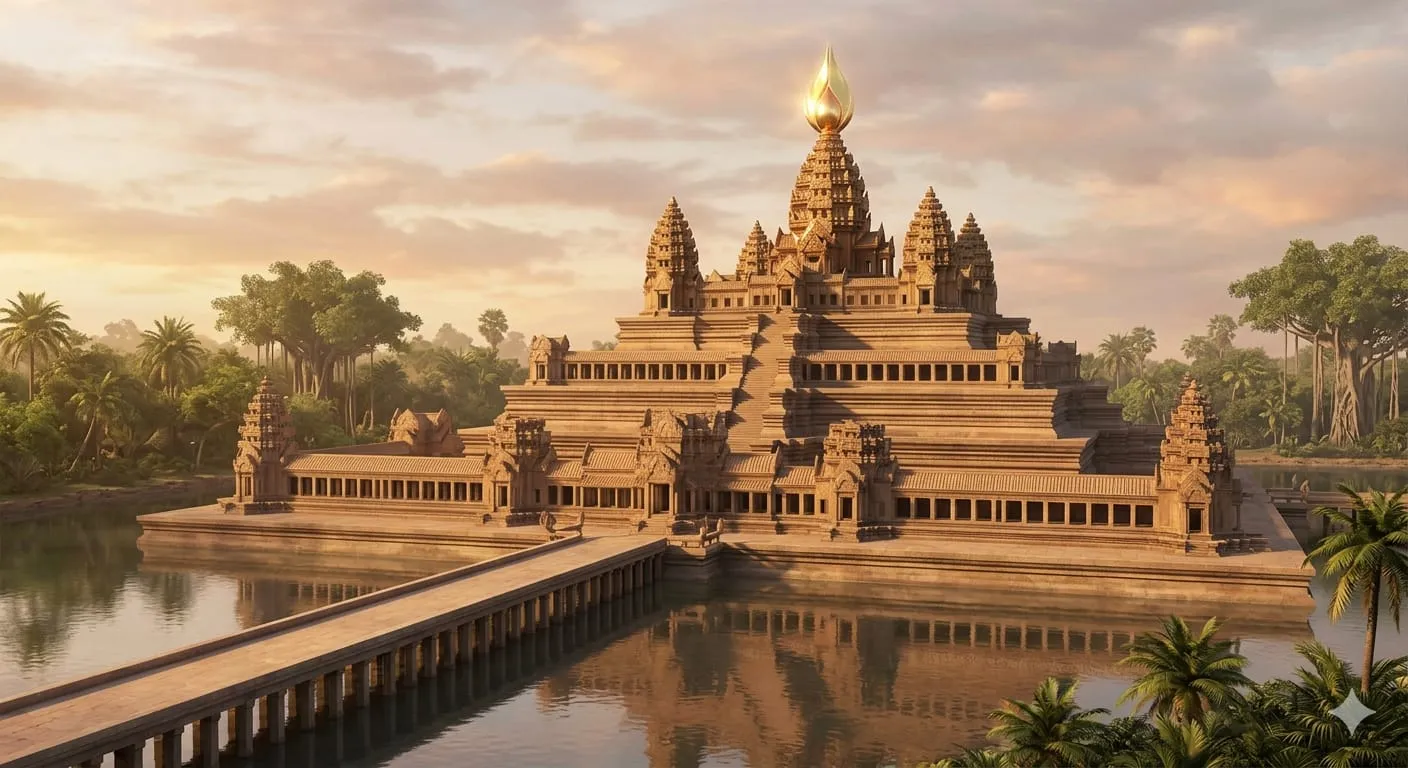
What impressed us most was the temple’s striking layout based on the Khmer “temple-mountain” concept symbolizing Mount Meru, the sacred center of Hindu cosmology. Crossing the long elevated sandstone causeway toward the main structure felt almost ceremonial in itself. The temple rises in three steep terraces, each level drawing visitors symbolically closer to the divine world above. Climbing the ancient stone steps in the warm and humid weather was tiring, but the sweeping views and powerful atmosphere at the upper levels made the experience unforgettable.
What impressed us most was the temple’s striking layout based on the Khmer “temple-mountain” concept symbolizing Mount Meru, the sacred center of Hindu cosmology. Crossing the long elevated sandstone causeway toward the main structure felt almost ceremonial in itself. The temple rises in three steep terraces, each level drawing visitors symbolically closer to the divine world above. Climbing the ancient stone steps in the warm and humid weather was tiring, but the sweeping views and powerful atmosphere at the upper levels made the experience unforgettable.
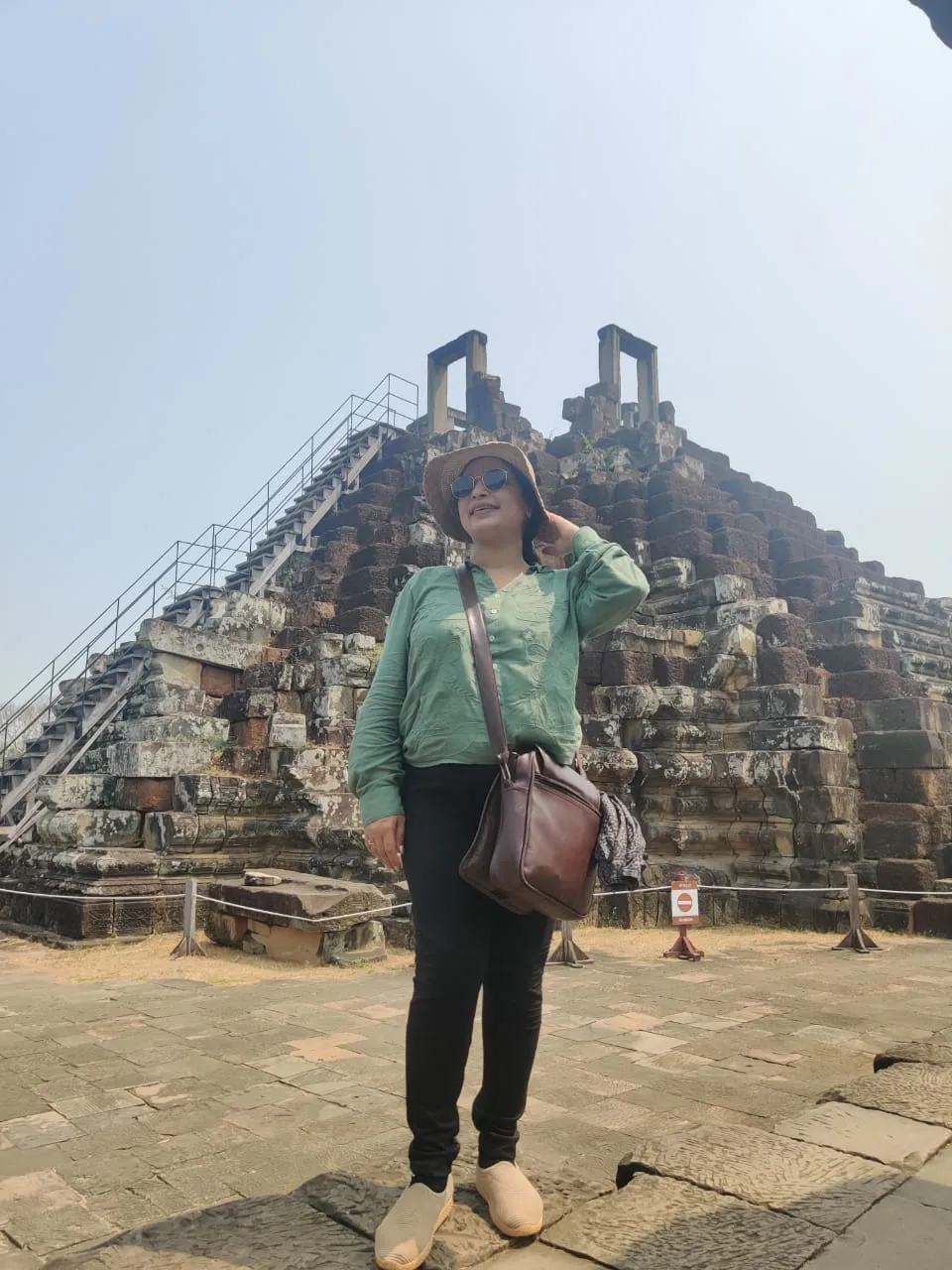
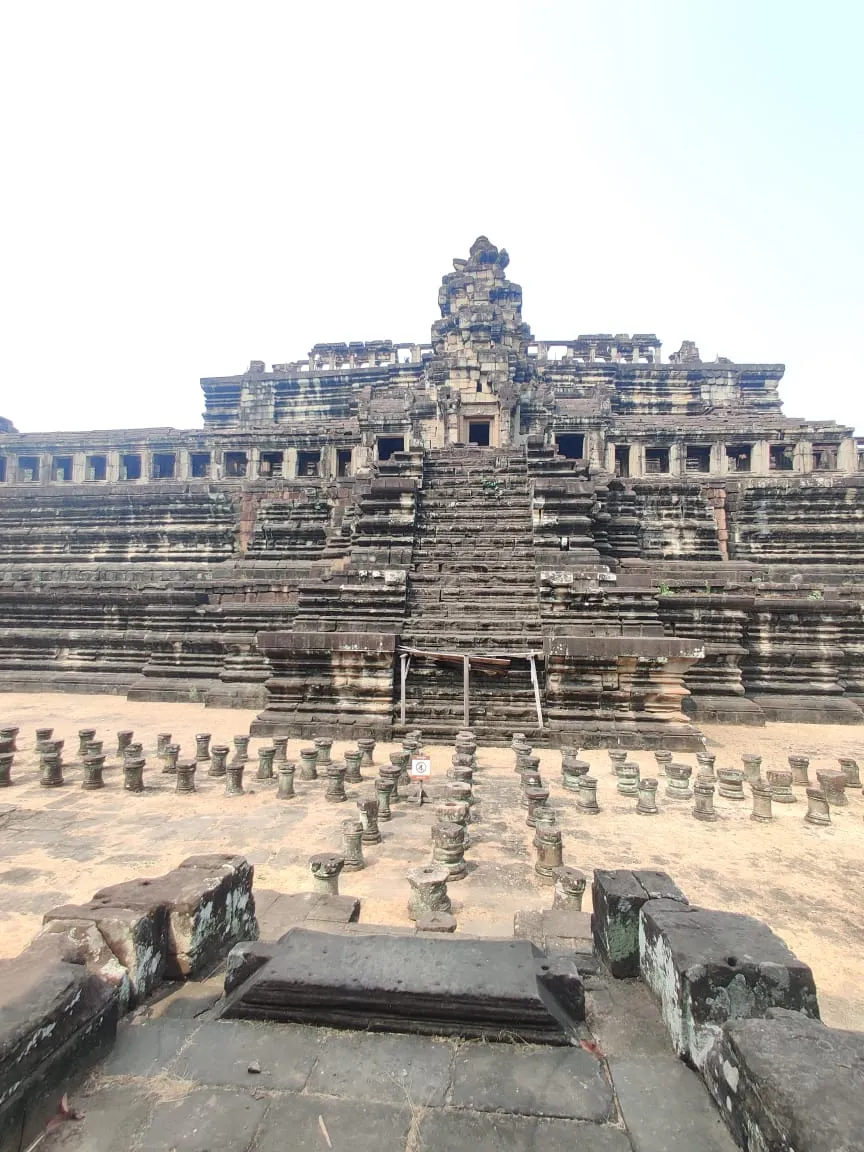
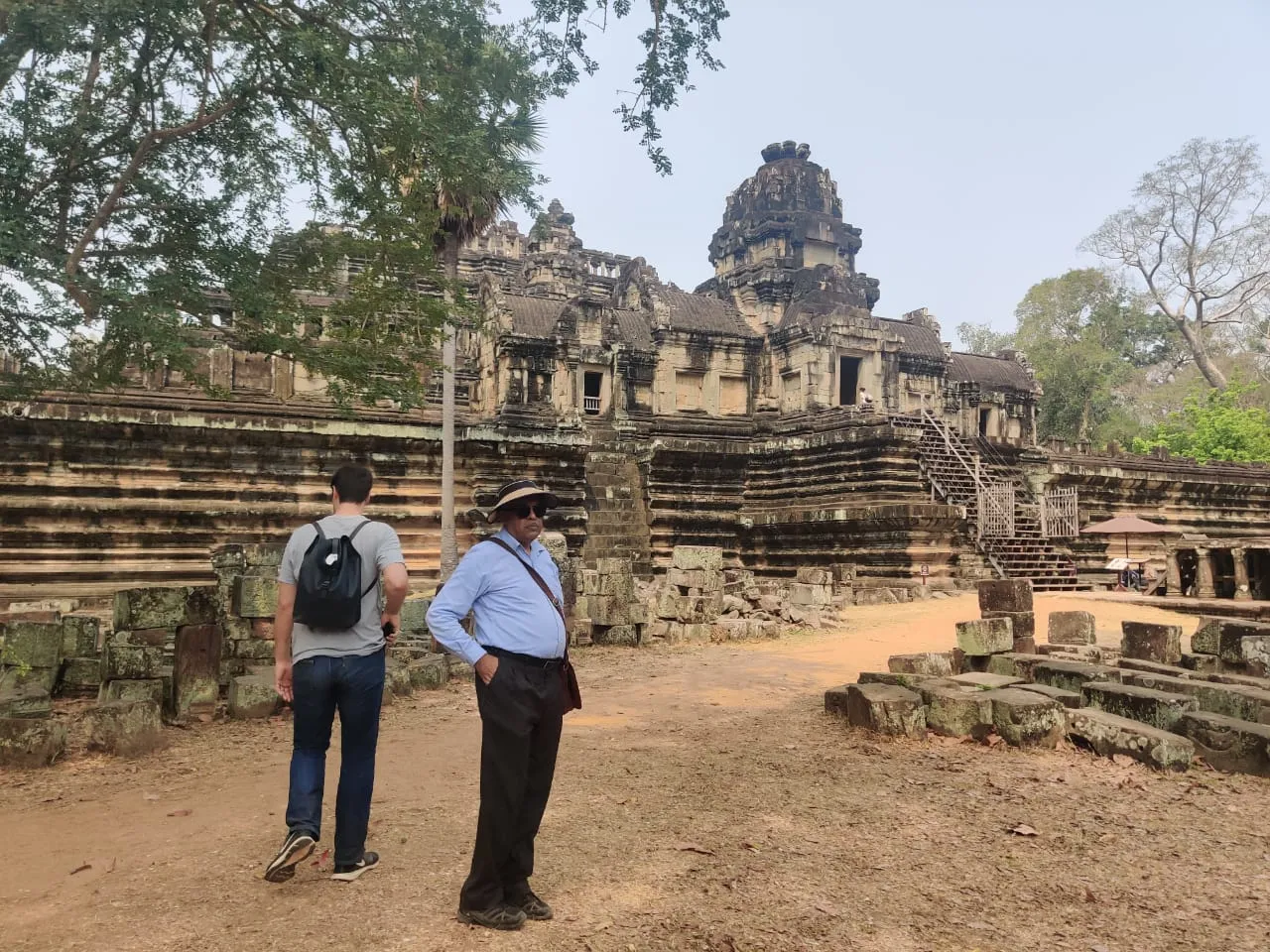
Baphuon Temple – The Restored Jewel of Angkor
What fascinated us was Baphuon's extraordinary modern history. Often described as the “world’s largest jigsaw puzzle,” the temple underwent a massive restoration project in the 1960s when archaeologists carefully dismantled nearly 300,000 stones to stabilize the structure. However, the Cambodian Civil War brought the work to a halt, and many of the records showing where each stone belonged were destroyed. Standing amidst the rebuilt temple today, it was incredible to imagine the patience and dedication required over decades to piece the monument back together stone by stone.
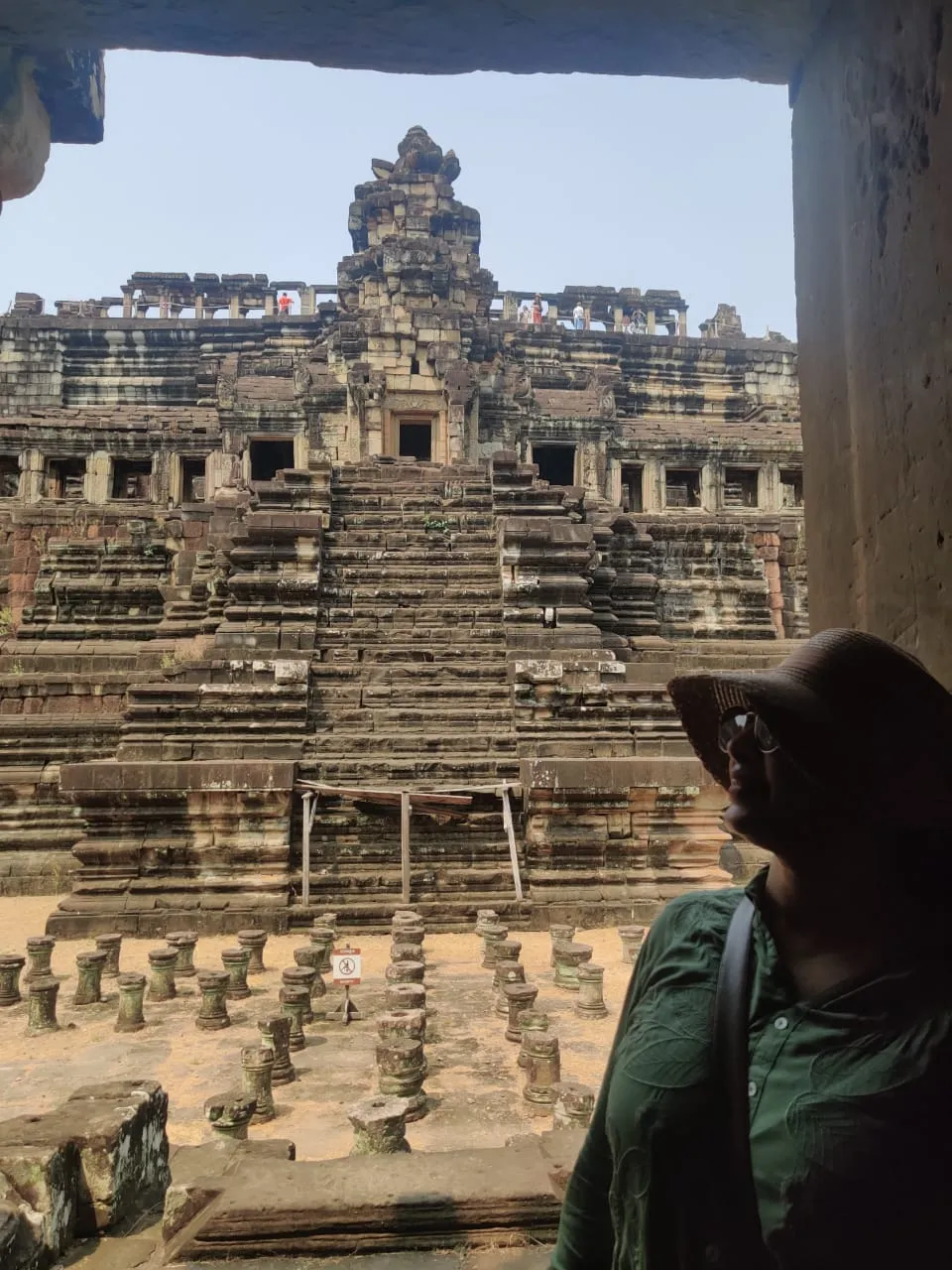
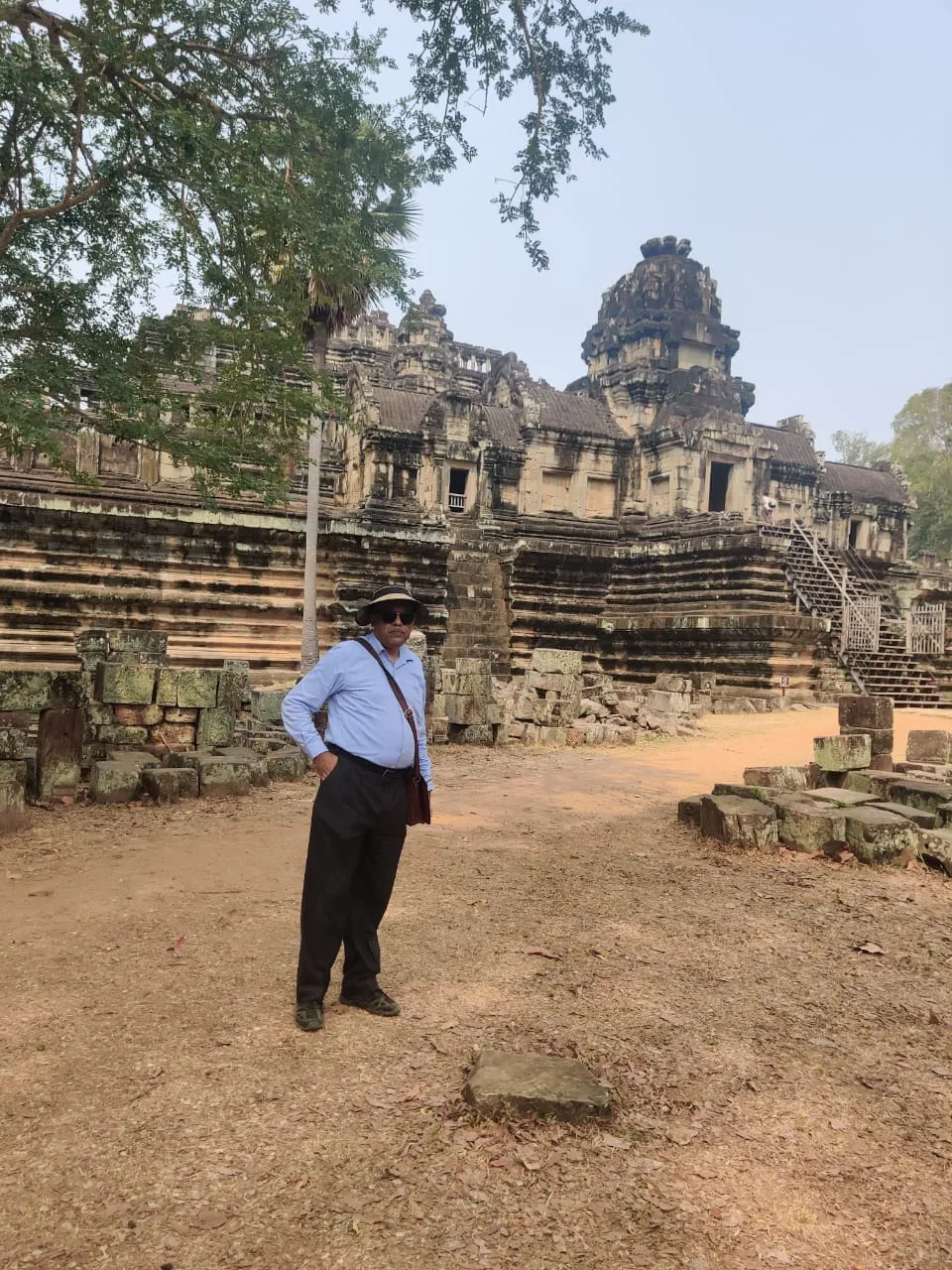
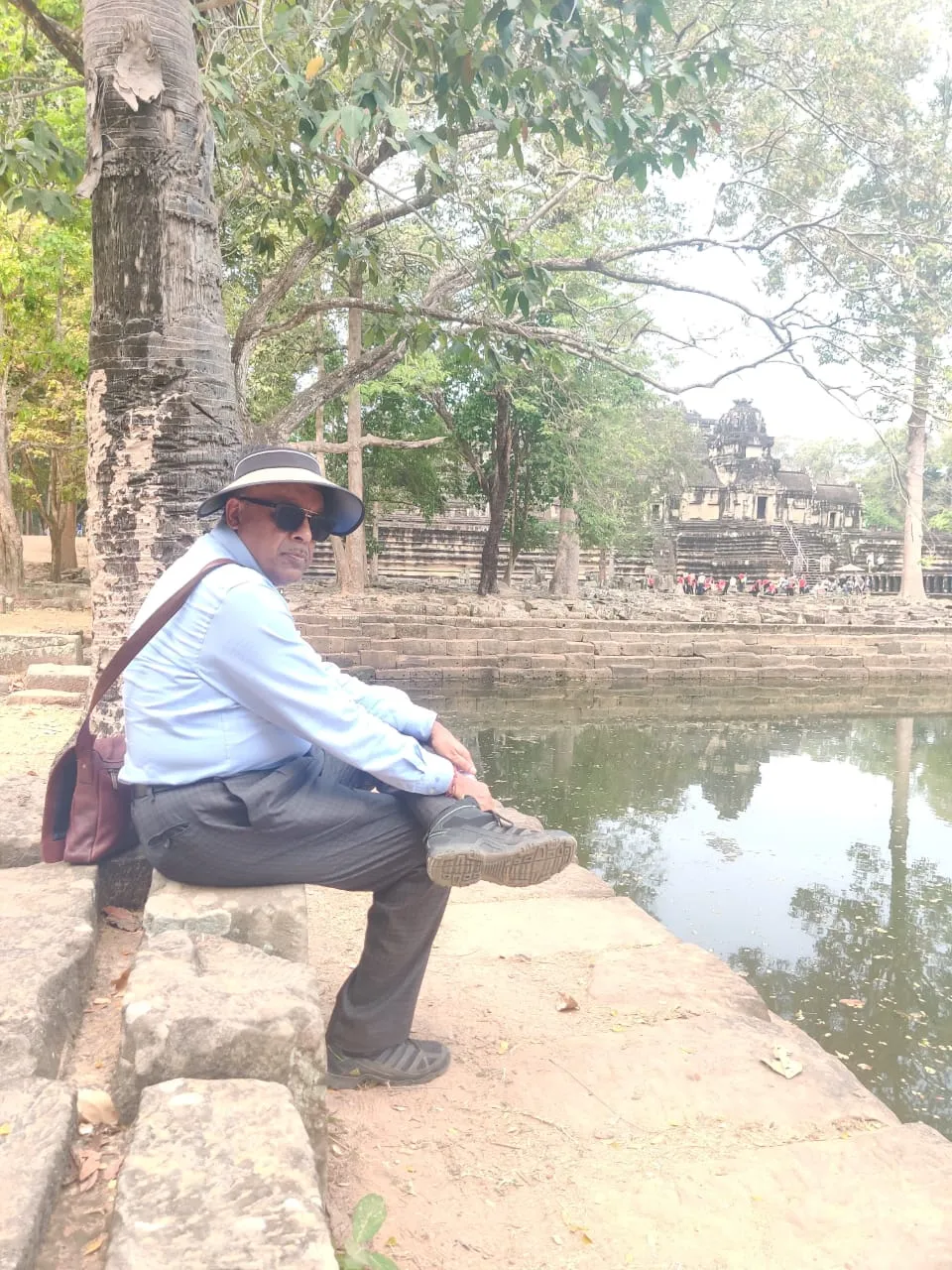
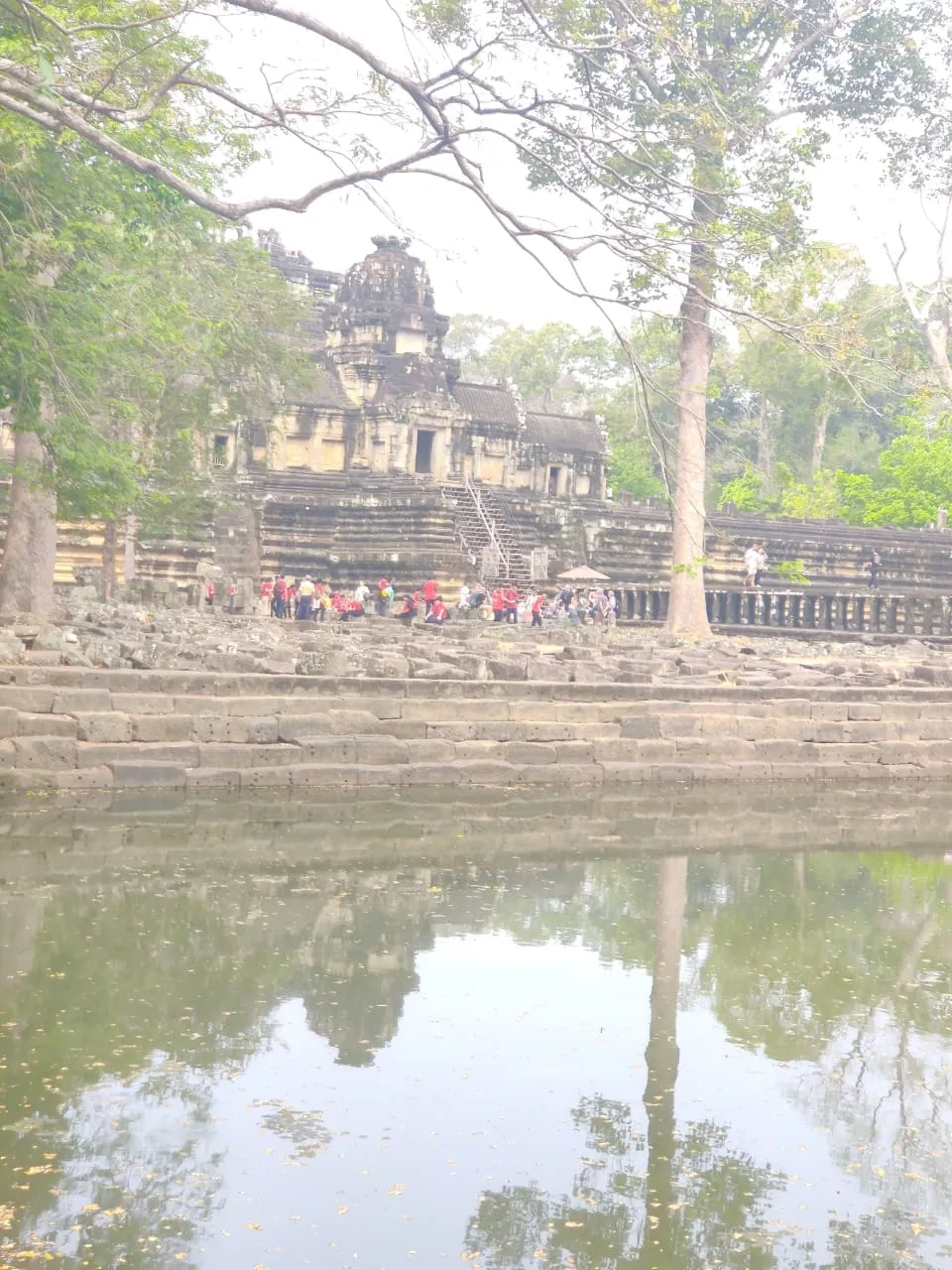
"Artistic impression of great Bapuon temple dedicated to Lord Shiva in the 11th century."
A Walk Through Baphuon’s Storybook in Stone
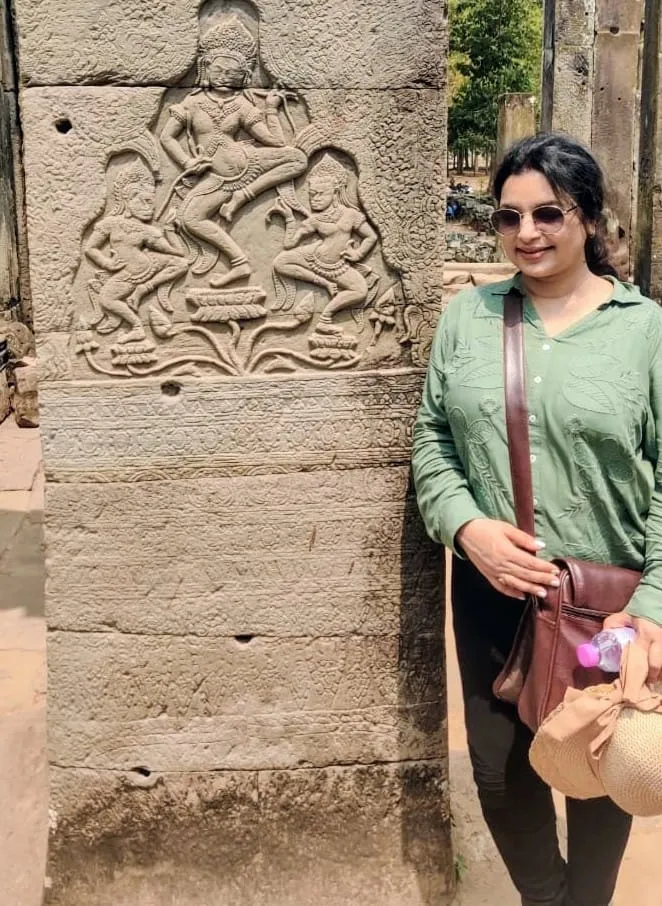
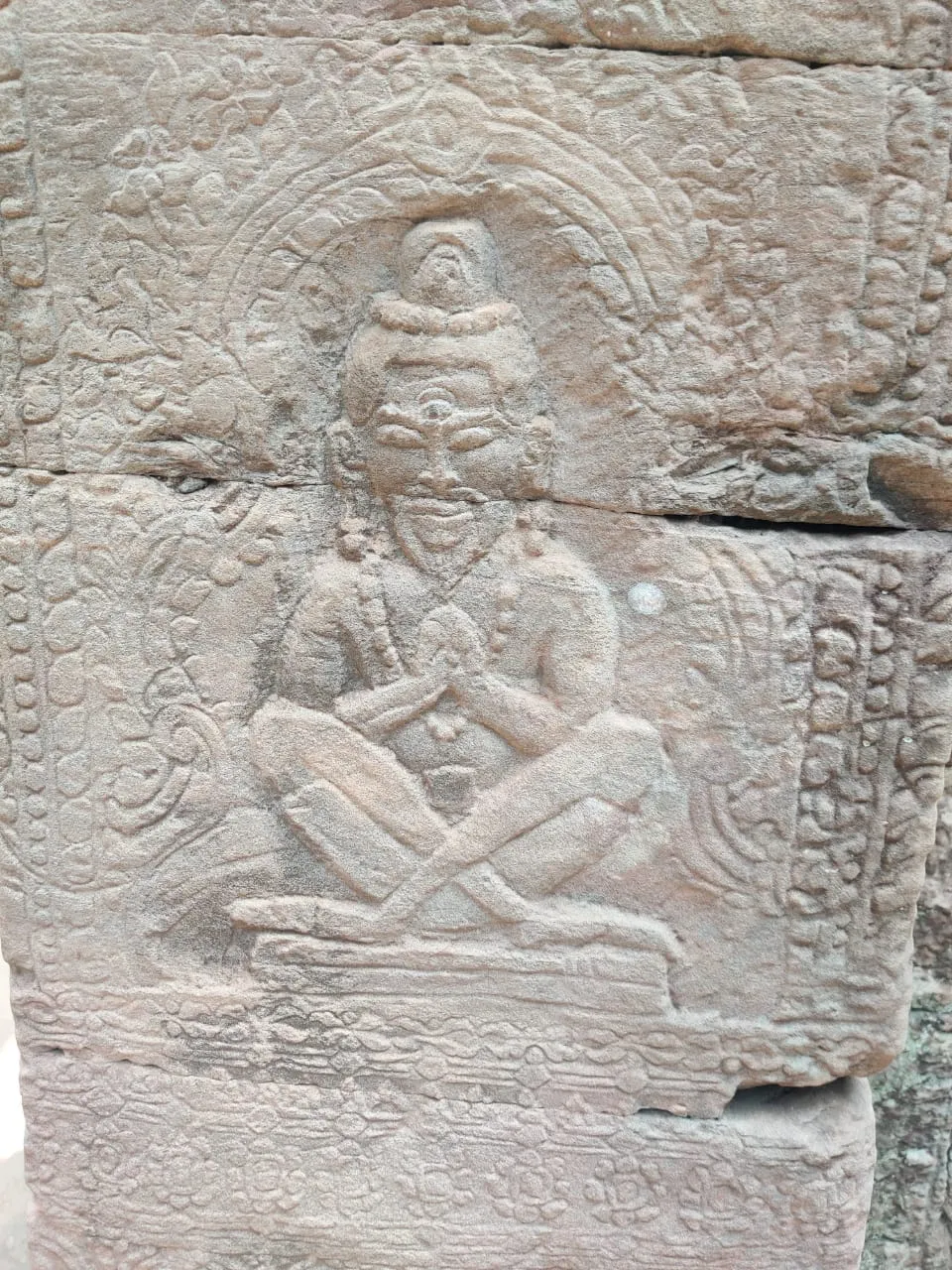
Running my hand along the weathered sandstone of Baphuon, I realized its bas-reliefs feel completely different from any other temple in Angkor; instead of vast, grand wall murals, the stories here are told in intimate, square-carved tiles stacked like an ancient stone comic strip. Standing in the quiet shadow of the pavilion, I found myself captivated by the sheer detail packed into these small blocks—monkey warriors leaping into battle from the Ramayana, archers poised on chariots from the Mahabharata, and surprisingly tender glimpses of 11th-century daily life, from hunters in the forest to wrestling men. It felt like stumbling upon a sculptor's personal sketchbook frozen in time, capturing the vibrant pulse of ancient Cambodian imagination one small frame at a time.
Reamker: The Ramayana With Khmer Eyes
Cambodia’s Ramayana is called Reamker — “Glory of Rama” — and it tells the same story, but with a different heartbeat. Here Rama is less god and more human king who doubts and cries. Ravana is not just evil, but a tragic scholar and Shiva devotee. Hanuman is the real star — mischievous, romantic, and loved by kids. The reason it changed is simple: Cambodia made the story its own. Khmer kings saw themselves in Rama, Buddhist values of karma were woven in, local spirits entered the forest, and Royal Ballet turned the war into 5-hour dance. India gave the skeleton. Cambodia gave it Khmer skin, music, and soul. That’s why 800 years later, a farmer in Siem Reap still watches Hanuman dance and calls it his epic.
Baphuon: The Transformation of Angkor's Temple-Mountain
Symbolizing Mount Meru, this massive three-tiered sandstone pyramid underwent a profound religious transformation in the late 15th century when it was re-purposed into a Theravada Buddhist sanctuary. To reflect this shift, artisans dismantled part of the upper structure and used the salvaged stones to construct an extraordinary 70-meter-long Reclining Buddha into the western facade, creating a striking fusion of Hindu architectural foundation and Buddhist heritage that endures today following a decades-long restoration effort.
Tips for Visiting Baphuon Temple
- ✦Visit early to avoid the heat and crowds.
- ✦An Angkor Pass is required to enter the Archaeological Park.
- ✦Wear comfortable shoes for the steep steps.
- ✦Carry water, a hat, and sunscreen.
- ✦Look for the reclining Buddha on the western side.
- ✦Combine your visit with Bayon and the Terrace of the Elephants nearby.
NAVIGATE CAMBODIA