Museums in Cambodia
MUST SEE MUSEUM THAT REVEAL THE INDIAN INFLUENCE ON CAMBODIAN CIVILIZATION
NATIONAL MUSEUM OF CAMBODIA.....PHNOM PENH CAMBODIA ANGKOR NATIONAL MUSEUM - SIEM REAP CAMBODIA
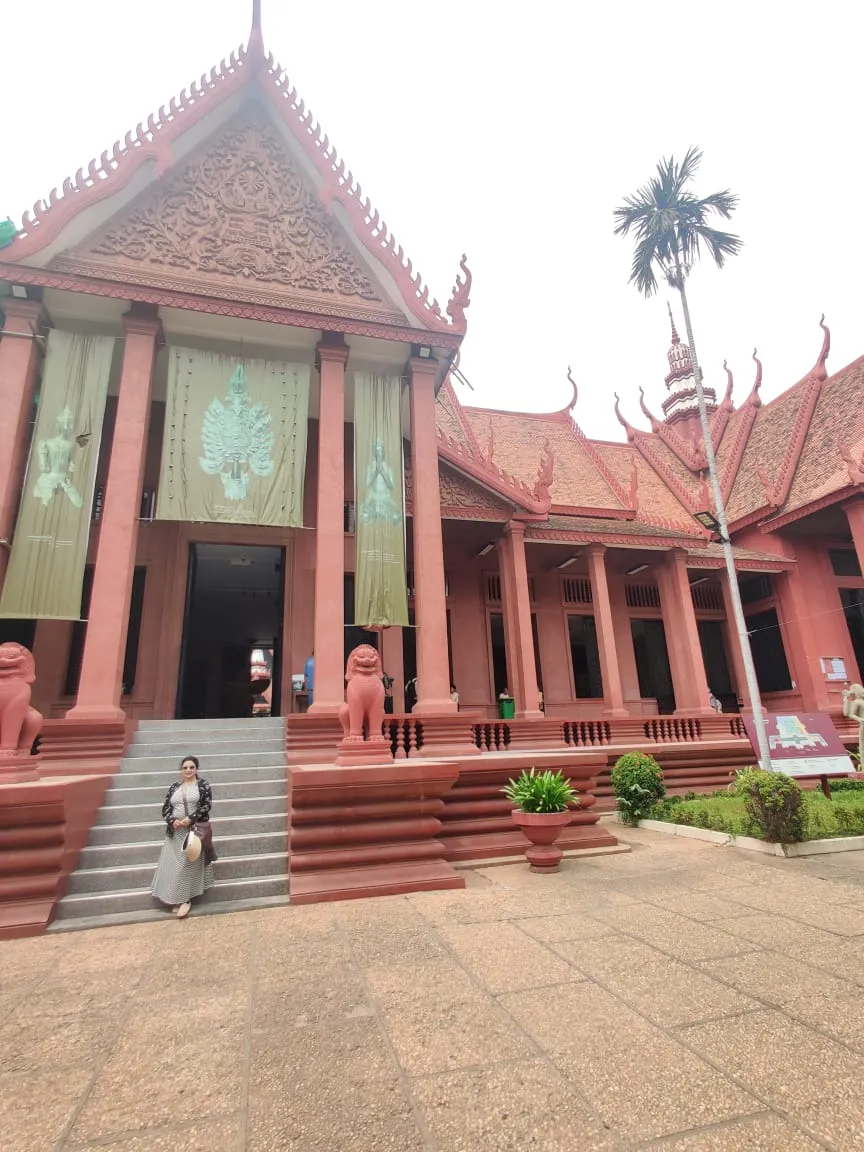
National Museum Phnom Penh - Established during the French colonial period
National Museum of Cambodia is the most important museum in Cambodia and one of the finest places to understand the art, history, and civilization of the Khmer Empire. Located near the Royal Palace in Phnom Penh, the museum was established during the French colonial period in 1920 and is built in traditional Khmer architectural style with elegant red terracotta structures and peaceful courtyards. The building itself feels like an ancient temple complex, creating a calm and spiritual atmosphere.
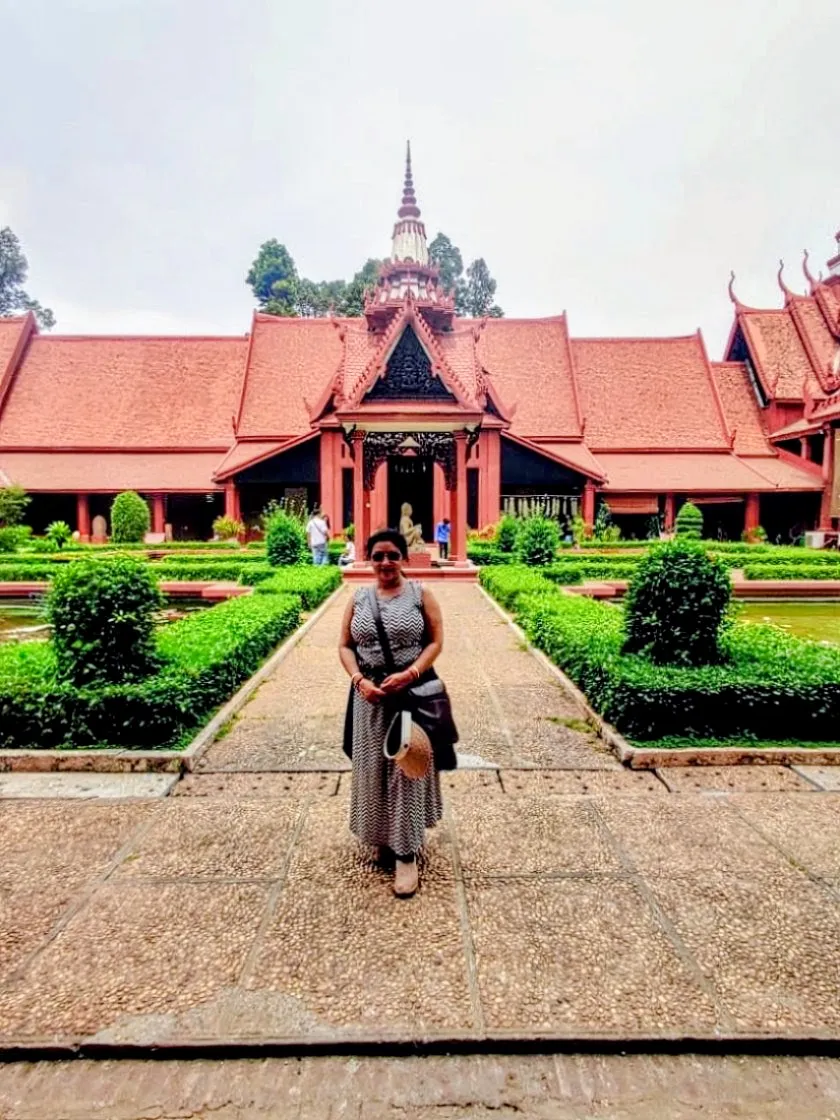
National Museum of Cambodia - Introduction to the Soul of Cambodia
For us, the visit to National Museum of Cambodia turned out to be much more than a simple museum stop—it felt like an essential introduction to the soul of Cambodia itself. The carefully curated galleries, filled with statues, lintels, and artifacts from the Angkor period, helped us understand the artistic brilliance and spiritual depth behind the temples we were yet to see in Siem Reap. Walking through the exhibits, everything began to connect—the carvings, the symbolism, and the stories of Hindu and Buddhist traditions that shaped the Khmer civilisation.
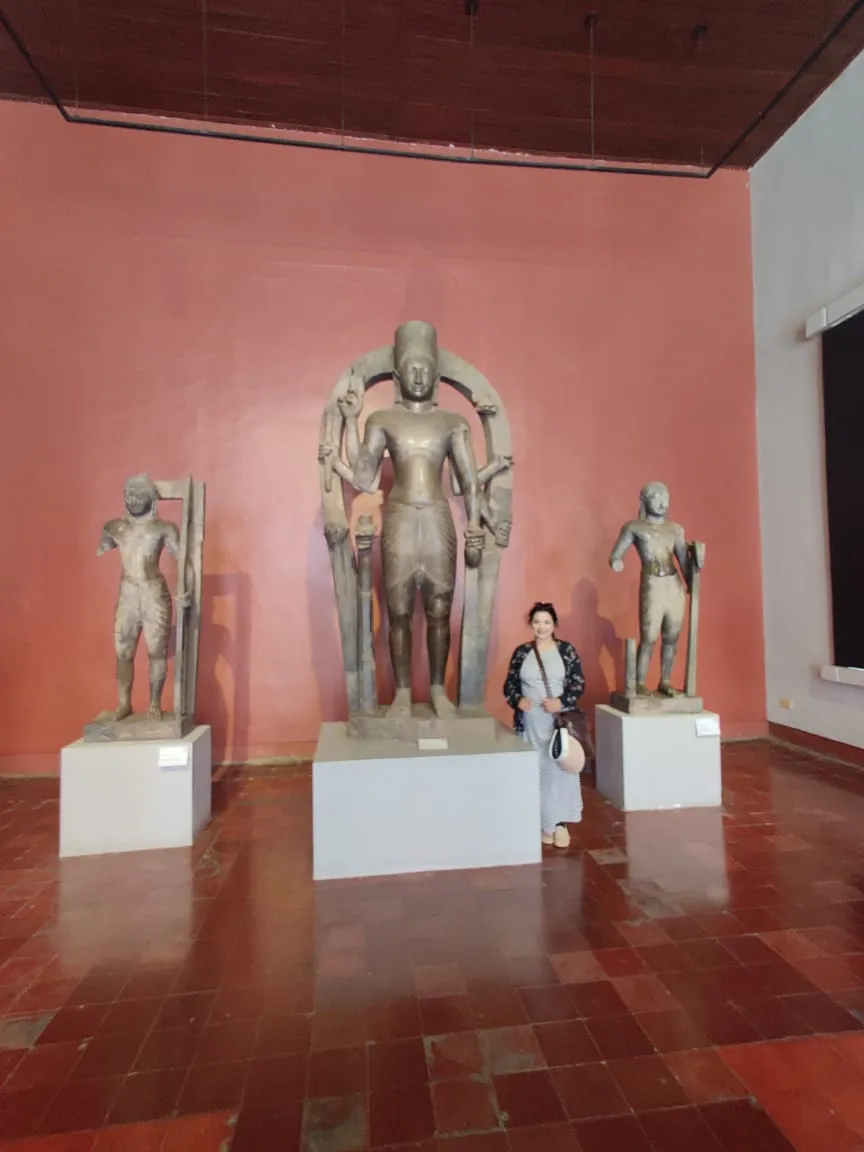
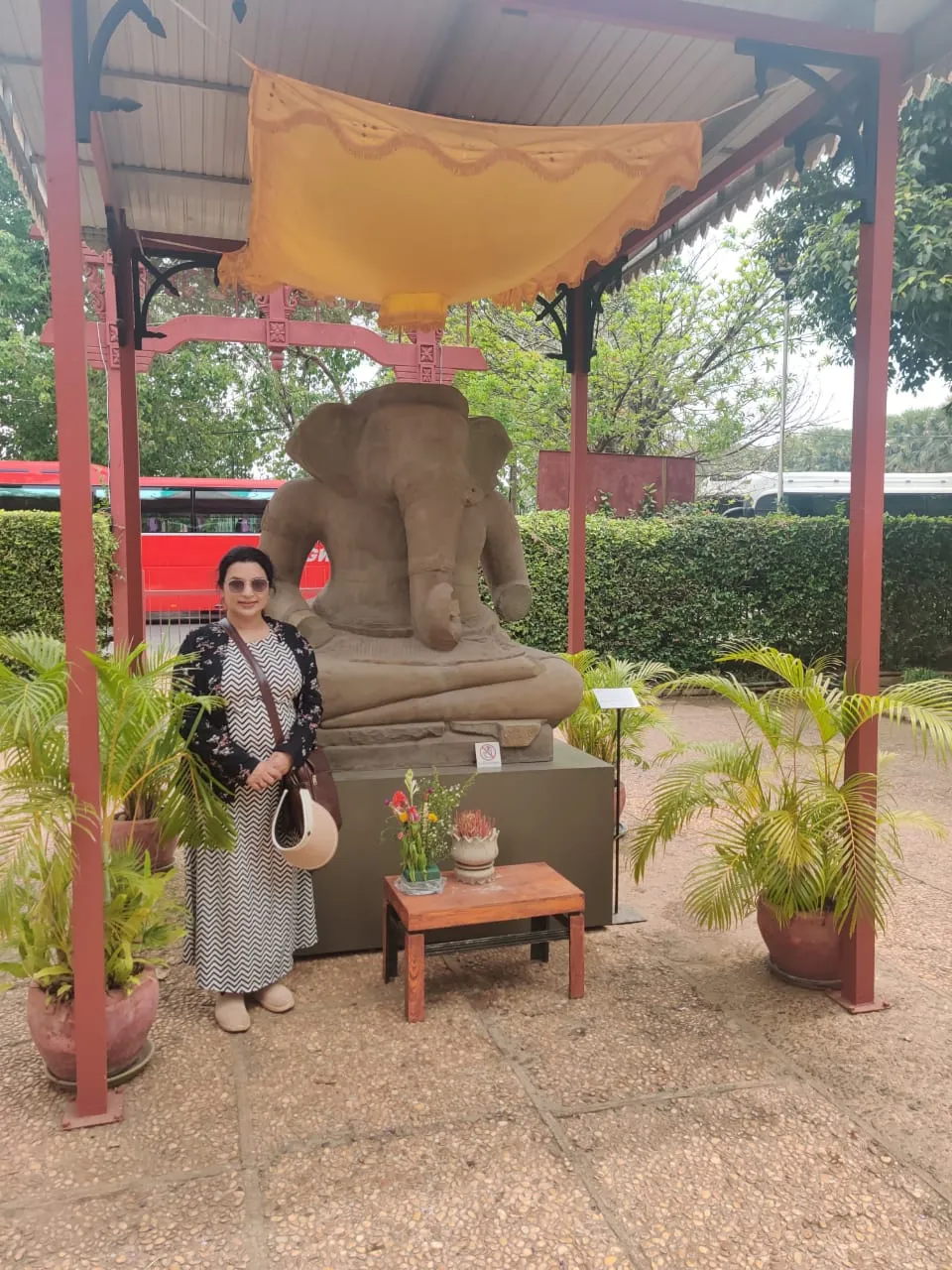
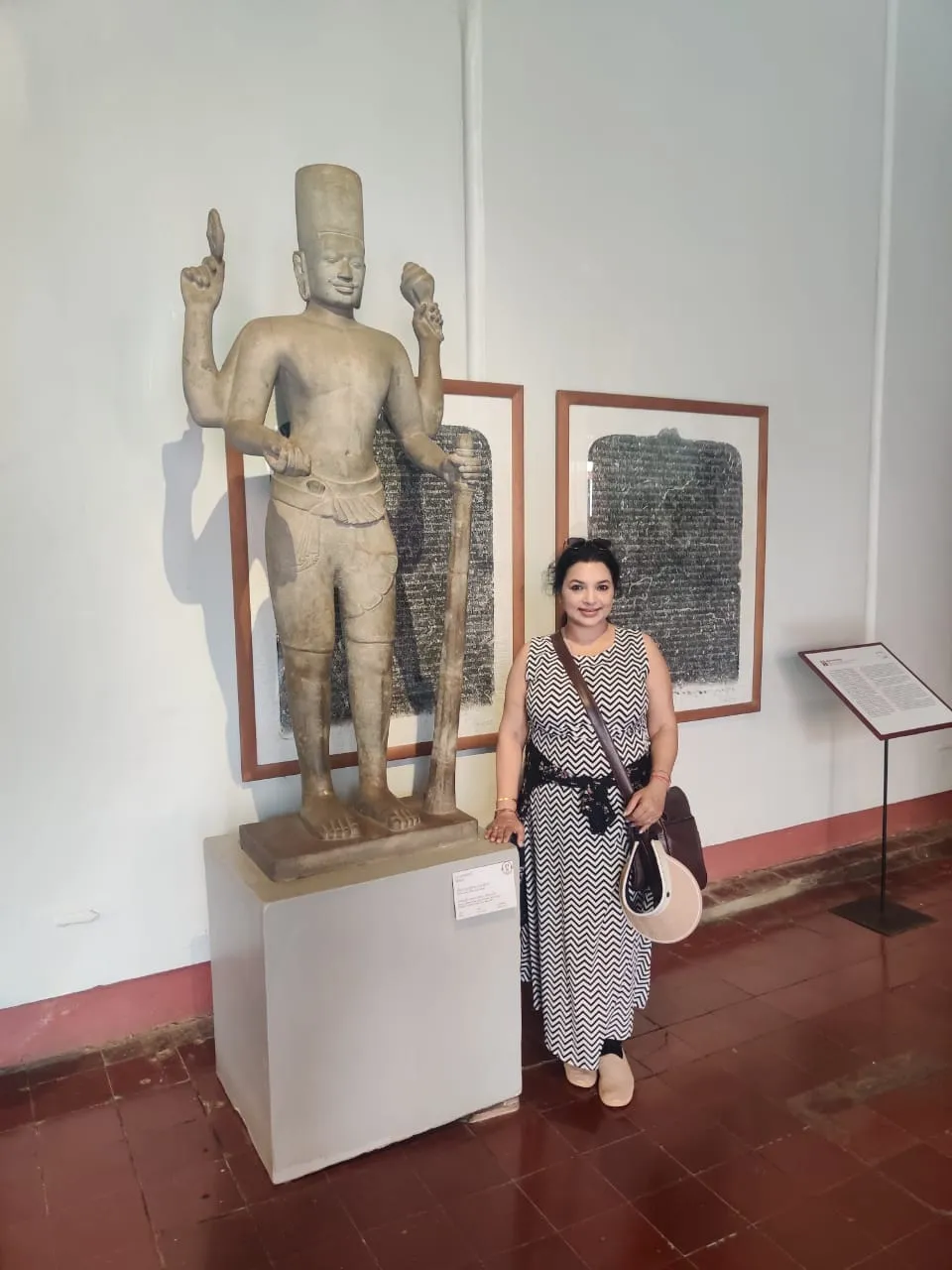
Sculpture of Lord Vishnu
The prominent central statue is an imposing 6th or 7th-century sandstone sculpture of the Hindu deity Vishnu.
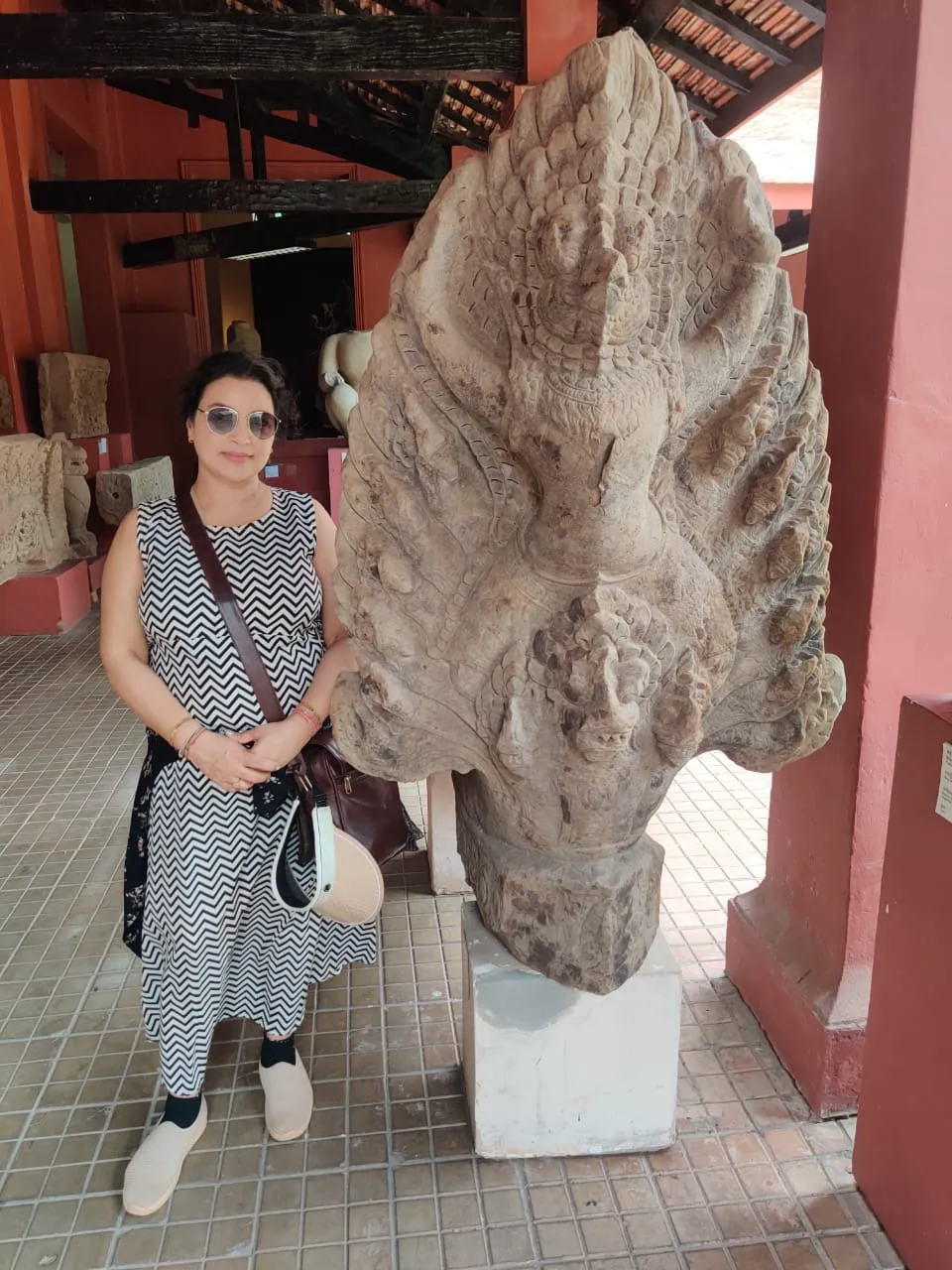
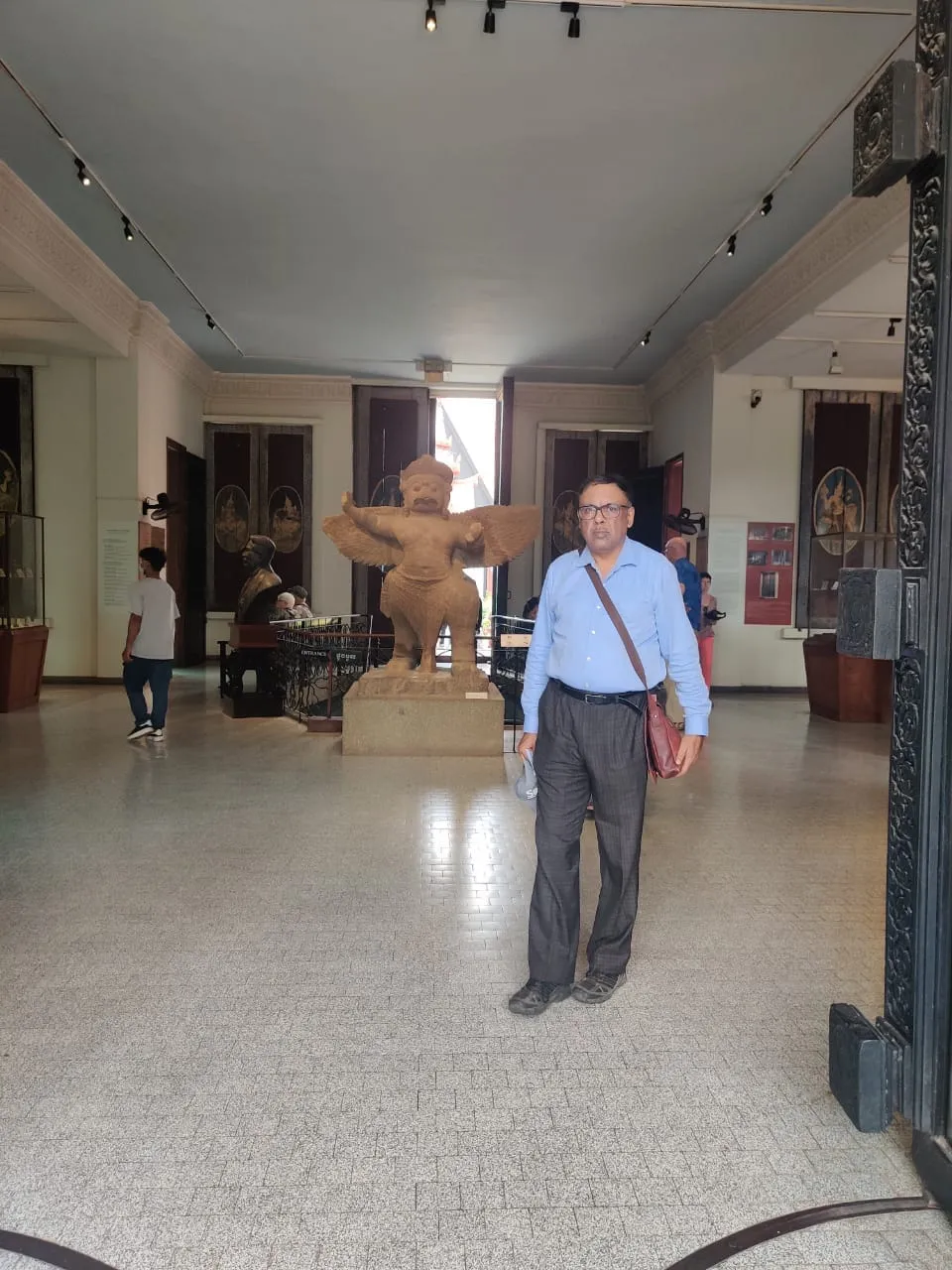
Garuda
Ancient Khmer sandstone sculpture depicts the mythical bird-like deity Garuda surmounting a multi-headed serpent Naga.
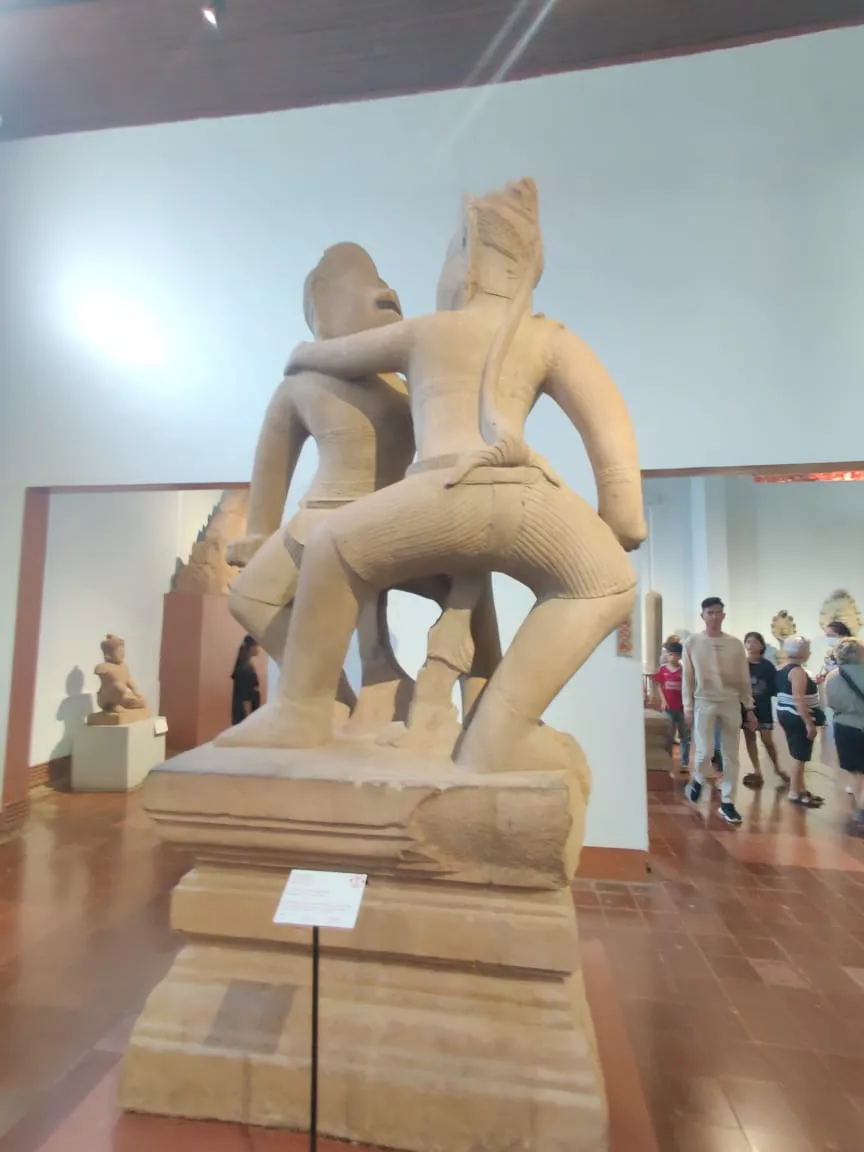
Depiction from Mahabharata
It depicts the battle between the warriors Bhima and Duryodhana from the Hindu epic, the Mahabharata.
National Museum of Cambodia - Helps in Understanding Cambodia before Ankor Wat
What made the experience especially meaningful was how it prepared us for Angkor. After seeing the museum, the grandeur of temples like Angkor Wat and Bayon felt far more alive and understandable, as if we already knew the language of the stone. It gave context to the mythology, the royal history, and the religious transitions that define Cambodia’s heritage. In hindsight, visiting the museum first made our journey through Cambodia’s ancient monuments far richer and more immersive.
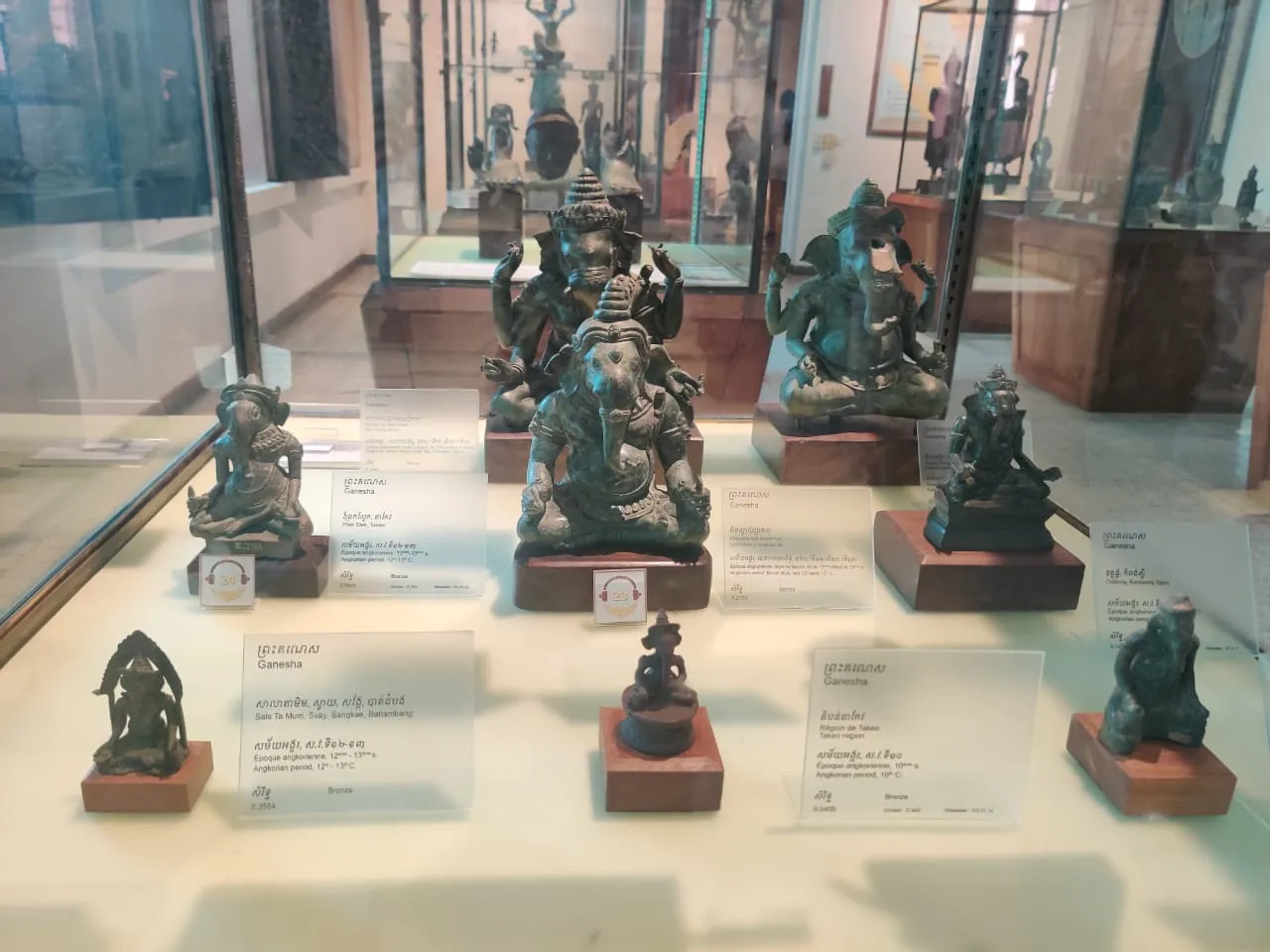
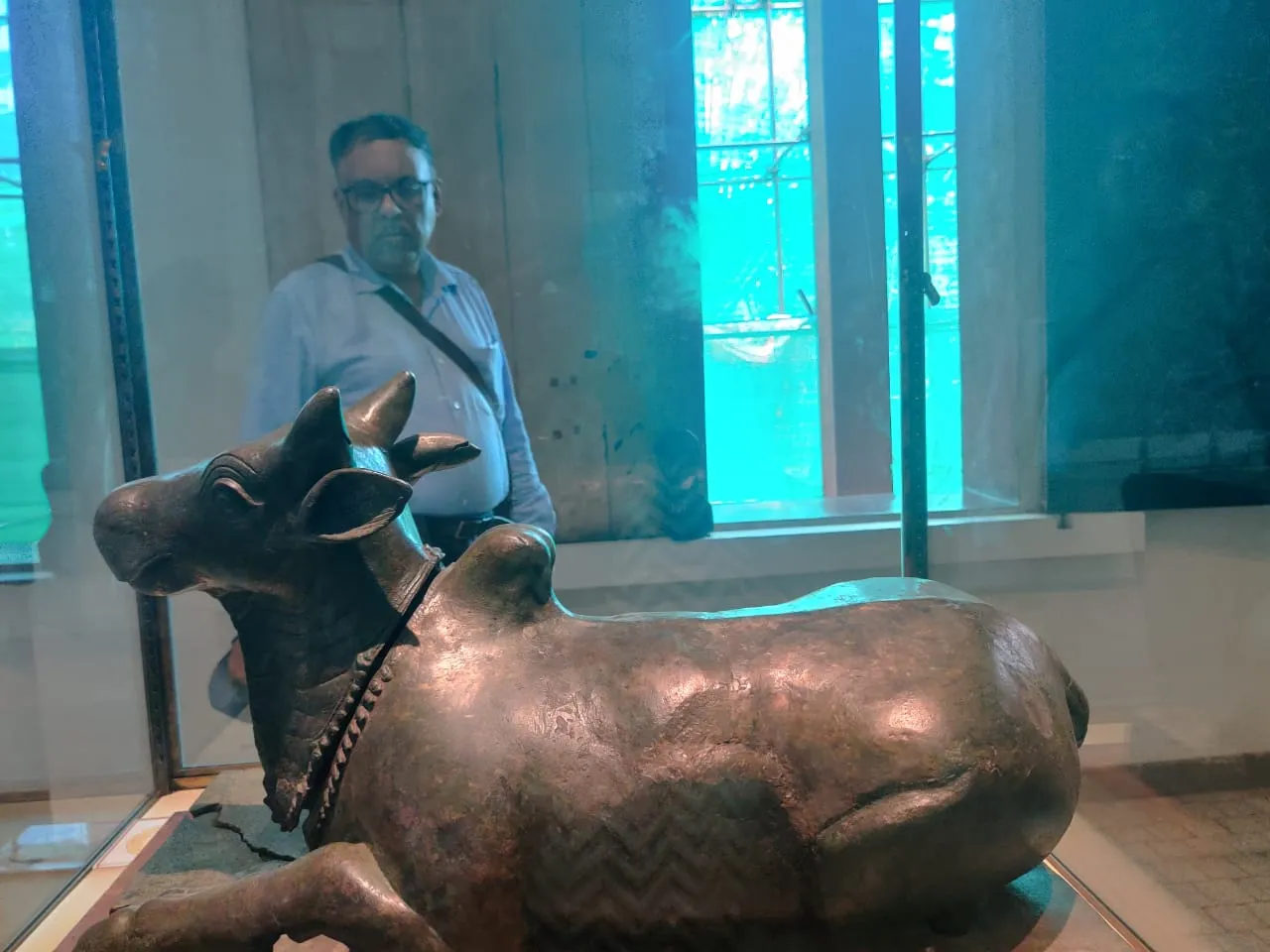
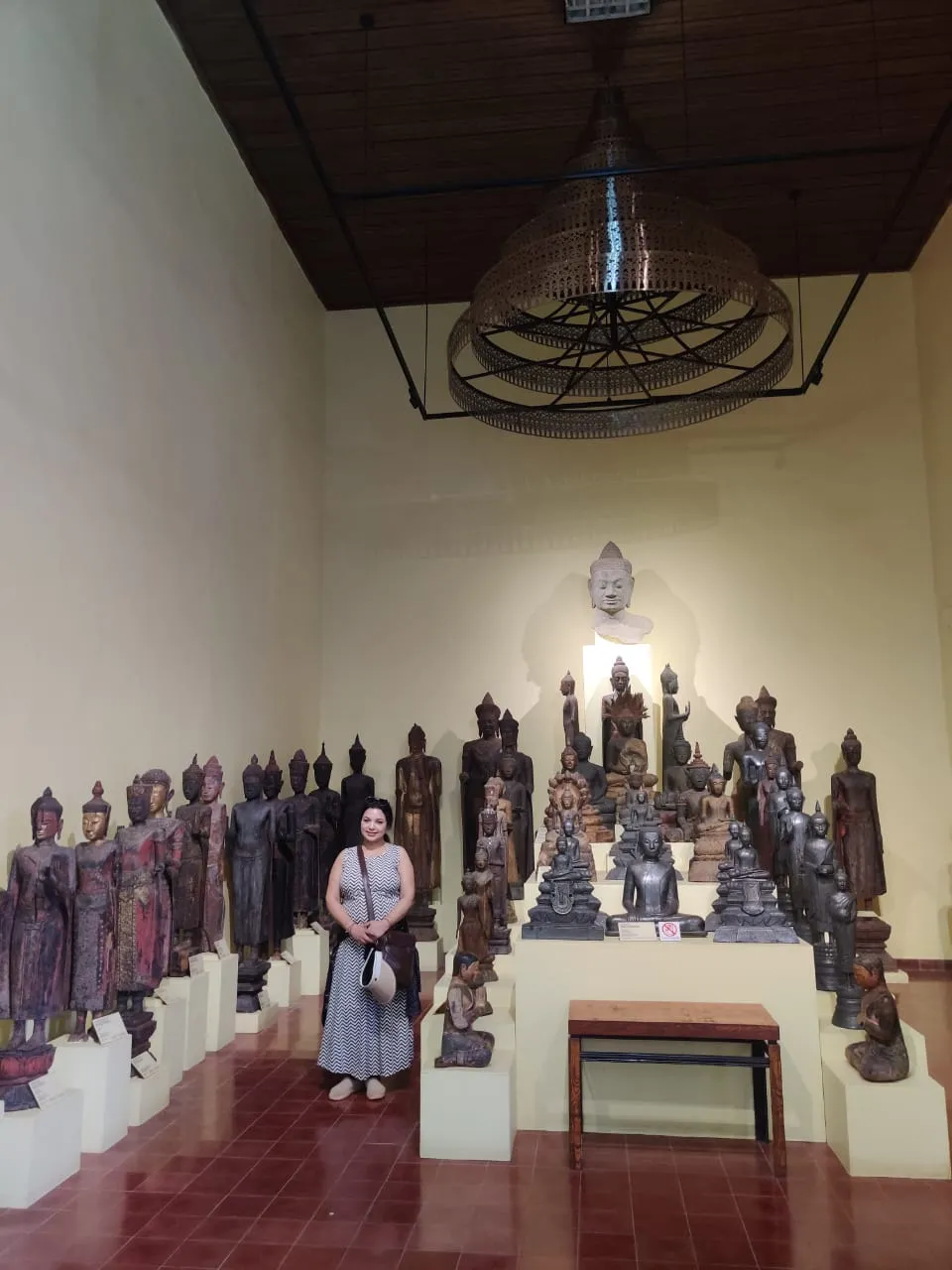
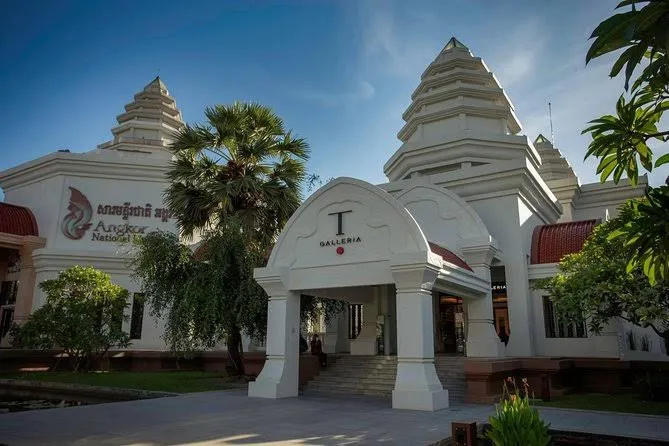
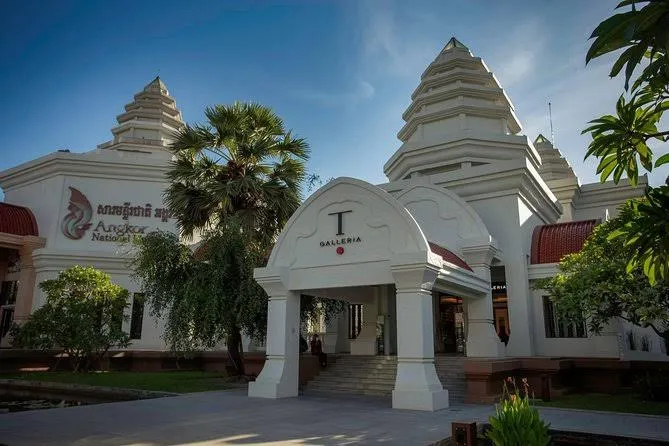
Angkor National Museum - Siem Reap
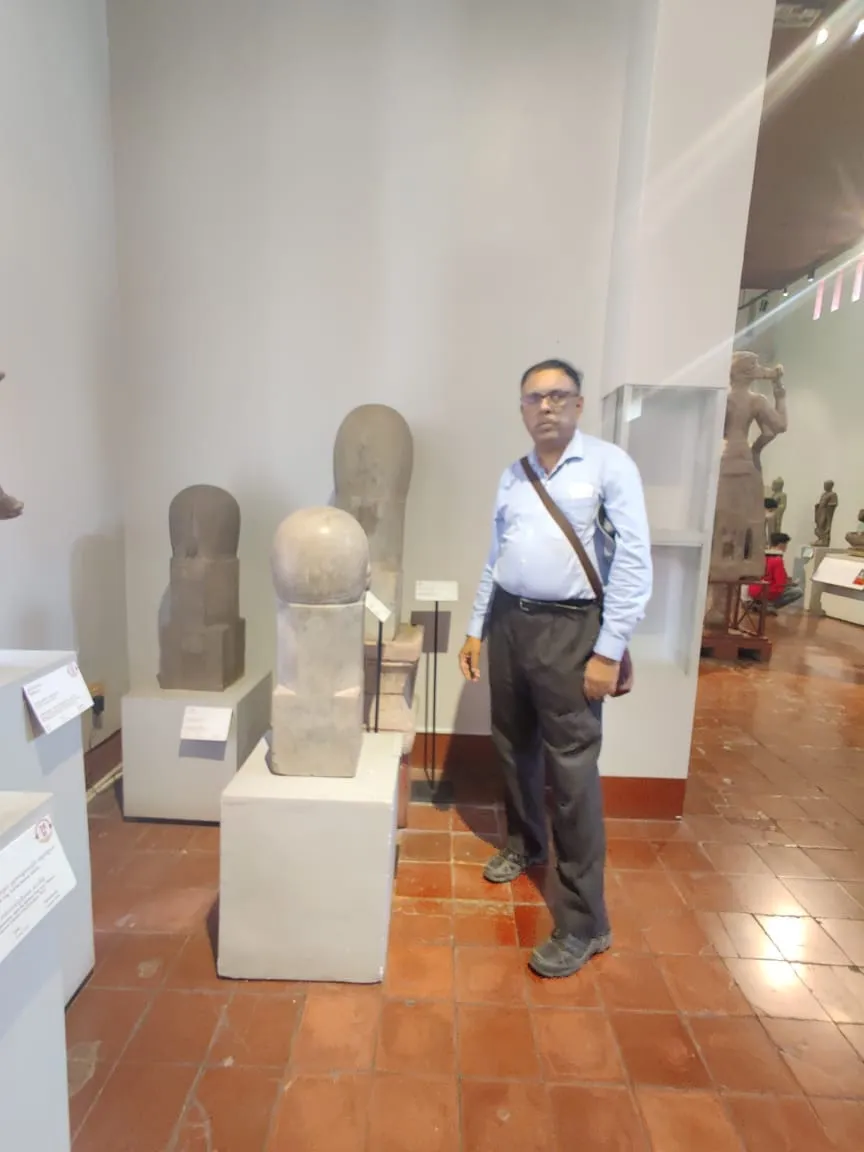
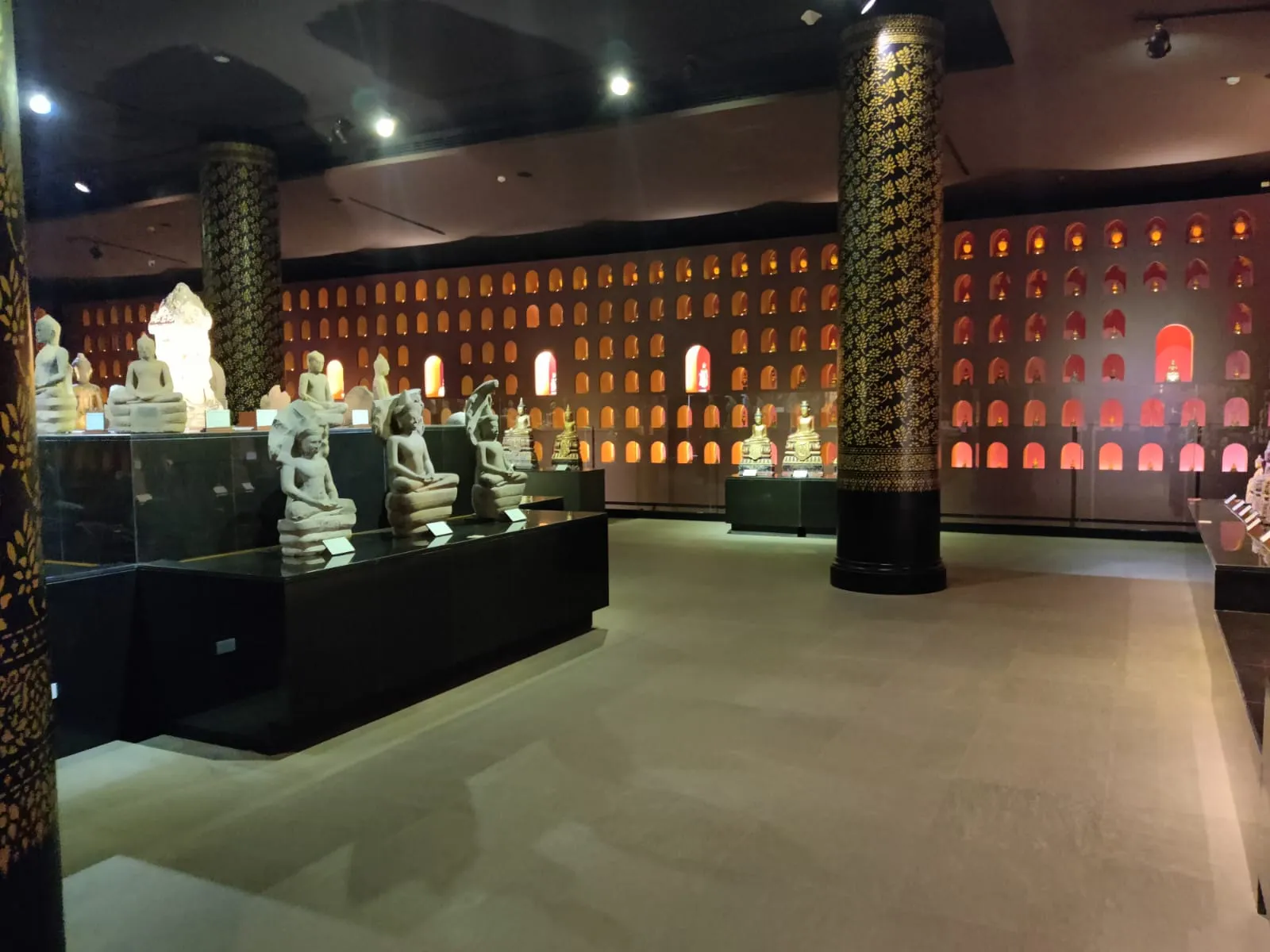
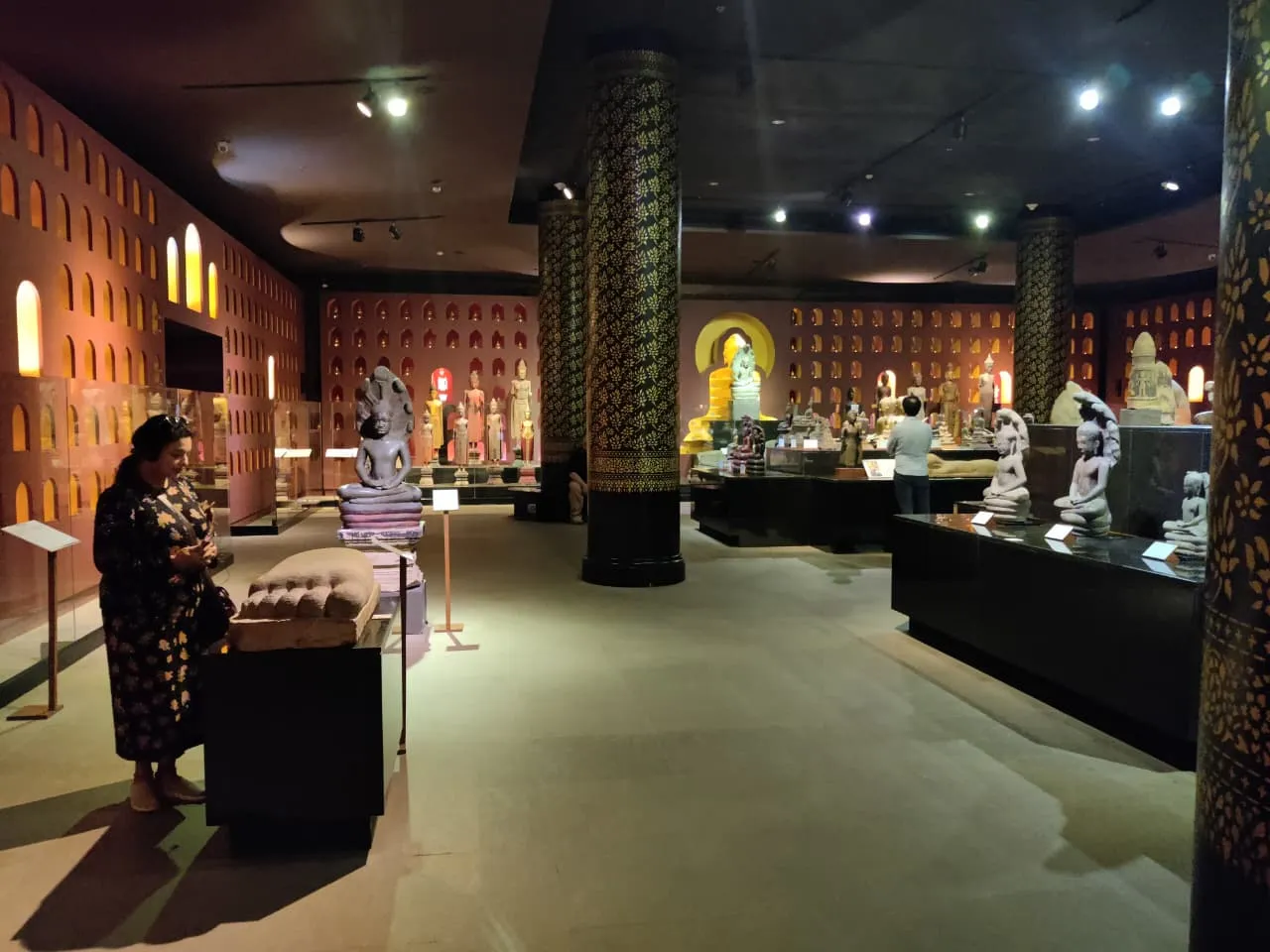
The Angkor National Museum in Siem Reap houses a vast repository of Khmer artifacts that vividly demonstrate the deep historical influence of Indian religion, art, and philosophy on the Khmer Empire. Across its specialized galleries, the museum showcases stone sculptures and lintels depicting the Hindu Trimurti—primarily Vishnu and Shiva—alongside intricate bas-reliefs illustrating scenes from Indian epics like the Ramayana and Mahabharata, such as the Samudra Manthan (Churning of the Ocean of Milk). In addition to Hindu iconography, the collection includes ancient Sanskrit stone inscriptions that highlight how Indian linguistic traditions shaped Khmer royal decrees and religious records, while extensive galleries of Mahayana and Theravada Buddhist statuary—including the signature “Gallery of 1,000 Buddhas”—illustrate how Indian spiritual thought was seamlessly synthesized into regional Cambodian art and culture over the centuries.
Angkor National Museum - Understanding Angkor Before the Temples
Our visit to the Angkor National Museum was one of the most insightful introductions we could have had before exploring the temples of Angkor. Located in Siem Reap, the museum presents the grandeur of the Khmer Empire in a beautifully curated and modern setting, where galleries, sculptures, and multimedia displays bring ancient history to life in a very engaging way. Walking through the exhibits, we gained a much clearer understanding of Cambodia’s early civilisation, from the rise of the Angkorian Empire to the powerful reigns of its kings, and the deep influence of both Hinduism and Buddhism on its art and architecture.
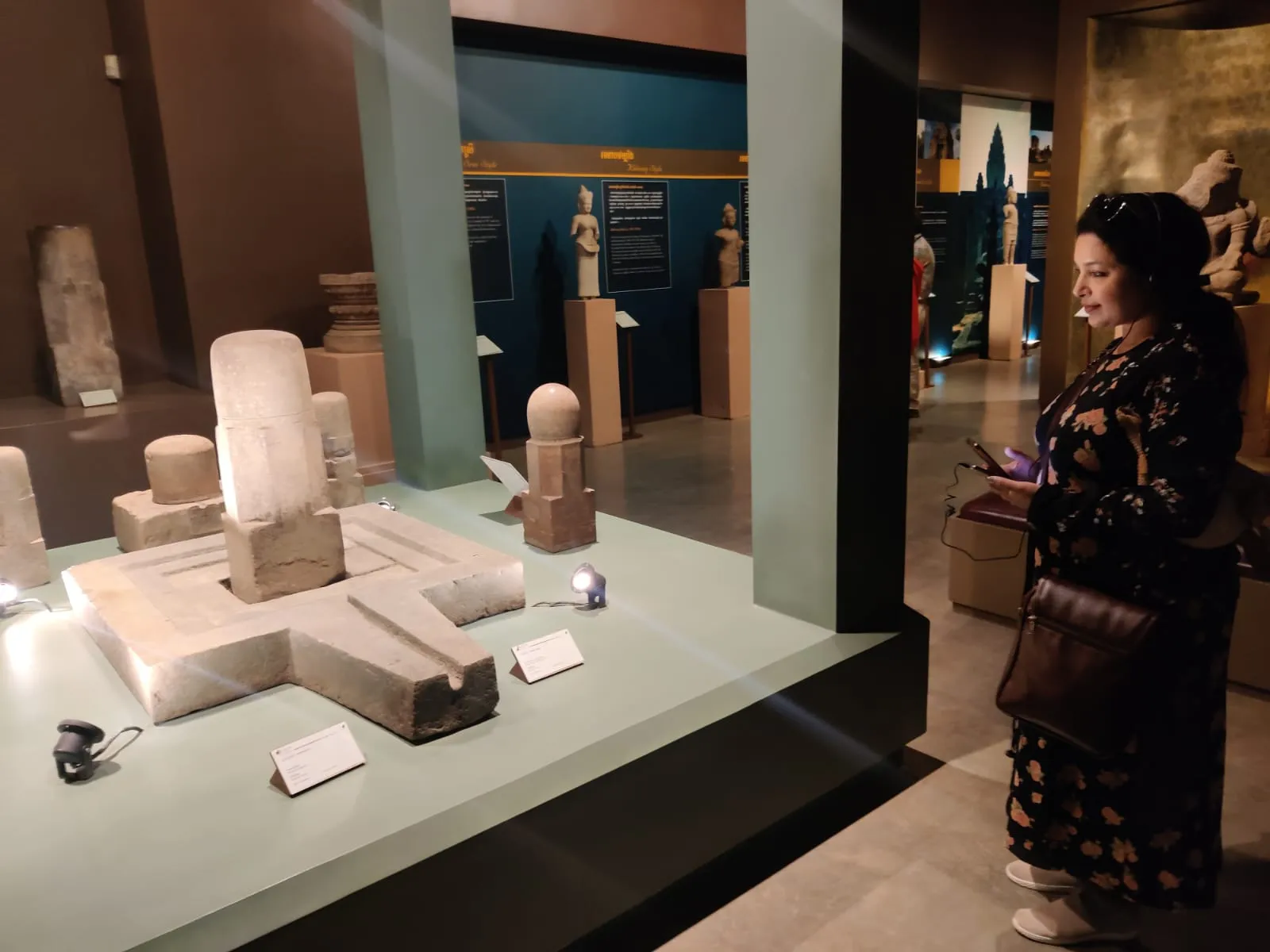
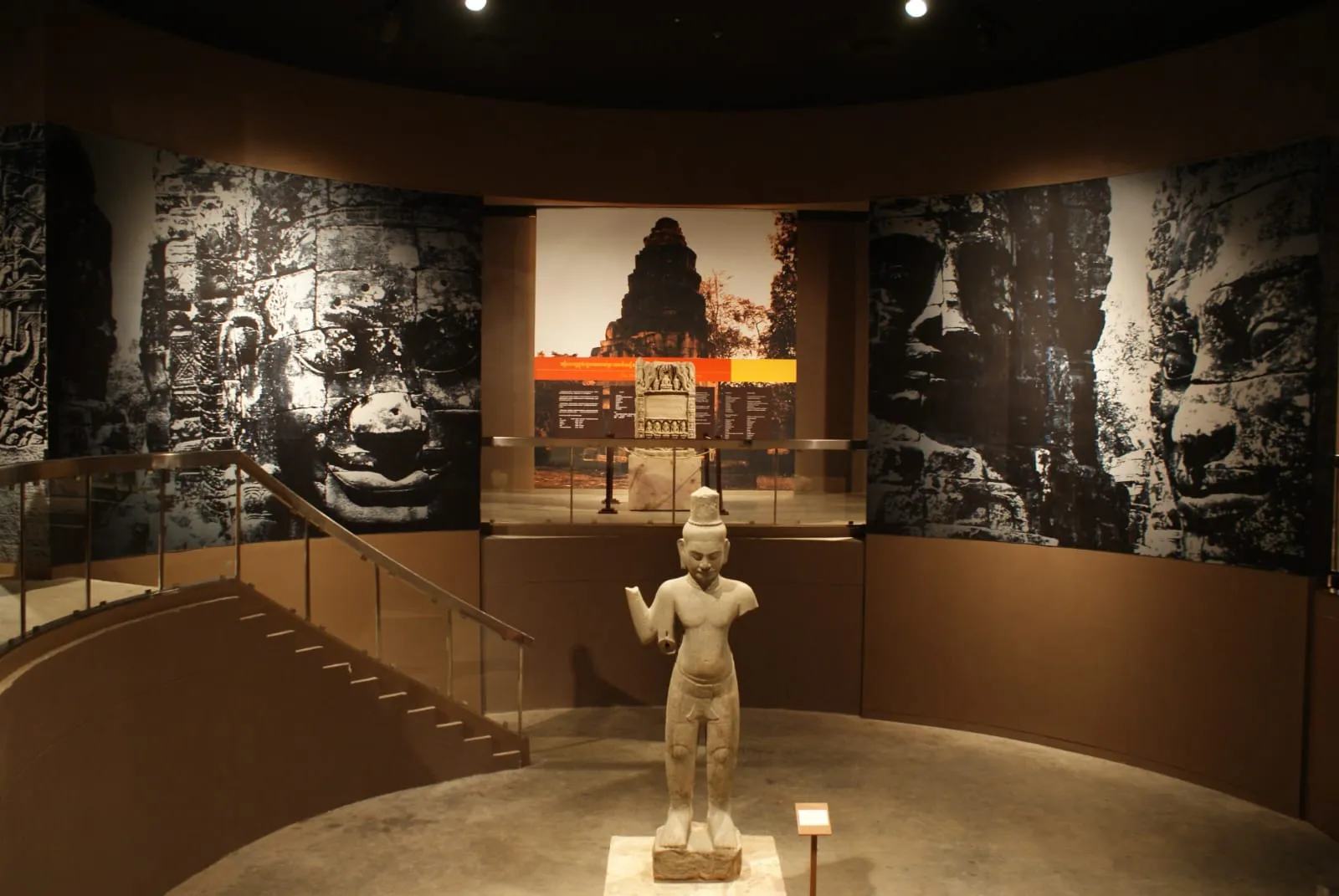
Angkor National Museum - Important Displays
- ✦The central sculpture of Shiva Linga, a symbolic representation of the Hindu deity Shiva.
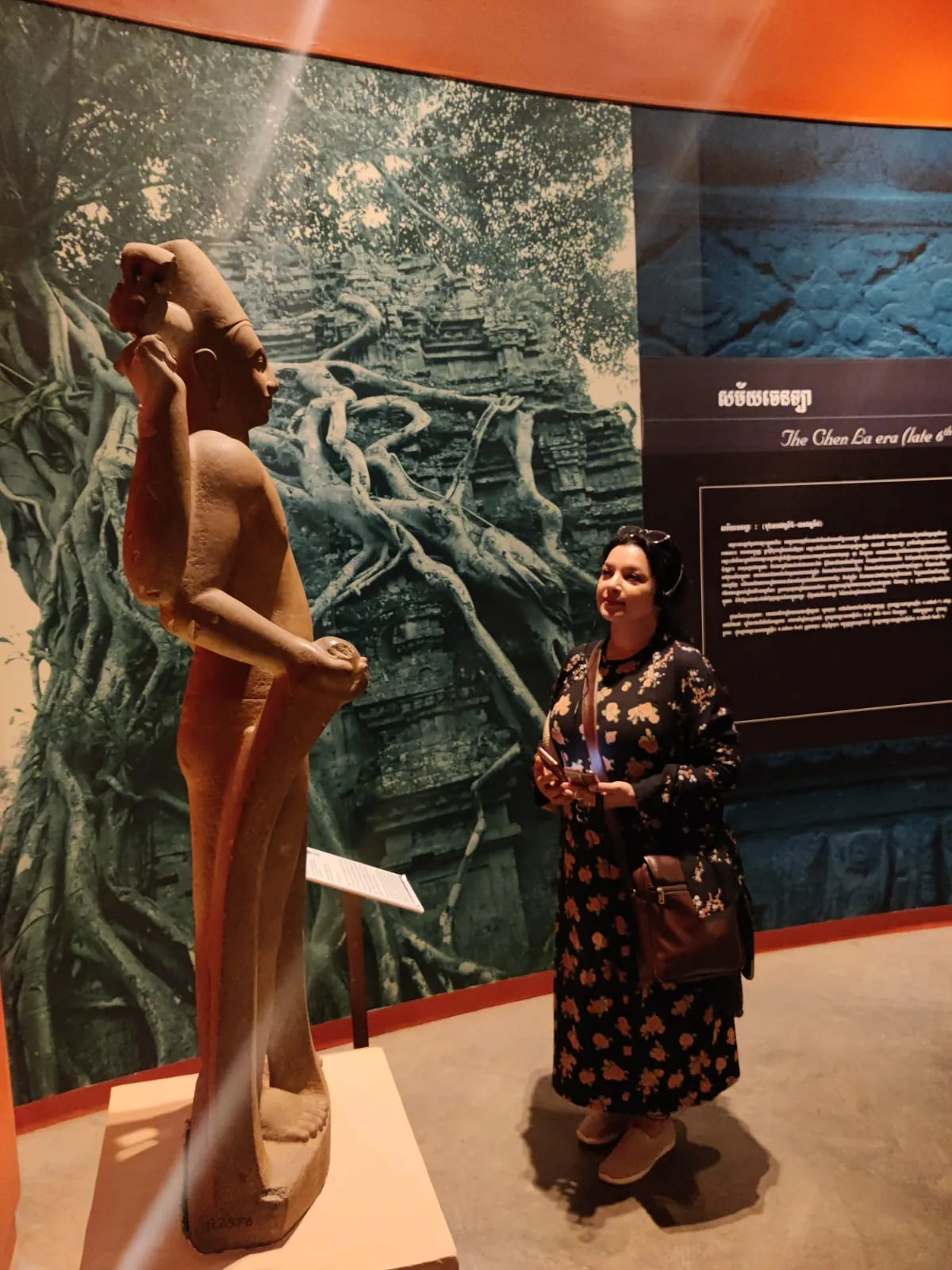
- ✦The statue of standing Vishnu from the Pre-Angkor Period, specifically created in the Sambor Prei Kuk style during the 7th century.
The Museum That Brings Angkor to Life
What made the experience especially valuable was how it connected directly to the temples we were about to see. The explanations of monuments like Angkor Wat and Bayon helped us recognise details later in the field—whether in carvings, symbolism, or structural design. It felt like building a foundation of knowledge first, which made every temple visit afterwards more meaningful and emotionally richer, as if we were no longer just seeing ruins, but reading chapters of a living history.
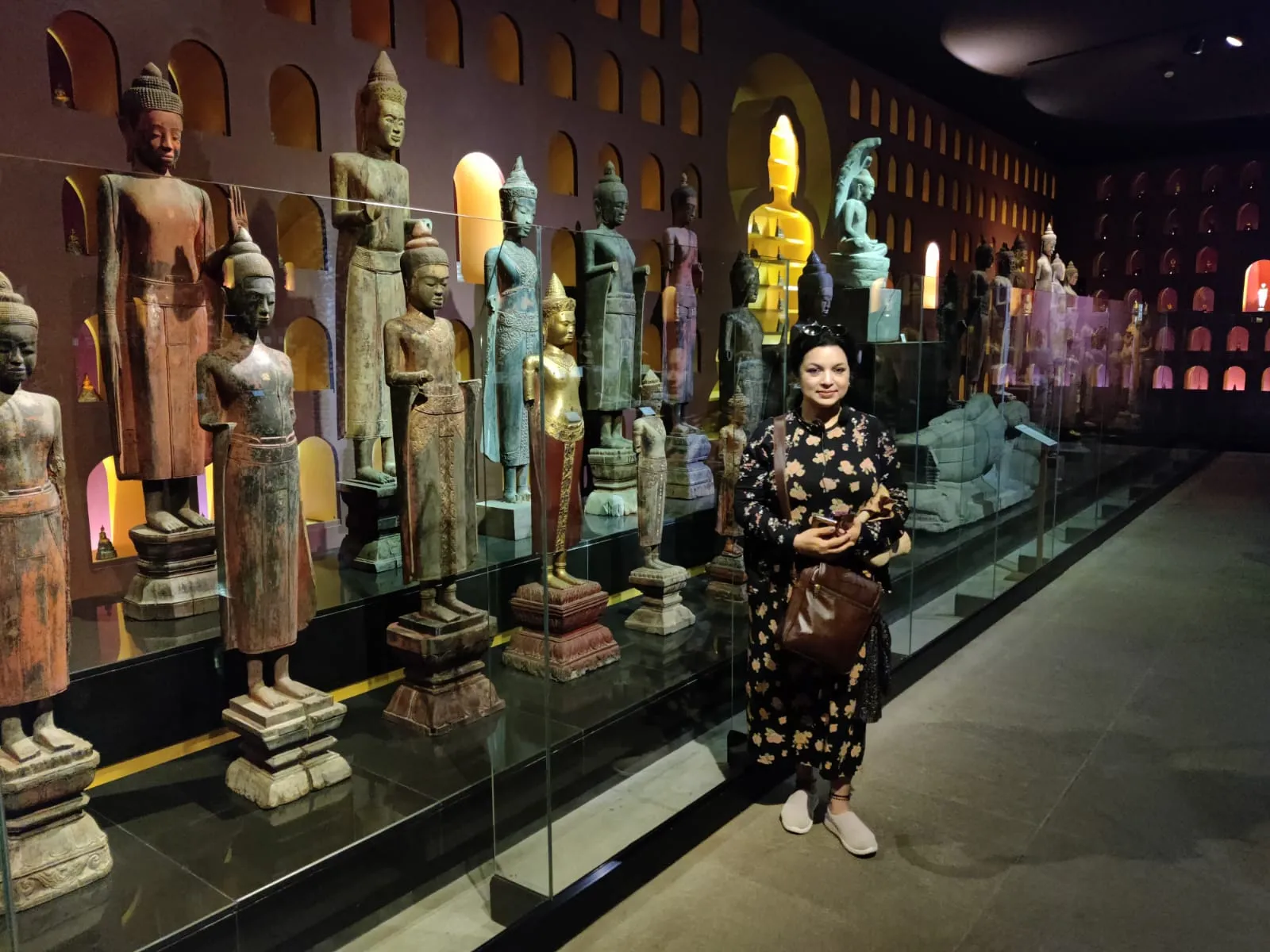
Angkor National Museum - Gallery of a Thousand Buddhas
One of the most memorable sections of the Angkor National Museum was the Gallery of a Thousand Buddhas. Walking through the beautifully designed gallery, we were surrounded by Buddha images from different periods of Khmer history, each reflecting the evolution of Buddhism in Cambodia. The calm atmosphere and thoughtfully displayed sculptures offered far more than an art exhibition—they told the story of a civilisation where faith, artistry, and history have remained deeply intertwined for centuries.
The Perfect Introduction to Khmer Civilization
For us, the National Museum of Cambodia and the Angkor National Museum together formed the perfect foundation for understanding Cambodia before entering the world of Angkor. The National Museum in Phnom Penh offered a profound introduction through its priceless collection of Khmer sculptures, Hindu deities, and Buddhist art, all clearly reflecting the strong influence of Indian culture on early Cambodian civilisation. In contrast, the Angkor National Museum in Siem Reap helped us connect history with meaning through its modern galleries and engaging exhibits that explain the mythology, symbolism, kings, and architectural brilliance behind temples like Angkor Wat and Bayon. Visiting both museums before exploring the Angkor Archaeological Park made our journey far more meaningful, as it allowed us to see the temples not just as stone monuments, but as living expressions of faith, history, and cultural exchange.
Travel Tips for Visiting the Museums
- ✦Visit the museums before exploring Angkor to better understand Khmer history and temple symbolism.
- ✦Allow 2–3 hours for each museum to appreciate the exhibits.
- ✦Hire an audio guide or local guide for a richer experience.
- ✦Wear comfortable shoes, as you'll spend considerable time walking.
- ✦Take time to admire the Hindu and Buddhist sculptures and read the exhibit descriptions.
- ✦Combine the museums with nearby attractions to make the most of your day.
- ✦Don't miss the galleries showcasing Angkor's Hindu heritage, Buddhist art, and Sanskrit influences, which provide the perfect introduction to Cambodia's remarkable cultural legacy.