Ta Prohm
Explore Ta Prohm, the extraordinary jungle temple of Angkor where giant tree roots embrace ancient stone.
Ta Prohm a Buddhist monastery and University
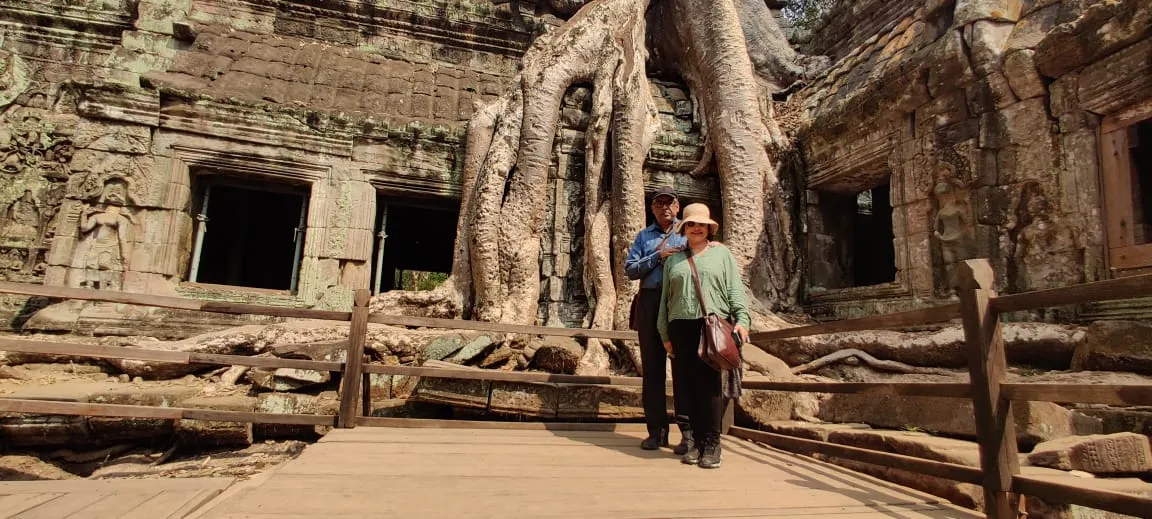
Ta Prohm is one of the most atmospheric and unforgettable temples within Angkor Archaeological Park. Built in the late 12th century by King Jayavarman VII as a Buddhist monastery and university, the temple was originally known as Rajavihara. Dedicated to the king’s mother, Ta Prohm once supported thousands of monks, priests, dancers, and workers, reflecting the immense wealth and power of the Khmer Empire during its golden age.
Ta Prohm - Where the Jungle Embraces an Ancient Temple
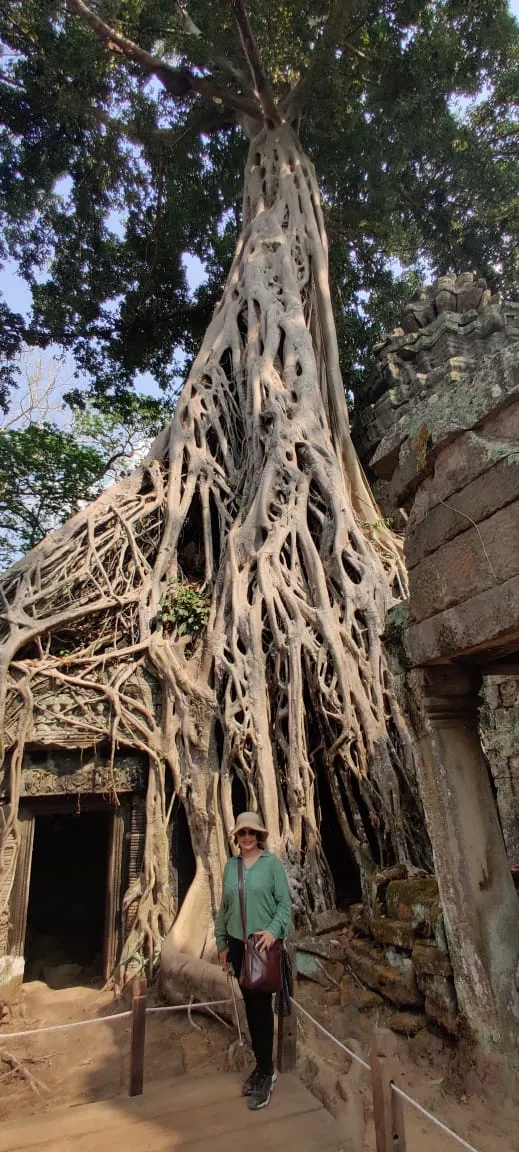
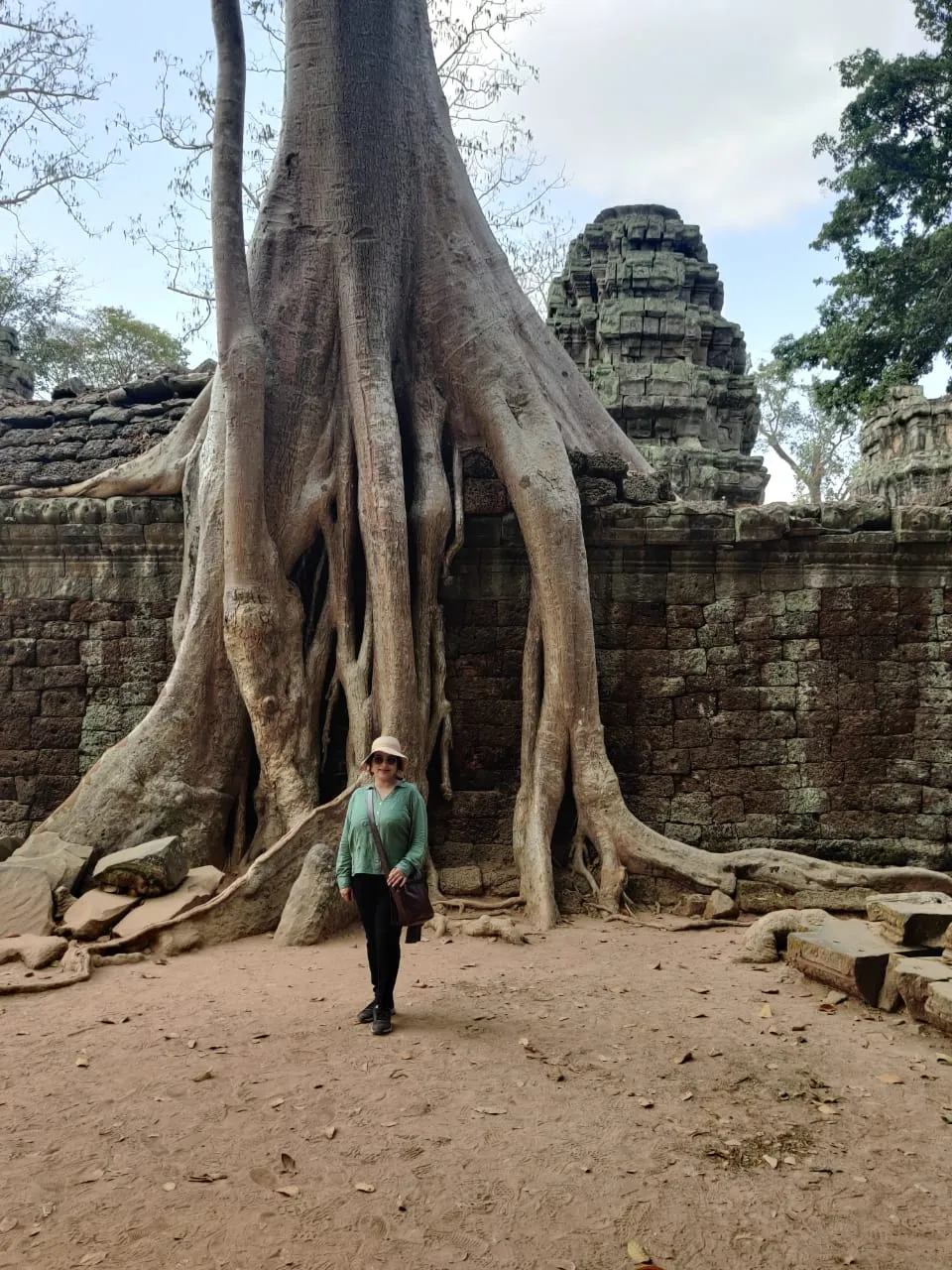
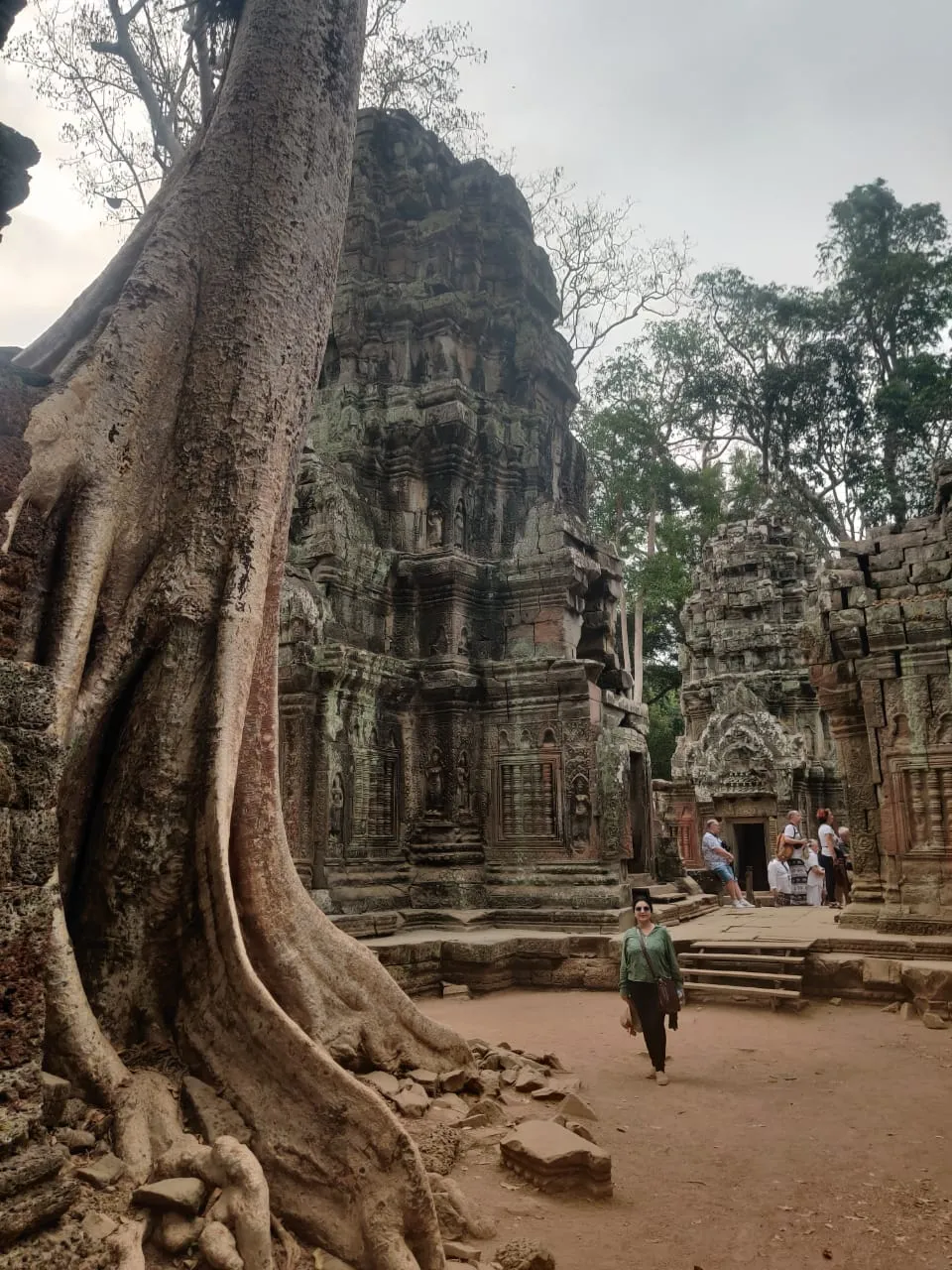
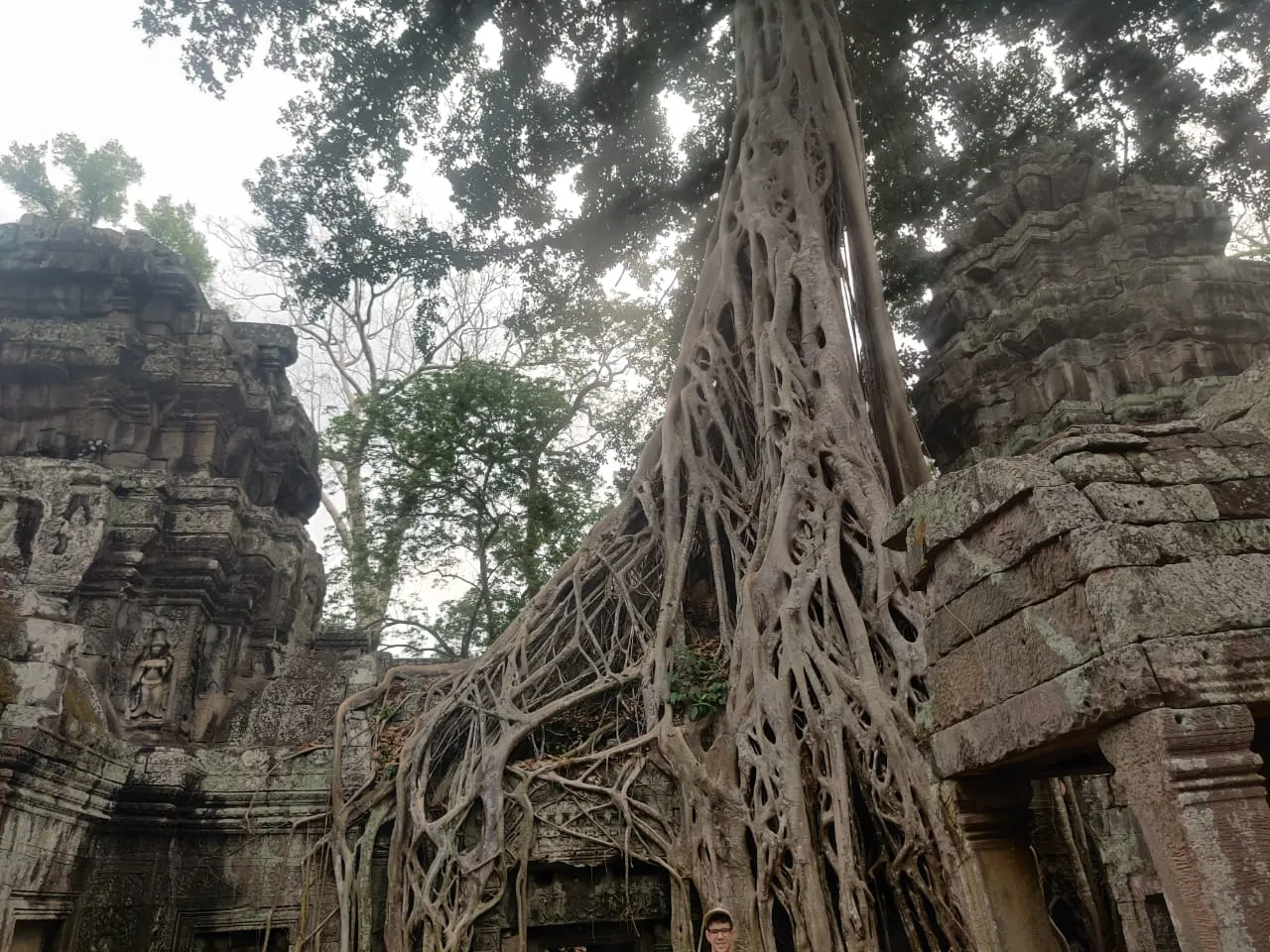
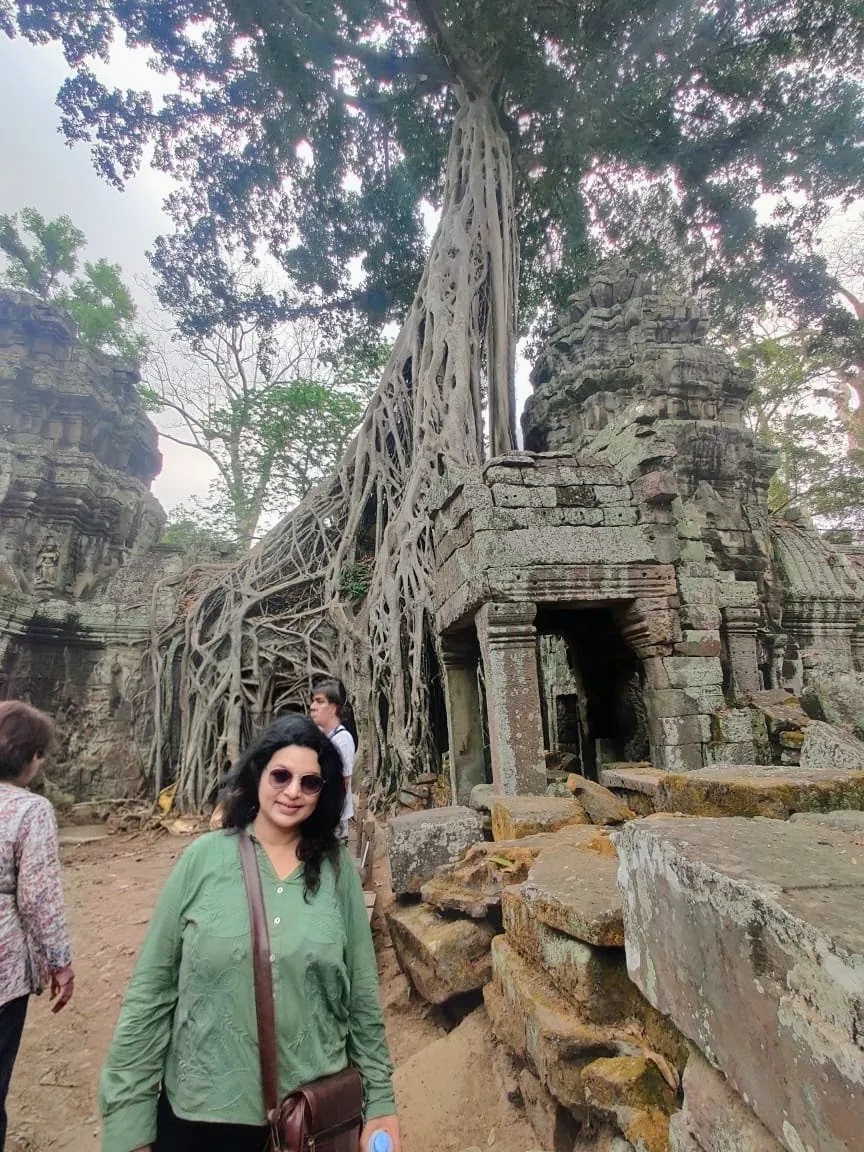
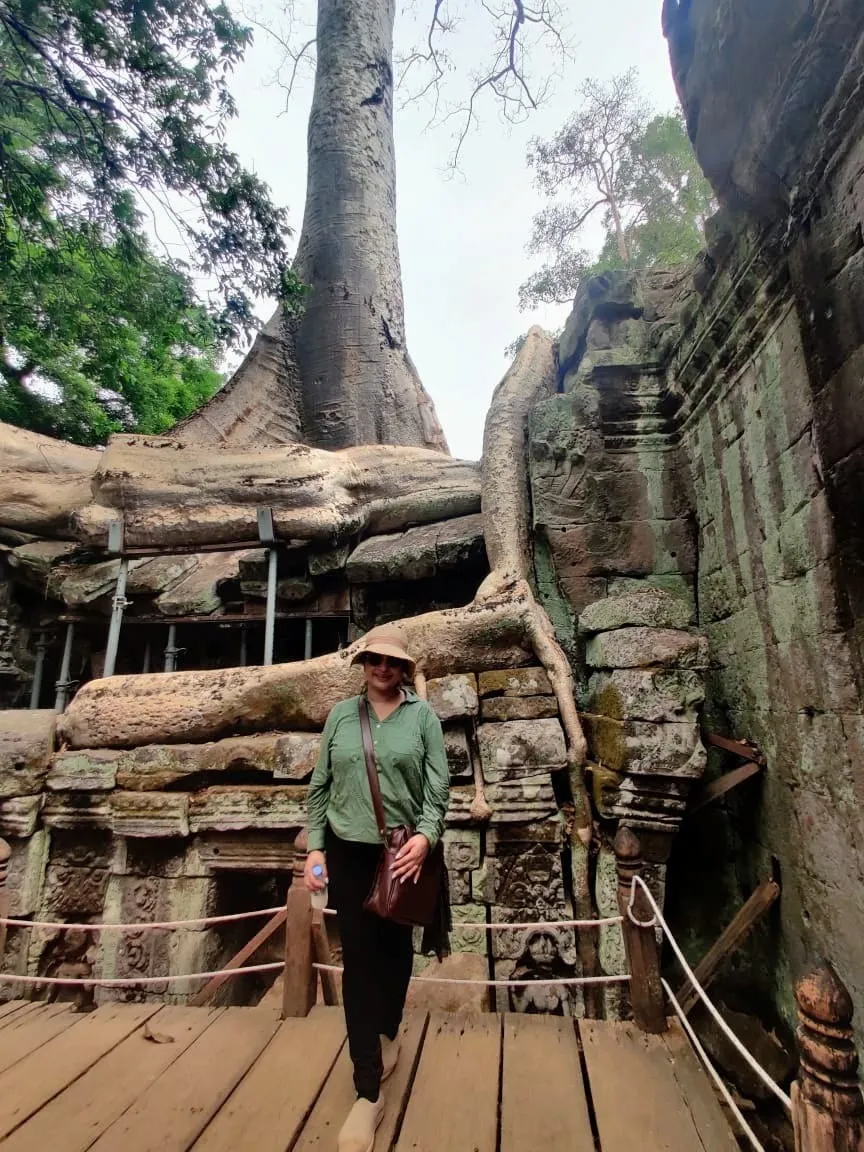
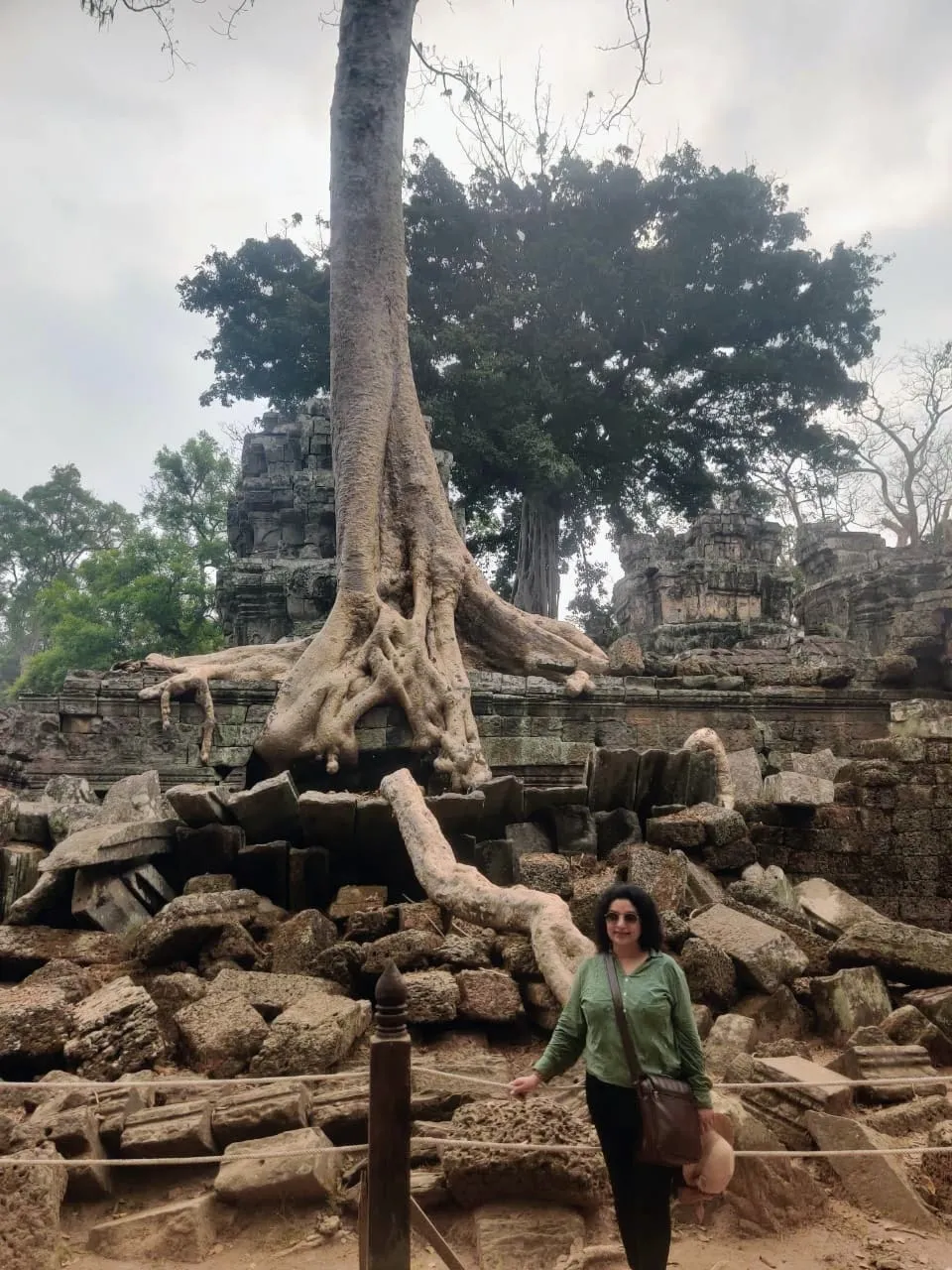
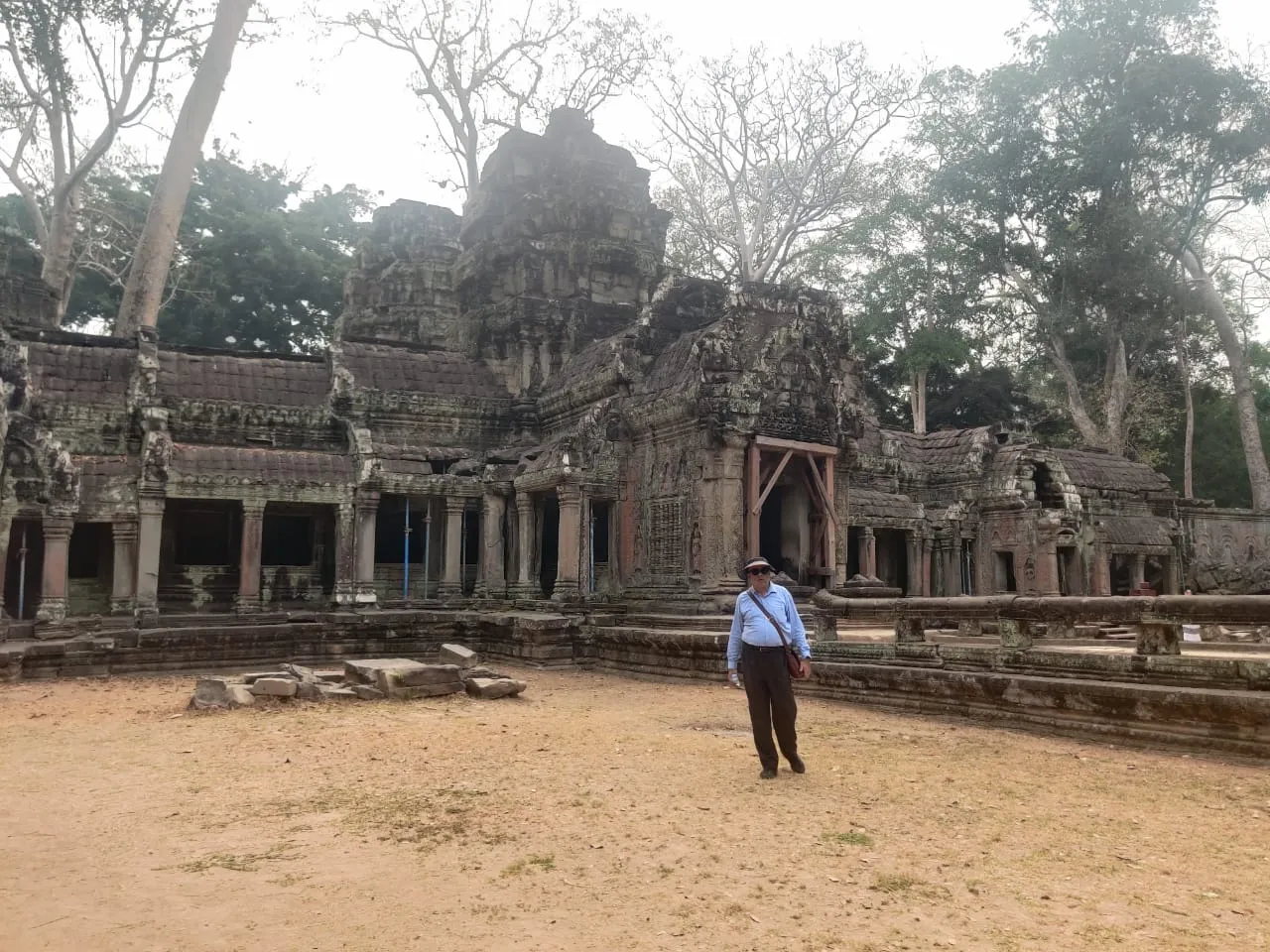
Ta Prohm temple feels almost alive, with giant silk-cotton and strangler fig trees rising above the ancient ruins and their enormous roots wrapping themselves around stone walls and gateways as if nature is slowly reclaiming the site. Walking through the narrow passages and crumbling galleries gave us the feeling of stepping into a lost world hidden deep inside the jungle. Unlike many other temples in Angkor, Ta Prohm has been left partly unrestored, which adds to its mysterious charm and makes it incredibly photogenic. The open surroundings and humid Cambodian heat made the visit quite exhausting at times, but the surreal beauty of trees growing directly over centuries-old structures made every step worthwhile.
Ta Prohm, Siem Reap- A Living Masterpiece of Khmer Architecture
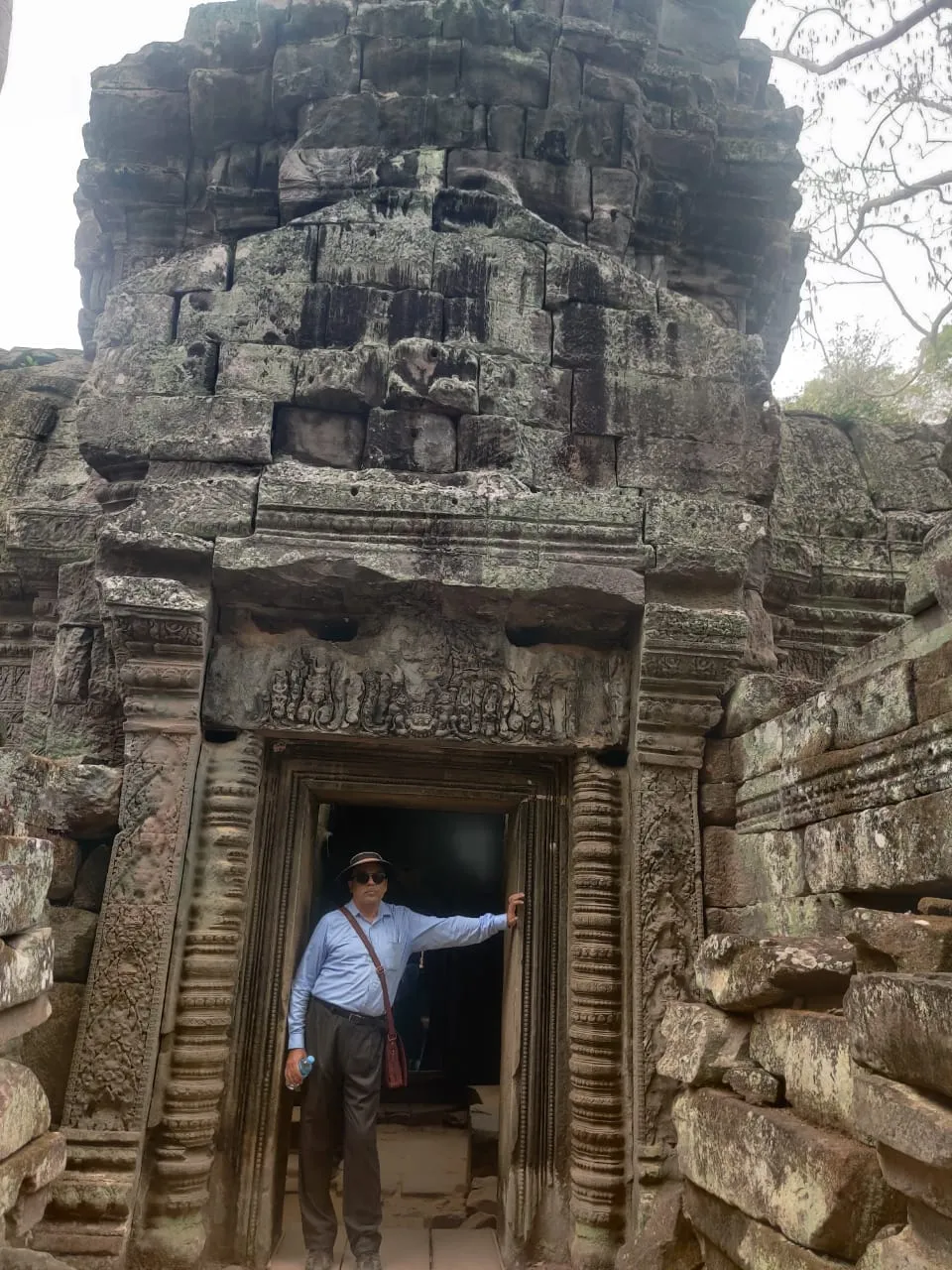
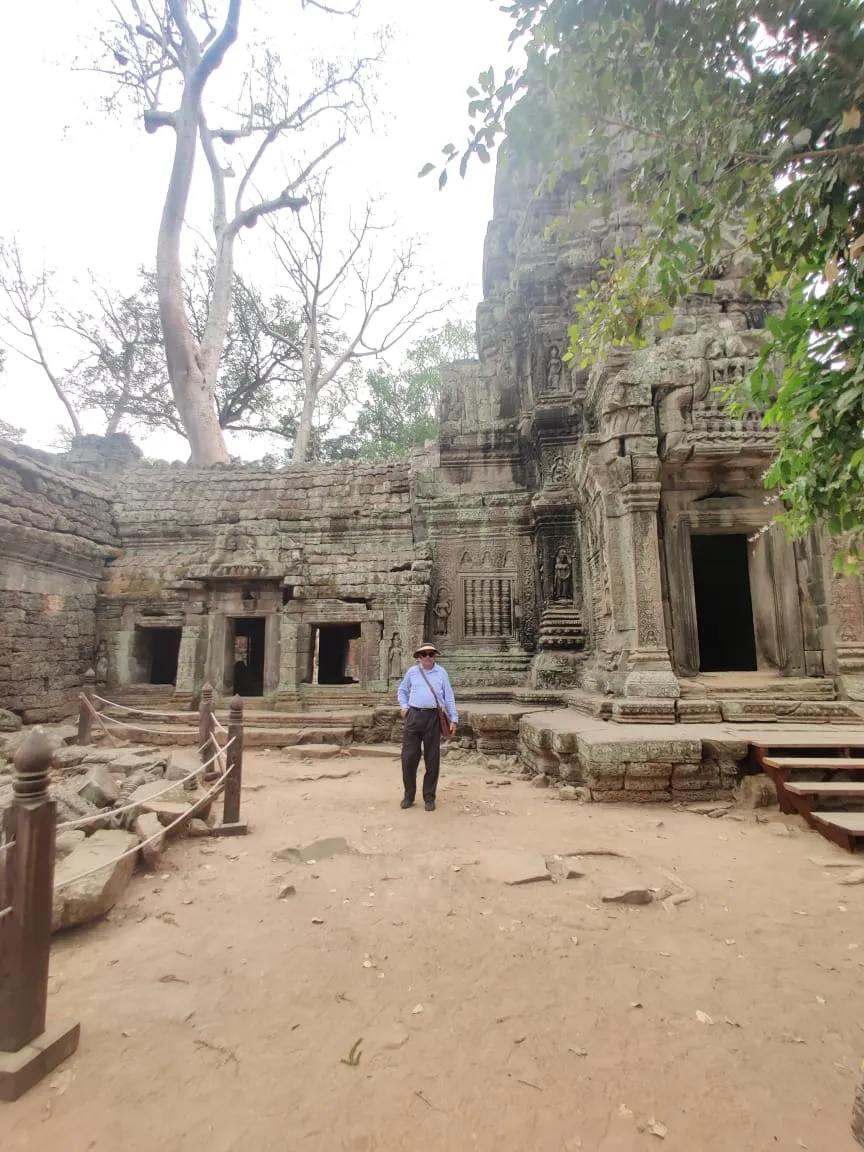
Architecturally, Ta Prohm is a striking example of classic Khmer design, with its sprawling layout of galleries, courtyards, towers, and interconnected passageways spread across a vast rectangular complex. During our visit, we saw beautifully detailed sandstone carvings of apsaras, floral patterns, Buddhist figures, and mythological scenes still clinging to the weathered walls, even as parts of the structure lie partially collapsed and entwined with massive tree roots. The fusion of ancient stonework and encroaching jungle creates a haunting yet mesmerizing atmosphere, where beams of sunlight filter through dense foliage and illuminate hidden corners, making the entire temple feel like a living, breathing ruin that fascinates every traveller who walks through it.
Ta Prohm, Siem Reap - Where Nature Preserves History
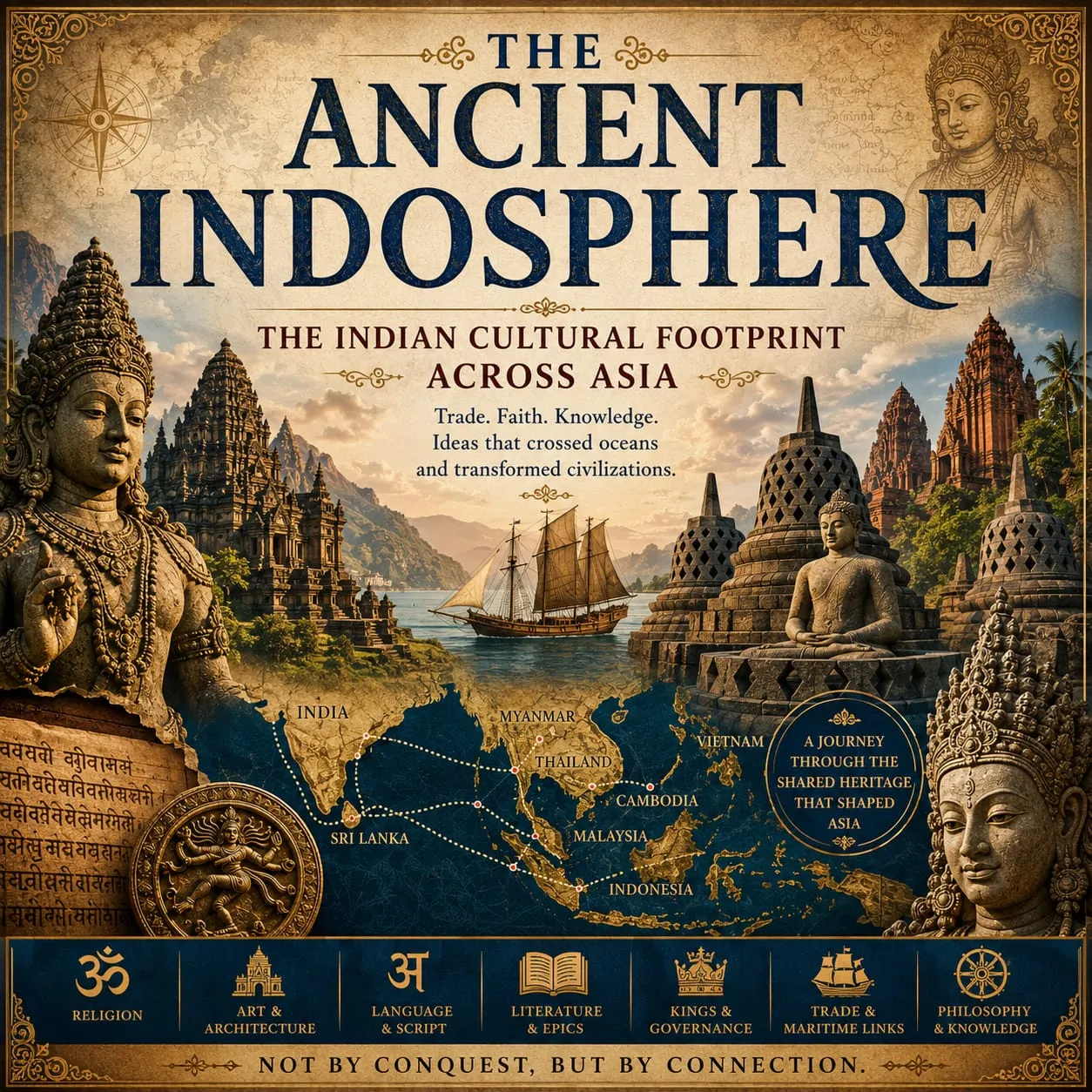
Walking through Ta Prohm, we felt this was where the story of Indianization became most human. The weathered walls still display apsaras, Bodhisattvas, Jataka tales, and Sanskrit inscriptions recording donations to the monastery. Today, the chants of monks have been replaced by the whisper of giant tree roots embracing the ancient stones. Preserved in this remarkable state, Ta Prohm reminds us that nature has not erased history—it has become an inseparable part of it.
India's Role in Preserving Ta Prohm
Our visit to Ta Prohm also reminded us that India's connection with Cambodia extends far beyond history. Since 2003, the Archaeological Survey of India (ASI) has led the conservation of this remarkable temple, carefully stabilizing its fragile structures while preserving the giant silk-cotton and strangler fig trees that have become its defining feature. Rather than separating the temple from the jungle, ASI chose to protect their unique coexistence, ensuring that Ta Prohm remains one of Angkor's most atmospheric and unforgettable monuments—a living symbol of the enduring cultural bond between India and Cambodia.
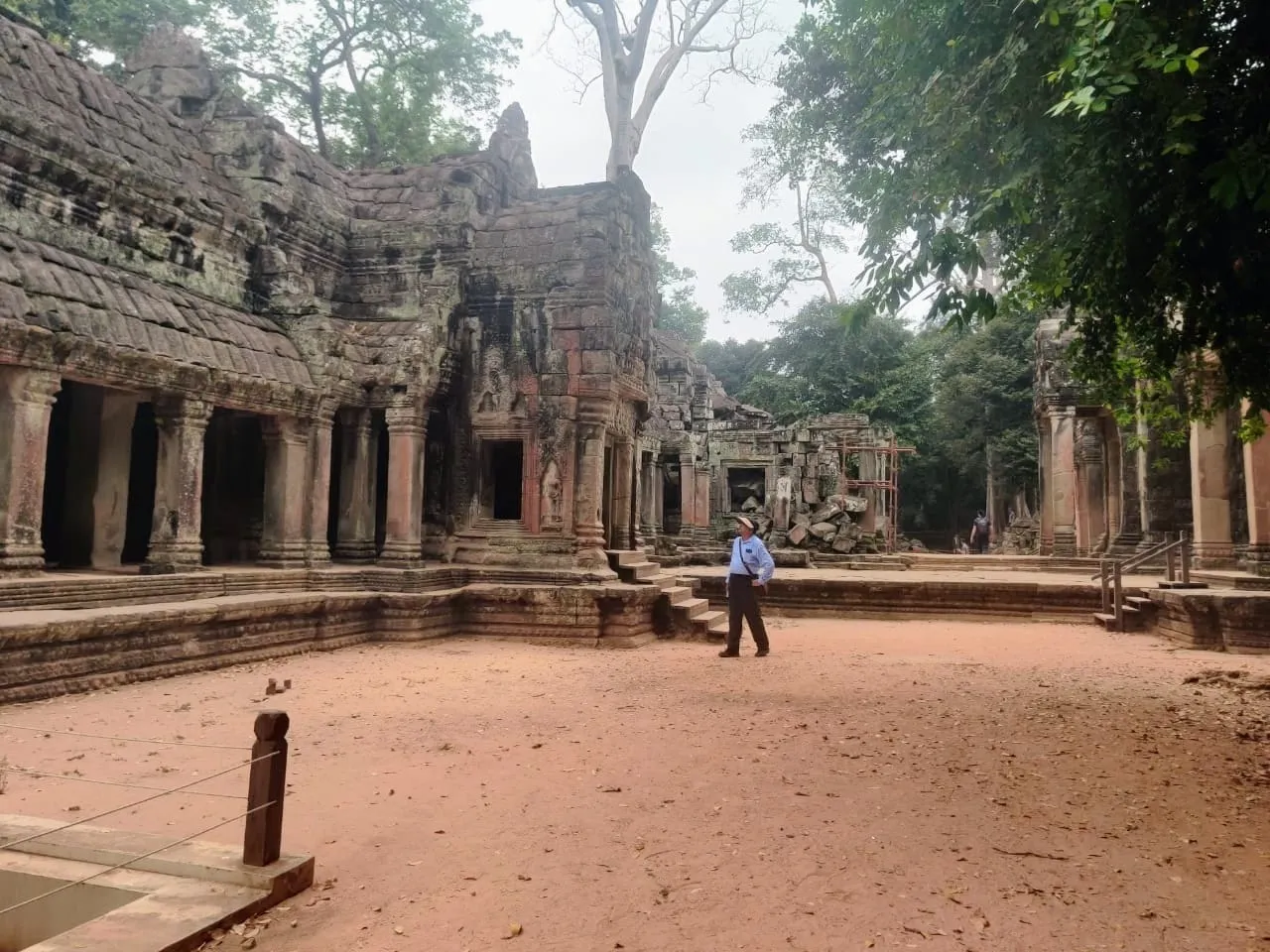
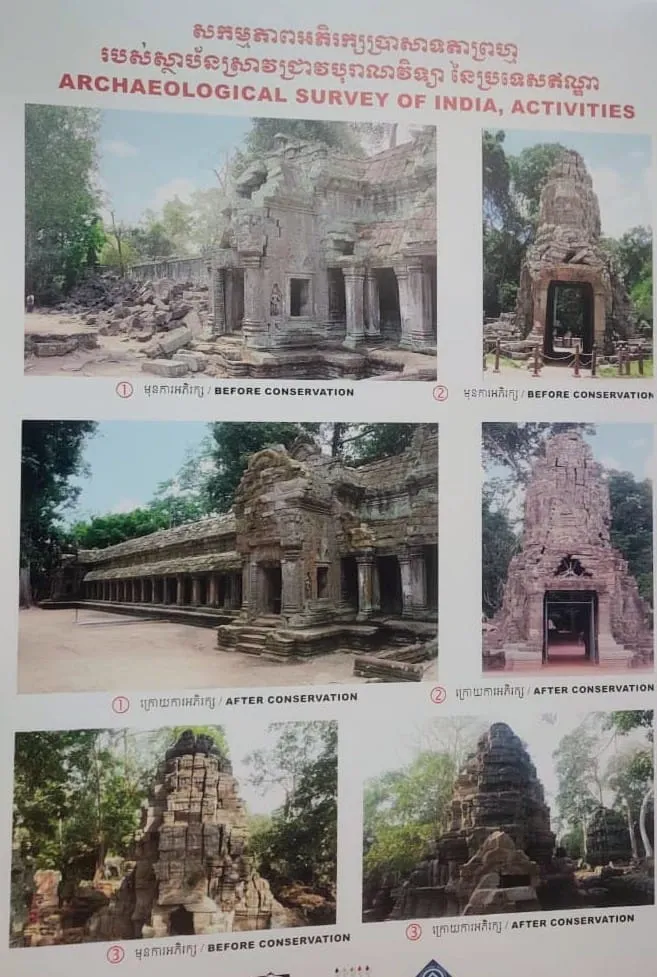
Ta Prohm - Restoration of temple by Archaeological survey of India
Restoration of temple which was originally built in the late 12th to early 13th century under the Khmer King Jayavarman VII was being done by Archaeological survey of India. During our visit, it was fascinating to see how restoration efforts are being carried out with great sensitivity, ensuring that the massive tree roots, atmospheric ruins, and partially collapsed galleries remain largely untouched in spirit, allowing visitors to experience the same mysterious beauty that has made Ta Prohm one of the most evocative temples in the Angkor complex.
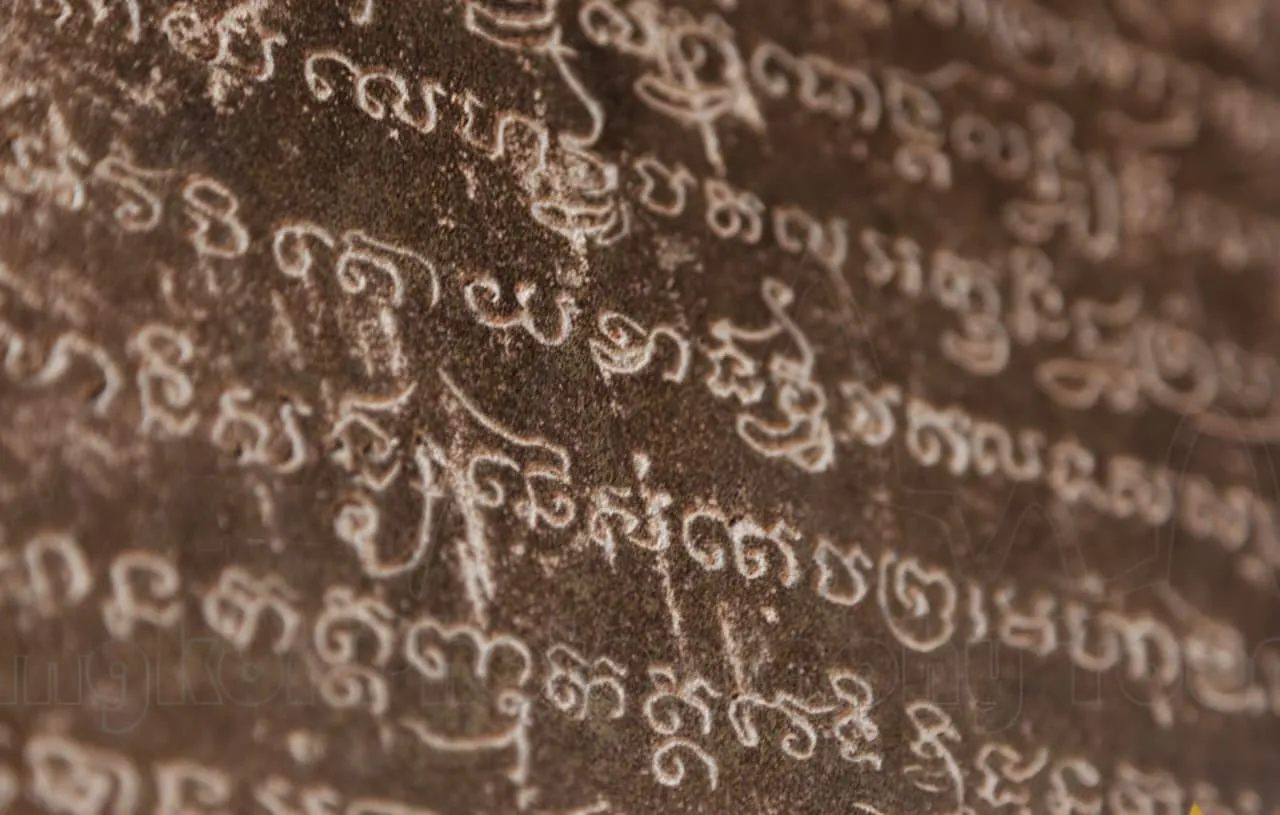
The Indic Legacy in Khmer Speech and Script
The Khmer language was deeply shaped by two distinct waves of Indian influence: Sanskrit, which introduced the prestigious vocabulary of royalty, law, and geography during the Angkor Empire, and Pali, which brought the moral and religious terminology of Theravada Buddhism to everyday village life. Beginning around the 6th century, Cambodians adapted South Indian scripts to create the written Khmer alphabet, expanding it to accommodate complex Indic sounds and making it the largest alphabet in the world today. This dual inheritance lives on in modern Cambodia, where a very large vocabulary —from the name Angkor (from Sanskrit Nagara) to everyday concepts of merit and karma—stems directly from these ancient roots.
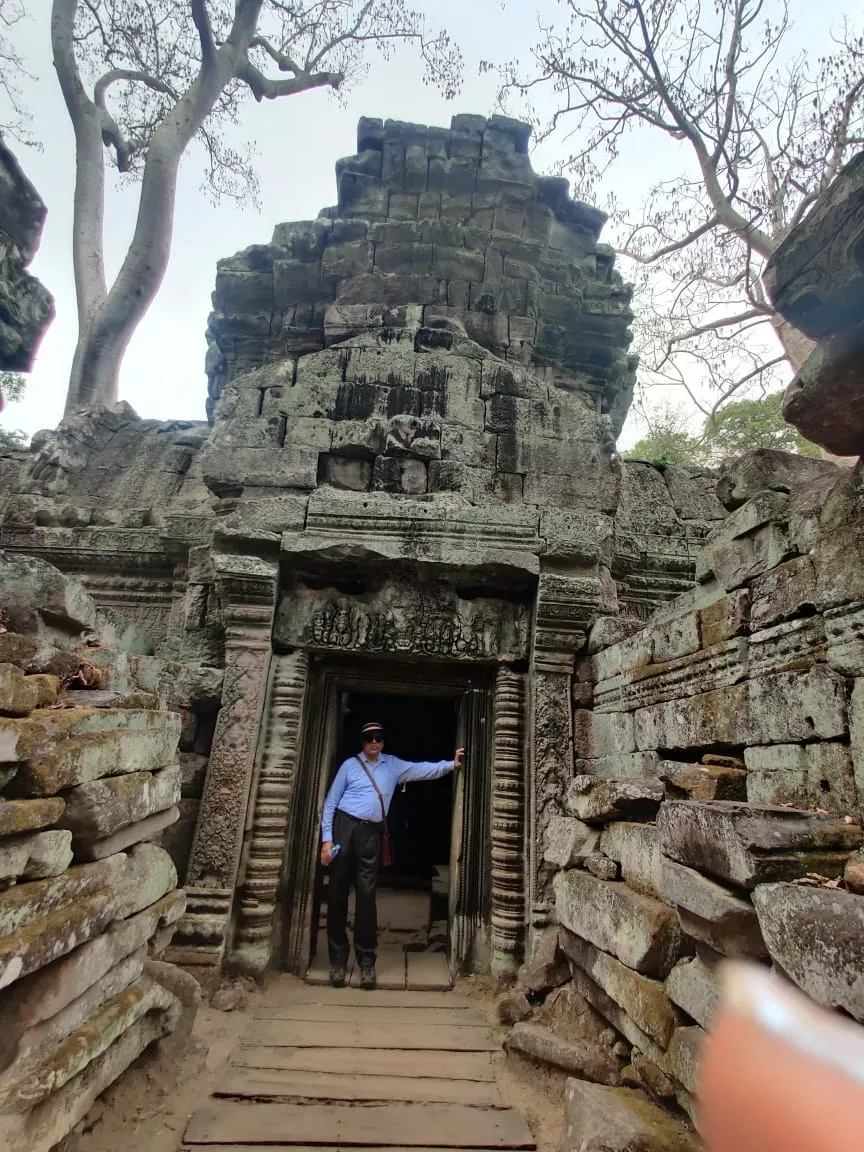
Walking Through a Hollywood Icon
As we wandered through the tree-covered corridors of Ta Prohm, it was easy to understand why this extraordinary temple became famous as a filming location for Tomb Raider (2001), starring Angelina Jolie. Standing beneath the towering silk-cotton trees and weaving through ancient stone passageways, we felt as though we had stepped into an adventure film ourselves. Yet beyond its Hollywood fame, Ta Prohm's true magic lies in its remarkable blend of history, spirituality, and nature—a place where every weathered stone and tangled root tells a story far older than the movies.
Travel Tips for Ta Prohm
- ✦Visit early morning to avoid crowds and the heat.
- ✦Wear comfortable shoes, as paths are uneven.
- ✦Carry water, a hat, and sunscreen.
- ✦Take time to admire the giant tree roots and intricate carvings.
- ✦Respect barriers and avoid climbing on the ruins or tree roots.
- ✦Combine your visit with Angkor Thom and Banteay Kdei.
- ✦Allow 1–2 hours to explore this remarkable jungle temple.
NAVIGATE CAMBODIA