A Civilization Shaped by Stories, Not Swords
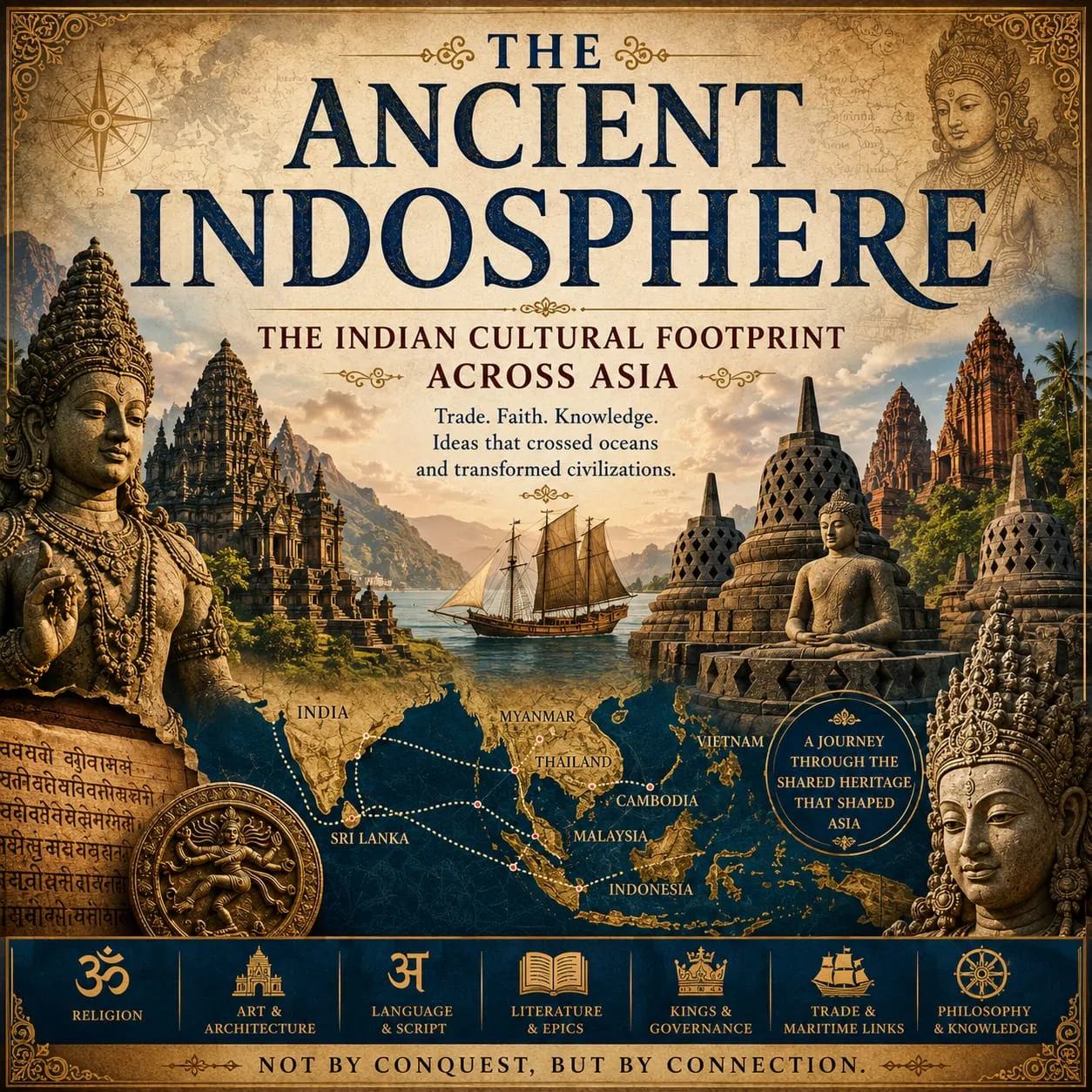
Cambodia's connection with India was built not through conquest but through centuries of peaceful cultural exchange. Indian merchants, Brahmin priests, and Buddhist monks arrived by sea carrying Sanskrit, the Ramayana and Mahabharata, Hindu and Buddhist philosophy, temple architecture, and the concept of the Devaraja (god-king). Khmer rulers embraced these ideas and transformed them into something uniquely their own, blending Indian traditions with local beliefs, art, and architecture. The result was one of the world's greatest civilizations, where temples like Angkor Wat became enduring symbols of a shared cultural heritage. Even today, the epics of Rama, Sanskrit inscriptions, and the legacy of Vishnu remain woven into Cambodia's history, reflecting a remarkable partnership shaped by ideas rather than swords.
Buddhism in Cambodia: From Kings to Villages
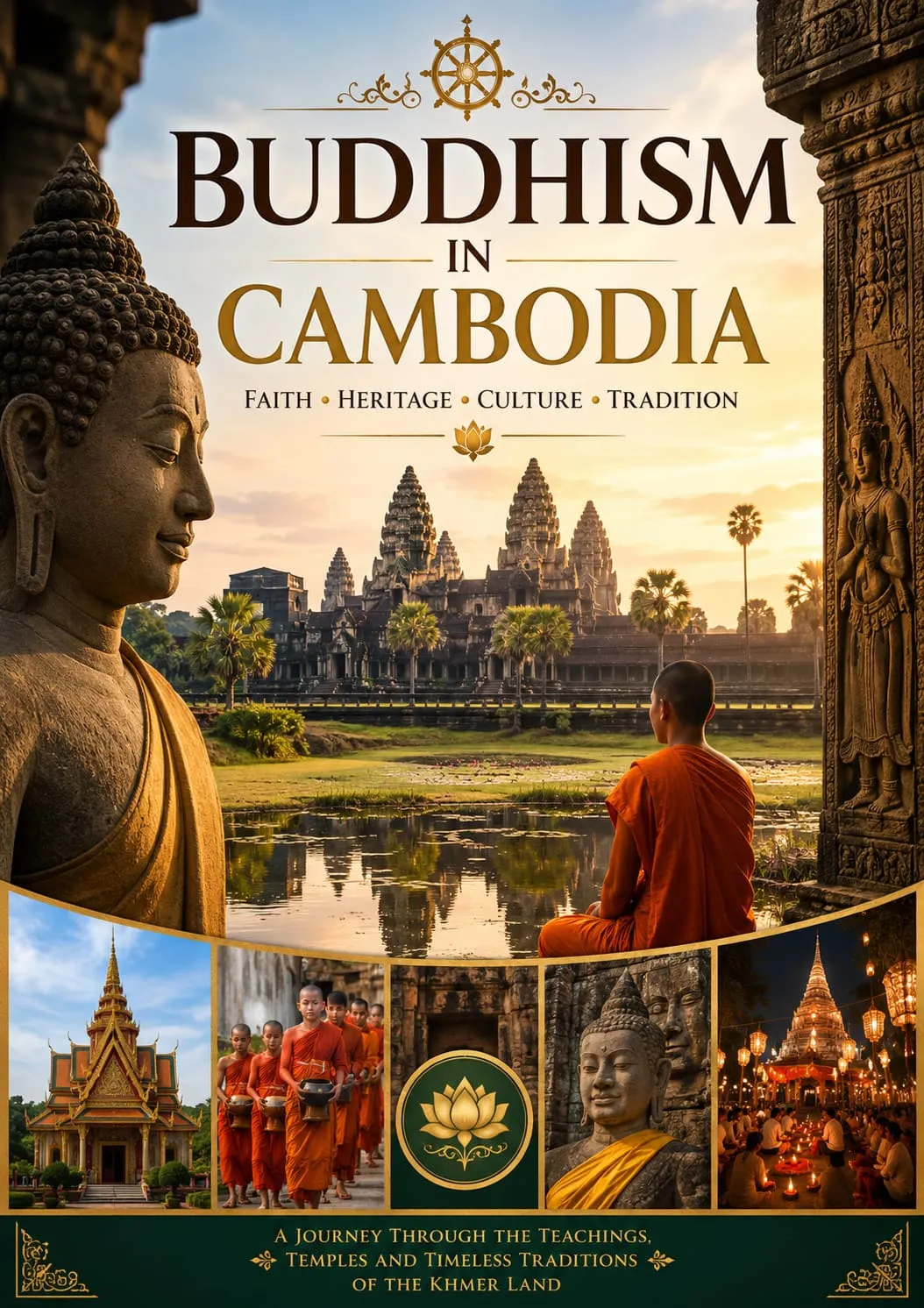
Buddhism reached Cambodia over 2,000 years ago with Indian monks and merchants, coexisting peacefully with Hinduism for centuries. A defining moment came in the late 12th century when King Jayavarman VII, after years of war, embraced Mahayana Buddhism. He shifted the focus of kingship from being a divine ruler to serving his people, building hospitals, rest houses, and the magnificent Bayon Temple, whose serene stone faces symbolize compassion. His reign marked a profound change in Cambodia's spiritual and political life.
In the centuries that followed, Theravada Buddhism, introduced from Sri Lanka and later strengthened through Thailand, gradually became the faith of the Cambodian people. Simpler and more community-centered, it took Buddhism beyond royal courts and into everyday village life. Even after the Khmer Rouge devastated thousands of temples and monasteries, the Buddhist tradition endured. Today, its spirit lives on in the morning alms offered to saffron-robed monks, the sound of temple bells at dawn, and the rituals that mark every stage of life. India introduced the teachings of the Buddha to Cambodia, but Cambodia made Buddhism an inseparable part of its own identity.
Buddhism in Cambodia: From Kings to Villages
Buddhism reached Cambodia over 2,000 years ago with Indian monks and merchants, coexisting peacefully with Hinduism for centuries. A defining moment came in the late 12th century when King Jayavarman VII, after years of war, embraced Mahayana Buddhism. He shifted the focus of kingship from being a divine ruler to serving his people, building hospitals, rest houses, and the magnificent Bayon Temple, whose serene stone faces symbolize compassion. His reign marked a profound change in Cambodia's spiritual and political life.
In the centuries that followed, Theravada Buddhism, introduced from Sri Lanka and later strengthened through Thailand, gradually became the faith of the Cambodian people. Simpler and more community-centered, it took Buddhism beyond royal courts and into everyday village life. Even after the Khmer Rouge devastated thousands of temples and monasteries, the Buddhist tradition endured. Today, its spirit lives on in the morning alms offered to saffron-robed monks, the sound of temple bells at dawn, and the rituals that mark every stage of life. India introduced the teachings of the Buddha to Cambodia, but Cambodia made Buddhism an inseparable part of its own identity.
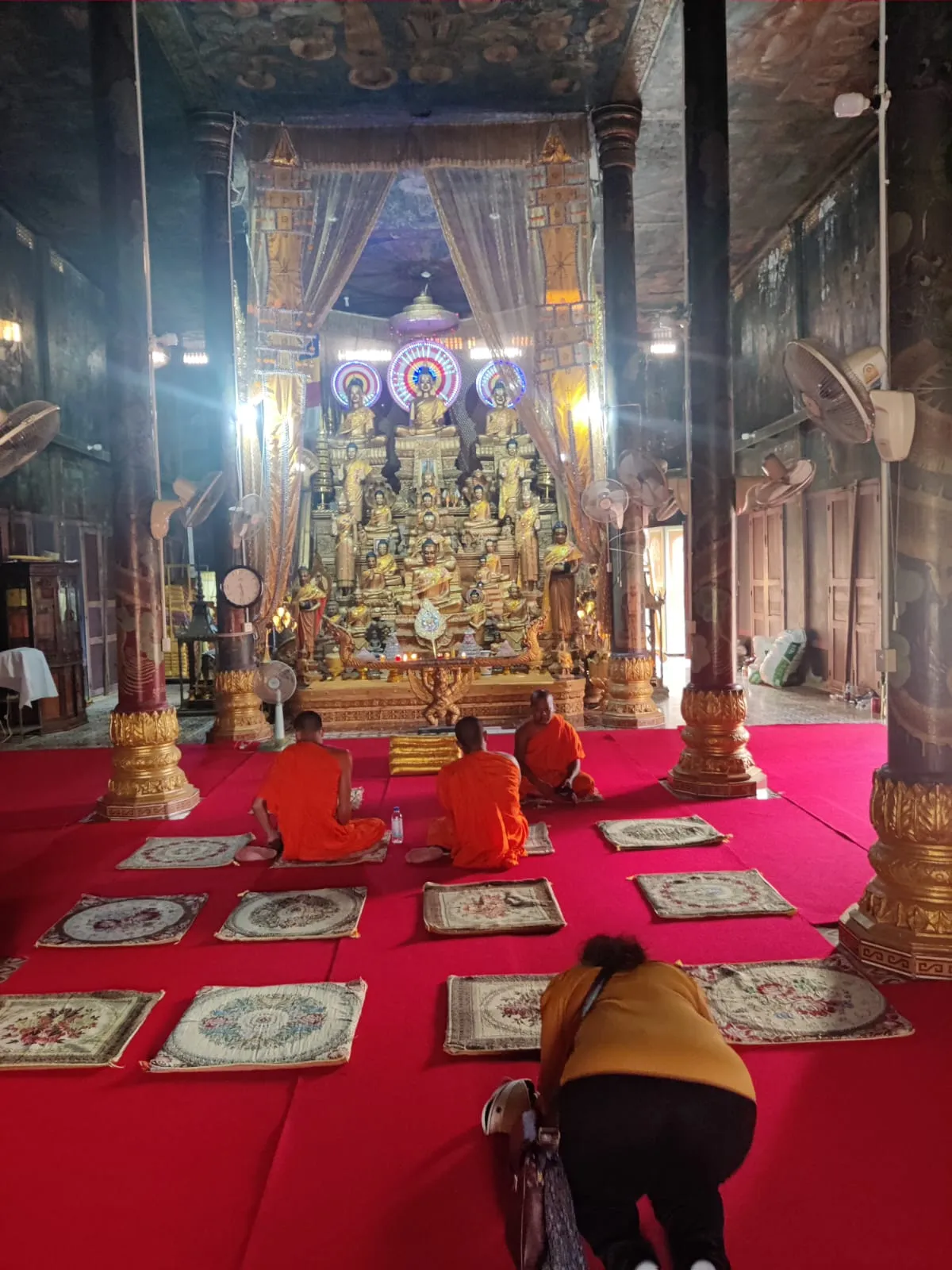
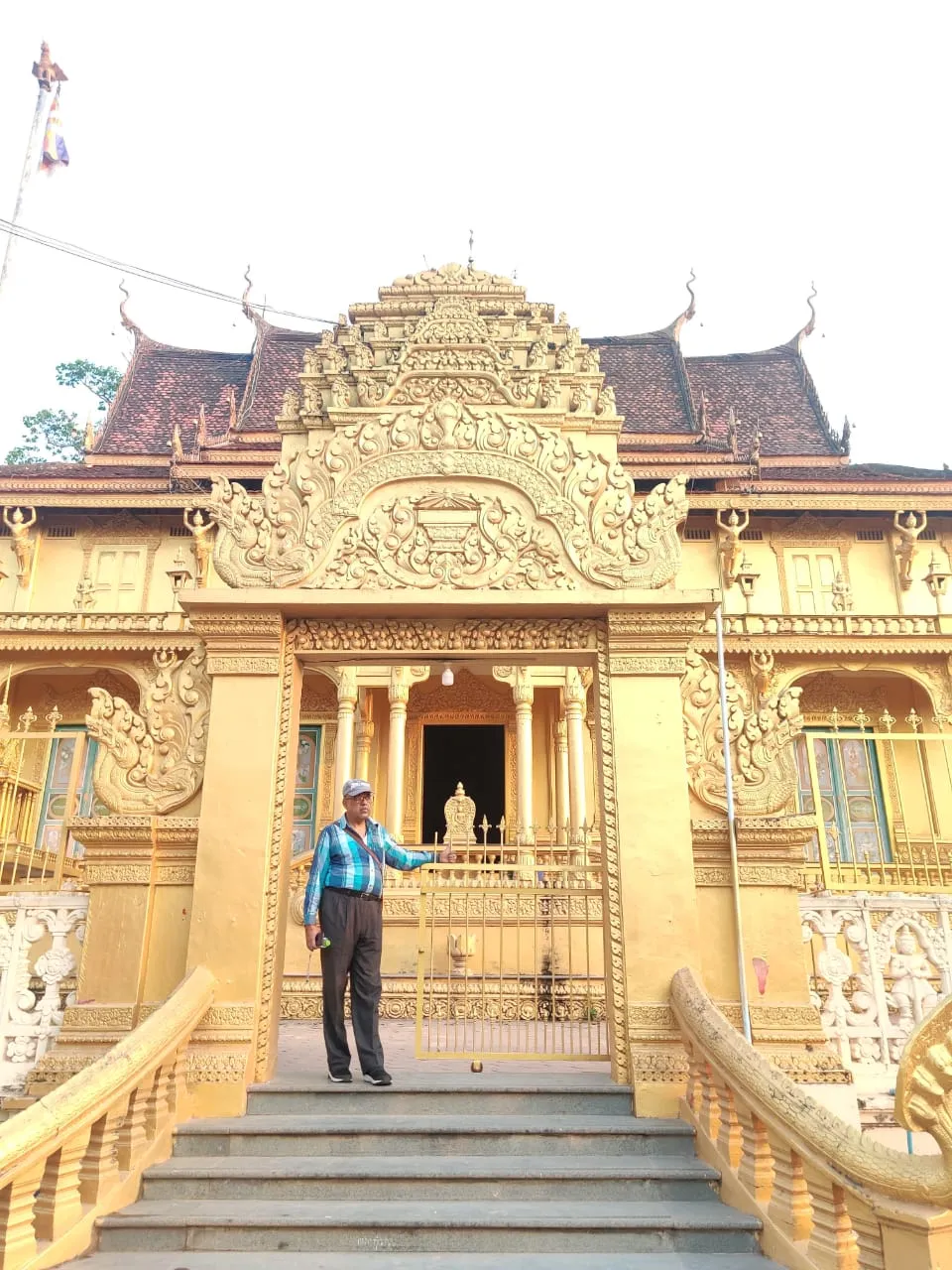
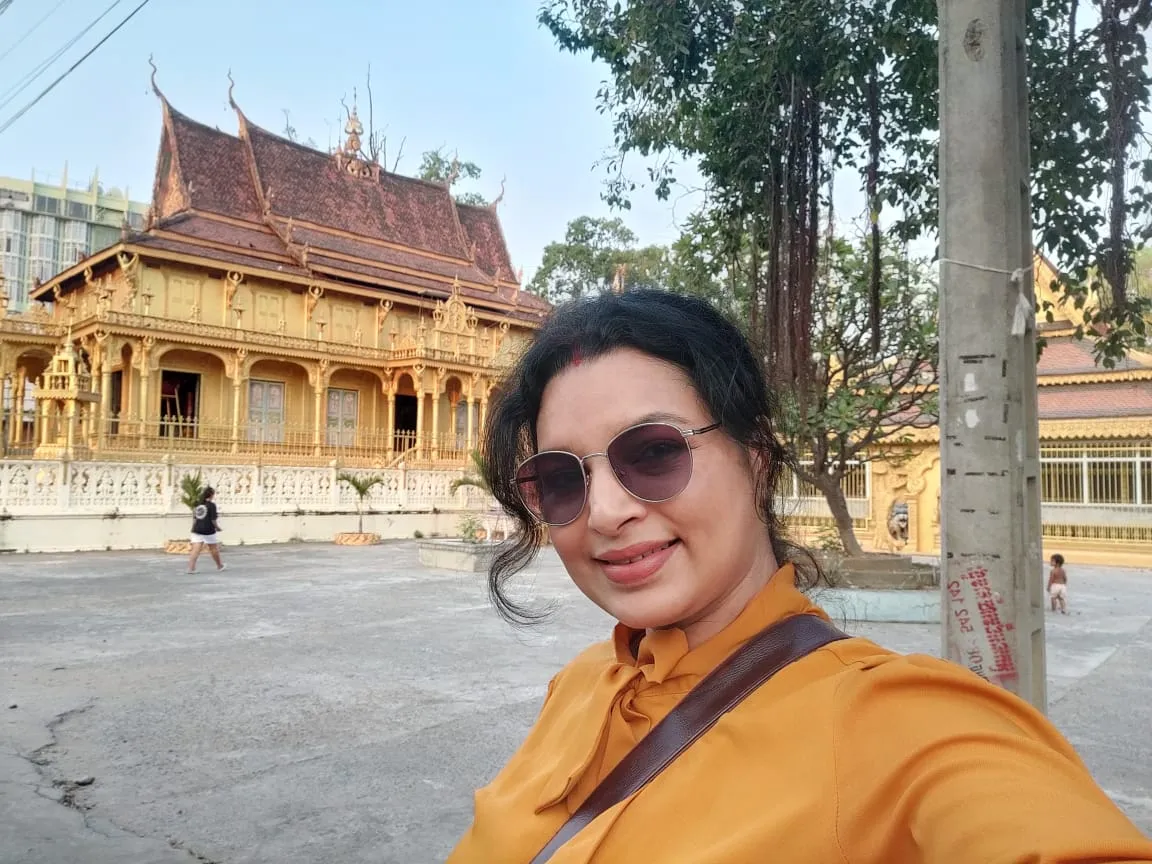
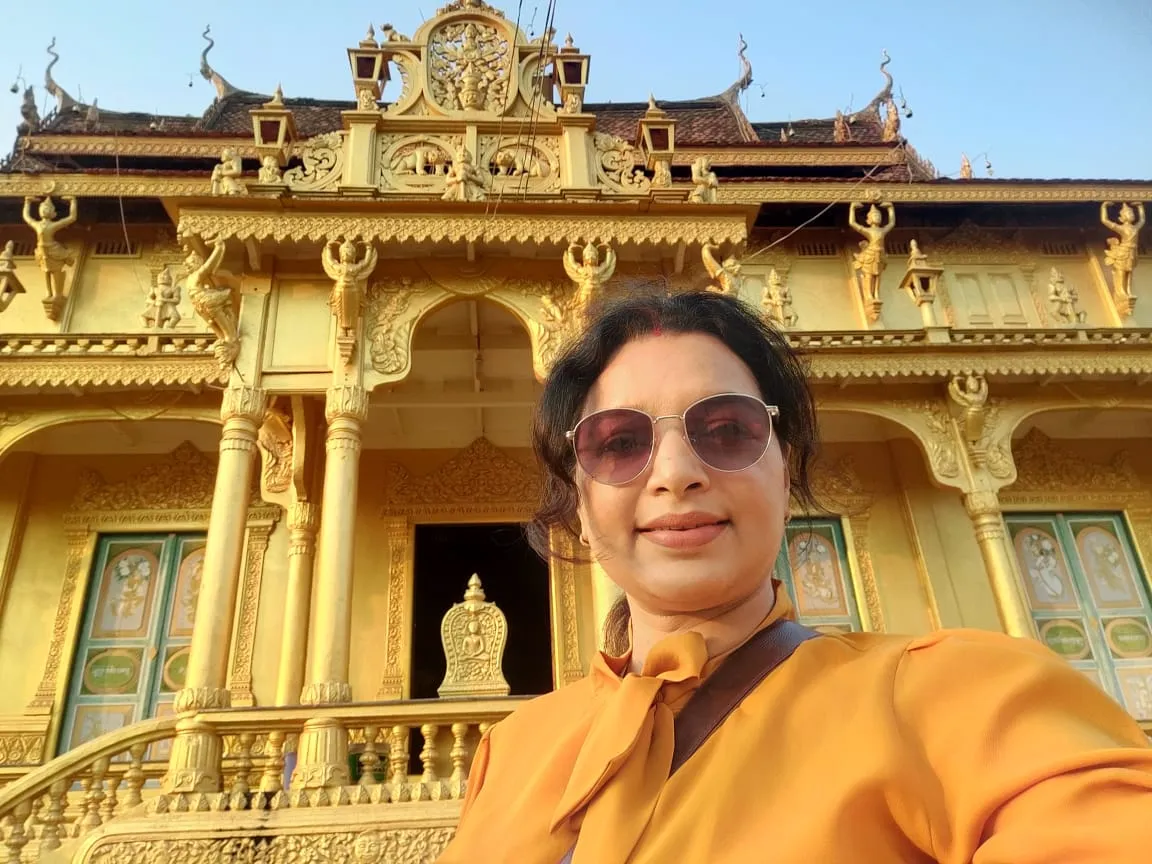
WAT KEAN KLEANG - THE GOLDEN TEMPLE
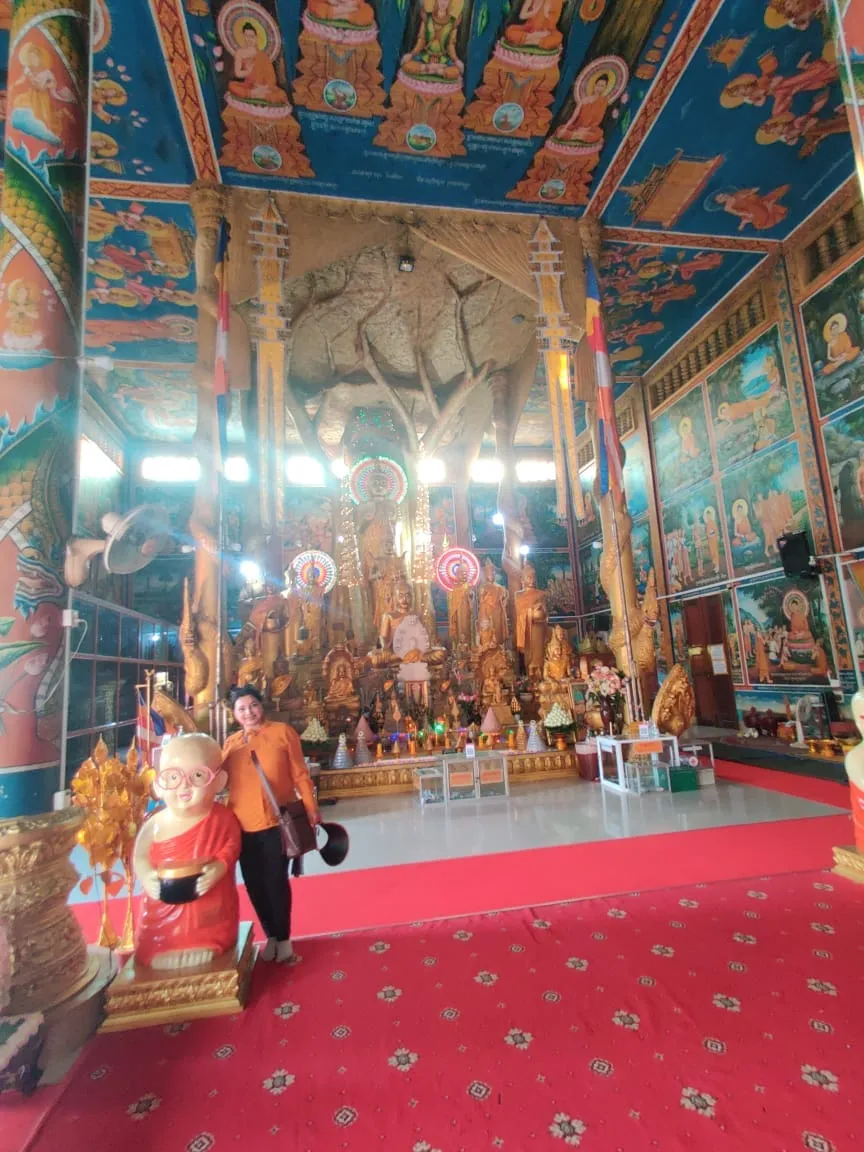
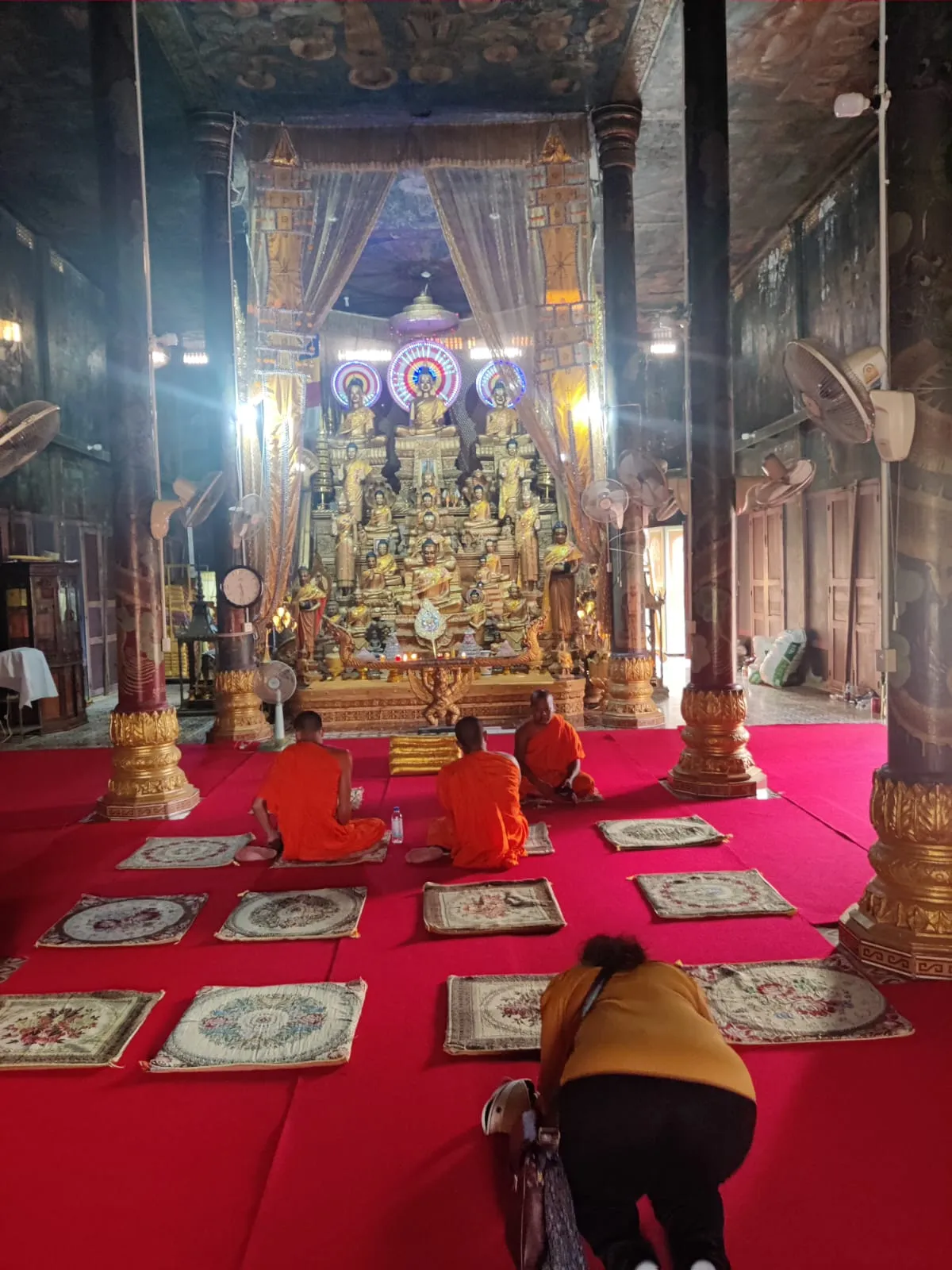
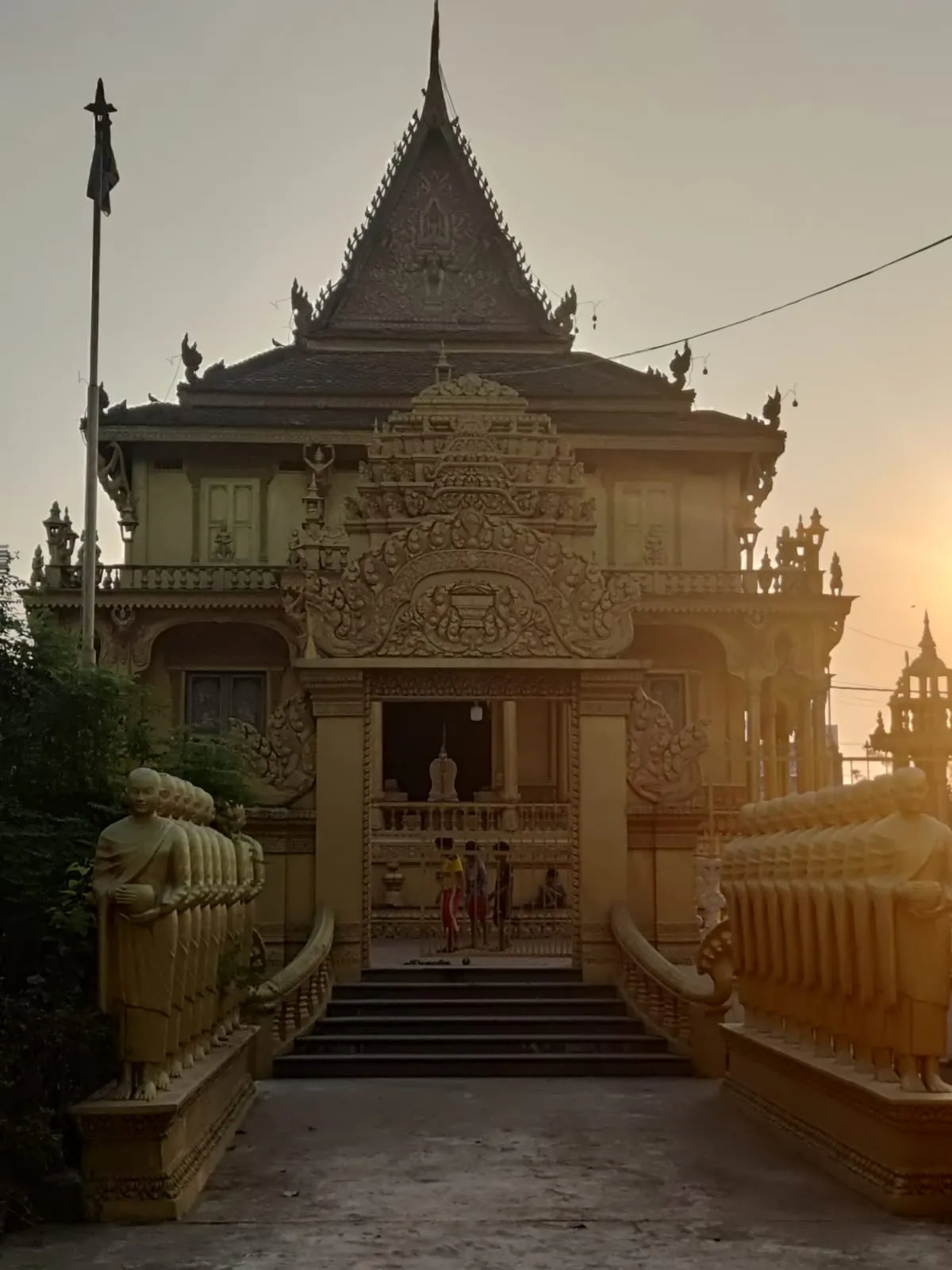
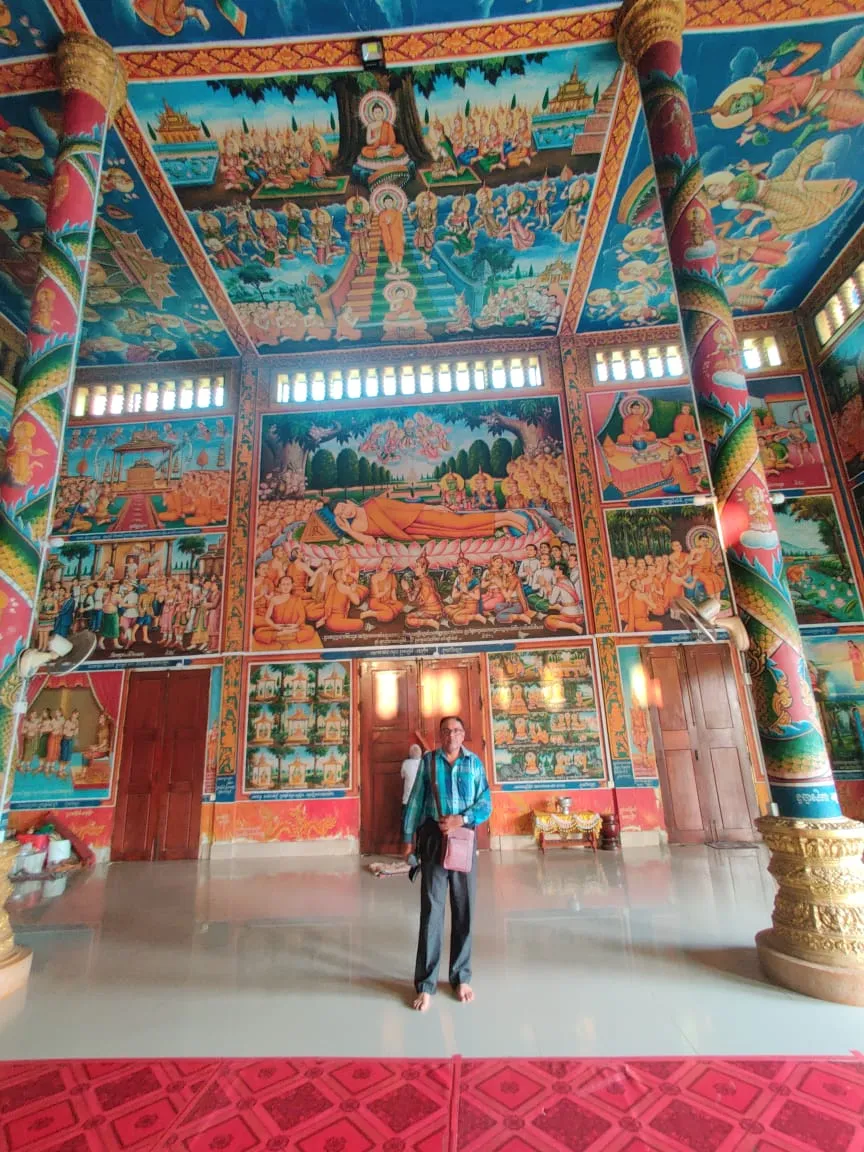
Our visit to Wat Kean Kleang—often called the Golden Temple of Phnom Penh—was a truly striking experience, especially because of its location along the calm banks of the Mekong River. The moment we arrived, the temple’s shimmering golden façade immediately caught our attention, glowing brilliantly in the sunlight and standing out as one of the most visually impressive modern Buddhist structures we saw in Cambodia. Built in a contemporary Khmer style and also known as Mongkol Serei Kien Khleang Pagoda, the temple reflects the strong presence of Theravada Buddhism in everyday Cambodian life, and the atmosphere inside was equally peaceful, with beautifully decorated prayer halls, ornate carvings, and large Buddha images that inspire quiet reflection. It felt both grand and serene at the same time—a perfect blend of spiritual devotion and architectural elegance.
Phnom Penh - Wat Phnom
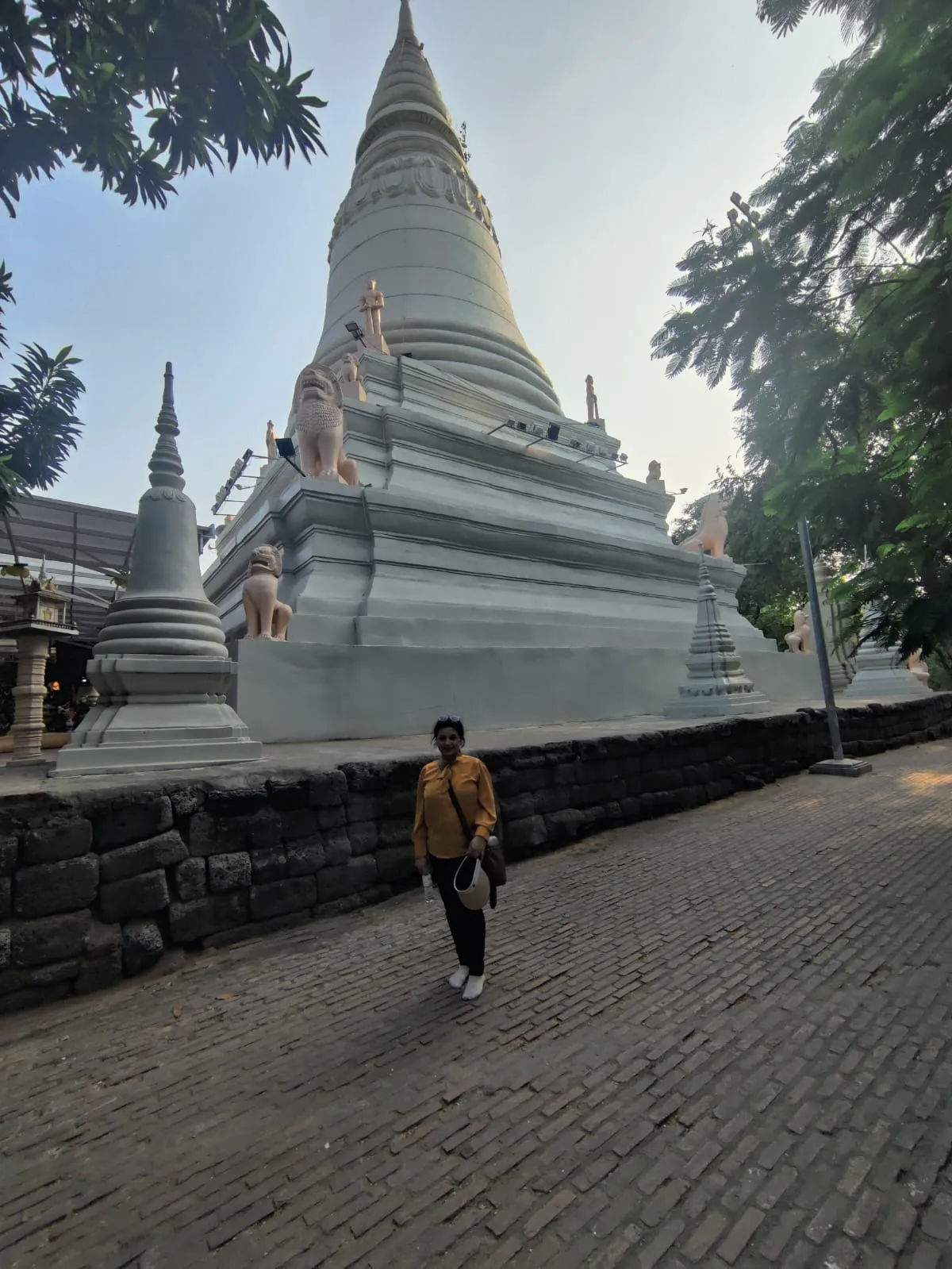
Visiting Wat Phnom felt like stepping into the spiritual heart of Phnom Penh. Perched on the city’s only hill, the peaceful temple complex offered a welcome escape from the busy streets below. The magnificent white stupa, believed to house the ashes of King Ponhea Yat, stood elegantly against the sky while the traditional Khmer lion statues guarding its base added to the sacred atmosphere. Walking slowly around the temple grounds beneath the shade of old trees, we could truly feel the deep history and spiritual significance attached to the birthplace of Cambodia’s capital.
Siem Reap - Wat Damnak
A visit to Wat Damnak in Siem Reap offered a peaceful break from the busy tourist areas of the city. The highlight was the serene statue of Buddha seated in deep meditation beneath a large sacred tree, creating an atmosphere of calm and reflection. Surrounded by quiet temple grounds and traditional Khmer architecture, the pagoda felt deeply spiritual and authentic. Sitting there for a while under the shade of the tree, listening to the gentle sounds around us, was one of the most calming experiences.
A Living Temple in the Heart of Siem Reap
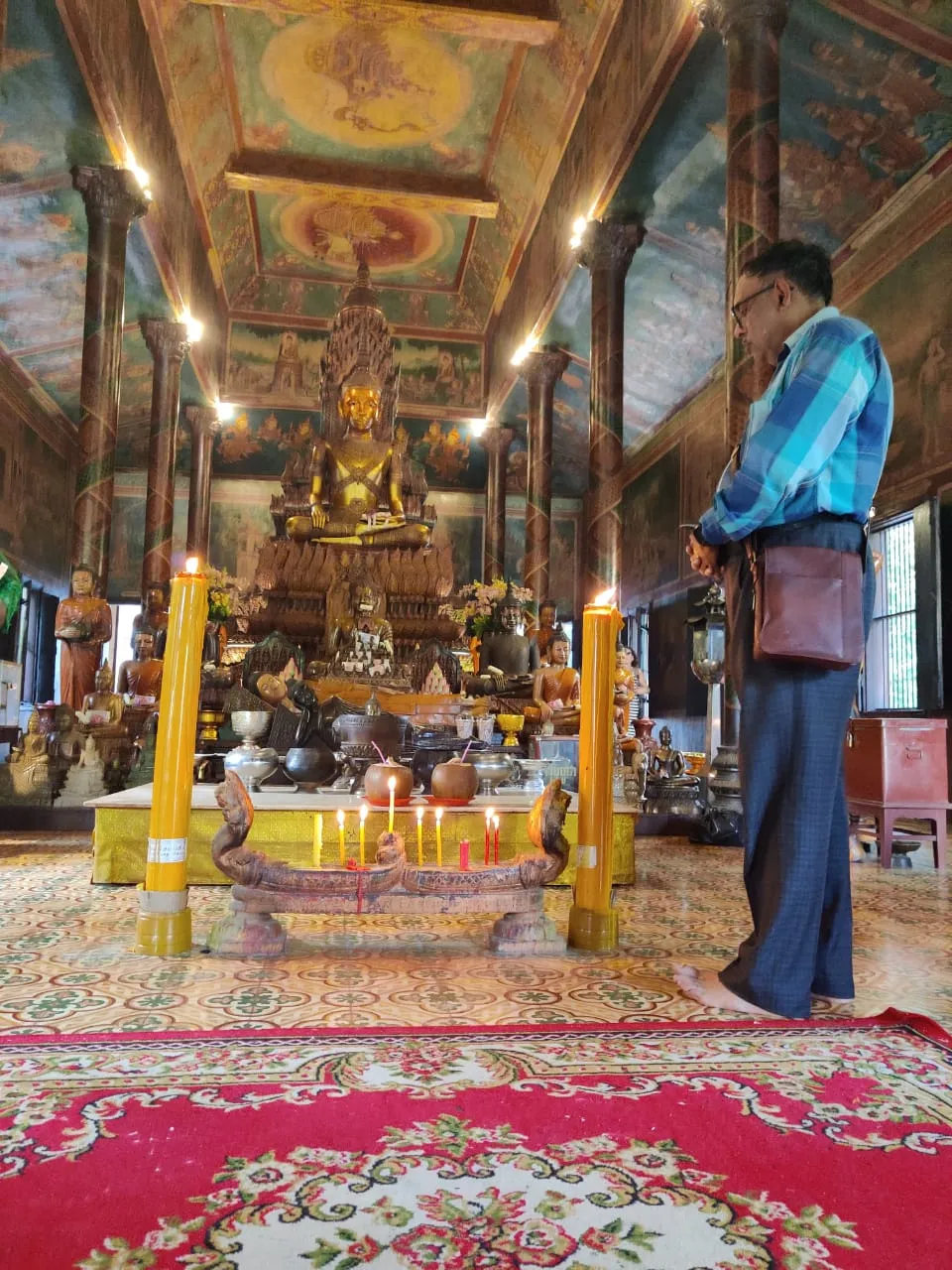
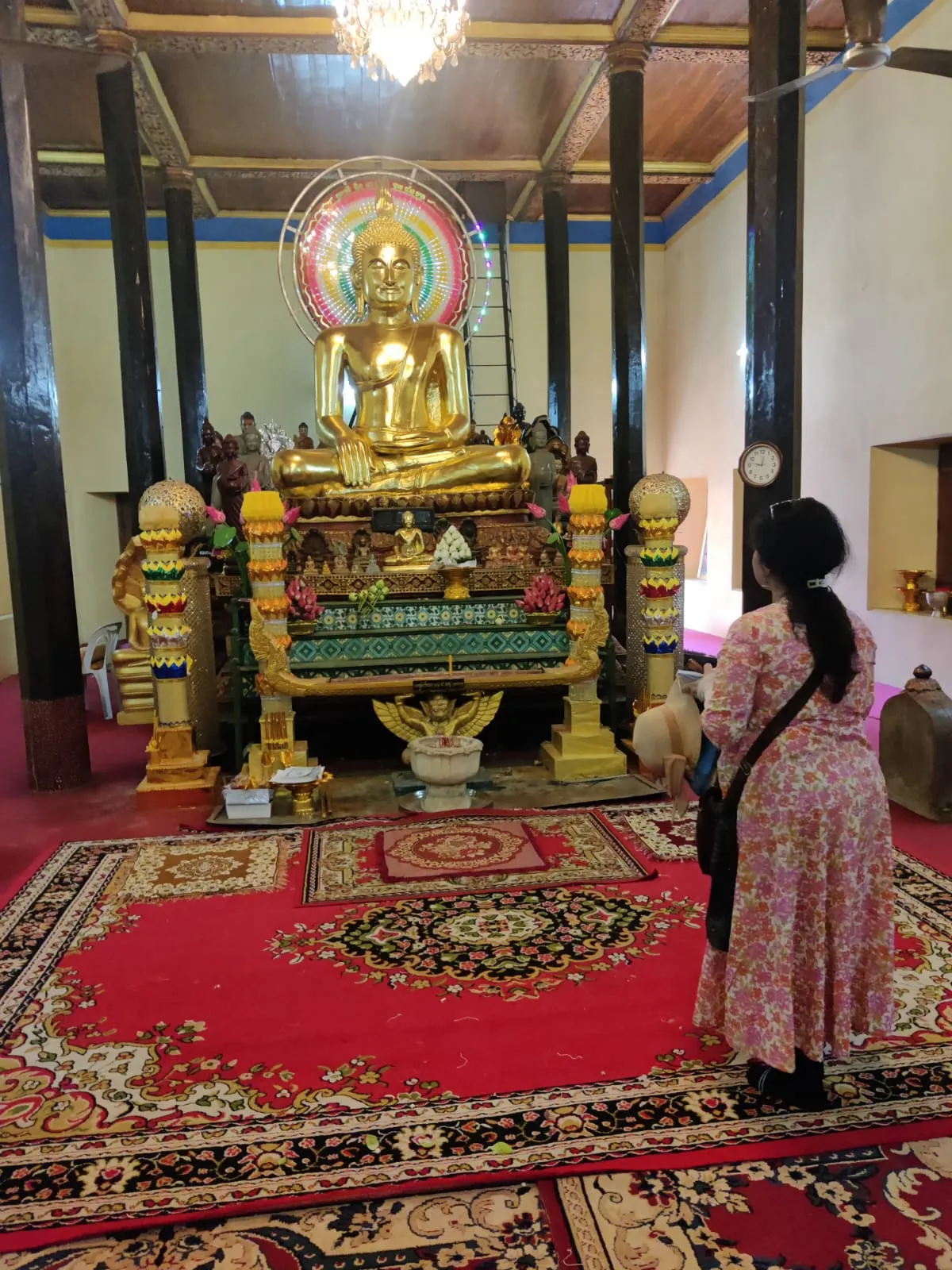
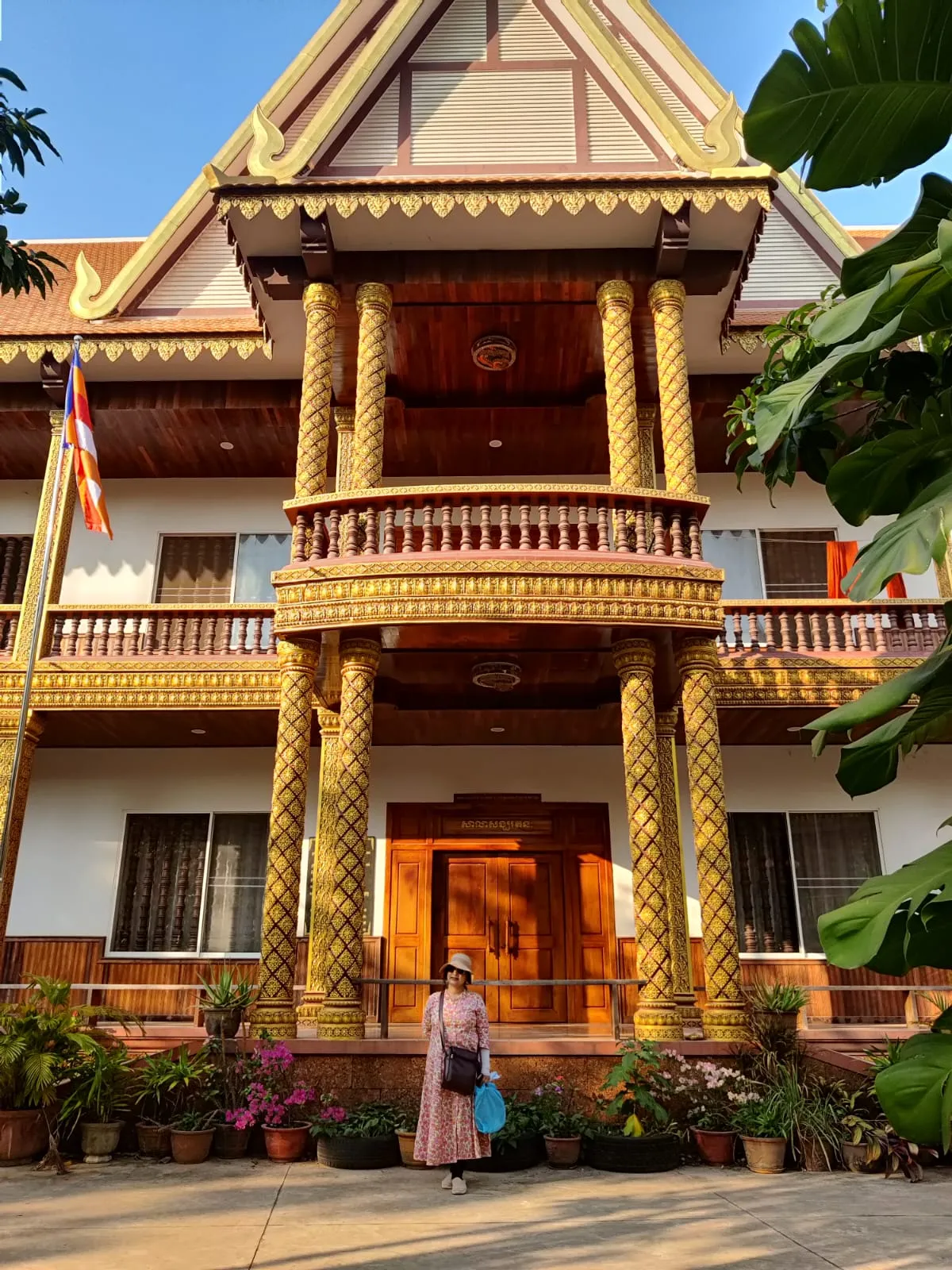
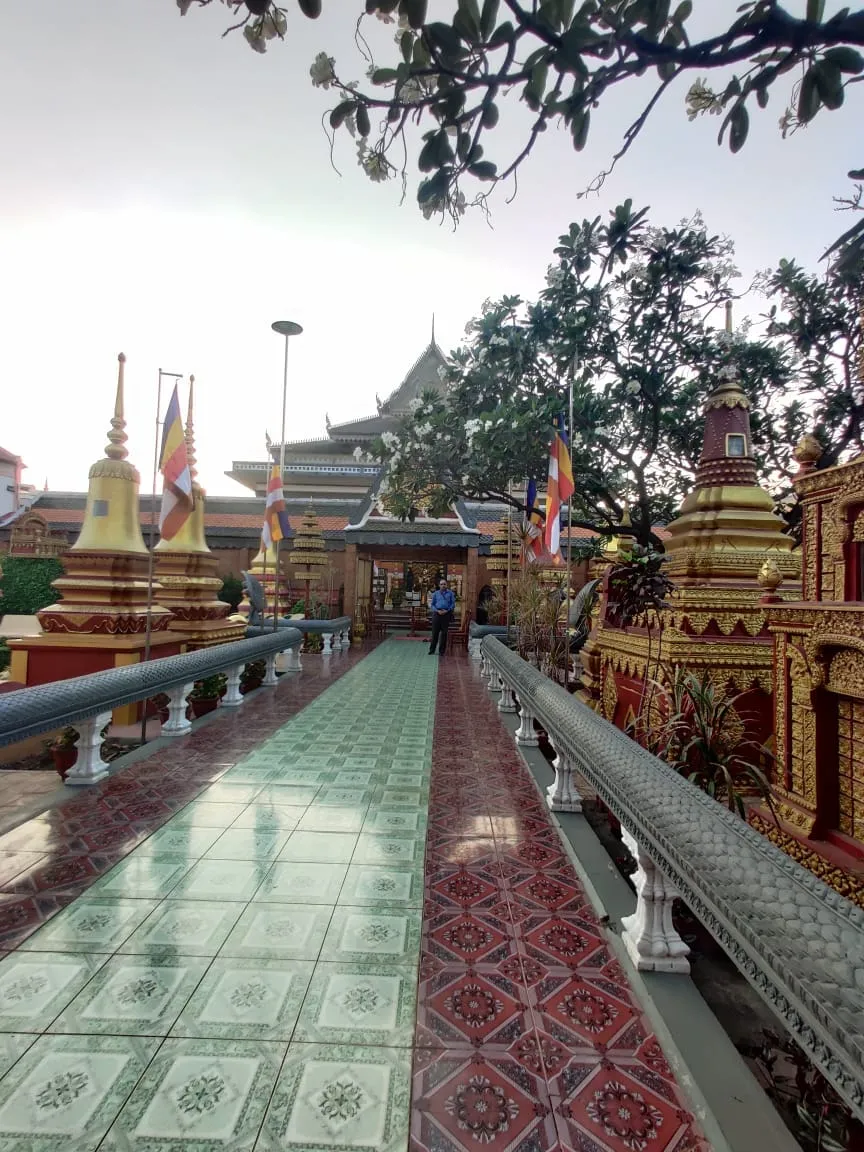
After days of exploring the ancient temples of Angkor, a visit to Wat Preah Prom Rath offered us a glimpse into Cambodia's living Buddhist tradition. One of the oldest and most revered temples in Siem Reap, it remains an active monastery where monks pray, study, and welcome devotees each day. As we admired the golden Buddha statues, colourful murals, and peaceful surroundings, we realised that Cambodia's spiritual heritage is not confined to its ancient ruins—it continues to flourish in places like this, making our visit both calming and deeply meaningful.
India's Profound Influence
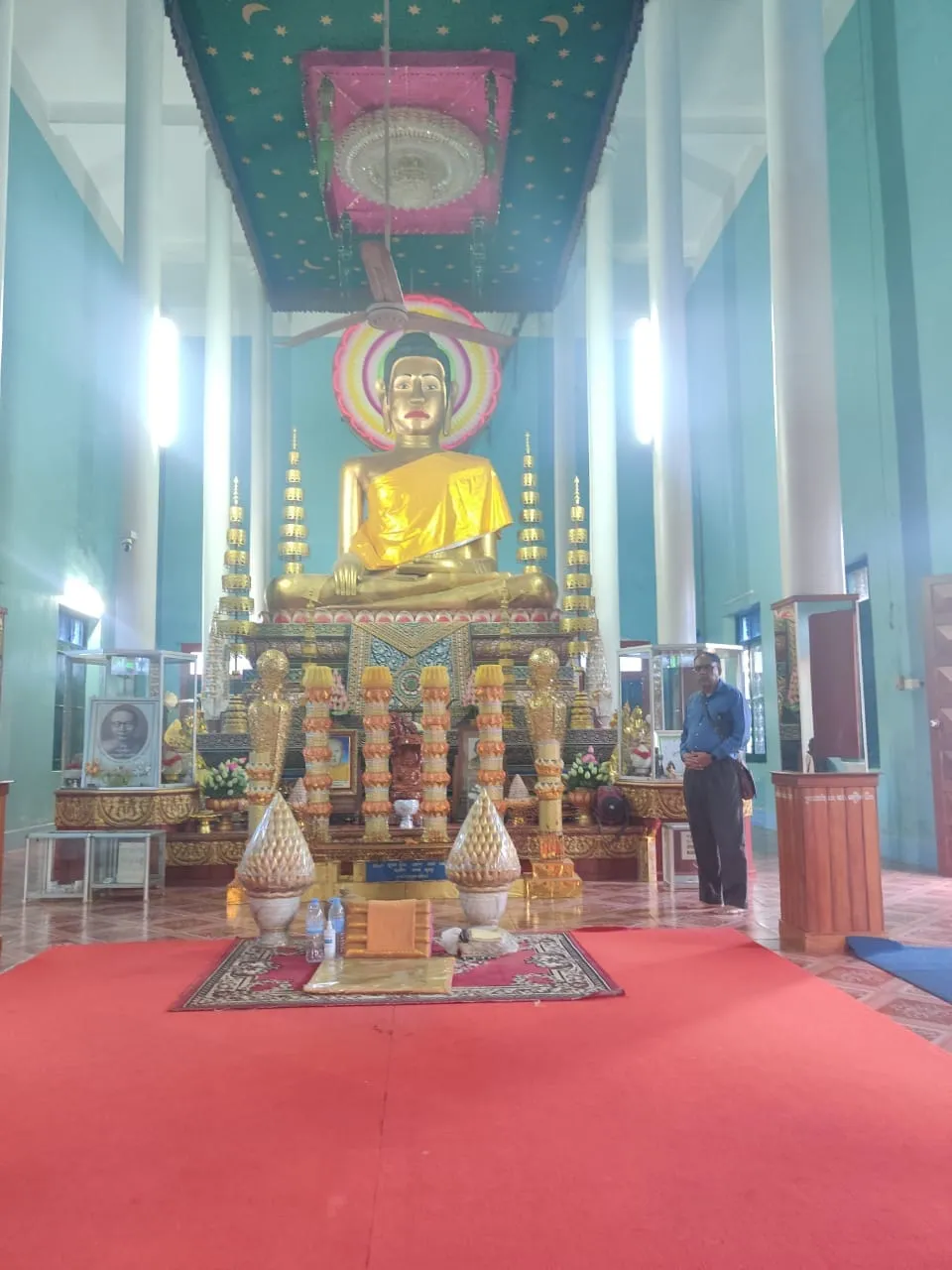
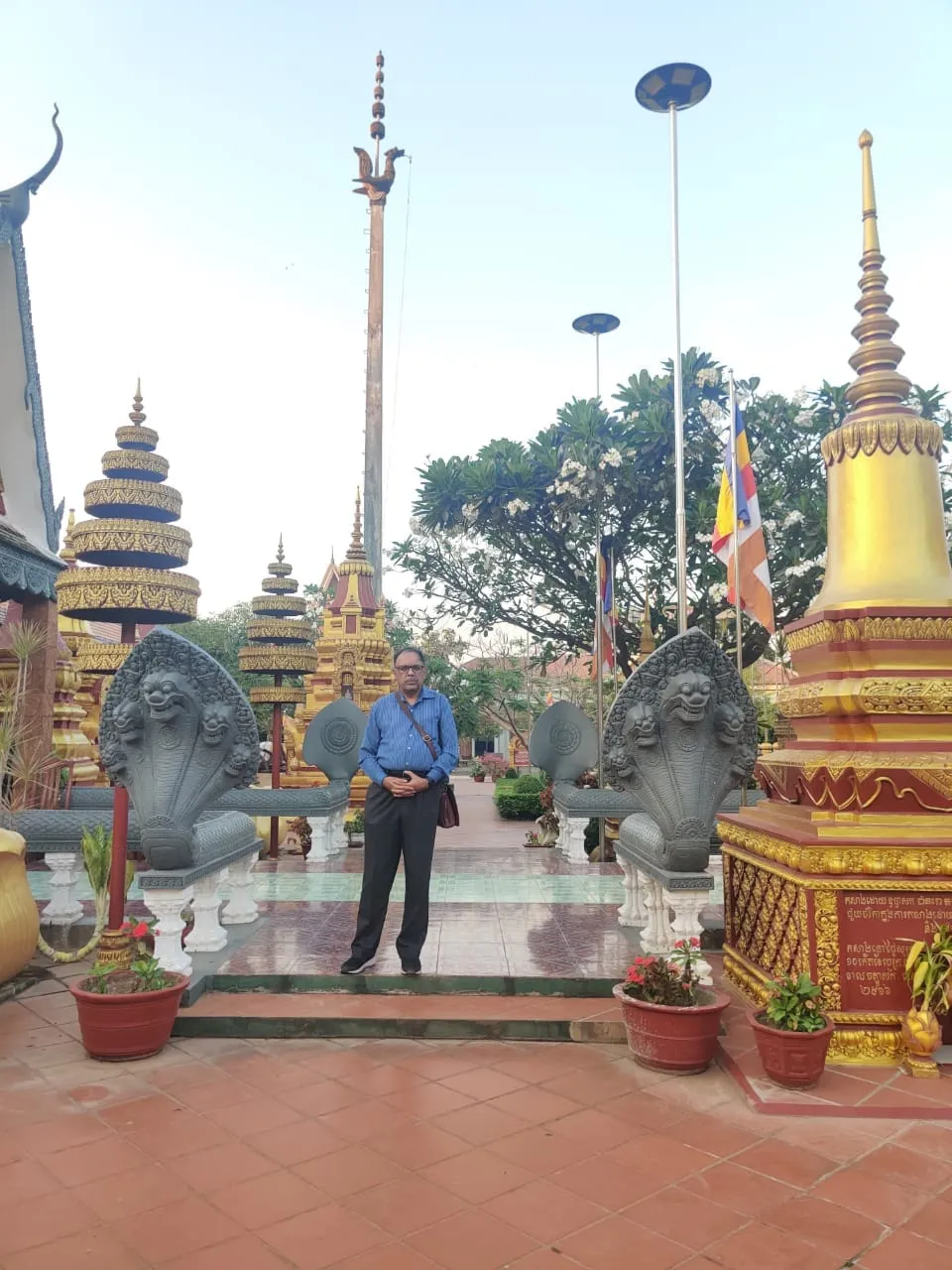
The spread of Buddhism from India profoundly shaped Cambodian culture, philosophy, education, art, and daily life. Even today, saffron-robed monks, Buddhist monasteries, prayer rituals, and sacred festivals remain central to Cambodian identity. The spiritual and cultural links between India and Cambodia continue to be visible in Khmer art, temple traditions, mythology, and religious practices, reflecting one of history’s most enduring examples of peaceful cultural exchange across Asia.
NAVIGATE CAMBODIA