
LITTLE INDIA, PENANG, MALAYSIA
The Rhythm and Colours of Indian Culture in Southeast Asia
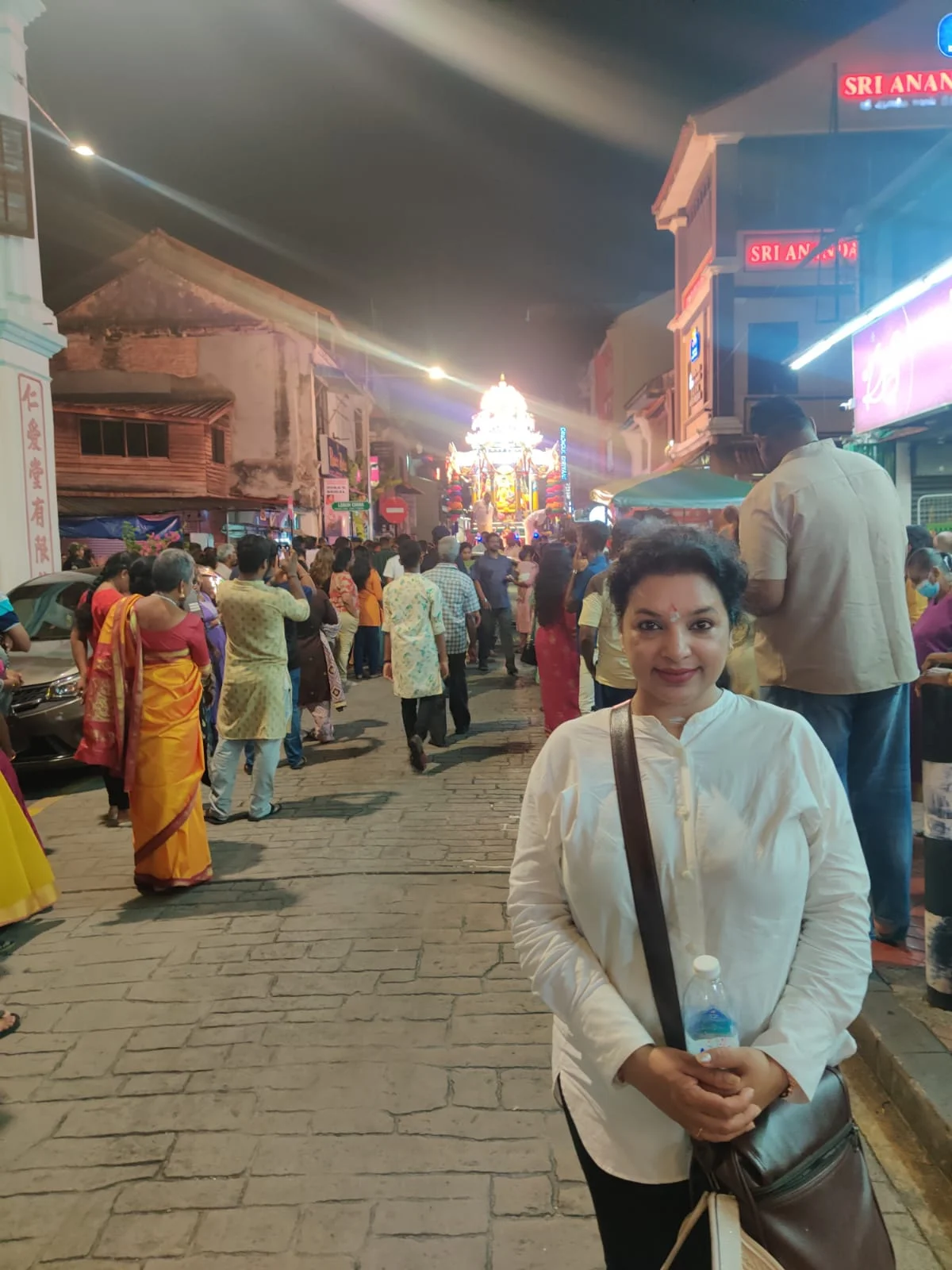
Lebuh Pasar at Night: Walking through the vibrant, narrow streets of Little India amidst traditional shops and festival energy
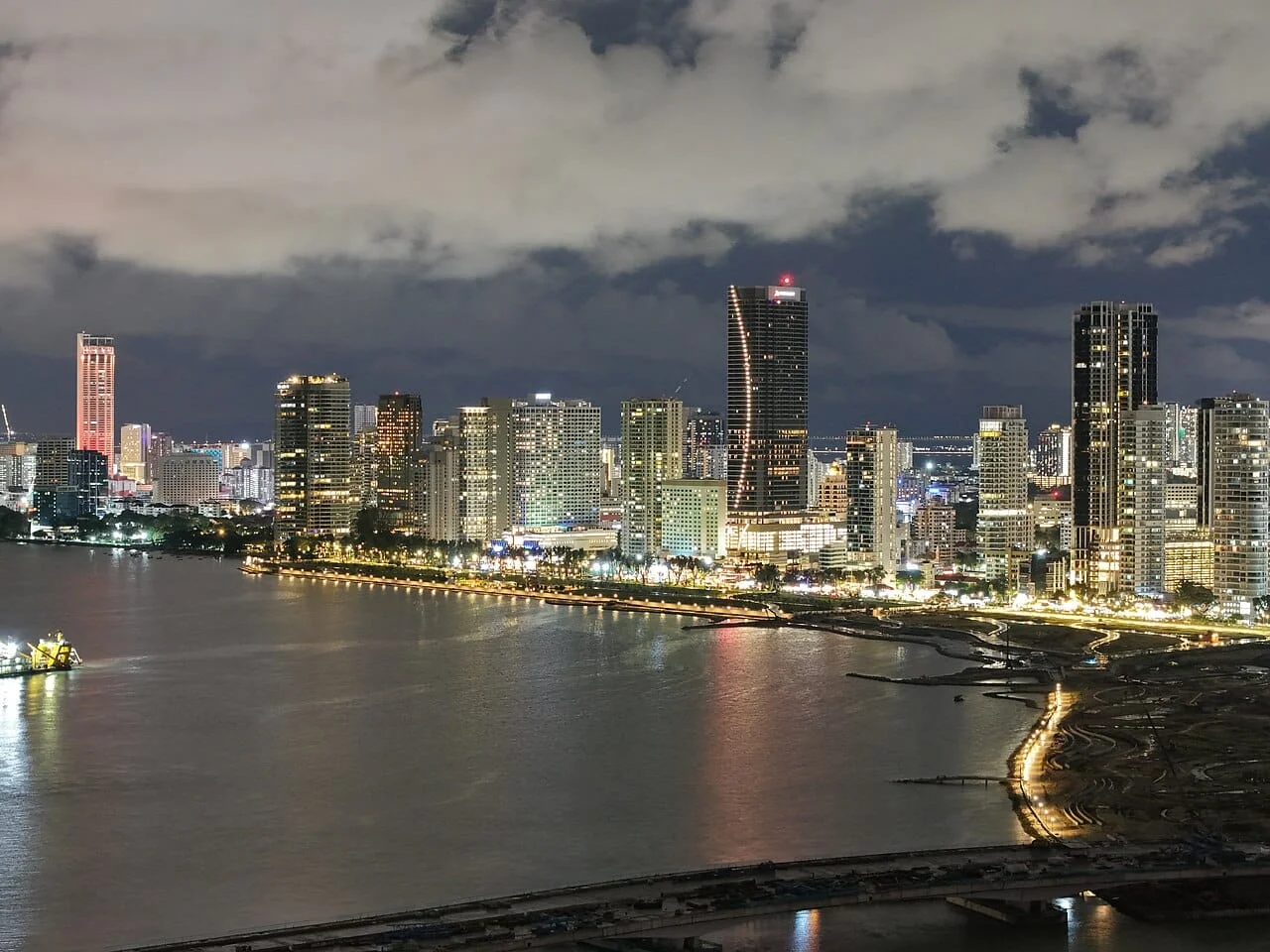
Penang Waterfront at Night: The historic island where Indian Ocean trade routes converged with Southeast Asia
Little India, Penang: A Vibrant Cultural Experience
Nestled in the historic streets of George Town, Little India is a vibrant reflection of Indian culture and heritage in Malaysia. Filled with the aroma of Indian spices, the sounds of Bollywood music, colourful sari shops, and traditional restaurants, the area offers visitors a lively glimpse into the enduring Indian influence in Southeast Asia.
Walking through its narrow streets feels like stepping into a miniature India amidst the multicultural charm of Penang. The colourful storefronts, traditional sweets, fragrant jasmine garlands, and familiar flavours create an atmosphere that feels both lively and welcoming.
For us, Little India was more than a shopping district. It was a place where Indian traditions continued to thrive thousands of kilometres from their geographical origins, preserved through everyday life, religious practices, food, music, and community celebrations.
“Walking through its narrow streets feels like stepping into a miniature India amidst the multicultural charm of Penang — where traditions continued to thrive thousands of kilometres from their geographical origins.”
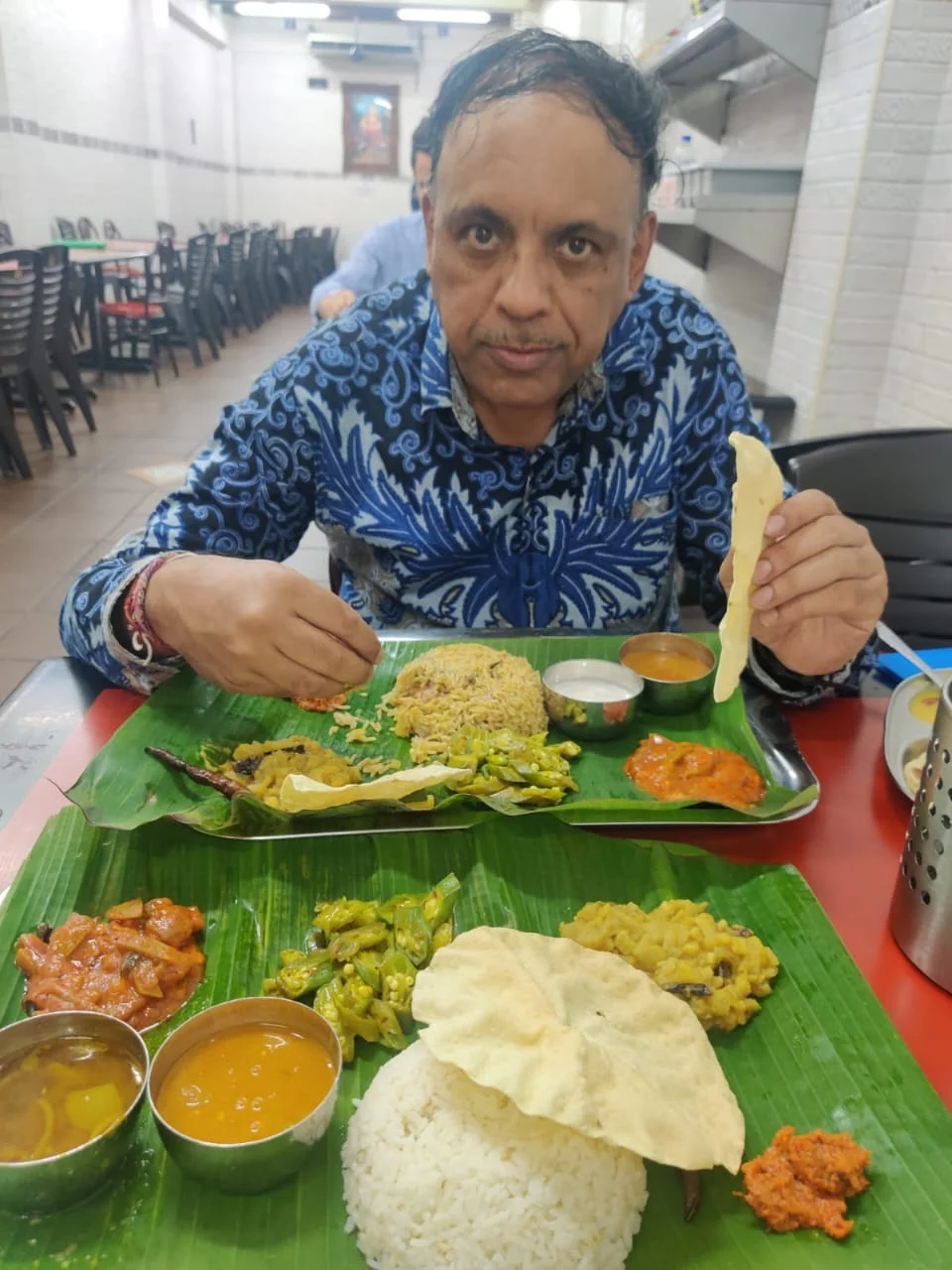
Traditional Banana Leaf Feast: Savoring authentic South Indian biryani, rasam, and curries in Little India's traditional eateries
A Little Piece of India in Penang
During our visit to Penang, we were fortunate to witness a temple procession in Little India, with the local Indian community coming together in devotion and celebration.
The beautifully decorated rath, or ceremonial chariot, moved through the streets amid prayers, music, and gatherings of devotees. The atmosphere was filled with religious enthusiasm, as families and community members participated in the procession and offered their prayers.
We, too, joined the gathering and paid our respects to the sacred chariot.
Standing there, thousands of kilometres from India, I was deeply touched to see our traditions, faith, and cultural heritage being preserved so vibrantly by the Indian diaspora.
It was a moving reminder that cultural identity is not defined solely by geography. Through religious festivals, community gatherings, and shared traditions, people continue to maintain a strong connection with their ancestral heritage, even across generations and continents.
For us, witnessing the procession was one of the most meaningful moments of our time in Penang.
Cultural identity is not defined solely by geography. Through religious festivals, community gatherings, and shared traditions, people continue to maintain a strong connection with their ancestral heritage, even across generations and continents.
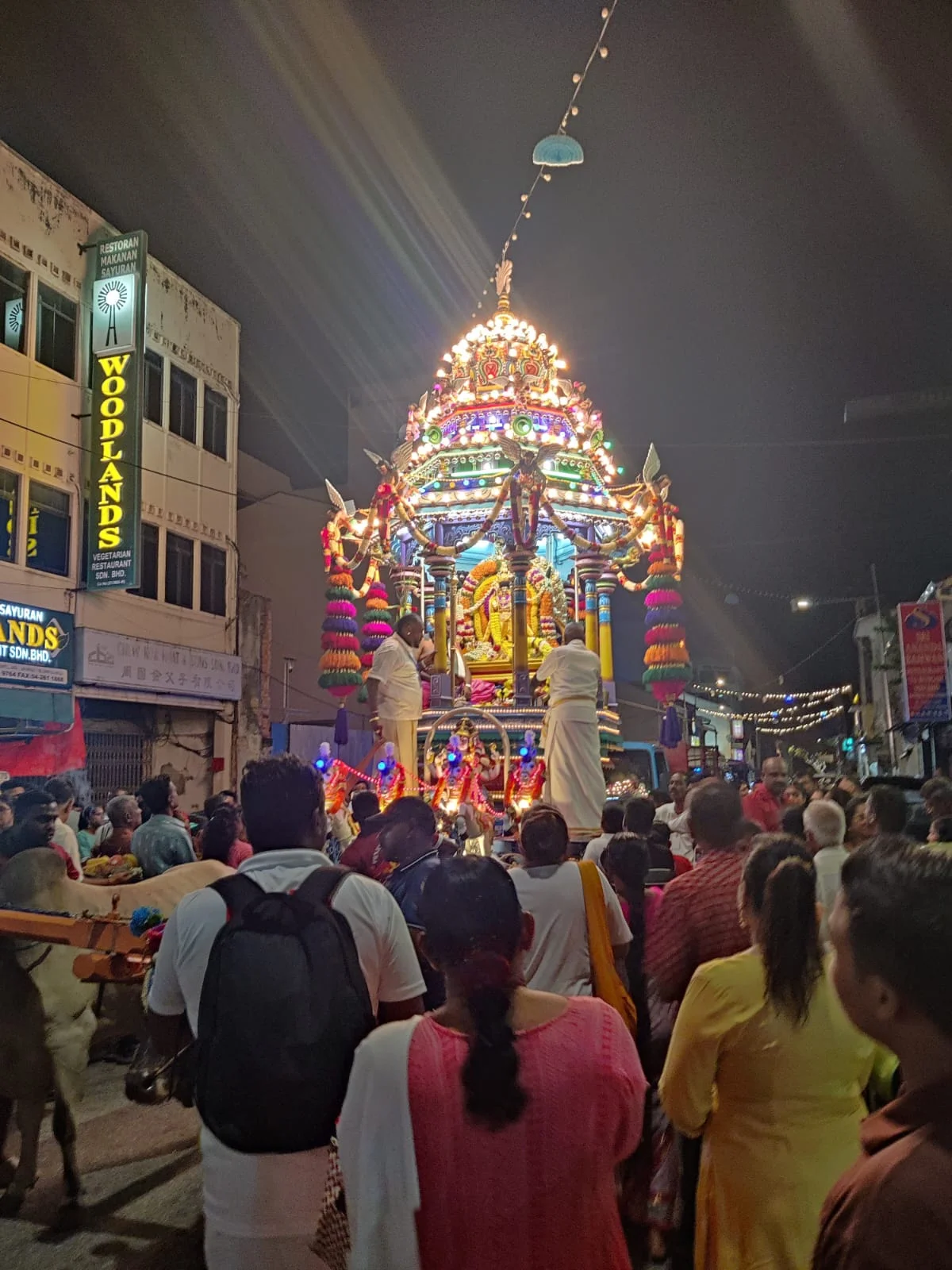
The Ceremonial Rath: The illuminated chariot moving through the crowded streets of Little India amid prayers and gatherings of devotees
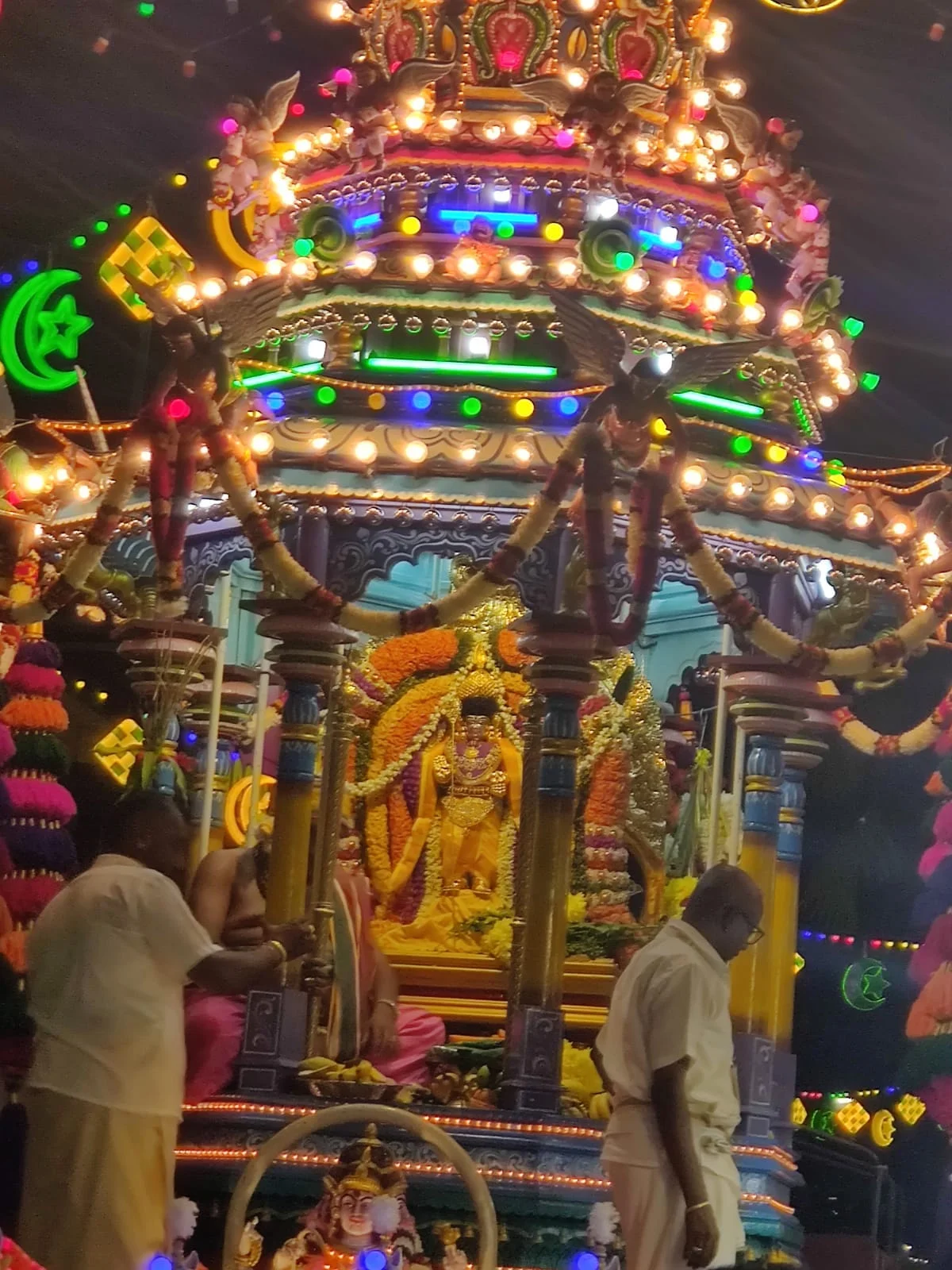
Lord Murugan Enshrined: The golden deity adorned with fresh marigold garlands and sacred lamps atop the ceremonial chariot
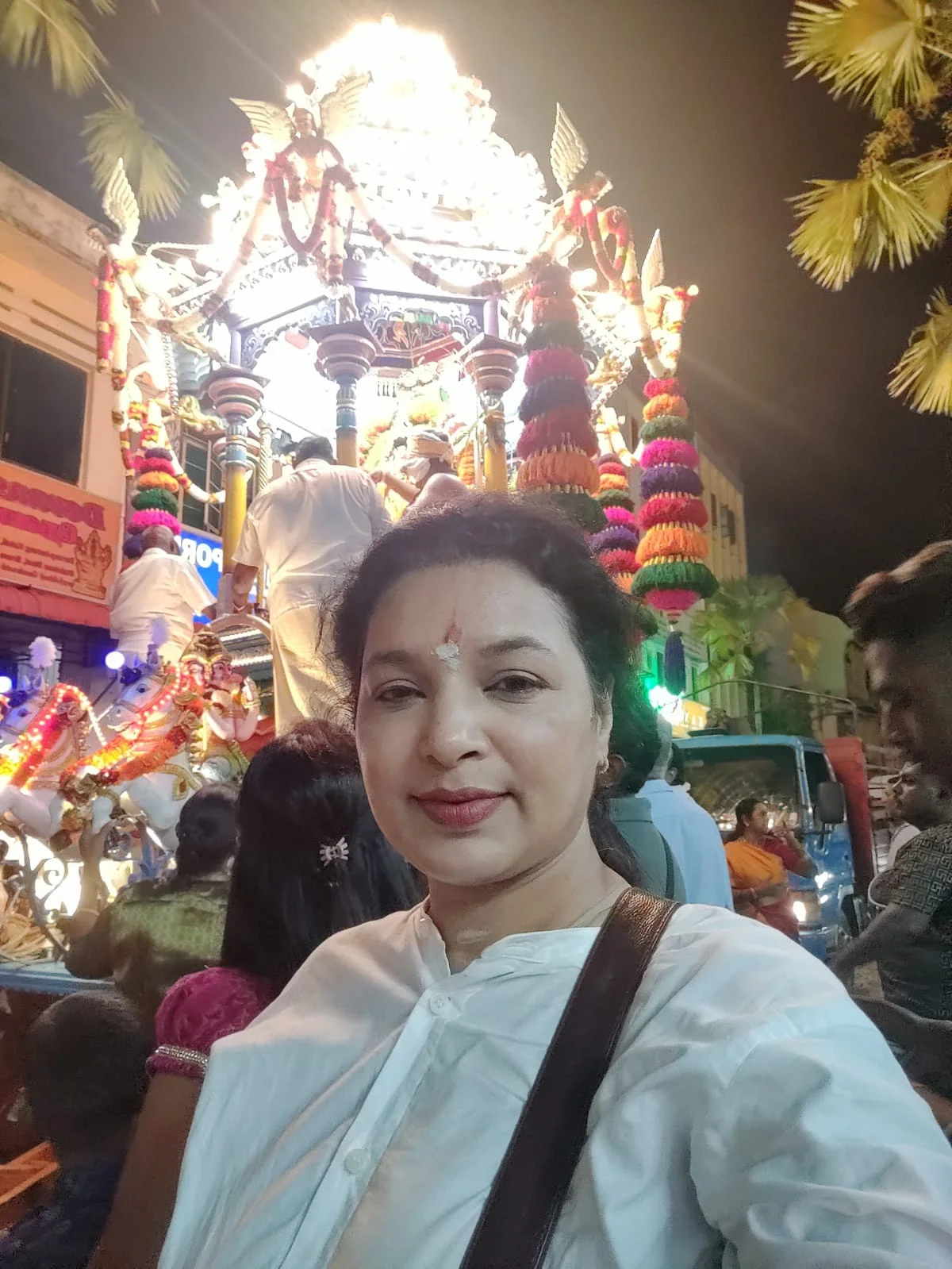
Joining the Gathering: Paying respects to the sacred chariot alongside the local Indian community in Little India
Penang Hill: A Journey into the Past
From Little India, we took a day trip to Penang Hill, travelling up its steep slopes on the famous funicular railway.
The journey offered beautiful views of the surrounding greenery and the historic city below. At the top, we visited Sri Aruloli Thirumurugan Temple, also known as the Penang Hill Hindu Temple, an important place of worship surrounded by lush vegetation.
The peaceful setting of the temple created a striking contrast with the busy streets of George Town.
As we explored the hill, we also came across old buildings and remnants of the British colonial presence. These structures immediately reminded me of the hill stations the British developed across India, including Shimla, Mussoorie, Nainital, and Ooty, where they sought relief from the oppressive summer heat of the plains.
Penang Hill evoked a similar colonial story, but in a distinctly Malaysian setting.
The combination of natural beauty, religious heritage, and colonial history made the excursion particularly memorable. It offered us another perspective on how different cultures and historical influences have shaped Penang over the centuries.
Remnants of British colonial architecture on Penang Hill mirror the high-altitude retreats established across the Indian subcontinent:
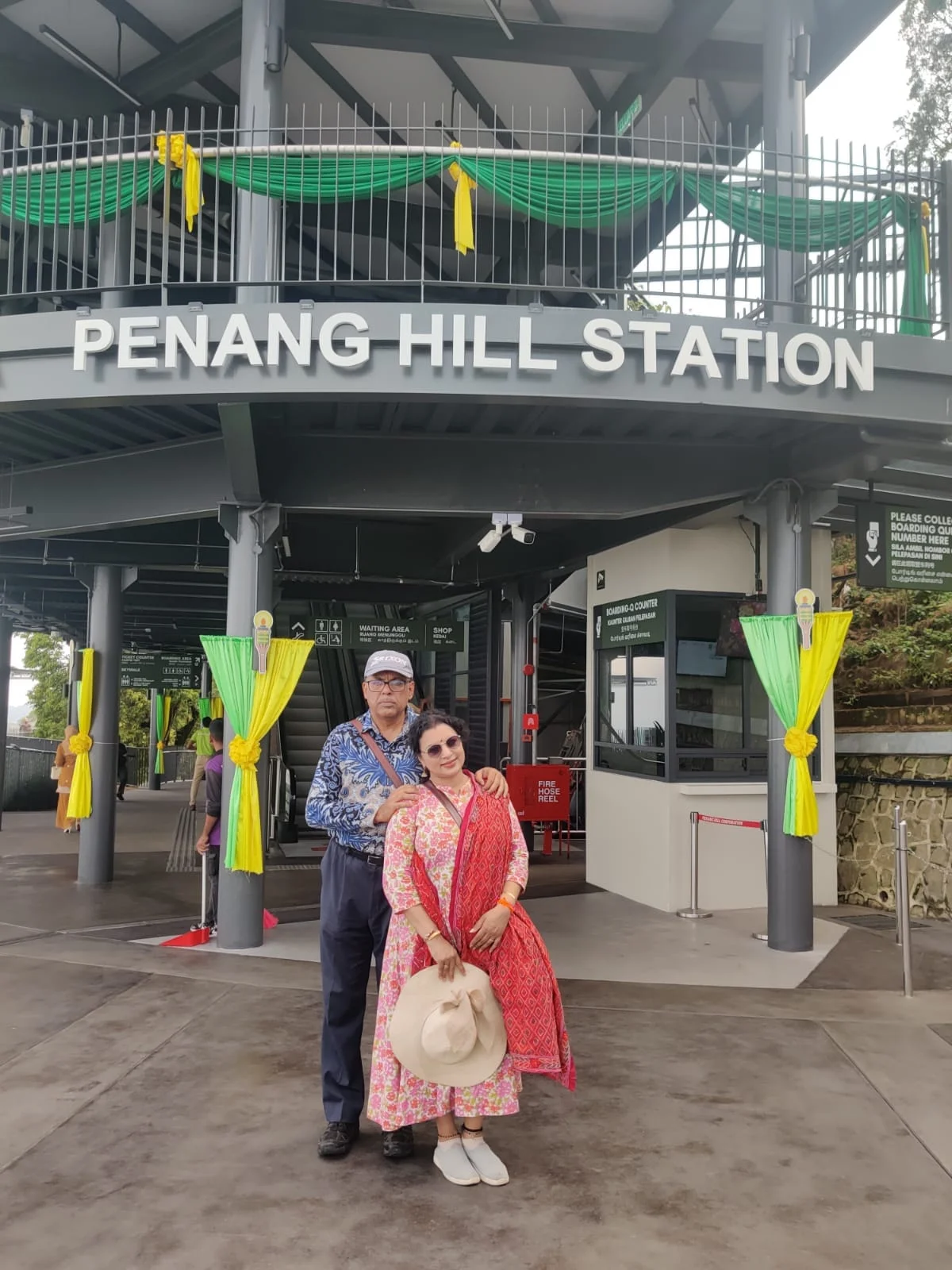
Penang Hill Funicular Station: Travelling up the steep slopes on the famous funicular railway
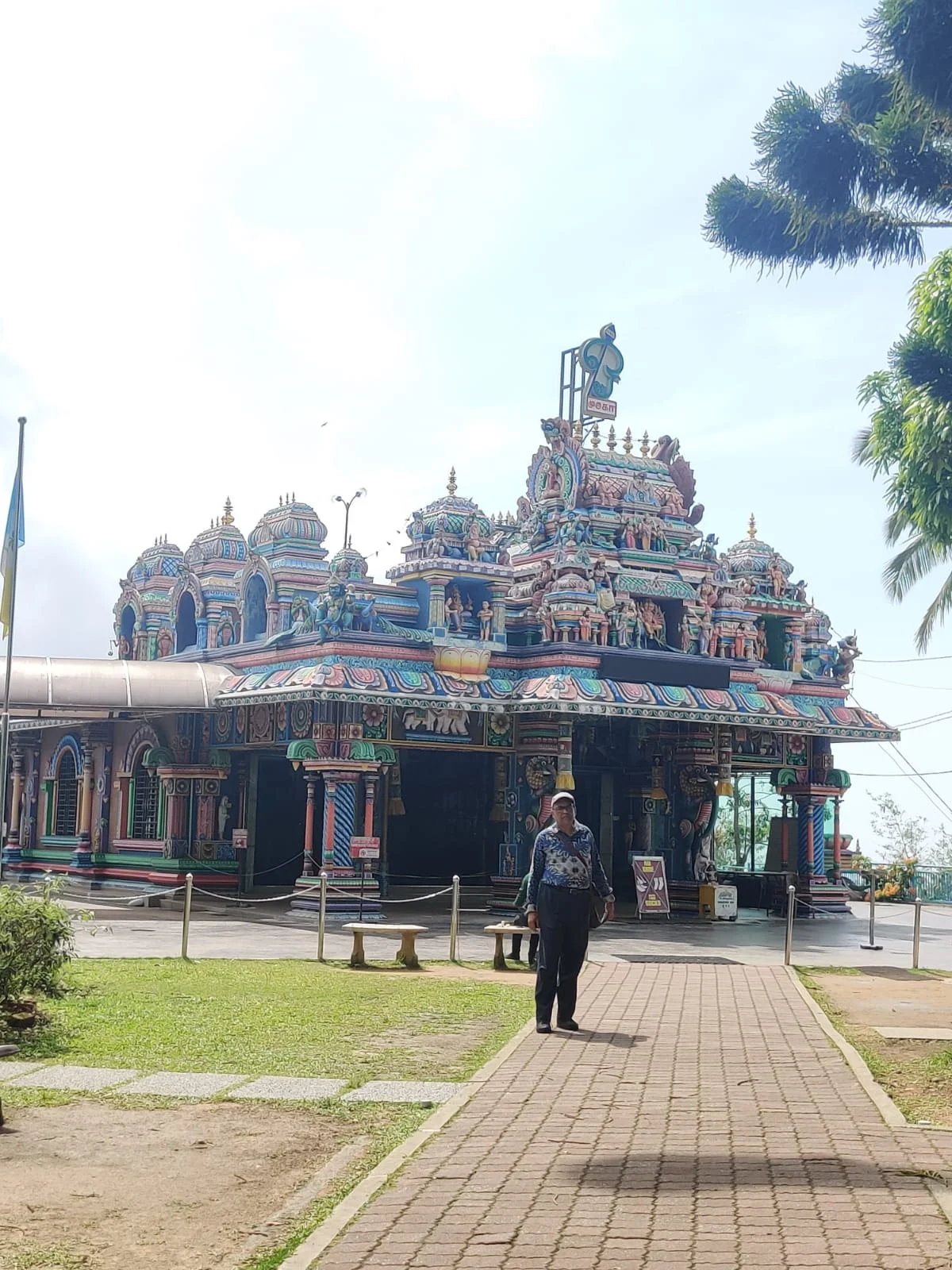
Sri Aruloli Thirumurugan Temple: The peaceful hilltop Hindu sanctuary surrounded by lush tropical vegetation
Little India: A Centuries-Old Connection Between India and the Malay Peninsula
The presence of Hindu temples, Tamil culture, and Indian cuisine in Little India highlights the longstanding connections between India and the Malay Peninsula through maritime trade, migration, and cultural exchange.
For centuries, merchants and seafarers travelled across the Indian Ocean, connecting ports along the Indian coastline with trading centres throughout Southeast Asia.
Later, successive waves of migration, particularly from southern India, established communities that preserved their languages, religious traditions, festivals, and culinary practices.
Temples such as Sri Mahamariamman Temple in George Town stand as symbols of faith and continuity, preserving traditions maintained by Indian communities over generations.
These connections are visible throughout Little India, from the religious imagery and traditional clothing to the food, music, and everyday conversations that fill its streets.
Yet the area is not simply an extension of India. It reflects the distinctive identity that Indian communities have developed within Malaysia’s multicultural society.
Little India beautifully showcases how Indian civilization became woven into the social and cultural fabric of Malaysia while evolving into a uniquely local expression of heritage.
“Temples such as Sri Mahamariamman in George Town stand as timeless symbols of faith and continuity, preserving traditions maintained by Indian communities over generations.”
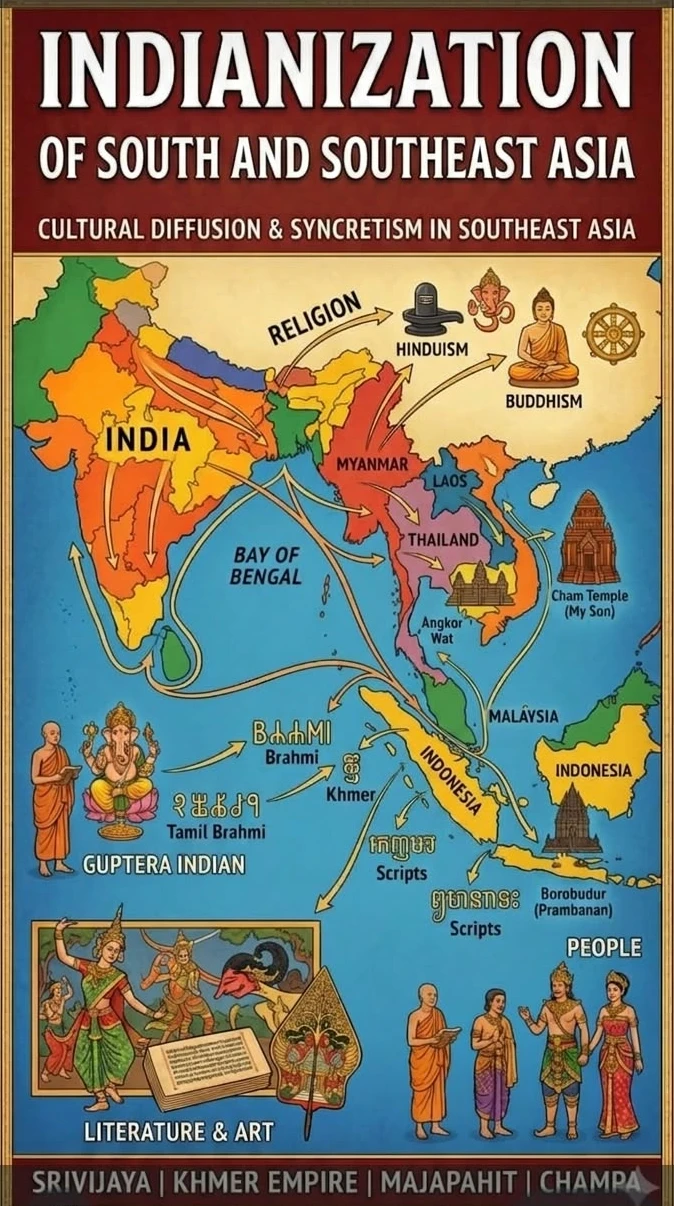
Maritime Trade Routes: For centuries, merchants and seafarers crossed the Indian Ocean connecting coastal India with Southeast Asia
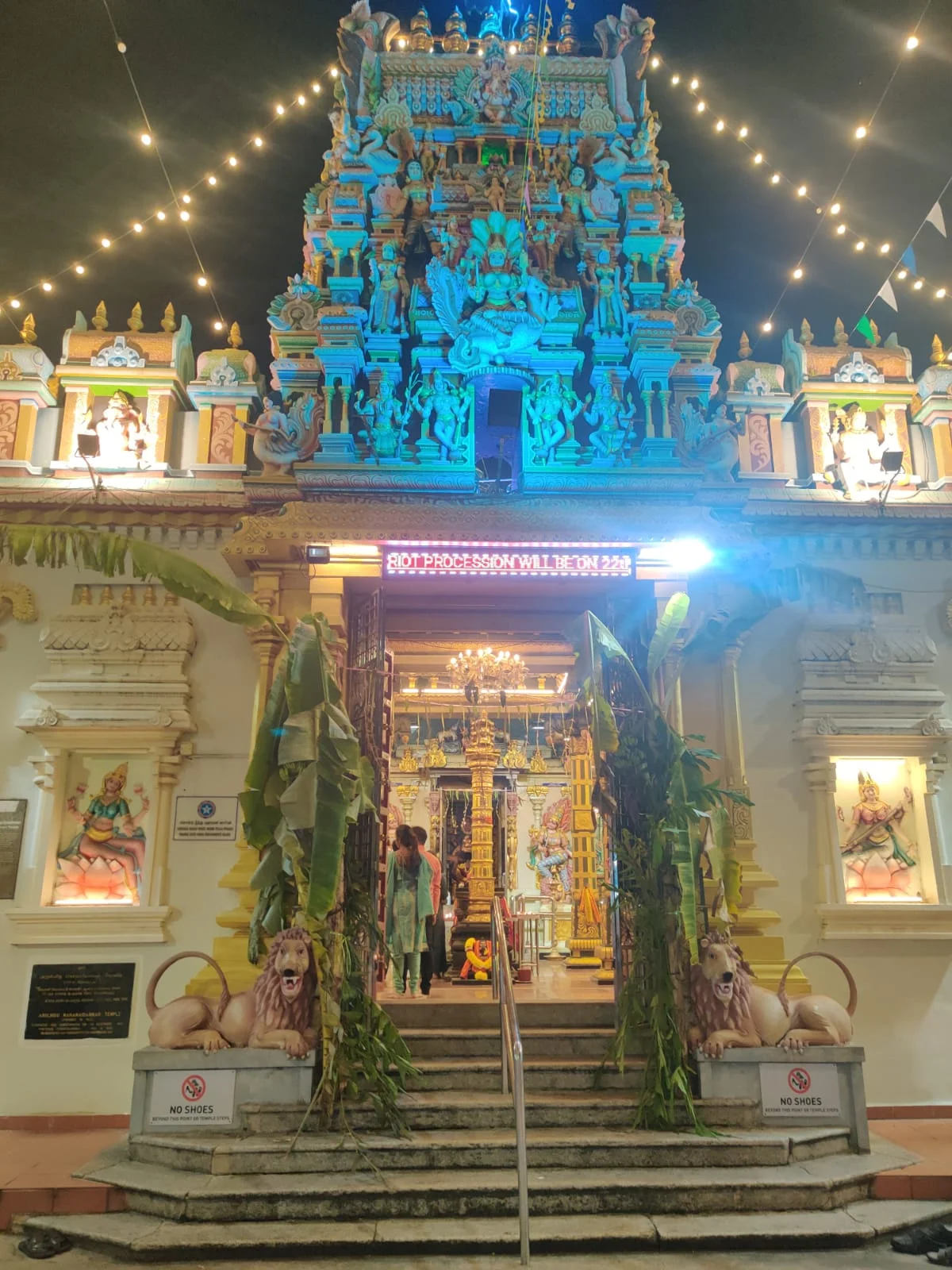
Arulmigu Sri Mahamariamman Temple: Founded in 1833, George Town's oldest Hindu shrine with its Dravidian gopuram announcing the Chariot Procession
George Town: Where Cultures Meet
Intricate Carvings & Eclectic Synthesis
Walking through George Town, a UNESCO World Heritage Site, we found ourselves surrounded by a fascinating blend of cultures, architecture, and history.
Little India, with its colourful shops, Hindu temples, Indian music, and aromas of spices and street food, felt especially familiar and welcoming.
“In George Town, Tamil temples, Peranakan merchant mansions, and British civic landmarks stand side-by-side — forming a unique testament to centuries of maritime coexistence.”
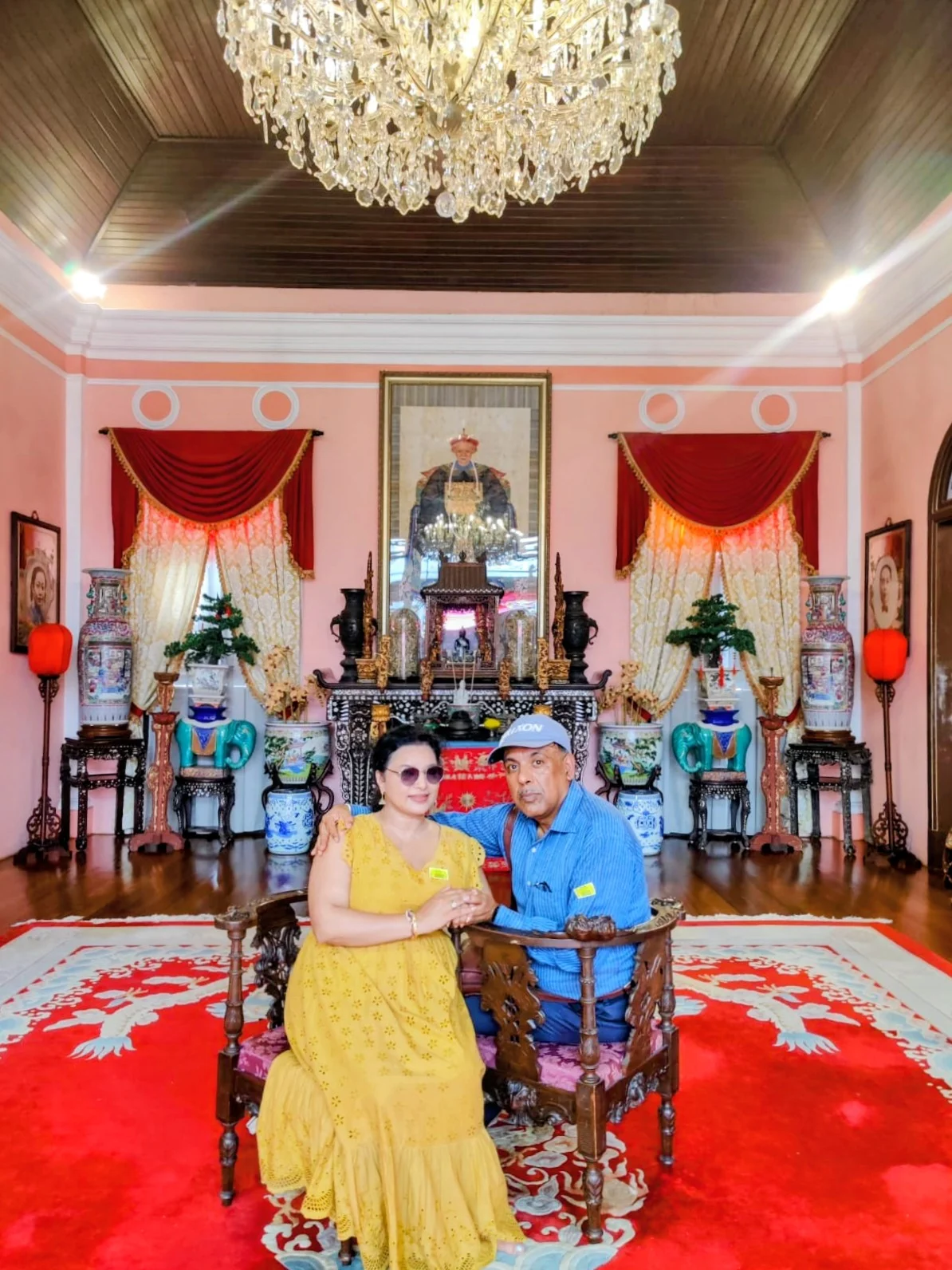
Inside the Chinese Heritage Home: Exploring the ornate reception hall, carved gilded screens, and ancestral traditions of early Penang
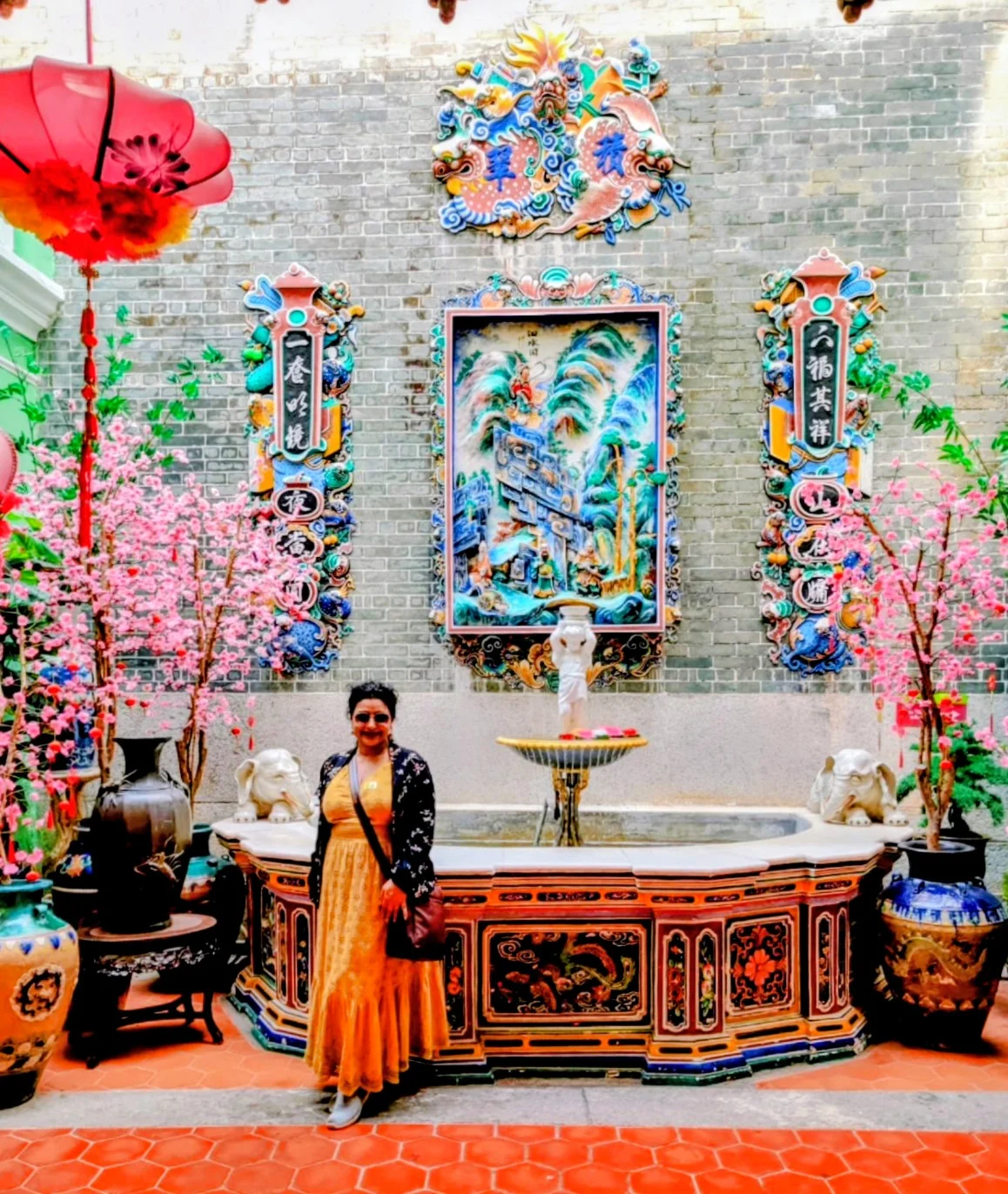
Courtyard & Glazed Ceramic Fountain: Traditional courtyard architecture allowing light and air to flow through the heritage home
Colonial Facades & Living Multiculturalism
We also visited a Chinese heritage home, which offered a glimpse into the lives, traditions, and architecture of Penang’s early Chinese community.
Within just a few streets, we encountered Chinese shophouses, mosques, temples, colonial buildings, and traditional clan houses standing side by side.
Each neighbourhood revealed another layer of the city’s history, shaped by generations of traders, migrants, artisans, and families who made Penang their home.
What fascinated us most was how these diverse communities have preserved their traditions while becoming part of the same vibrant city.
The result is a distinctive cultural landscape where Indian, Chinese, Malay, and European influences coexist through architecture, religion, food, and everyday life.
George Town felt less like a museum of the past and more like a living story of Asia’s multicultural heritage.
For us, exploring the city offered a deeper understanding of how cultural exchange can shape a place without erasing the identities of the communities that call it home.
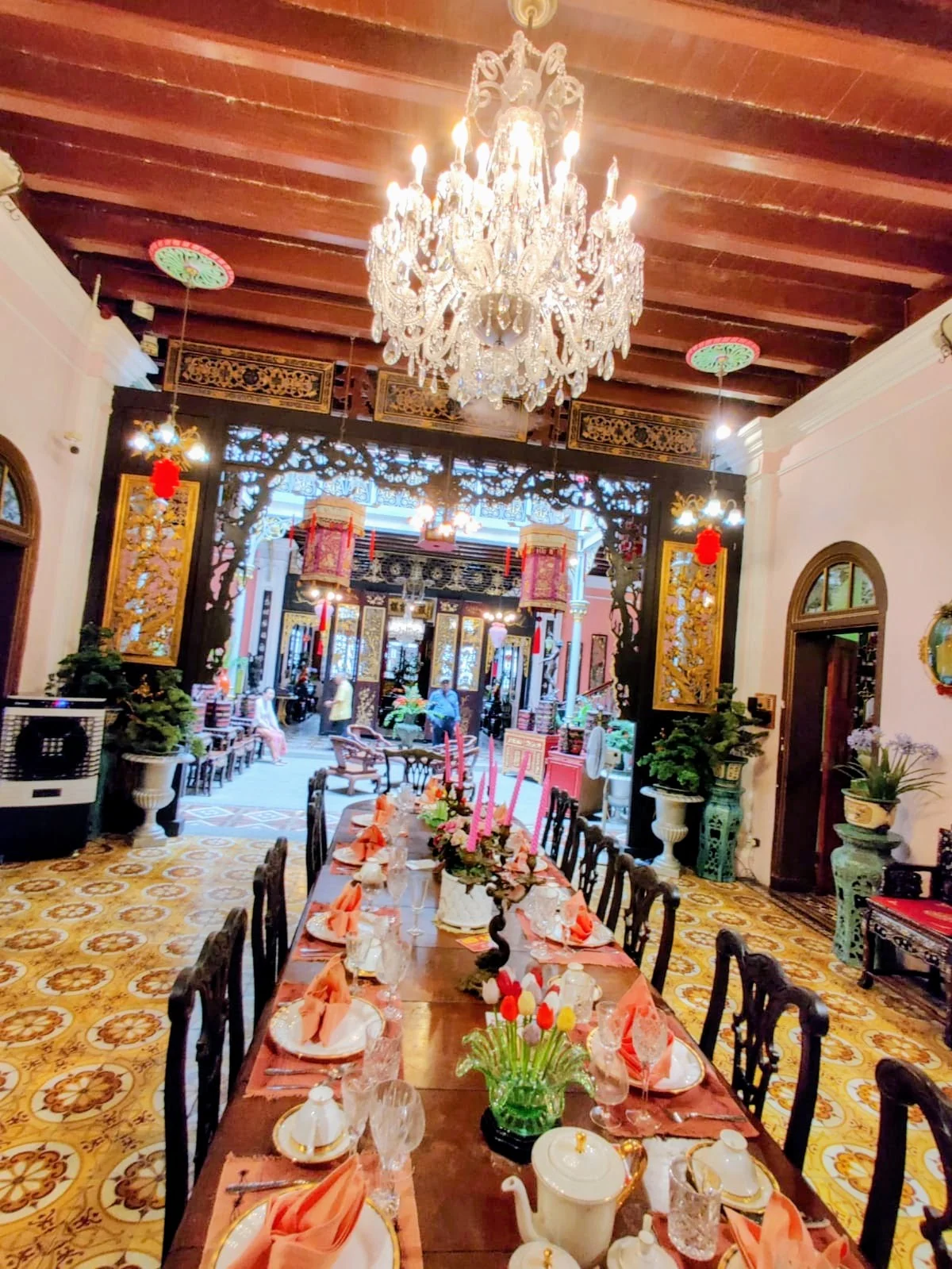
Grand Dining Hall: European crystal chandeliers and bone china reflecting Penang's role as a wealthy global trade crossroads
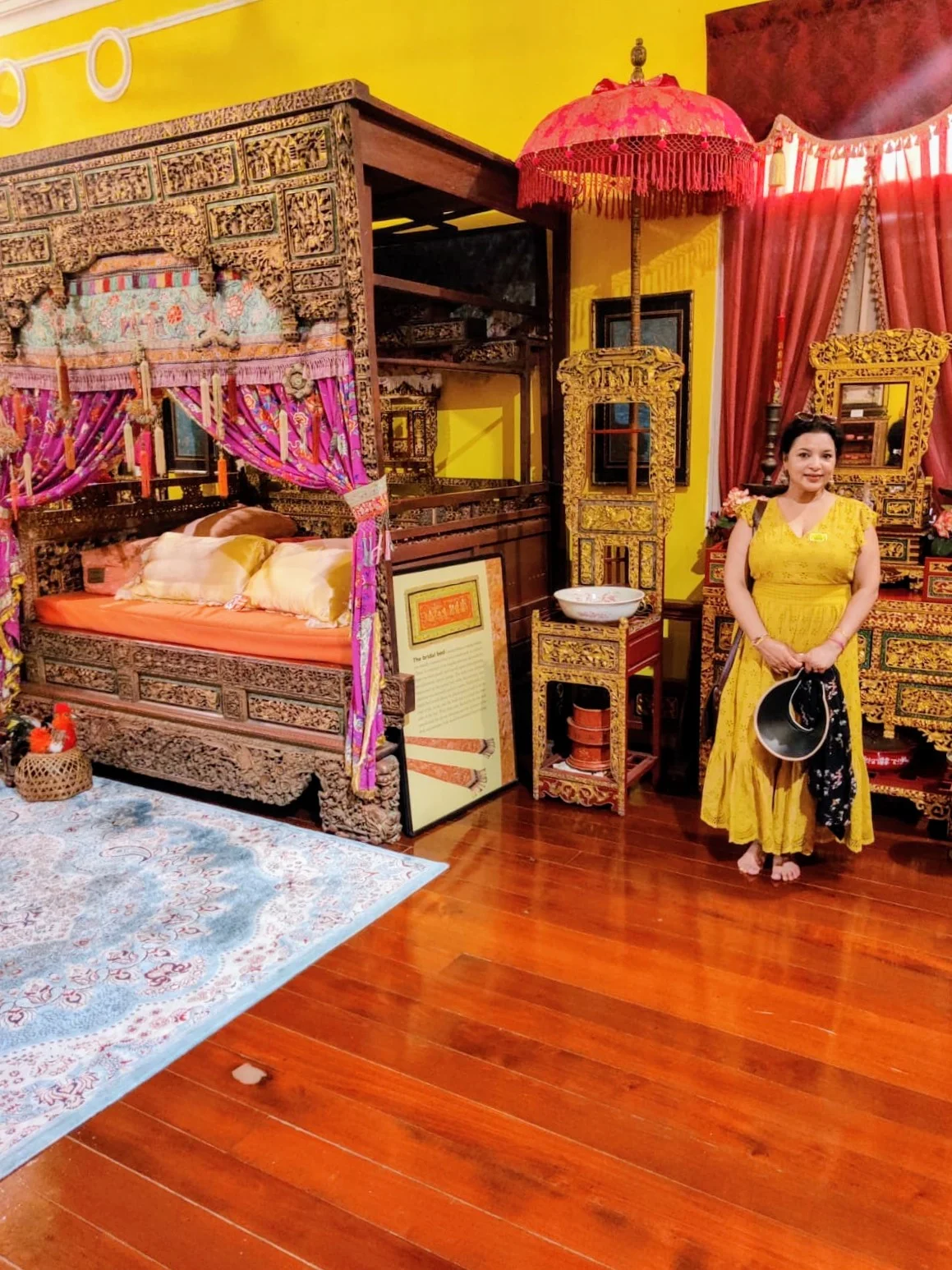
Traditional Bridal Suite: Intricate Chinese teak wood carving and ceremonial furnishings preserved through generations
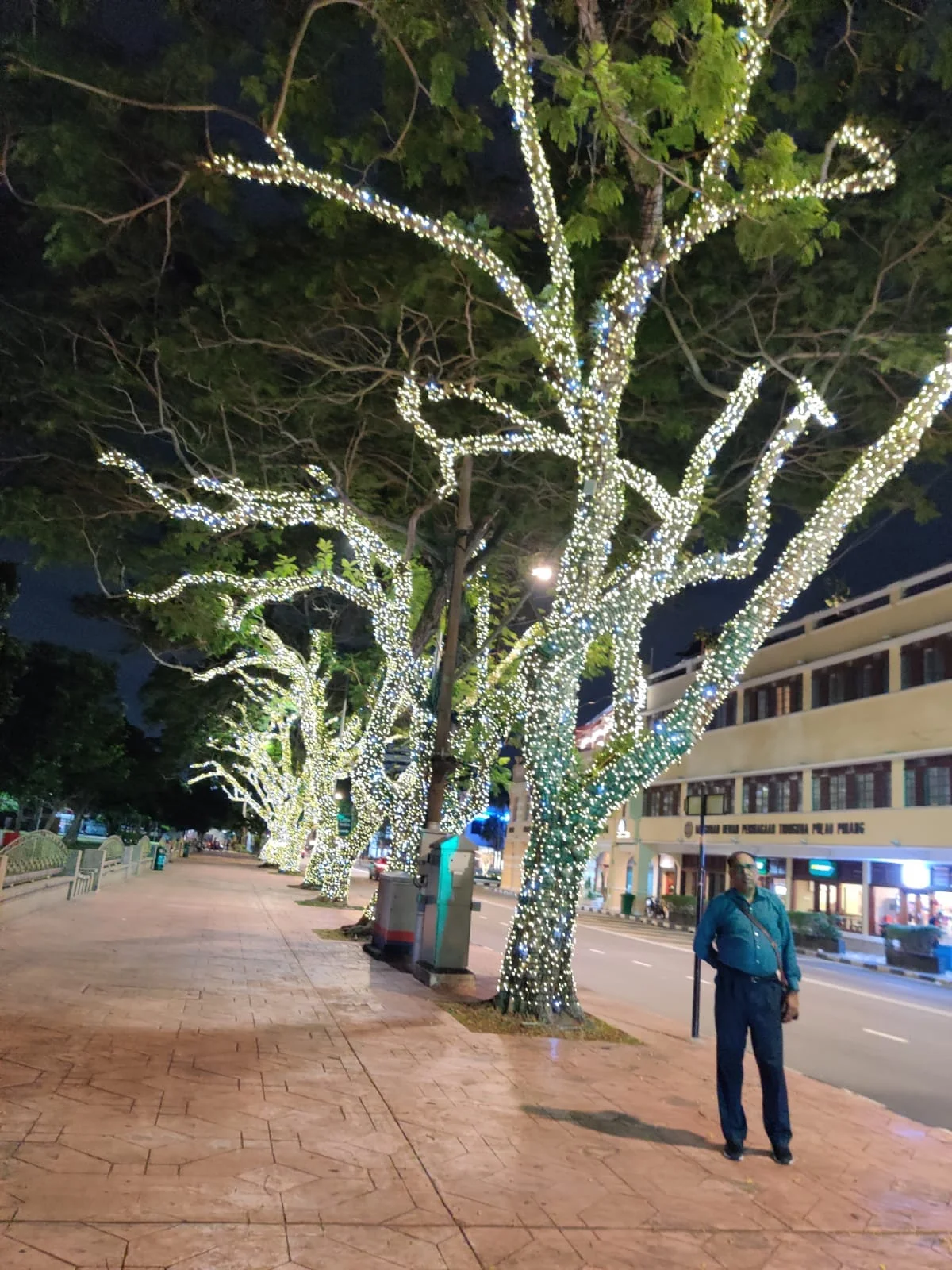
Colonial Streetscape & Fairy-Lit Trees: Strolling past historic colonial and commercial landmarks on Light Street in George Town
Conclusion: India’s Cultural Heritage Across the Seas
Our visit to Little India in Penang was a deeply meaningful experience that revealed the enduring connection between India and Malaysia.
The colourful streets, fragrant spices, traditional restaurants, and vibrant shops offered a familiar glimpse of Indian culture, while the temple procession allowed us to witness the faith and devotion that continue to unite the local Indian community.
Our excursion to Penang Hill added another dimension to the journey, connecting religious heritage with the island’s natural beauty and colonial past.
Exploring George Town further revealed how Indian traditions exist alongside Chinese, Malay, and European influences, creating a distinctive cultural identity shaped by centuries of exchange.
What stayed with us most was the strength of the Indian diaspora in preserving its heritage far from its ancestral homeland. Through temples, festivals, cuisine, language, and community life, traditions have continued to flourish while adapting to a changing world.
Little India is therefore more than a neighbourhood. It is a living reminder of the journeys taken by generations of people who carried their culture across the seas and made it part of a new home.
In the colourful streets of Little India, the echoes of India continue to resonate through every prayer, festival, familiar flavour, and cherished tradition, connecting generations across the waters between India and Malaysia.
Tips for Visiting Little India, Penang
Essential field notes for travellers, photographers, and cultural explorers
Explore on Foot
Walk through the narrow streets to discover colourful shops, traditional eateries, temples, and local markets.
Visit Sri Mahamariamman Temple
Explore one of Penang’s oldest Hindu temples and appreciate its intricate religious artwork and architecture. Follow the temple’s dress code and photography rules.
Discover the Local Shops
Look out for Tamil businesses selling traditional clothing, jewellery, spices, and other Indian goods.
Look for Fresh Jasmine Garlands
These fragrant flowers are an important part of many Indian religious ceremonies and cultural traditions.
Try Local Favourites
Enjoy banana-leaf rice, dosa, roti canai, Indian sweets, and teh tarik while exploring the neighbourhood’s culinary offerings.
Combine Your Visit with Nearby Attractions
Kapitan Keling Mosque and Armenian Street are within the wider George Town heritage area and can be included in the same walking itinerary.
Wear Comfortable Shoes
The best way to experience the neighbourhood is on foot, and the weather can be hot and humid.
Choose the Right Time
Early mornings and late afternoons are generally more comfortable for exploring the streets.
Experience the Culture
If you encounter a temple procession or religious celebration, observe respectfully and ask permission before photographing devotees.
Explore Beyond Little India
Take time to discover George Town’s Chinese heritage homes, historic clan houses, colonial buildings, and multicultural streets.
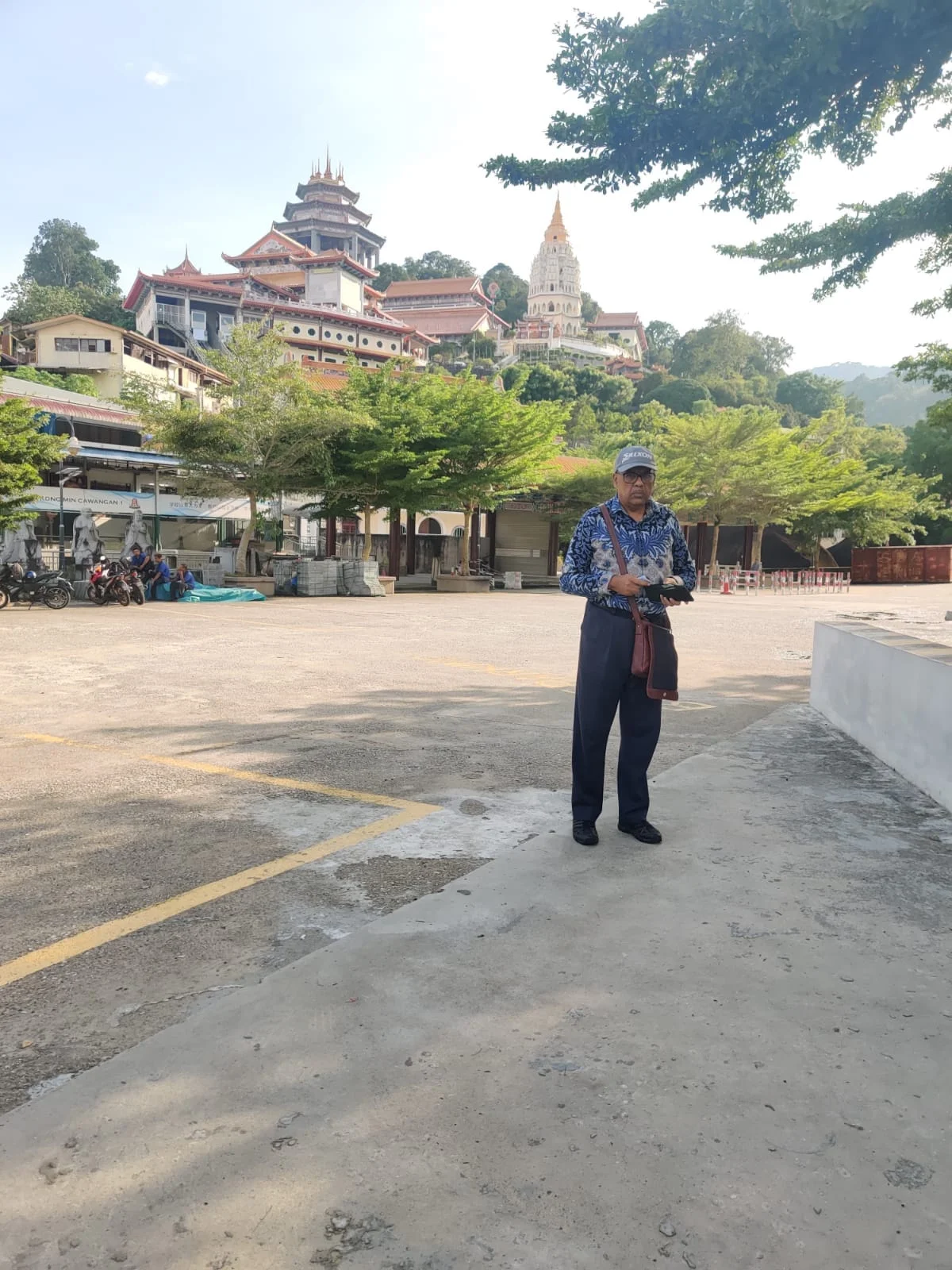
Exploring Beyond Little India: Visiting the historic pagodas and clan temples that form Penang's wider multicultural heritage
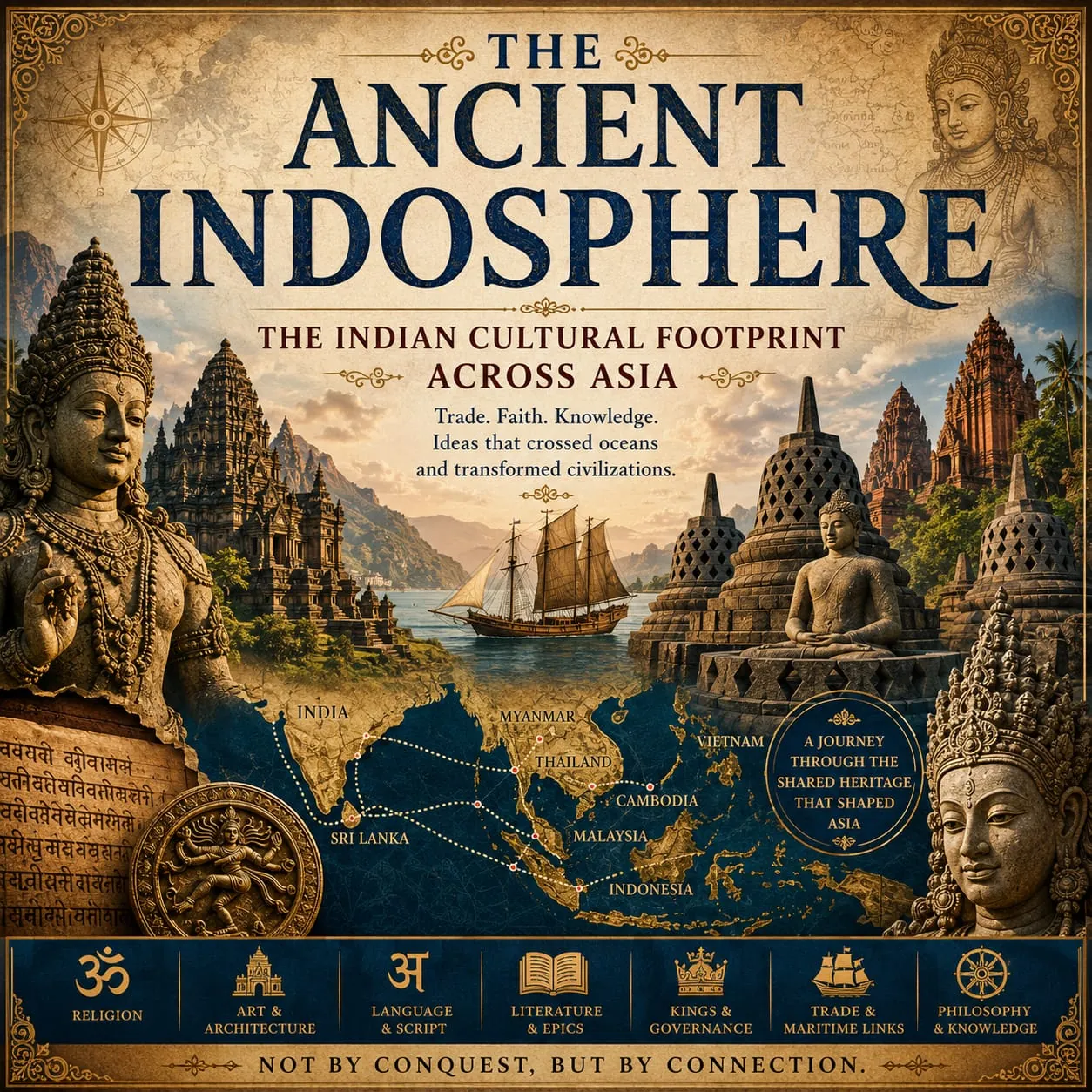
TRAVELLING THROUGH THE TIMELESS LEGACY OF INDIAN CIVILIZATION ACROSS ASIA AND BEYOND
“Not by conquest, but by connection.”
Across ancient temples, sacred stupas, and living cultural landscapes, the timeless traditions born in India continue to illuminate Asia with philosophy, art, and civilizational communion carried not by sword, but through dialogue and spiritual devotion.
CONTINUE THE MALAYSIA JOURNEY
Journey Through the Sacred Monuments of Malaysia