
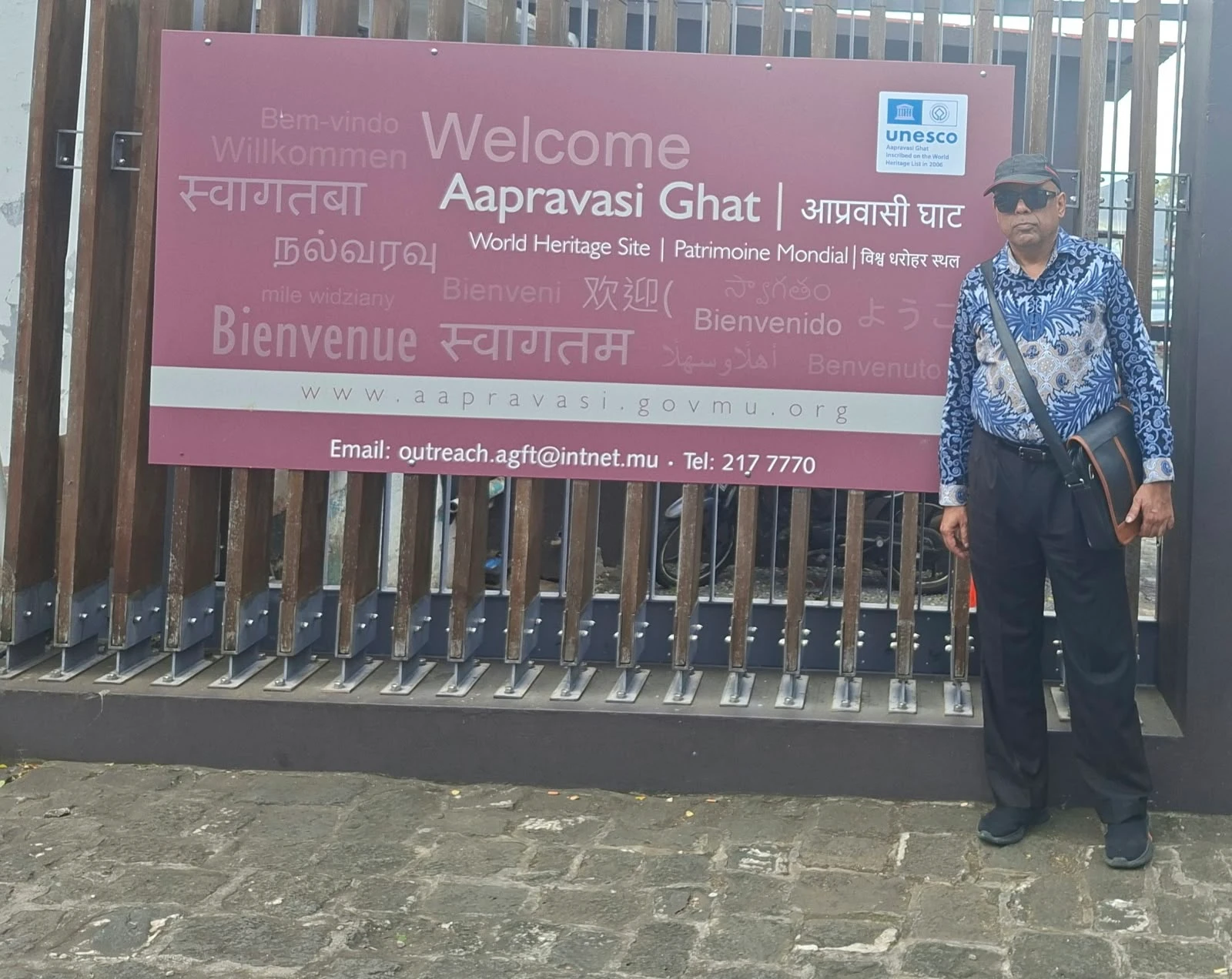
Aapravasi Ghat — Where India'sjourney to Mauritius began
Aapravasi Ghat — The Journey from Ship to Plantation
After arriving by ship from India, the indentured labourers climbed the stone steps of Aapravasi Ghat and entered the Immigration Depot. Here, they went through a systematic process of registration, medical examination and temporary accommodation. Immigration officials recorded their names and personal details, while doctors examined them and those needing attention were treated in the depot’s hospital. The immigrants were then housed in designated sheds, with separate facilities for cooking, bathing and sanitation, until their formalities were completed. Finally, they were assigned to sugar estates according to the requirements of the indenture system and transported to their places of work. For many, these few days at Aapravasi Ghat marked the transition from their long journey from India to a new and uncertain life on the plantations of Mauritius.
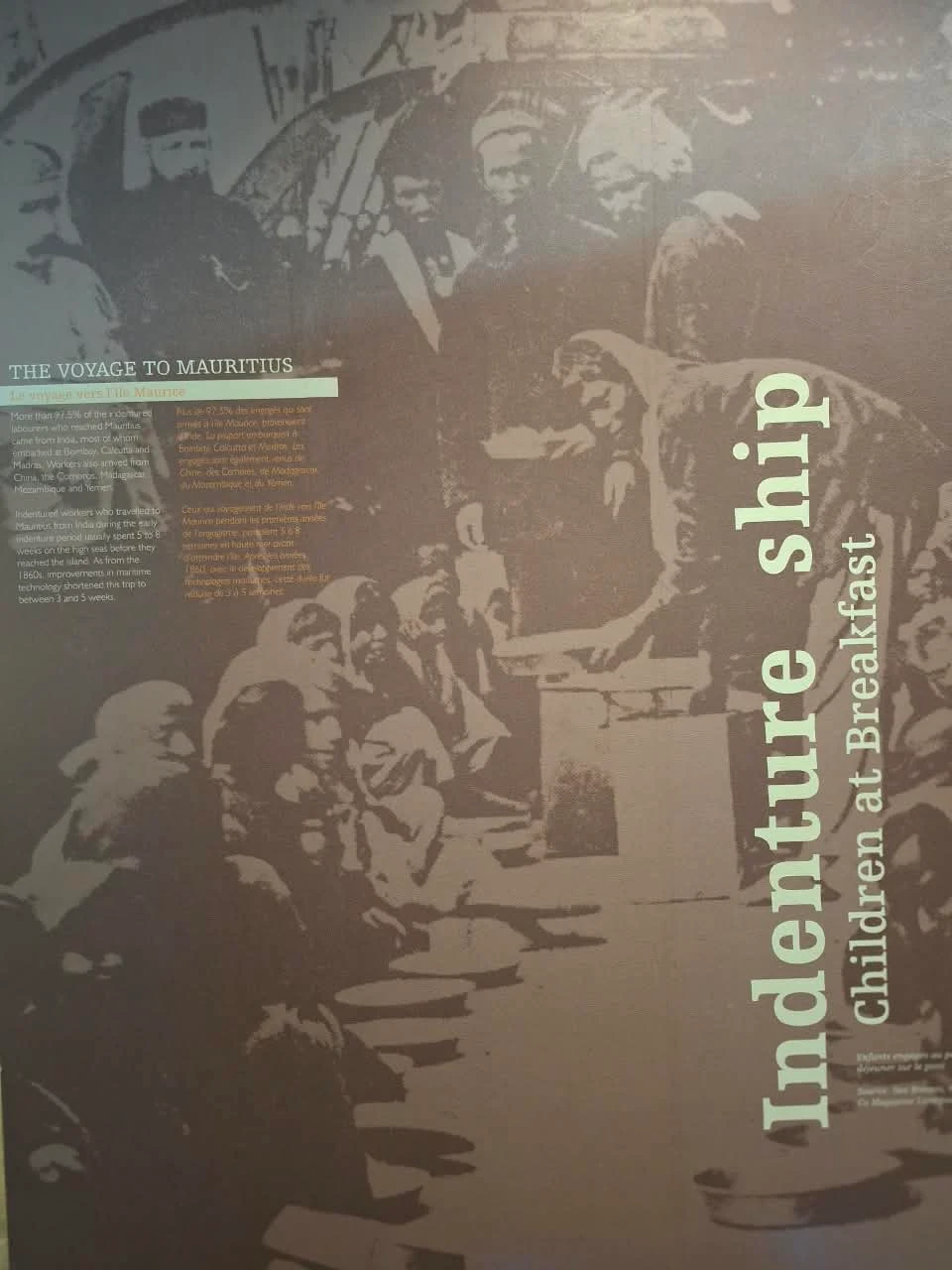
Historical indenture voyage sailing vessel across the Indian Ocean
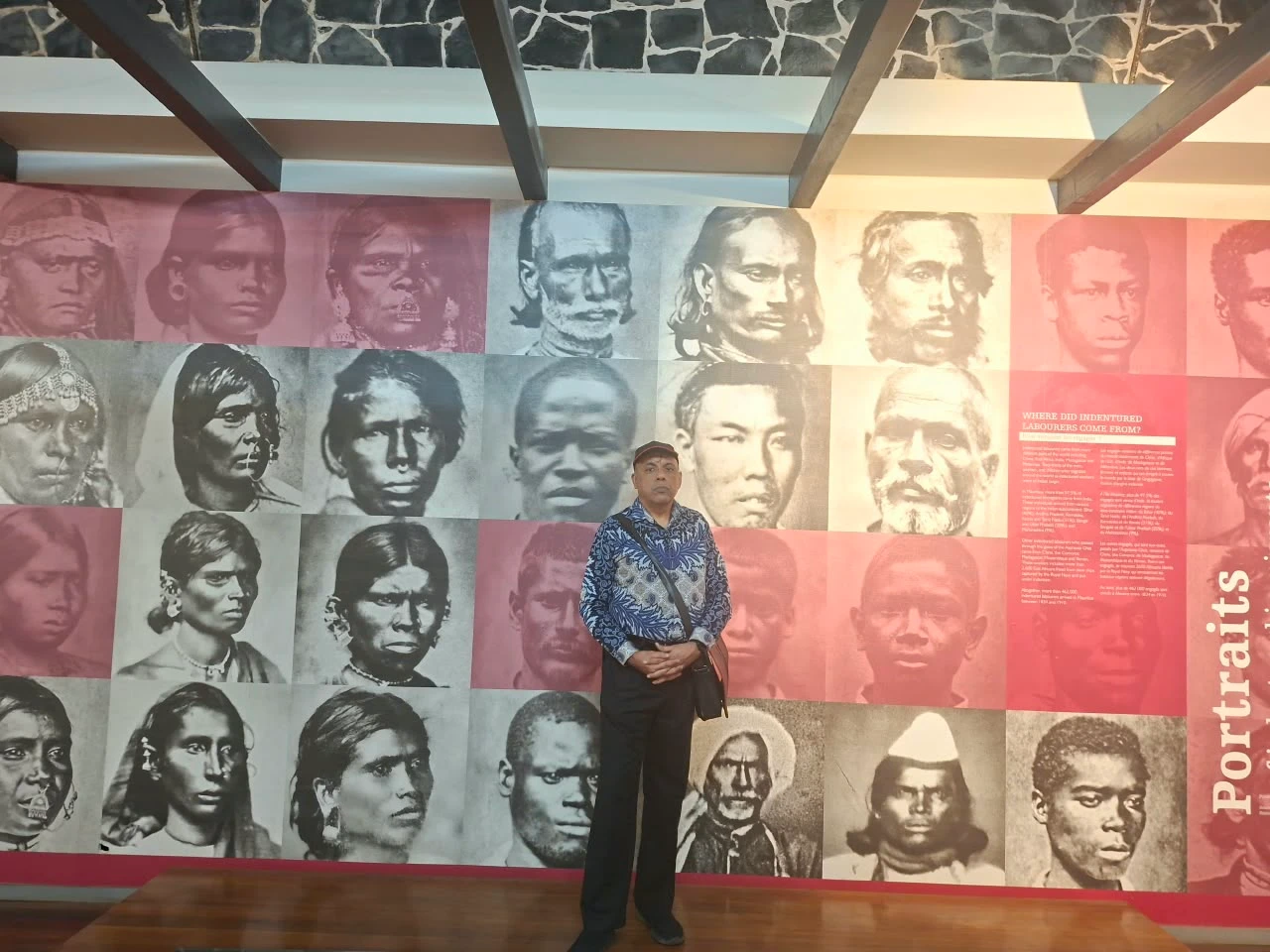
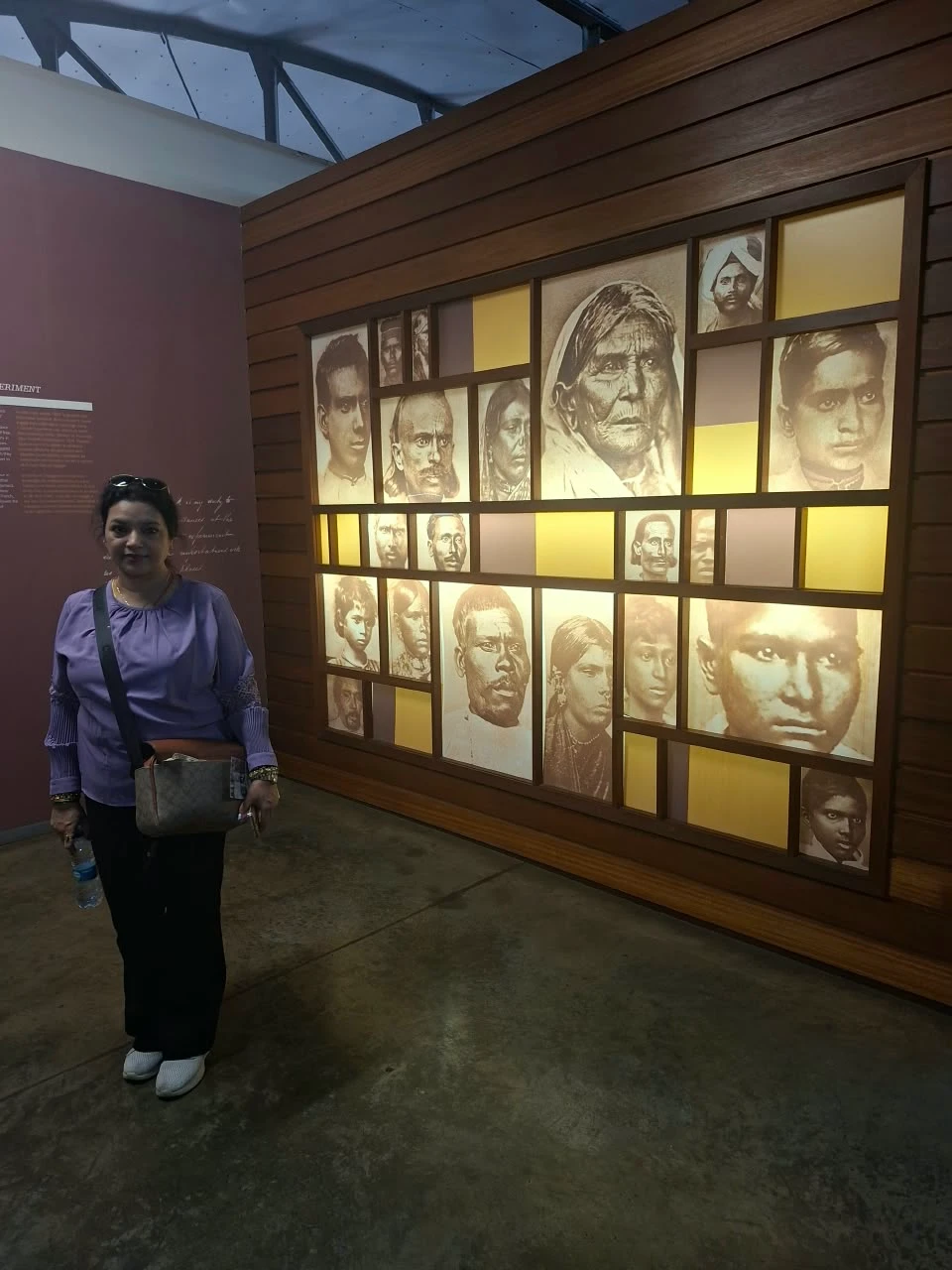
Archival portraits of early Indian indentured labourers arriving at the depot
Memorial stone wall honoring the arrival of Indian indentured labourers
Aapravasi Ghat — The Beginning
After the abolition of slavery in the British Empire in 1834, Mauritius turned increasingly to Indian indentured labour to meet the needs of its growing sugar plantations. The first group of Indian labourers arrived in Mauritius on 2 November 1834. As immigration expanded, a permanent Immigration Depot was established at Trou Fanfaron, Port Louis, in 1849. Here, immigrants arriving from India were registered, medically examined, accommodated temporarily and then sent to sugar estates under the indenture system.
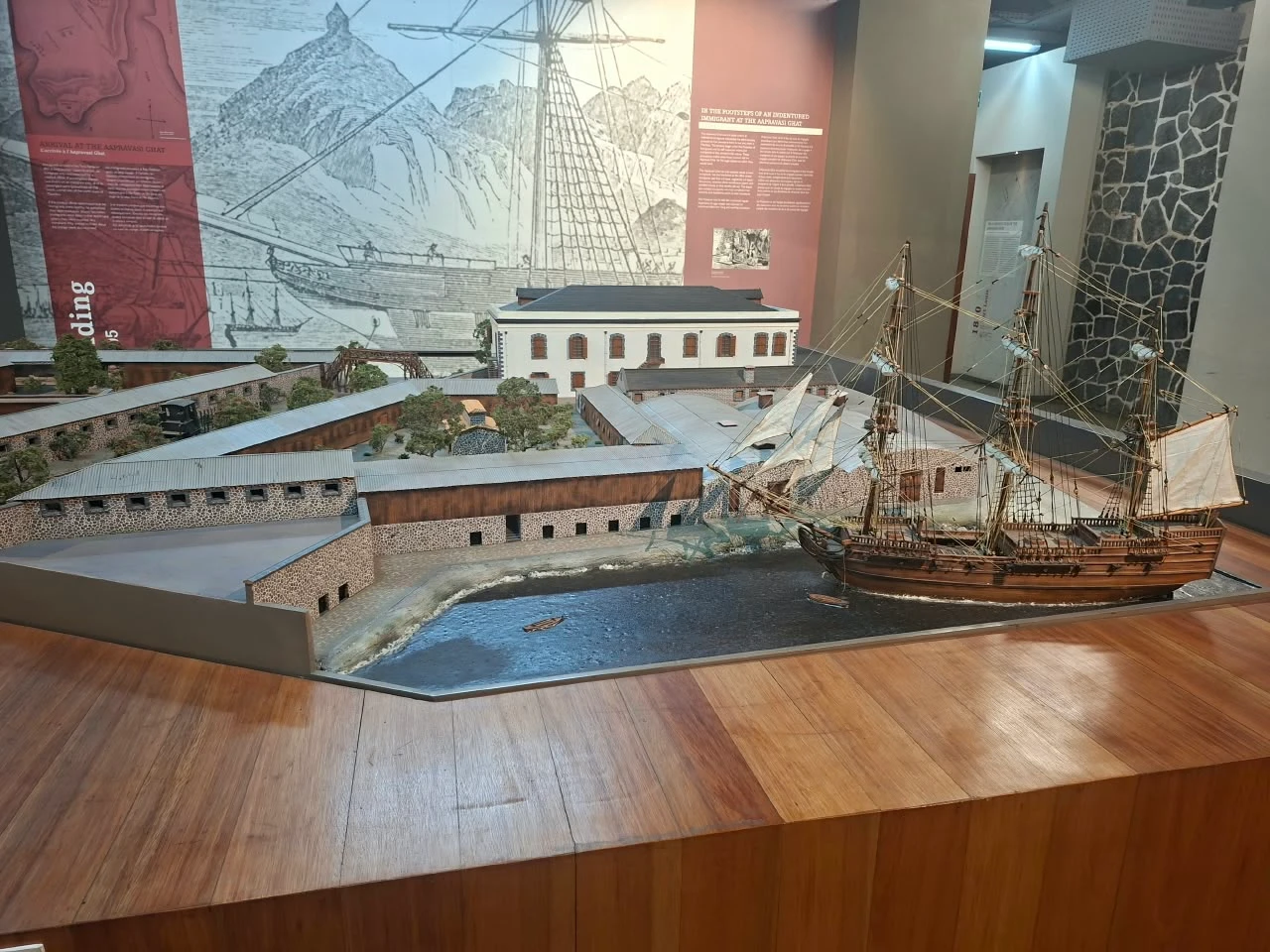
Architectural scale model of the 1849 Trou Fanfaron Immigration Depot complex
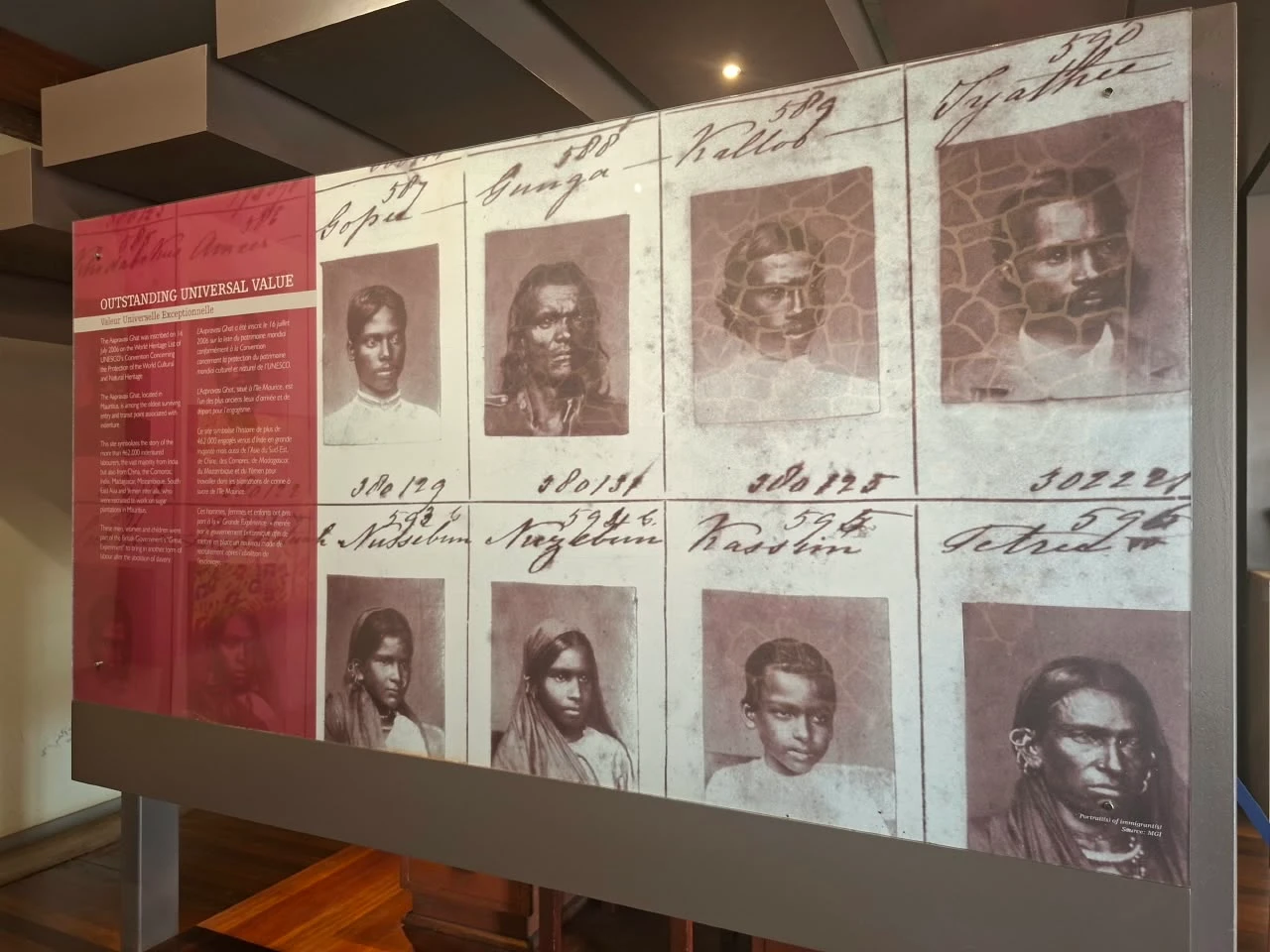
Historic registration ledgers recording details of arriving immigrants
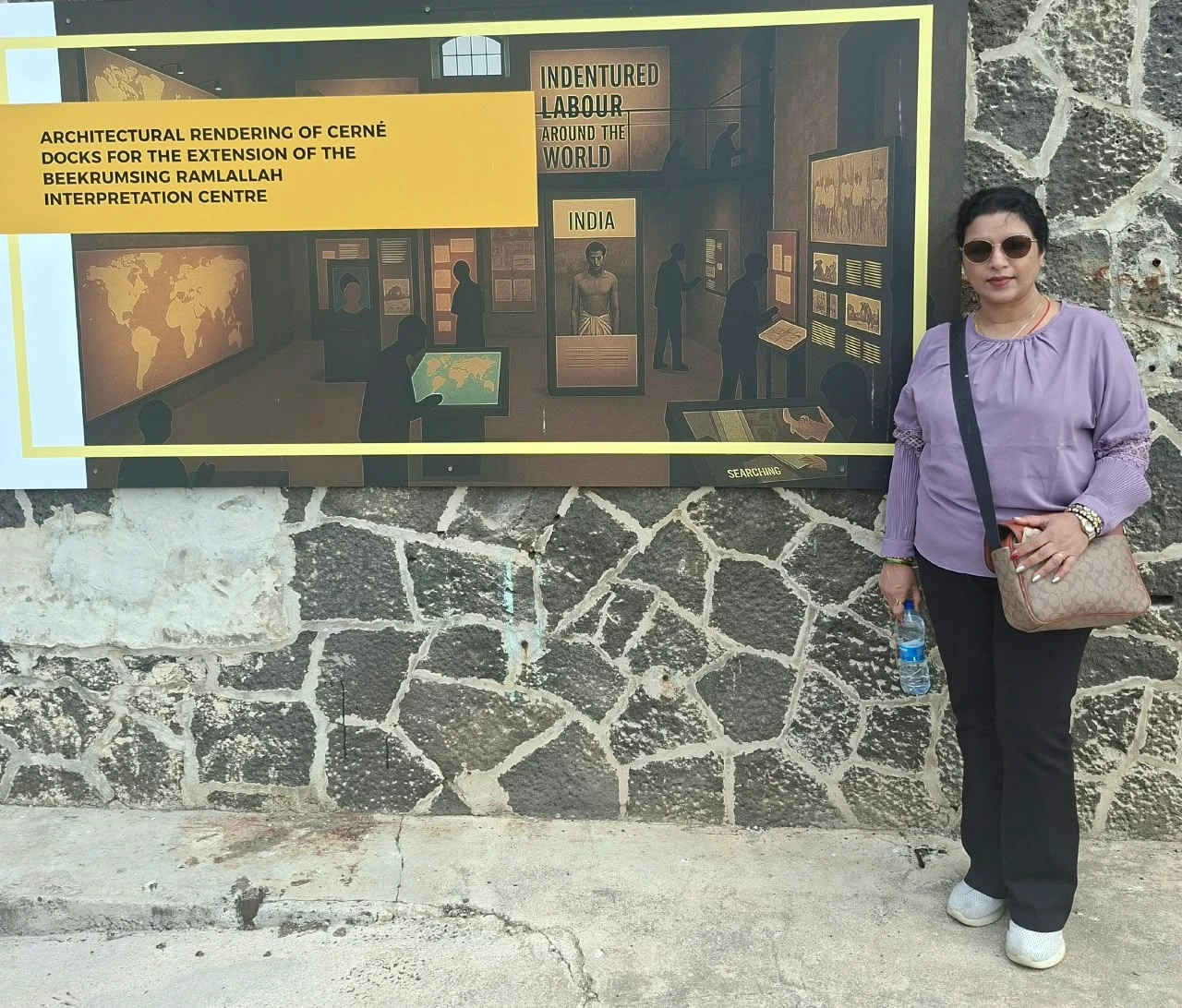
Interpretation Centre exhibition banner tracing the history of indenture
From Immigration Depot to World Heritage
Between 1834 and 1920, nearly half a million Indian indentured labourers arrived in Mauritius, making the island one of the most important destinations of Indian migration under the indenture system. The depot remained central to this movement until indentured immigration was phased out. Today, only a small portion of the original complex survives, including its iconic 14 stone steps. Inscribed as a UNESCO World Heritage Site in 2006, Aapravasi Ghat stands as a powerful reminder of the Indian migration that profoundly shaped the people, culture and identity of modern Mauritius.
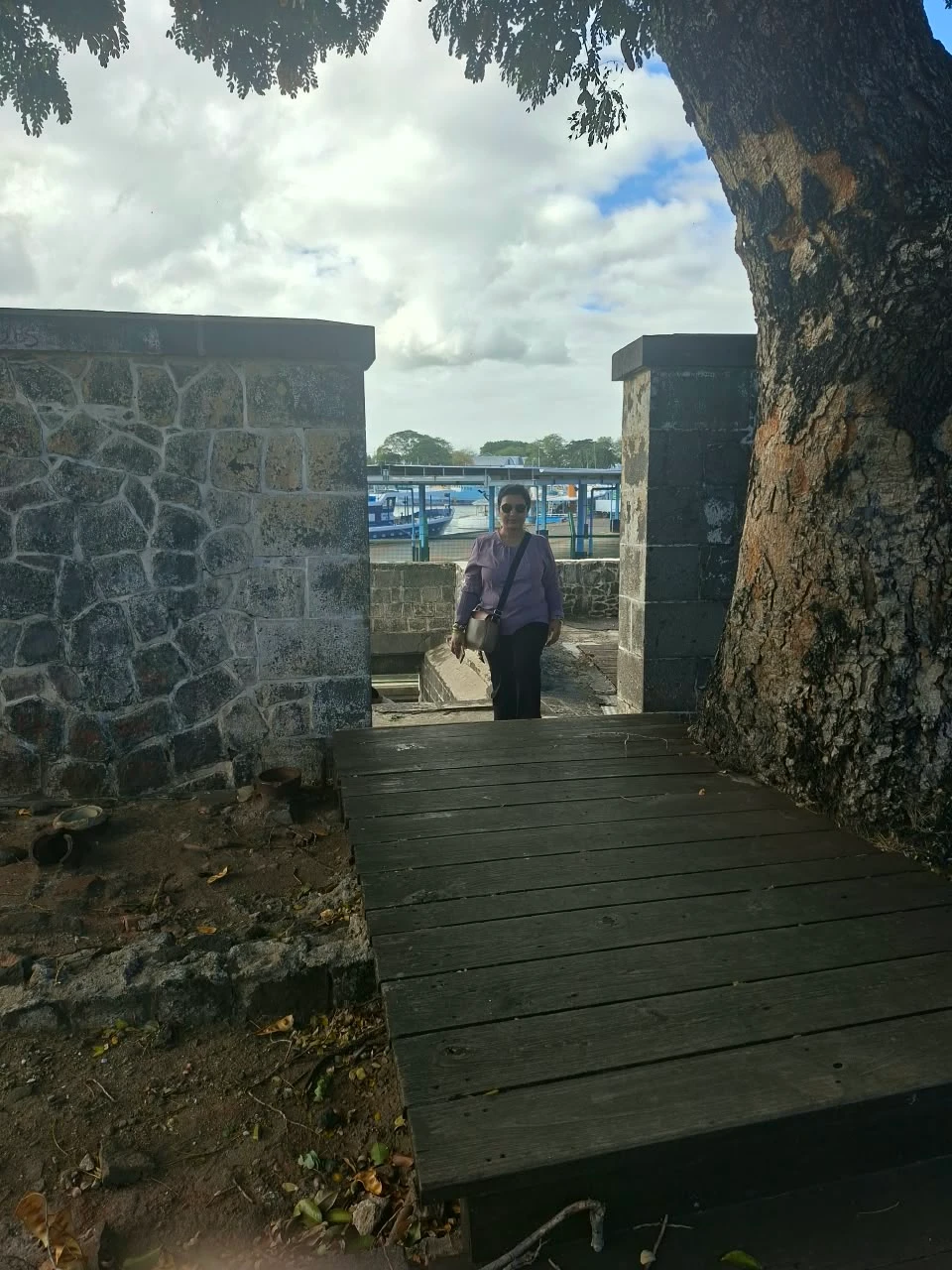
Historic stone portal framing Port Louis harbour where transport vessels berthed
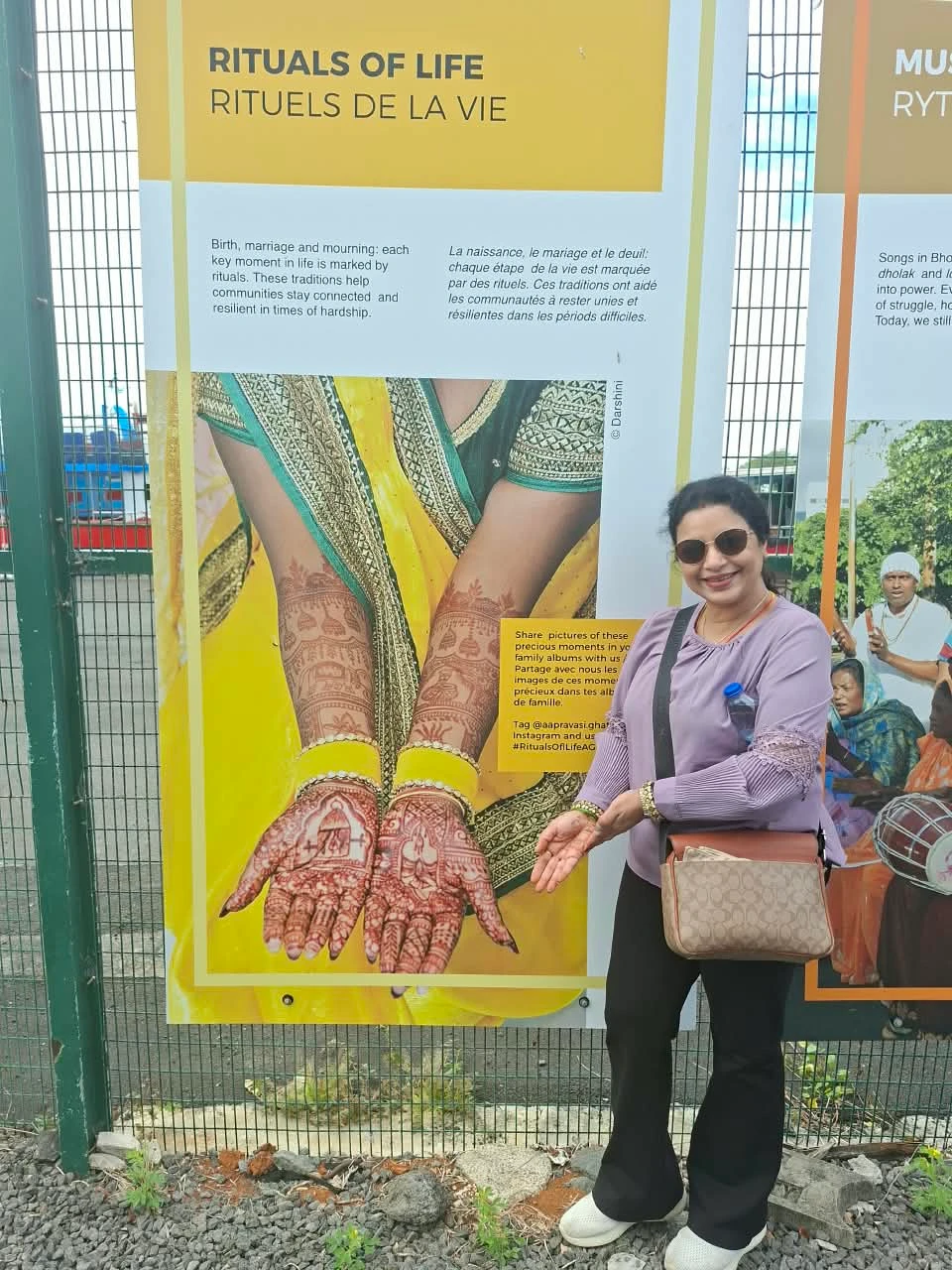
Museum exhibit on the rituals of life and traditions preserved from India
Carrying India with Them
Many of the Indian labourers arrived with little more than the essentials—a few clothes, simple utensils and, for some, a treasured copy of the Ramayana. Their belongings were modest, but their traditions and memories travelled with them across the Indian Ocean.
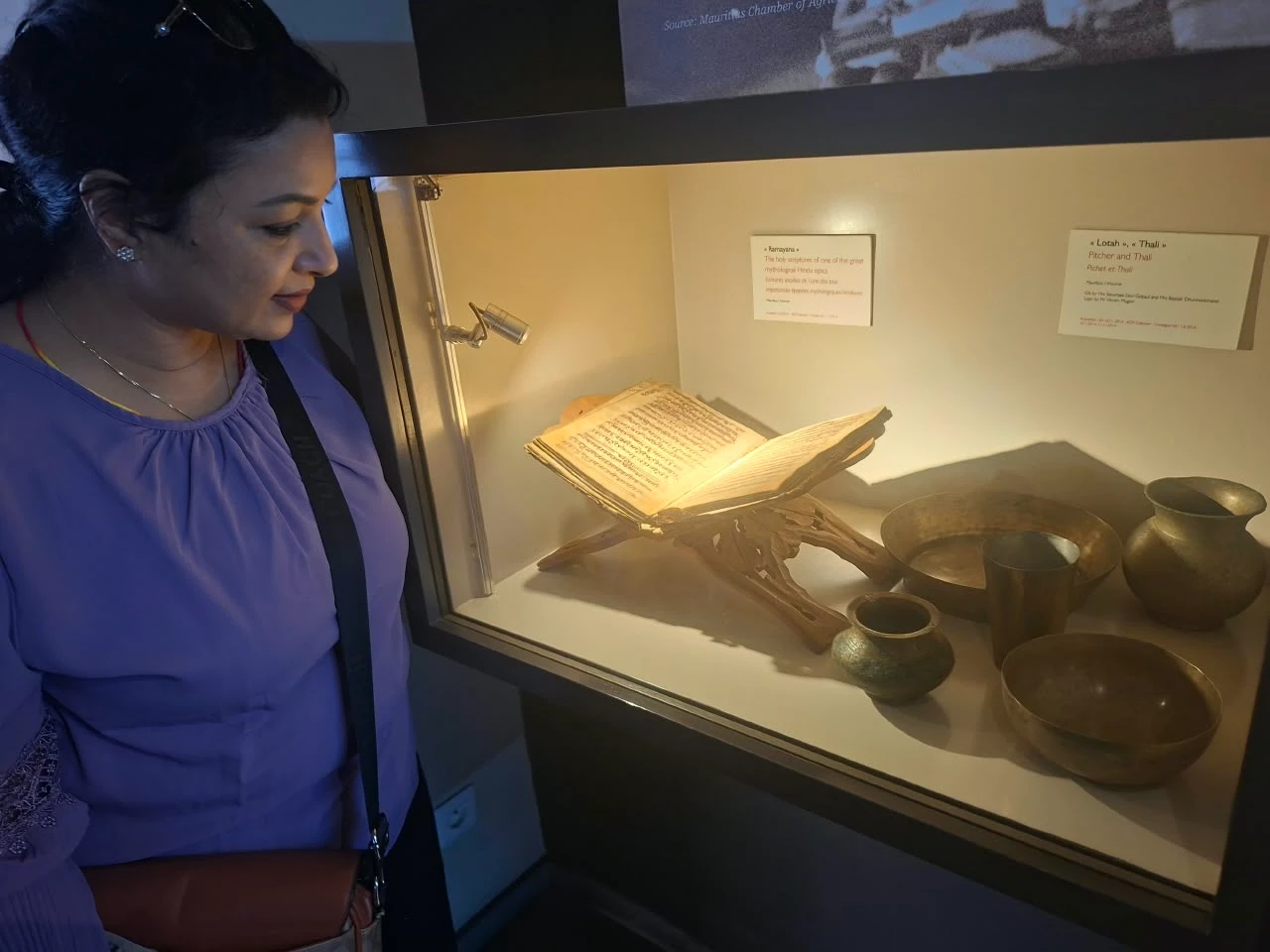
Preserved copy of the Ramayana and modest utensils carried across the ocean
Layout & Organisation of Aapravasi Ghat
Aapravasi Ghat was organised as a self-contained immigration depot, designed to manage new arrivals systematically before they were sent to the sugar estates. Immigrants entered from the harbour through the 14 stone steps and passed into a complex that included immigration offices, registration areas, a hospital and medical facilities, accommodation sheds, kitchens, bathing areas and sanitation facilities. There were also quarters for officials and sirdars, along with service areas. Thus, the layout followed a practical sequence—from arrival and registration to medical inspection, temporary accommodation and eventual allocation to plantations.
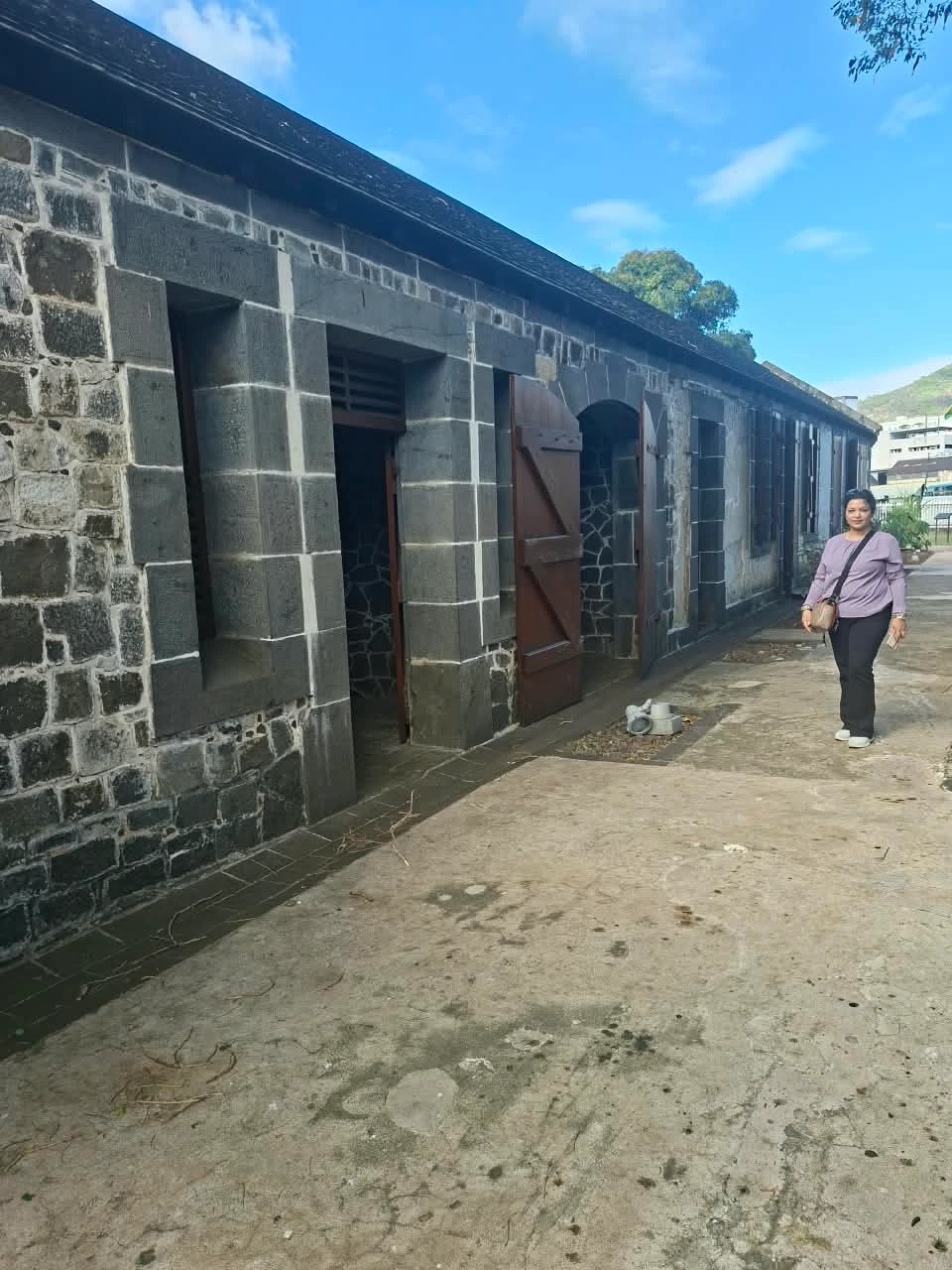
Surviving basalt stone accommodation sheds and quarters of the depot
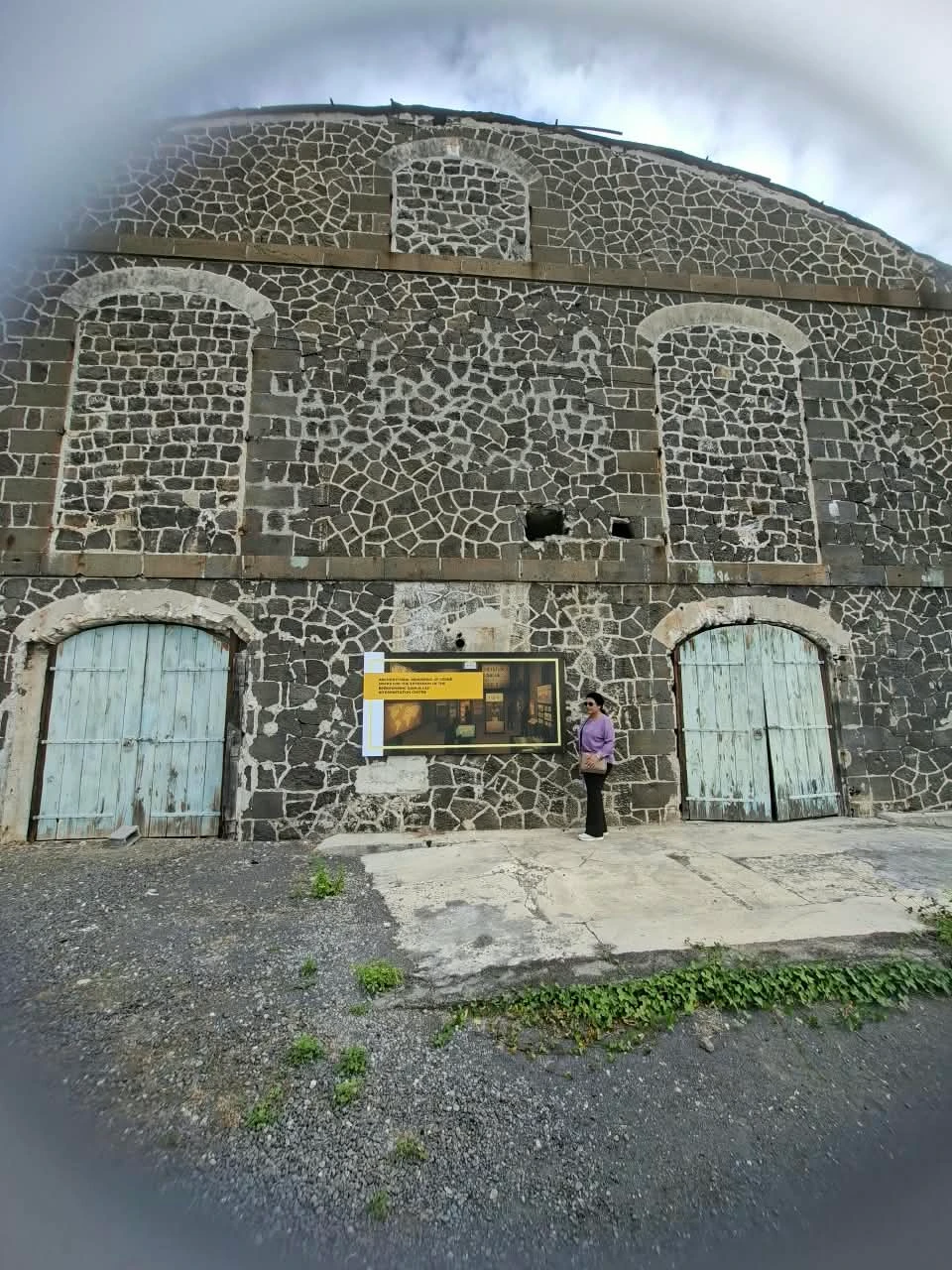
Basalt stone masonry structures framing the immigration depot complex
Fourteen Steps into Mauritius
The 14 stone steps of Aapravasi Ghat were more than an entrance to the Immigration Depot—they became a symbolic gateway into a new life. After weeks at sea, Indian immigrants climbed these steps from the harbour, leaving the ship behind and setting foot on Mauritian soil. For many, these were their first steps into Mauritius, beginning an uncertain journey that would eventually shape the lives of generations to come.
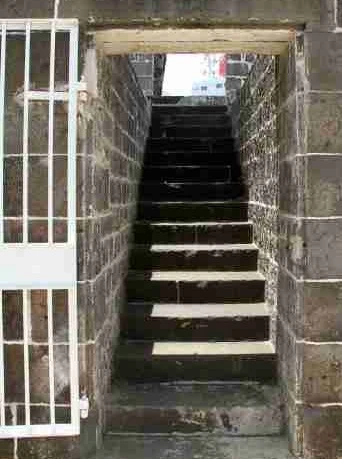
The 14 stone steps of Aapravasi Ghat — the symbolic gateway into Mauritius
A New Home on the Plantation
On reaching the sugar estates, they had to build a life from almost nothing. Simple mud houses, often roofed with straw, became their first homes. Around these humble dwellings they gradually recreated fragments of the life they had left behind—language, food, festivals, prayers and community. Over generations, these traditions became an important part of the cultural landscape of Mauritius.
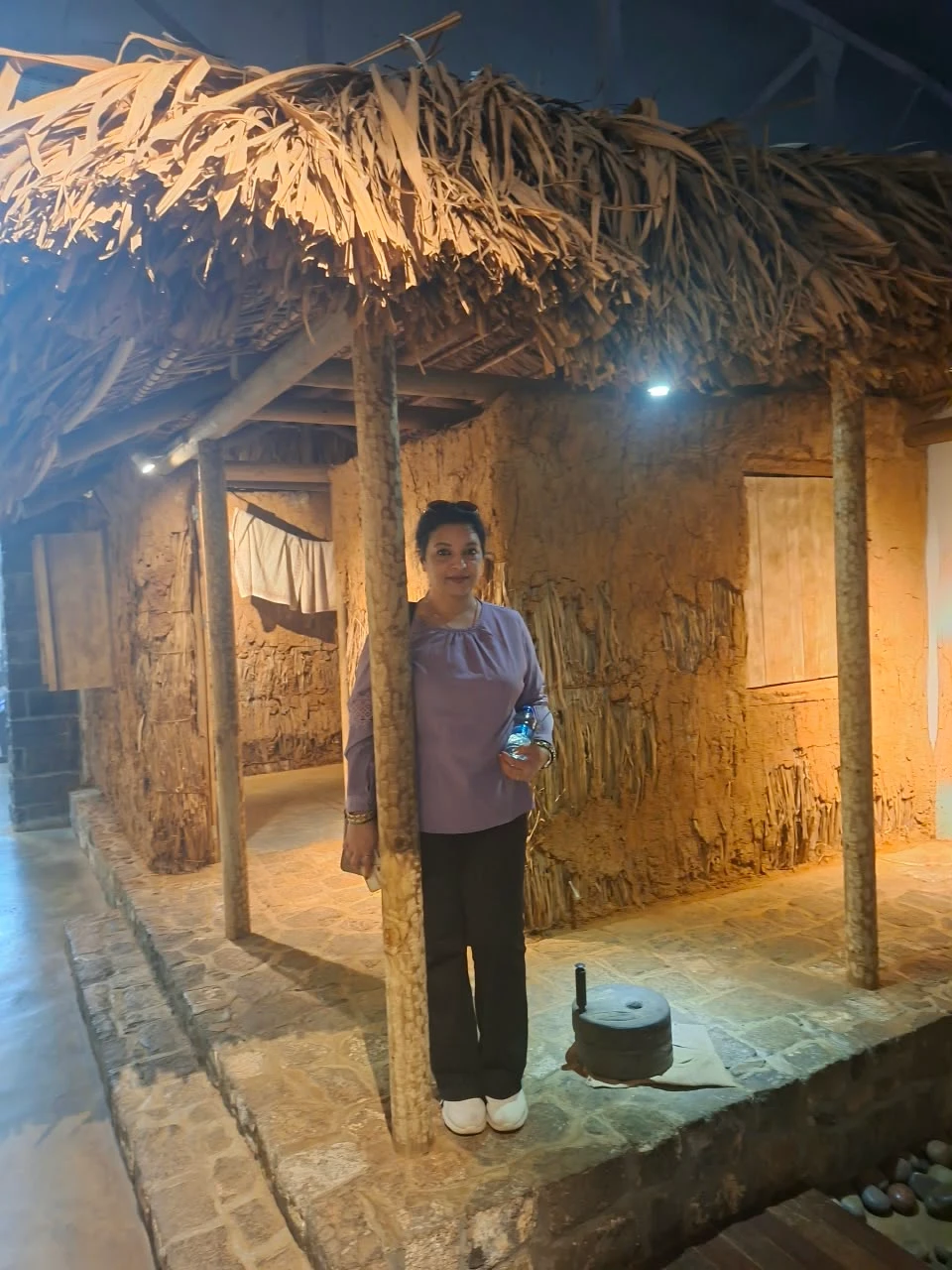
Reconstructed thatched plantation dwelling representing early immigrant homes
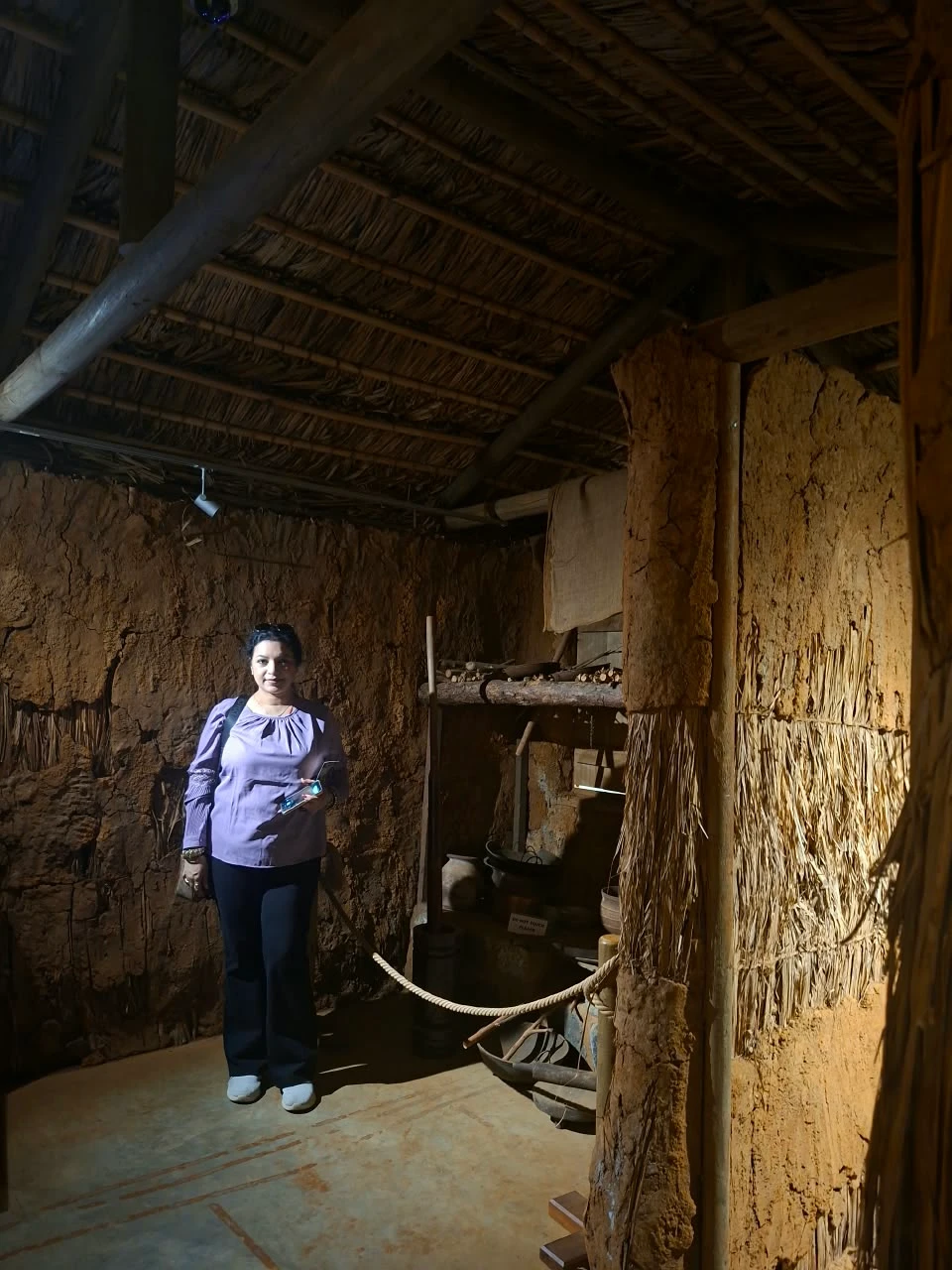
Interior of a plantation home with cooking hearth and traditional utensils
In Search of Roots: India’s Enduring Bond with Mauritius
Our visit to Aapravasi Ghat brought back a memorable encounter from an earlier journey. While travelling from Delhi to Allahabad, we had met a Mauritian who had come to India in search of his ancestral roots. He had managed to reach the village in Uttar Pradesh from where his ancestors had once departed for Mauritius. However, he was uncertain about the people who claimed to be his cousins and whether their family connection was genuine. Despite this uncertainty, he was happy to have reached the village of his forefathers—a place that had lived in his imagination through generations of family memories.
After exploring the Aapravasi Ghat museum, we walked along the promenade in Port Louis, where we encountered another Indian-origin couple. They were planning a journey to Bihar, the land from which their ancestors had migrated to Mauritius. Listening to their plans, we were struck by how deeply the desire to reconnect with one's roots can endure across generations and oceans. These encounters reminded us that migration is not merely a movement of people from one country to another; it is also the beginning of a lifelong search for identity, belonging and family history. For many Mauritians of Indian origin, India remains more than the ancestral homeland of their forefathers—it is a living connection to a past they continue to seek and cherish.
Tips for Visiting Aapravasi Ghat
Allow 1–1.5 hours to explore the site and interpretation centre.
Begin at the Interpretation Centre to understand the history of indentured labour.
Walk the historic fourteen steps—the same steps taken by thousands of Indian immigrants on arrival.
Look carefully at the remaining structures of the immigration depot and imagine the conditions in which the workers lived.
Read the exhibits and personal stories to understand the human side of the migration.
Visit in the morning for a more comfortable experience, especially during warmer months.
Wear comfortable footwear, as some walking around the historic site is involved.
Combine the visit with Port Louis, particularly the Central Market and Caudan Waterfront.
Keep time for reflection—Aapravasi Ghat is as much a place of memory as it is a historical monument.
TRAVELLING THROUGH THE TIMELESS LEGACY OF INDIAN CIVILIZATION ACROSS ASIA AND BEYOND
Back to Indianization Gateway→CONTINUE THE MAURITIUS JOURNEY
Journey Through the Sacred Monuments of Mauritius
Practical Insights & Heritage Context
Tips for Visiting Aapravasi Ghat
Allow 1–1.5 hours to explore the site and interpretation centre. Begin at the Interpretation Centre to understand the history of indentured labour. Walk the historic fourteen steps—the same steps taken by thousands of Indian immigrants on arrival. Look carefully at the remaining structures of the immigration depot and imagine the conditions in which the workers lived. Read the exhibits and personal stories to understand the human side of the migration. Visit in the morning for a more comfortable experience, especially during warmer months. Wear comfortable footwear, as some walking around the historic site is involved. Combine the visit with Port Louis, particularly the Central Market and Caudan Waterfront. Keep time for reflection—Aapravasi Ghat is as much a place of memory as it is a historical monument.