
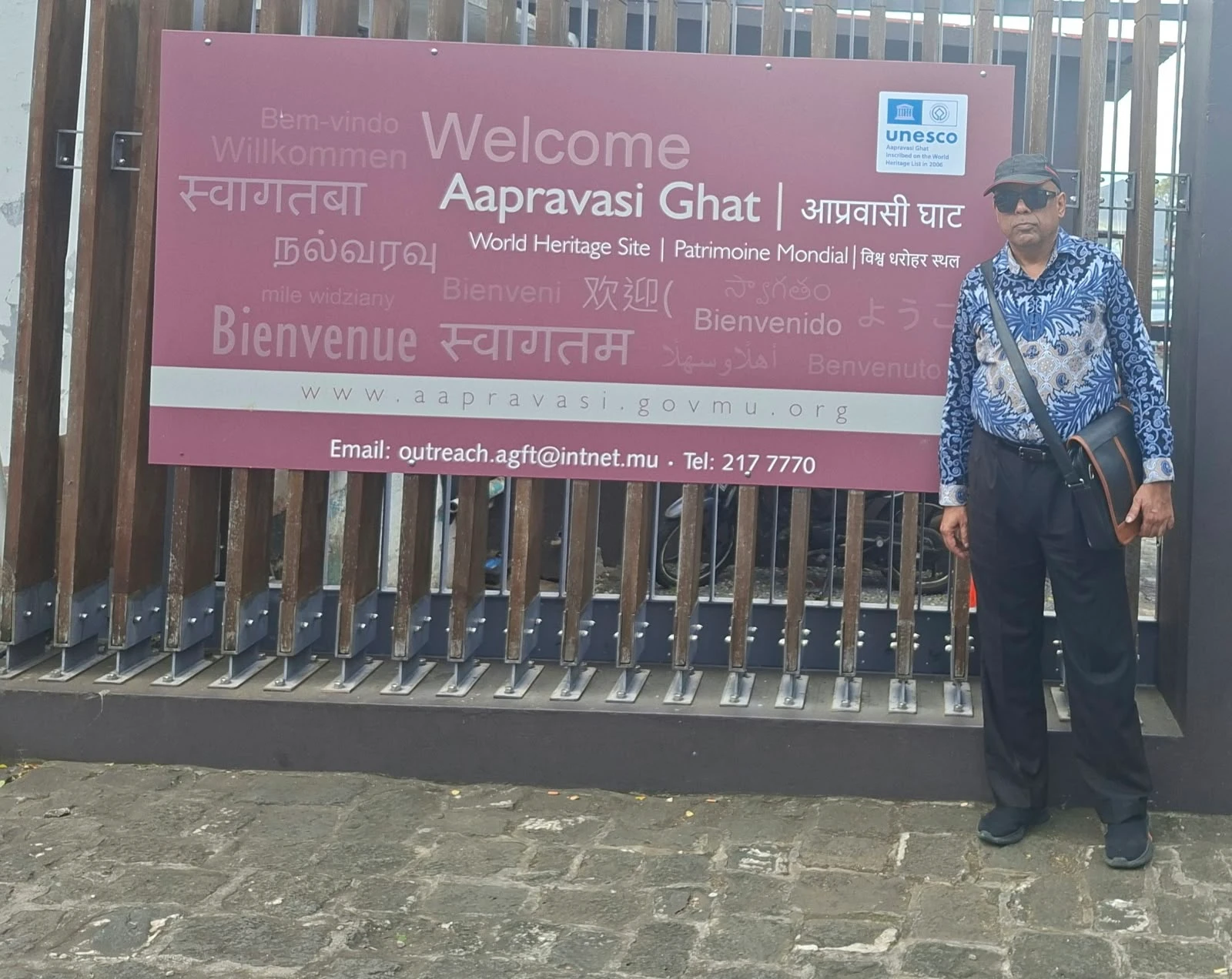
Stop 1
Mauritius
Aapravasi Ghat
Aapravasi Ghat in Port Louis is the historic immigration depot where hundreds of thousands of Indian indentured labourers first stepped onto Mauritian soil, shaping the nation's culture, heritage, and soul.
Where India's History Lives Across the Ocean
Mauritius is renowned worldwide for its pristine lagoons and volcanic peaks, but its true soul lies in a profound human journey that crossed the Indian Ocean.
Beginning with the arrival of indentured labourers at Aapravasi Ghat in 1834, generations of Indian migrants brought with them their languages, faith, rituals, and resilience. Over centuries, these traditions blossomed into a vibrant, living culture of temples, festivals, and enduring family ties that continue to define the identity of modern Mauritius.
Aapravasi Ghat in Port Louis is the historic immigration depot where hundreds of thousands of Indian indentured labourers first stepped onto Mauritian soil, shaping the nation's culture, heritage, and soul.
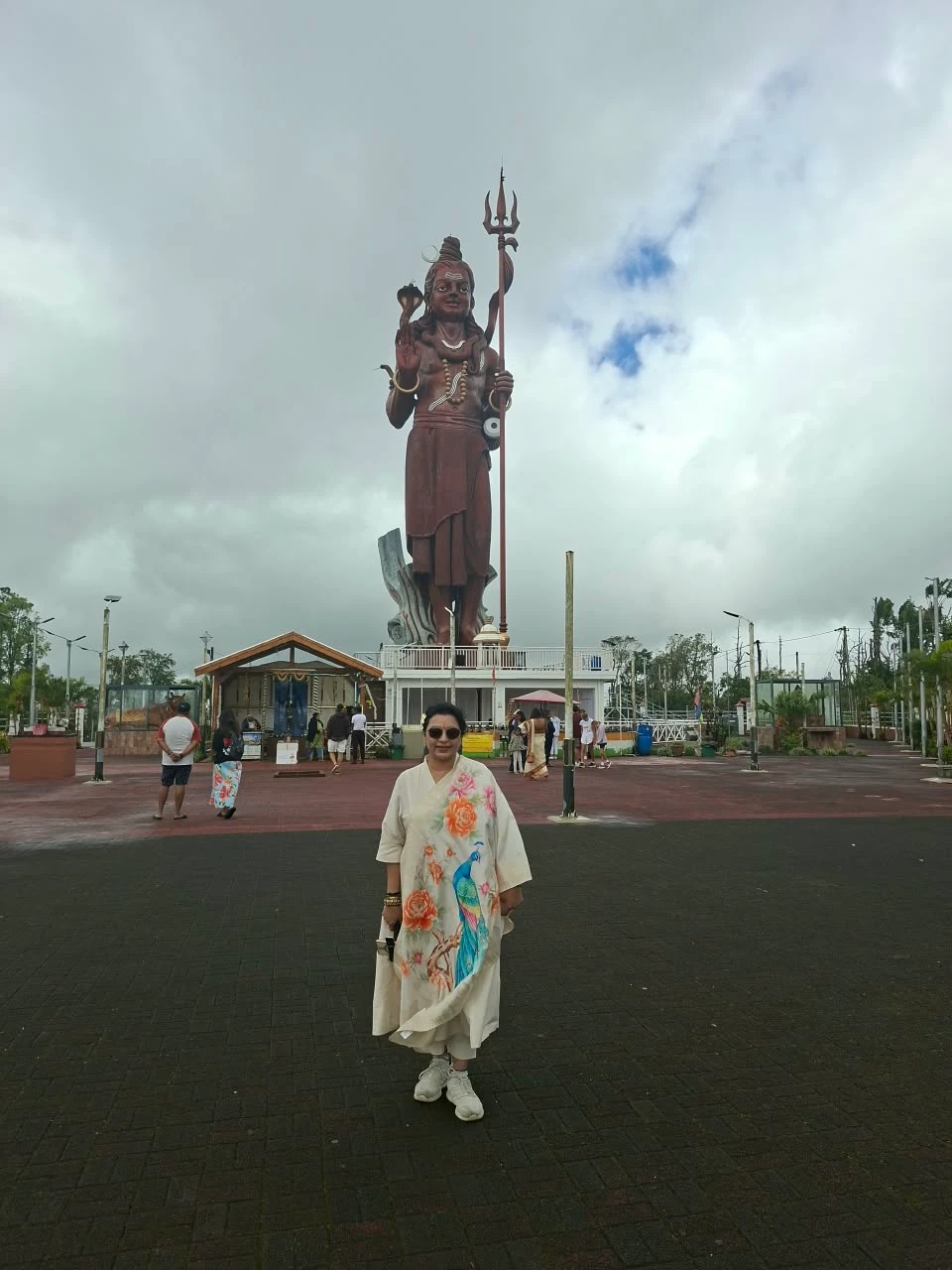
Surrounded by green forest and misty hills, Ganga Talao is a sacred crater lake regarded by Mauritian Hindus as a spiritual extension of the Ganga, home to colossal deities, hilltop shrines, and living faith.
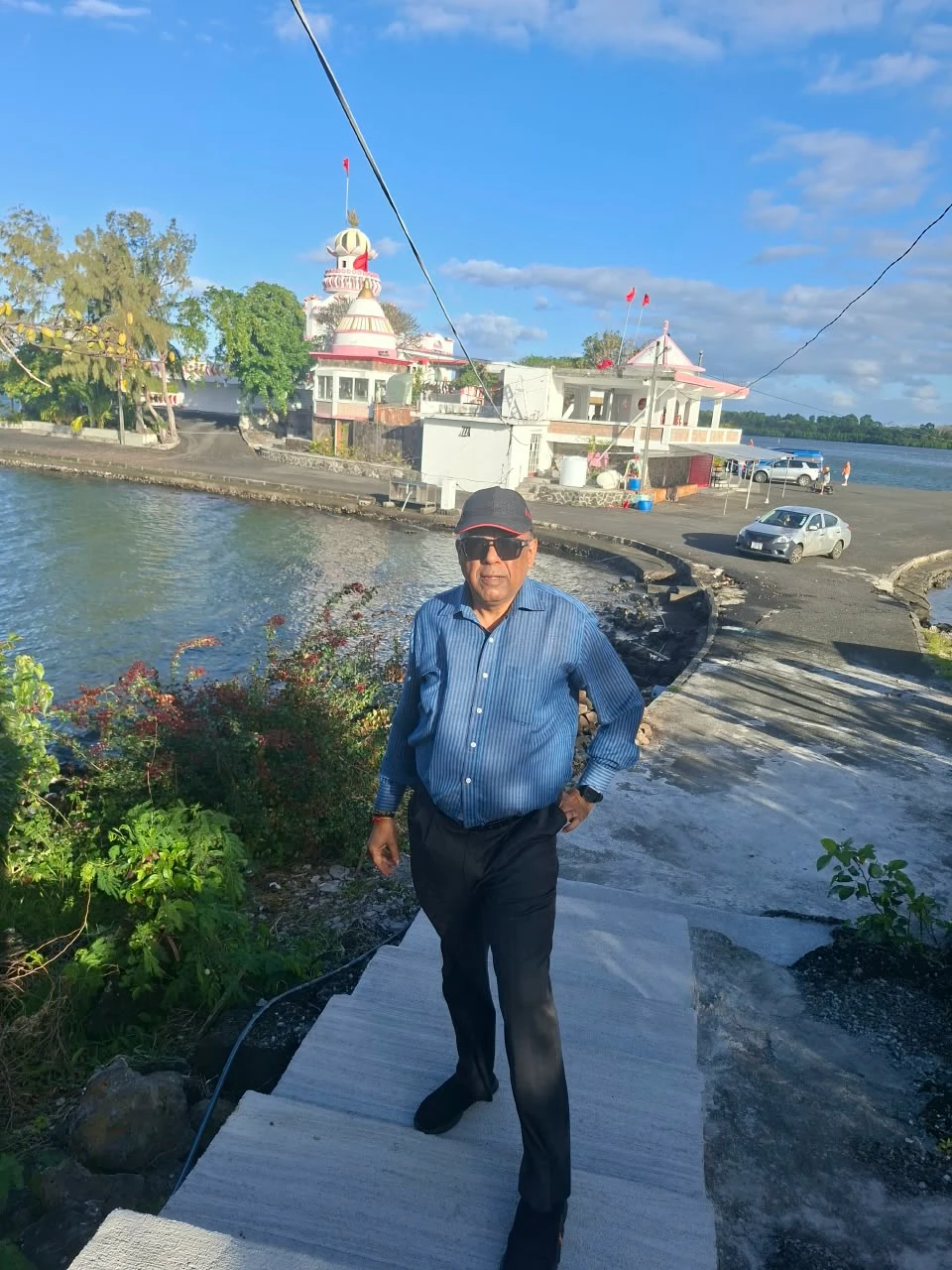
Mauritius is dotted with Hindu temples reflecting the island's Indian heritage: from Cap Malheureux and Grand Baie to the coastal serenity of Sagar Shiv Mandir and peaceful groves of Pointe des Lascars.
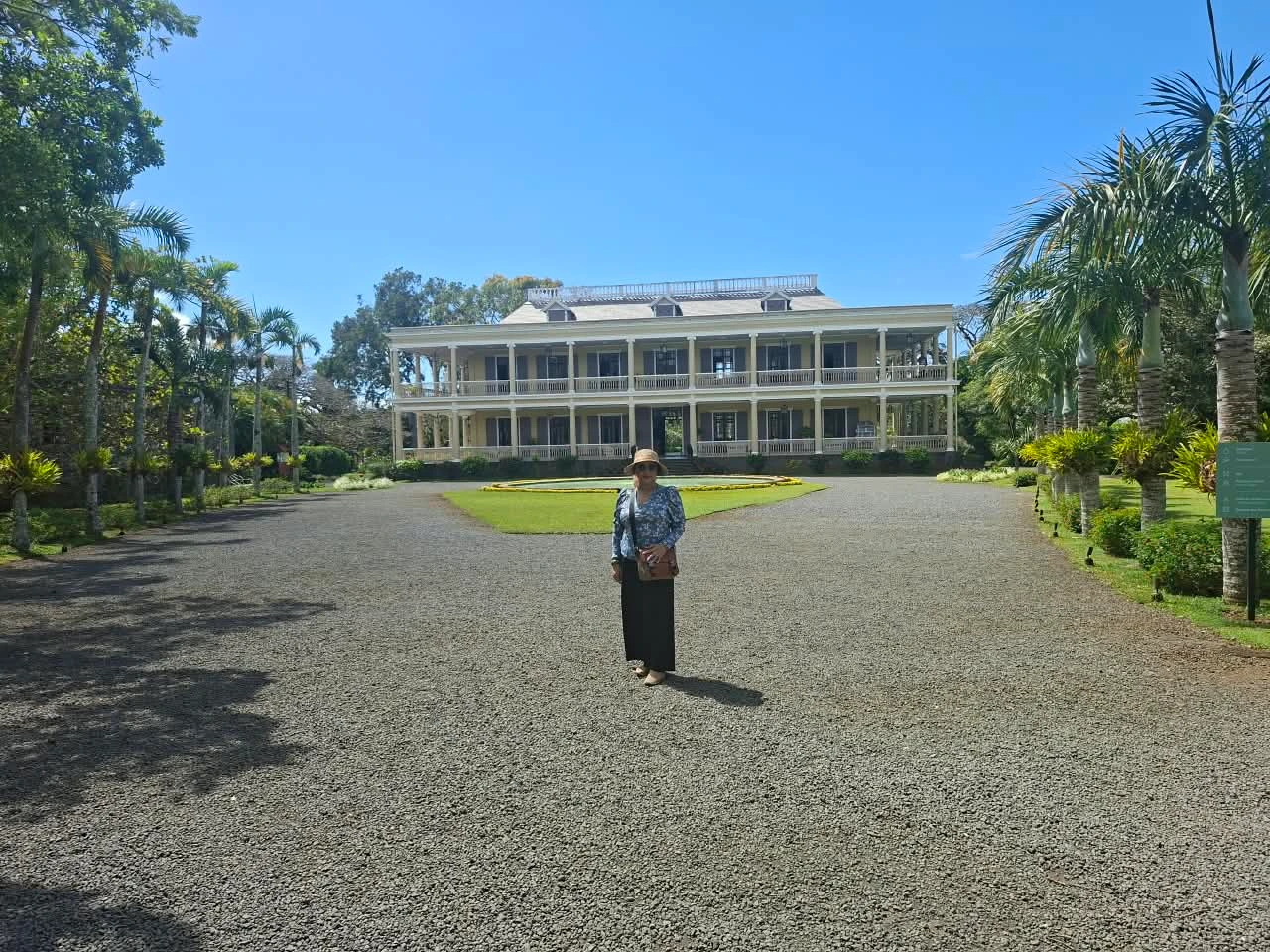
Explore Château de Labourdonnais in Mapou, Mauritius: the contrasting worlds of 19th-century colonial plantation wealth and the Indian indentured labourers whose resilience sustained the sugar economy.
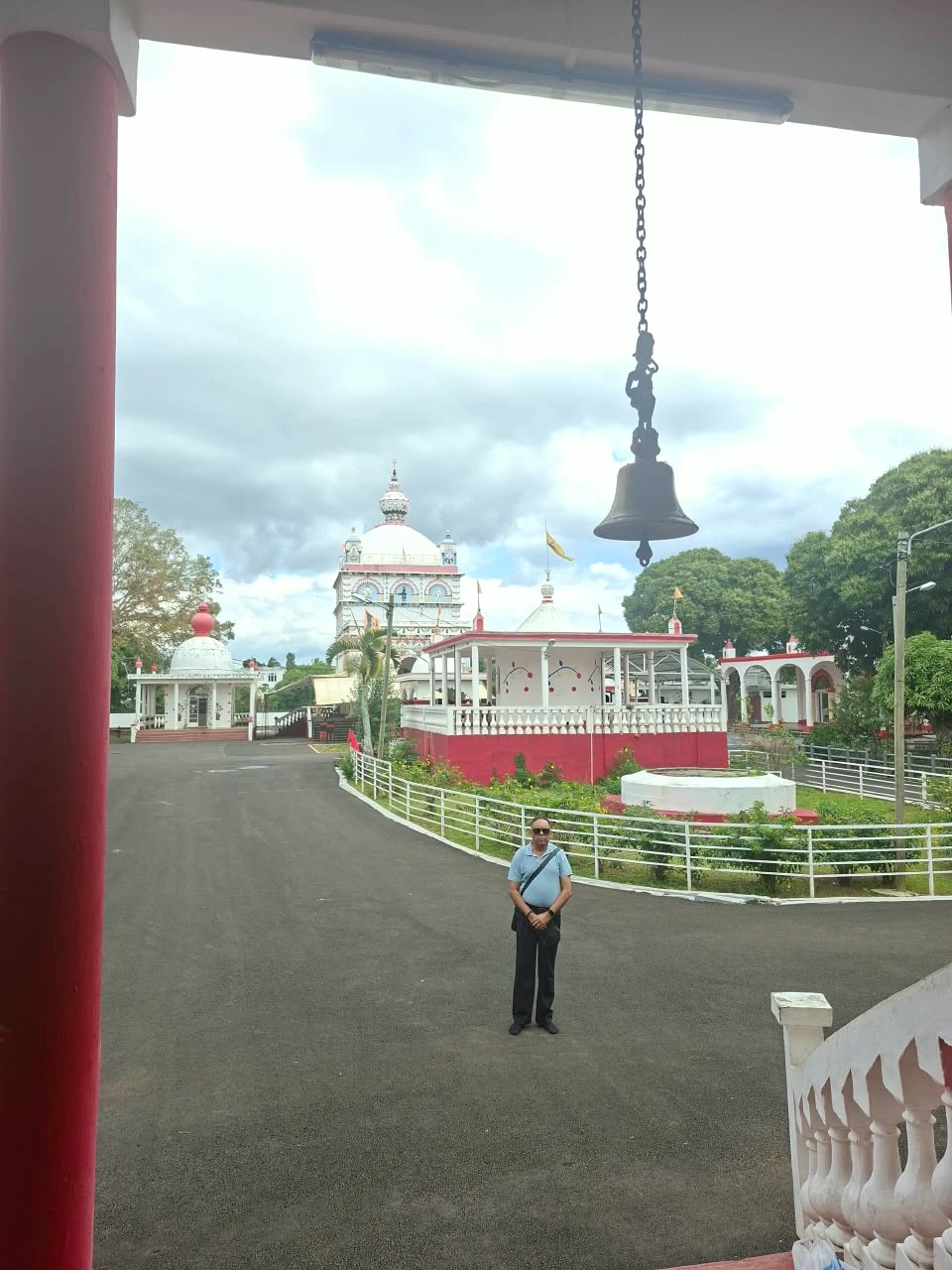
Maheshwarnath Temple, in Triolet, is one of the oldest and most revered Hindu temples in Mauritius, standing alongside coastal shrines at Pointe aux Piments.
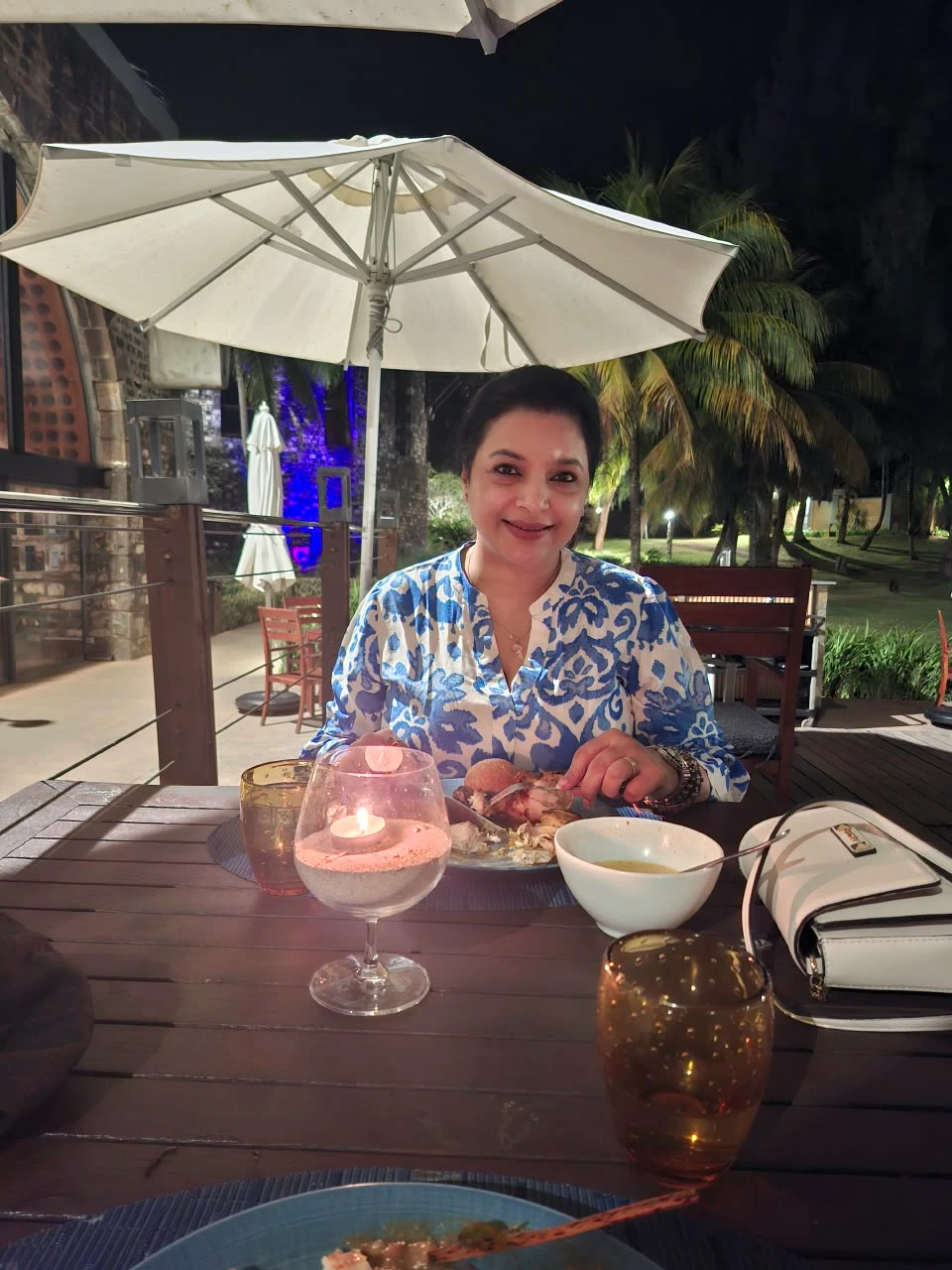
Explore the evolution of Indian food in Mauritius: from plantation-era rotis to iconic dholl puri, Cari Poisson et Bringel, Le Caudan thalis, and Alouda in Port Louis.