
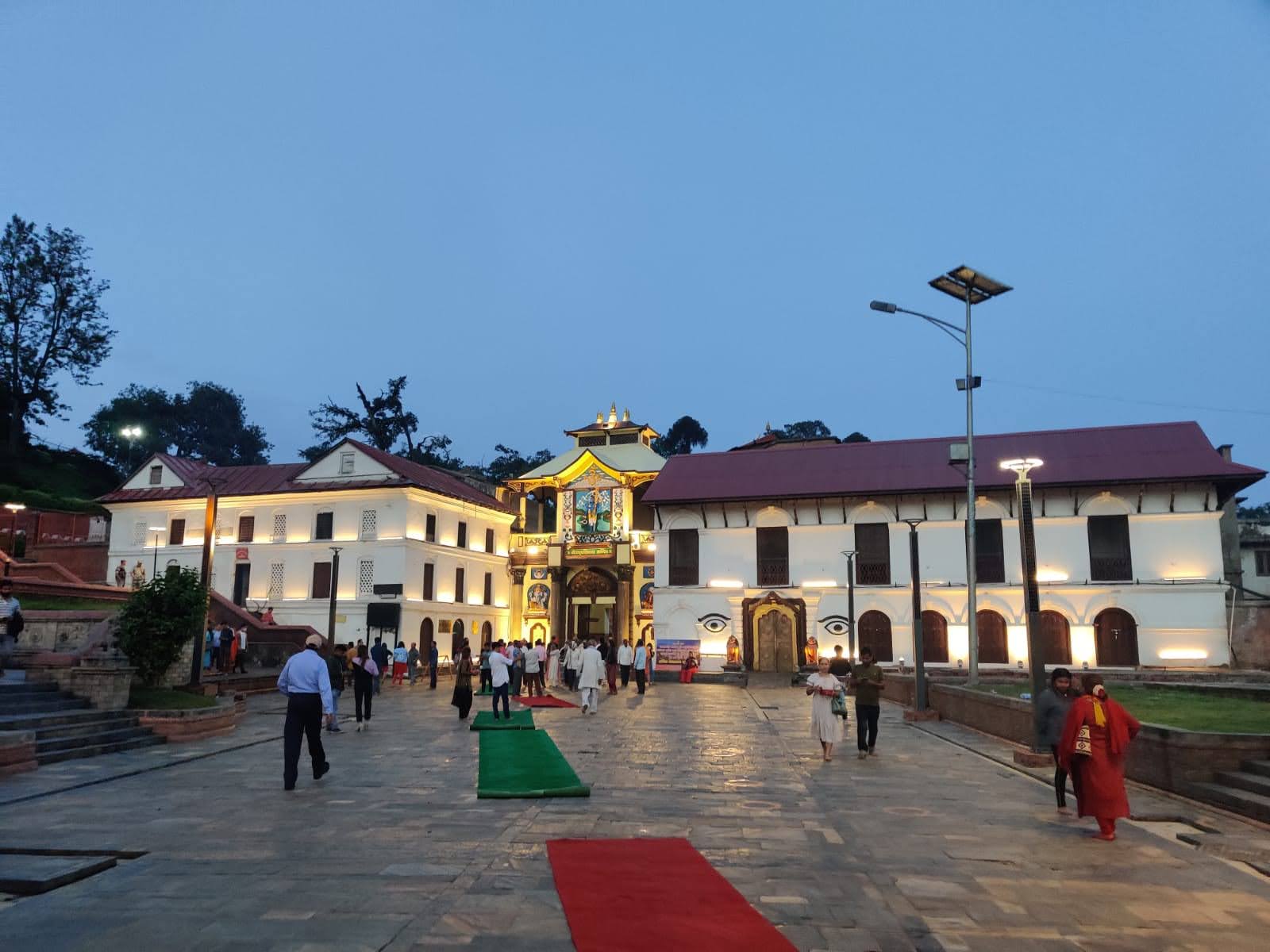
KATHMANDU NEPAL — PASHUPATINATH TEMPLE.
A UNESCO World Heritage Site & Sacred Shiva Shrine
Situated on the banks of the sacred Bagmati River, Pashupatinath is Nepal's most revered Hindu shrine—renowned for its two-tiered gilded roof, silver-plated doors, living Vedic traditions, and deep civilizational bonds bridging India and Nepal across the Himalayas.
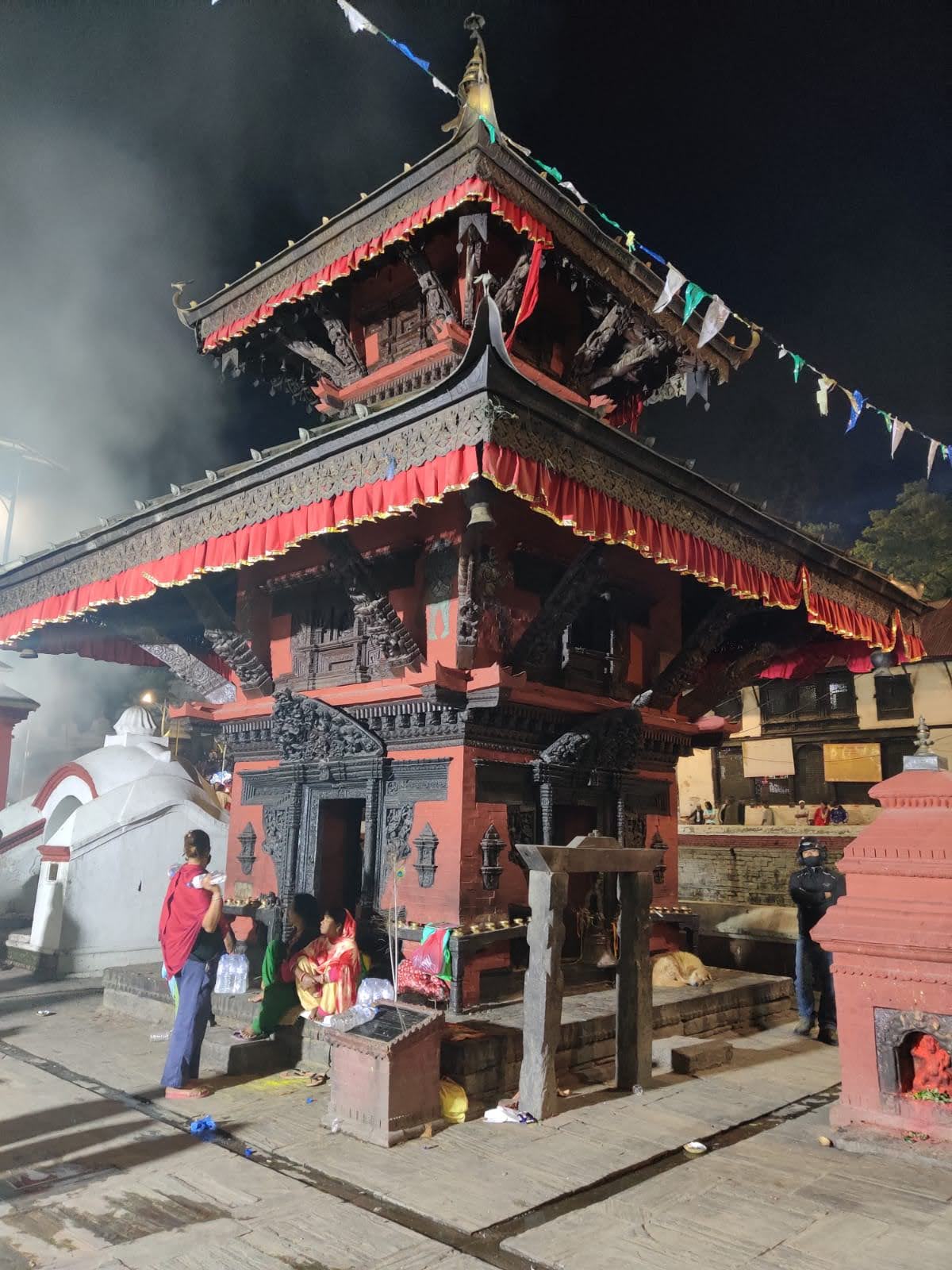
Sacred Architecture
Intricately carved timber struts and traditional multi-tiered pagoda architecture within the sacred complex
The Pashupatinath Temple
Nepal's Most Revered Hindu Shrine on the Bagmati
The Pashupatinath Temple, situated on the banks of the sacred Bagmati River in Kathmandu, is Nepal's most revered Hindu shrine and a major pilgrimage site for devotees of Lord Shiva worldwide. Established as early as the 5th century, the temple is renowned for its striking Nepalese pagoda-style architecture, featuring a two-tiered gilded roof, silver-plated doors, and intricate wood carvings.
As a UNESCO World Heritage Site, the vast complex encompasses over 500 smaller temples, shrines, and ashrams, though the inner sanctum—which houses the unique five-faced Shivalinga—is strictly reserved for Hindu worshippers.
Sanctuary of 500 Temples
An expansive sacred complex preserving the unique five-faced Mukhalinga and centuries of continuous Shaivite devotional worship.
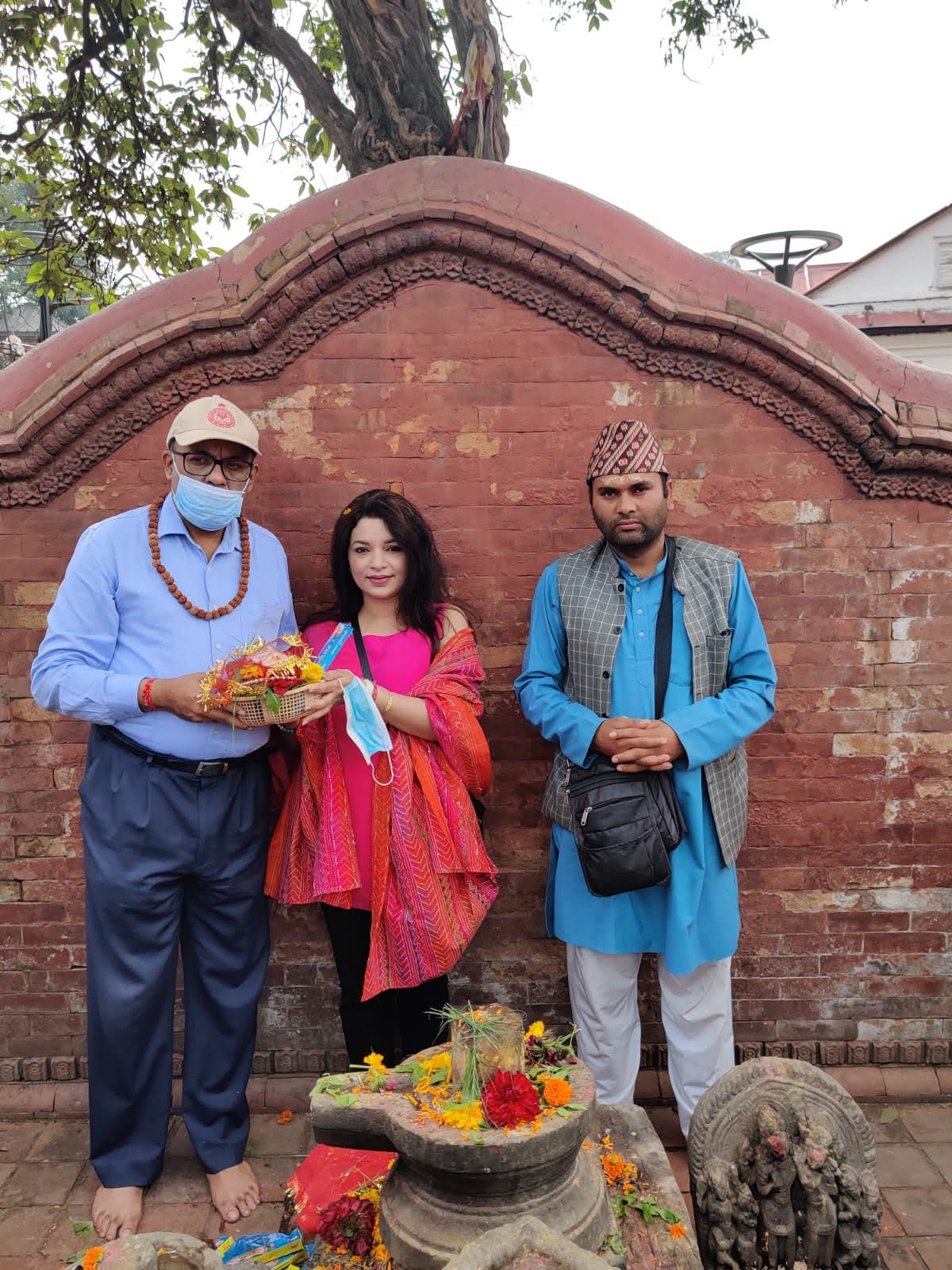
Sacred Ritual
Worshipping Lord Shiva assisted by a local Nepali pandit in an unbroken tradition of Vedic chanting
A Sacred Bond Across Borders
Traditional Puja and Shared Civilizational Heritage
Performing a traditional puja at Pashupatinath was one of the most profound spiritual experiences of our Nepal journey. Assisted by a local pandit, we worshipped Lord Shiva in a sacred ceremony that lasted about 45 minutes. As Vedic mantras resonated through the temple complex and the fragrance of incense filled the air, a deep sense of peace and devotion enveloped us.
Pashupatinath is far more than Nepal's most revered Shiva temple—it is a powerful symbol of the centuries-old spiritual and cultural bond between India and Nepal. The same Vedic traditions, Sanskrit chants, and rituals that have united devotees across the Indian subcontinent for millennia continue to thrive here. Sitting beside the sacred Bagmati River, I felt that faith transcends modern borders, reminding us that our shared Hindu heritage is woven into the very soul of both nations.
Faith Beyond Borders
Sanskrit mantras and rituals shared across India and Nepal, uniting pilgrims in centuries of common spiritual brotherhood.
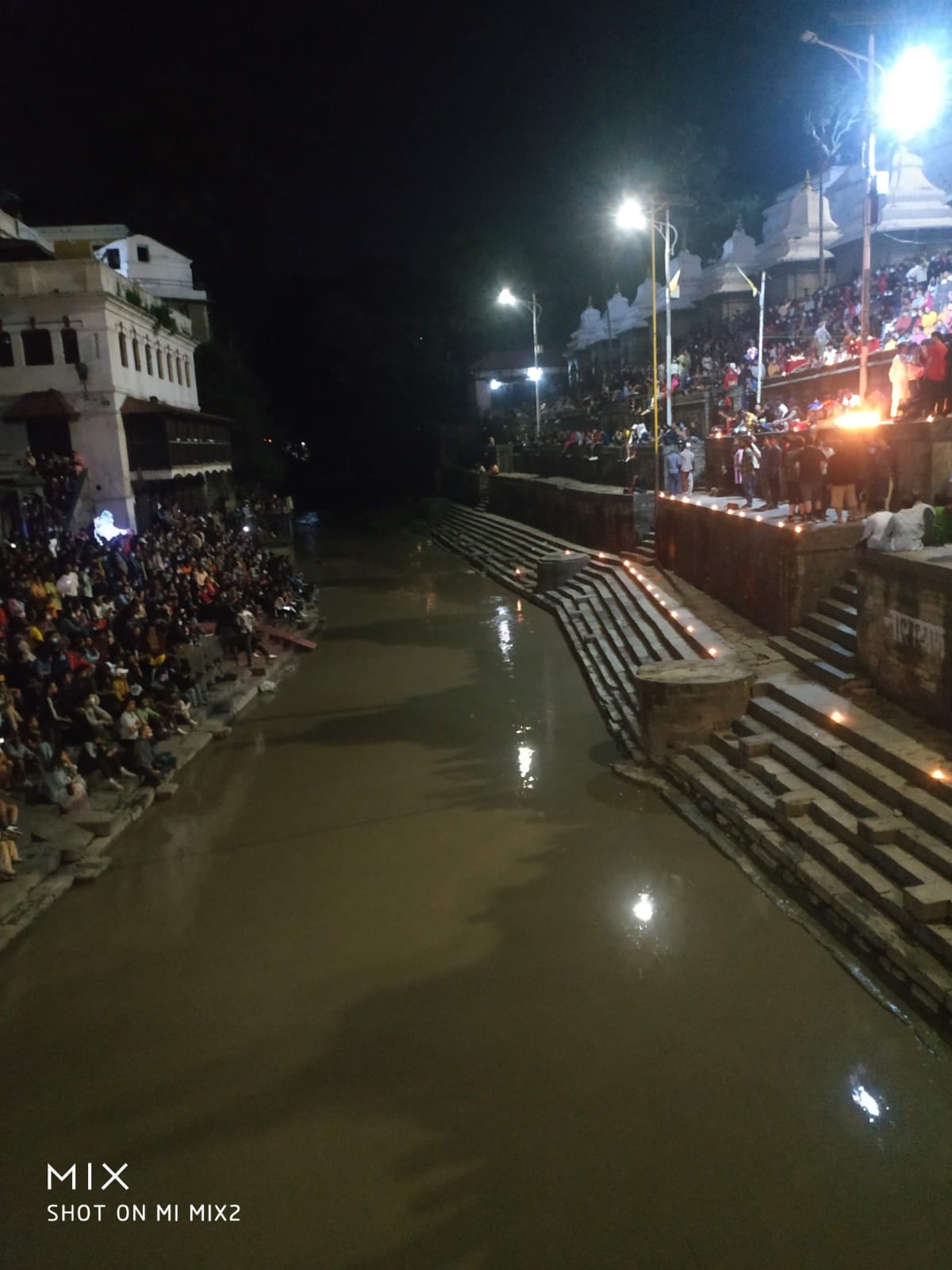
Sacred Ghats
Evening crowds and burning oil lamps beside the sacred Bagmati River along the stone terraces of Pashupatinath
Pashupatinath Temple - The Powerful Spiritual Center
Where the Cycles of Life and Death Meet
The temple serves as a powerful spiritual center where the cycles of life and death are visibly intertwined. Along the riverbanks lie the "Arya Ghats," where open-air cremation ceremonies are performed daily, reflecting the Hindu belief that being cremated in these holy waters ensures a human rebirth and liberation from the cycle of suffering.
The atmosphere is particularly electric during the Maha Shivaratri festival, when hundreds of thousands of pilgrims, including ash-smeared Sadhus, gather to offer prayers. Even for non-Hindus, who can observe the complex from across the river, the site remains an unforgettable cultural landmark defined by its profound devotion and ancient traditions.
Timeless Cosmic Cycle
A profound cultural encounter where daily cremation ceremonies and ecstatic evening Aarti reflect liberation and moksha.
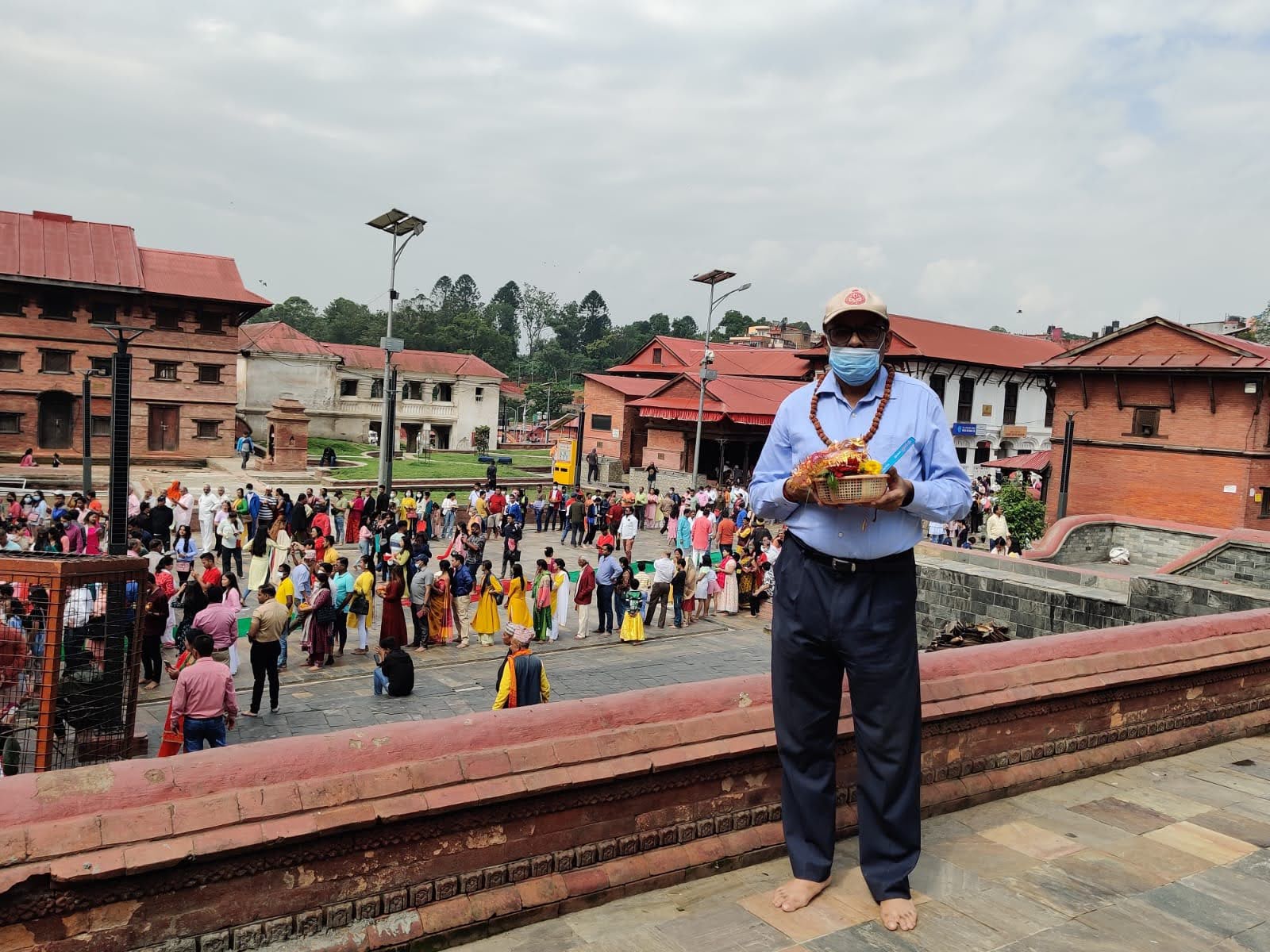
Living Pilgrimage
Pilgrims gathered in devotion in the sacred courtyard beneath the shadow of the Himalayas
Pashupatinath Temple - Journey Beyond the Himalayas
Unbroken Civilizational Continuity
As an Indian traveller standing at Pashupatinath, we experienced an unusual sense of familiarity. The temple was unmistakably Nepalese, the architecture belonged to Kathmandu, and the Himalayas formed the backdrop — yet the devotion to Shiva, the bells, the rituals and the sacred river felt deeply connected to the cultural world we knew.
It reminded us that civilisations do not always follow modern political boundaries. The journey of Hindu traditions across the Himalayas had created a cultural bridge between India and Nepal that could still be felt very strongly at Pashupatinath.
Bridges of Civilisation
How devotion to Shiva and Vedic philosophy forged an indelible cultural highway transcending political frontiers.
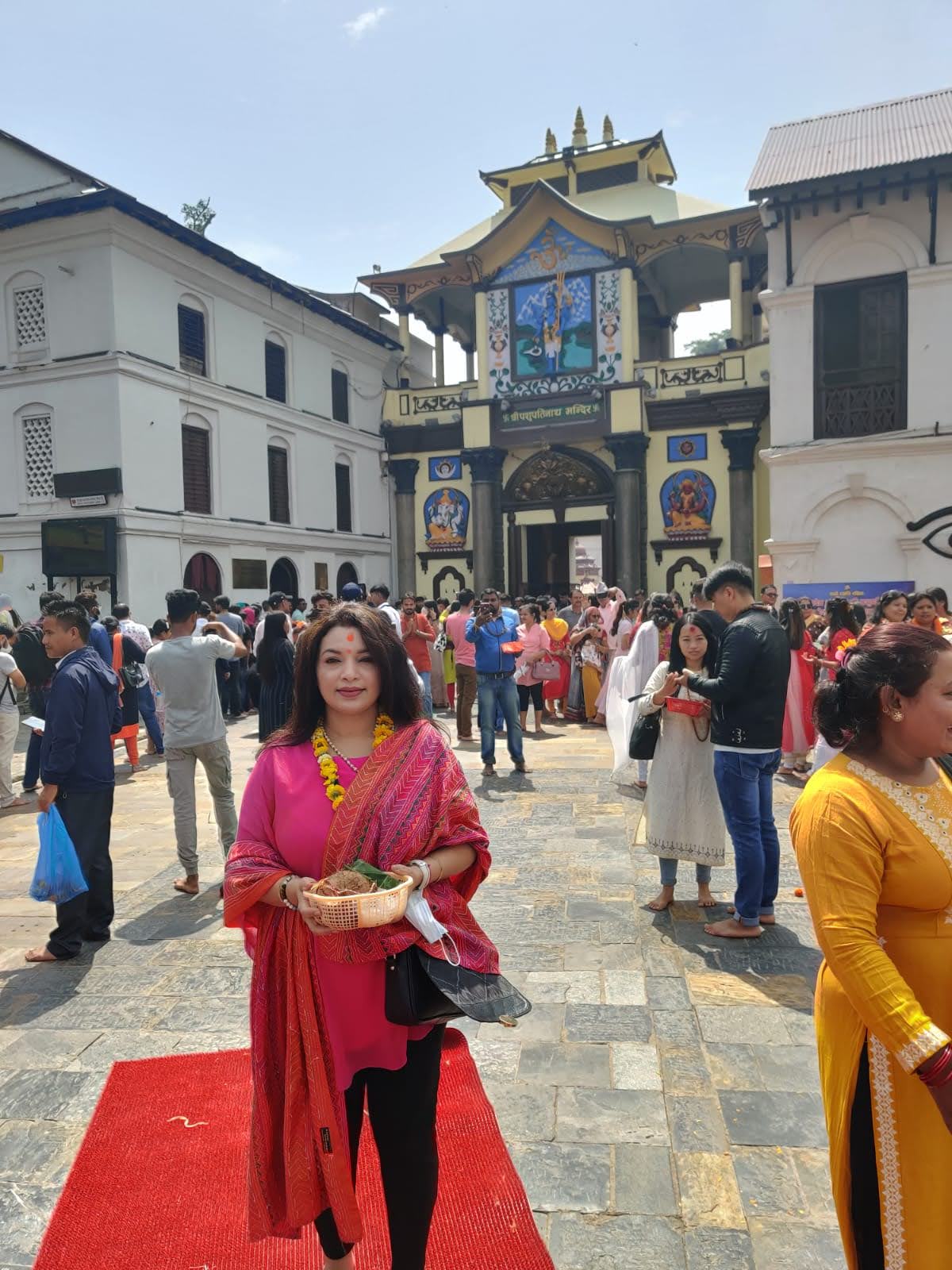
Second Visit
Devotees standing before the grand entrance portal reflecting on faith and timeless rhythm
The Pashupatinath I Remember
Ringing Bells, Sadhus & the Flowing Bagmati
This was our second visit to Pashupatinath, yet the temple felt no less special. This time, I noticed less the architecture and more the atmosphere—the golden temple roof, ringing bells, sadhus, devotees in prayer and the Bagmati flowing quietly beside the ghats.
Life, devotion and death seemed to exist together in a timeless rhythm. We arrived as returning visitors, but left with a deeper reflection on faith and the cultural connection across the Himalayas.
Devotion in the Air
Beyond stone and timber: the visceral impact of temple bells, drifting incense, sadhus, and the quiet river.
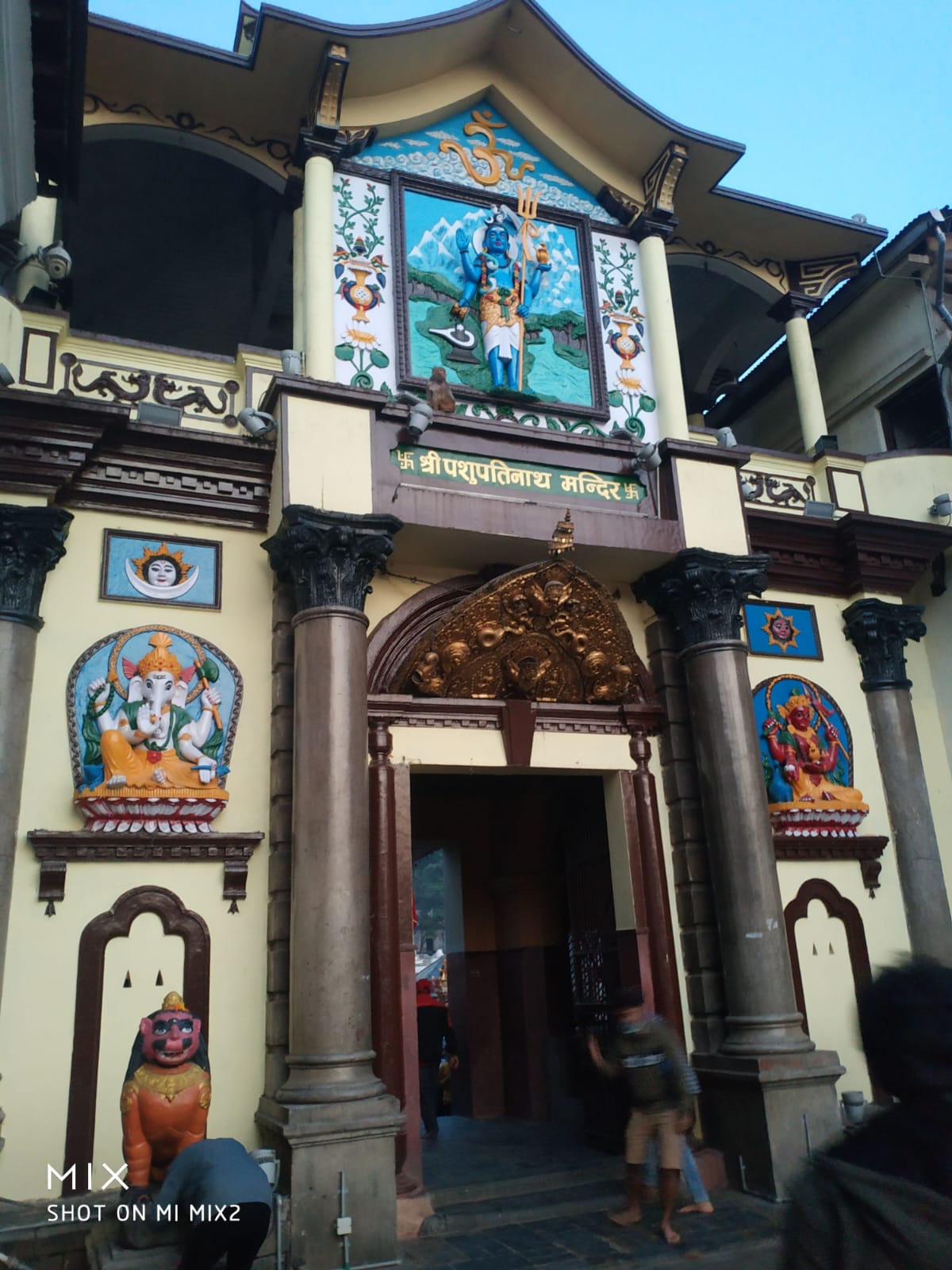
Sacred Threshold
The revered entrance portal guarding centuries of unbroken South Indian Bhatta priesthood traditions
Priests from Kerala: The South Indian Guardians of Pashupatinath
From the Arabian Sea to the High Himalayas
One of the most remarkable examples of the enduring spiritual ties between India and Nepal is found at Kathmandu's sacred Pashupatinath Temple. For over many centuries, the temple has upheld a unique tradition in which its chief priests, known as Bhattas, are appointed from highly trained South Indian Vedic scholars, primarily from Kerala, Karnataka, Andhra Pradesh, and Maharashtra.
Rooted in reforms inspired by the teachings of Adi Shankaracharya and strengthened during the reign of King Yaksha Malla, this practice preserves the temple's ancient rituals while serving as a living reminder that faith has long transcended political borders, binding the Himalayas with the Indian peninsula.
The Bhatta Tradition
Vedic scholars from South India preserving ancient Tantric and Vedic rituals in the sanctum for over six centuries.
Tips for Visiting Pashupatinath Temple
Essential visiting guidelines, sacred etiquette, and respectful observation for pilgrims and cultural travelers.
Morning Prayers & Evening Aarti
Visit early morning or attend the evening Bagmati Aarti.
Modest Attire & Respect
Dress modestly and respect temple customs.
Main Sanctum Access
Only Hindus may enter the main sanctum.
Strict Photography Rules
Photography is restricted inside the main temple.
Belongings & Temple Monkeys
Keep an eye on your belongings, especially around monkeys.
Arya Ghats Etiquette
Be respectful near the cremation ghats.
Recommended Time
Allow about 2 hours to explore the temple complex.
Cremation Ghats Respect
Be respectful near the cremation ghats.
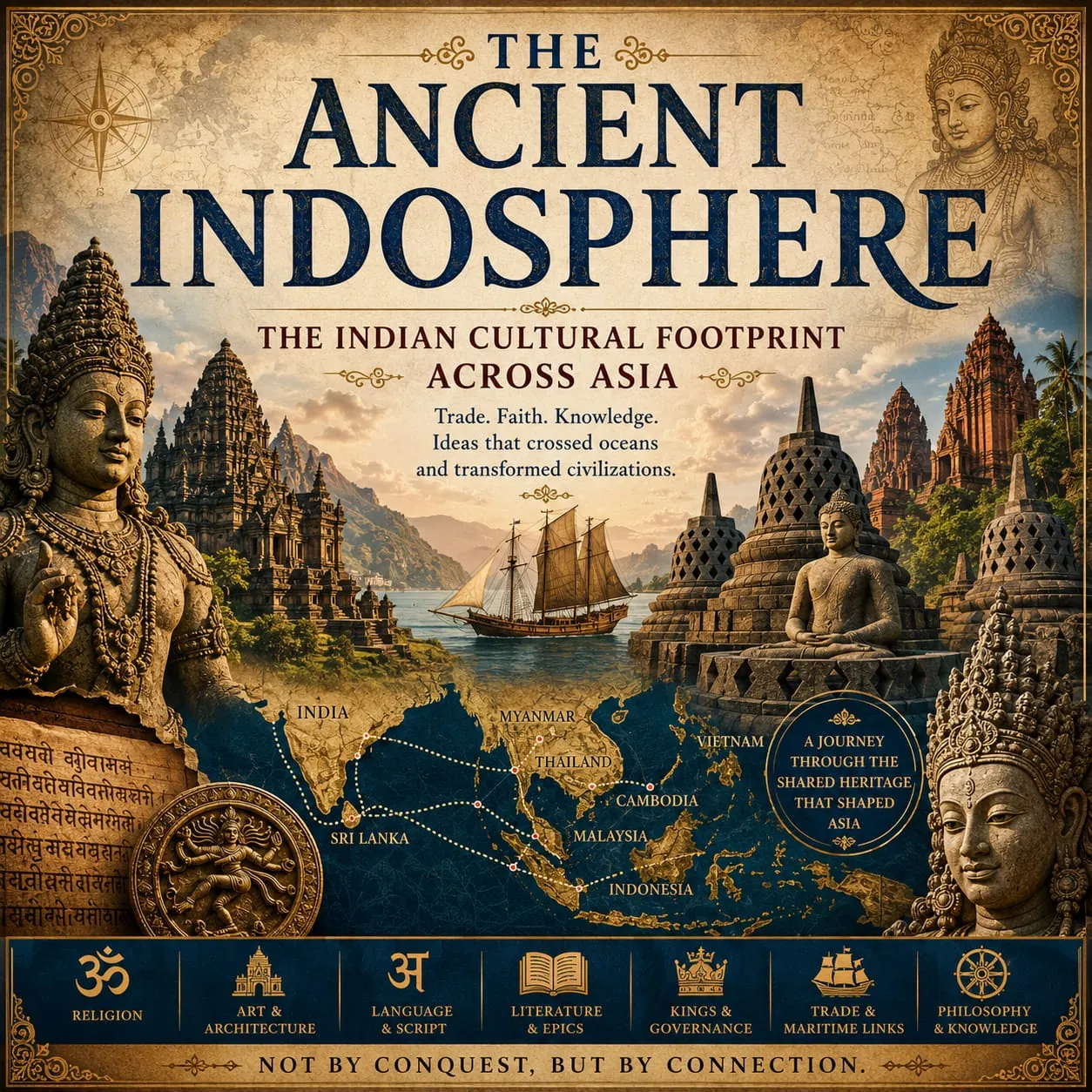
TRAVELLING THROUGH THE TIMELESS LEGACY OF INDIAN CIVILIZATION ACROSS ASIA AND BEYOND
“Not by conquest, but by connection.”
At Pashupatinath, the ancient Sanskrit chants, South Indian Bhattas, and sacred rituals beside the Bagmati River reflect centuries of unbroken civilizational communion bridging the heartland of India and the crown of the Himalayas.