
PATAN — NEPAL
A World Heritage Site
Located across the Bagmati River from Kathmandu, Patan (historically known as Lalitpur, the City of Beauty) is one of the oldest Buddhist cities in the world.
Patan Durbar Square
Ancient palaces, pagoda temples, and sacred shrines of the Malla kings
1. Patan: A World Heritage Site
Located across the Bagmati River from Kathmandu, Patan (historically known as Lalitpur, the City of Beauty) is one of the oldest Buddhist cities in the world.
Renowned for its unparalleled concentration of historic architecture, the city is a living museum of Newar craftsmanship, metalwork, and stone carving. At its heart lies Patan Durbar Square, a breathtaking UNESCO World Heritage Site filled with ancient palaces, pagoda temples, and sacred shrines that reflect the spiritual and artistic zenith of the Malla kings.
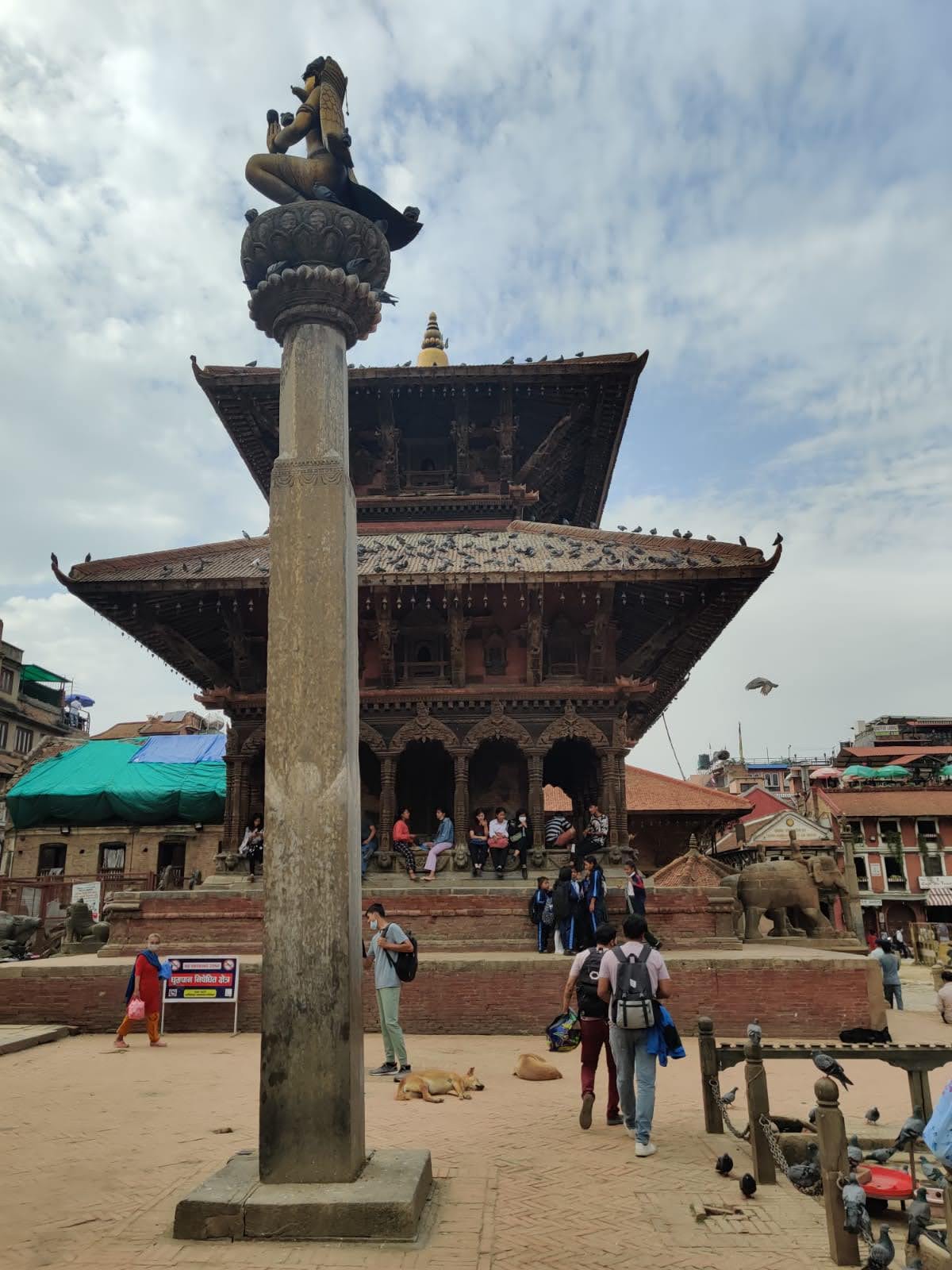
Vishwanath Temple • 1627 CE
Majestic stone elephants guarding the entrance of the Shiva temple
2. Vishwanath Temple
The Vishwanath Temple is one of the most intricately carved stone and wood structures in Patan Durbar Square.
Dedicated to Lord Shiva, the temple is easily recognized by the two majestic stone elephants guarding its entrance and the beautifully detailed timber struts depicting various deities.
Built in 1627 by King Siddhinarasimha Malla, it remains a vital centre of Hindu worship and an enduring example of medieval Nepalese religious architecture.
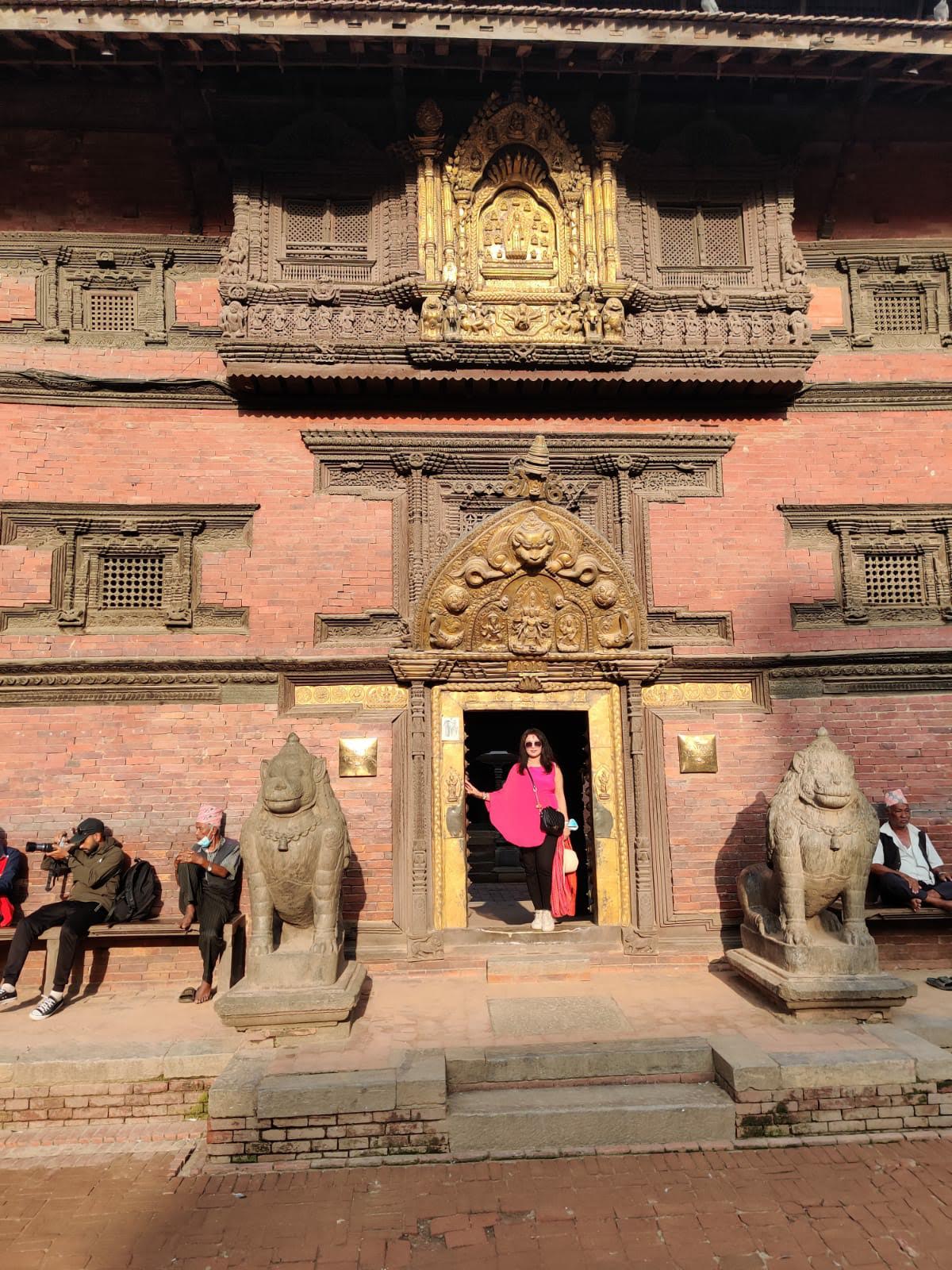
Sunjhya • The Golden Window
15th Century Metalwork
A breathtaking masterpiece of repoussé metalwork
3. The Golden Window
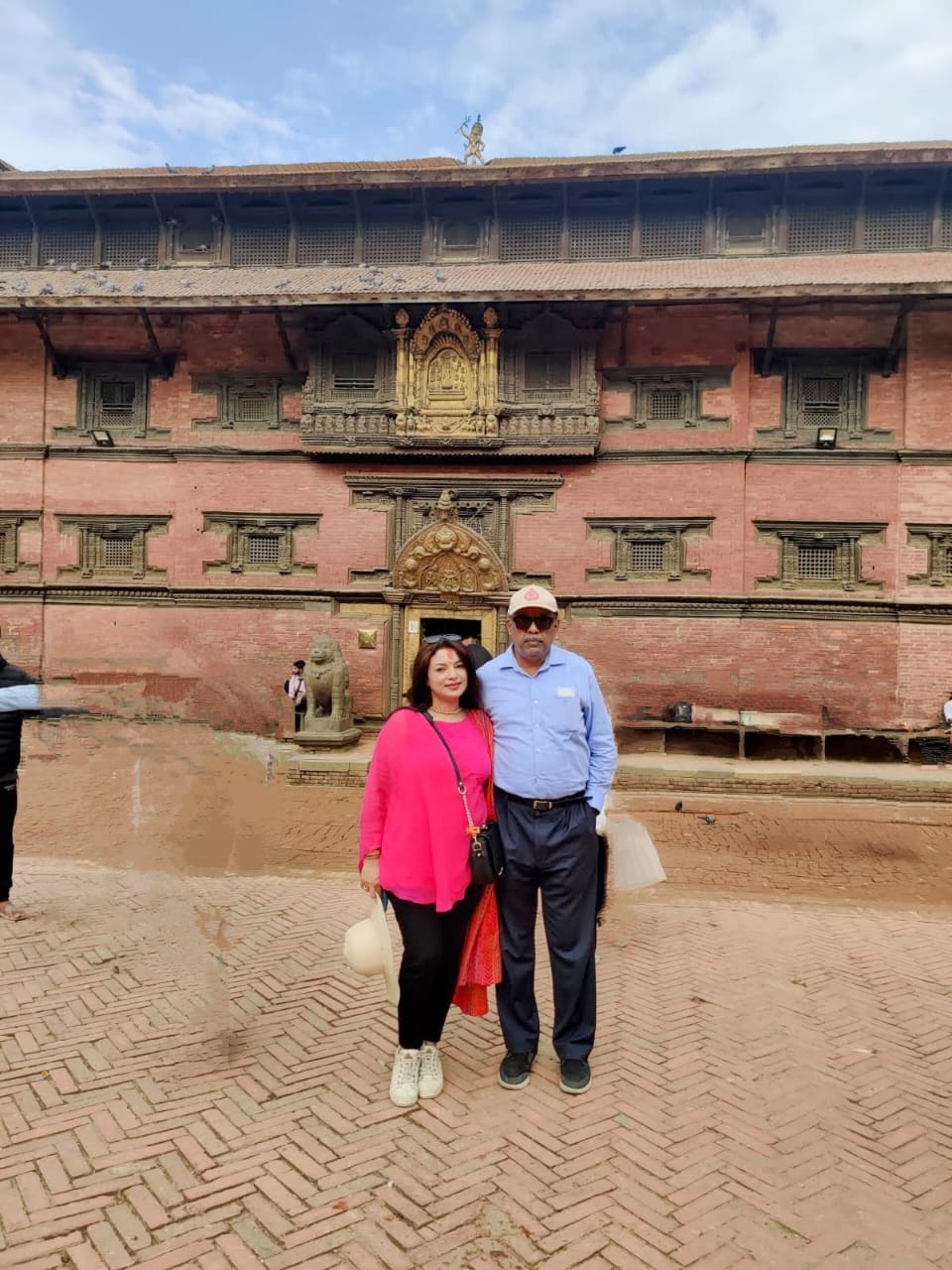
The Golden Window, or Sunjhya, is a breathtaking masterpiece of repoussé metalwork set into the brick façade of the Patan Royal Palace.
Crafted in the 15th century, it once allowed members of the royal family to observe palace ceremonies in privacy. Today, this architectural gem stands as a lasting symbol of the extraordinary artistry, wealth, and cultural sophistication of the Malla Kingdom.
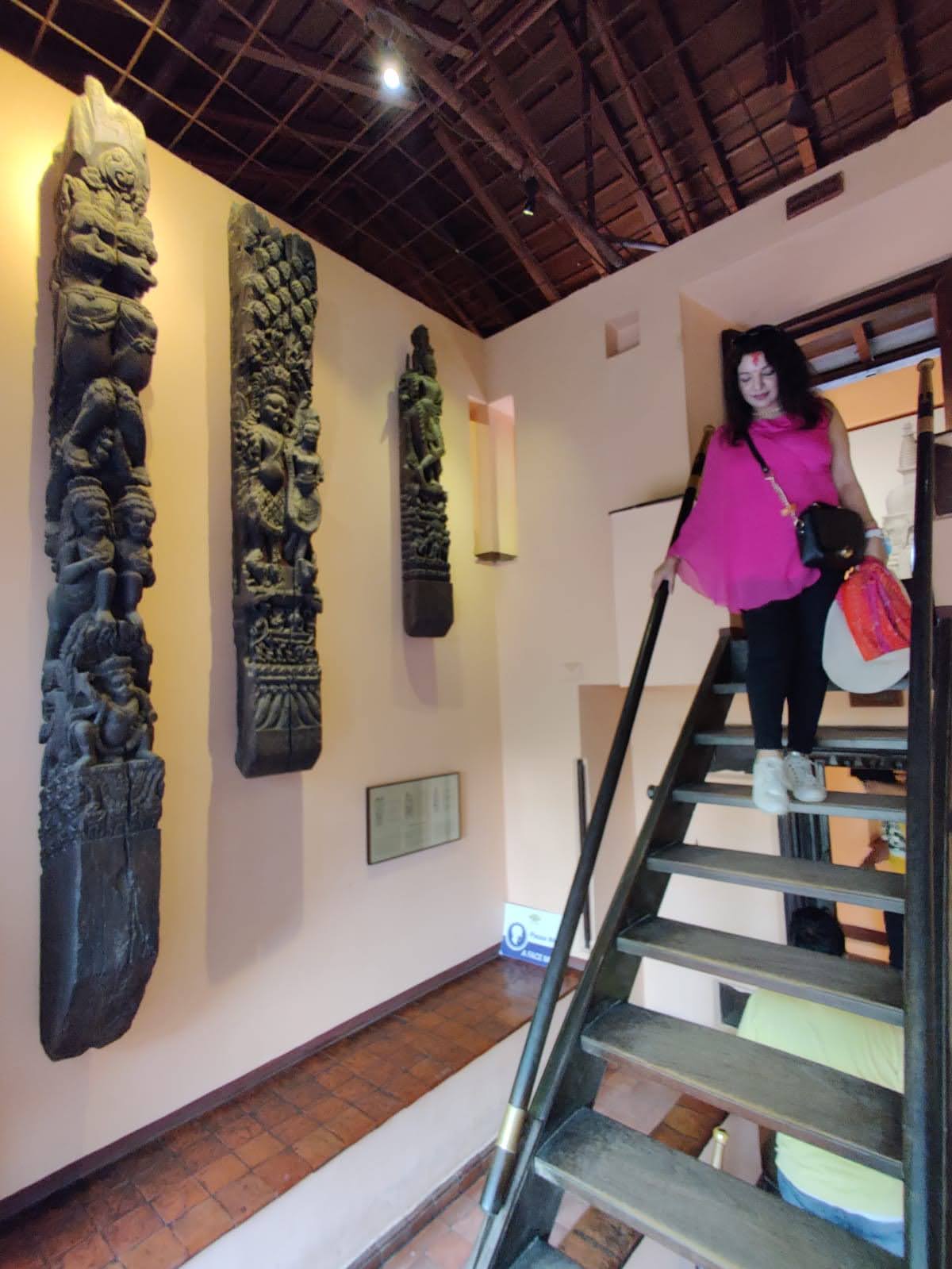
Keshav Narayan Chowk
A former royal palace now showcasing Nepal's finest sacred art collection
4. Patan Museum: Preserving Nepal's Sacred Heritage
Housed within the beautifully restored Keshav Narayan Chowk of Patan Durbar Square in Lalitpur, the Patan Museum is widely regarded as one of Nepal's finest museums.
Once a royal palace of the Malla kings, it now showcases an exceptional collection of bronze sculptures, stone carvings, religious manuscripts, and sacred artworks that trace the evolution of Hinduism and Buddhism in the Kathmandu Valley.
Walking through its peaceful courtyards and elegant Newari architecture, we gained a deeper appreciation of Nepal's remarkable artistic heritage, where every gallery tells the story of centuries of devotion, craftsmanship, and cultural exchange.
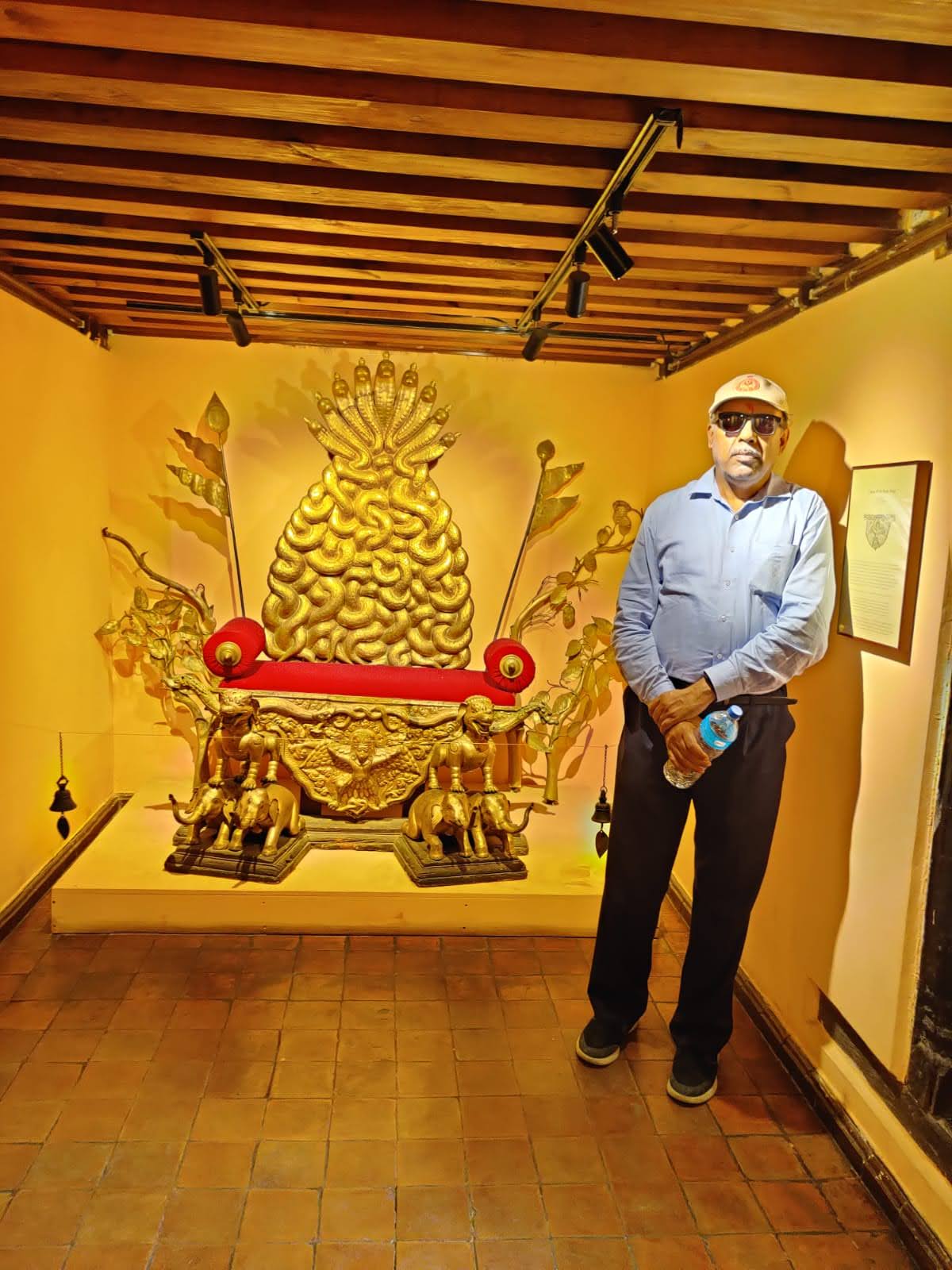
Royal Throne of Patan
A symbol of authority and ceremonial grandeur
5. Patan: Royal Throne of the Patan King
The royal throne of the Patan Kings, Nepal, served as a symbol of authority and ceremonial grandeur for more than a century.
Crafted from finely carved wood, richly decorated gilt copper, and later enhanced with modern upholstery, the throne reflects the artistic excellence of the Newar craftsmen of the Kathmandu Valley.
Even today, this historic throne is ceremonially displayed each year at the revered Krishna Mandir in Patan Durbar Square, allowing visitors to witness a living connection to Nepal’s royal heritage and timeless cultural traditions.
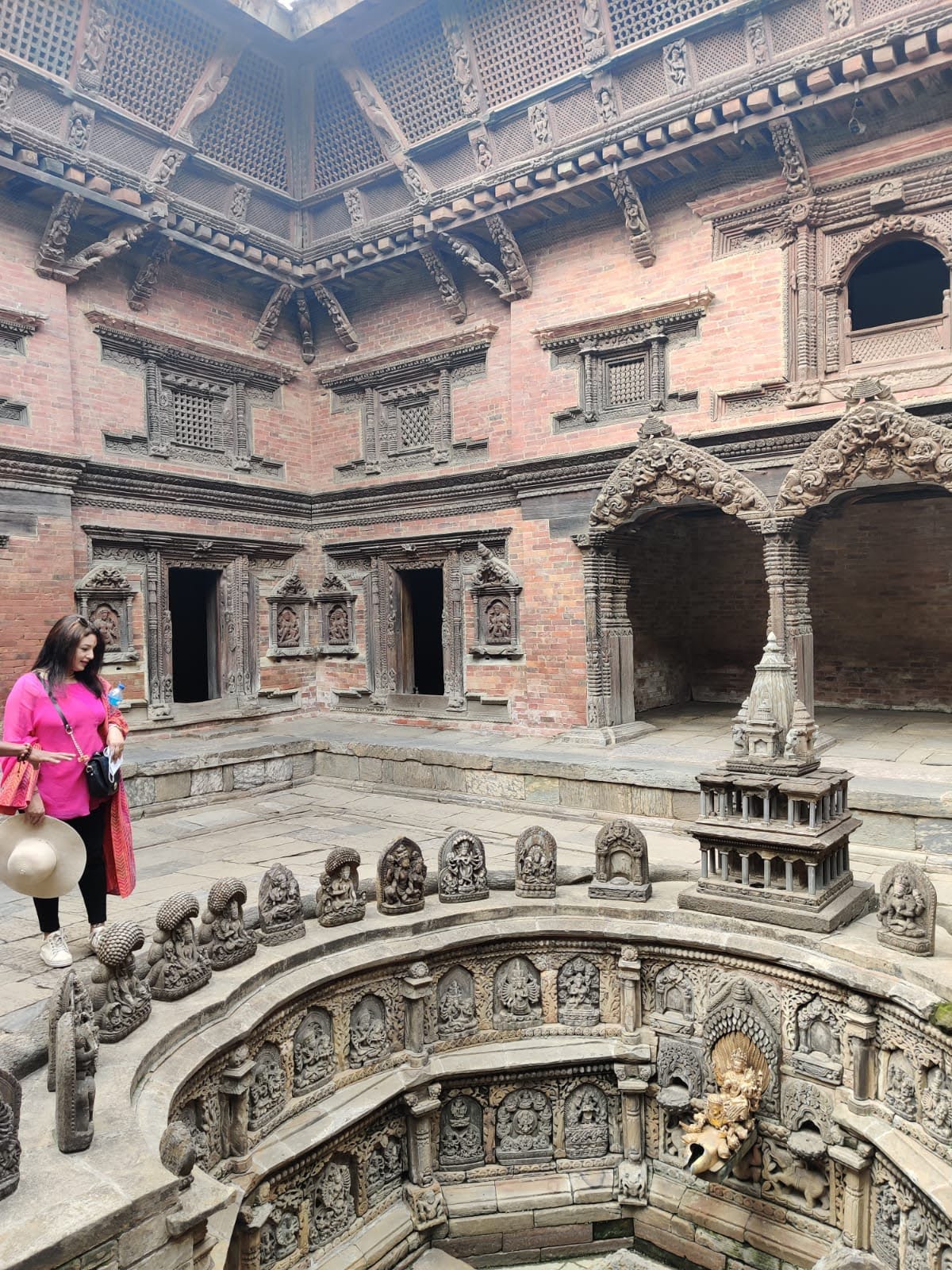
Sundari Chowk • Tusha Hiti
The Royal Bath featuring intricate stone carvings and refined water engineering
6. Patan Durbar Square Complex: Royal Bath
This photograph shows the beautiful Tusha Hiti, also known as the Royal Bath, an extraordinary sunken stepwell situated within the elegant courtyard of Sundari Chowk.
Part of the historic Patan Durbar Square complex in Lalitpur, this architectural masterpiece forms an important section of the UNESCO World Heritage Site.
Renowned for its intricate stone carvings, refined water engineering, and remarkable Newar craftsmanship, Tusha Hiti reflects the artistic sophistication and royal lifestyle of medieval Nepal.
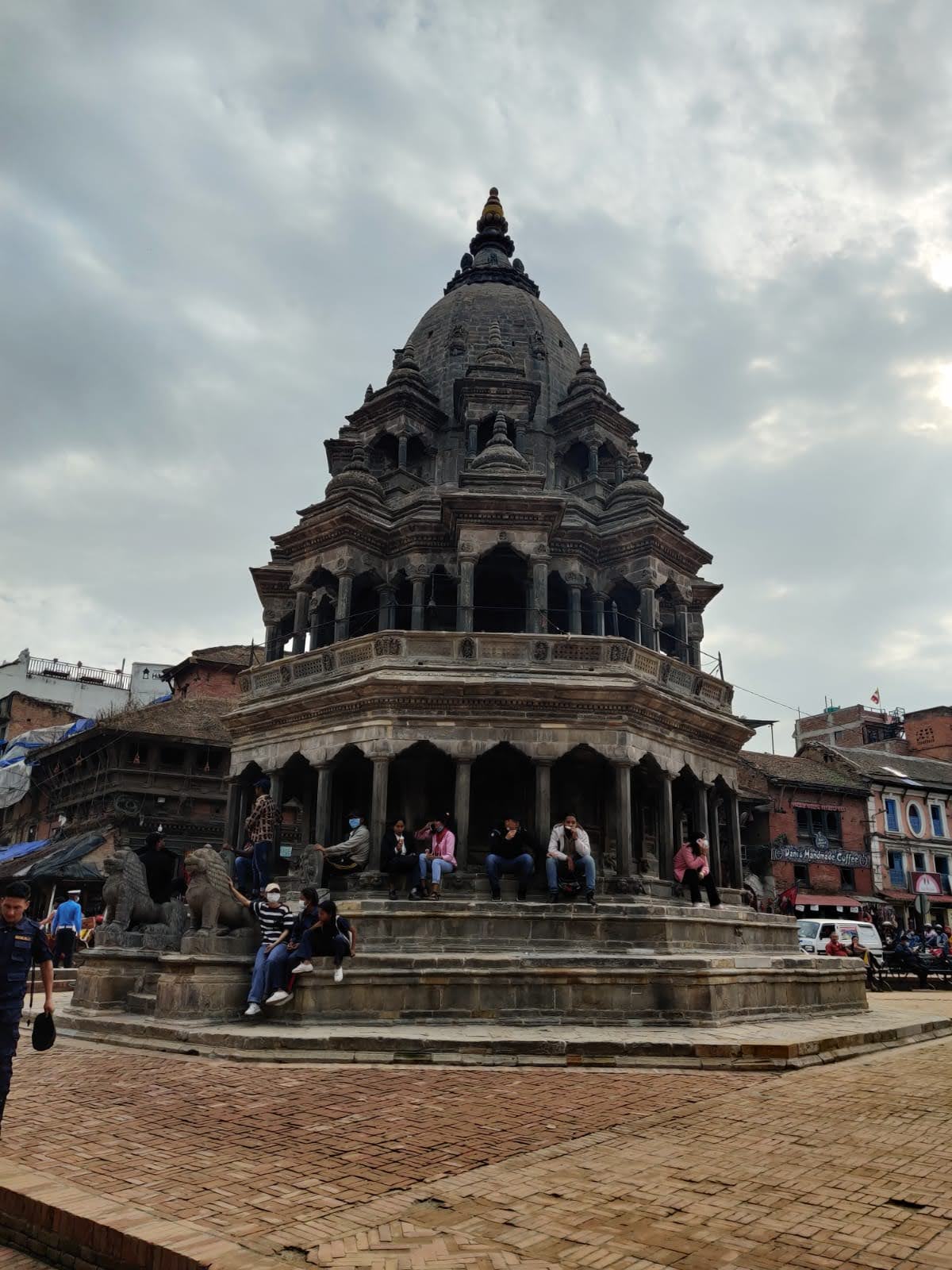
Chyasim Deval
Distinct North Indian Shikhara-style stone design from the Malla era
7. Chyasim Deval: An Elegant Octagonal Stone Temple Dedicated to Lord Krishna
The Chyasim Deval is an elegant, octagonal stone temple dedicated to Lord Krishna, prominently situated within the UNESCO World Heritage Site of Patan Durbar Square in Lalitpur, Nepal.
Built during the Malla era, this architectural masterpiece stands out from the surrounding red-brick Newari structures due to its distinct North Indian Shikhara-style stone design and its striking multi-tiered pavilion supported by carved stone pillars.
Guarded by traditional stone lions at its base, the temple serves as a vital historical landmark that showcases the rich cross-cultural artistic exchanges between medieval Nepal and India.
8. Tips for Visiting Patan Durbar Square & Patan Museum
Essential guidance for exploring the historic palaces, museums, and courtyards of Lalitpur.
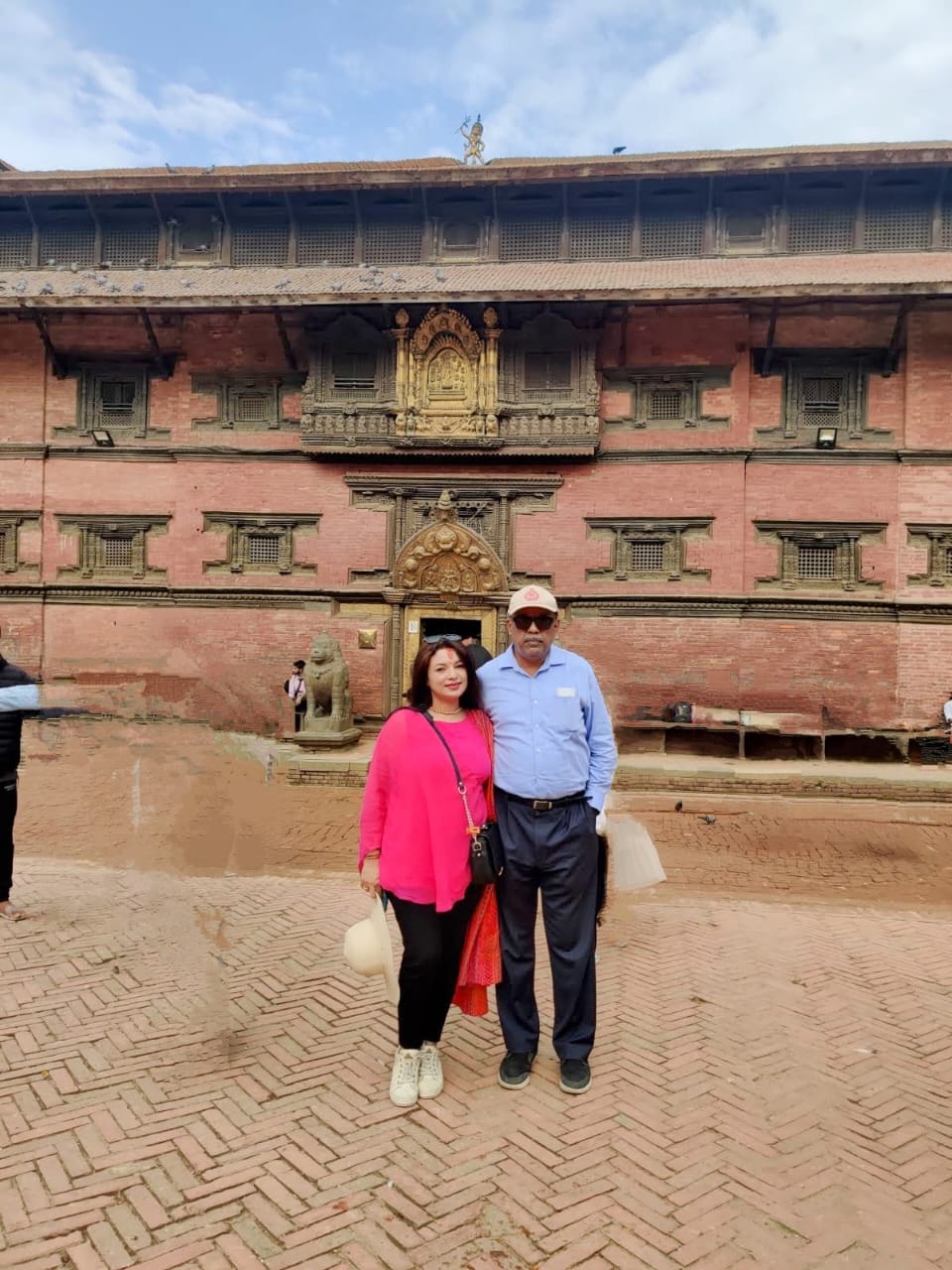
Beat the Crowds
Visit early in the morning (8:00–10:00 am) to enjoy cooler weather and fewer crowds.
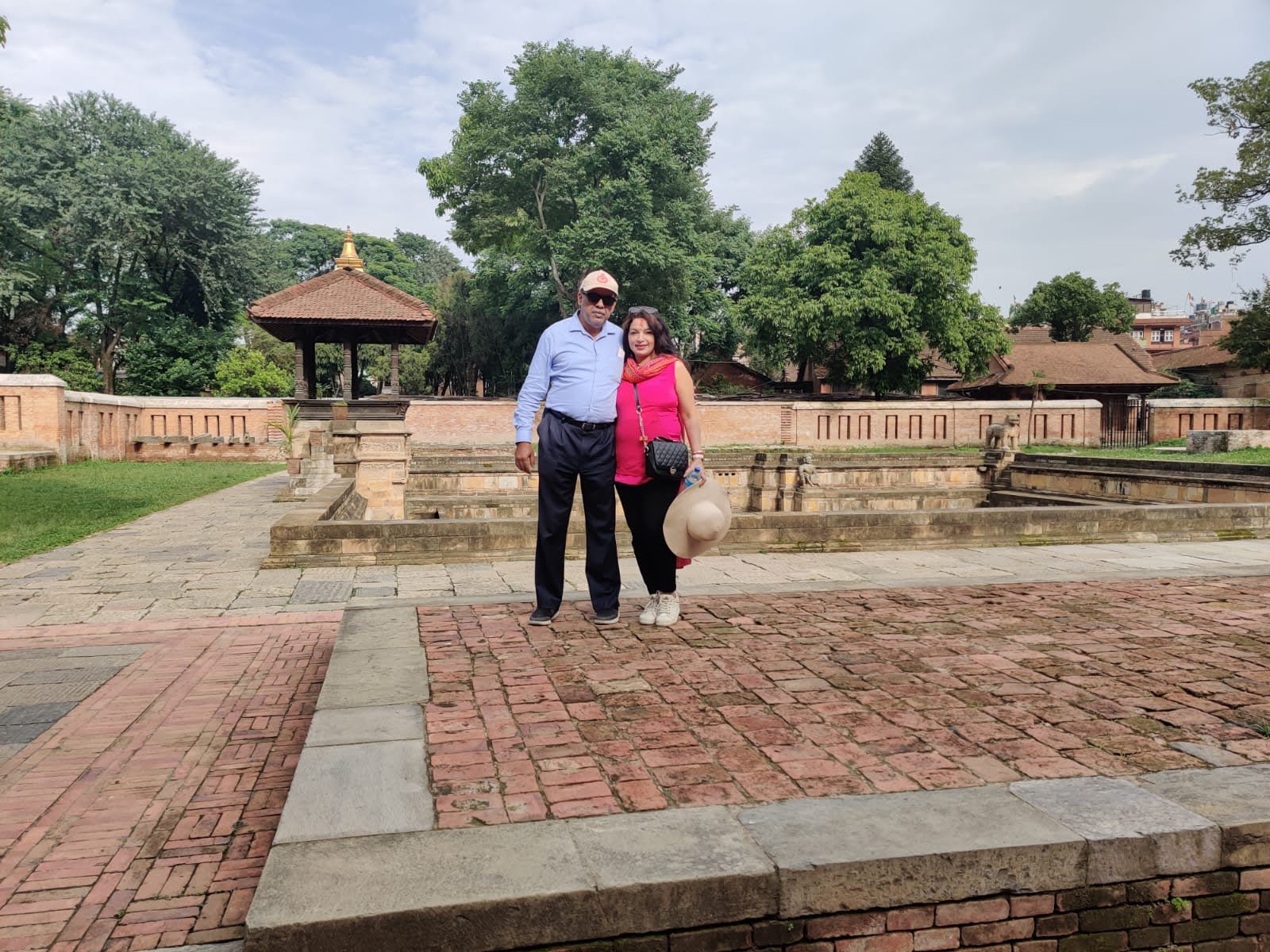
Plan Your Time
Set aside 2–3 hours to explore both the museum and the surrounding temples.
Hire a Local Guide
Hire a local guide if you're interested in the history of the Malla kings and Newari culture.
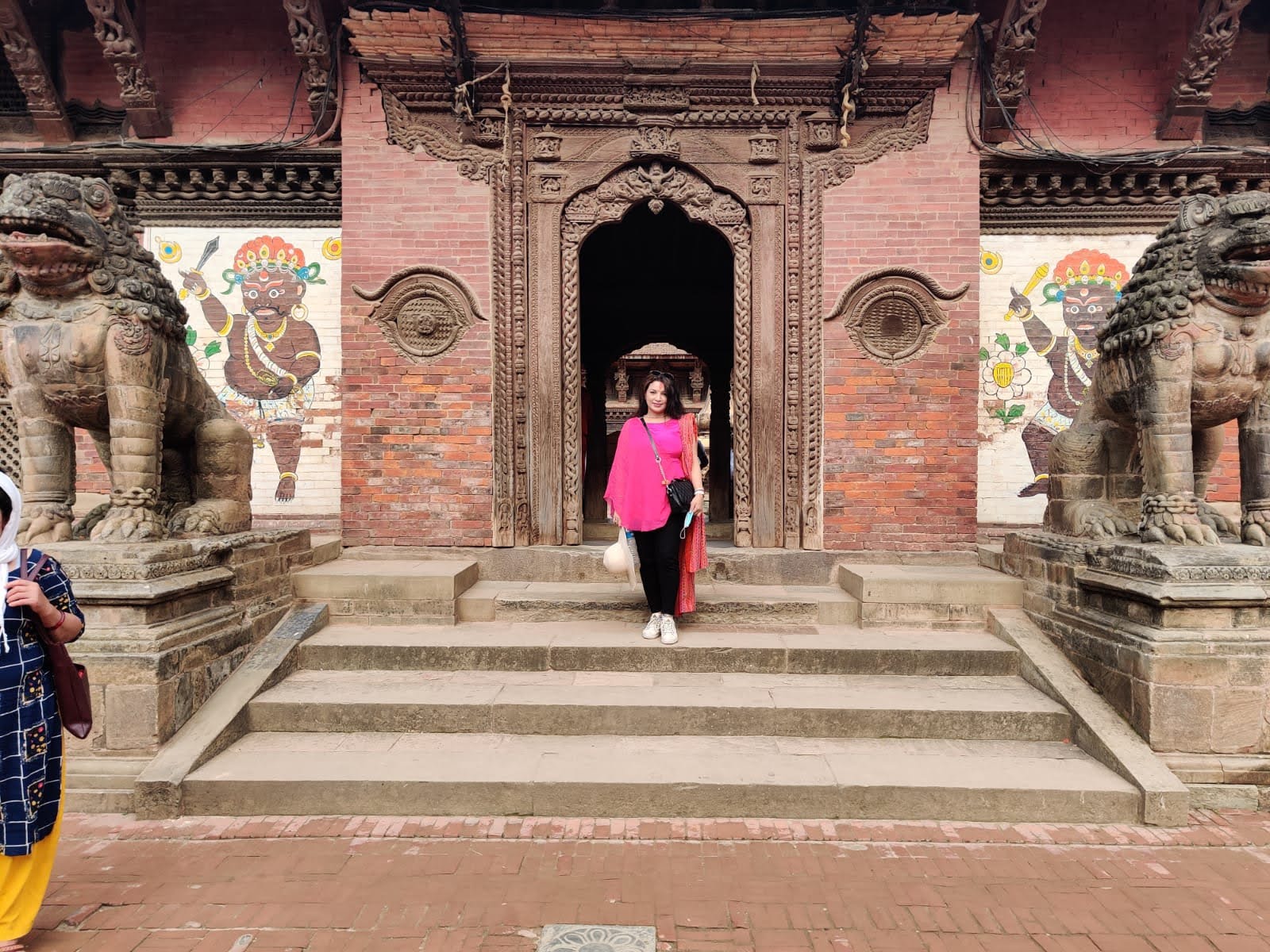
Dress Modestly
Dress modestly, as many temples remain active places of worship.
Admire the Artistry
Take time to admire the intricate wood carvings, bronze statues, and traditional Newari architecture.
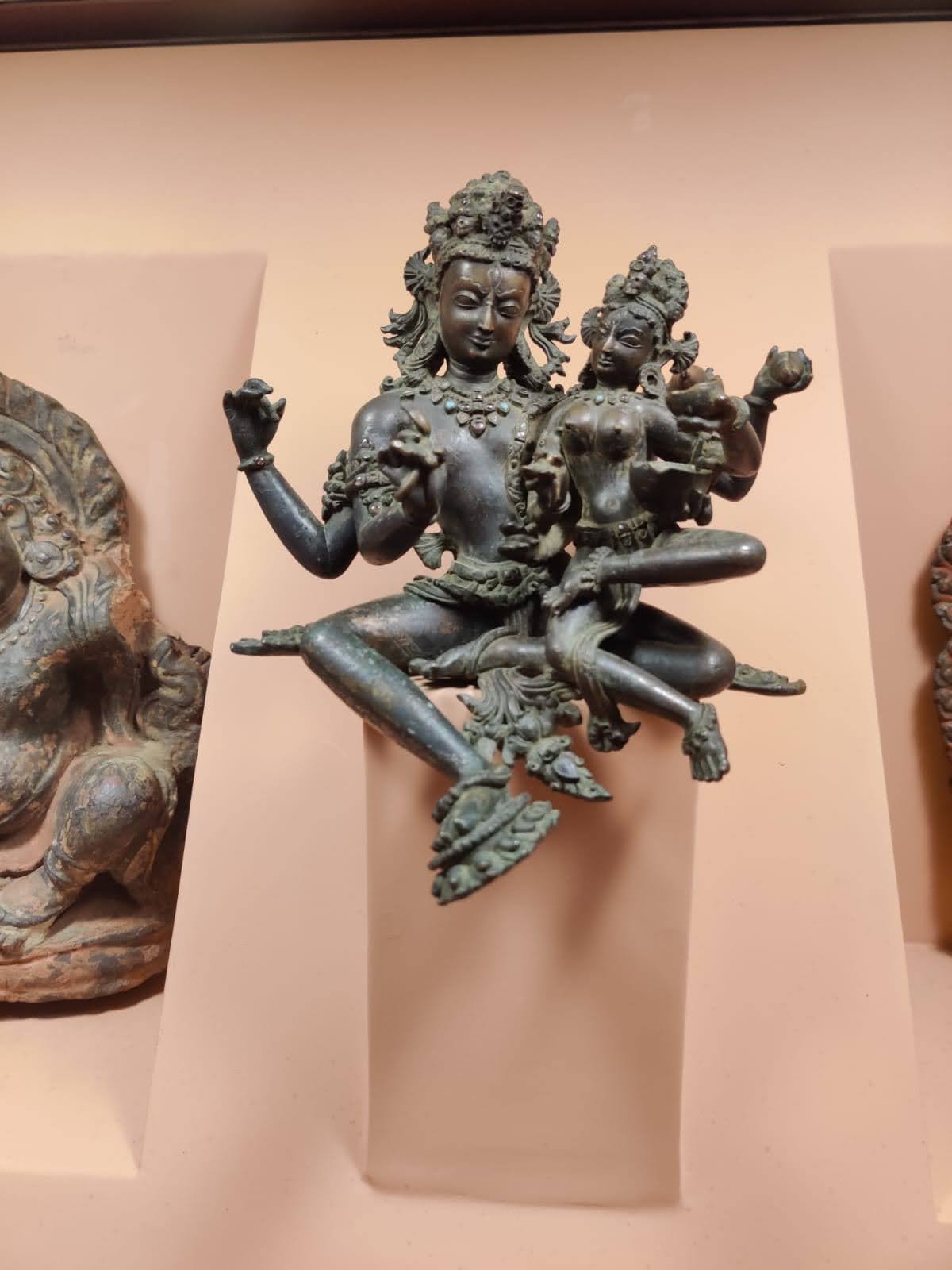
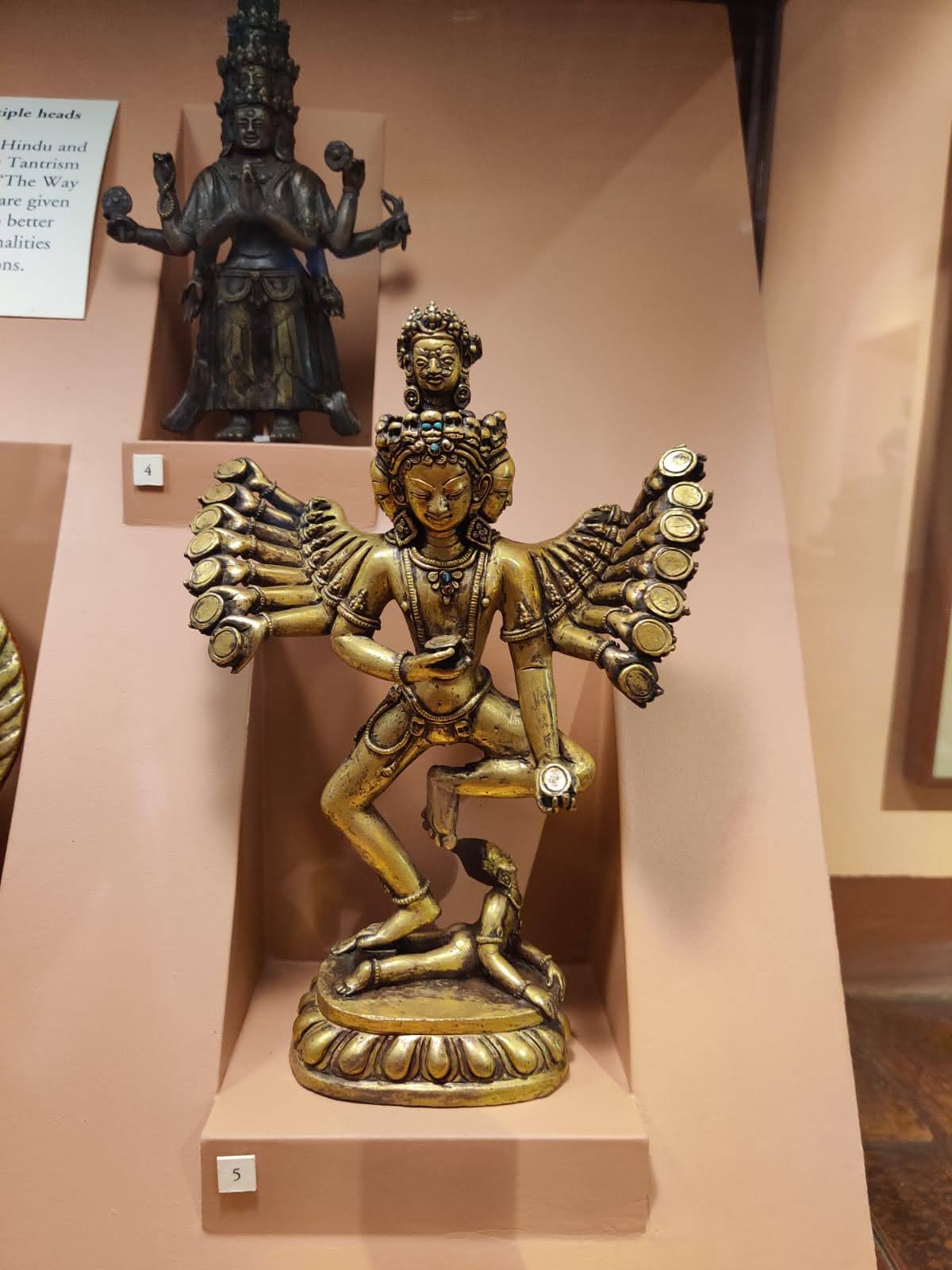
Historic Bronze Masterpieces
The museum showcases extraordinary sacred metallurgy, including celebrated medieval sculptures of Hindu and Buddhist deities.
Check Photography Rules
Photography is generally allowed in the courtyards, but check museum rules before taking photos inside galleries.
Comfortable Shoes
Wear comfortable walking shoes, as the square and historic courtyards have uneven brick pathways.
Rooftop Cafés
Enjoy a tea or coffee at one of the rooftop cafés overlooking Patan Durbar Square for beautiful views of the heritage complex.
Take Your Time
Allow unhurried time to explore both the museum exhibits and surrounding temple courtyards at a relaxed pace.
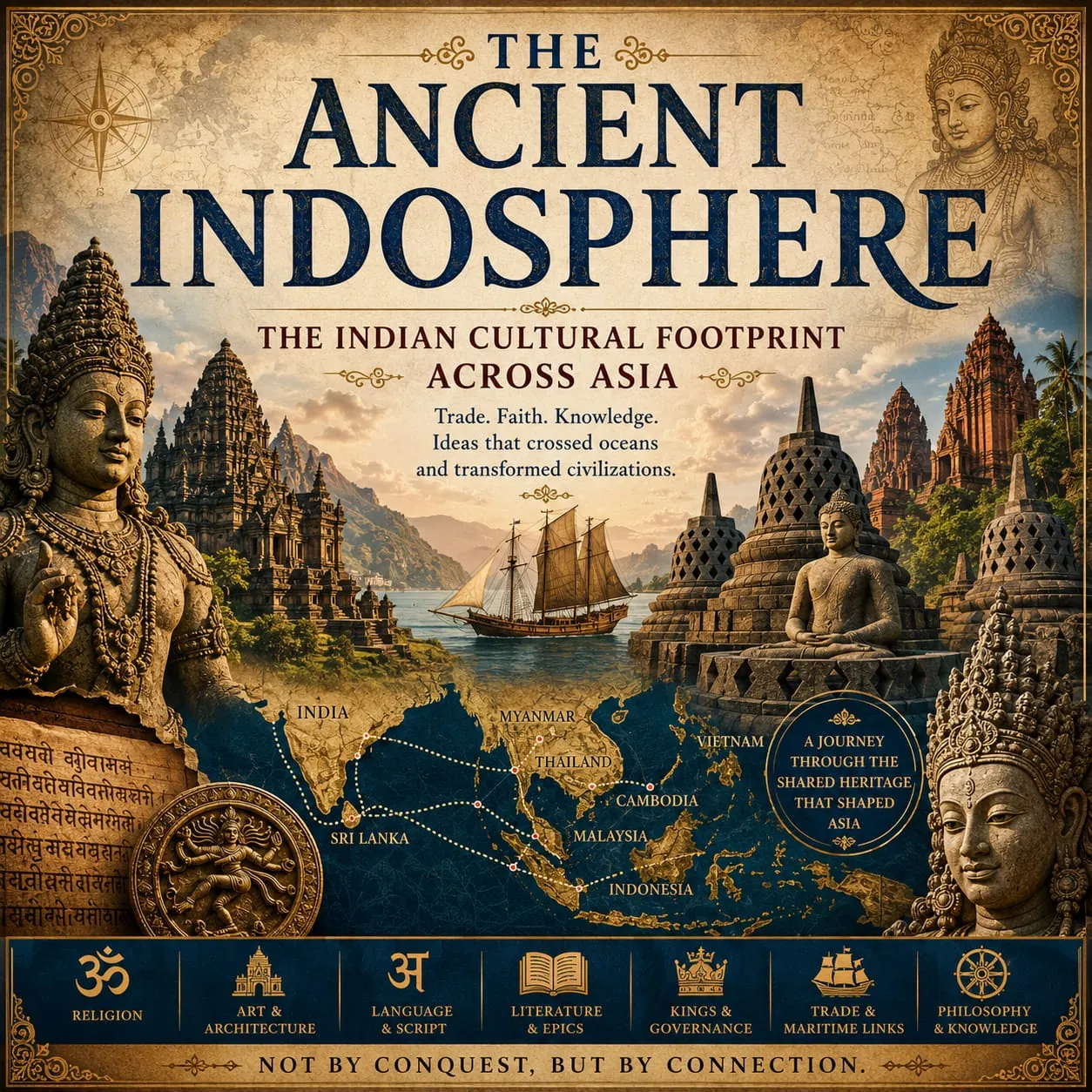
TRAVELLING THROUGH THE TIMELESS LEGACY OF INDIAN CIVILIZATION ACROSS ASIA AND BEYOND
“Not by conquest, but by connection.”
Patan stands as a living testament to the shared cultural horizons connecting the sacred Himalayas to the wider ancient Indosphere—where Sanskrit traditions, temple architecture, Vedic rituals, and spiritual philosophies were carried not by sword, but through dialogue, art, and devotion.