
Seychelles: The Indian Connection— From Sailorsto Settlers
Seychelles — A Geological Connection with India
Standing amidst the granite landscapes of Seychelles, we were fascinated to learn that these islands have an ancient geological connection with India. Hundreds of millions of years ago, Seychelles formed part of Gondwana, the great southern supercontinent. As Gondwana broke apart, the Seychelles block separated from India and Madagascar, eventually becoming isolated in the Indian Ocean. Looking around at the magnificent granite rocks, we found it remarkable that Seychelles and India were once part of the same ancient landmass—a connection far older than human history.
The First Indians in Seychelles
The Indian story in Seychelles began remarkably early: when the first French settlers arrived in 1770, five Indians were among them, marking the beginning of a connection that would grow over the following centuries. During British rule, Seychelles came under the Bombay Presidency, strengthening its maritime and commercial links with India. Indian migrants, particularly from Tamil Nadu and Puducherry, arrived as labourers and workers, while others came as artisans and traders. By the 19th century, Indian merchants had become an important part of commercial life in Victoria, establishing shops and businesses and trading in goods brought across the Indian Ocean. From these early beginnings grew a settled Indian community whose influence can still be seen in Victoria's commerce, Hindu traditions, food and cultural life.
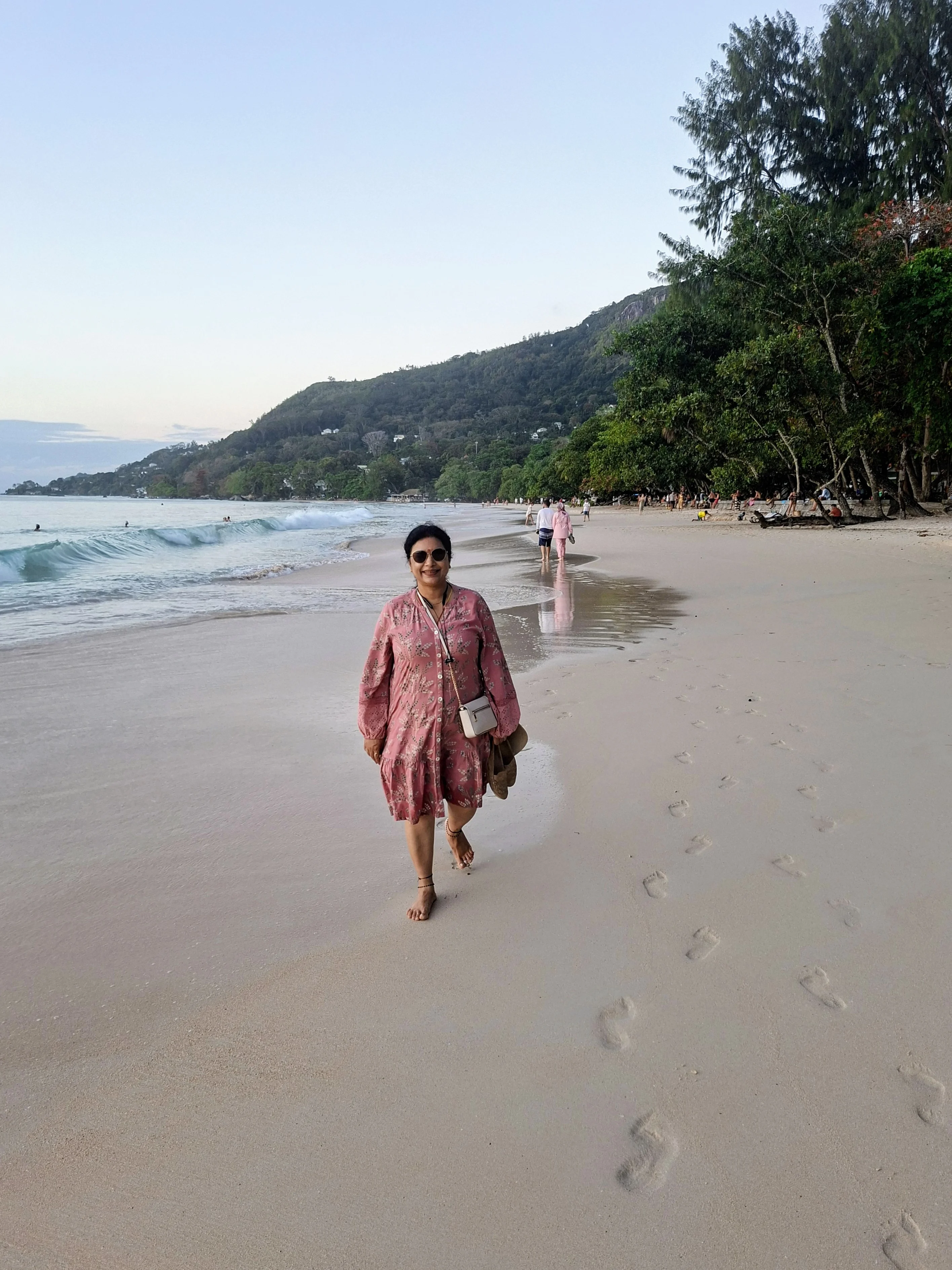
Ancient granitic coastline and turquoise waters of Seychelles — remnants of Gondwana physically split from India
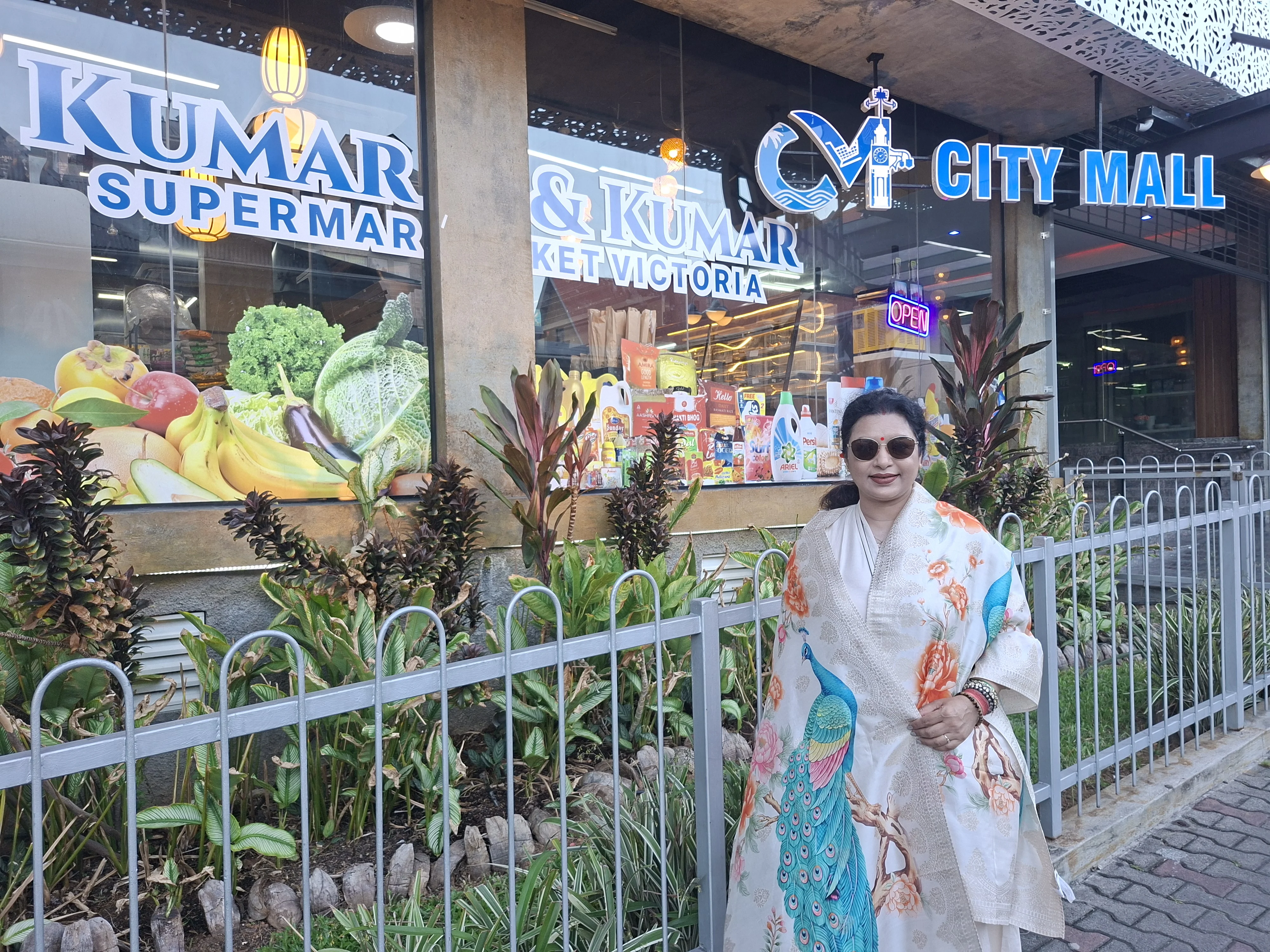
Kumar & Kumar Supermarket — an enduring pioneer of Victoria's 19th-century Indian mercantile presence
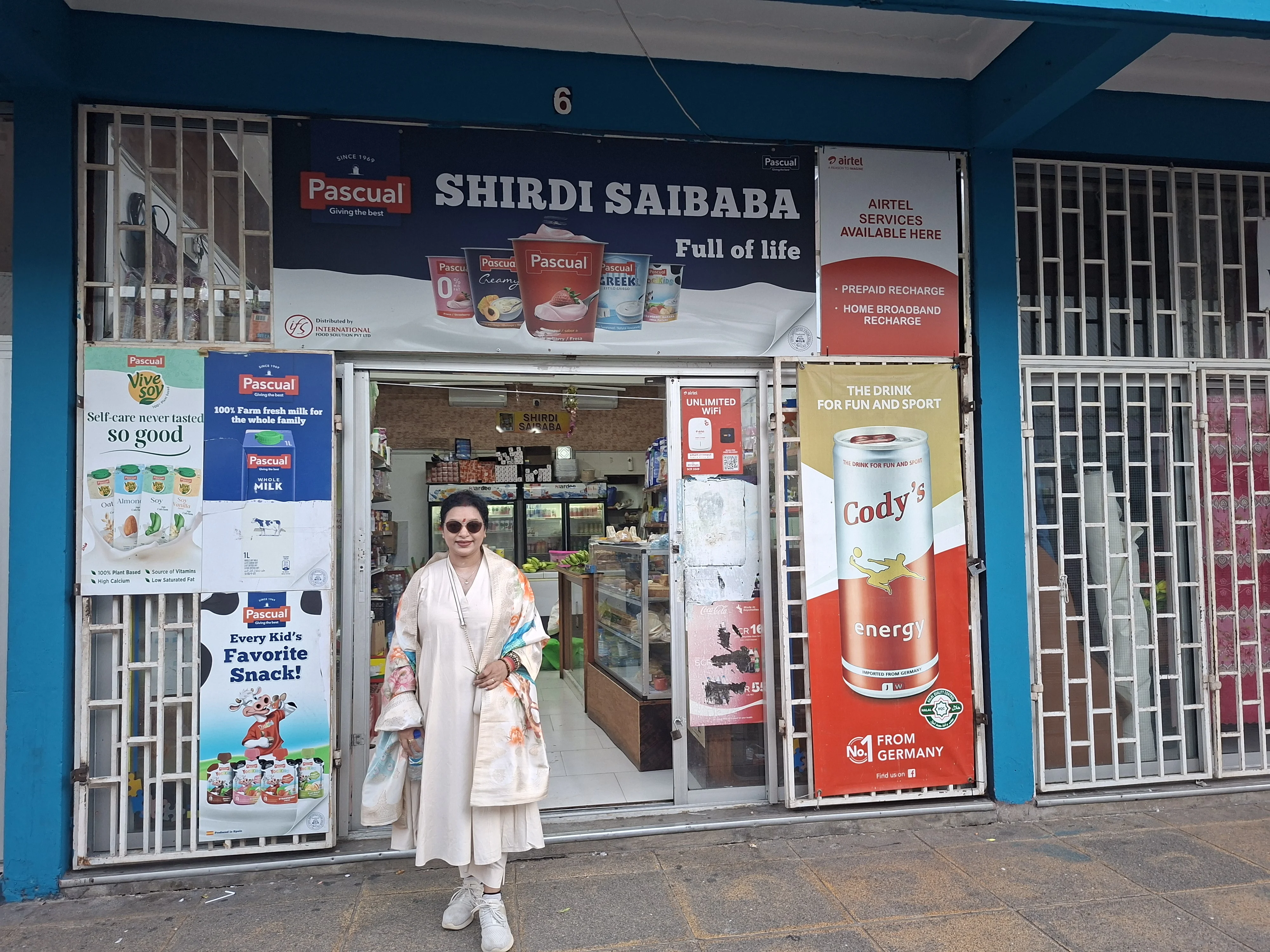
Shirdi Saibaba Store — sacred domestic retail bridging spiritual devotion and daily island trade
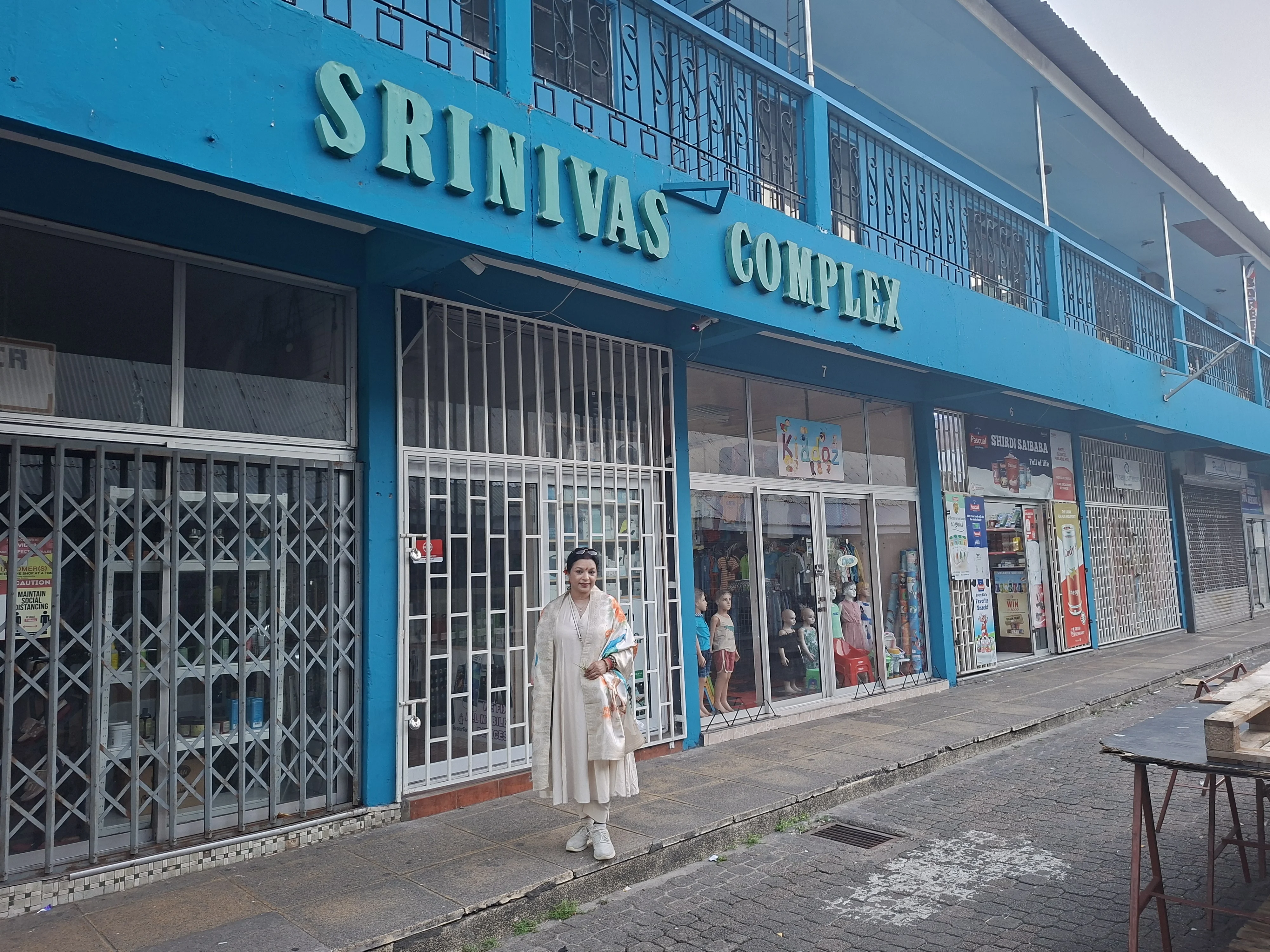
Srinivas Complex — modern evolution of Tamil and Gujarati commercial enterprise in downtown Victoria
The Hindu Temple of Victoria — A Tamil Heritage in Seychelles
During our visit to Victoria, we came across the colourful Arul Mihu Navasakthi Vinayagar Temple, the only Hindu temple in Seychelles. Consecrated in May 1992, the temple was established by the Seychelles Hindu Kovil Sangam, formed in 1984, and its magnificent Dravidian-style gopuram reflects the strong Tamil roots of the island's Indian community. Lord Ganesha, or Vinayagar, is the presiding deity, while Murugan, Durga, Sreenivasa Perumal and other deities are also worshipped here. Standing amid the Creole architecture of Victoria, the brightly sculpted gopuram felt like a little piece of South India transplanted across the Indian Ocean. For us, the temple was more than a place of worship—it was a visible reminder of how Tamil migrants carried their faith, architecture and traditions from India and made them part of the cultural landscape of Seychelles.
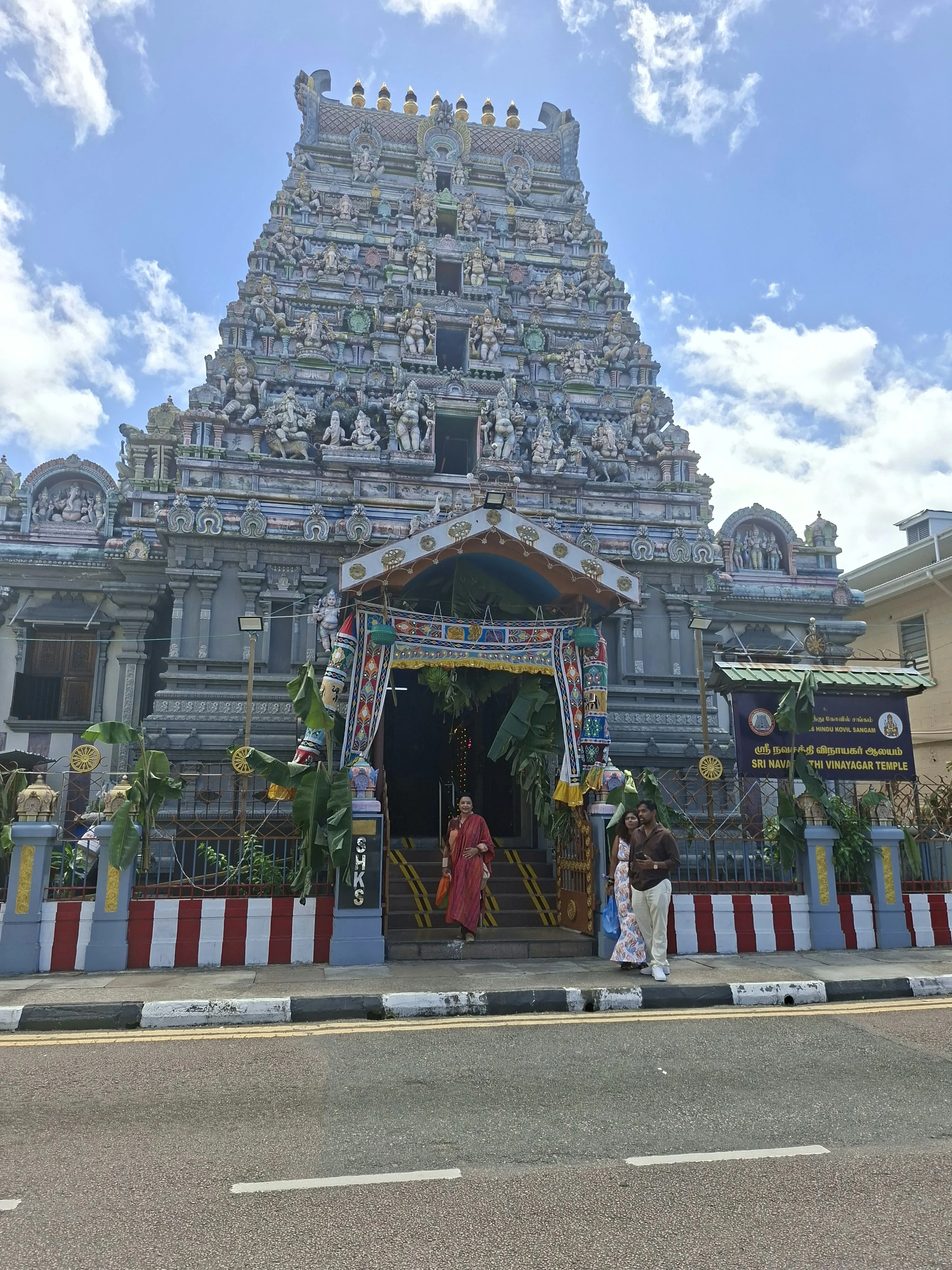
The iconic Dravidian-style gopuram of Arul Mihu Navasakthi Vinayagar Temple rising above Victoria
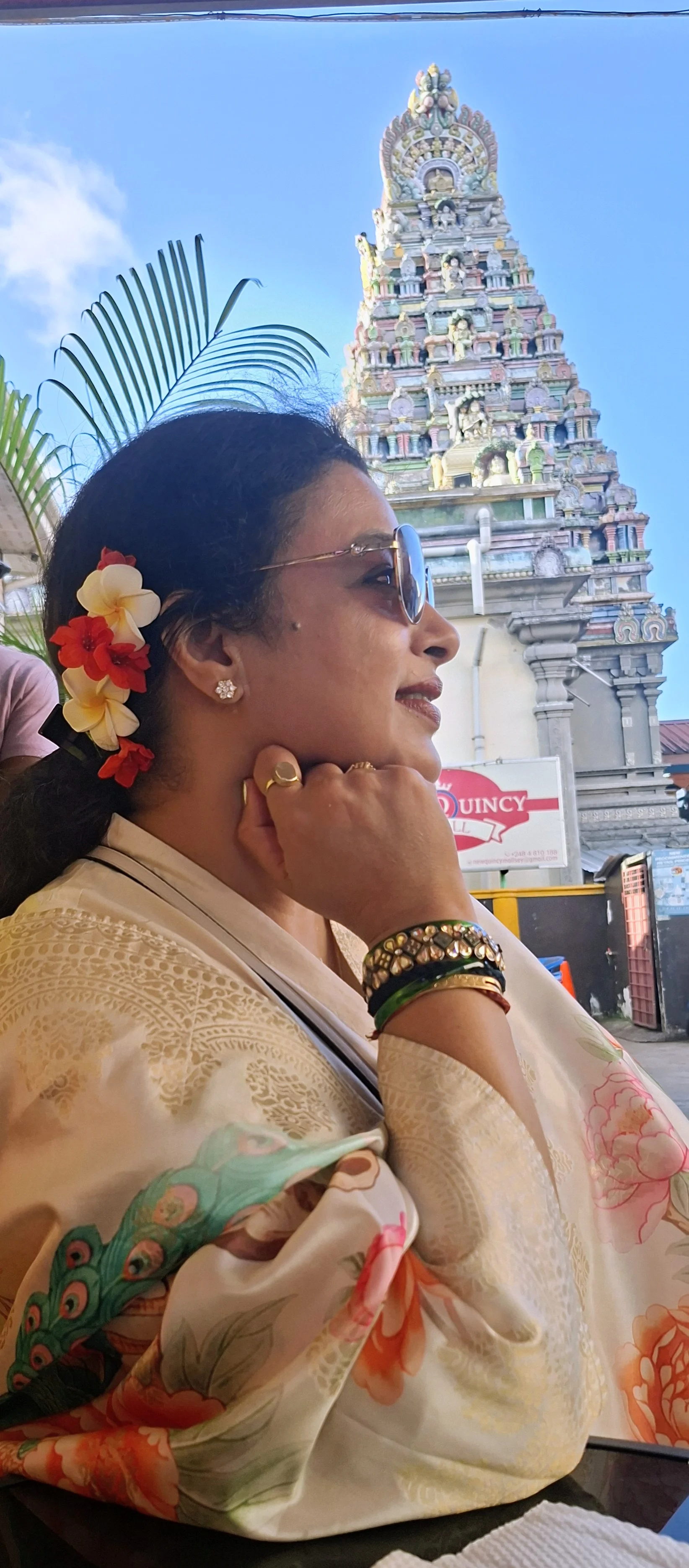
Traveler arriving at the sacred entrance arch of Arul Mihu Navasakthi Vinayagar Temple
Ceremonial Banners of Lord Vinayagar & Goddess Saraswati
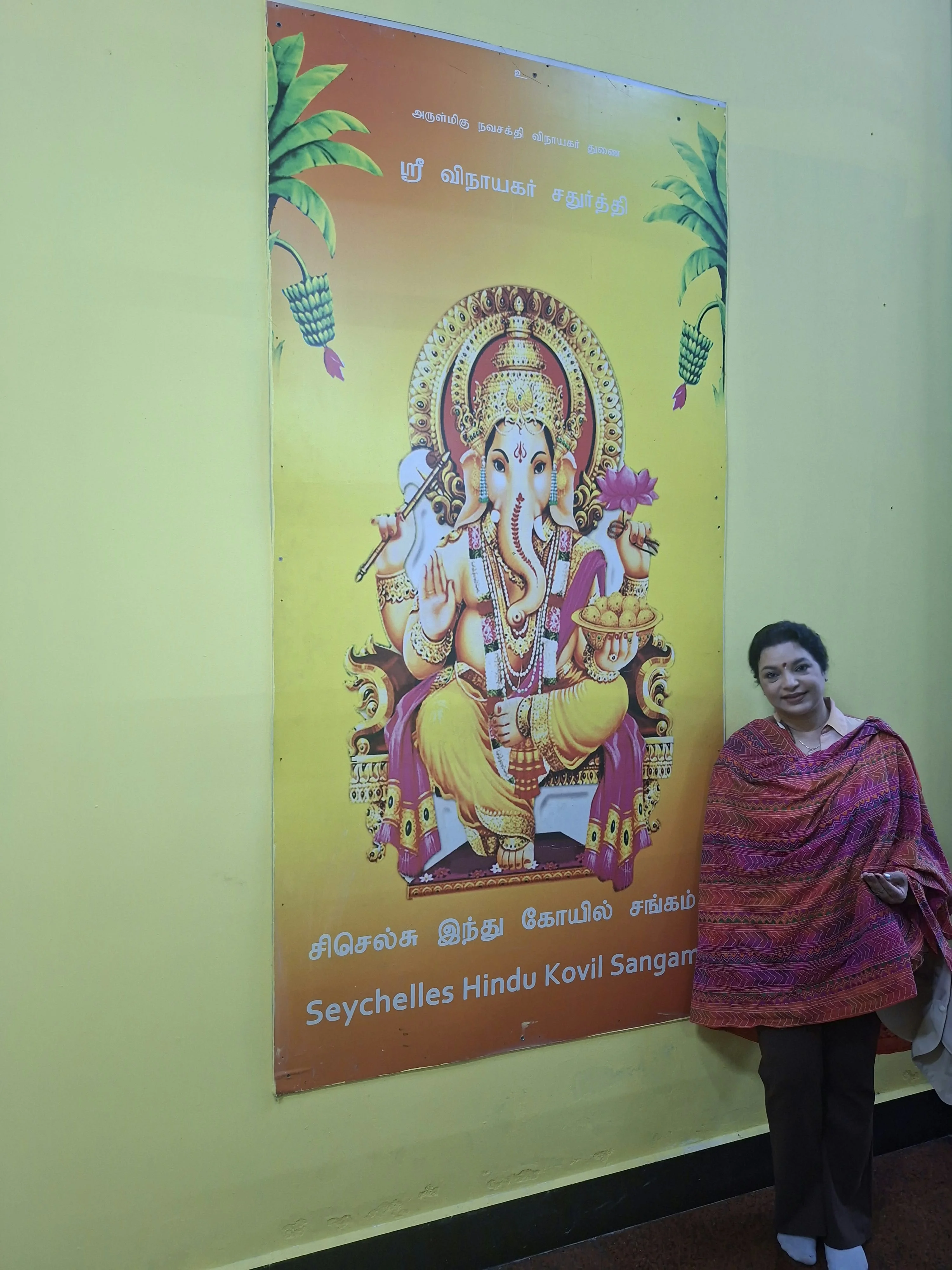
Seychelles Hindu Kovil Sangam — ceremonial tapestry honoring Lord Vinayagar
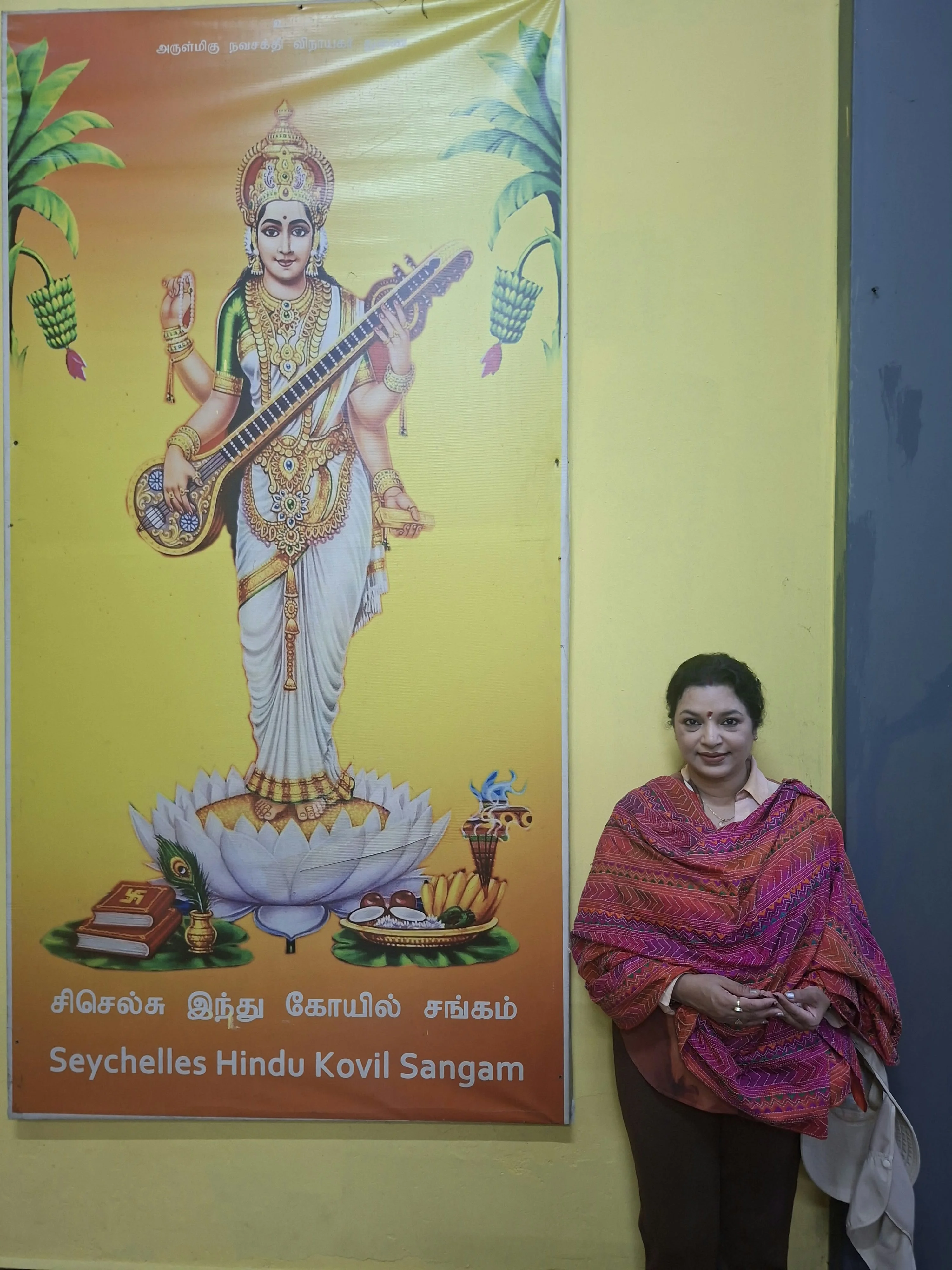
Seychelles Hindu Kovil Sangam — ceremonial tapestry honoring Goddess Saraswati
Inner Mandapam Vimanas, Sacred Shrines & Daily Archana
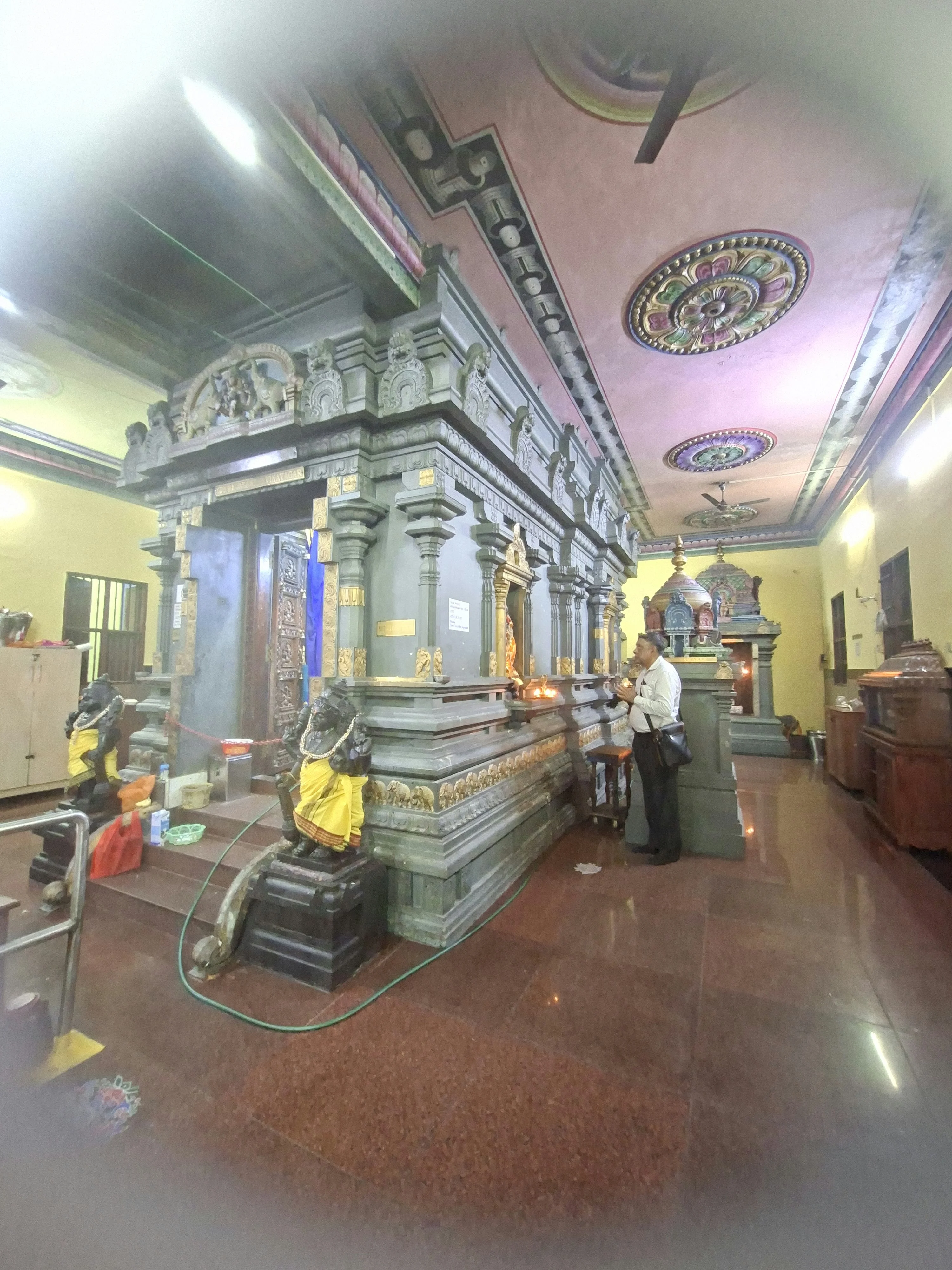
Inner mandapam and intricately sculpted sanctum shrines under the temple roof
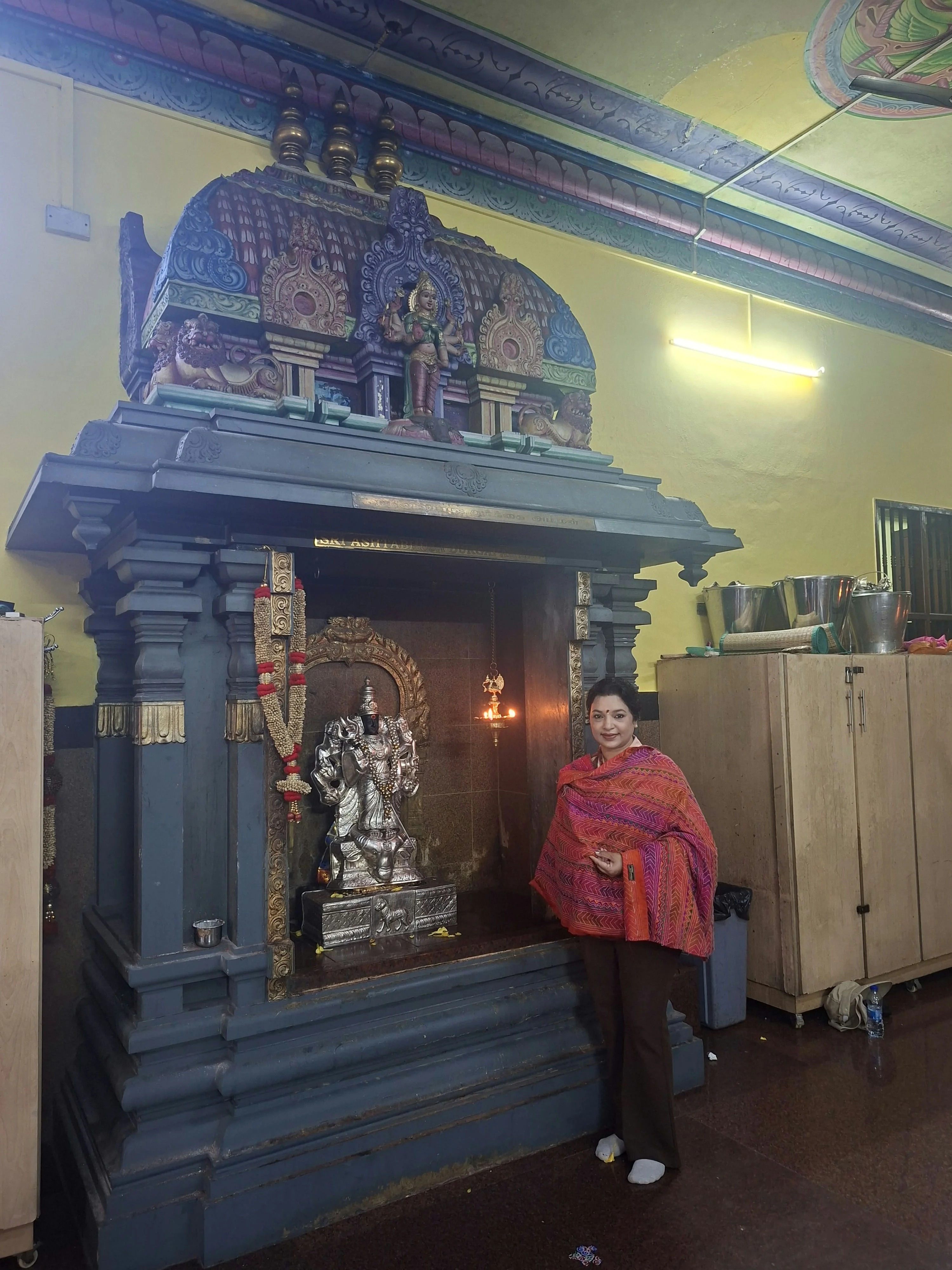
Sanctum shrine dedicated to Goddess Durga and the divine manifestations of Ashtalakshmi
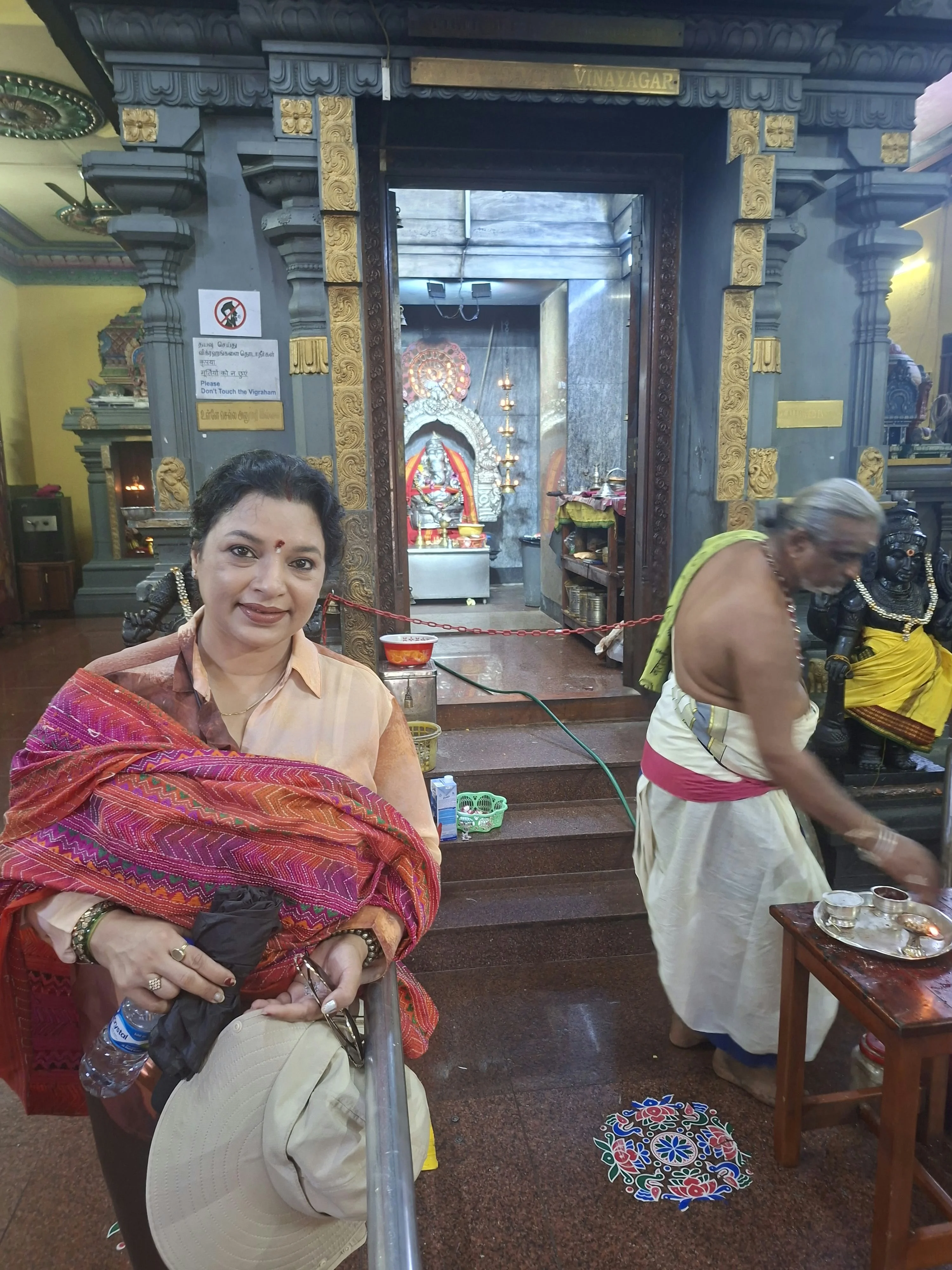
Resident priest conducting the sacred daily puja before the sanctum sanctorum
Ganesh Chaturthi in Victoria — A Celebration of Community
We were fortunate to be in Victoria, Seychelles, for Ganesh Chaturthi, and were delighted to participate in the celebrations. The festival brought the Indian community together in a wonderful display of devotion, with a yatra carrying Lord Ganesha through the streets of Victoria. As we joined the procession, surrounded by prayers, music and devotees, we could feel the deep affection for Lord Ganesha and the pride people had in keeping their Indian traditions alive so far from India. Ganesh Chaturthi fell on 14 September in Seychelles that year. For us, the most heartening sight was seeing the entire Indian community come together as one, turning the streets of Victoria into a celebration of faith, culture and togetherness.
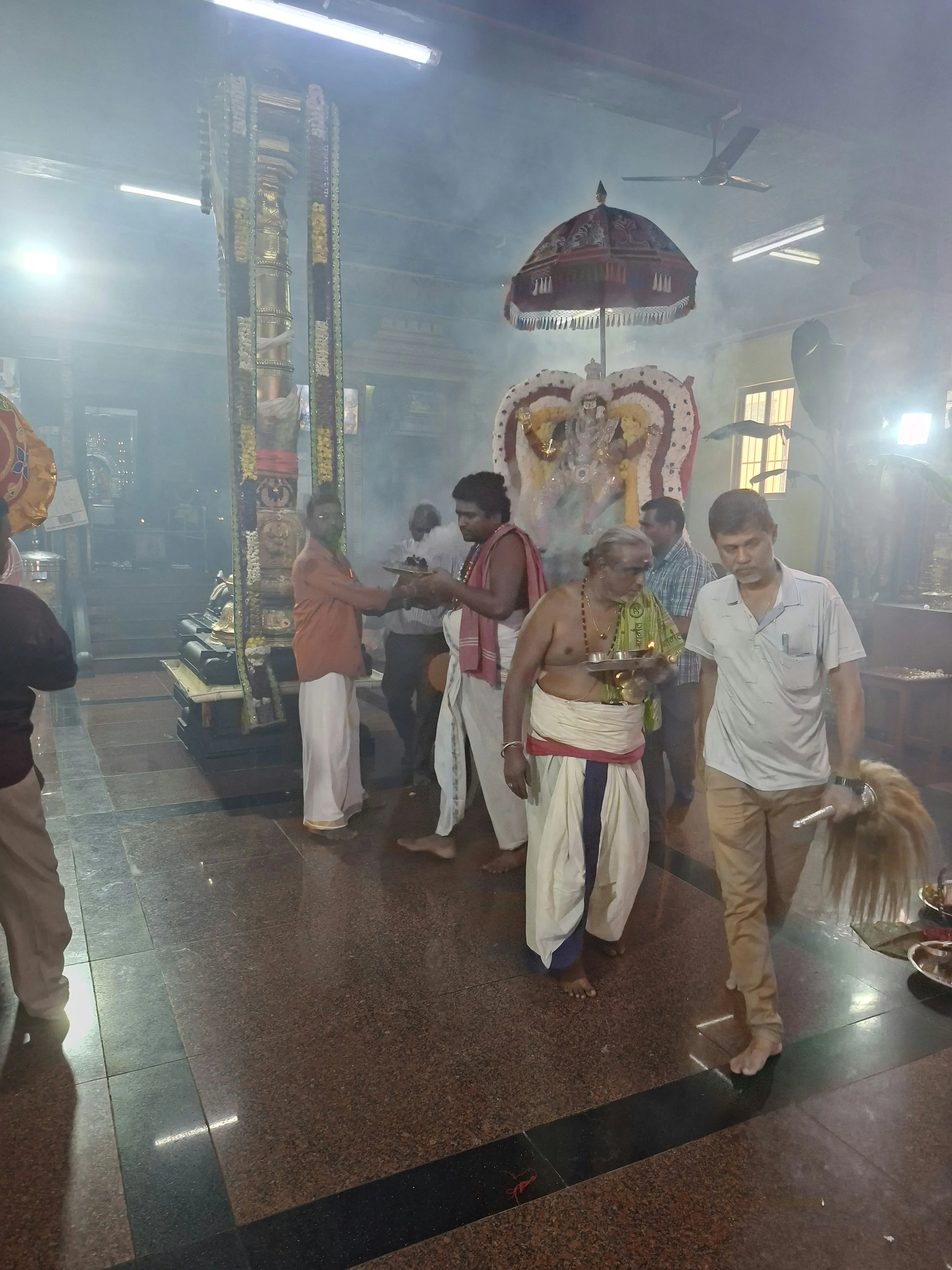
Decorated Utsava Murti of Lord Ganesha prepared for the street procession
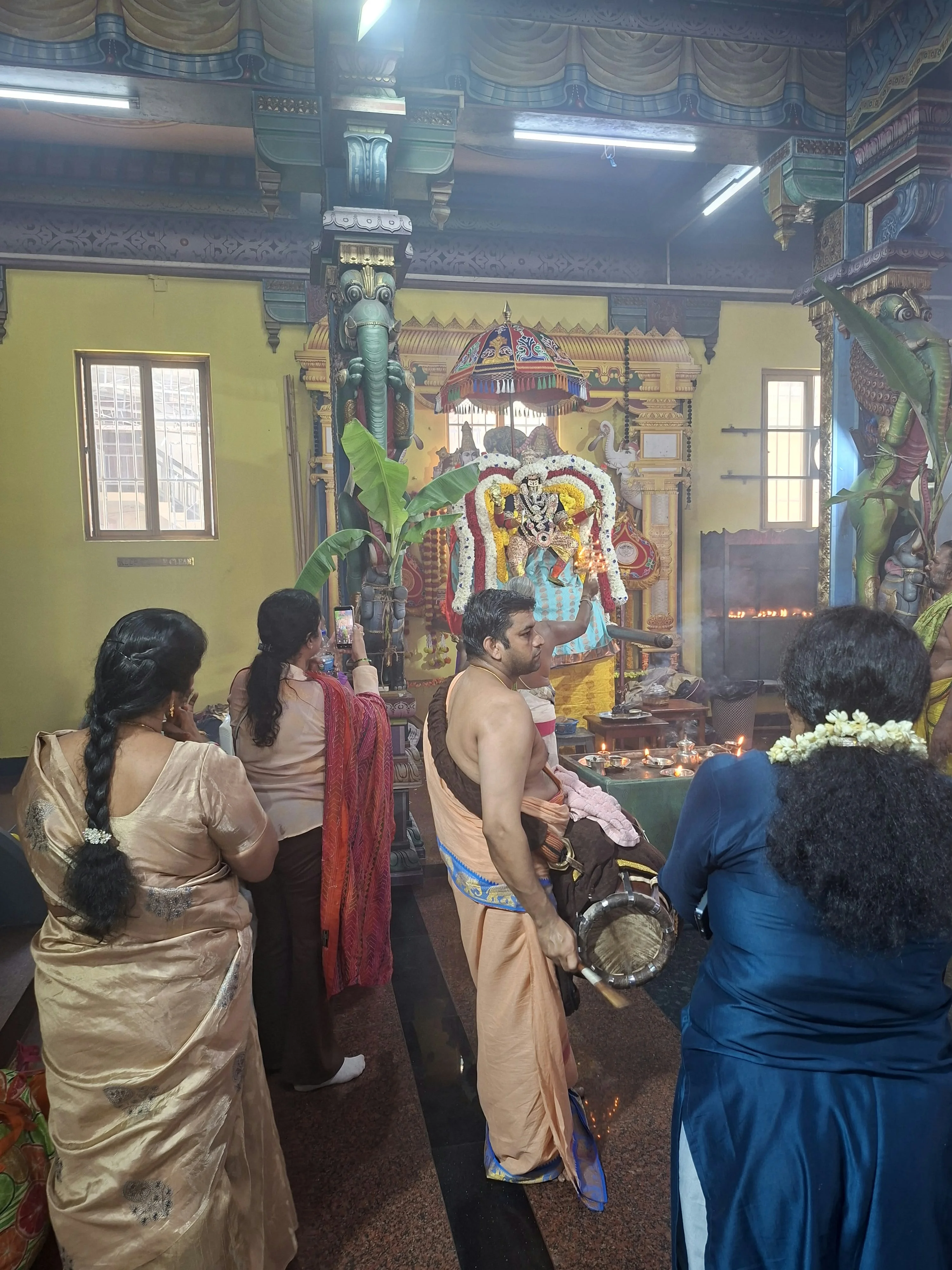
Temple musicians and priests sounding traditional nadaswaram and thavil during aarti
Night Yatra, Ratha Chariot & Devotee Unity
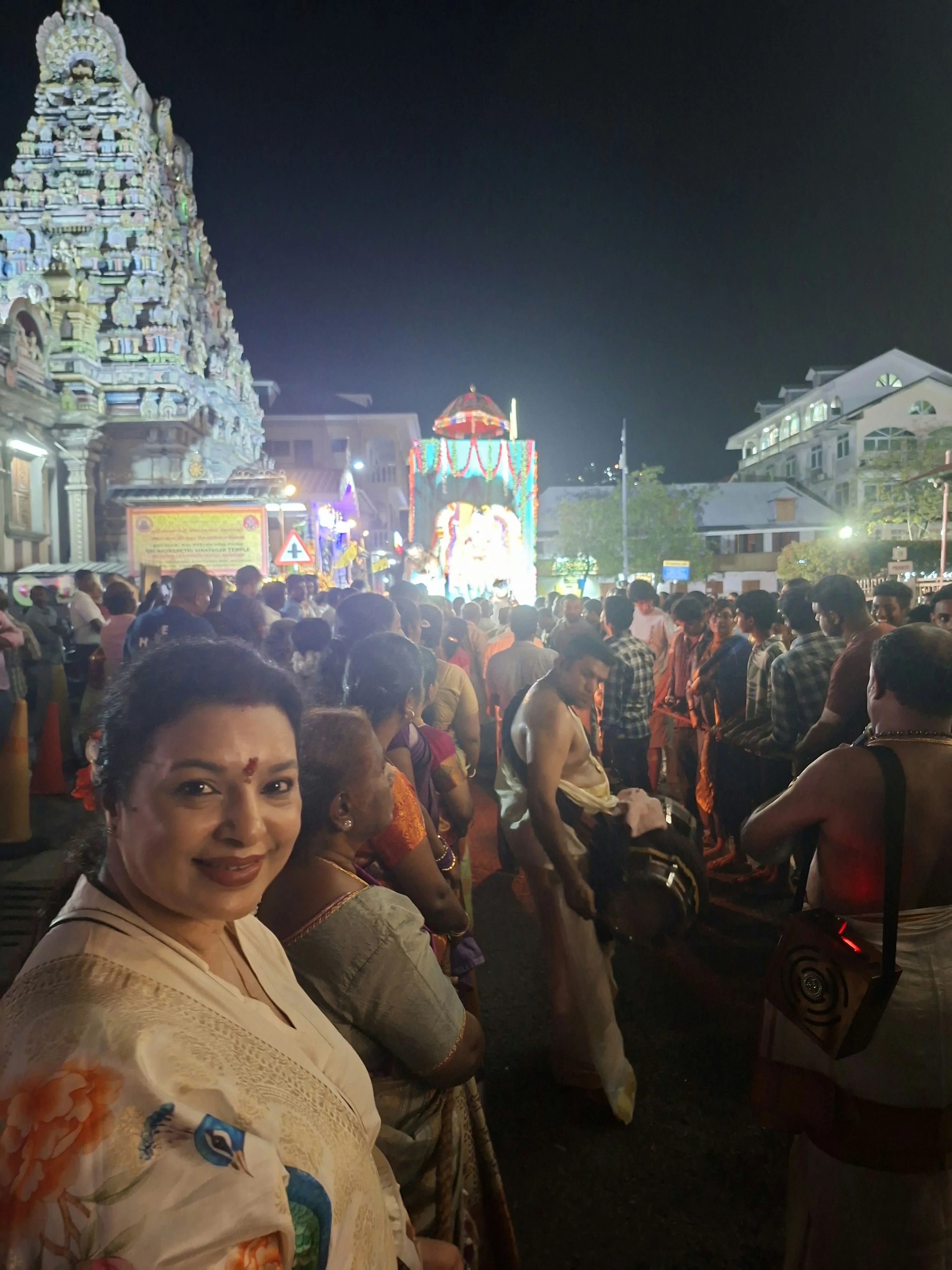
Night yatra moving through Victoria with devotional lamps and singing devotees
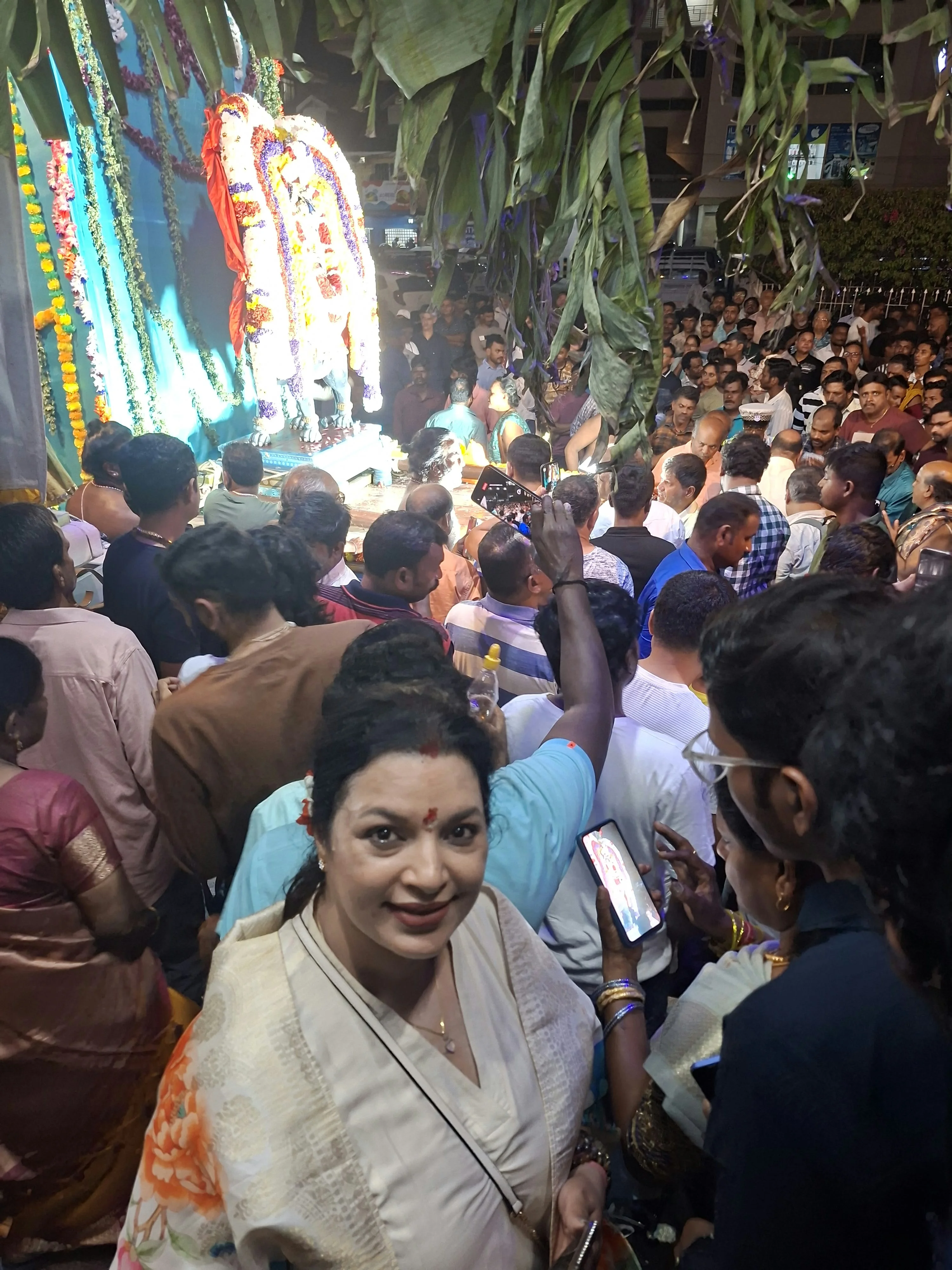
Gilded temple ratha chariot processing through the heart of Victoria
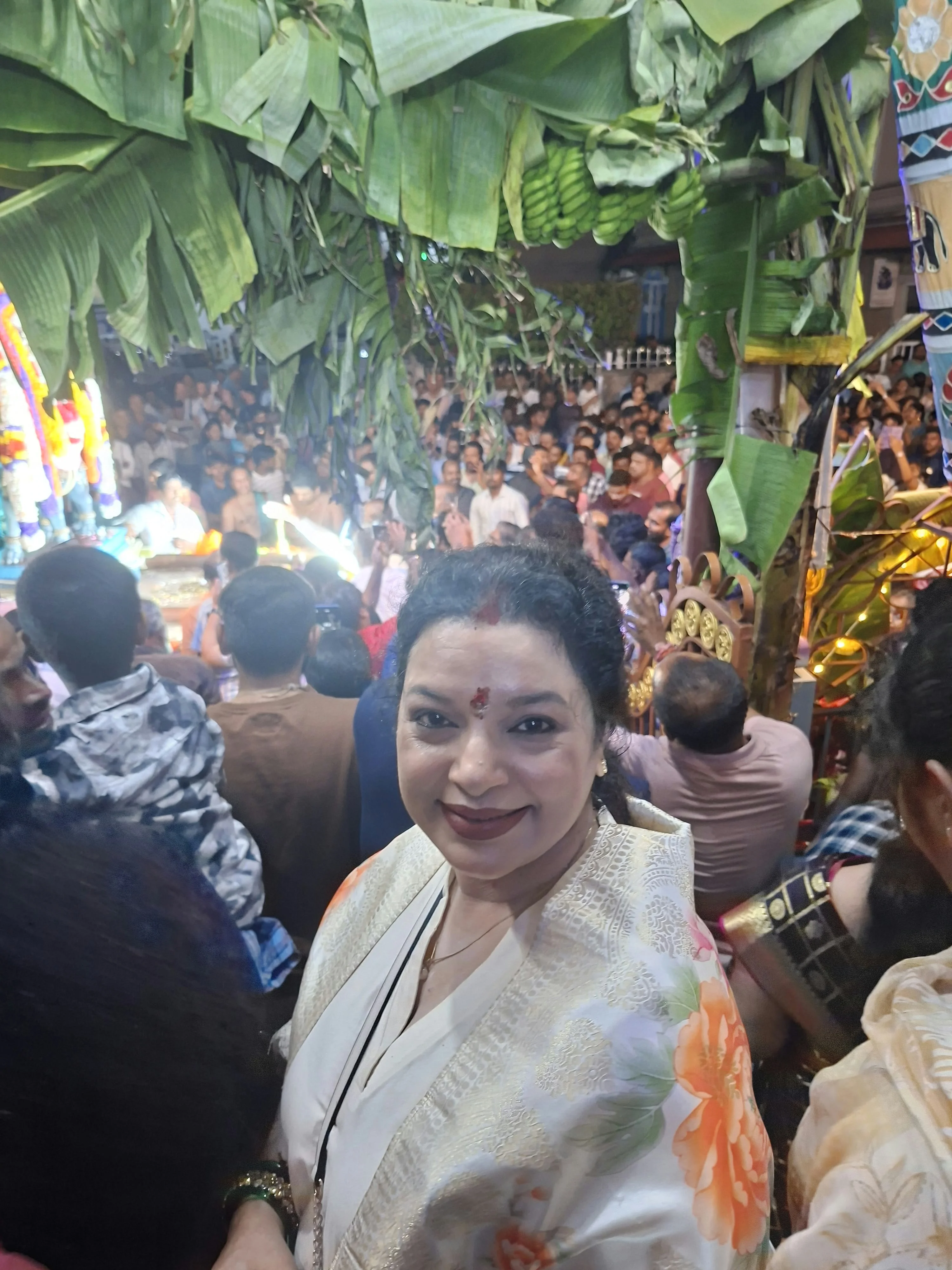
Wanderers at 50 celebrating Ganesh Chaturthi alongside the warm Seychellois community
Indians in Seychelles — A Living Influence
Today, around 6,000 Seychellois citizens are of Indian origin, representing roughly 5% of the population, while more than 9,000 Indian nationals live and work in Seychelles on employment permits. Together, these communities contribute visibly to commerce, construction, food, temples, festivals and everyday cultural life.
Seychellois Citizens
~6,000 (5%)
Of Indian ancestry
Indian Nationals
9,000+
On employment permits
Seychellois Creole Cuisine — With an Indian Touch
During our stay in Seychelles, we noticed how naturally Indian flavours have blended into Creole cuisine. Seychellois food has evolved from African, French, Malagasy, Chinese and Indian influences, creating a distinctive island cuisine. Indian spices such as turmeric, cumin, coriander, chilli and garlic feature in curries, while rice, lentils and coconut remain familiar ingredients. Cari Poisson, the local fish curry, combines fresh fish with turmeric, curry leaves and local chilli, while masala blends and coconut-milk-based curries reflect the influence of Tamil and Gujarati communities. We particularly enjoyed the fish curry, where Indian spices blended beautifully with local ingredients. The result did not feel simply Indian or Creole, but a reflection of Seychelles itself—a multicultural island where traditions from across the Indian Ocean have become part of one shared culinary identity.
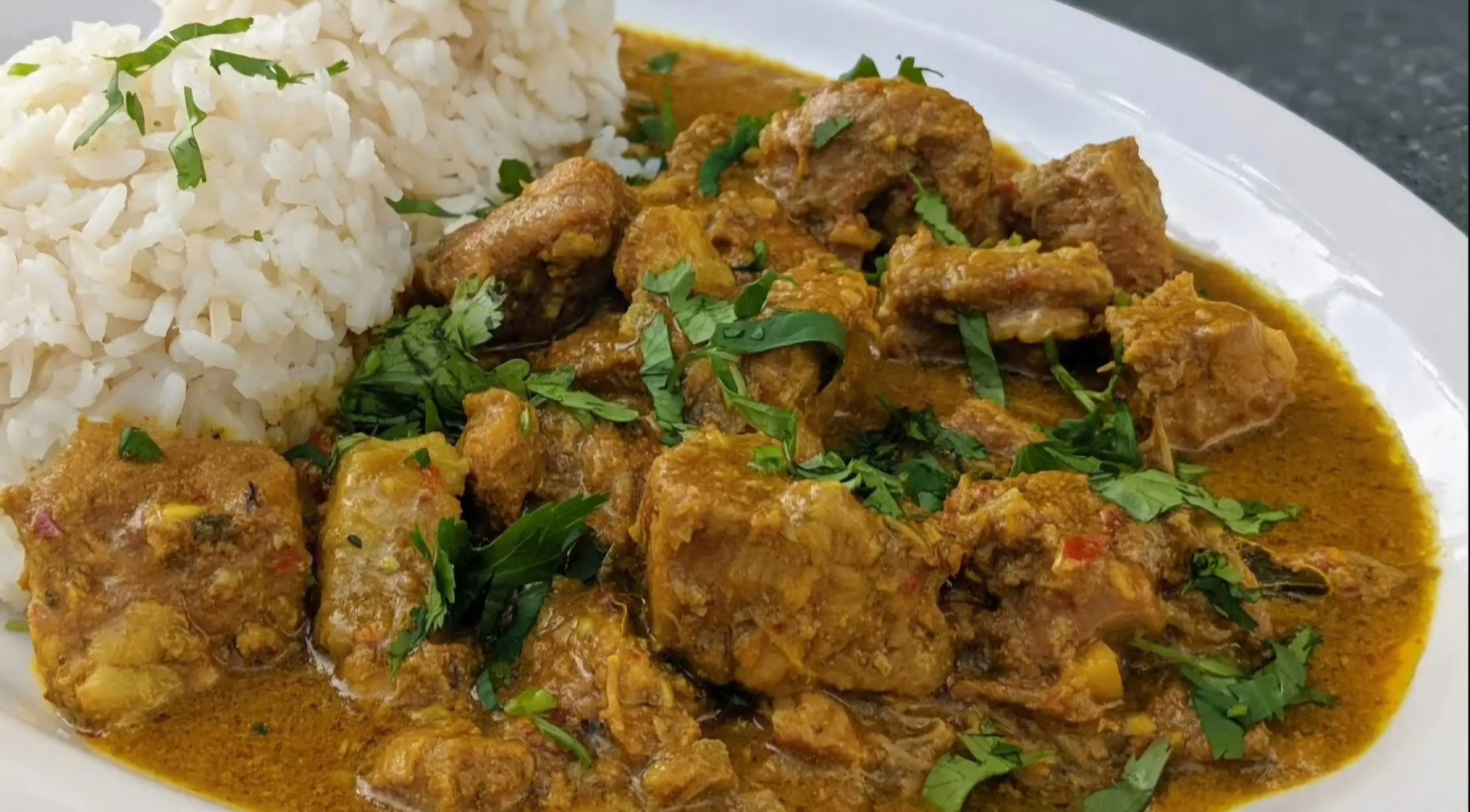
Seychellois Cari Poisson — an aromatic fusion of turmeric, curry leaves, fresh ocean fish, and Creole spices
Seychelles — A Living Indian Ocean Connection
Our journey through Seychelles showed us that Indianization is not simply about monuments or ancient history; it is also about people, faith, food, festivals and traditions that continue to evolve far from India. In Victoria, the Hindu temple, Indian businesses, cuisine and the joyous Ganesh Chaturthi procession made that connection tangible. What we witnessed was not India transplanted to Seychelles, but Indian culture becoming part of a distinctly Seychellois identity. Across the Indian Ocean, this living exchange continues to connect two countries through culture, community and shared traditions.
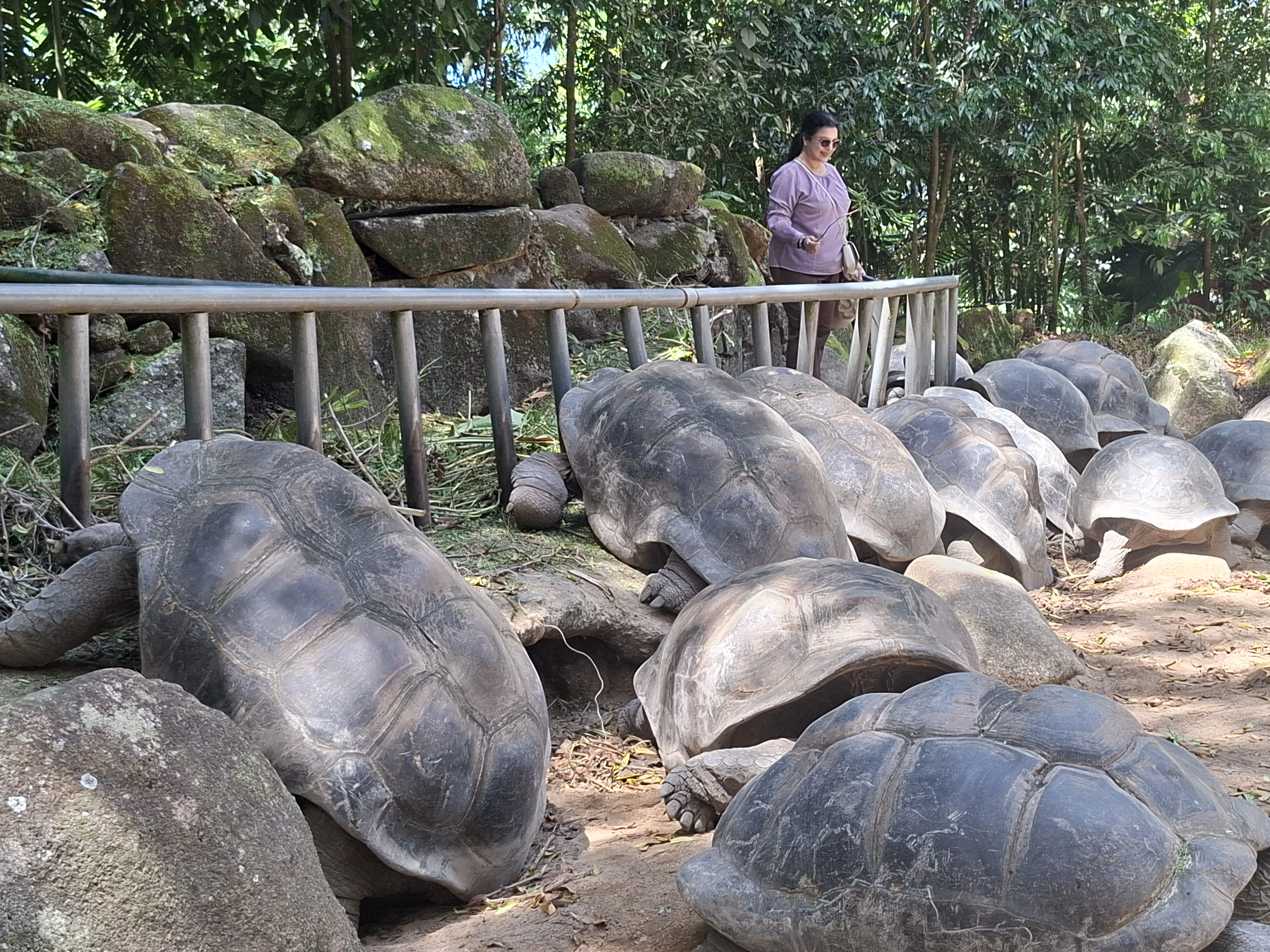
Aldabra giant tortoises wandering among primordial Gondwana granite formations
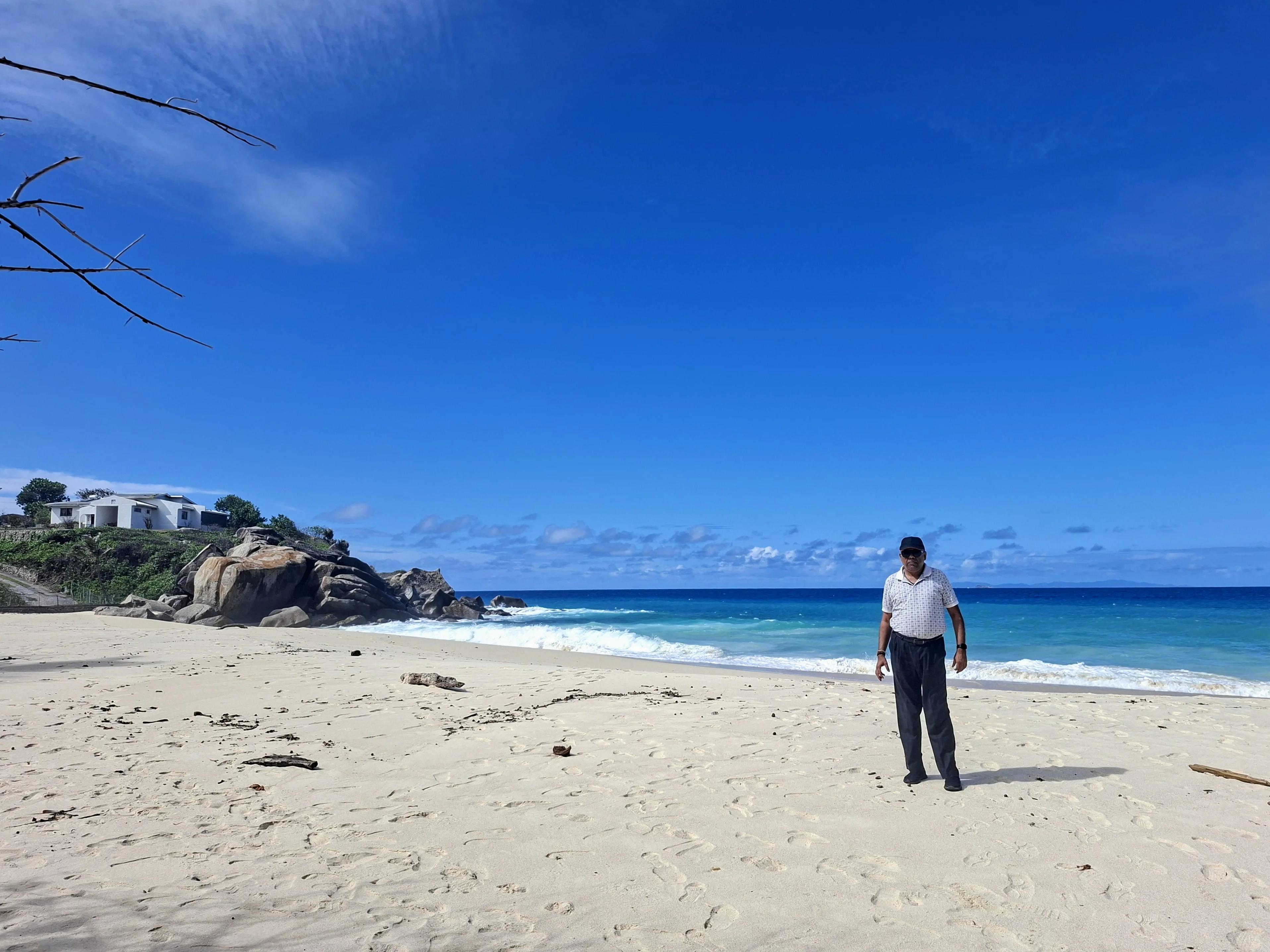
Mahé's timeless granite shores — ancient continental fragments resting in the turquoise Indian Ocean
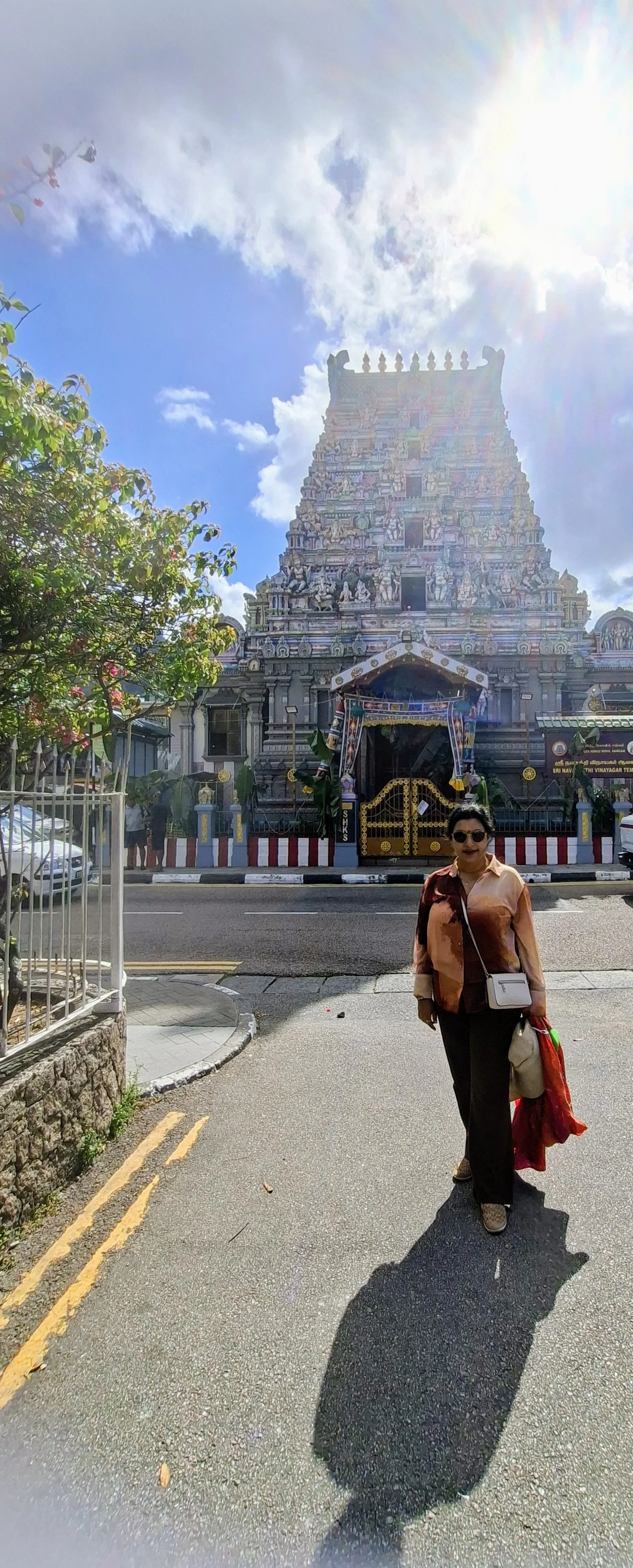
Street view of Arul Mihu Vinayagar Temple set amidst Victoria's tropical Creole cityscape
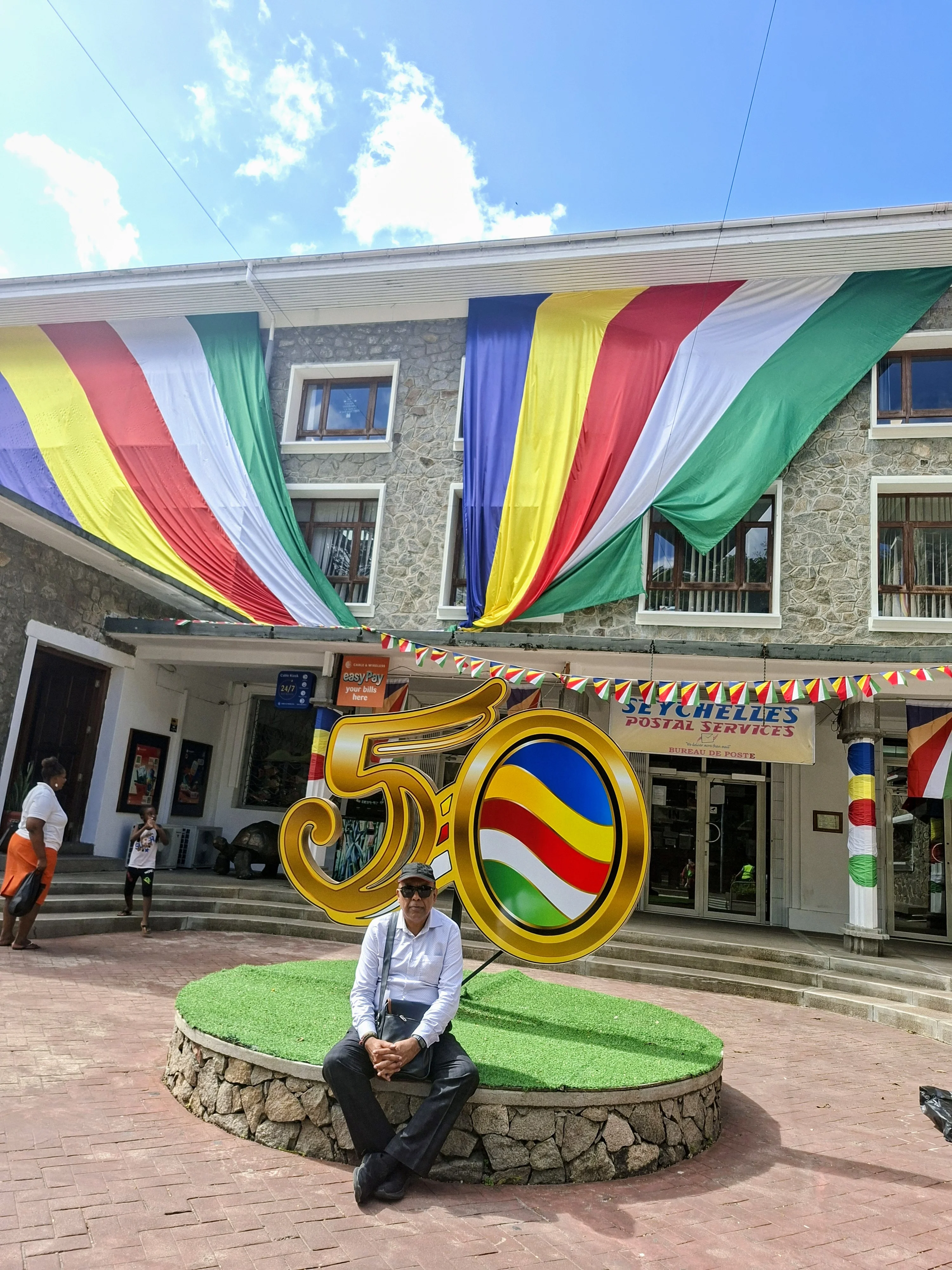
Victoria Postal Services building — reflecting 19th-century colonial ties with the Bombay Presidency
Tips for Visiting Seychelles
Rent a car
Ideal for exploring Mahé independently.
Drive carefully
Roads can be narrow, steep and winding.
Explore slowly
Allow time for scenic drives and spontaneous stops.
Carry some cash
Useful for small shops and local eateries.
Try local food
Don't miss Cari Poisson, fresh seafood and Creole dishes.
Visit Victoria
Explore its market, Hindu temple and multicultural heritage.
Respect local customs
Dress appropriately at religious sites.
Carry sun protection
Sunscreen, hat, sunglasses and water are essential.
Be prepared for rain
Tropical showers can arrive suddenly.
Protect nature
Avoid littering and respect the island's fragile environment.
TRAVELLING THROUGH THE TIMELESS LEGACY OF INDIAN CIVILIZATION ACROSS ASIA AND BEYOND
Back to Indianization Gateway→CONTINUE THE SEYCHELLES JOURNEY
Journey Through the Sacred Monuments of Seychelles
Practical Insights & Heritage Context
Tips for Visiting Seychelles
Rent a car: Ideal for exploring Mahé independently. Drive carefully: Roads can be narrow, steep and winding. Explore slowly: Allow time for scenic drives and spontaneous stops. Carry some cash: Useful for small shops and local eateries. Try local food: Don't miss Cari Poisson, fresh seafood and Creole dishes. Visit Victoria: Explore its market, Hindu temple and multicultural heritage. Respect local customs: Dress appropriately at religious sites. Carry sun protection: Sunscreen, hat, sunglasses and water are essential. Be prepared for rain: Tropical showers can arrive suddenly. Protect nature: Avoid littering and respect the island's fragile environment.