
Travel Story
Almaty: Where the Silk Route Meets the Modern Horizon
Walking through the streets of Almaty, I felt as though I were stepping onto a bridge between two worlds. Nestled between the snow-capped majesty of the Tian Shan mountains and the infinite stretch of the Kazakh steppe, this city breathes with the spirit of the ancient Silk Route, yet pulses with a sleek, contemporary energy. As I wandered past its broad, tree-lined boulevards and into vibrant, glass-fronted cafés, I couldn't help but reflect on the centuries of merchants, travelers, and caravans that once navigated this same crossroads. While the glass towers and modern bustle are undeniably present, there is a haunting, beautiful persistence to the city’s heritage—it is as if the dust of ancient trade routes has settled into the foundation of every modern storefront. In Almaty, I didn't just feel like a tourist; I felt like a witness to a living, breathing chapter of human history, where the echoes of the past remain perfectly harmonized with the rhythm of the modern day.
The Verdant Soul of Almaty
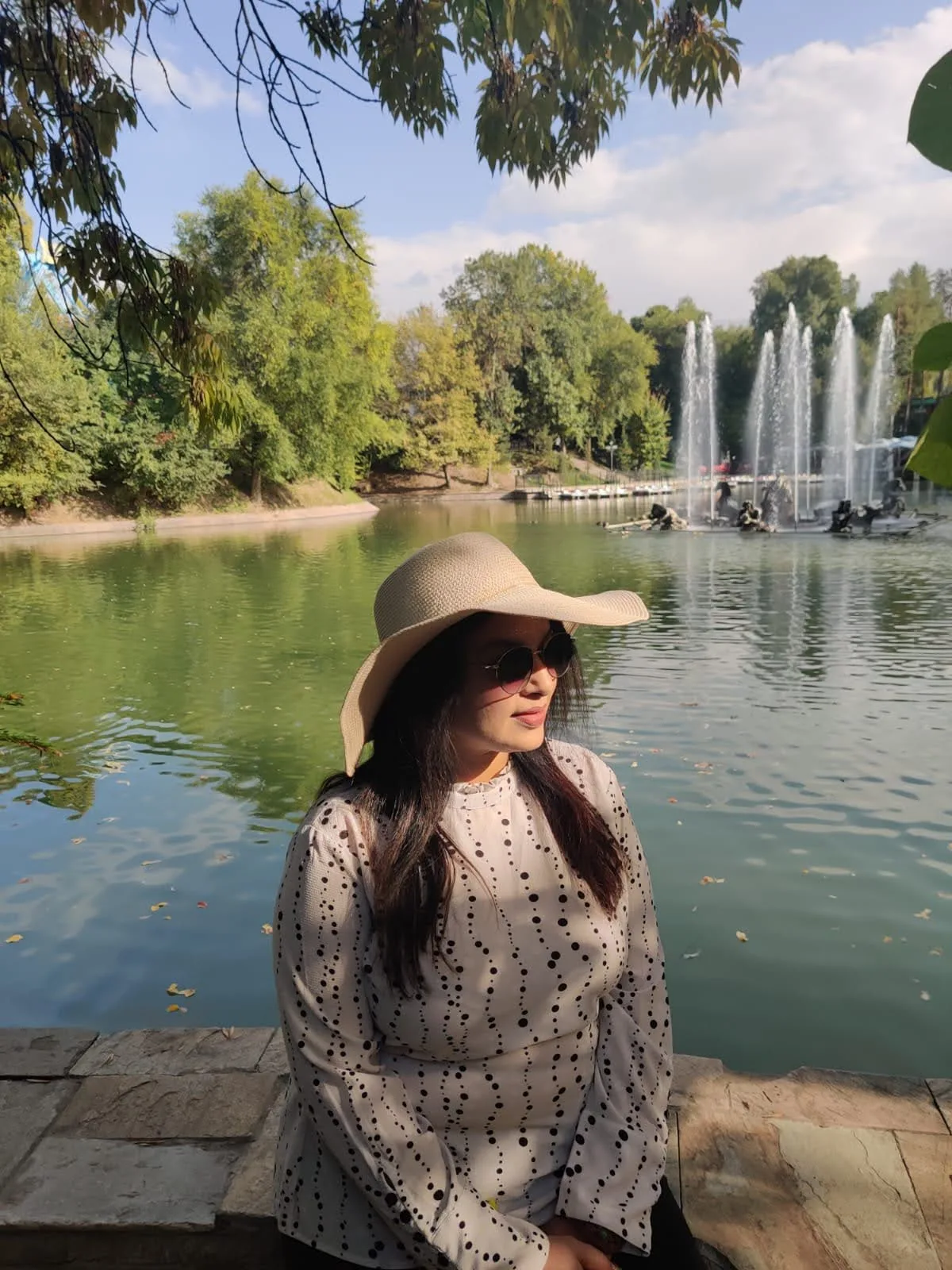
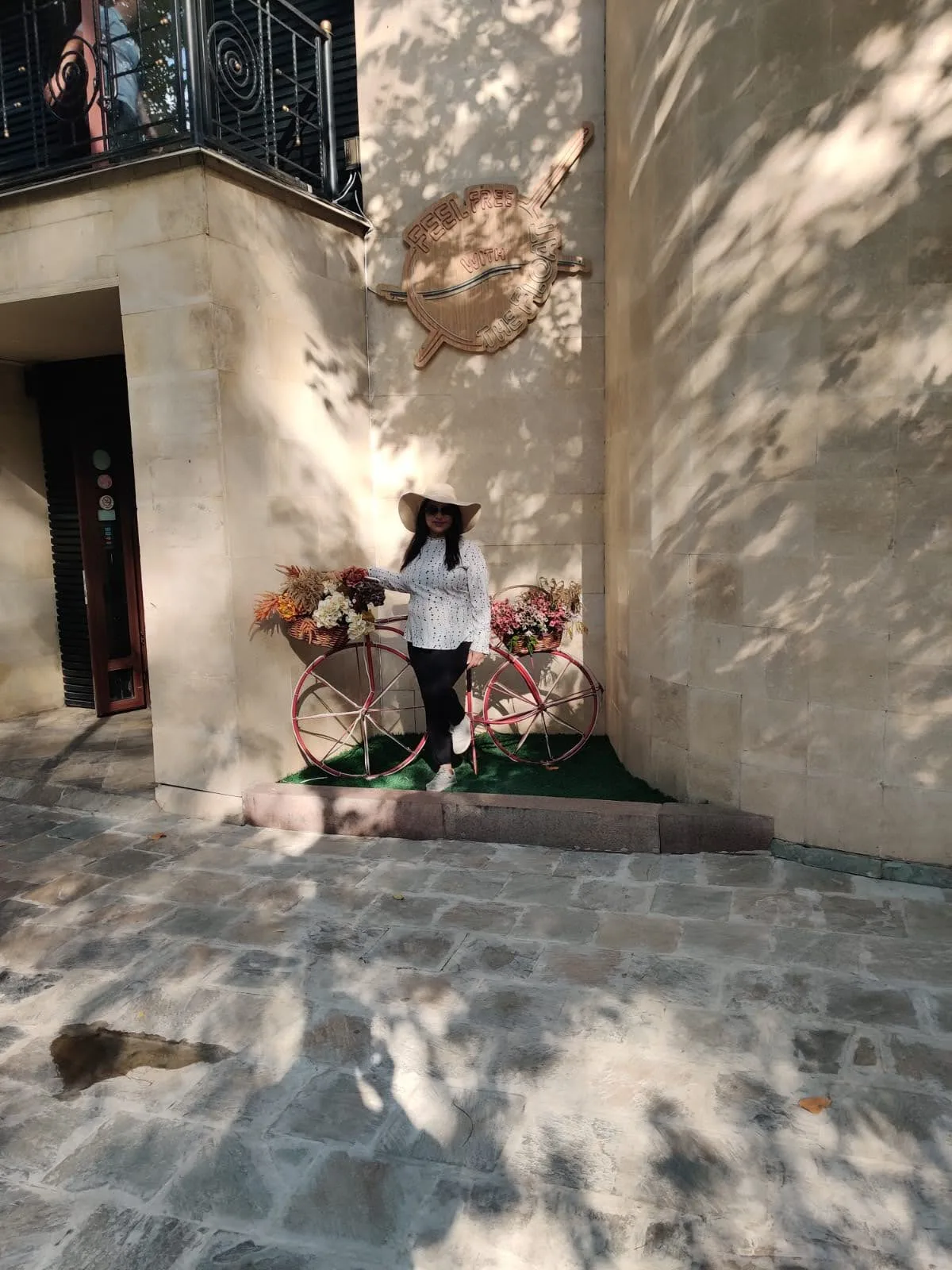
There was something profoundly comforting about wandering through Almaty that felt like a quiet homecoming. As I strolled beneath the canopy of towering chinar trees, the cooling mountain air brushed against my skin, instantly transporting me to the lush, scenic valleys of Kashmir. It is rare for a modern city to possess such a calm, graceful pulse, yet Almaty manages to balance its urban ambition with a deep, reverent connection to the natural world. With the majestic, snow-capped Tian Shan mountains standing guard in the distance and green parks tucked into every corner, the city feels less like a concrete sprawl and more like a carefully tended garden.
DAY TRIP TO THE TIAN SHAN MOUNTAINS & KOLSAI LAKE
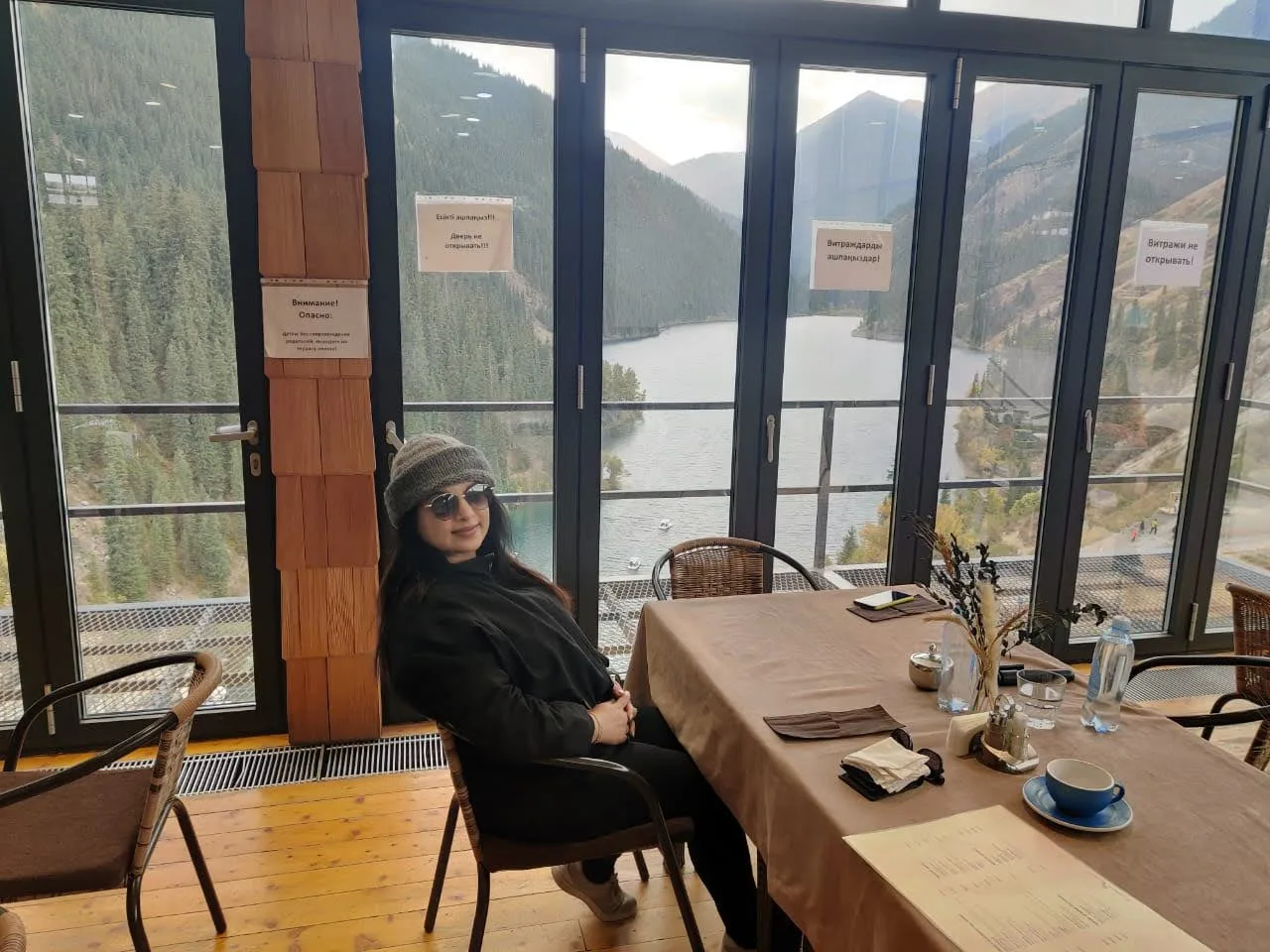
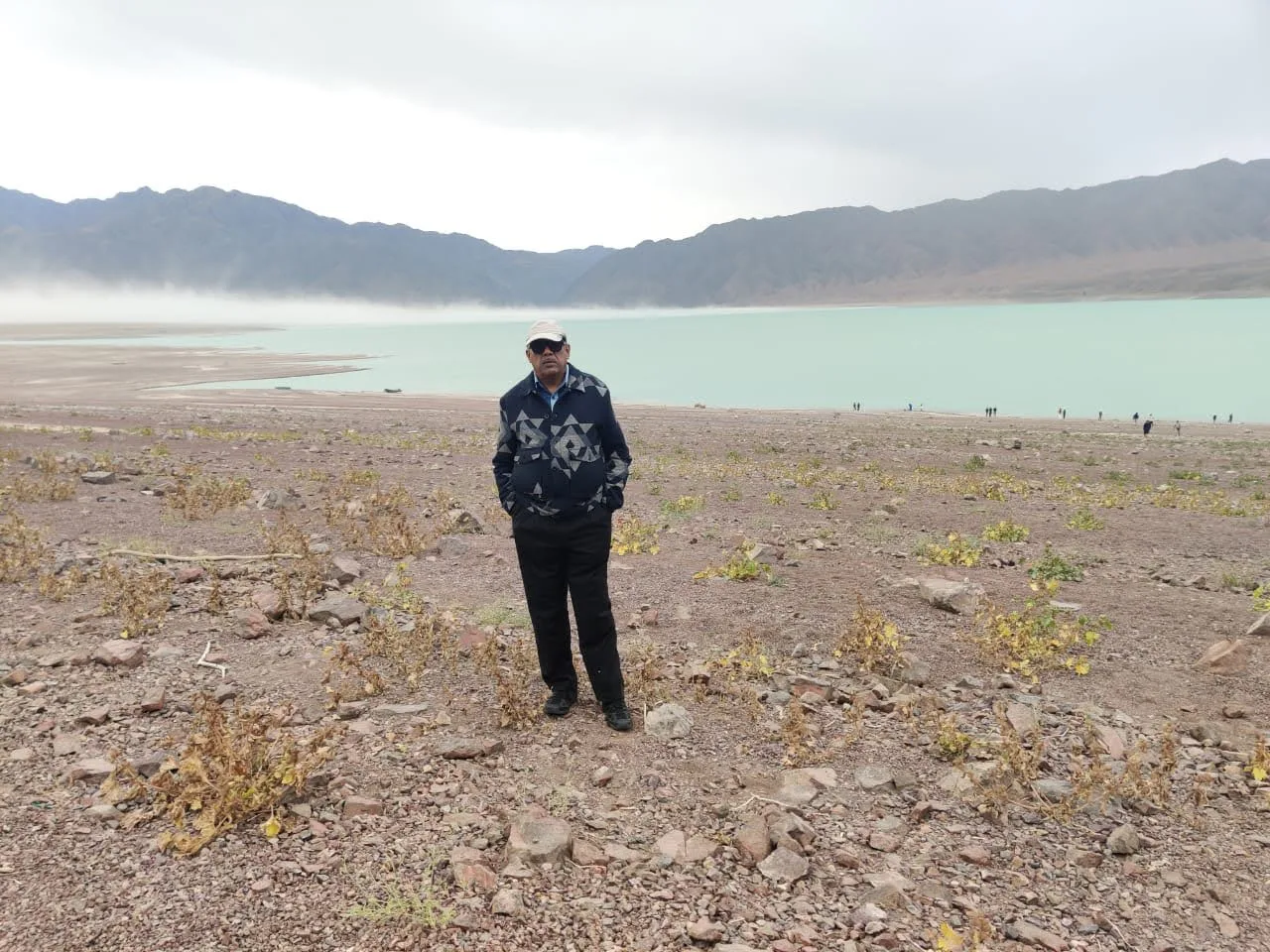
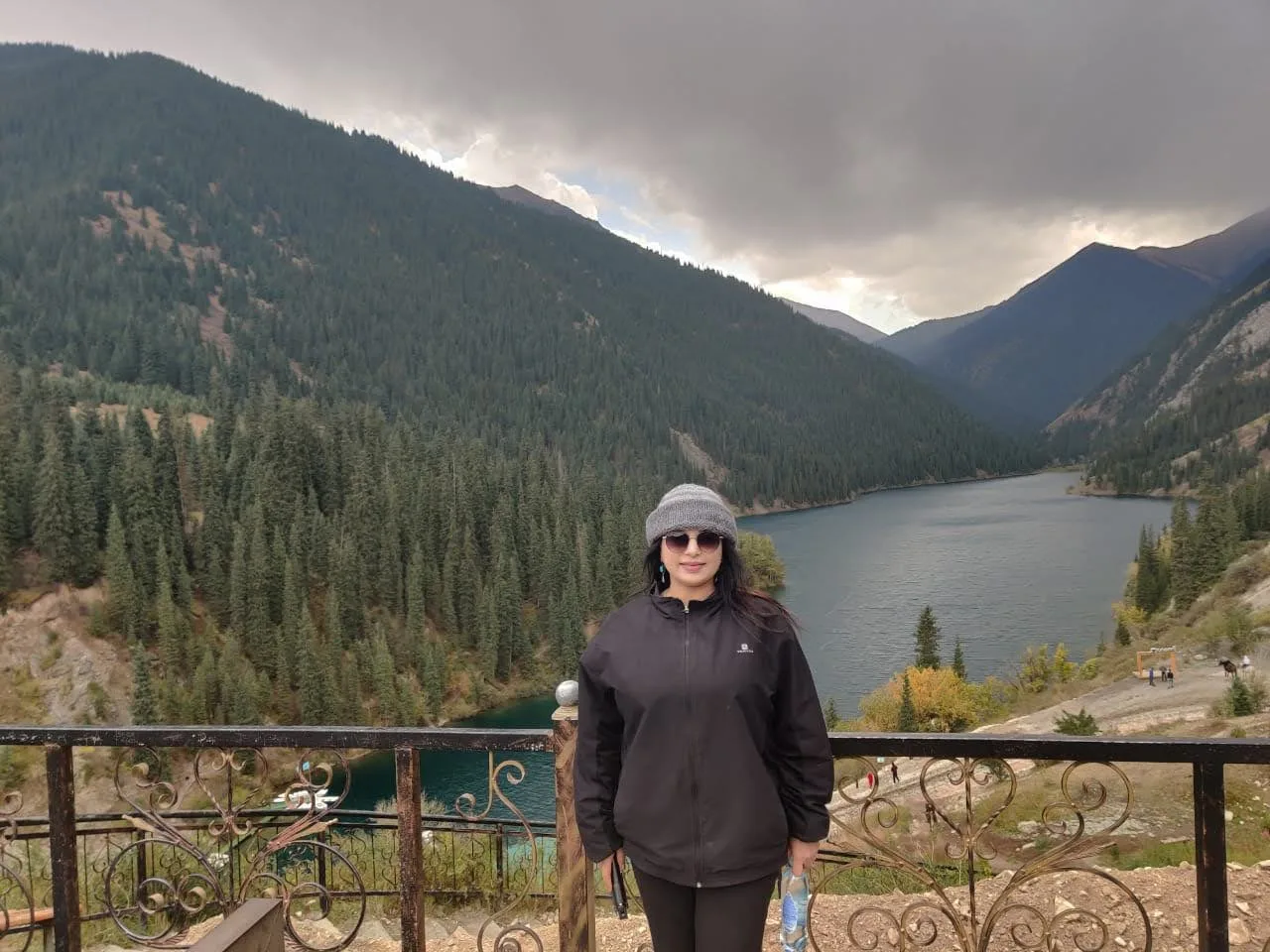
- ✓ A long but immensely rewarding day began at 0500 hrs as we left Almaty and drove deep into the spectacular landscapes of southeastern Kazakhstan. The journey followed parts of the ancient Silk Route, where traders, caravans, and travelers once crossed these rugged mountains carrying silk, spices, stories, and culture between Asia and Europe. Even today, the vast open steppes, dramatic mountain ranges, and isolated villages create a feeling of timeless adventure.
- ✓ The highlight of the trip was the breathtaking Kolsai Lakes, often called the “Pearls of the Tian Shan.” Surrounded by dense forests and snow-dusted peaks, the deep blue waters looked almost unreal. The calmness of the lake, the cool mountain air, and the reflections of the pine trees created one of the most peaceful and beautiful scenes of our journey through Central Asia.
- ✓ The trip was certainly hectic — nearly fourteen hours of travel, beginning before sunrise and ending around 1900 hrs — but every moment felt worthwhile. From mountain lakes to dramatic canyons, from Silk Route history to untouched natural beauty, it was a day filled with unforgettable landscapes and memories
The Orchard Of History: Searching for the Roots Of the Apple
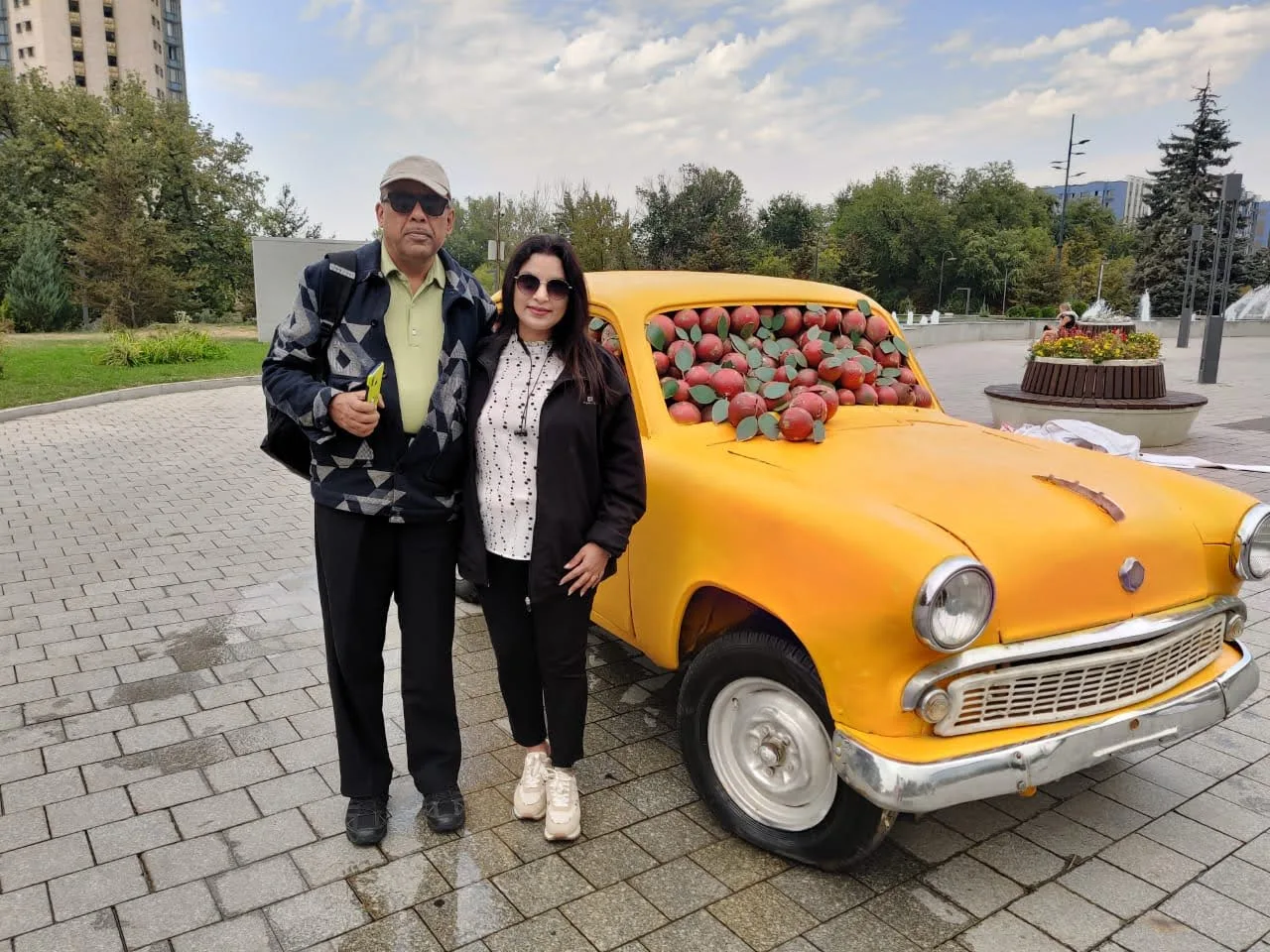
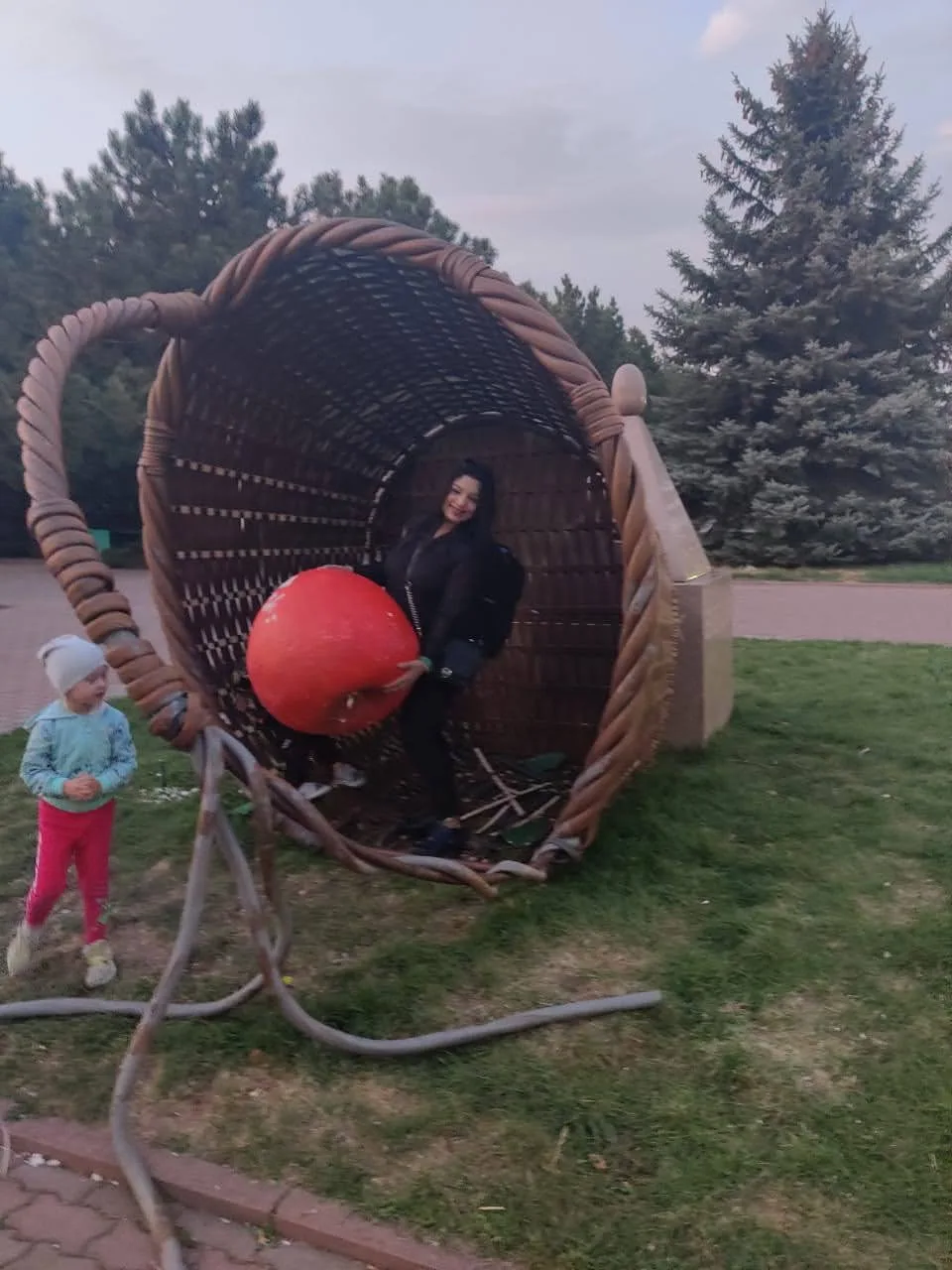
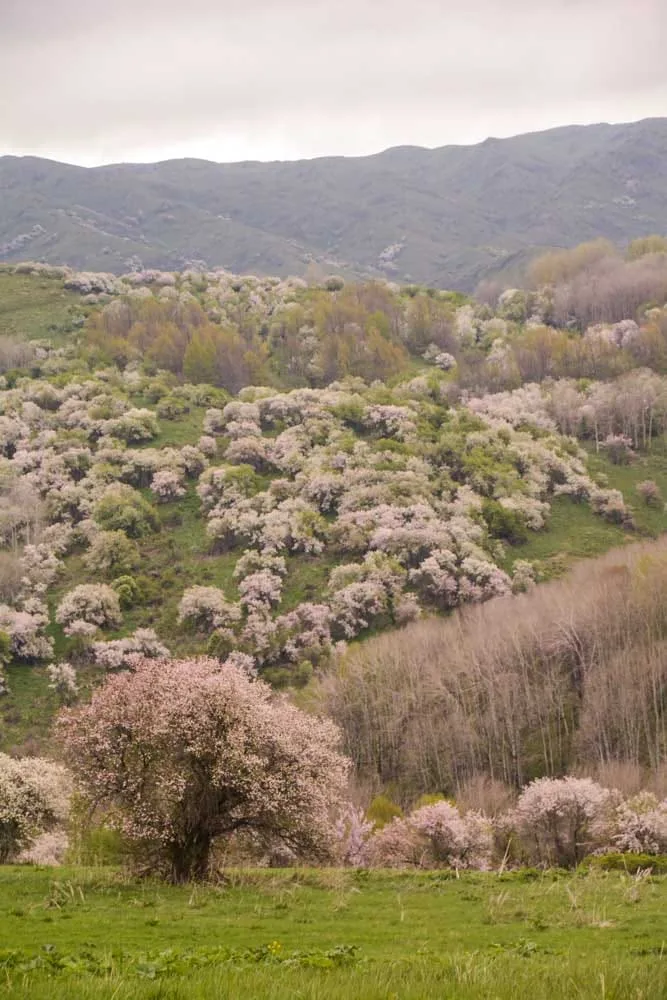
Tracing the origins of a fruit as ubiquitous as the apple led me, surprisingly, to the very heart of Kazakhstan. Walking through the foothills of the Tian Shan mountains, I learned that I was standing in the true ancestral home of the world’s apples. The city of Almaty itself—whose name is poignantly interpreted as "Father of Apples"—stands as a living monument to this incredible heritage. Hidden in the surrounding slopes are the ancient, wild Malus sieversii forests, the prehistoric ancestors of every apple we enjoy today.
ASCENSION CATHEDRAL & PANFILOV PARK
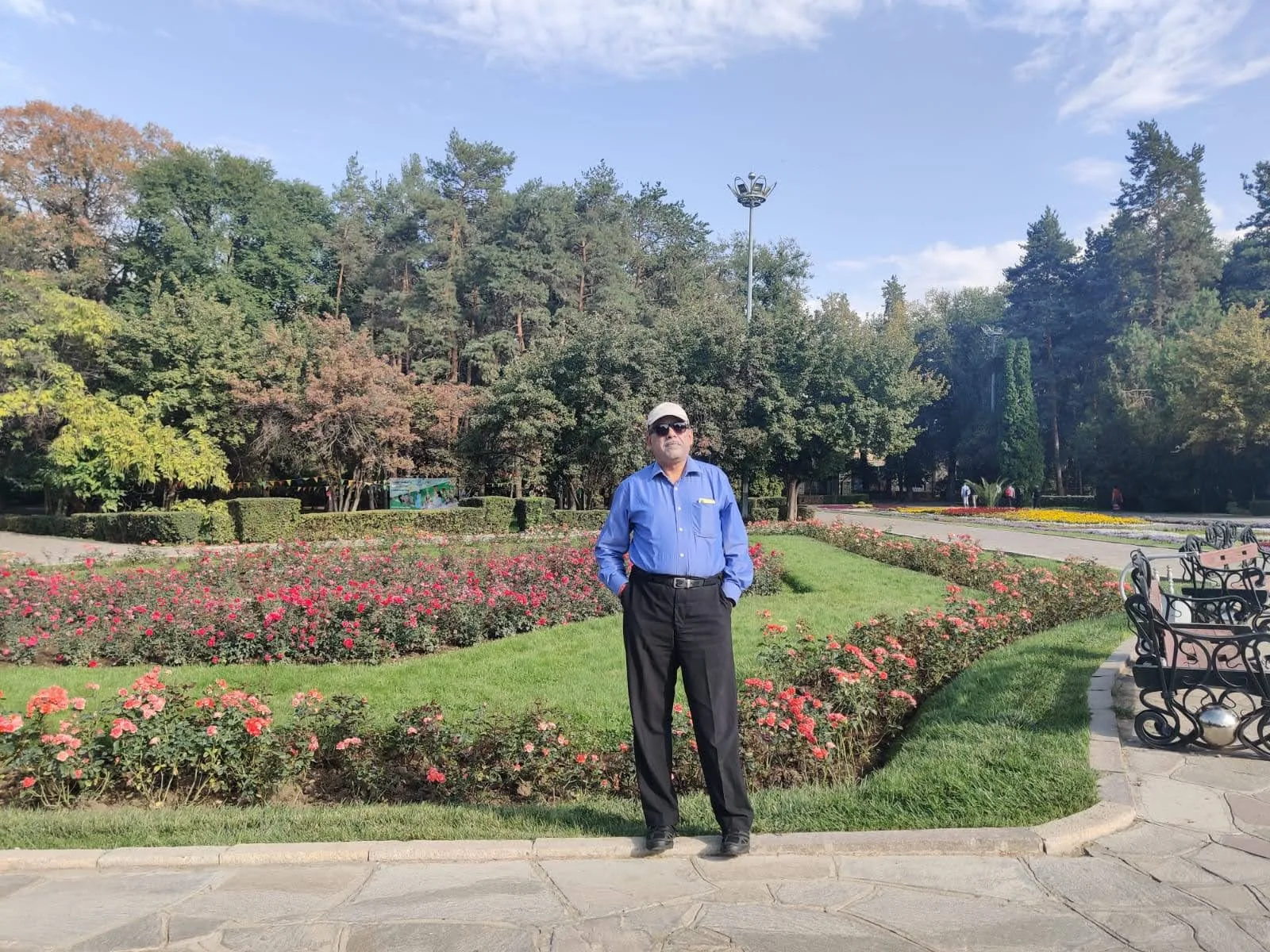
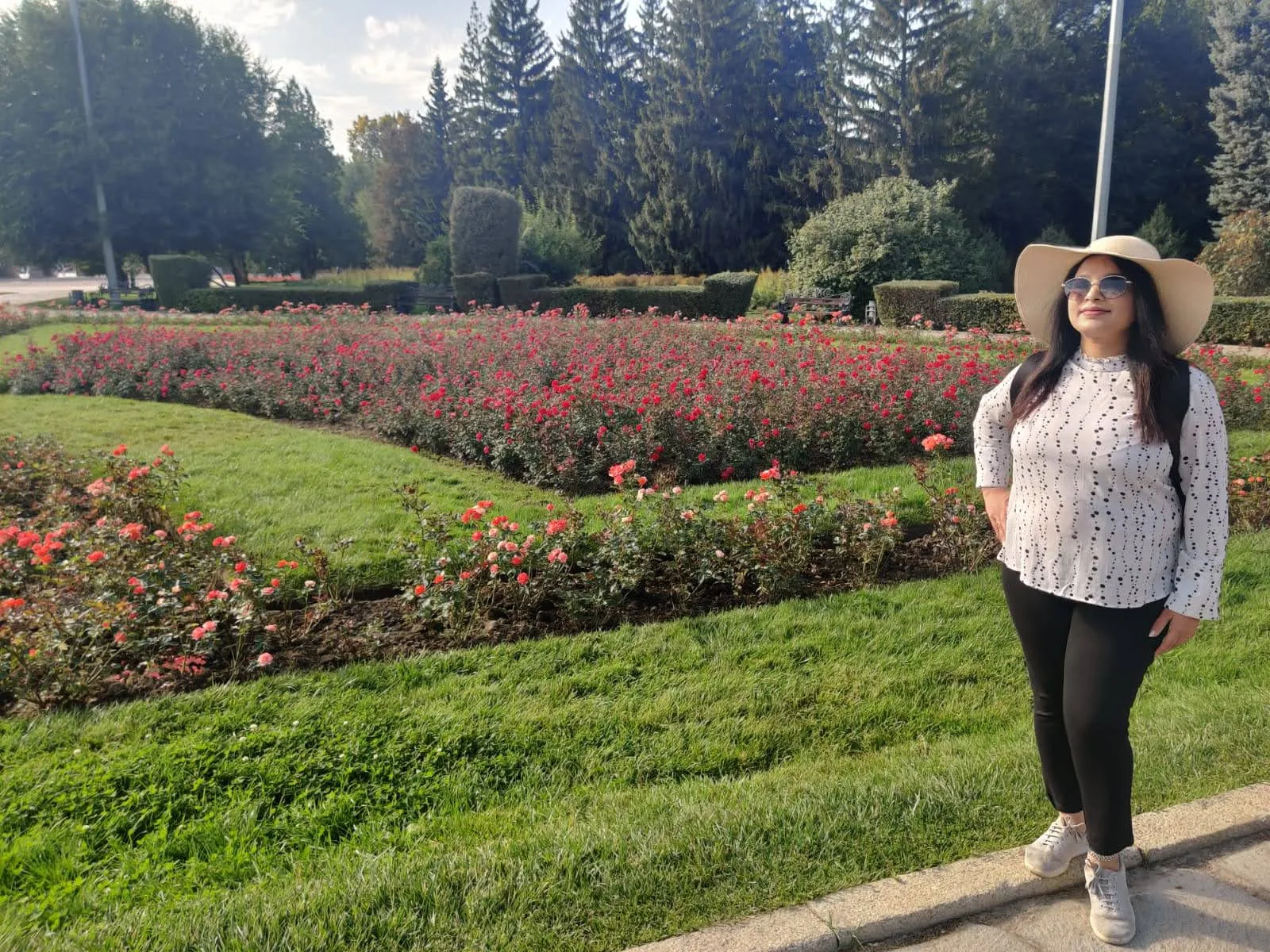
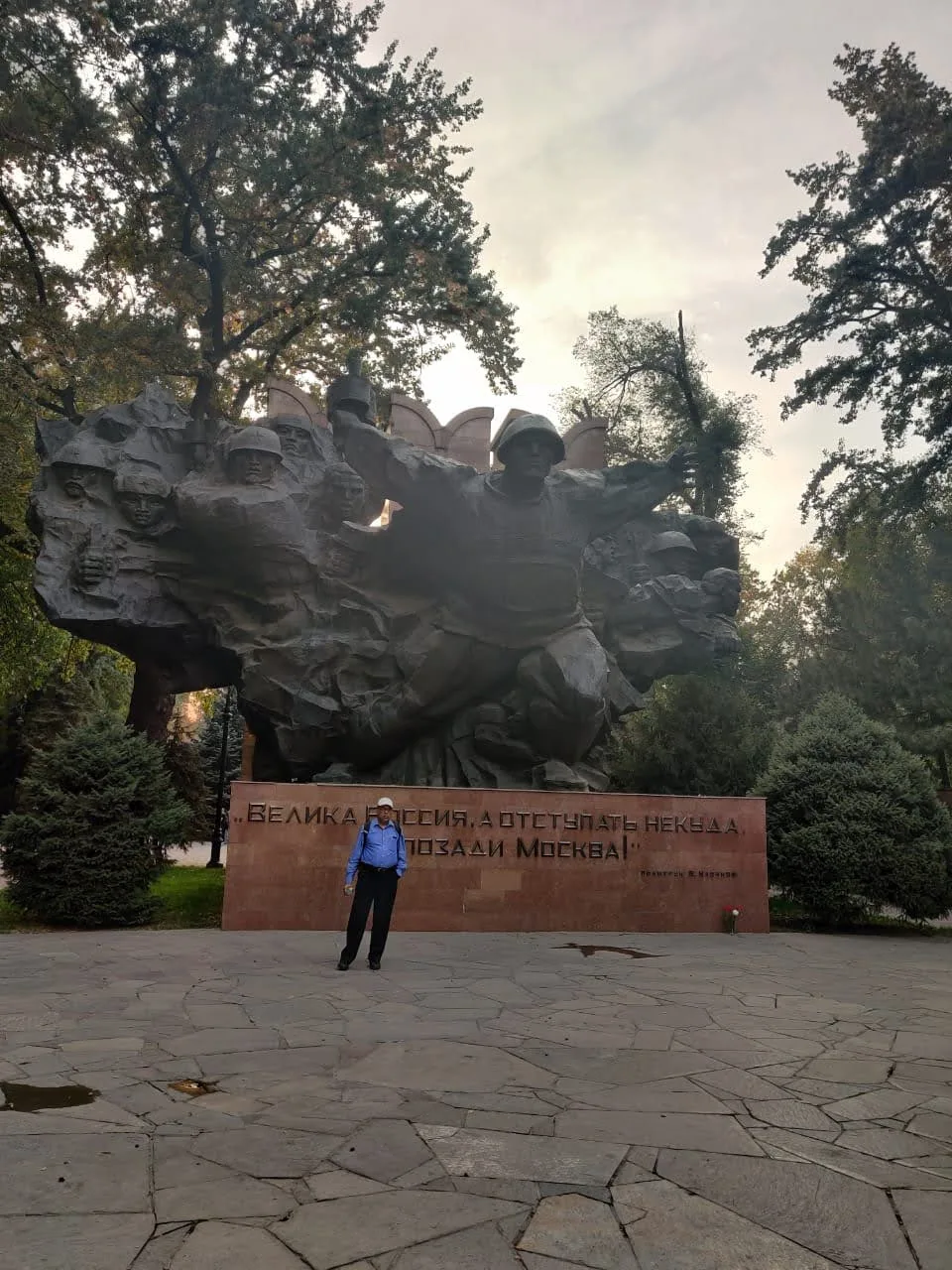
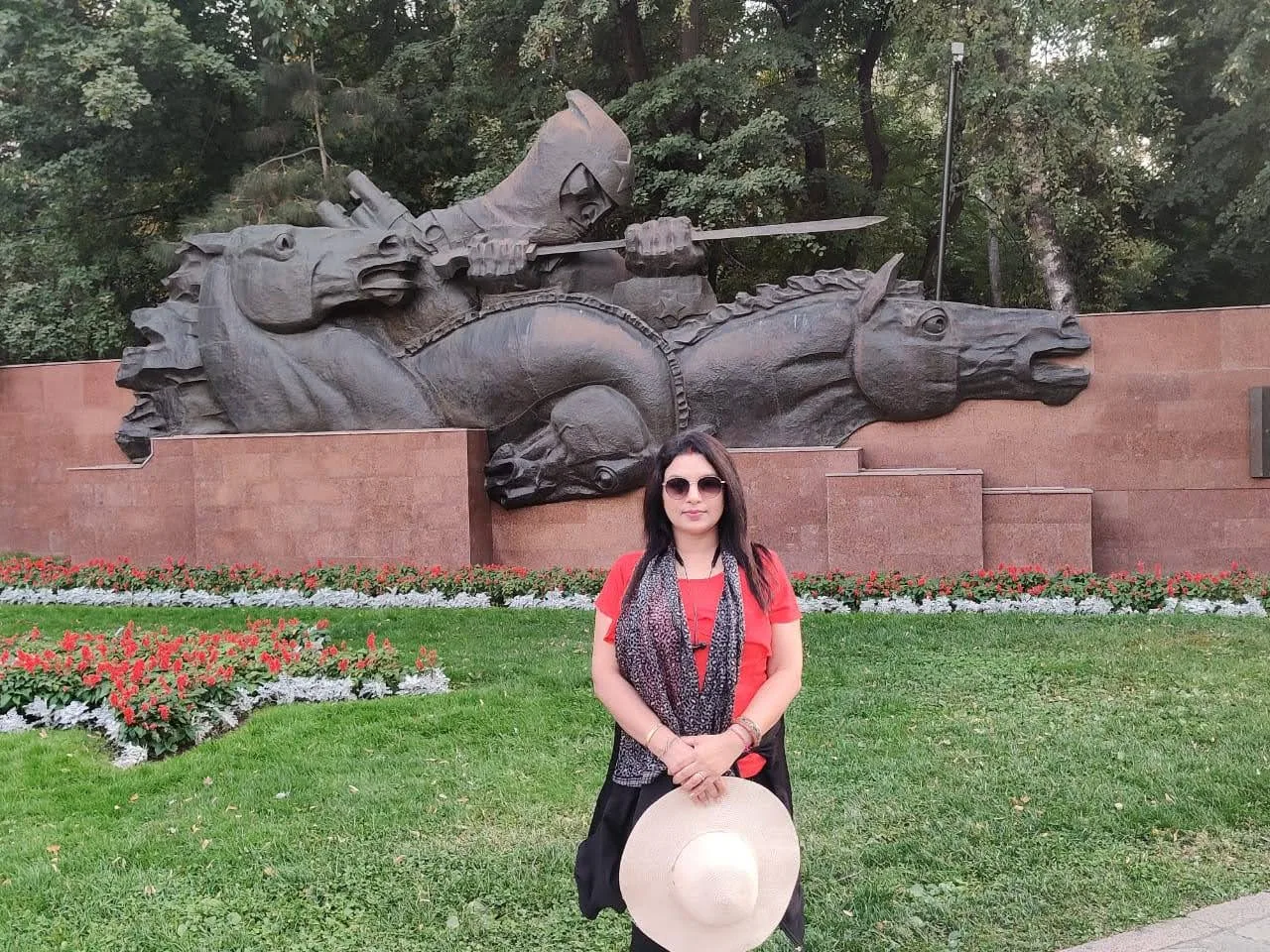
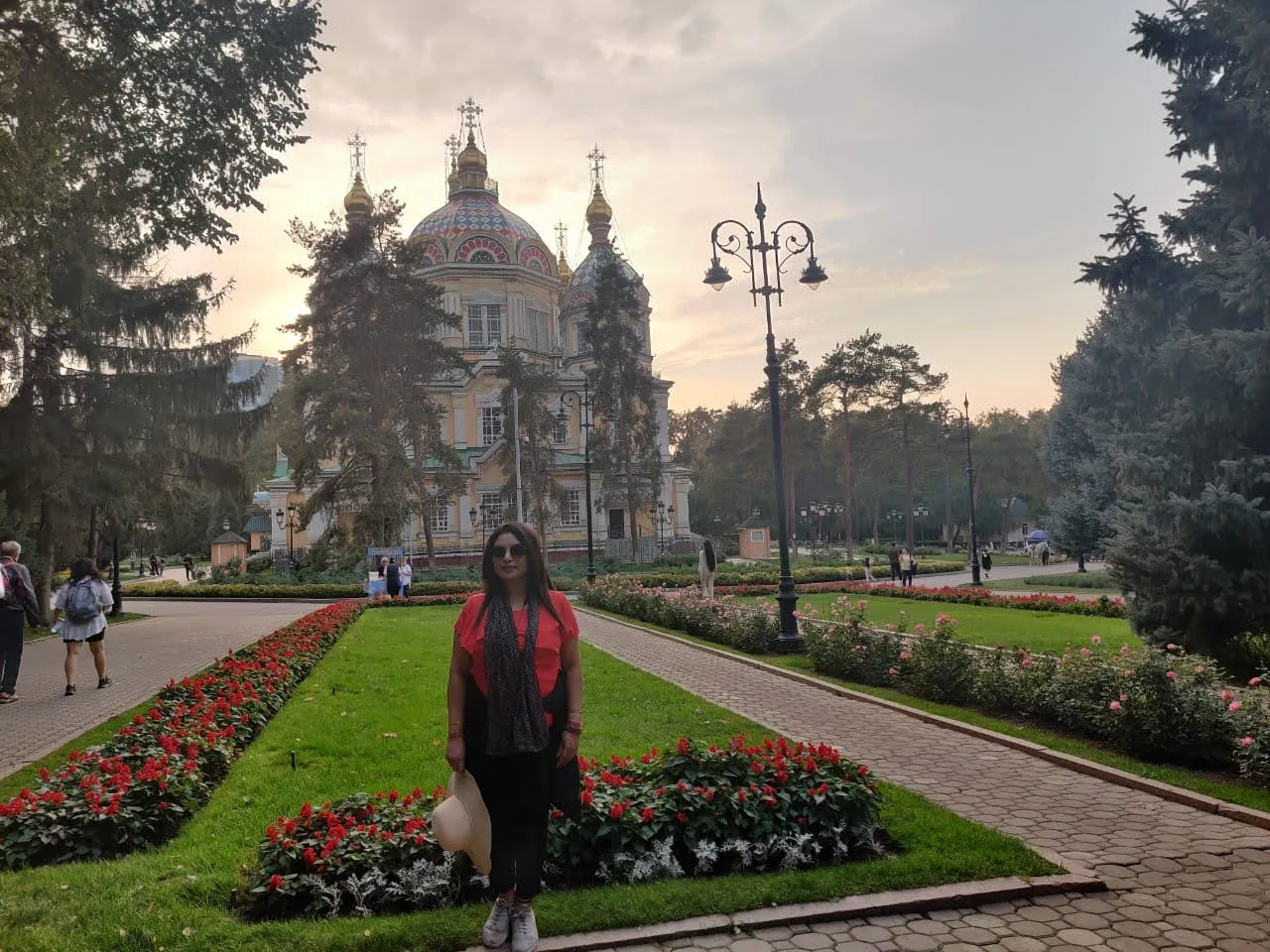
Our visit to the beautiful Ascension Cathedral, also known as the Zenkov Cathedral, was a very pleasant and relaxing experience in Almaty. Located within the peaceful surroundings of Panfilov Park, the cathedral’s colourful wooden architecture and elegant interiors made it one of the most interesting landmarks we visited in the city. The park itself was beautifully maintained, filled with walking paths, tall trees, gardens, and several military memorials and statues honouring the Panfilov heroes of World War II. We spent nearly half a day wandering through the park, admiring the monuments, relaxing under the trees, and enjoying the calm atmosphere that offered a refreshing break from the busy city streets.
Explore More Waypoints in Kazakhstan
Astana: The Futuristic Steppe Capital
Where ultra-modern glass architecture meets the wild winds of the northern Eurasian steppe.
Read Story →Stop 3 • Spiritual OasisTurkistan: Mausoleum of Khoja Ahmed Yasawi
Timur’s turquoise-domed architectural masterpiece and the ancient heart of Sufi spirituality in Central Asia.
Read Story →Frequently Asked Questions
What is Almaty best known for on the Silk Route?
Almaty, meaning 'Father of Apples', sits beneath the Tian Shan mountains where ancient caravan routes crossed southeastern Kazakhstan. It is famous for being the ancestral home of wild apple forests (Malus sieversii), Zenkov (Ascension) Cathedral in Panfilov Park, and dramatic alpine scenery.
What are the best day trips from Almaty?
The premier day trip is to the Tian Shan Mountains and Kolsai Lakes—often called the 'Pearls of the Tian Shan'—a scenic full-day journey through vast steppes, pine forests, and alpine waters. Charyn Canyon is another popular day trip.
What is special about the Ascension Cathedral in Almaty?
Also known as Zenkov Cathedral, it is a colourful wooden Russian Orthodox cathedral located in Panfilov Park. Built in 1907 completely without metal nails, it famously survived the devastating 1911 earthquake and features hand-painted interiors.
How do you reach Medeu and Shymbulak from Almaty?
Take city bus 12 from hotel Kazakhstan in central Almaty directly to the Medeu ice skating rink in about 30 minutes, then ride the scenic cable car gondola up to Shymbulak ski resort at 3,200 metres.
What is the best time of year to visit Almaty?
Late spring (May to June) and early autumn (September to October) offer ideal weather with crisp mountain air, golden foliage, pleasant city walks, and mild temperatures.
What can you buy at the Green Bazaar in Almaty?
The historic Green Bazaar (Zelyony Bazar) offers Kazakh dried fruits, mountain honey, walnuts, local smoked horse meat (kazy), fermented mare's milk (kumis), and Central Asian spices.
Is Almaty a walkable city for older travellers?
Yes. Almaty has wide, tree-shaded pedestrian boulevards like Panfilov Street and Arbat (Zhibek Zholy), gentle slopes, abundant park benches, and cheap Yandex Go taxis for longer distances.
What language is commonly spoken in Almaty?
Kazakh and Russian are universally spoken. In tourist hotels, modern cafés, and museums, younger staff frequently speak conversational English.
How long should you spend visiting Almaty?
We recommend at least 3 to 4 days to explore the central parks, Ascension Cathedral, museums, Kok Tobe hill, and take a full-day excursion to Kolsai Lakes and Charyn Canyon.
Are card payments widely accepted in Almaty?
Yes. Contactless Visa and Mastercard credit and debit cards are accepted virtually everywhere, from boutique hotels to grocery stores and cafés.
Navigate the Caravan Route
Explore Other:
Get the complete Field Notebooks in your inbox
Subscribe to receive weekly updates detailing train logistics, border crossing forms, and historical accounts from our future travels.