
Turkistan Kazakhstan
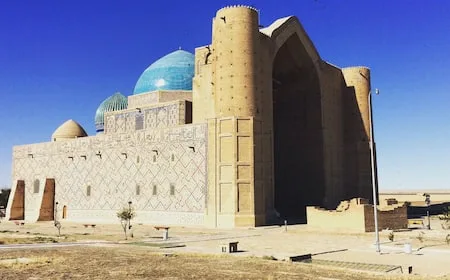
Echoes of the Mystic: Standing Before the Khoja Ahmed Yasawi Mausoleum
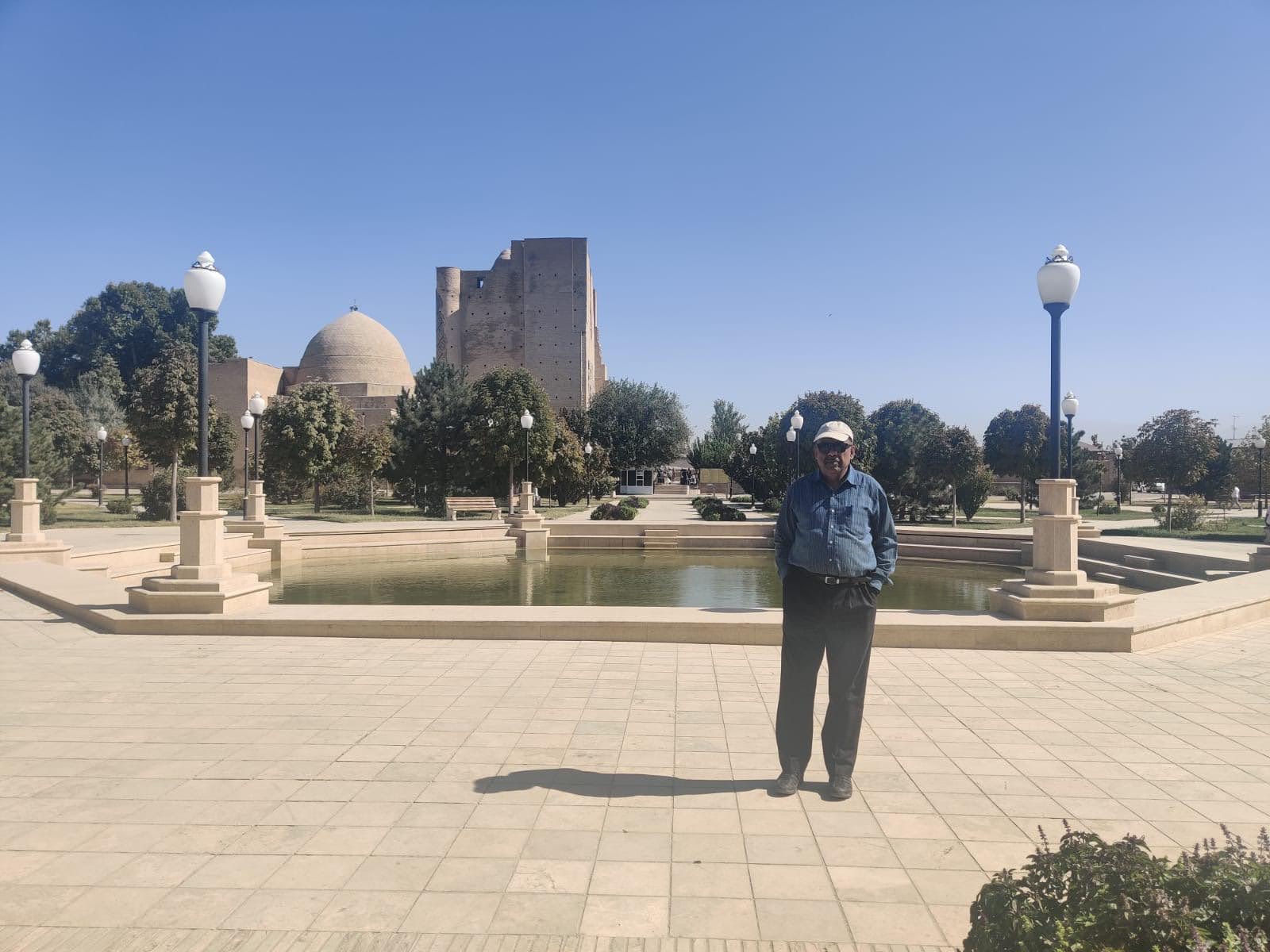
Stepping into the shadow of the Khoja Ahmed Yasawi Mausoleum was easily the most profound moment of my Silk Route journey through Kazakhstan. Commissioned by Timur between 1389 and 1404, this architectural marvel commands attention not just for its breathtaking turquoise domes and intricate tilework, but for the haunting beauty of its unfinished state. As I stood before the resting place of the great Sufi poet and philosopher, I felt a deep, resonant connection to the centuries of pilgrims and weary Silk Route travelers who sought solace here after his passing in 1166.
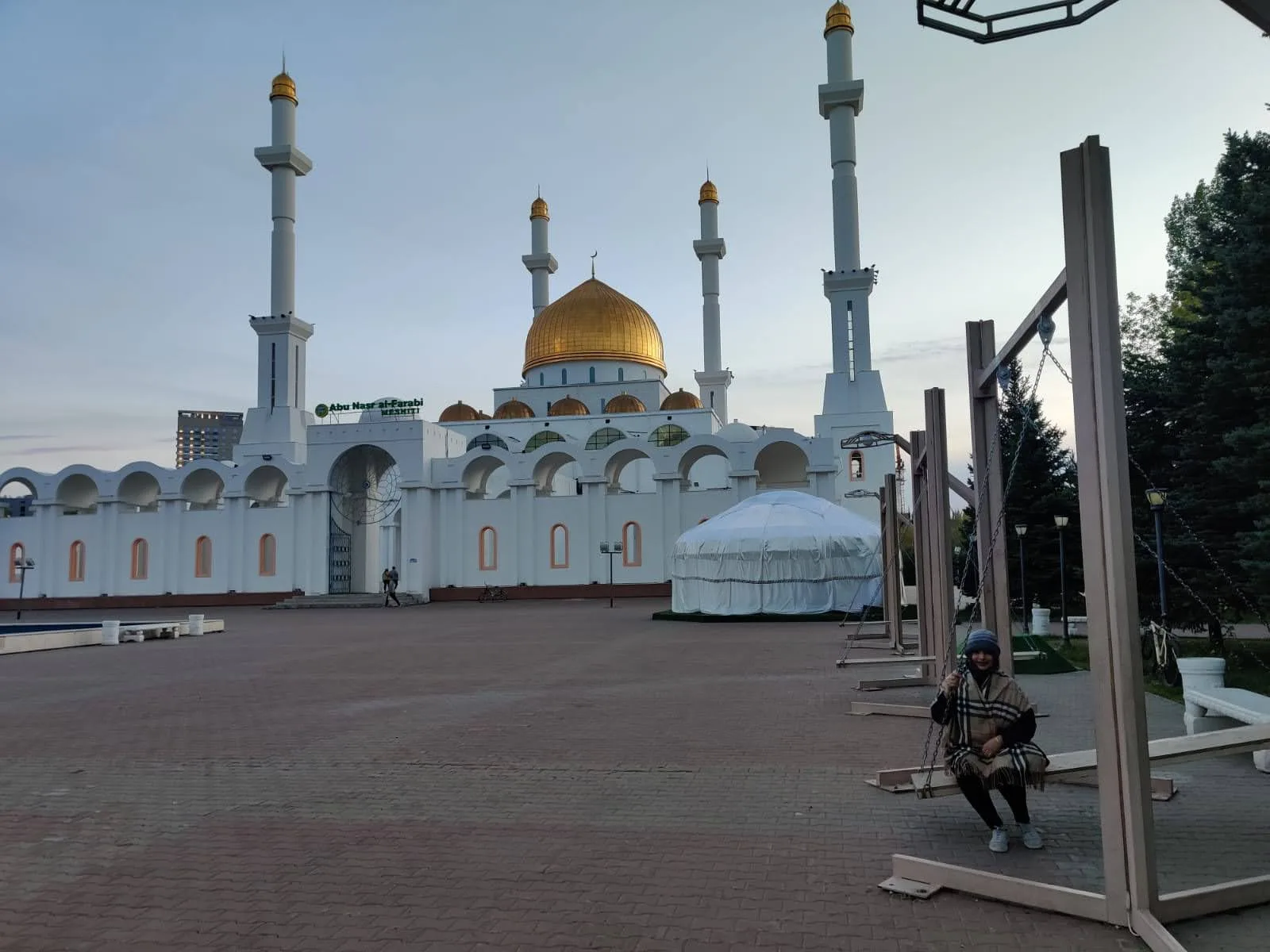
From Steppe to Silk: Reflecting on the Kazakh Chapter
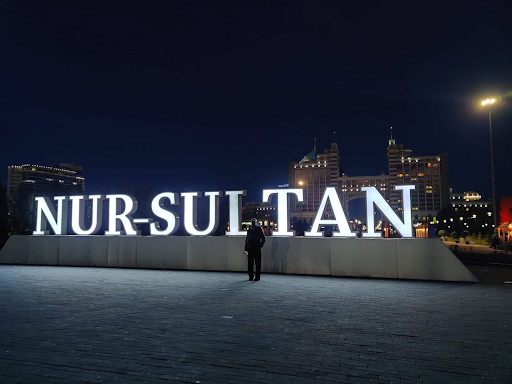
As we boarded our flight to Tashkent, leaving Kazakhstan behind, I reflected on a journey filled with fascinating contrasts. From the futuristic skyline of Astana to the leafy boulevards and mountain backdrop of Almaty, we experienced two very different faces of the country. Astana showcased Kazakhstan's bold vision for the future, while Almaty offered a deeper connection to the region's history, culture, and Silk Route heritage.
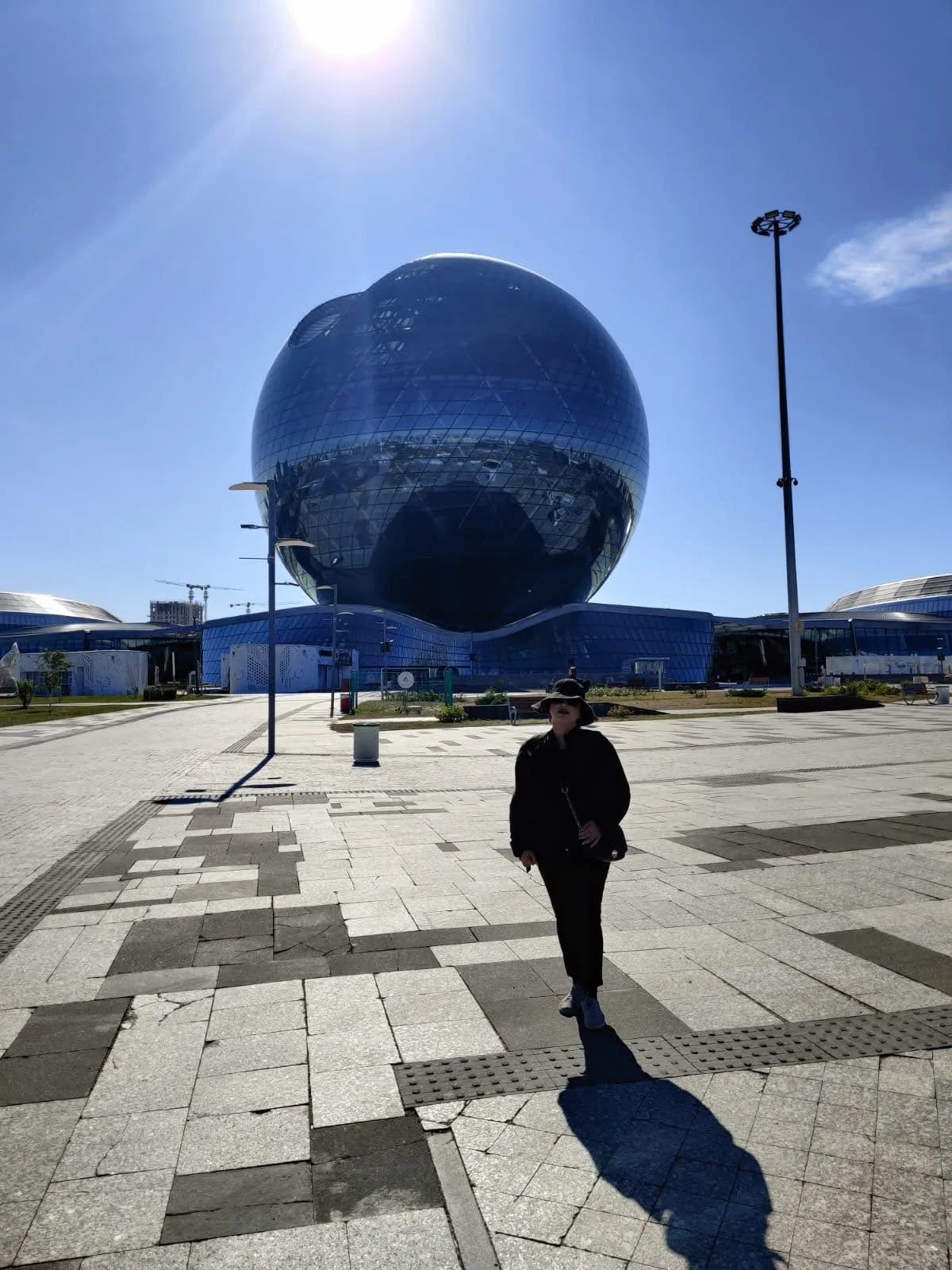

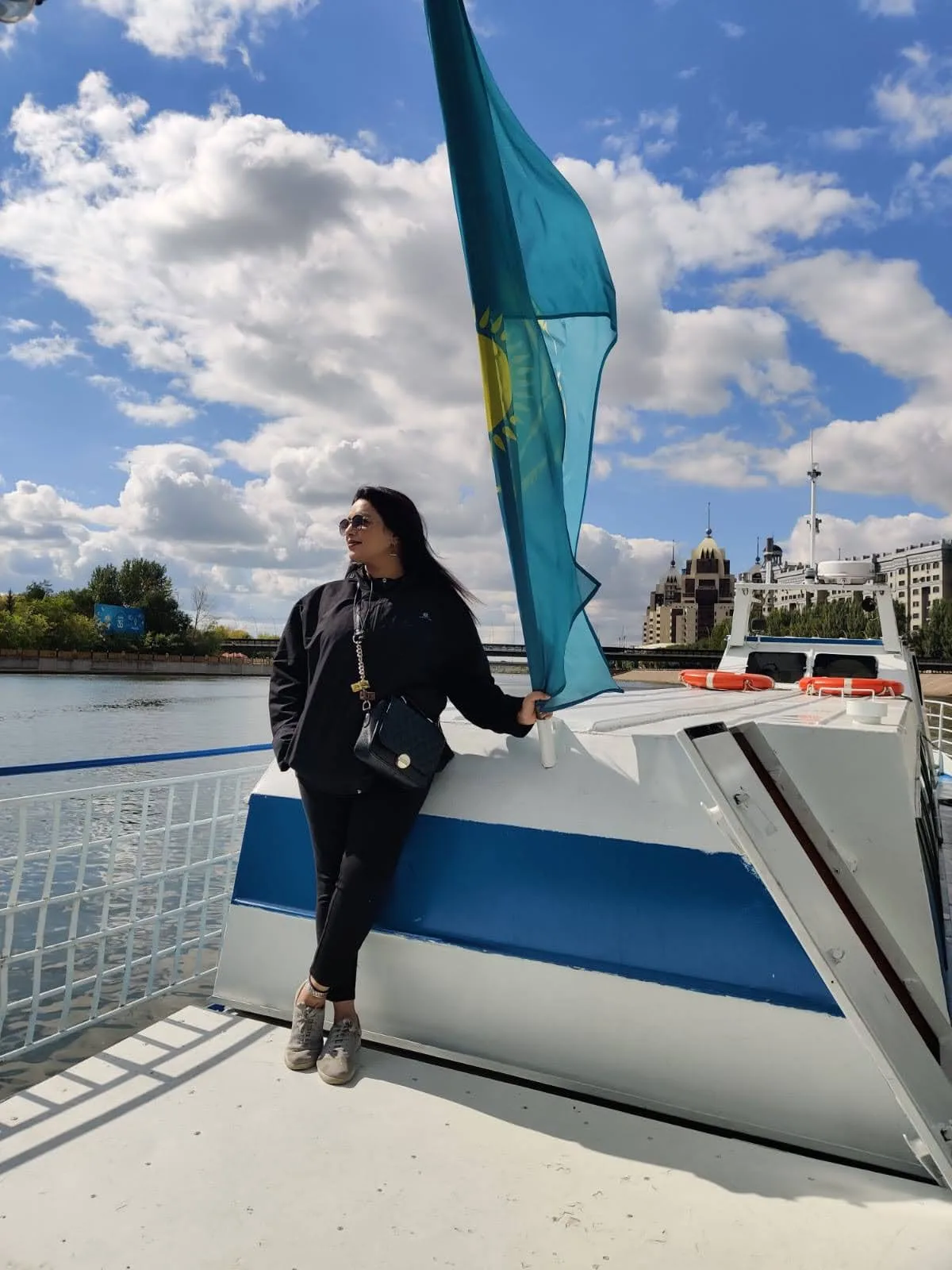
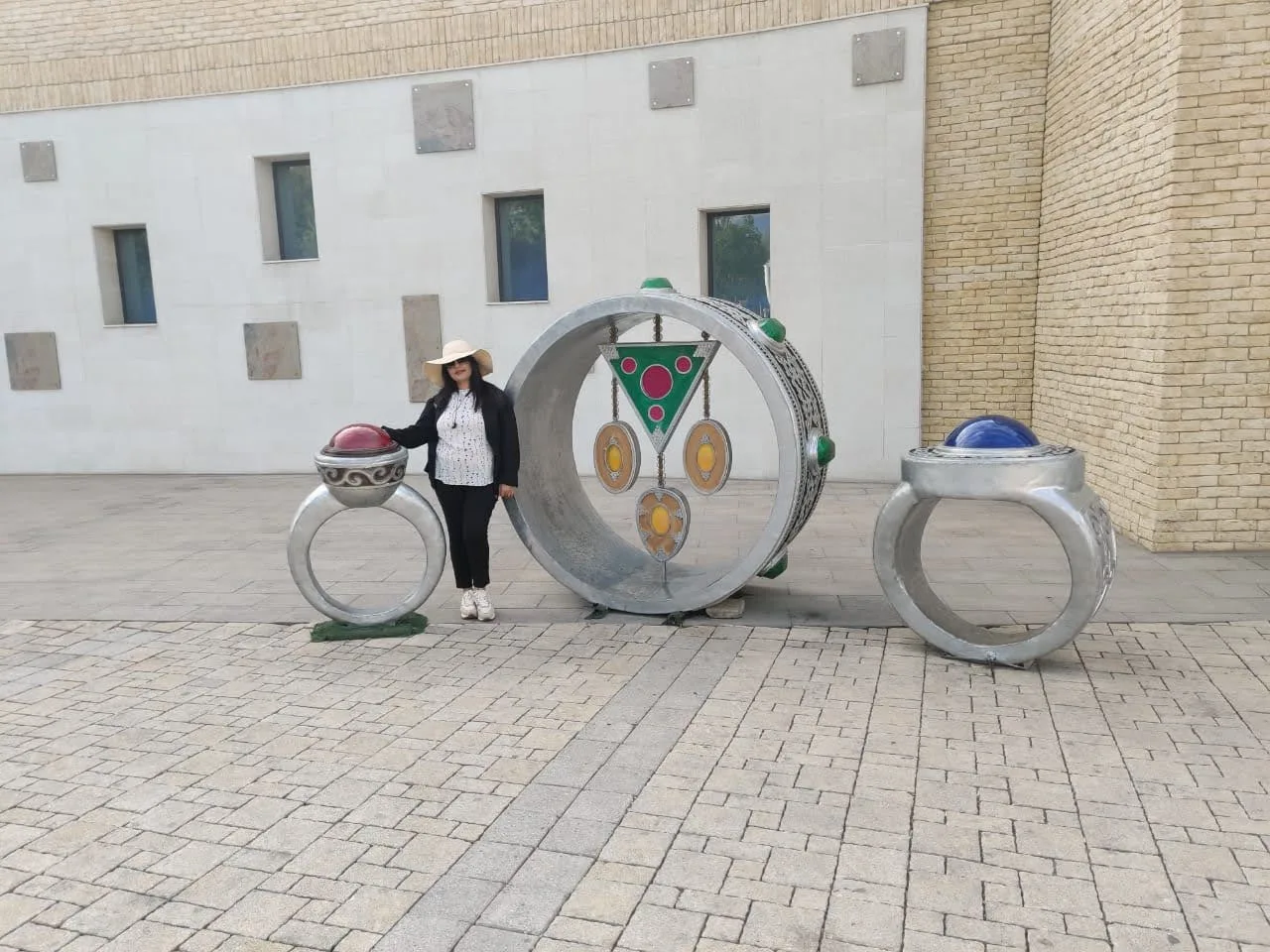
What stood out even more than the cities was the warmth of the people. During our first ride on a city bus in Astana, we discovered that only card payments were accepted. As confused tourists, we were about to step off the crowded bus when two complete strangers quietly tapped their cards and paid our fare. When we offered to reimburse them, they politely refused. It was a simple act of kindness, but one that left a lasting impression on us.
Kazakhstan: A Journey Beyond Expectations
As we continued our Silk Route journey toward Samarkand, this memory travelled with us. Kazakhstan proved to be much more than beautiful cities and impressive architecture; it was a place where genuine hospitality was part of everyday life. The country's unique blend of modern ambition, rich history, and human kindness made it a memorable chapter of our Central Asian adventure.
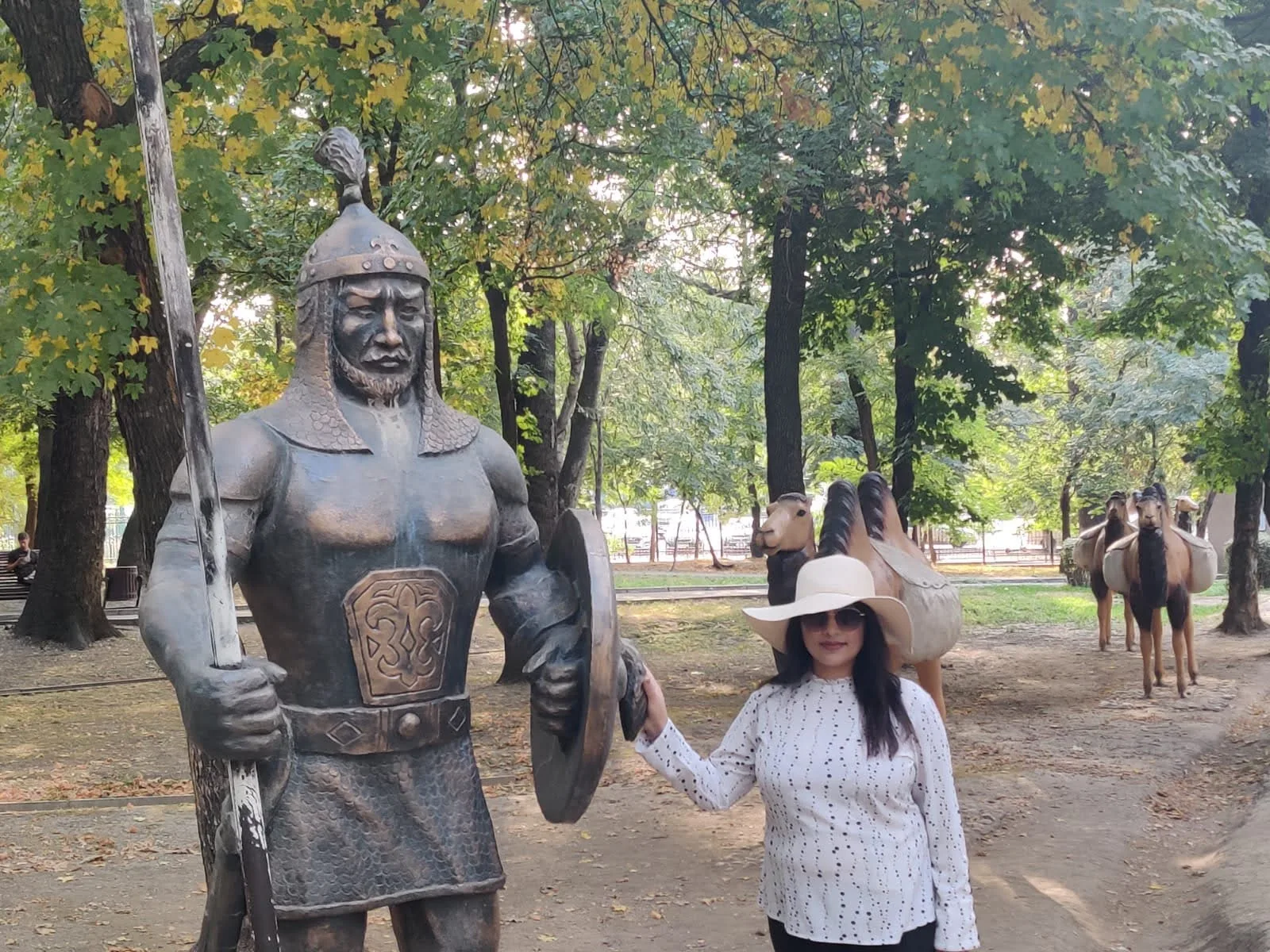
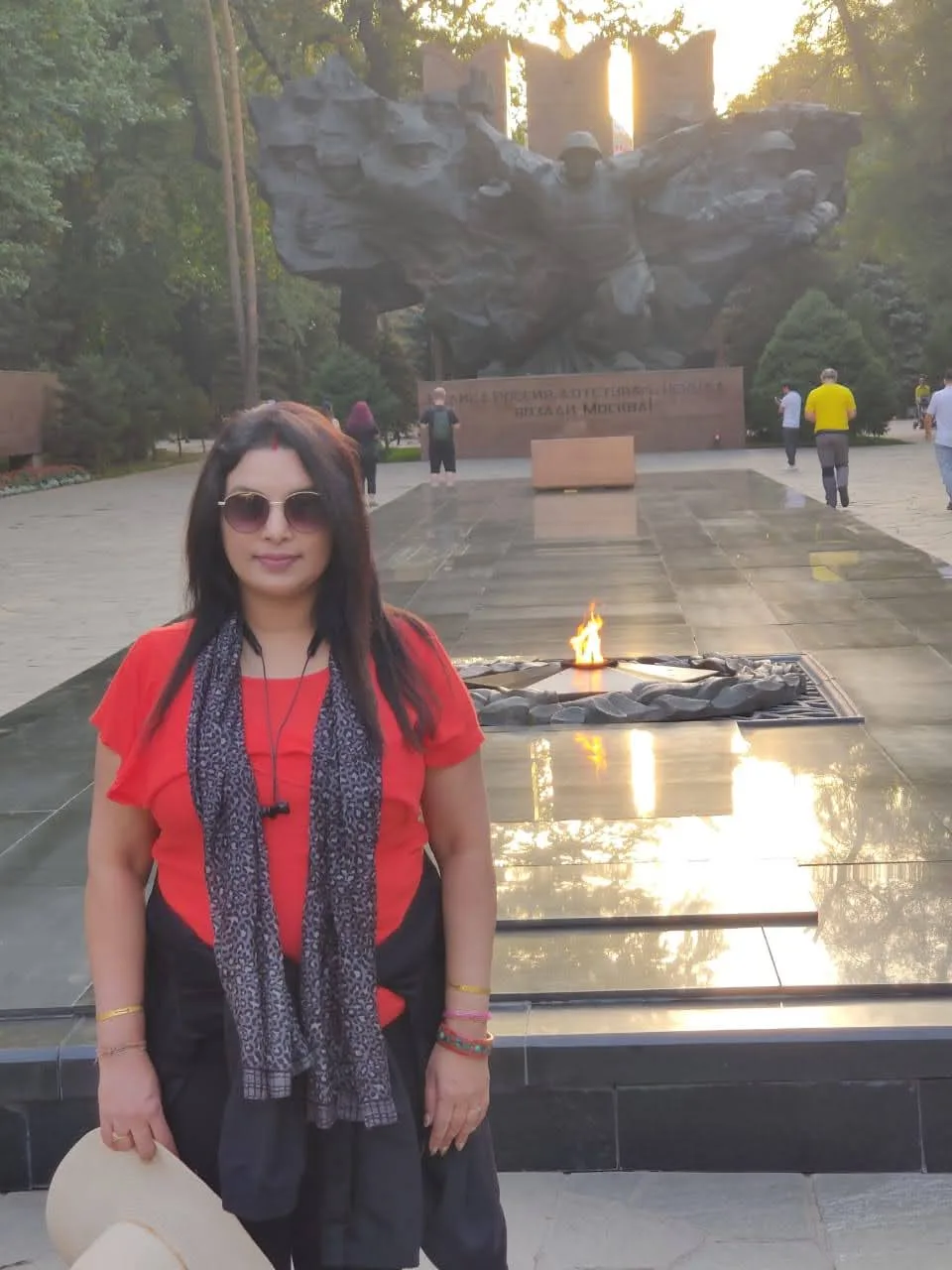
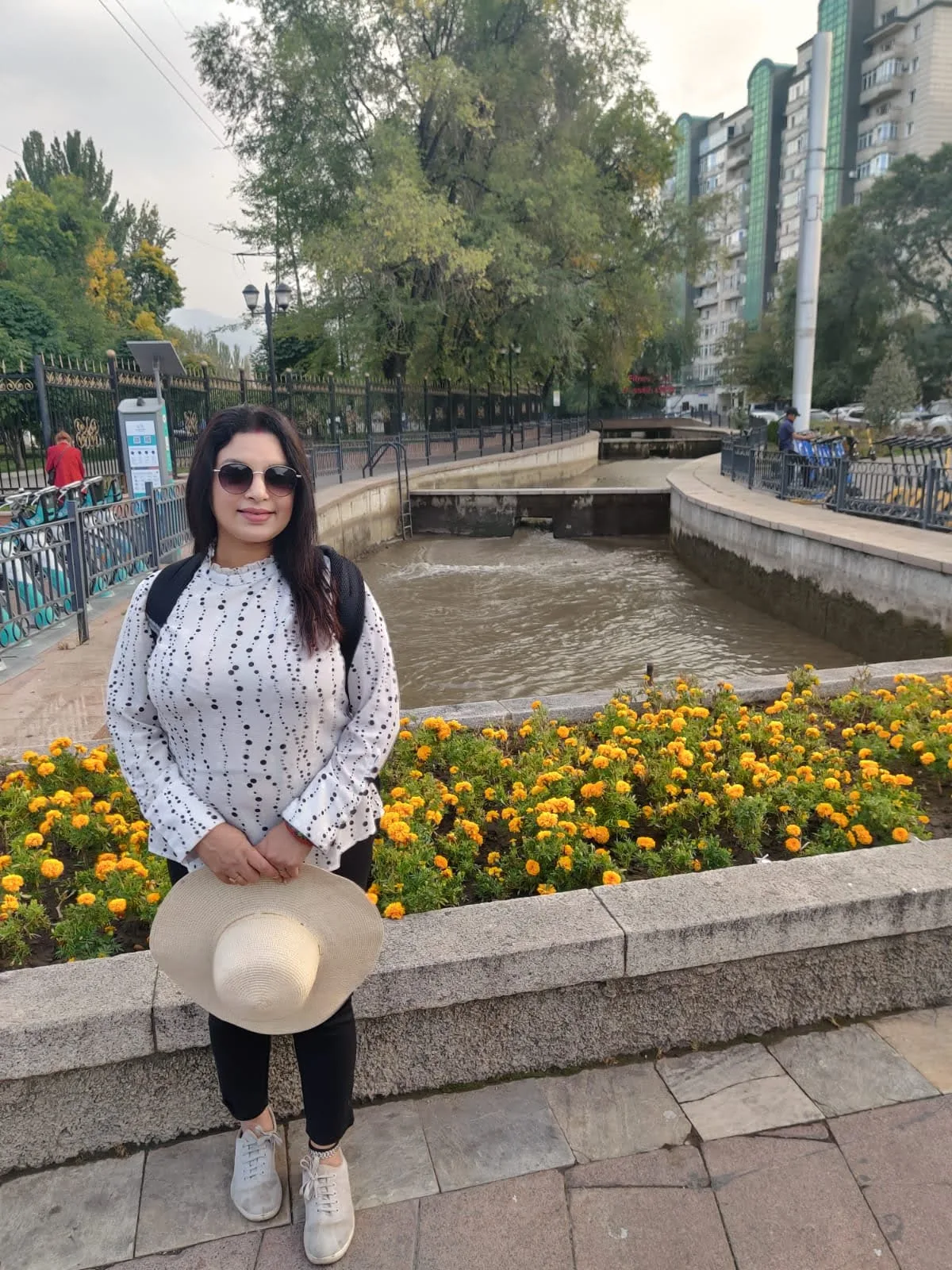
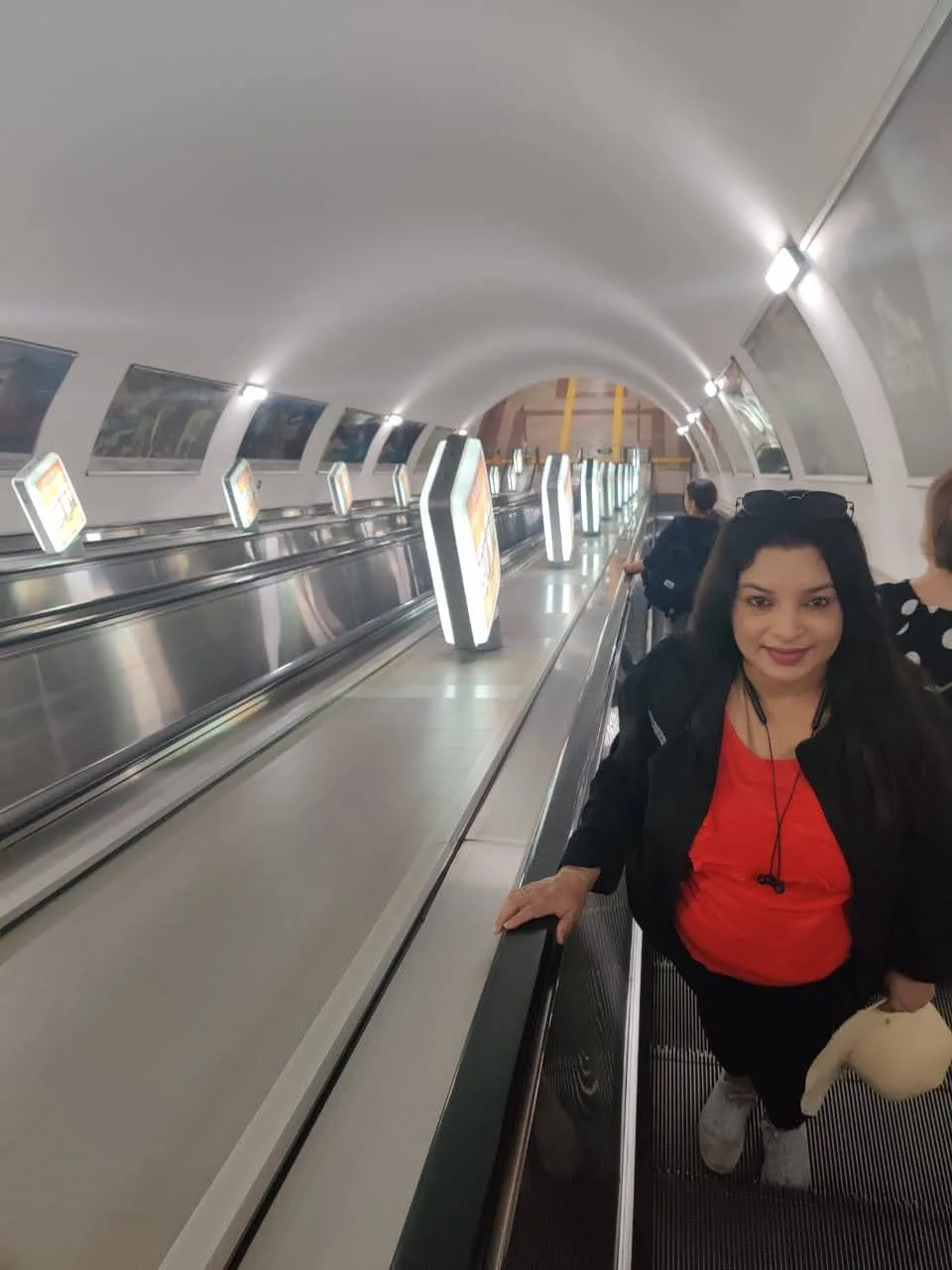
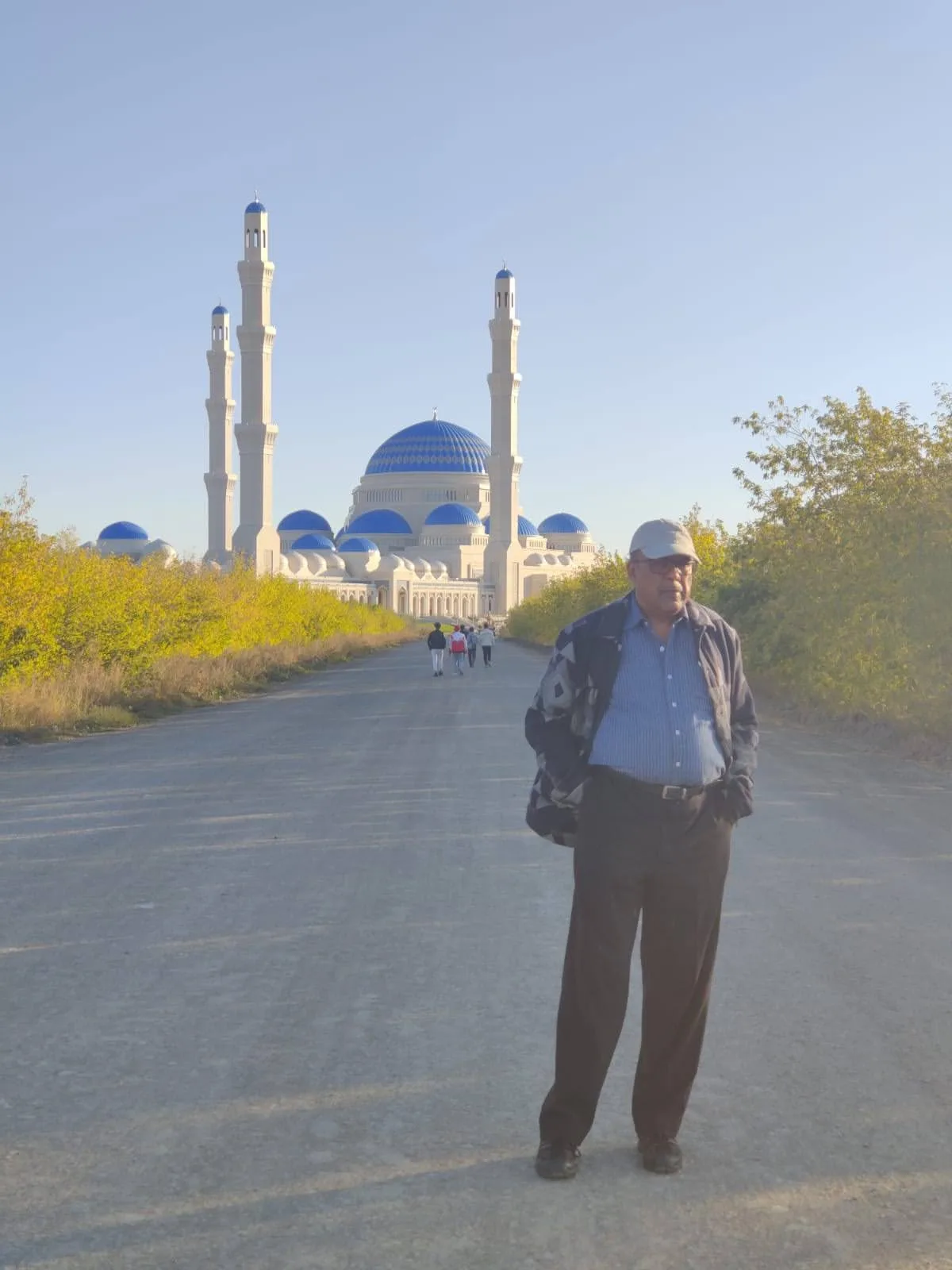
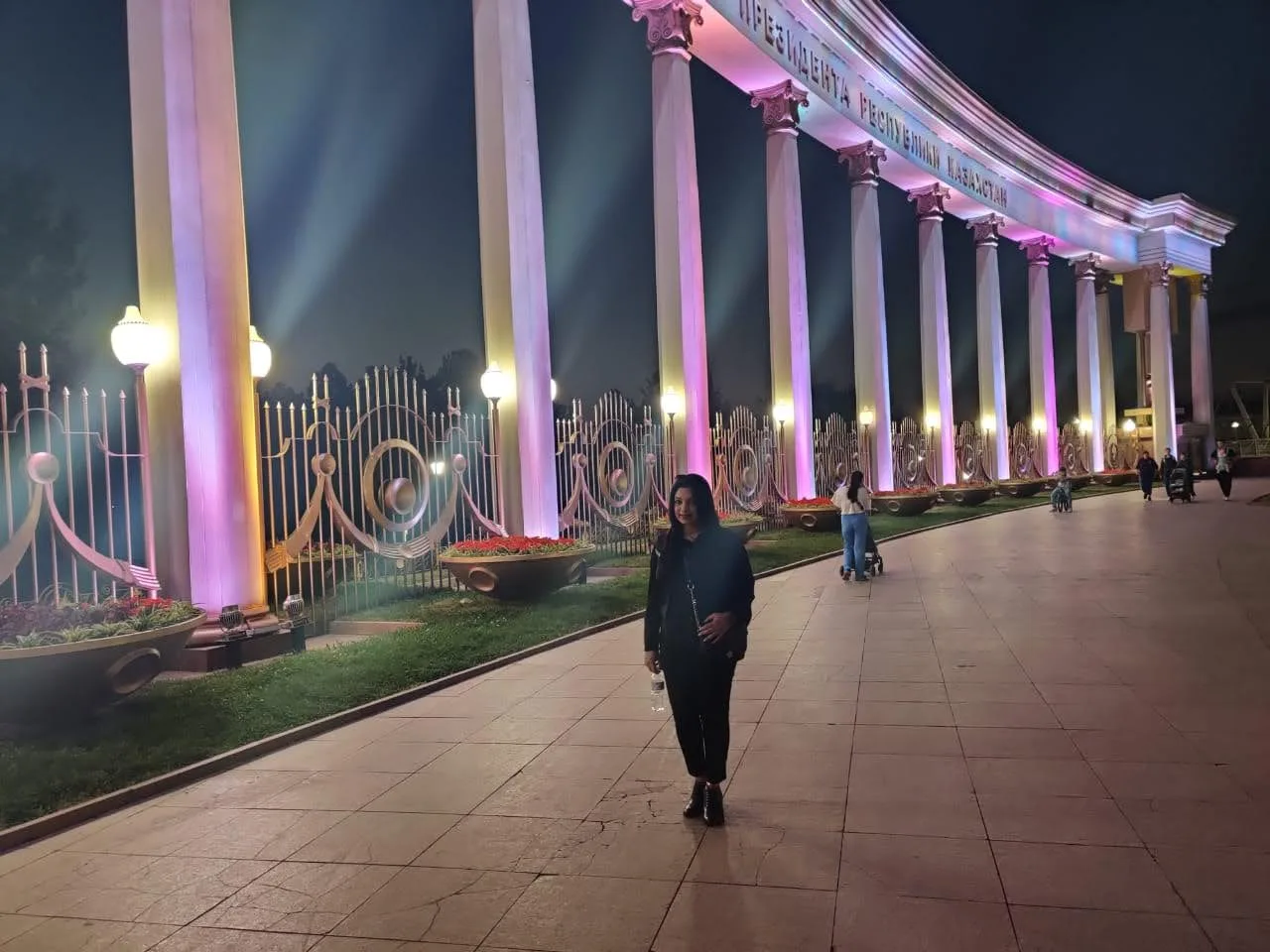
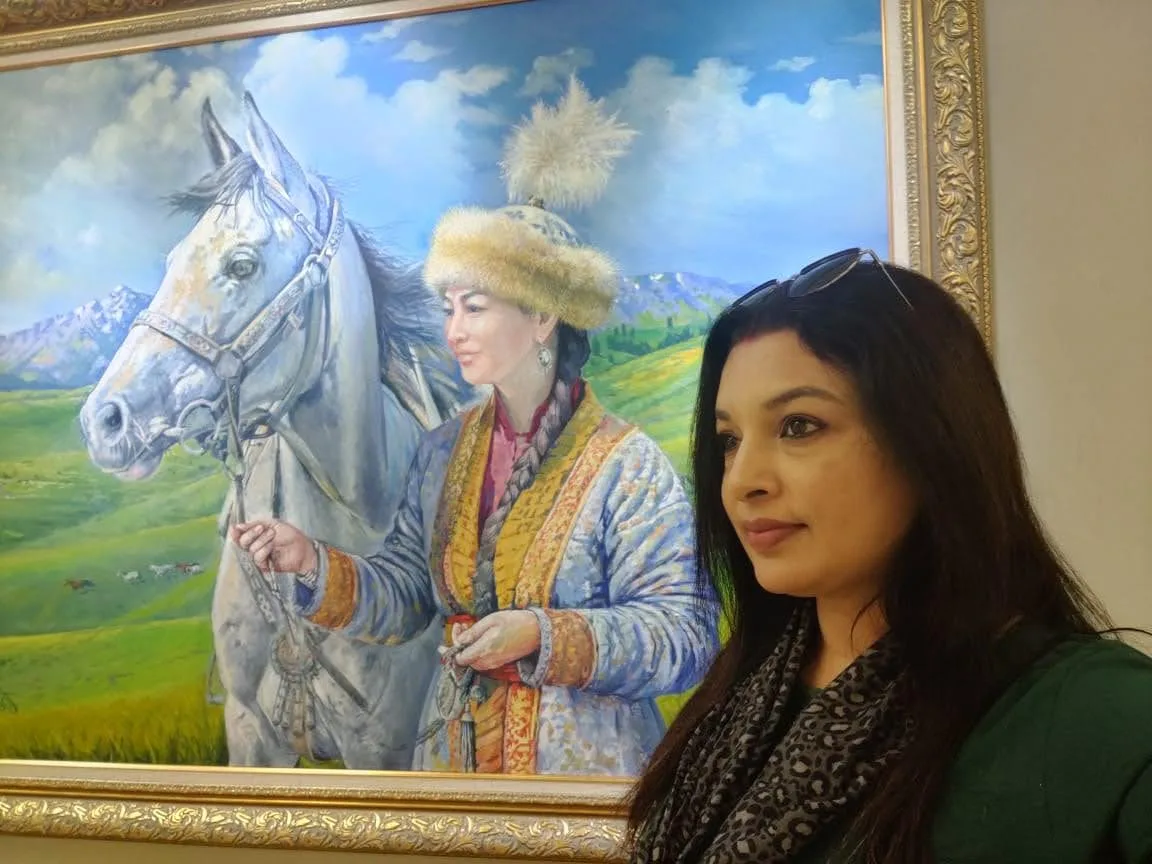
“The monuments impressed us, the landscapes inspired us, but it was the kindness of strangers that truly defined our Kazakhstan experience.”
Frequently Asked Questions
Why is Turkistan an important stop on the Silk Route?
Turkistan is the spiritual capital of the Kazakh steppe. It is renowned for the 14th-century Mausoleum of Khoja Ahmed Yasawi, commissioned by Timur to honour the revered Sufi poet and philosopher whose teachings guided Silk Route pilgrims and nomads.
What is unique about the Khoja Ahmed Yasawi Mausoleum?
Commissioned by Timur between 1389 and 1404, the mausoleum is celebrated for its monumental turquoise domes, grand tiled portal, and its poignant unfinished facade, left standing exactly as it was when Timur passed away.
How do you travel to Turkistan?
Turkistan can be reached by high-speed or overnight train from Almaty or Tashkent, or by domestic flight into Hazrat Sultan International Airport.
When was the Mausoleum of Khoja Ahmed Yasawi built?
Construction was ordered by Amir Timur in 1389 to replace a smaller 12th-century shrine, continuing until Timur's sudden death in 1404.
What is the Karavan Saray complex in Turkistan?
A newly built open-air entertainment and cultural complex featuring canals with gondola rides, traditional craft workshops, illuminated dancing fountains, and restaurants.
What ancient archaeological site is near Turkistan?
The ancient ruins of Otrar (Farab), a major Silk Route oasis city destroyed by Genghis Khan in 1219 and birthplace of philosopher Al-Farabi, lies 60 km away.
What dress code should you follow at the Yasawi Mausoleum?
As an active pilgrimage shrine, visitors should dress modestly with covered shoulders and knees. Women should carry a light headscarf to cover their hair inside prayer areas.
How many days are needed to explore Turkistan?
1 to 2 days are ample to thoroughly explore the Yasawi Mausoleum complex, the underground Hilvet Mosque, ancient bathhouses, and nearby Otrar.
What is the Hilvet Semi-Underground Mosque in Turkistan?
A subterranean 12th-century hermitage where Sufi mystic Khoja Ahmed Yasawi withdrew at the age of 63 to spend the rest of his life in spiritual contemplation.
What is the climate like in Turkistan?
Turkistan has an arid desert climate with very hot summers (above 40°C in July) and cool winters. Spring (April–May) and autumn (September–October) are ideal.
Navigate the Caravan Route
Explore Other:
Get the complete Field Notebooks in your inbox
Subscribe to receive weekly updates detailing train logistics, border crossing forms, and historical accounts from our future travels.