
Khor Virap Armenia's Most Sacred Monastery
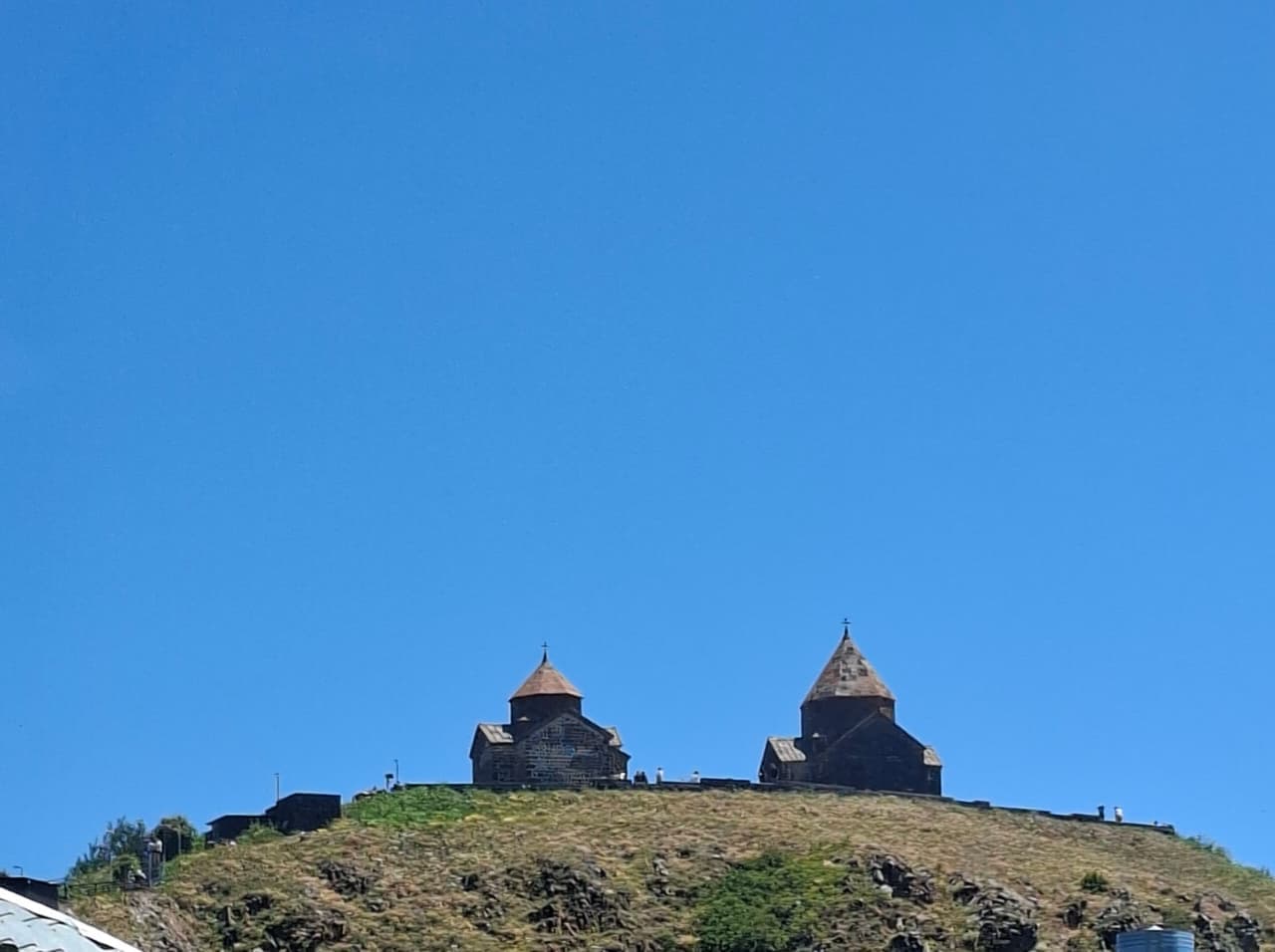
Khor Virap is one of Armenia's most important religious sites, located near the border with Turkey and famous for its spectacular views of Mount Ararat.

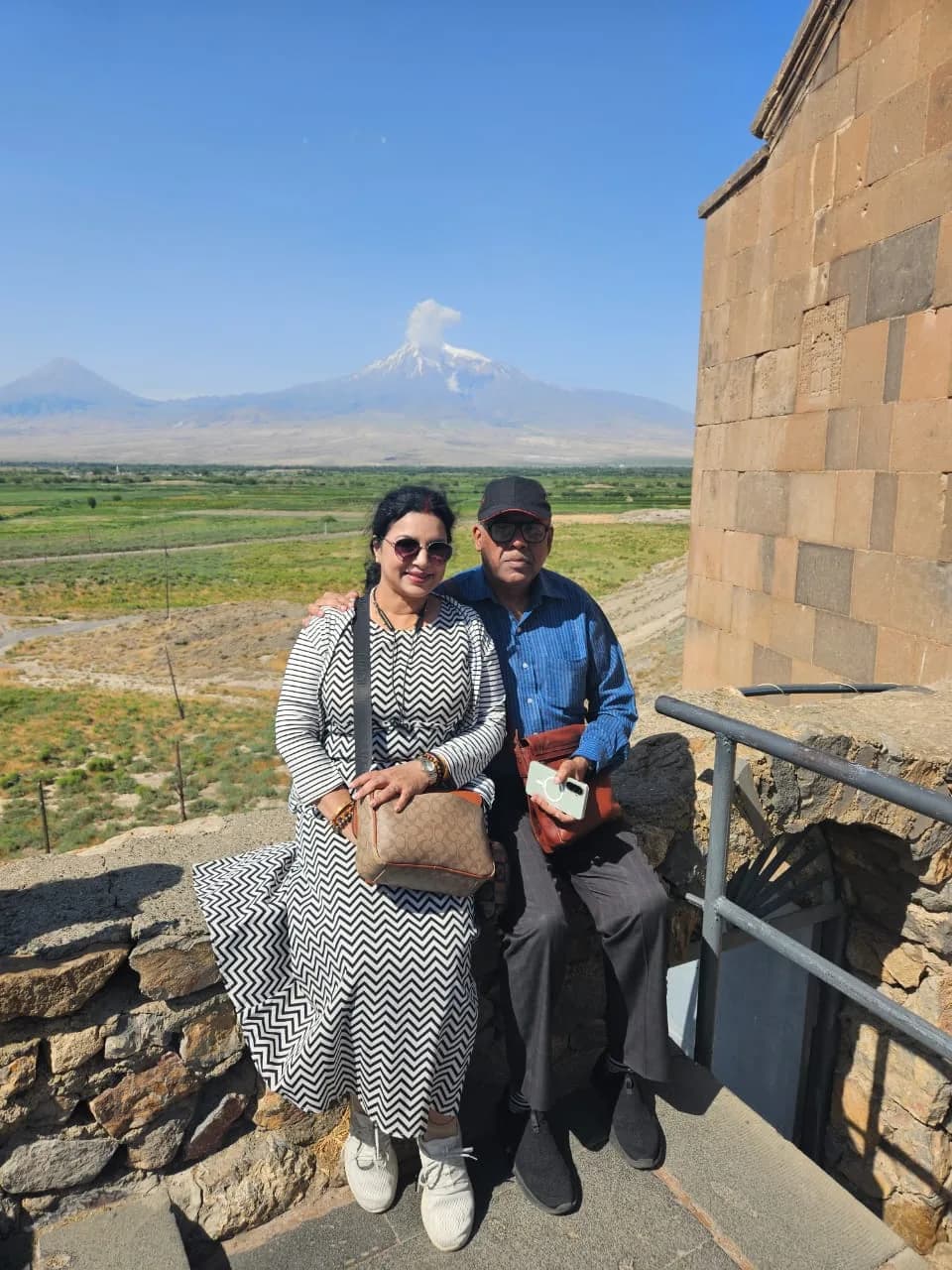
Saint Gregory the Illuminator
The monastery's name means deep pit According to Armenian tradition, Saint Gregory the Illuminator was imprisoned in a deep underground dungeon here for about 13 years by King Tiridates III.
Gregory survived and was eventually released. His influence later led to the conversion of King Tiridates III to Christianity, marking the beginning of Armenia's remarkable Christian history.
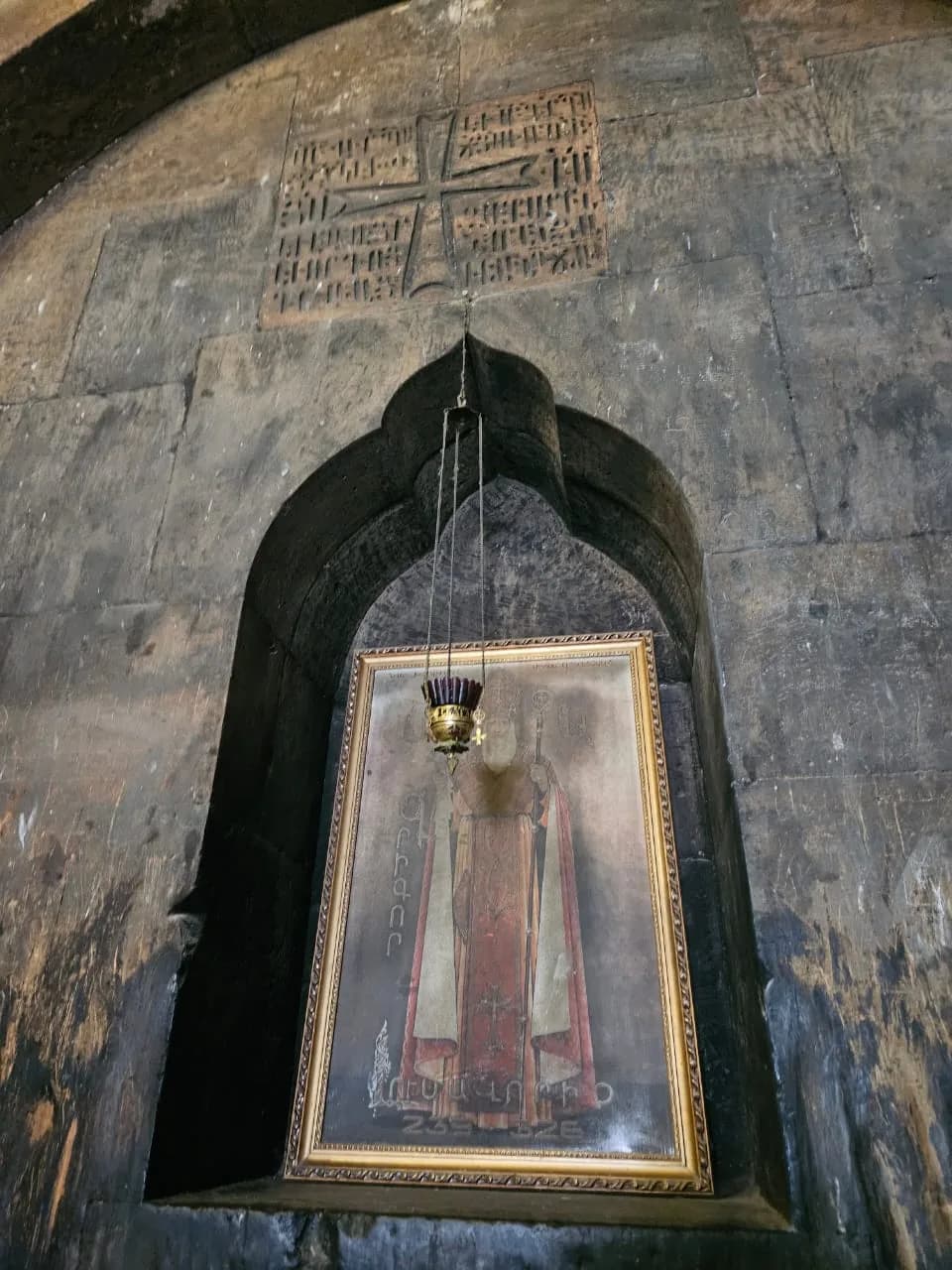
KHOR VIRAP Birthplace of Christian Armenia
According to Armenian tradition, Saint Gregory the Illuminator was imprisoned in the deep underground dungeon at Khor Virap for nearly thirteen years before being released by King Tiridates III.
This remarkable event changed the course of Armenian history. In 301 AD, Armenia became the first nation in the world to adopt Christianity as its official state religion. Today, Khor Virap is regarded as the birthplace of Christian Armenia and continues to attract pilgrims and travellers from around the world.
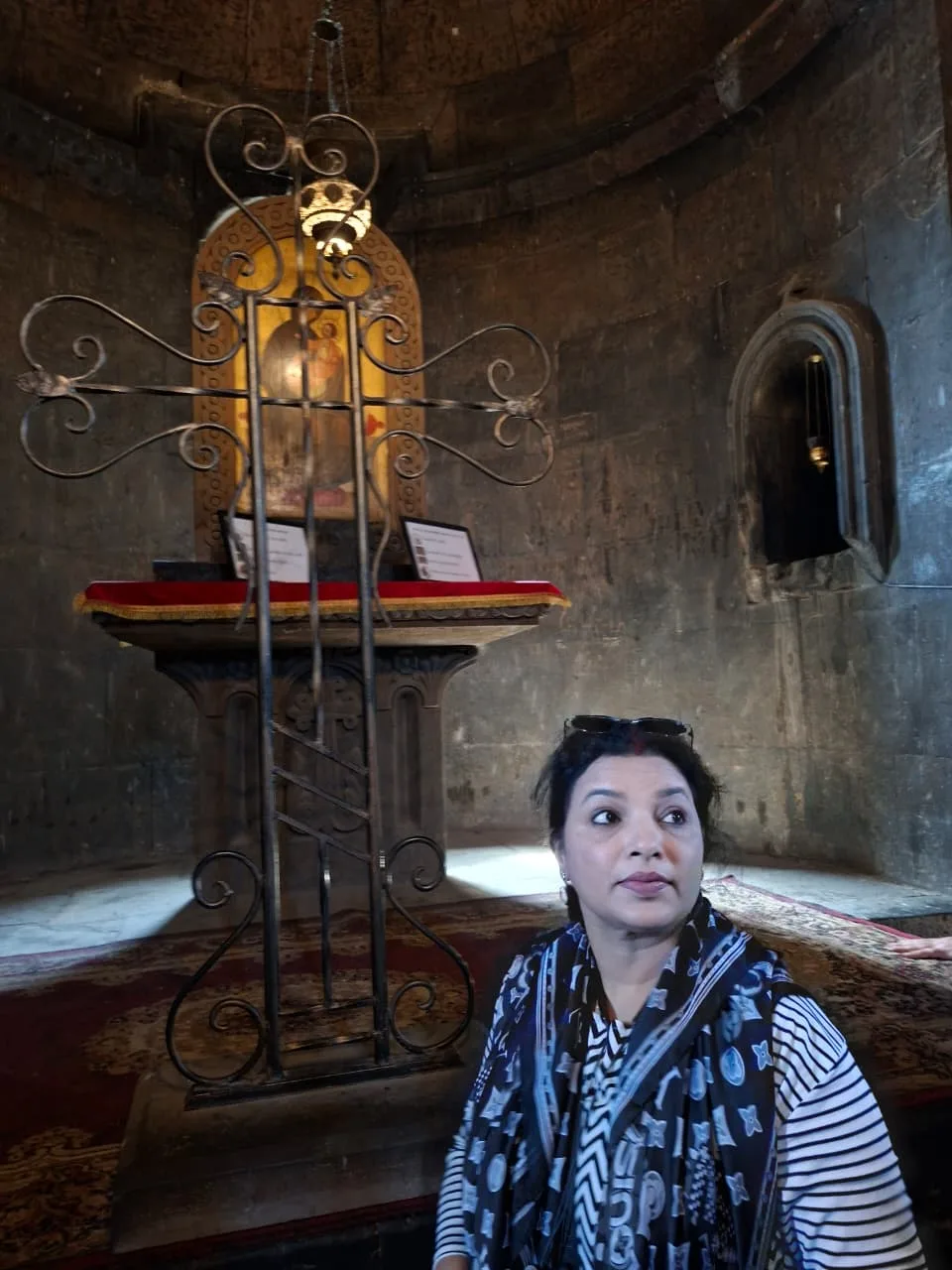
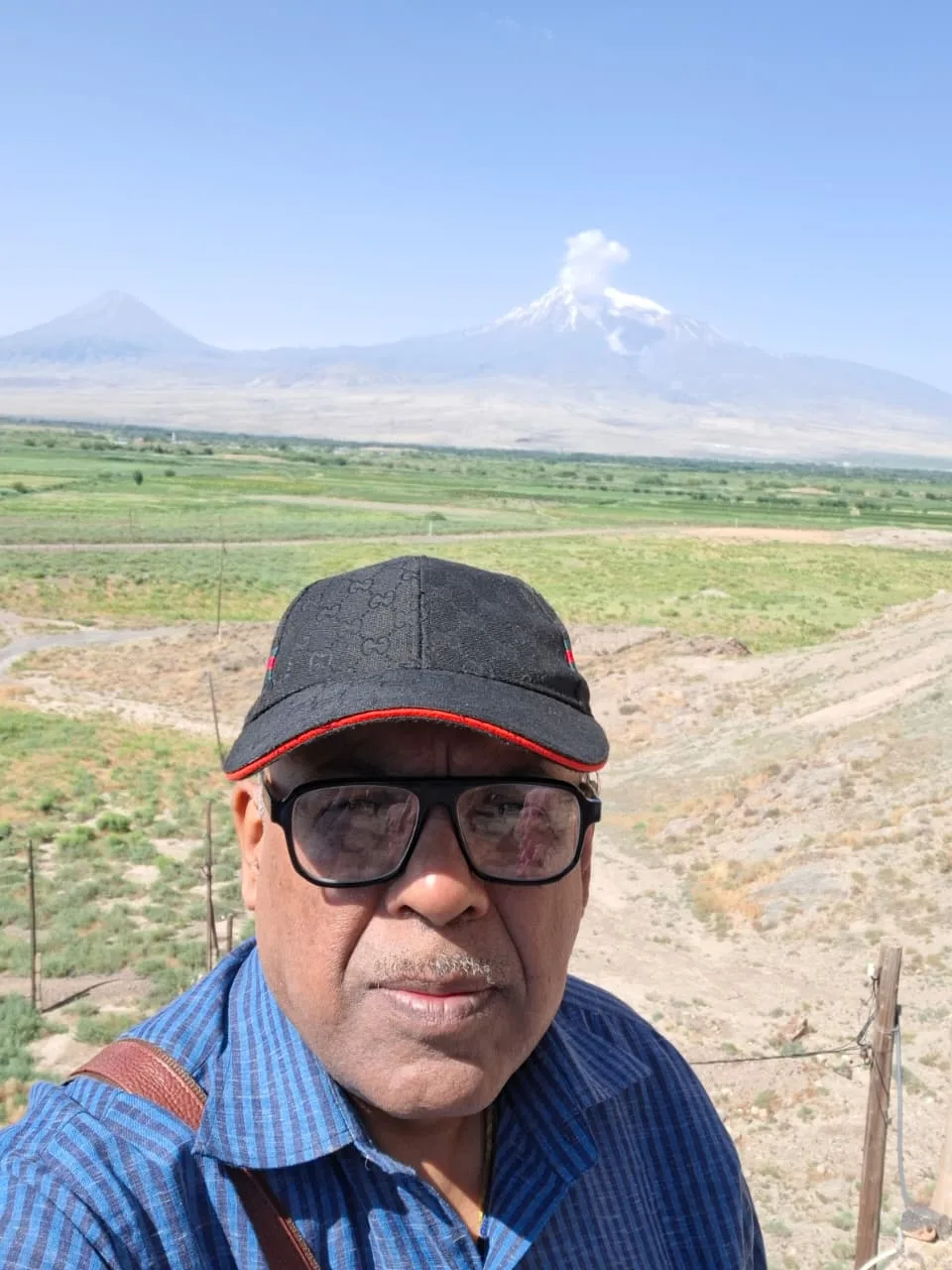
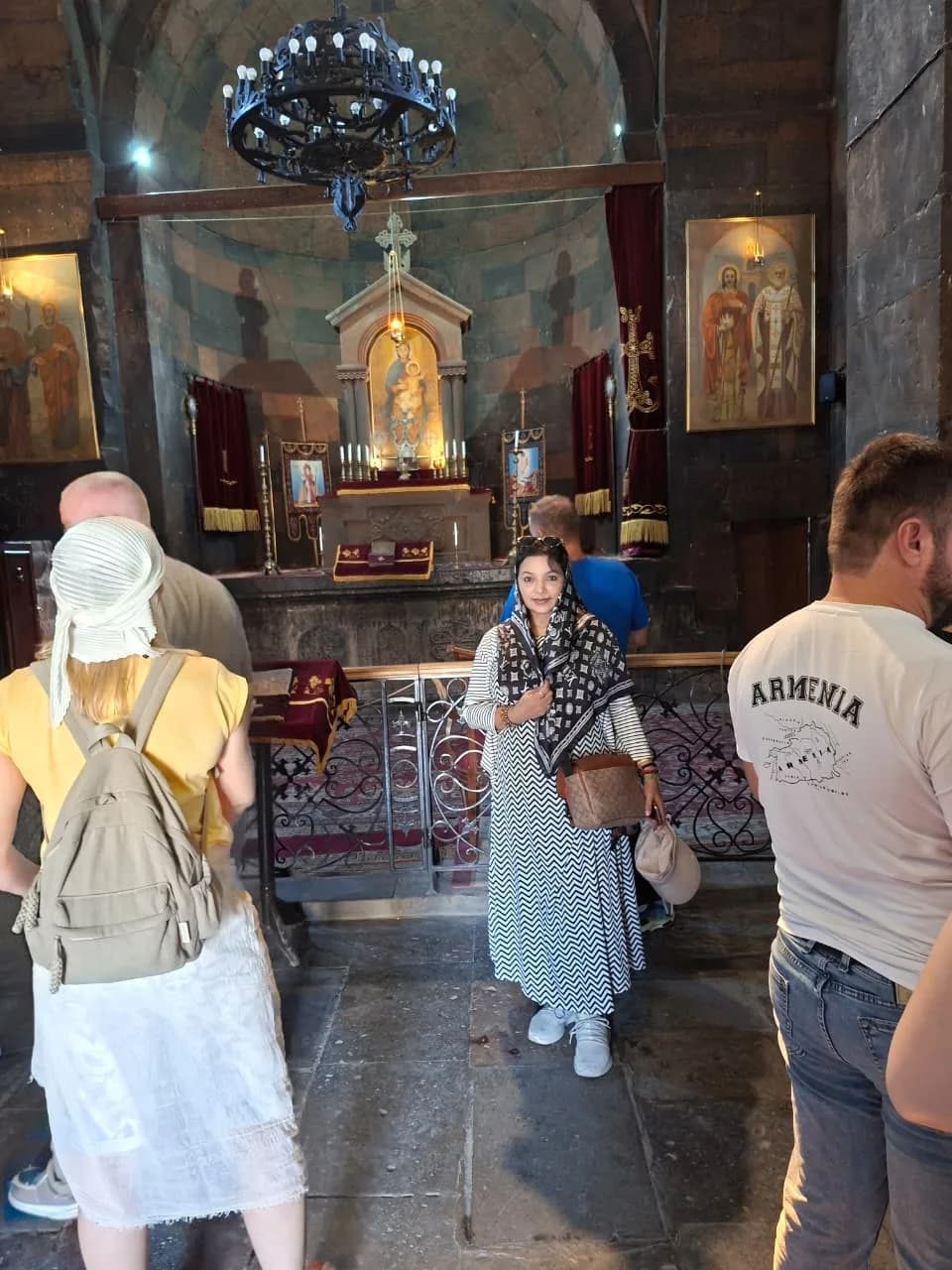
Khor Virap Peaceful and Spiritual Monastery
Set against the magnificent backdrop of Mount Ararat, Khor Virap offers a peaceful yet deeply spiritual atmosphere that leaves a lasting impression. More than a historic monastery, it is a place where faith, history, and nature come together in perfect harmony.
Walking through its ancient stone halls and standing inside the centuries-old church, we could truly feel the weight of Armenia's rich Christian heritage. Looking across the surrounding landscape towards Mount Ararat made the experience even more unforgettable, giving this sacred place a timeless beauty that is difficult to describe
Khor Virap A Spiritual Beacon on the Silk Route
Located near the ancient trade corridors linking Persia, Anatolia, and the Caucasus, Khor Virap stood close to one of the important branches of the historic Silk Route. For centuries, merchants, pilgrims, monks, and caravans passed through this region on their journeys between Asia and Europe.
Along with valuable goods such as silk and spices, these travellers carried ideas, beliefs, and traditions across continents. Khor Virap became more than a monastery—it served as a spiritual landmark on these ancient routes, connecting Armenia's Christian heritage with the wider cultural exchange of the Silk Road.
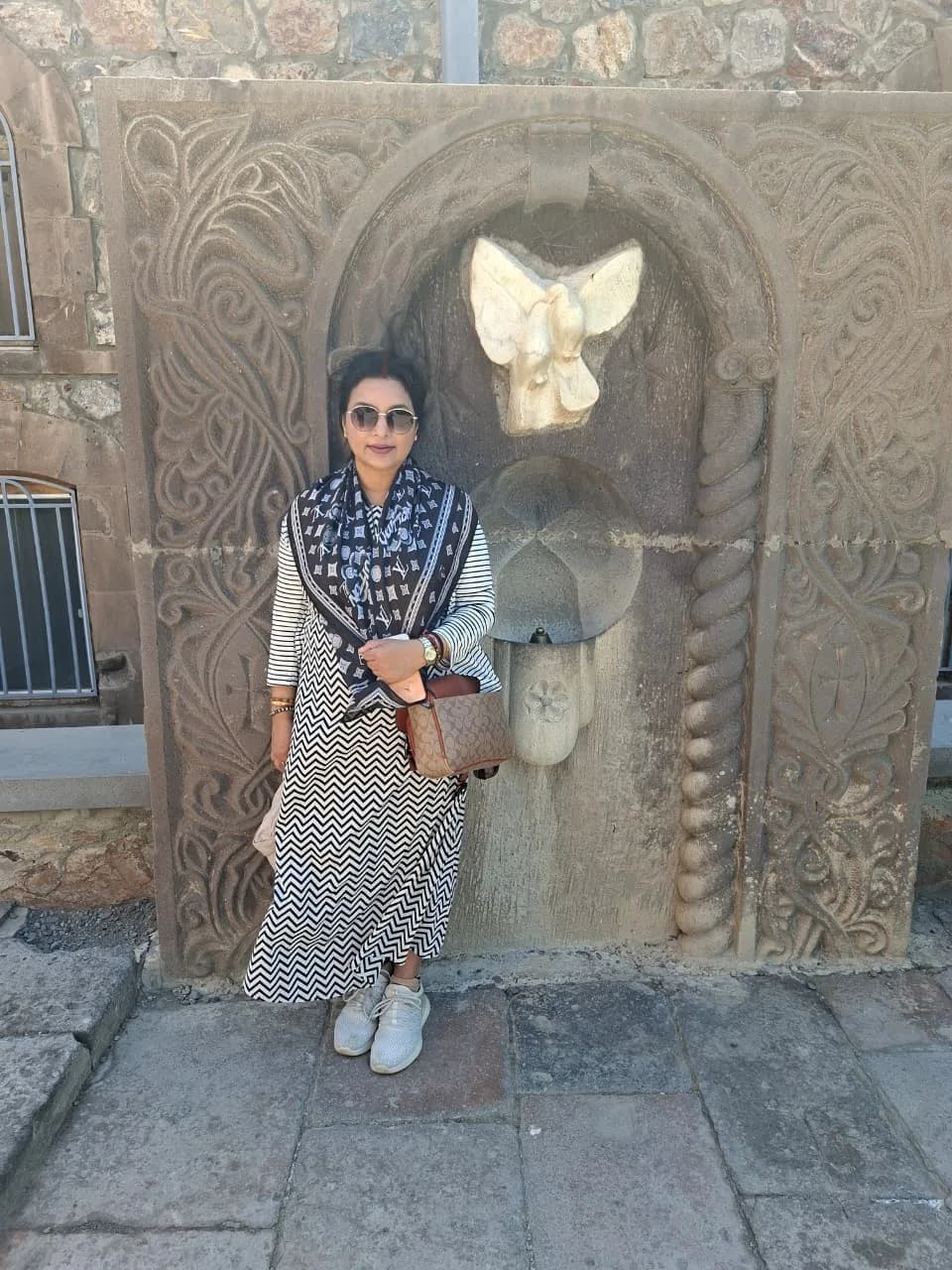
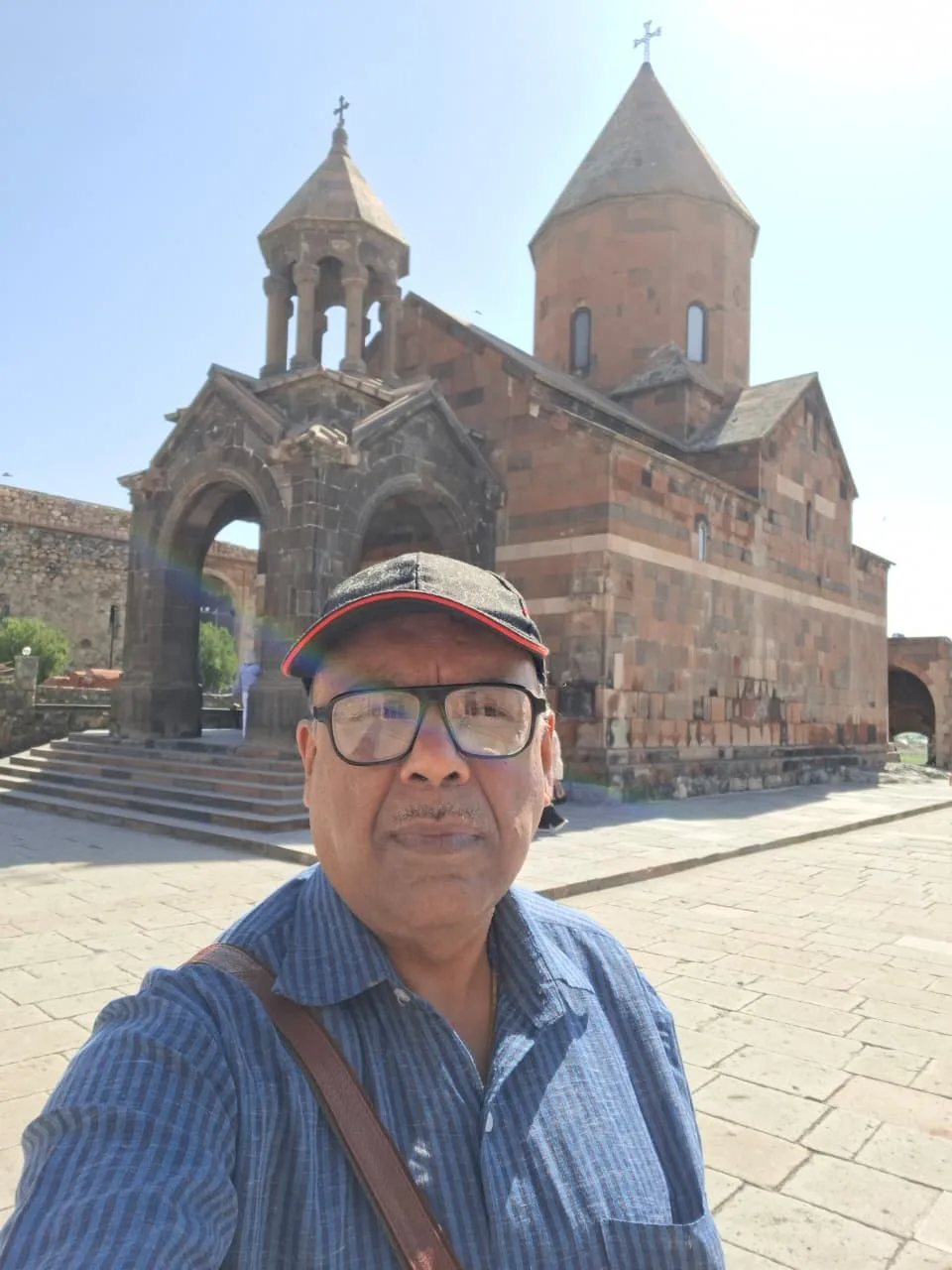
Garni: Armenia's Window to the Classical World
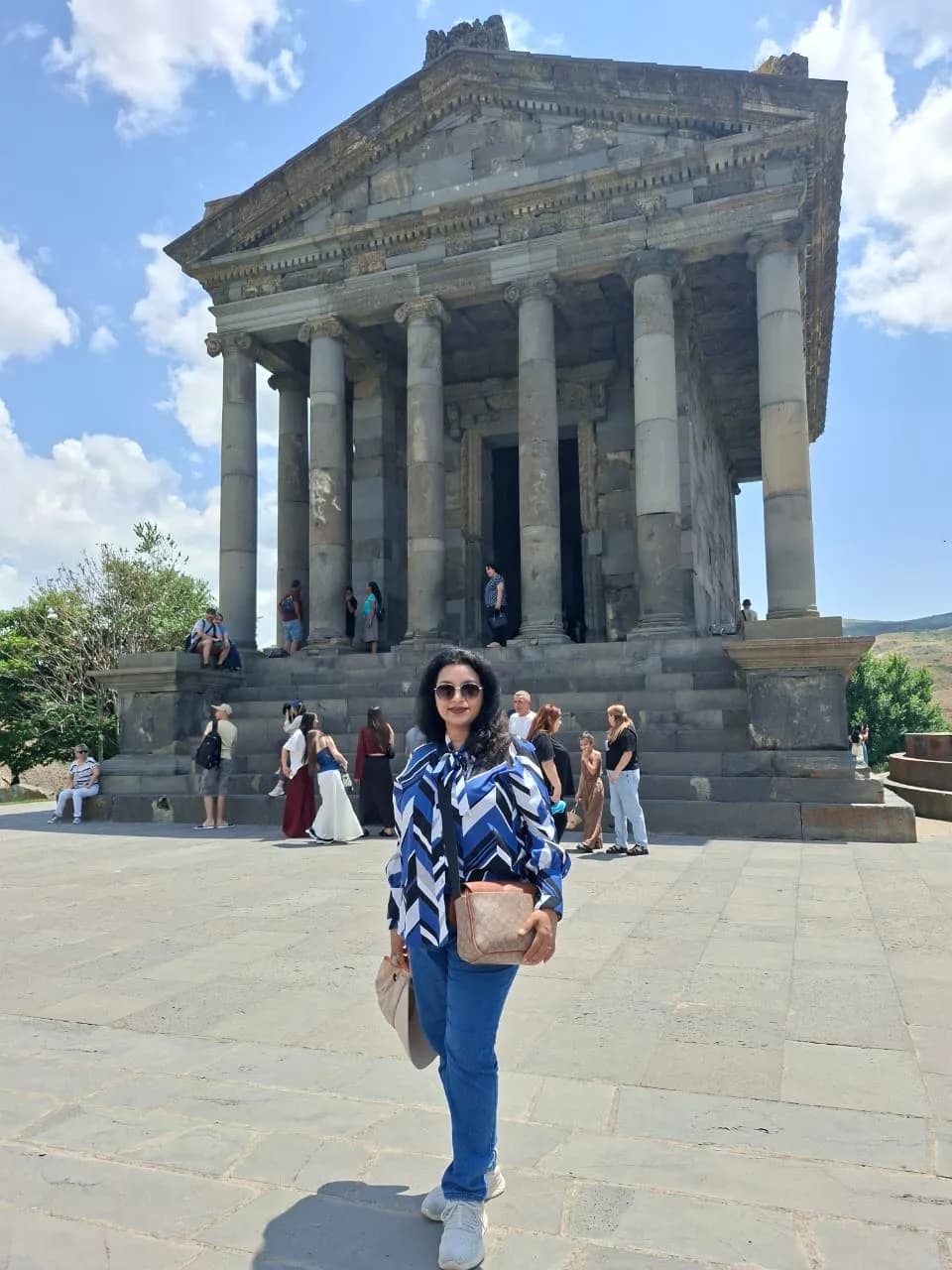
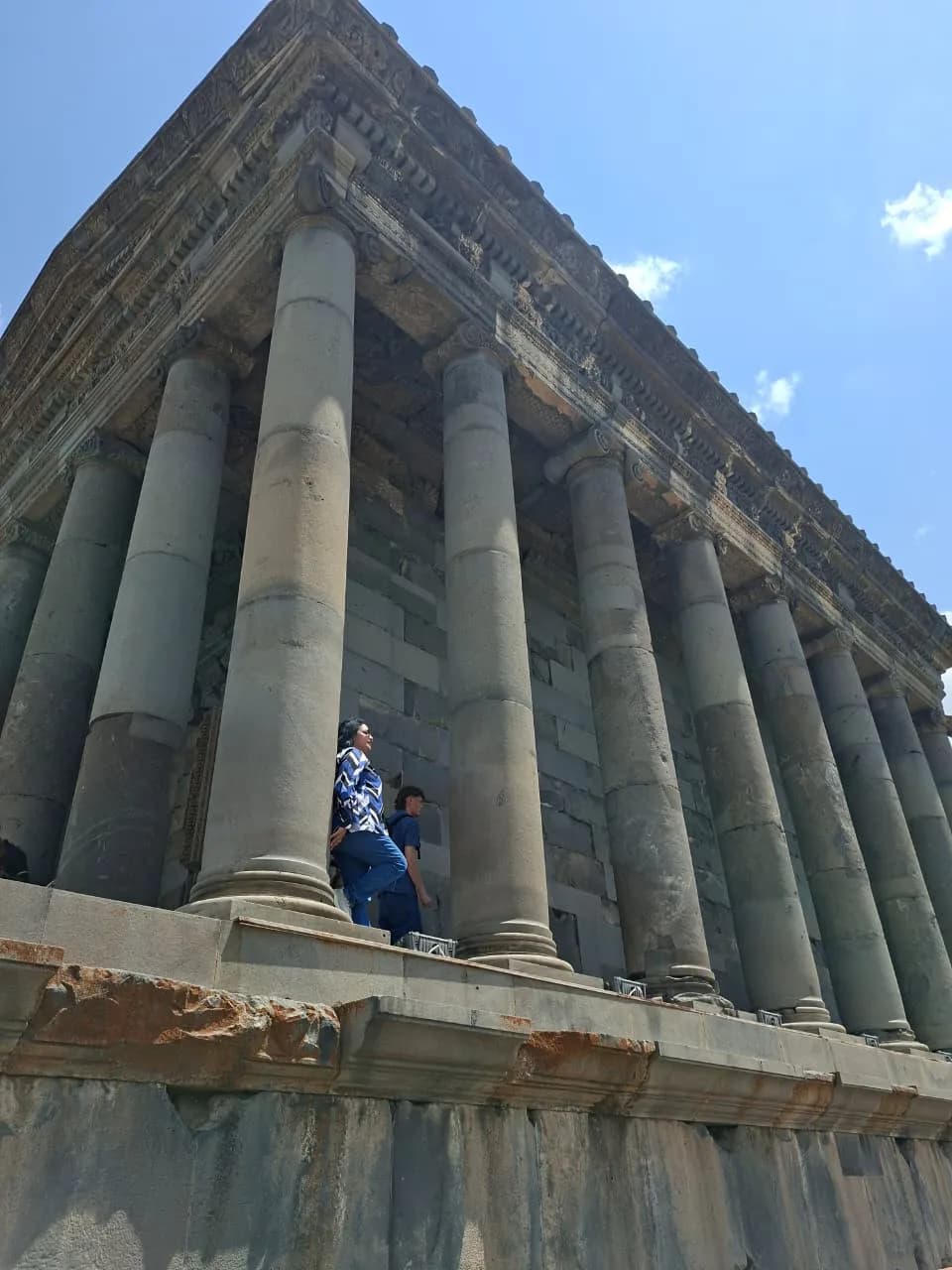
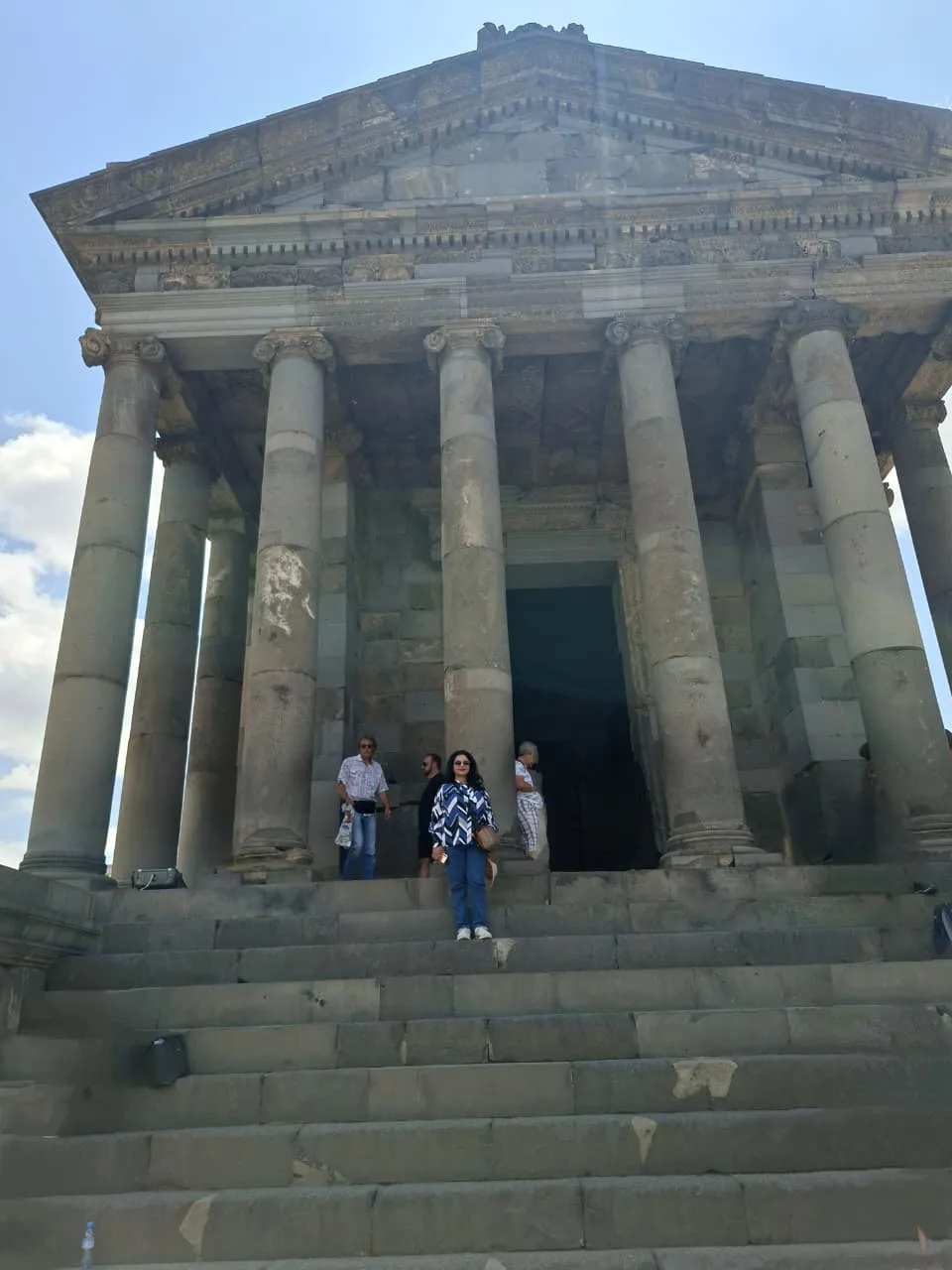
Garni Temple stands dramatically above the breathtaking Azat River Gorge and is one of Armenia's most remarkable historical landmarks. Built during the 1st century AD under King Tiridates I, it is the country's only surviving Greco-Roman colonnaded temple and offers a rare glimpse into Armenia's pagan past before the arrival of Christianity.
Dedicated to Mihr, the Armenian sun god, the temple reflects the strong cultural influence of the Roman world on ancient Armenia. Unlike most pagan sanctuaries, Garni escaped destruction after Armenia adopted Christianity in 301 AD, as it continued to serve as a royal summer residence rather than solely as a place of worship.
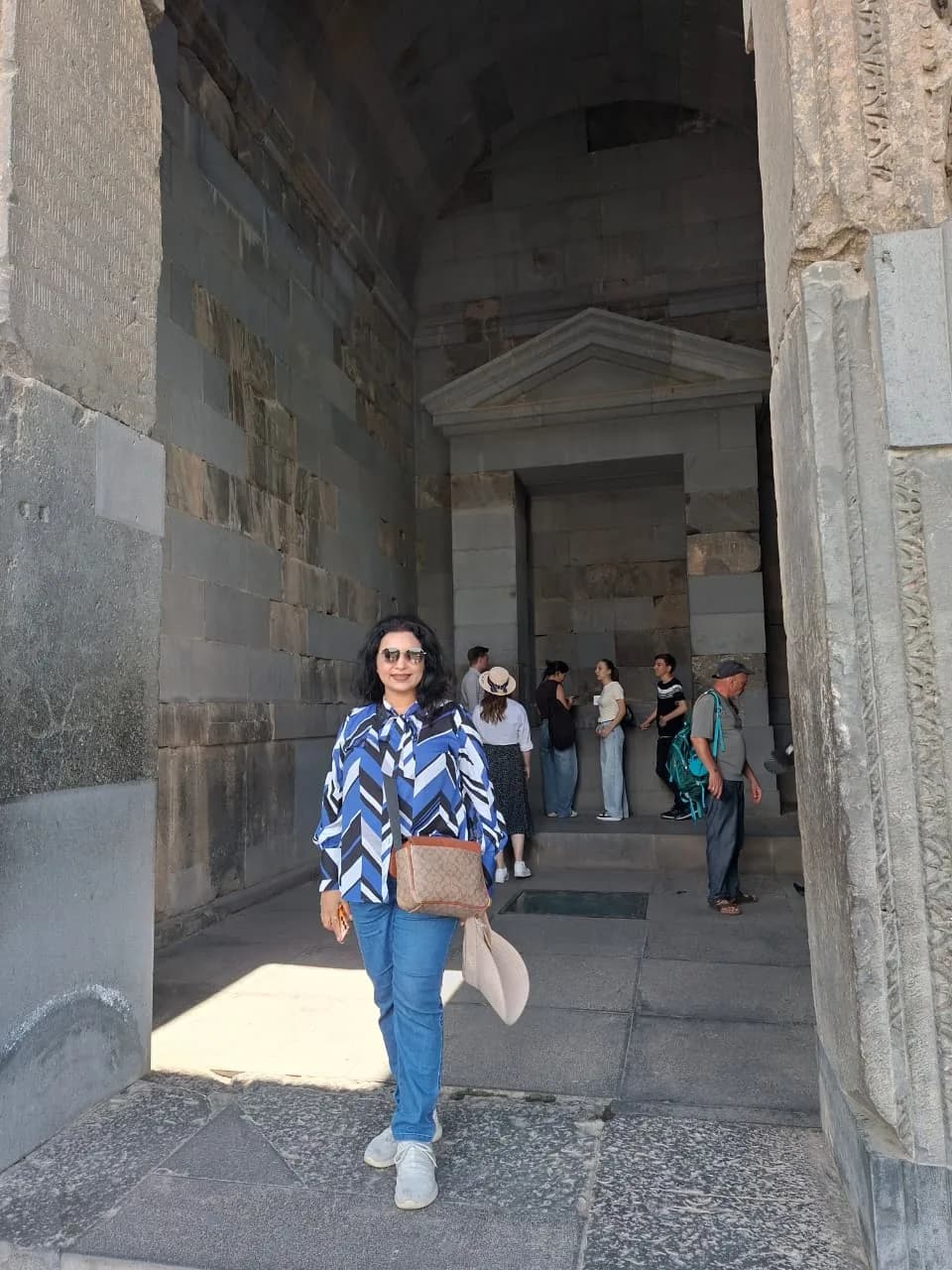
Walking through its towering stone columns, we were struck by the timeless elegance of its classical architecture. Set against the dramatic cliffs of the Azat Gorge, the temple combines history, nature, and breathtaking scenery, making Garni one of the most unforgettable destinations in Armenia.
Garni Complex and its Reconstruction
Garni was much more than a temple. The ancient complex included a royal palace, a Roman-style bathhouse with beautiful mosaics, defensive walls, and residential buildings, making it one of the most important political and cultural centres of ancient Armenia.
In 1679, a powerful earthquake destroyed much of the complex, leaving the temple in ruins for centuries. Between 1969 and 1975, Armenian architects carefully reconstructed the monument using many of its original stones, preserving both its history and architectural beauty.
Today, Garni stands as a proud symbol of Armenia's pre-Christian heritage. Beyond its remarkable architecture, visitors are rewarded with magnificent views of the surrounding mountains and the nearby Symphony of Stones, one of the country's most spectacular natural wonders.
Khor Virap and Garni:
Two Chapters of Armenian History
Visiting Garni and Khor Virap on separate days felt like travelling through two defining chapters of Armenia's remarkable past. While Garni preserves the legacy of the country's pagan civilisation through its magnificent Greco-Roman temple, Khor Virap represents the birth of Christian Armenia and the beginning of a new spiritual era.
Together, these two historic sites tell the story of one of history's most significant cultural transformations. From ancient pagan traditions to becoming the first nation in the world to adopt Christianity as its state religion in 301 AD, Armenia has preserved both chapters of its heritage with remarkable pride.
Experiencing these places during our journey made Armenia's history feel far more than dates in a book—it became a living story reflected in its temples, monasteries, landscapes, and enduring traditions.
Tips for Visiting
Khor Virap & Garni
Day Trip
A day trip from Yerevan is the easiest and most popular way to visit both Khor Virap and Garni.
Best Time
Start early in the morning to enjoy the clearest views of Mount Ararat from Khor Virap.
What to Wear
Wear comfortable walking shoes as both sites have steps, stone pathways, and uneven surfaces.
Don't Miss
Visit Saint Gregory's underground prison at Khor Virap and the magnificent Temple of Garni.
Essentials
Carry water, sunscreen, and a hat, especially during the summer months.
Extra Stop
Allow extra time to explore the Symphony of Stones, located just below Garni Gorge.
Traveller's Tip
Combining Khor Virap and Garni in a single day offers one of Armenia's most rewarding excursions, blending spectacular scenery, ancient history, and the story of the country's journey from paganism to Christianity.
Navigate the Caravan Route
Explore Other:
Get the complete Field Notebooks in your inbox
Subscribe to receive weekly updates detailing train logistics, border crossing forms, and historical accounts from our future travels.