
Noravank MonasteryTake a Day Trip
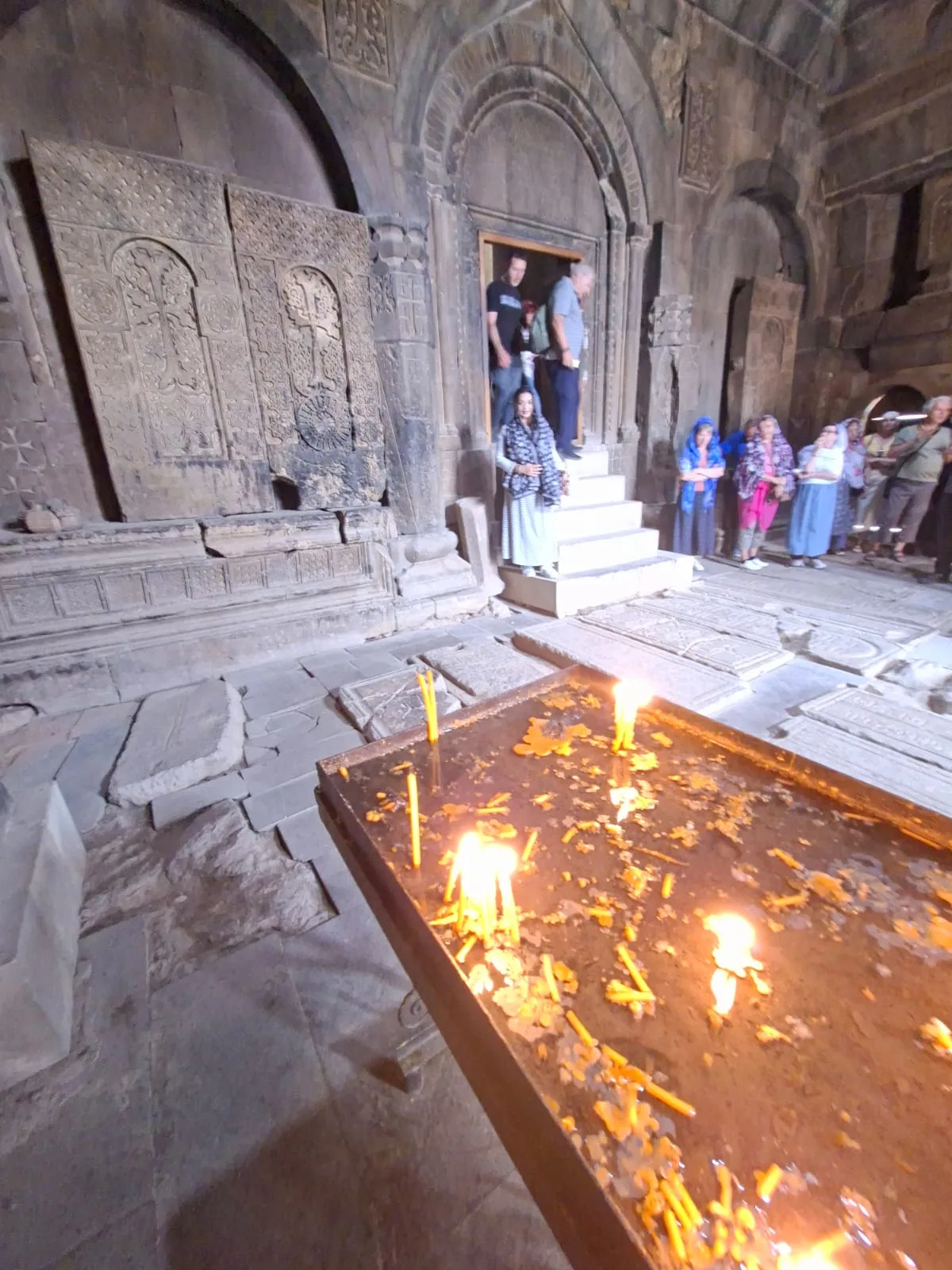
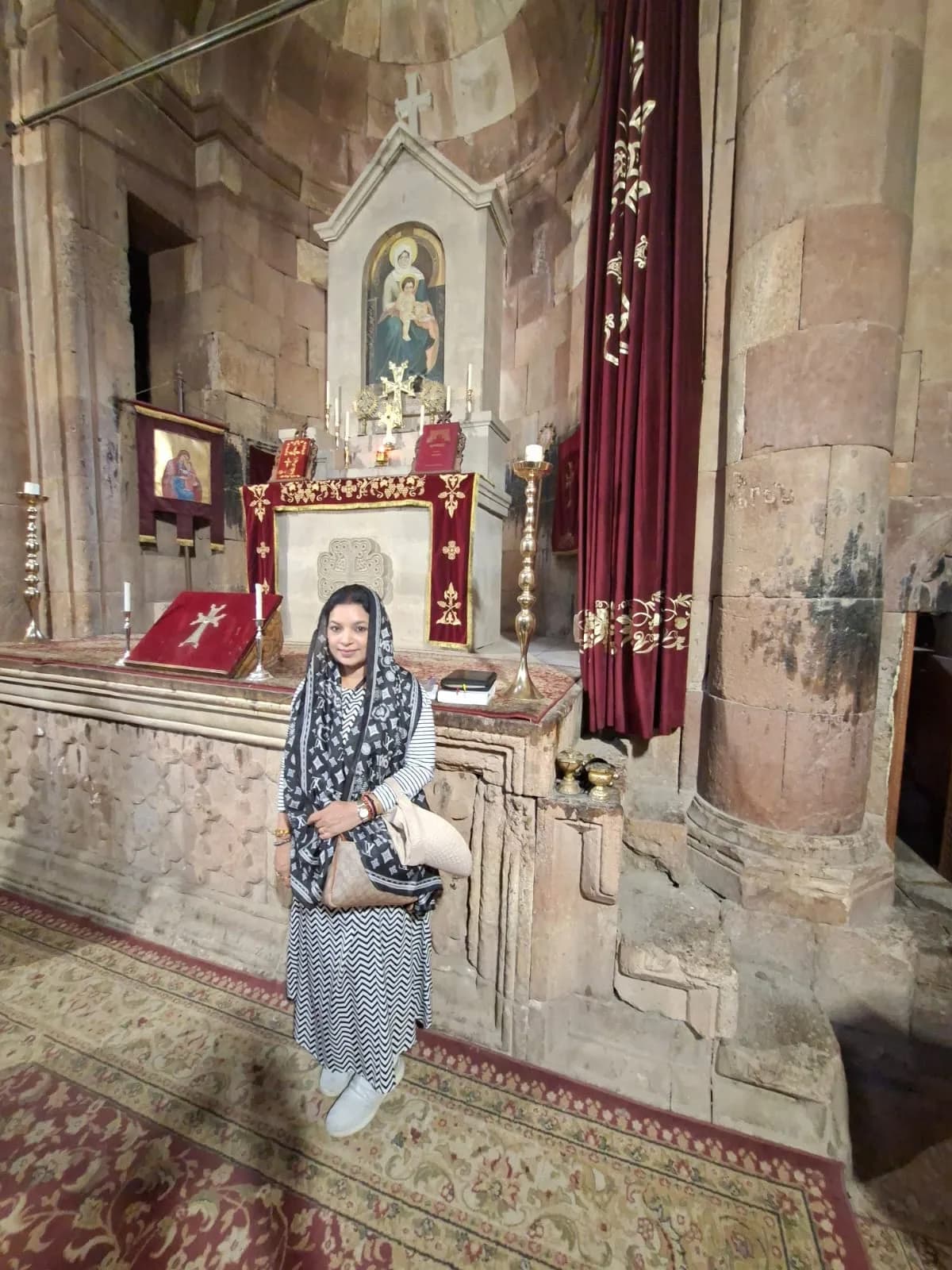
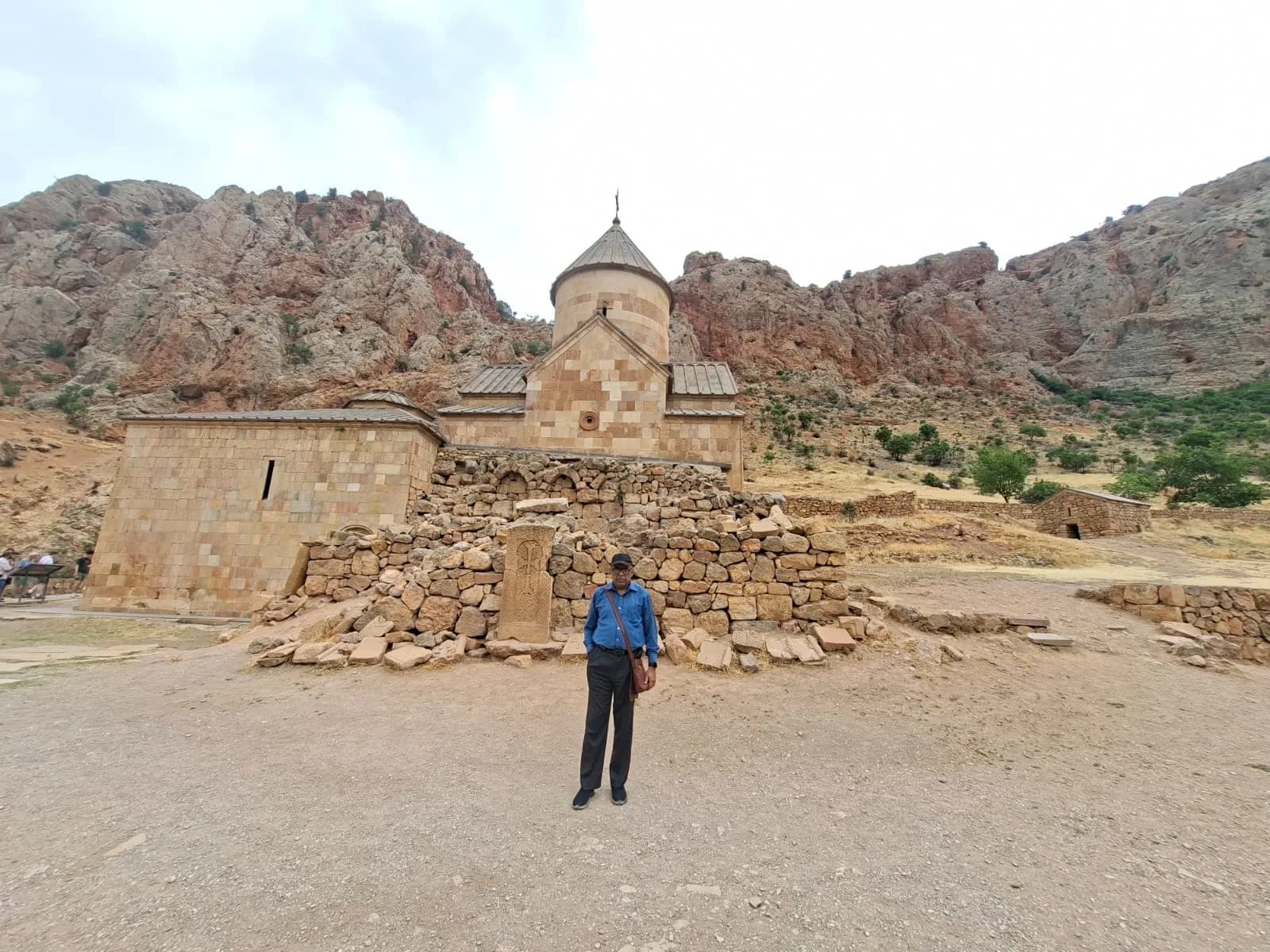
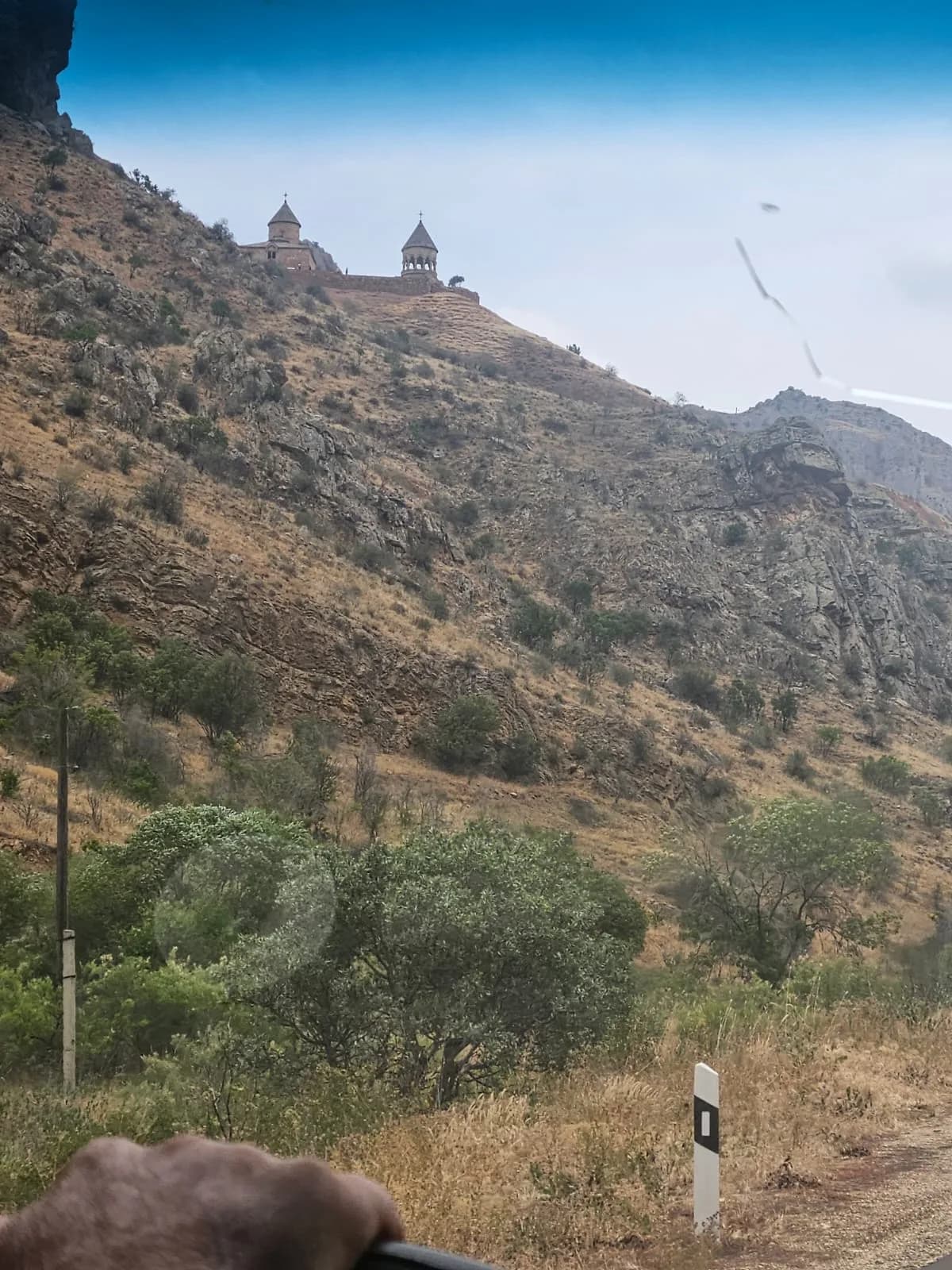
Visiting Noravank Monastery on a day trip was one of the most memorable experiences of our journey through Armenia. Surrounded by dramatic red rock cliffs and reached through a spectacular canyon road, the monastery feels both isolated and majestic, blending perfectly with the rugged landscape around it.
Standing in this peaceful setting, it was fascinating to learn that during the height of the Silk Road era, Noravank Monastery played an important role far beyond religion. Under the protection of the powerful Orbelian family, it served as a spiritual, cultural, and administrative centre along the southern Silk Route corridors connecting Persia, the Caucasus, and Europe.
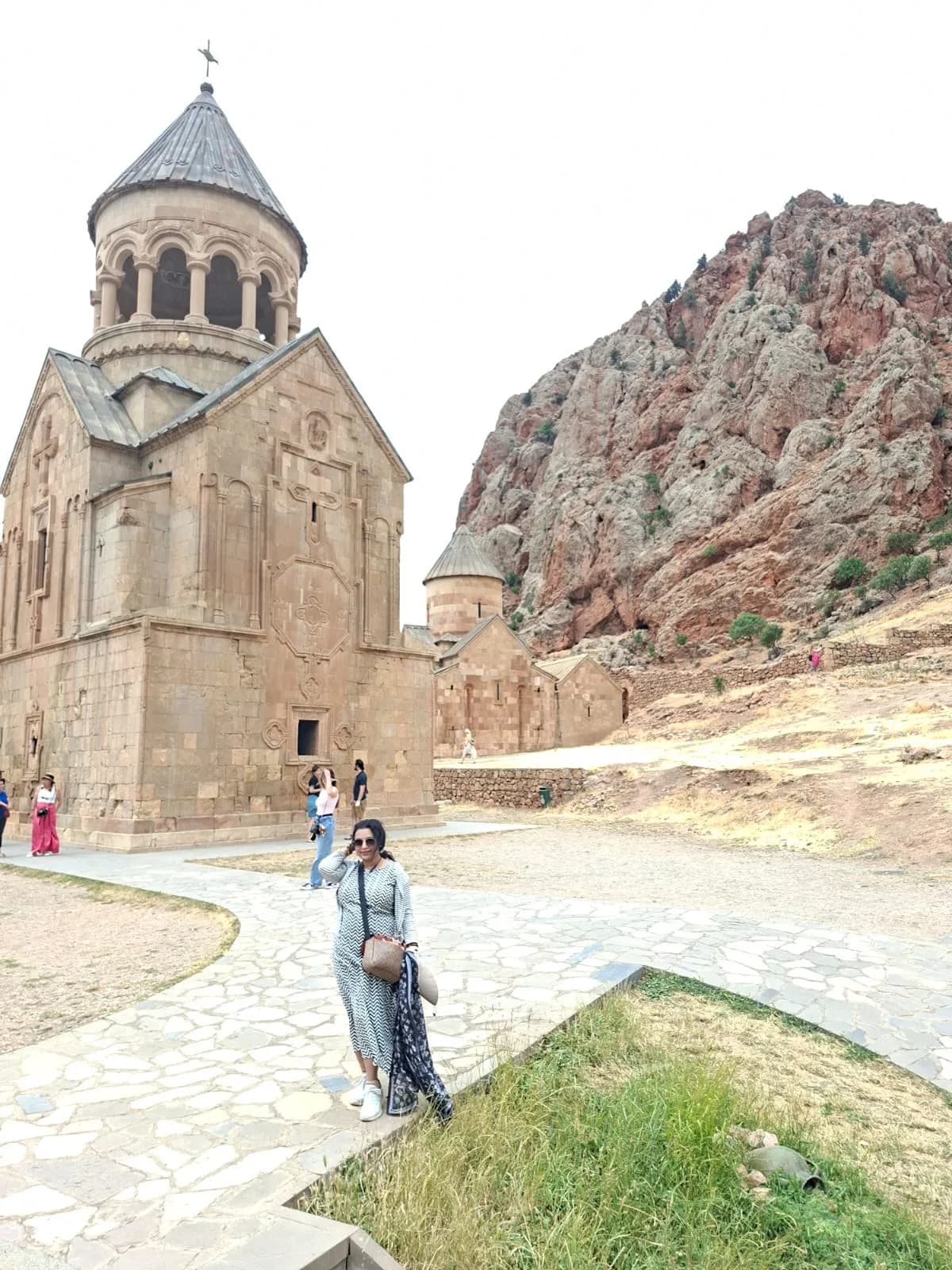
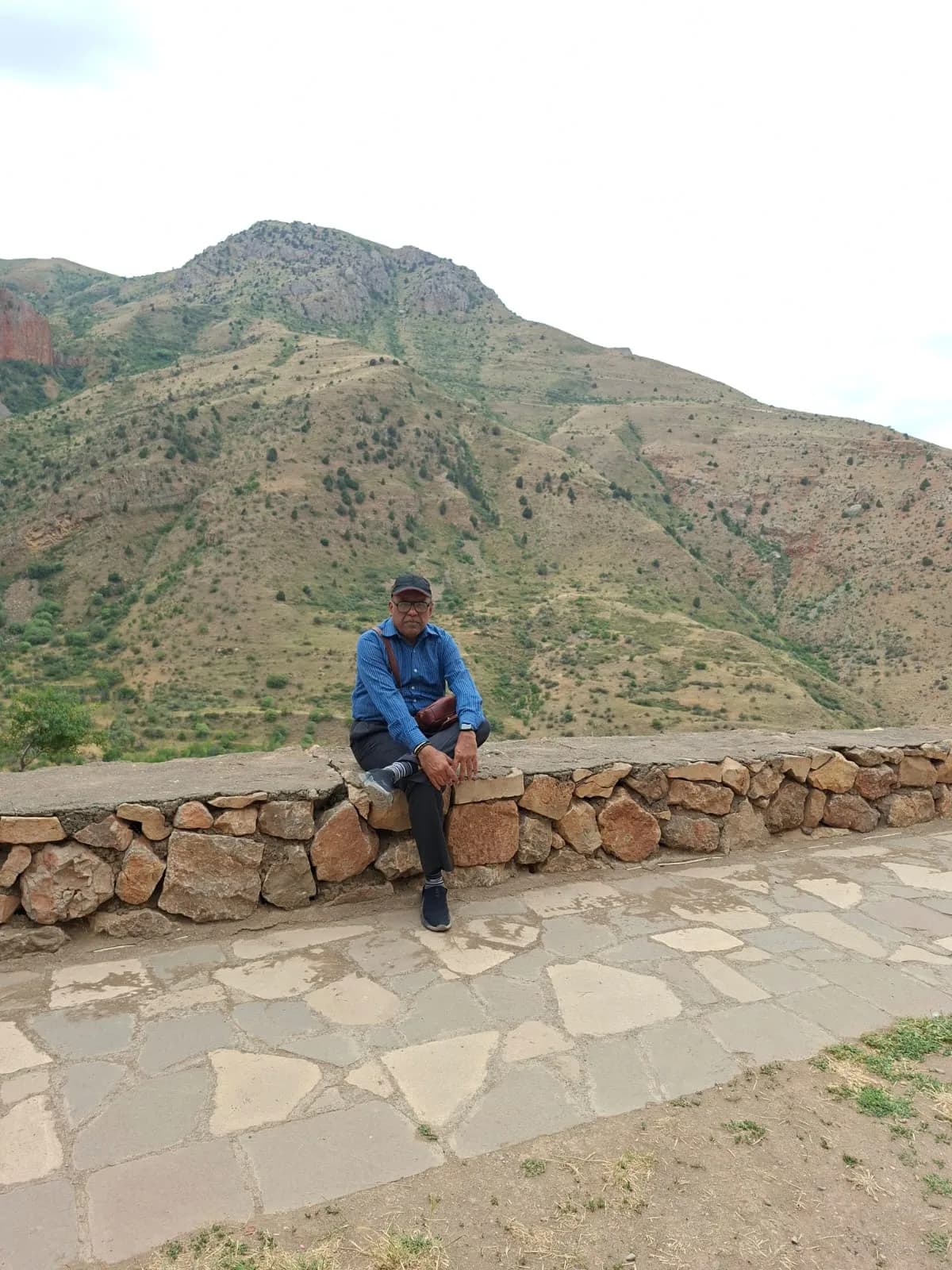
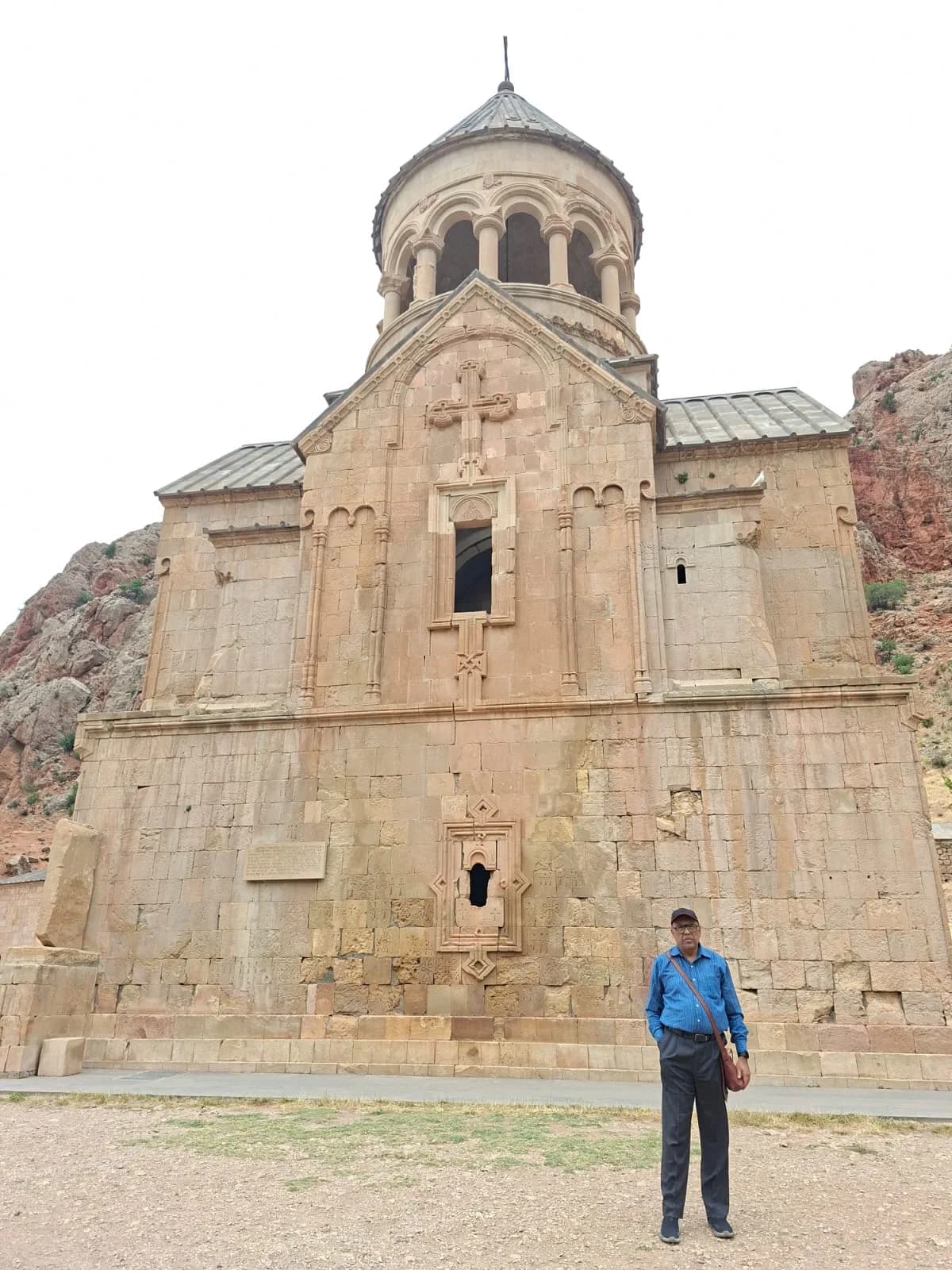
Noravank Monastery
A Sanctuary on the Silk Route
What impressed me most was imagining how this quiet monastery once welcomed merchants and caravans carrying silk, spices, precious goods, and ideas across the mountains. The monks and local rulers provided protection, shelter, medical care, and diplomatic support to travellers moving through the Vayots Dzor region, making the monastery an important sanctuary on these ancient trade routes.
Today, despite the silence surrounding it, Noravank still carries the atmosphere of a place deeply connected to centuries of movement, culture, and history along the Silk Route. Standing beneath the dramatic red cliffs, it was easy to imagine weary caravans arriving here after crossing the mountains, finding safety, hospitality and rest before continuing towards Persia, the Caucasus and beyond.
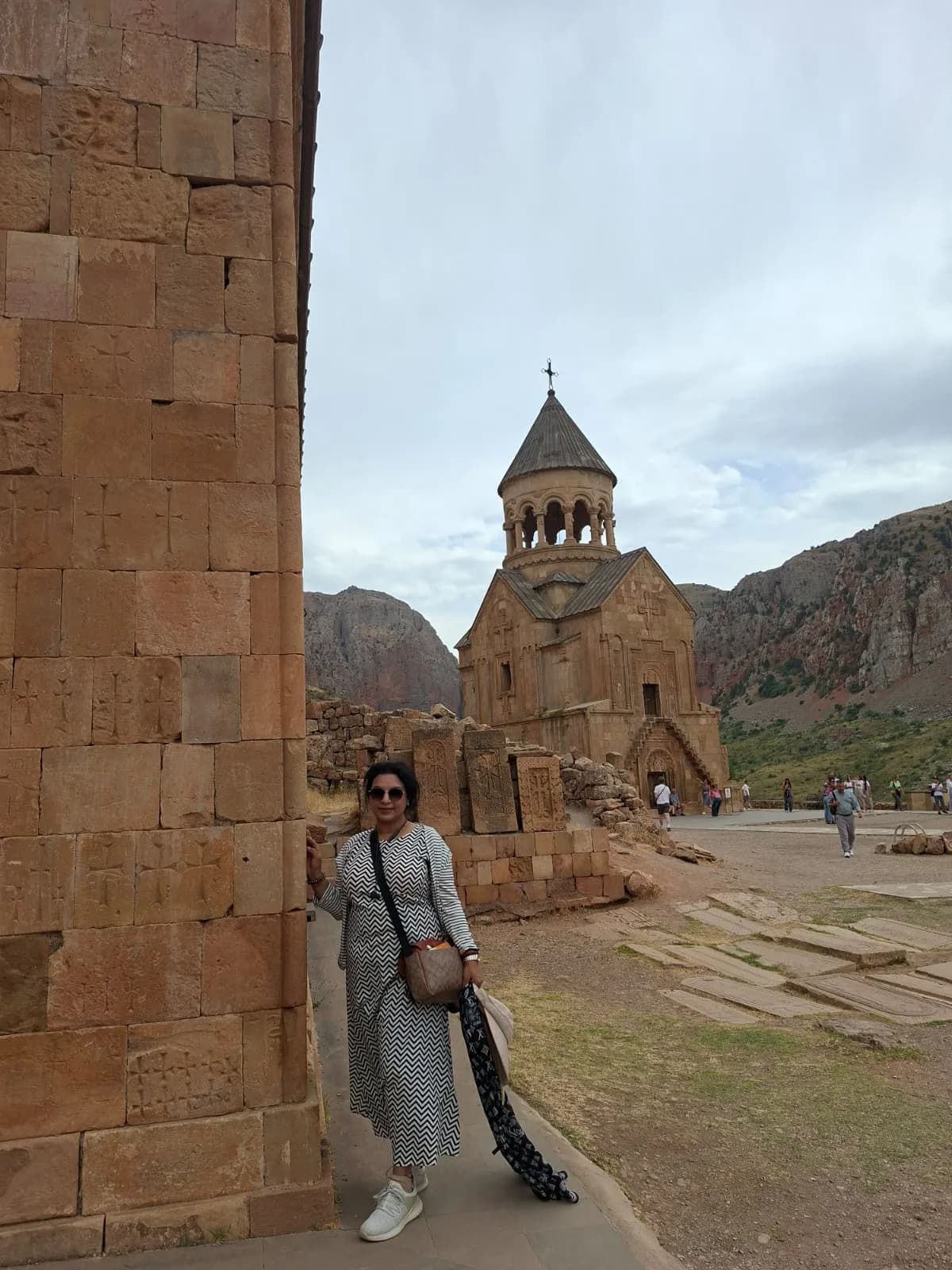
Taxing Caravans Helps Monastery Expansion
Silk Road Wealth Built a Masterpiece
The wealth generated from taxing and hosting international trade caravans directly funded Noravank Monastery's architectural golden age. Profits from the Silk Road enabled the powerful Orbelian family to commission the master architect Momik, whose remarkable designs transformed the monastery into one of medieval Armenia's greatest artistic achievements.
Safe trade corridors also turned Noravank into a vibrant centre of learning where manuscripts, artistic techniques, and cultural ideas travelled alongside merchants. These exchanges helped spread Armenian craftsmanship across Eurasia while enriching the monastery with knowledge from distant lands.
Valley of Wild Flowers
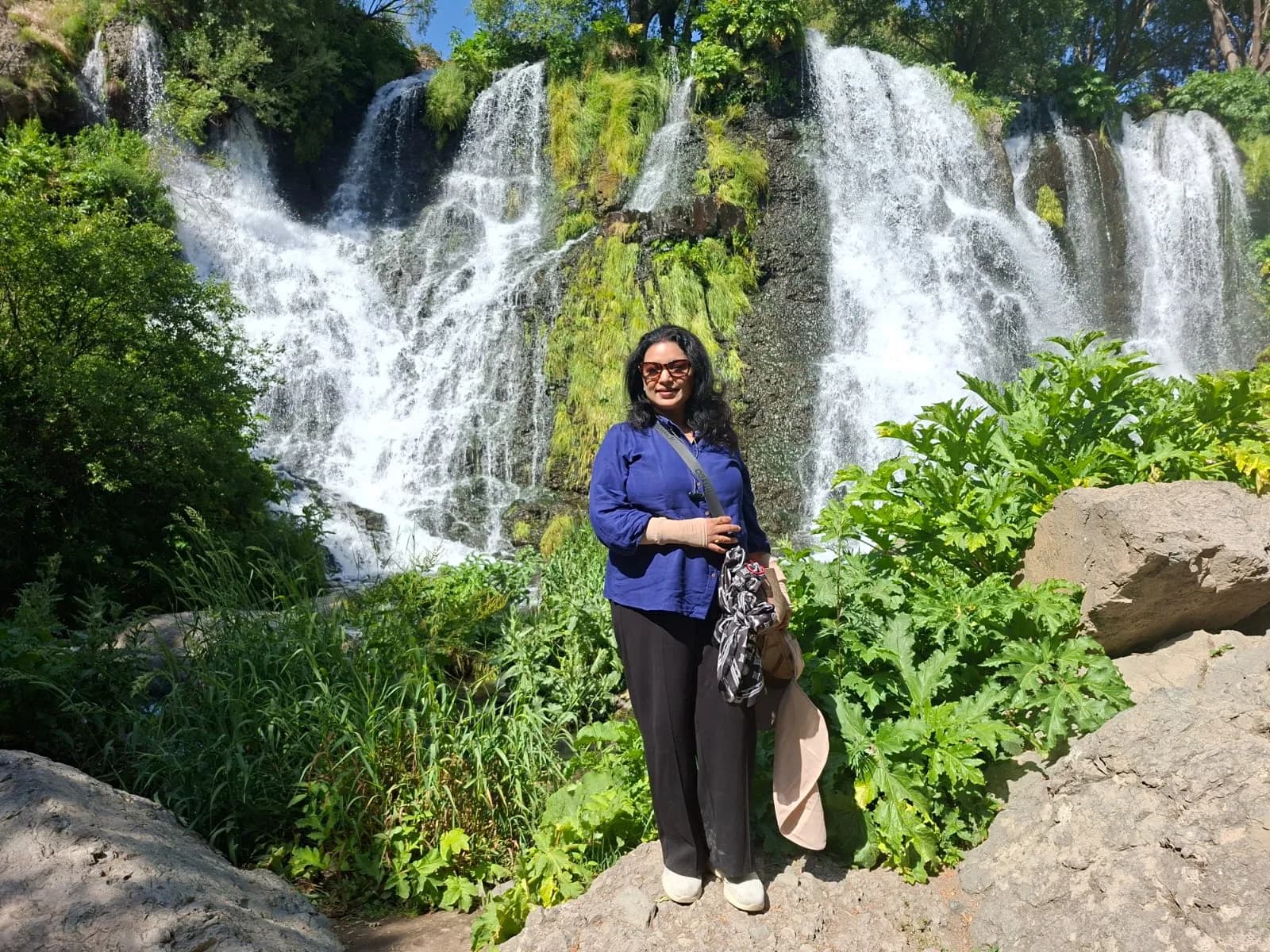
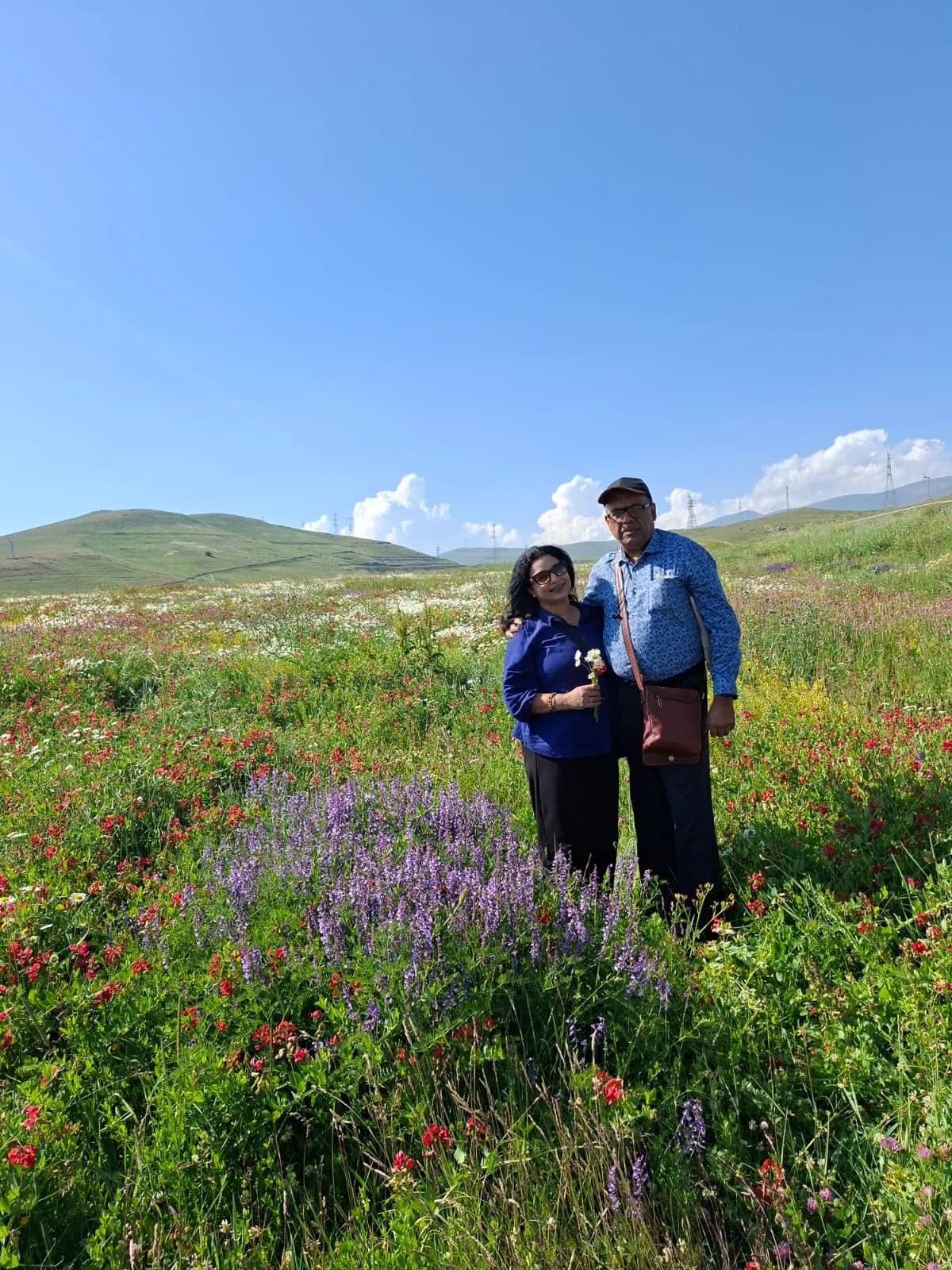
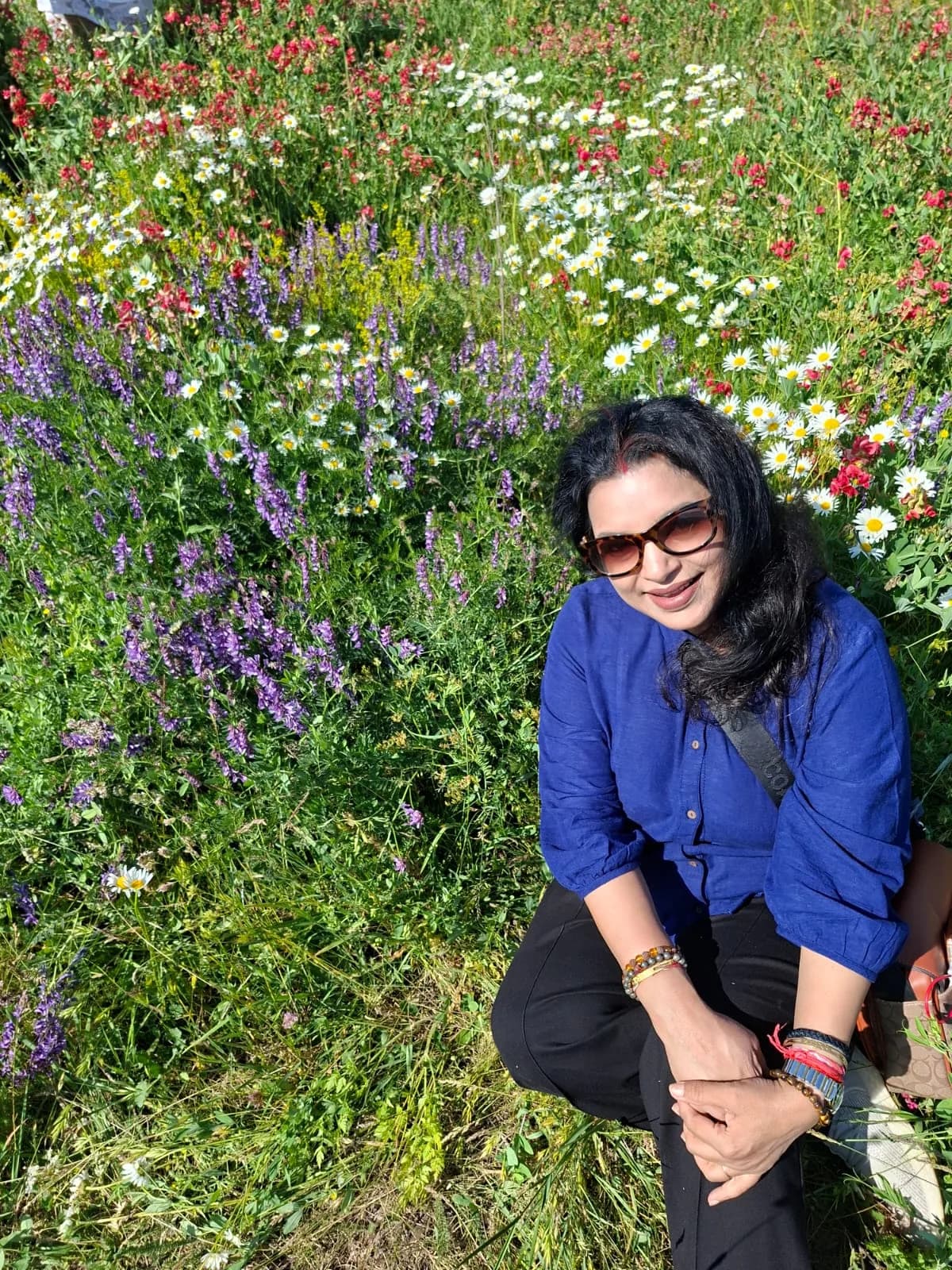
On the way to Noravank Monastery, we stopped at the beautiful Shaki Waterfall and were mesmerized by the hillsides covered in vibrant wild flowers. The landscape looked like a natural carpet of colourful blooms stretching across the valleys and mountains.
The experience reminded us of the breathtaking Valley of Flowers near Joshimath in the Indian Himalayas. The endless meadows of blossoms, fresh mountain air and peaceful scenery made it one of the most beautiful natural landscapes we experienced during our journey through Armenia.
Tatev Monastery
A Day Trip
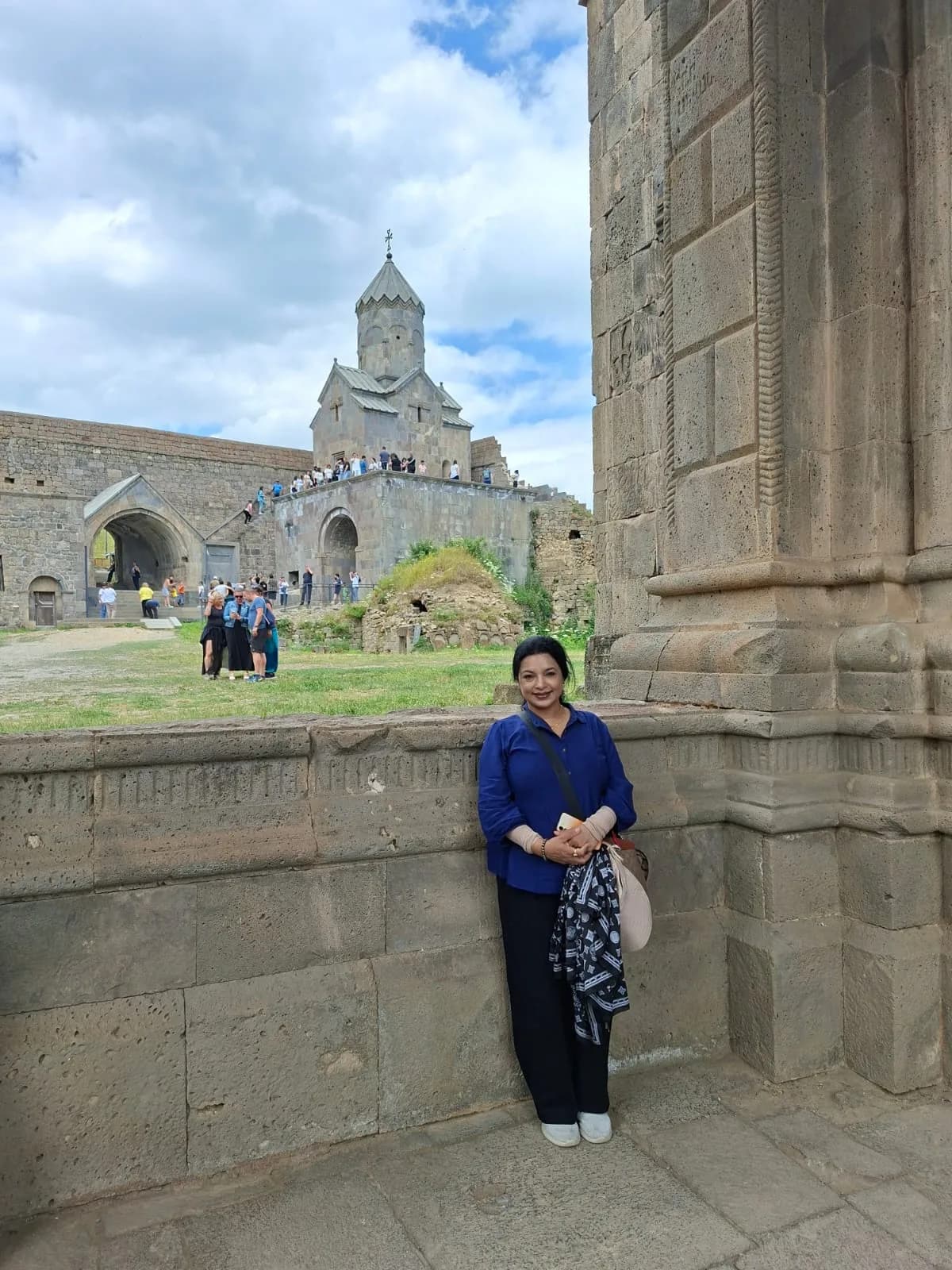
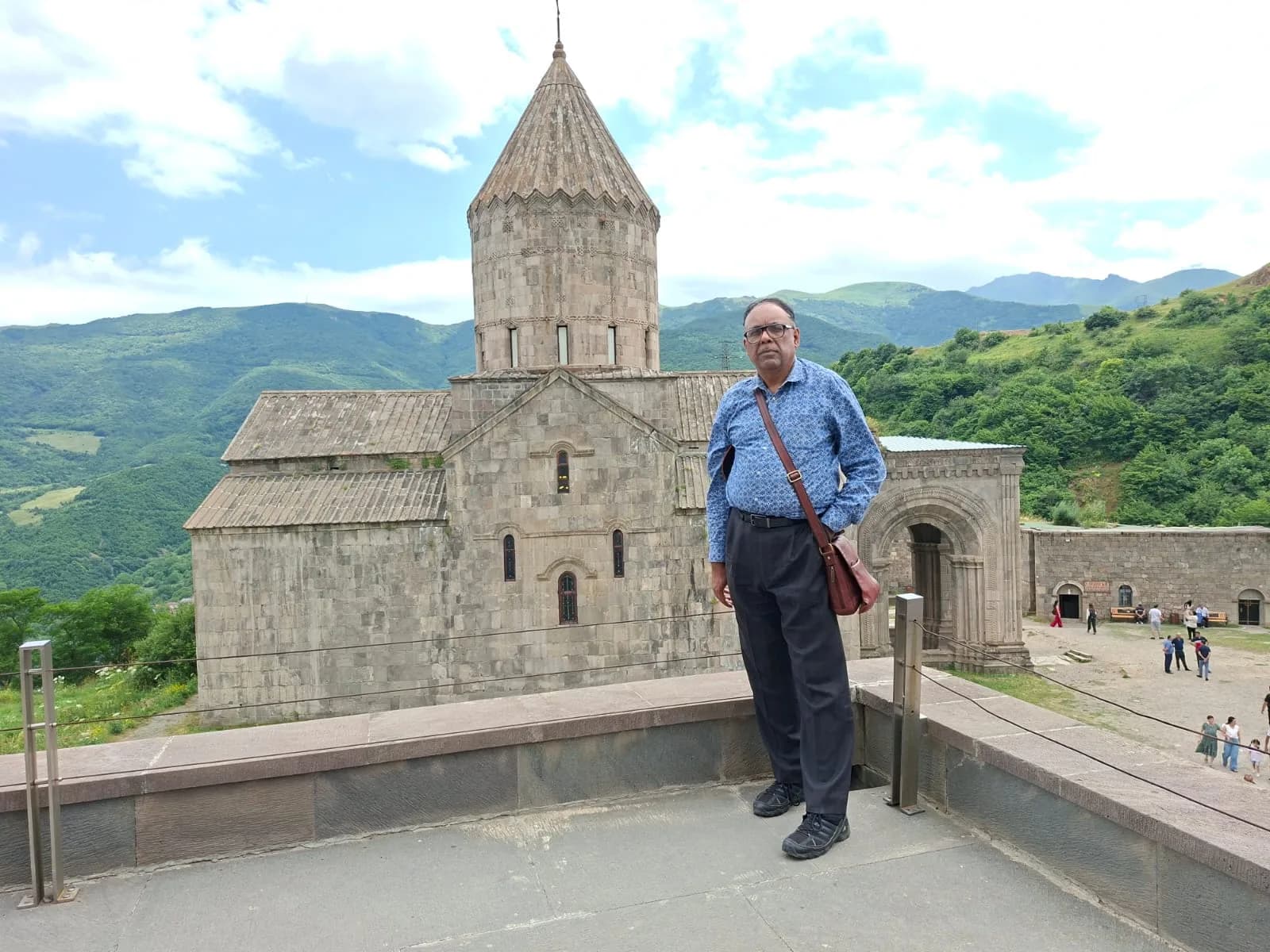
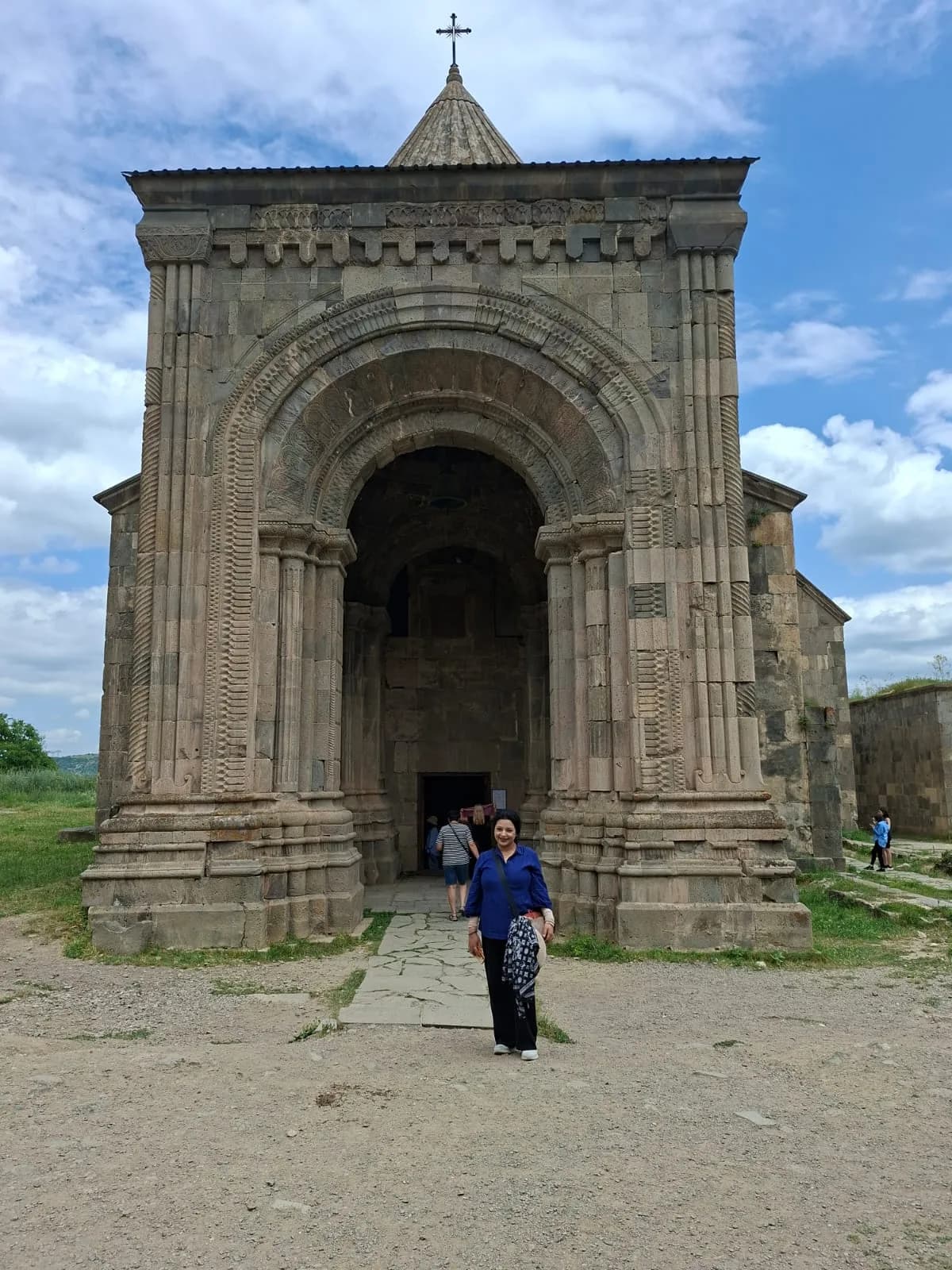
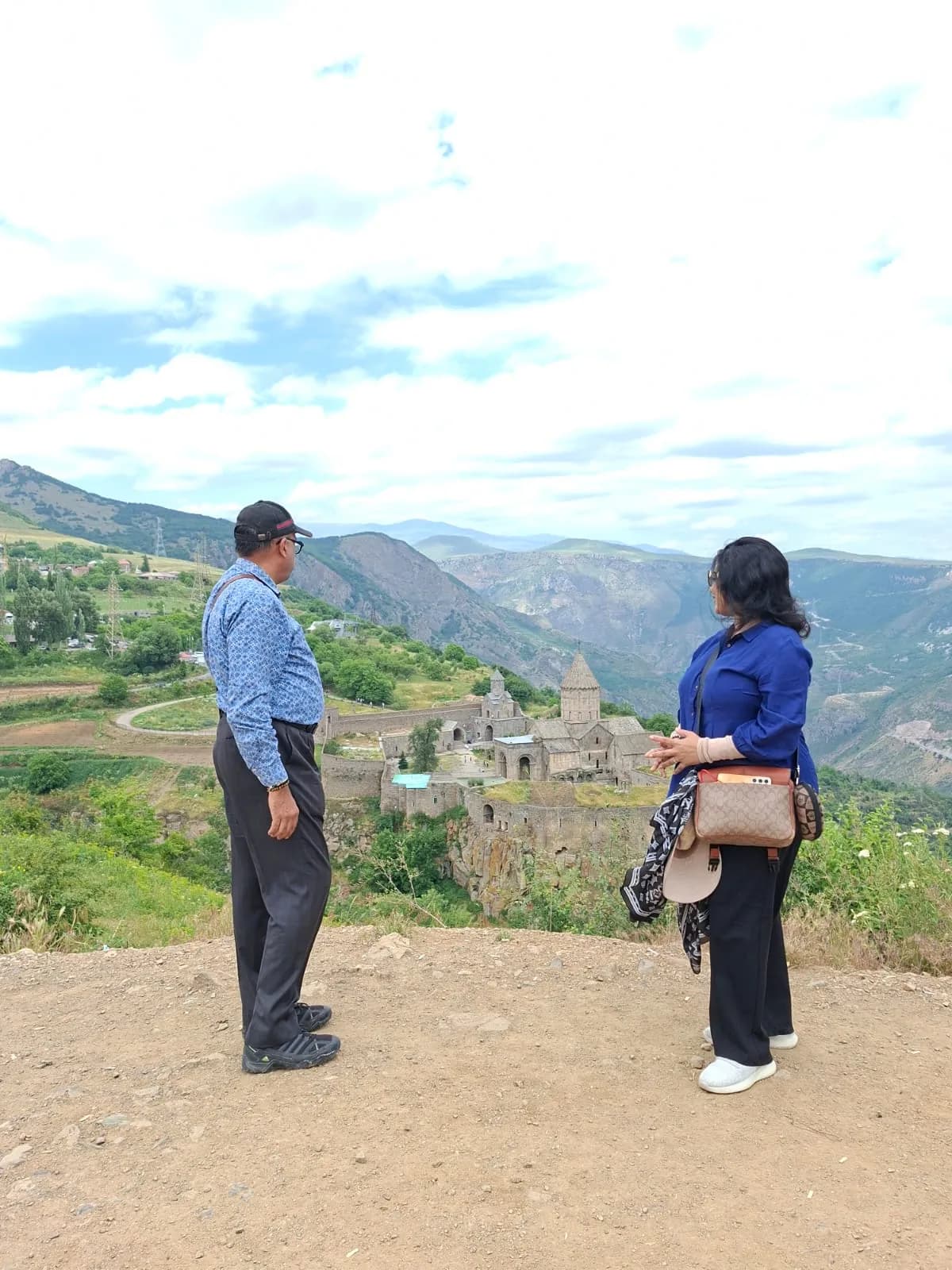
A day trip to Tatev Monastery was one of the highlights of our journey through Armenia, not only for its breathtaking setting but also for its deep historical and spiritual significance. Perched dramatically on the edge of a gorge in the mountains of Syunik, the monastery feels timeless and remote.
For centuries, merchants, pilgrims, scholars and travellers moved through these mountain corridors carrying silk, spices, manuscripts and ideas. Tatev Monastery became an important spiritual, educational and cultural centre offering refuge, learning and stability along the southern Silk Route.
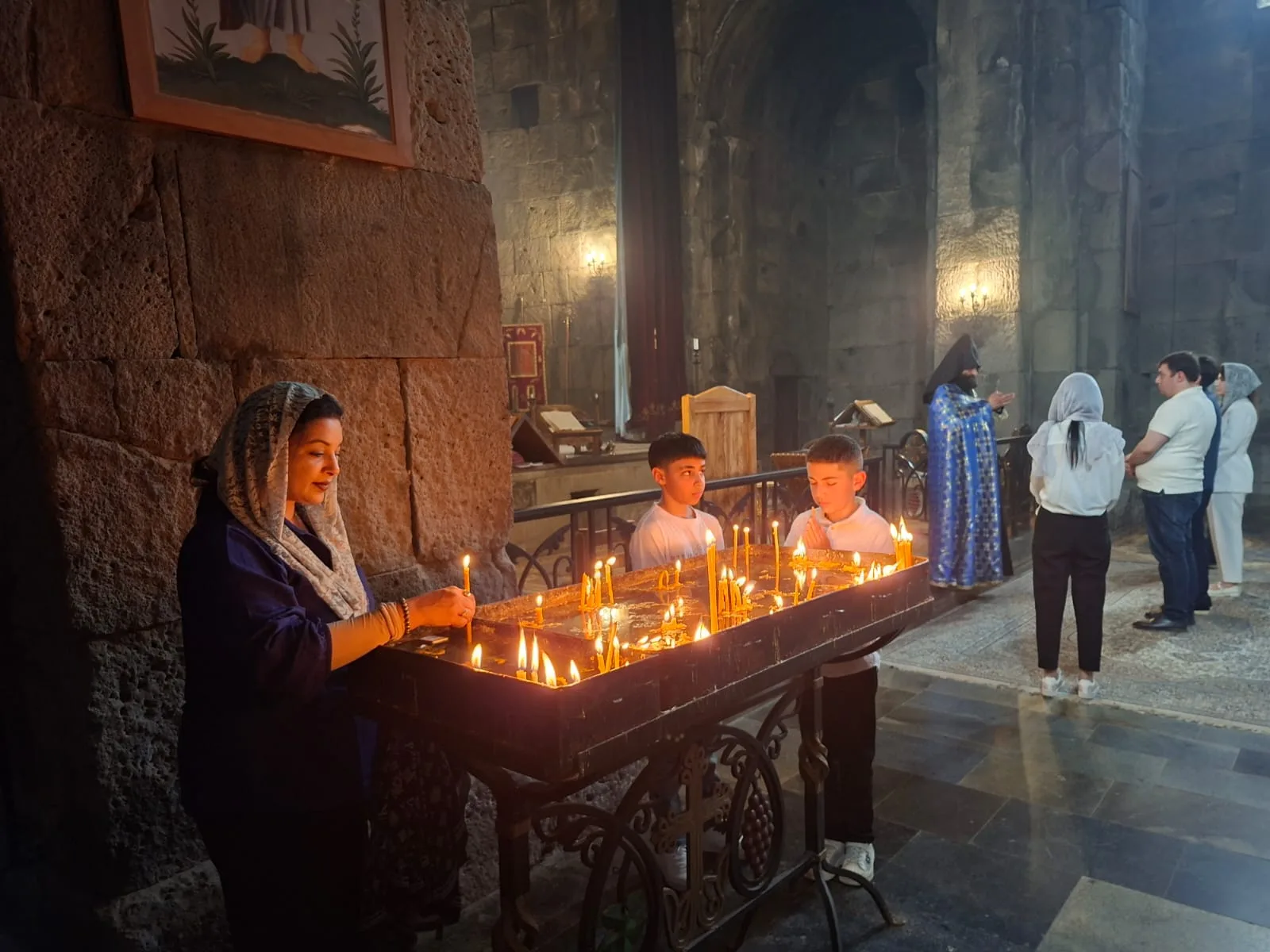
Tatev Monastery
A Piece of Armenian Soul
Personally, what moved me most was not just the beauty of the monastery and surrounding landscapes, but the living faith connected to it even today. We saw people arriving from different parts of Armenia to seek blessings, pray quietly, and maintain traditions that have continued for centuries.
The atmosphere felt deeply spiritual yet very natural, with history and devotion blending seamlessly into the mountain scenery. Visiting Tatev Monastery was far more than a sightseeing trip—it felt like experiencing an important piece of Armenia's soul and its enduring connection to the Silk Road world.
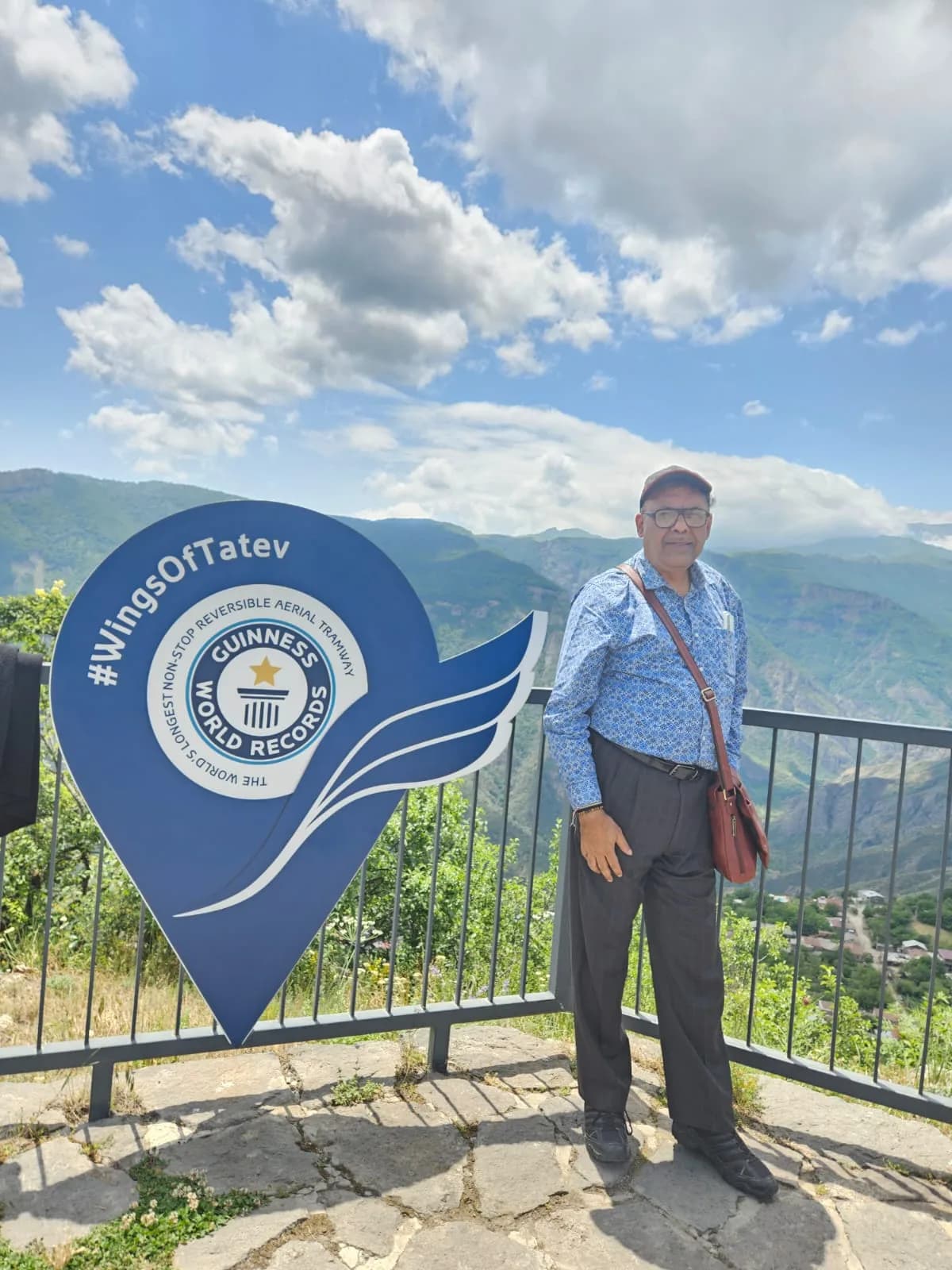
Longest Reversible Cable Car
Wings of Tatev
The ropeway journey to Tatev Monastery was, in my opinion, an absolute must-do experience on a day trip to southern Armenia. Gliding high above deep gorges, forests, and dramatic mountain landscapes, the ride offers breathtaking panoramic views and creates a real sense of adventure even before reaching the monastery itself.
Known as one of the world's longest reversible cable cars, the journey feels peaceful yet thrilling. The spectacular scenery combined with the anticipation of arriving at the historic monastery makes the entire experience unforgettable.
Armenian Vegetarian Lunch
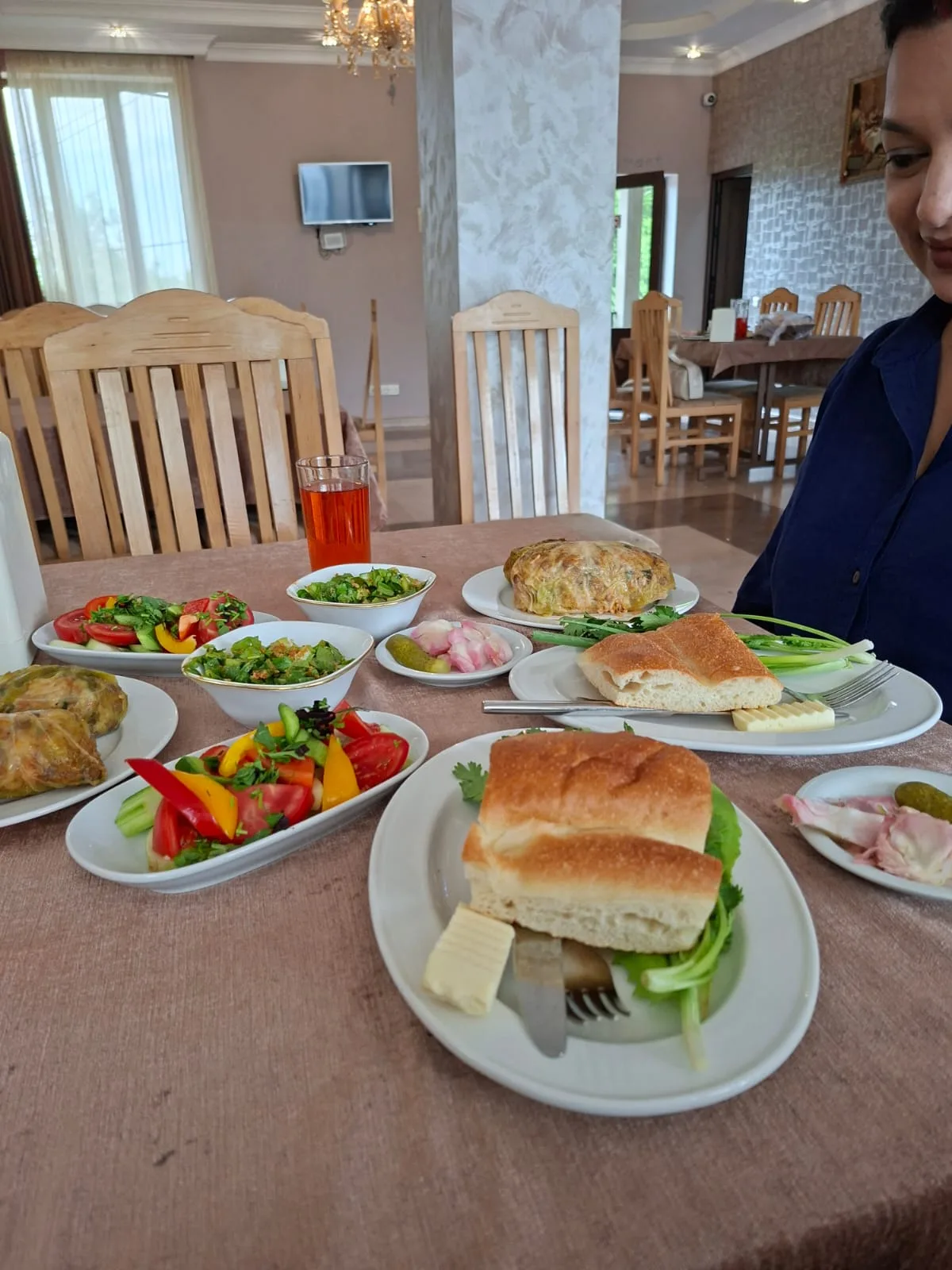
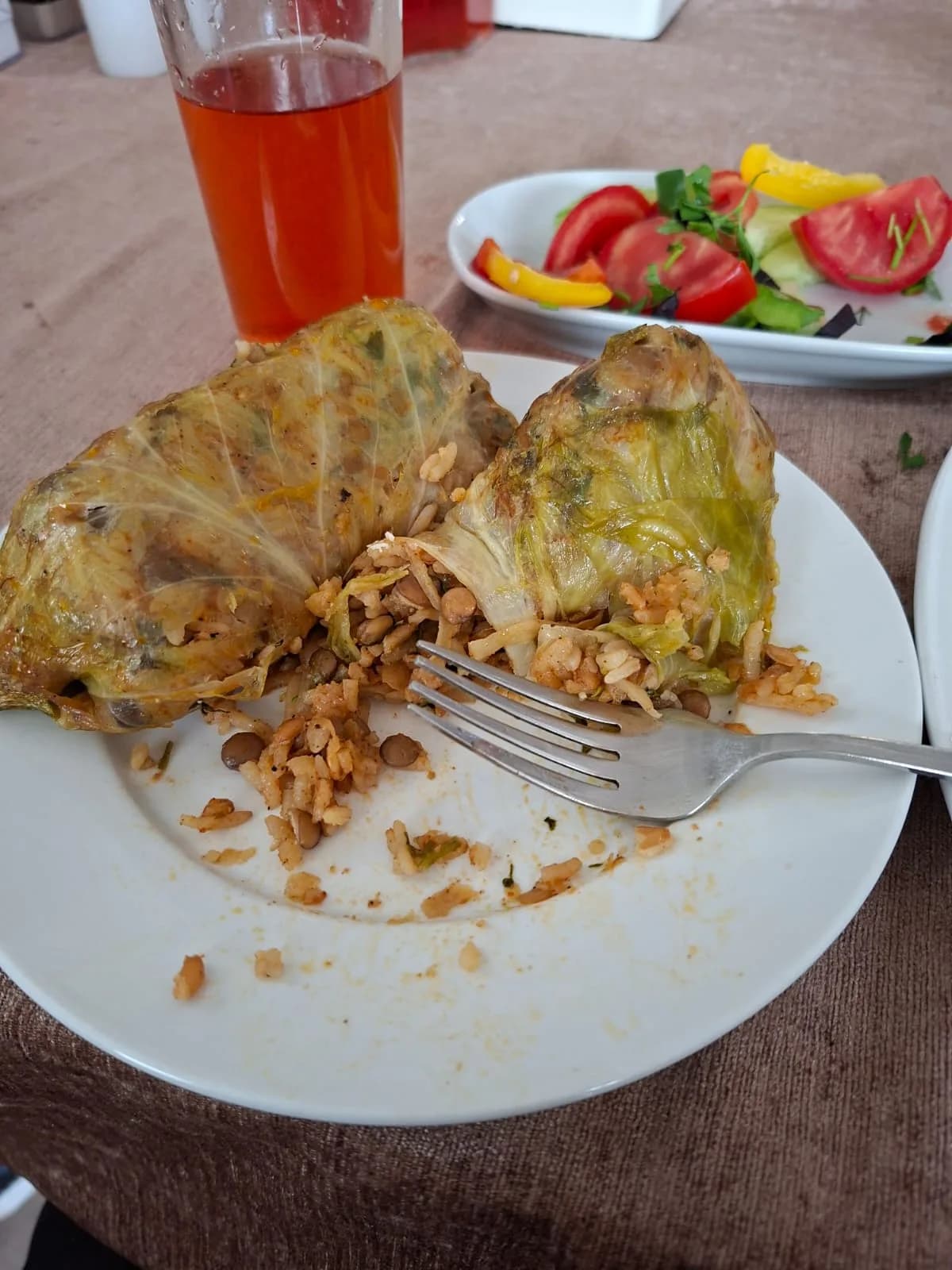
Traditional Tolma
On our way back after visiting the monastery, we enjoyed a traditional Armenian vegetarian lunch of Tolma (or Dolma) — delicately stuffed cabbage served with fresh salad, homemade bread, and seasonal vegetables.
The journey became even more memorable with a relaxing stop at a local winery, where we savoured a glass of fine Armenian red wine. It was the perfect ending to a day filled with history, breathtaking landscapes, and authentic Armenian hospitality.
Navigate the Caravan Route
Explore Other:
Get the complete Field Notebooks in your inbox
Subscribe to receive weekly updates detailing train logistics, border crossing forms, and historical accounts from our future travels.