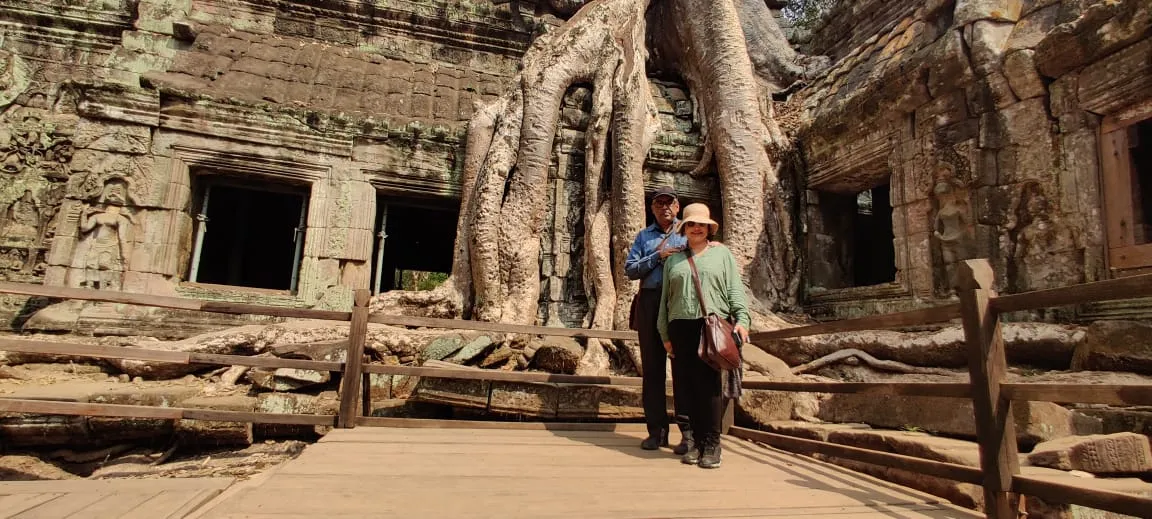
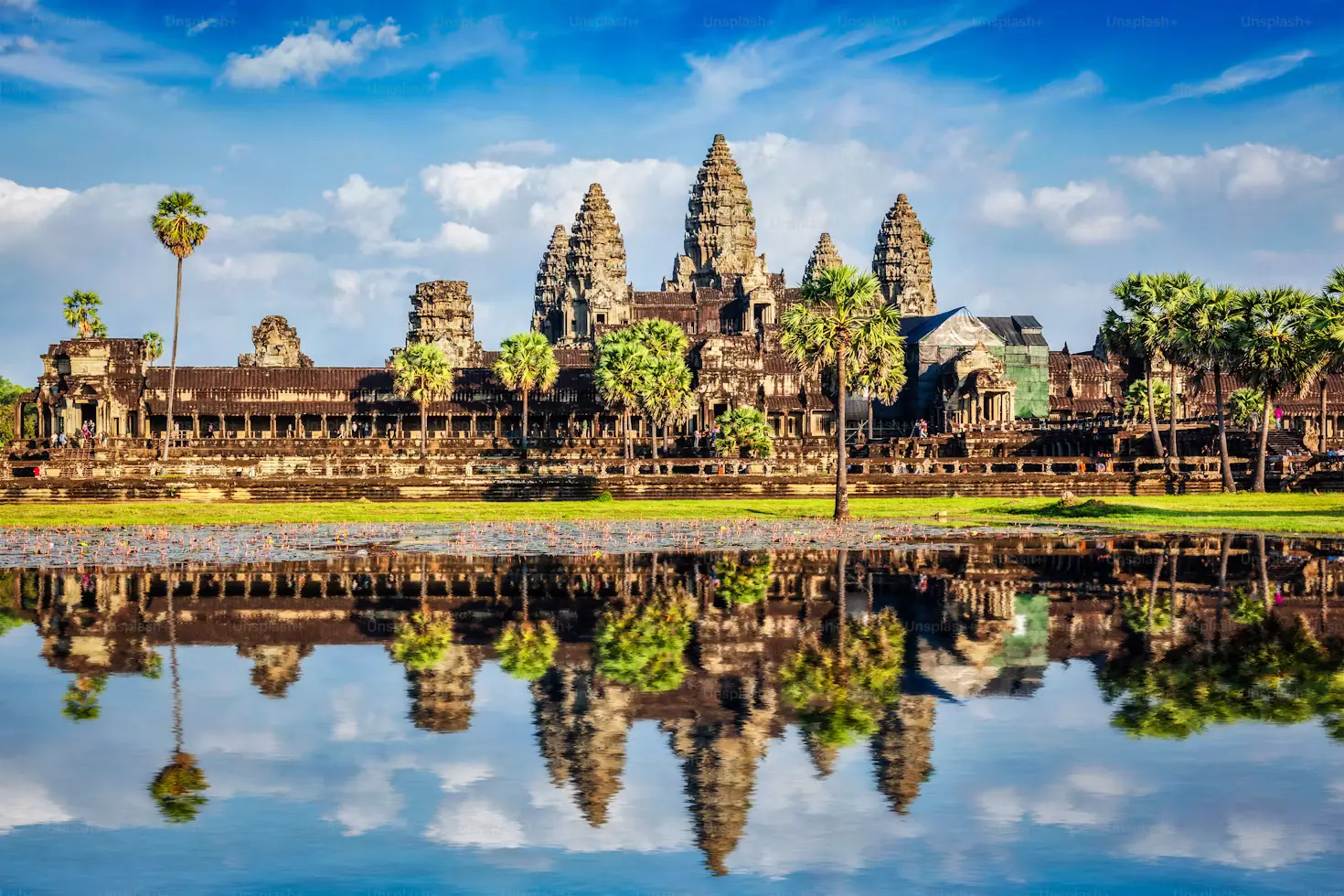
Stop 1
Cambodia
Angkor Wat
Explore Angkor Wat, the world’s largest religious complex, a timeless legacy of Hindu civilization in Siem Reap, Cambodia.
Where Indian epics and spiritual traditions bloomed into the greatest stone monuments on earth.
Centuries ago, traders, priests, and artisans traversed the Bay of Bengal, bringing with them the sacred texts, architectural blueprints, and spiritual wisdom of India.
In Cambodia, this synthesis of cultures birthed the Khmer Empire—a civilization that did not merely adopt Indian thought, but mastered it. Here, the great epics of the Ramayana and Mahabharata were carved into eternal stone, and the divine concepts of Hinduism and Buddhism shaped the very layout of cities and temples.
Explore Angkor Wat, the world’s largest religious complex, a timeless legacy of Hindu civilization in Siem Reap, Cambodia.
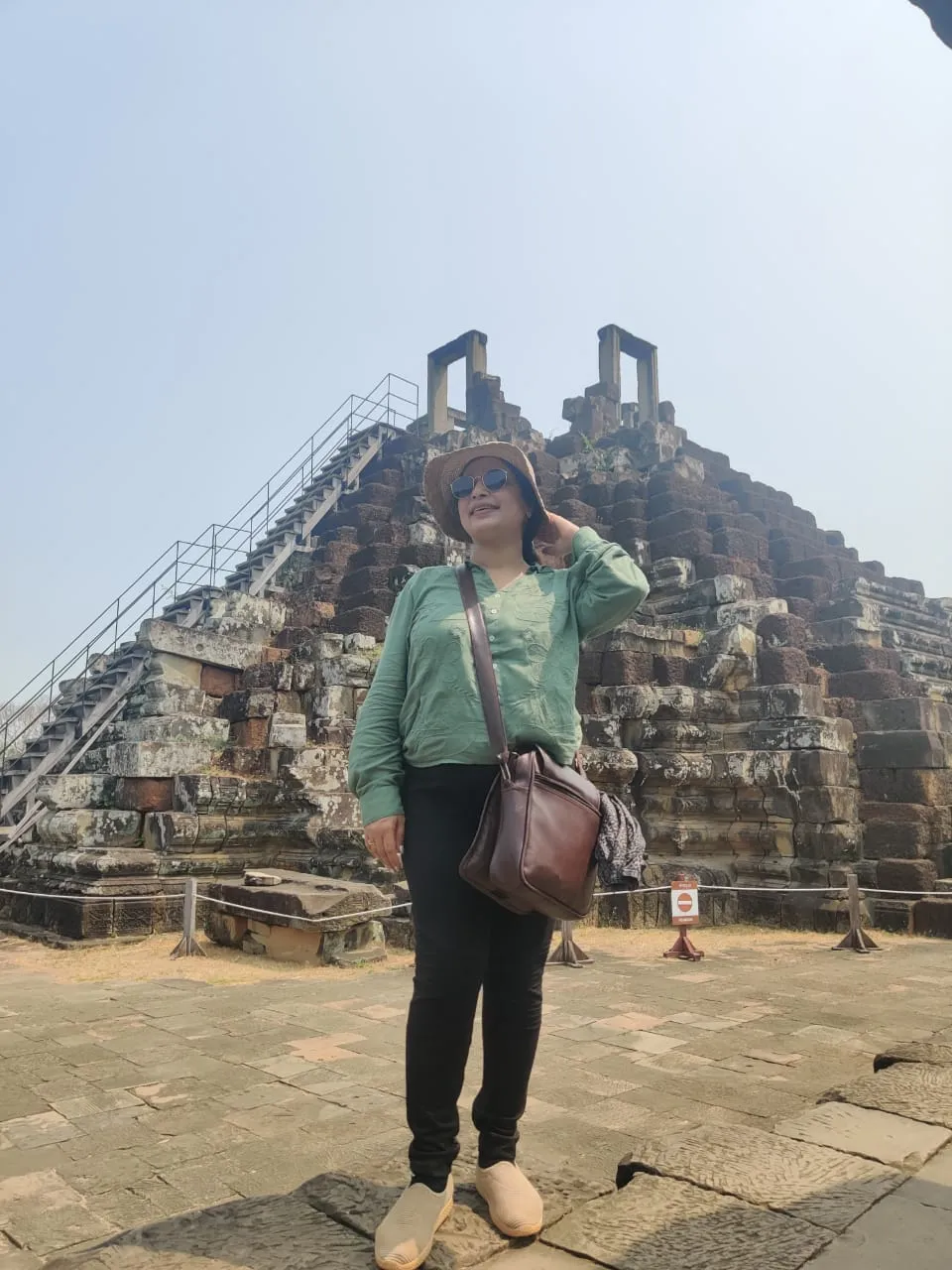
Visiting Baphuon near Siem Reap felt like stepping into the heart of the ancient Khmer Empire. A grand Hindu temple dedicated to Shiva.
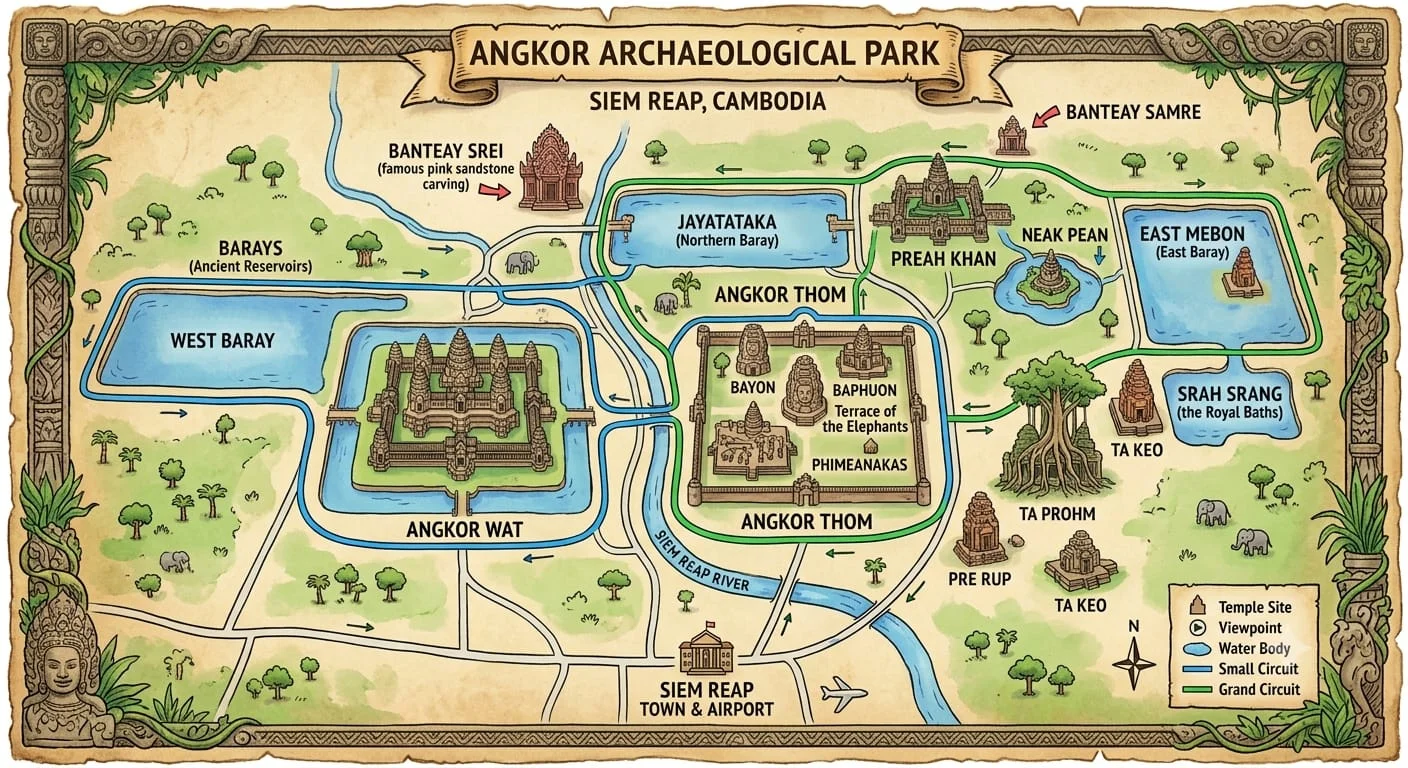
Exploring Angkor Archaeological Park and the River of a Thousand Lingas. A journey through the deep influence of Indian civilization.
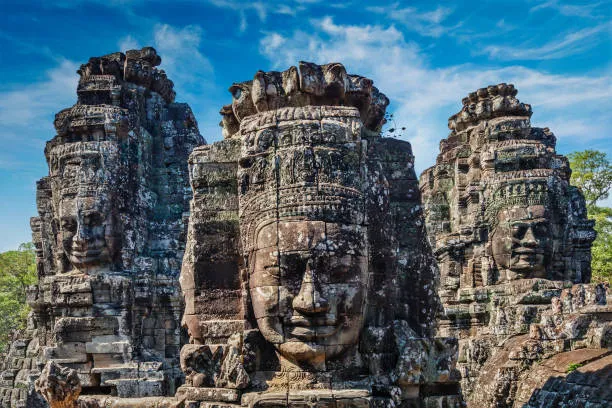
At the heart of Angkor Thom stands the extraordinary Bayon Temple, a masterpiece of Khmer architecture covered with serene stone faces.
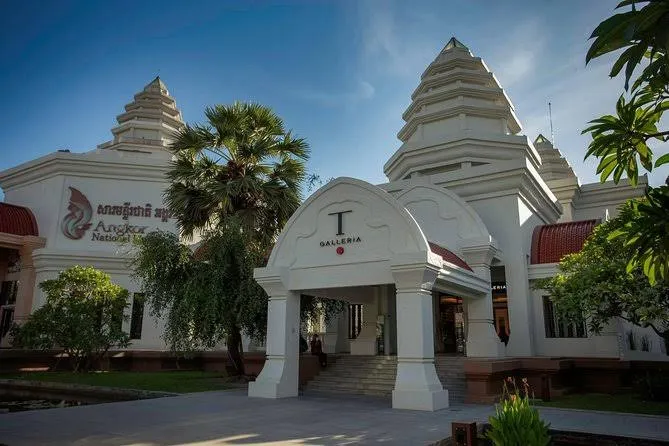
National Museum of Cambodia is the most important museum in Cambodia and one of the finest places to understand the art, history, and civilization of the Khmer Empire.
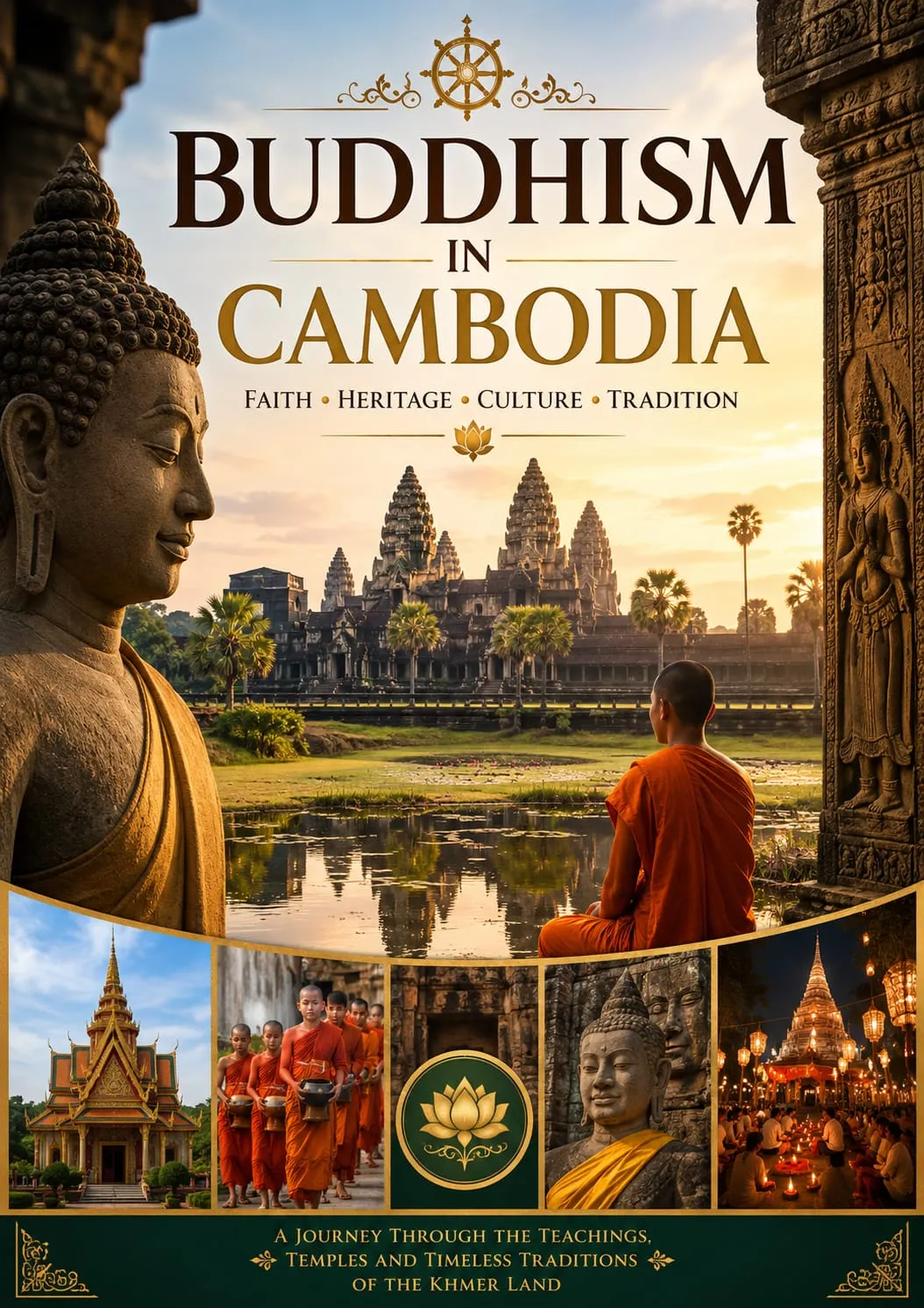
Cambodia's connection with India was built not through conquest but through centuries of peaceful cultural exchange.
From the 1st century AD through Funan, Chenla, and the Khmer Empire, Cambodia adopted Sanskrit, Hindu deities (Shiva, Vishnu), Buddhist philosophy, Dharmashastra legal codes, and Indian epics like the Ramayana.
The Reamker is the Cambodian national epic adapted from Valmiki's Ramayana, celebrated through classical Khmer Royal Ballet dance, shadow puppetry (Sbek Thom), and palace frescoes.
Key cultural hubs include Siem Reap (Angkor Wat, Angkor Thom, Banteay Srei), Phnom Penh (Royal Palace, National Museum, Silver Pagoda), Battambang (colonial heritage), and Sambor Prei Kuk.
Housed in a traditional terracotta Khmer pavilion, the museum holds the world's greatest collection of Khmer sculptures, including the 6th-century bronze Vishnu of West Mebon and pre-Angkorian statues.
Sambor Prei Kuk was Ishanapura, the 7th-century capital of the Chenla Empire; its circular and octagonal brick temples set in quiet forests predate Angkor by several centuries.
US Dollars and Cambodian Riel (KHR) are used interchangeably; crisp, unmarked US dollar notes are widely accepted, while local Riel is given as change for amounts under $1.
Domestic flights connect Phnom Penh and Siem Reap in 45 minutes; private air-conditioned cars or modern express minivans offer comfortable travel between provincial towns.
Khmer food is fragrant, mild, and herb-rich: sample Fish Amok (steamed fish curry in banana leaf), Nom Banh Chok (rice noodle soup with green curry), and Kampot pepper beef.
Most nationalities can easily obtain a 30-day tourist eVisa online prior to travel or obtain a Visa on Arrival at international airports in Phnom Penh and Siem Reap.
November through February offers cool, dry weather with daytime temperatures around 26°C to 30°C, ideal for open-air temple explorations and river cruises.